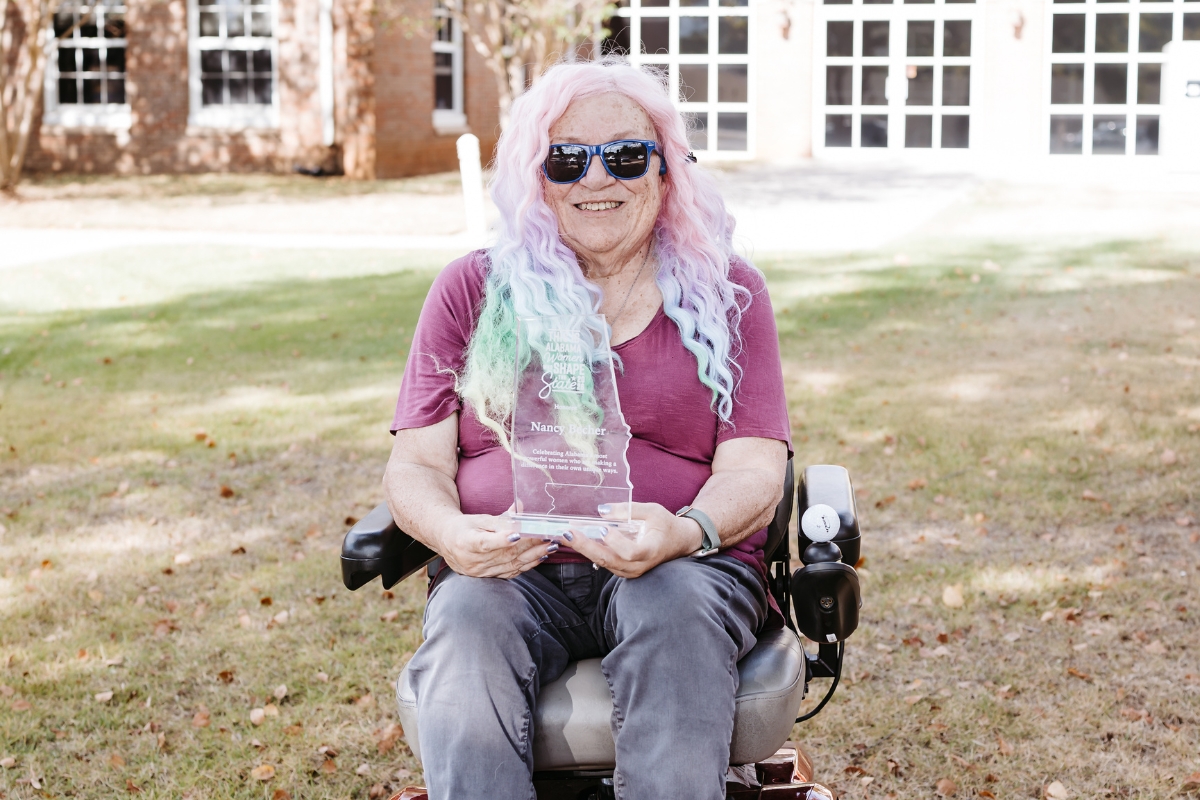
Nancy Becher stared at the ceiling. An automobile accident had left her unable to bear weight on her legs for 18 months. She felt isolated, forgotten, and invisible. Life became unbearable.
“That experience gave me a lot of patience for the long road. Recovery isn’t linear. Healing isn’t a checklist. I came out of that season knowing that what people need most isn’t advice or a program; it’s someone sitting next to them saying, ‘I see you, and I’m not going anywhere.’”
One day, when Becher was at her lowest, a voice said, “You’re not dying. Get up and support other women.”
For Becher, this was a divine calling.
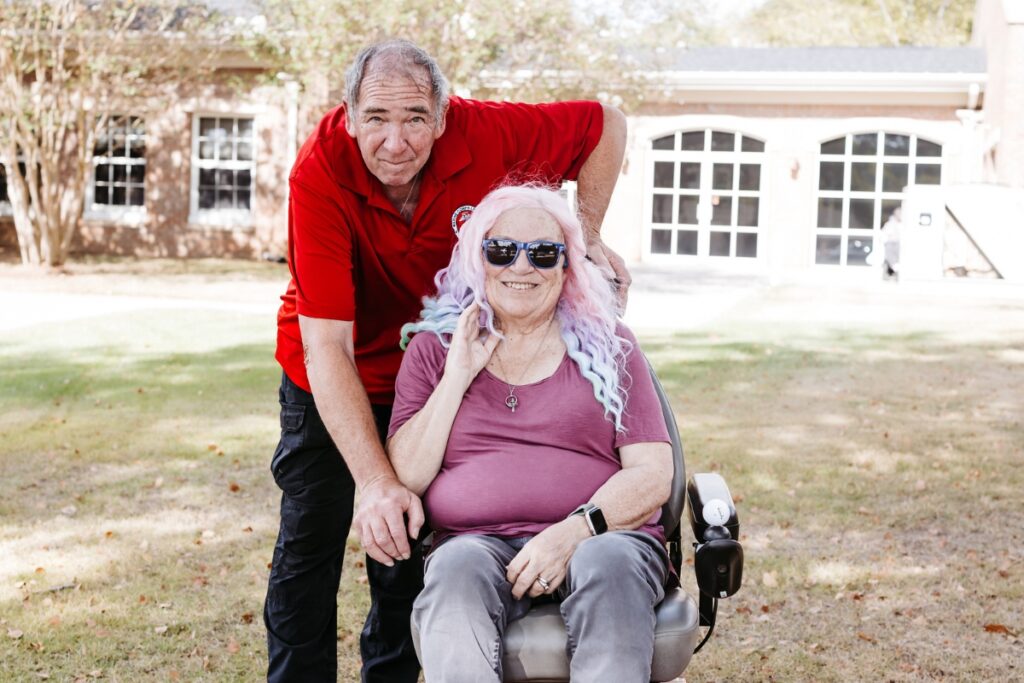
“I took that seriously. It was straight from God, and I wasn’t going to argue. I started asking, ‘Who are the women nobody is taking seriously?’ My husband, Ed, is a retired Marine. We have always spent our time with veterans and first responders. I kept seeing women in those circles carrying enormous challenges that others around them brushed off, the same way people had brushed off my invisible disability. Nobody could see it, so nobody treated it as real. That was it. That was my moment. I knew what it felt like to be dismissed. I could see it happening to these women every single day. I had no excuse not to do something about it.”
Once Becher saw the need, she couldn’t unsee it.
“I kept encountering women who had served in the military, in law enforcement, or in the fire department. They all had the same look. Not broken — disconnected. They had no community that understood what they’d been through. These women were working in institutions built by men — for men — where showing vulnerability could cost everything. I built Invisible Warriors around that. We started with veterans, that’s our primary focus, but we knew early on the door needed to be wide enough for all of them.”
Becher says the biggest misconception is that these women need to be rescued.
“They don’t,” she said. “They need to be seen. They showed up, performed, served alongside their brothers, and a lot of them came home to a world that had no idea what to do with them. The civilian world doesn’t understand military culture. And the military world, for a long time, pretended women weren’t really there. First responder culture has its own version of the same problem. So, they became invisible in two places at once.”
Becher created Invisible Warriors to fill this void.
“These women aren’t broken. They’re isolated. When a woman walks into a room full of women who get it — who don’t need a backstory, who already understand the sacrifice — something shifts. That’s not therapy. That’s sisterhood. And it’s more powerful than most realize.”
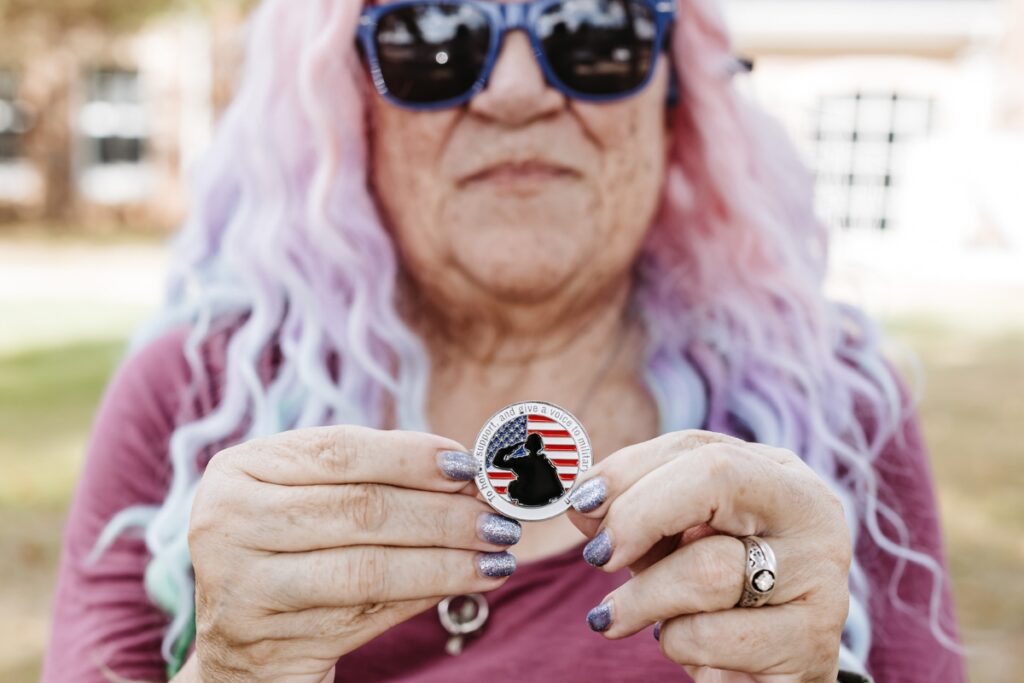
President Truman signed the Women’s Armed Forces Integration Act, which formally recognized women as permanent members of the United States military on June 12, 1948, but according to Becher, only 20 states acknowledge this date — and Alabama wasn’t one of them.
“I thought it was shameful,” Becher said. “Alabama has nearly 100,000 women veterans. That’s not a small number. That’s a community of people who served this country and were being quietly passed over again. I went to Gov. Kay Ivey’s office and made the case. She issued a proclamation recognizing June 12 as Women Veterans Recognition Day going forward. It was one of those moments where sometimes the answer is just showing up. Nobody was against it. Someone just needed to ask.”
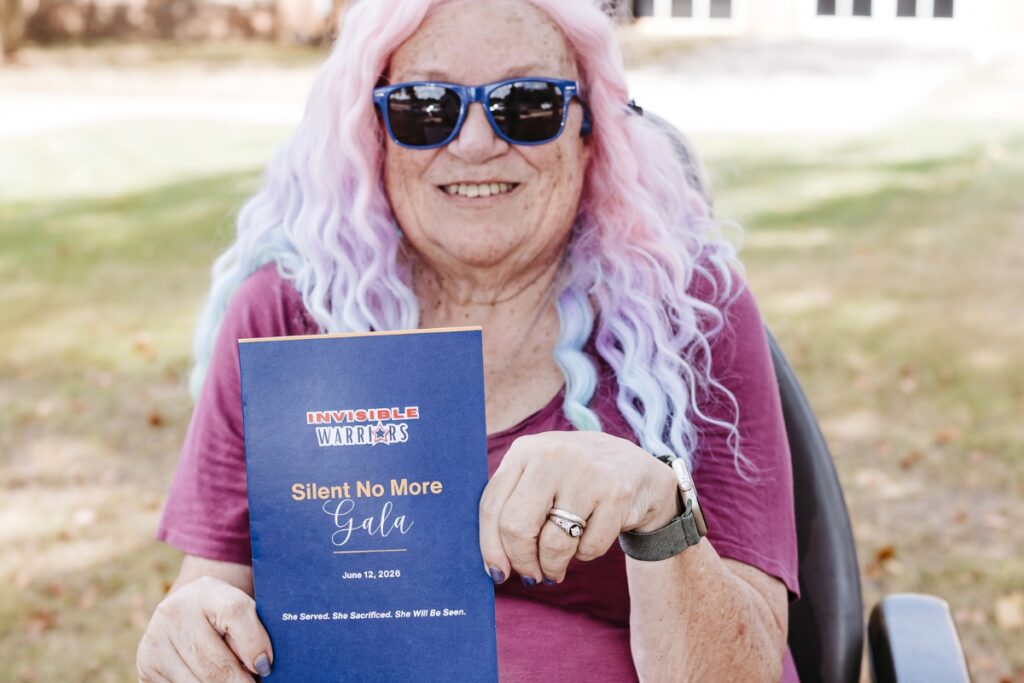
To further commemorate the date, Invisible Warriors hosts a fundraising gala called “Silent No More.”
Becher said, “It’s the night we say out loud what too many people have left unsaid: these women served, they sacrificed, and they will not be invisible anymore. One of my favorite parts is the women we invite from Floyd E. ‘Tut’ Fann State Veterans Home. They sing their branch anthems and tell their stories. They collaborate with each other. This reminds me exactly why we do this. These women gave everything. They deserve a room full of people standing for them.”
Funds from the gala go directly toward retreats, community events, and building a permanent location for the Huntsville Military Women’s Community Center.
“For a year, women had a place to go. A consistent, safe space where they knew someone would be. And then it was taken away. We’re holding meetings wherever the community generously offers space. I’m running operations out of my home. It works because these women are resilient, but it’s not the same. Not even close.”
Finding a permanent place isn’t a someday goal; it’s an urgent calling like the one Becher felt deep within her soul.
“God gave me a mission, and it’s one that truly matters. It’s not about me. It’s about the women who have stood up, taken an oath to serve this country no matter what, and come home, often to silence. Women serve, too, and it’s time we recognize them and thank them — from the heart, not the mouth.” GN
For more information, go to InvisibleWarriors.org or find them on Facebook.