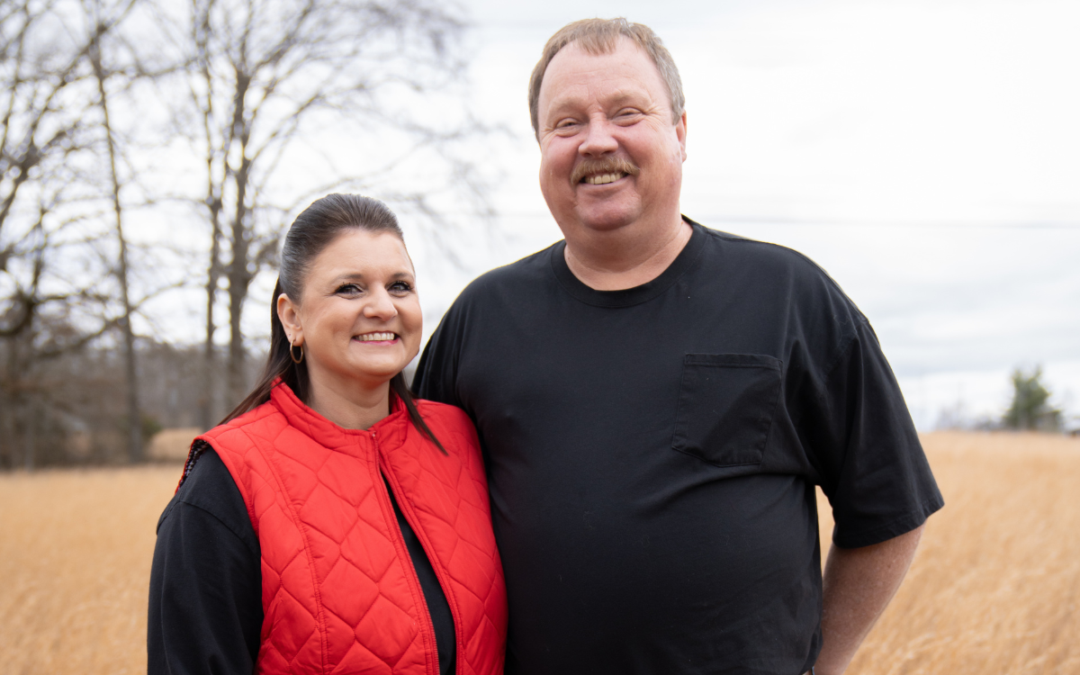
CERTAIN CALLINGS develop slowly, unfolding through seasons of steady obedience. Others present themselves with undeniable force, a conviction that settles on the heart with clarity and weight. For this pastoral family, their call to international missions was born in such a defining moment.
At the time, Don Pierson and his wife, Trish, were serving faithfully as church planters, and Don was leading as head pastor at First Baptist Church in Linden. Their roots in the community ran deep, their affection for the congregation sincere, and their children — only 10 and 12 — were still in the tender years of childhood. Yet, during a commission service for international missionaries, something unexpected shifted. A holy restlessness settled over them, a burden they could neither ignore nor fully articulate.
“We truly loved the people of Linden,” Don recalled. “But the burden toward international missions kept growing.”
Soon, the family found themselves prayerfully asking a question larger than their own comfort: Where are we being sent? After months of seeking discernment, their hearts aligned. They believed God was leading them to Belize.

Upon settling into their new life in Belize, they quickly recognized that the call to missions was, in truth, a family calling. “In the beginning, it was our family’s collective commitment to making the gospel known,” Don explained. “It was a shared calling, one we accepted and carried together.”
The challenges were real and often stretching. Becoming multilingual and learning to navigate a multicultural world demanded humility, patience, and perseverance from each member of the family.
There were also unexpected gifts, blessings born from the simplicity of their new context. Life in Belize moved gently, with a slower cadence and quieter pace. Days felt less cluttered, conversations unfolded more naturally, and relationships deepened without urgency.
“Life wasn’t rushed,” Don said. “Everything took longer, but that slower pace proved to be a blessing, granting us more meaningful time together and with the Belizean community.”
Perhaps the most lasting effect was the shift in their worldview, an enriched appreciation for people and culture, and a renewed awareness of the grace found in moving slowly enough to witness God’s presence in the ordinary moments.
When the family eventually returned to the United States, the adjustment was jarring. “Life is so fast, so complicated, and so full of ‘stuff’ here,” Don explained. Almost immediately, they felt themselves pulled in different directions — schedules filling, commitments multiplying, margins shrinking.

Don offered a memory that illustrates the disparity with remarkable clarity. In their region of Belize, all schools were operated by the church, and students wore uniform attire designed to obscure economic differences. Without school buses, children returned home on foot each day for lunch.
“It was like a daily family reunion,” he noted. “Those shared, midday moments became profoundly significant to us.”
That simple rhythm instilled in them a deep reverence for time together, something that shaped his approach to ministry upon returning home.
“As a minister, I did not want the church making serving Christ more complicated than it is,” he said. It was a perspective forged not in classrooms, but in the quiet, sacred spaces of shared meals and unhurried afternoons.
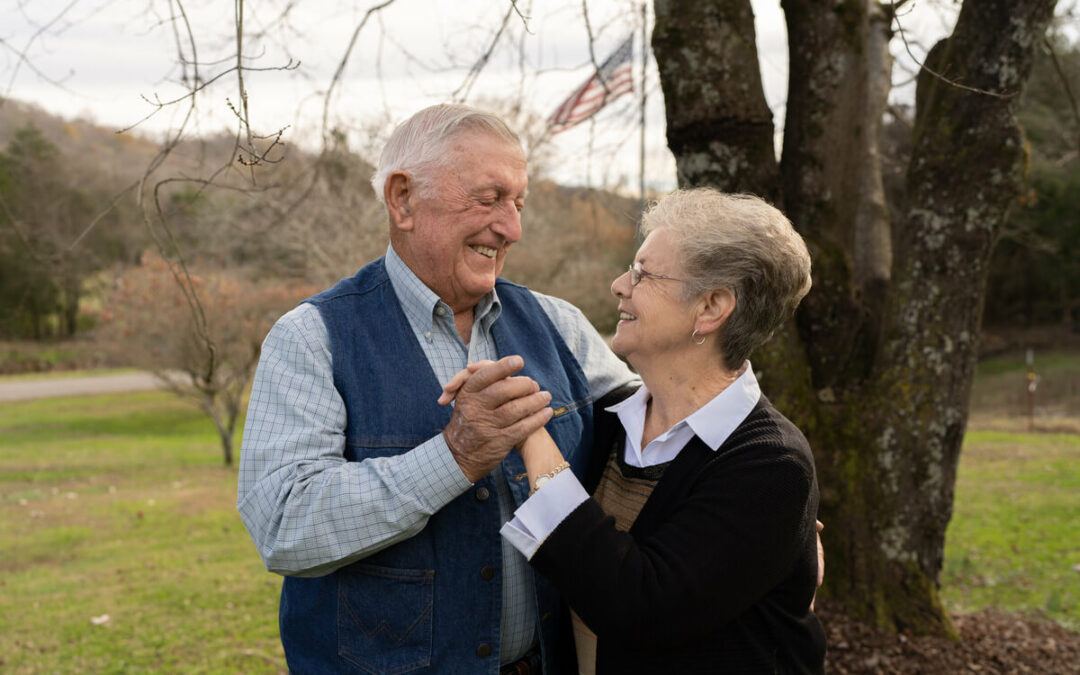
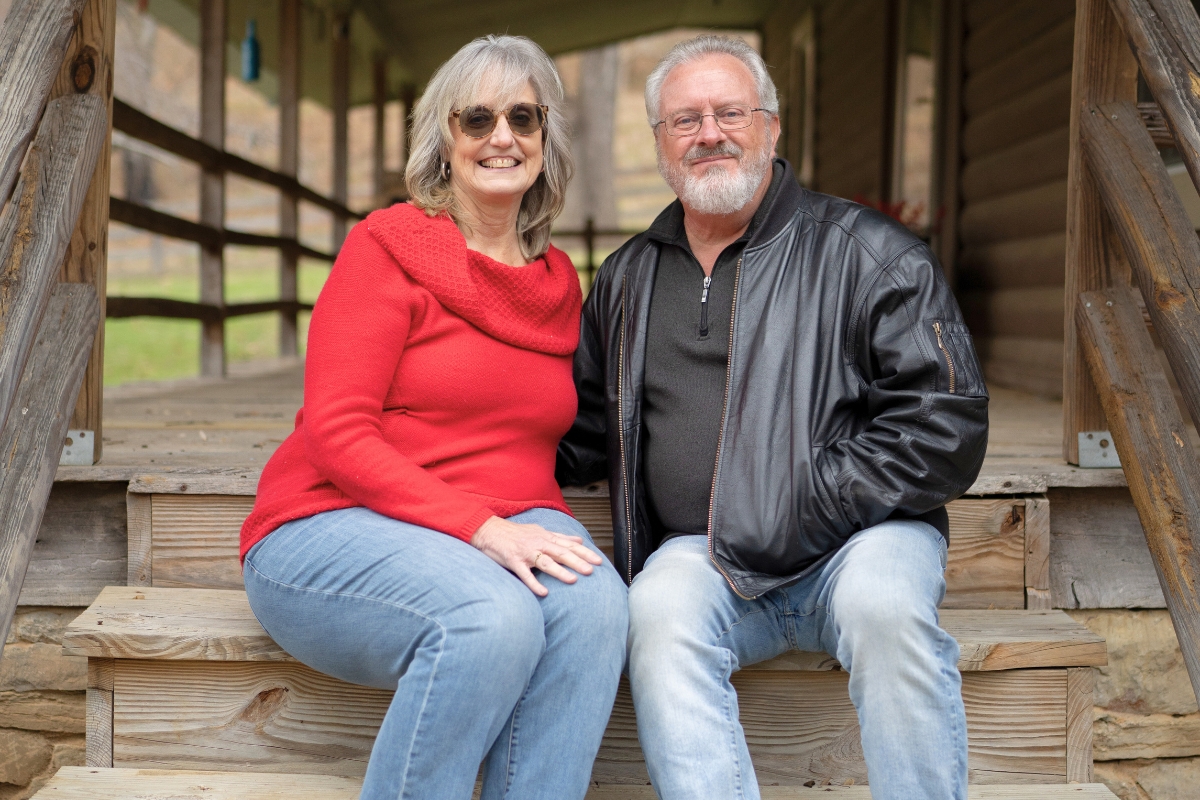
Behind every chapter of Don and Trish’s journey stands a steady and quiet strength — Trish. “My wife and I are friends, best friends,” he said. “I love being with my wife. I feel alone when we are not together.”
Though their interests differ, their burdens, joys, and spiritual commitments have always been shared. From the earliest days of their relationship, they made a deliberate, mutual decision that following Christ would anchor their life together. That choice became the foundation upon which decades of ministry and marriage were built. In every season, they functioned as a unified team.

“Life and ministry were shared. We both gave 100% to our marriage, our life, and ministry,” Don explained.
They never divided responsibilities into “her work” or “his work,” nor did they draw hard boundaries between ministry, family, and ordinary life. “Life was ministry, ministry was life, and as a family we all were the same.”
Trish’s influence on him remains unmistakable. Her generous heart, gentle spirit, and faith shaped him more profoundly than anyone else. “Often when I was weak, she was strong,” he reflected. “Her faith challenged me. Her love never weakened.”
When asked how he hopes to be remembered, Don’s response is characteristically humble: “I would hope people would remember something like this: We tried. We tried to be there for one another and for others who needed us. We tried to be Christ-like, though I’m afraid we often failed.”
Perhaps that humility is precisely what defines their legacy, a life marked not by perfection but persistence. A family that followed God wherever He led. A marriage woven together by shared calling and sacrificial love. A father who listened deeply, loved generously, and aimed his life toward Christ even when the path was challenging.
In the end, their story is not simply about missions or ministry. It is a portrait of a life given away, a life that tried to make Christ visible, one faithful step at a time. GN