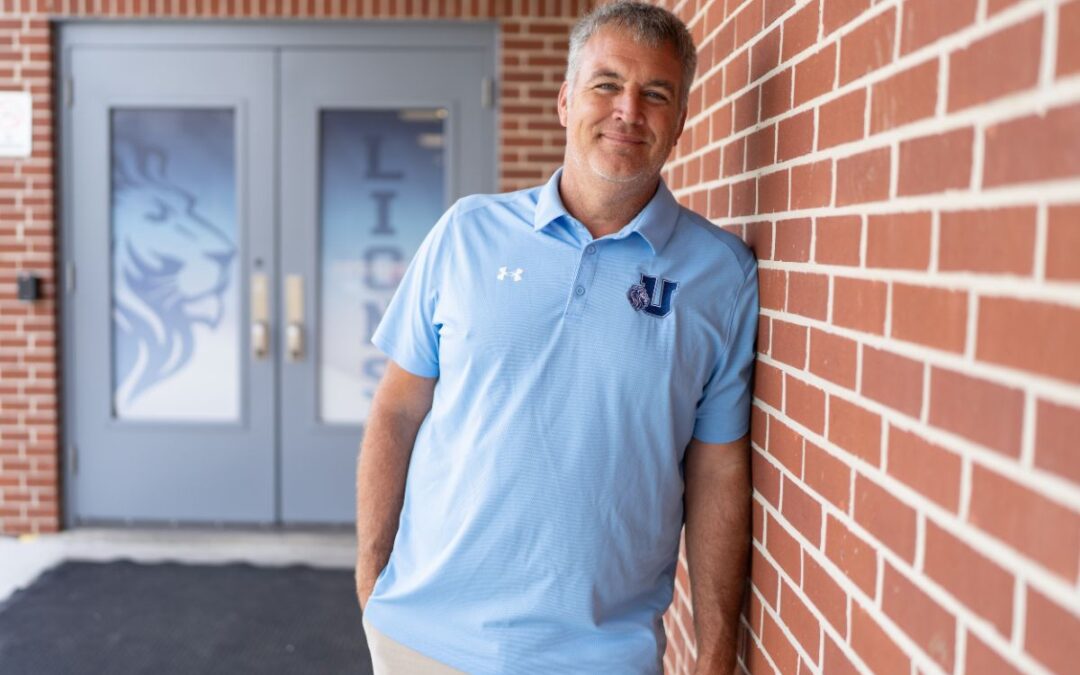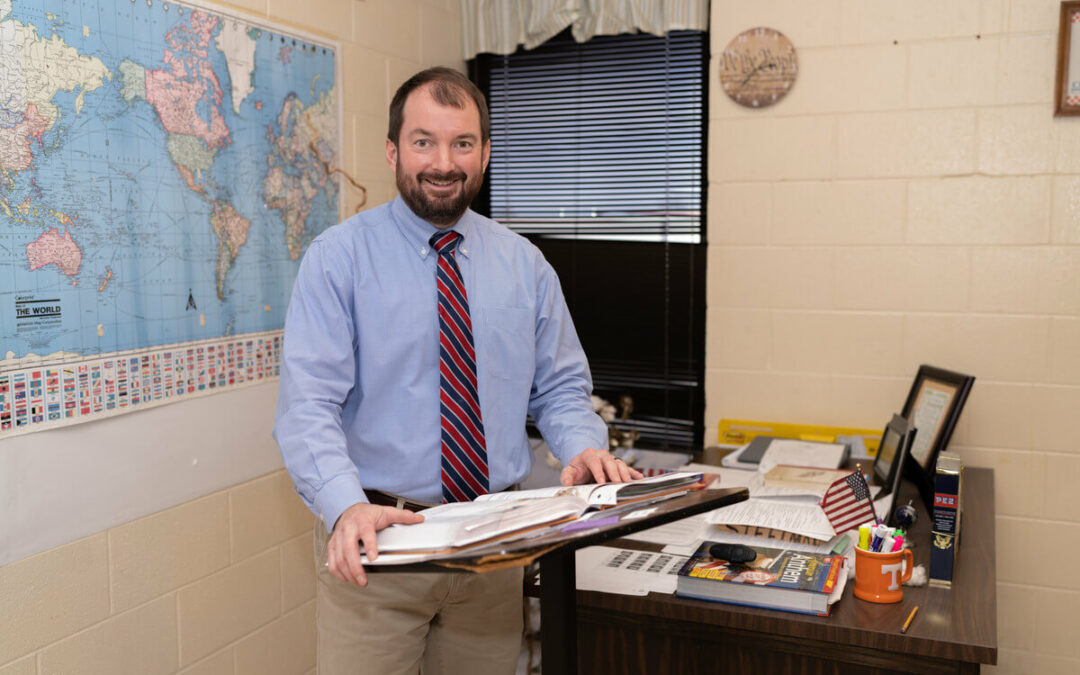
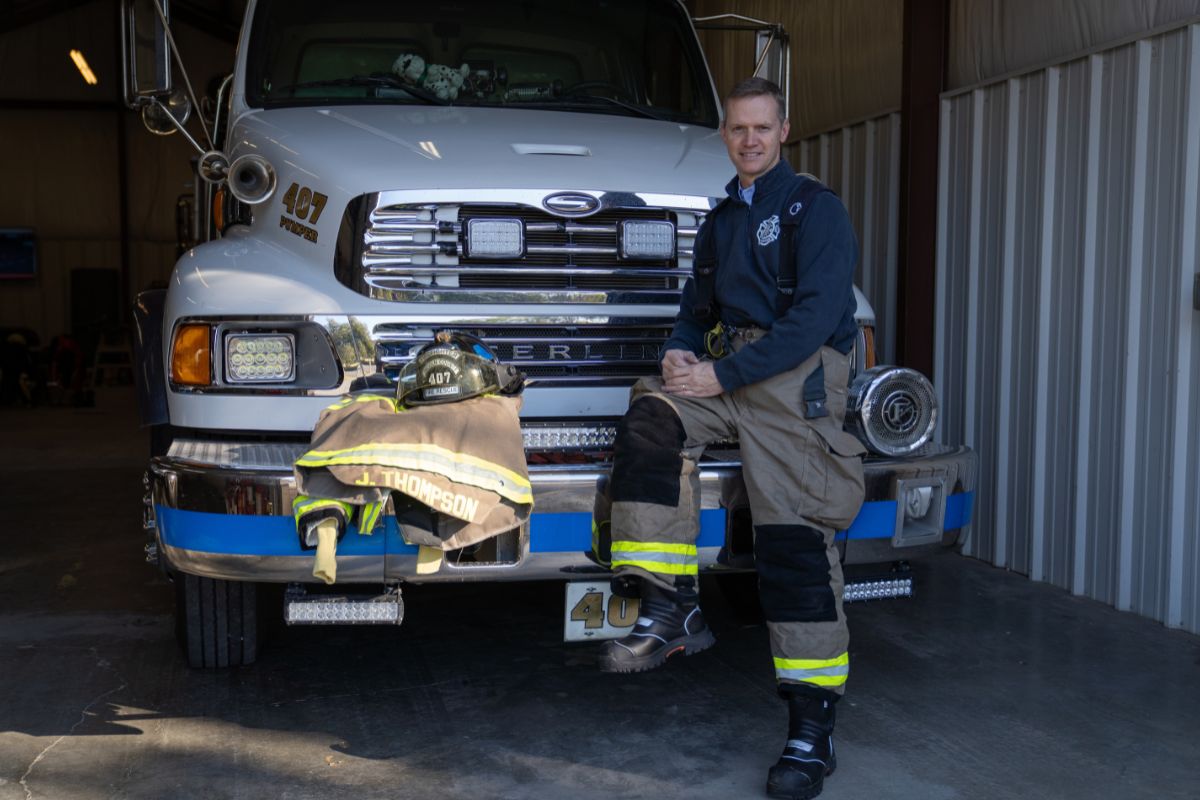
JEREMY THOMPSON is currently the executive director of a leading military nonprofit. Before that, he served for 22 years in the Army National Guard and has been a volunteer firefighter and a reserve deputy sheriff in Lincoln County for many years. The desire to serve others began with a tragedy that occurred when he was still a child.
In 1984, Thompson’s father, a truck driver for a local company in Fayetteville, was killed in an interstate trucking accident. Thompson was 5, his brother was 2.
“I had to accept death and loss in a different way than most people do,” Thompson said. “I became a little bit more callous to it, but I also felt an overwhelming desire to help people in tragic circumstances. I’ve always wanted to be there to help in some way.”
In his senior year of high school, Thompson attended fire school and became a Tennessee state-certified firefighter. He also
worked as a corrections officer for the sheriff’s department that same year.
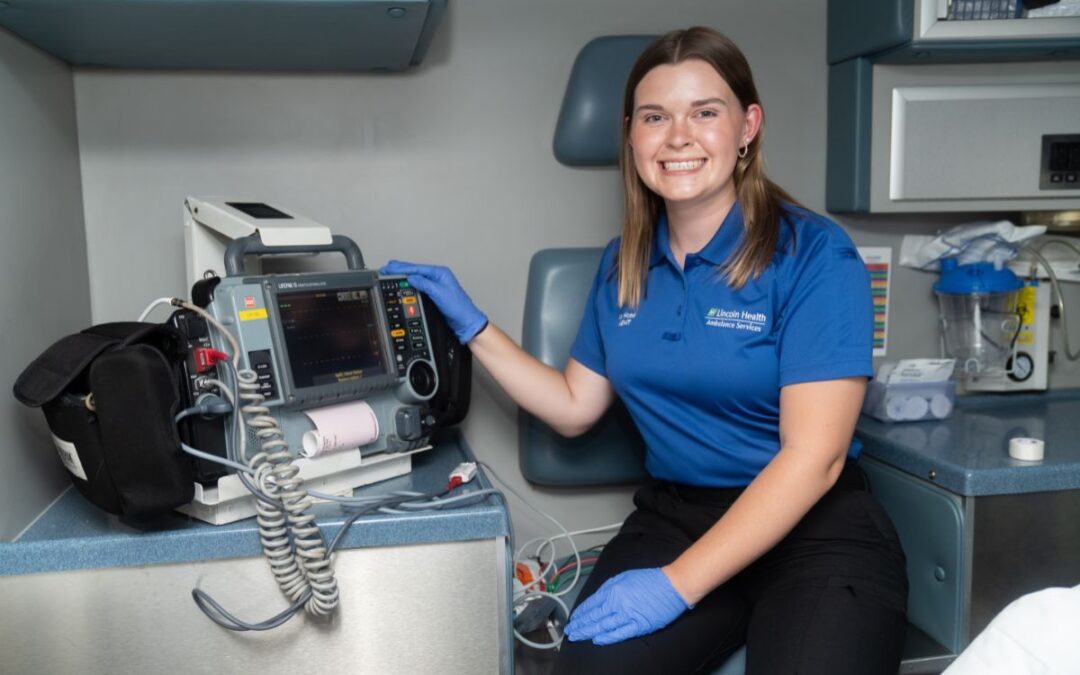
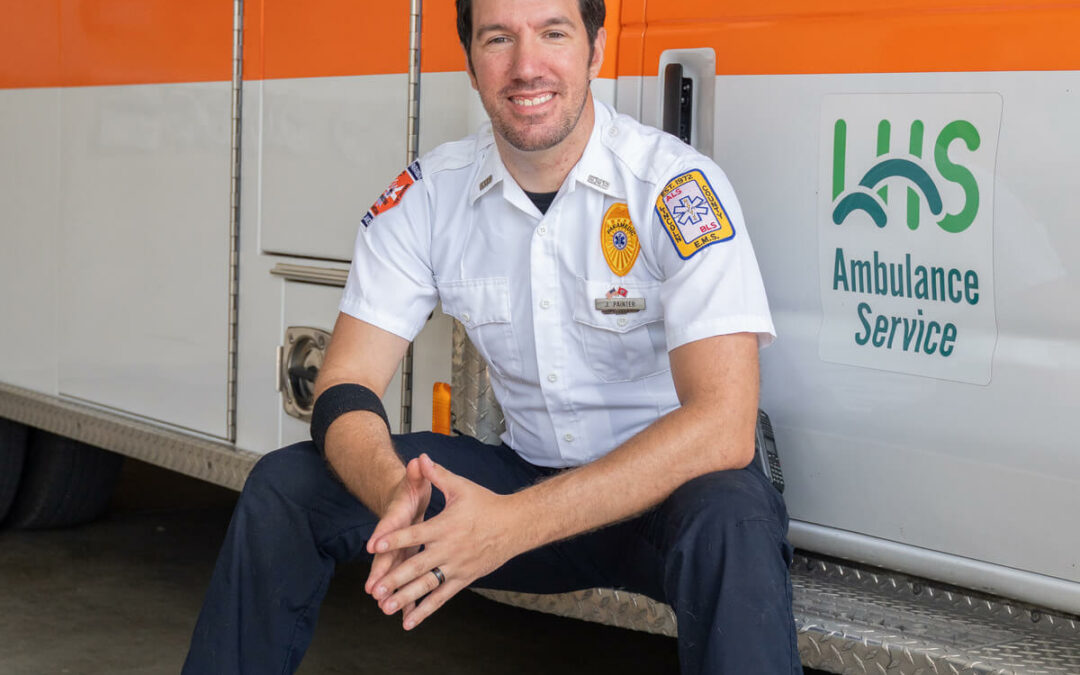
After graduation, he attended Motlow’s EMT school and then worked full time for the Lincoln Medical Center ambulance service. Thompson’s commitment to service was inspired in part by his grandfathers, both of whom were Army veterans.
One grandfather, James Thompson, served in World War II. The other, James Lawrence Pamplin, had an extraordinary 26-year career in the Army. Pamplin started as an infantryman in Korea and deployed to Vietnam multiple times, totaling 36 months in combat.
On Sept. 27, 2000, Thompson enlisted in the Army National Guard while working as an EMT. He was assigned to the 1st Battalion, 20th Special Forces Group, headquartered in Huntsville, Alabama, as an all-source intelligence analyst. In 2001, he began training at the Army Intelligence Training Center in Fort Huachuca, Arizona. During that training, the unthinkable happened: the Sept. 11 terrorist attacks.
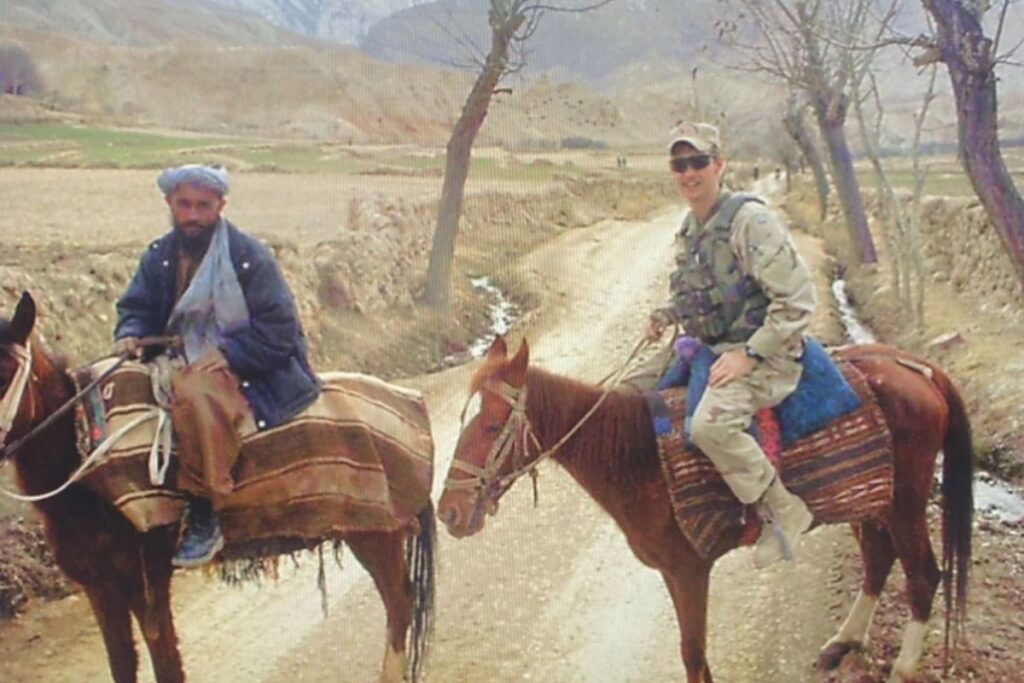
Thompson’s unit was immediately mobilized. He deployed to Afghanistan as part of Task Force Dagger in Karshi-Khanabad, Uzbekistan. When the unit needed additional Green Beret intelligence sergeants, Thompson bravely volunteered. He was assigned to an Operational Detachment Alpha in north-central Afghanistan, where he conducted counterterrorism missions from August 2002 until April 2003. Thompson and his team traveled through the Hindu Kush mountains, reaching elevations of 16,000 feet.
“We were riding horses and carrying donkeys through knee and waist-deep snow, through the mountains, from village to village,” he said.
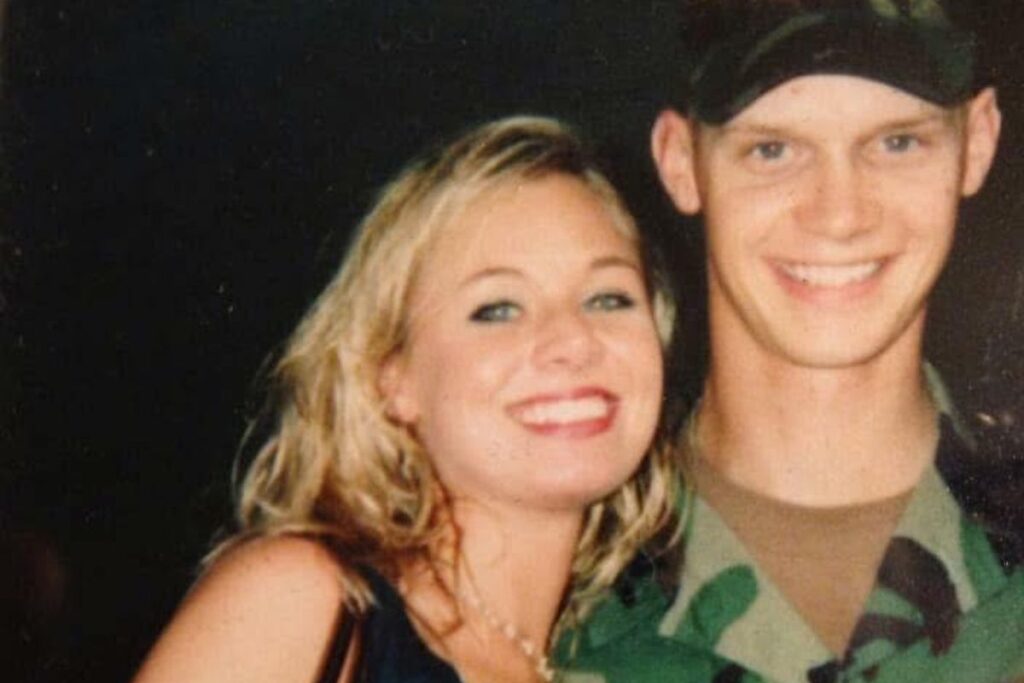
During and after his military career, Thompson maintained his commitment to his home of Fayetteville. He married Lindsay on Jan. 10, 2004, in a whirlwind wedding, thinking he would be deployed. Since the mission was cancelled, he was able to stay in the United States with his new bride.
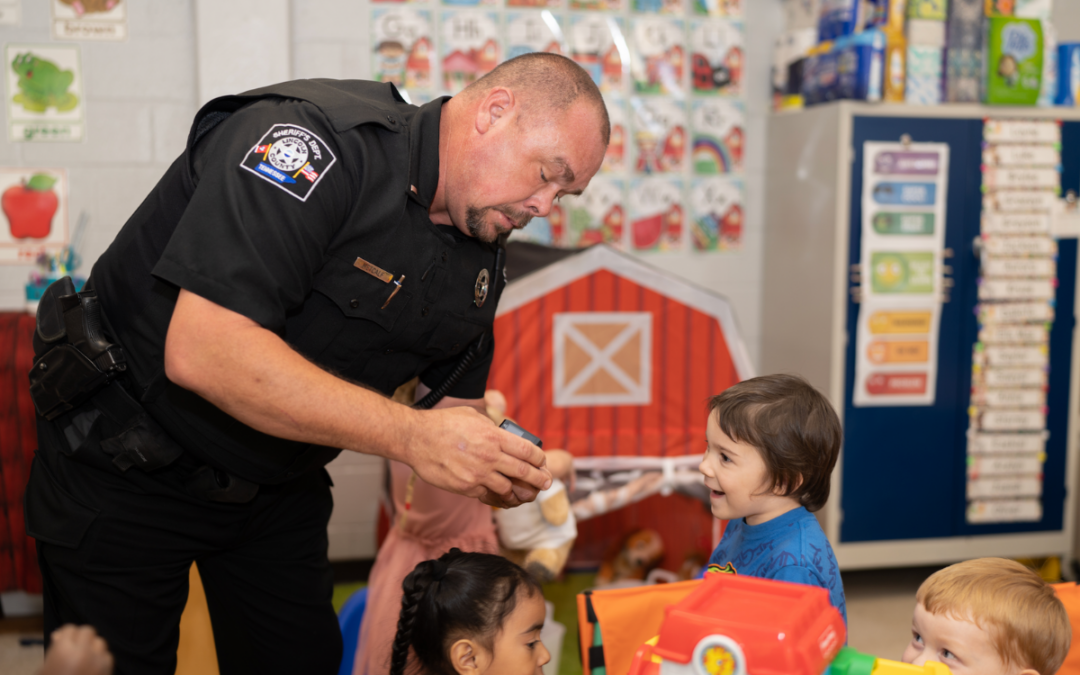
Thompson continued his active duty service through 2022, working as a special operations recruiter and later as a senior operations sergeant for the 111th Ordinance Group in Opelika, Alabama. He helped establish the 142nd MP Brigade in Decatur, serving as its first Readiness Non-Commissioned Officer. He also served as a captain with the Park City Volunteer Fire Department and as a reserve deputy sheriff, serving under four different sheriffs in Lincoln County.
Thompson said possessing the ability to serve in dangerous and traumatic situations comes down to his faith.
“I have my own relationship with God. So, I’m sincerely not afraid to die, but I know that’s really weird for a lot of people,” Thompson said. “Most people have an overwhelming fear of death. So it kind of dictates what they can and can’t do throughout life. I’ve never let that be a factor for me.”
After retiring from the military in 2022, Thompson took on his current responsibilities as executive director of the Special Operations Association of America, a leading military nonprofit that advocates for national security policy and strategy for special operations forces across all military branches. The organization has introduced innovative medical research proposals into the National Defense Authorization Act, focusing on functional medicine, including hormone balancing, hyperbaric chambers, decompression therapy, and counseling.
“We don’t want to treat them; we want to cure them,” Thompson said.
Early results are promising, with five test subjects so far showing remarkable recovery from suicidal ideation, a common threat for war veterans.
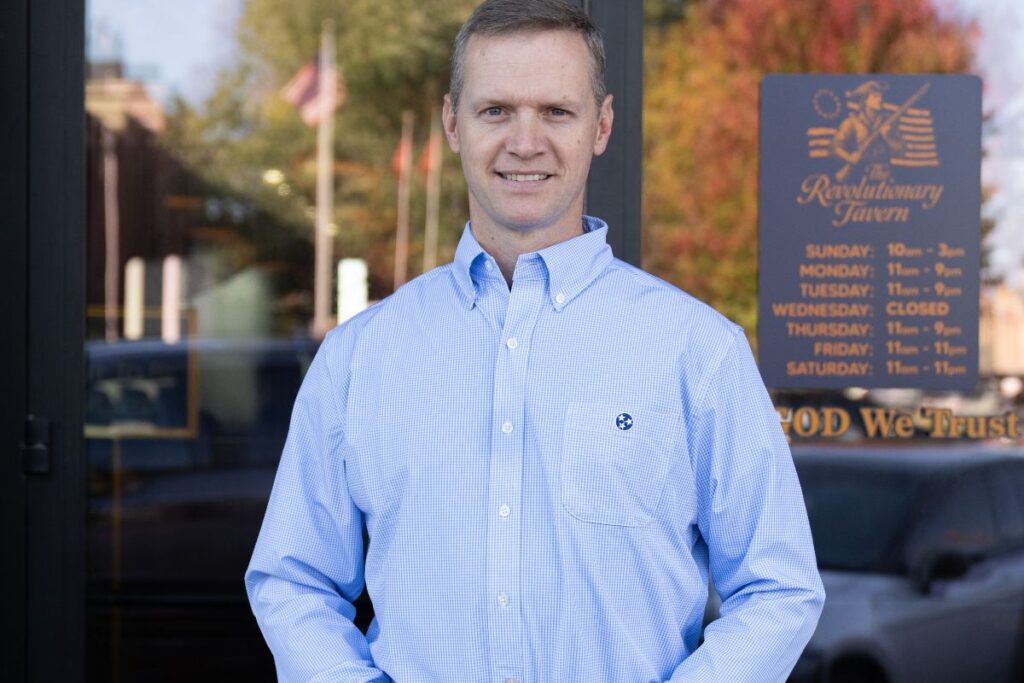
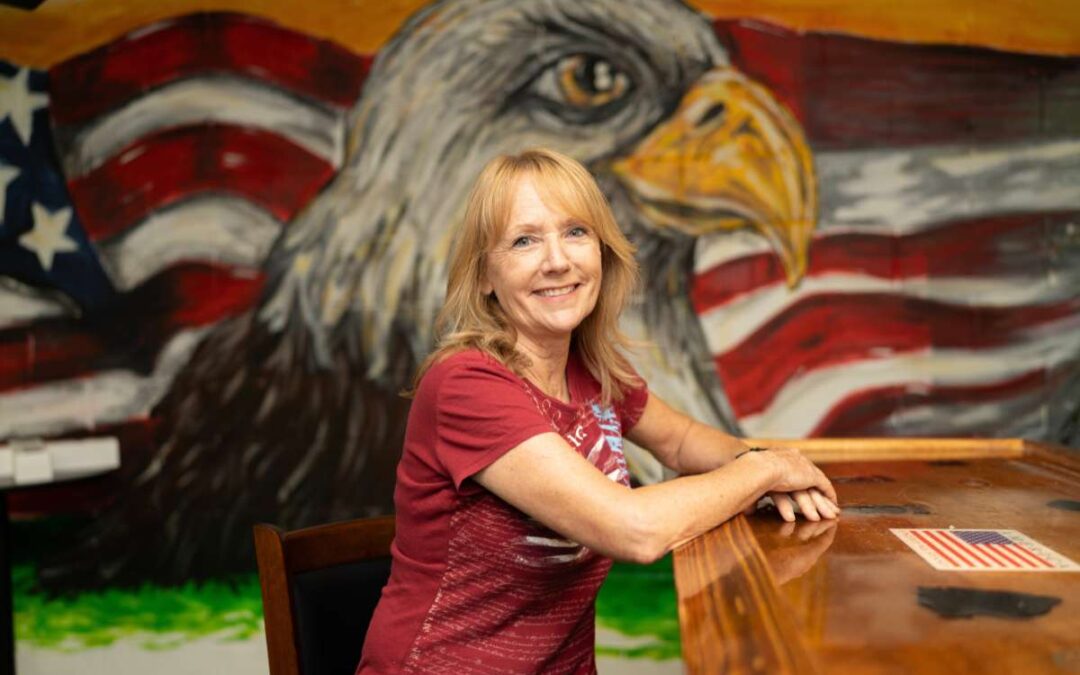
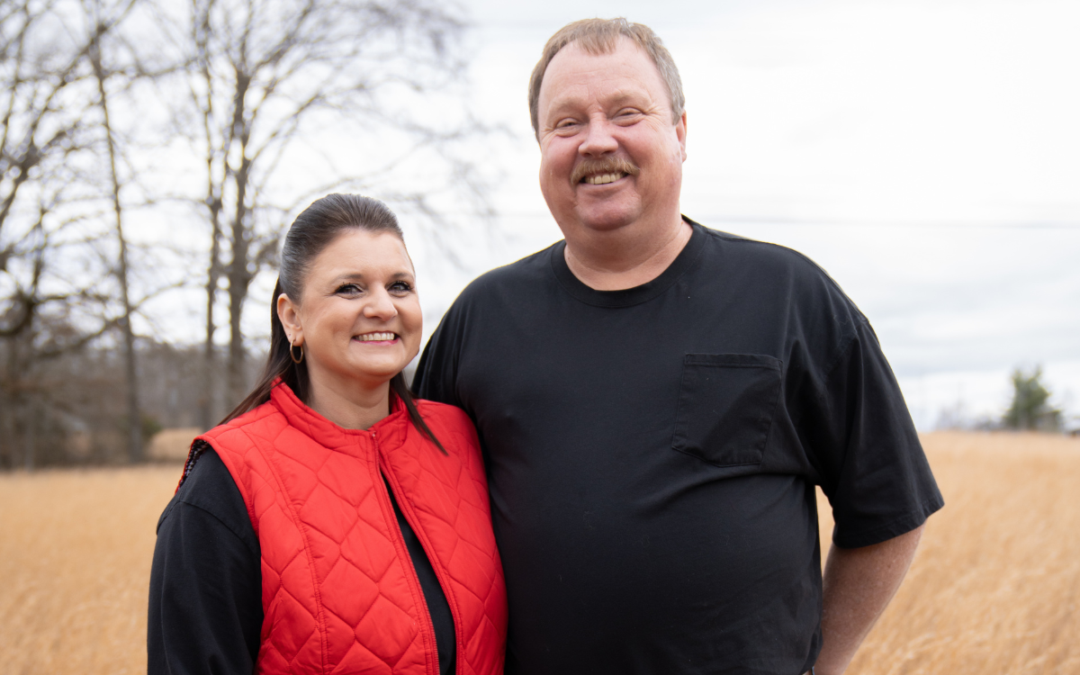
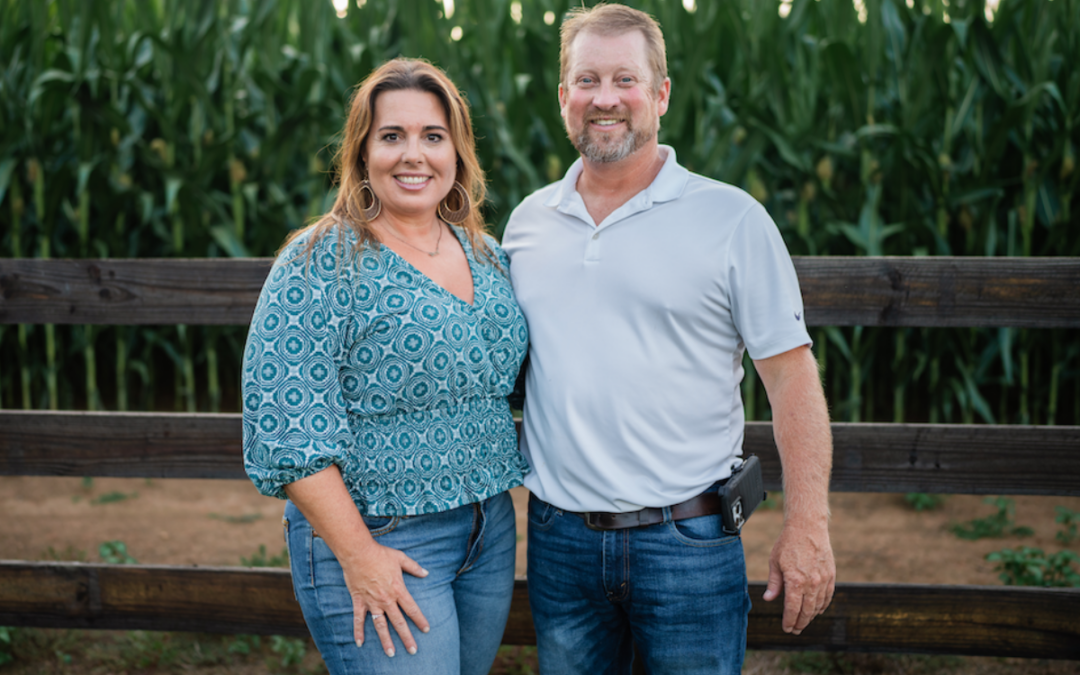
Thompson and his wife, Lindsay, pursued a new endeavor this year, serving the people of Fayetteville differently — through their stomachs. Lindsay had recently left her position as program lead for the $17 billion Patriot Missile Defense program between the United States and Poland. Now, she and Thompson have proudly opened The Revolutionary Tavern on the Fayetteville square, a restaurant that offers fascinating history lessons with their delectable food and drinks.
“I’m a huge historian, and I believe we’ve got to get back to our foundational purposes as a nation,” Thompson said. “We can’t know where we’re going as a country if we don’t know where we’ve been as a country.”
The restaurant features AI-generated portraits of Revolutionary War figures, each accompanied by a QR code that brings the images to life on visitors’ phones, telling their stories. The menu items are cleverly named after Revolutionary War battles.
“The Revolutionary War was crafted and won in taverns across the East Coast,” Jeremy said.
Jeremy now lives on the farm where he grew up, with Lindsay and their two children: Eden, 13, and Grady, 18. Eden shares her father’s political ambitions, and Grady has followed in his father’s footsteps as a volunteer firefighter. For Jeremy and his family, serving his community remains a core value that permeates every aspect of their lives. GN
Find out more about The Revolutionary Tavern at: https://revolutionarytavern.com/.