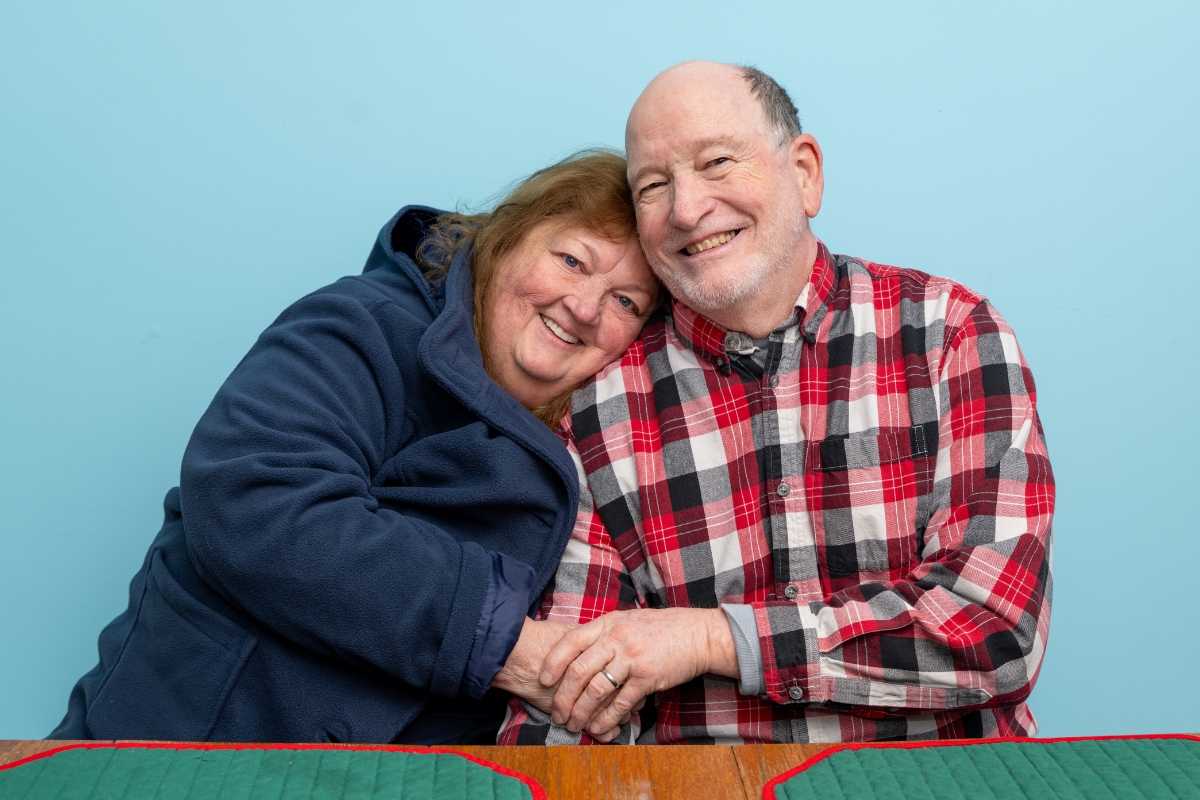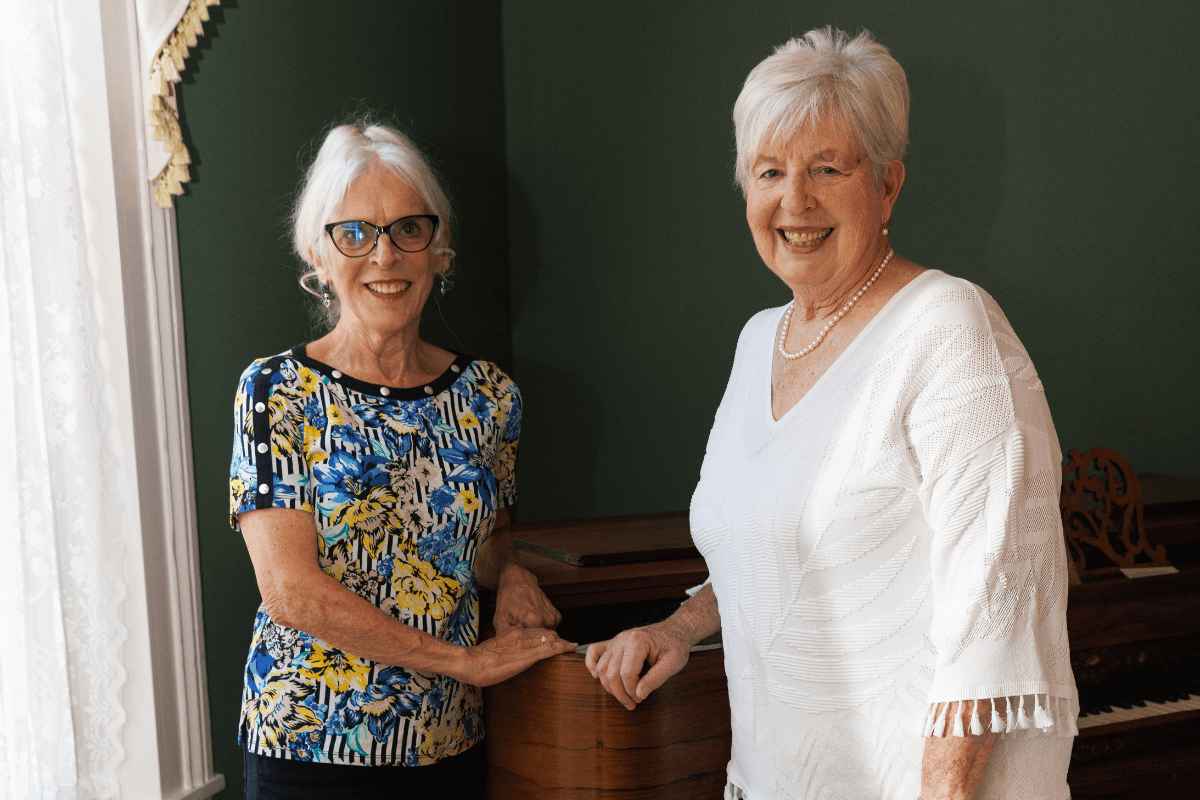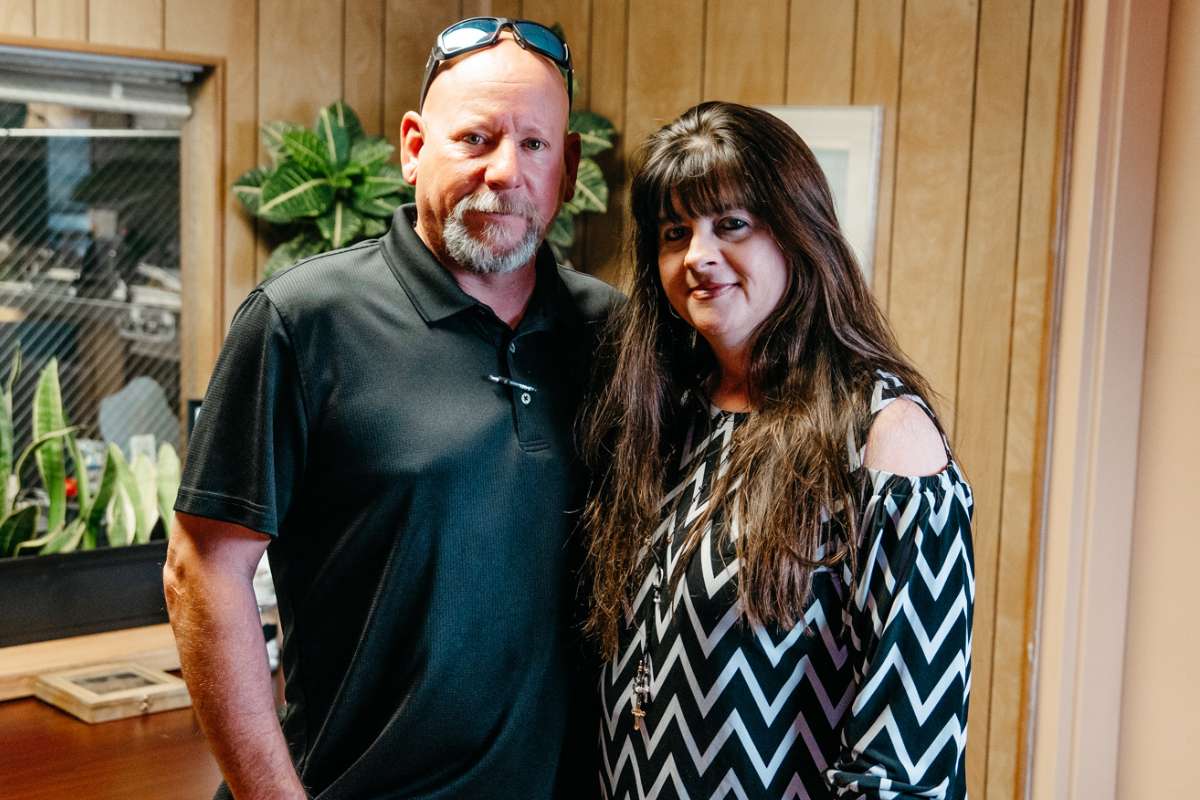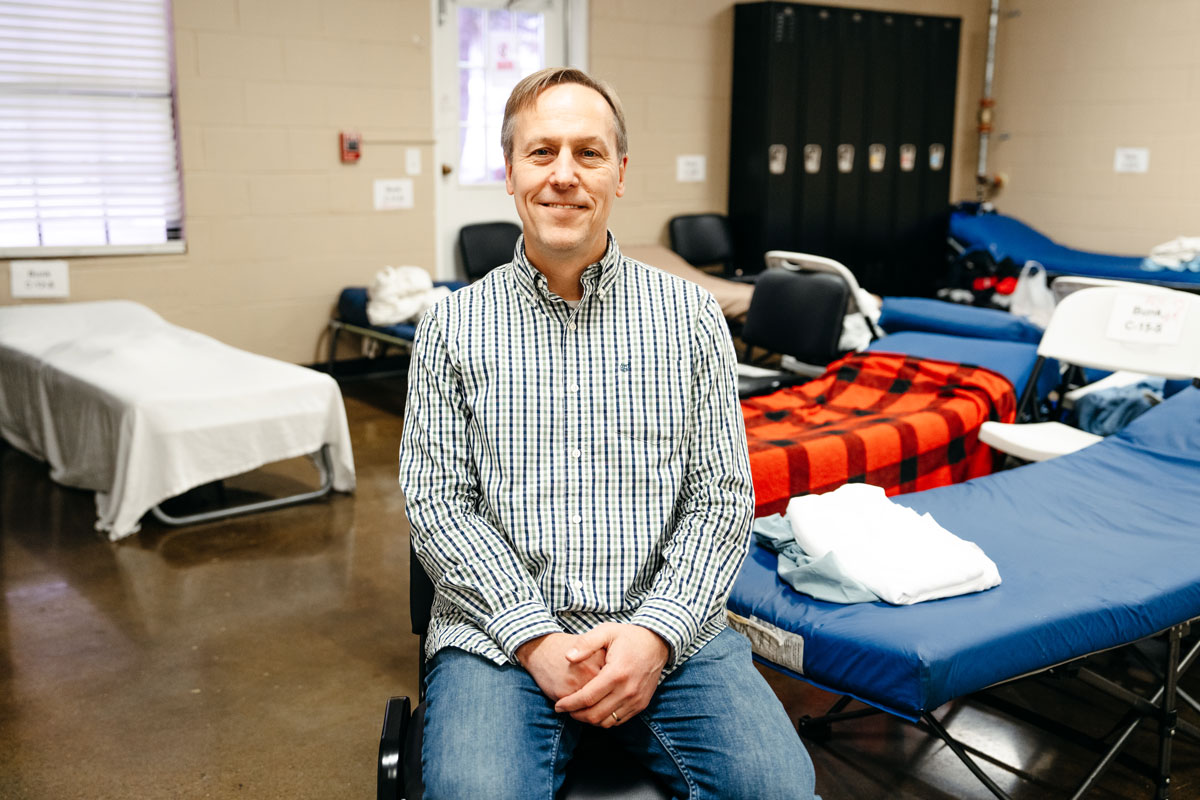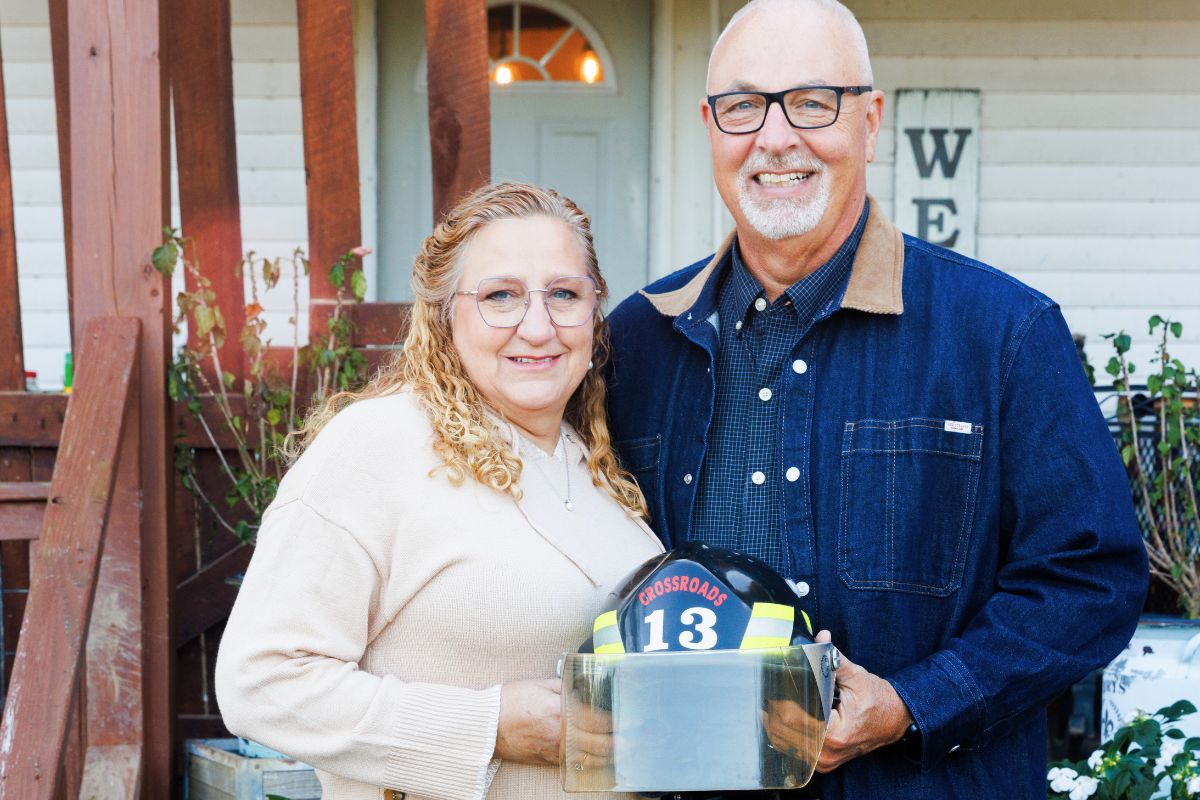
WHEN GIL and Patty Carter first met at a Nashville school for students with behavioral disorders, they had little interest in each other. He was an assistant principal. She was a therapist.
“It was absolutely apathy at first sight,” Gil said.
What followed changed both their lives. Gil, who did not identify as a Christian at the time, watched Patty live out her faith with consistency.
“There was an integrity and honesty about her that I had not stumbled across before,” he said. “Her peaceful disposition stood out to me.”
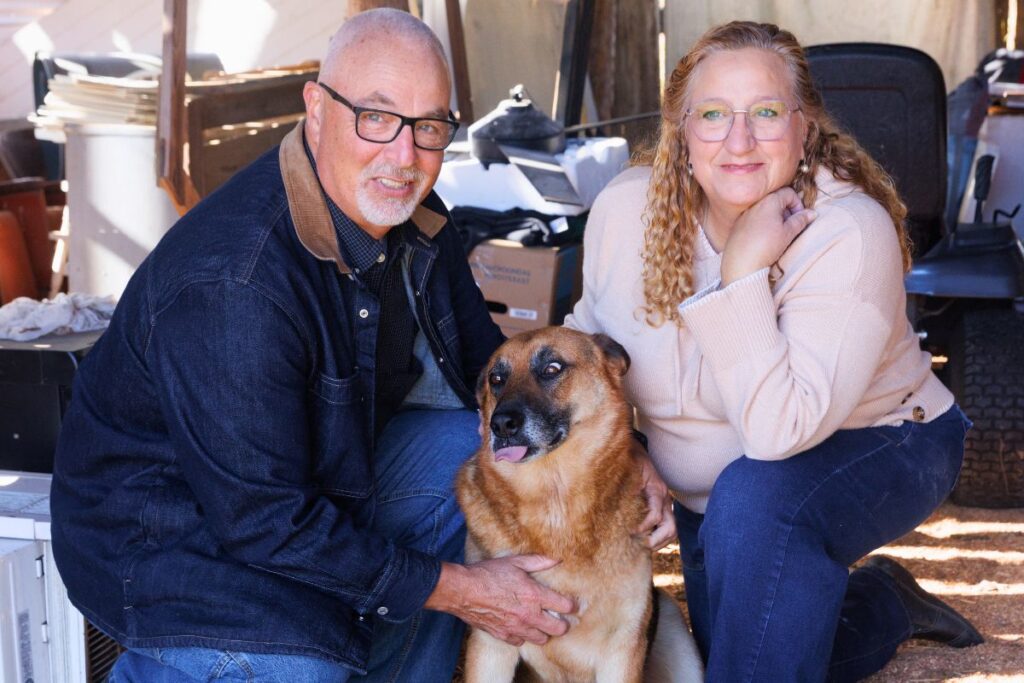
That shift set the couple on a path that would take them around the world and eventually back to rural Middle Tennessee, where they now lead Crossroads Mission Care, a nonprofit that provides free support and a safe retreat for first responders, pastors, missionaries, and military families.
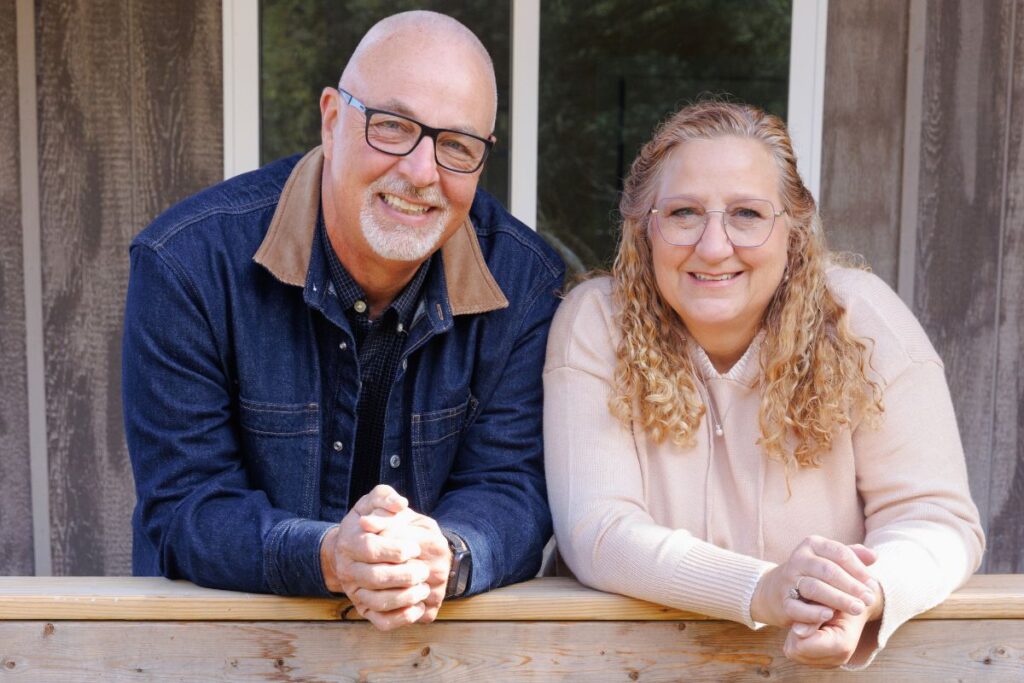
The Carters’ calling began in the late 1990s with an organization called Young Life. They moved to Singapore to work with students at international schools and noticed how isolated the missionaries were — geographically, socially, and emotionally. Their apartment became an informal gathering place.
“We realized people needed a place to rest and be heard,” Patty said.
After the Sept. 11 attacks, the couple was assigned to serve communities with significant military connections. They spent a year in Belgium working with U.S. military families at an international school near NATO’s SHAPE headquarters, then moved to Italy to support soldiers with the 173rd Airborne Division during heavy combat deployments.
In each setting, they saw the same pattern: people giving everything to others while carrying private strain. Missionaries felt they had no one to confide in. Military families navigated repeated separations and fear. Isolation, they concluded, was the through line. In many organizations, supervisors were responsible for pastoral care, a structure that discouraged candor.
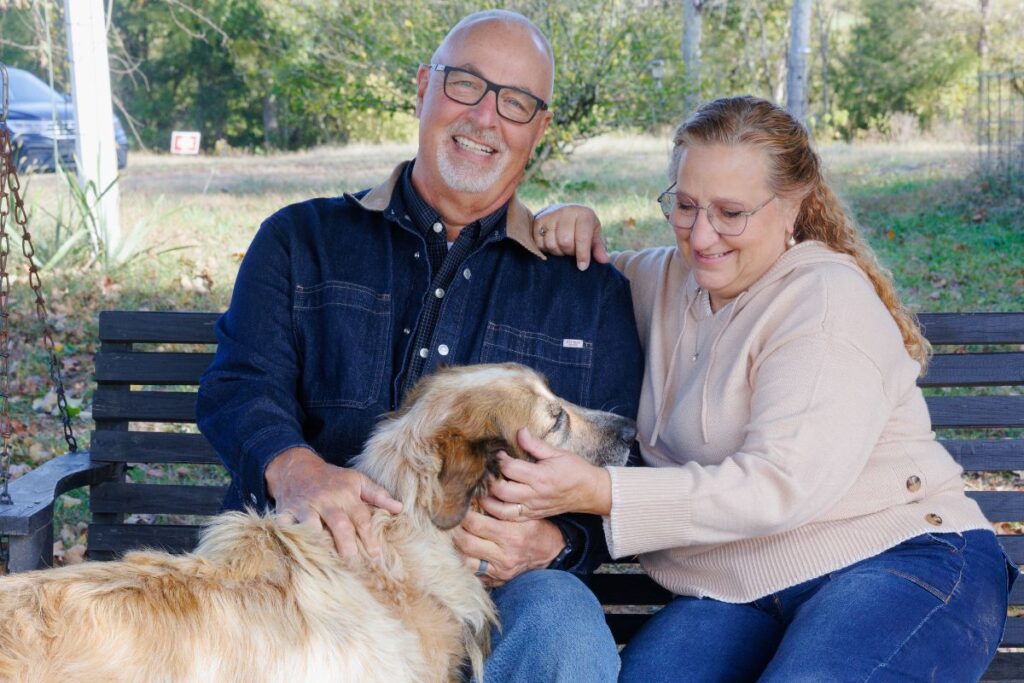
“If your boss is in charge of your care, you’re not going to admit you’re struggling,” Gil said.
In 2015, the couple formed their own 501(c)(3) and purchased 45 acres about an hour east of Nashville. The property includes hiking trails, campsites, and a tiny home that sleeps two. A larger cabin with meeting space, designed to sleep up to eight, is near completion. The property is a quiet, judgment-free haven of rest designed for people to step away from it all, reflect, and reset.
Patty provides peer support and coaching, often meeting people in neutral locations, and refers to a simple image when she speaks to fire and EMS crews. Patty keeps the focus practical during her coaching sessions. If deeper issues surface, like post-traumatic stress disorder, substance misuse, or complex family harm, she guides people to licensed clinicians. Gil works the resource side, raising funds and building relationships with providers.
“Our role is to walk alongside people. We want them to know they don’t have to carry their burdens alone. Every time they see something horrific, they drop a pebble of memory in their invisible backpack,” Patty expressed. “Eventually they’re carrying 400 metaphorical pounds and they can’t figure out why they’re so exhausted.”
At one volunteer department, a chief worried about a young firefighter working at three agencies to make ends meet. He invited Patty to teach a stress session during training night and told the crew she’d stay afterward for anyone who wanted to talk. The firefighter came. Six others lined up behind him. Volunteer agencies face unique burdens, Gil said. In small communities, responders often know the families they serve and go home after calls without a formal debrief. Heavy memories linger.
Another case involved a paramedic with two decades on the job. The Carters have walked alongside the paramedic for years now, and the trust is so strong that the paramedic now sends younger colleagues their way before burnout takes root.
Crossroads does not charge for services or lodging. The Carters deliver “encouragement baskets” across several counties, leaving contact cards and a simple message: “You are seen.” Sometimes months go by before a call comes in. Sometimes a brochure found in a break room is the first step to help.
For the couple who once met with “apathy at first sight,” the work is simple, if not easy: offer a place to rest, a listening ear, and a path forward for those living on the front lines of life. GN
To learn more about Crossroads Mission Care, visit https://crossroadsmissioncare.com/.