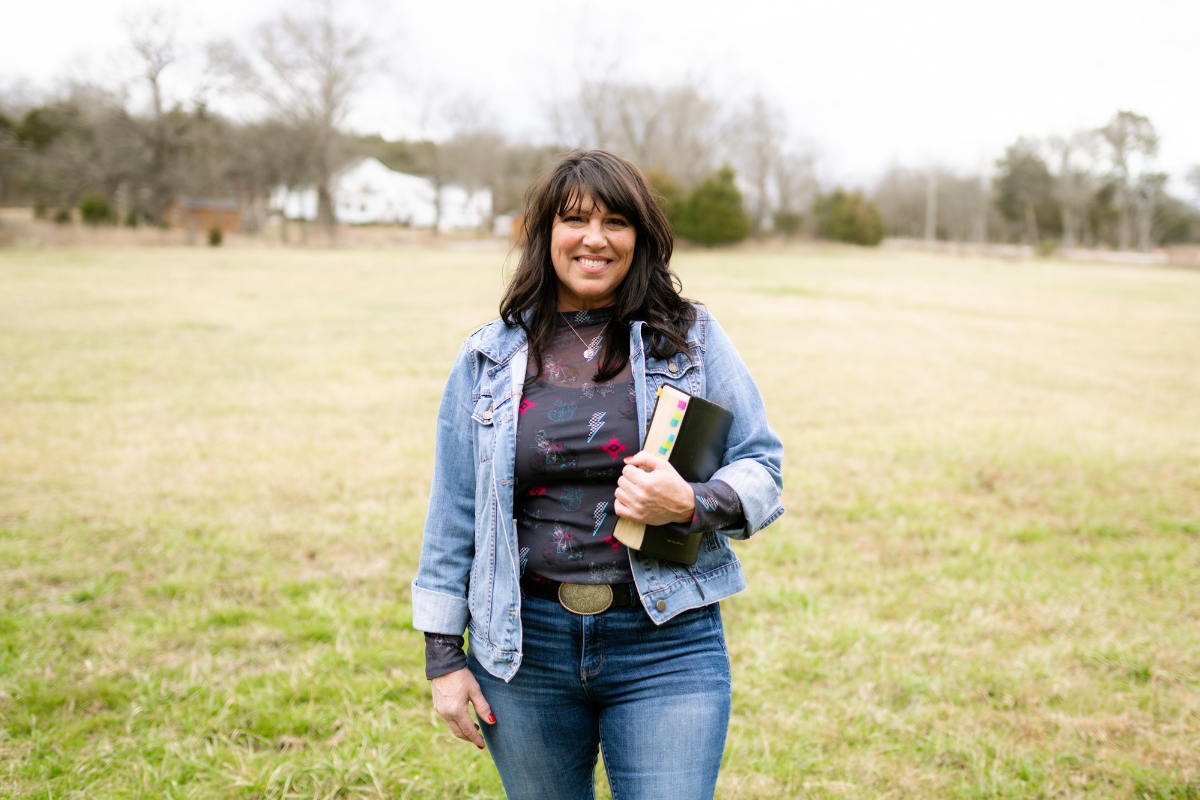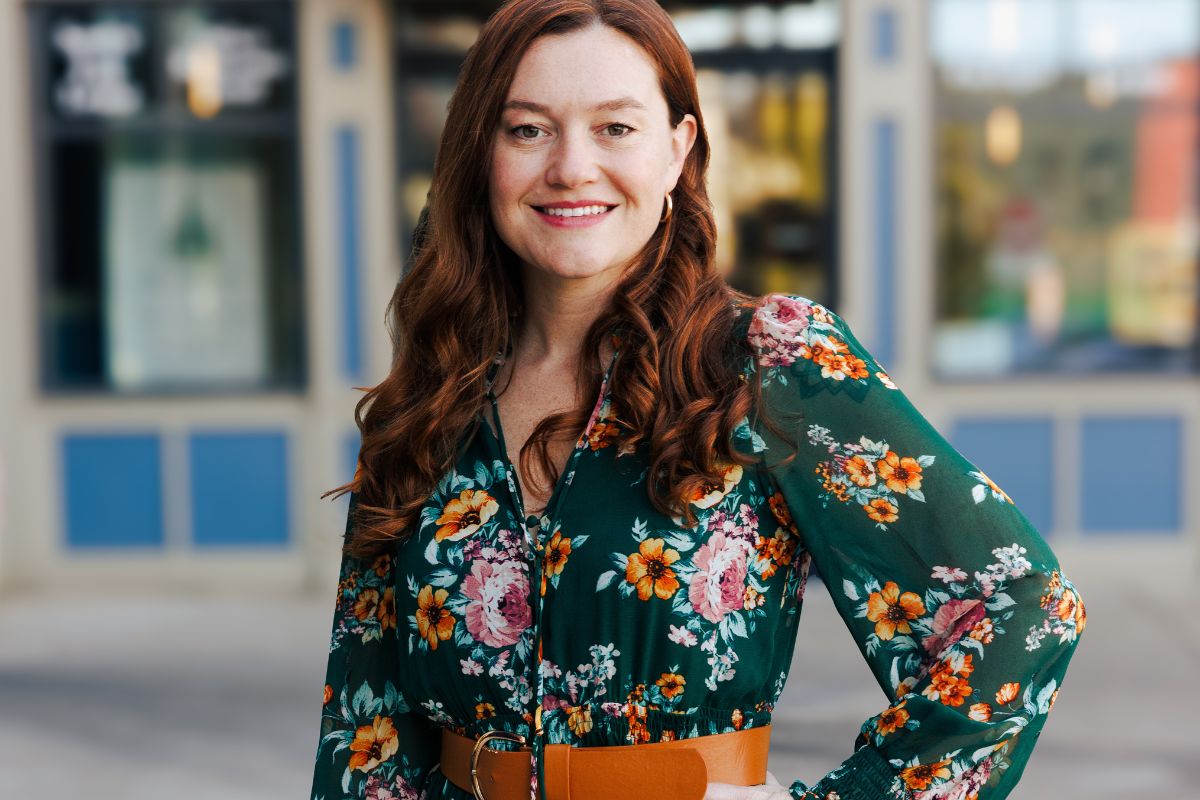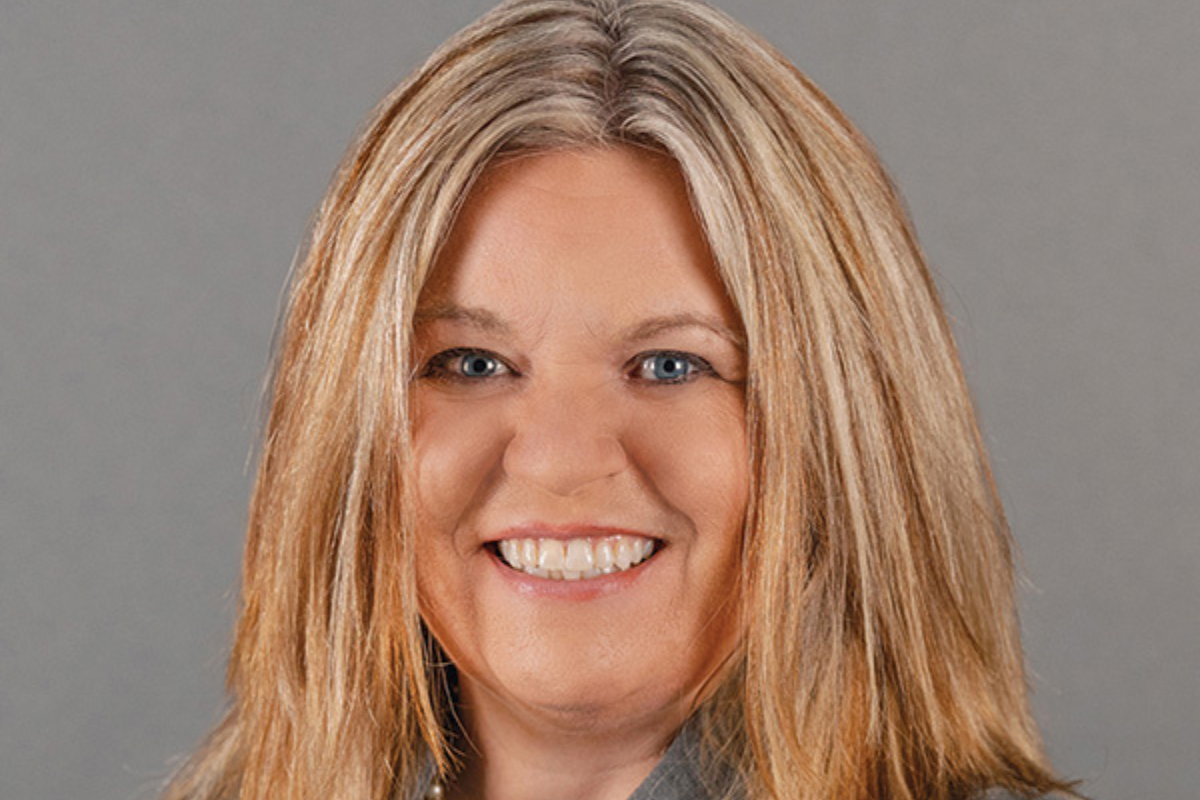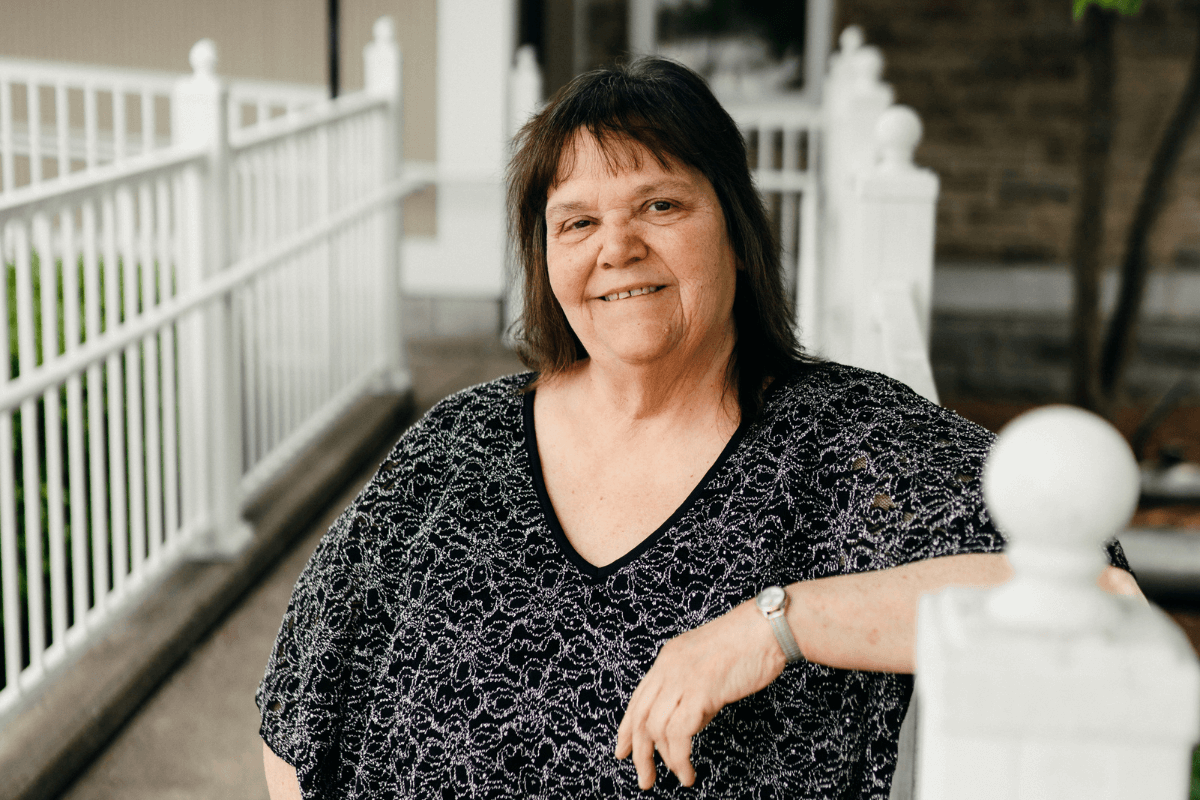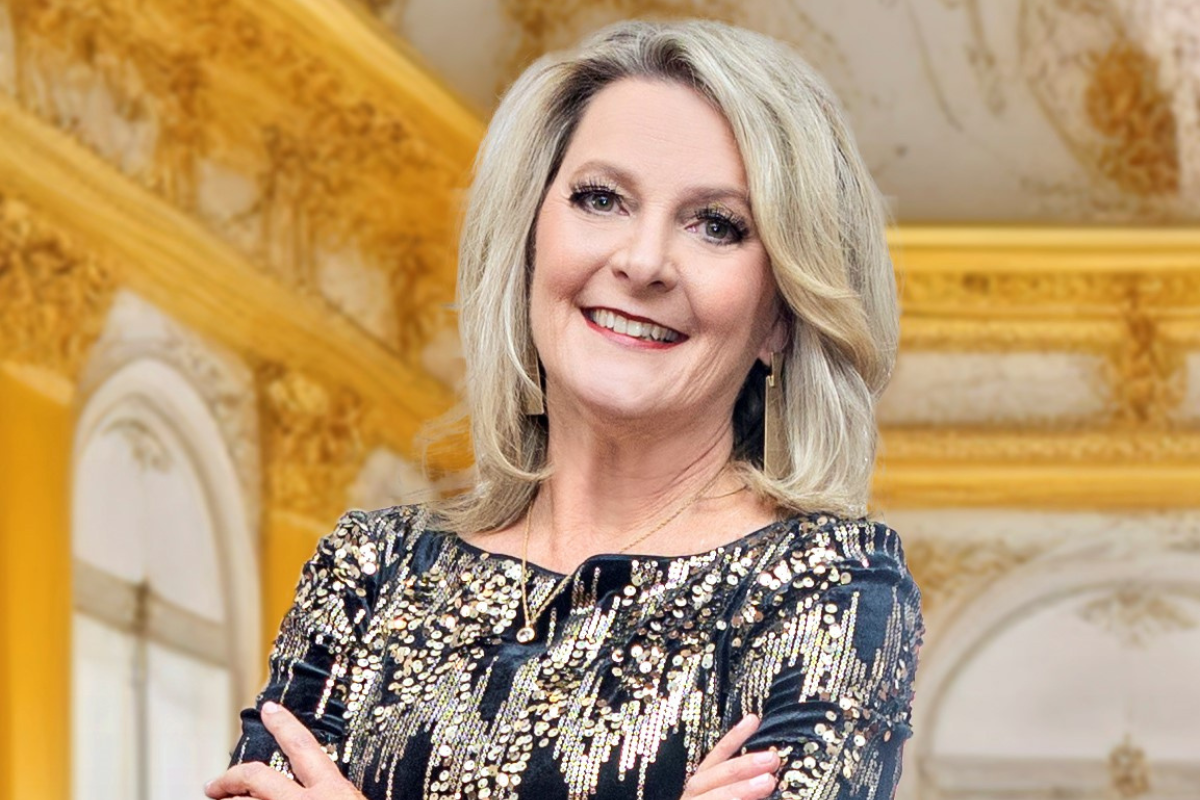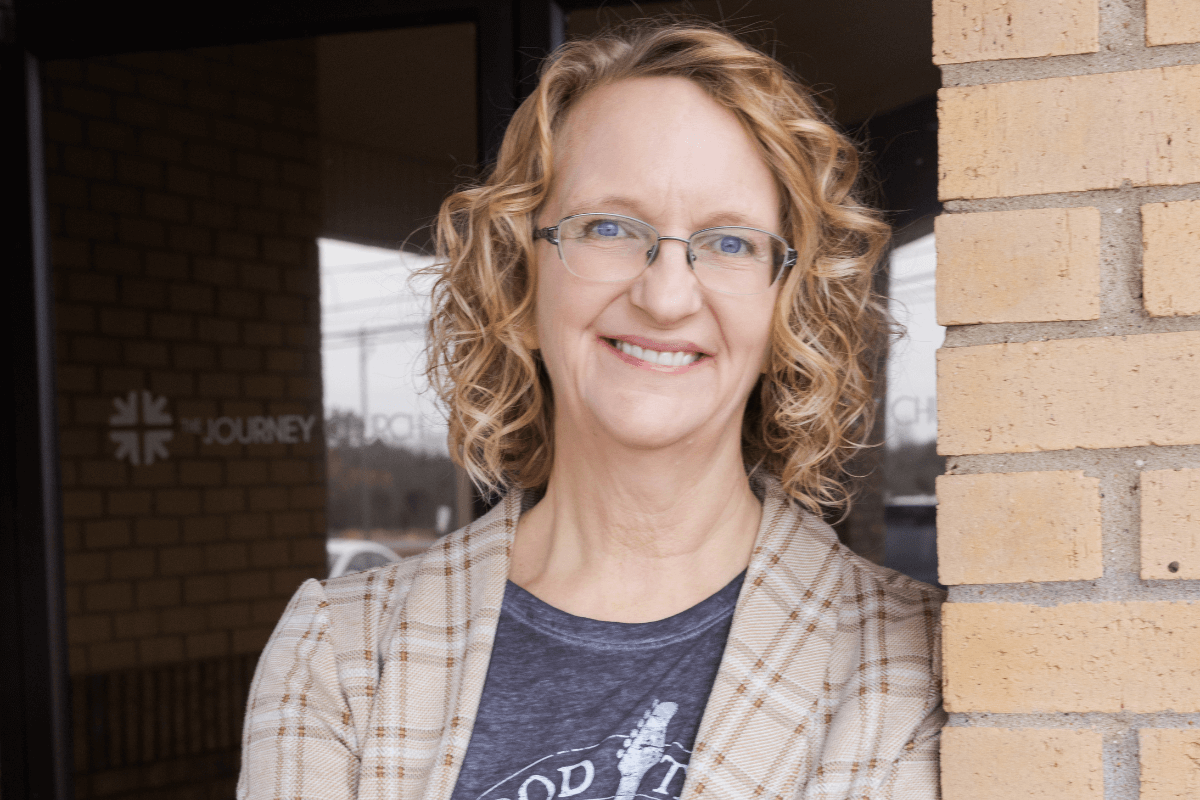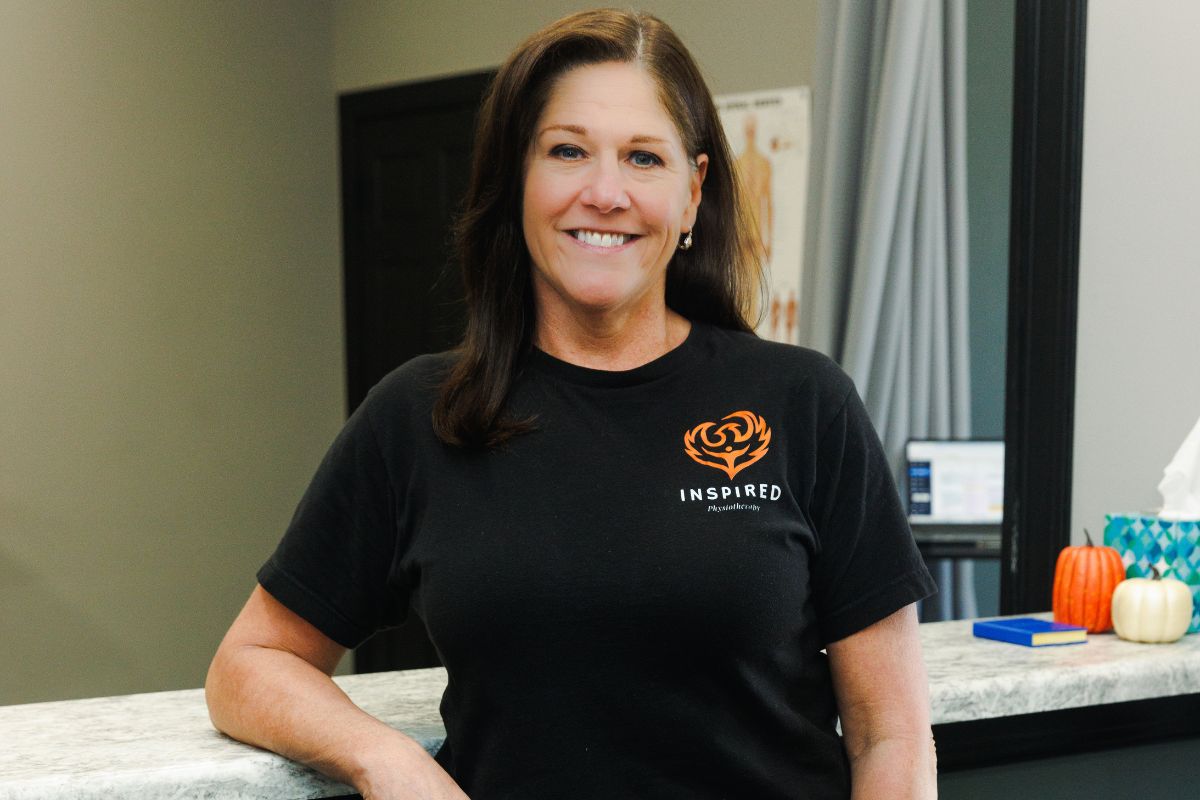
WHEN KERRY Becht talks about her work, she doesn’t separate science from soul. For more than 30 years, she’s been using both hands and heart to help Lebanon’s “complicated cases” — people whose chronic pain, postsurgical recovery, or pelvic health issues have left them searching for answers.
“I treat people the doctors sometimes don’t know what to do with,” she said with a small laugh, not out of frustration but determination.”
Becht, a licensed physical therapist, has built her career around treating the whole person — not just the injury or diagnosis. It’s an approach that grew naturally from a lifelong curiosity about how the human body works.
A CHILD’S FASCINATION
Growing up in Maine, she was the kind of kid who asked to watch the fish being cleaned after a day of fishing, eager to see how “all the systems worked together.” Her father and grandfather played a role in supporting her interests.
That early interest set the course for a lifetime of healing. Becht planned to enter into her college education by going premed before realizing, through what she calls “divine intervention,” that physical therapy was a better fit — one that allowed her to combine anatomy with empathy. It was also, she added with her signature practicality, “more affordable.”
After earning her degree in Maine, Becht moved south to Tennessee, where she raised her children and built a practice that reflected her belief that bodies are meant to move, and sometimes they just need help doing so.
FROM A CALLING TO A BUSINESS
She founded Kerry Becht Physical Therapy and Massage in 2006 with a simple but ambitious goal: to treat each patient holistically and as an individual. From those beginnings in a small two-room office, the clinic grew into a respected practice known for compassionate, hands-on care.
One of Becht’s most defining professional choices was to specialize in pelvic health — an area few physical therapists in the region had explored at the time. The work focuses on restoring strength, mobility, and comfort to the muscles of the pelvic region, helping patients manage issues like pain, weakness, or post-surgical complications that can affect everyday life. When Becht first pursued certification, the specialty was just emerging nationwide. “For years, I was the only one in the area treating these kinds of issues,” she said. “It was uncharted territory.”
Her commitment helped fill an important gap in care. Where many therapists focused on sports orthopedics or athletic injuries, Becht’s work brought relief to patients dealing with deeply personal, often overlooked conditions.
Becht champions the philosophy that all systems — muscles, organs, and bones — must move together in a delicate dance. She’s there to help choreograph the steps when bodies fall out of rhythm. That philosophy has shaped every part of her practice, from her treatment plans to the team she has built — a team that includes therapists and staff with the same caring vision.
A NEW WAY
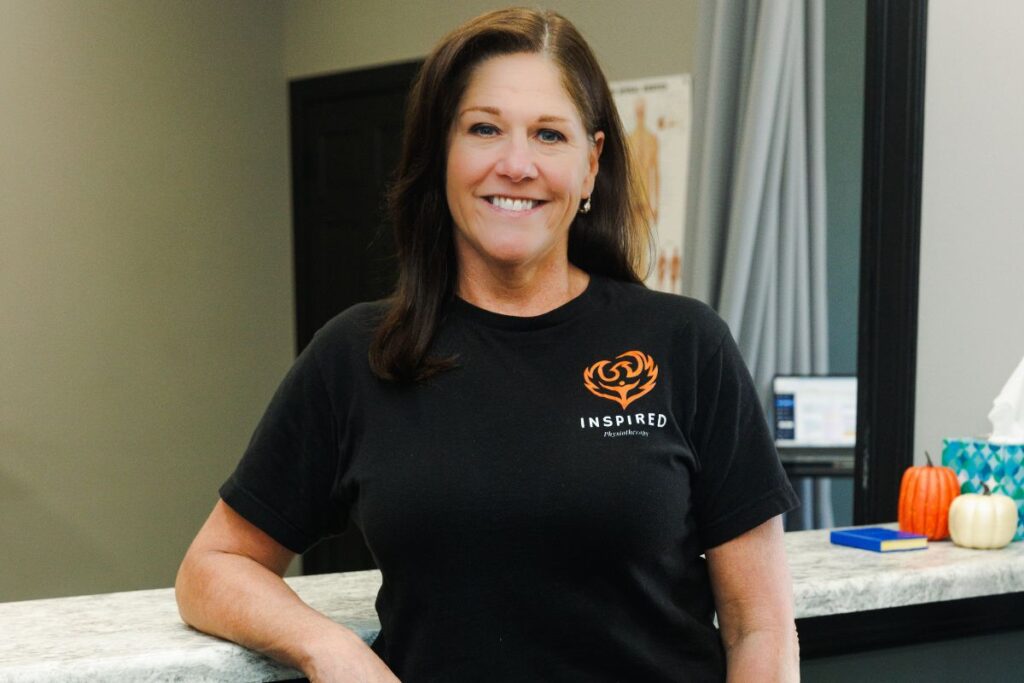
At the start of 2025, Becht entered a new chapter. After decades of running her own business, she merged with Inspired Physiotherapy, a clinic founded by one of her former students. She still maintains an ownership stake but said she’s grateful to have handed off the administrative side of things — the payroll, the paperwork, and the endless phone calls — to a trusted colleague.
“It’s nice to focus fully on the care again,” she said. To Becht, that’s always been the best part.
Her advice to the next generation of physical therapists is as direct as it is encouraging. Her advice is simply to consider not going where everyone else is going. The market is full of orthopedic physical therapists. Think about all the other issues people have — balance, pain, recovery, pelvic health — and find your own niche. That’s how you make yourself valuable and employable.
For Becht, the reward isn’t in the business growth or even the longevity of her career, but in the quiet transformations she witnesses every day — a patient standing taller, walking farther, or simply living without pain for the first time in years.
From her earliest days on the Maine coast to her decades of service in Tennessee, Becht’s philosophy hasn’t changed much. Healing, she believes, is about partnership — between muscles and bones, between patient and practitioner, between a patient’s emotional and physical well-being.
All the systems work together. Sometimes they just need a little help doing so. And Becht’s heart and hands are the help she’s giving. GN