THE EARLIEST years of a child’s education shape far more than their report cards — they influence how children see themselves as learners for the rest of their school journey. First grade, in particular, is a pivotal moment. It’s the year when children begin to read with purpose, make sense of numbers, and discover the confidence that comes from trying something new and succeeding. These early experiences form the academic and emotional foundation that will carry them through elementary school, middle school, and beyond.
Research shows just how important these early years are. The National Institute for Early Education Research states that strong early literacy skills significantly increase the likelihood of reading proficiency by third grade. According to the Annie E. Casey Foundation, that milestone matters. The foundation reports that children who are not reading on grade level by third grade are four times more likely to struggle academically later on. Early math skills are equally influential. A study published in “Developmental Psychology” found that early number sense is one of the strongest predictors of later achievement in both math and reading.
But first grade is about more than academics. It’s a year of tremendous social and emotional growth. According to the Collaborative for Academic, Social, and Emotional Learning, early classroom environments help children develop cooperation, self‑regulation, and problem‑solving skills — traits that directly support long‑term academic success. When students feel safe, supported, and capable in first grade, they are more likely to stay engaged and confident as they move through school.
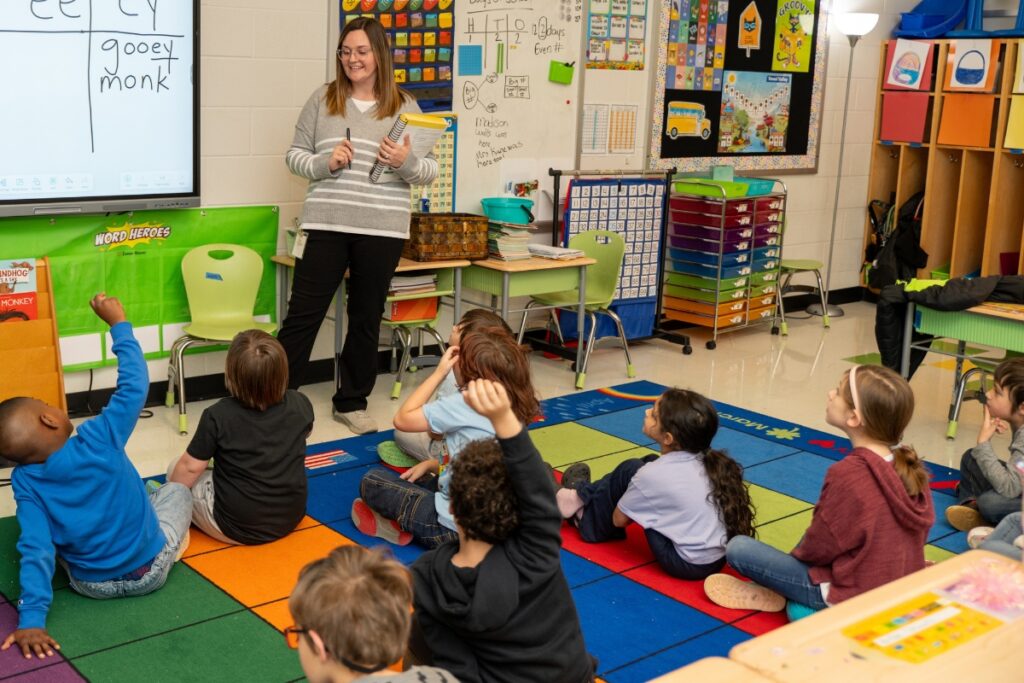
This is why first grade teachers play such an extraordinary role. They introduce foundational skills while also nurturing curiosity, independence, and a love of learning. A teacher who brings joy and passion to the classroom helps students see school as a place where they belong and can thrive. Their influence doesn’t end in June — it echoes throughout a child’s entire educational journey.
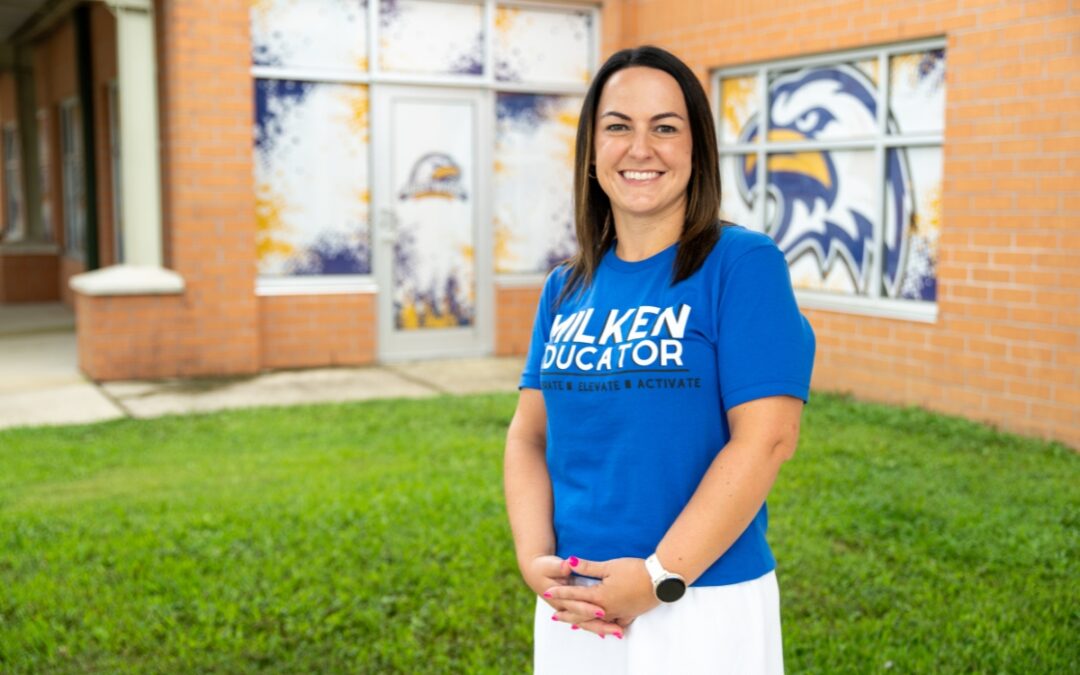
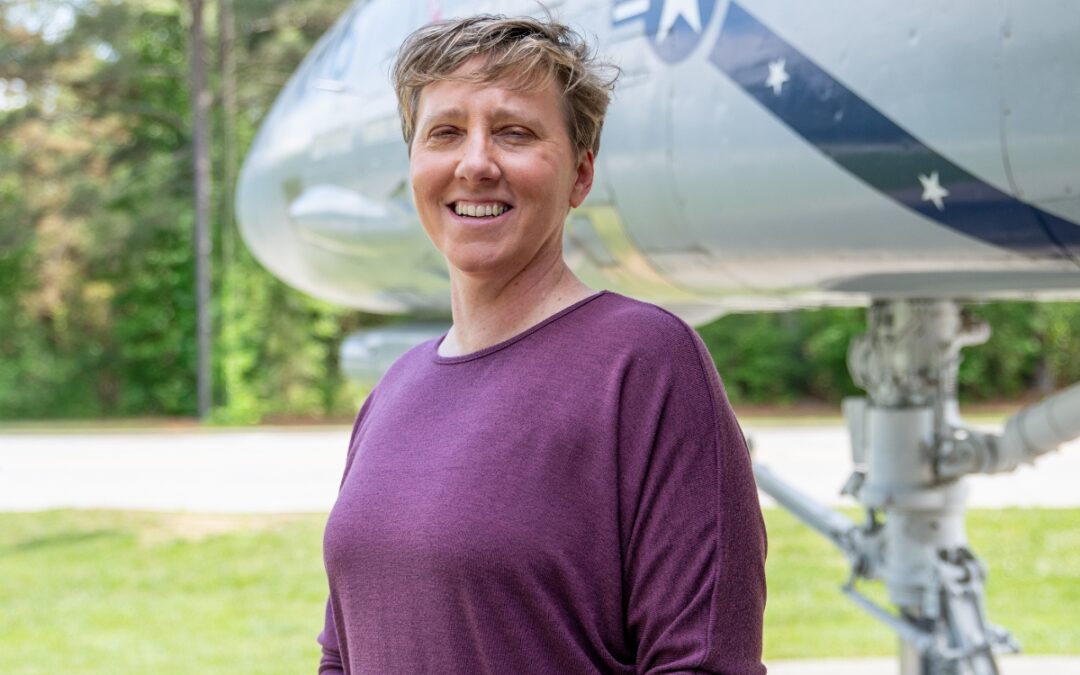
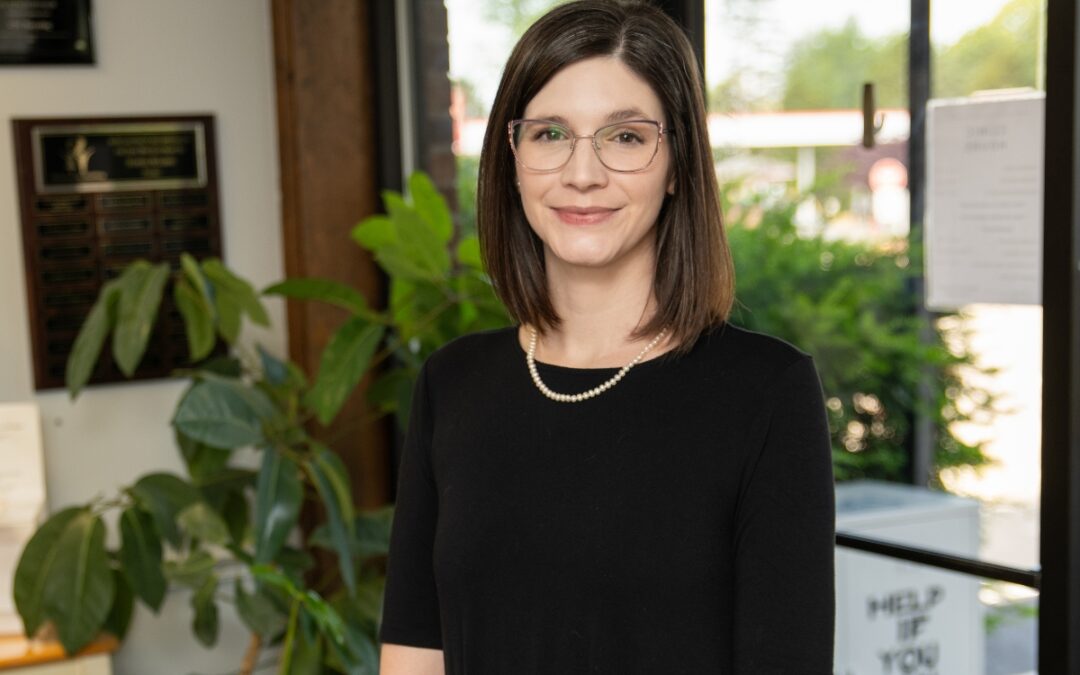
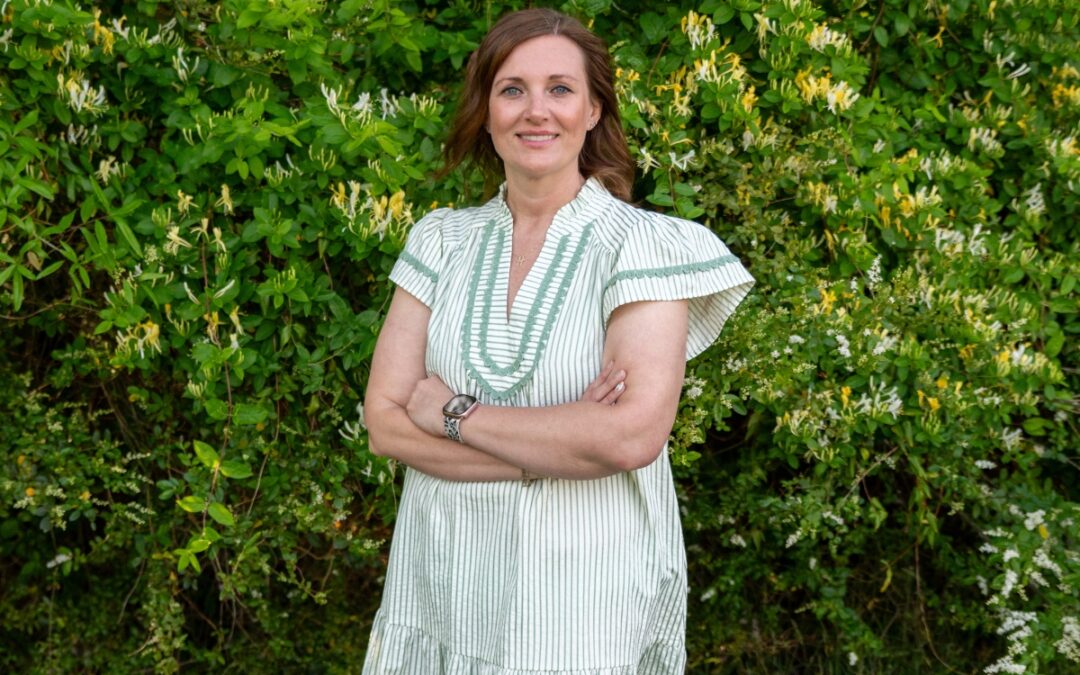
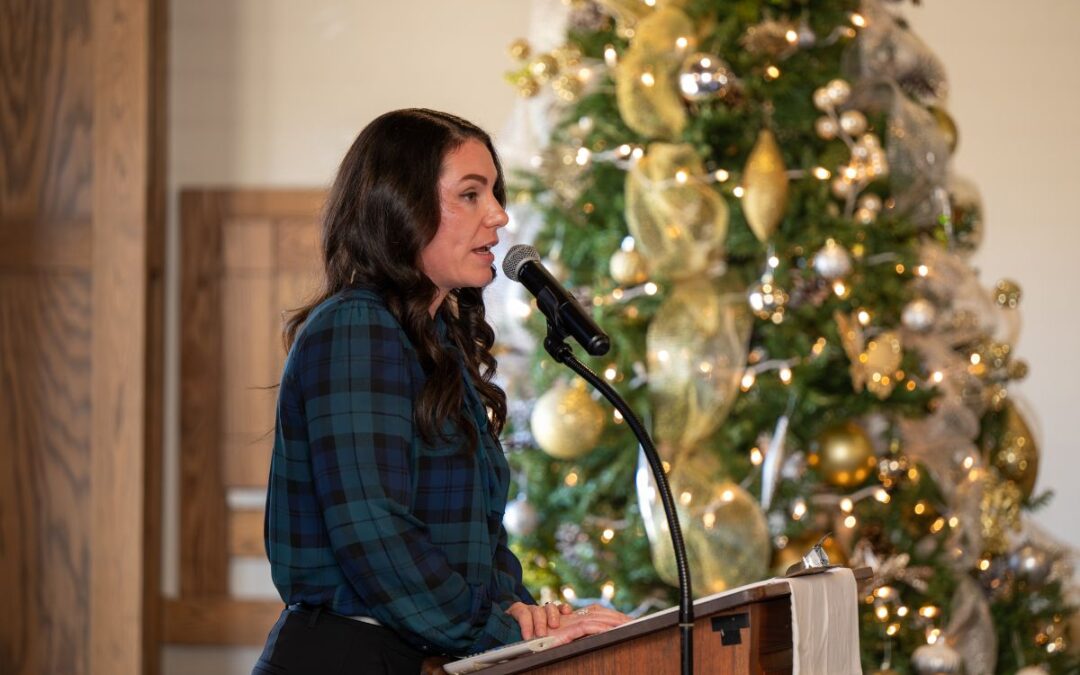
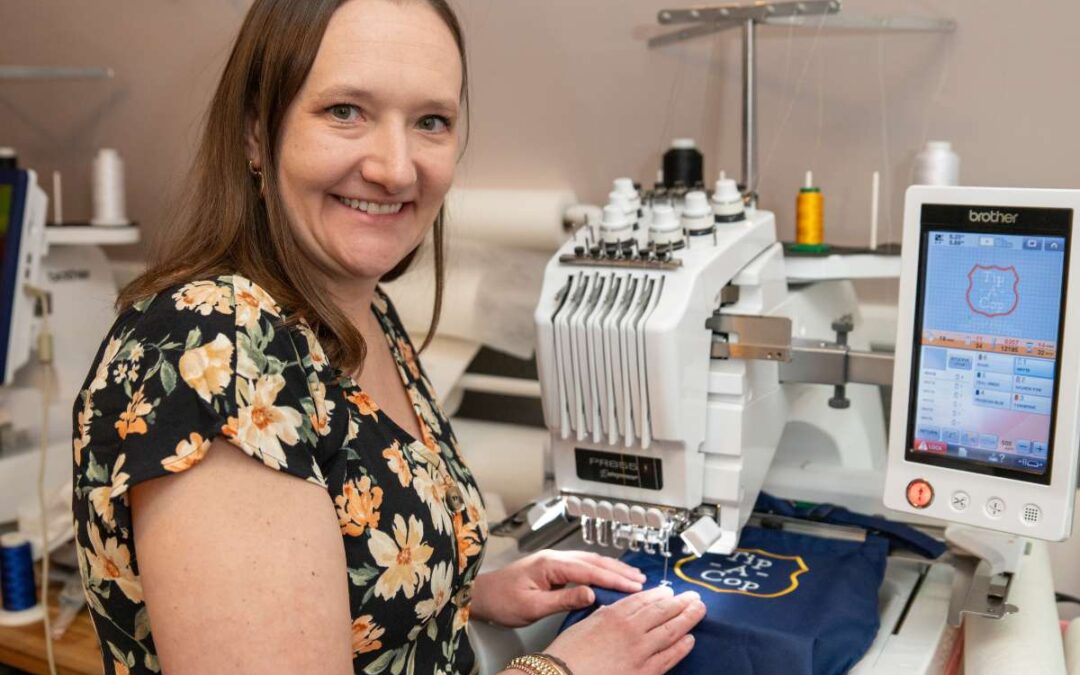
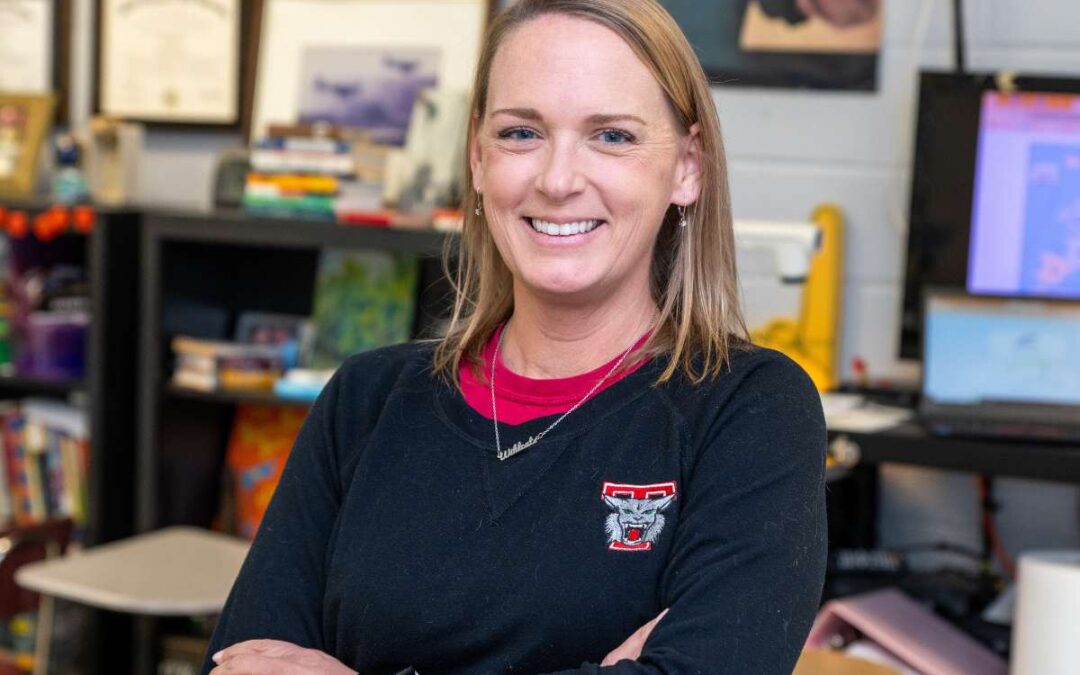
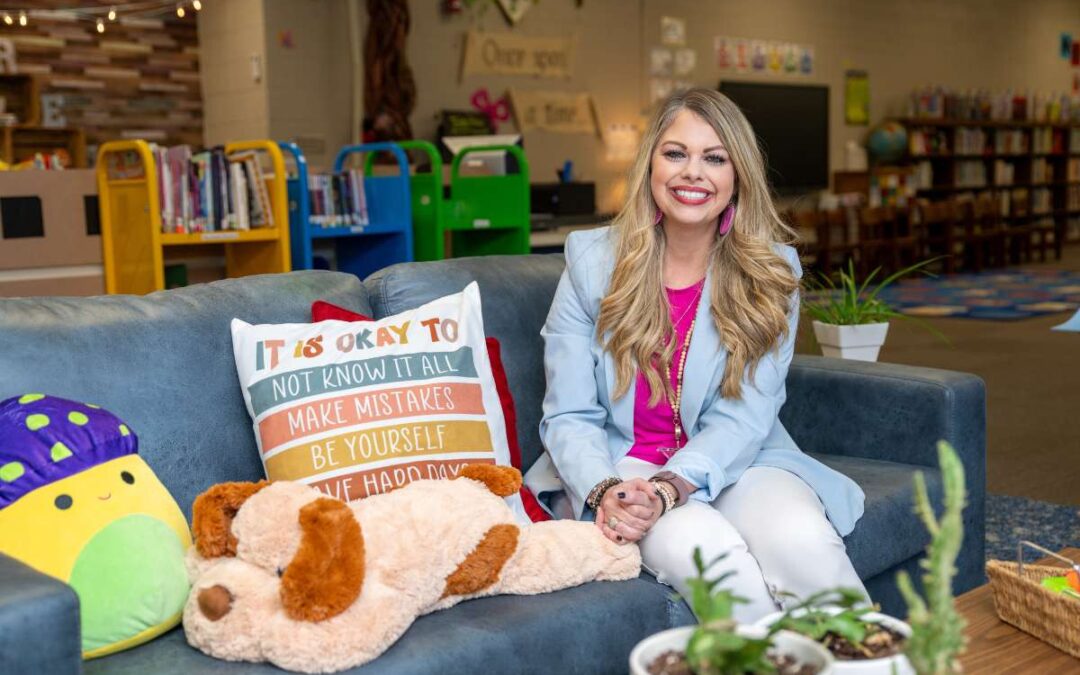
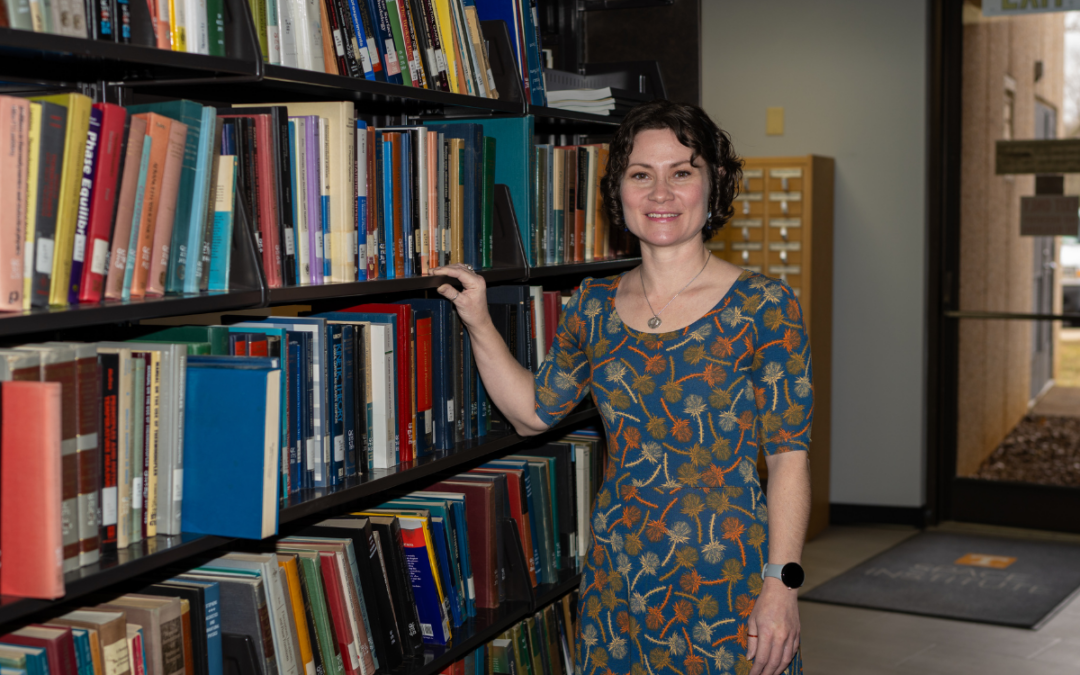
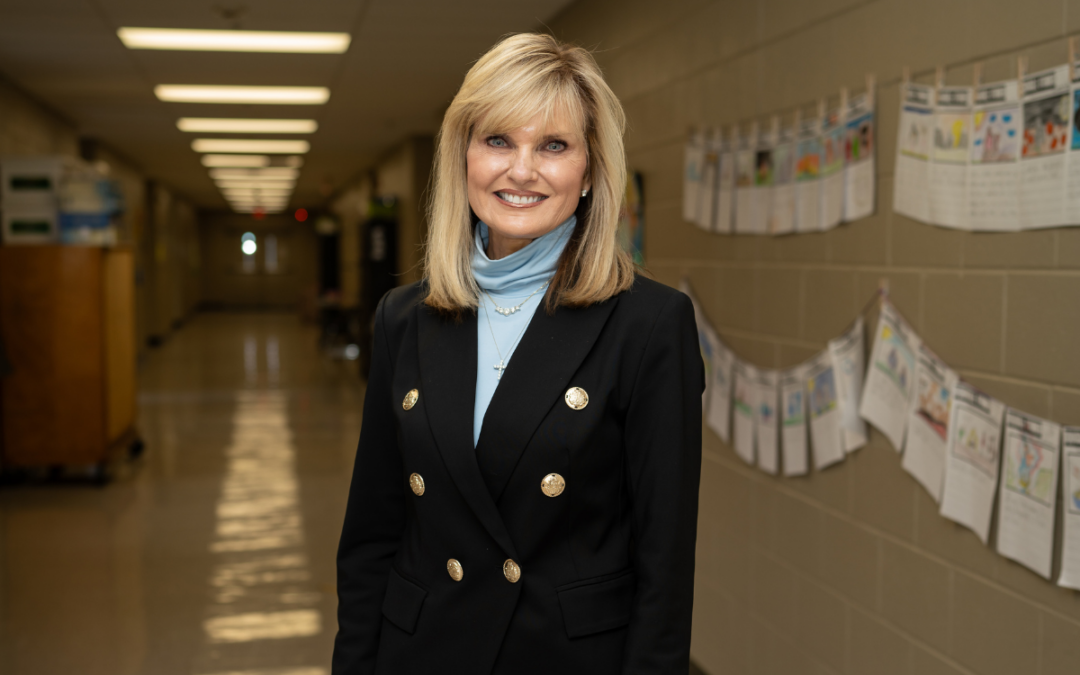
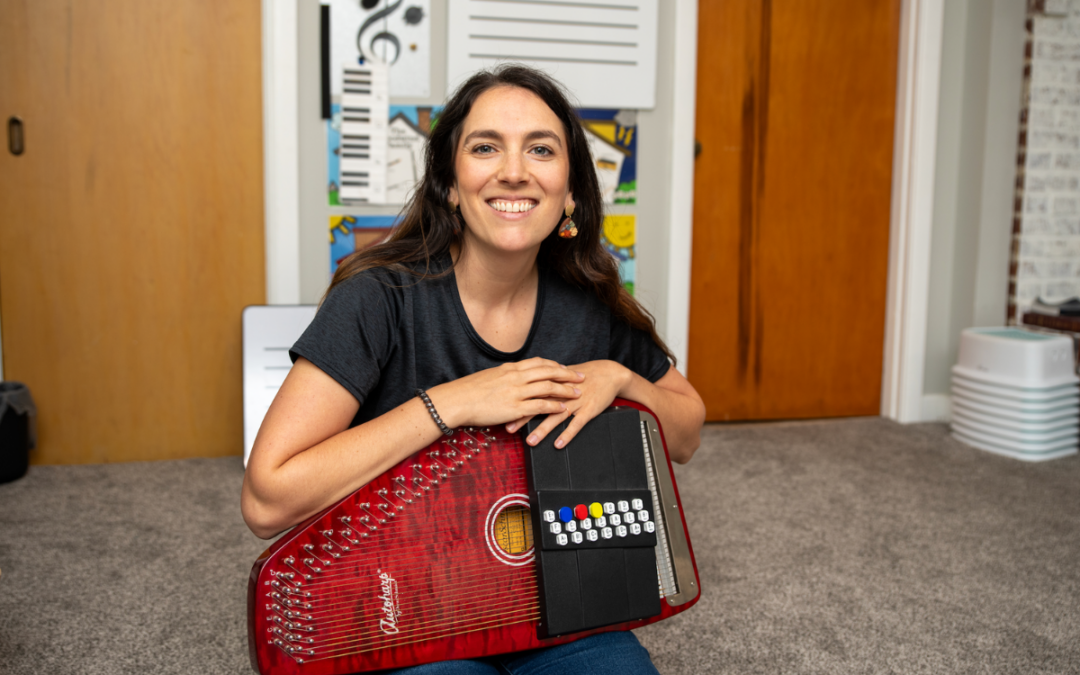
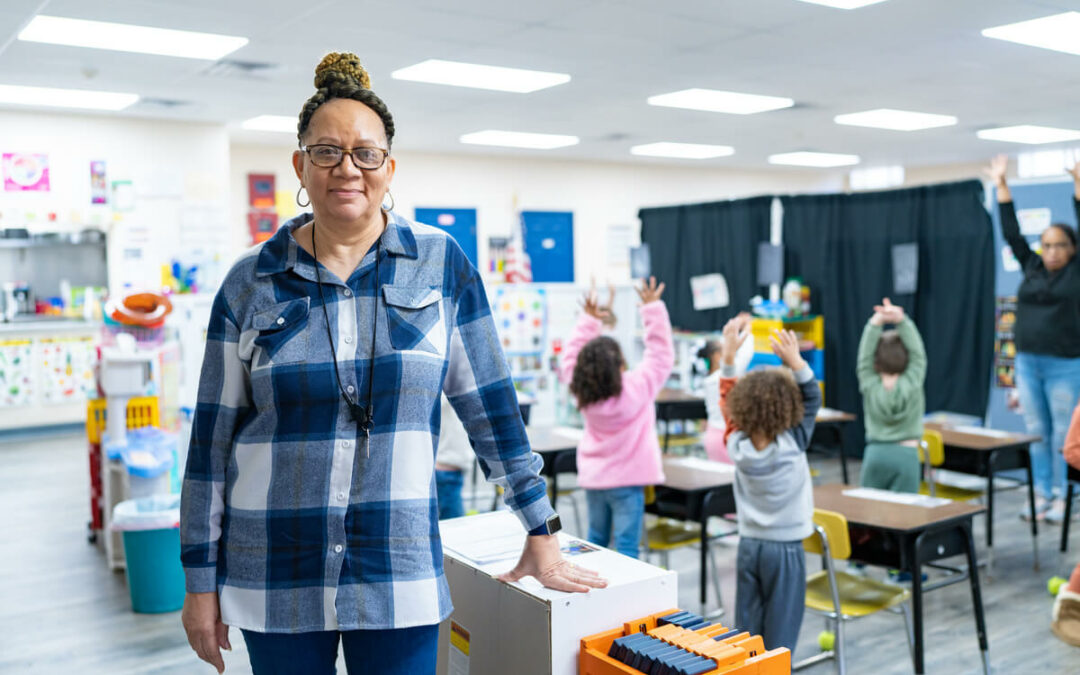
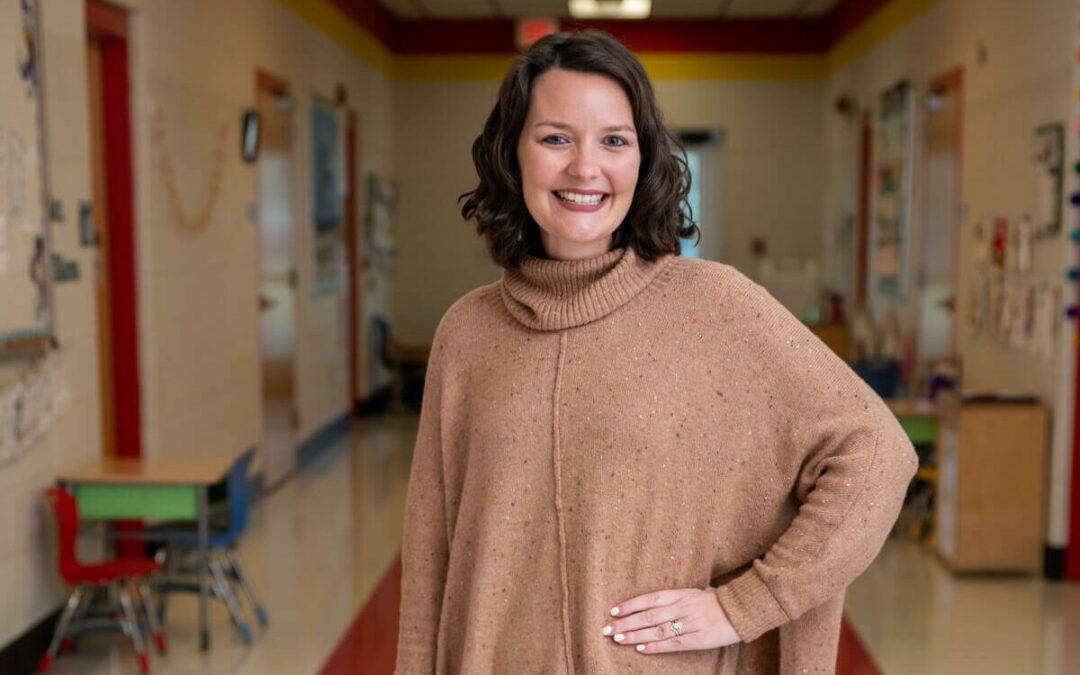
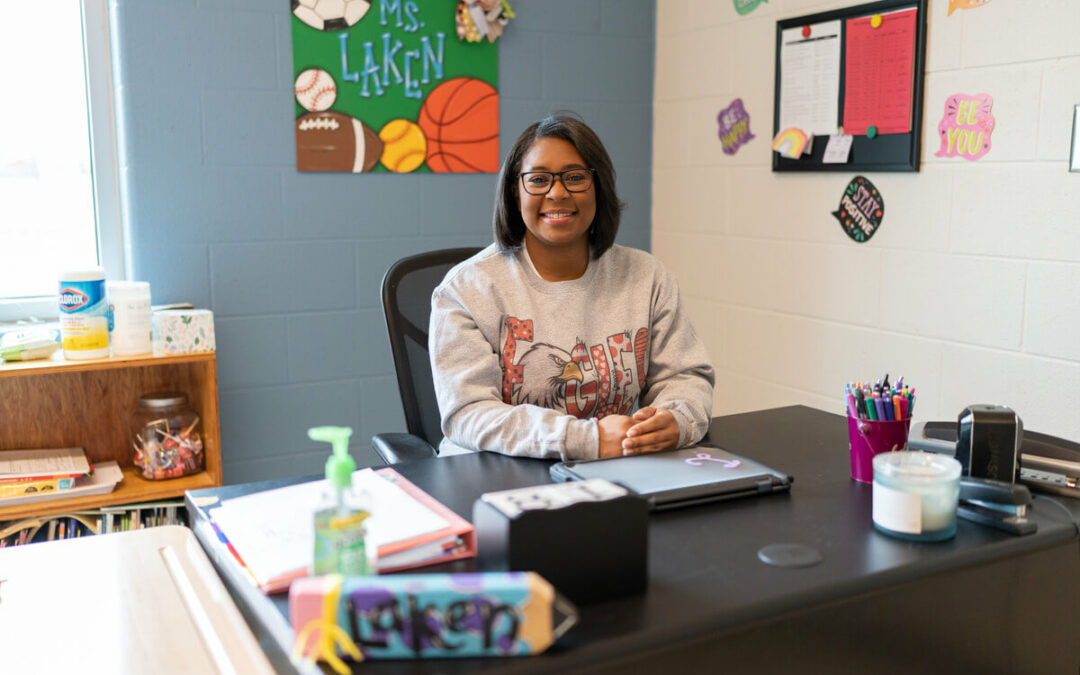
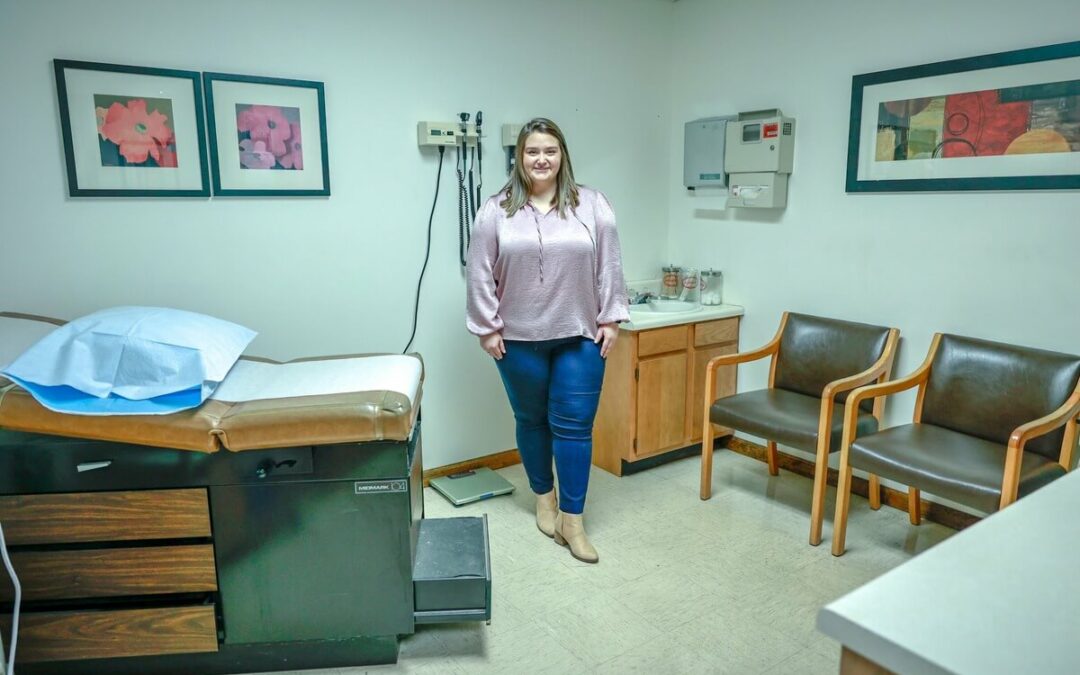
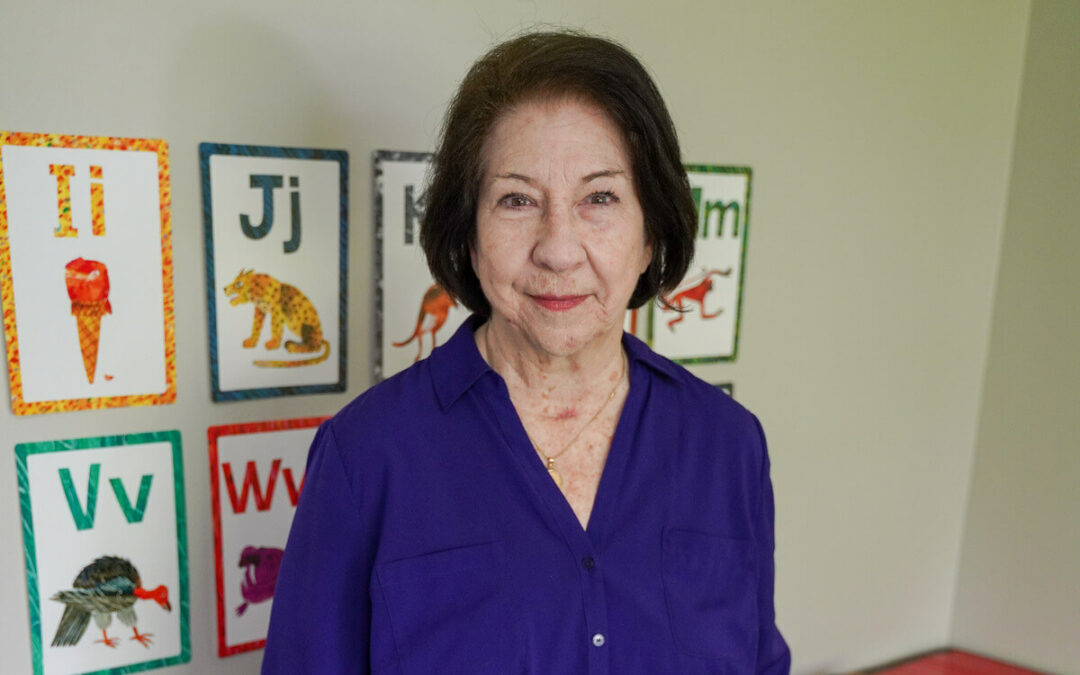
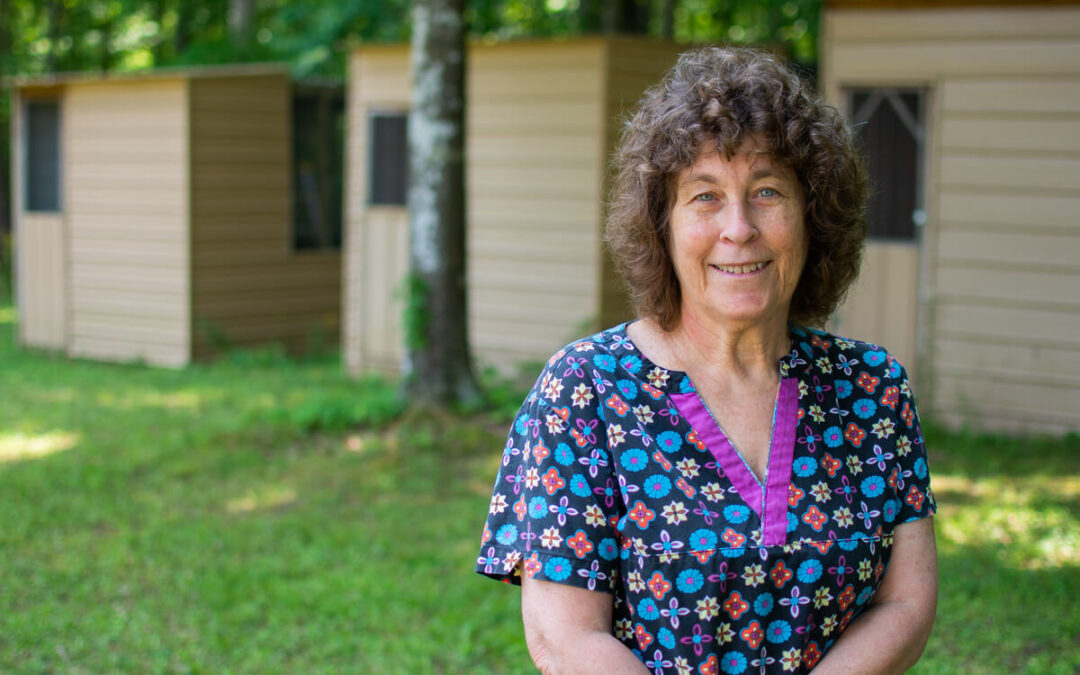
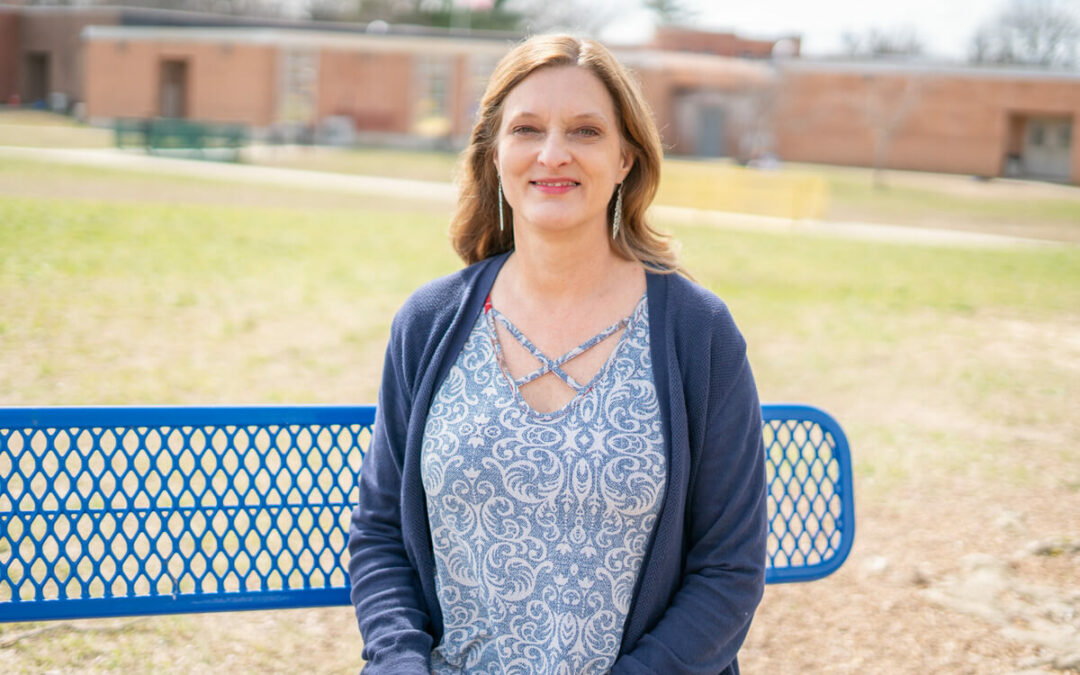
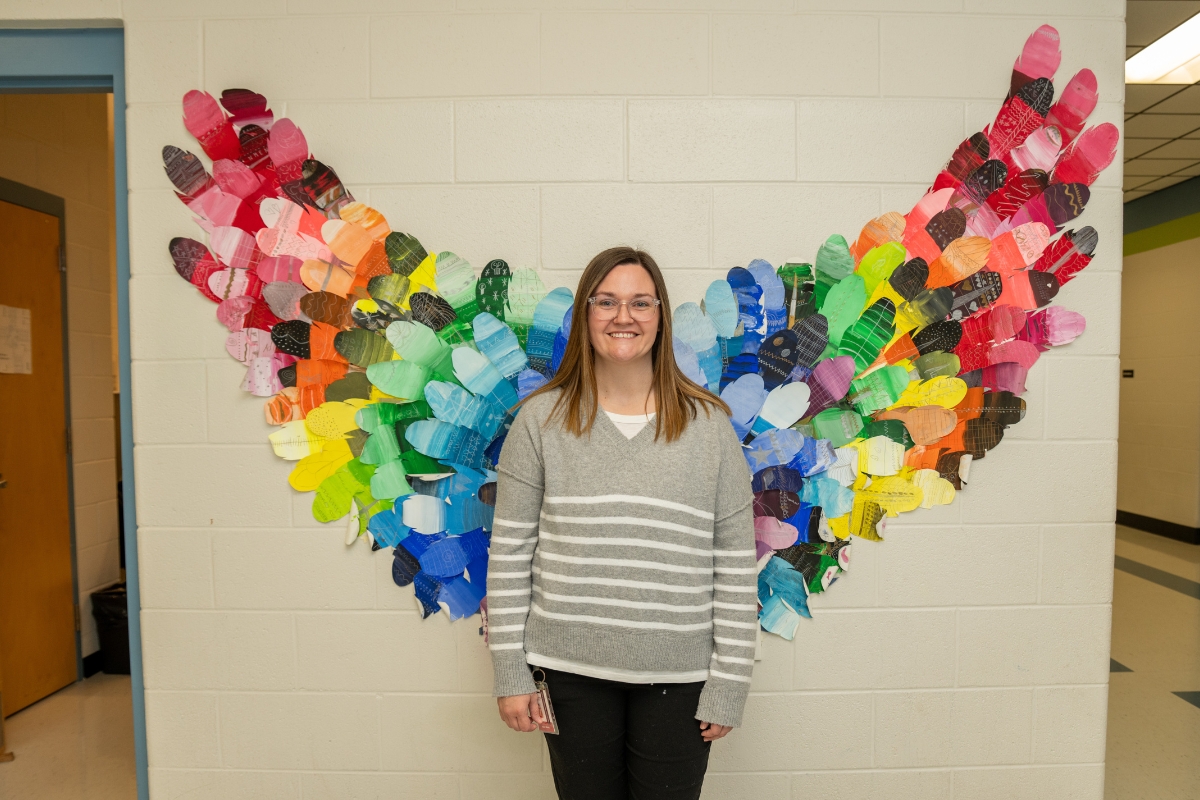
At East Lincoln Elementary, first grade teacher Kaila Walls embodies that impact every single day.
Walls has taught for eight years, with seven of those spent at East Lincoln, where she has found her calling in the first grade classroom. Her path to teaching wasn’t straightforward, but it was unmistakably meant to be. She credits her sister‑in‑law, Lindsay Vanzant, for nudging her toward the profession.
“My sister‑in‑law actually talked me into it,” Walls said. “Originally, I wanted to go to dental school. I had my premed in dental. I went to my first day of shadowing someone, and I learned that the profession just wasn’t for me.”
Once she stepped away from dentistry, teaching quickly became the clear next step. Walls had always loved children and learning, and the idea of spending her days helping young students grow felt natural.
“I’ve always loved kids, and I’ve always been a nerd at heart,” she added. “I just enjoy learning every day anyway, and I thought teaching would be a good fit.”
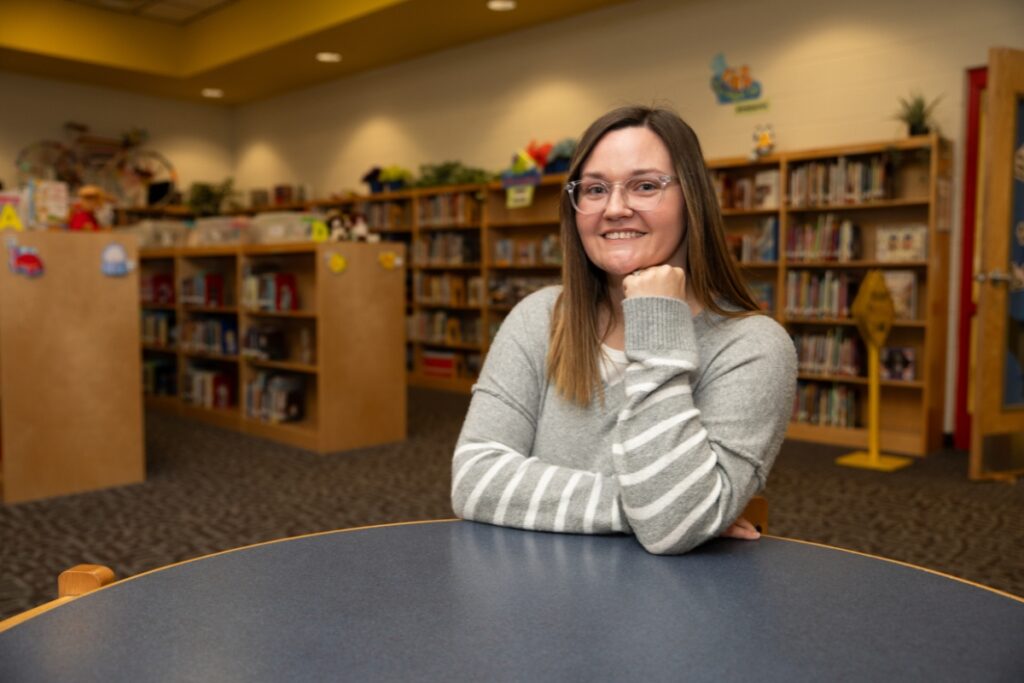
She began taking classes at Middle Tennessee State University and soon found herself in local classrooms, student‑teaching, and observing. It didn’t take long for her to realize that the younger grades were where she belonged.
“It’s their willingness to learn,” she said. “You know, once they hit a certain age, sometimes they’ve just decided, ‘Oh, I can’t do it anymore.’ The younger kids come in, and they thrive on wanting to learn. They come in, and they are ready to listen to you. They look at you like you just know everything.”
Her goals for her students are simple, but profound.
“My goal for them to leave me is to be able to read,” Walls said. “Sometimes they come to me at the beginning of the year and don’t know all of their letter sounds yet. I really want them to be able to read more sentences and also be able to write them before they leave me to go to second grade.”
Walls’ passion for teaching was shaped in part by her own favorite teacher, Ms. Goodman at Westwood Elementary in Manchester.
“Her name was Ms. Goodman, and she was my reading and grammar teacher,” Walls said. “I loved her quirkiness. She turned things into songs, and she would get up in front of us and dance and sing these songs that she would have us sing with her, and I always really enjoyed the enthusiasm she had for teaching.”
That same enthusiasm now lives in Walls’ classroom.
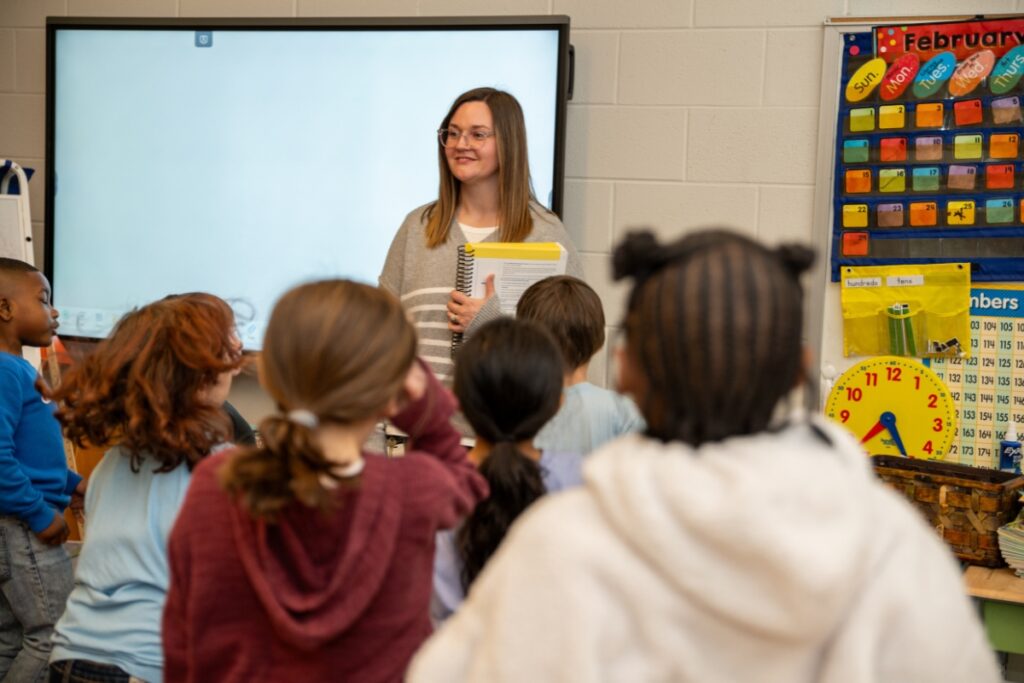
More than anything, she hopes her students carry with them a sense of safety, confidence, and possibility
“I hope that they remember that I’m always there for them and that, whether they need help with something at school or something outside of school, they can come to me and that they can rely on me to help keep them safe,” she said. “Also, I want them to take away from me that they are capable of learning as long as they put their best forward; they can do whatever they want.”
Even years later, Walls said that former students will stop by her classroom to talk, ask questions, or simply reconnect. This is something that she treasures a great deal.
Looking ahead, Walls hopes her legacy is one of dedication and impact.
“I just hope that I can do a good job and that people look in and say she’s doing what she needs to and helping her students get where they need to be,” she said.
Her long‑term dream is to eventually teach future educators at the college level.
“I want to work with college students who are interested in becoming teachers and helping future educators,” she said. “I want to help them become equipped and prepared to take on today’s society.” GN