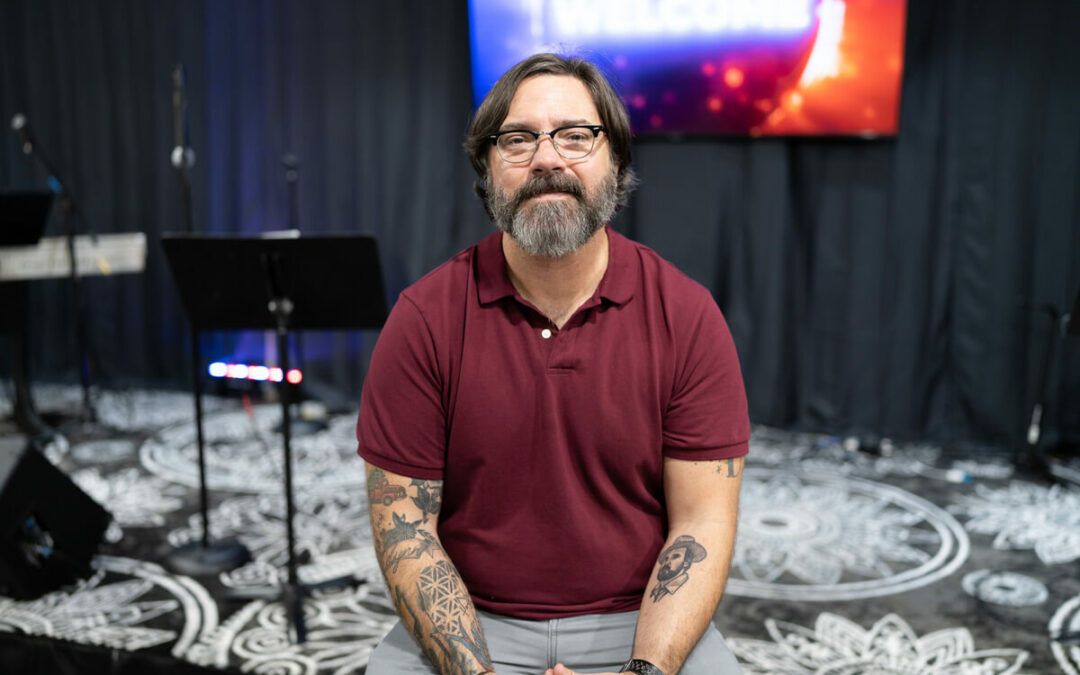
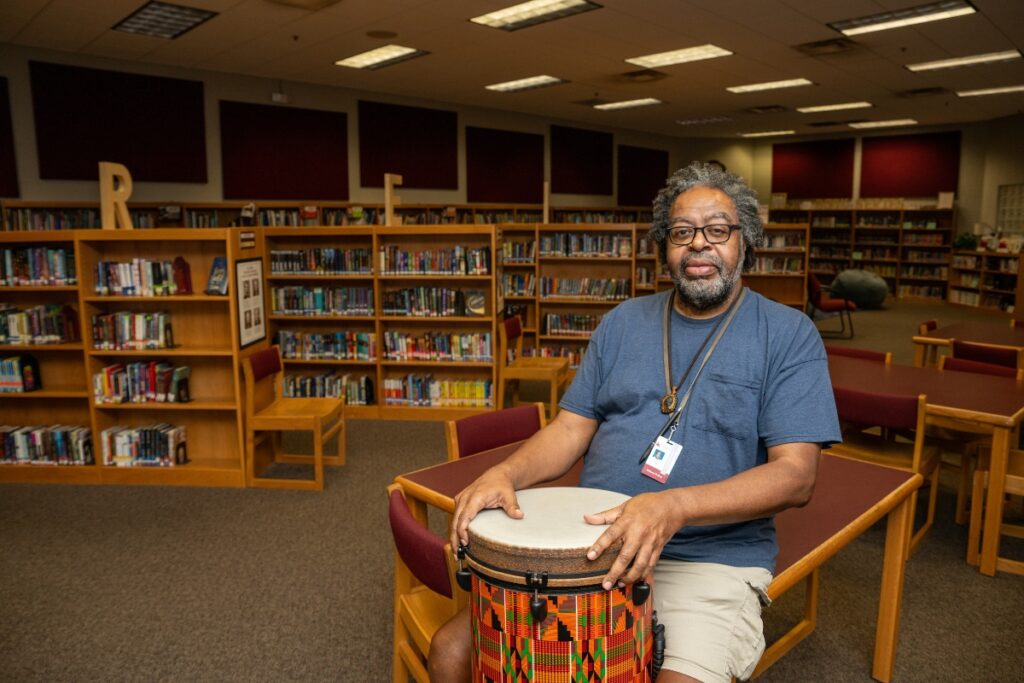
FOR MICHAEL McGee, the path to becoming one of Tullahoma’s most beloved special education educators didn’t begin in a classroom. It began under stage lights.
A native of Tullahoma, McGee grew up in a family full of performers, surrounded by song and dance. He, along with his siblings, was encouraged to be confident in expressing himself and to know that the arts were a bridge to a world of endless possibilities.
High school would find McGee making his debut on the theater stage, and even as a young teenager, he knew he always wanted to be involved in the arts.
And McGee has held to that decision he made all those years ago. Over the years, the stage has become a second home for him. He loves the thrill of an audience, the rhythm of music, and the joy of helping others fall in love with performing.
This love of helping others led him to the world of education, and his passion for theater and the arts has become the foundation of his life’s work.
THEATER MEETS THE CLASSROOM
Upon attending college at Middle Tennessee State University (MTSU), McGee said things began to shift from a career in theater to working in education.
“Once at college at MTSU, I got involved with the children’s theater,” he said. “Then schools started to want me to do things with their classes.”
That early involvement opened a door he hadn’t expected. Soon, he was working with the Extended School Program, and eventually, he stepped into his first special education role at Black Fox Elementary, focusing on behavior management.
That experience would seem to change everything. While the class he worked with was eventually dissolved, McGee and the other educational assistants were kept on to support schoolwide behavior management. They worked closely with the guidance counselor through a program called PASS — Positive Action Student Support. It was here that McGee began to understand how naturally theater and behavioral education fit together.
“That’s what behavior management is — theater,” he stated. “I teach them how to act while they’re at school. It’s an important skill to learn.”
For McGee, the stage is more than performance. It’s structure and timing. It’s learning how to wait your turn, how to listen, how to express yourself, and how to be part of something bigger than yourself. These are the same skills his students, especially those with special needs, must master every day.
After more than a decade in the Murfreesboro school system, McGee was given the opportunity to teach drama and performing arts at The Discovery School for Gifted and High-Achieving Kids. He loved the job, the students, and creative freedom. But something was missing.
“I just wanted to come home. I missed it,” he said.
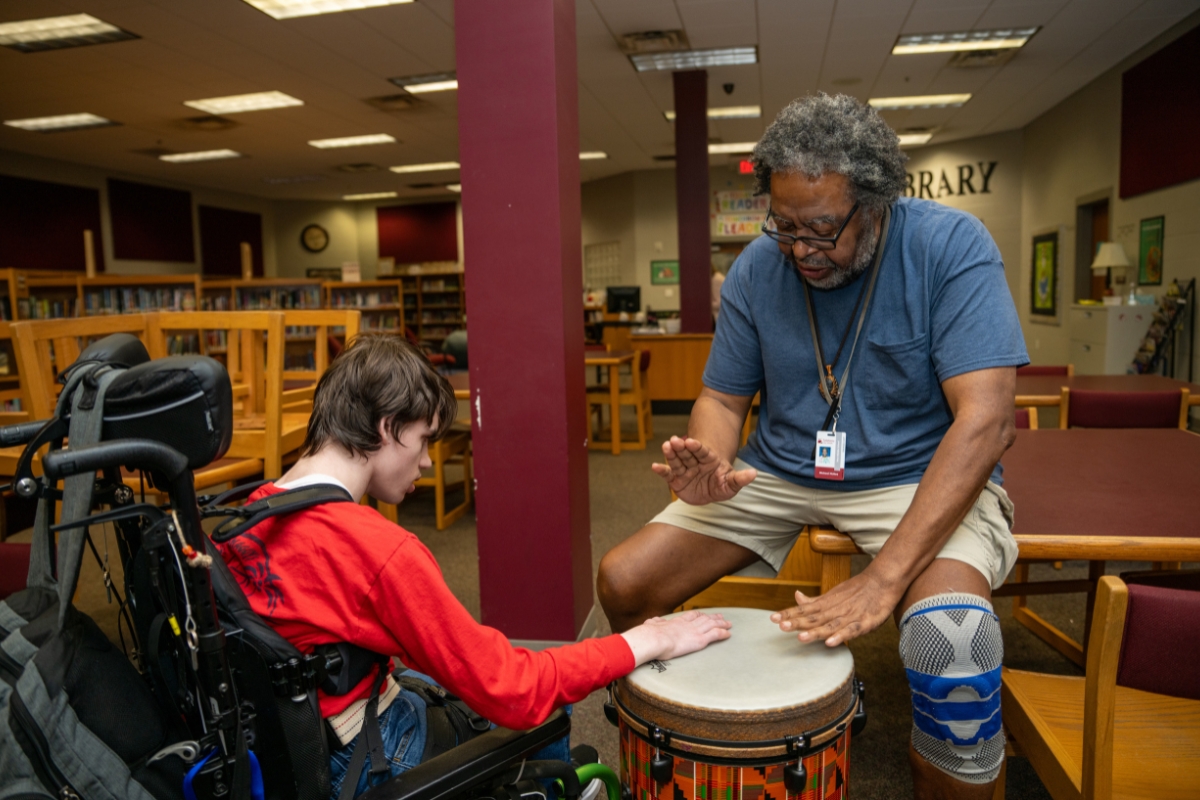
McGee returned to Tullahoma, first working at Bel-Aire Elementary before moving to Robert E. Lee Elementary. Today, he splits his time between Robert E. Lee in the afternoons and West Middle School in the mornings, supporting the Special Education Program.
BRIDGING THE GAP THROUGH THEATER
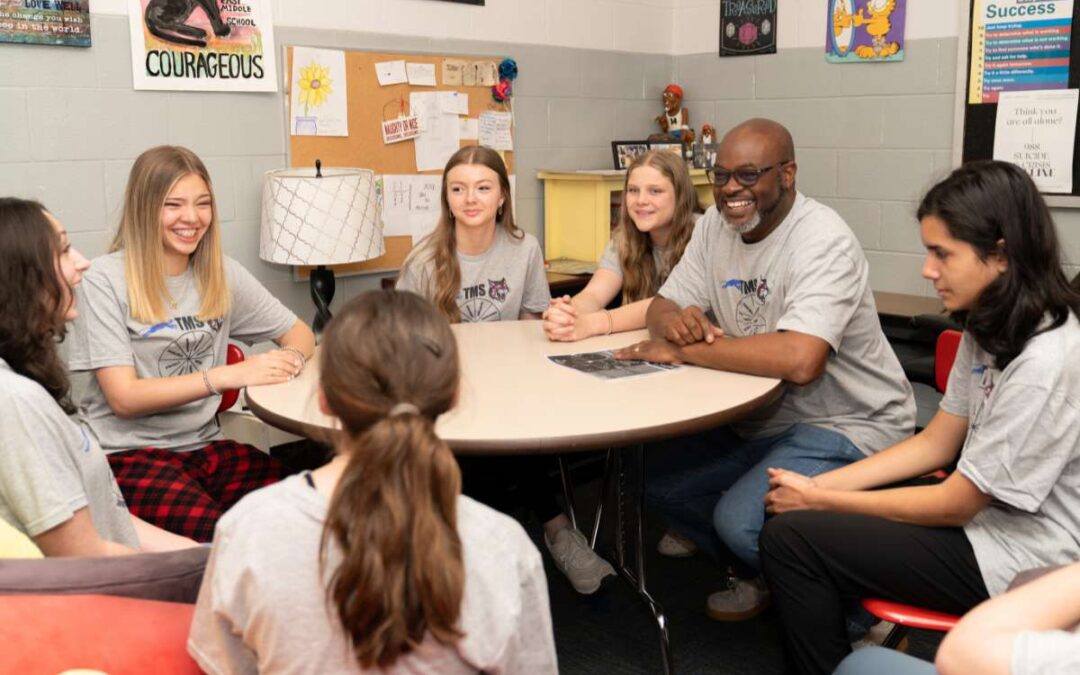
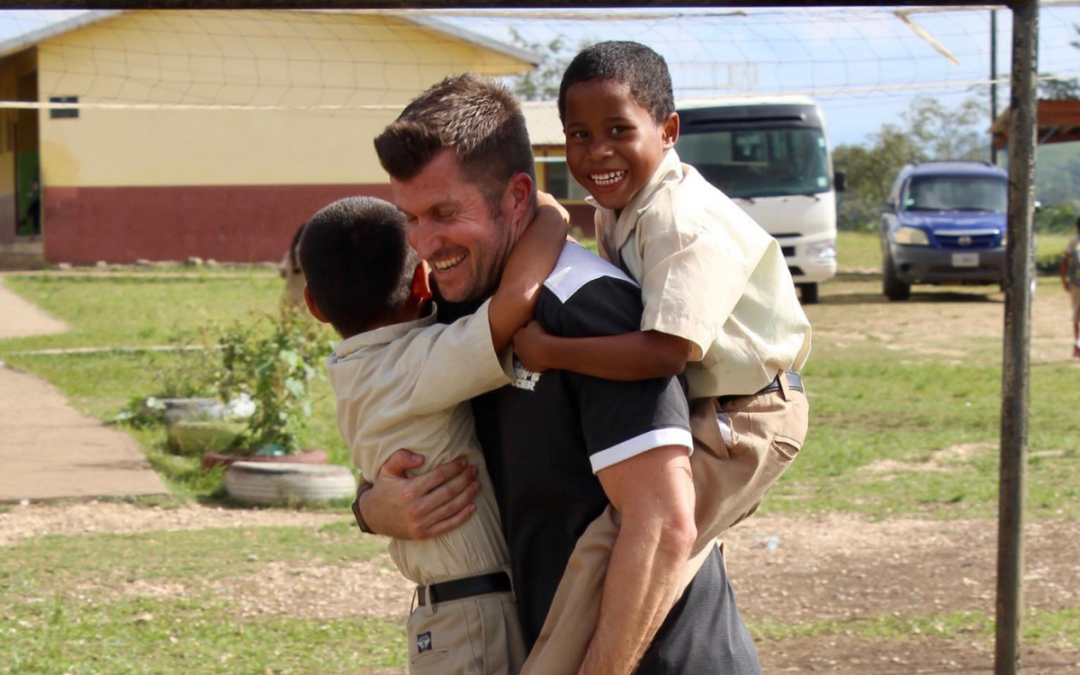
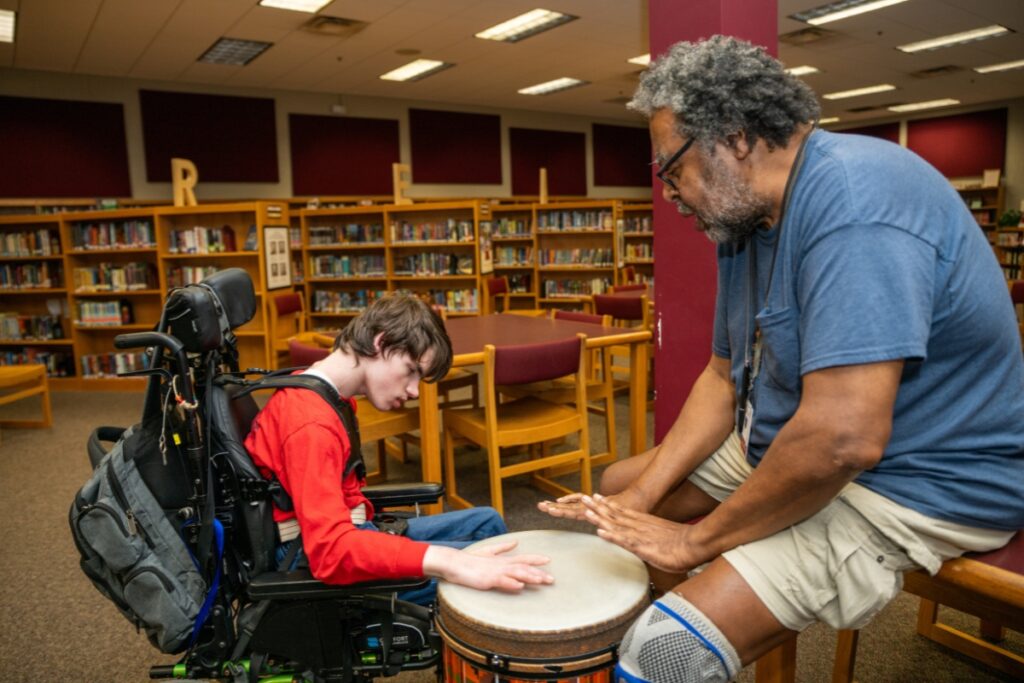
One of McGee’s biggest challenges — and greatest rewards — has been connecting general education students with special education students. He believes that both groups benefit from being around each other.
McGee said his favorite moments happen when his students perform.
“I love it when they are able to perform,” he explained. “With our special-ed students, we teach them with little scripts and songs. One of the hardest things for them to learn is patience, and so through performing, this teaches them to wait their turn. They realize that their turn is coming, and all they have to do is wait.”
Patience, he said, becomes a skill they carry into everyday life.
To further unite students and celebrate the arts, McGee directs a spring musical each year. Both regular and special education students participate, creating a performance that brings the entire school community together.
“It takes them all over the world, as they can meet different people through the script,” he explained. “Working together is also a big thing. It’s just fun, simple music and simple choreography, but the payoff helps build confidence and patience. Also, the parents just love it.”
McGee added that the arts can have a profound effect on a student’s life. He said that the earlier a child can be exposed to it, the better.
“I think it needs to start earlier in a child’s life,” he said. “It doesn’t need to be work in the beginning, just something fun for them to gain exposure and experience with.”
He knows firsthand the benefits of discovering the arts as a student.
“I wasn’t in my first play until I was a junior in high school, and I just fell in love with it, and I’ve been doing it there since,” he said. “I love performing on a stage and in front of an audience. I also love doing musicals; those are my favorite.”
LEAVING A LEGACY OF EMBRACING OTHERS
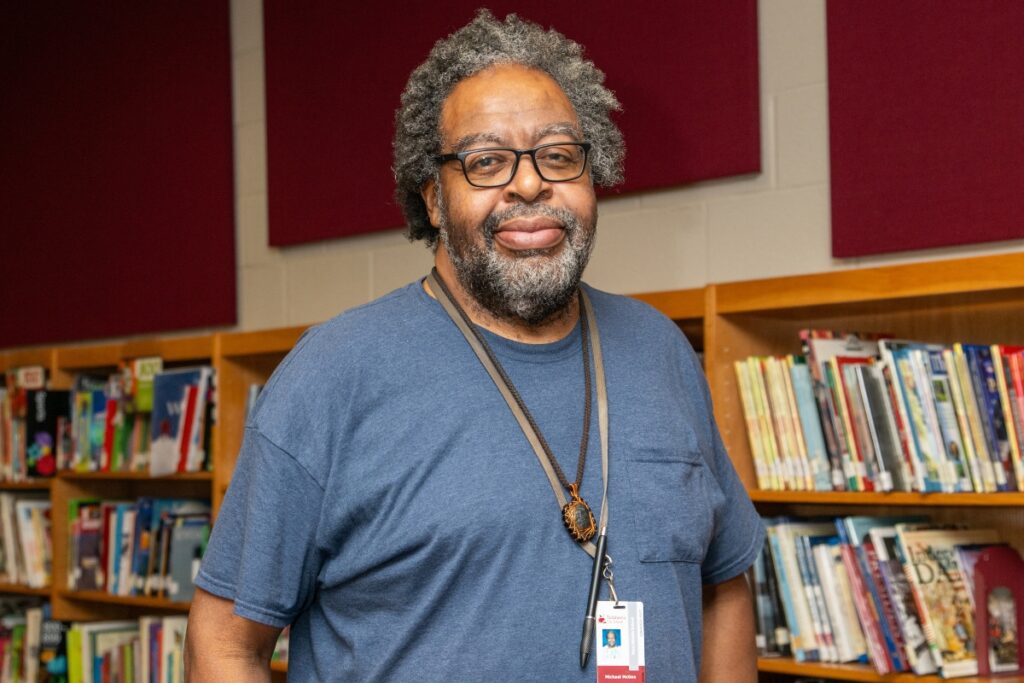
McGee said his favorite thing about the job is his students. He affectionately refers to his students as “his,” but only until 3 p.m., when he happily sends them home to their parents. Still, he hopes they always remember that his support doesn’t end when the school day does.
“I tell them, ‘You can call yourself mine, as long as you want to,’” he explained. “I’ve got 50-year-old kids, though, who still reach out to me.”
McGee hopes his students remember how deeply he cared for them and that they carry forward a willingness to understand and embrace people they may see as “different.”
“One of the first things I tell the kindergartners is that ‘I love kindergarteners because they taste like chicken,” he laughed. “And they laugh because they know that I’m joking, but I do love them too. I do truly care about them. I also want to leave with the knowledge of not being afraid of someone different. I want them not to be afraid or ashamed of being different themselves. Our diversity is what makes us smart, strong, and beautiful.” GN