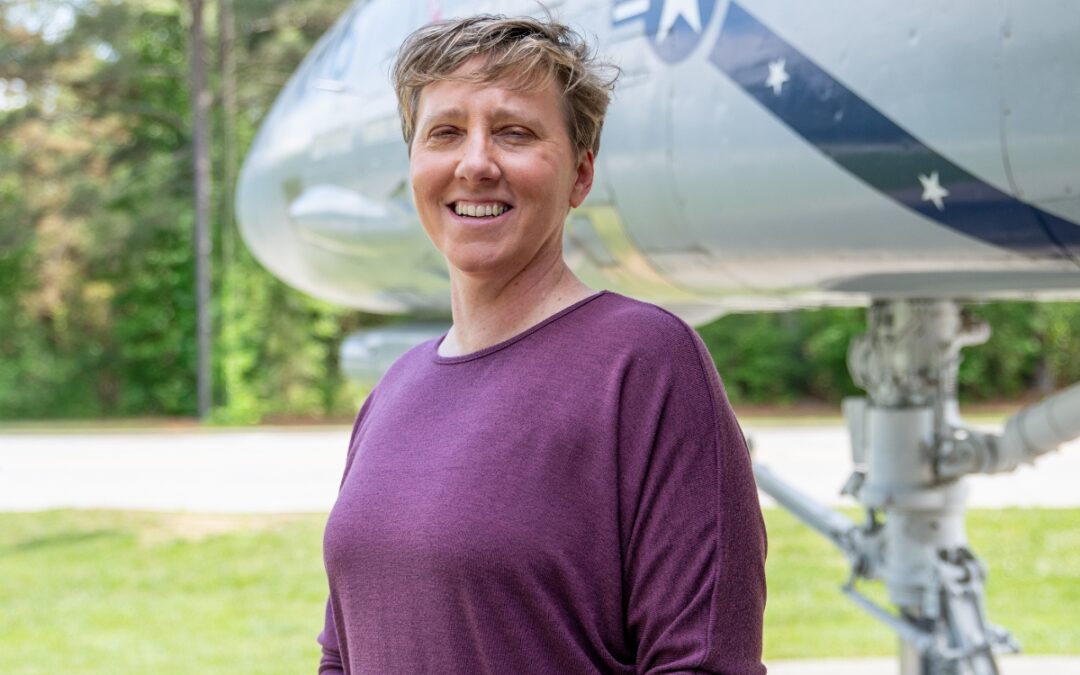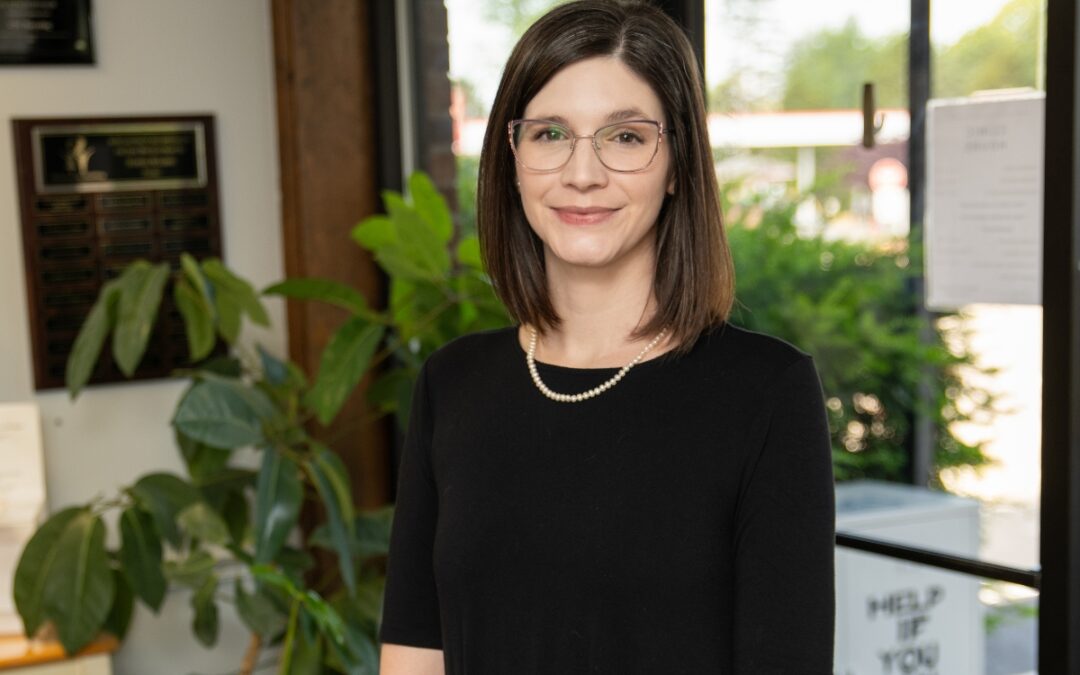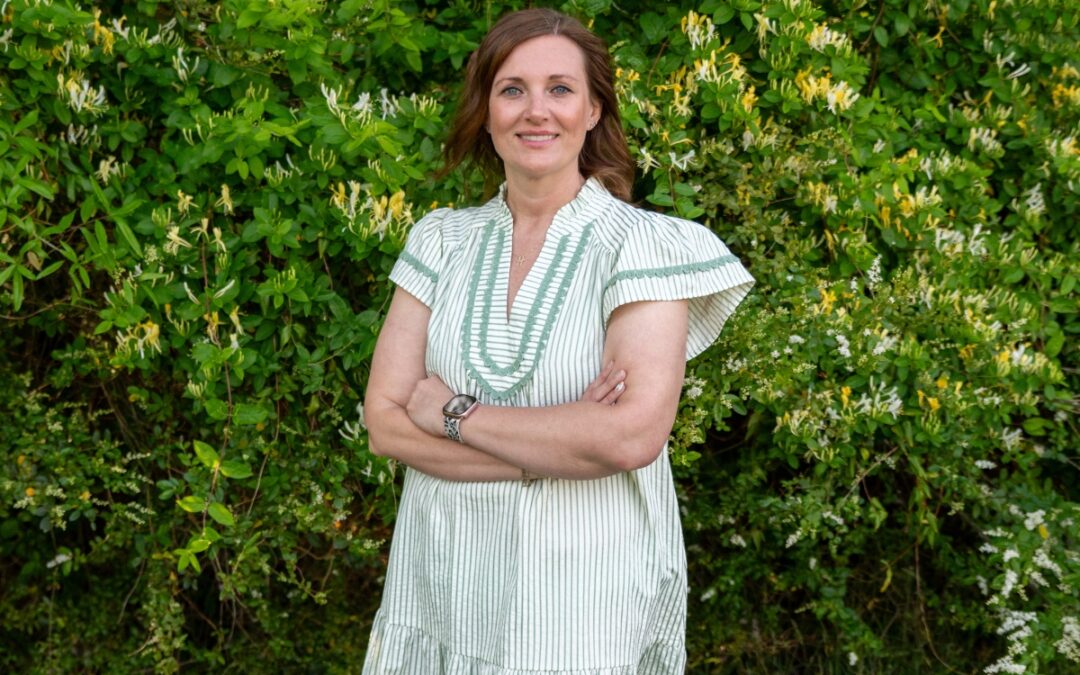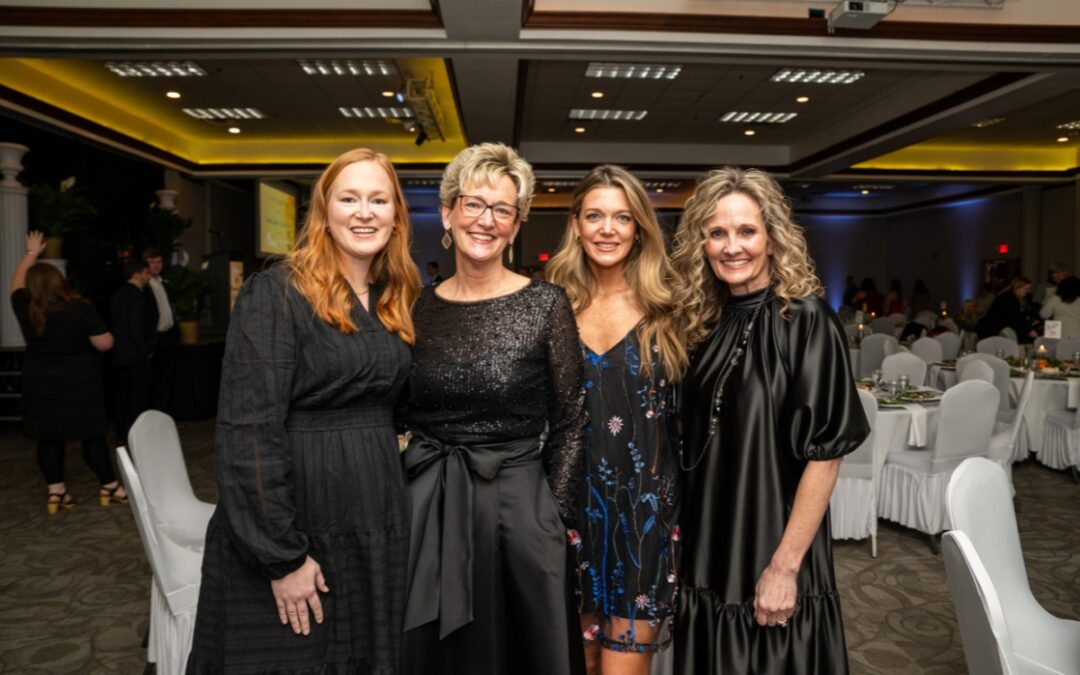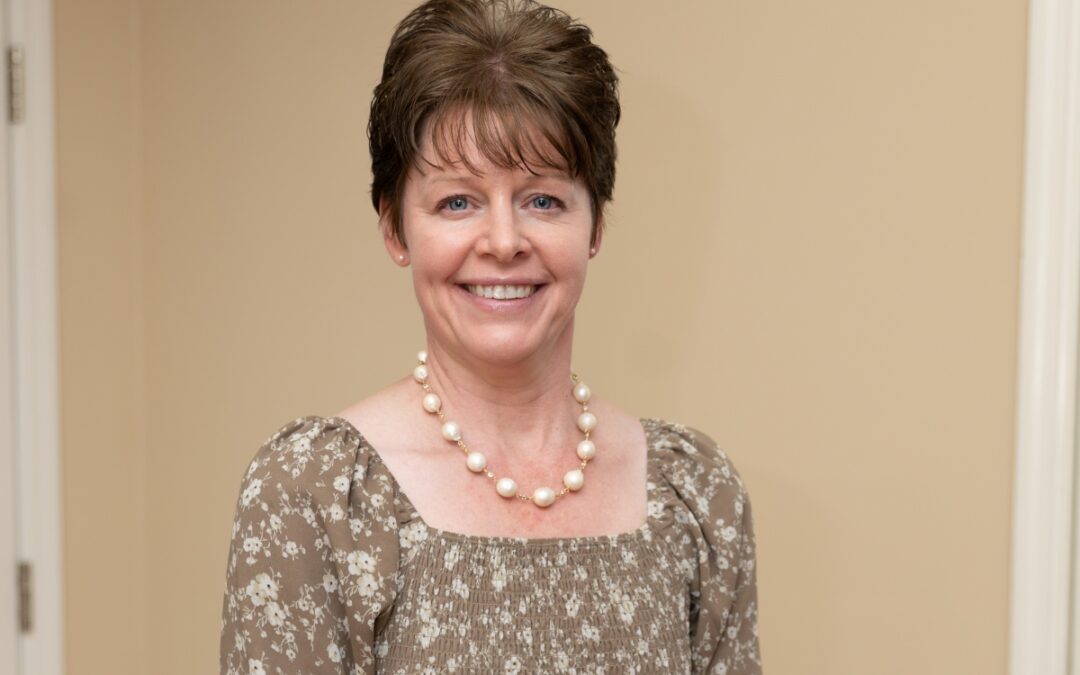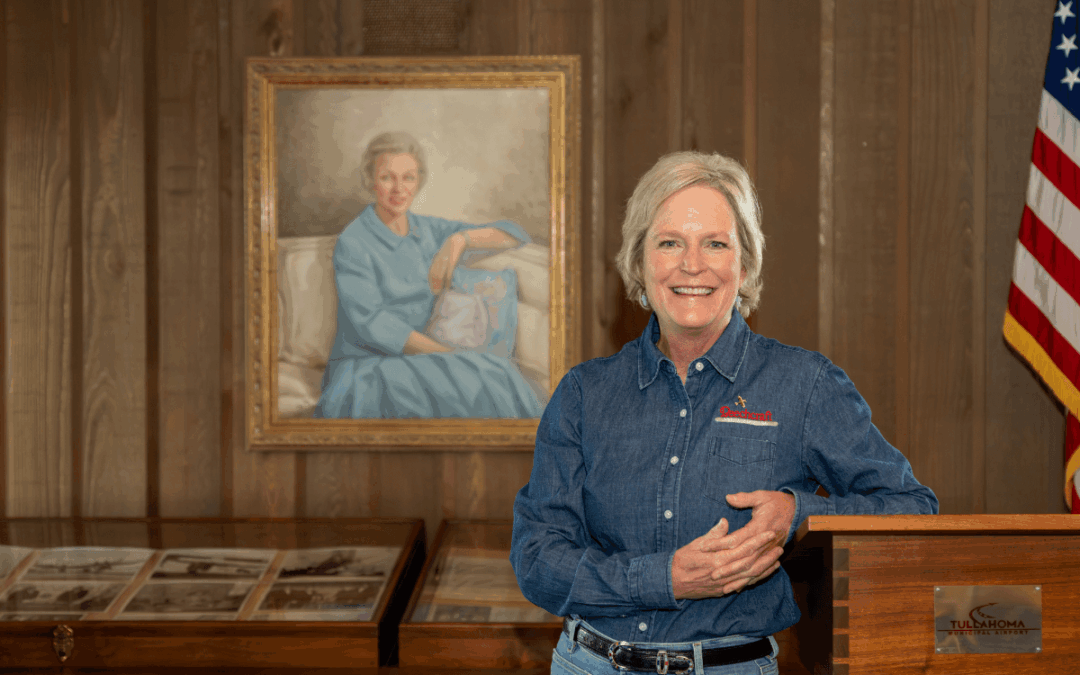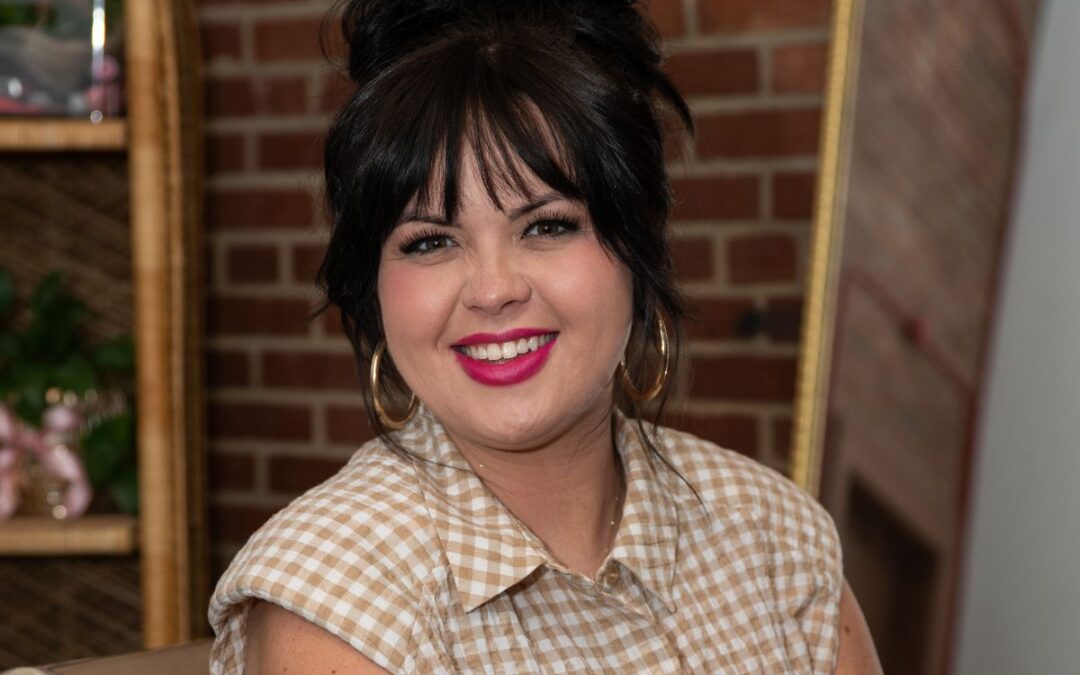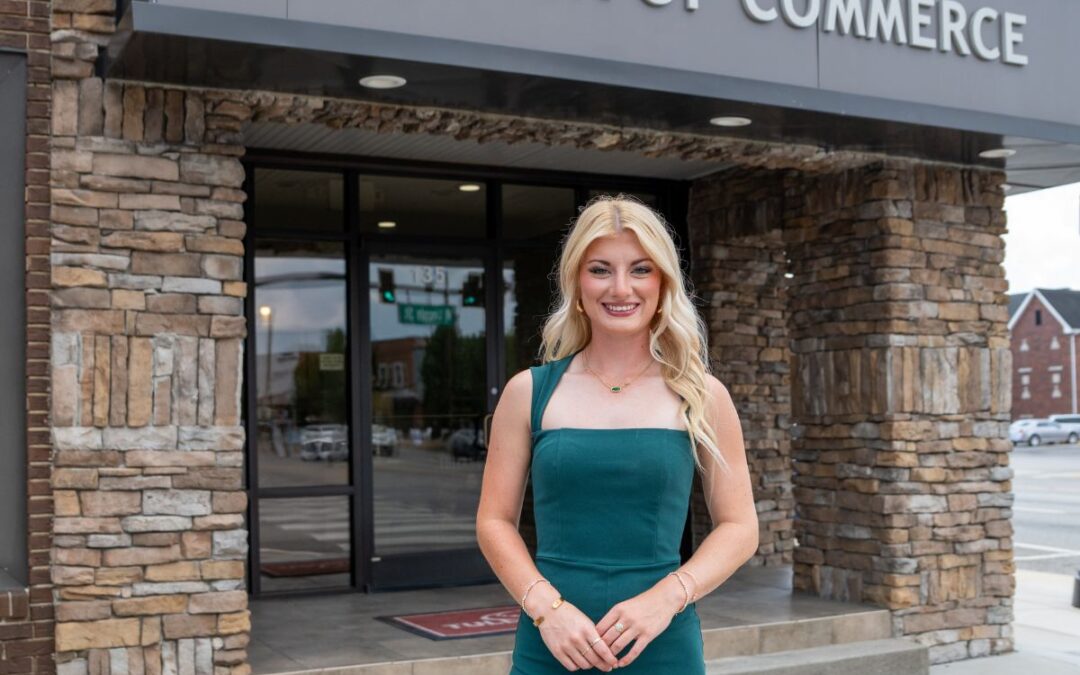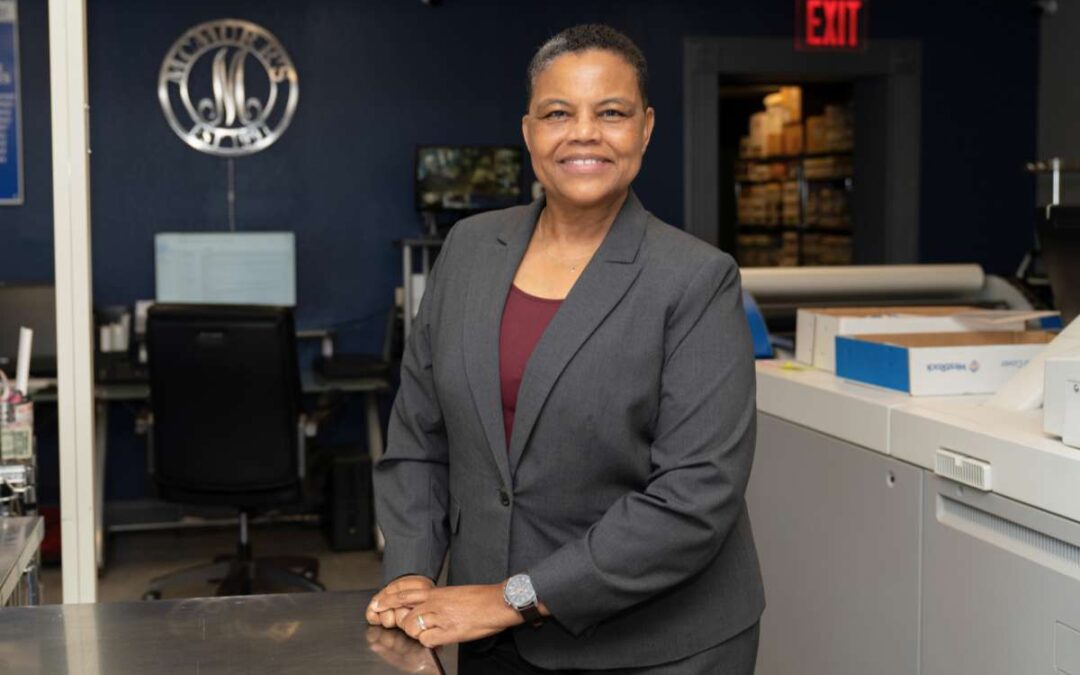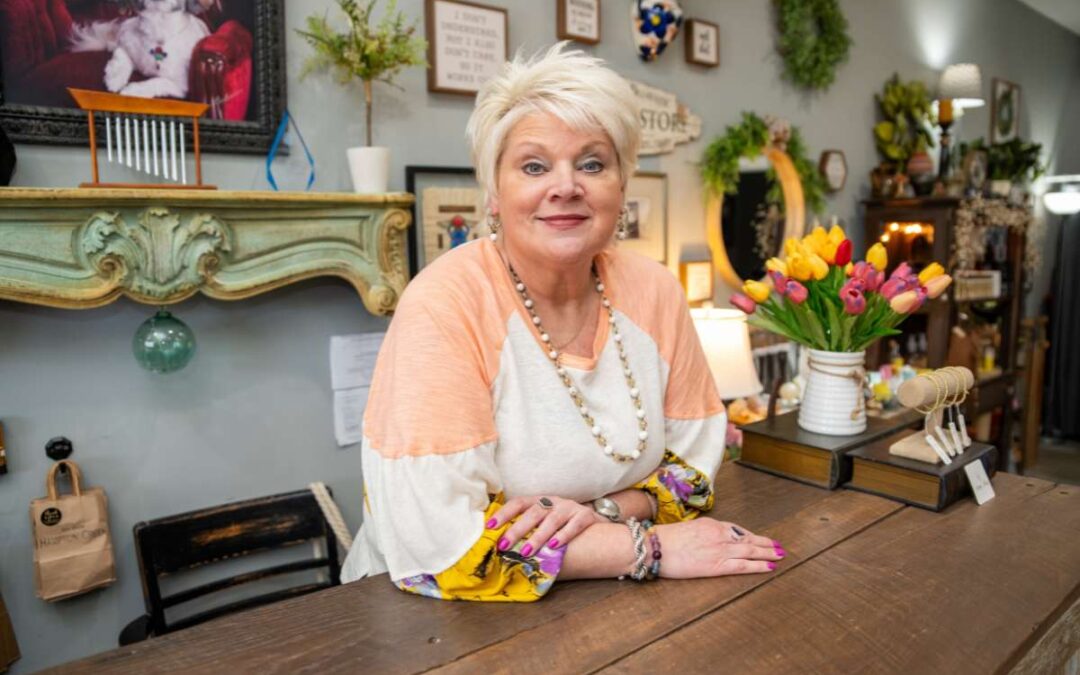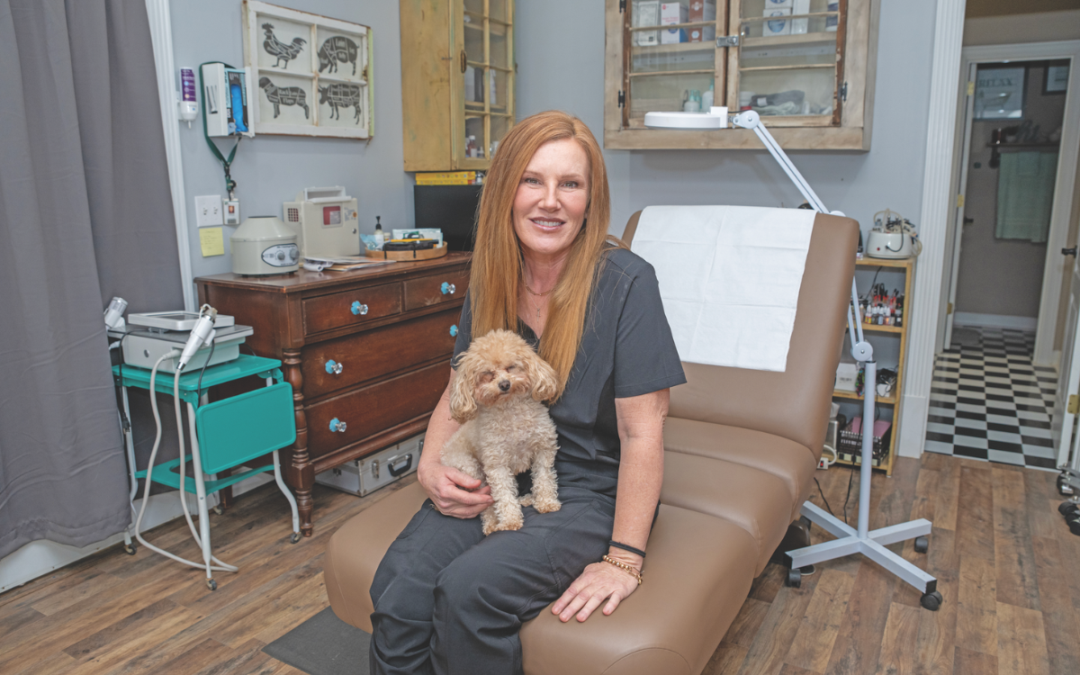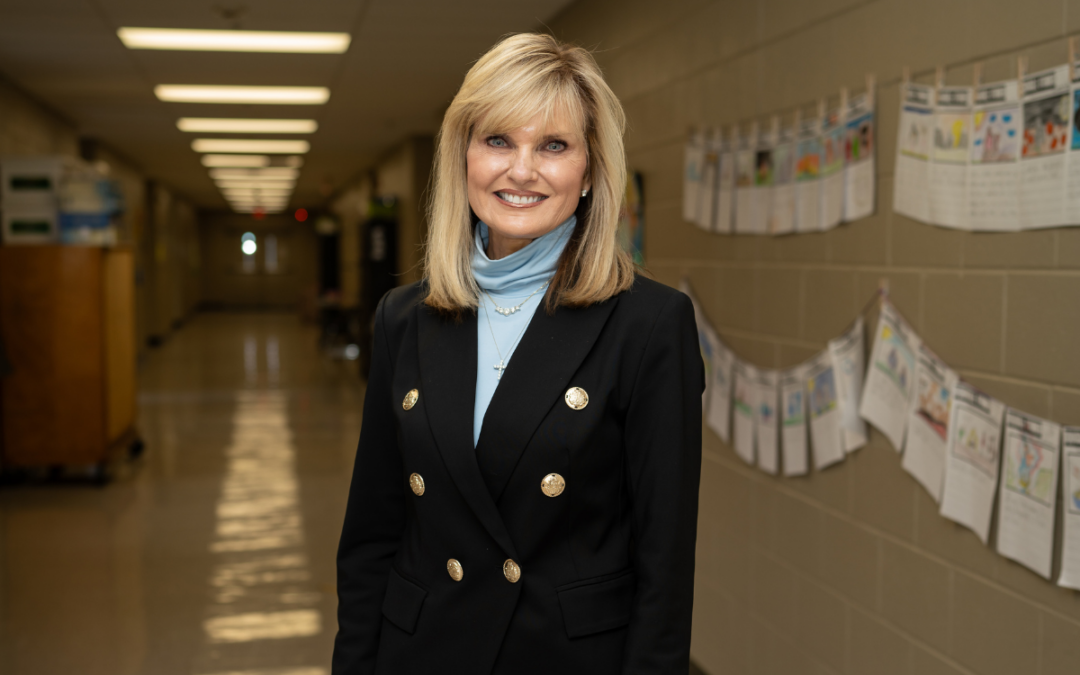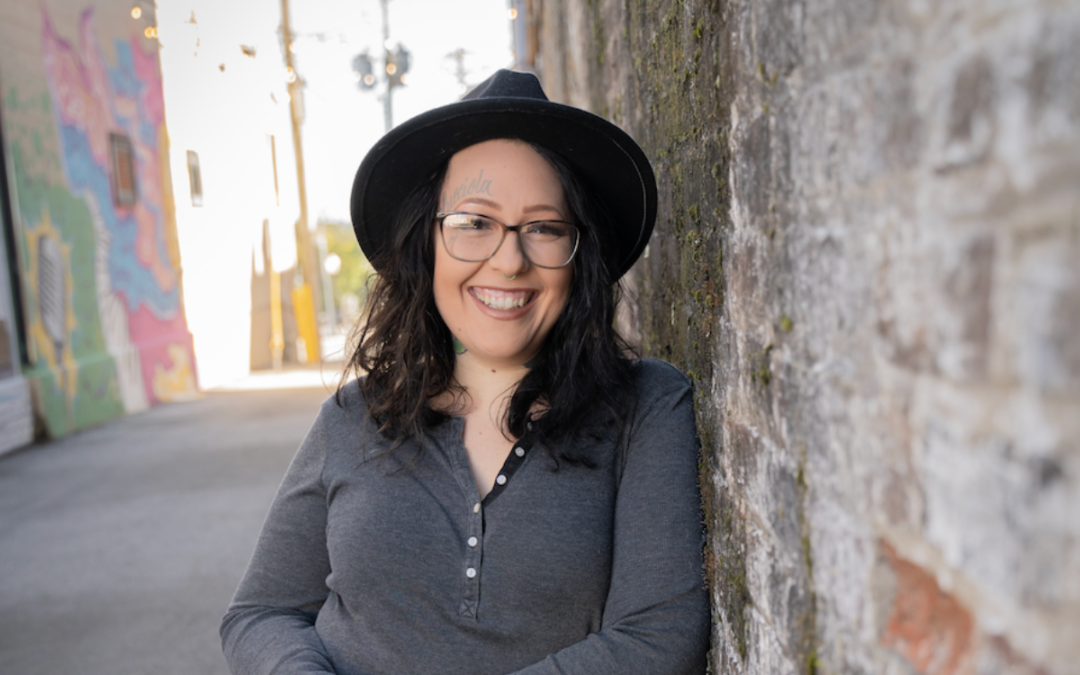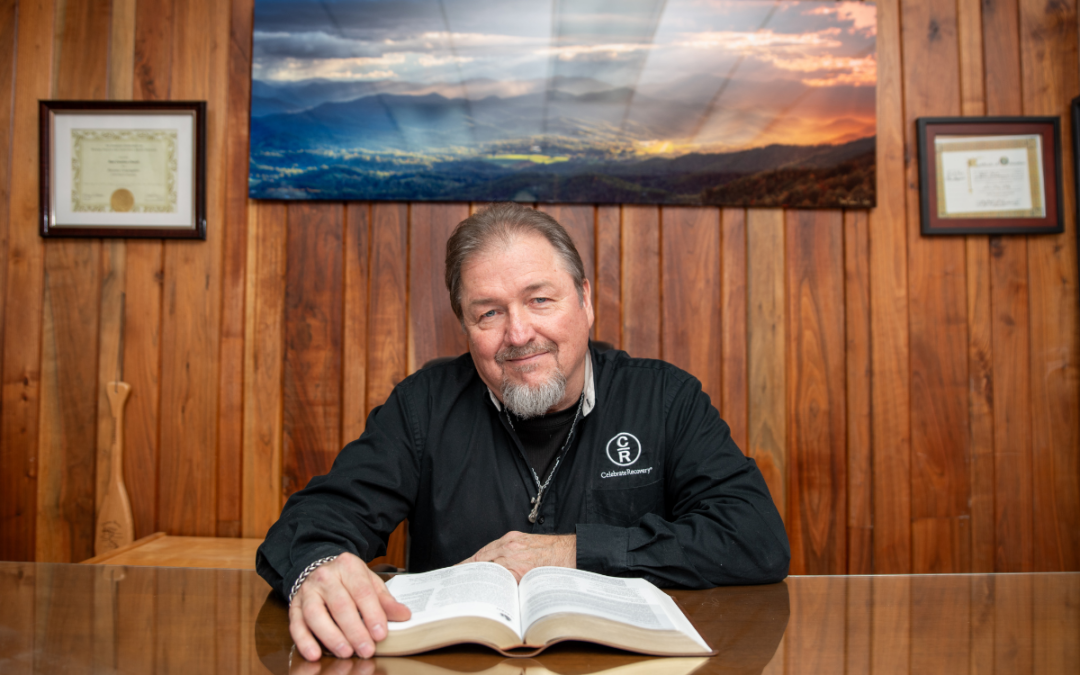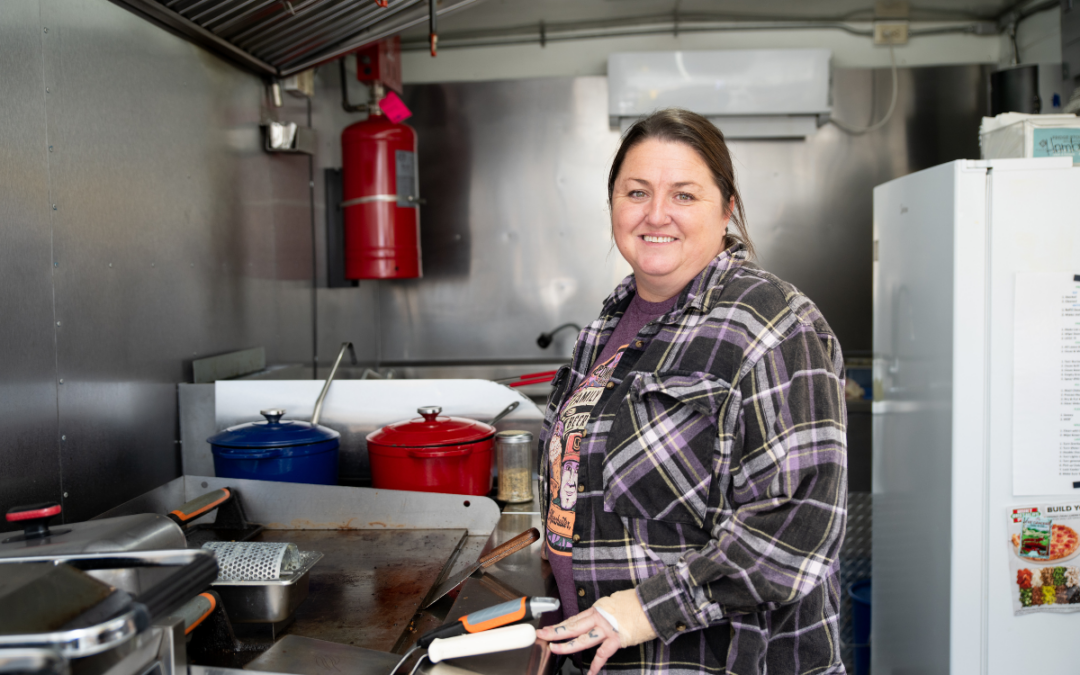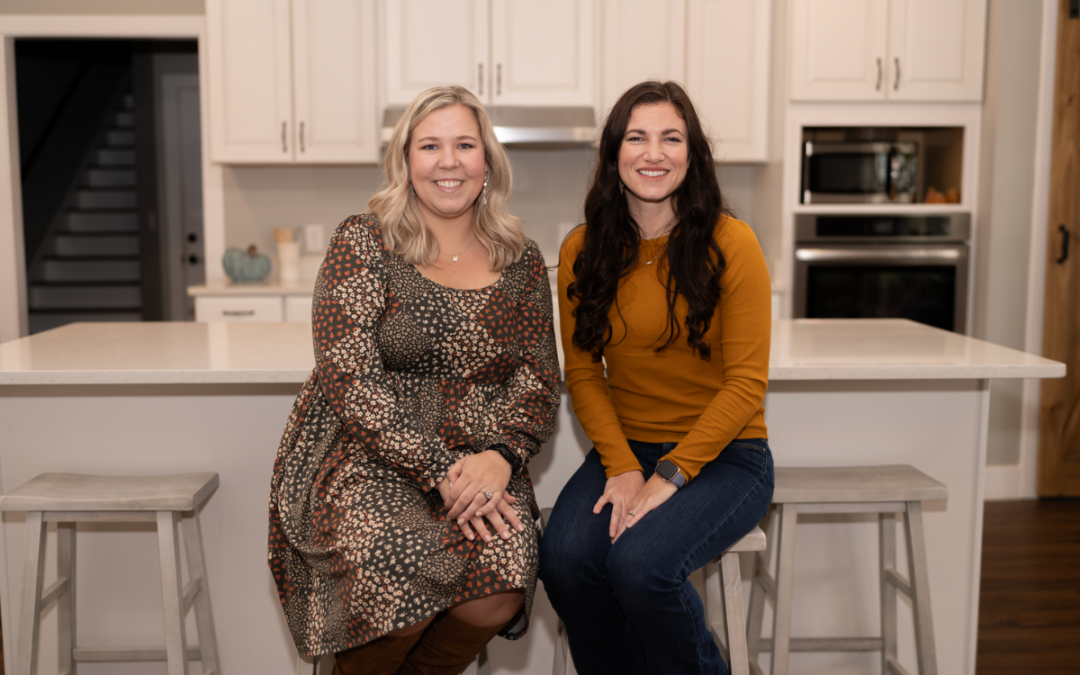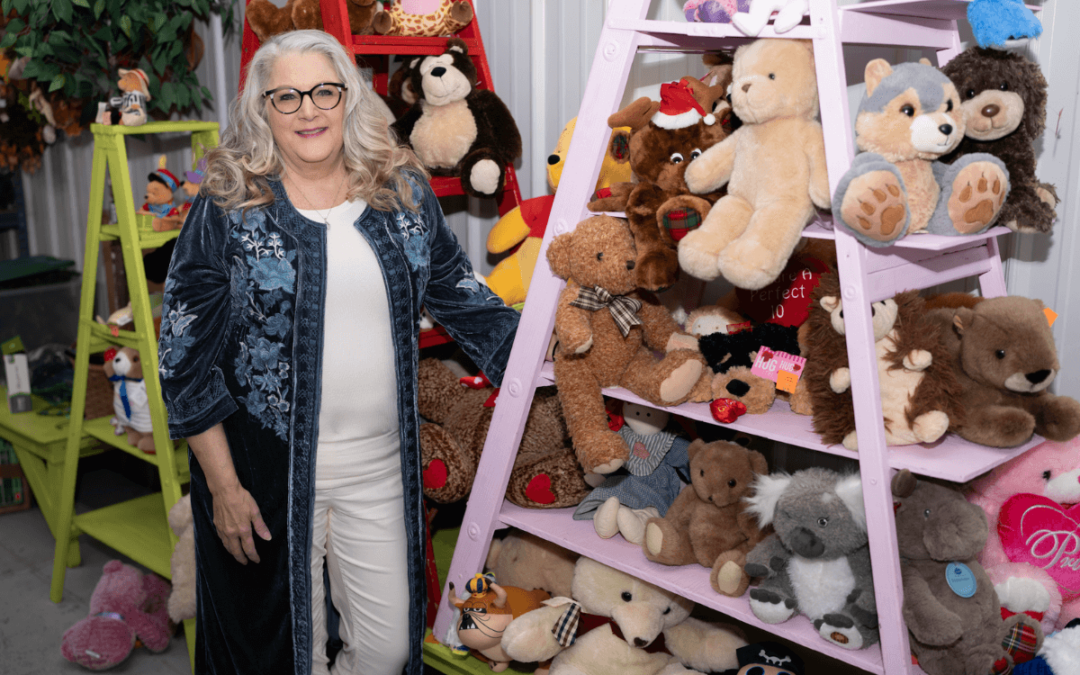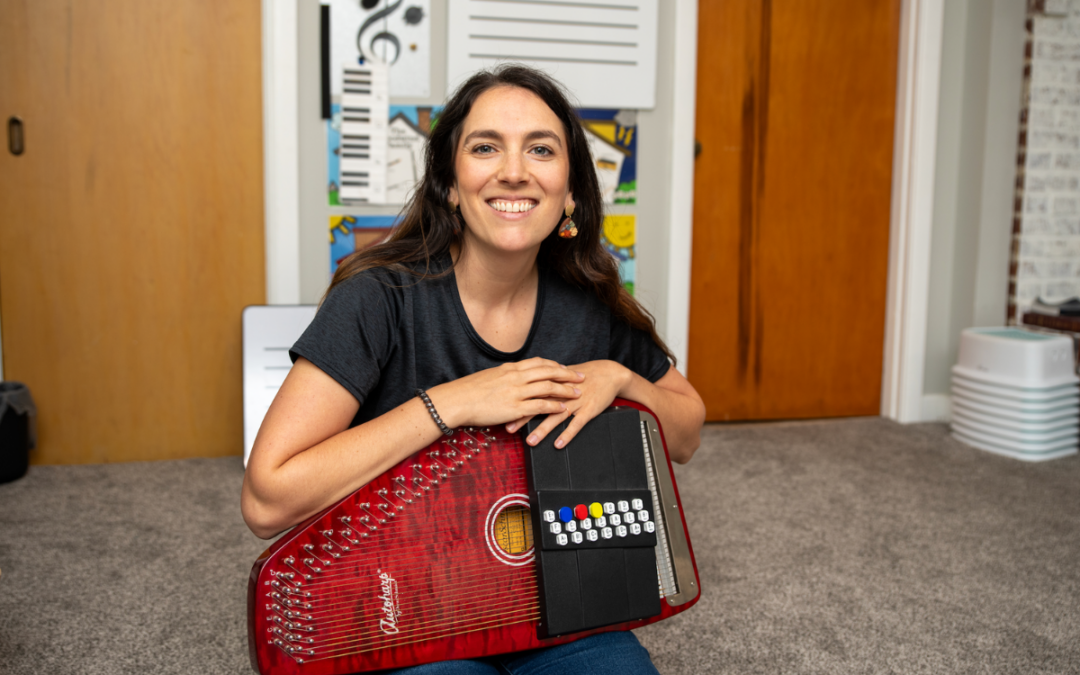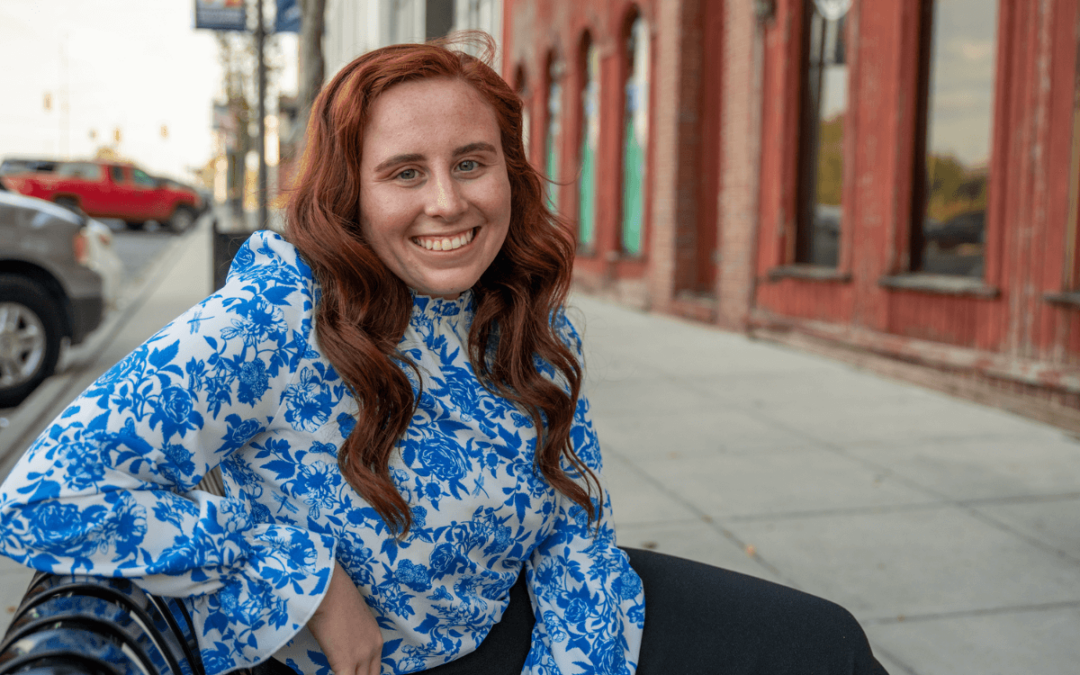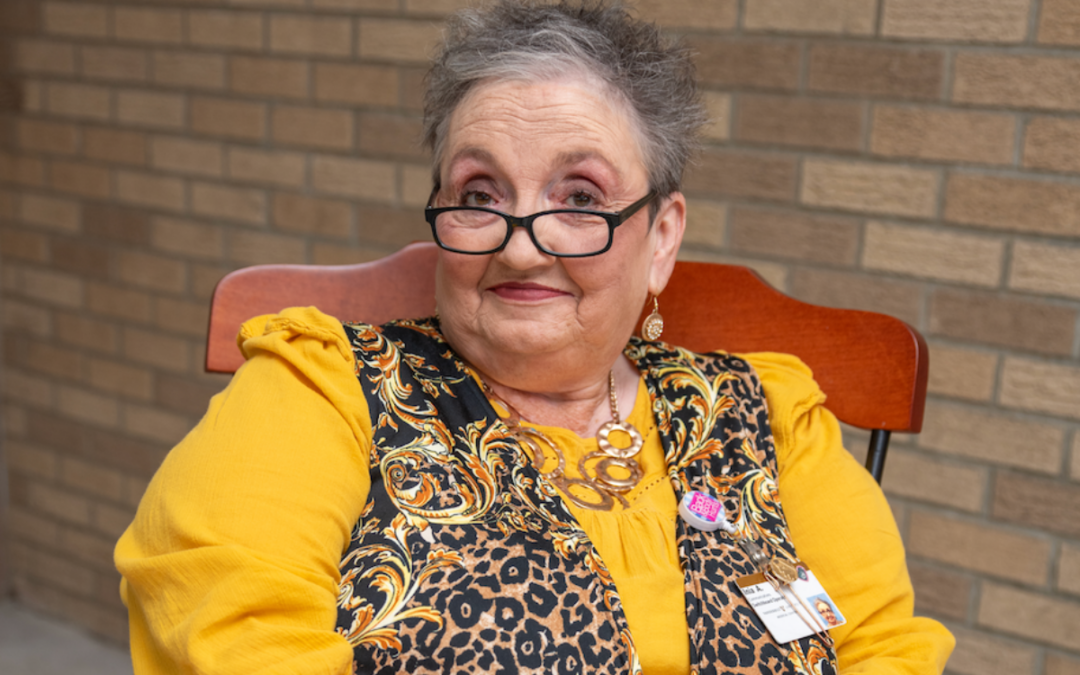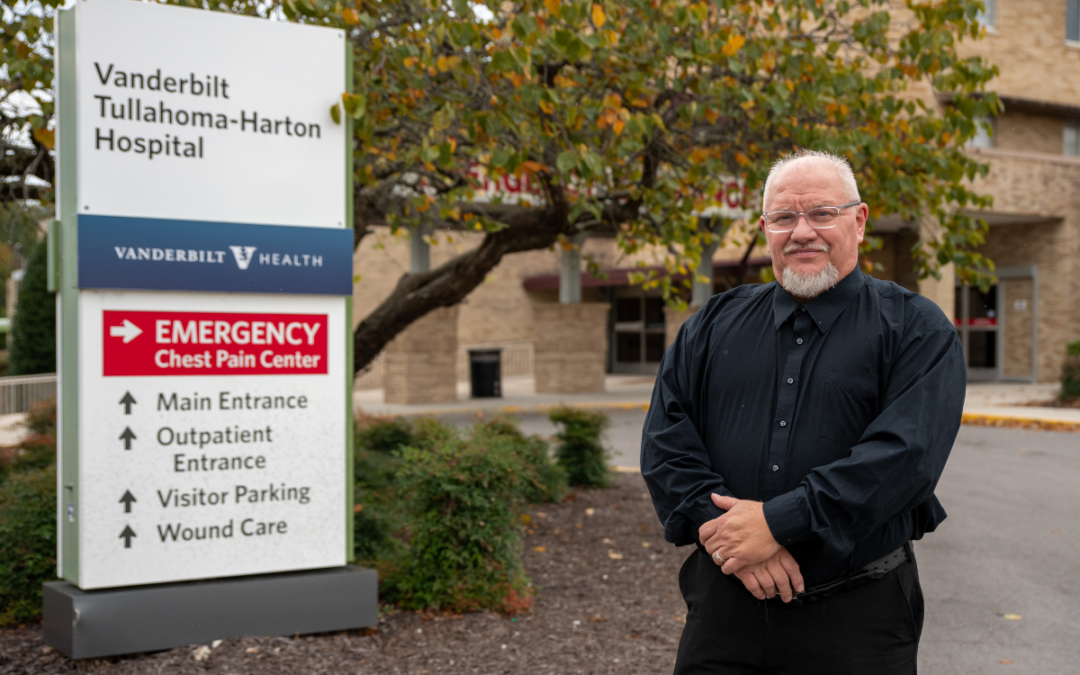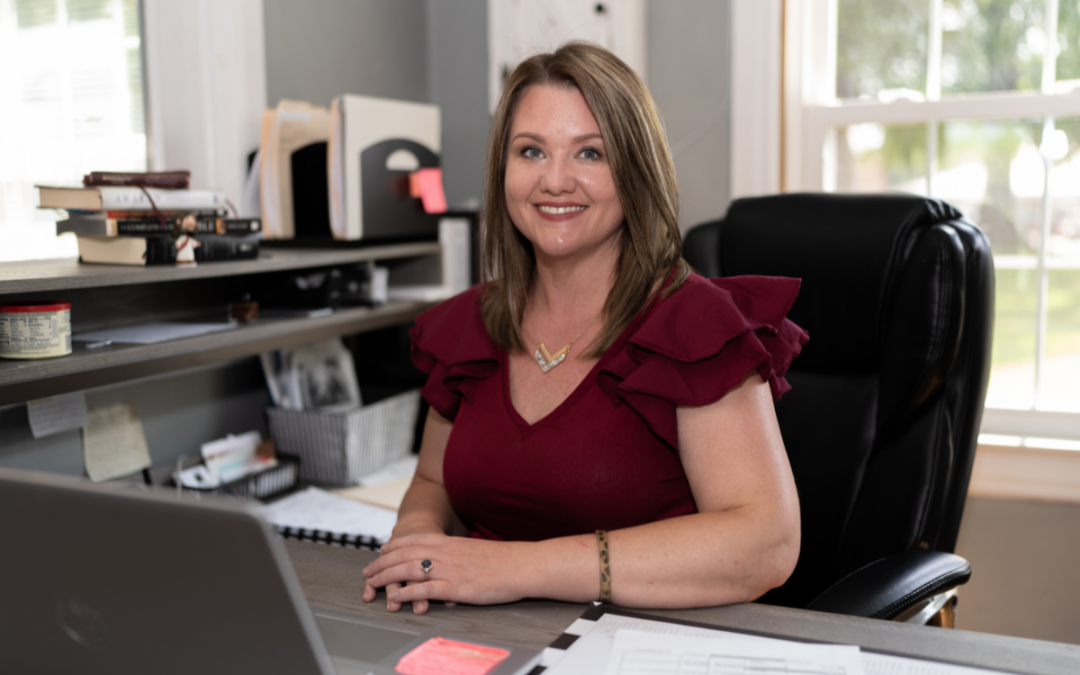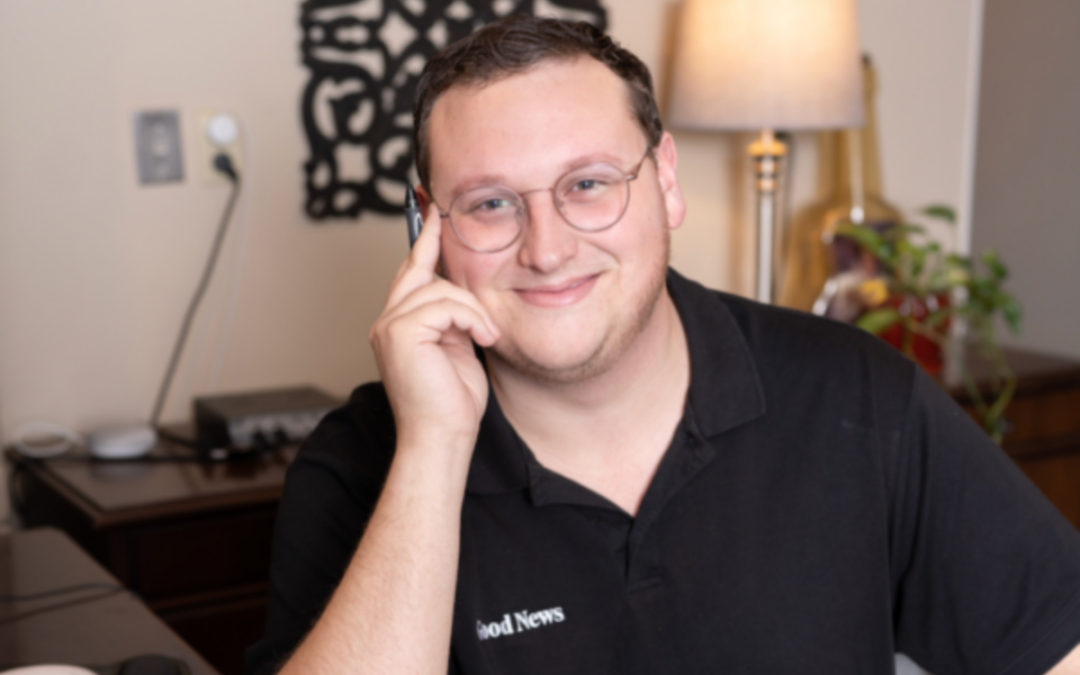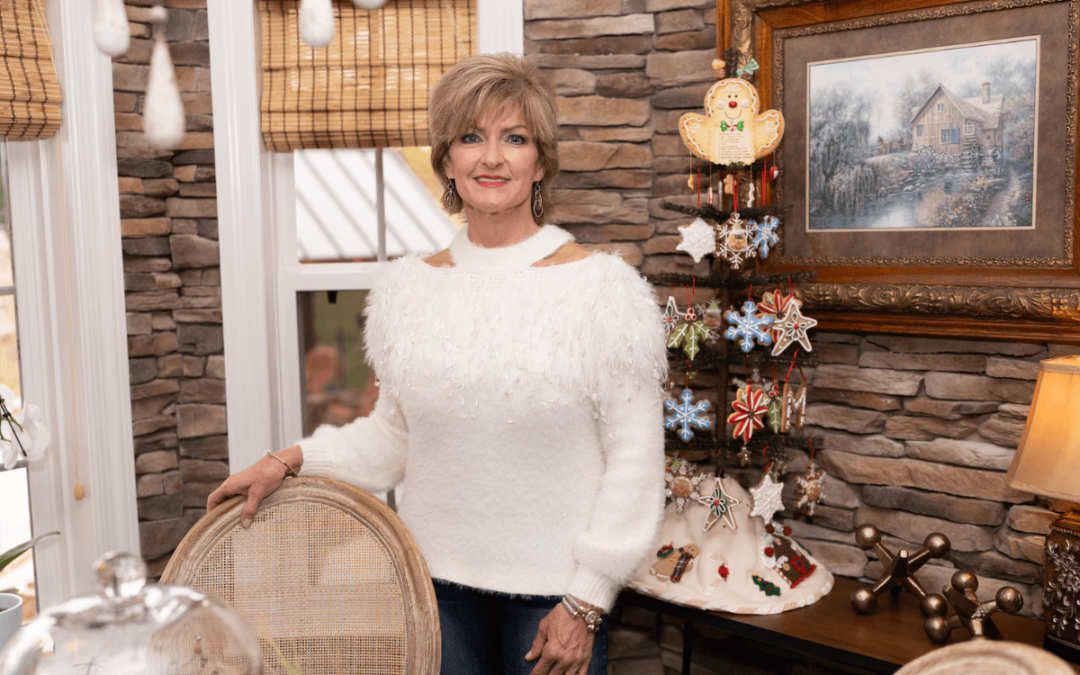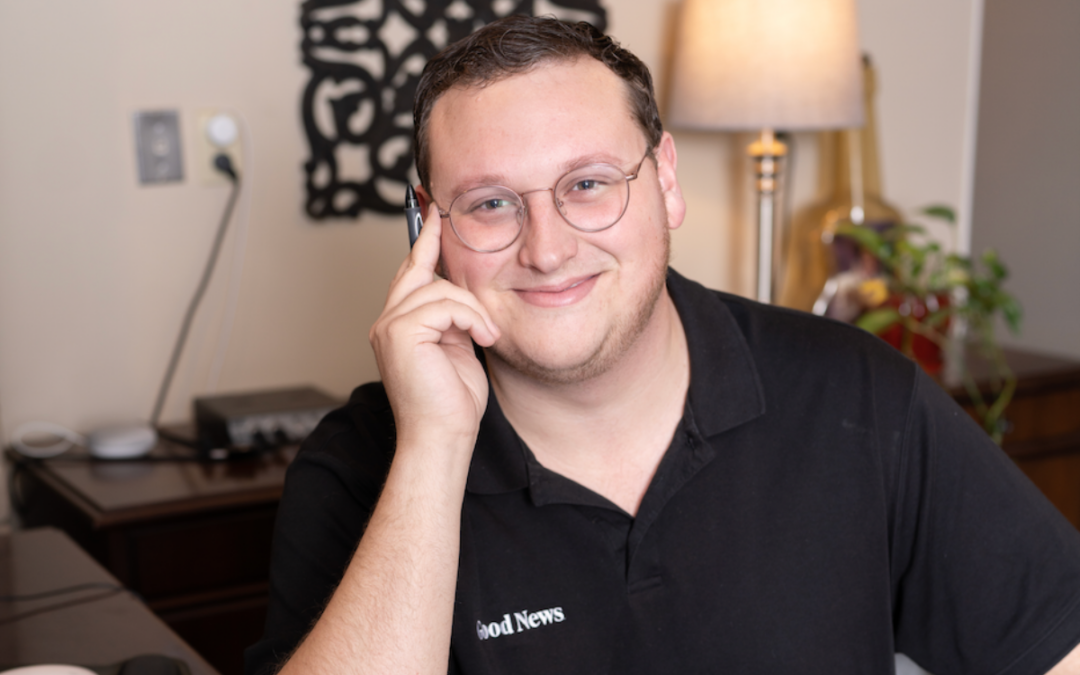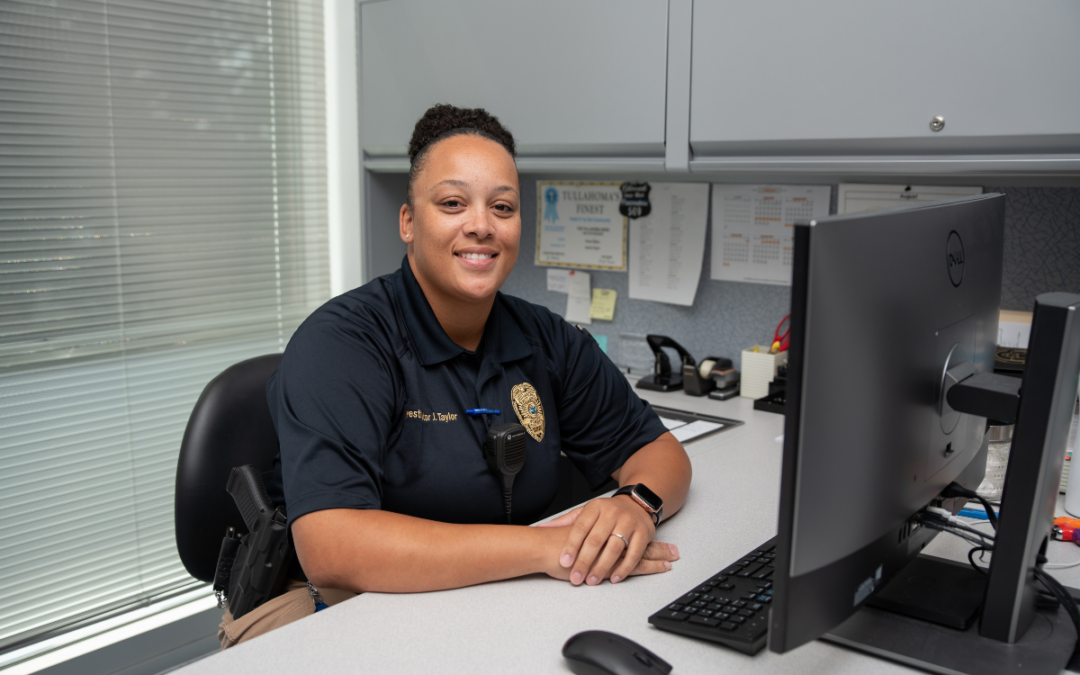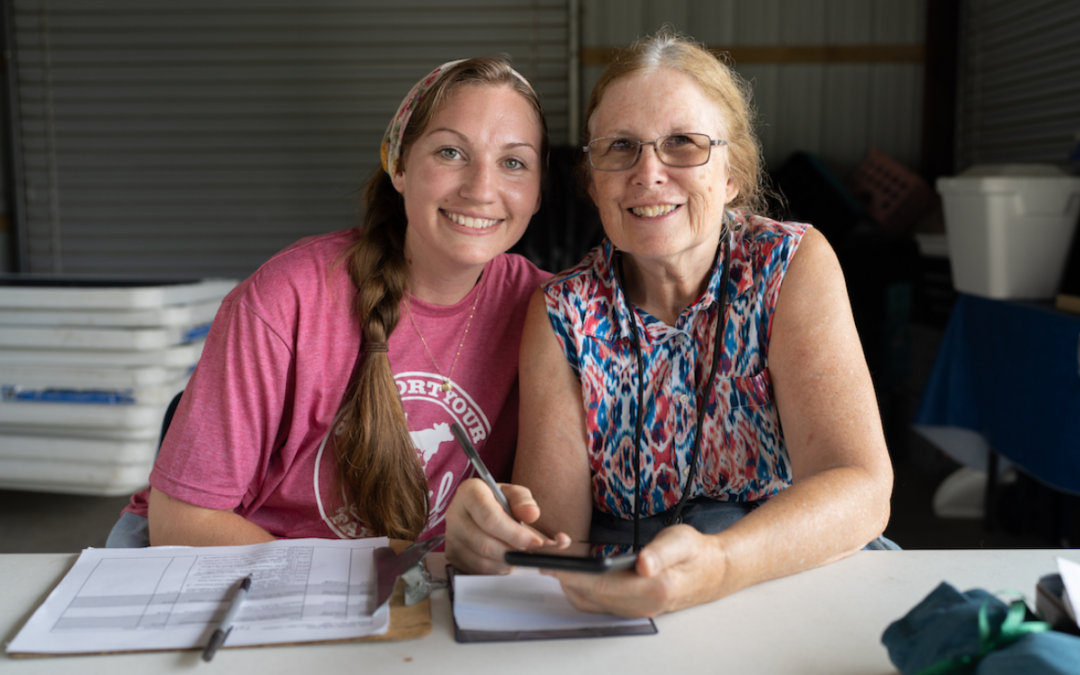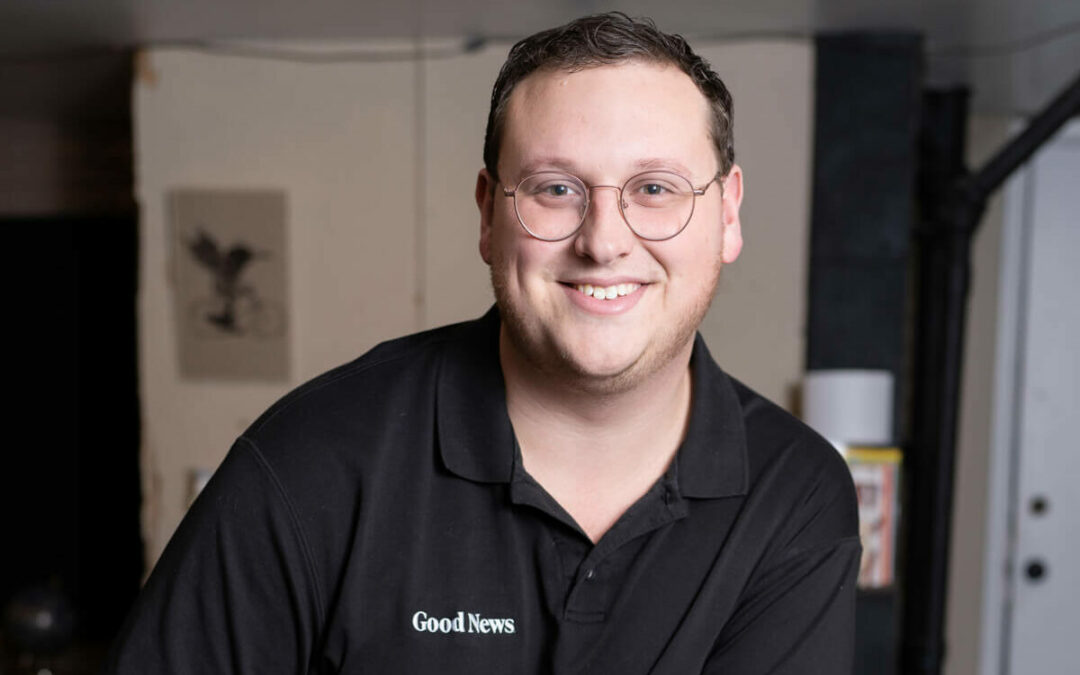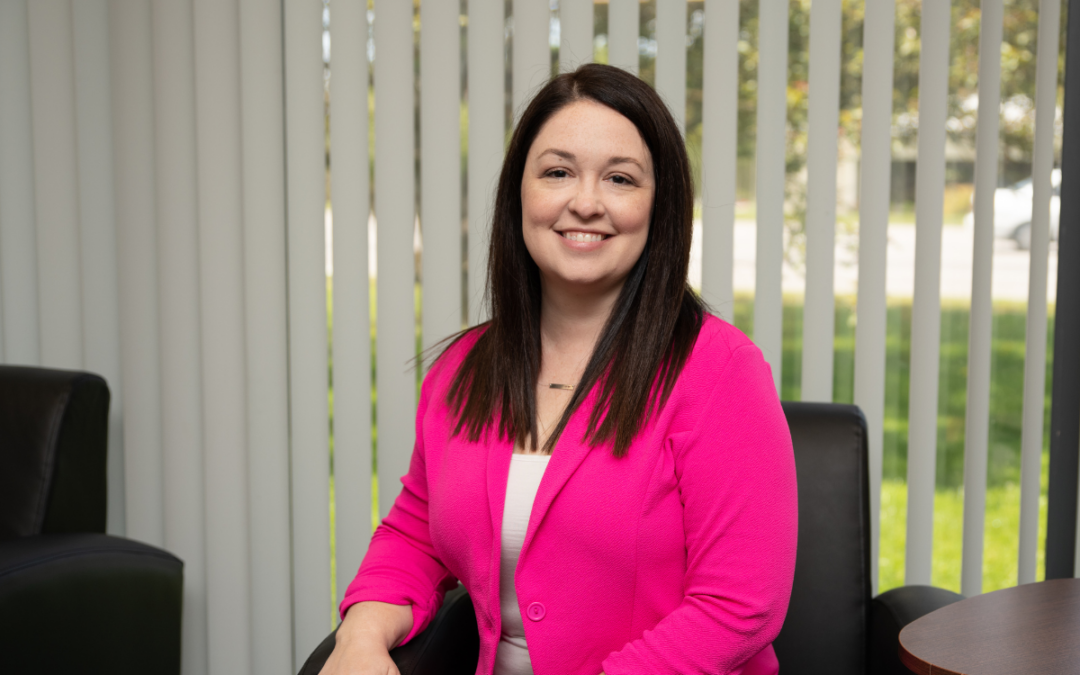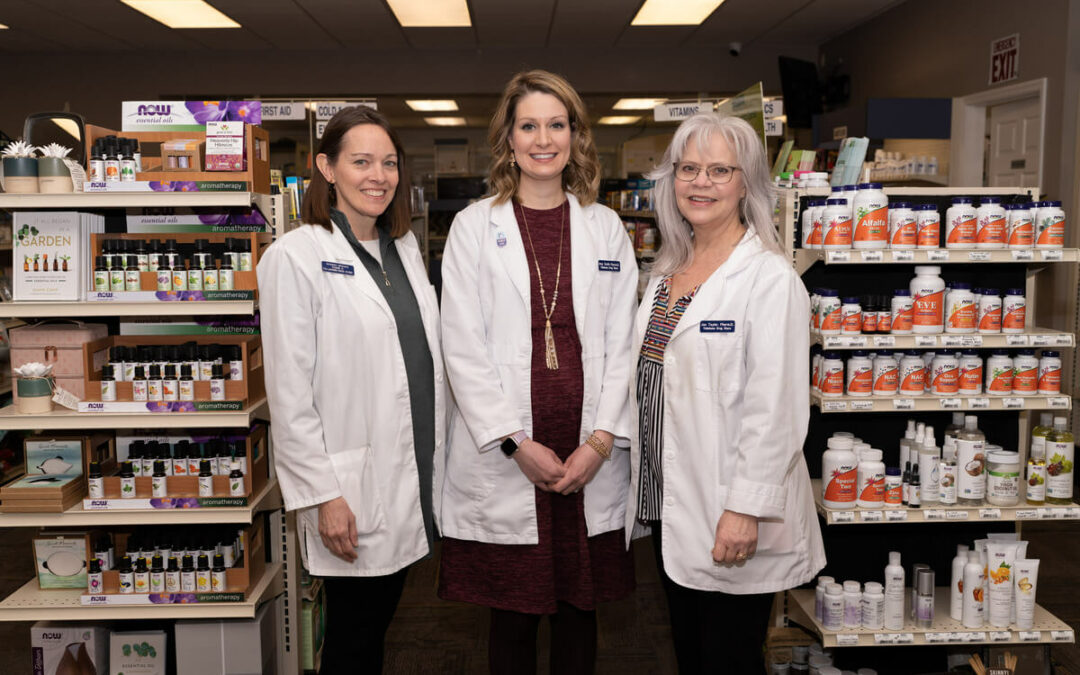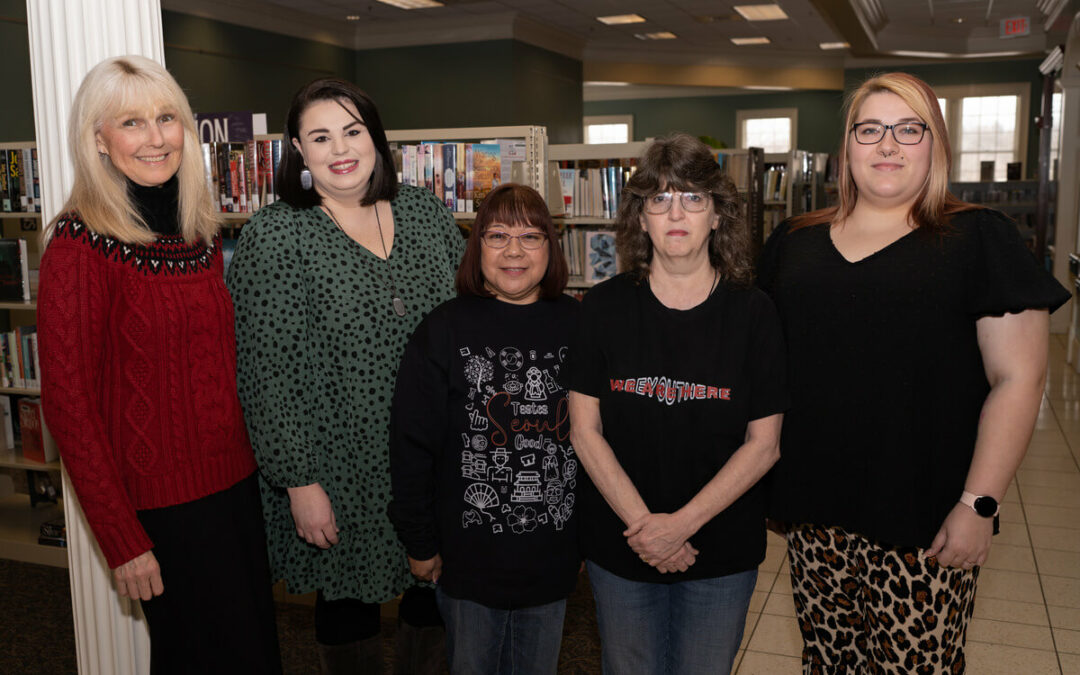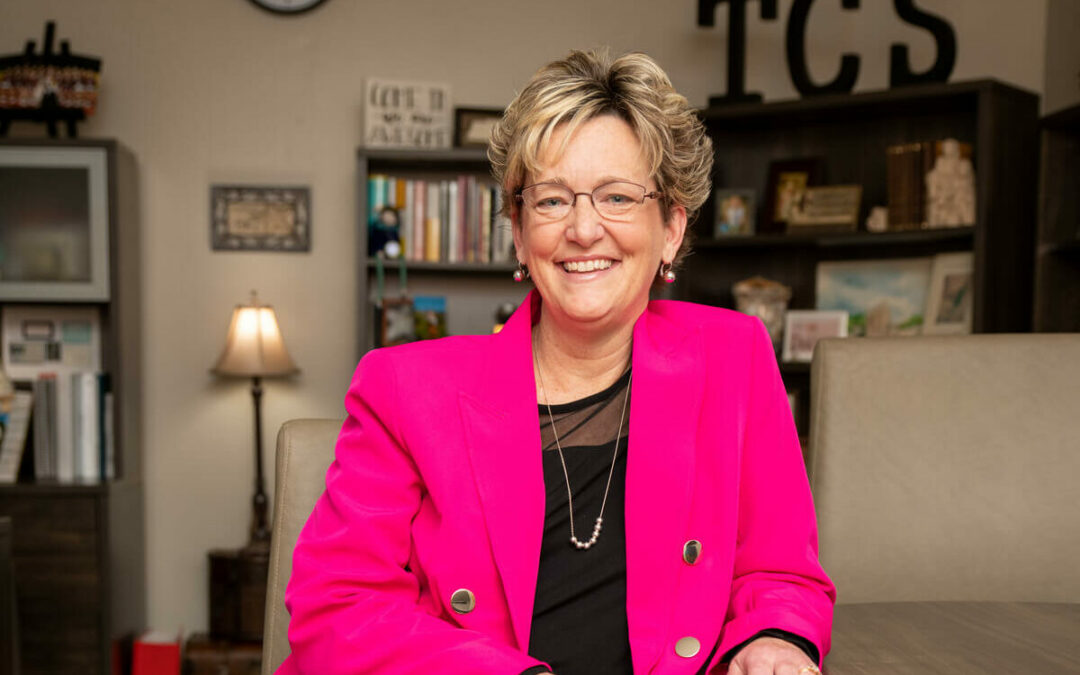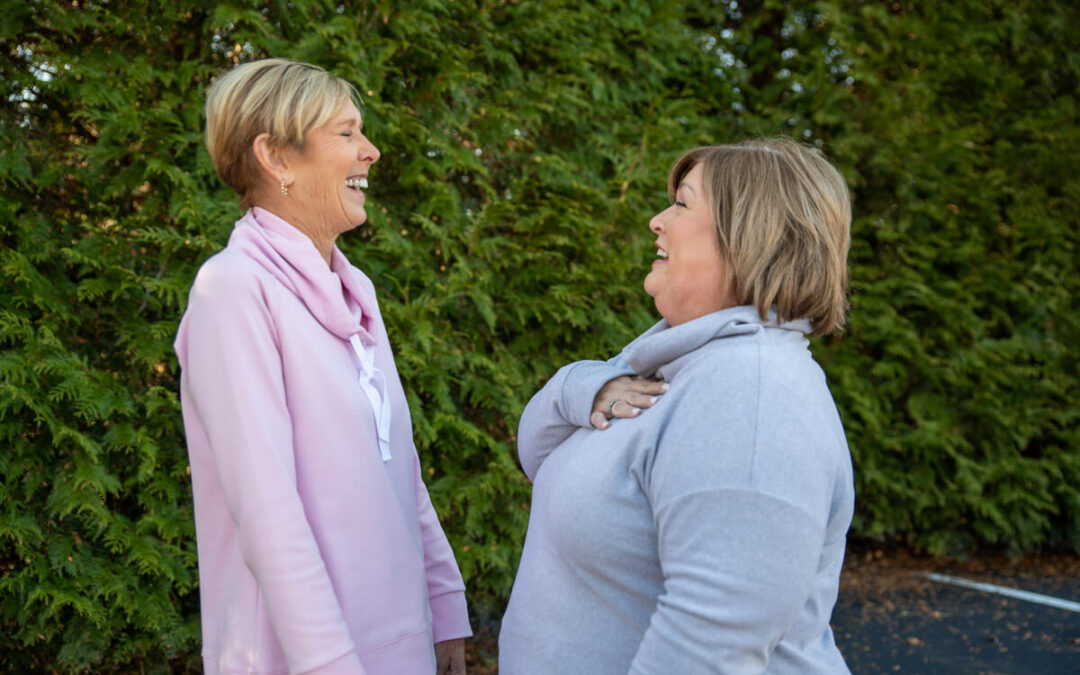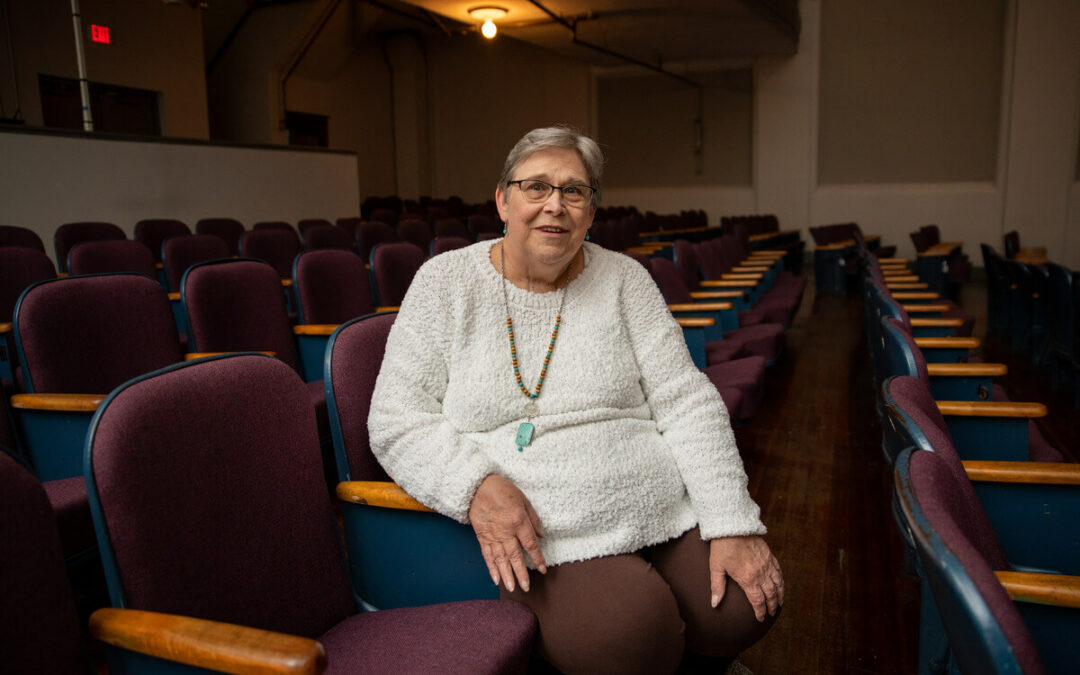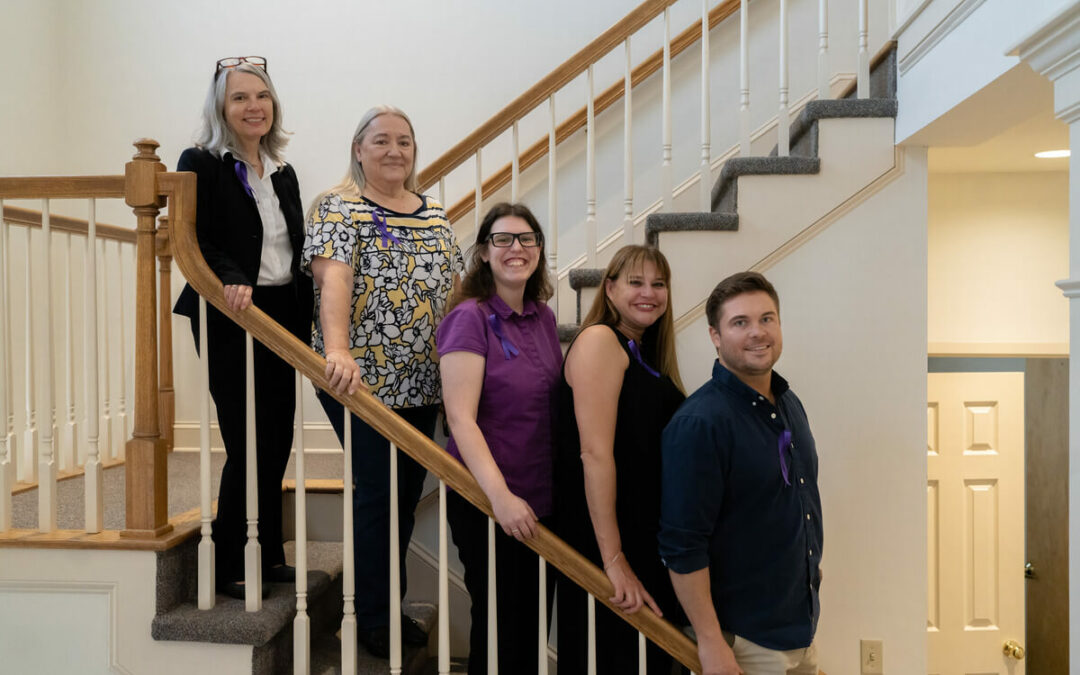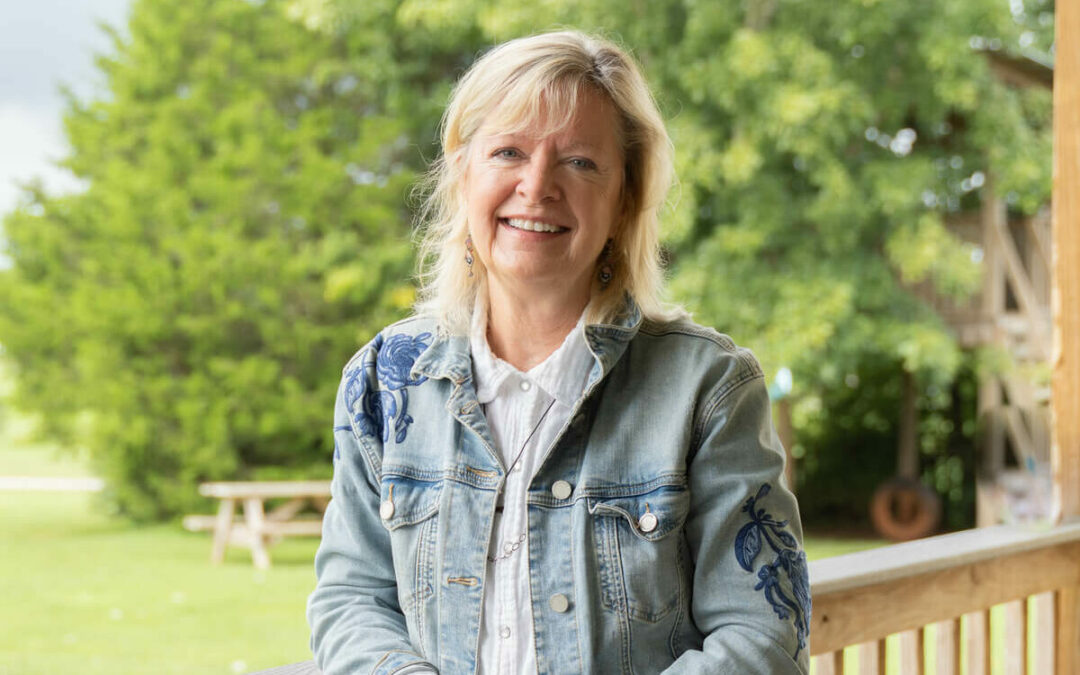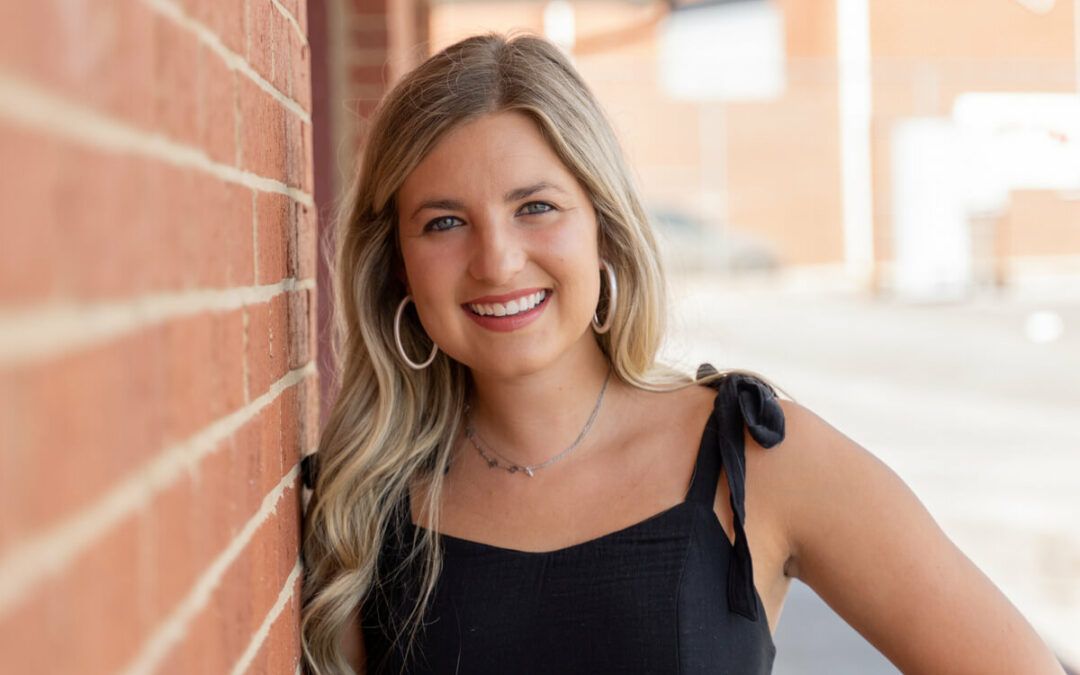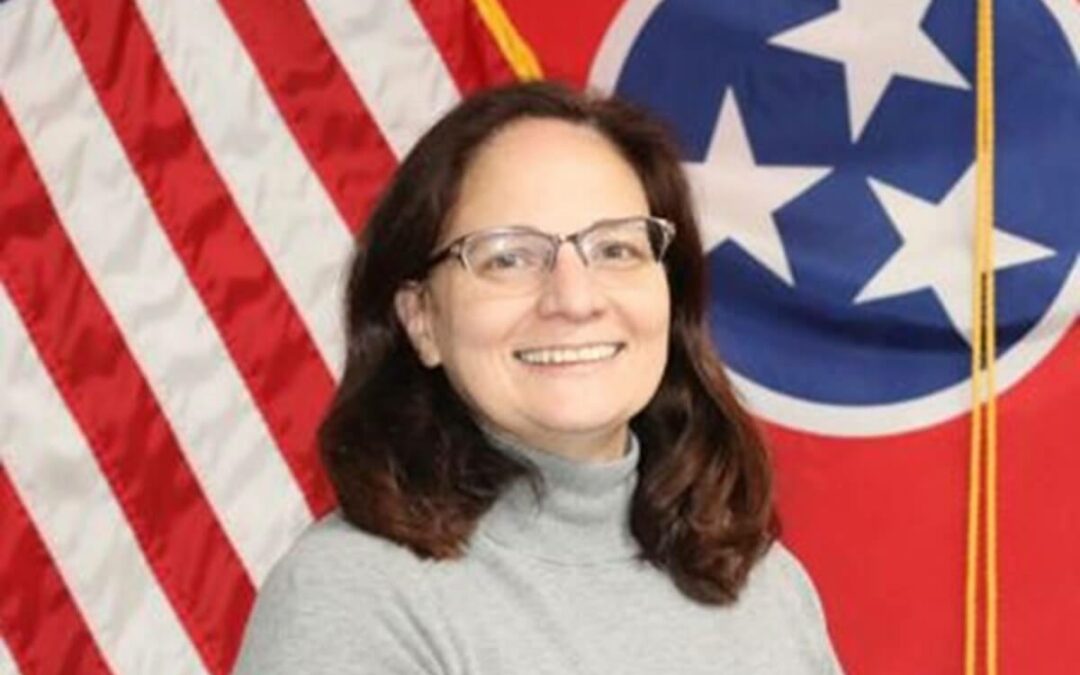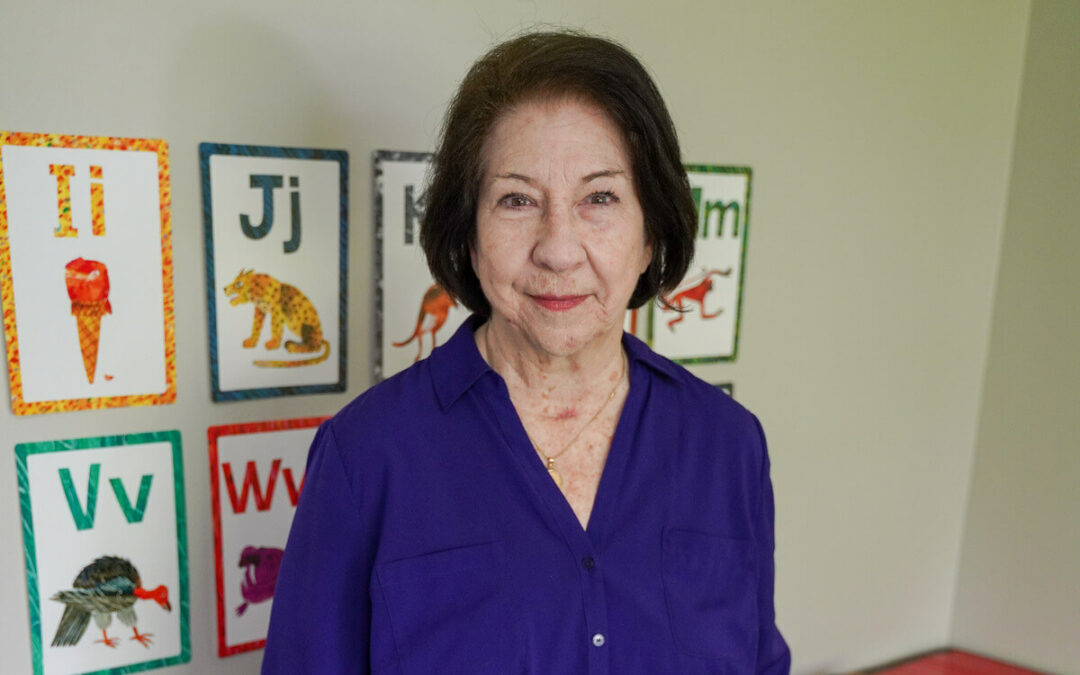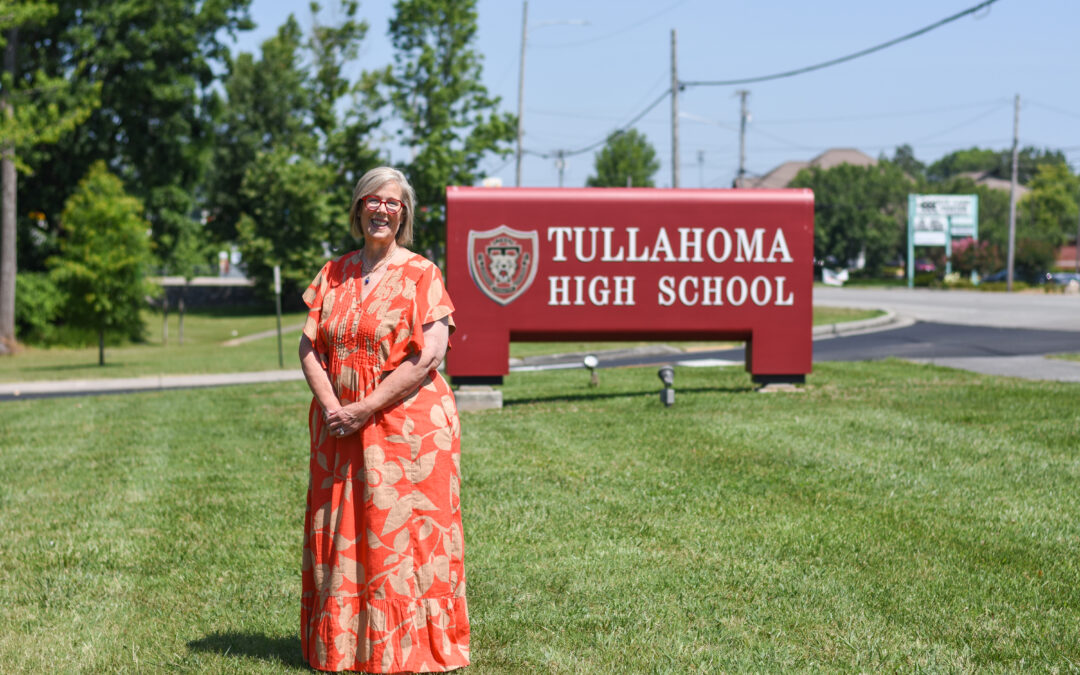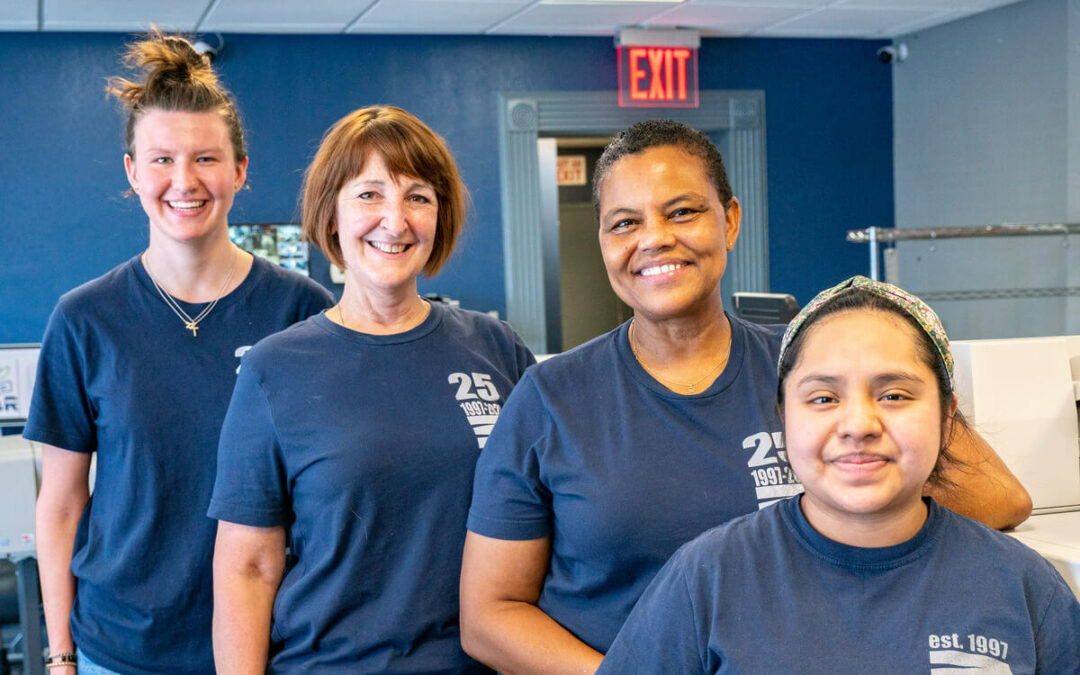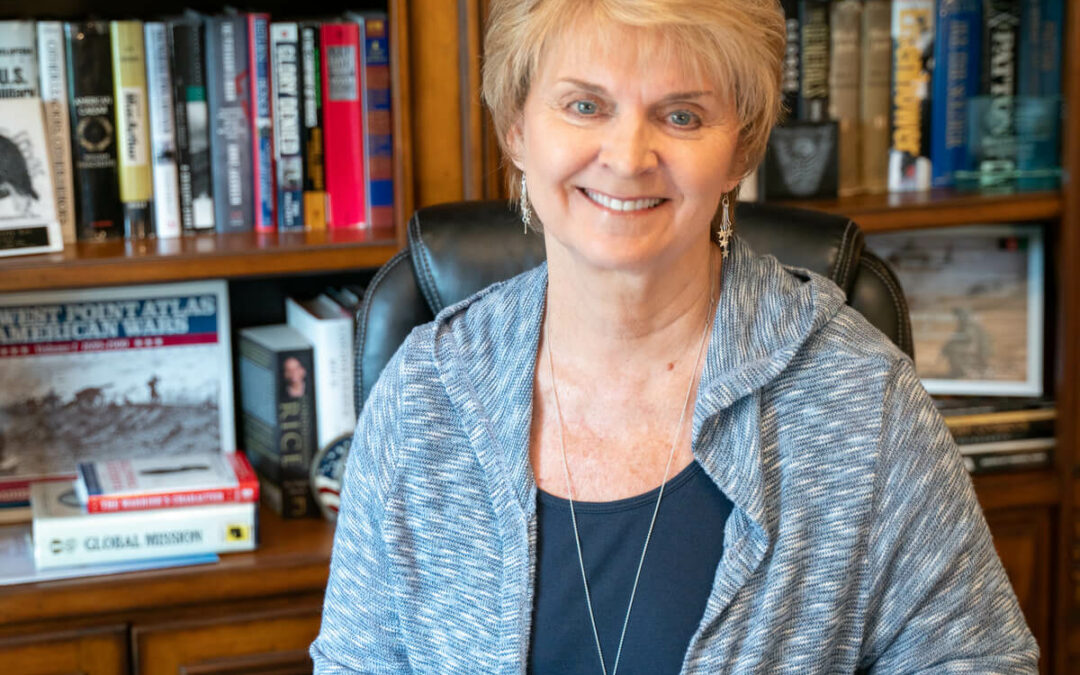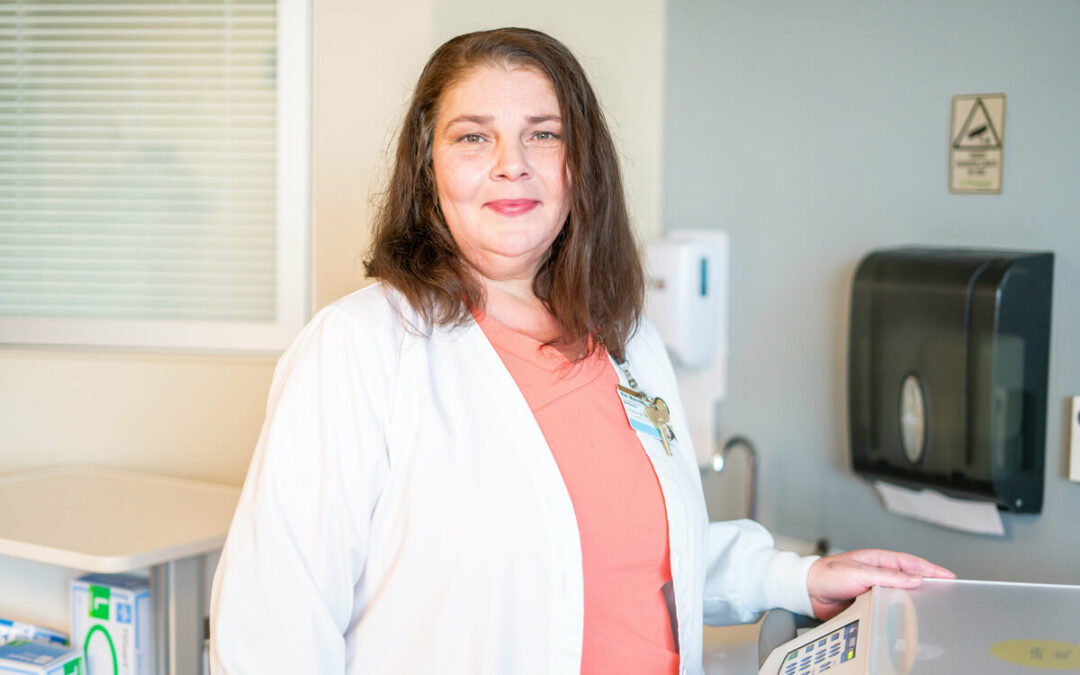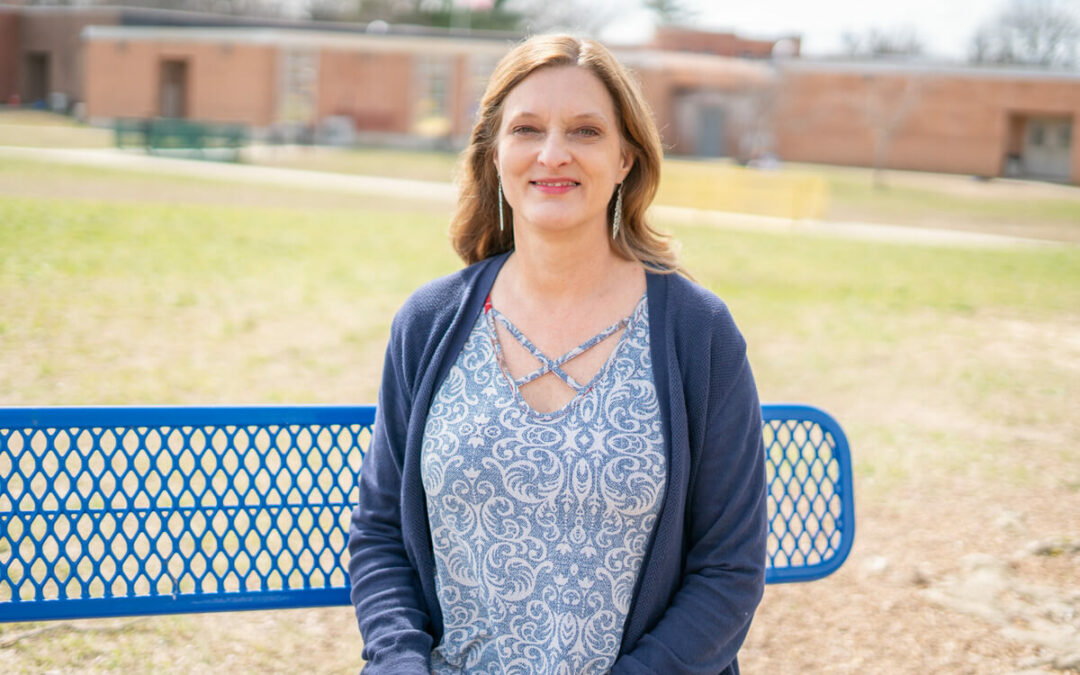
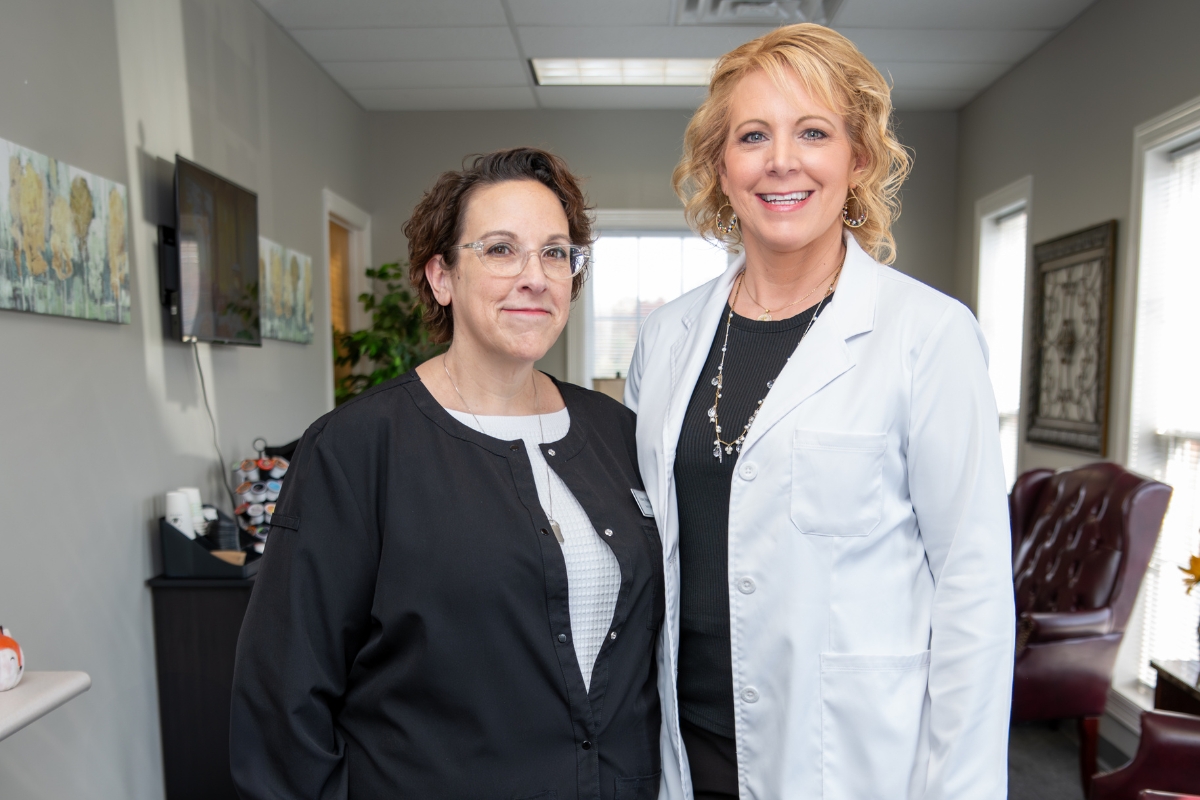
WHEN YOU step through the doors of The Hearing Aid Center in Tullahoma, you’ll immediately notice something different — a warmth that goes beyond professional courtesy. Board-certified Hearing Instrument Specialist Nannette Wortham and her colleague, Kasey Maxwell, an audio technician bringing more than 30 years of combined medical expertise, treat hearing care as more than just a job. For them, it’s a deeply personal mission.
A PERSONAL JOURNEY TURNED PURPOSE
For Wortham, this work runs deeper than expertise — it’s woven into her own story. Diagnosed with hearing loss at just 4 years old, she understands intimately what it means to navigate a world that doesn’t always come through clearly.
“When a patient sits across from me, I remember what that chair feels like,” Wortham explained. “I want them to know they’re truly heard and understood because I’ve lived through the confusion and isolation myself.”
Initially pursuing veterinary medicine, everything changed when she began apprenticing with her audiologist after undergraduate school. “I discovered a passion I didn’t know I had,” she recalled. “It brought together all the things that mattered most to me — helping others, engaging with science, and building meaningful connections.”
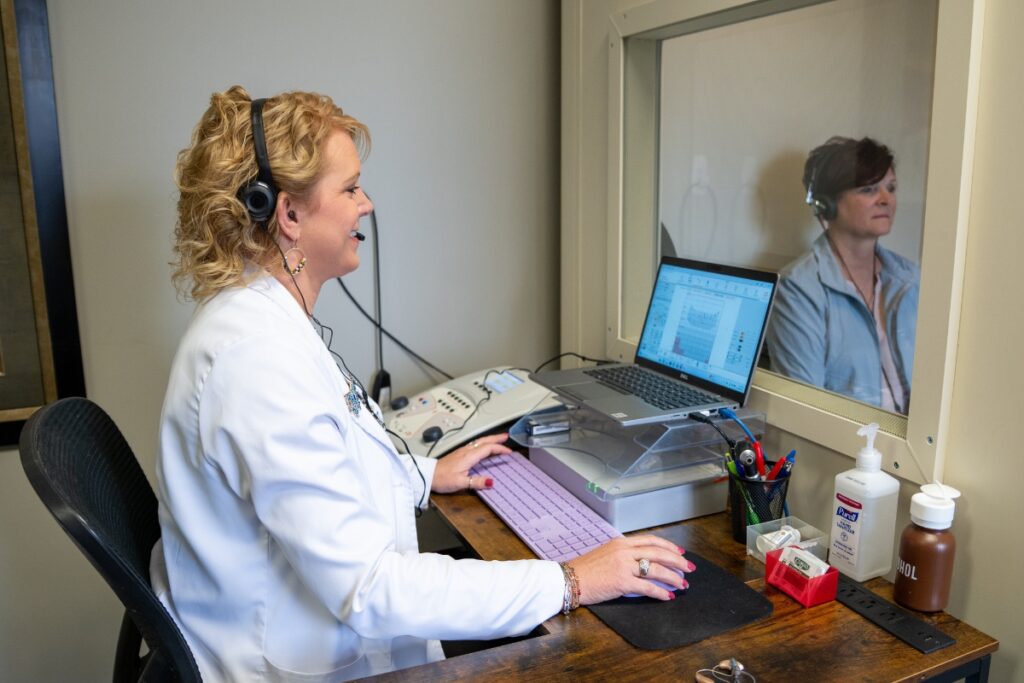
Today, her personal experience informs every interaction. “My hearing loss has become one of my greatest professional assets,” she reflected. “It allows me to meet my patients exactly where they are and offer guidance rooted in genuine, lived experience.”
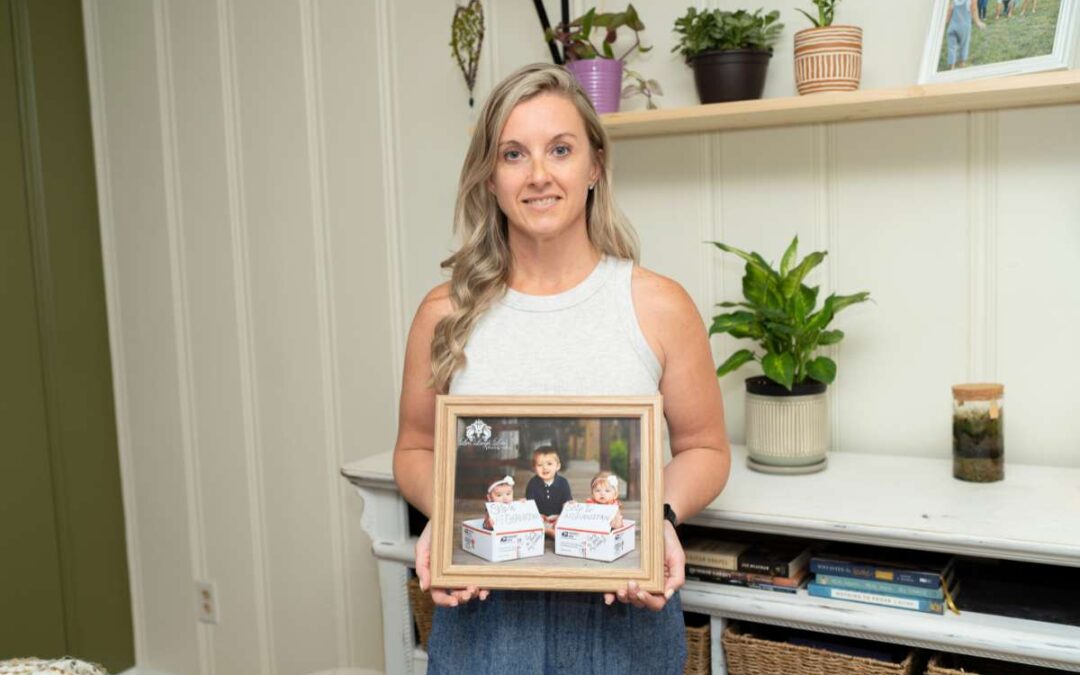
For Maxwell, the journey into hearing care started in an unexpected place — her own living room. When her husband’s grandmother moved in with the family, Maxwell witnessed the reality of hearing loss up close. “We realized she couldn’t hear out of one side,” she explained. “I brought her to The Hearing Aid Center, and what happened there completely transformed how I viewed hearing health care. It was compassionate, thorough — unlike anything I’d experienced before.”
That profound impression stayed with her. So when an opportunity arose to join Wortham’s team years later, the decision felt destined. “Coming to work here is genuinely a privilege,” Maxwell said. “Witnessing someone rediscover sound, see their face light up when they hear clearly again — that feeling never fades.”
Her approach centers on three pillars: comfort, trust, and genuine human connection. “I make sure every patient knows they have an advocate,” Maxwell emphasized. “From the first form they fill out to every routine cleaning, I want them to feel supported, respected, and truly cared for.”
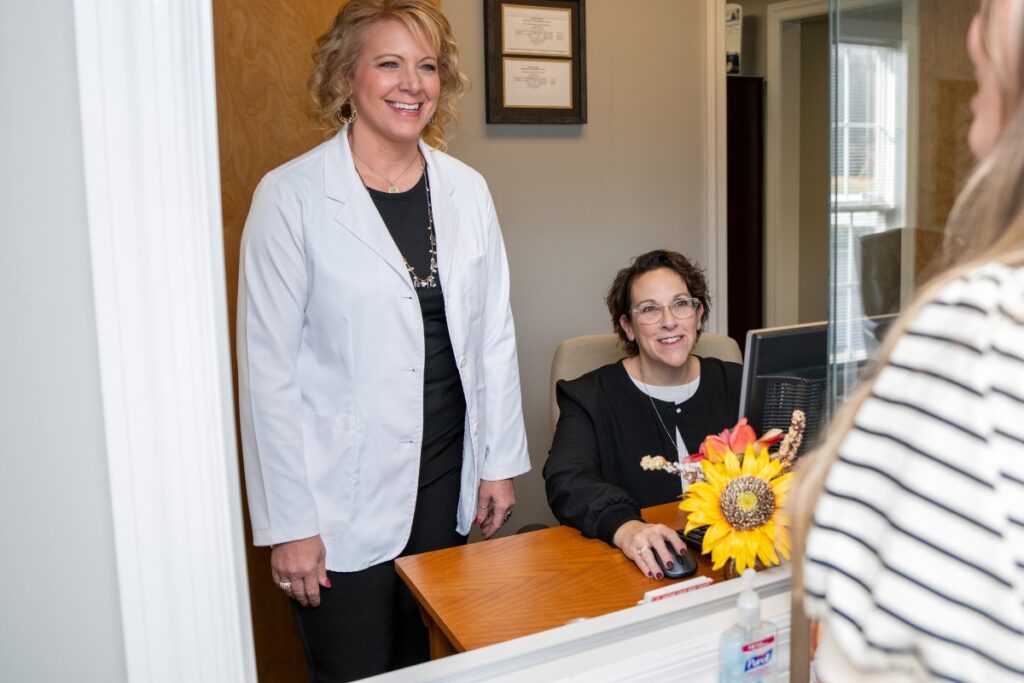
The Hearing Aid Center provides complimentary hearing evaluations — a crucial gateway to early intervention. “We like to say we’re in the business of preserving hearing lives,” Wortham noted. “Early detection doesn’t just improve outcomes — it can be life-changing.”
Yet most people delay seeking help for five to seven years after first noticing difficulties. Wortham and her team are determined to close that window, offering both clarity and comfort to hesitant patients. “If someone’s hearing tests perfectly, wonderful — we’ll simply recheck annually,” she said. “But when we identify loss early, we can intervene before it starts eroding their relationships, their social life, their sense of self.”
The emotional breakthroughs tell the story. “We’ve watched patients weep with relief when they realize what they’ve been missing,” Maxwell shared. “They’ll say things like, ‘I can finally understand my grandchildren,’ or ‘I had no idea my husband wasn’t actually mumbling.’ Those moments are incredibly powerful.”
Today’s hearing aids bear little resemblance to their predecessors. Sleek, discreet, and equipped with Bluetooth capabilities for streaming music and audiobooks, they’ve shed much of their former bulk and visibility. “The stigma has diminished significantly,” Wortham shared. “When everyone’s walking around with earbuds or AirPods, hearing aids blend in.”
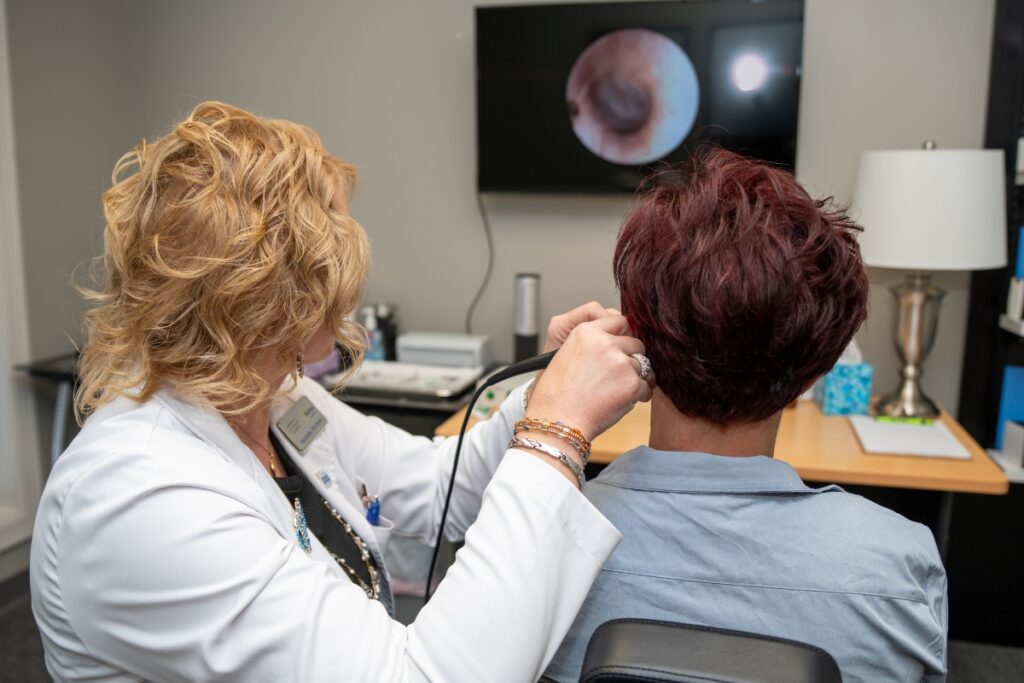
Each patient receives comprehensive, individualized care, from thorough ear examinations and wax removal to speech comprehension testing and interactive device demonstrations. “There’s this magical moment when they suddenly hear a loved one’s voice clearly from across the room,” she said. “You see their whole expression transform. That’s when you know you’ve genuinely changed someone’s world.”
The Hearing Aid Center is also proud to serve as a community care clinic for veterans, offering local access for those who might otherwise have to travel long distances for care. “Transportation is a huge issue for many veterans,” Wortham noted. “We’re honored to make hearing care accessible to them here at home.”
Their mission to “heal our hometown” extends to patients of all ages and backgrounds — from factory workers and teachers to first responders and young adults. With earbuds and loud environments contributing to earlier hearing loss, the team is now seeing patients as young as 30.
“The number one cause of dementia is untreated hearing loss,” Wortham explained. “When people withdraw socially, the brain begins to lose stimulation in the language areas. Early care keeps them engaged and mentally healthy.” GN
For more information or to schedule a complimentary hearing test, visit https://www.audibel.com/locations/the-hearing-aid-center-tullahoma-tn/ or call The Hearing Aid Center at (931) 461-0054.