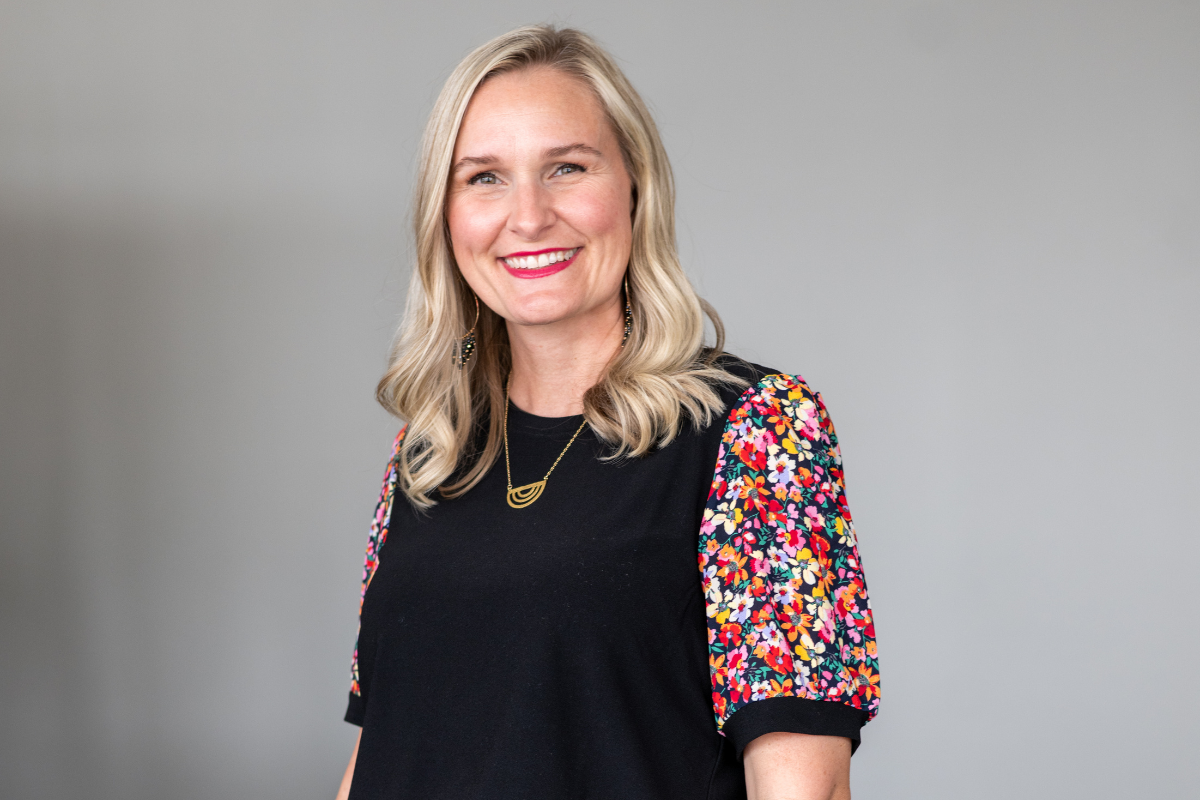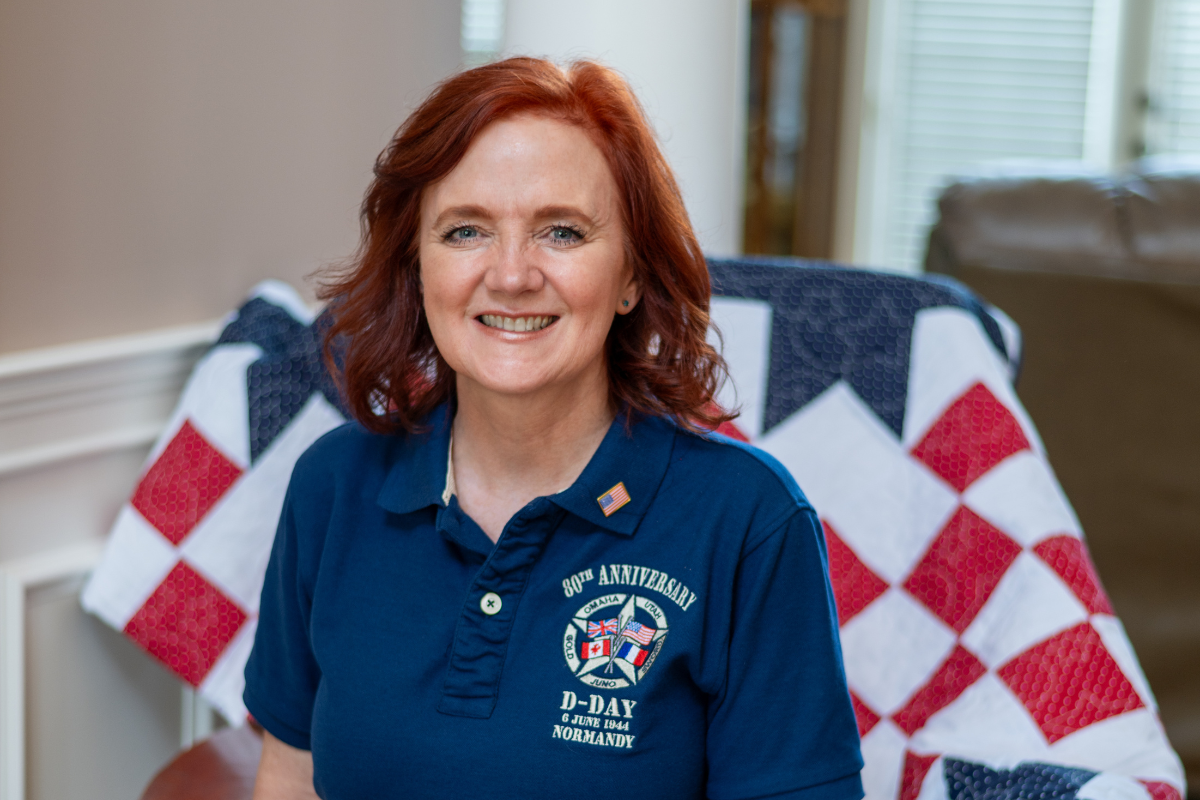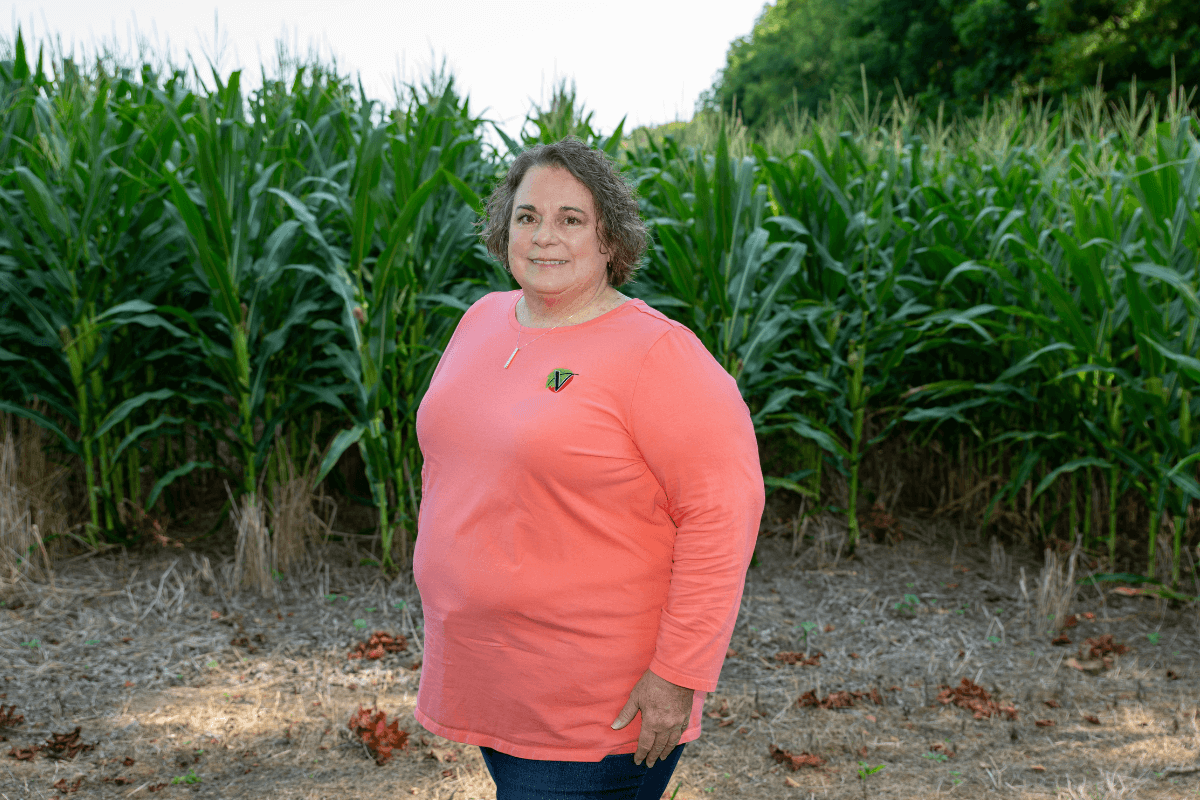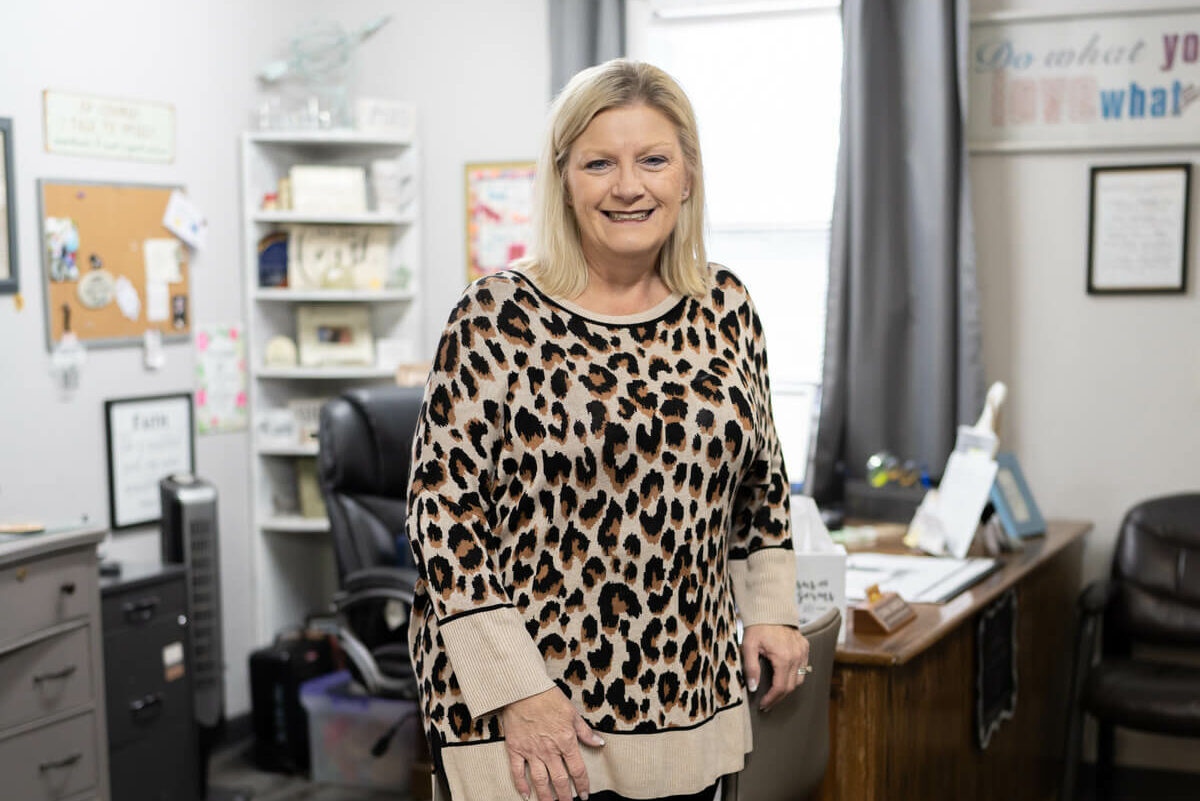
Real heroes don’t always wear capes. They’re all around us and, sometimes, within us. For Teresa Hall, one of these unsung heroes is a tiny, delicate creature that flutters on wings of orange, black, and gold. Hall’s mission is to protect butterflies and other pollinators, which are essential not only to our environment but also to the health of our food systems.
It started with a walk in her yard. Hall had just let her dog lead the way across her five-acre property in Manchester when something small and unassuming caught her eye. A tiny chrysalis clung to a plant, swaying gently in the breeze.
Memories of childhood lessons about nature stirred within her, and she carefully brought it inside to figure out what it was. A quick Google search revealed that monarch caterpillars rely on milkweed, the very plant that grows abundantly in her yard, as a host for eggs and as food for the caterpillars once they hatch. It was the perfect place for her new endeavor.
“I believe God puts everything in your life for a reason,” Hall said. “At this point in my life, God wanted me to stumble across a chrysalis, and it just took off from there.”
Hall started raising monarchs, learning their delicate life cycles. Soon, her yard became home to various butterflies. She discovered the purple passion vine, which nurtures the fragile fritillary species. She even noticed common buckeyes and the elusive question mark butterfly thriving on American elm saplings she had once planned to cut down.
Watching a caterpillar transform into a butterfly is, to Hall, nothing short of miraculous.
“Once you watch one go from egg to full-grown butterfly, you’re just amazed at the awesomeness of God. It’s a miracle,” she said.
Butterflies go through four stages: egg (larva), caterpillar, chrysalis (pupa), and butterfly (adult).
Monarchs, for instance, start with a bright green chrysalis that darkens until it becomes nearly transparent, revealing the vibrant orange, black, and white wings waiting to emerge. Newly hatched butterflies are defenseless, pumping fluids into their wings, twisting and turning for hours until they can take flight.
Raising butterflies isn’t always simple. Parasites, environmental factors, or even feeding them the wrong foods can prevent them from reaching maturity. Hall has cared for up to 75 caterpillars at a time, carefully nurturing them through each stage.
“It’s addictive,” Hall laughed. “Once you’ve raised one, you’re hooked.”
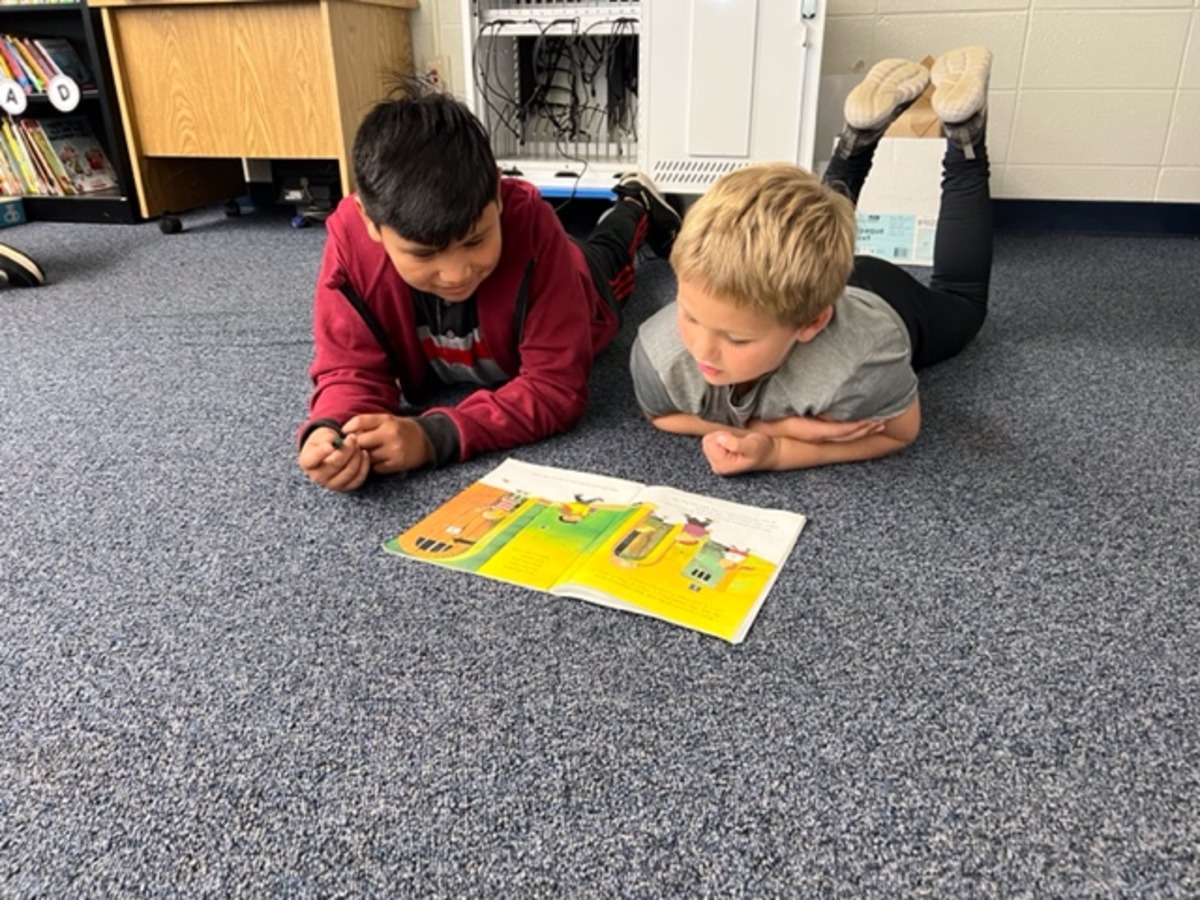
Hall’s work is no longer just a personal pursuit. It’s how she educates and inspires younger generations. She teaches preschoolers at her home church and uses butterflies to engage children at Vacation Bible School. She has visited schools like Hickerson Elementary to show students firsthand the life cycle of these creatures and explain the vital role pollinators play in ecosystems.
Pollinators allow plants to reproduce, which sustains the food chain. Bees, butterflies, and other pollinators help berry bushes produce fruit, which in turn feeds animals like black bears, while decomposers like worms and fungi recycle nutrients back into the soil to keep the plants healthy.
However, pollinators face many threats. Habitat loss from new construction, pesticides, and manmade changes to the environment can devastate pollinator populations. Hall urges communities to consider the plants they remove and the trees they replace. Even small actions — leaving milkweed or planting host plants in gardens — can make a difference.
“We build so much and take away their natural habitats,” she explained. “We might plant trees, but we’re not always replanting the host plants butterflies need. Communities need to think about what they plant and what they cut down.”
At home, Hall practices what she preaches. She plants host plants and flowers to feed migrating butterflies, and relocates caterpillars from plants slated for removal.
She points out that some caterpillars may look scary or unusual, and she teaches children to observe rather than harm these creatures because they still have value and should be protected.
“It’s easy to see a bug that looks odd and want to stomp on it,” she says. “But if you take a moment to learn about it, you realize it could soon become one of the most beautiful and astonishing butterflies you’ll ever see.”
The same, she explained, can be said of people — those who may look different or even intimidating at first glance deserve the same care and respect. Just as caterpillars transform into butterflies, people, too, carry potential that shouldn’t be overlooked because of how they appear.
Hall’s love for butterflies stems in part from her upbringing. Her father, an agricultural extension agent in the mountains of Asheville, North Carolina, instilled in her a respect for gardening, composting, and understanding the natural world. That foundation, combined with her faith and curiosity, has made her the advocate she is today.
She hopes that through her work, children and adults alike will recognize the importance of pollinators and their connection to the environment. From the smallest caterpillar to the butterflies that grace her yard, Hall has made it her mission to protect these vital creatures, and in doing so, protect the balance of life around us.
In today’s world, where we are inundated with polarizing information, heroes are easy to overlook. Hall shows us that they can be quiet, gentle, and colorful. They can flap their wings in a backyard and teach us lessons that span far beyond what the eye can see. GN