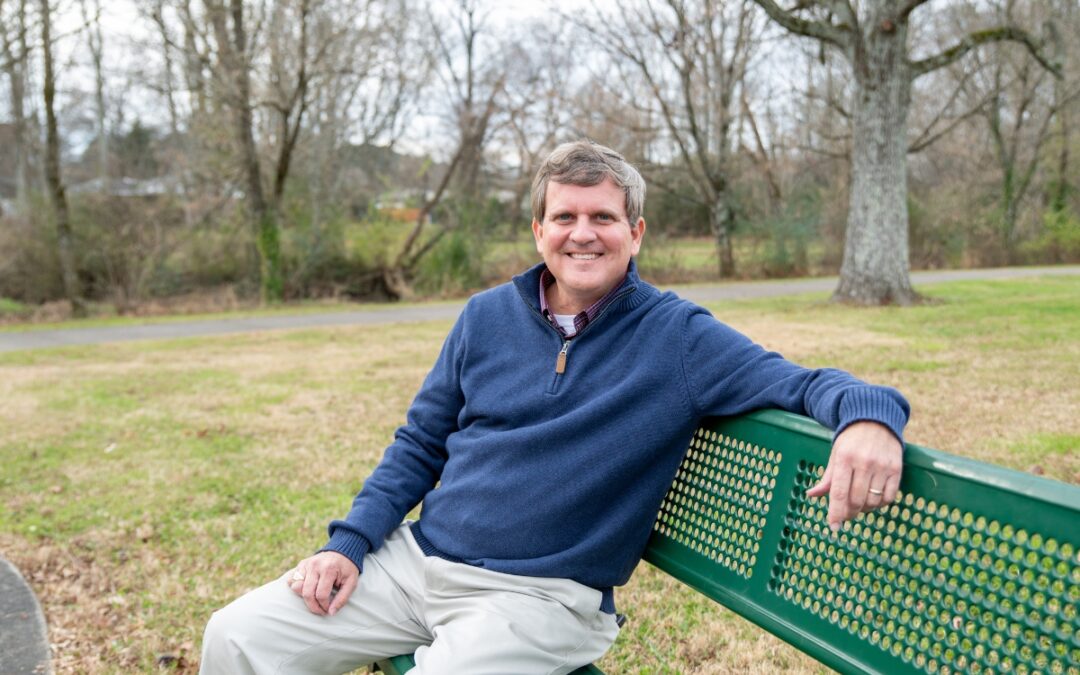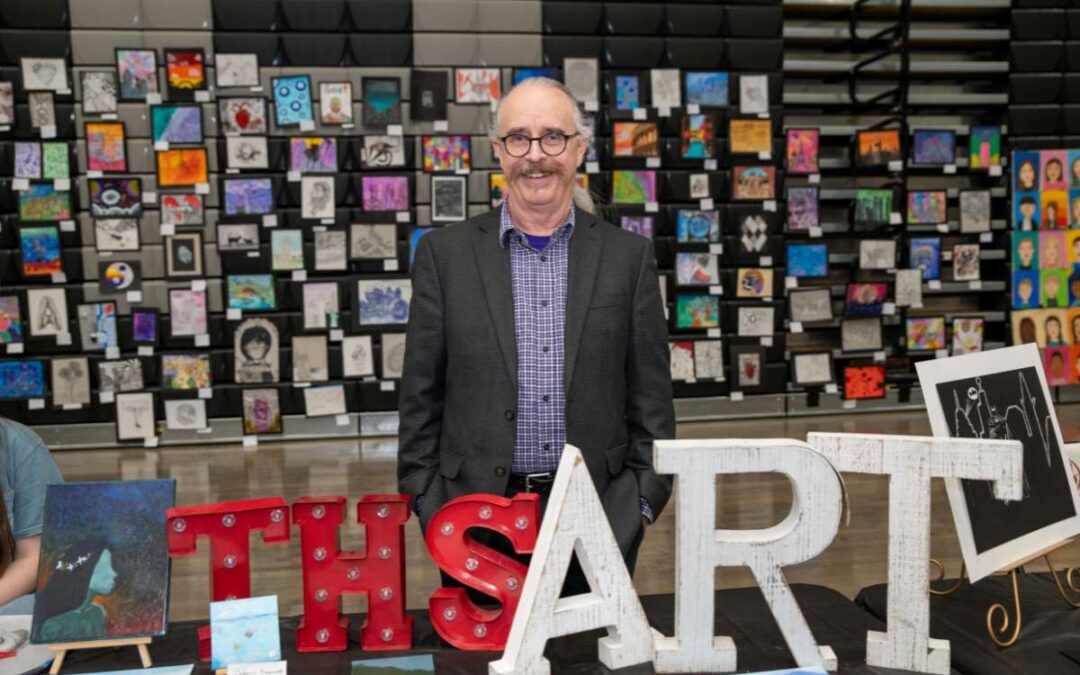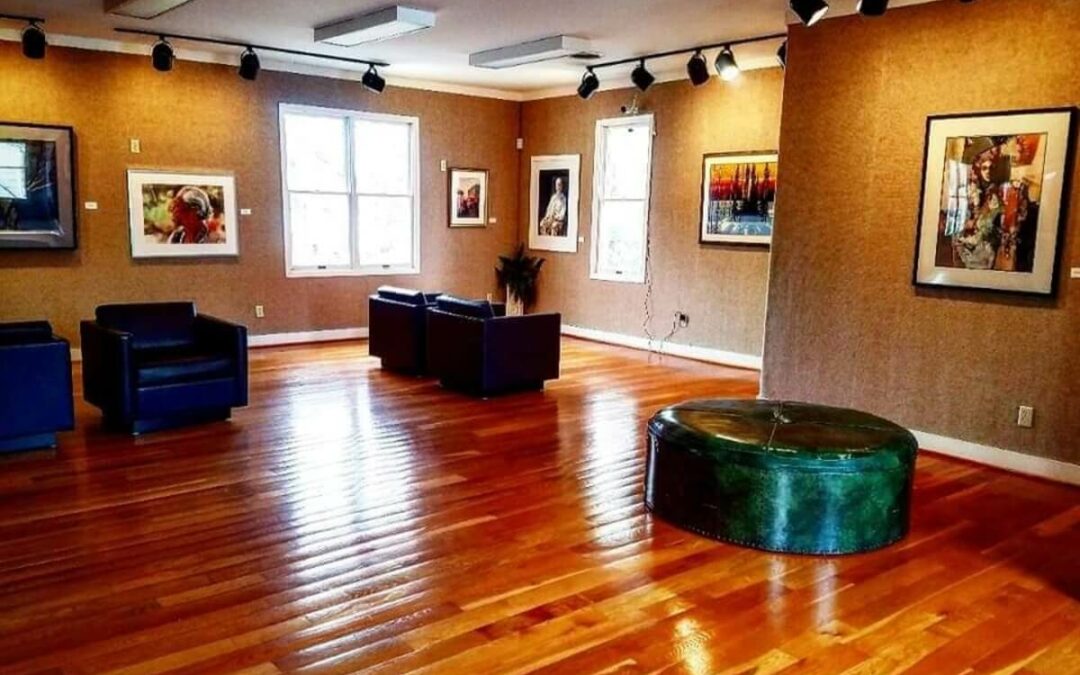
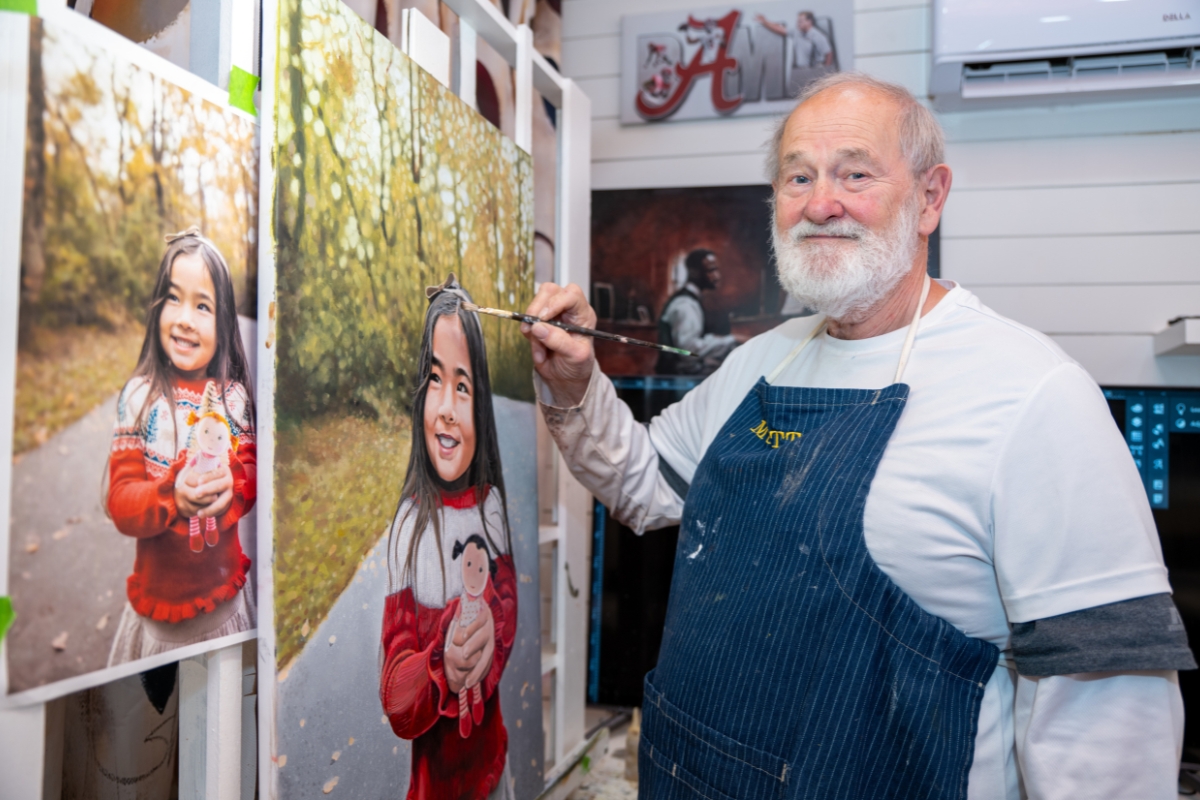
MUTT SUTTLES doesn’t describe himself as extraordinary, even though the evidence lines the walls of his studio. Oil portraits of presidents, engineers, children, and parents long gone all surround him in careful order, each one rendered with a depth that feels less like likeness and more like presence.
At 77, Suttles still paints seven days a week, not because he feels pressed by time, but because he feels called.
“I don’t want to sound like I’m worried about death,” he said. “I’m just worried about not having enough time to do as many paintings as I want to do.”
Suttles was introduced to art before he could read.
When he was 5 years old, a teenage babysitter gave him a pencil and paper while his parents were away. He drew a fish. When his parents returned, the babysitter made a fuss over the drawing and hugged him.
“I enjoyed that hug,” Suttles recalled. “So the next day I drew 25 more fish.”
He waited on the porch, drawings in hand, and ran to show her when she arrived home. The praise and encouragement were enough to set the course of his life, even if he didn’t understand it at the time.
“People don’t always realize how doing something small can affect somebody’s life,” he said. “But it affected mine.”
Suttles went on to build a long and varied career as an artist and illustrator. He worked for the University of Tennessee Space Institute, NASA, and later became a creative director for a Fortune 500 company. For years, portraiture was something he did on the side — something people asked for when they discovered he could draw.
“I never thought of myself as a portrait artist,” he said. “I always wanted to be a fine artist.”
Still, the commissions kept coming. Eventually, they became more than supplemental income. Suttles remembers the moment he realized portraiture could sustain him completely.
“I was actually making more money doing portraits than I was as a creative director,” he said. “So I quit.”
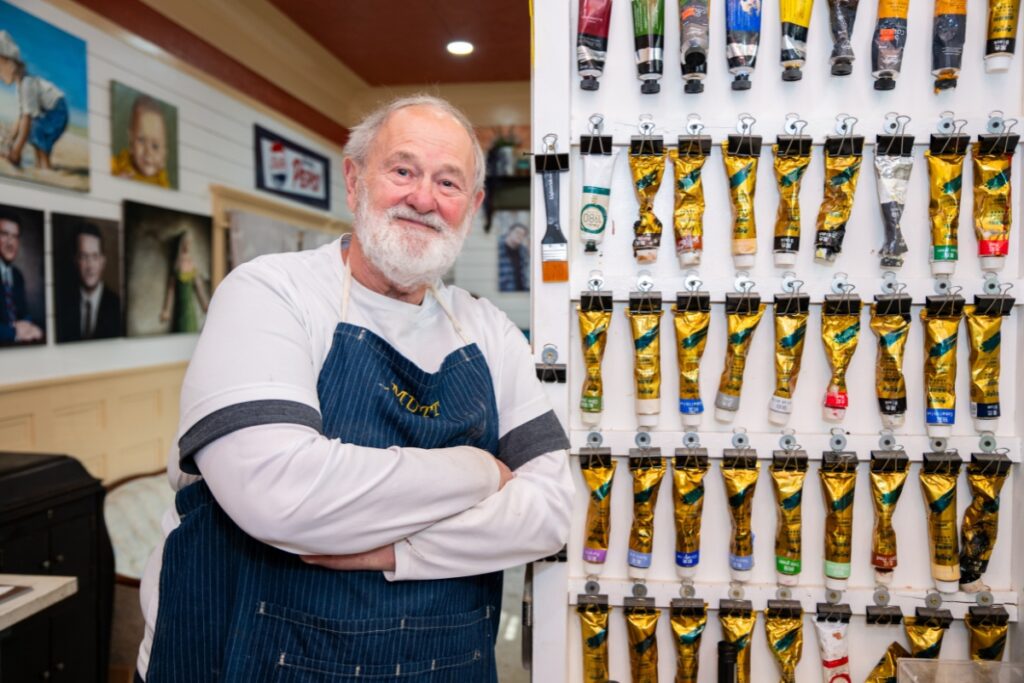
That brought him to Flat Rock, Tennessee, where he purchased and remodeled an old building into his studio. It’s a space
that feels both working and reverent, filled with the quiet authority of someone who knows exactly what they’re doing but feels no need to announce it.
Like many artists, Suttles admits he wrestled with insecurity early on.
“I remember when I used to do portraits for $50, and every time I would sit down, I’d be petrified,” he said. “My gift is
God-given, and I don’t really know how it works. I just trust it.”
That trust extends to how he conducts business. Unlike many portrait artists, Suttles never takes money up front.
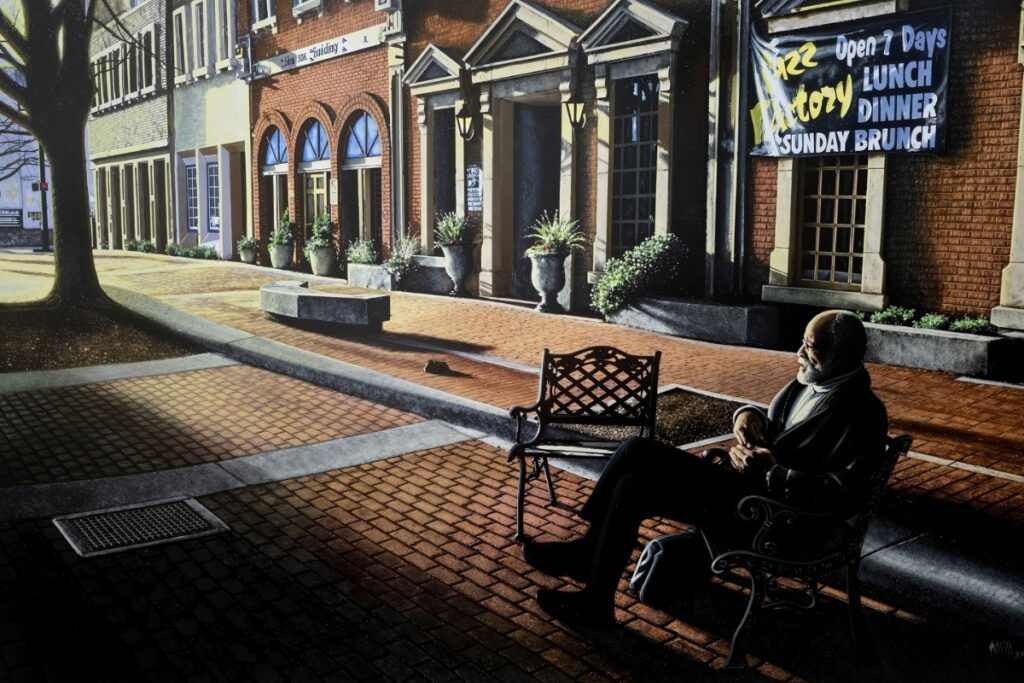
“If you don’t like my portrait, I don’t want you to have it,” he said. “But I’ve never had an issue.”
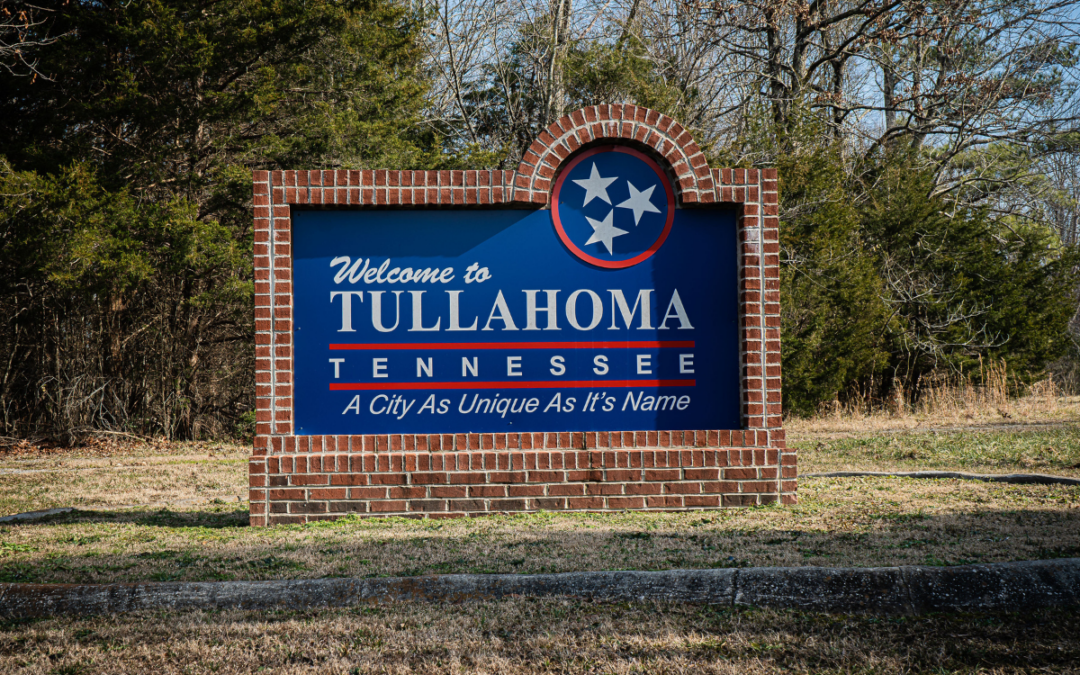
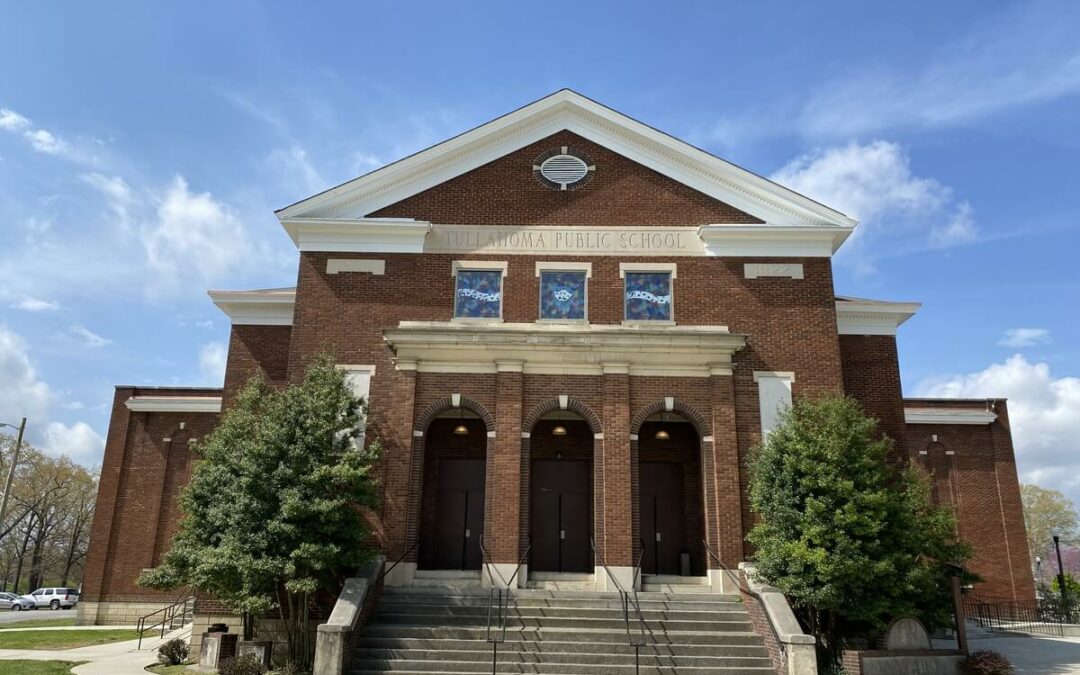
Much of Suttles’ life and art has been shaped by love and loss. He was married for 40 years when his first wife was diagnosed with stage 4 ovarian cancer. She asked to return to Tullahoma, the place they considered home, for her final days.
“When she told me she probably only had a year left, she said she wanted to spend it there,” he said.
After her passing, grief silenced his art.
“I tried to paint, and I couldn’t,” Suttles said. “It was like the talent was gone.”
It wasn’t until a moment of resolve, after being told grief could do that, that he returned to the canvas.
“I went home, put a canvas down, and started painting,” he said. “And it was beautiful.”
Art didn’t erase the grief, but it helped him carry it.
“It still does,” he said.
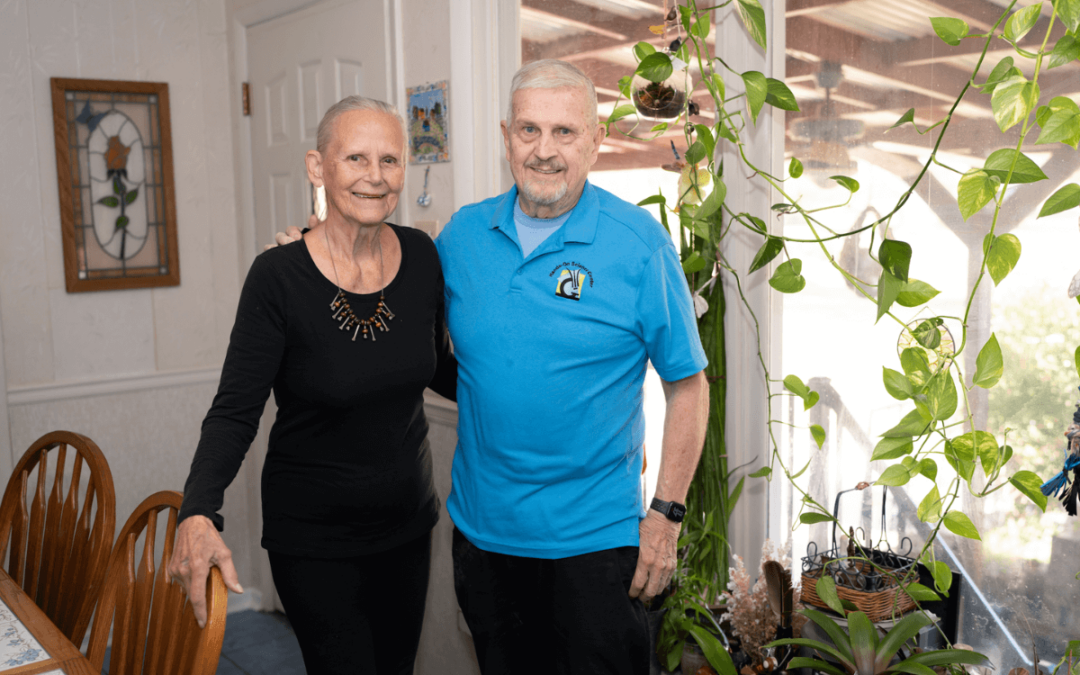
Today, Suttles is married to Bethany, whom he described as patient, encouraging, and instrumental in bringing him back to painting fully. Together, they share a life based in faith, service, and creativity, including ballroom dancing, church work, and dreams of using part of the studio building as a free apartment for battered women.
When it comes to his portraits, Suttles works primarily from photographs, but insists he’s not interested in copying them.
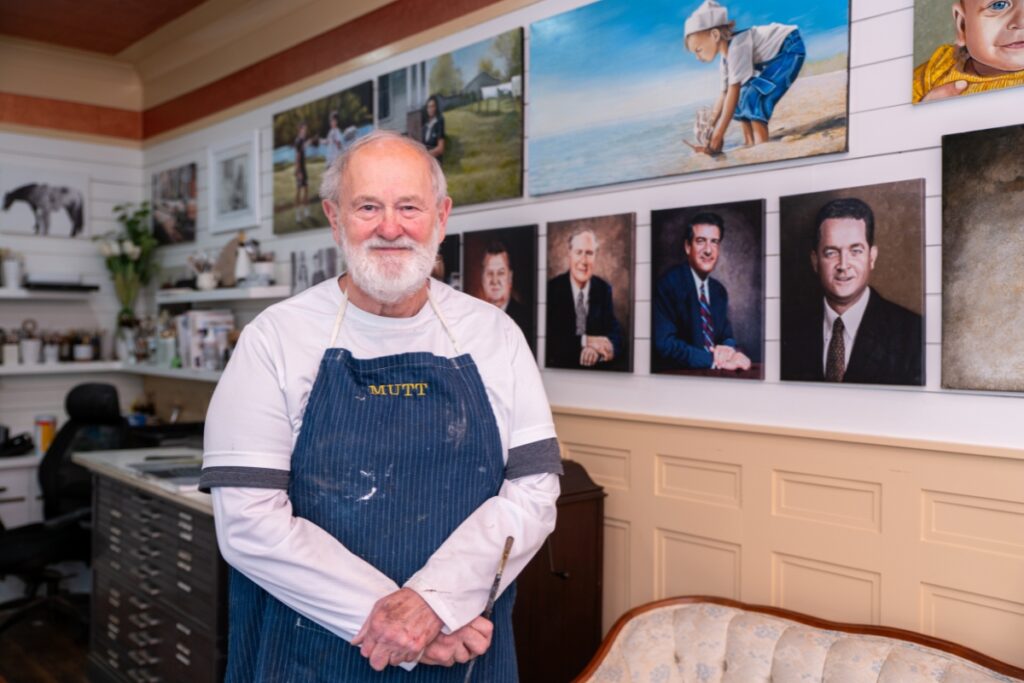
“I don’t want to be a human Xerox machine,” he said. “I take liberties, but I keep the resemblance.”
He paints using traditional oil techniques, layering glazes to build depth and luminosity.
“Oils have soul,” he said. “There’s just something there that you don’t get from a photograph.”
The reaction his work inspires is what matters most to him. He’s seen people cry when they receive a portrait, especially when it’s of someone they’ve lost.
“I’ve had people tell me, ‘This is my most prized possession,’” he said. “People can look at a photo of a parent who’s passed, but an oil painting is different. It lives on the wall. It’s part of the home.”
That belief has shaped how he prices his work. Despite international recognition, including being named a finalist and top finisher in global competitions judged by prominent art critics, Suttles has intentionally lowered his rates.
“I want people to be able to afford it,” he said. “I enjoy seeing people value my work more than the money they give me.”
At 77, Suttles shows no signs of slowing down. He spends nearly every day in his studio, painting not for prestige, but for purpose.
“I think it’s my calling,” he said. “As long as I can paint, I will.” GN