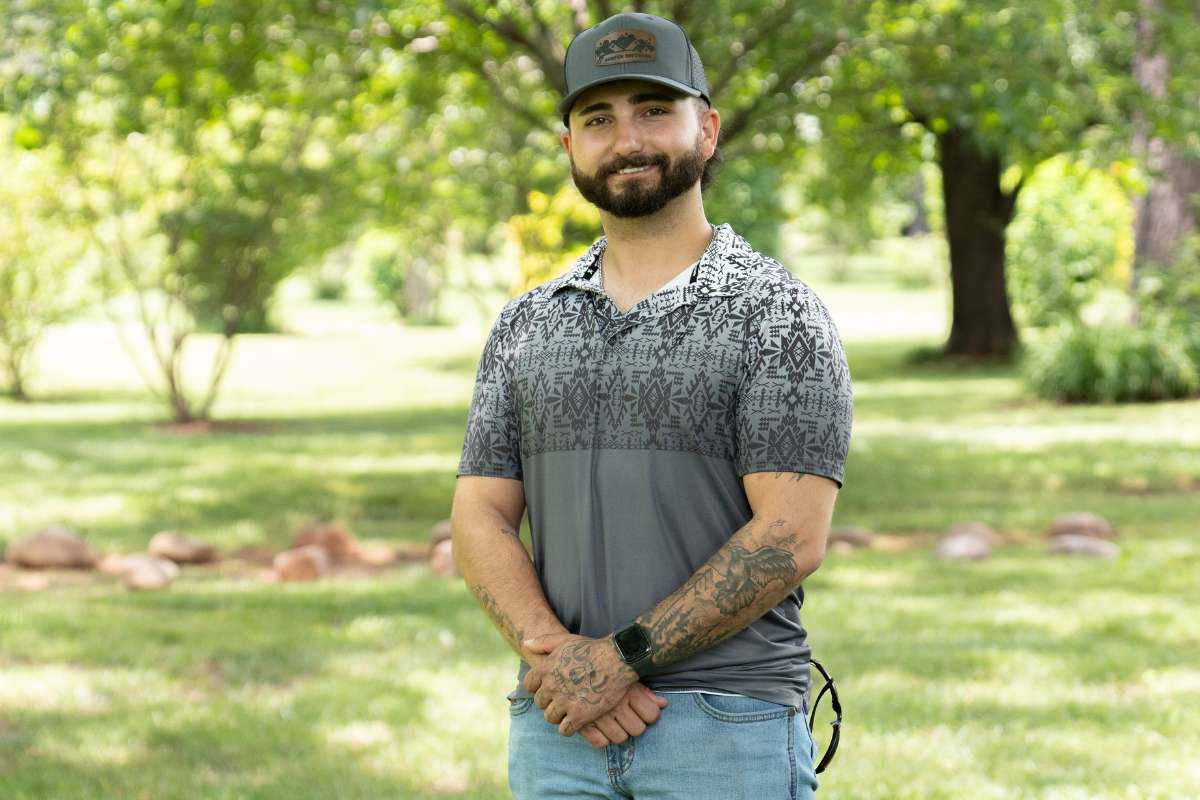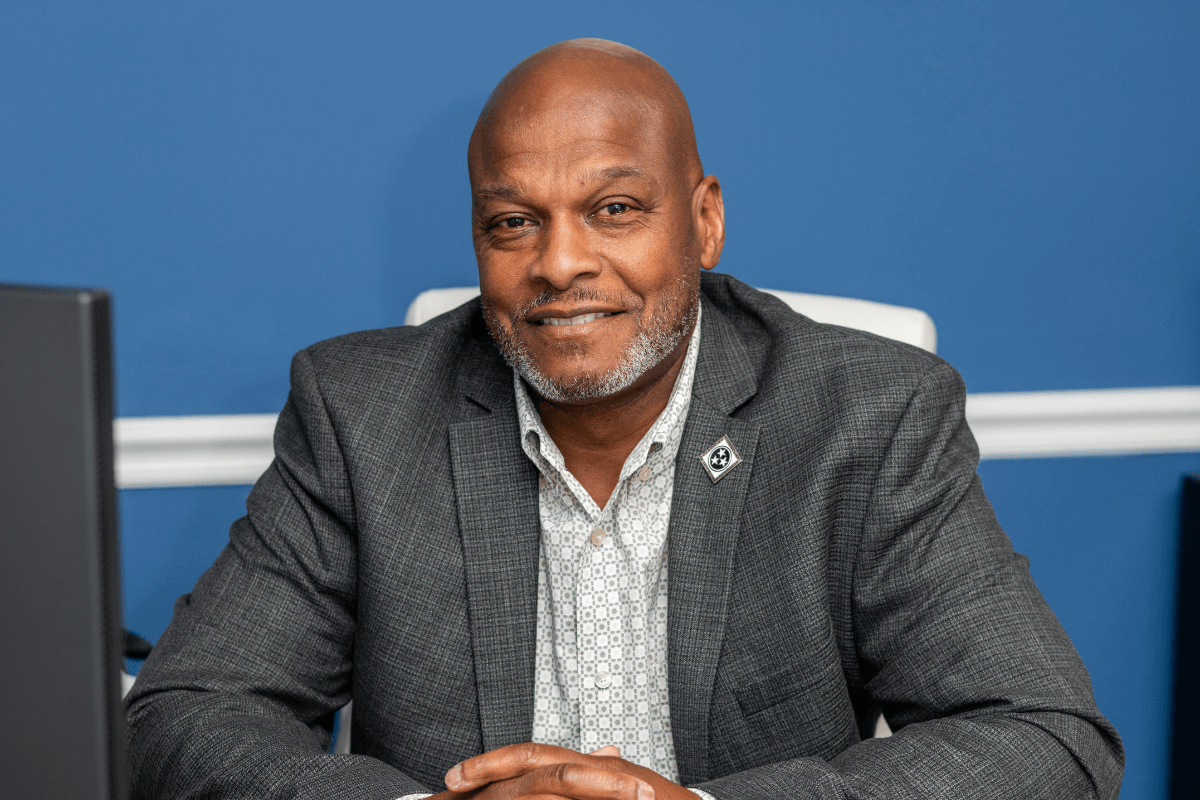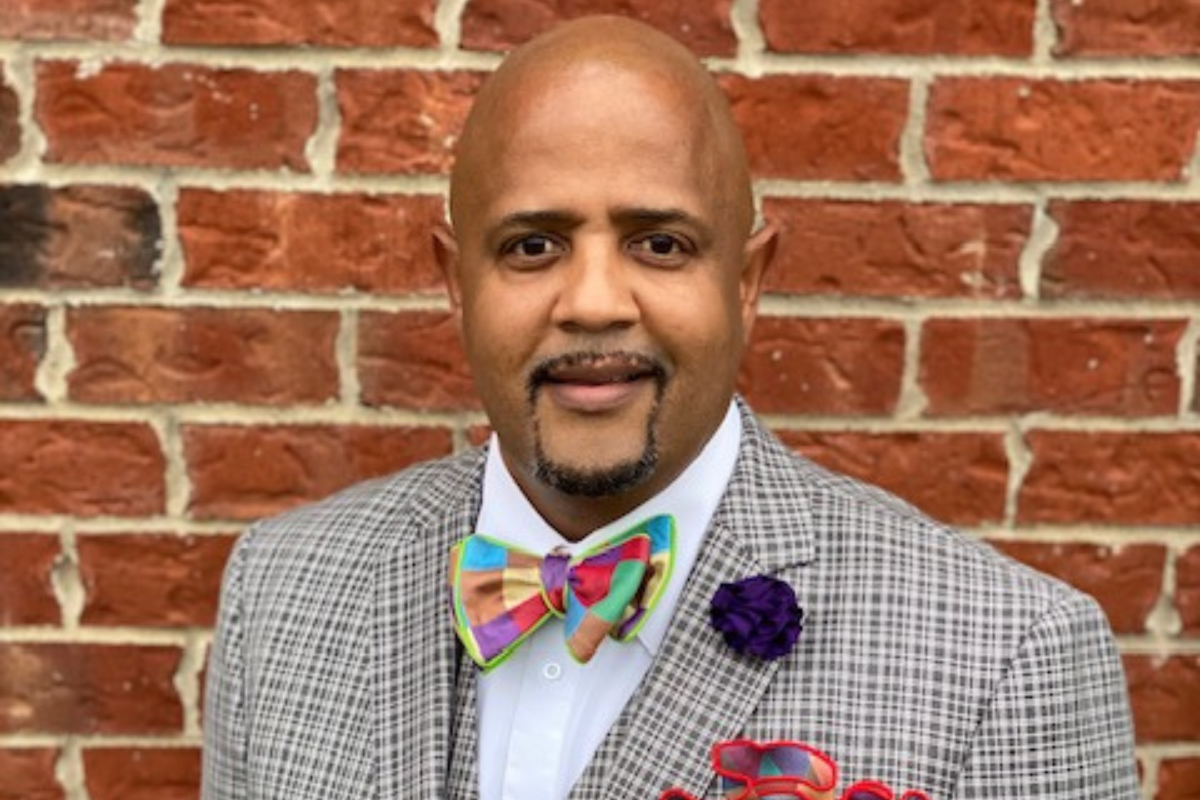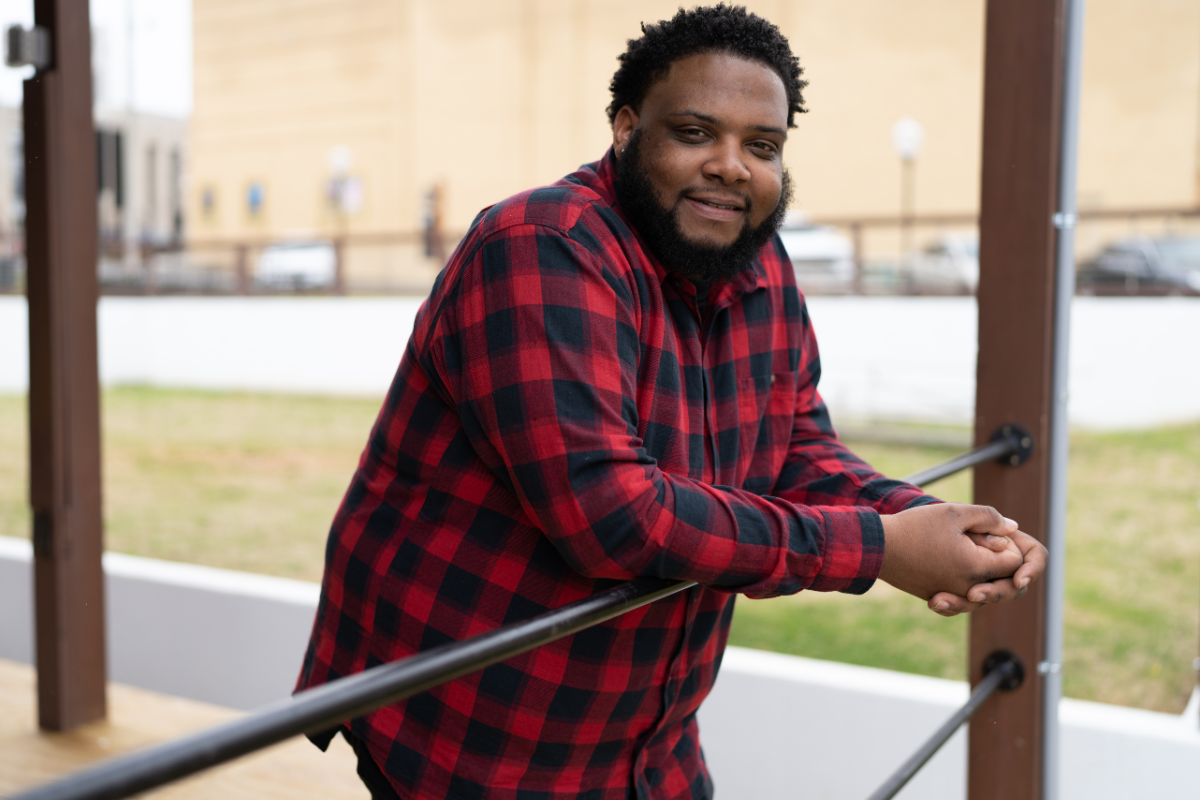
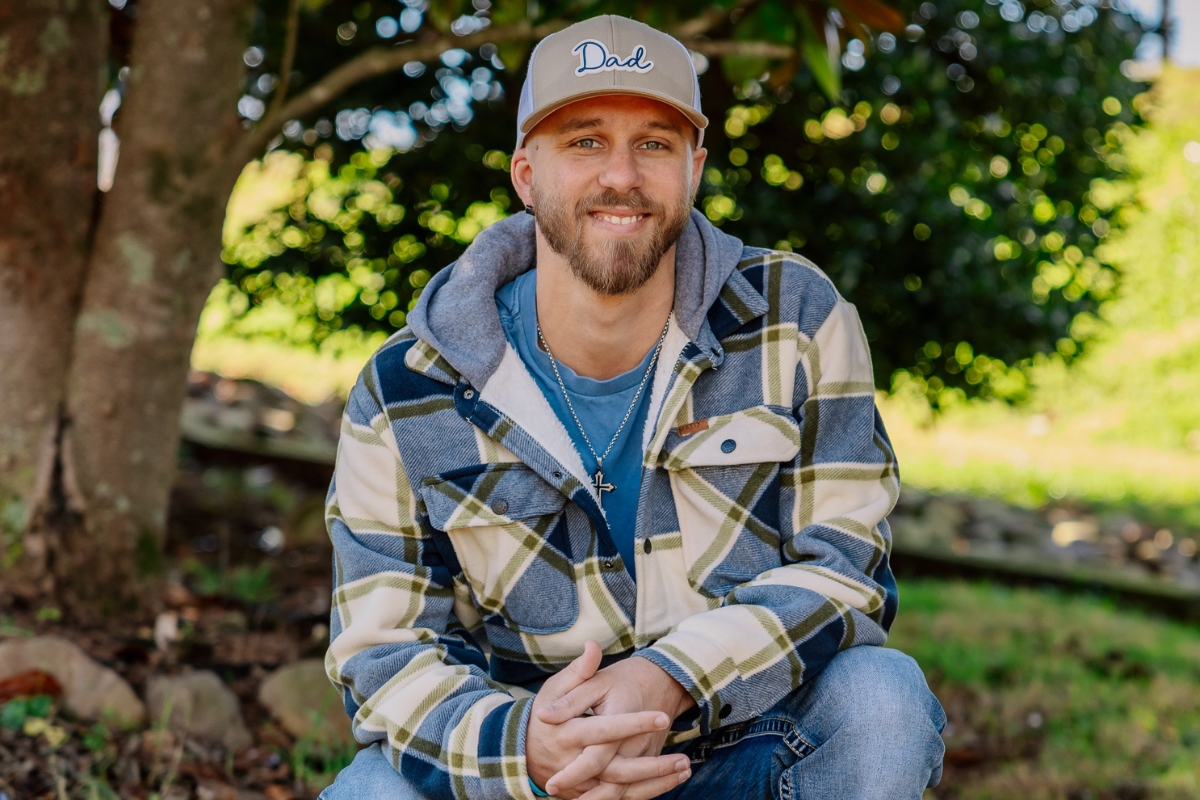
FOR MANY in Tennessee’s recovery community, the name Dylan Griffin has become synonymous with recovery, redemption, and hope.
Griffin’s transformation from battling the grip of addiction to emerging as a source of strength for others trapped in the same struggle serves as an inspiring reminder not only for those fighting addiction but also for the loved ones who walk beside them. Griffin’s story illustrates that recovery is rarely linear, that connection stands in stark opposition to addiction, and that a single act of compassion can have a lasting influence on generations.
Griffin’s journey began long before he became a familiar presence across 13 counties. It starts in a place he recalled with striking honesty.
“Life during addiction was honestly so dark and lonely,” he said. “I was so ashamed that I isolated myself from everyone because I didn’t want them to know that I was using, when in reality they all knew.”
During this period, Griffin found himself in an unhealthy relationship where both partners were caught in the same battle. Their daughter, his first child, became the unexpected turning point in his story. The moment he saw her, he knew he didn’t want her to grow up overshadowed by substance abuse. Still, breaking free from addiction proved far more complex than intention alone.
“I tried countless times to stop,” he explained.
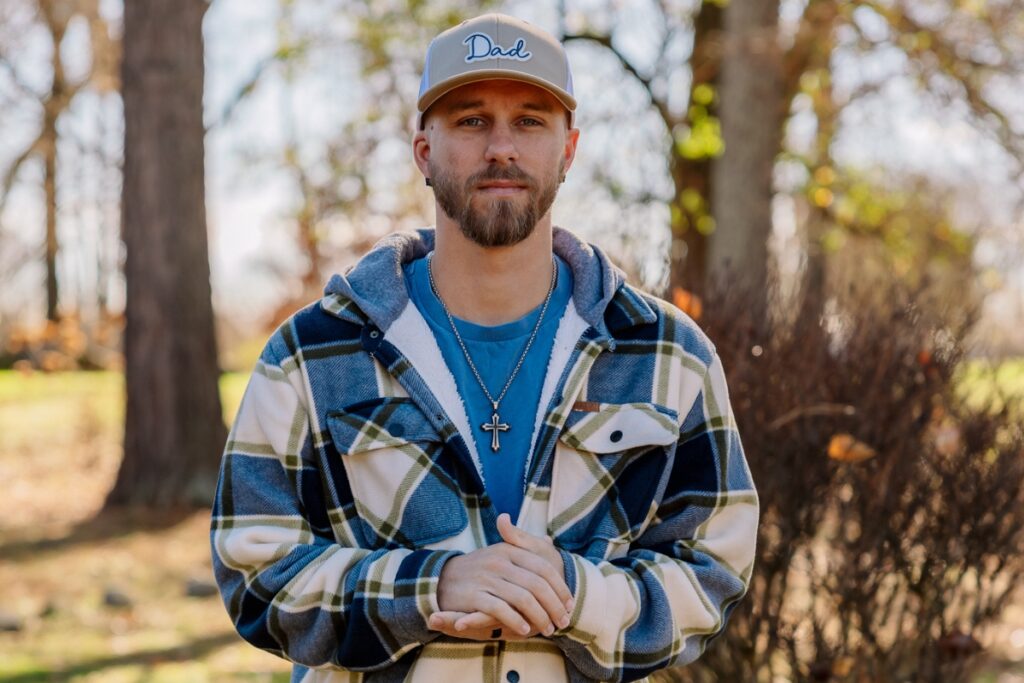
A pivotal moment arrived when his mother and stepfather came to his door, devastated yet resolute. His mother tearfully confessed that she didn’t want to bury her son. With support from family and his “forever brother,” Allen Burnette, Griffin boarded a plane to Texas for treatment, unaware that he was stepping into the beginning of a new life and the start of his redemption arc.
Before addiction touched his life personally, Griffin never imagined he would face such a struggle. He had been a disciplined athlete, someone who avoided drugs entirely. Losing his father to cancer at 19 shattered that stability.
“This is when I started using,” he admitted. Grief became the doorway into addiction and altered his understanding of it forever.
“I realized it could happen to anyone. It could be your best friend or uncle that you never expected to struggle with such hardship.”
That realization now fuels his compassion. What once carried shame has become one of the most powerful tools in fulfilling his purpose.
Today, Griffin spends his days traveling across 13 counties, providing support, encouragement, and connection to those in need.
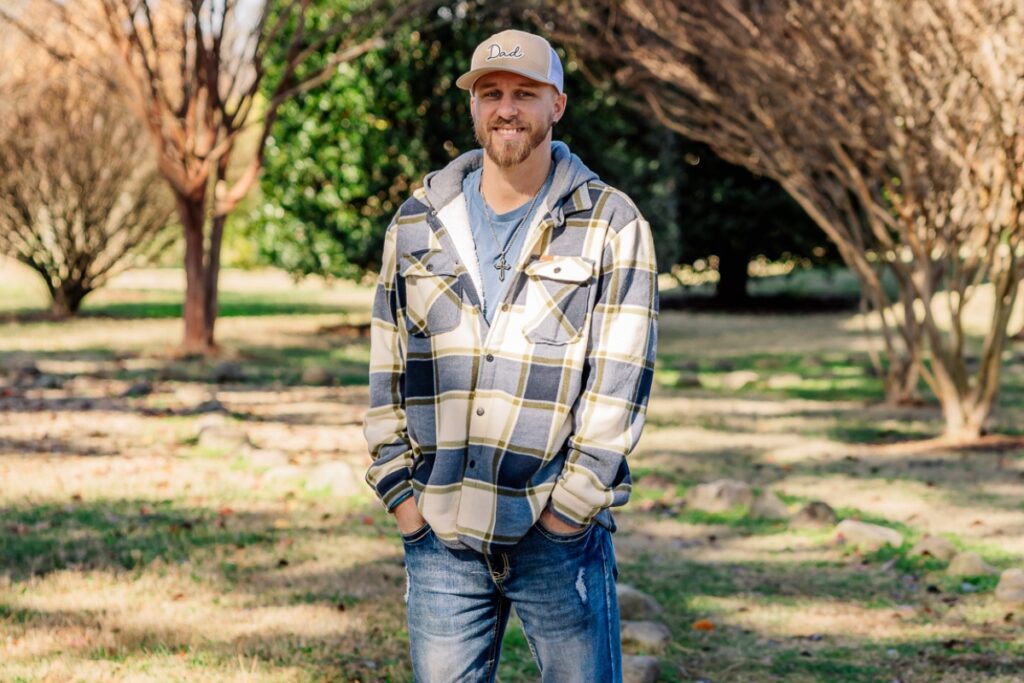
“I’m always trying to build connections while letting people know that I’m here. I take calls in an attempt to meet people where they are and help them in any way possible.” As a Health Insurance Portability and Accountability Act-certified recovery professional, every conversation carries weight.
His path into this work was not something he intentionally sought. Two years into his own recovery, the same man who helped his family place him in treatment reached out with a job opportunity. Griffin wasn’t immediately certain. He felt called to help people, but didn’t know what that would look like. After discussing it with his wife and spending time in prayer, everything became clear to him. “I decided this was the path I was being led to take,” he said.
Since then, he has walked alongside individuals at their lowest points, celebrating every victory, no matter how small.
“Seeing people’s struggles and then seeing them make the change to be able to be happy with their own life again is inspiring.” Their transformation brings him back to the early, vulnerable days of his own recovery, strengthening his commitment to continue showing up.
One of his most memorable moments didn’t unfold in a meeting room, but in a Walmart parking lot. Griffin noticed a man sitting alone beside his bicycle, with no sign or request for help. Moved by a prompting he couldn’t ignore, he returned with food.
“I told him that this wasn’t the end of his story, just the end of his chapter,” he recalled. Two hours later, the man reached out, entered treatment, and is now thriving. The two still keep in contact.
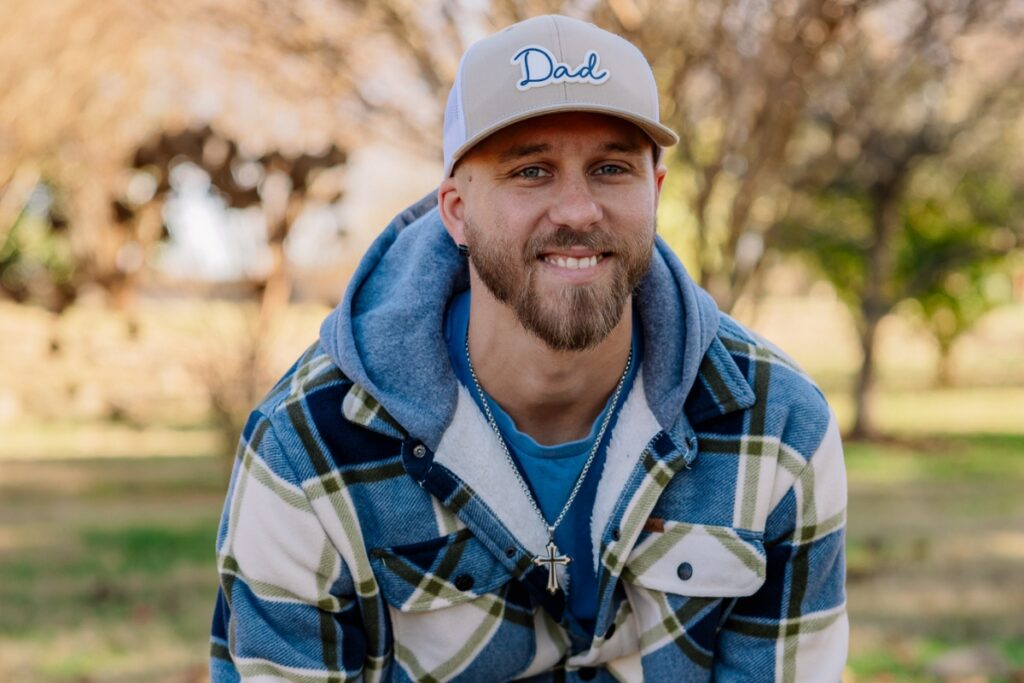
Griffin believes in holding hope on behalf of others until they can hold it themselves. “Sometimes people just need someone to believe in them until they can believe in themselves again,” he said. His approach reinforces that recovery is not linear, that progress rarely looks perfect, and that no one is beyond redemption.
He also champions connection as an essential component of healing. “The opposite of addiction is connection,” he emphasized.
Recovery meetings, family-friendly events, and community engagement create networks of support that counteract isolation and rebuild lives.
Most importantly, Griffin never loses sight of the inherent dignity in every person he serves.
“They are just people that made some bad decisions. Addiction doesn’t define an individual. Helping even one person can reshape an entire family line,” he noted.
As he looks toward the future, Griffin hopes the legacy he leaves is one marked by hope, second chances, and resilience.
“If my work can help even one person believe in their worth again or find the courage to start over, then I’ve done what I was called to do.”
His life is living proof that redemption is real and that some of the brightest lights are carried by those who have once known darkness. GN