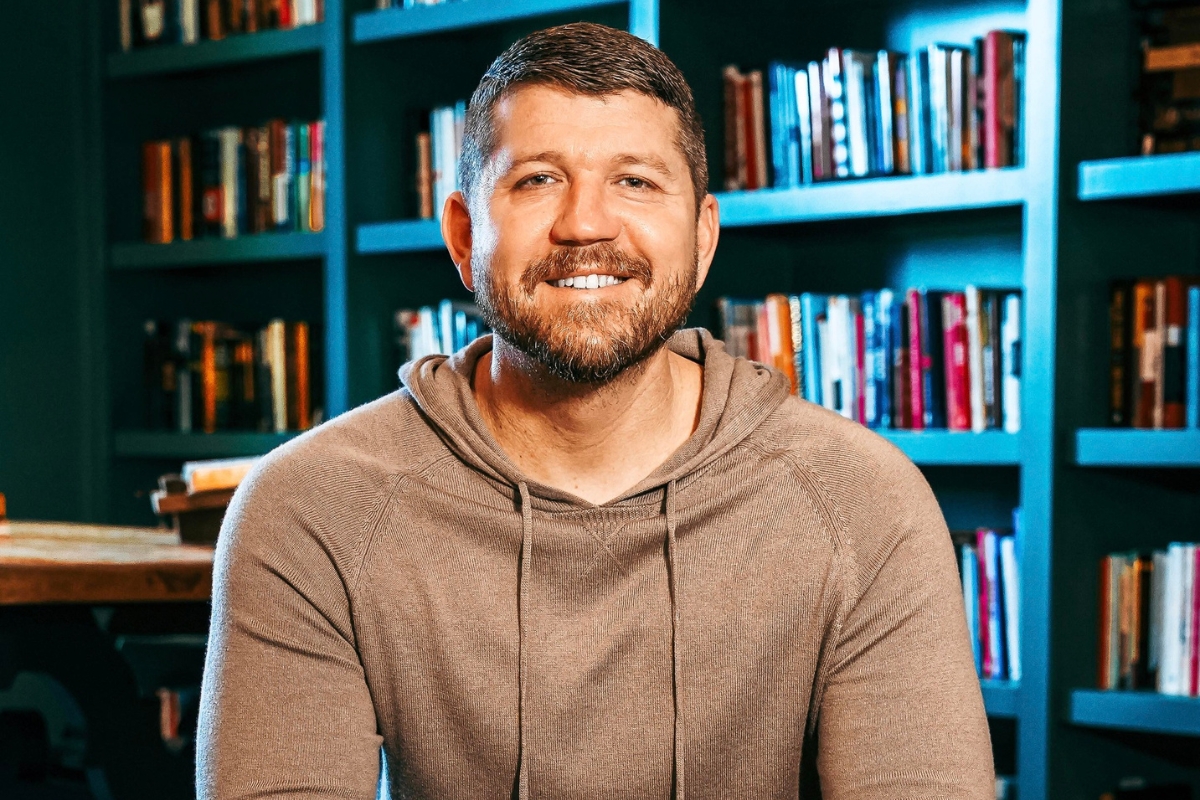
ERIK REED’S life has been one of transformation. It’s been shaped by military discipline, personal loss, and a calling that led him to plant a church grounded in authenticity and resilience.
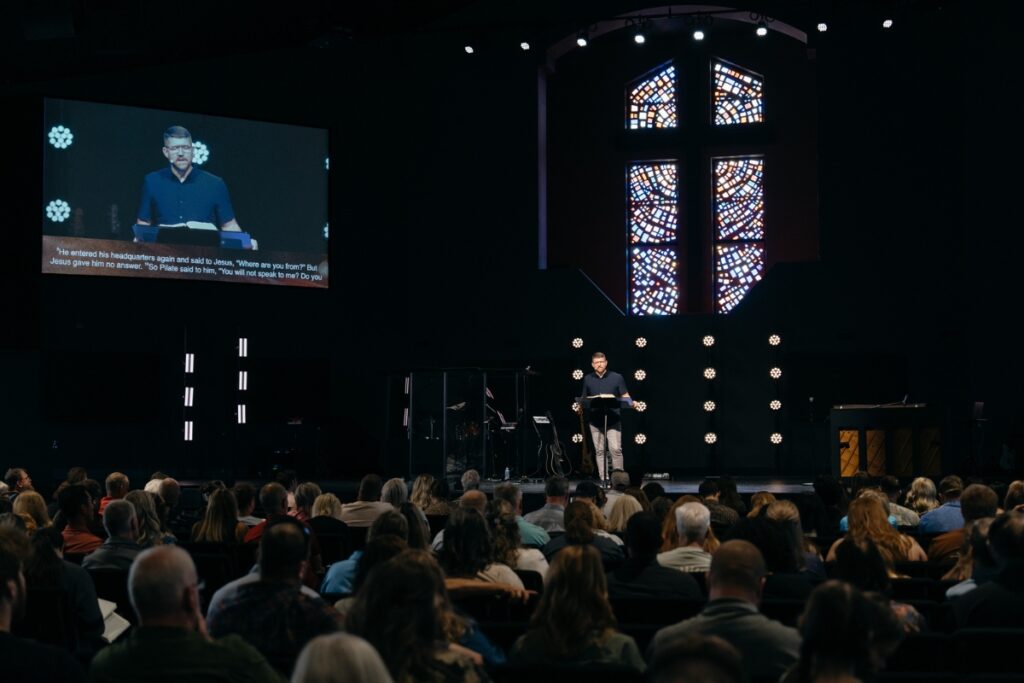
As the founder of The Journey Church, Reed has spent the past two decades leading others through faith, often drawing from his own life experiences to connect with those navigating hardship.
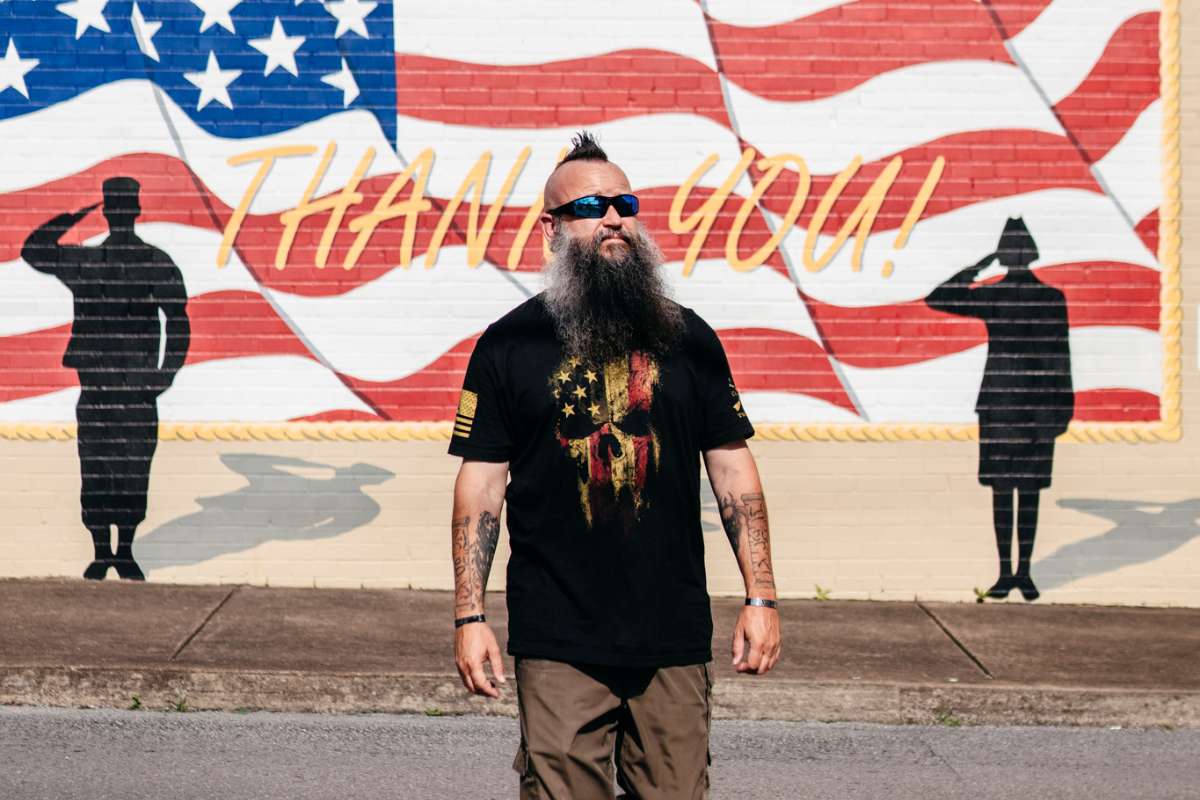
In January 1999, at just 18 years old, he enlisted in the U.S. Army.
“I wasn’t mature enough for school,” Reed said.
Selected as one of only eight soldiers from his class to join the 82nd Airborne Division, Reed served as a cavalry scout, building lifelong friendships and learning the value of responsibility.
“The thing that the military did for me is it grew me up really quick,” he said. “It forced me to learn how to take care of myself and take responsibility for things.”
The experience also reshaped his perspective on family. Once a rebellious, hardheaded teenager, Reed said the Army helped restore his appreciation for his parents.
“It gave me a level of gratitude for my family that I think I had kind of taken for granted,” he said.
Though Reed initially envisioned a lifelong military career, his path shifted as his personal life evolved. While serving, he began dating his now-wife, Katrina, a relationship that would ultimately draw him back home.
“My desire started shifting to wanting to go back and put roots down, get married, and have kids,” he said. This would be the beginning of a new chapter — one that would lead him into ministry.
After returning home, Reed became involved in church life and eventually led Bible studies. At 25, he was asked a question that would change everything: Had he ever considered planting a church?
“I was like, what does that mean? Can you do that? Is that even legal?” Reed recalled with a laugh.
Despite his initial hesitation, Reed took the leap and founded The Journey Church, a community he envisioned as welcoming and accessible, particularly for those who felt disconnected from traditional church environments.
“I grew up with a lot of people who didn’t go to church, and I wanted to start a church that reaches people who may not feel comfortable going to the older established church,” he said.
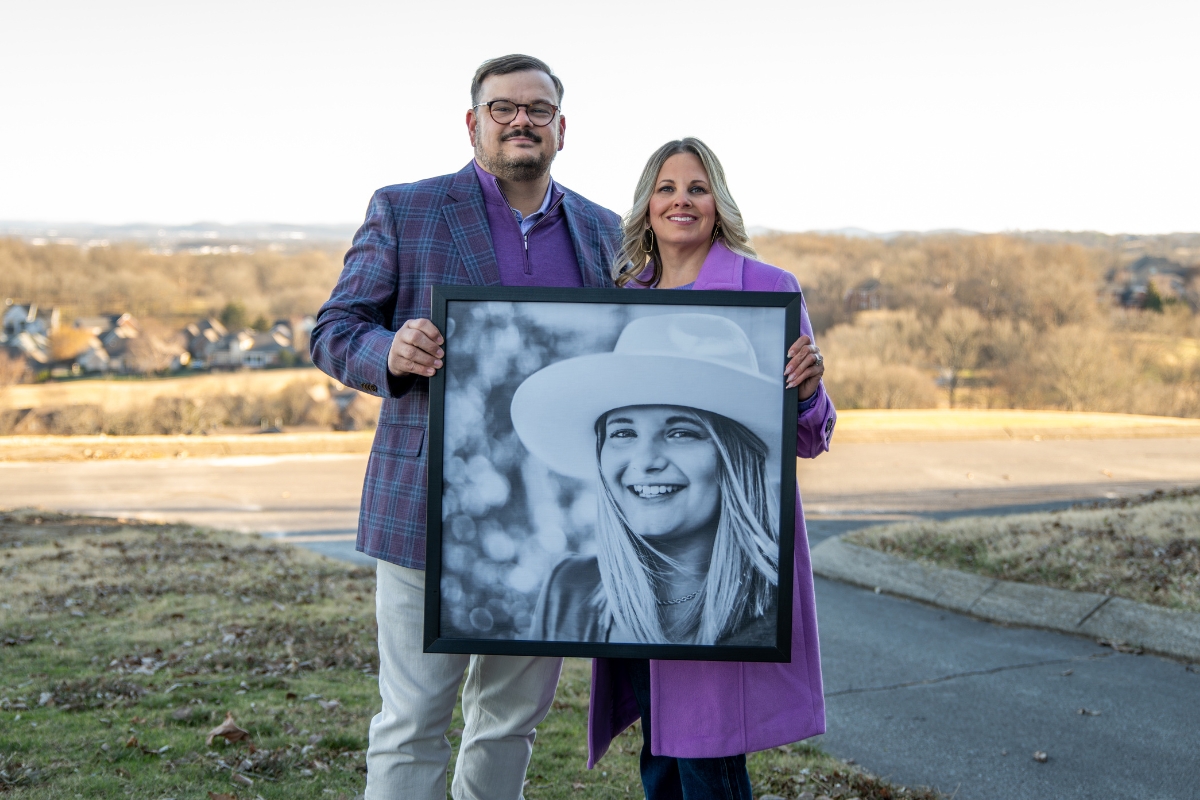
But alongside the church’s growth came personal challenges. Shortly before launching the congregation, Reed and his wife welcomed a son who would face ongoing medical issues. For 15 years, their family navigated the complexities of his condition before he passed away in December 2019 at the age of 15.
That loss became a defining aspect of Reed’s ministry.
“Walking through suffering revealed that I had a very deficient understanding of suffering from the Bible’s teaching,” he said.
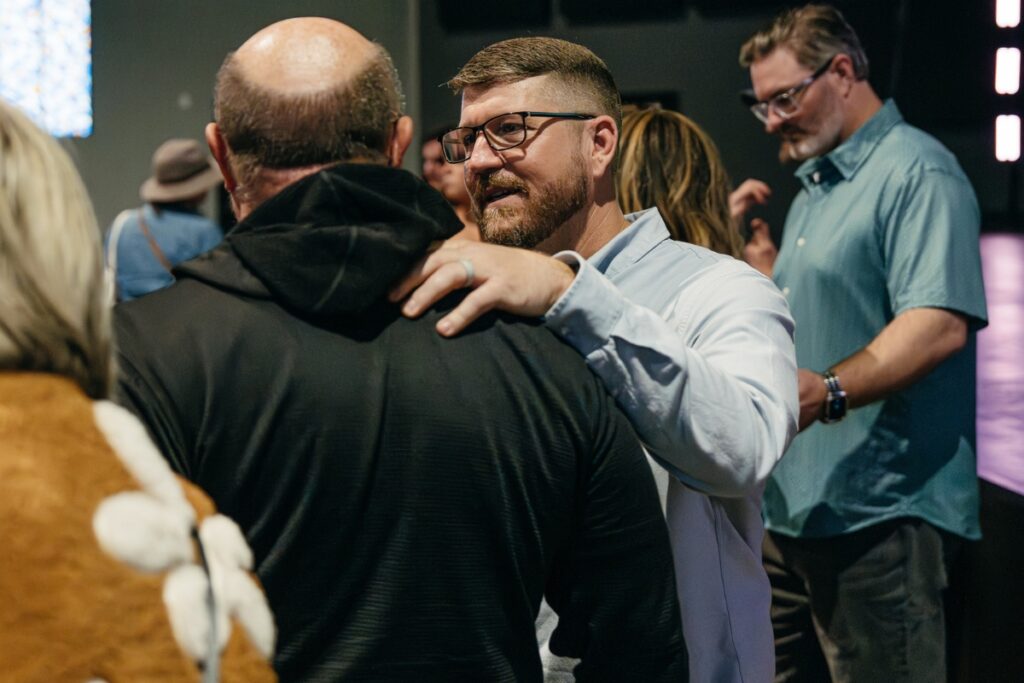
He acknowledged that he once believed faithful living would lead to an easier life — a notion he had to confront and ultimately unlearn.
“The reality is we’re not exempt from suffering,” Reed said.
Through grief, he developed a deeper theological perspective — one rooted in trust, even in the absence of answers. Reflecting on the biblical story of Shadrach, Meshach, and Abednego, he noted the importance of faith that endures regardless of outcome.
“We know He can rescue, but we also are going to trust Him even if He doesn’t,” he said.
This perspective has shaped how Reed leads and counsels others. His experiences have fostered both empathy and authenticity within his congregation.
“It gave me a level of ability to relate to what they were feeling,” he said. “They knew they were talking to somebody who was in the throes of it themselves.”
Rather than comparing hardships, Reed encourages individuals to face their own struggles with honesty and faith.
“Don’t minimize what you’re going through — this is your cross to bear,” he said.
Reed’s military background continues to influence his leadership approach, particularly in emphasizing structure and intentionality.
He believes churches must be both spiritually nourishing and effectively led.
“Every church needs to be well fed and well led,” he said.
Reed said he sees a widespread lack of biblical understanding as a challenge within modern Christianity.
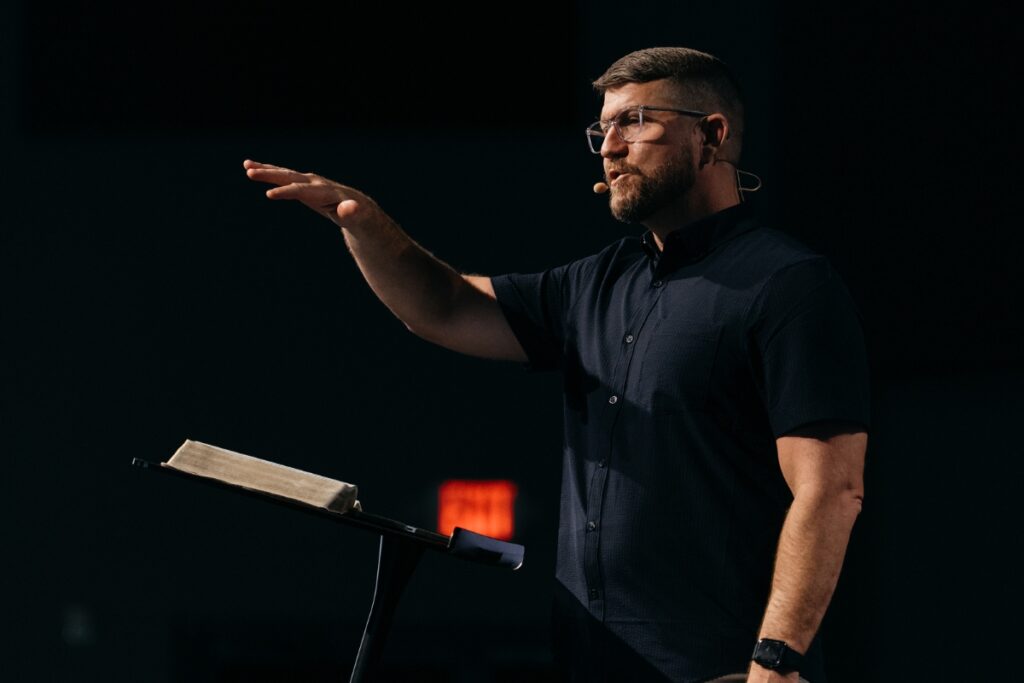
“We don’t know our Bibles, and we don’t understand the theology that’s in the Bible,” he said.
Reed said theology isn’t reserved for scholars; it’s essential for everyday life. He describes it simply as “the study of God,” adding that everyone engages in it, whether intentionally or not.
“The question is, are you doing biblical theology?” he said.
In a world he describes as increasingly complex and divided, Reed believes faith should be fully integrated into all aspects of life rather than compartmentalized.
“The whole house is Jesus’ — every room belongs to him,” he said.
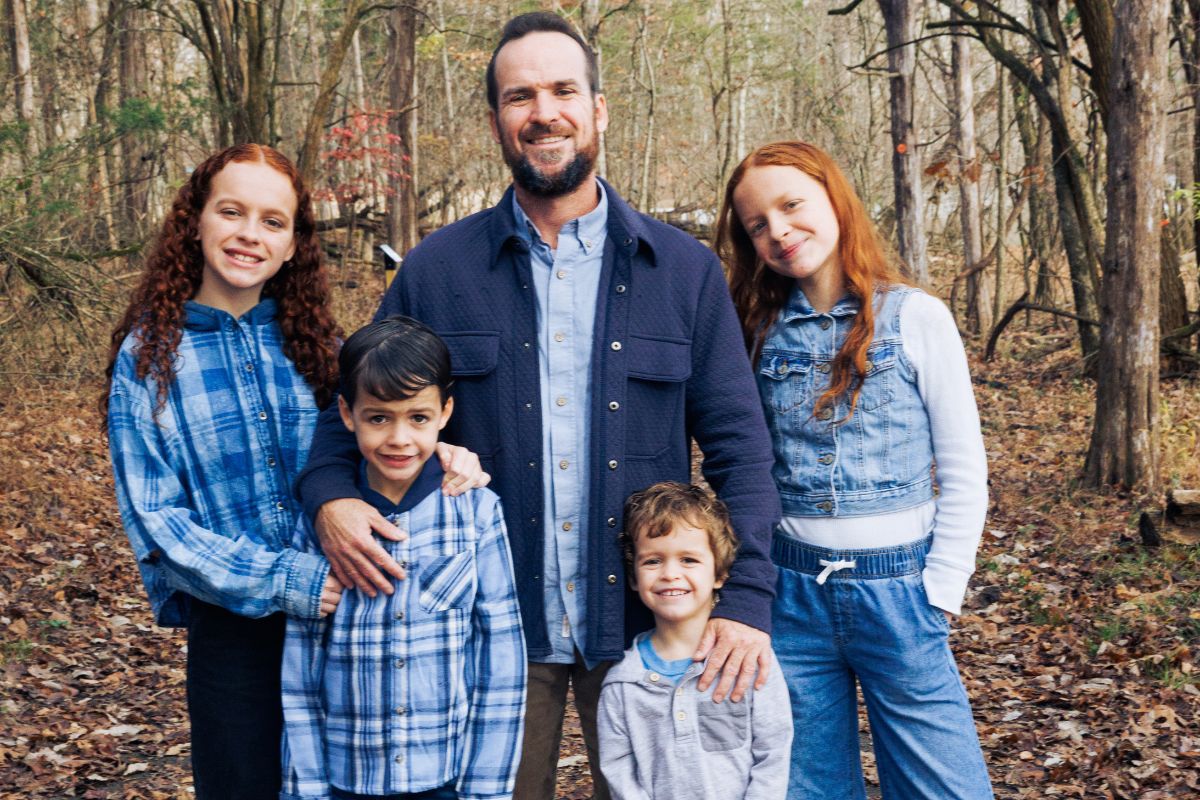
Though his responsibilities carry weight, Reed finds balance in time spent with family and in simple routines. Whether attending his daughters’ dance competitions, exercising, or reading, he values the everyday moments.
“I actually just enjoy getting to do the things I get to do,” he said.
Today, as The Journey Church marks 20 years, Reed continues to lead with a perspective forged through both discipline and loss. GN