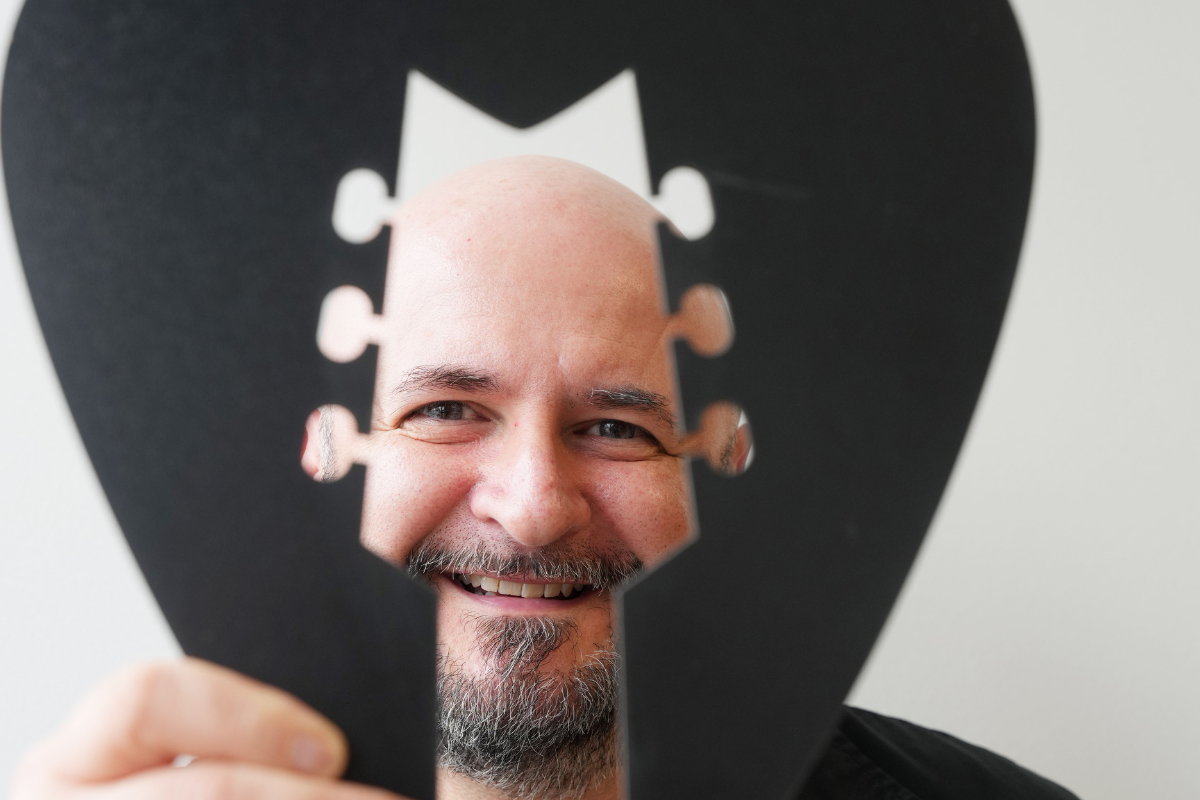
BEFORE THE crowds and the lights and the sound that rolls across a fairground long after dark, there was a boy in a small room learning to listen before he ever learned to speak into a microphone.
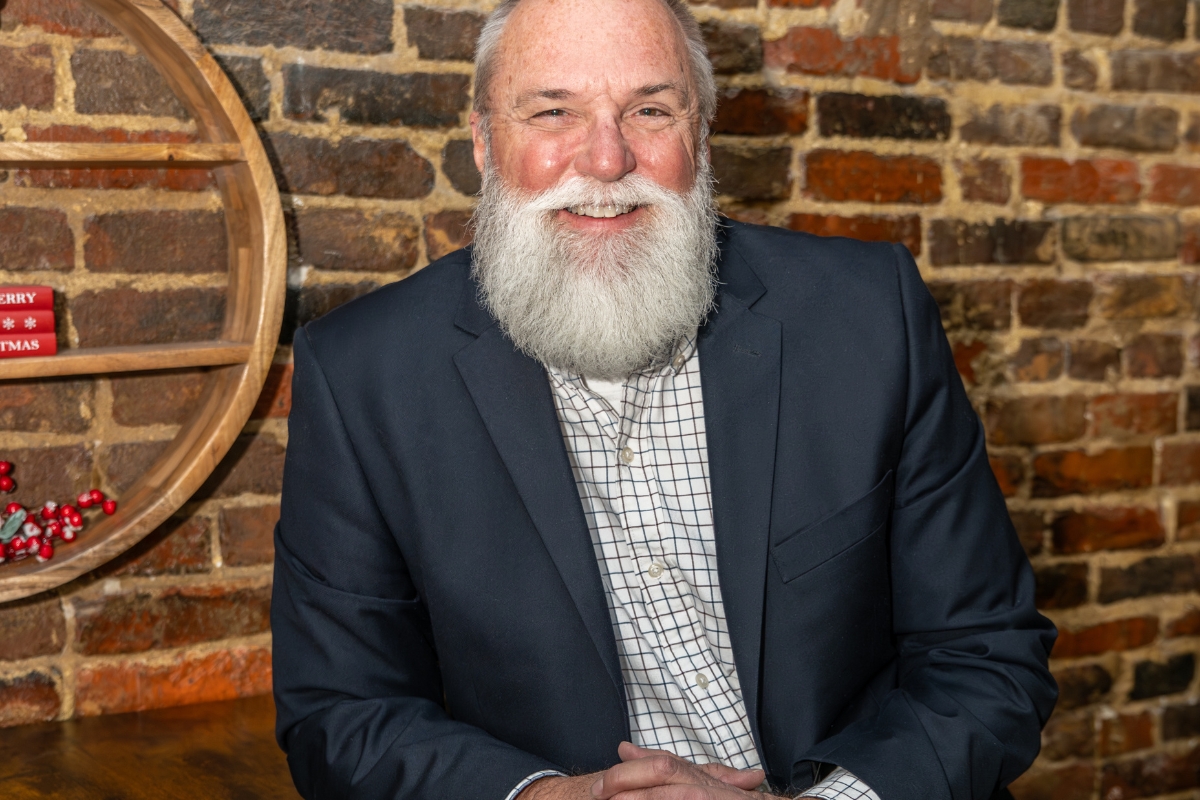
David Hale wasn’t much of a sports kid. While his brother moved through every sport available to him — “football to tiddlywinks,” he said with a laugh — Hale found himself drawn elsewhere, toward sound, toward signal, toward the quiet work of understanding how voices travel and carry.
His childhood unfolded on the campus of Castle Heights Military Academy, where his father taught, and where his school life often blurred into a training ground for attention and discipline.
Even then, there were glimpses of a world beyond it. Members of The Allman Brothers Band passed through at one point — part of the background noise of a place that felt much bigger than he could fully understand at the time.
Radio was something Hale always circled back to. In the 1970s, he joined the school’s radio club after a teacher noticed he kept showing up, staying late, and listening more than he spoke.
At night, when commercial stations signed off, the student-run station stayed on the air. Hale learned what it meant to keep something going in the dark hours when no one was necessarily paying attention. He learned timing, responsibility, and the strange weight of being the voice someone else is hearing in the quiet.
“That was really my introduction,” he said. “To a variety of music, announcing, reading program copy, and stuff like that.”
Still, his life was already pulling in another direction, too.
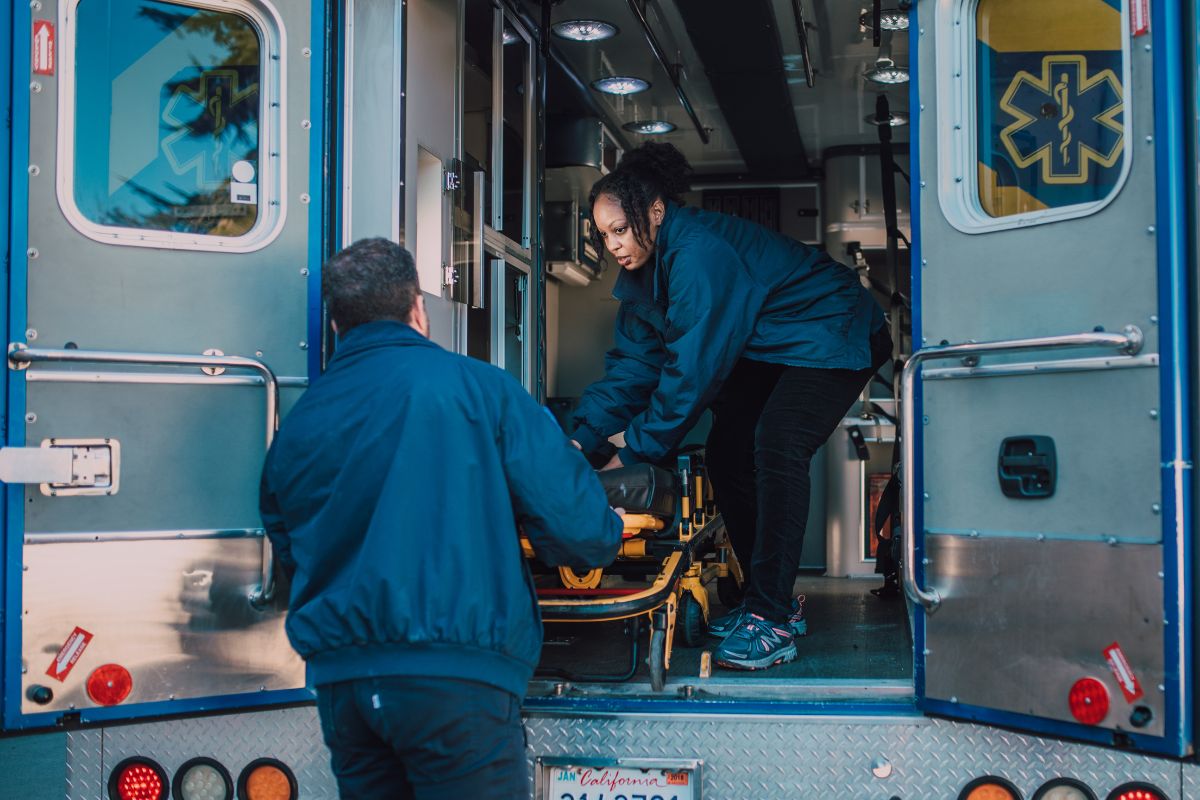
As a young adult, he began riding with his uncle through Wilson County on emergency calls for fires, wrecks, and other emergencies, with little time to prepare. Emergency services in those days were still largely built on volunteers rather than the systems that exist today. His uncle was among the early certified responders when Tennessee began formalizing ambulance care.
Hale watched it from the passenger seat, close enough to understand what urgency looked like before he was ever part of it himself.
Not yet old enough to serve in the field, he took dispatch calls from a citizens band radio set up in his bedroom. By the time he entered EMT training at 17, he already understood the responsibility that came with being a first responder.
He went on to spend three decades in emergency services, rising to the position of chief, and later served another sixteen years as a judicial magistrate. Forty-seven years in public service, built less on ambition than on continuity.
“Back then, you went to work thinking you’d be there for the long term,” he said. “Now people move on to the next thing.”
He didn’t. Even while building a life in public service, music stayed close. It showed up in weekend work, small setups, borrowed equipment, and local events. After retirement, that part of his life finally had room to grow.
“When I first retired from emergency services, my business partner [Sondra Dowdy] and I had worked together doing some DJ work for other companies. When one of our friends had a birthday, we would come over and play music for it. Eventually, she said, ‘Why don’t we start a little company?’”
They gathered $600 and headed to a pawnshop, where they bought their first set of speakers. Music was the next hurdle, until one of Dowdy’s family members, who owned a jukebox company, sold them CDs for $1 each.
With that, they built their first library — a mix of cassettes they already owned, personal CD collections, and roughly 250 used discs.
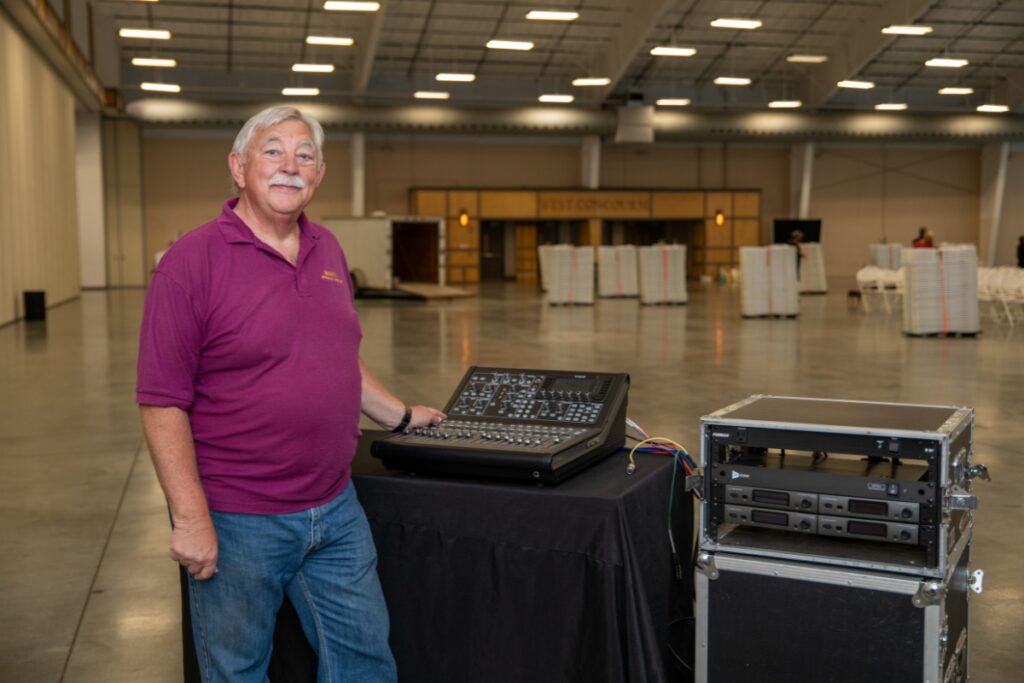
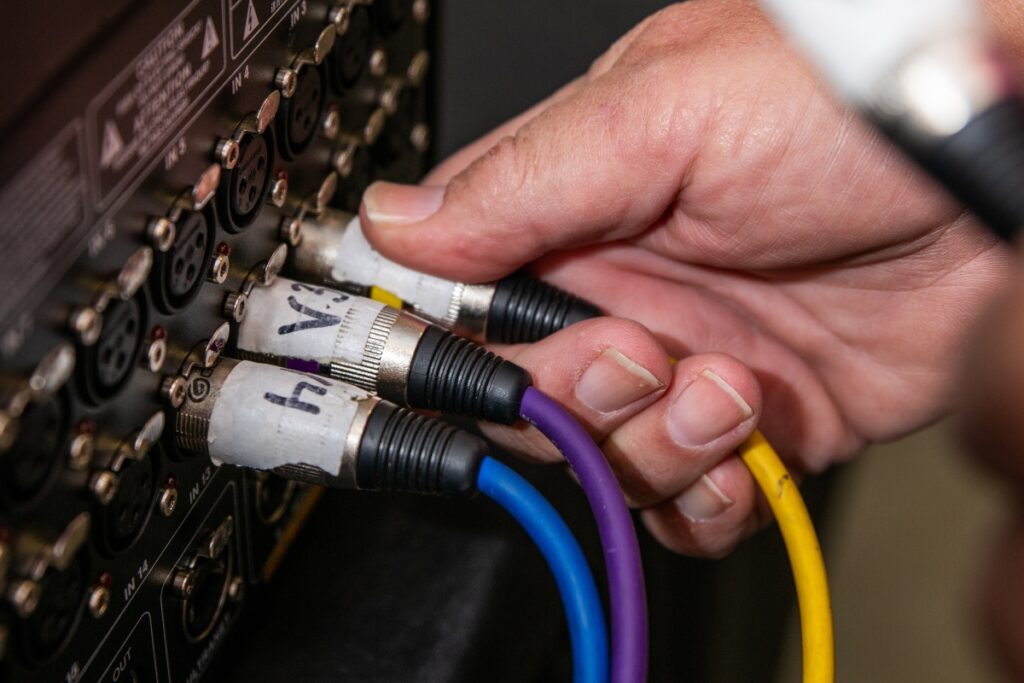
It didn’t take off overnight, but he found his stride in the challenge of it all. He made sure everything was set up and running just right. More than anything, it was the live sound that drew him in, working alongside musicians and shaping the energy of a performance in real time.
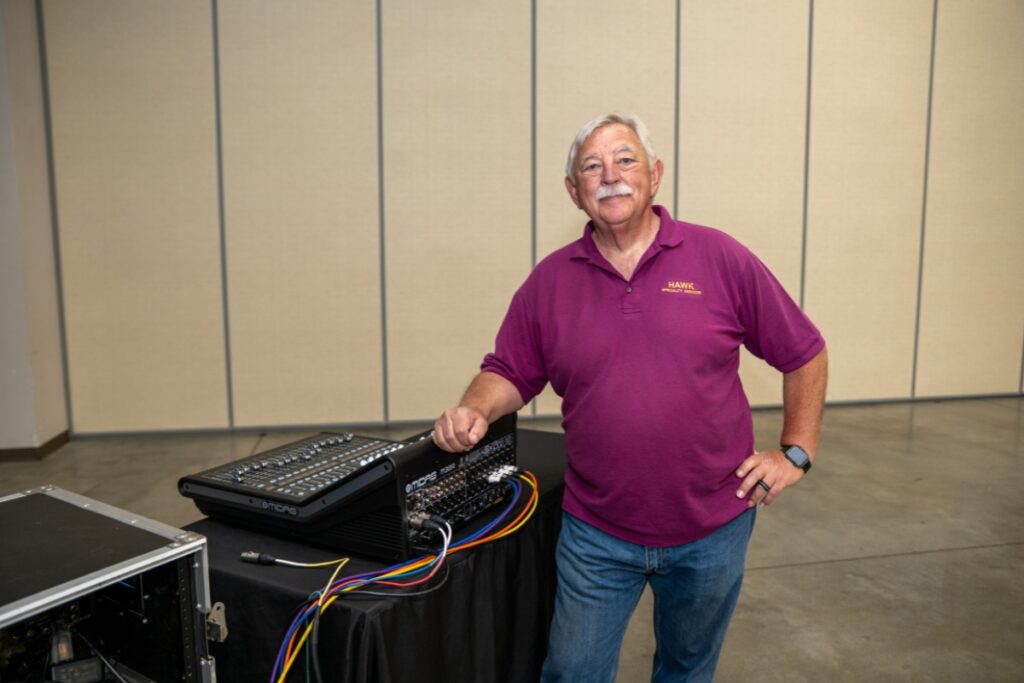
If you’ve ever stood in a crowd while music seems to take over the air, Hale will tell you there’s more to that moment than what meets the eye. It’s the result of everything that happens before anyone notices.
“We do a lot of work with bands, fairs, and festivals, and there are always people out there in the audience who say, ‘Play just one more song.’”
From the outside, it’s easy to call for one more song, unaware of the hours of teardown that still lie ahead once the music stops. That disconnect, he believes, exists across the entire service industry.
Behind every large, well-executed event are layers of unseen labor — caterers preparing food, planners coordinating details, crews hauling and setting up lighting and sound. It’s work most people never notice, and that’s often the point.
At the end of the night, he doesn’t watch the stage. He watches the people leaving. If they’re still talking, still singing fragments of a last song as they walk to their cars, then it landed the way it was supposed to. GN