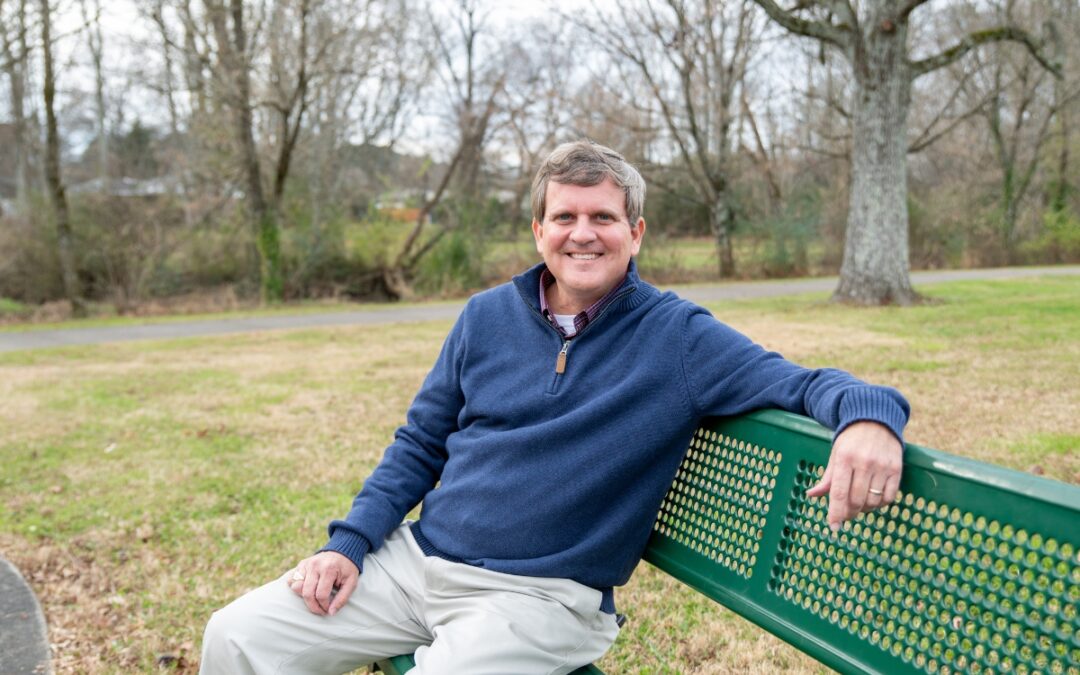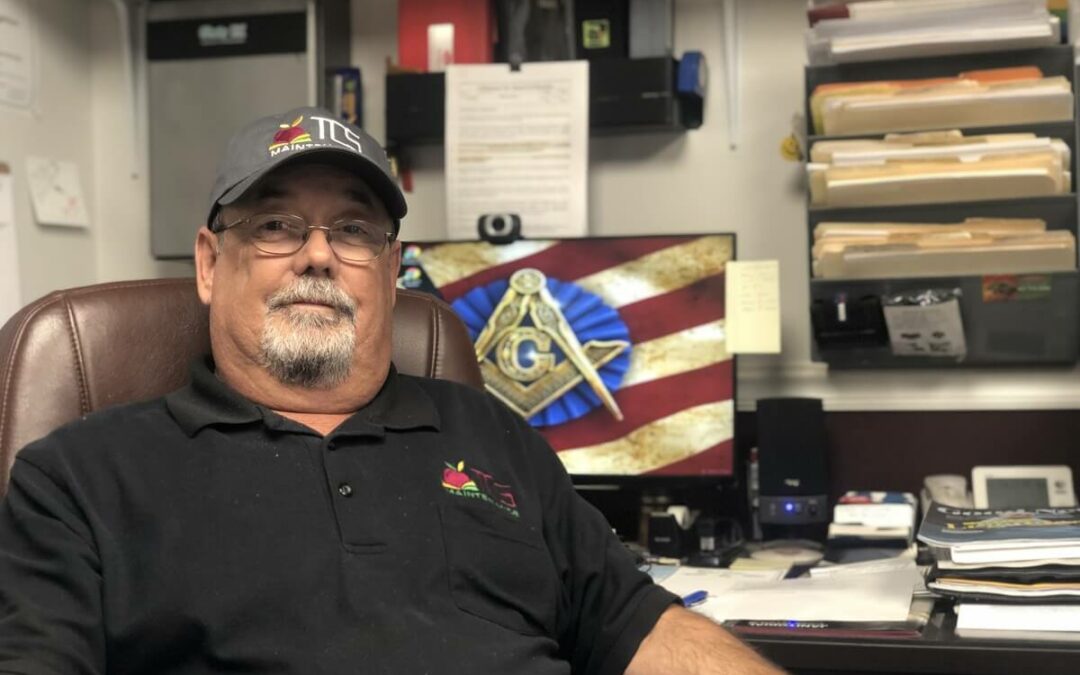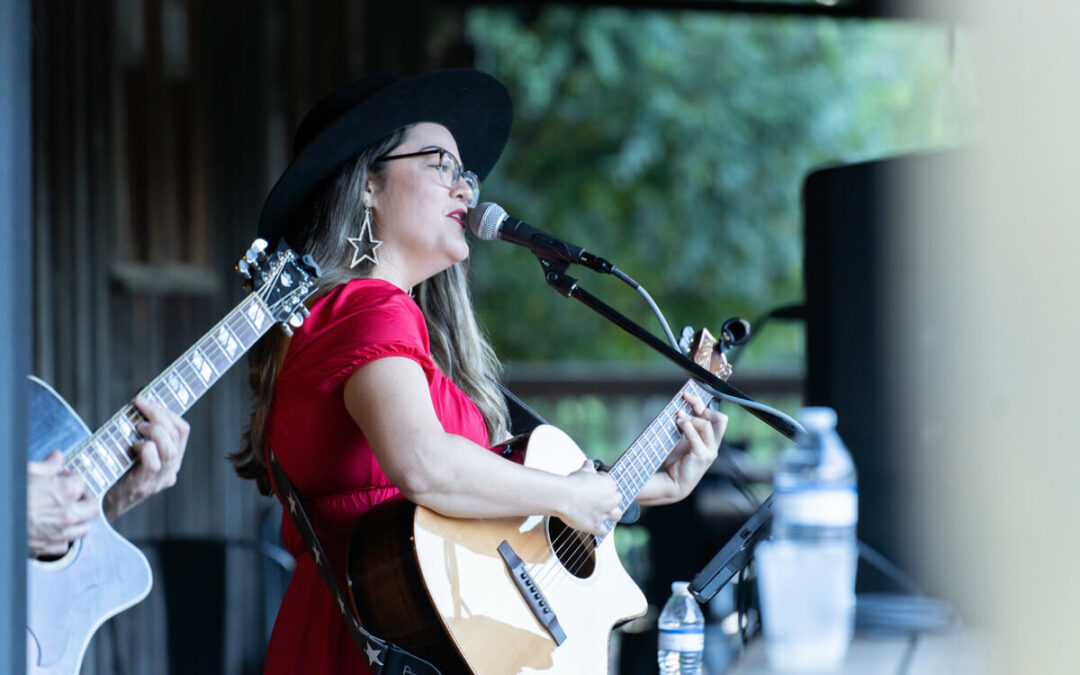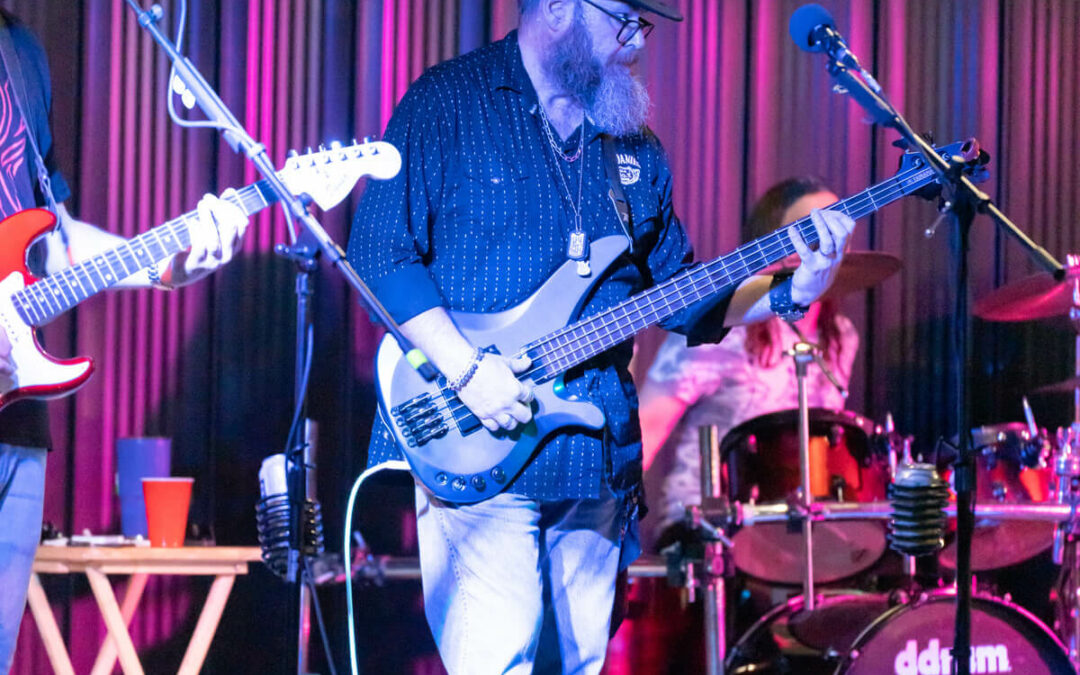
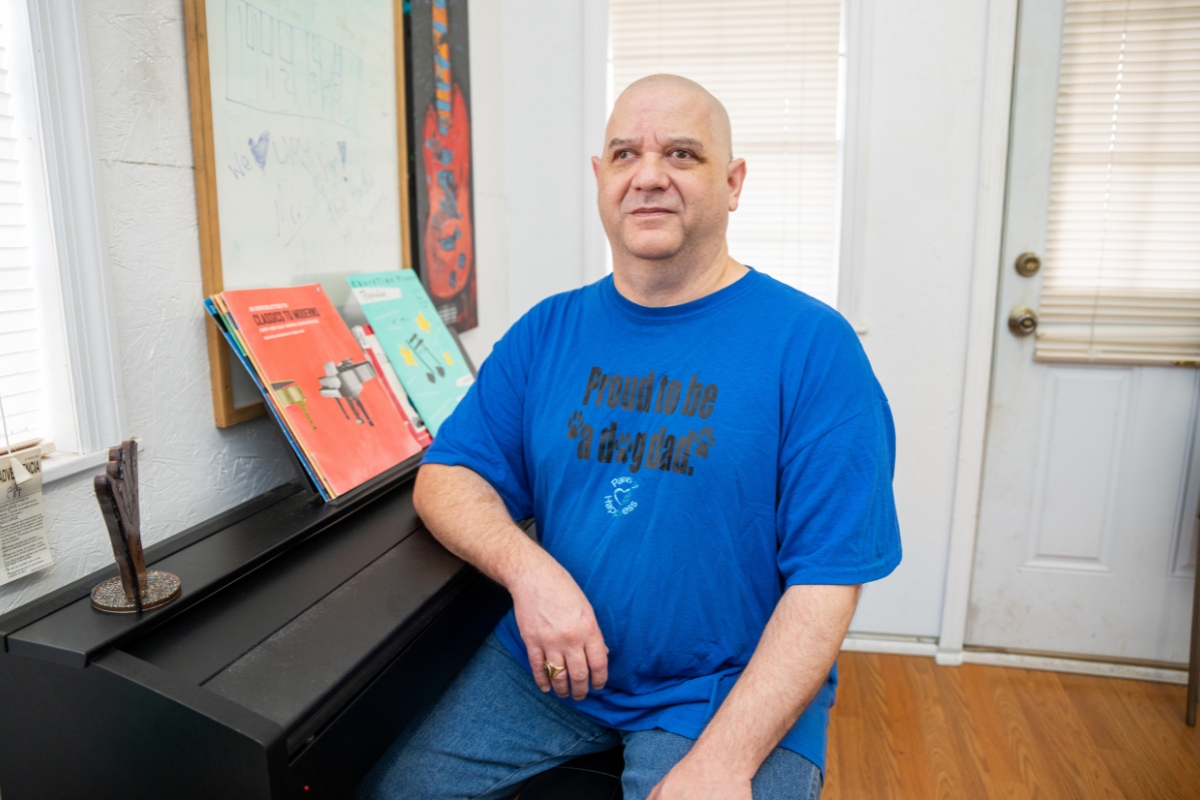
JOHN CRAWFORD’S love of music began early, tapping in rhythm at 4 years old, belting out the “Love Boat” theme into a makeshift microphone in his living room at age 10, and later teaching himself multiple instruments throughout his teens. That lifelong passion eventually led him to a career as a musician, and more importantly, to a calling he hadn’t expected: teaching.
Now, in 2026, Crawford is marking 20 years as a music educator. His journey is not just about becoming a musician, but about becoming the kind of teacher who believes music belongs to everyone — including students with special needs — and who has spent decades proving it through patience, empathy, and dedication.
DISCOVERING HIS BLINDNESS — AND HIS VOICE
At an early age, Crawford and his family began to learn that he had trouble seeing. To better understand his impairment, his parents enrolled him in a program in Hawaii, where they resided at the time.
“I was part of a pilot program for handicapped children in Hawaii,” he explained. “They then began to realize that there was something wrong with my vision.”
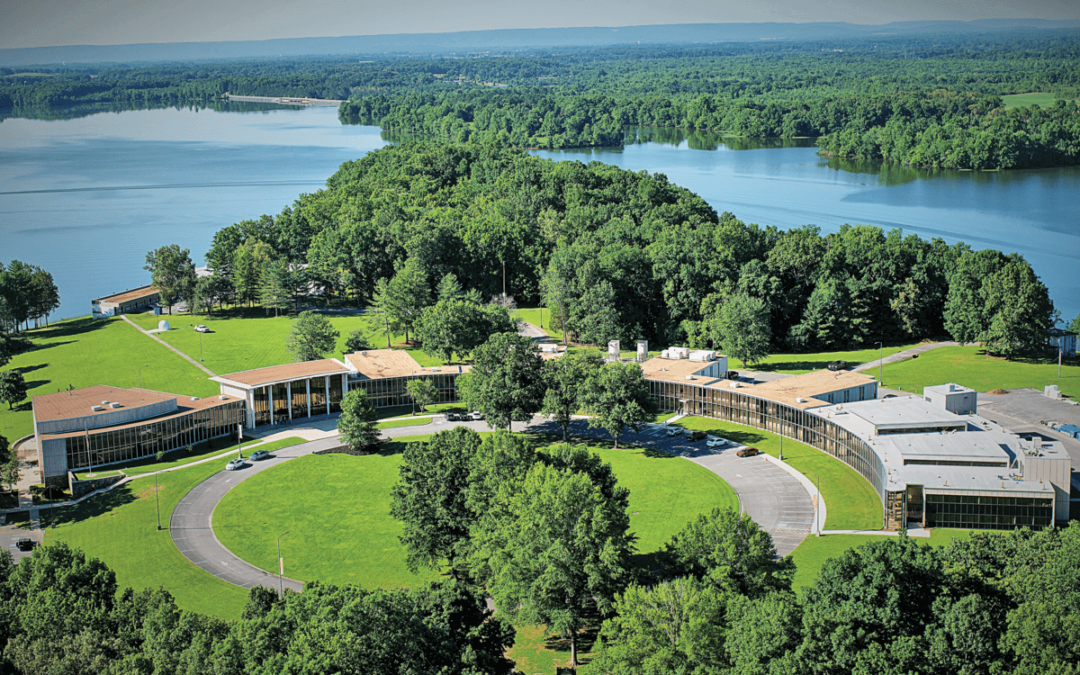
He was officially diagnosed as legally blind around age 13. Thanks to his own advocacy and the support of East Middle School’s former vice principal, Bob Larmoyeux, he was enrolled at the Tennessee School for the Blind.
“He came to my parents and told them about a school that could help me. I enrolled in 1984, and that’s when I started taking a proactive effort in mitigating my legal blindness,” explained Crawford.
He said the transition was difficult at first.
“There were challenges like homesickness,” he said. “But once I got in the groove, I started to gradually make use of the resources on campus around me. And they have affected me for my entire life.”
Some of what he learned included orientation and mobility training, cooking, cleaning, and self‑advocacy. His interest in music also deepened.
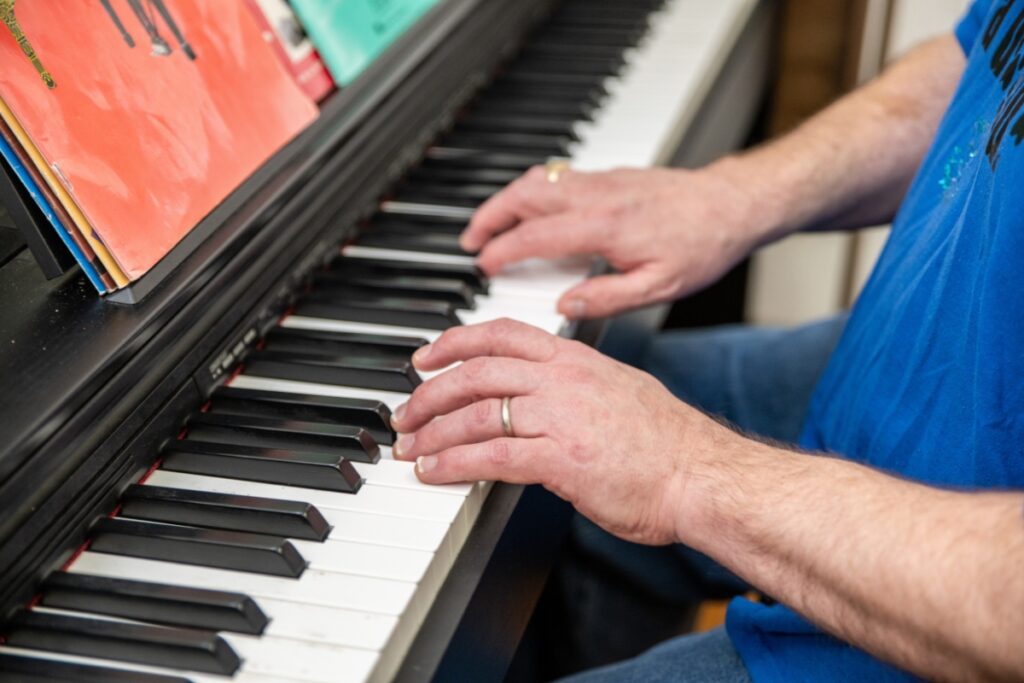
His visual impairment also shaped how he learned music. He explained that while he never developed the ability to sight‑read, he learned music by ear, by memory, and by studying the manuscript closely.
For Crawford, music has always been a refuge.
“Music is an amazing world for me,” he explained. “Melody, harmony, rhythm, and cadence are woven into something for me that is truly remarkable and beautiful. It’s how I met my wife. It has had an active role throughout my life.”
THE STUDENT BECOMES THE TEACHER
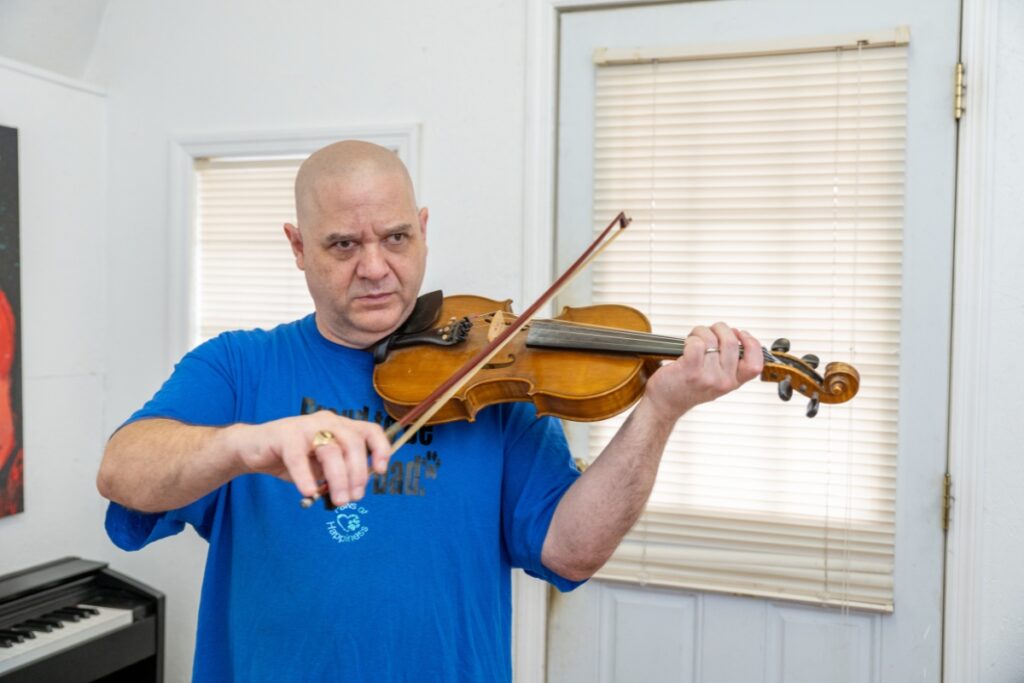
Crawford’s teaching career began almost accidentally. At 17, looking for ways to earn money, his mother asked him to bring his bass and amp to help with one of her students.
“She started having me shadow,” he said. “I would come in and play along with some of her students, then she allowed me to begin teaching some of my own students. I kind of learned on the job.”
Crawford said what surprised him most was how natural teaching felt.
“It just fit. It was really that simple,” he added.
That simple fit became a 20‑year career. Teaching is Crawford’s calling. It is the place where his musicianship, his empathy, and his lived experience with disability converge into something meaningful for others.
MUSIC IS FOR EVERYONE
Crawford believes deeply that music should be accessible to all students, regardless of background, ability, or learning style. His own visual impairment shaped the way he approaches teaching, especially with students who have special needs.
“Looking back, I remember that when someone came to me interested in taking lessons, the first question I would ask was if there was anything I needed to know about their son or daughter,” he said. “Parents would share if their child had [attention-deficit/hyperactivity disorder], autism, or other needs. I would tell them I was more than willing to work with their child with special needs as long as they understood that I didn’t have any specialized training. I’ve always worked closely with the parents, and it’s really just been learning on the job.”
He emphasized that every student is different. Every personality requires a different approach.
“I’ve learned how to understand their unique situations and not to put one‑off labels on those individuals. All disabilities are a spectrum,” he added.
He hopes that society continues to grow in understanding.
“I hope that others understand that people with special needs need to have accessibility, and that it is legally theirs to have. If they have questions about things they don’t understand, many of us are open to answering questions about who we are and what our needs are,” said Crawford.
WHAT TEACHING HAS GIVEN HIM
Teaching, Crawford said, has shaped him as much as he has shaped his students.
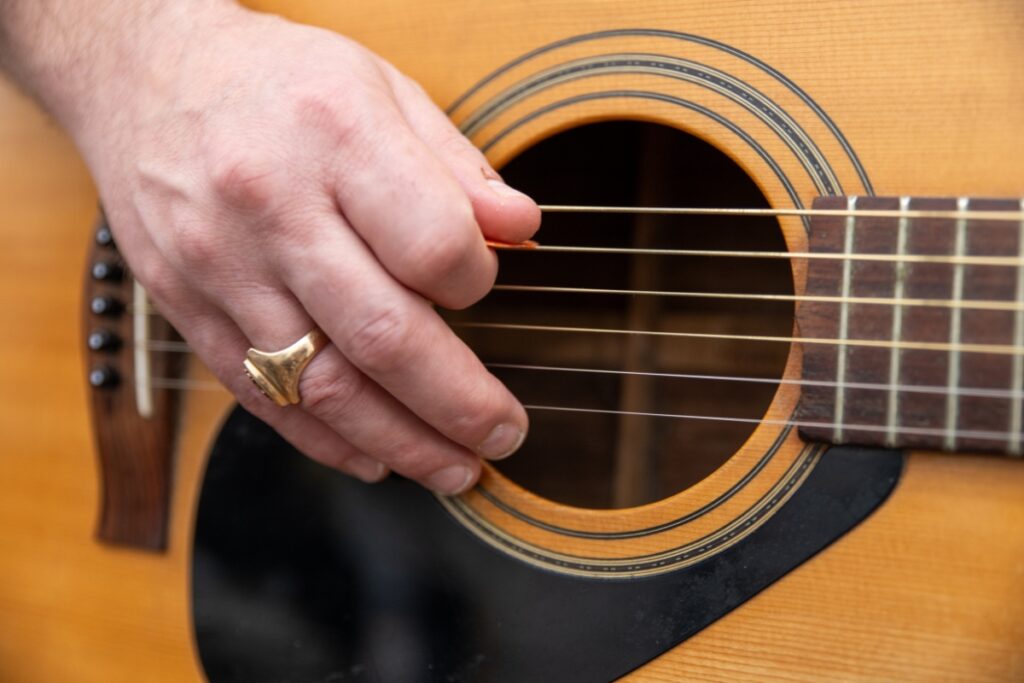
“It has allowed me to improve myself because of my music. When showing a student how to play a piece a certain way, I’m able to open a pathway for me to understand that method differently.”
It has also strengthened his connection to people.
“Teaching someone to play music has been a bridge to working with people. It’s allowed me to gain more patience and understanding,” said Crawford.
That bridge, he said, is the heart of his work.
A LEGACY OF SAFETY AND CARE
When asked what he hopes his students remember, Crawford said he hopes they’ve felt safe and cared for over the years.
“I want those whom I’ve taught to say, ‘Mr. Crawford was a safe adult who cared about them, and he taught me music.’ They’ve all been a little safer and a little better because they hung out with me for a few years.” GN