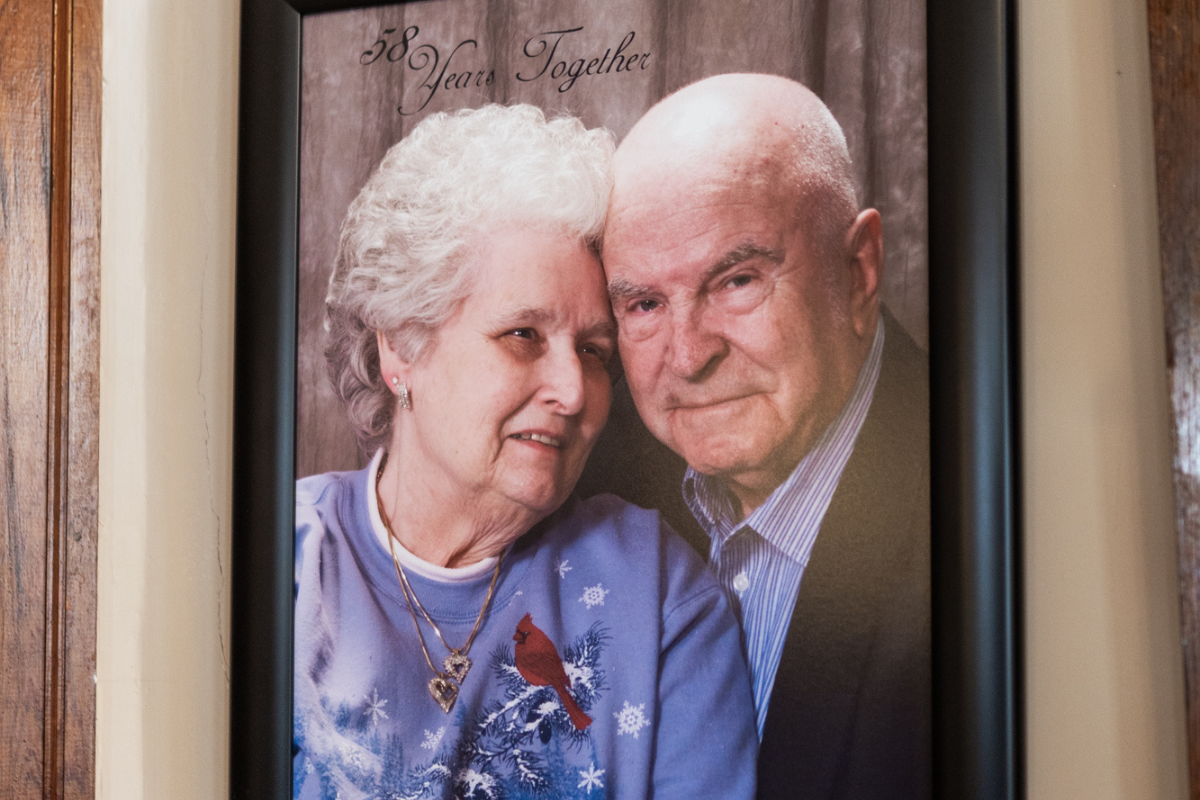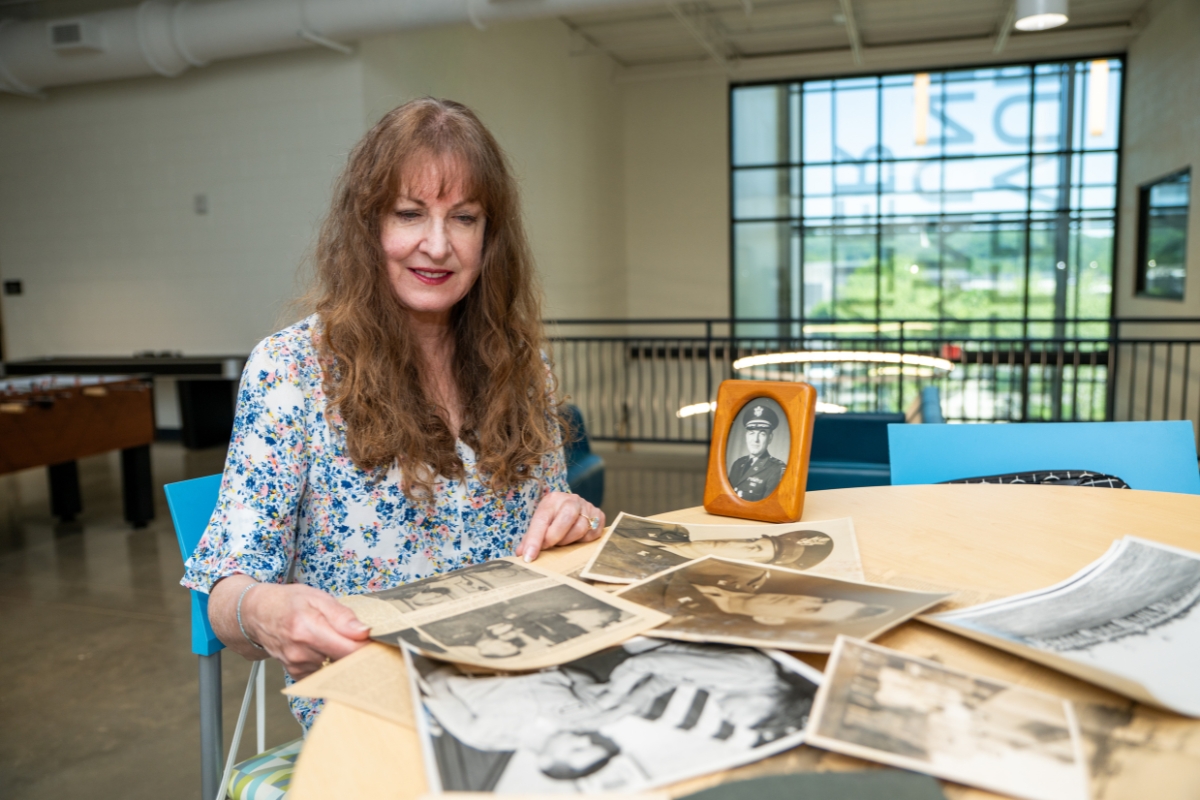
THE LAST time they all rode together, it was a short drive into Lebanon. It was nothing grand, and they enjoyed a meal on the square and visited family. In hindsight, it feels like a closing chapter for a man whose life had been anything but still.
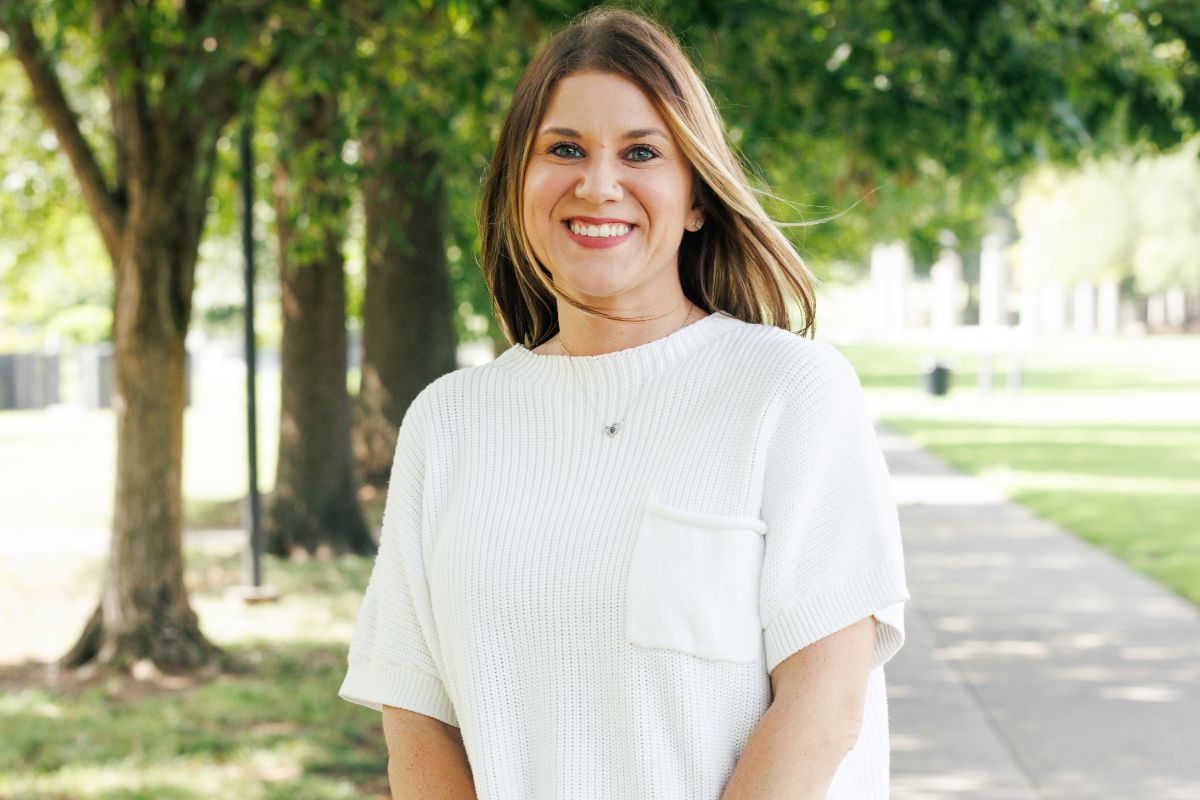
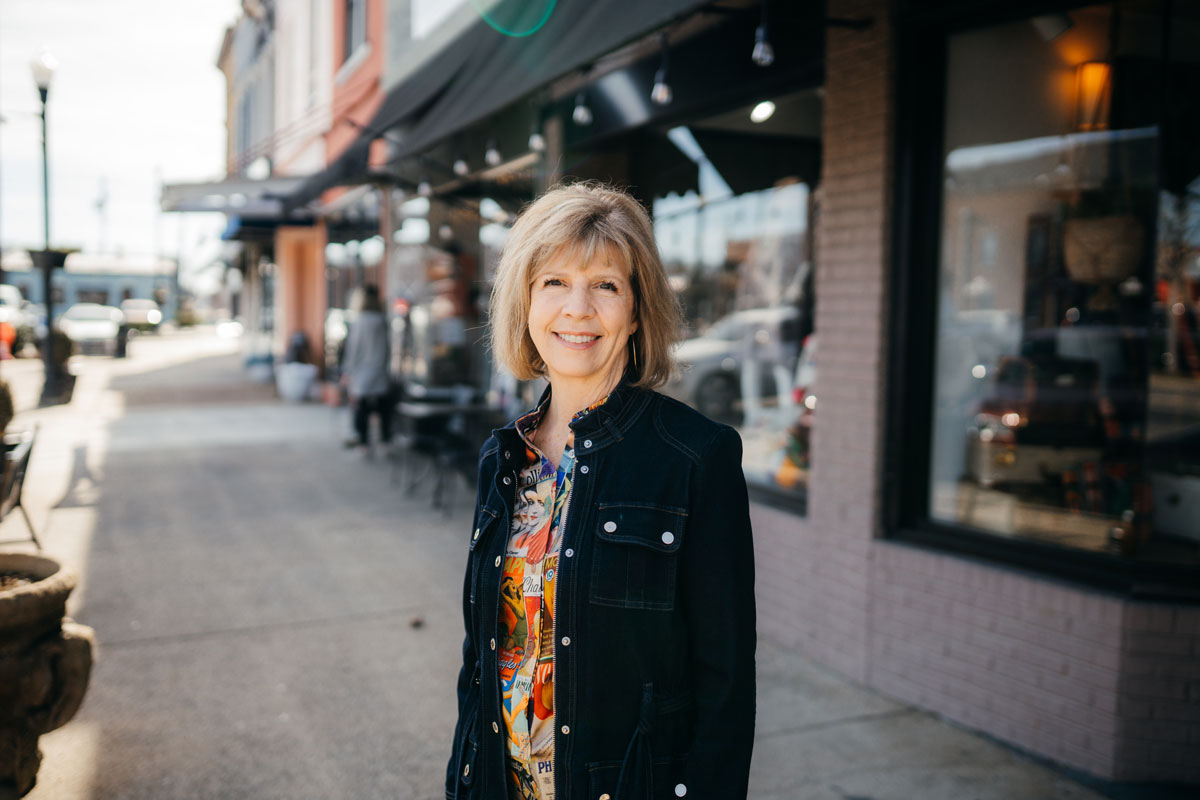
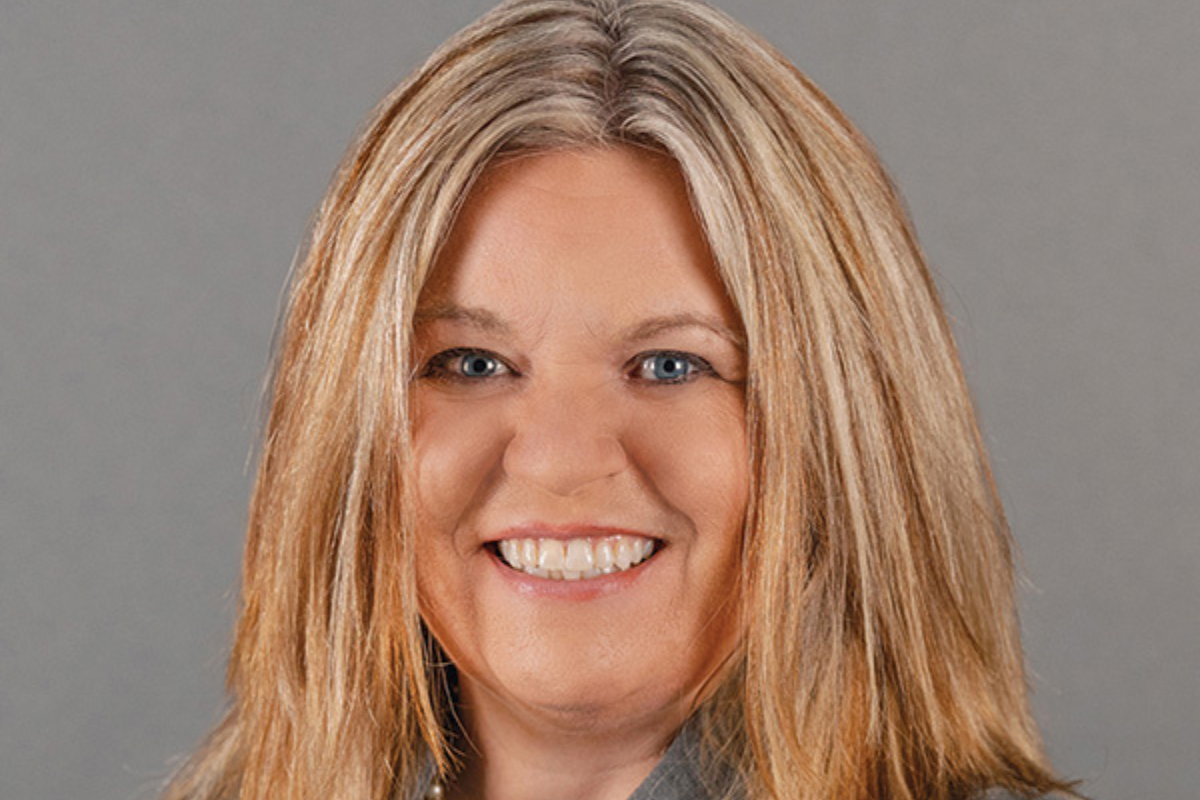
Kathryn Darden remembers her father, Col. William “Bill” A. Darden, as someone who was always on the move. Long before she understood the full extent of his military service, she knew him as the man slipping out the door, headed to another meeting, another group of young people to mentor, another volunteer event.
Even while serving in the military and later holding demanding positions with the U.S. Army Corps of Engineers, he still found time to invest in his community, volunteering with youth organizations like the Boy Scouts and Junior Achievement.
“He was very involved,” Kathryn said of her father, a highly decorated Army engineer whose story stretches from the battlefields of World War II all the way to Middle Tennessee.
Stories like his never belonged to just one family. It belongs to all of us.
Like so many from his generation, he didn’t talk much about what he had seen — and that said just as much as anything he did say.
“He really downplayed his experience,” Kathryn said. “Much, much later on, I discovered what gruesome things he was exposed to constantly when he was in the Pacific, especially in Okinawa — it was horrible.”
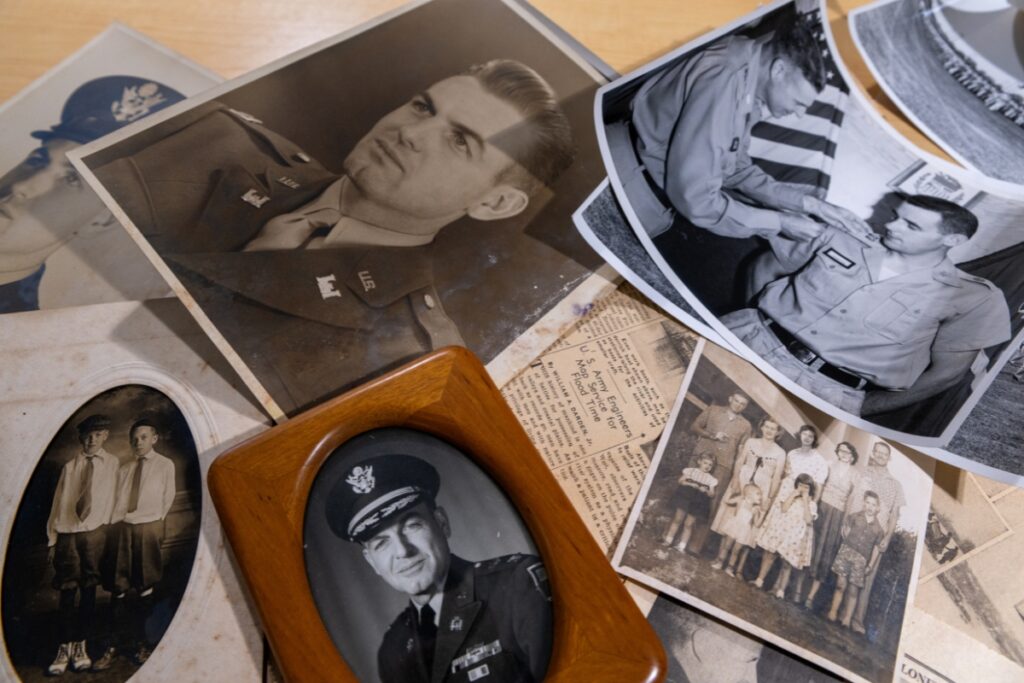
What he shared with his family sounded simple enough.
“He built pontoon bridges across rivers, which just doesn’t sound very dangerous at all.”
The reality, Kathryn would come to learn, was far different. Engineers were often the first off the boats during island landings in the Pacific, stepping directly into heavy fire to clear the way for the troops behind them. It was grueling, relentless, and often traumatic.
Like many World War II veterans, he brought the war home in ways few could see.
“My mother always said he came back a shattered man,” Kathryn said.
From the outside, he still built a full life. He worked hard and, at times, held two positions with the Corps of Engineers simultaneously. During the week, he leaned into the intense pace and pressure of his work. On weekends, it caught up with him in the form of debilitating headaches that doctors would later believe may have been tied to a heart attack he likely suffered in combat, unnoticed amid the chaos of war.
Still, he kept going.
His career eventually led him to serve as a district security officer, coordinating the security of high-profile figures, including President Lyndon Johnson, Hubert Humphrey, Tricia Nixon Cox, and other dignitaries. It was work that demanded precision and carried enormous responsibility, often without recognition.
Service without fanfare became a common thread through his life.
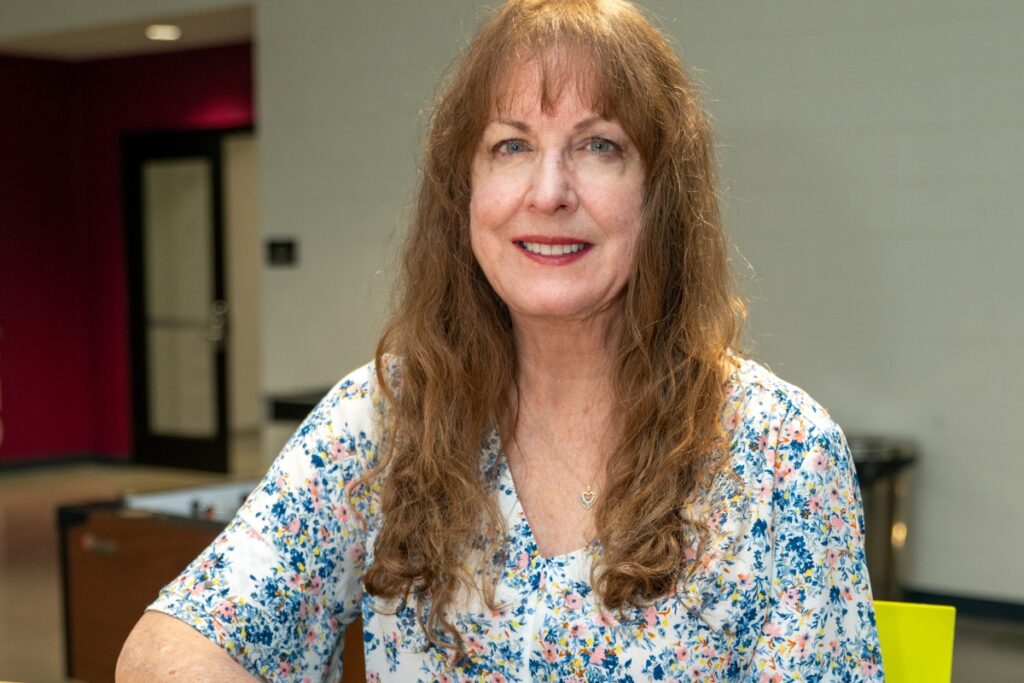
In many ways, his story might have been lost to time.
“The vast archive of military records burned, and 80% of all military records were destroyed,” Kathryn said. “Including my father’s.”
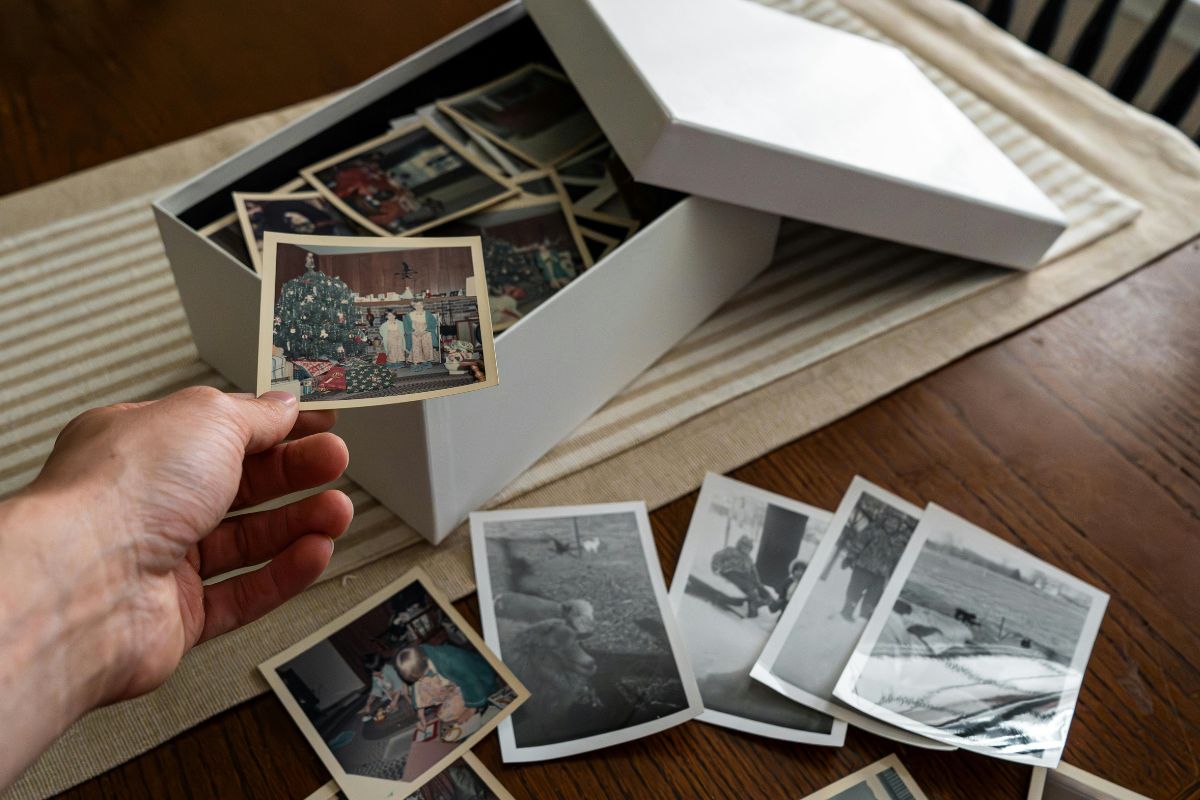
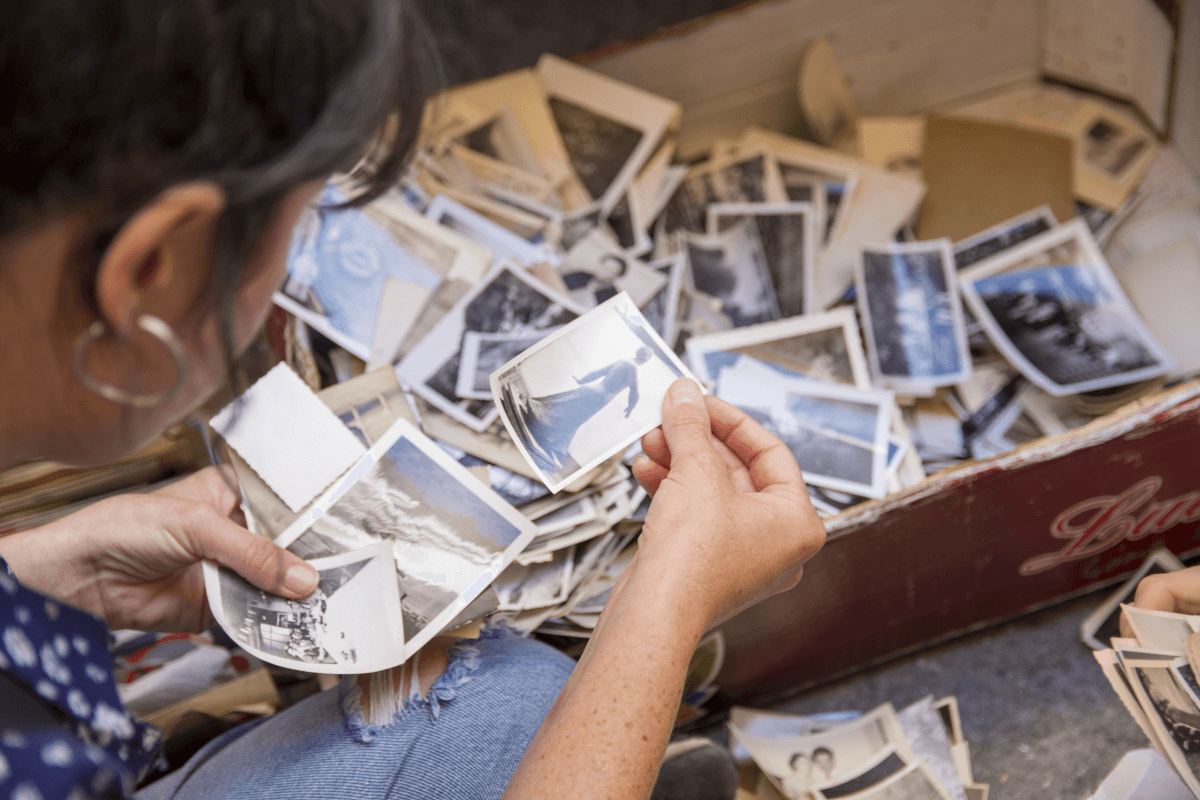
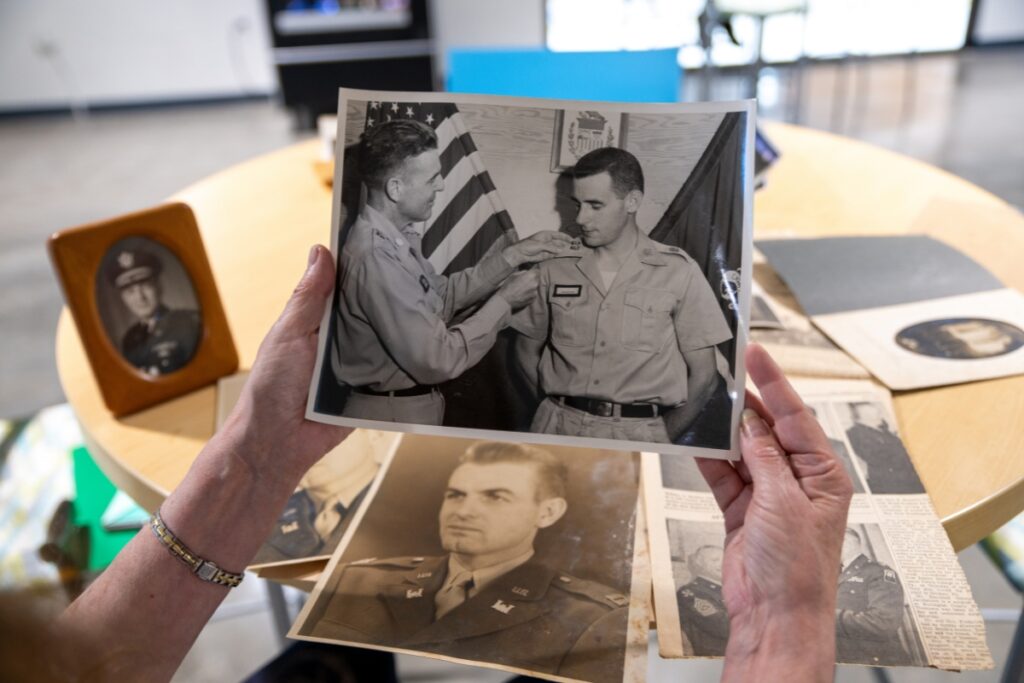
What remained were fragments of photographs, commendations, medals, and stories passed down through the family. Kathryn, a self-described family historian, began piecing them together.
“I realized that he had accomplished so much more than I had ever in a million years dreamed that he had done,” she said.
Among the photographs she studied was a Bronze Star, awarded twice, marked with an oak leaf cluster, recognizing acts of bravery he rarely, if ever, spoke about at home.
However, his legacy isn’t confined to medals or memory. It lives in the landscape of Middle Tennessee itself.
He helped construct Percy Priest Lake and later hosted a presidential visit he helped secure through his security work. In his final years, he lived just miles away at McKendree Village, close to both the work he helped build and the community he never stopped serving.
“Bill” grew up on a small farm without electricity, running water, or plumbing. He knew what hardship looked like.
From that foundation, he carried one belief into every chapter that followed.
“He did not believe in the word ‘can’t.’ He believed in the word ‘try.’”
That belief showed up in everything he did — from military service to community involvement.
Kathryn believes stories like his matter, especially in places like Lebanon.
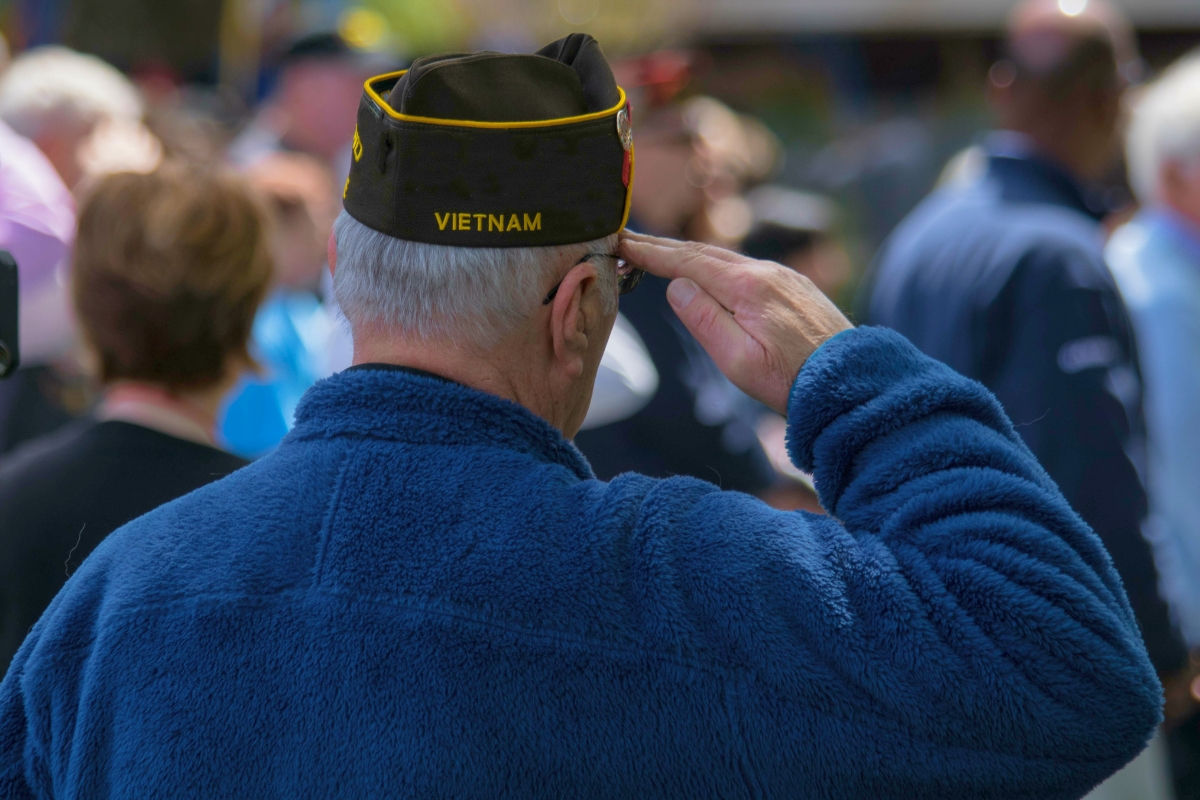
“The veterans have sacrificed so much more than we can ever do the math on,” Kathryn said.
That last drive into Lebanon stays with the Darden family — not because anything about it seemed important at the time, but because it came after a life spent moving between duty and home, between what was said and what was left unspoken. It was the last time family, service, and everything he carried were all in the same place.
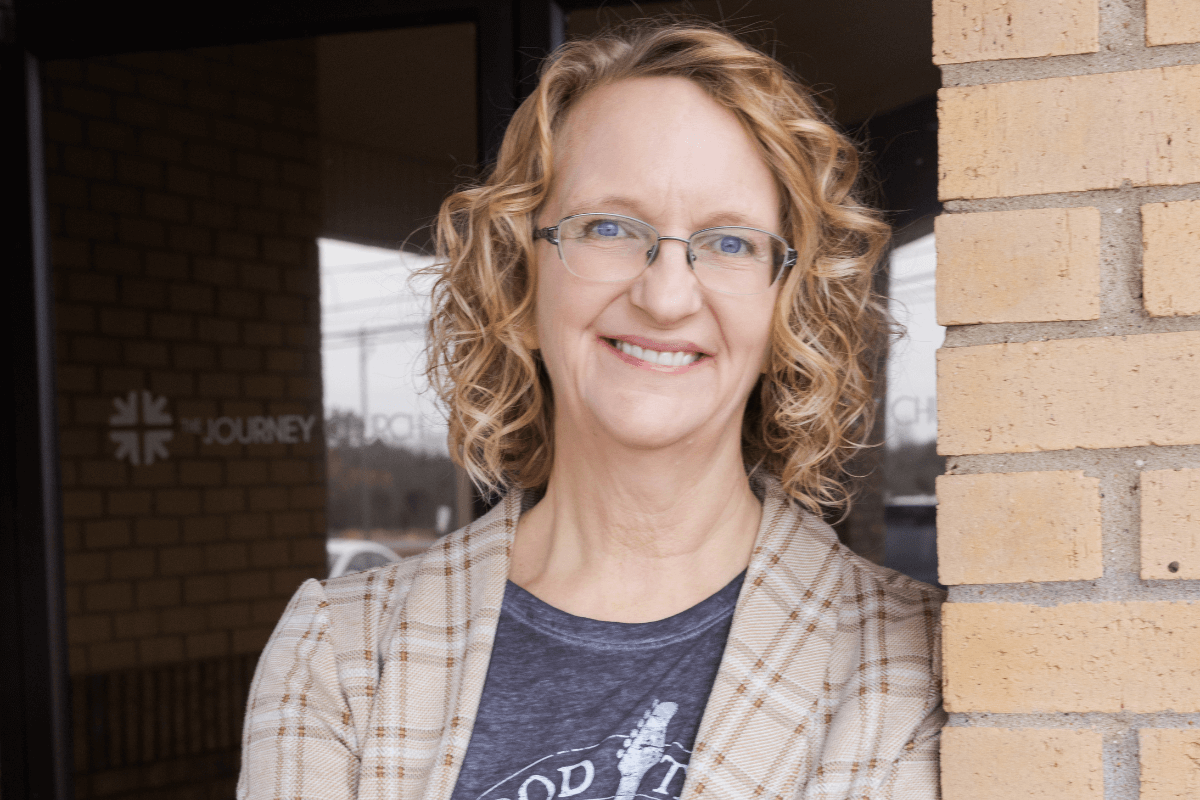
She hopes to one day turn all of those memories into a book. She and her siblings still remember the stories he told at the dinner table — stories they grew up hearing — along with the photographs he left behind and the growing archive she continues to build and write about. GN
Stay connected with Kathryn’s writing and follow her father’s story at www.kathryndarden.com.