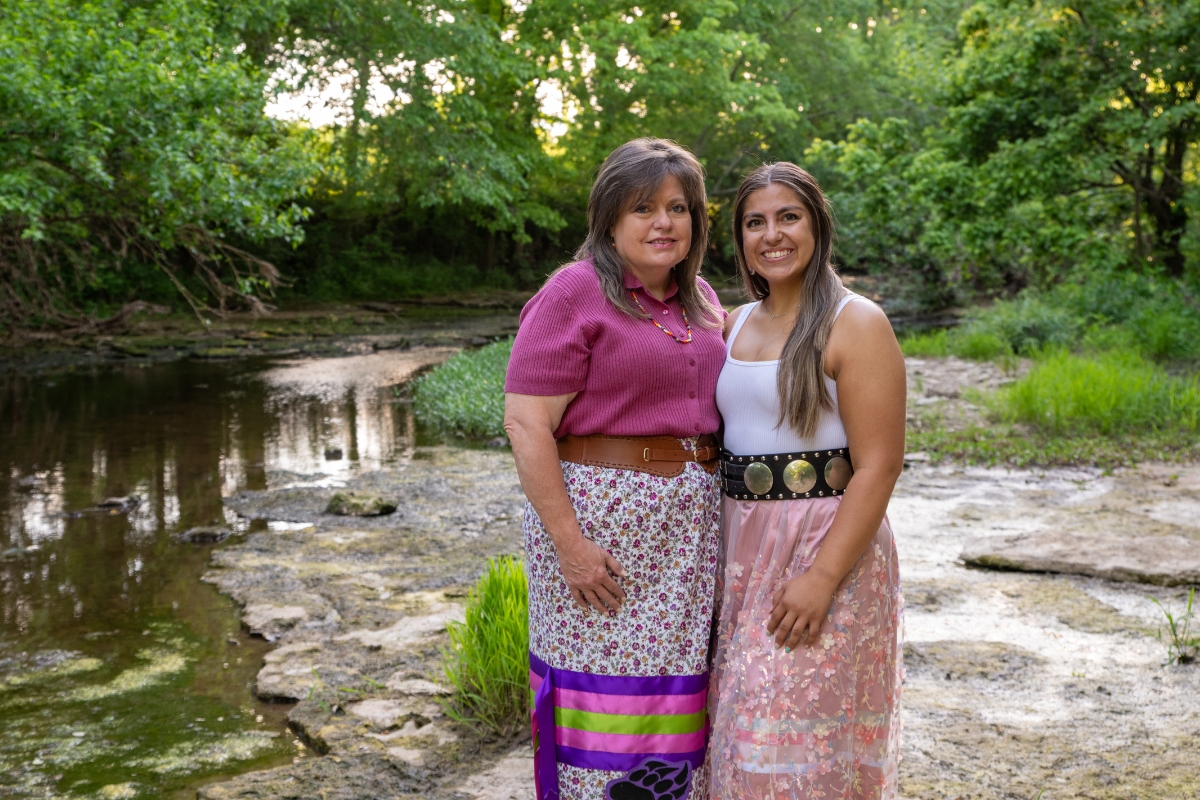
EACH SEPTEMBER, the Wilson County Fairgrounds transforms into a vibrant tapestry of color, movement, and history as the WilCo Pow Wow brings Native American culture to the heart of Middle Tennessee. For more than four decades, the event has served as both a celebration and a classroom — an intergenerational effort led by the Yahola family, whose roots in Lebanon stretch back a century.
BEGINNINGS IN THE VOLUNTEER STATE
Cindy’s father, Don Yahola, first launched a powwow in the area while serving as president of another Native American organization in Tennessee.
“My father was elected president of that organization,” she explained. “And while he was with that organization, he started a powwow. When he left the organization, he carried the powwow with him.”
Yahola’s goal was to continue the powwow and to further educate Tennesseans about Native American culture in a region where tribal communities were forcibly removed nearly two centuries ago.
LEGACY ROOTED IN HISTORY
The Indian Removal Act of 1830 authorized the forced displacement of tens of thousands of Native people from their homelands in the Southeast, including present-day Tennessee. The brutal journeys that followed, collectively remembered as the Trail of Tears, led many to believe that Native communities vanished entirely from the region.
“There are a lot of people in the area who think that during the Trail of Tears, all Native Americans died. But we are still here,” Cindy said.
Today, the powwow is a statement that Native Americans are still here and want their voices and their stories heard.
“The event is an education for people in our traditions and culture,” said Cindy. “And also, to help dispel stereotypes that people have about Native Americans and find out what we are really like in everyday life.”
GROWING A CULTURAL TRADITION
Today, the WilCo Pow Wow is held each September at the Lebanon fairgrounds, where it has taken place since 2021. What began as a small community gathering has grown into one of the region’s most anticipated cultural events.
“We’ve had steady growth over the years. This will be our 43rd year as an event, and we welcome participants from across the country,” she said.
More than 100 tribes are represented each year, with dancers, drummers, artisans, and educators traveling from across the U.S. to participate. The event also includes authentic Native food, arts and crafts, and hands-on activities such as tomahawk throwing.
A FAMILY TRADITION PASSED DOWN
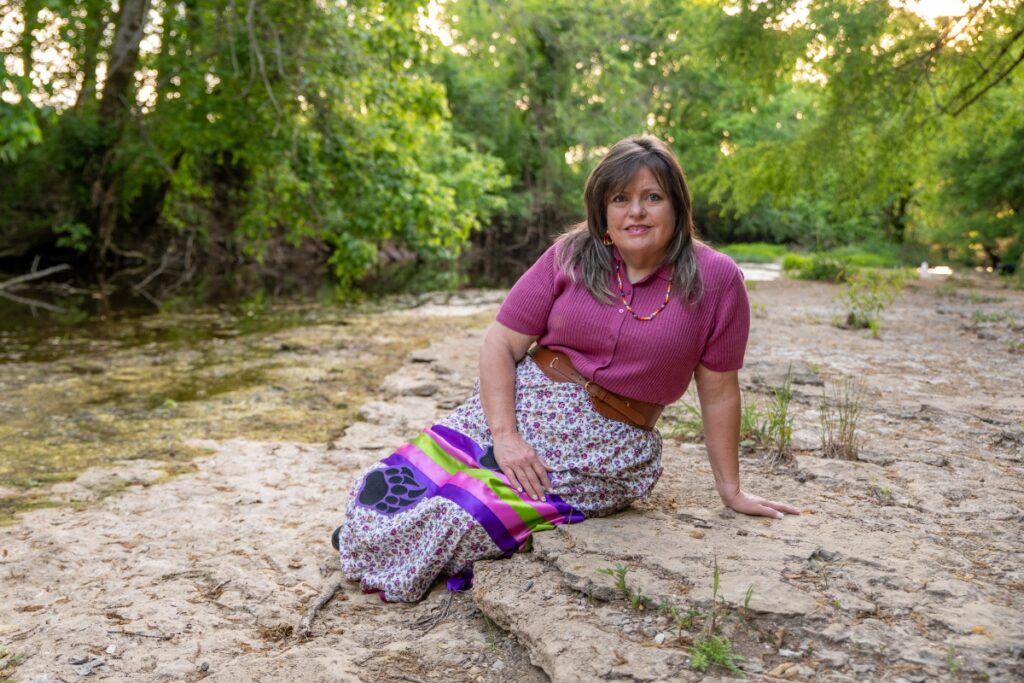
Cindy took over the event after her father died in 2002.
“My father was the organizer, and the week before he passed, he asked me to keep this going for him. This will be my 24th year doing this as an organizer, but I have been helping nearly all of my life,” she said.
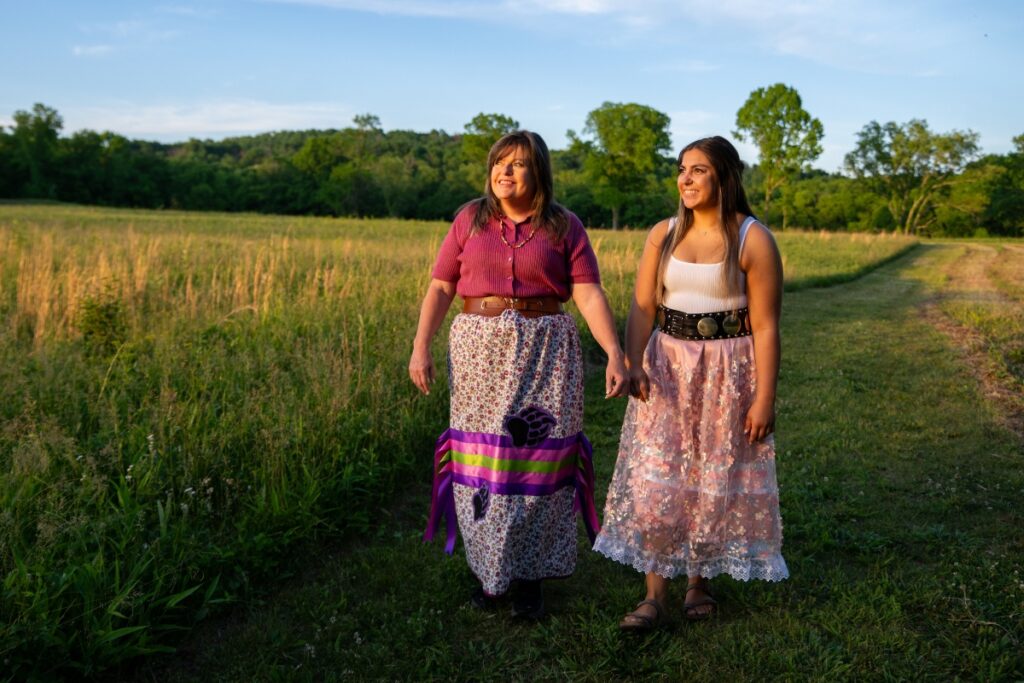
Cindy is also bringing in the next generation of the powwow through her daughter, Aspen.
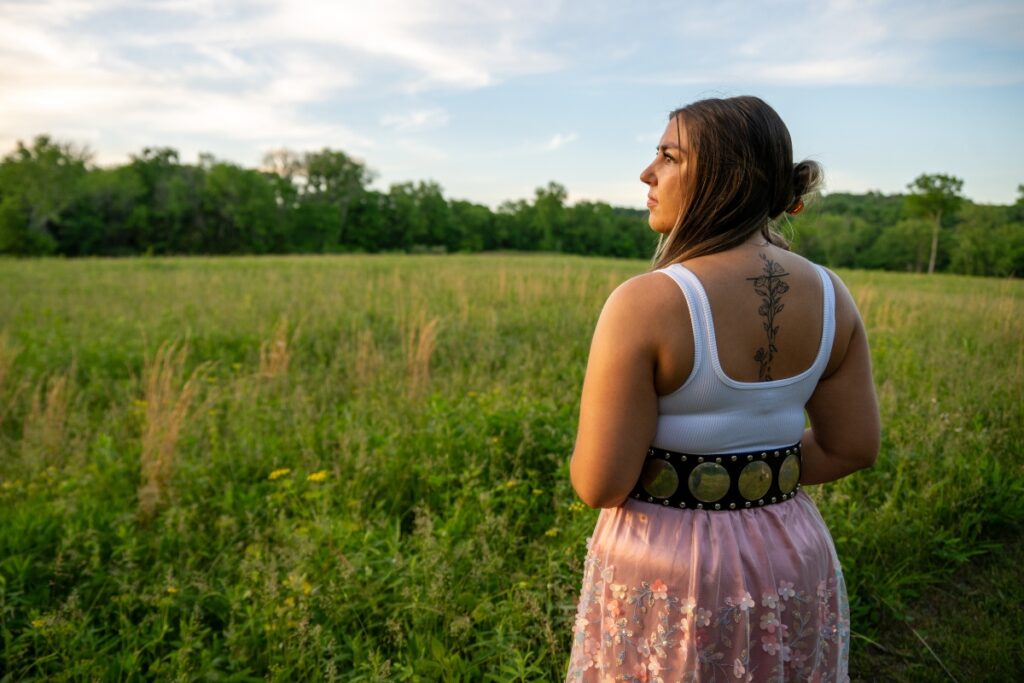
At 21 years of age, Aspen Yahola has been attending the powwow since birth. A pre-veterinary major with a psychology minor at Tennessee Technological University, Aspen is learning the ropes of event organizing while bringing fresh energy to the tradition.
“She is bringing new life to the event with younger people attending. I would love for her to keep things going,” said Cindy.
Aspen sees her role as both a responsibility and an opportunity. “I’m Gen Z, so I’m utilizing social media to not only get the word out about the event, but to attract a younger audience,” she said. “I’m proud of my heritage and that I’m able to talk about it. I know it hasn’t always been like that. My mom and aunts weren’t able to talk about their heritage, and I’m glad I’m able to share my heritage with others.”
She also hopes to bring more young people into leadership roles.
“One thing I do hope is that we can get more younger people on our board and involved with the event,” Aspen explained. “We need a younger generation to ensure this continues, and social media is one way that I am doing that. I want to continue to try to educate people of all ages.”
HONORING THE PAST, EDUCATING THE FUTURE
Cindy believes her father would be proud of what the powwow has become.
“I feel he’s very proud, and people are continually telling me, ‘Your daddy would be so proud and is so proud of what you and Aspen are doing with this powwow,’” she said. “We hear that constantly. I don’t think we can go out anywhere in Lebanon without somebody telling us that.”
Ultimately, the goal remains unchanged from Don Yahola’s original vision.
“I just hope they get a better understanding of Native American culture and tradition, and realize that it’s not like what they see on TV or what they hear in class. By attending, they are getting a real-world education in our culture and history,” Cindy said. GN
To learn more about the WilCo Pow Wow, visit online at wilcopowwow.com.