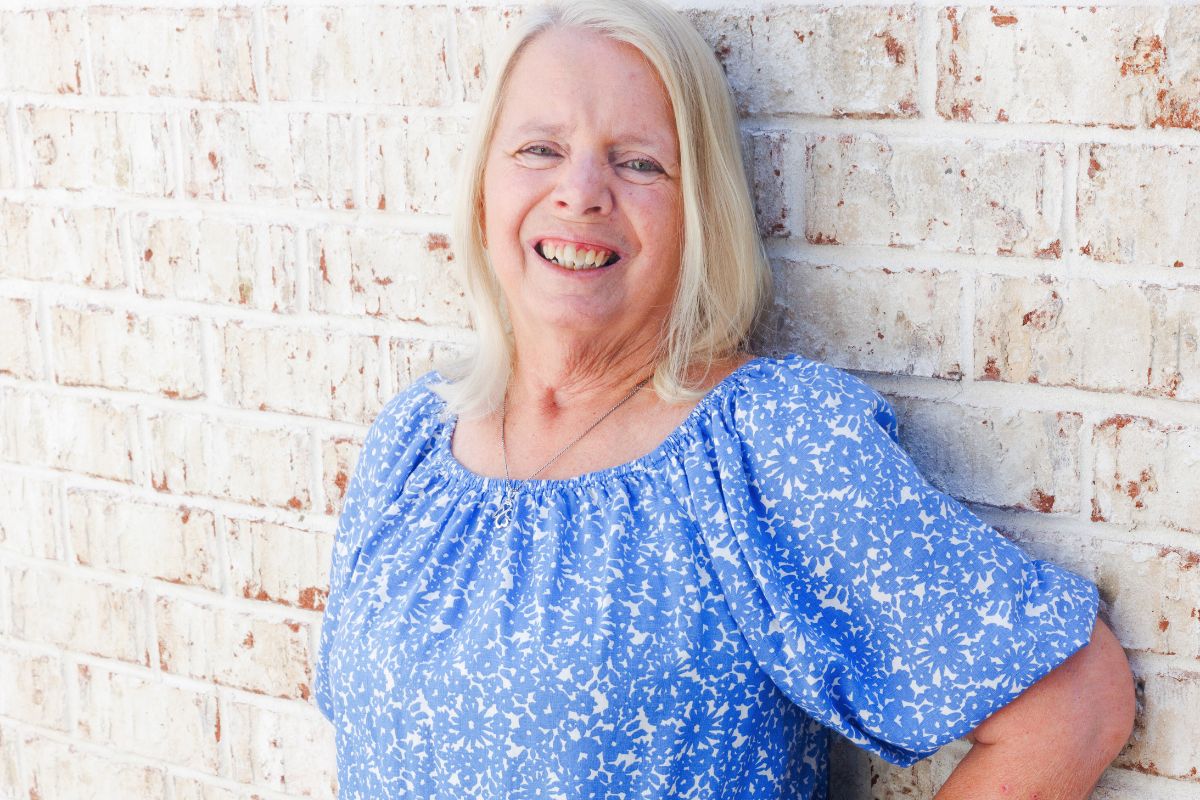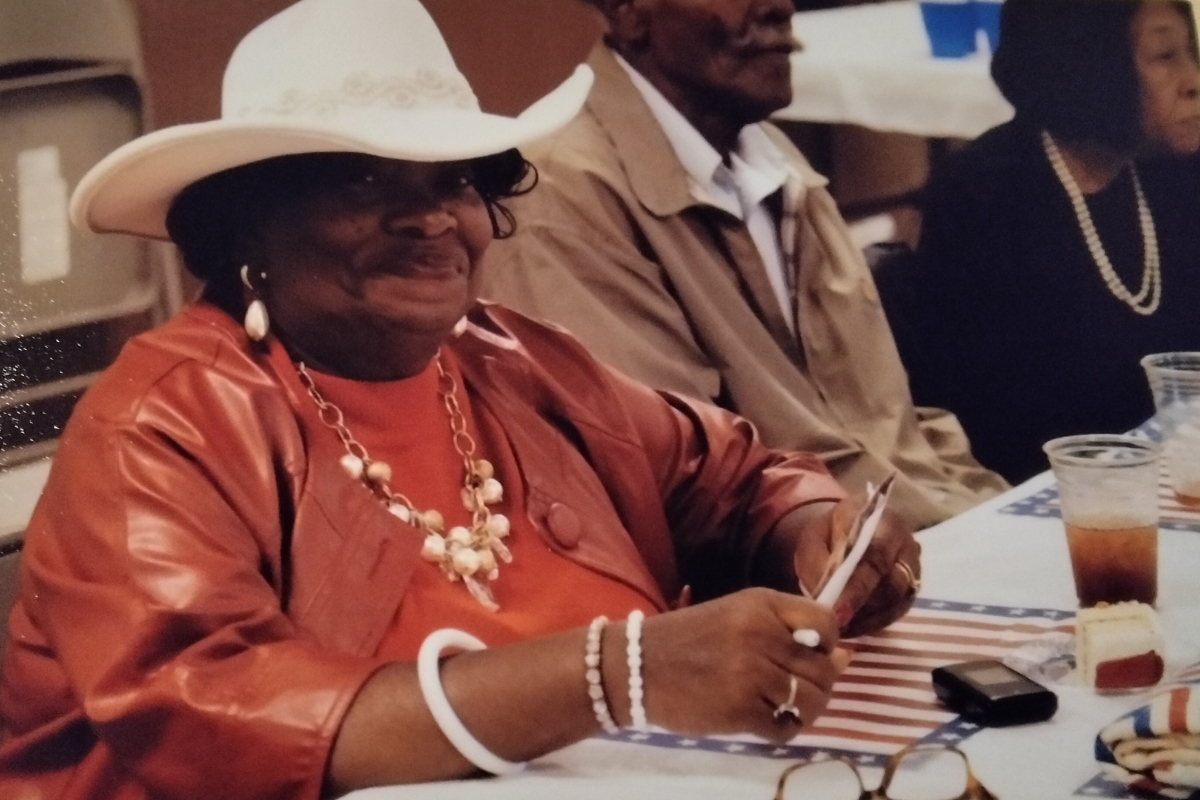
Photo submitted by Betty Cantrell
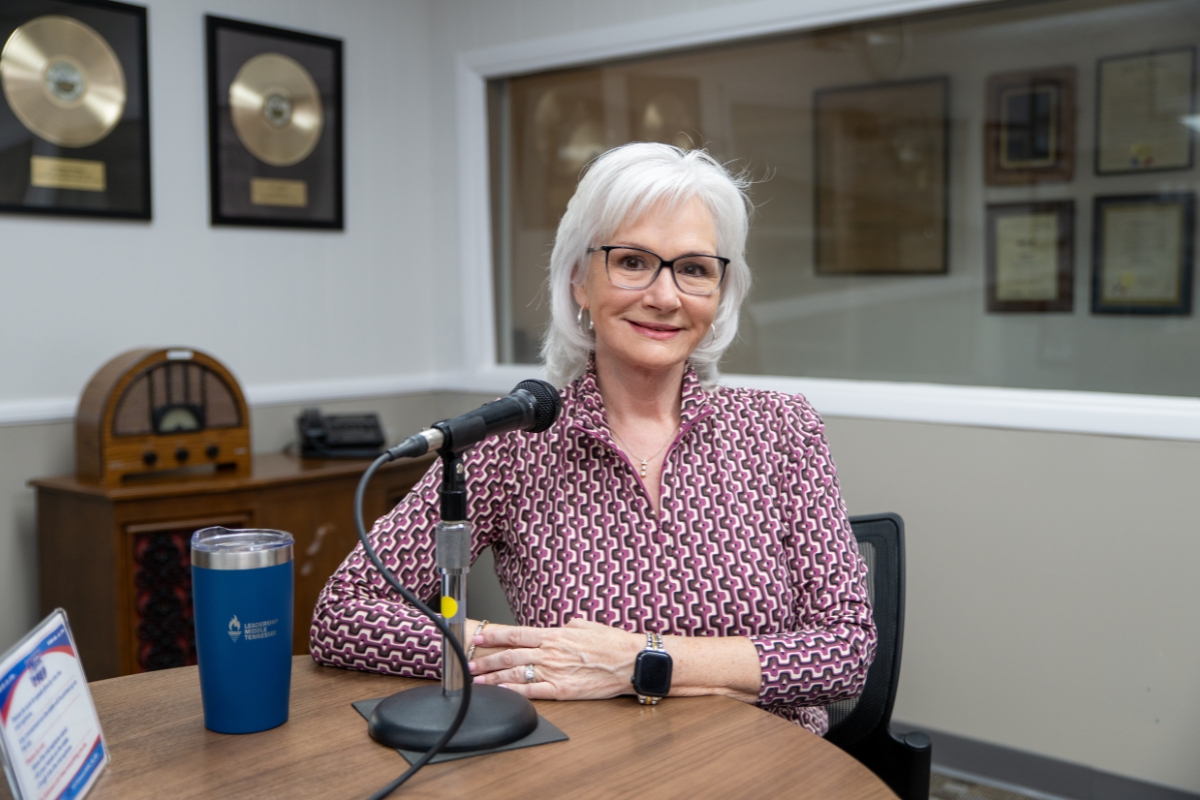
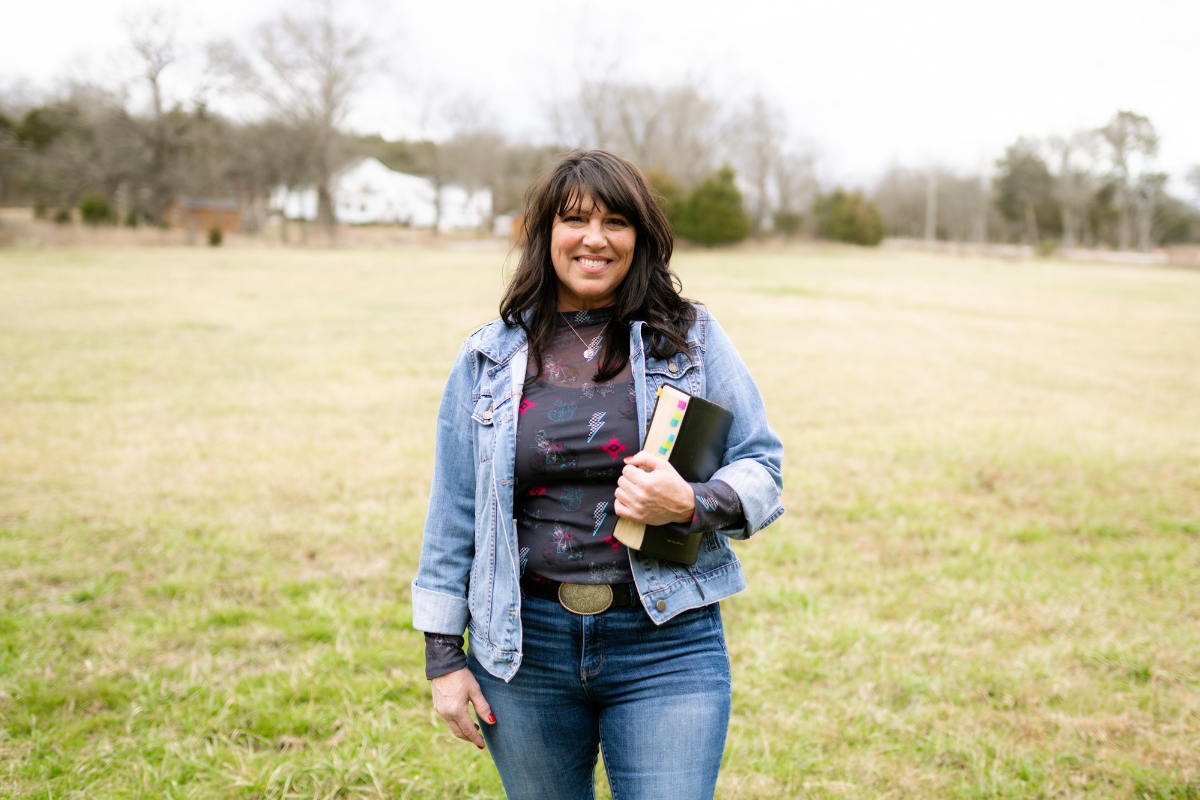
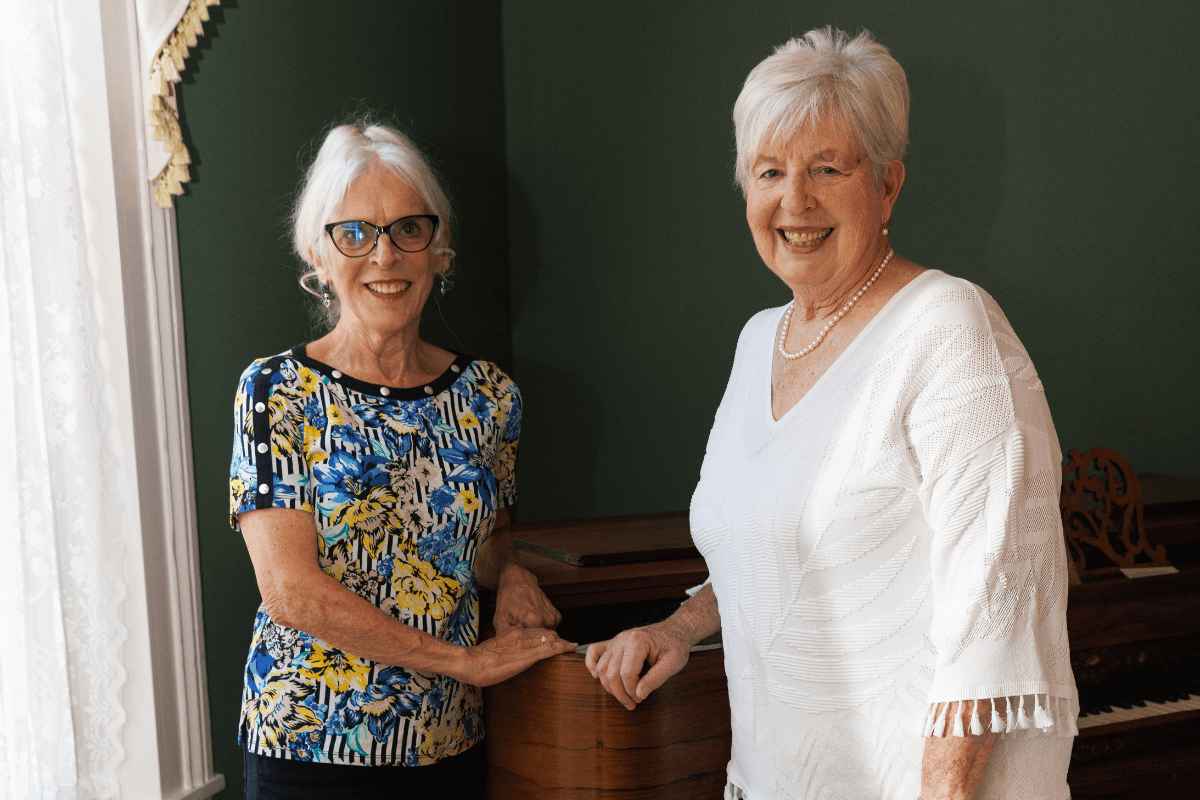
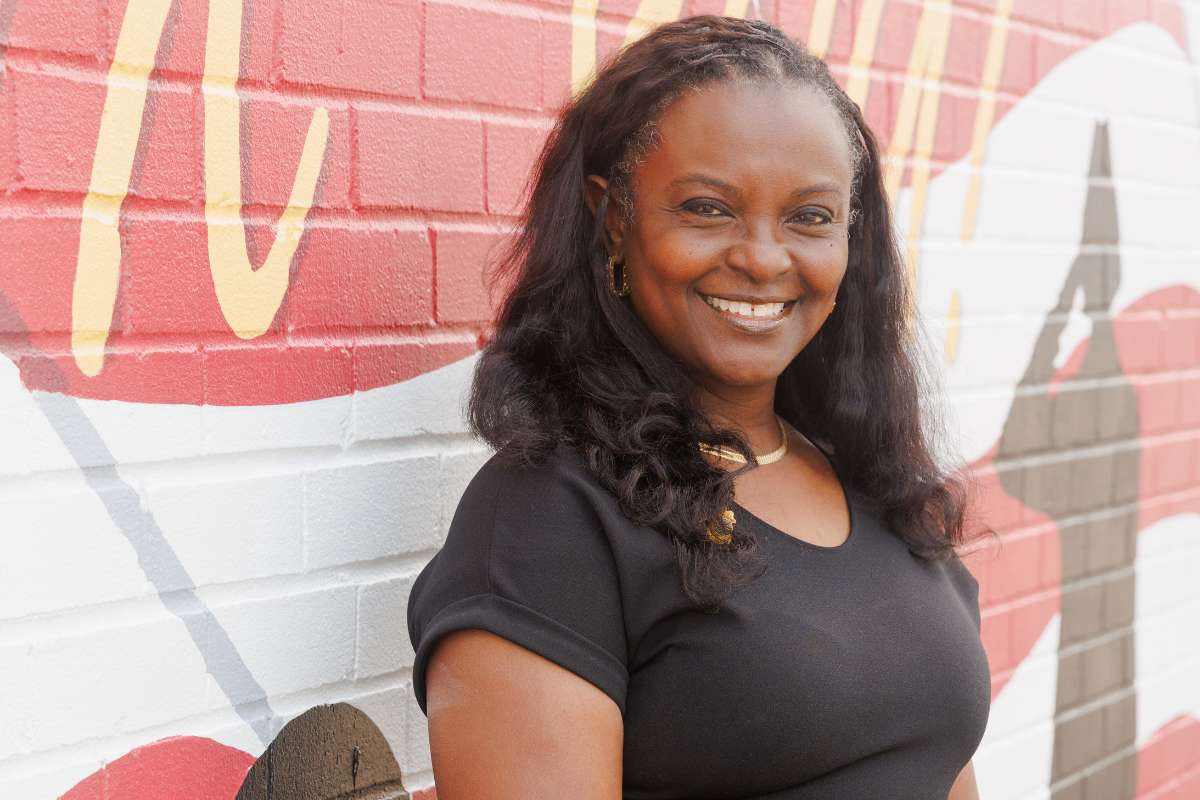
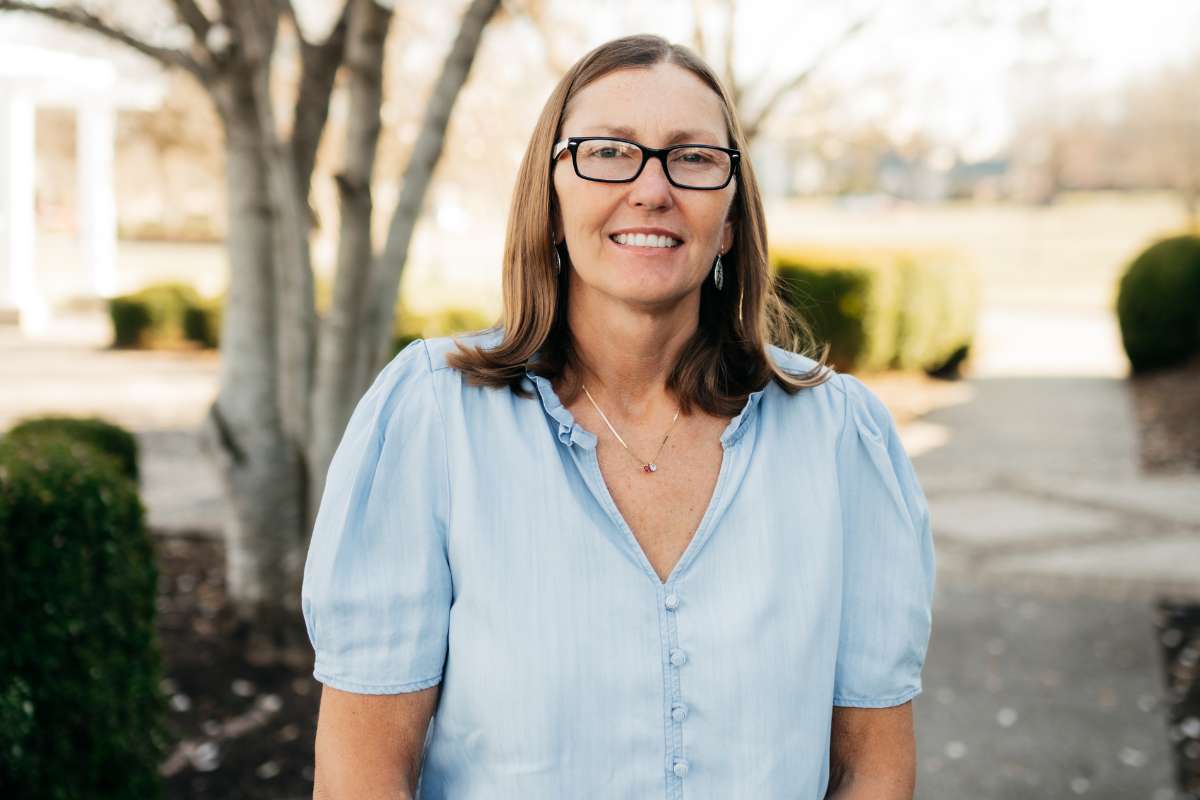
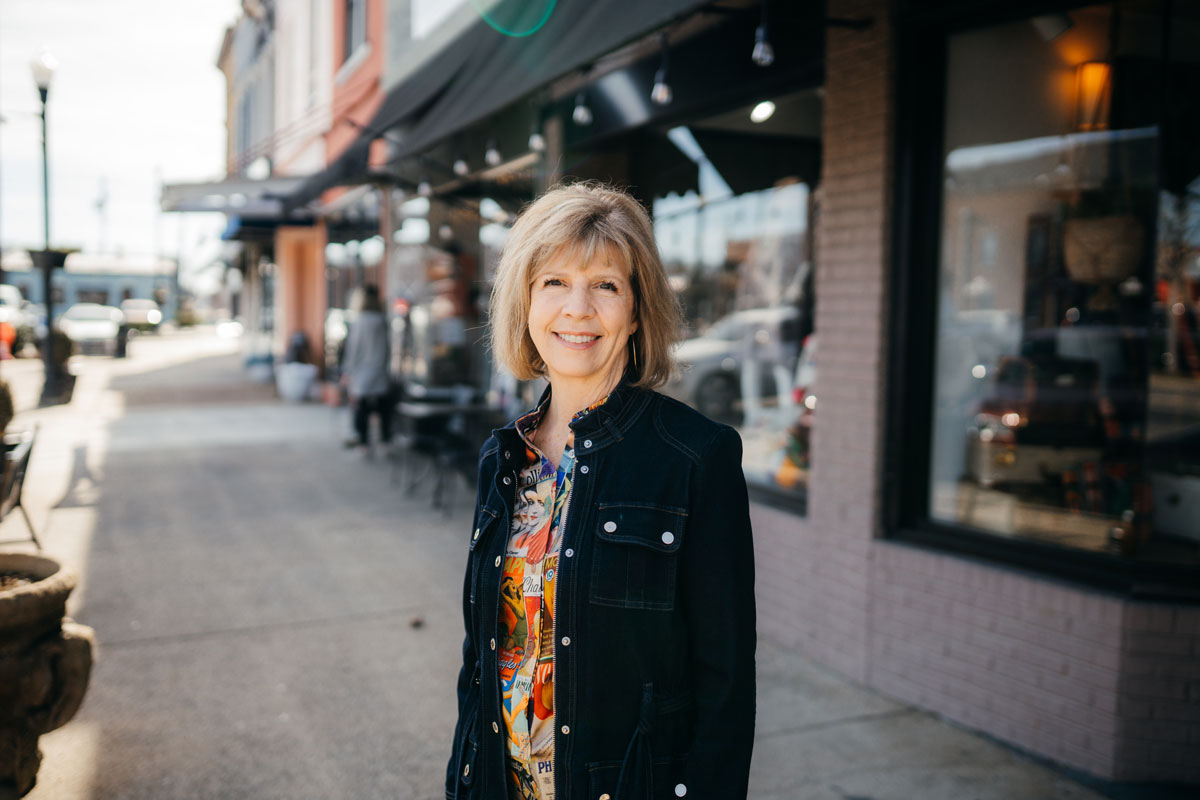
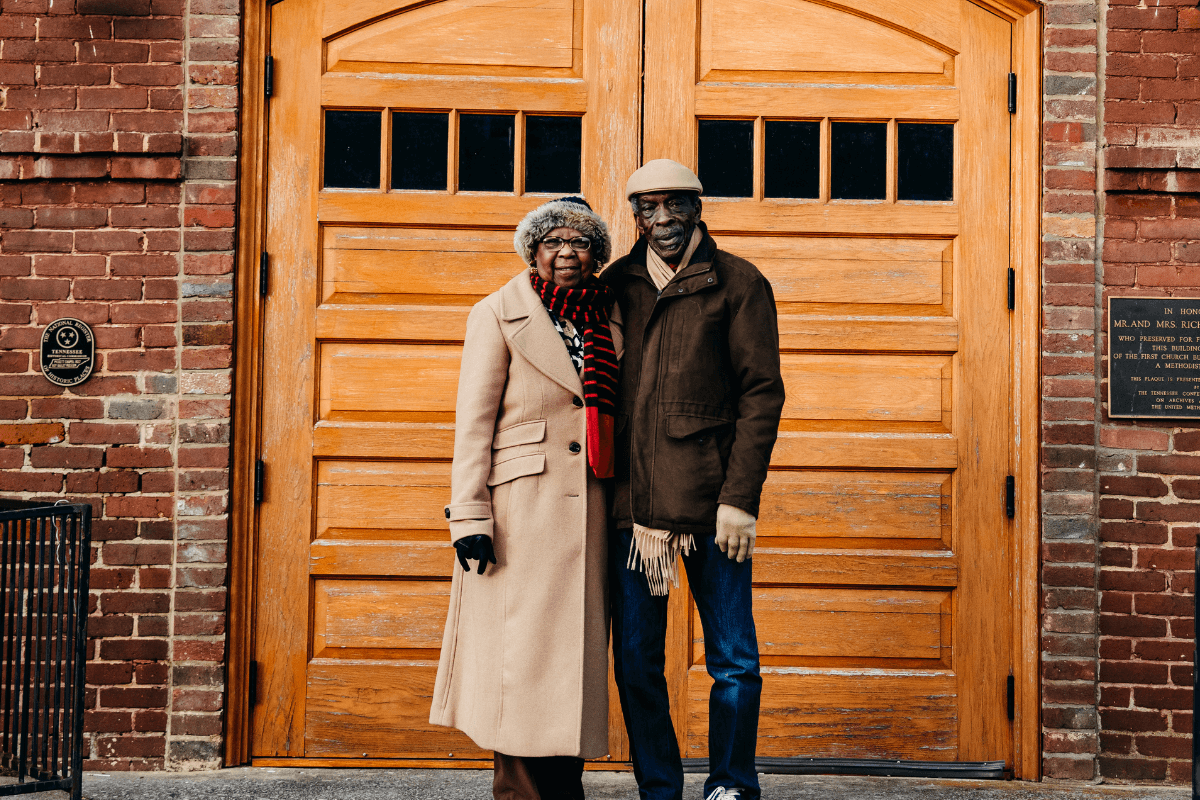
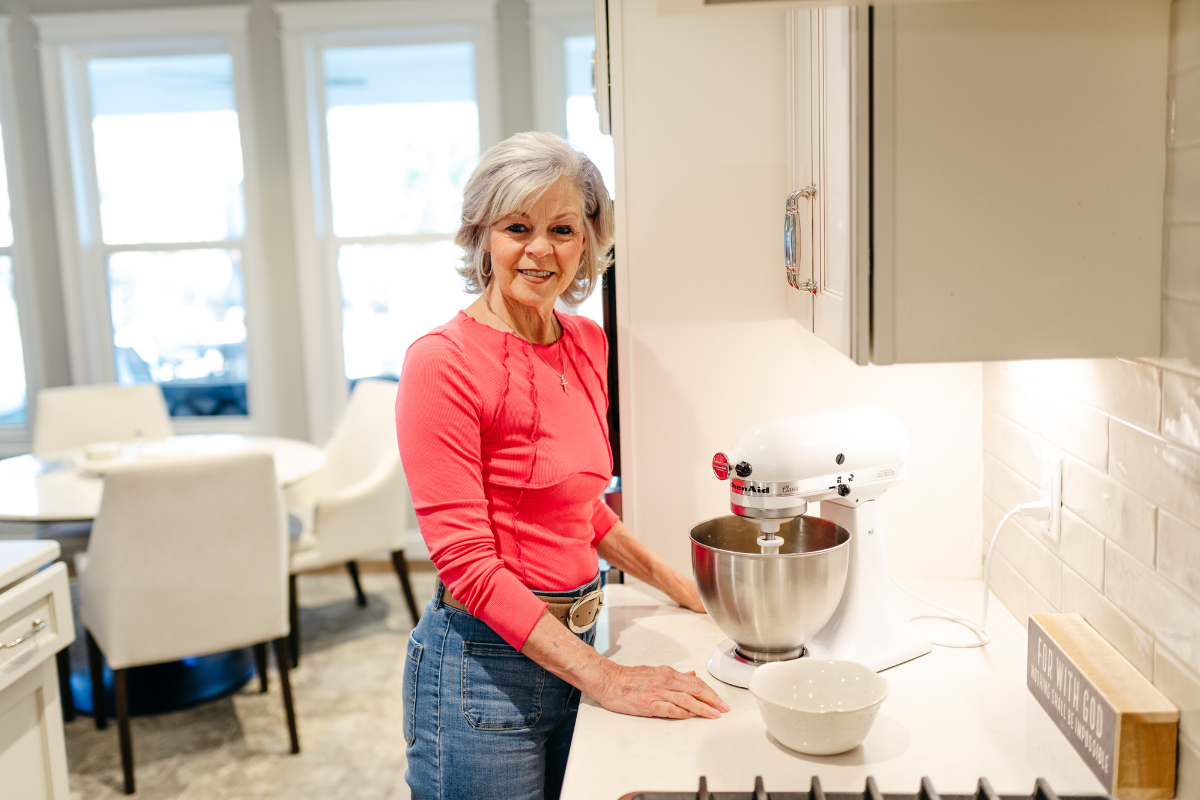
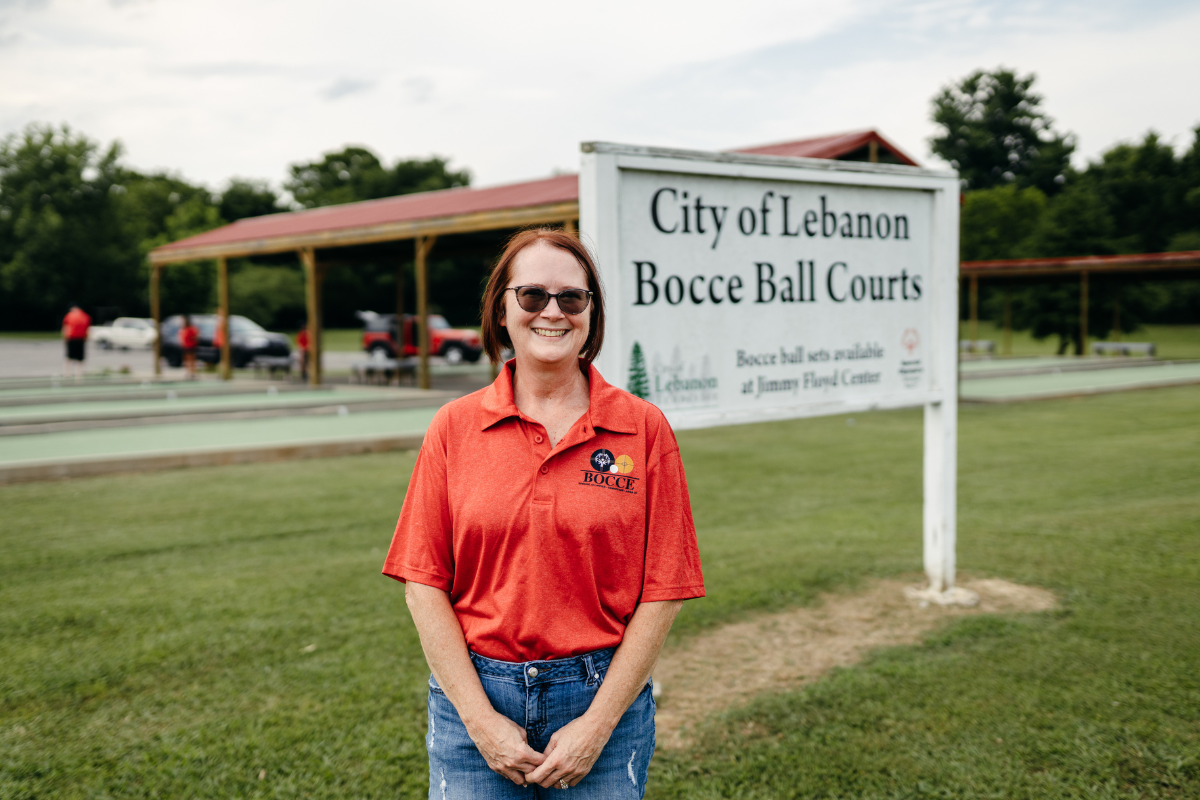
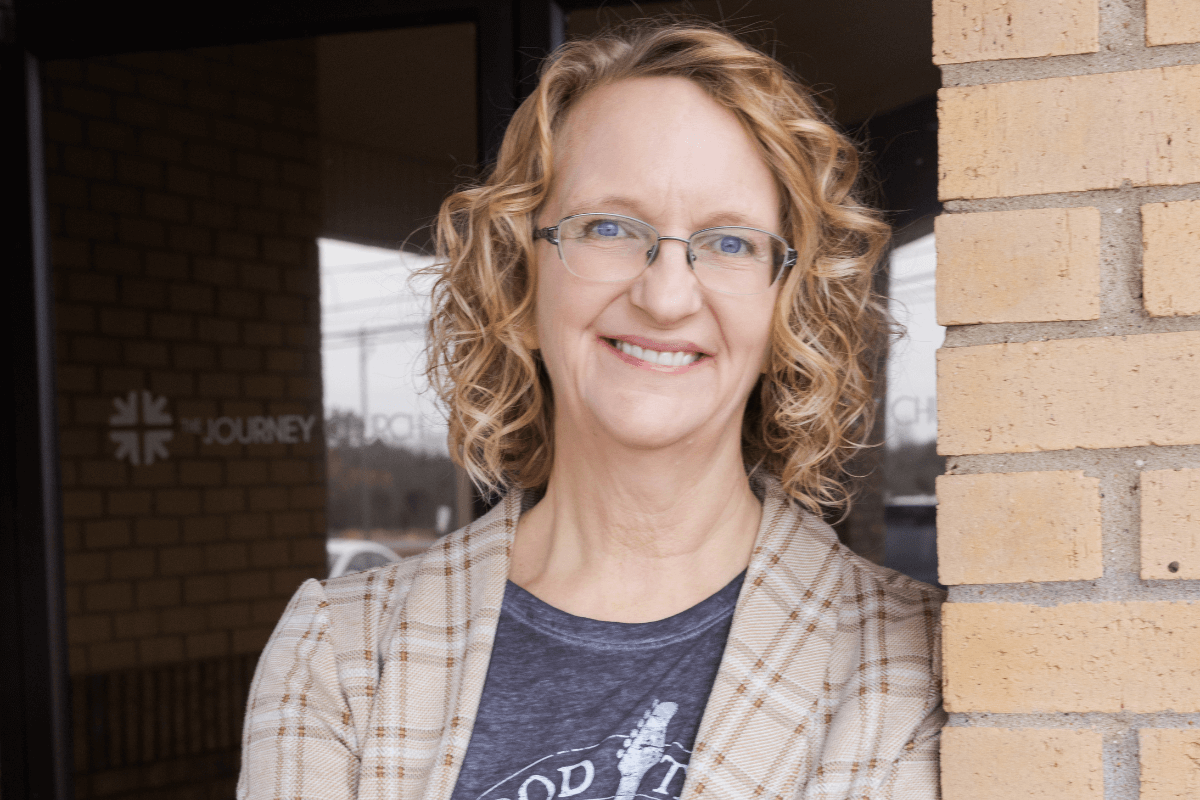
BETTY CANTRELL proudly served as chairperson for Concerned Citizens for Veterans in Wilson County from 2008 to 2026. However, she is quick to explain to anyone that the work has never been confined to a title or a meeting schedule.
“We don’t meet regularly,” she said, “but I go to different meetings where I hear about what’s going on with the veterans.”
Even when she misses one, she is already thinking about the next connection, the next call, the next person who might need help.
In Cantrell’s world, support for veterans does not wait for formal gatherings.
“If they call and say, ‘Ms. Betty, this person needs some help with this or that,’ then I reach out to them.”
In that way, she becomes something of a bridge, personally connecting those in need to resources and people to one another.
Much of the organization’s work happens through relationships and word of mouth. At breakfasts, luncheons, and community events, someone will often recognize her and approach with a name or a story.
She also keeps an eye out for small signs that speak loudly to those who know what to look for.
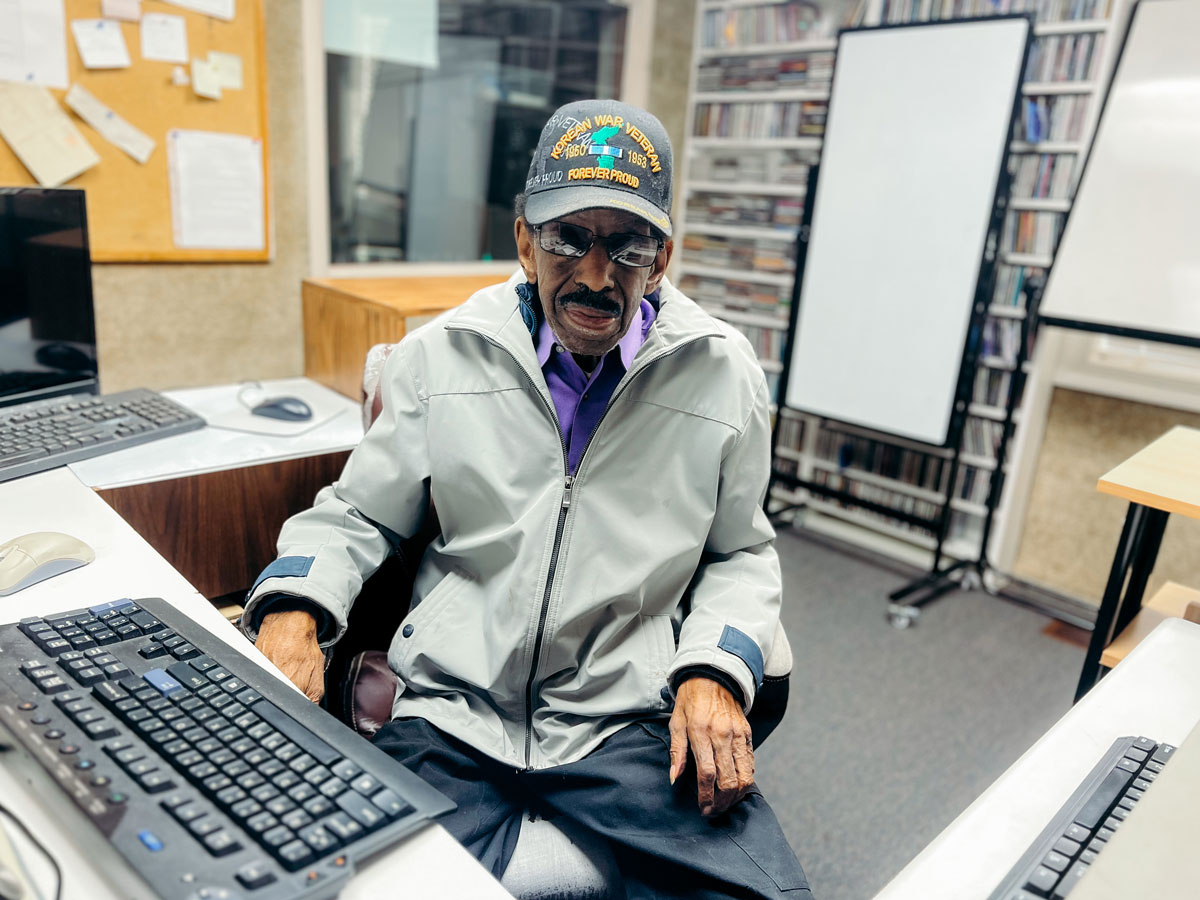
“Most of the time, the veterans have on caps or vests, and that’s how I recognize them.”
At the heart of Concerned Citizens for Veterans is a simple mission: to serve all without distinction. They are simply here to help veterans.
That work comes to life in one of their most meaningful traditions, an annual November banquet that brings together veterans and their families. The event is part celebration, part outreach, and part recognition for those who might otherwise go unseen.
“We find a family here in the Wilson County area that needs help, and then we help them by presenting them with something that night,” Cantrell said.
Those hidden needs are part of what has kept her involved for so long. In her experience, many veterans struggle privately with necessities.
“They need a lot of help with groceries, utilities, you know, the house,” she said. “Some of those houses are livable, but they could really use some fixing up.”
Clothing and everyday essentials also come up often.
“Some of them don’t need up-to-date clothes, just more clothes.”
Over time, Cantrell has also noticed how much harder it has become to reach people directly.
Still, she believes the need is as present as ever, even if the ways of meeting it have changed.
Cantrell is deeply and personally connected to veterans, even though she is not one herself.
“My husband said I am, because I give orders,” she joked.
She has spent years surrounded by veterans in her church community and through the American Veterans and Volunteers Association, which is how she first connected with Concerned Citizens for Veterans.
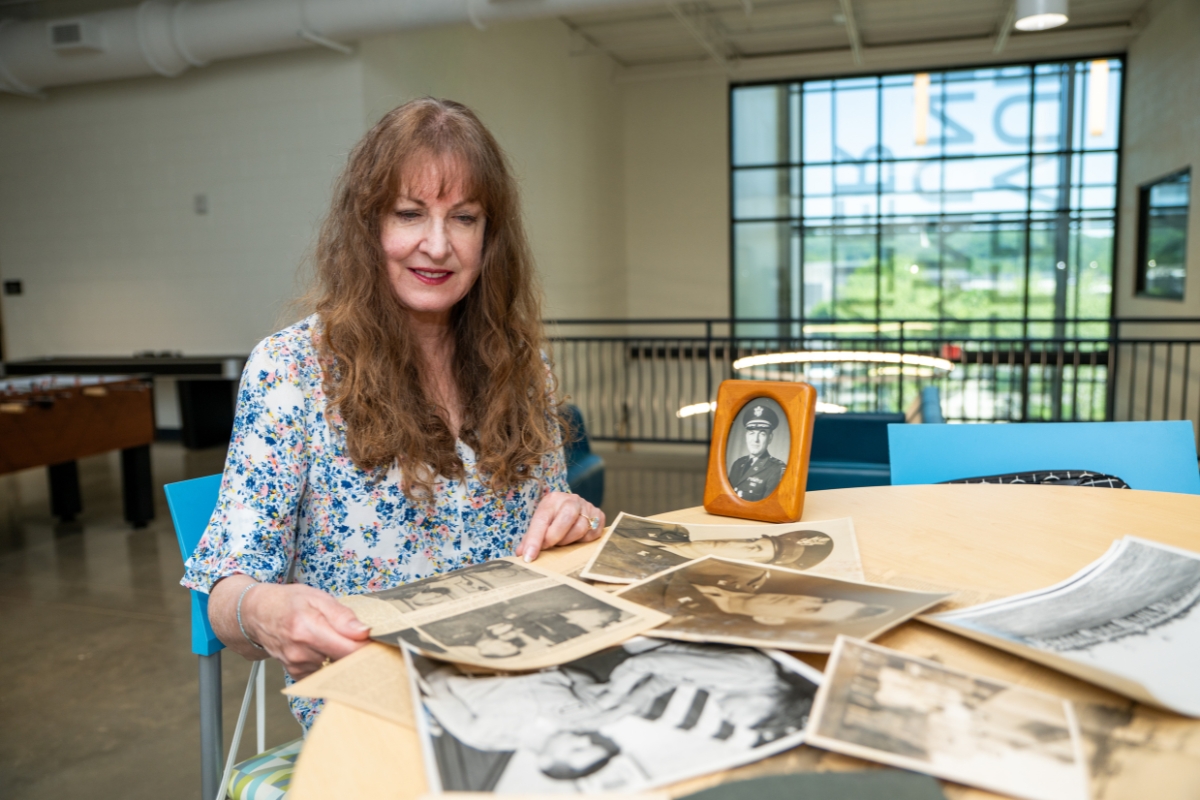
Her own family’s military history dates back to the 1960s and ‘70s, when service touched nearly every branch of her household. Two sisters served in the National Guard, one brother in the Army, another in the Air Force, and another in the Navy.
“Some of them stayed gone for a long, long time, and we didn’t get to see them. But we coped with it — through God, through prayer — to see them come back.”
That perspective continues to influence how she sees today’s veterans. She recognizes both visible and invisible struggles, especially among those who served in more recent conflicts.
One brother-in-law, she noted, served during Desert Storm and still carries memories from that time.
While Concerned Citizens for Veterans operates as a nonprofit with limited funds, they continue to raise support through fundraisers and community events.
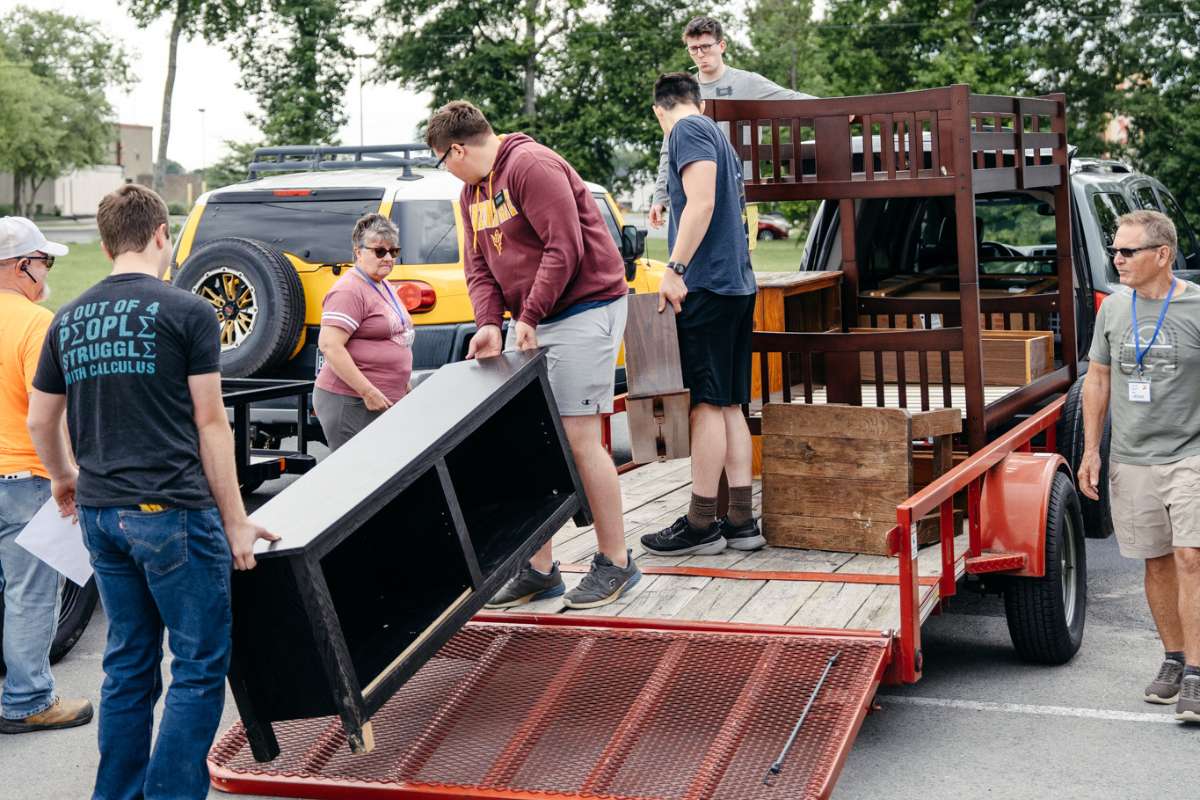
Volunteers are crucial in making those efforts possible. They help at the banquet, participate in community observances such as Memorial Day, pass out flowers at events, and walk in parades honoring veterans.
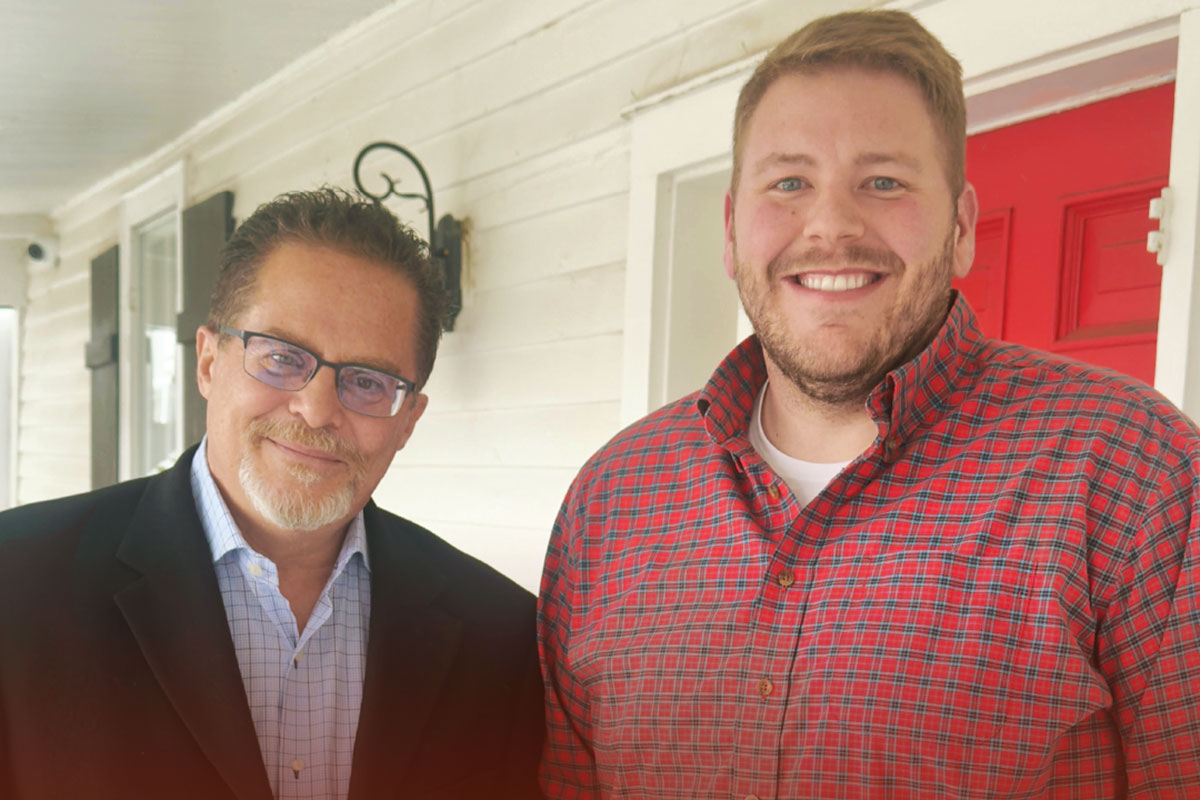
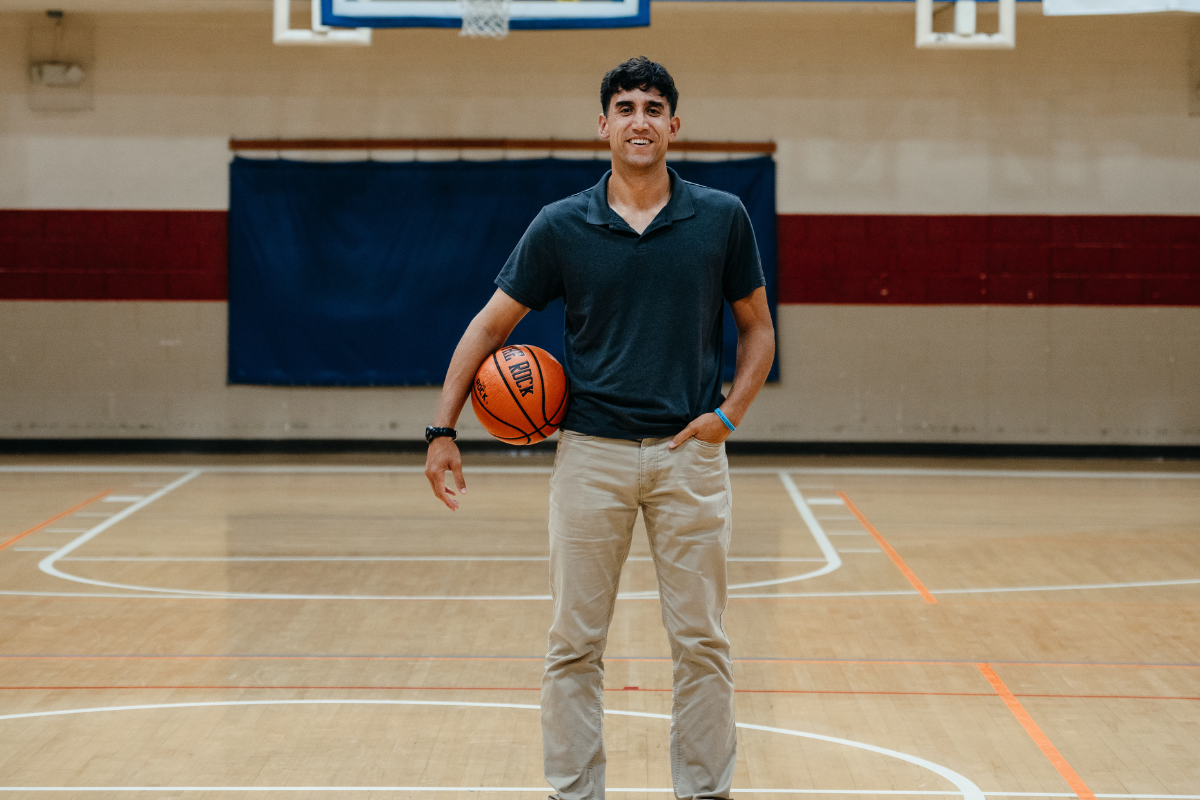
Still, the work has not come without wear. Cantrell shared that the work has taken its toll on her and that she is passing the torch to Nick Herron, a young, energetic veteran.
“Nick is taking over,” she said. “He wanted to start doing something in the community with veterans. I said, ‘Yeah, way to go.’”
Even as she prepares to pass more responsibility forward, she worries about continuity and the challenge of finding younger volunteers willing to step in.
“The older people that I have, I have to try to keep them until I can get some young ones.”
Even so, stepping away has not meant stepping out completely. She remains committed to supporting the transition as younger leadership steps in.
If you ask her what has kept her going this long, she will say it is the moments when all the organization’s efforts come together.
“The feedback has just been awesome,” she said.
“Those are my happiest moments — when the banquet was over, and it was a big success.” GN