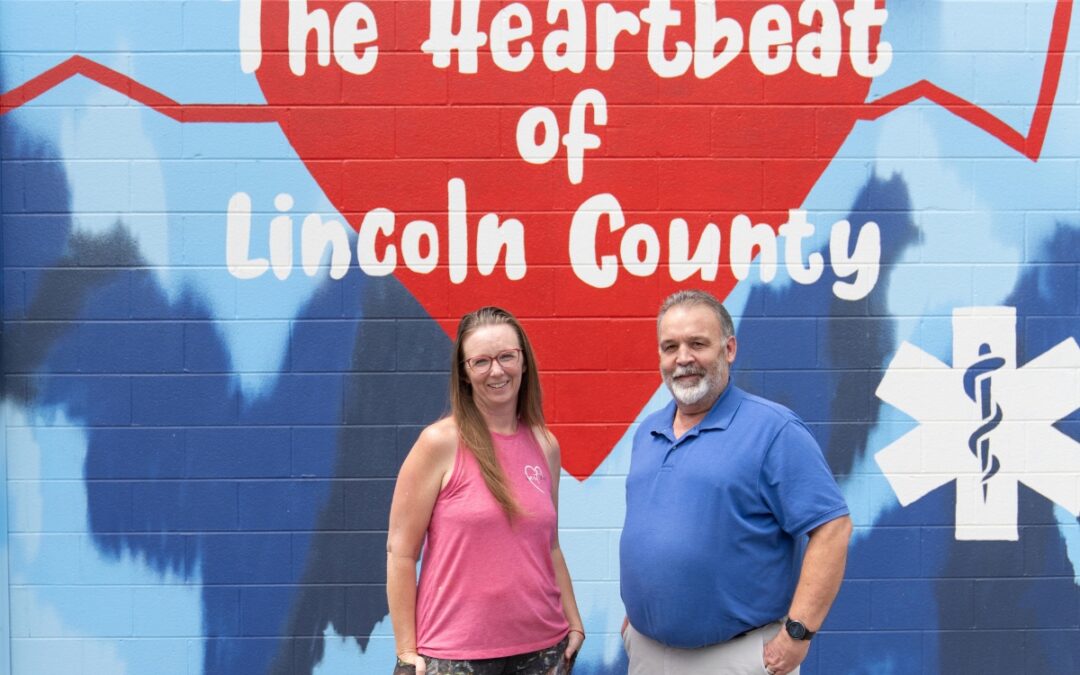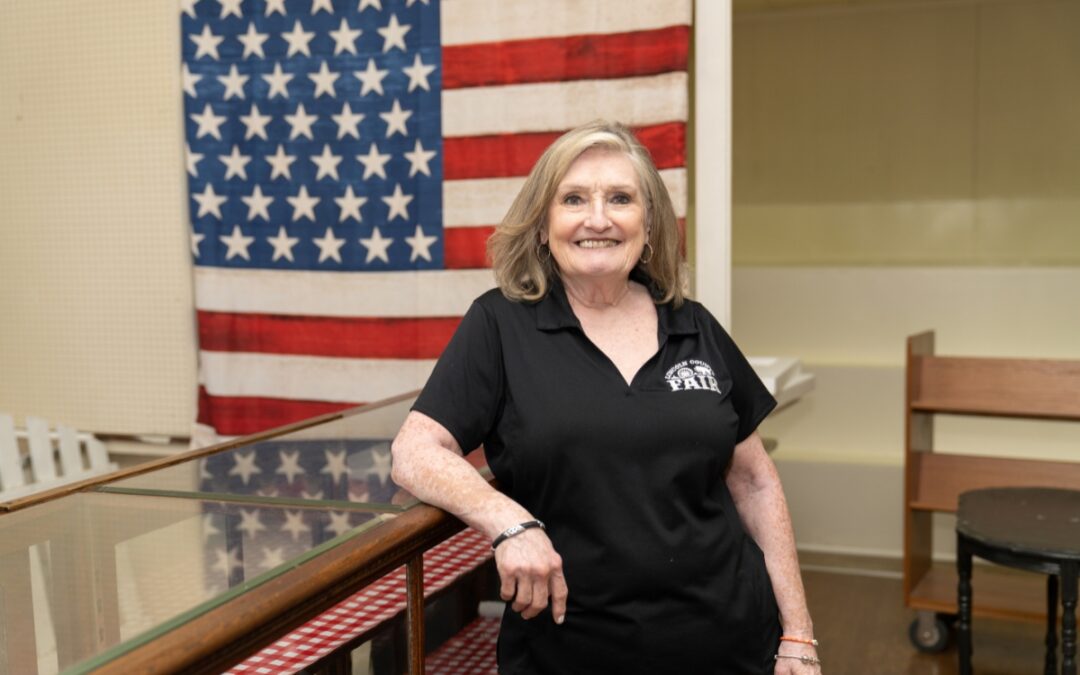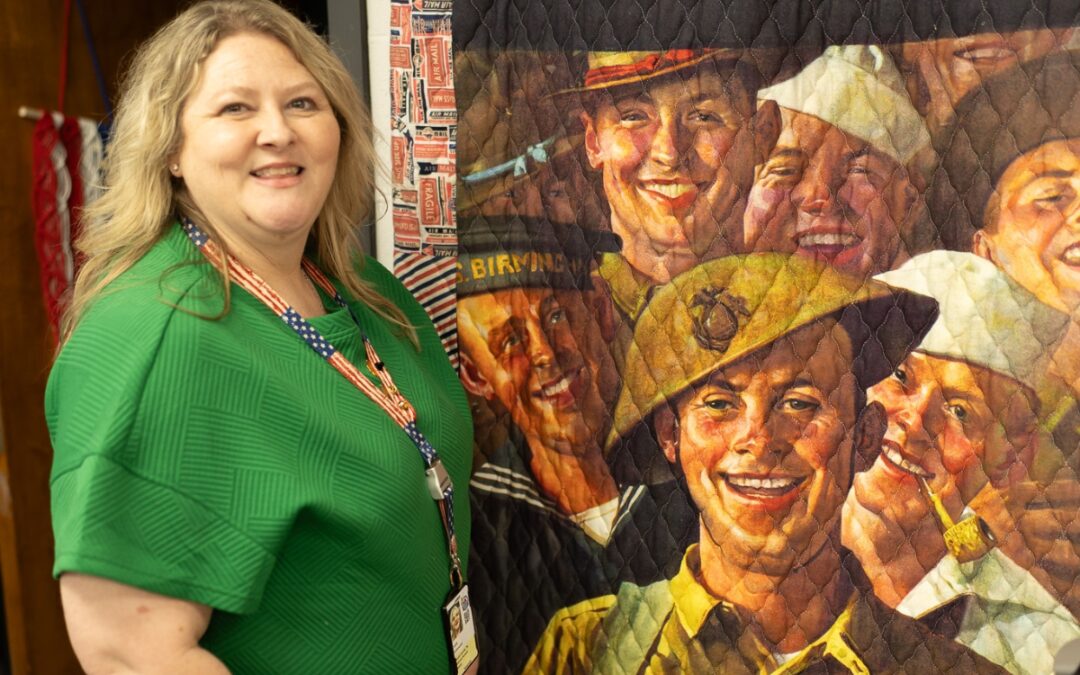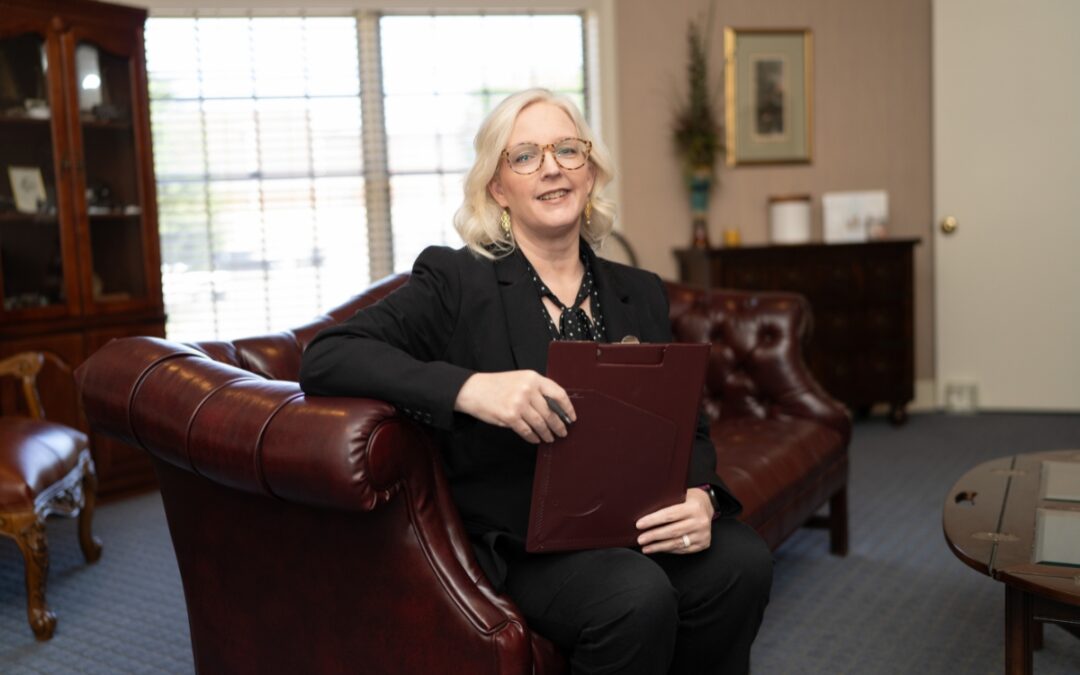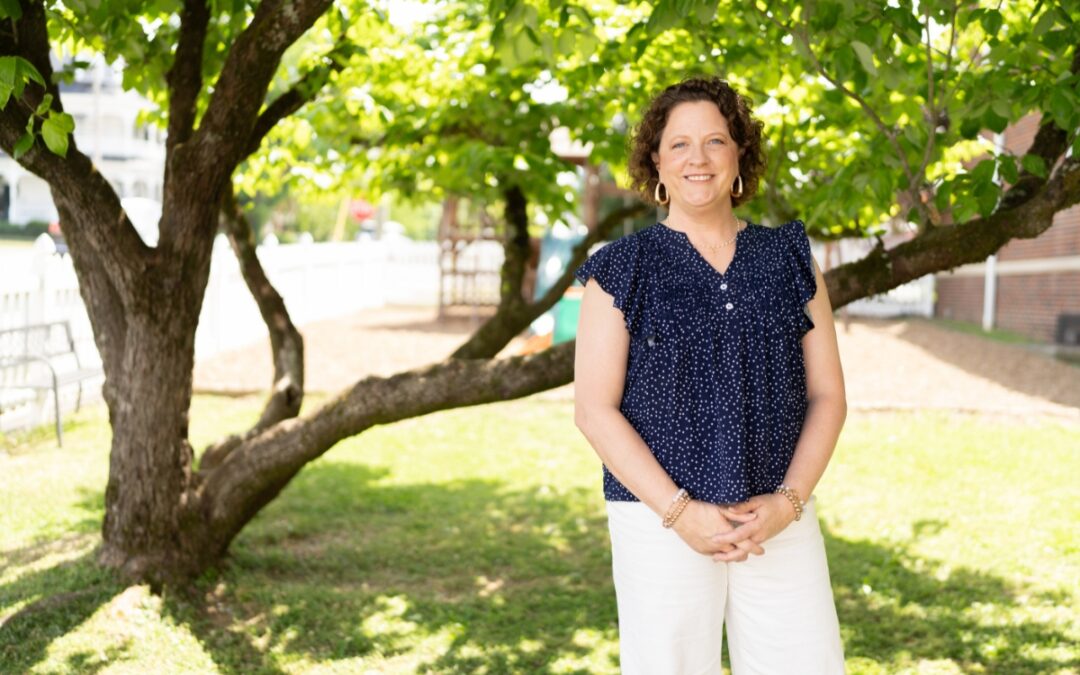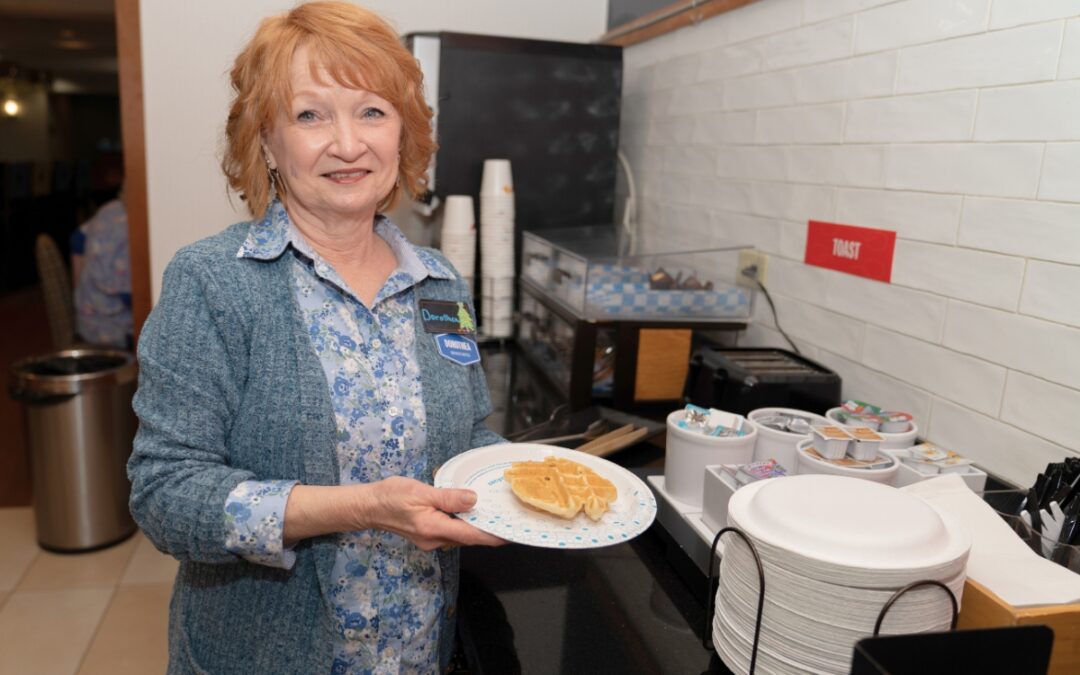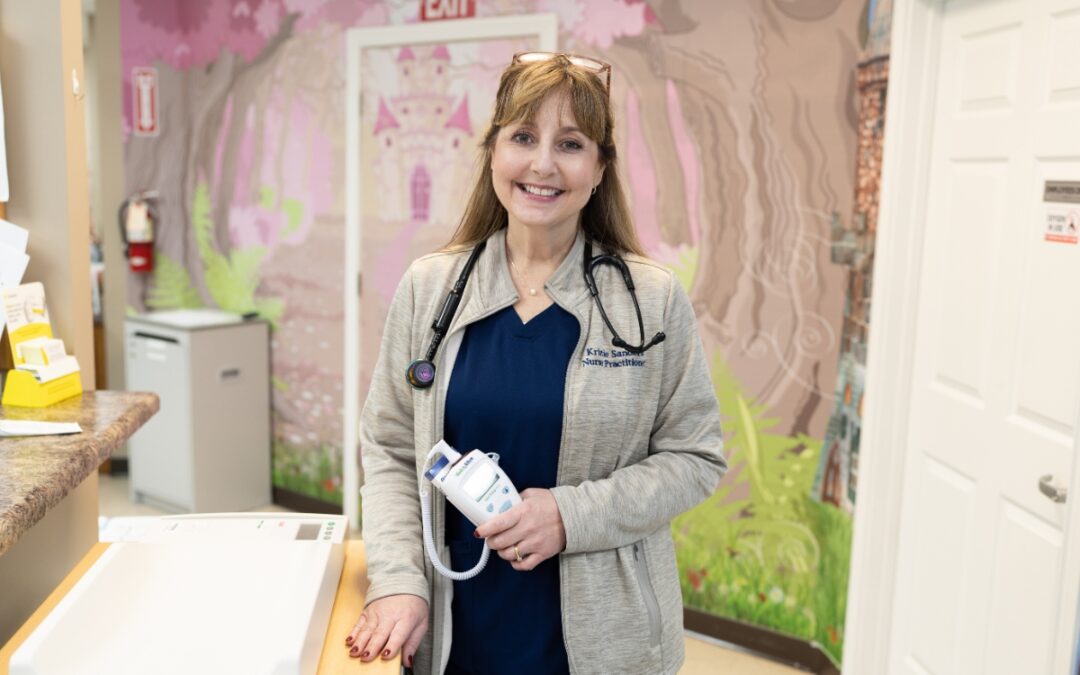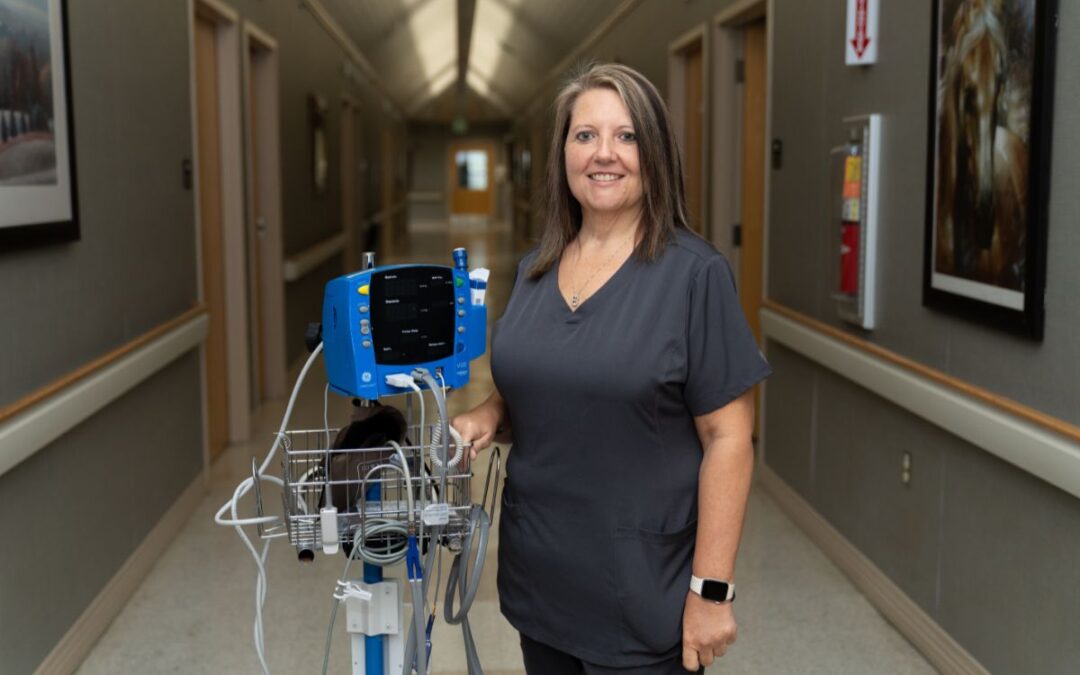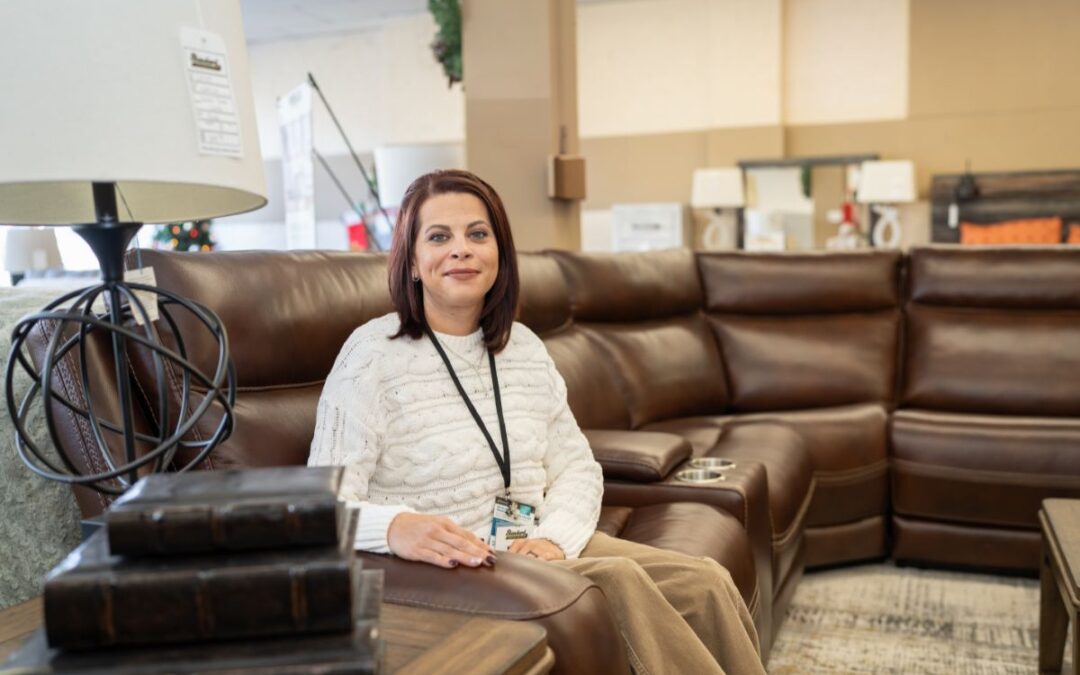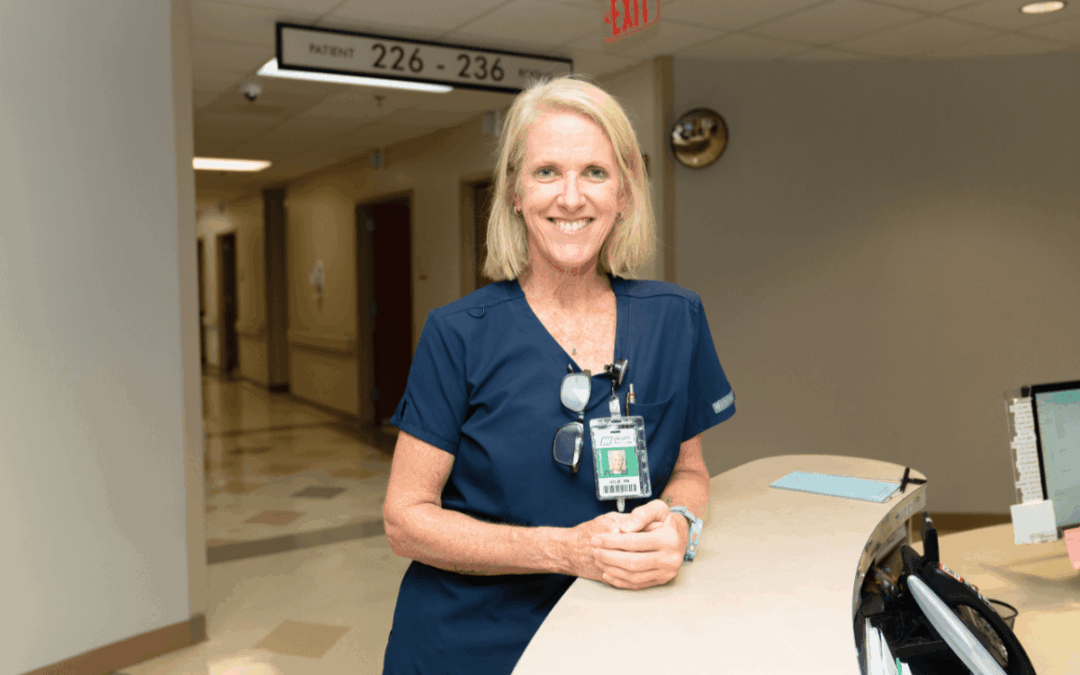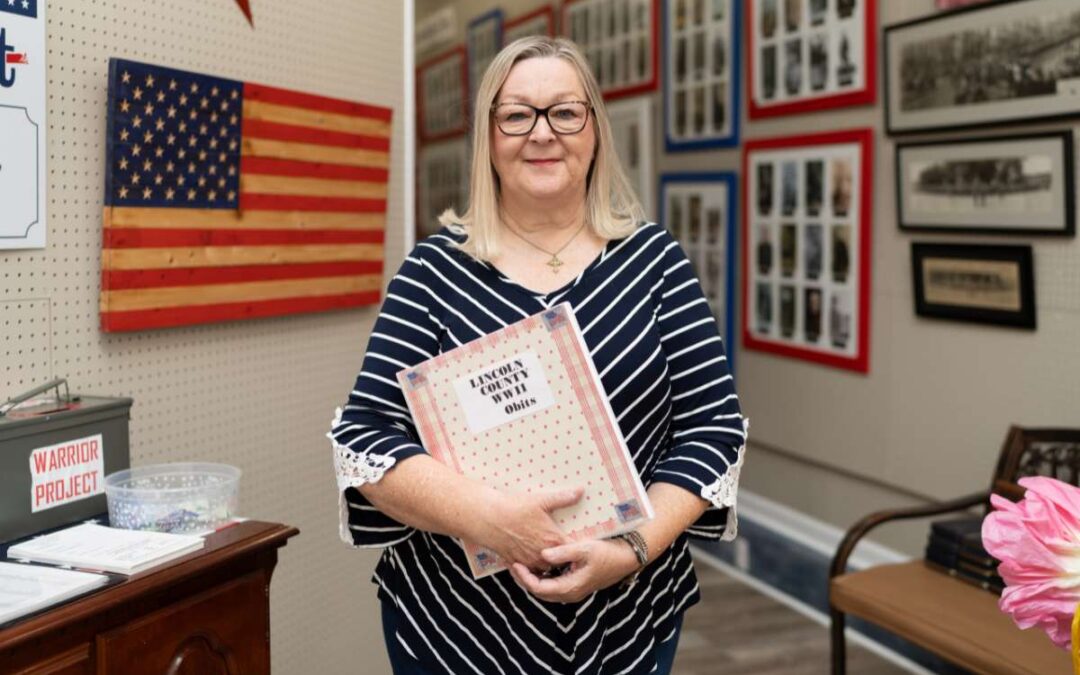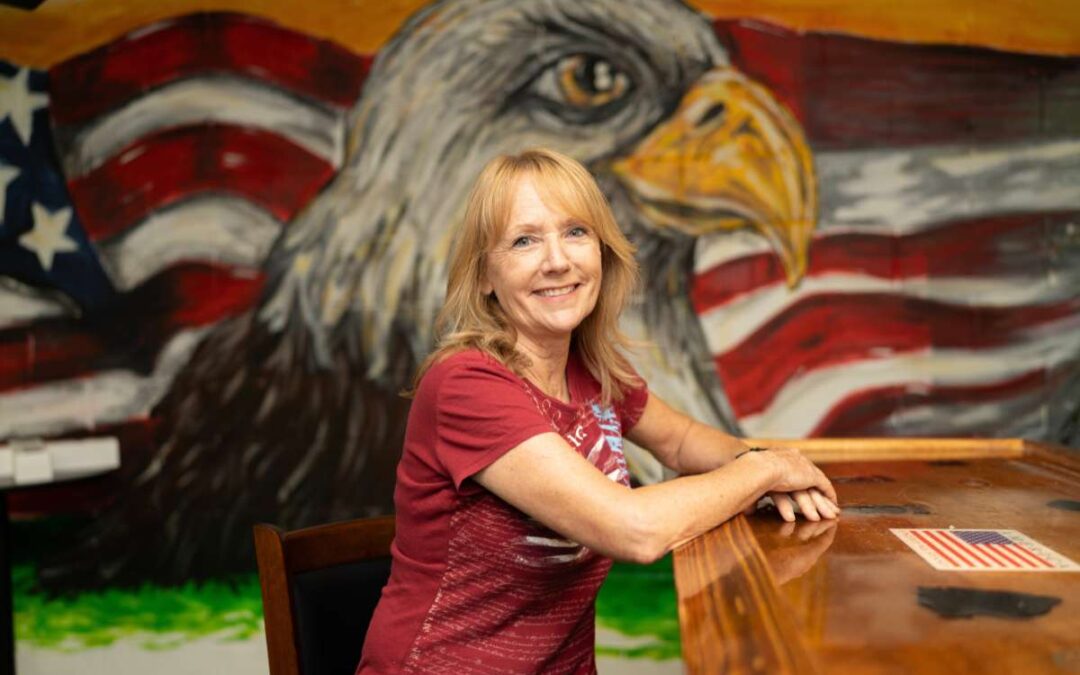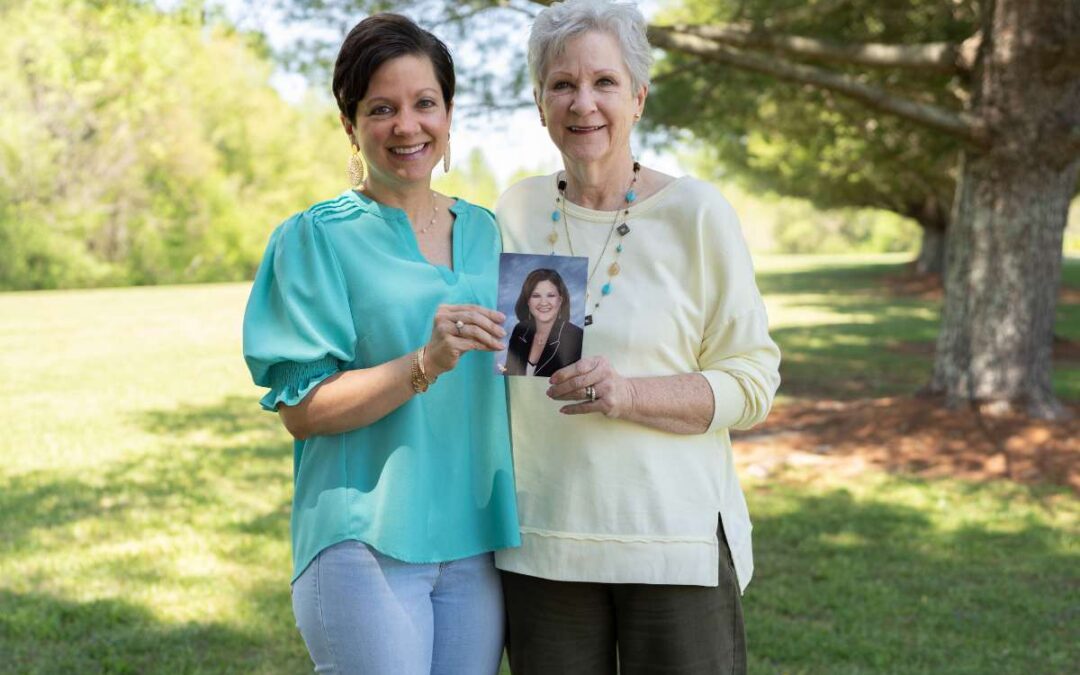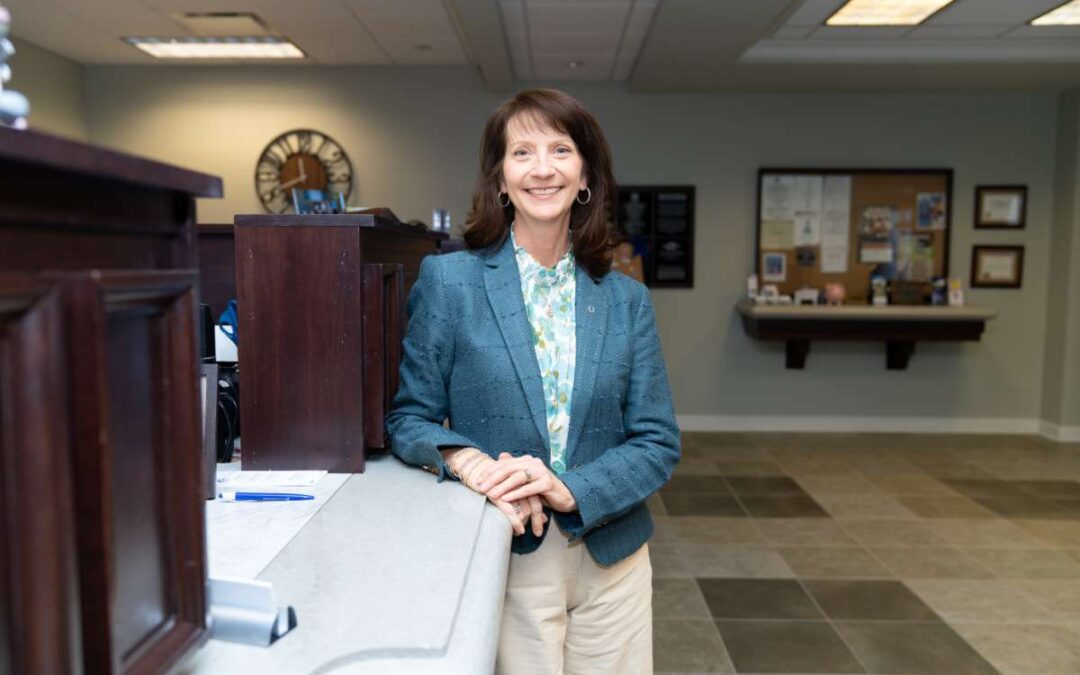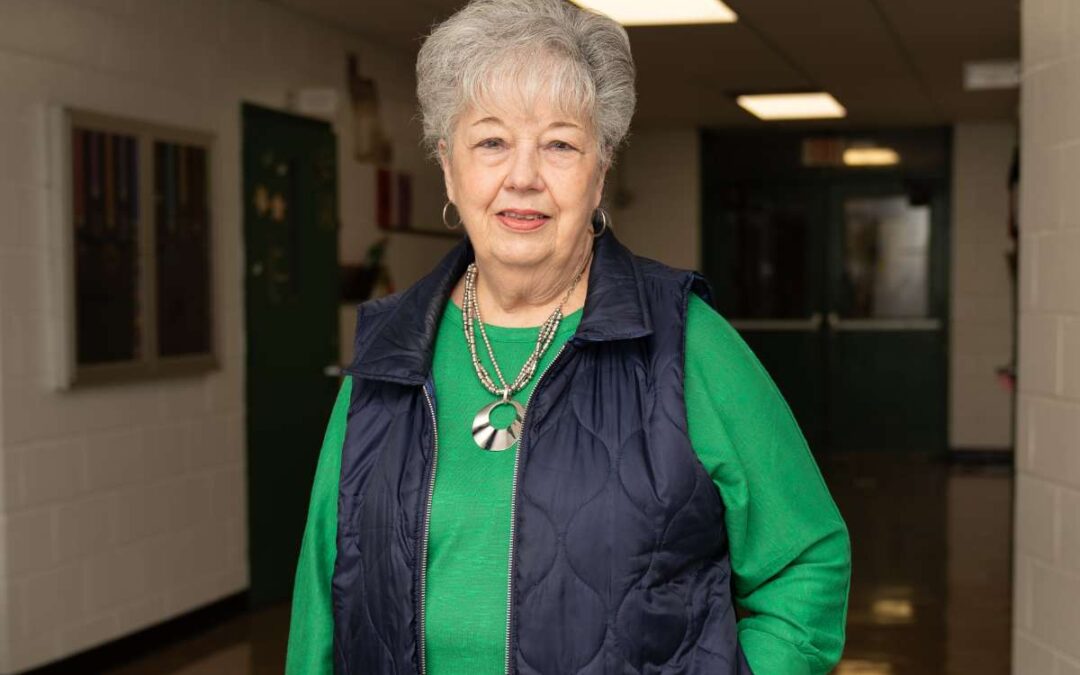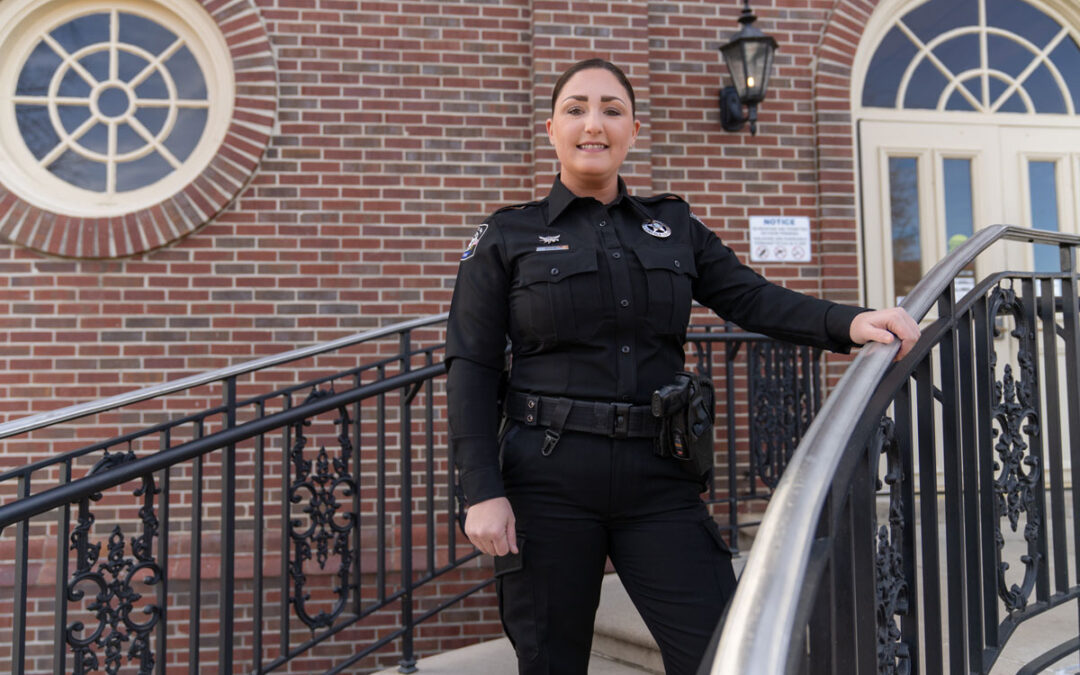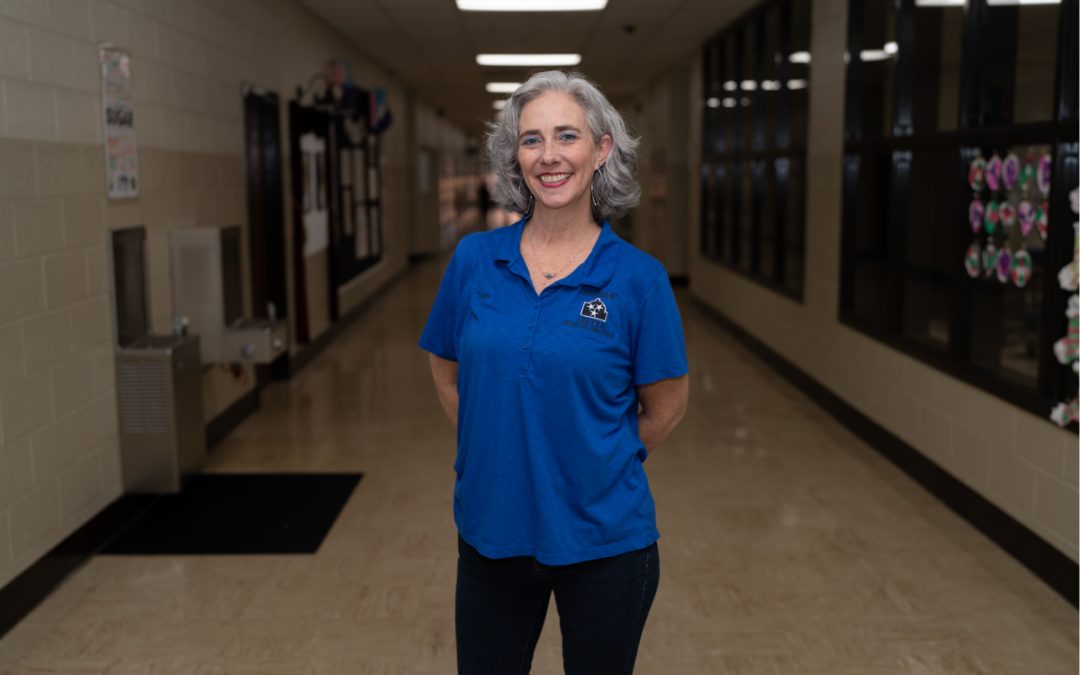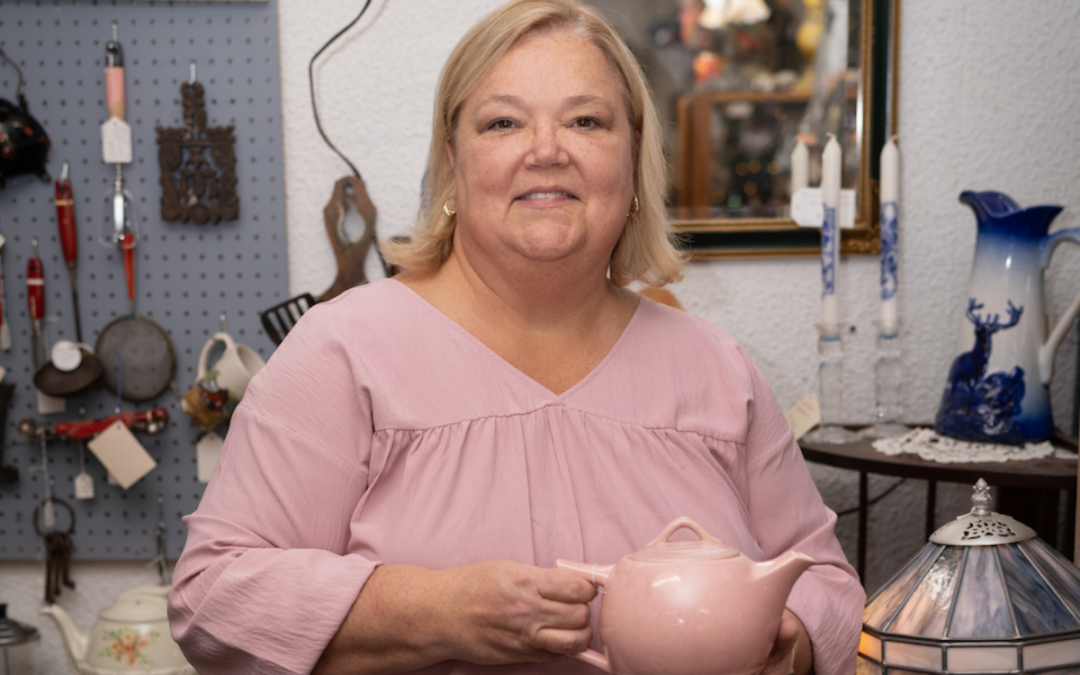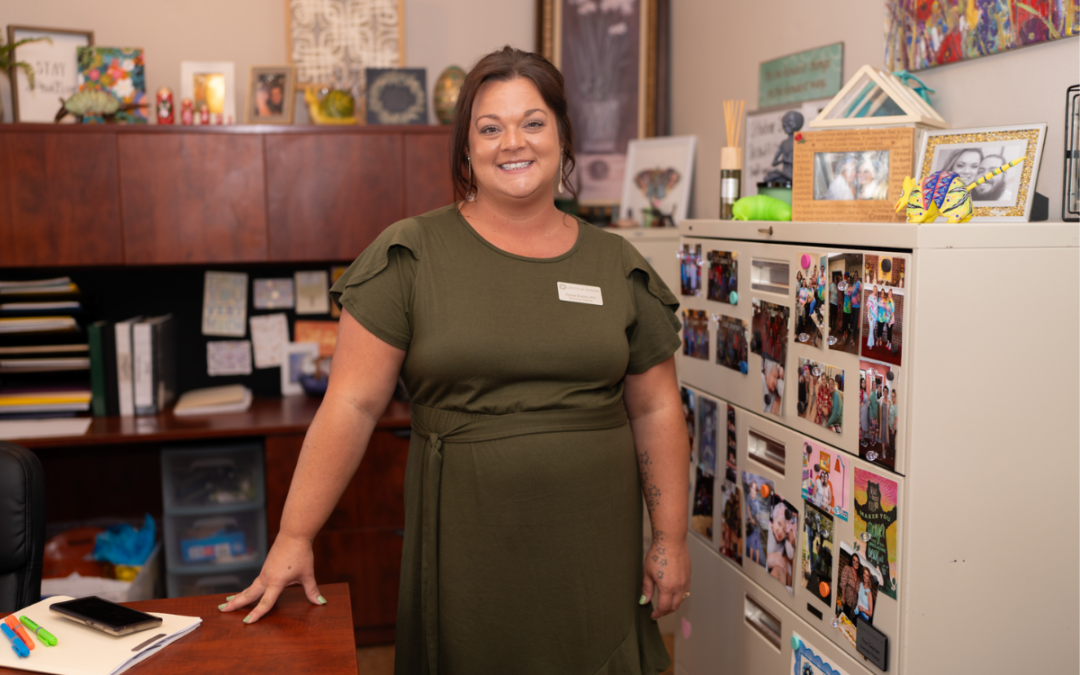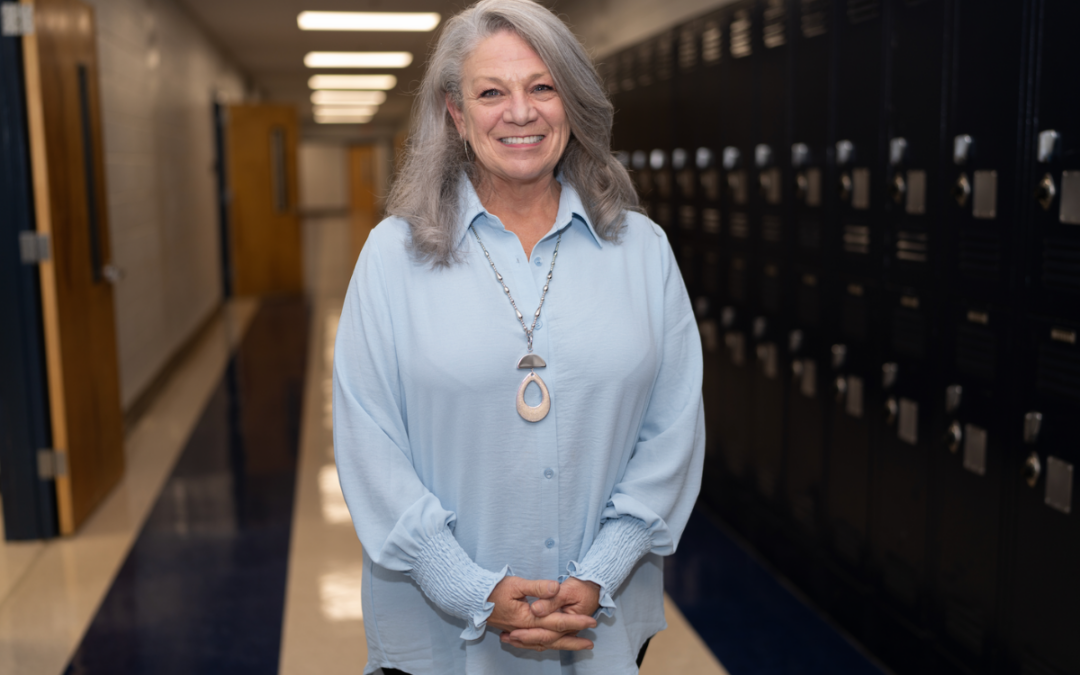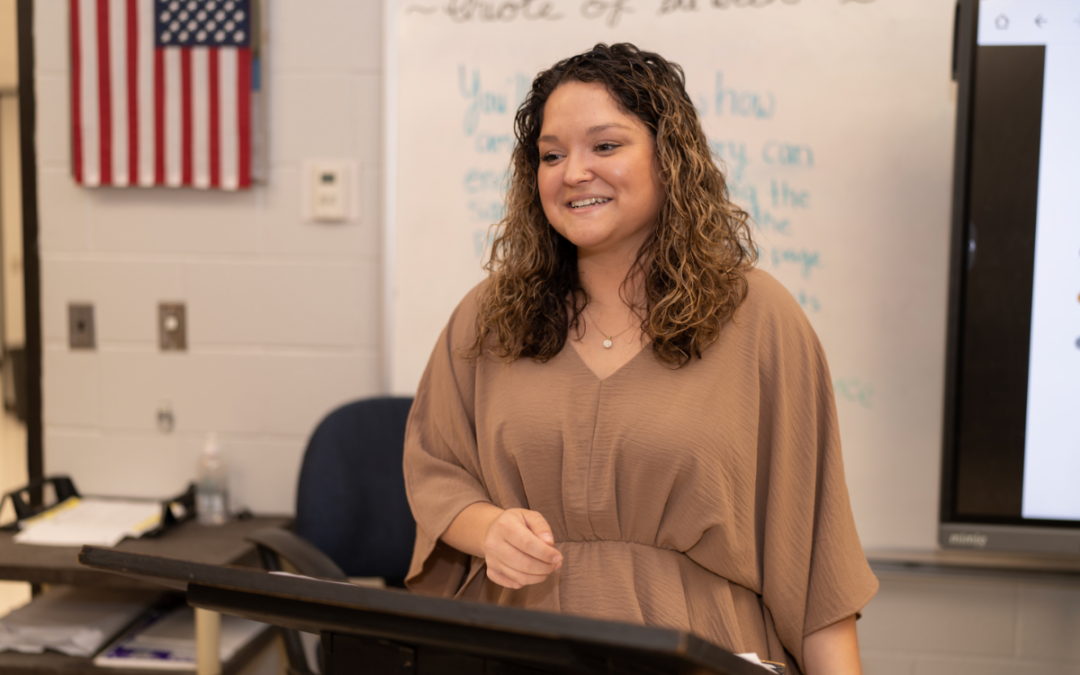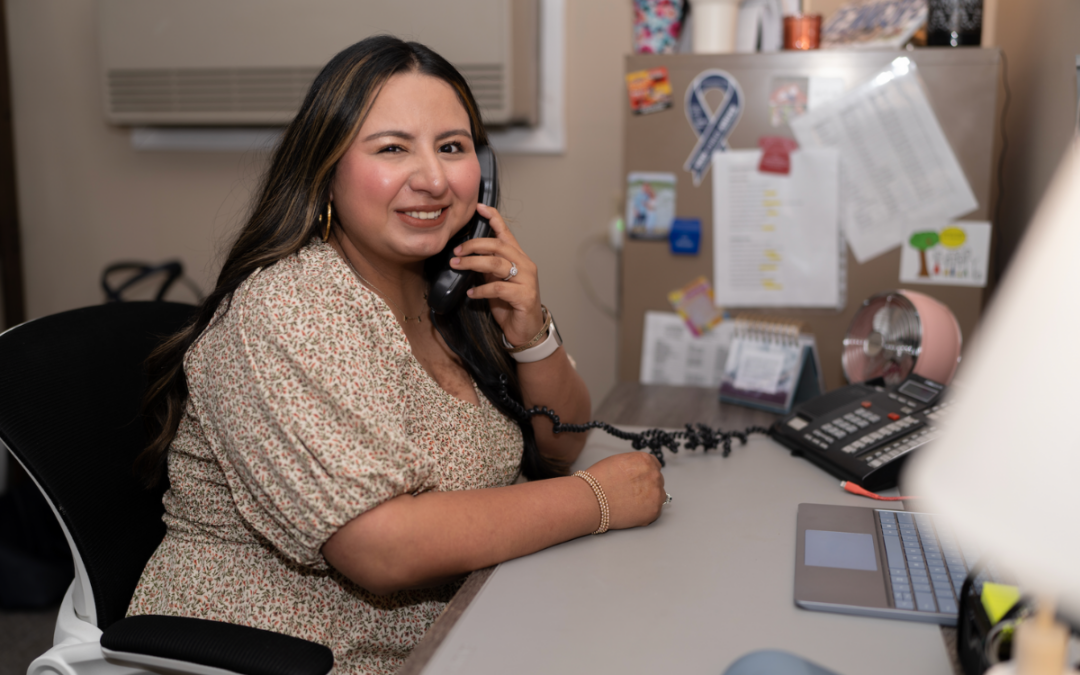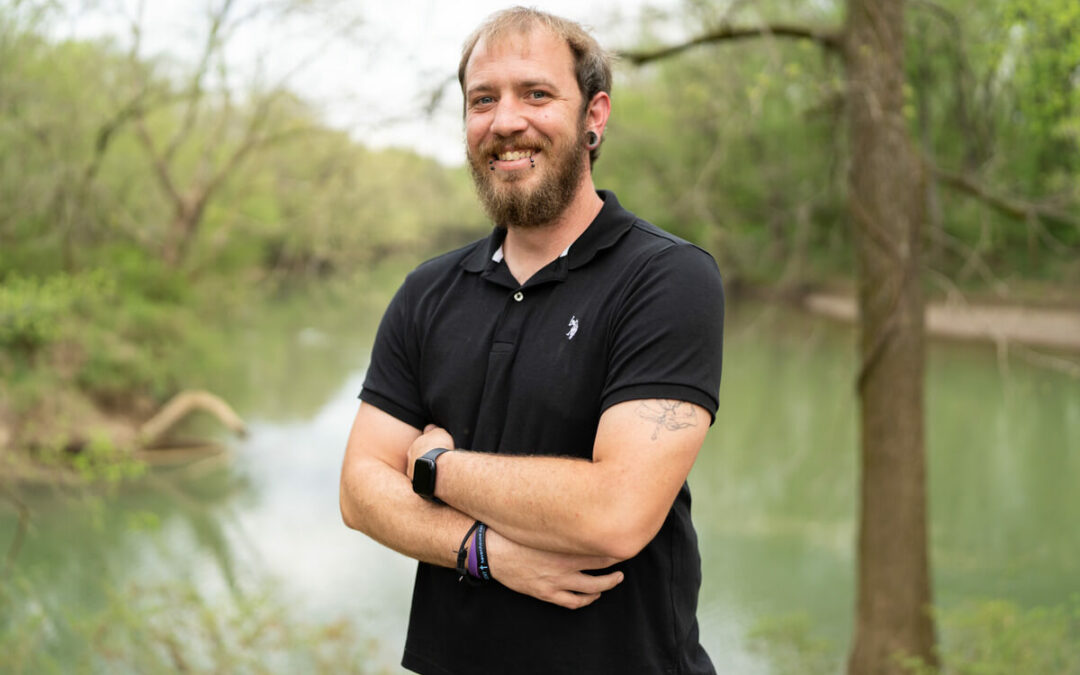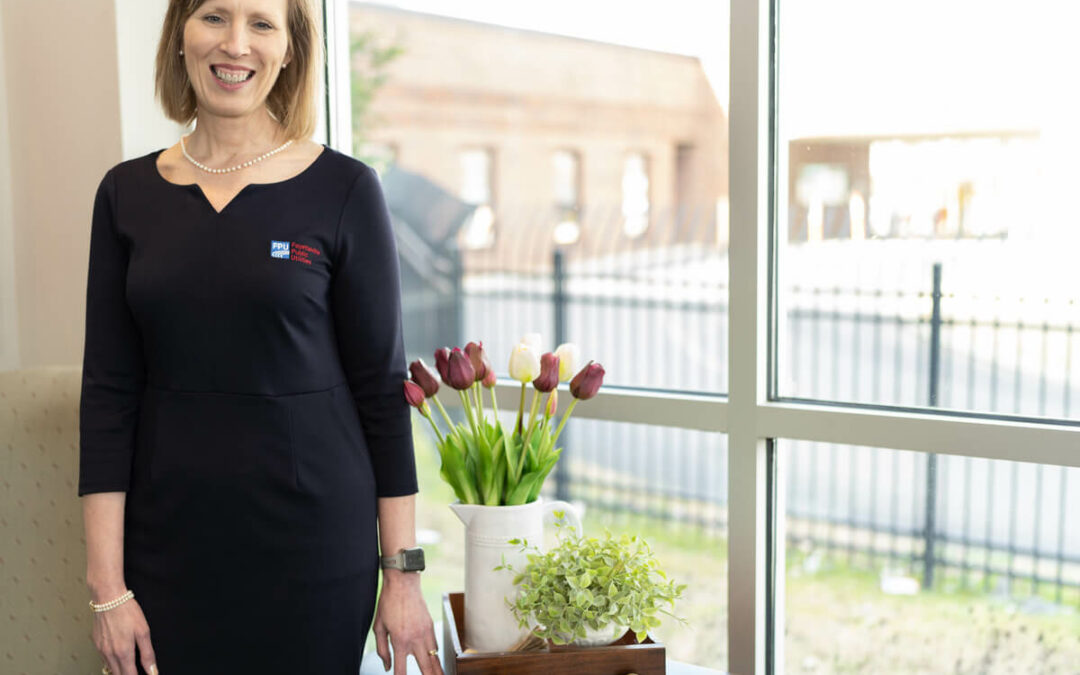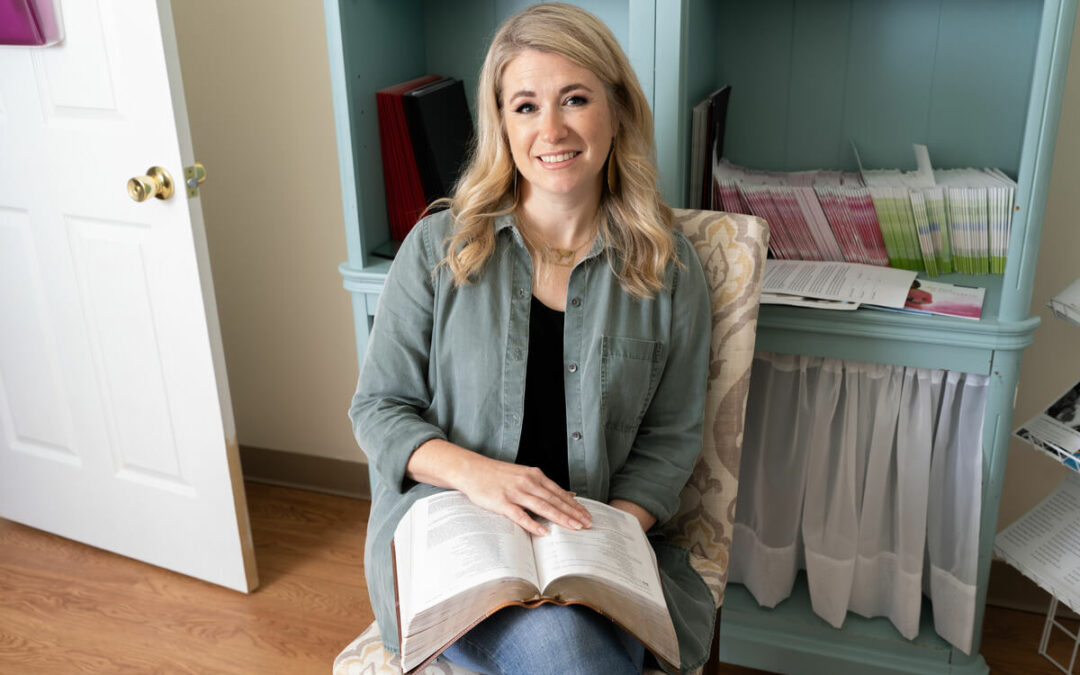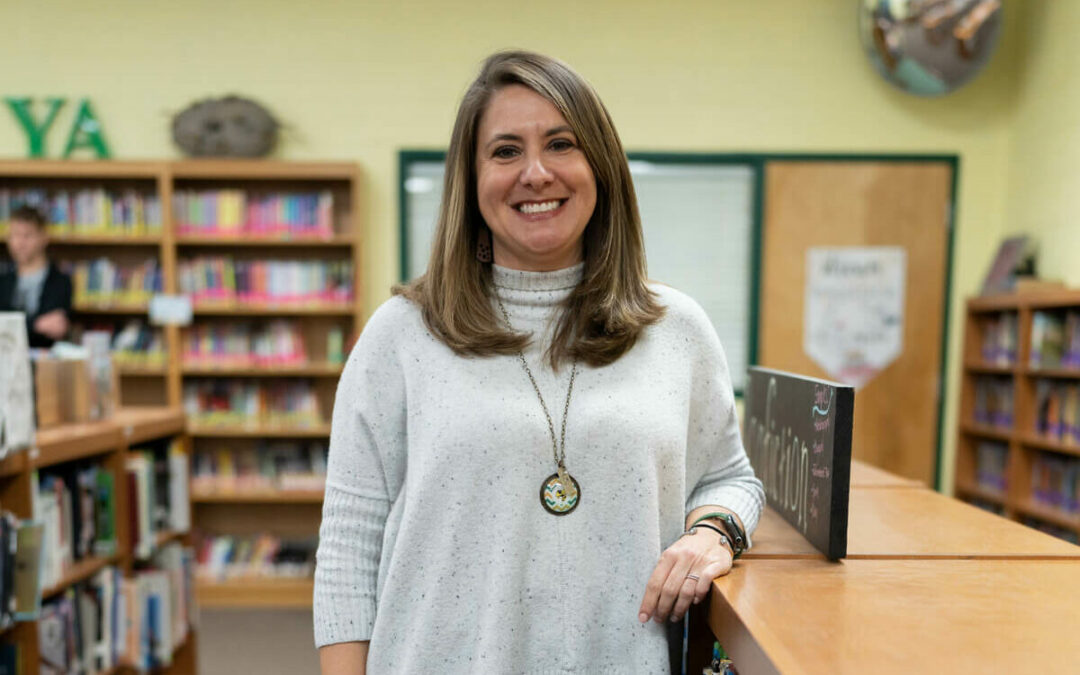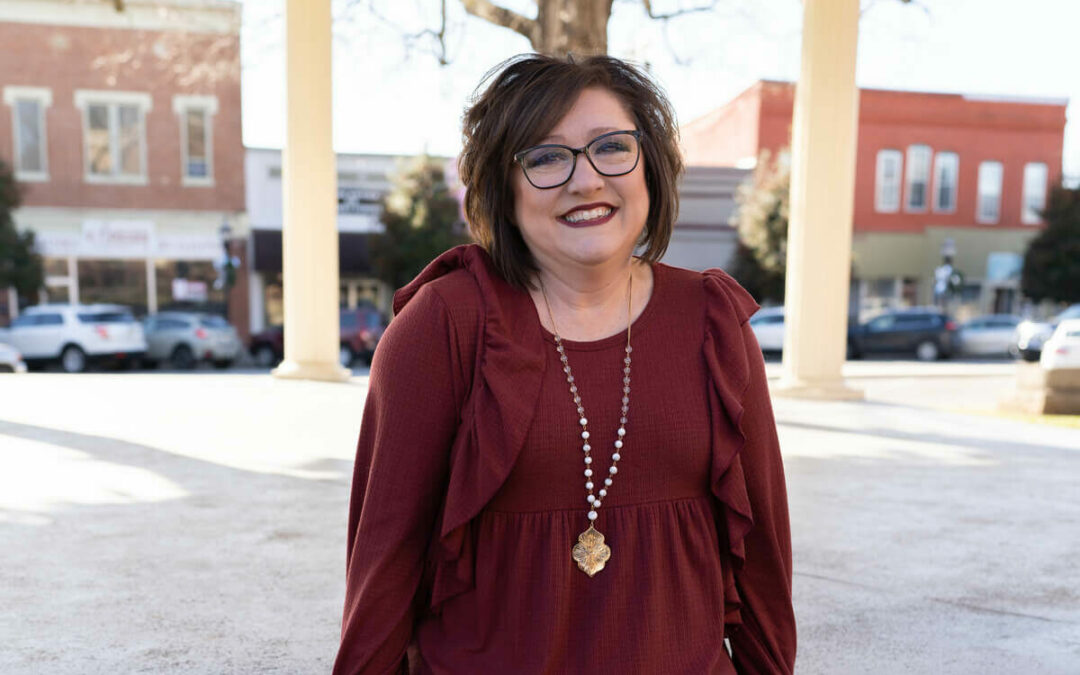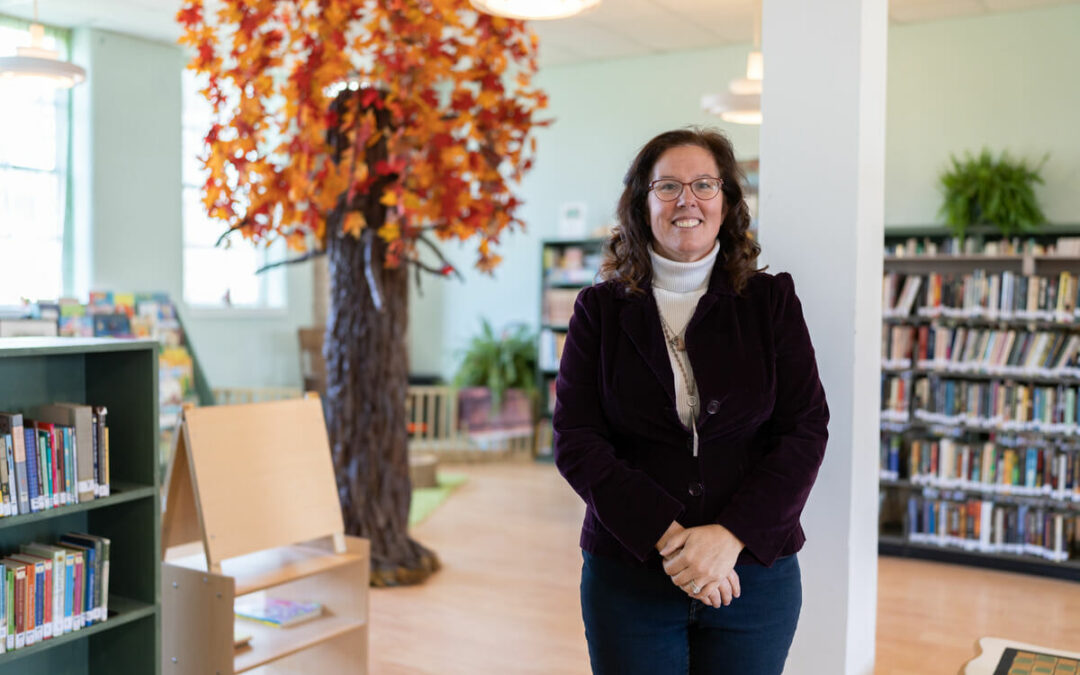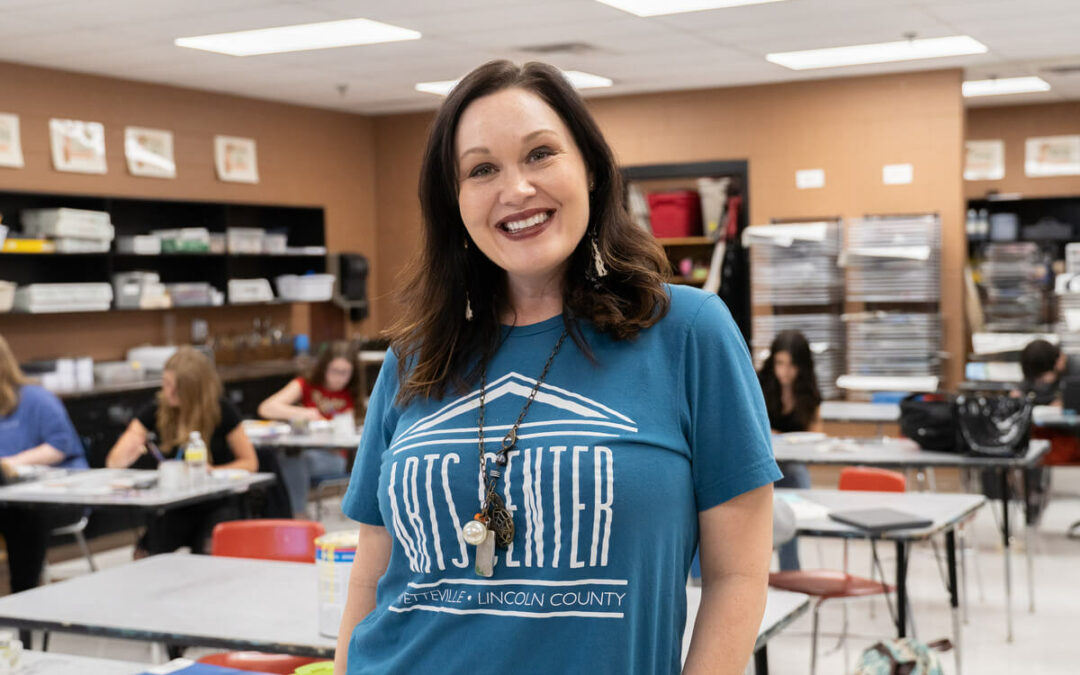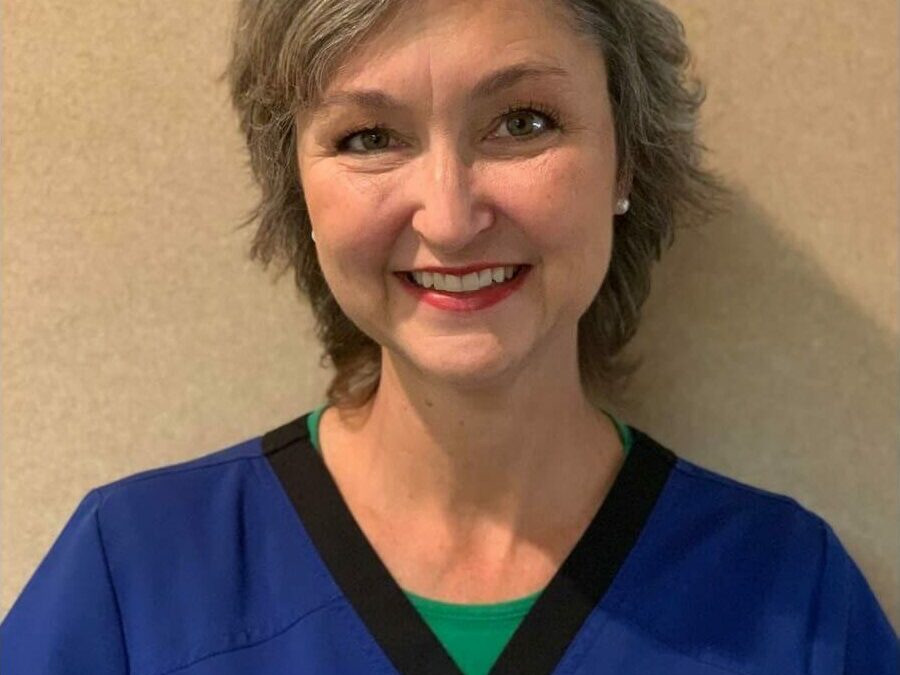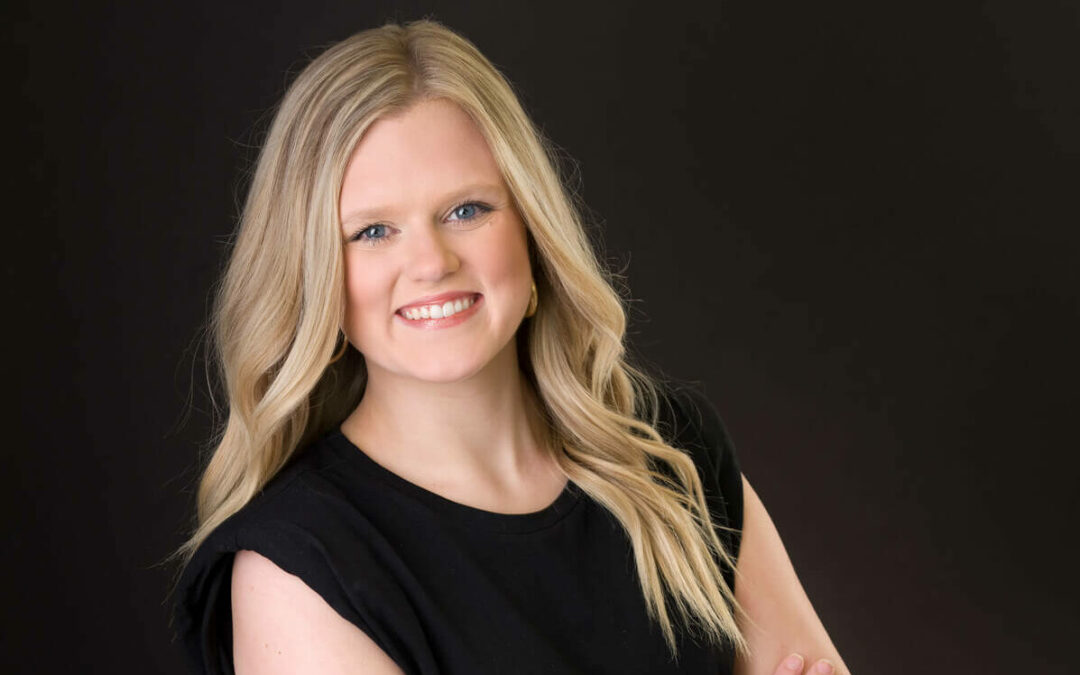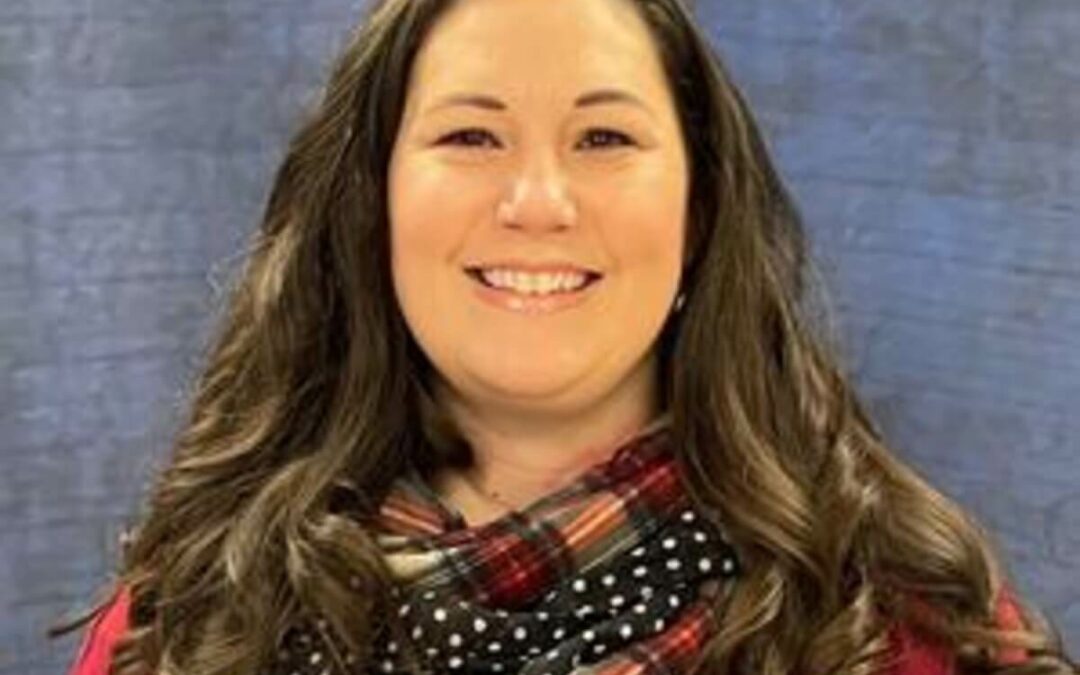
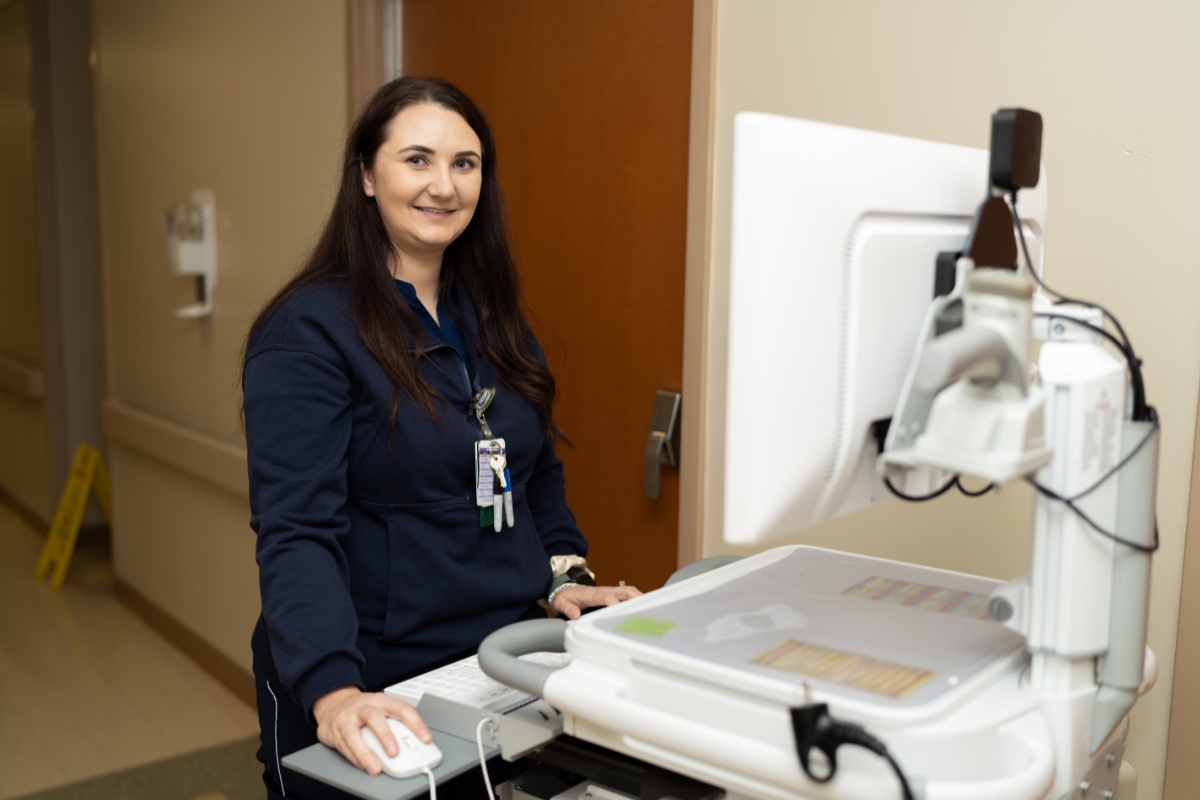
FOR CLAUDIA Cunningham, the call to serve began in a third grade classroom. She remembers watching the Sept. 11 terrorist attacks on a box TV at Flintville Elementary and feeling a deep urge to make a difference.
“I still get goosebumps when I hear ‘I’m Proud to Be an American,’” she said. “That day shaped my life. I wanted to earn the right to sing that song.”
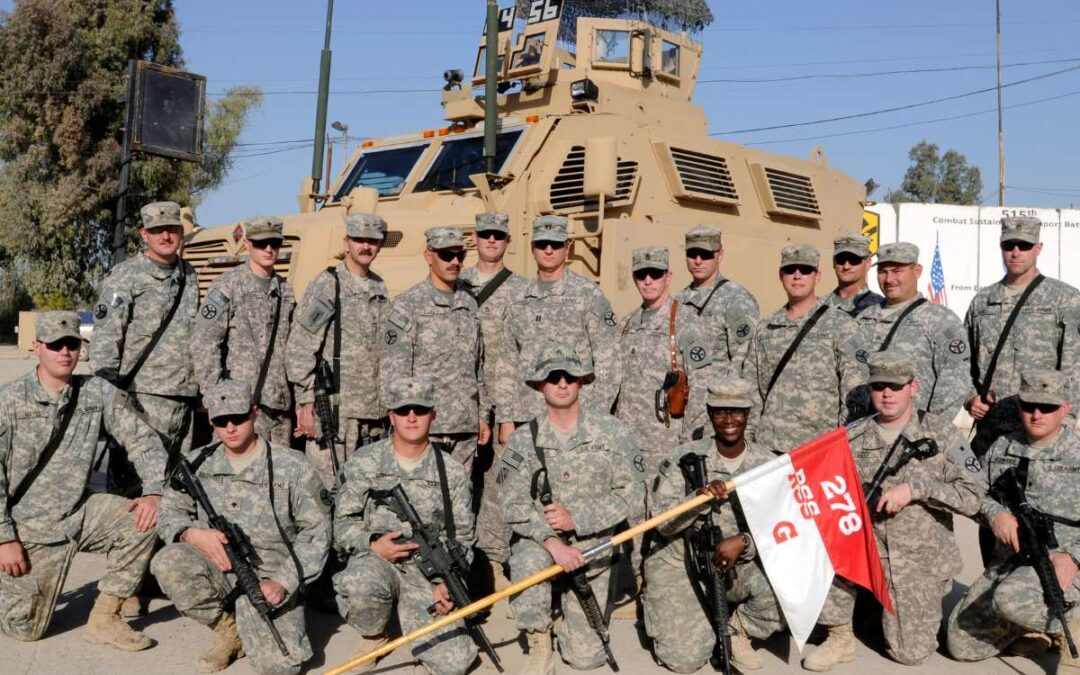
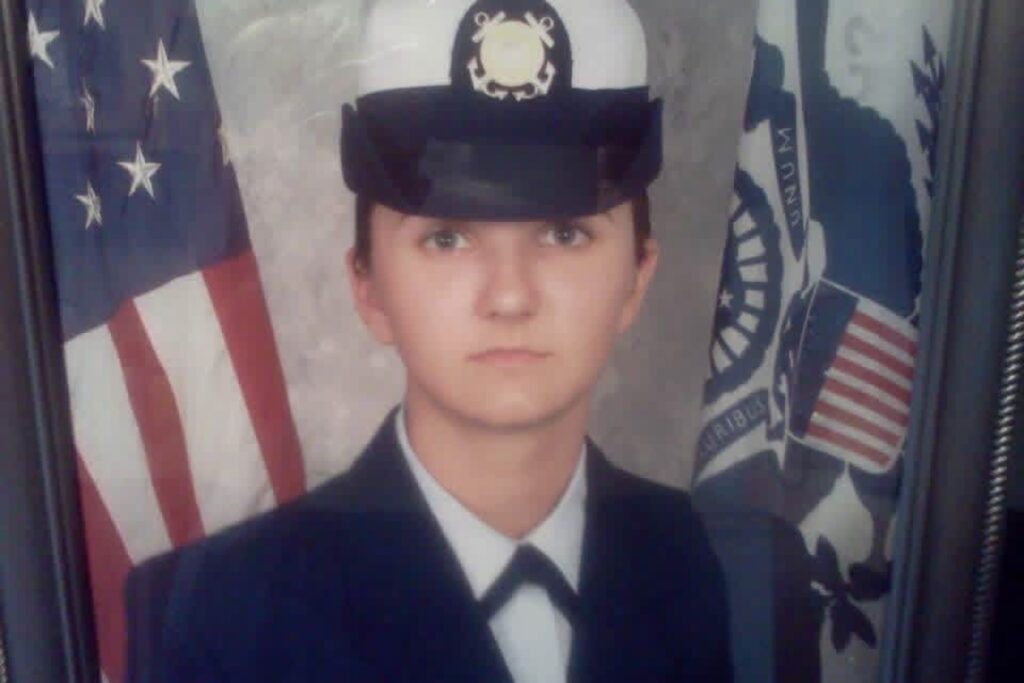
That moment influenced her decision to enlist in the U.S. Coast Guard after high school. She saw the branch as a way to protect the home front — intercepting illegal drugs, safeguarding waterways, and defending critical infrastructure.
FAITH, FAMILY, AND THE CALL TO SERVE
Her time in active duty reinforced the values she learned from her parents and the church: integrity, selflessness, and devotion to others. Raised in a faith-filled home, Cunningham’s parents taught her the value of giving and serving others early on. Galatians 5:13 became her guiding verse: “Through love serve one another.”
“Character is who you are when no one is watching,” she said. “The Coast Guard is a small branch, and your reputation always precedes you.”
Her years in the Coast Guard reinforced those lessons. “The military taught me to respect every person, no matter their background,” she said. “It strengthened my sense of duty — to finish every task with integrity, to do what’s right even when no one is watching.” A desire to serve a purpose in the medical field led Cunningham into nursing.
A NEW CHAPTER
While still serving, Cunningham earned an associate’s degree in general sciences from Motlow State Community College. She transitioned to the Coast Guard Reserves in 2017 and was accepted into the University of Alabama in Huntsville’s College of Nursing shortly after.
“The military taught me structure and time management,” she said. “Nursing school was busy, but I was prepared.”
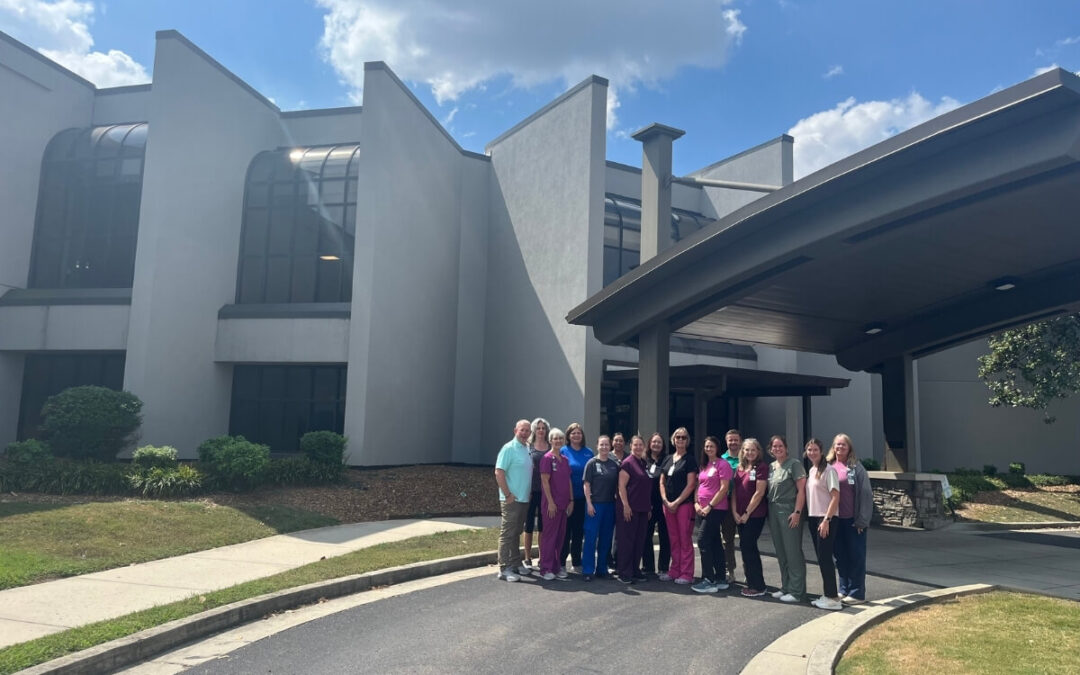
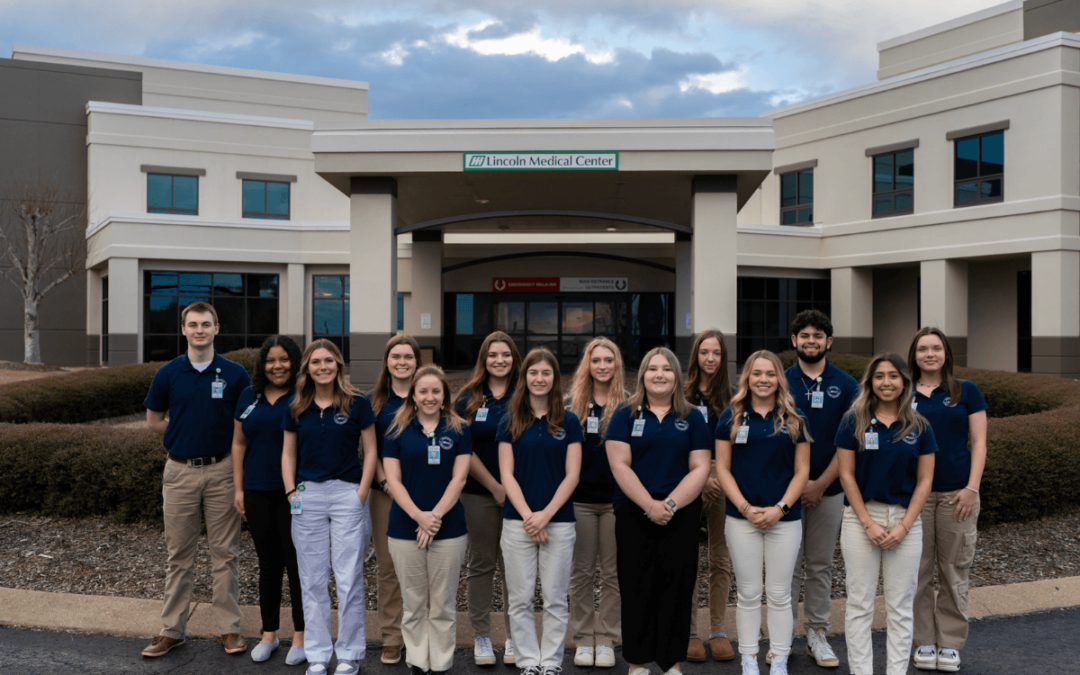
Her preceptorship at Lincoln Health System changed everything. Though she once envisioned working in a large hospital intensive care unit (ICU), Cunningham felt at home in Lincoln County.
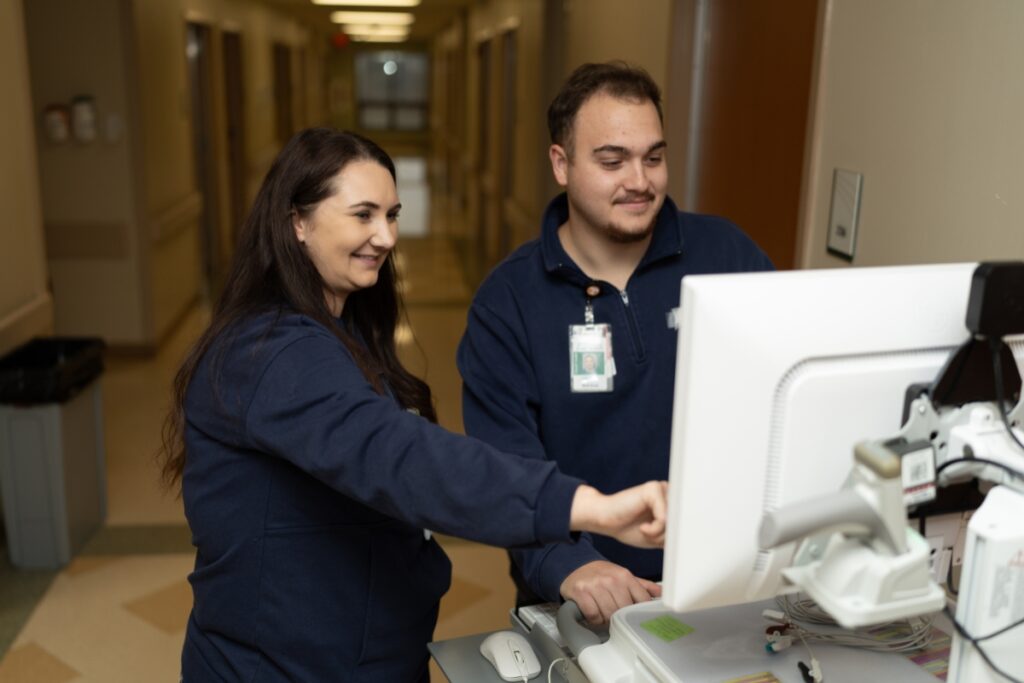
“The nurses welcomed me with open arms,” Cunningham said. She has worked in nearly every department at Lincoln Health System, including the emergency room (ER), intensive care unit, and medical-surgical floor. Each role taught her something new about healing and resilience.
“In the ER, you focus on acute illness and stay calm under pressure,” she said. “In the ICU during [COVID-19], I learned to always talk to my patients — even if they’re intubated.”
She recalled one patient who returned to the hospital and recognized a nurse’s voice, even though she had never seen the nurse’s face.
“That moment showed me how powerful a connection can be,” she said.
LEADERSHIP AND MOTHERHOOD
On the medical-surgical floor, patients often stay longer, allowing nurses to build relationships.
“Some come back years later and remember the care we gave,” she said. “Sometimes healing means making someone smile or just being present.”
Although some might view her department changes as inconsistent, Cunningham sees them as a sign of growth.
“A wise nurse told me to soak everything in like a sponge,” she said. “Adaptability builds critical thinking and problem-solving skills.”
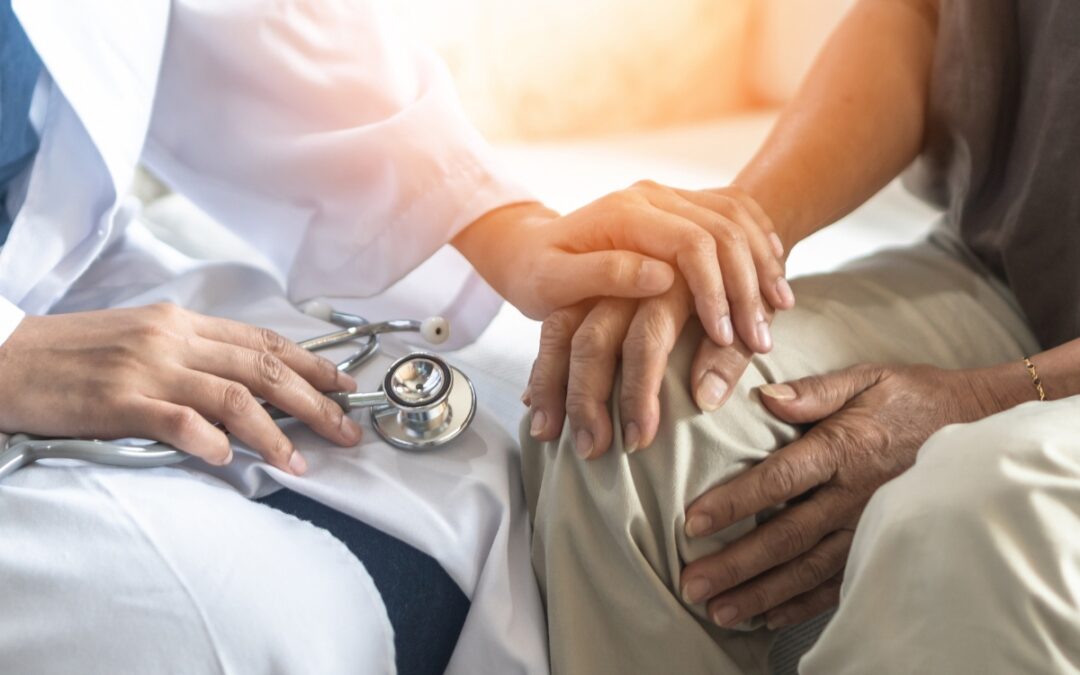
One experience during the pandemic reaffirmed her calling. She held the hand of an elderly patient as they passed away, FaceTiming the family who couldn’t be there.
“I realized I was more than a nurse,” she said. “Sometimes we’re the closest thing to family.”
After a stint in corporate nursing, Cunningham returned to bedside care. “I missed the patients and the camaraderie,” she said. “This is where I’m meant to be.”
Now pursuing a Ph.D. in health care administration, she’s focused on leadership, compliance, and education.
“I’m a ‘why’ person,” she said. “I want to find better ways to do things.”
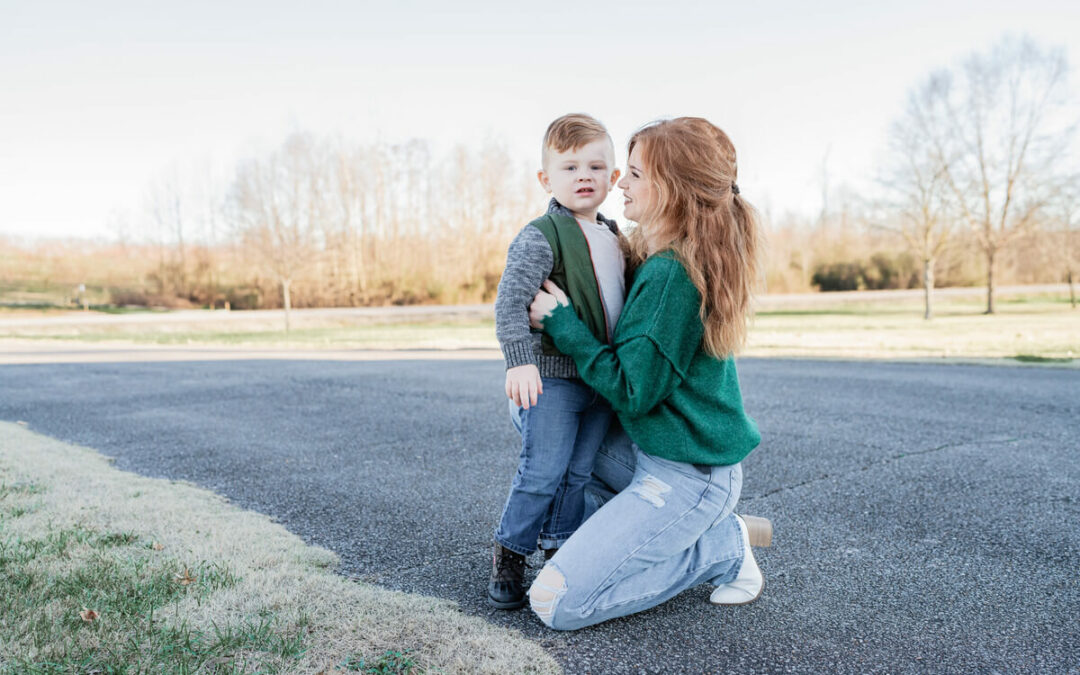
Her children are her daily motivation. “Being a mom is my greatest privilege,” she said. “I want to show them that hard work and compassion matter.”
She balances full-time work, parenting, and graduate studies.
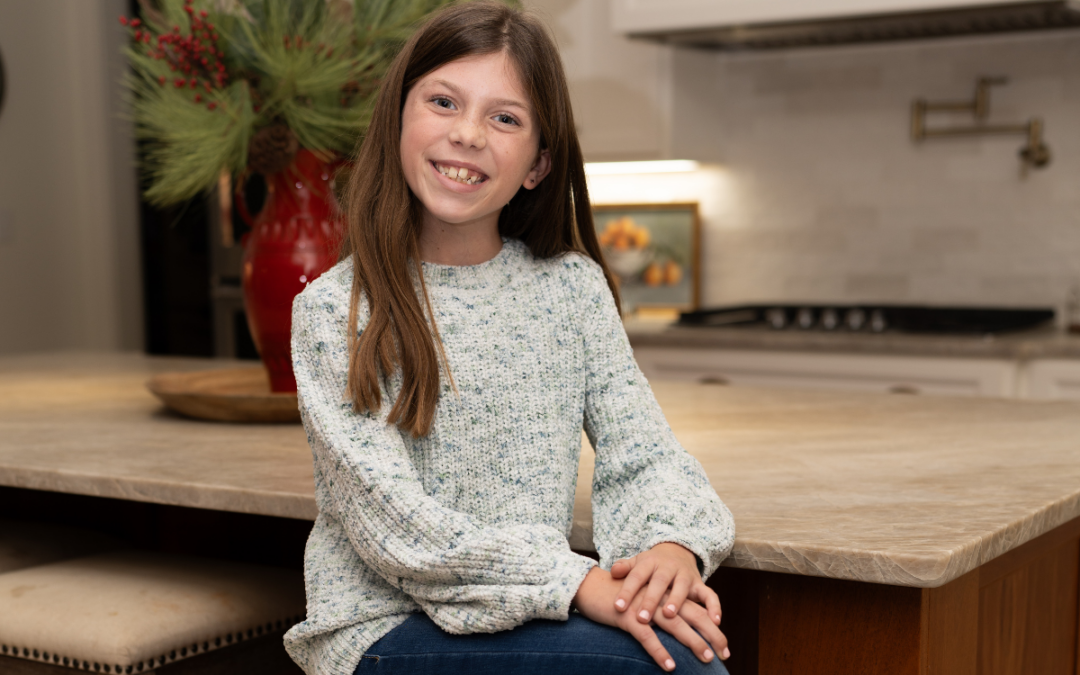
“My 9-year-old tells people I help save lives,” she said. “That makes my heart proud.”
HEALING HER HOMETOWN
For Cunningham, healing her hometown means advocating for vulnerable patients and addressing disparities.
She believes education is key to long-term health.
“Before discharge, patients should understand their diagnosis and next steps,” she said. “We want them to feel confident and supported. We also need to listen and make sure they’re cared for.”
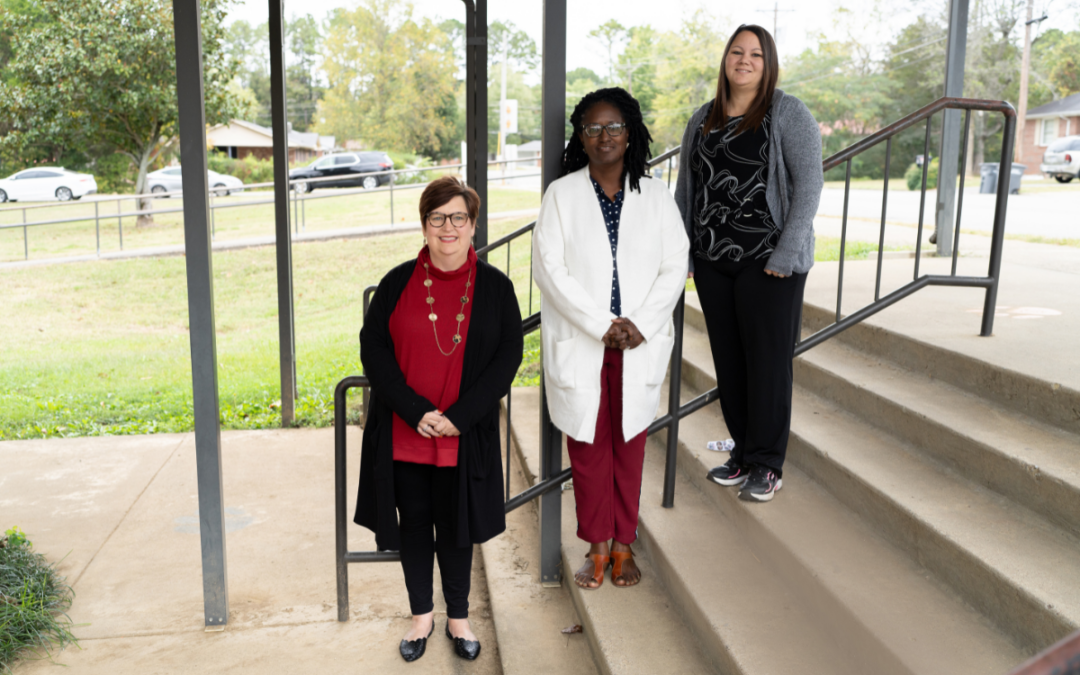
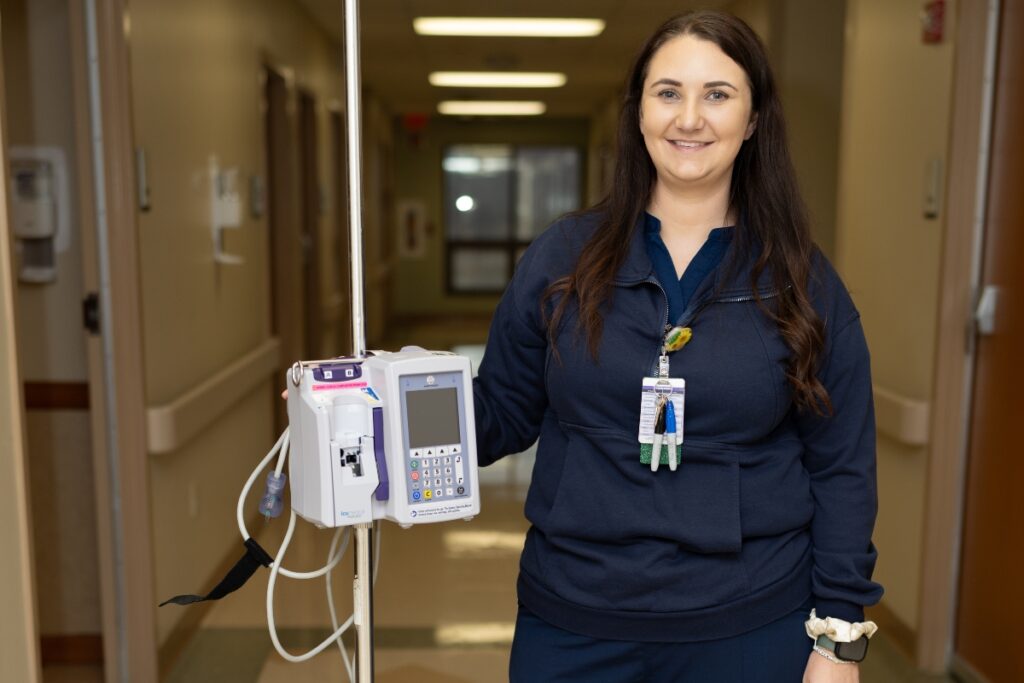
As a nurse in Fayetteville, Cunningham sees herself as a bridge between patients and providers. “We spend the most time with patients,” she said. “We notice the subtle changes and advocate for their needs.”
She trains new nurses in the medical-surgical department, passing on her knowledge and compassion.
“Kindness spreads like wildfire,” she said. “Don’t discount a small hospital.” GN