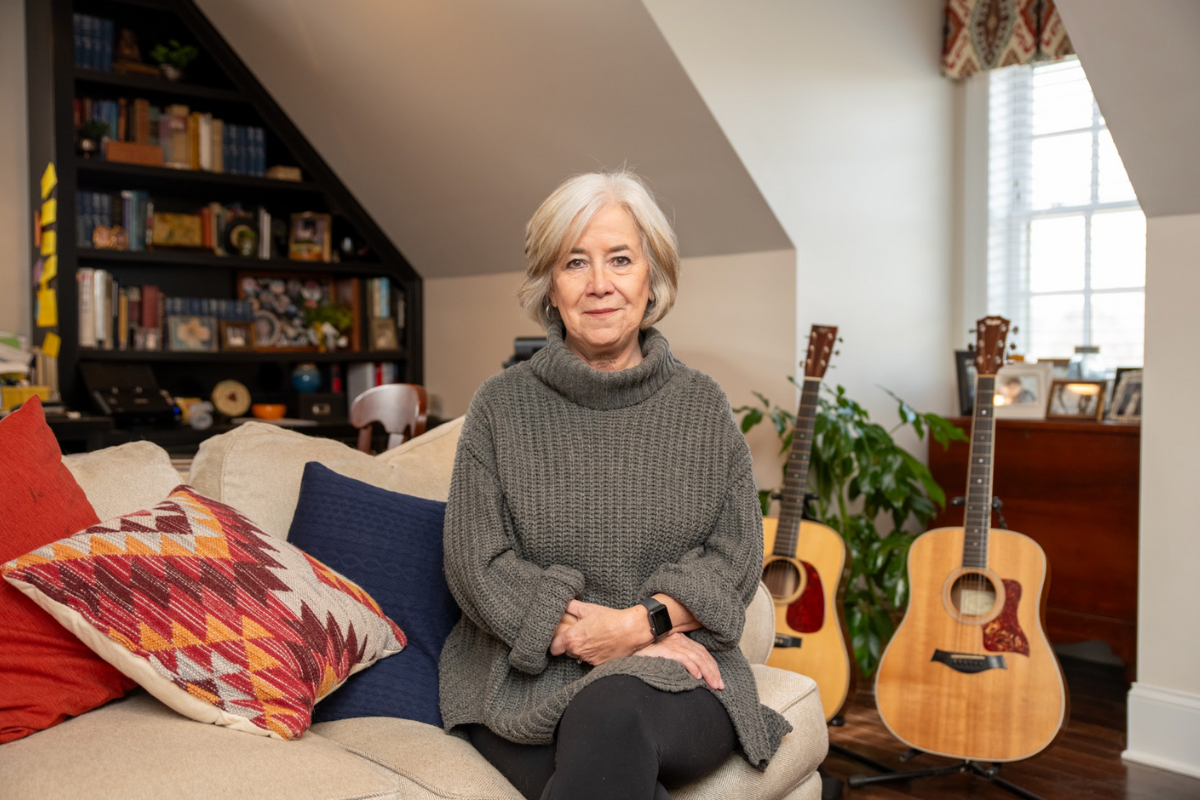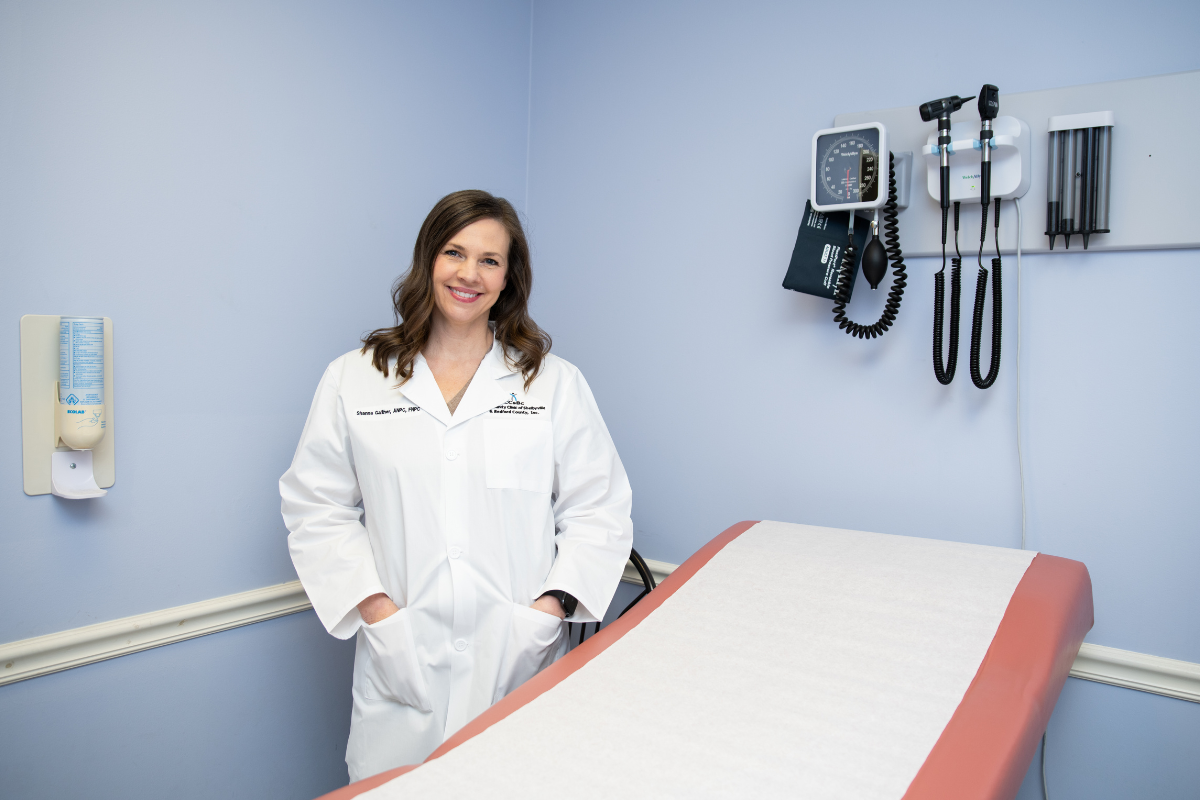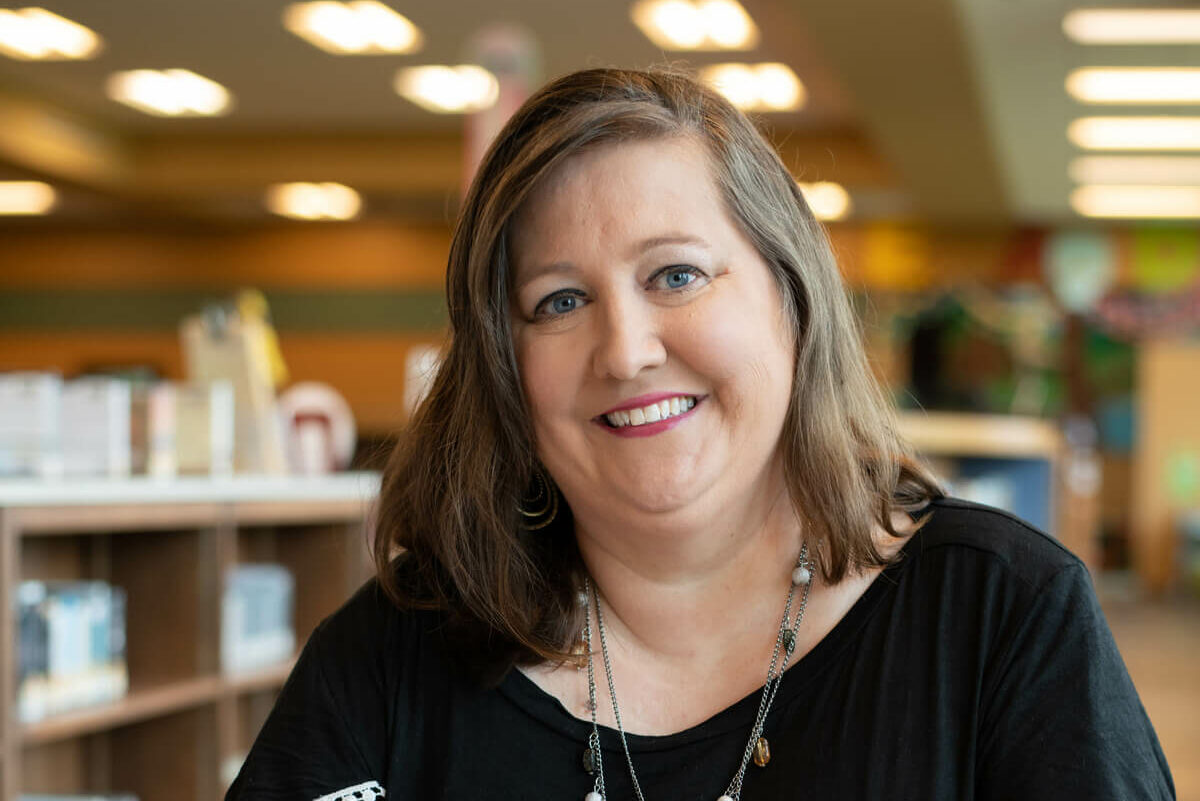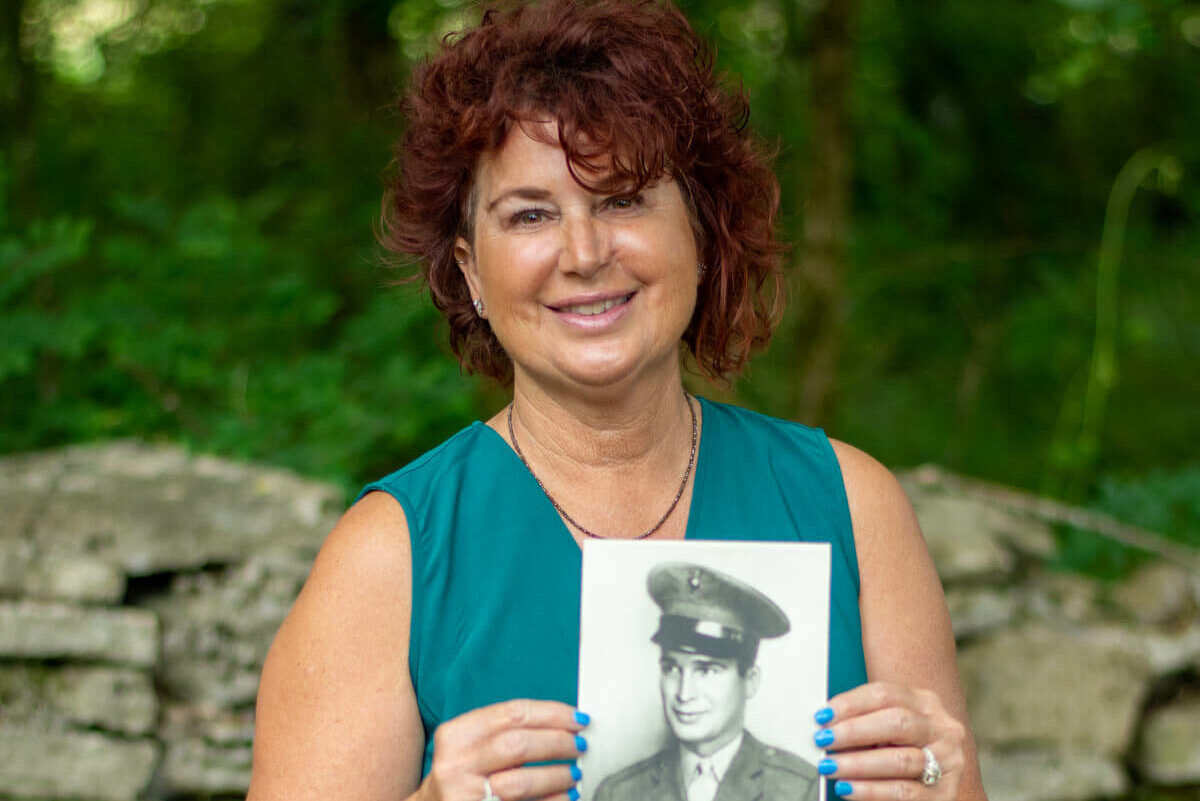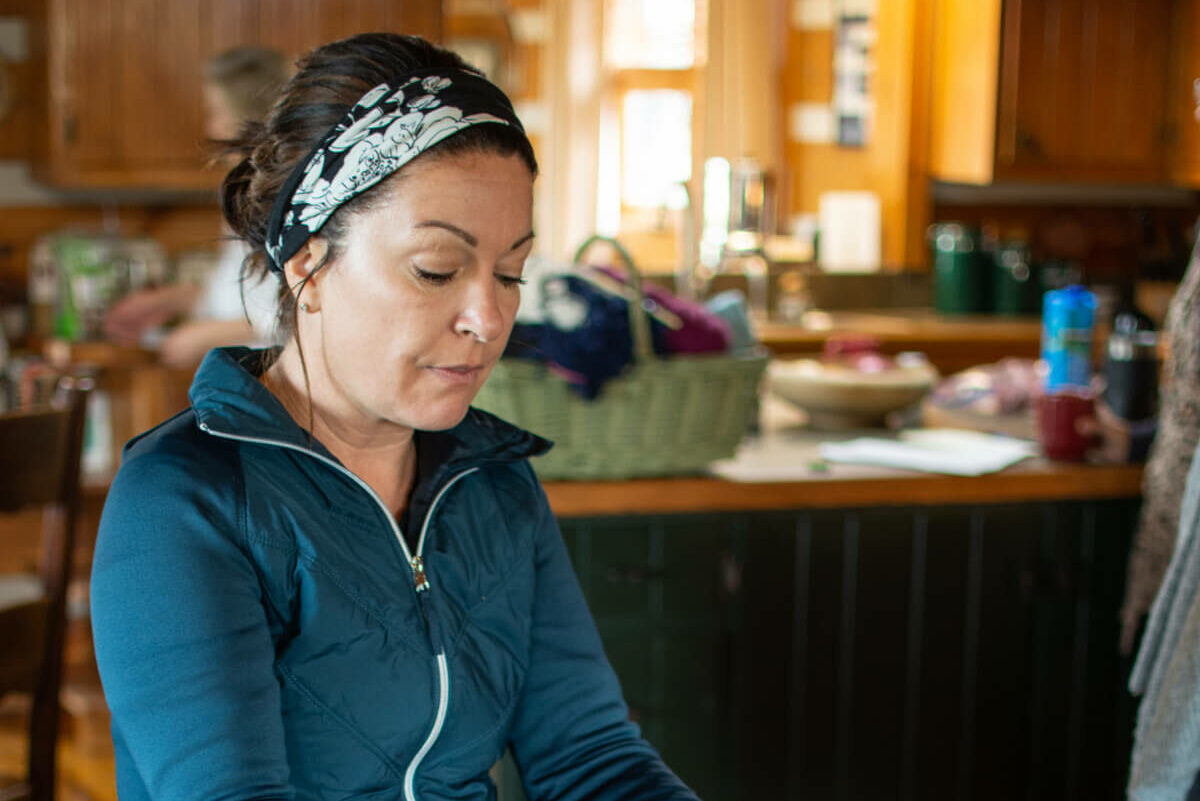
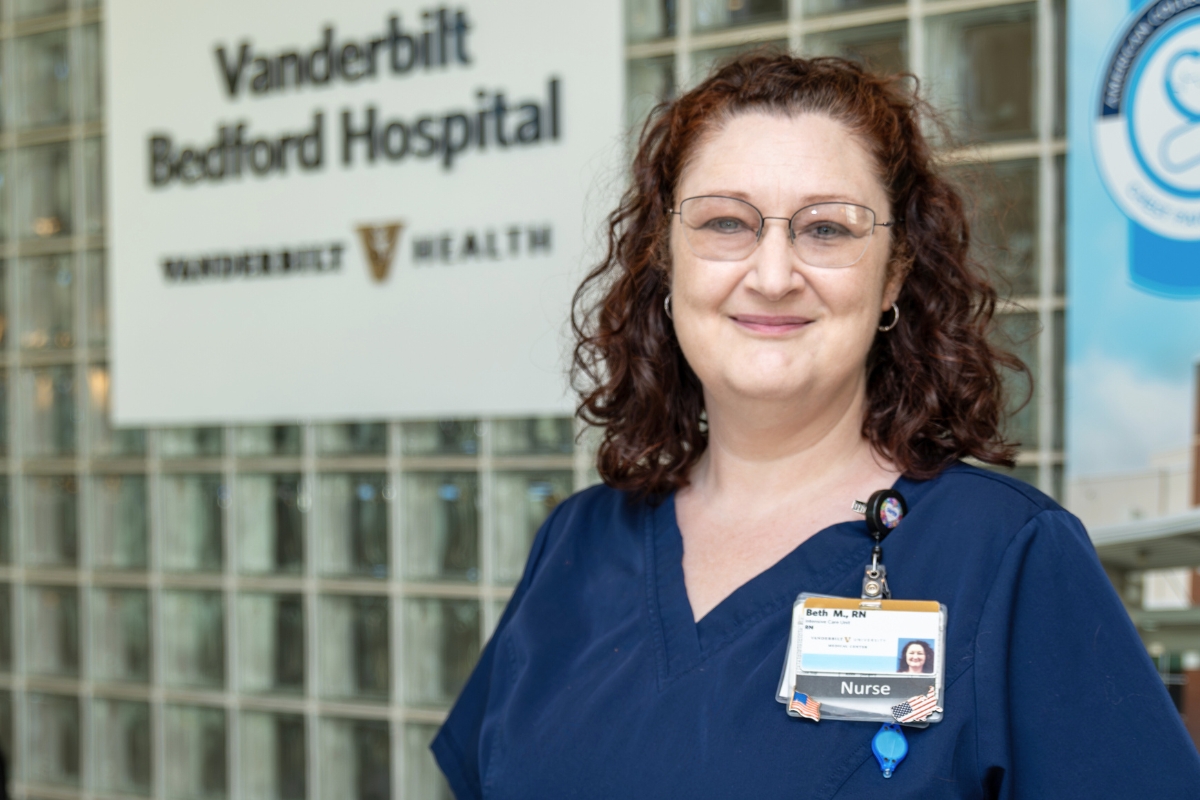
BETH MEERDINK tenderly cradled her treasured copy of “The Lady With the Lamp: The story of Florence Nightingale” and audibly repeated Nightingale’s call to action: “I will change all this, if it takes me a lifetime.” Each word echoed deeply within Meerdink’s heart. This childhood memory, along with her calling that now spans 27 years, has never faded.
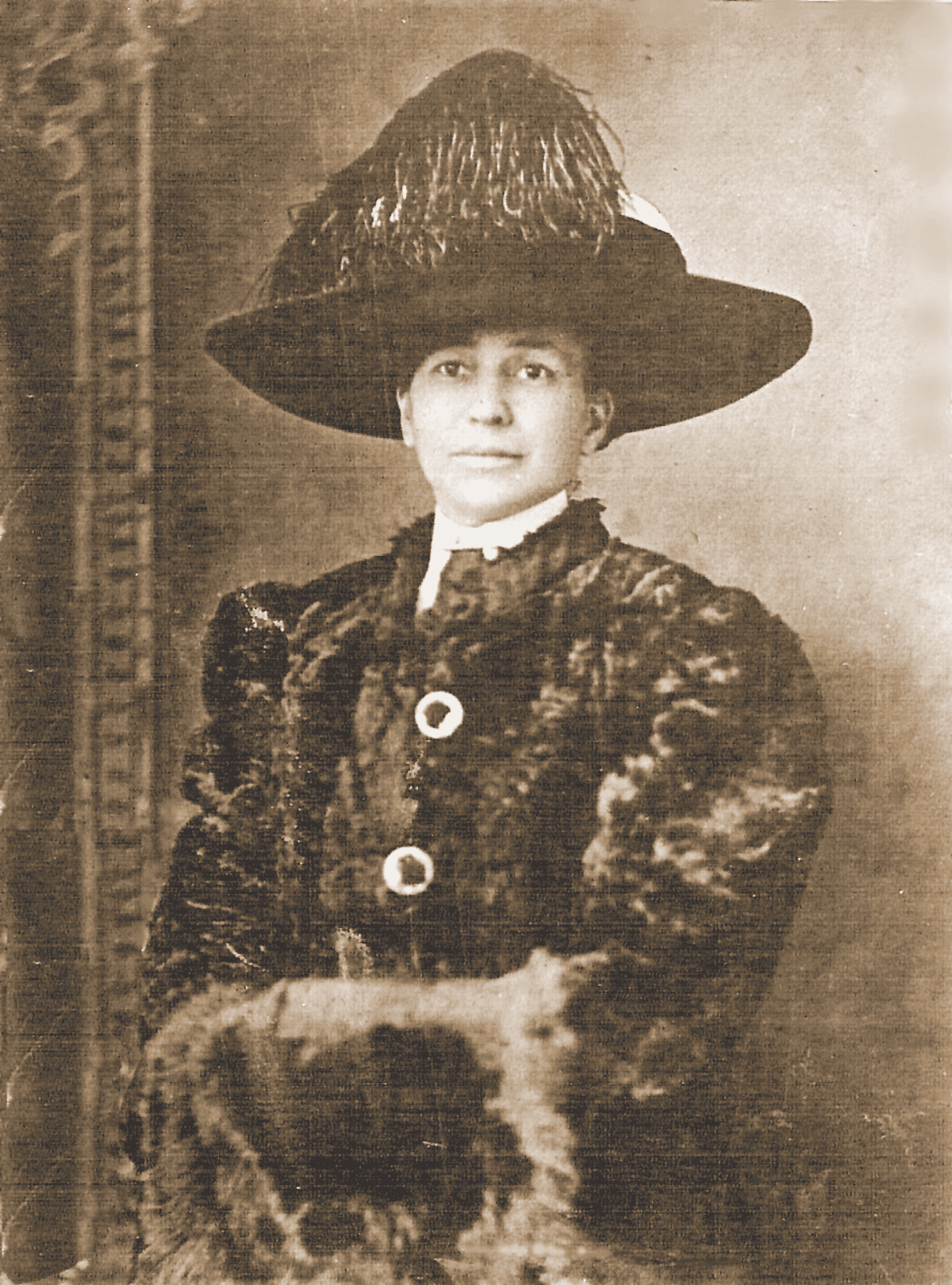
Nightingale was a pioneer nurse who transformed health care in the mid-1800s through over 150 published books and pamphlets that challenged sanitation procedures across the globe. Every May 12, nurses everywhere celebrate International Nurses Day in honor of Nightingale’s birthday.
“Nightingale made such a difference in the lives of the soldiers she took care of,” Meerdink said. “I have wanted to be a nurse like her ever since. This desire was reinforced when I realized nursing is a profession needed everywhere, and it could open doors for me to go around the world and help people.”
After graduating from Pensacola Christian College in 1998, Meerdink worked on a general surgery floor until a global opportunity changed everything. “God opened up an opportunity for me to teach nursing at an international nursing school in China. I saw this as an opportunity to use the idea of ‘tent-making’ in a closed country. This is proof that nursing really can take you anywhere in the world.”
In the New Testament, the apostle Paul mentions working as a tentmaker to provide for his financial needs while also spreading the good news of the gospel, so Meerdink followed Paul’s example.
“I taught Acute Medical Surgical Nursing and Critical Care Nursing. I also managed the Clinical Skills practice lab. Our program focused on teaching Western nursing — which is quite a bit different than Chinese nursing — with the goal that our students would be able to work as nurses in international health care settings,” Meerdink said.
Though originally from Vermont, after 11 academic years serving in China, Meerdink moved to Shelbyville, where her immediate family — previously scattered across several states — had settled.
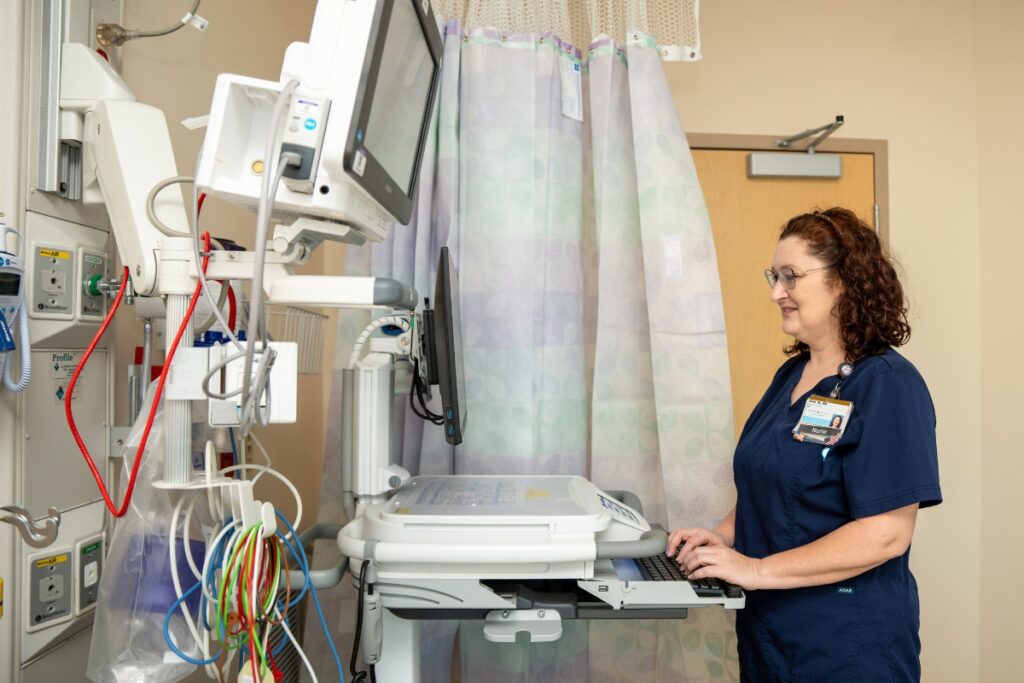
Meerdink returned to her first loves — nursing and the quick-paced setting of the intensive care unit. For the last 10 years, she has worked in the critical care unit at Vanderbilt-Bedford Hospital. “When our patients arrive on our unit, they are very sick and need a variety of interventions. It’s a very busy time. Sometimes, within hours of them being admitted, we can see improvement in how they are feeling, and some are able to leave in a day or two! For the patients that are there longer, there is the joy of getting to know them and their families and the privilege of helping them during this difficult time.”
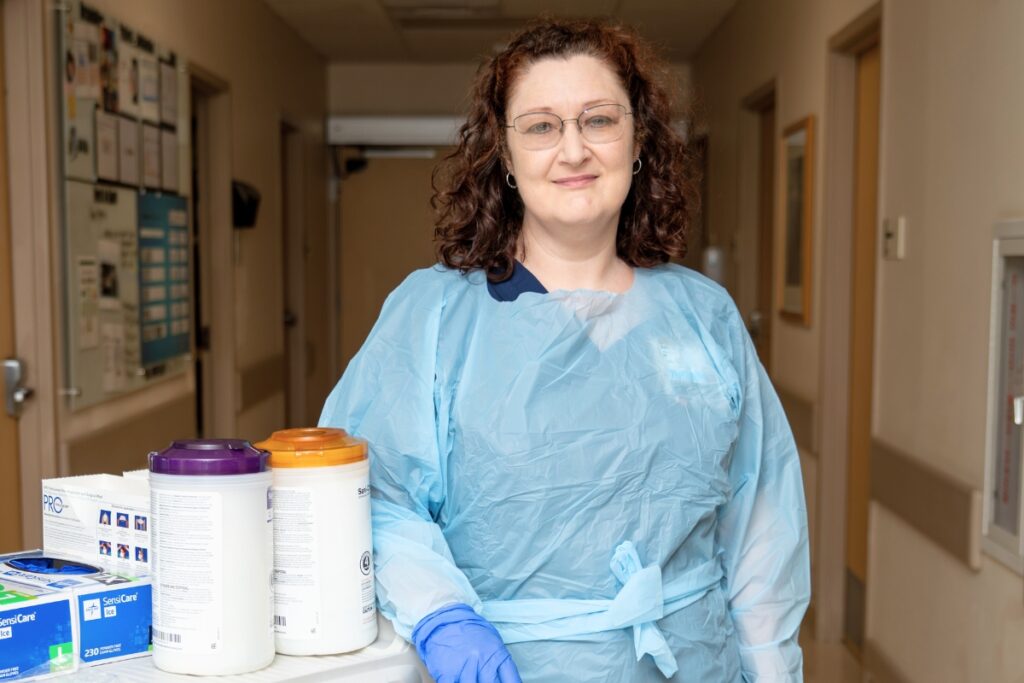
Patients receive one-on-one attention, as everyone is visible from the nurses’ station perched in the center. “Some days, we run from morning to night. Patients are very sick, and ten or more things need to be done at one time, and you can’t do it alone. As a team, we can care for our patients the way they need to be cared for. Everyone pitches in to help with whatever needs to be done.”
When the 6:45 a.m. to 6:45 p.m. schedule becomes physically and emotionally taxing, or life-altering decisions must be made, Meerdink relies on prayer and the “Golden Rule.”
“‘Do unto others as you would have them do unto you,’ says it best. Many times, I will ask myself, ‘If my mother, father, sister, or brother were in this patient’s place, what would I want done?’ This helps guide what I do and how I do it. Driving to work, I am praying that the Lord will help me be able to stay calm, think clearly, and communicate well so that I can be the nurse my patients need that day.”
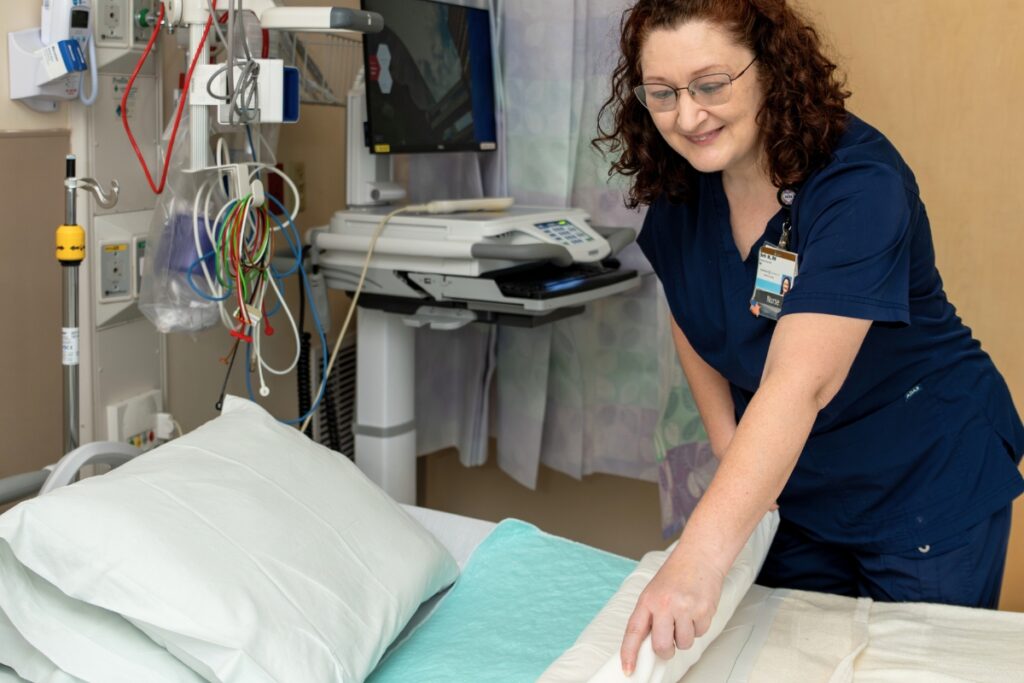
Even with the best of care, Meerdink and nurses like her aren’t miracle workers. “We can’t fix everything. We can’t save everyone. Nursing can be very rewarding, and we have the opportunity to make a difference for people on one of the worst days of their lives. But it is very hard. Taking care of patients involves not just their physical health but also their mental, emotional, and spiritual well-being. We have had the privilege of taking care of family, friends, neighbors, and co-workers. I think these close relationships have allowed deeper interactions with both our patients and families and have allowed us to give more complete care.”
A critically ill patient arrived recently who needed extensive care at Vanderbilt-Bedford Hospital. Though his recovery over the next month was remarkable, and he became a “walking miracle,” Meerdink said, “It was a hard fight for him to get better. Several months later, a gentleman who looked like any other visitor walked onto the unit. ‘Do you remember me?’ he said. It was our patient who had had a full recovery and was doing well.”
What began as a child’s admiration for a Scholastic book based on the life of Florence Nightingale inspired a lifelong journey for Beth Meerdink — spanning continents, classrooms, and critical care units — demonstrating how each of our lives can awaken greater aspirations in the lives of those around us. GN