DISASTER RELIEF rarely begins with a plan. More often, it starts with a phone call, a half-packed truck, and the question no one ever asks until it’s too late: What do people need right now?
In Lincoln County, that question has driven years of preparation, well before a Samaritan’s Purse Disaster Response Vehicle ever pulled onto church property in Fayetteville.
This fall, Lincoln Baptist Church became one of just 57 churches in the United States selected by Samaritan’s Purse to host one of its disaster response vehicles, making it the third host church in Tennessee. The unit will aid in local emergency response and deploy alongside Samaritan’s Purse teams wherever disasters strike.
But the story isn’t really about a vehicle or a designation. It’s about what happens after the storm, and how being ready changes everything.
Disaster relief work connected to Lincoln Baptist Church flows through Simply the Truth Ministries, a nonprofit that partners with local churches, the William Carey Baptist Association, and Samaritan’s Purse.
The work includes everything from debris cleanup and supply distribution to long-term rebuilding efforts. It’s rarely visible unless something has gone wrong, and by then, it’s already urgent.
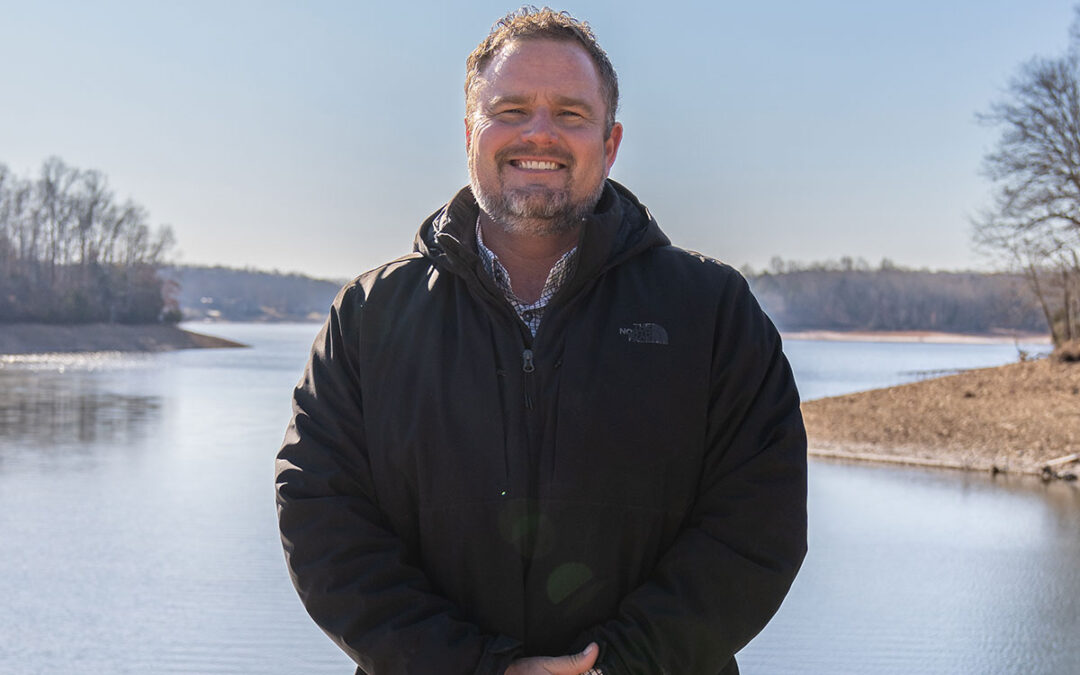
“We can’t fix it,” said Darrell Haney, founder and president of Simply the Truth Ministries. “But we can really make a difference for one person at a time.”
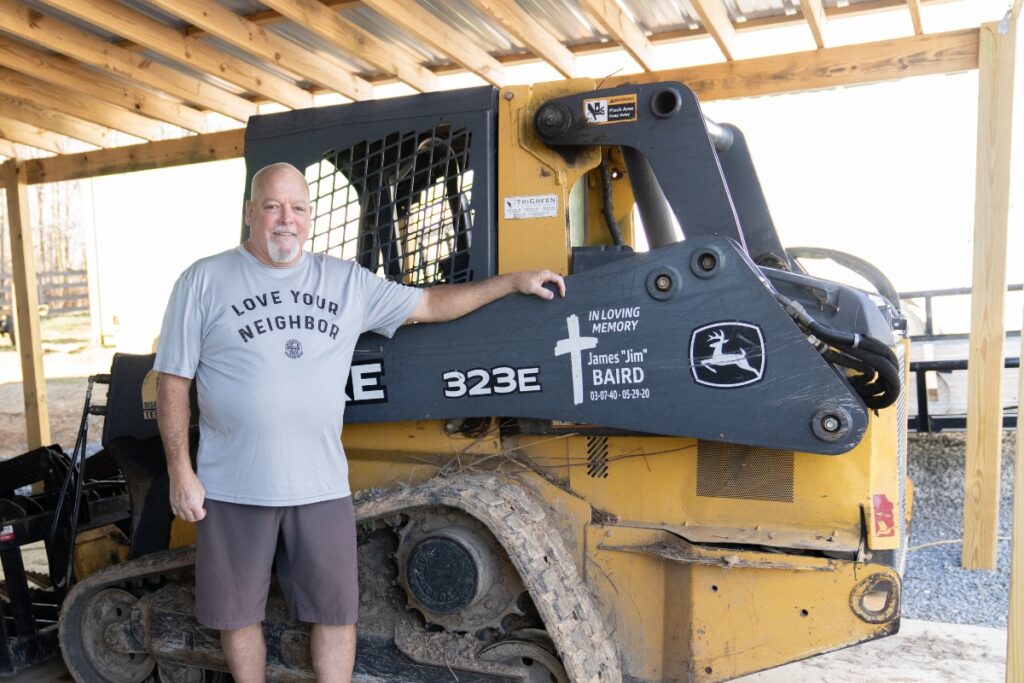
This philosophy grew from standing in places where homes were gone, churches were filled with sleeping bags, and exhaustion arrived long before answers did.
In 2005, Haney joined a disaster response effort in Gulfport, Mississippi, following Hurricane Katrina’s devastation of the Gulf Coast. Katrina tore across South Florida before battering Mississippi and Louisiana, leaving entire communities unrecognizable.
“We were sleeping in a church building, in a Sunday school room,” Haney said. “That first night, we just lay there overwhelmed by everything we had seen.”
What stood out wasn’t only the destruction, but the realization that help didn’t have to be grand to matter.
That same truth resurfaced years later, much closer to home.
In April 2014, a tornado struck Lincoln County, destroying homes, churches, and familiar landmarks. Haney and his family were among those directly affected.
“My home got hit. My son’s house was destroyed. The church building was destroyed,” he said. “It took us 11 months to get back home.”
That experience reframed how they approached disaster relief locally. It’s one thing to arrive after the fact; it’s another to understand what it means to lose everything and wait months for normal to return.
Hurricane Helene tested their readiness again after it struck North Carolina. Local churches and volunteers quickly organized supply drives, sending teams to serve on the ground while others stayed behind to collect, sort, and pack essentials.
As word spread, more people asked how they could help. The more they worked, the more people wanted to get involved.
Helene also exposed a weakness: They weren’t prepared enough.
“It caught us completely off guard,” Haney said.
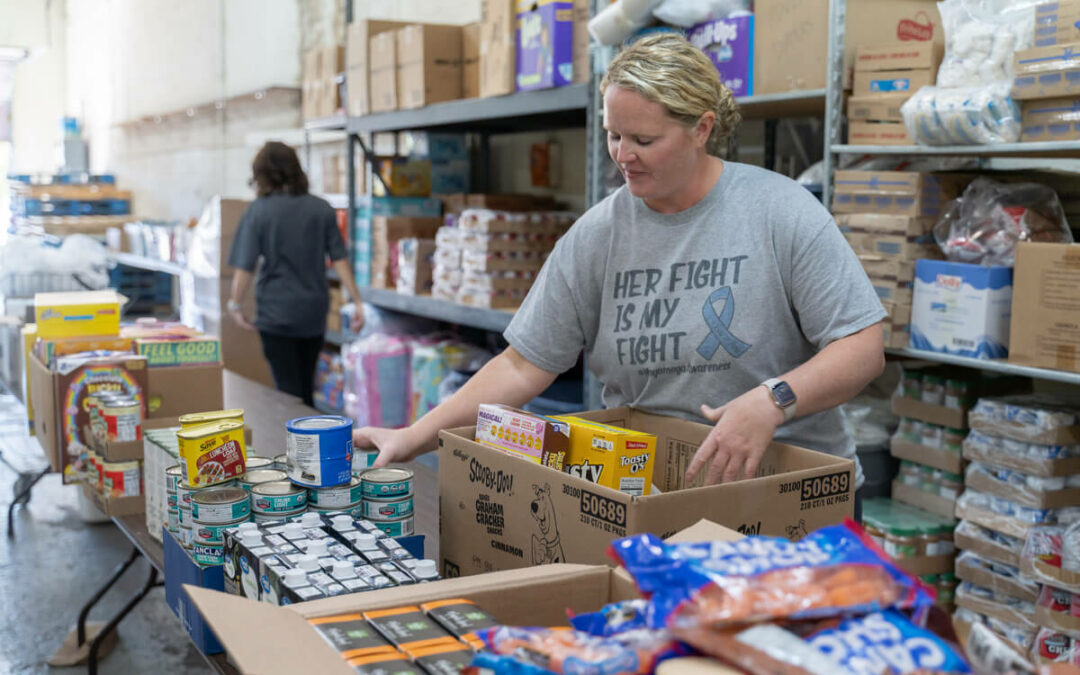
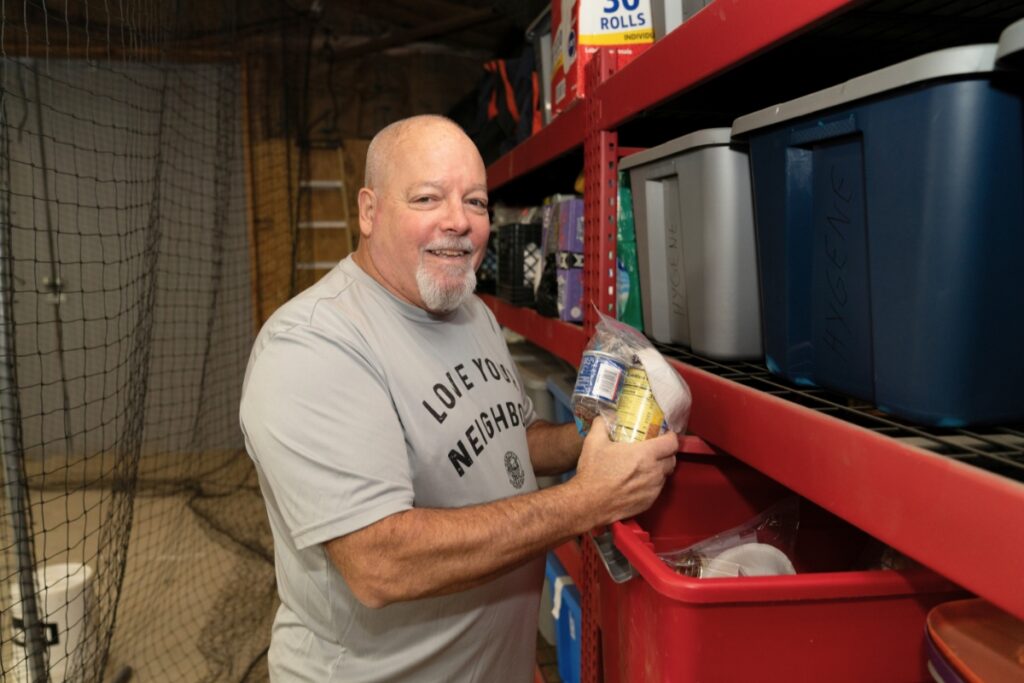
Since then, preparation has become part of the work itself. Simply the Truth Ministries now holds monthly supply drives, storing resources in facilities once used for youth camp ministry. Supplies are distributed through partner churches in the William Carey Baptist Association and other congregations, creating a network that can respond quickly when disasters occur locally or elsewhere.
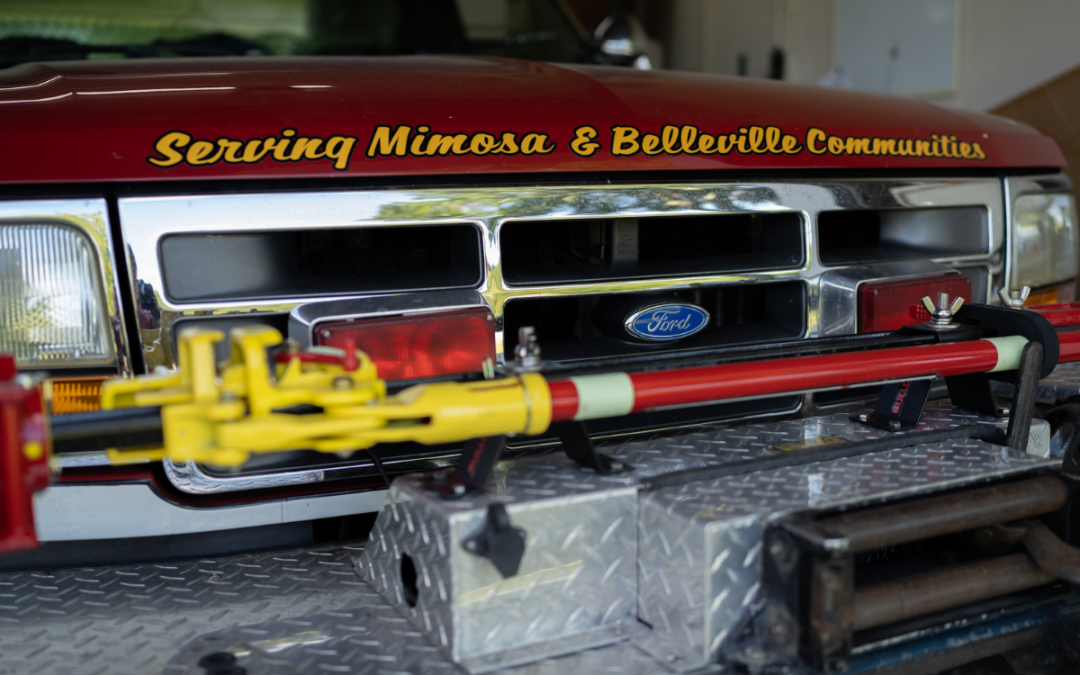
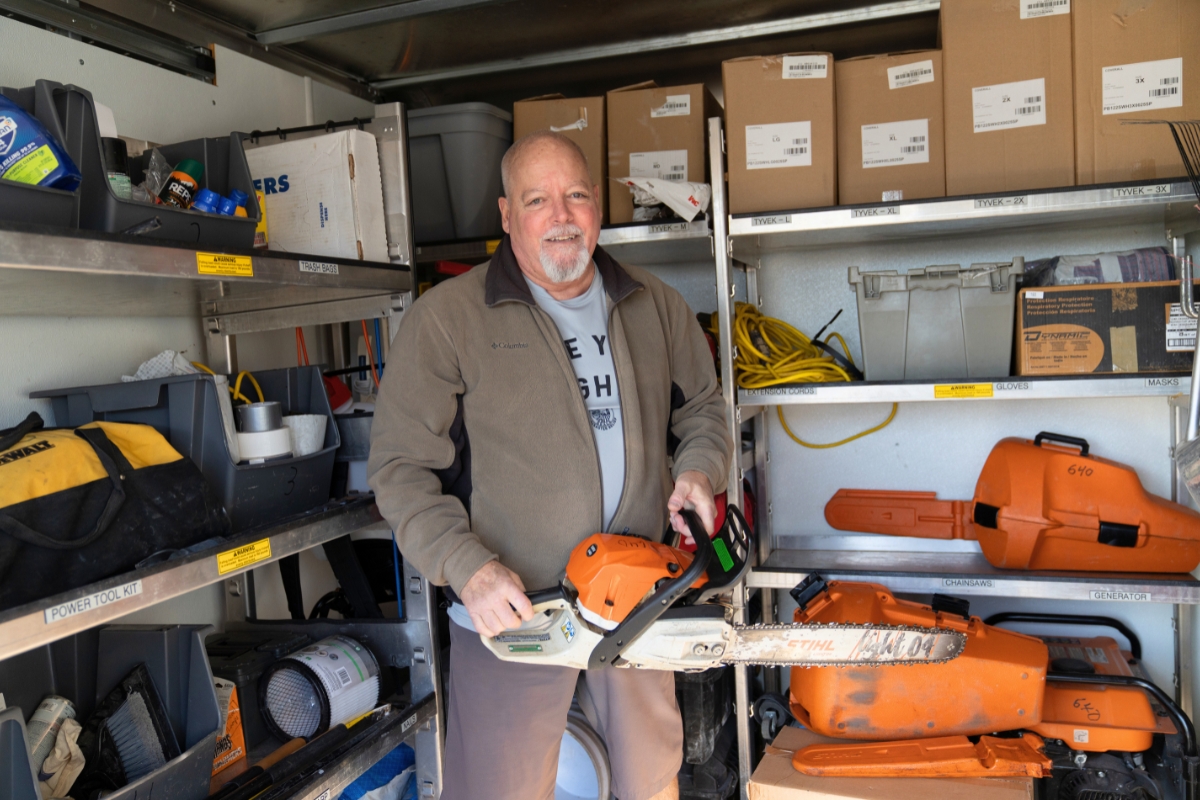
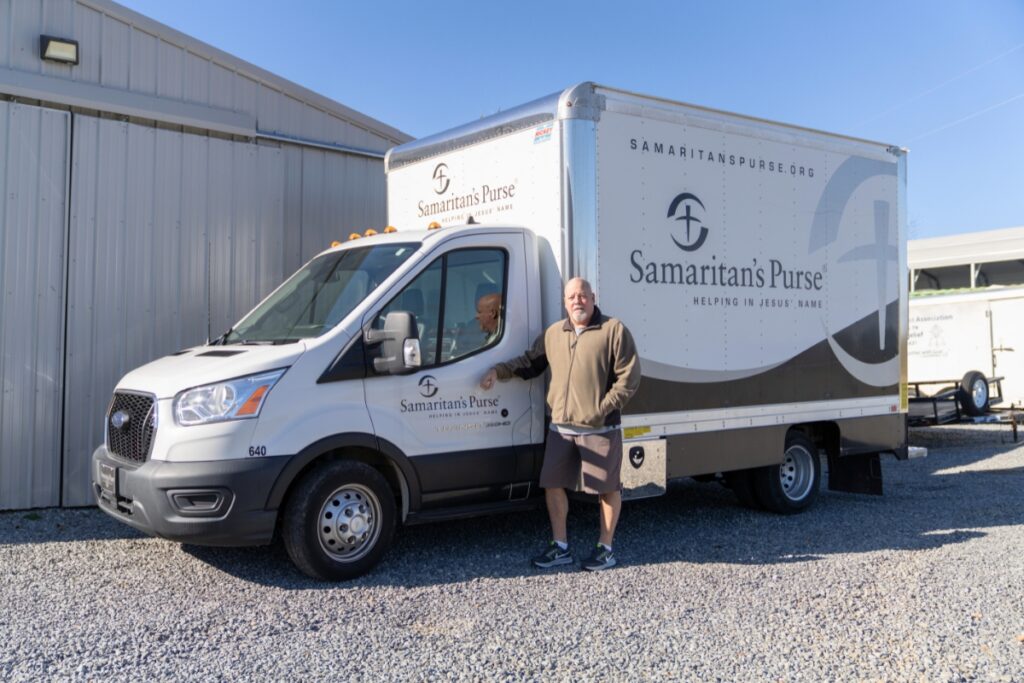
That preparation is one reason Samaritan’s Purse selected Lincoln Baptist Church as a host site for a disaster response vehicle. The vehicle adds capacity, but more importantly, it shortens response time, especially when roads are blocked, power is out, and help feels far away.
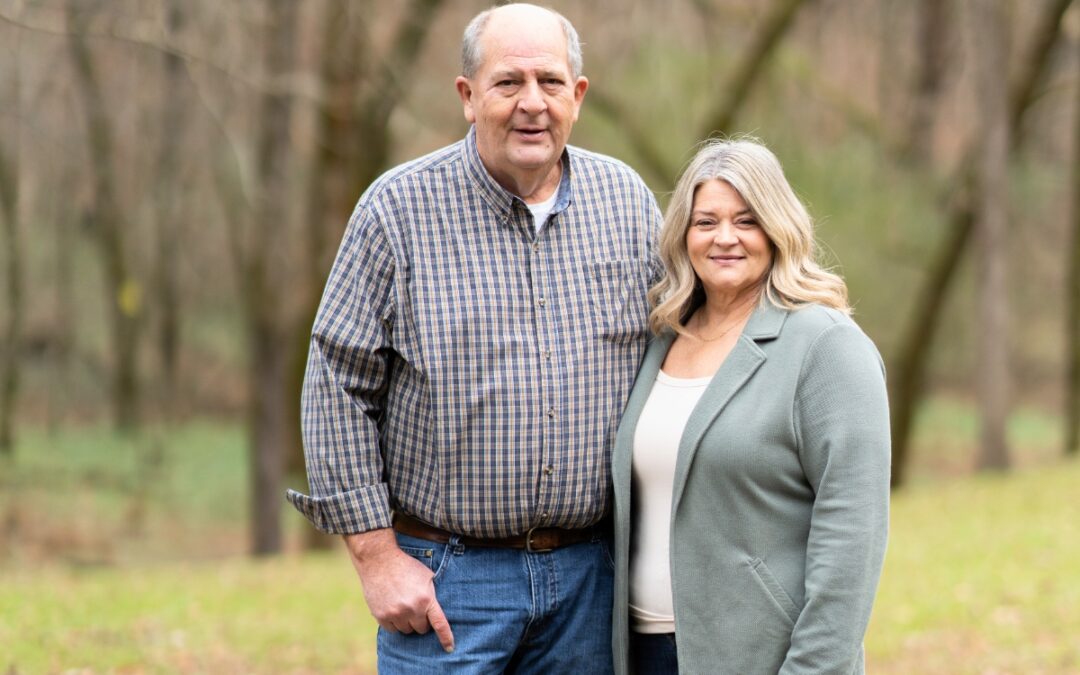
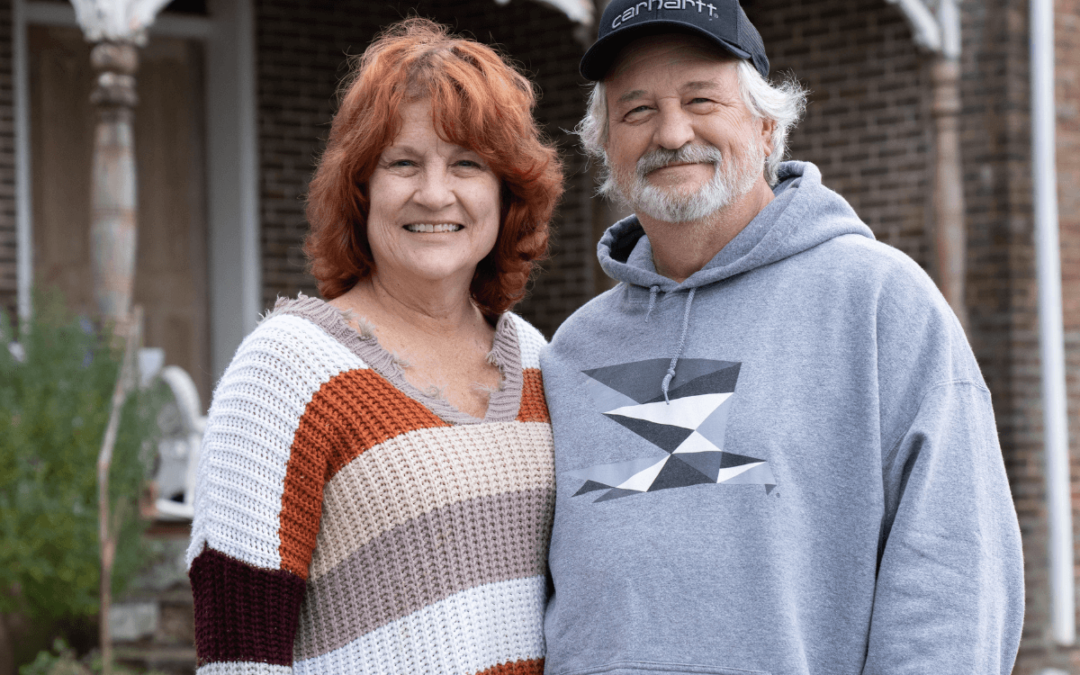
Samaritan’s Purse disaster relief efforts rely heavily on trained volunteers and site leadership teams. Haney and his wife, Tammy, serve in that capacity, helping coordinate teams, host training sessions, and support deployments.
Samaritan’s Purse also partners with churches locally through efforts like Operation Christmas Child, which many in the community already recognize.
Still, disaster relief doesn’t require everyone to travel.
When speaking to Simply the Truth Ministries, the message is consistent: There are three ways to get involved.
“Pray. Go. Send,” Haney said. Pray for those affected. Pray for the teams serving. Go if you’re able. Send support if you can’t.
“The nature of what we do can be dangerous,” Haney said. “The prayers always help.”
That was especially clear during a recent trip to Jamaica, where travel delays turned a simple deployment into a logistical challenge.
Airports cancelled flights due to the government shutdown, forcing the team to reroute through Atlanta and arrive days late.
Knowing people back home were praying made the difference.
Training and preparation remain ongoing. As a lighthouse-sending church with Samaritan’s Purse, Lincoln Baptist commits to sending trained disaster relief teams at least once a year. Often, they go more.
What keeps people coming back isn’t the work itself — it’s what happens in the middle of it.
“Every time we go out, we see God working in the lives of those who serve and those we serve,” Haney said. “There is something very special about a stranger coming to help you in your time of need and asking for nothing in return.”
Disaster relief doesn’t erase loss. It doesn’t rebuild everything overnight. But it shows up, sometimes with a truck, sometimes with supplies, sometimes with hands ready to help. Often, that’s enough to help someone take the next step forward. GN