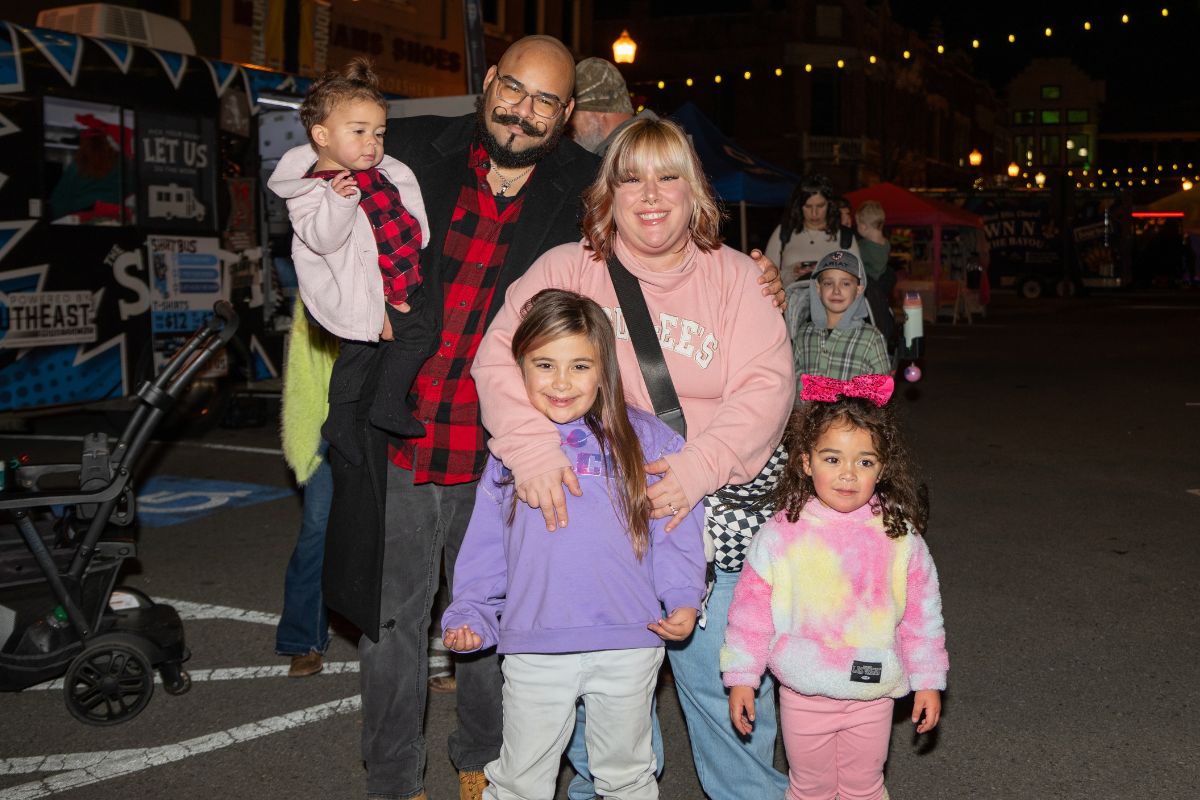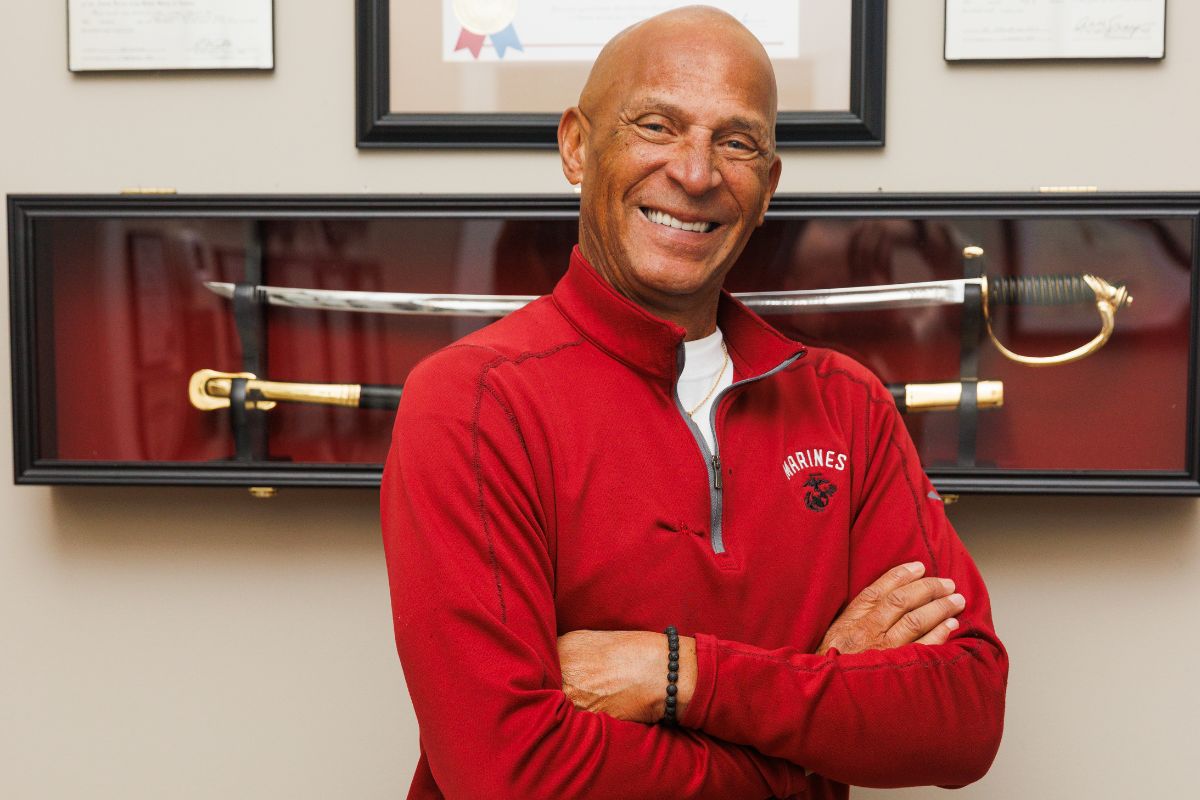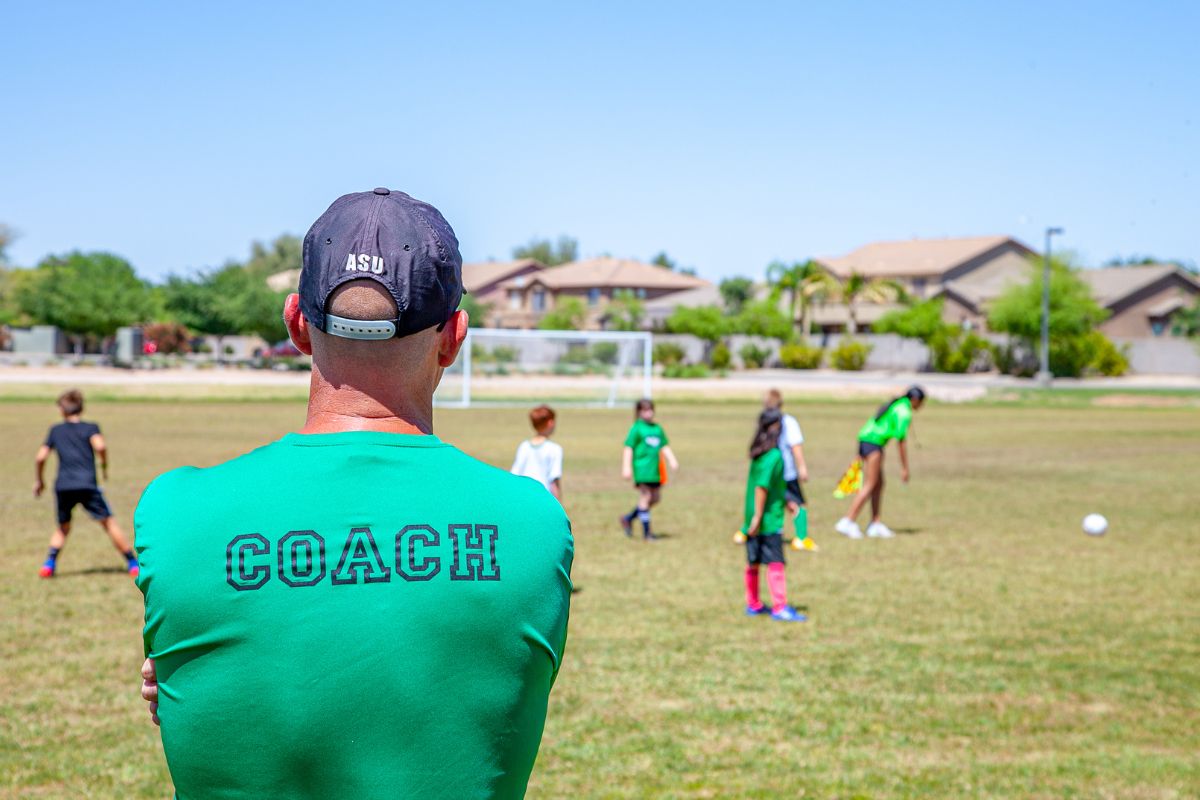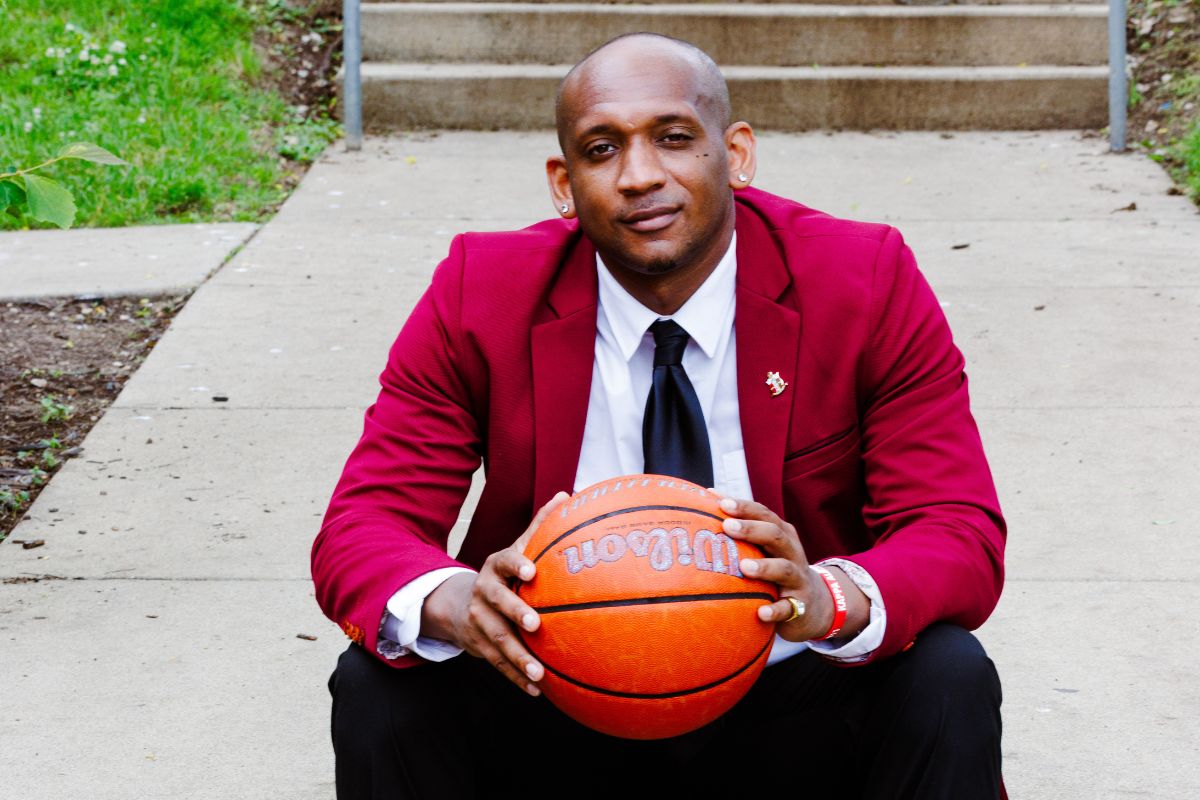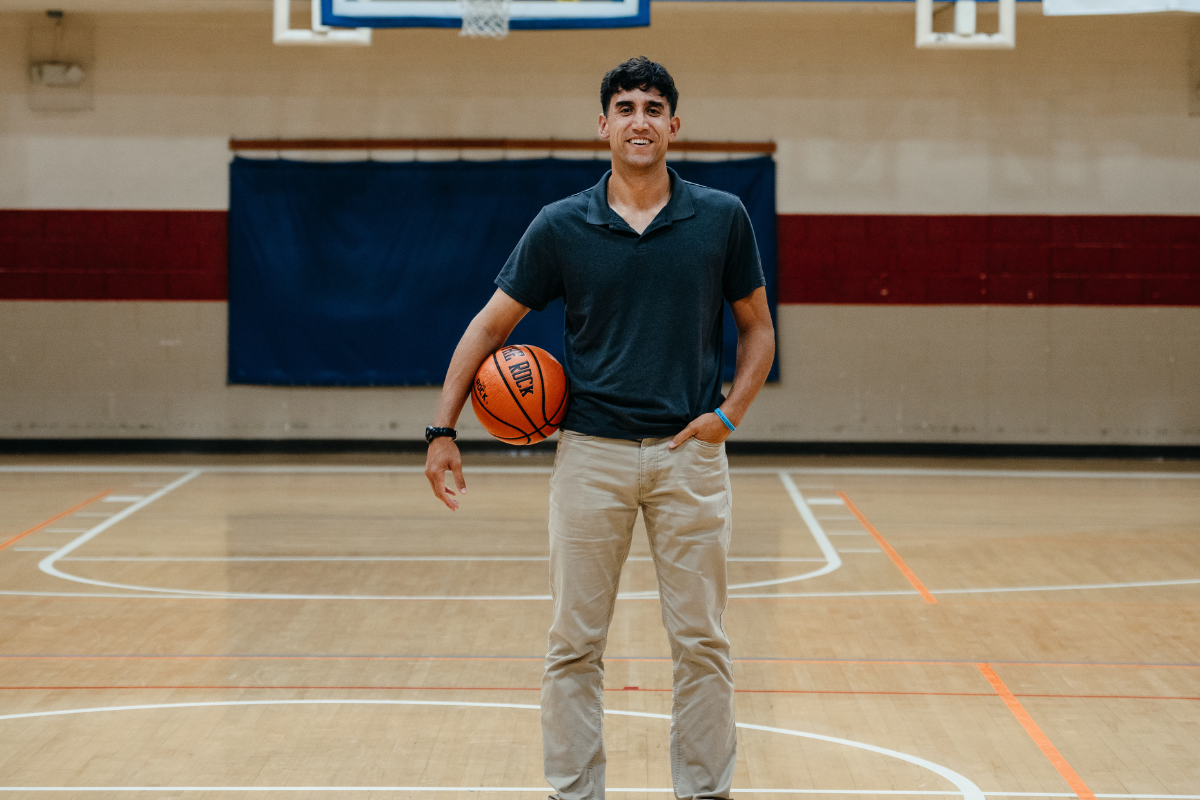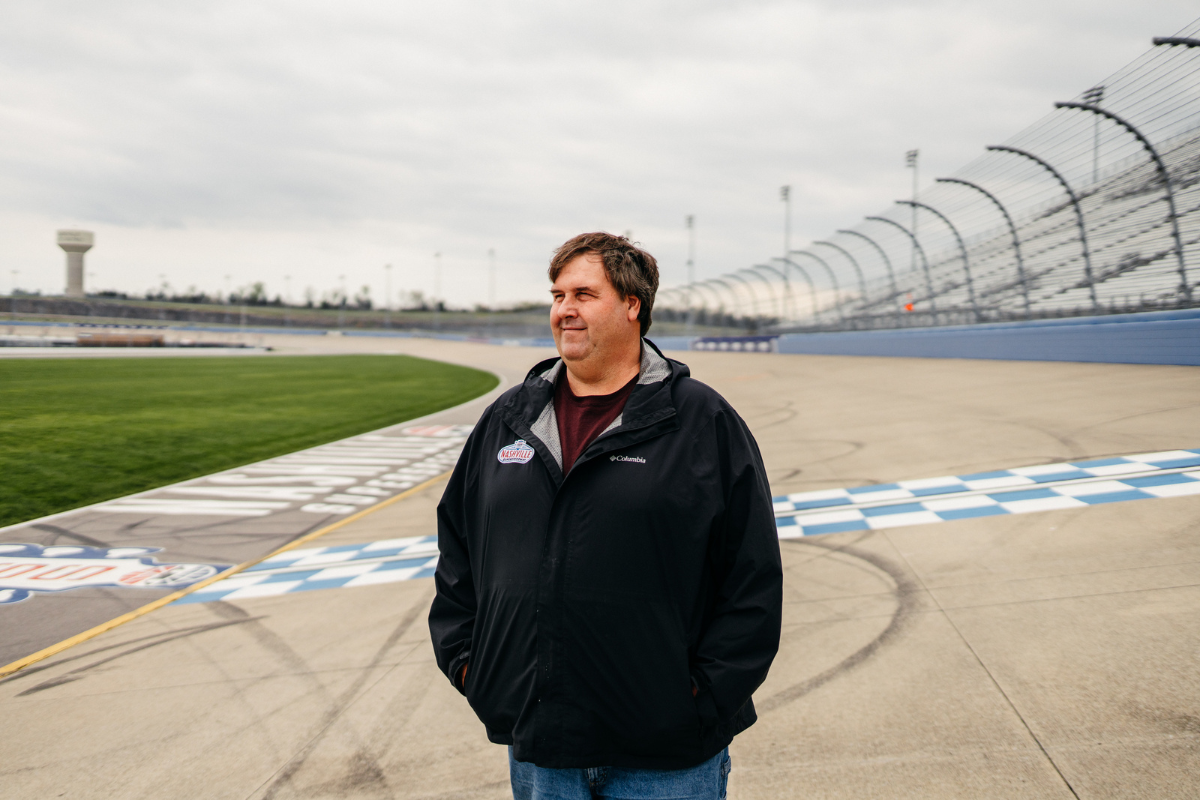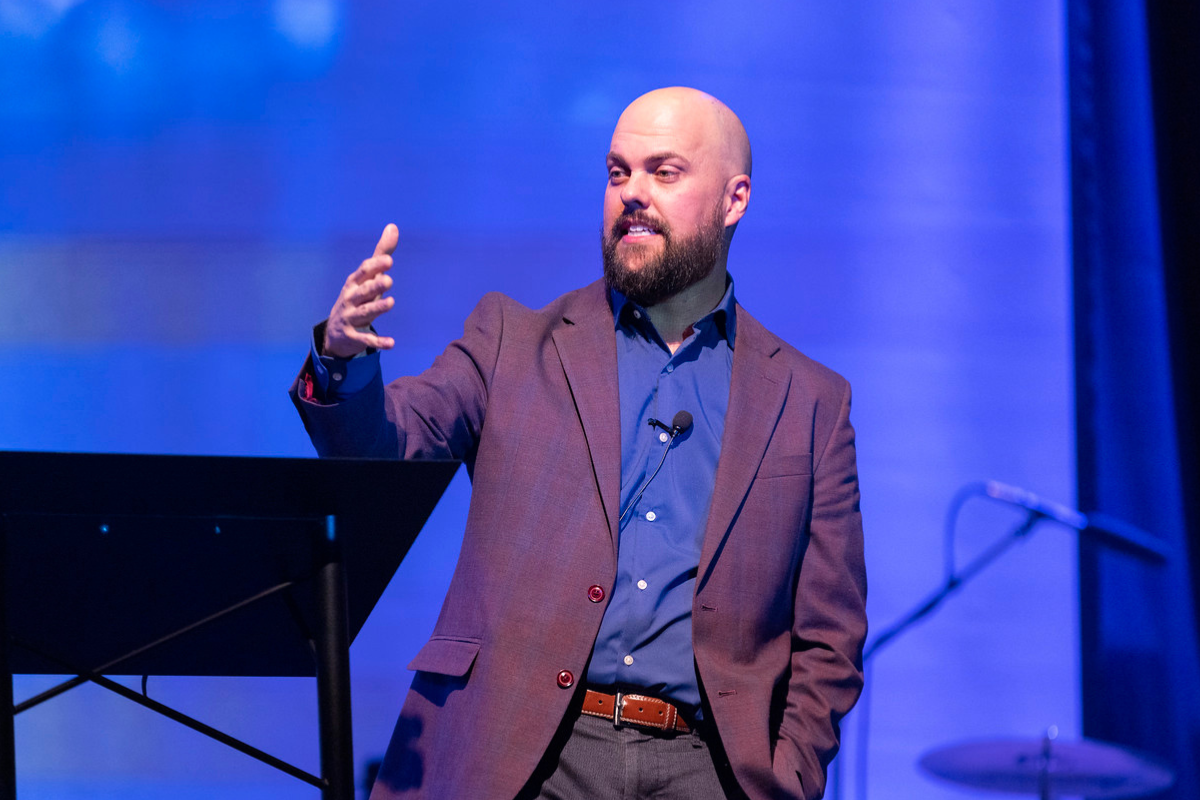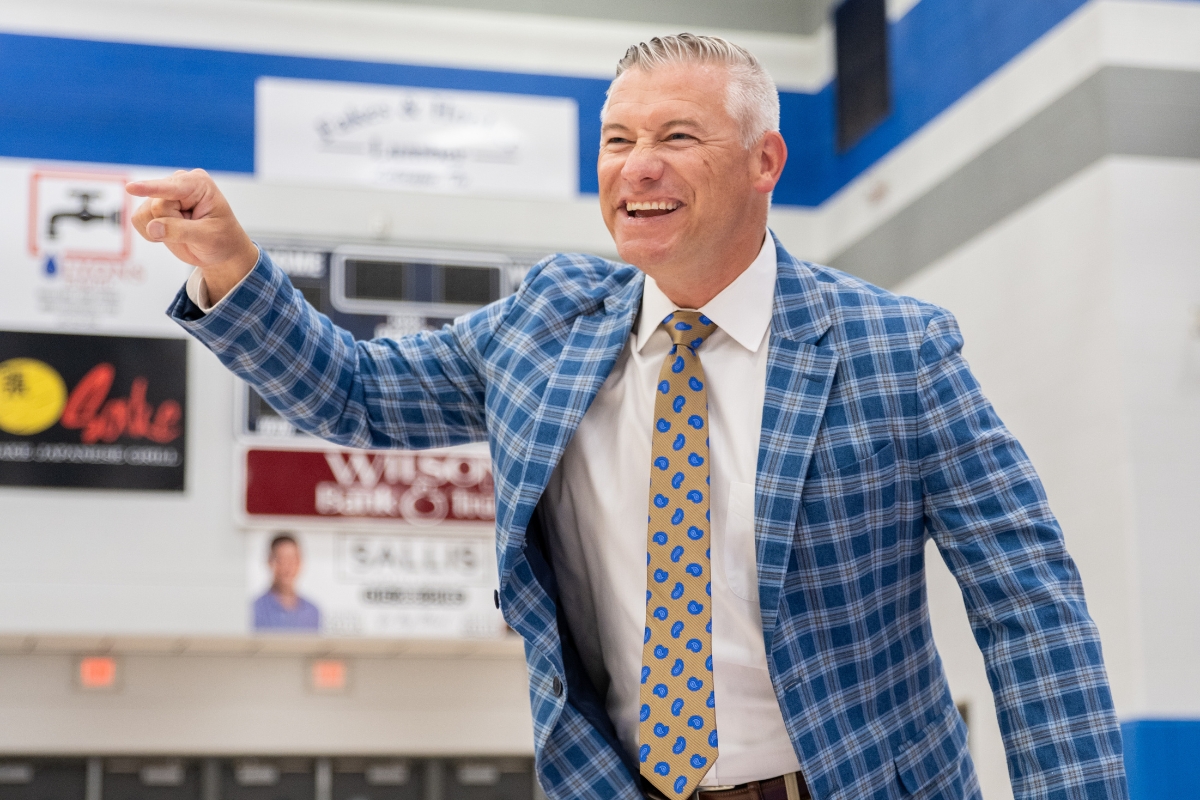
When Jim McDowell says he is committed to his team, it is not a throwaway line. When he talks about the young men who make up the Lebanon High School basketball program and his own family, the same warmth and pride settle into his voice. His daughters are athletes themselves and are a constant presence around the team — offering high fives after games, encouragement at practices, and support through long seasons.
For McDowell, basketball has never been something neatly separated from family life — the two are intertwined.
He said giving players ownership and responsibility has become central to his coaching philosophy over the years.
“The ceiling for player-led teams is much higher than coach-led teams,” McDowell said.
That mindset shapes nearly everything about the way he coaches. McDowell wants his athletes to communicate, solve problems together, and hold each other accountable long before he steps in himself. He believes leadership is something young men learn by practicing it, not simply by hearing speeches about it from the sidelines.
That perspective comes from experience — both as a player and now as a longtime coach in the same community where he grew up.

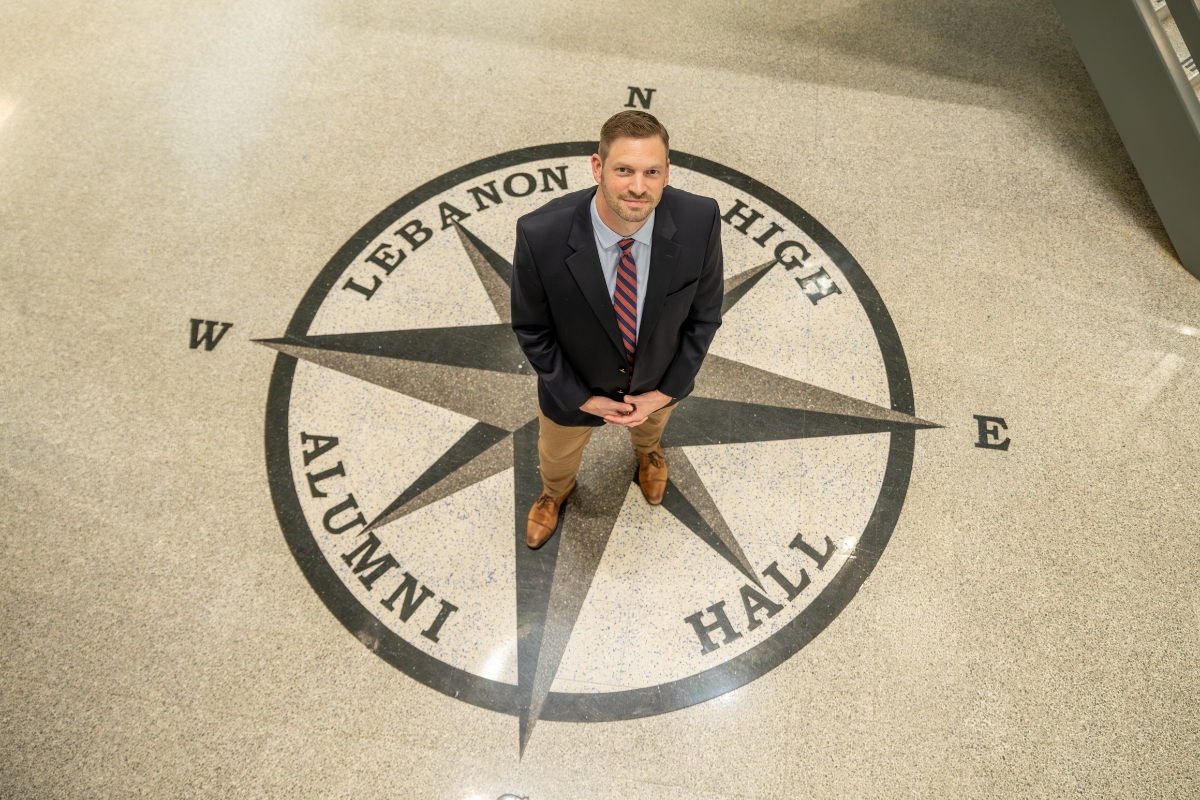
Born and raised in Lebanon, McDowell graduated from Lebanon High in 2000. During his playing years, he was part of a basketball team that made one of the deepest postseason runs in school history, advancing to the state tournament Final Four.
Even now, years later, he still speaks about Lebanon with the affection of someone deeply rooted there.
“Everyone here wants everyone else to be successful,” he said.
After high school, McDowell attended Lipscomb University in Nashville, where he stayed active in sports through intramural athletics. Asked what first drew him to coaching, his answer came quickly and emphatically.
“I’m a competitor,” he said.
But winning alone is not what has keptvhim coaching.
Again and again throughout the conversation, McDowell returned to relationships — the trust built over bus rides, practices, difficult losses, and unexpected victories. He often joked that although he has two daughters, he also has “30 sons,” referring to the players who cycle through his program each season.
That sense of responsibility extends beyond basketball itself.
McDowell has implemented programs like “Man Up Mondays,” where players spend time learning life skills unrelated to the game. Some days, they learn practical skills, like how to tie a tie or cook eggs. On other days, conversations focus on maturity, respect, and communication.
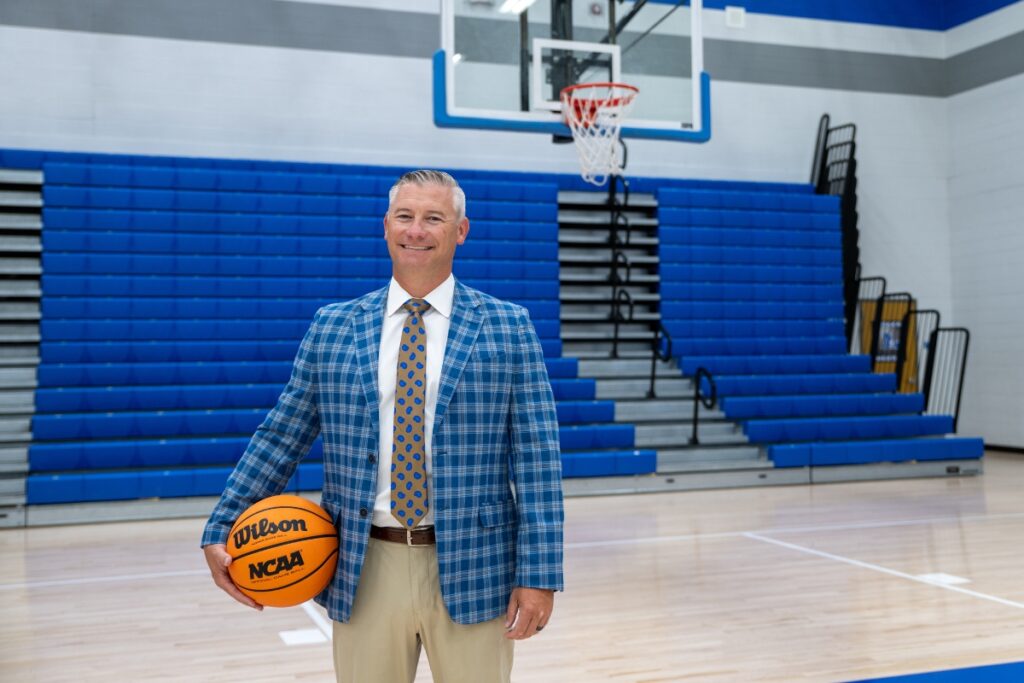
“How to ask a girl on a date the rightvway,” McDowell said with a laugh.
The lessons may sound simple, but McDowell believes they matter. For many teenagers, athletics become one of the places where adulthood first begins taking shape.
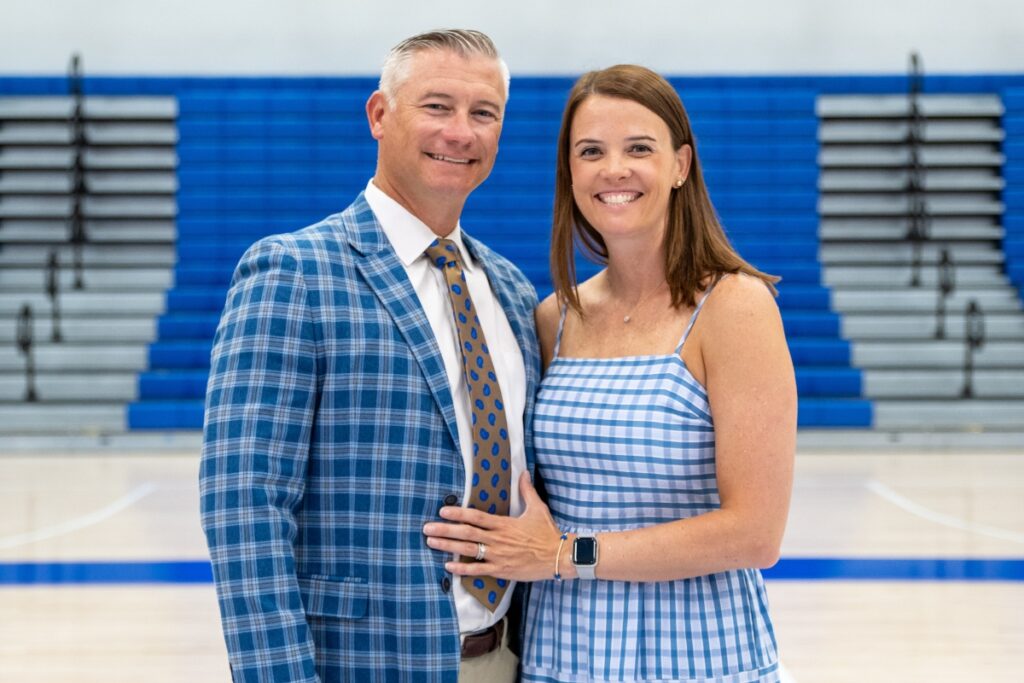
His wife also plays a major role in that atmosphere. A former high school volleyball player and basketball team manager, she is deeply involved with the team and its players. McDowell laughs when she talks about how naturally she supports and cares for the athletes in the program.
“Sometimes I think she loves them more than she loves me,” he joked.
Still, beneath the humor sits genuine gratitude.
“I couldn’t do what I do without her,” he said.
That family atmosphere became especially important during one of the program’s most difficult periods.
In February, the Lebanon community lost 17-year-old player Jayden Bailey following his battle with cancer. McDowell spoke at Bailey’s funeral service at Lebanon High School, helping honor a young man whose faith and resilience left a lasting impact on teammates and coaches alike.
When McDowell talks about Bailey now, there is still heaviness there — but also admiration.
He believes Bailey’s example changed the team, shaping how players supported one another and carried themselves through adversity. Last season, despite enormous emotional challenges, Lebanon basketball muscled its way higher than many thought it would.
“We exceeded expectations,” McDowell said.
But even then, he talks less about records and more about growth.
For McDowell, success is measured not only by wins but by whether players leave the program stronger, steadier, and better prepared for life after high school. Basketball is simply the vehicle through which those lessons happen.
As he looks toward the future, McDowell said his focus remains on continuing to grow the program while maintaining its culture. There is pressure attached to coaching in your hometown, particularly at the school where your own memories were made, but there is also deep purpose in it.
Because for Jim McDowell, coaching was never only about basketball — it was always about people first. GN