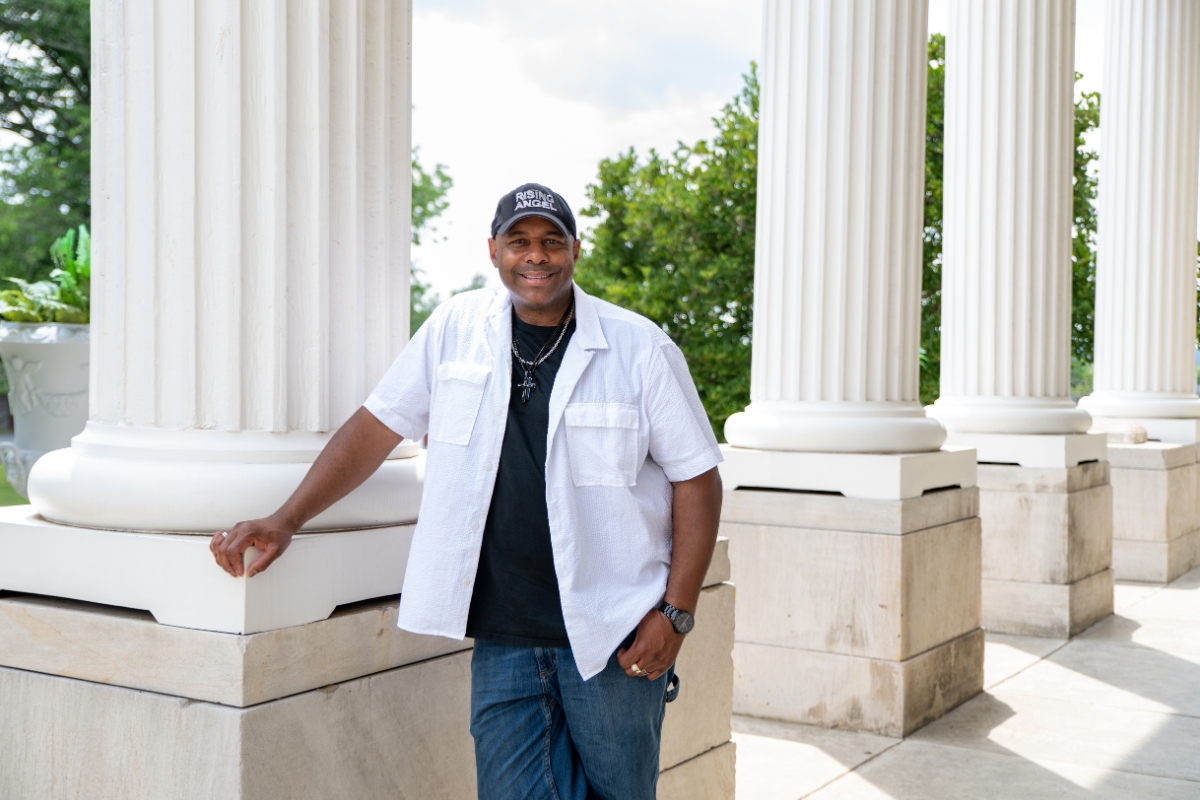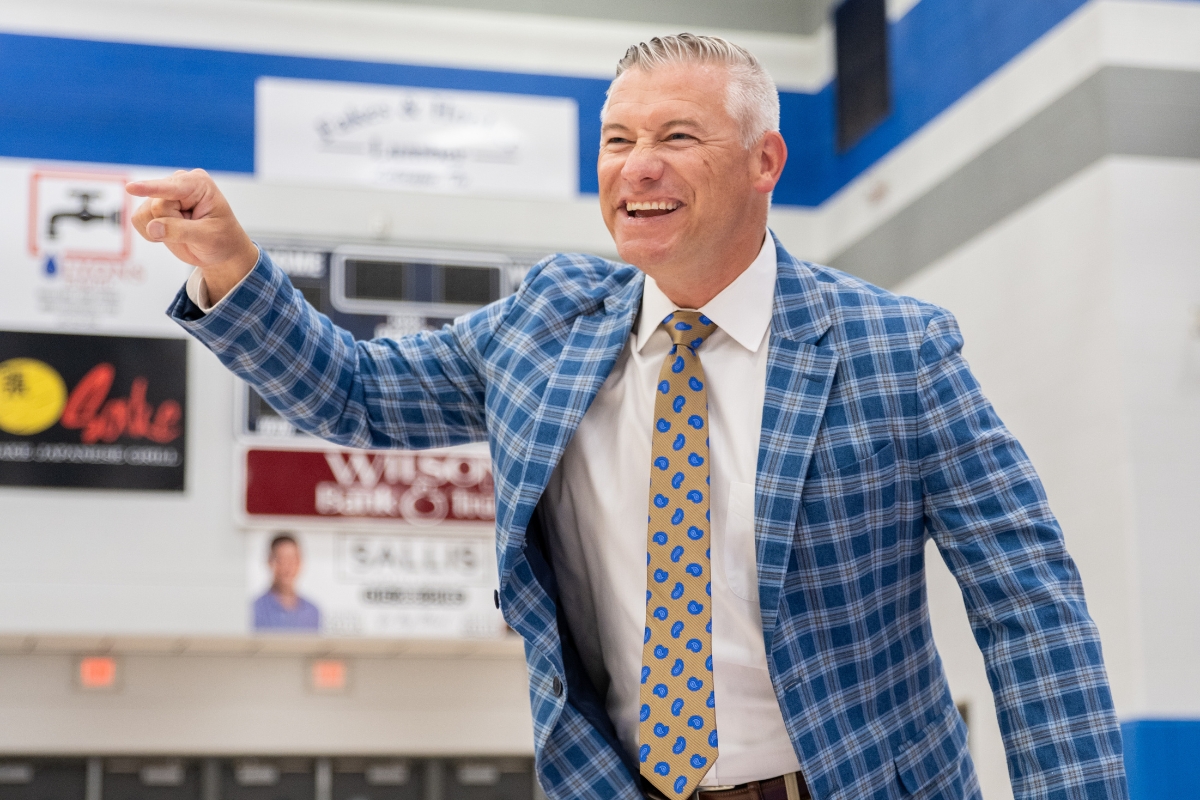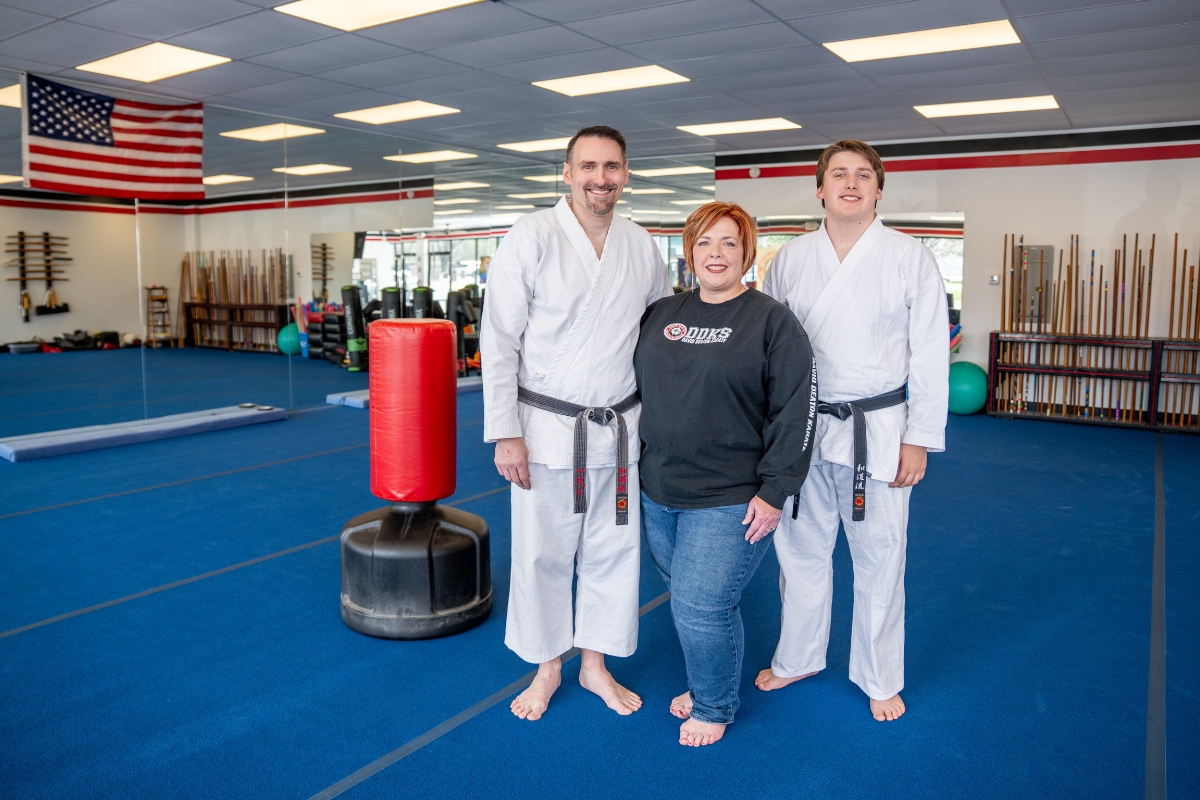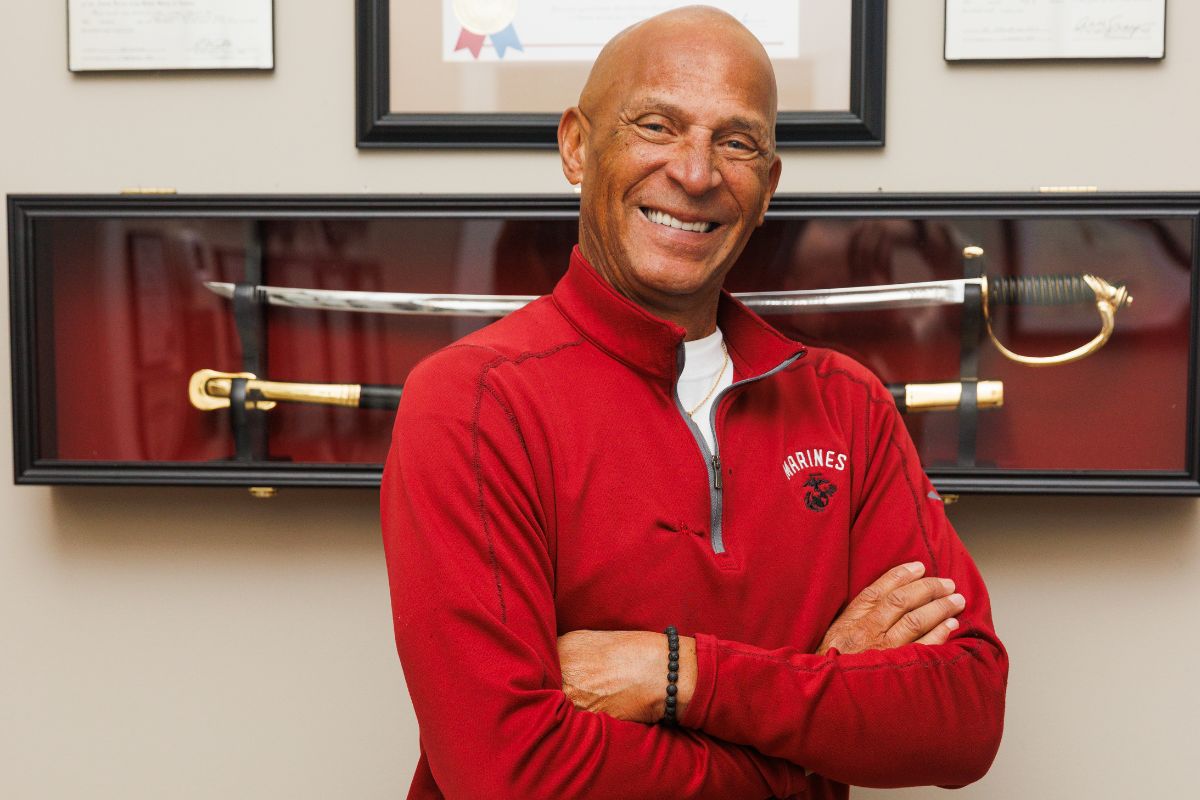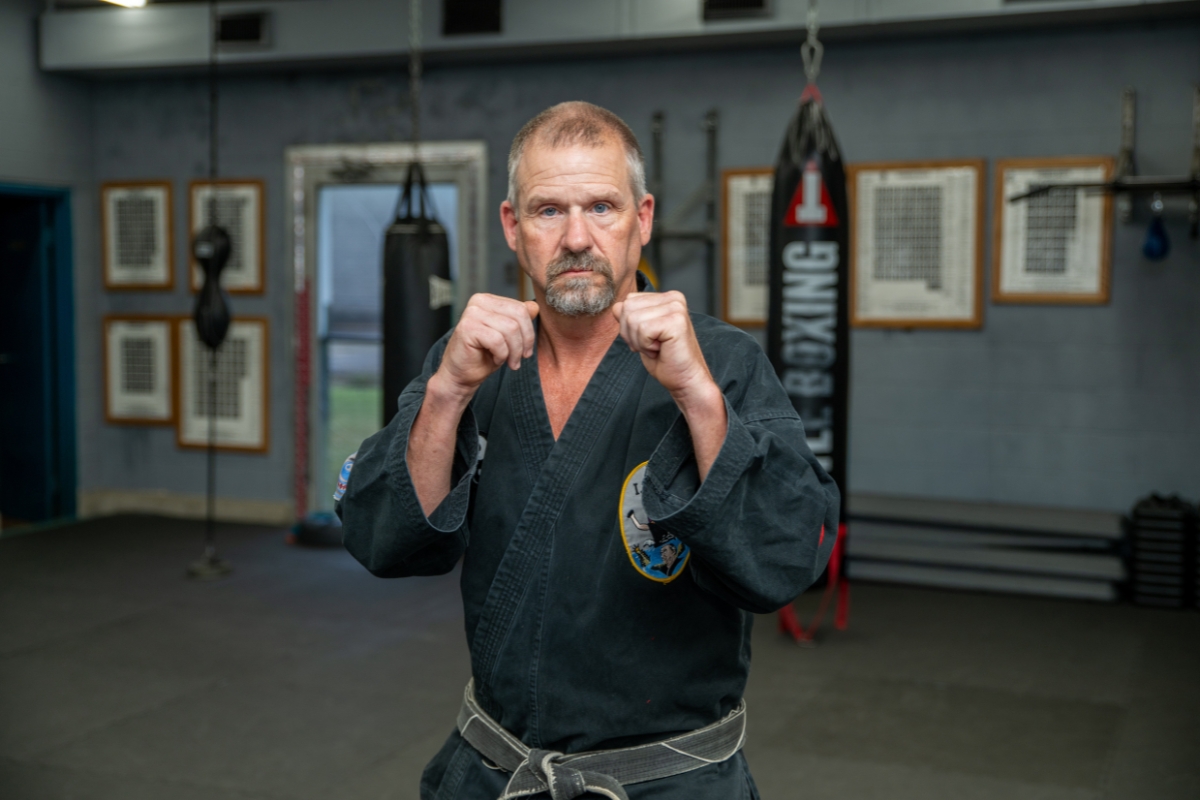
Fifty years after Tony Williams walked into a karate class at age 5, he is not only teaching punches and kicks to students at Lebanon Dojo, but also helping them build confidence, discipline, and resilience.
What started as a father-son activity in Nashville during the 1970s became a lifelong calling and career.
“I was always kind of a smaller kid,” Williams said. “I think it was a concern of my dad, just wanting to make sure that I could defend myself and take care of myself if something happened. It was something for us to do together and bond.”
Williams said the competitive side of martial arts appealed to him as a child, especially because it made his parents proud.
“There’s hardly any better feeling than winning a trophy or pleasing your parents,” he said. “Back then, your heroes were your parents. It wasn’t online influencers. I got addicted to that feeling of progress, reaching a goal, and completing it.”
Williams trained in Isshinryu karate, a traditional Okinawan martial art brought to the United States by military servicemen returning home from overseas. The training was rigorous and demanding, especially for a young child.
“This was in the mid-to-late ’70s, and the school was run almost like the military,” Williams said. “A lot of kids didn’t stick with it.”
A few instructors left a lasting impact, including Jimbo Butler, Phil McElroy, Jim McDonald, Dave Gabbard, and Butch Hill.
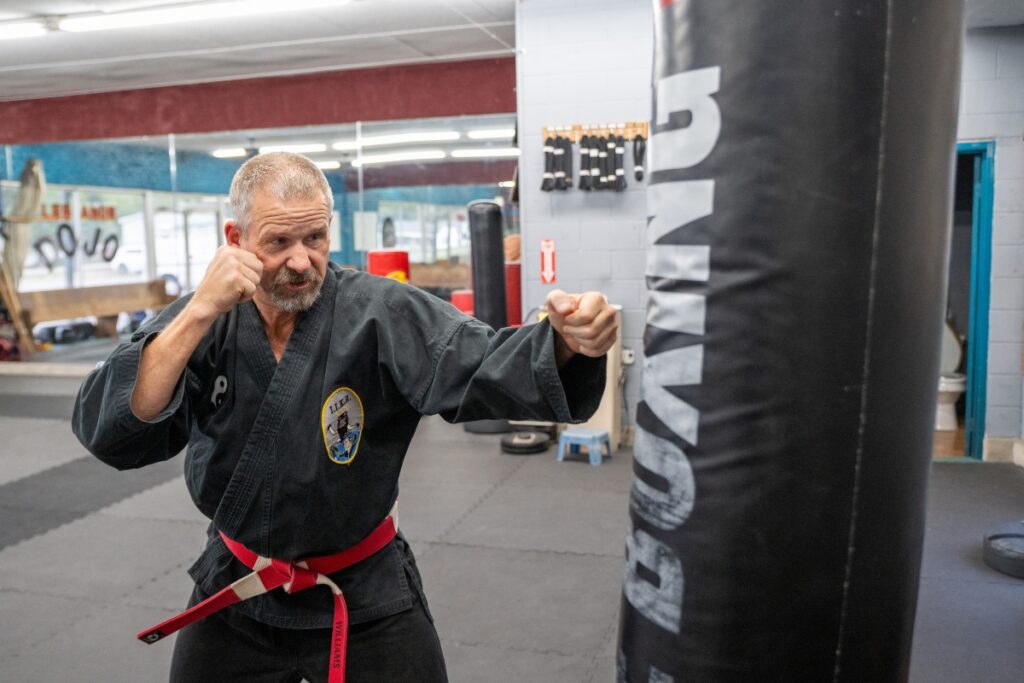
“[Butler] was all about the basics,” Williams said. “Doing things correctly, not taking shortcuts and putting in the time.”
By age 11, after six years of intensive training, Williams earned his black belt, an unusually young age for the achievement at the time.
“Back then, there were no junior black belts,” he said. “You either were, or you weren’t.”
Today, Williams holds an eighth-degree black belt in Isshinryu, a distinction that reflects decades of dedication to both the art and the students he has mentored over the years.
“As you get older, it’s not really about competition anymore,” he said. “It becomes about what you’ve done for the style, the people you’ve helped bring up, and the time you’ve put into it.”
In 1996, Williams opened The Lebanon Dojo at just 23 years old. He credits local businessman Bob Lowe with giving him his start.
“He gave me a chance on a handshake deal,” Williams said. “If he hadn’t done that, things would’ve been a lot harder.”
Nearly 30 years later, Williams is still teaching classes several nights a week while balancing other work outside the dojo. Unlike many large commercial martial arts studios, The Lebanon Dojo has remained intentionally modest and community-focused.
“When you come into my karate school, it smells like sweat,” he joked. “There might be cobwebs in the corner. But we’re here to work.”
For Williams, martial arts has never been primarily about money.
“We have to make money to keep the doors open,” he said, “but I try not to make it about that. If somebody gives me effort and they’re genuine, I’ll work with them.” Williams now teaches children of former students and, in some cases, even grandchildren.
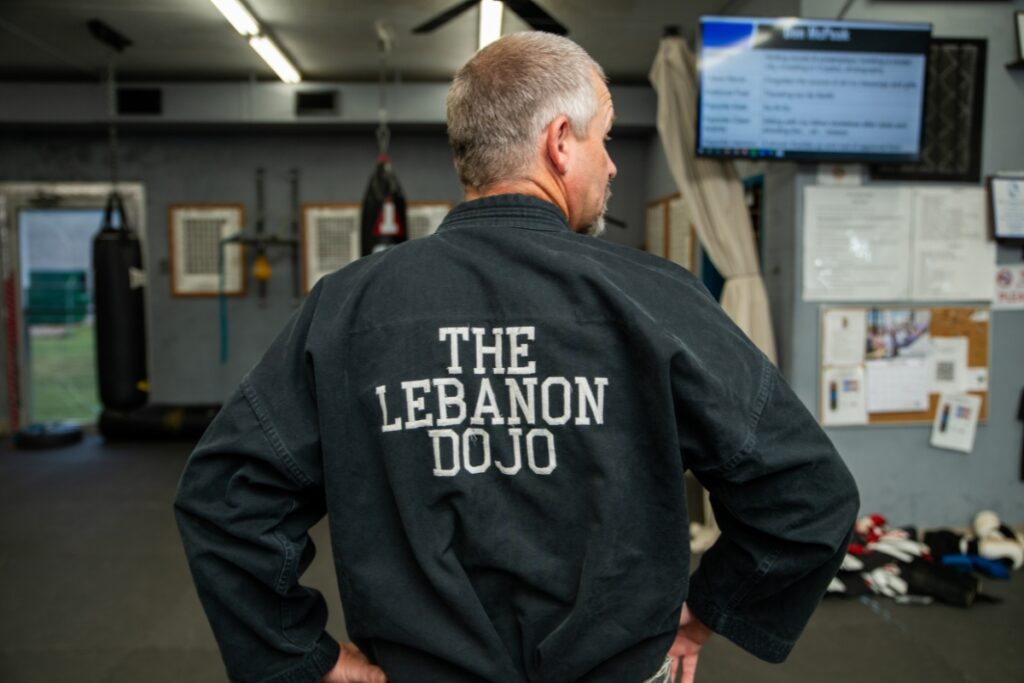
“I’m almost into the third generation now,” he said.
While students certainly learn physical skills at The Lebanon Dojo, Williams said he believes the most important lessons happen beyond the punches and kicks.
“The biggest thing is helping someone realize, ‘I can do this if I work hard,’” he said. “Once that clicks, it becomes contagious.”
Williams emphasizes focus, emotional control, integrity, and discipline in every class. Students stand quietly at attention before lessons begin, practicing patience and self-control in a world increasingly filled with distractions.
“Kids today struggle with attention span,” he said. “Learning to focus and push through mentally is huge.”
Williams also works with many students who have attention-deficit/hyperactivity disorder, learning differences, or confidence struggles. He said martial arts often provides structure and encouragement that they may not find elsewhere.
“Some of the most talented kids have the shortest attention spans,” he said. “The kids who really have to work at it usually gain the most from it.”
He is especially passionate about helping young girls build confidence and self-worth.
“Anybody raising a girl wants them to be confident,” Williams said. “You want them to know their value and not settle later in life. A lot of that starts with confidence and discipline.”
Williams recently launched a 50-plus neuromotor training program designed to help older adults improve mobility, balance, and coordination.
The idea grew from research Williams encountered involving Parkinson’s patients and movement-based training.
“Our goal is just to keep people moving,” he said.
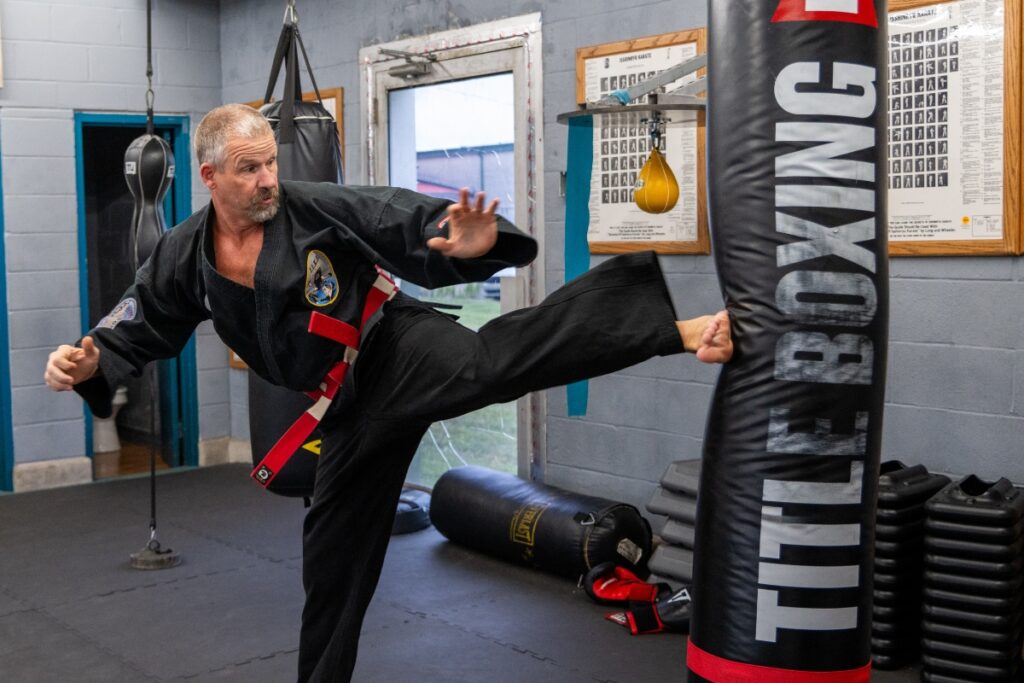
The classes incorporate martial arts concepts alongside balance exercises and Pilates-inspired movements, led by instructors Cindy Downey and Don McPeak.
Williams shared stories of students recovering from strokes, mobility challenges, and even traumatic injuries, finding renewed confidence through the program.
“One guy lost his leg in a trucking accident,” Williams said. “He came in and absolutely loves it. Seeing people regain confidence and movement has been really motivating.”
Williams said teaching martial arts has always been about helping people prepare for life itself.
“If somebody gets hit in the nose or something unexpected happens, we talk them through it,” he said. “That’s life. Later on, they may lose a job or face something difficult. How are they going to handle it emotionally?”
After decades of teaching, Williams said the lessons remain the same.
“It’s more about character than kicking and punching,” he said. “That’s just the vehicle we use to teach it.” GN
For more information about classes at The Lebanon Dojo, visit www.thelebanondojo.com or call (615) 476-4339.