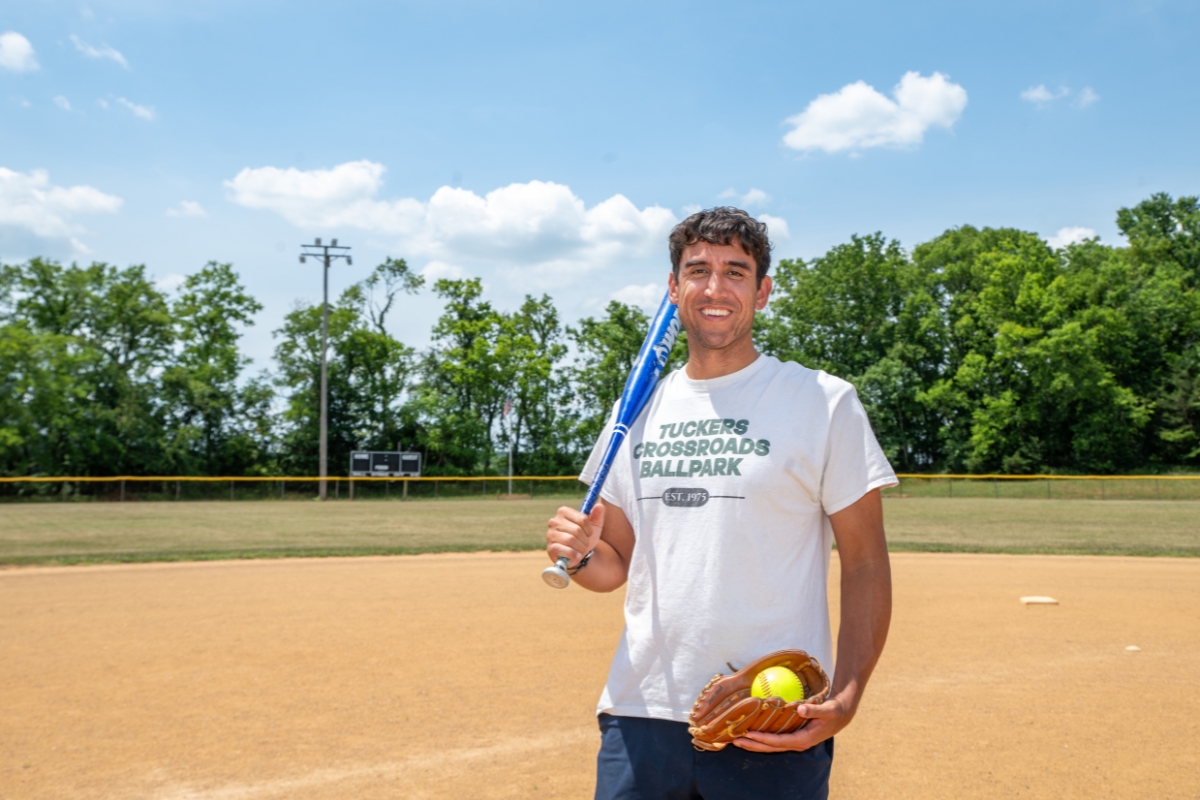
For more than 50 years, the ballfields at Tuckers Crossroads have been more than a place to play softball. They have served as a gathering place, a community hub, and a tradition passed from one generation to the next.
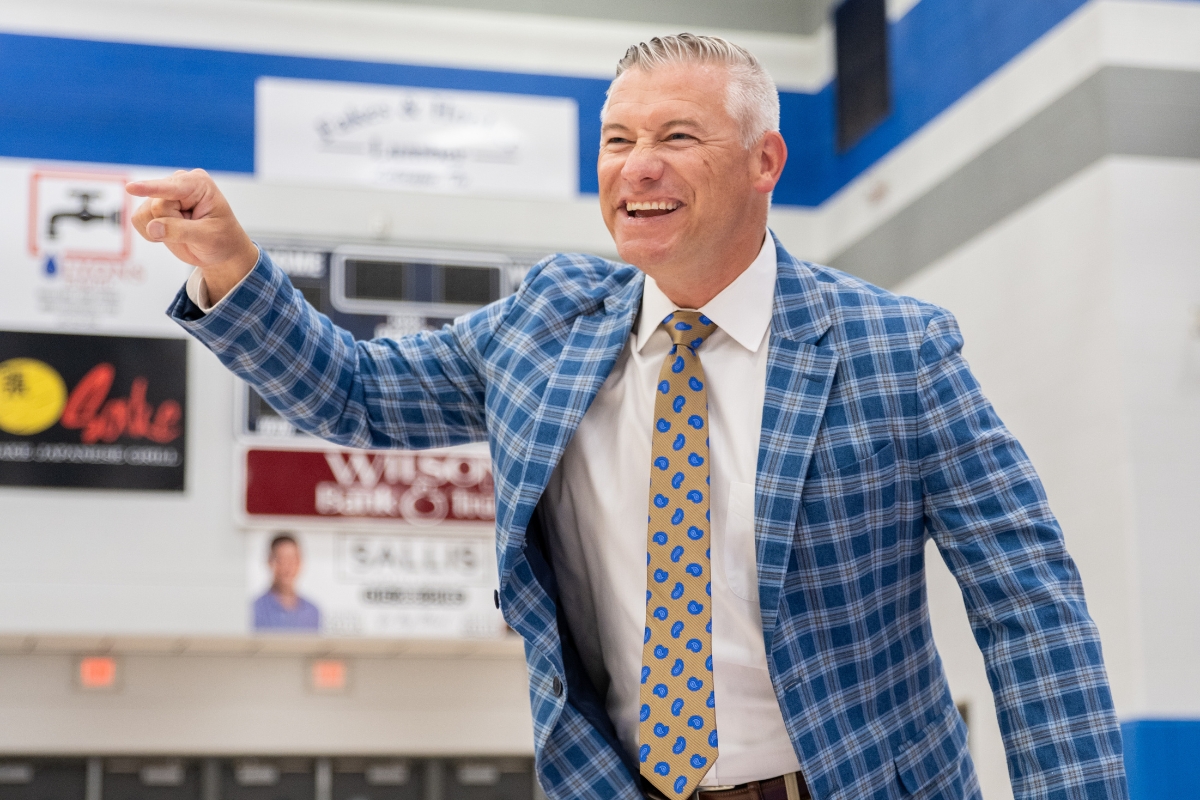
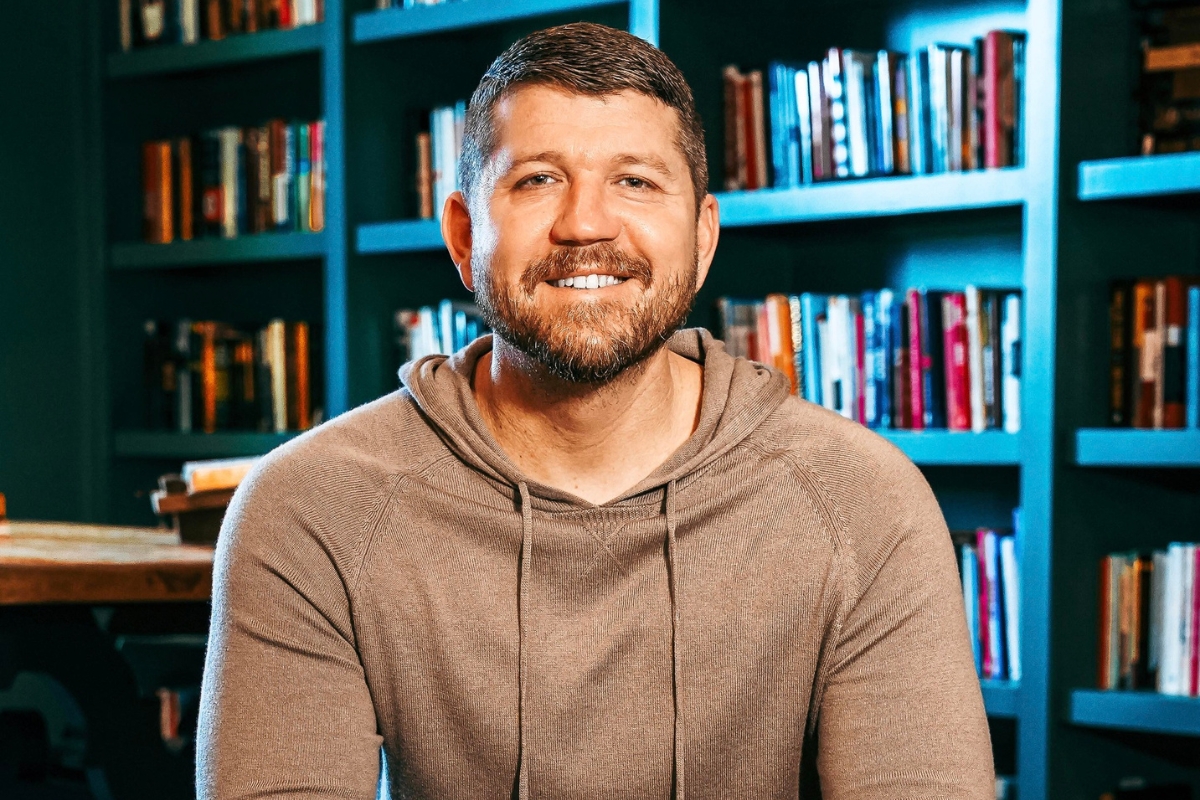
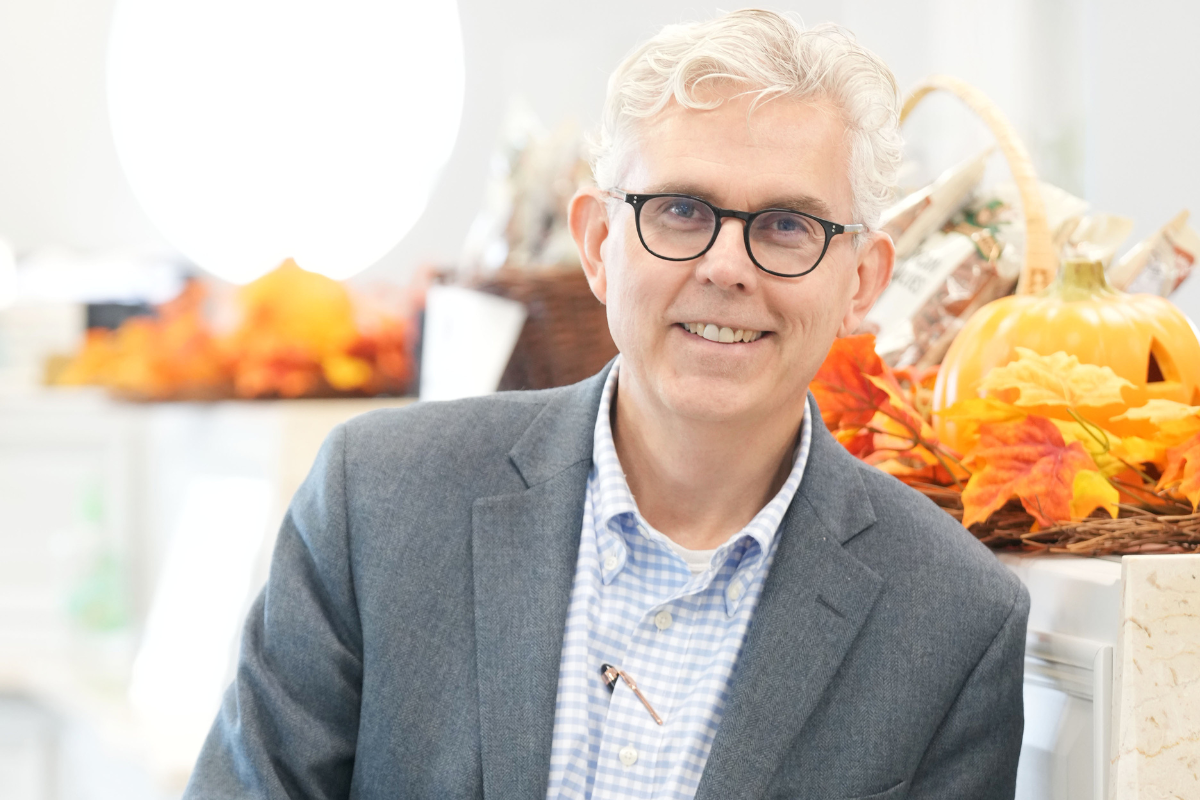
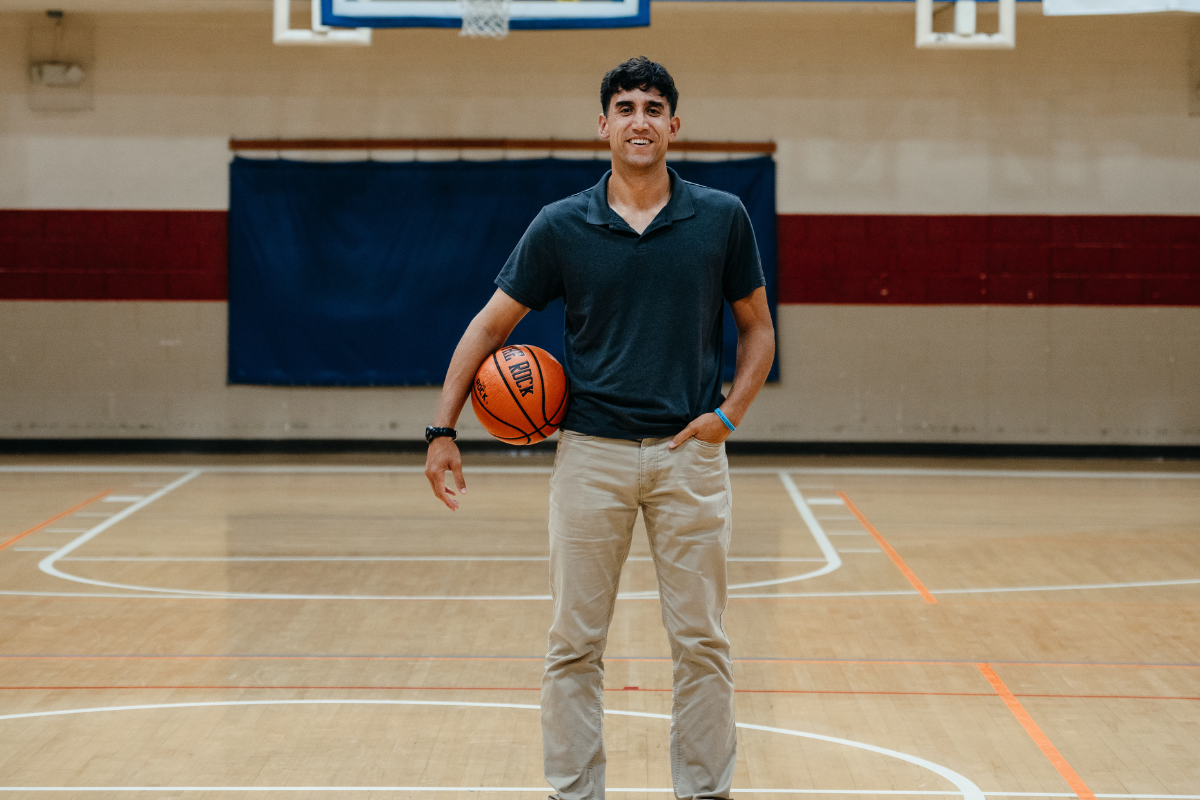
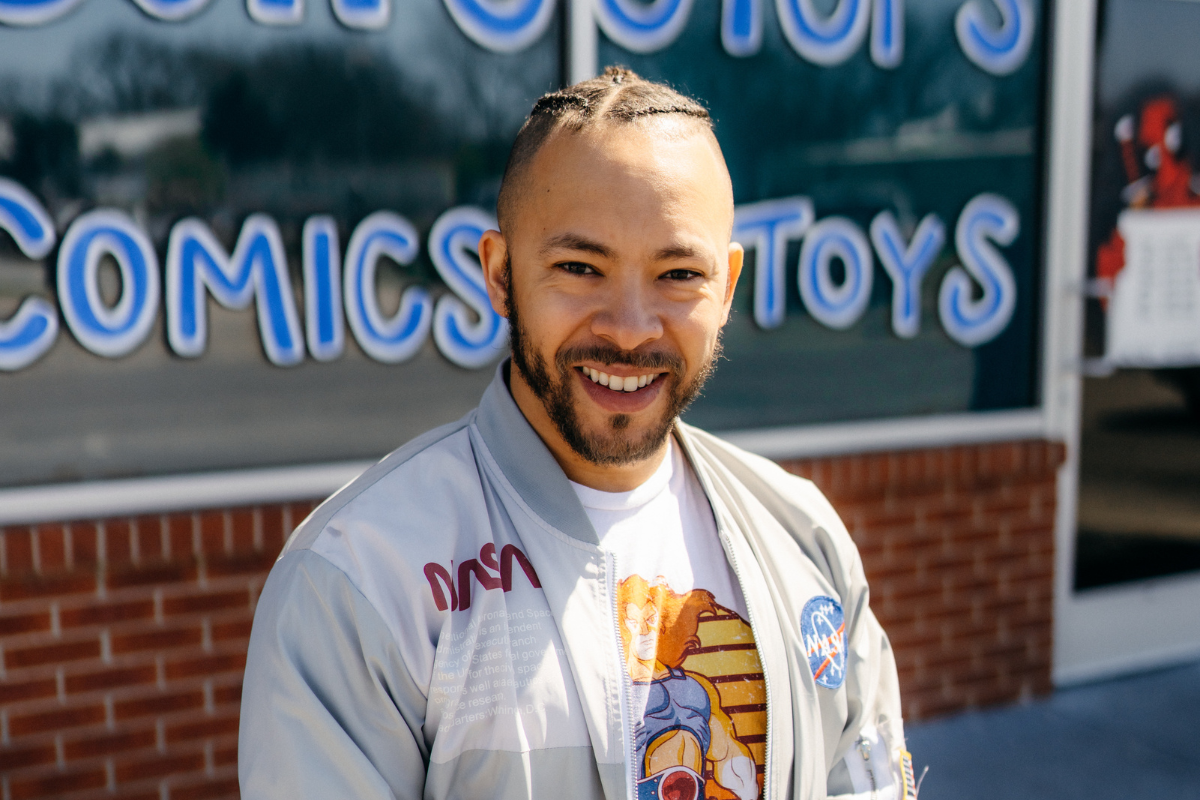
Today, the league continues to thrive under the leadership of Mark Sandoval, who grew up playing on the same fields he now helps oversee.
Located in the rural Tuckers Crossroads community, the ballpark first came to life in 1975 after residents recognized that children in the area lacked nearby recreational opportunities.
“At the time, there were several families, mainly farming families,” Sandoval said. “They had to drive a long distance, mainly into Lebanon or Watertown if they wanted to participate in sports.”
Wanting to create opportunities closer to home, community members purchased the land and built the softball park themselves from the ground up.
“It was just all built by community members,” Sandoval said. “They built a softball park so that their kids and all the kids in the community could have a place to play.”
What began as a single field eventually expanded. In the late 1980s, volunteers added a second field to accommodate the league’s growth. Decades later, the league remains entirely free for families, continuing the mission its founders established half a century ago.
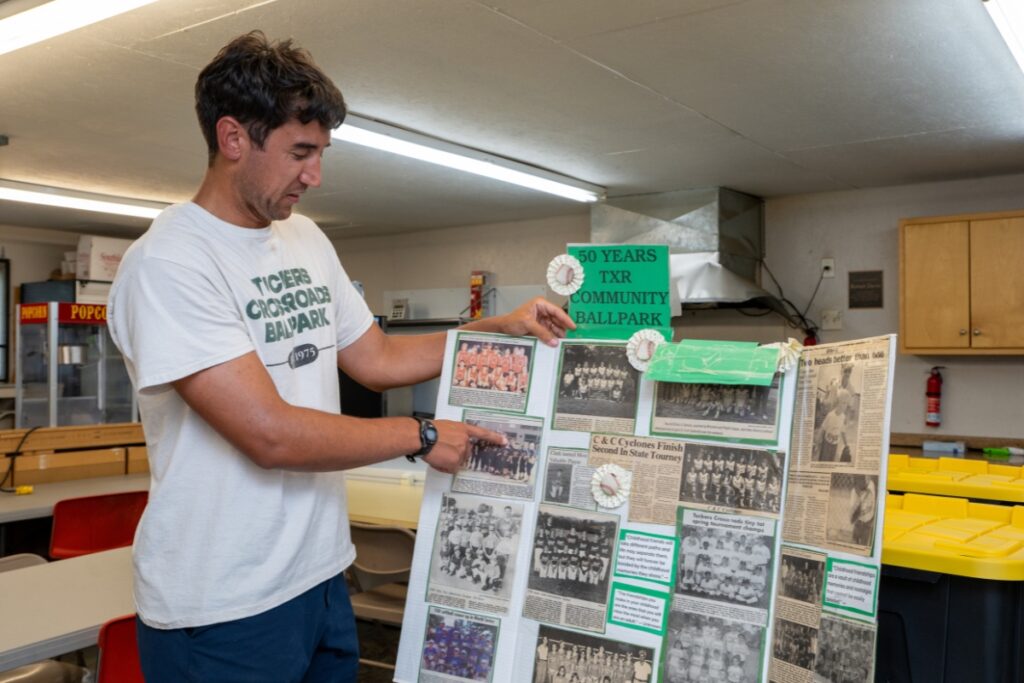
“I’d say it’s mainly stayed the same,” Sandoval said. “It started as co-ed, started as youth, started as free, and it’s still all those things.”
While many youth sports organizations have become increasingly expensive and competitive, Tuckers Crossroads has remained focused on accessibility and community.
“We want to serve all people regardless of income or opportunity,” Sandoval said. “Cost is a big burden. You look at travel ball everywhere, and how expensive that can be. We want to offer something that’s open to anyone, and that was the original intent of the league.”
The nonprofit league is funded through concessions, local grants, and donations. According to Sandoval, community support has sustained the program for decades.
“The county commission has been very generous throughout the years,” he said. “And then our concession stand is really what helps keep us afloat because families come and stay for hours.”
The concession stand itself has evolved over time. What once operated out of the press box expanded into a larger, standalone building completed around 2008. In addition to serving food during games, the building doubles as a meeting space for local groups and even hosts birthday parties.
Still, Sandoval believes the heart of the park lies not in its facilities but in the relationships formed there.
“It’s been a big blessing,” he said. “It helps build lifelong and generation-long friendships.”
For many families, the ballpark has become a tradition spanning multiple generations. Sandoval’s own family is among them.
One of the original land buyers, Ken Neal, was Sandoval’s grandfather. His relatives have remained involved with the league ever since.
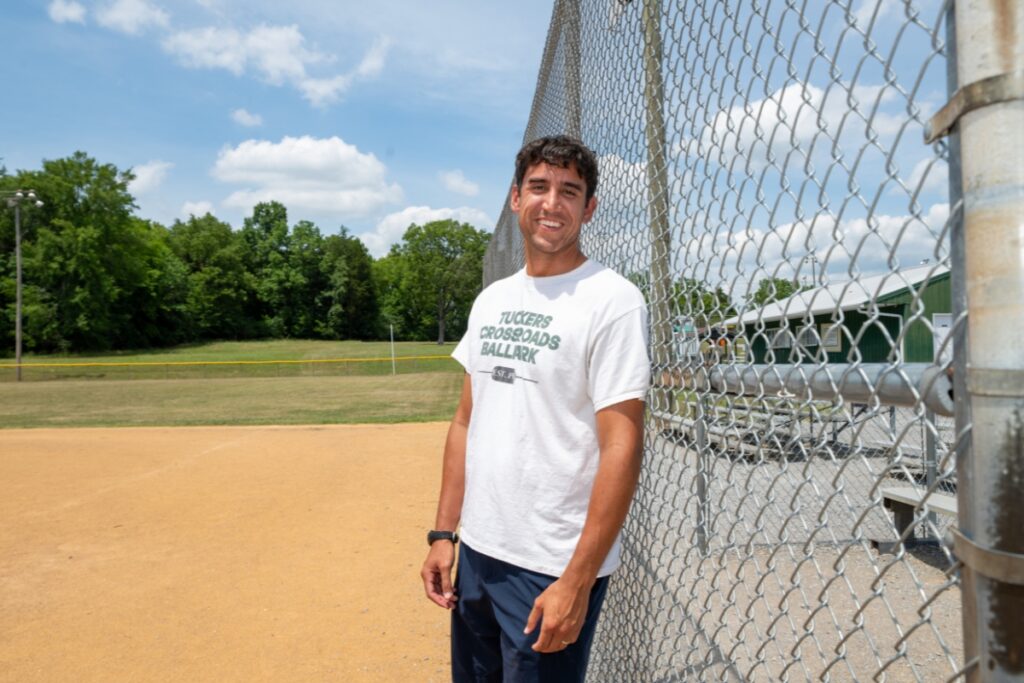
“My mom and her uncles all played in the league, then I played,” Sandoval said. “Now my cousin’s kids are playing. So that’s four generations.”
Another founding family still has deep ties to the organization. Sandoval said the granddaughter of one of the founders now coaches in the league while her children play on the same fields their ancestors helped establish.
“That continuity is special,” he said.
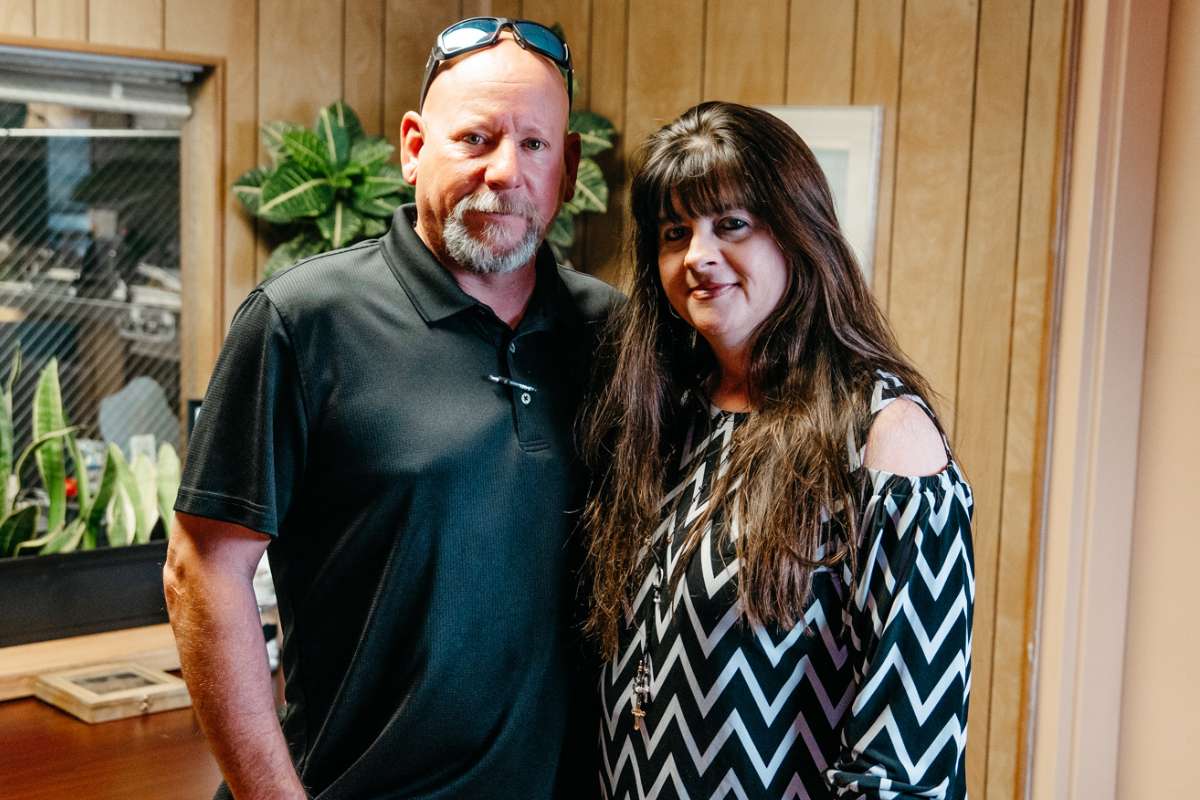
Others who play a large role in running the ballpark include Derrick and Dana Jones, Sandoval added.
“Derrick is one of our umpires, and Dana is in charge of running the concession stand. They arrive early to the park each game day, and they are the last to leave at night as well,” he said.
Local businesses and community members have also contributed their time and resources to the project, including building painting by Harold W. Moore and Sons, ballfield lighting installation by Legacy Sign and Lighting, and a donation of gravel for the parking lot.
The league draws families not only from Tuckers Crossroads but also from surrounding communities, including Watertown, Lebanon, and parts of Smith County. Sandoval believes families are attracted to the welcoming atmosphere.
“You don’t get that with a lot of leagues,” he said. “It feels more corporate sometimes. At our park, even for new families that move in, as soon as they come, they feel welcomed and part of the community.”
On game nights, the park becomes a social center for the area. Children play on the playground while parents and grandparents gather at picnic tables between games. Friends reconnect, families eat dinner together, and neighbors spend hours visiting under the lights.
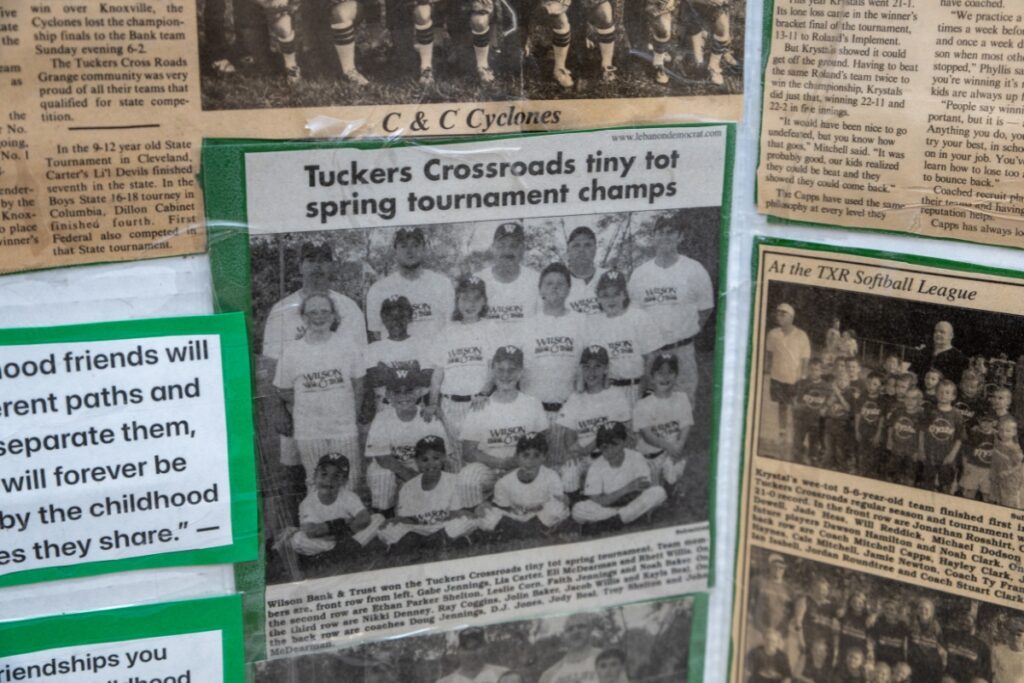
“It’s more than just the game,” Sandoval said. “It’s the atmosphere around it that’s special.”
That atmosphere is what motivates him to continue volunteering his time.
“My favorite part is just being there in person on the game nights,” he said. “Seeing all the hard work that we put in, and then also that the players and coaches put in behind the scenes, and seeing that come to fruition.”
From the press box, Sandoval watches the generations overlap in real time — former players returning as parents and grandparents while young children begin creating memories of their own.
“When I was a player, my coaches now are coming back as grandparents to see their grandkids play,” he said. “That’s pretty cool.”
As the organization looks ahead, Sandoval said the league’s biggest need is volunteers willing to invest their time and talents.
“We’ve had people volunteer to mow the fields, donate equipment, and help with the concession stand,” he said. “Volunteer hours go a long way.”
Sandoval said he hopes Tuckers Crossroads never loses sight of its roots.
“The hope is just that it keeps going the way it is,” he said. “Hopefully, we can still keep it a place of opportunity for anyone to come play, watch, and hopefully grow a family together.” GN