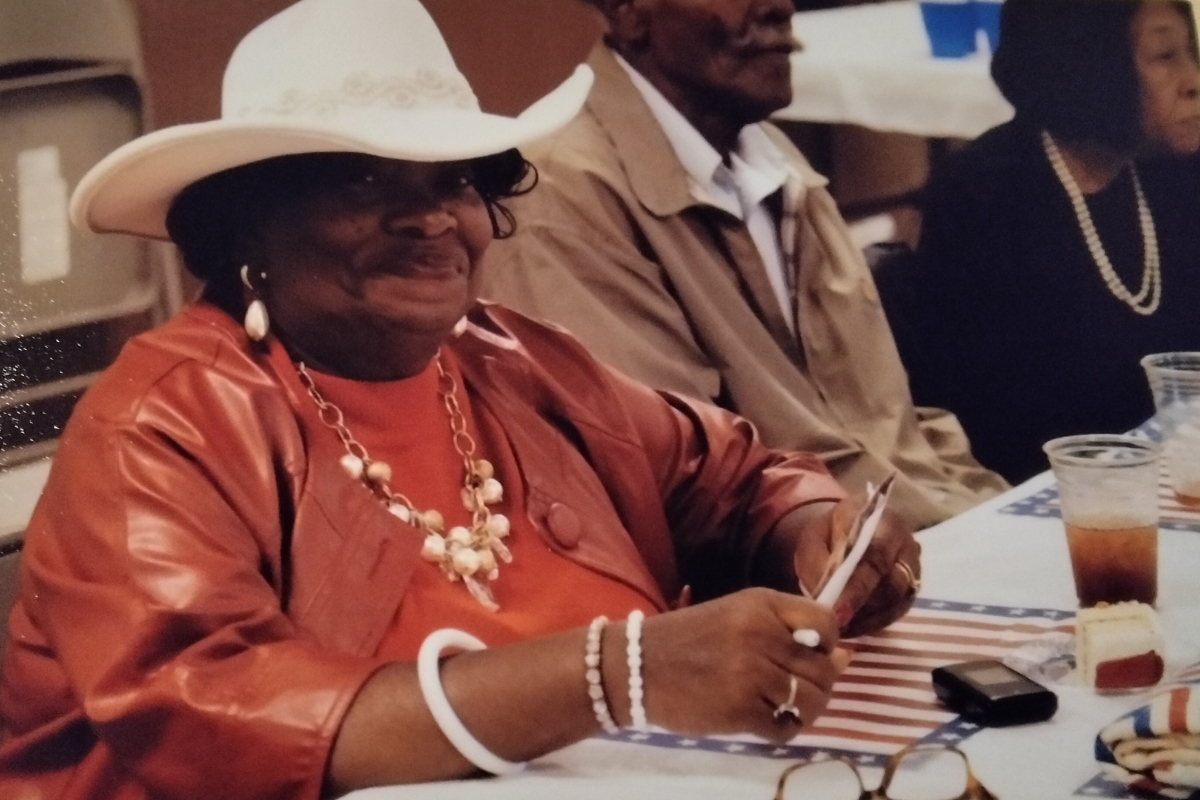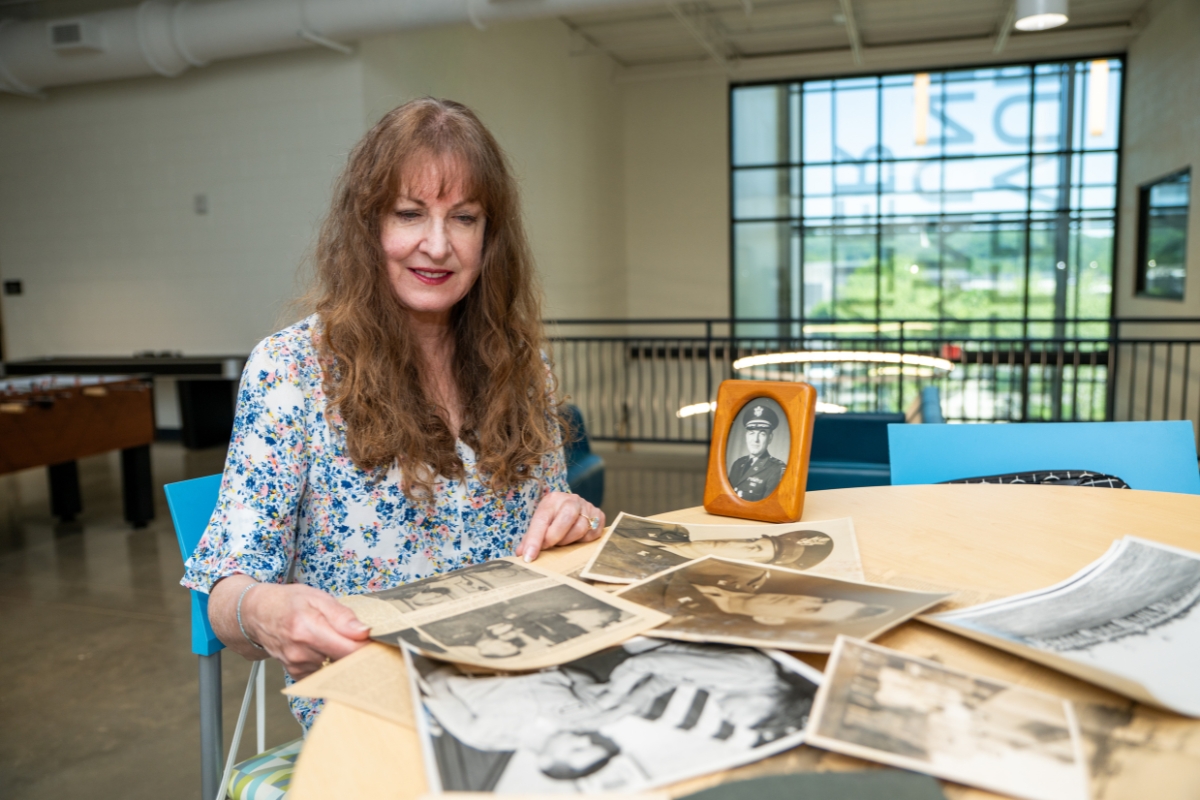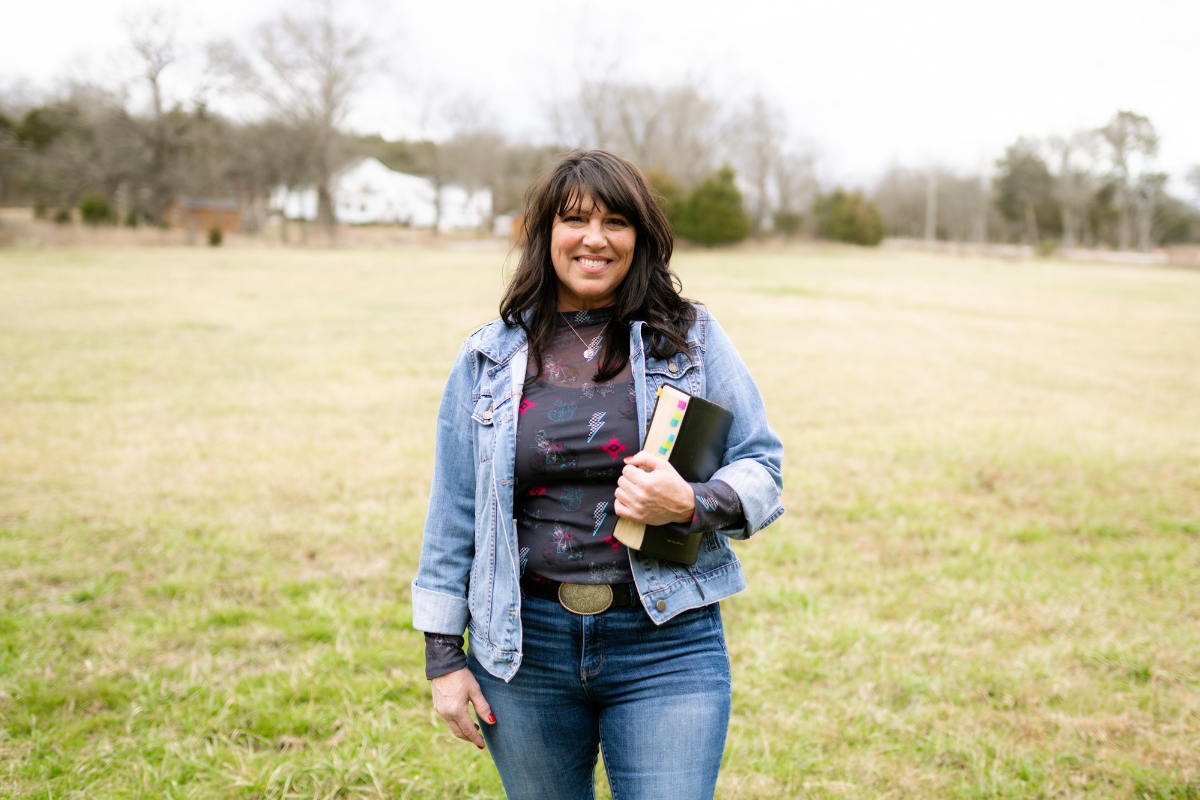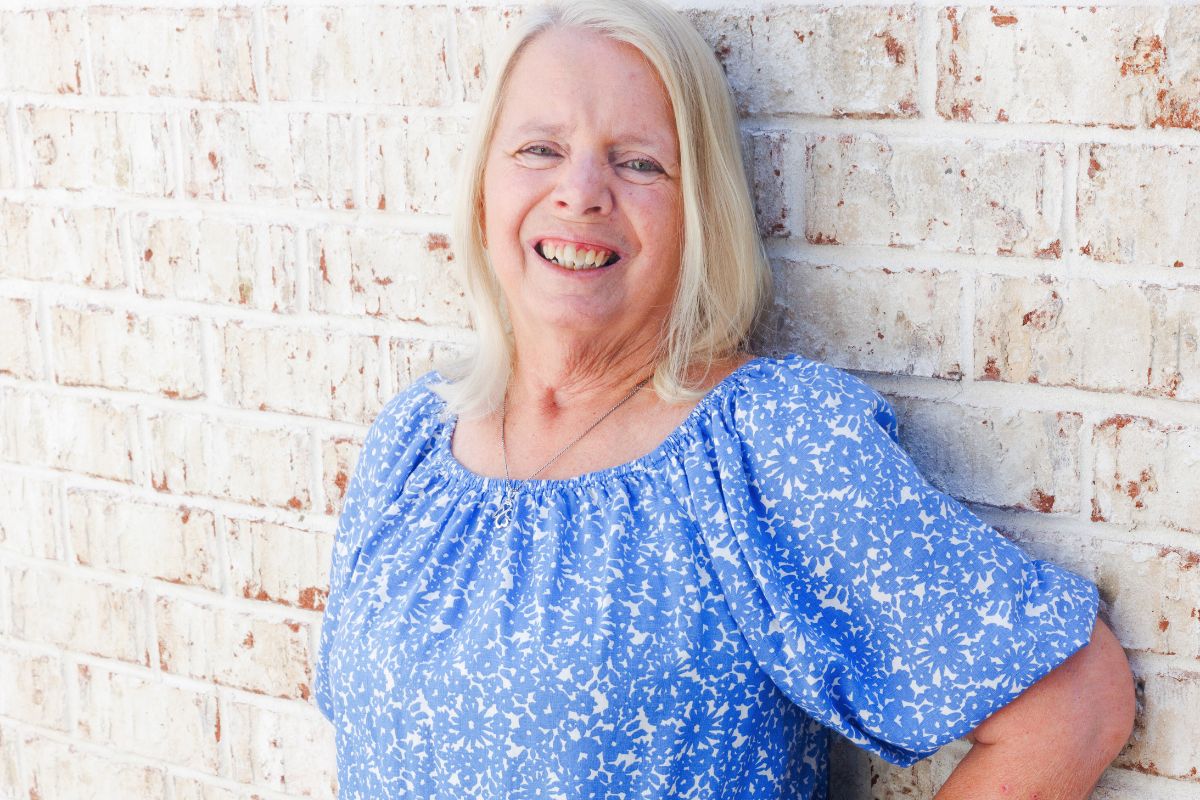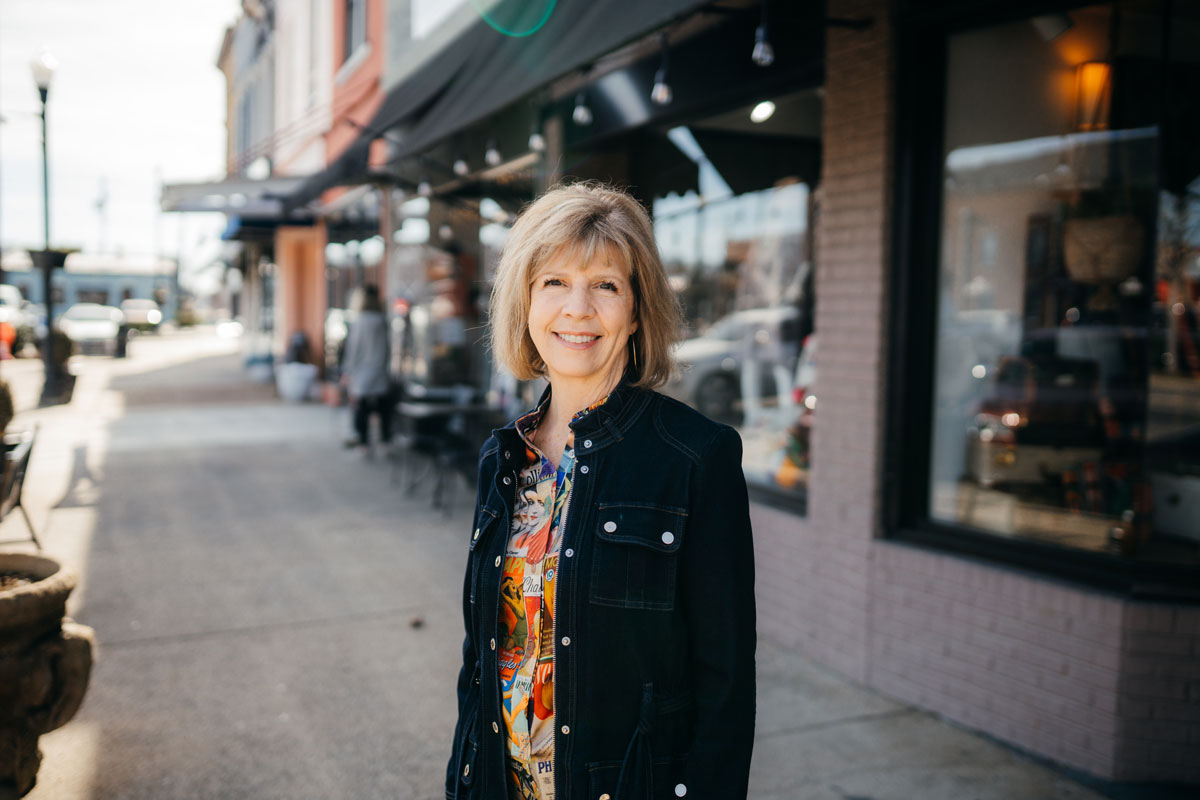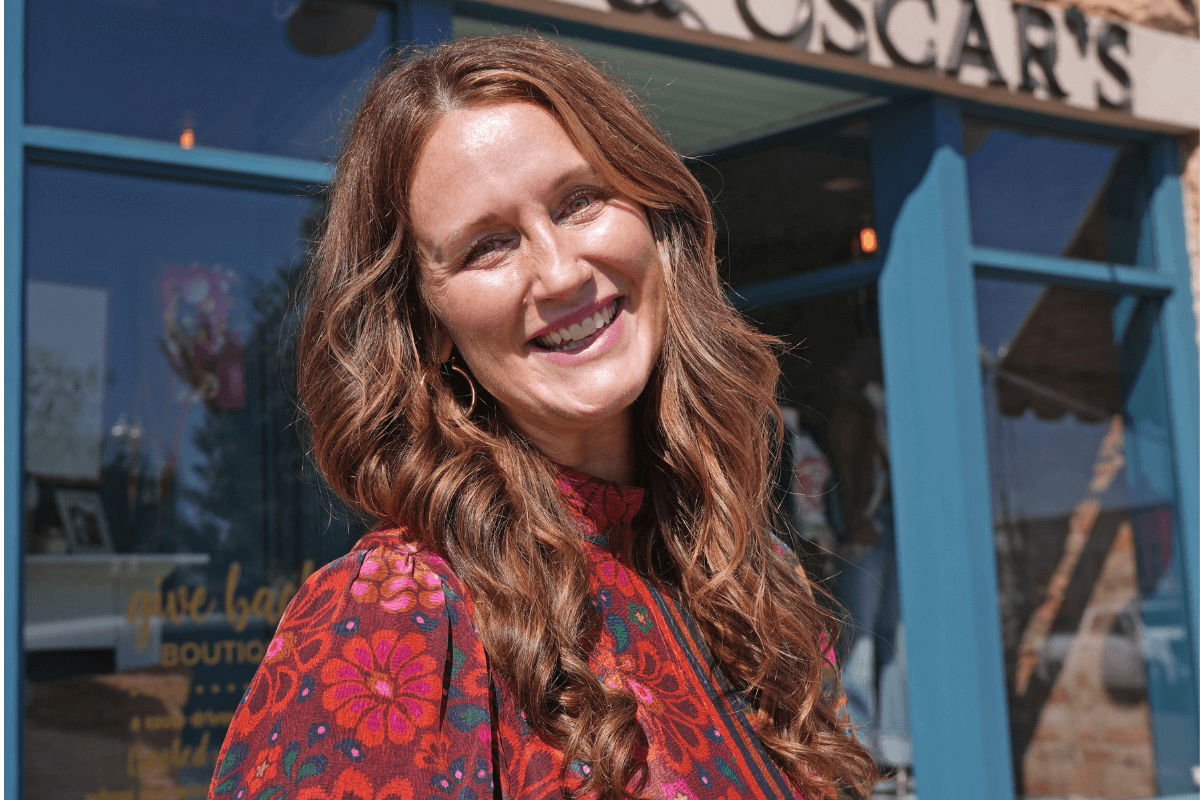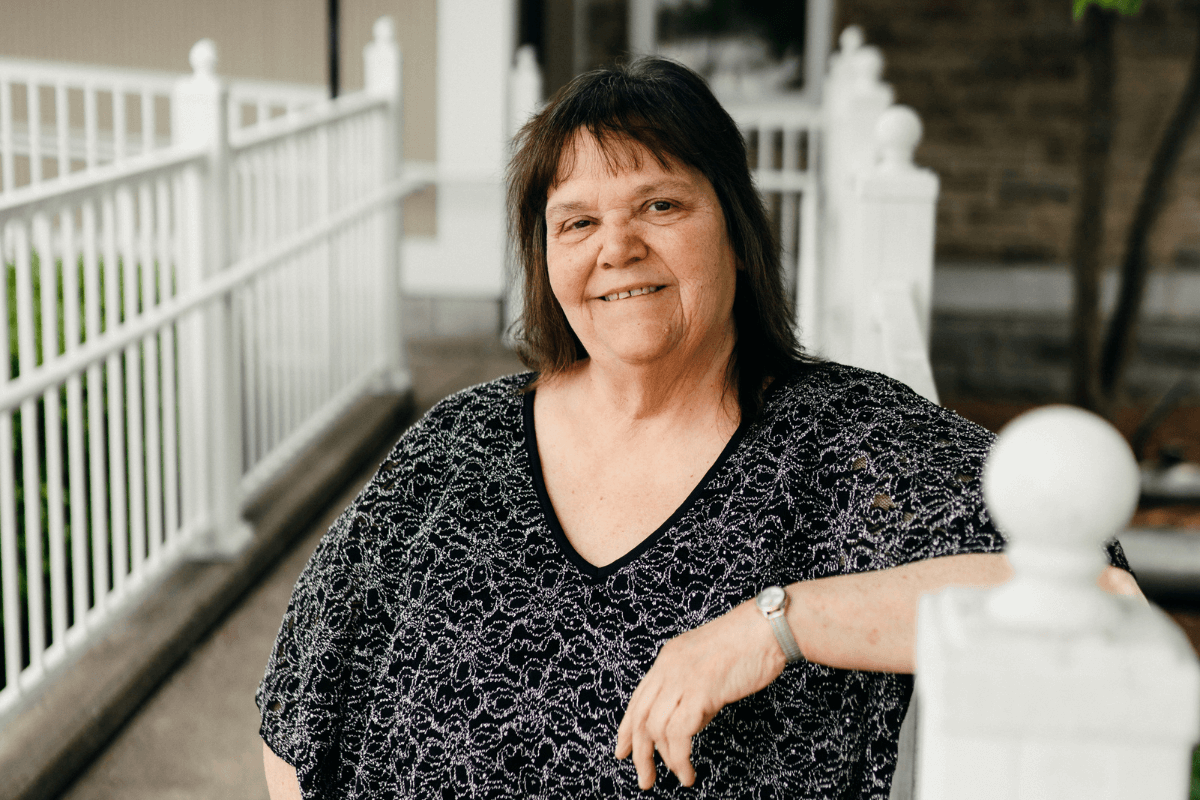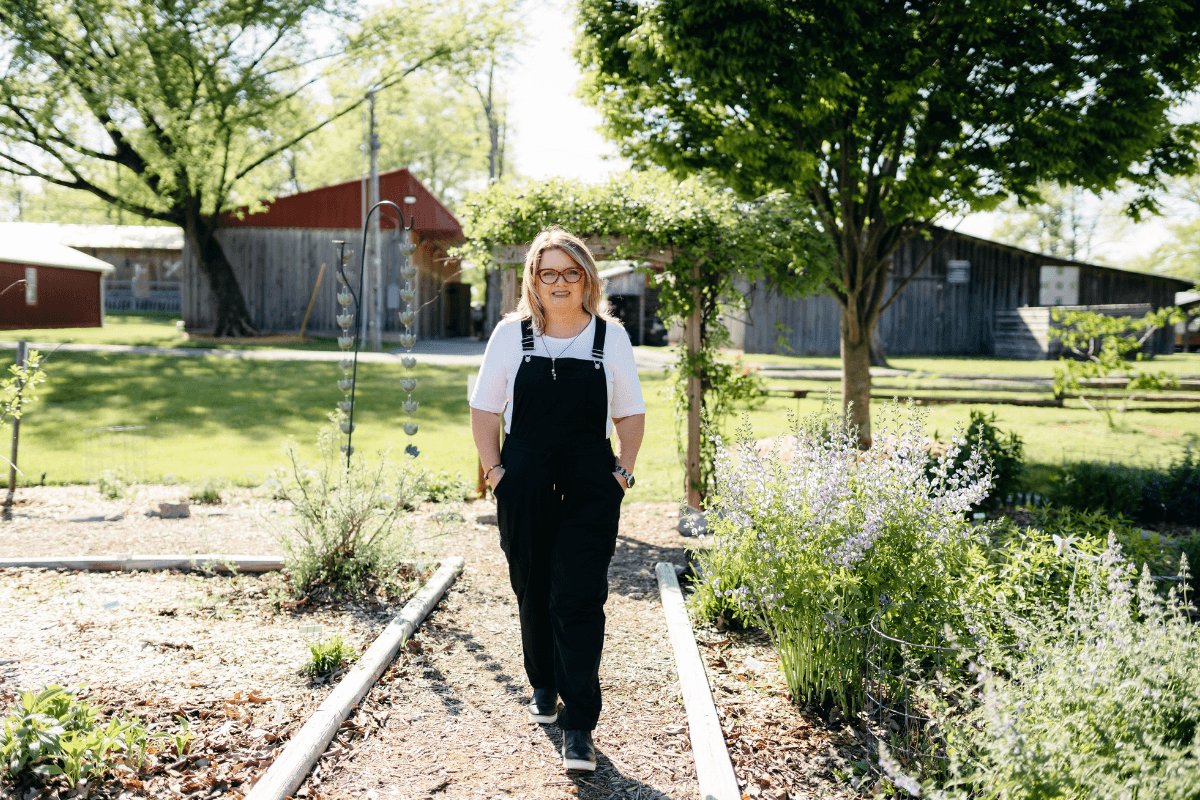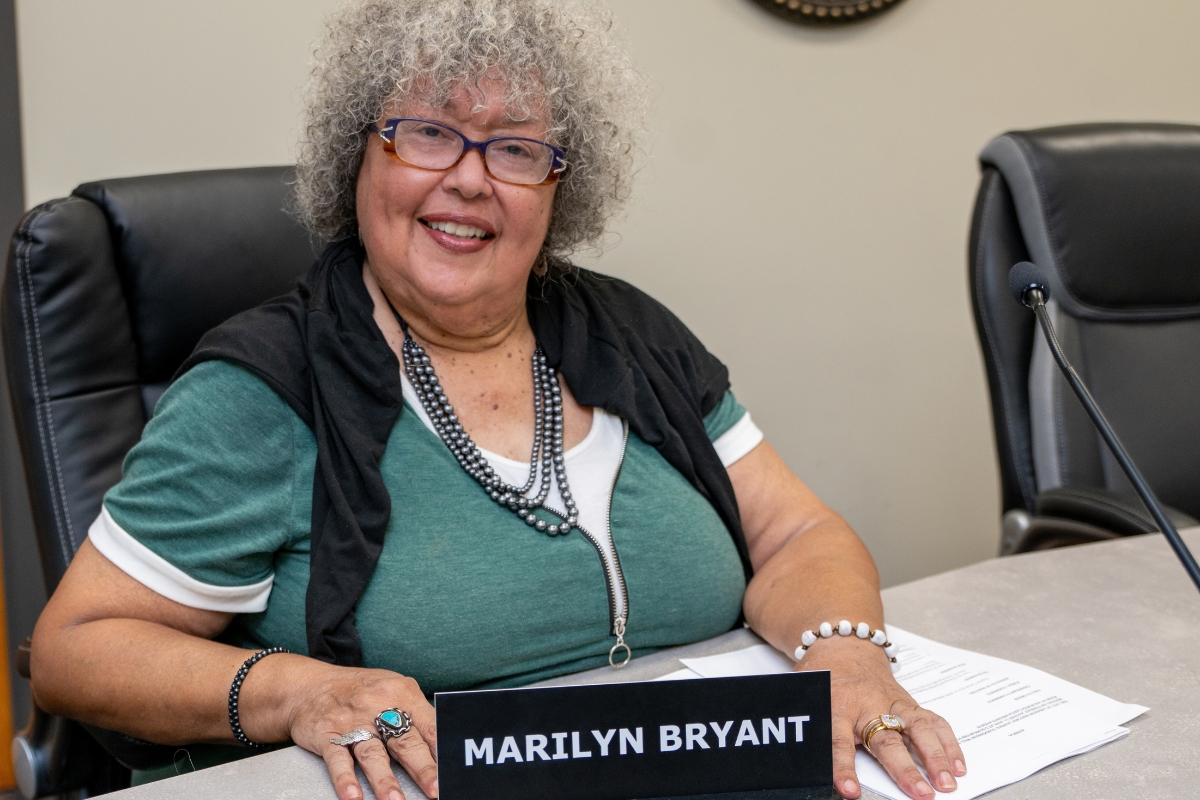
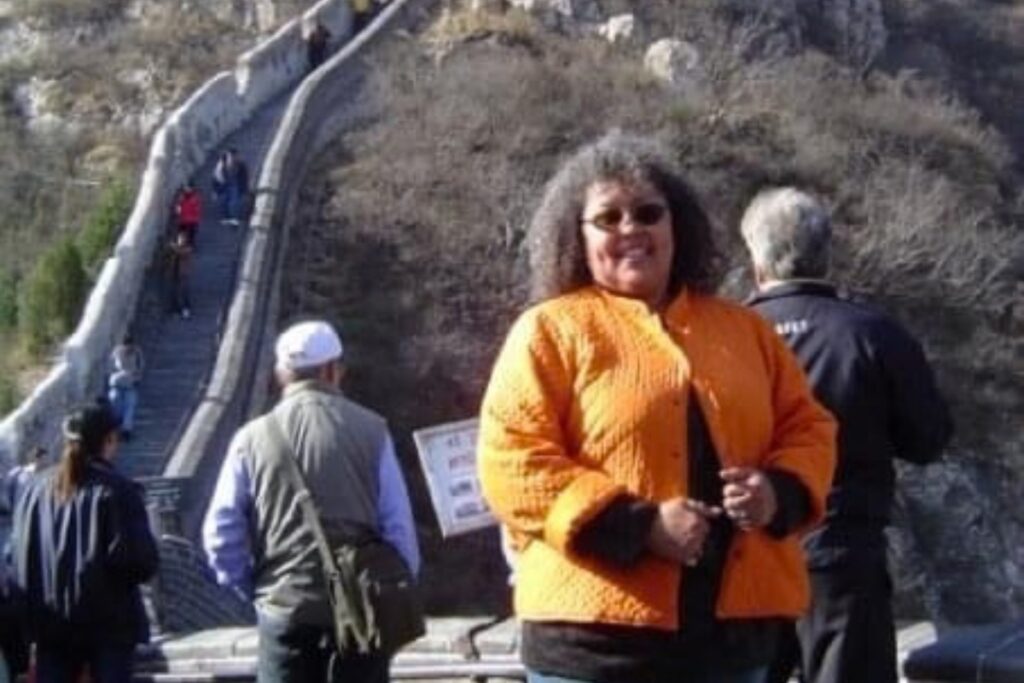
Marilyn Bryant knows how to make things happen. Her determination and perseverance have taken her to exciting places and allowed her to lead, work, and live with creativity and passion.
Bryant was born and raised in Lebanon, the home she always knew she wanted to retire in someday, but she had a lot of living to do first. After leaving Tennessee in 1973 to attend a business and fashion production school in Atlanta, she moved to Philadelphia, eventually landing in New York City in 1981. In the Big Apple, she had a 32-year career in fashion production and retail management. In this role, she negotiated with overseas factories, managed pattern rooms, and organized samples for major fashion lines, among other responsibilities. It was a career that took her around the world two or three times a year.
“I was really 10 years later than my life plan to move back to Lebanon because I was in a career position that I didn’t want to leave,” Bryant said.

She was always interested in history, but her passion for historic preservation ignited on an elevated subway platform in New York City, where she rode a train that looked down onto a block of historic brownstones in Long Island City, Queens.
“I always looked and said, ‘I want to live there someday,’” she said.
It was a dream she indulged even when it was beyond her budget. Her persistence paid off, and Bryant eventually bought a home on that very block. It was a house built in 1882 on a stretch of brownstones designated a state landmark.
Finally, in May 2013, for her retirement years, she returned to Lebanon, not to rest after her exotic adventures, but to begin attending city council meetings immediately. She wanted to see what was going on in the community at that time. The city was forming its first Historic Preservation Commission, and Bryant, who had been a classmate of the mayor, jumped at the opportunity.
“I sent him an email [saying] that I wanted to be one of the people named to this commission,” Bryant said.
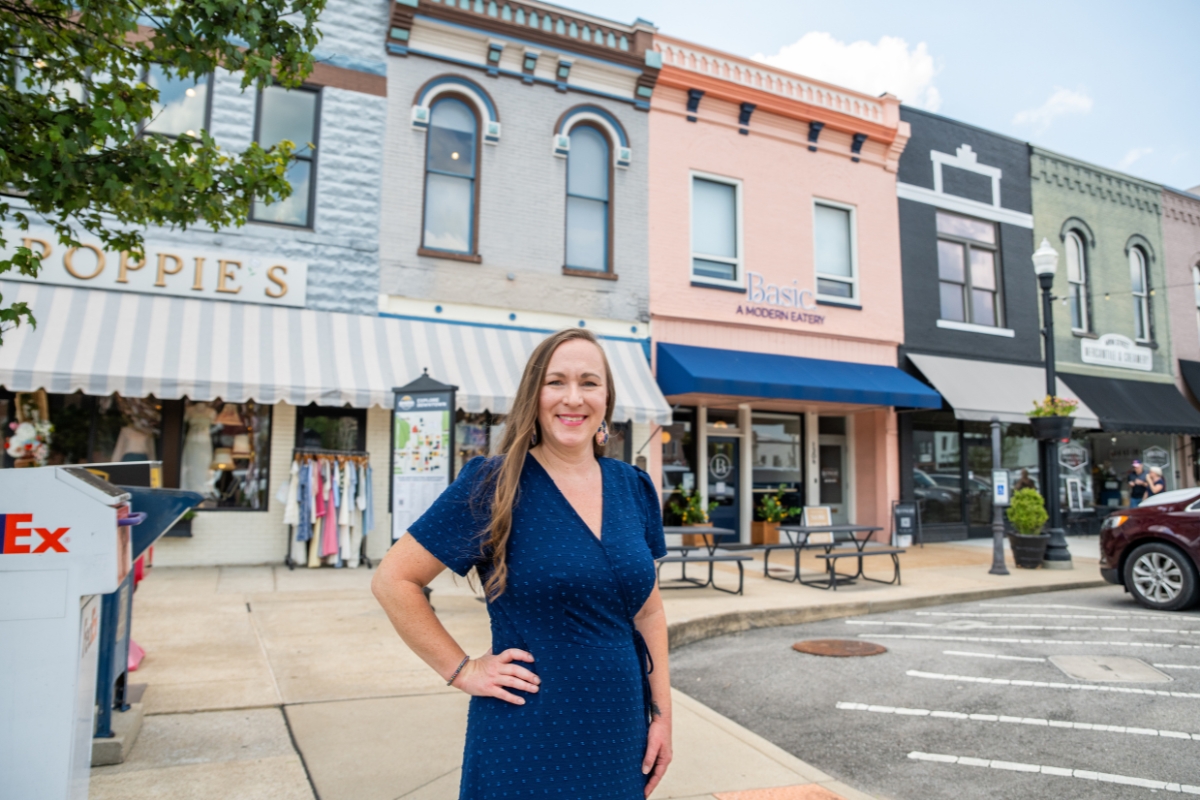
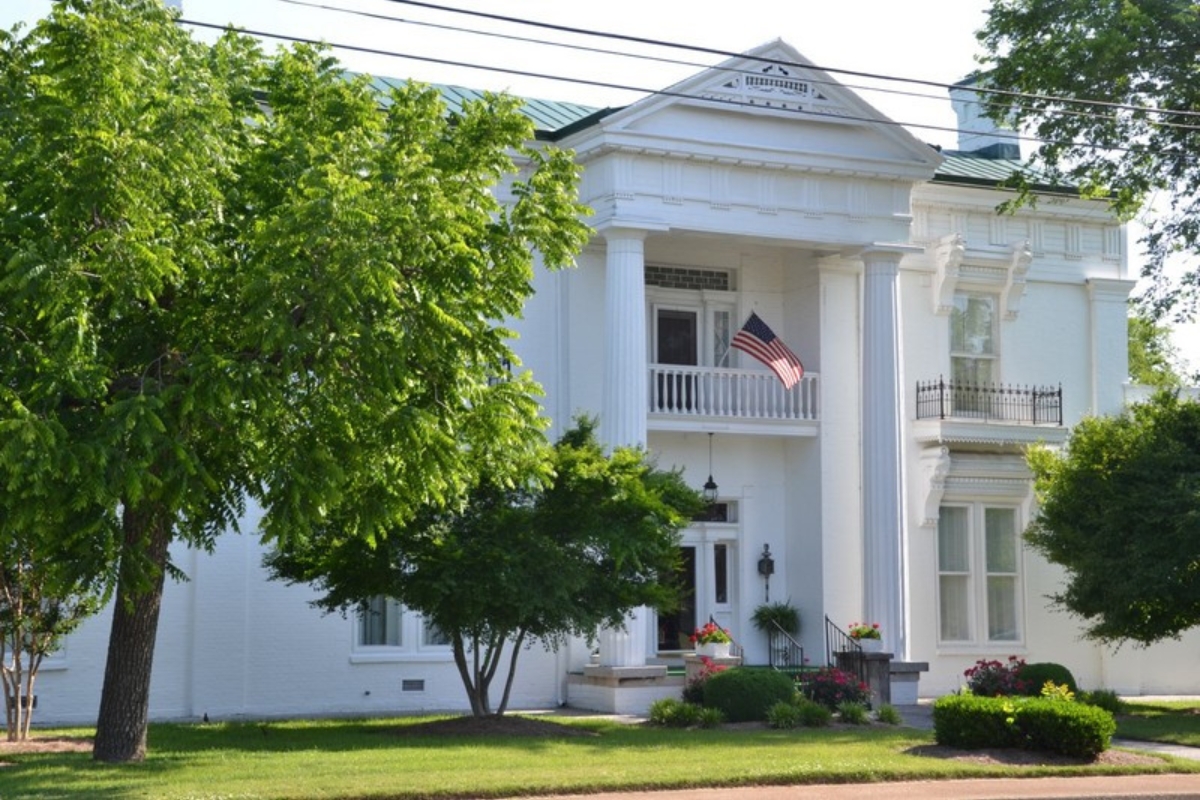
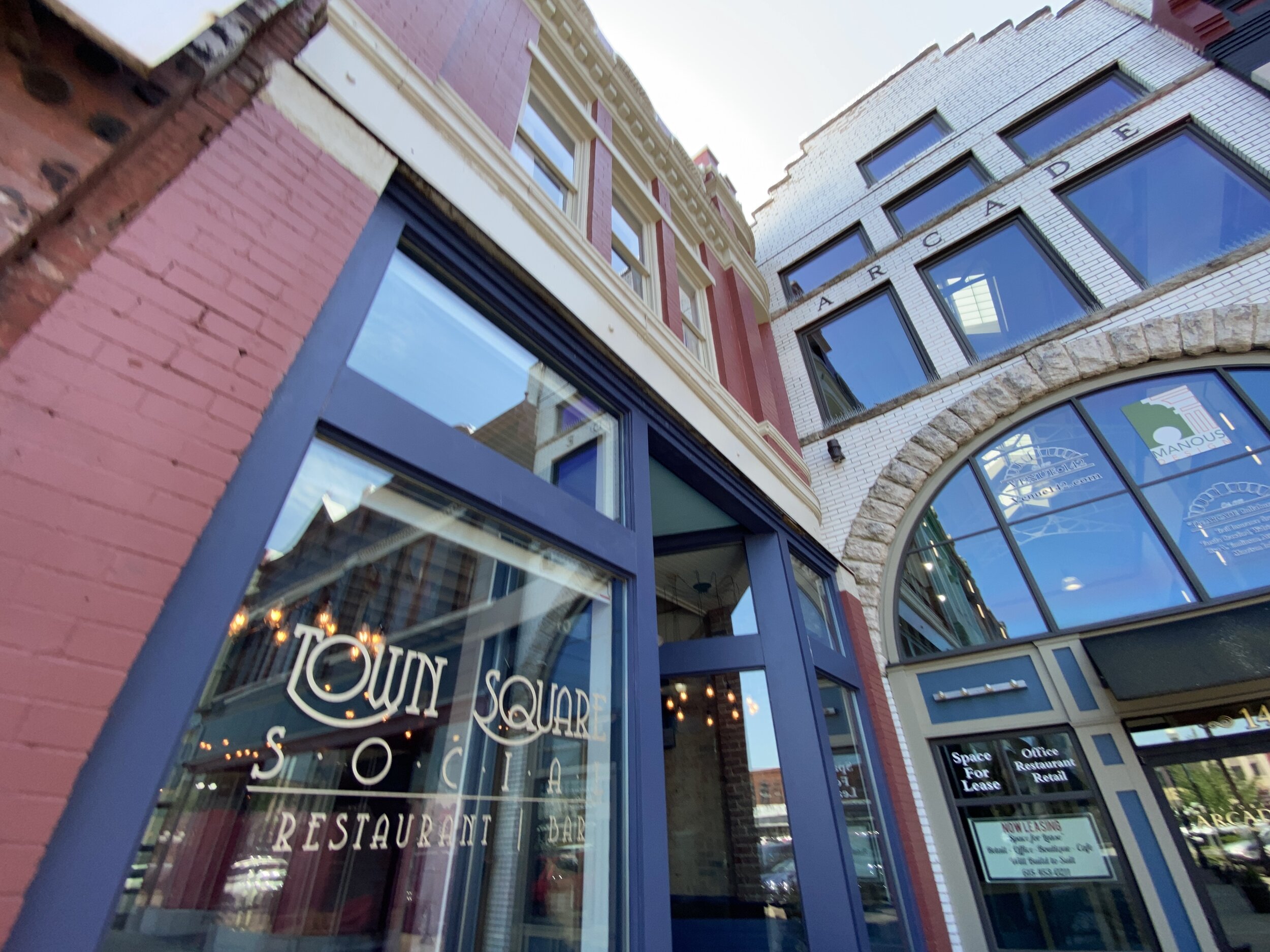
She was appointed to the commission as one of its founding members. It now operates as the Historic Zoning Commission following a change in Tennessee state regulations. The commission establishes historic districts across Lebanon; there are seven so far, beginning with the East Spring District and now extending to commercial areas along East and West Main Street. Property owners within those districts must apply for a Certificate of Appropriateness before making any exterior changes. These guidelines can be found in a booklet the commission developed that outlines parameters for additions such as window styles, appropriate signage, and lampposts. In this way, Bryant says, they can continue to add new businesses while preserving the historic character.
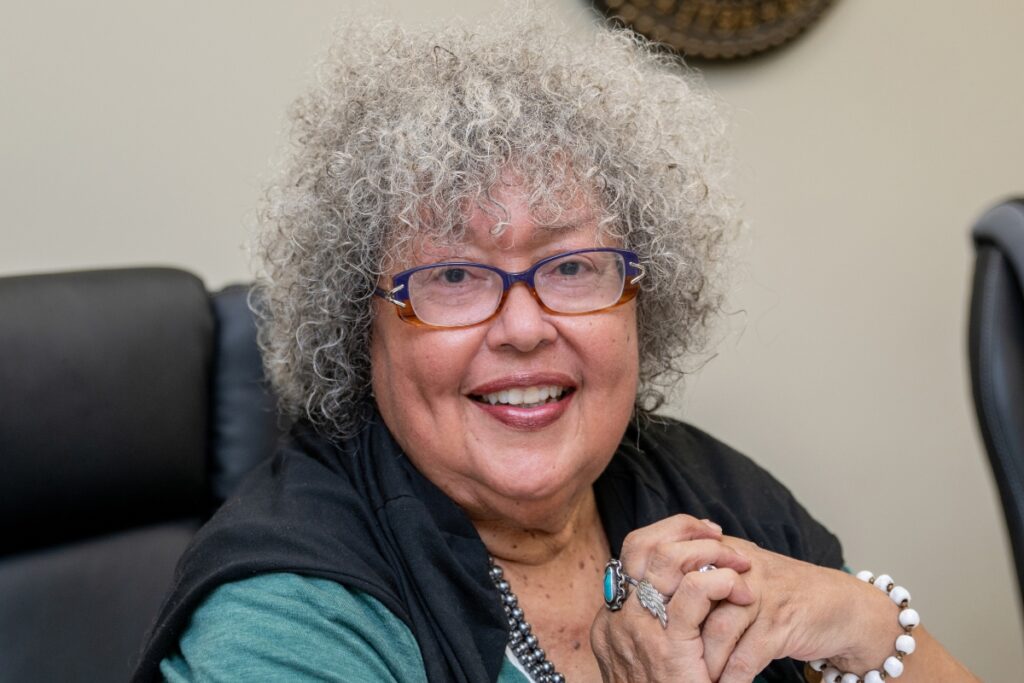
When the commission moved to get Lebanon’s downtown square designated as a protected property, they found that downtown is made up of individually owned properties, making it more of a hurdle.
“Getting all of the business owners together and on the same page was the hardest part,” Bryant said.
Knowledge of architecture and zoning law is required, but understanding why a place matters to the people who live there is just as critical. Few on the commission understand that more than Bryant herself.
Bryant has a unique role in the area’s history, as she was among the first two Black children to attend Highland Heights Elementary School, the white school four blocks from her home, when desegregation came to Lebanon. Her mother was teaching sixth grade — the grade Bryant was entering — at Market Street School, which was the Black school.
“I joked that I would rather be called names at the white school than be in my mother’s class,” Bryant said.
While it was brave of her to take that leap and go for it, Bryant did not care that she was one of only two Black kids choosing to go. Always adventurous, she leaped headfirst into her new school and said she had no bad experiences there at all. She knew several classmates from playing in the neighborhood.
“Lebanon has always, even through segregation, been a city of cooperation,” she said. “The real issue is protecting whatever history is here.”
With new development happening at an increasing rate, Bryant knows that the work she is doing through the commission will be critical.
“We have all of this growth coming in,” she said. “We have to set some type of control so that nothing overruns or disrespects what did exist.”
Bryant, who is also a member of the Wilson County Civic League in addition to the commission, has spent more than a decade making sure that Lebanon’s heritage is not erased in its rush to grow. She does not intend to retire from that pursuit any time soon. GN