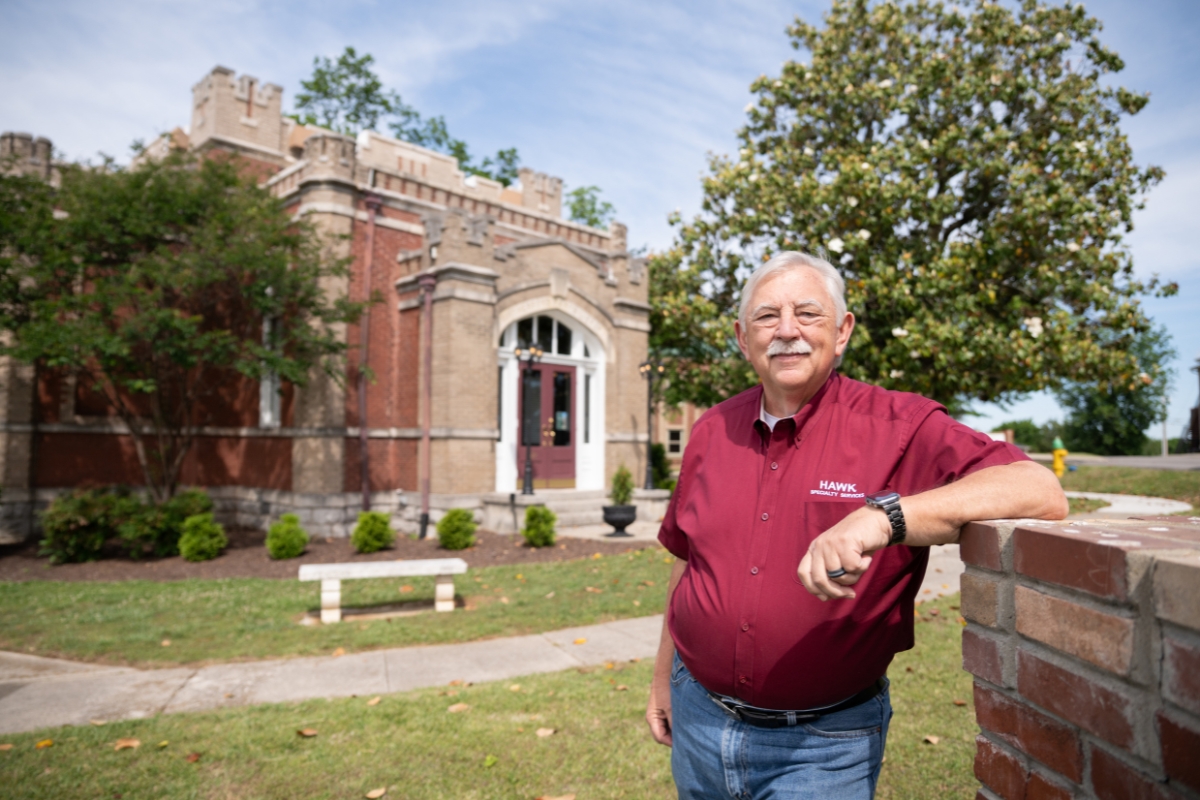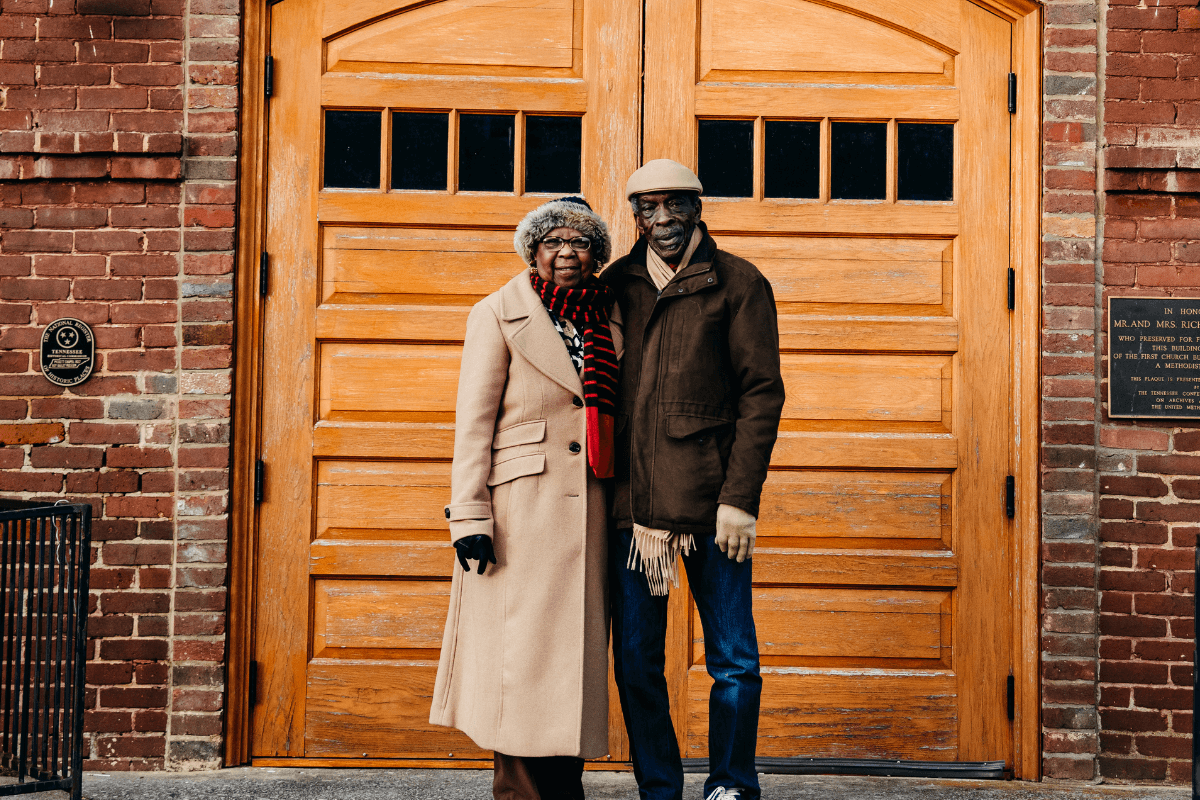
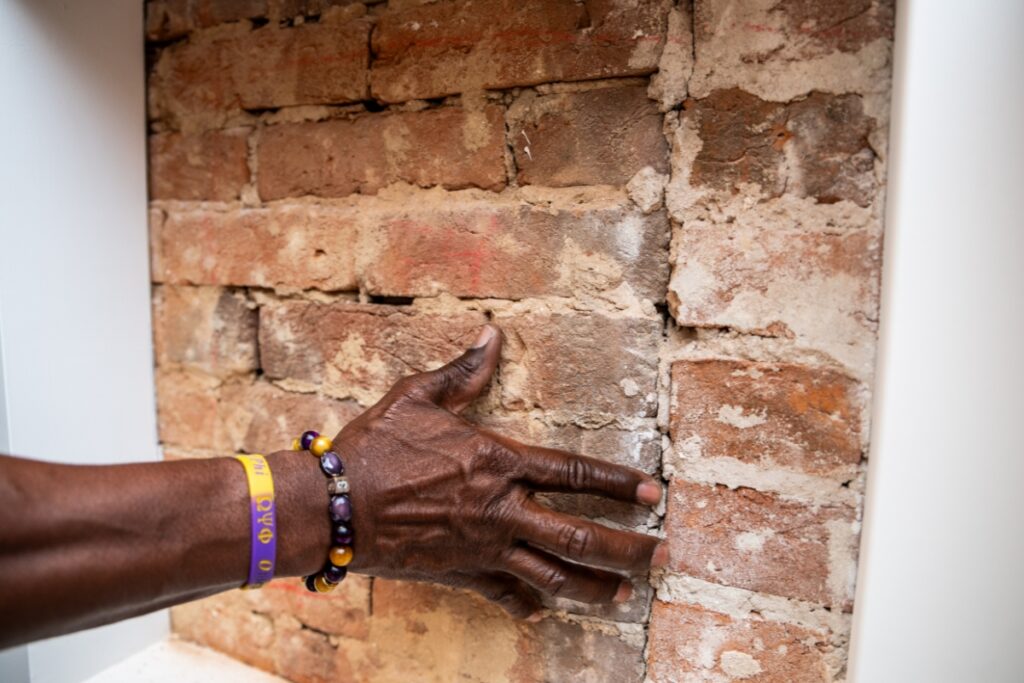
The worn, cracked bricks clung to the facade of Pickett Chapel, Lebanon’s oldest brick building still standing. Though the floorboards creaked and the paint peeled inside, one family saw an opportunity to revive its valuable history and preserve a piece of their own family’s story.
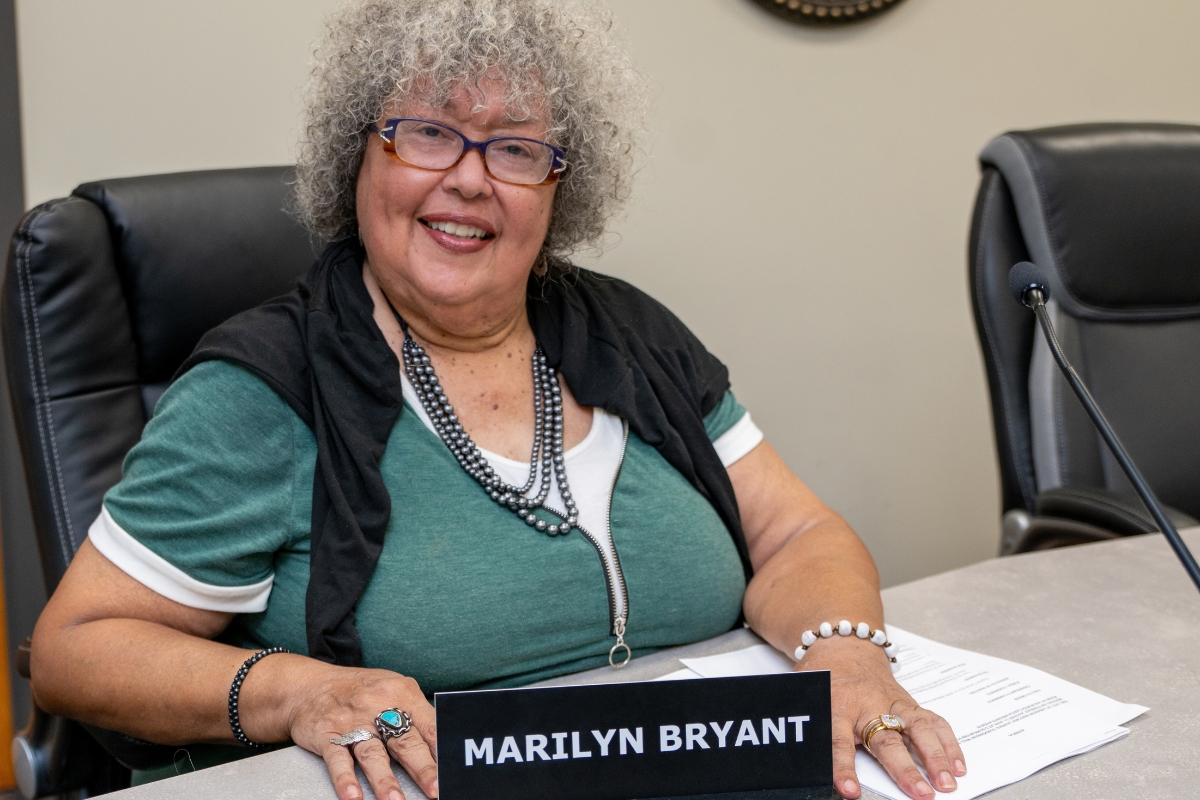
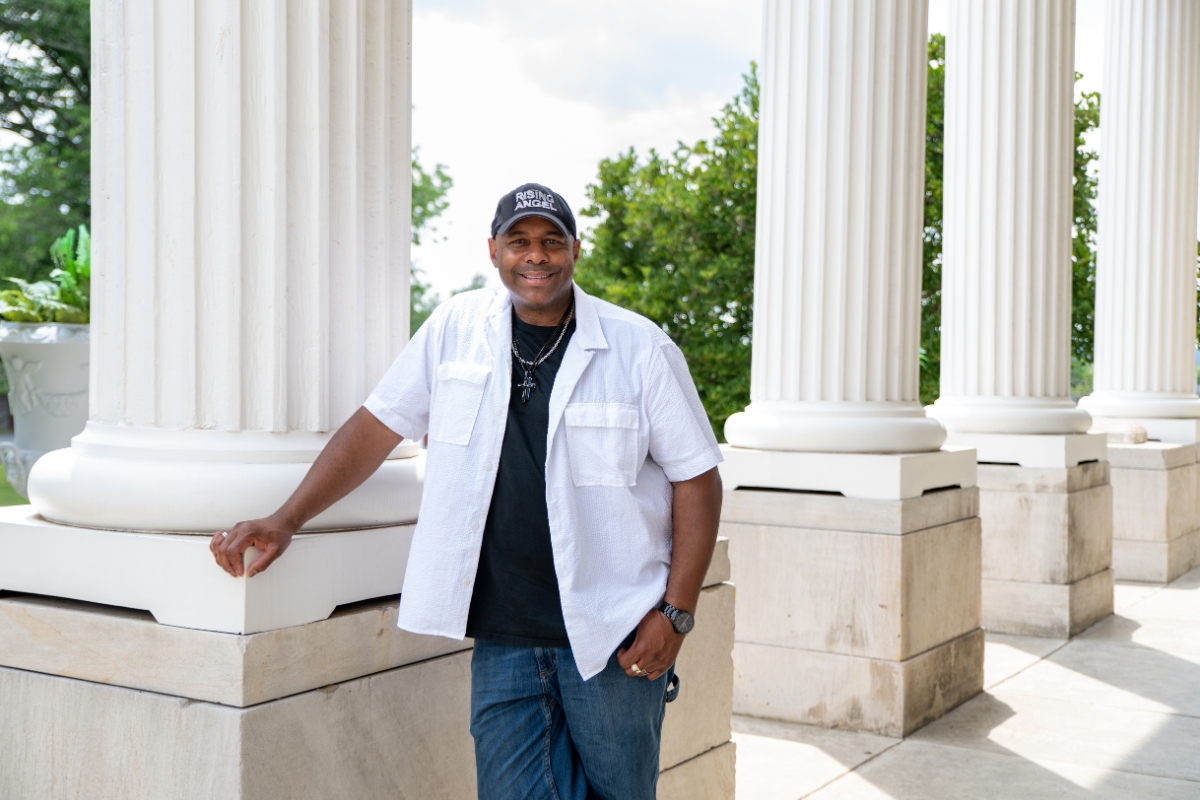
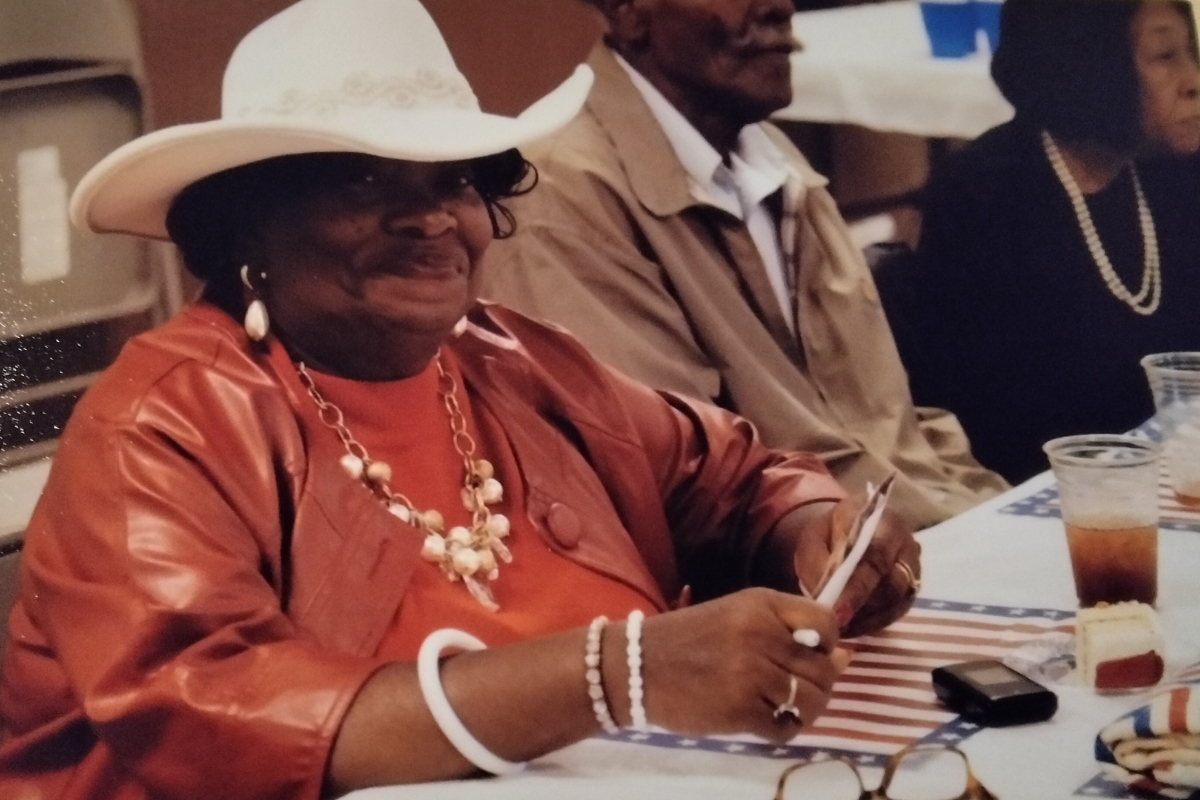
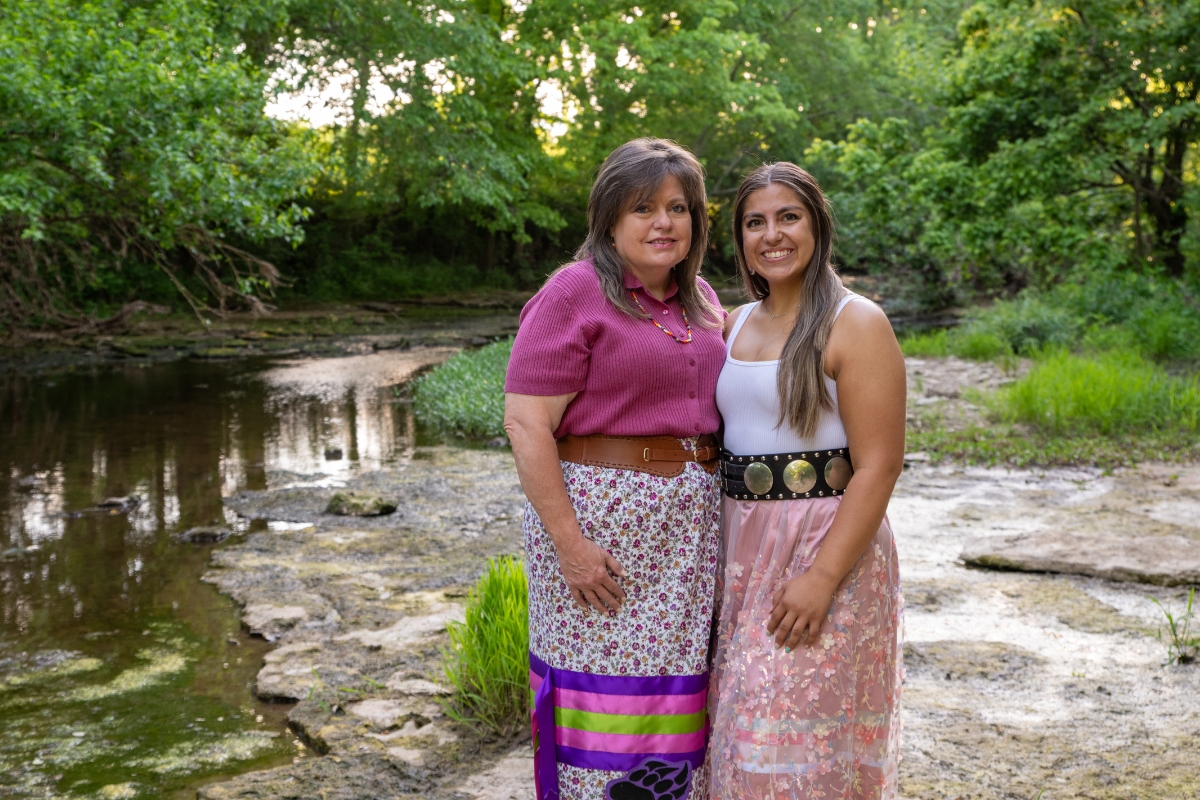
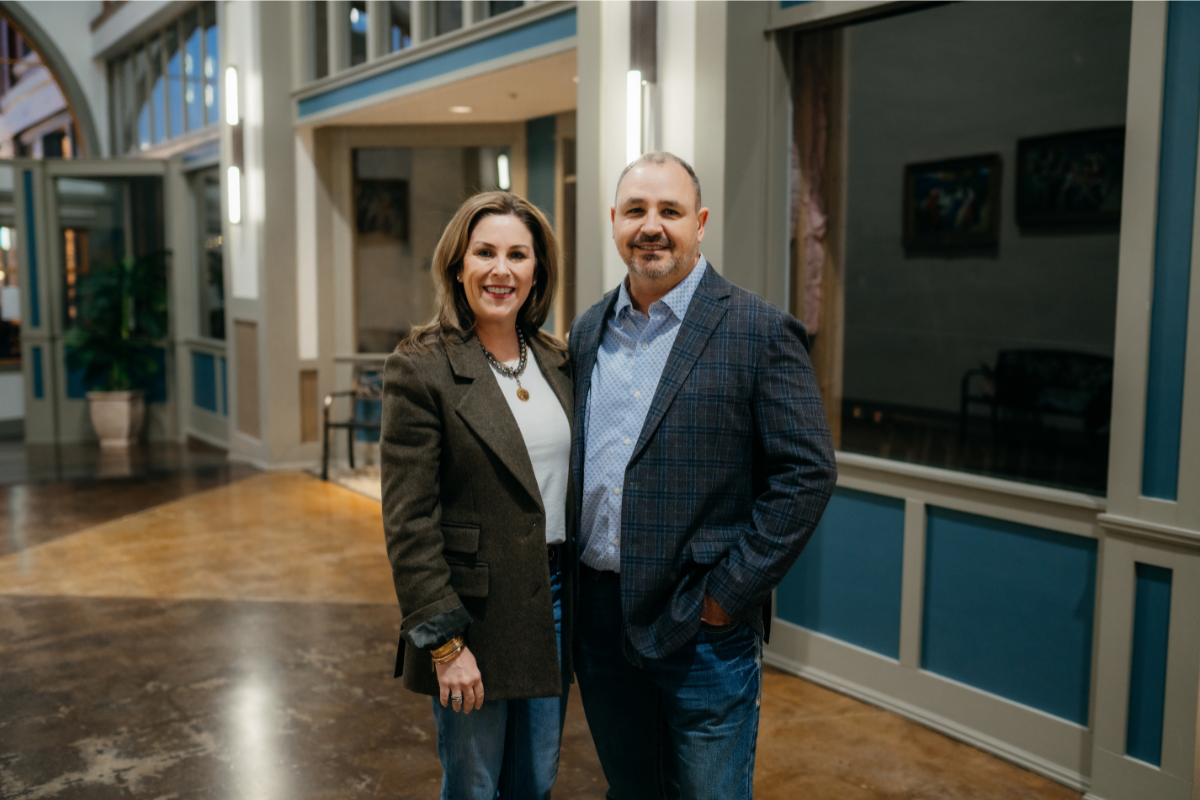
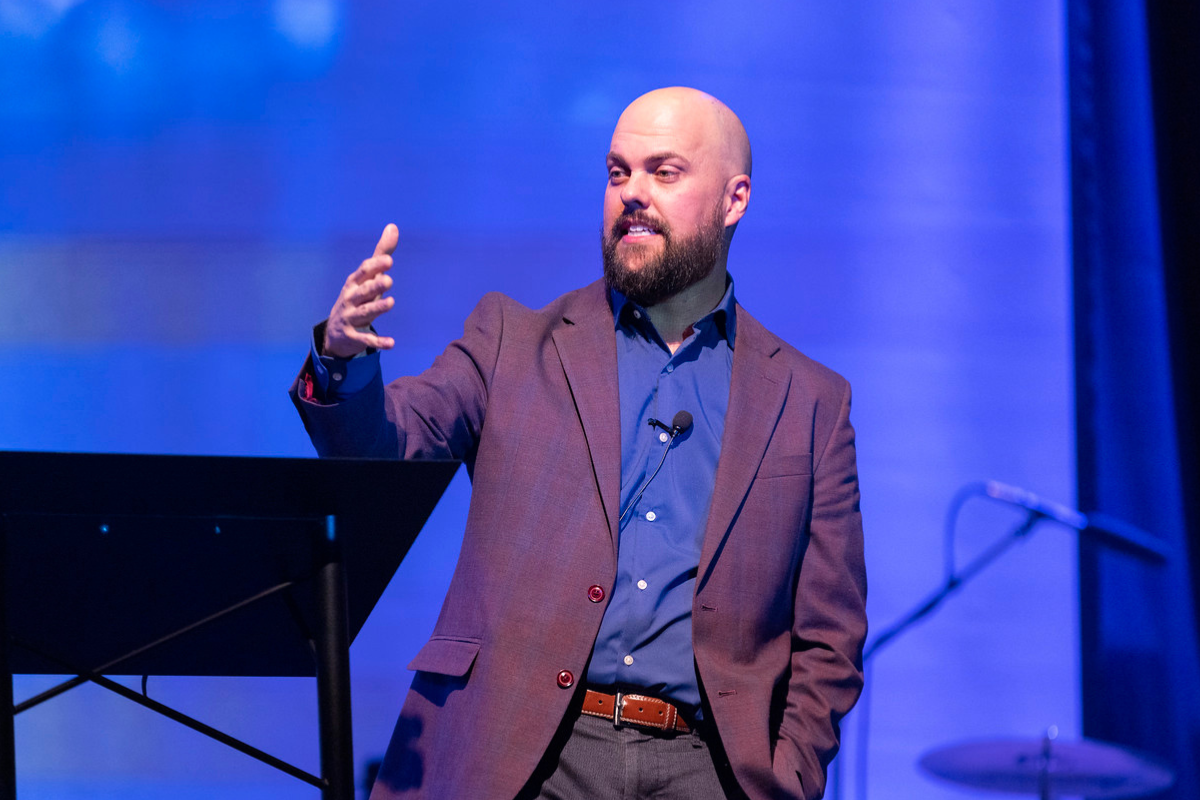
The Rev. Vincent Harris says it was his mother, Mary Harris, who drove the initiative to restore the chapel, along with her husband, Harry Harris. In 1994, Mary founded the Wilson County Black History Committee, a nonprofit dedicated to preserving and sharing the region’s African American history. They raised their son with stories of the old chapel and its significance as a structure built by enslaved Black people and freed skilled laborers between 1827 and 1829. By the early 2000s, it was in such poor condition that city officials were discussing removing it.
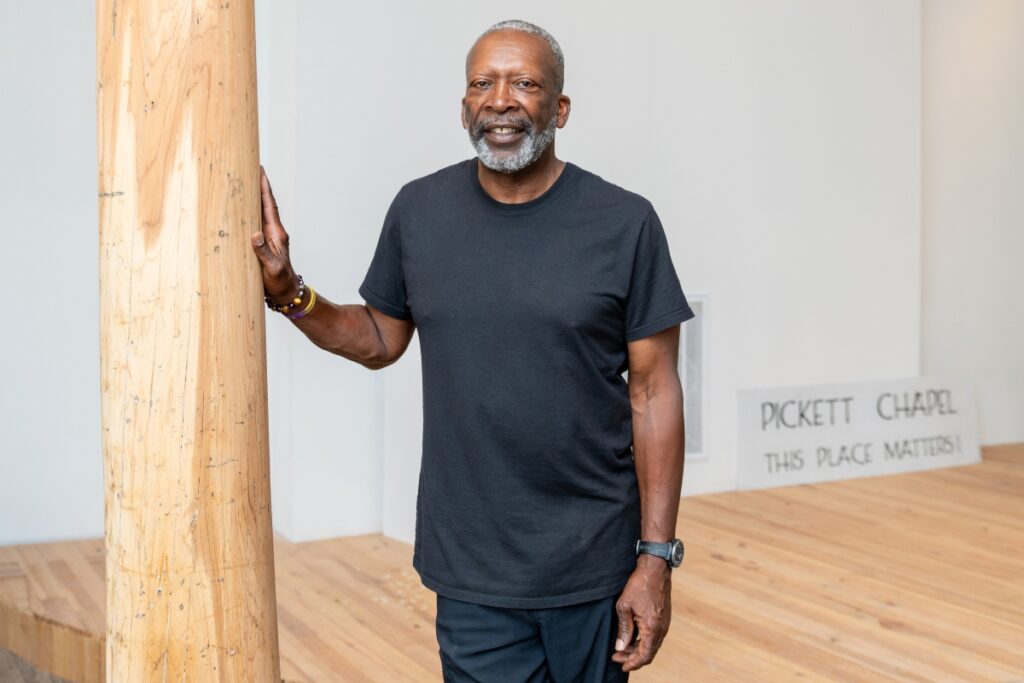
“They were going to condemn the building. They were actually talking about demolishing it,” Harris said.
The Harris family wanted to ensure the building would not be destroyed because its history was too important for them to lose.
Long before Pickett Chapel carried that name, it was simply “the Methodist Church,” a modest brick sanctuary on what is now East Main Street. Those same enslaved and free Black men who laid every brick also filled the pews, but only in a segregated area.
“There was a balcony where the enslaved African Americans sat, and the Anglo members sat on the floor. It’s a very small space which probably could fit maybe 100 people tight at the most,” Harris said.
By 1856, the white congregation had outgrown the space and moved elsewhere. In 1866, Black freedmen purchased the chapel for $1,500 and renamed it. Pickett Chapel Methodist Episcopal Church was christened in honor of brothers Calvin and James Pickett, Methodist ministers who helped make the sale possible. The chapel would serve its Black congregation faithfully for the next 107 years. Interestingly, this congregation moved to a newer building only a mile away from Pickett Chapel in 1973, and the original white congregation’s building is also only a mile away from the chapel. In 1977, Pickett Chapel was listed on the National Register of Historic Places.
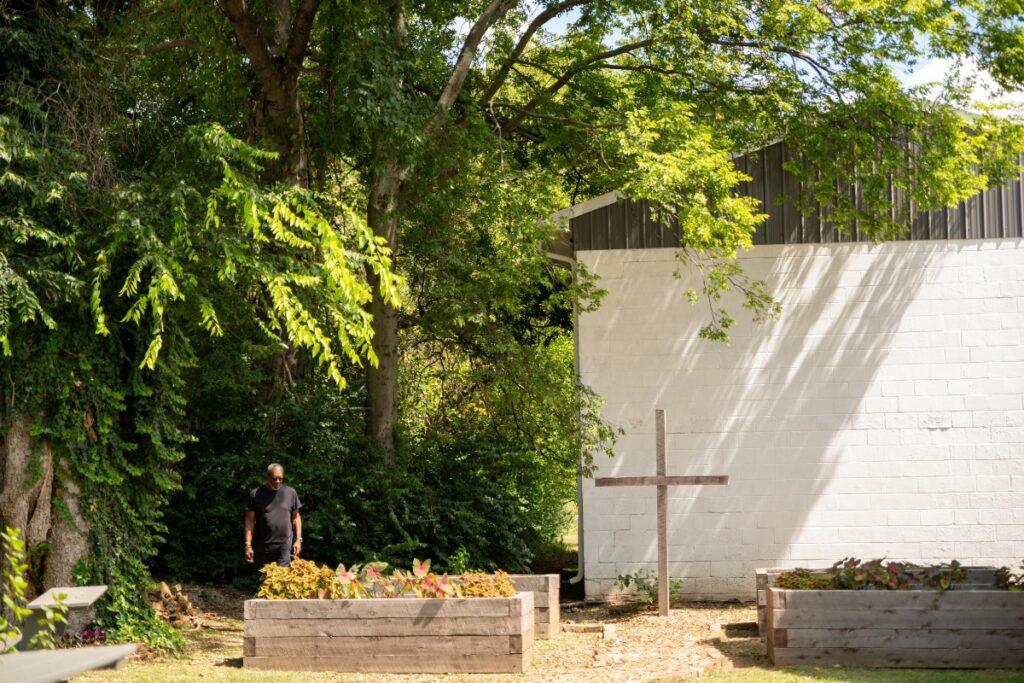
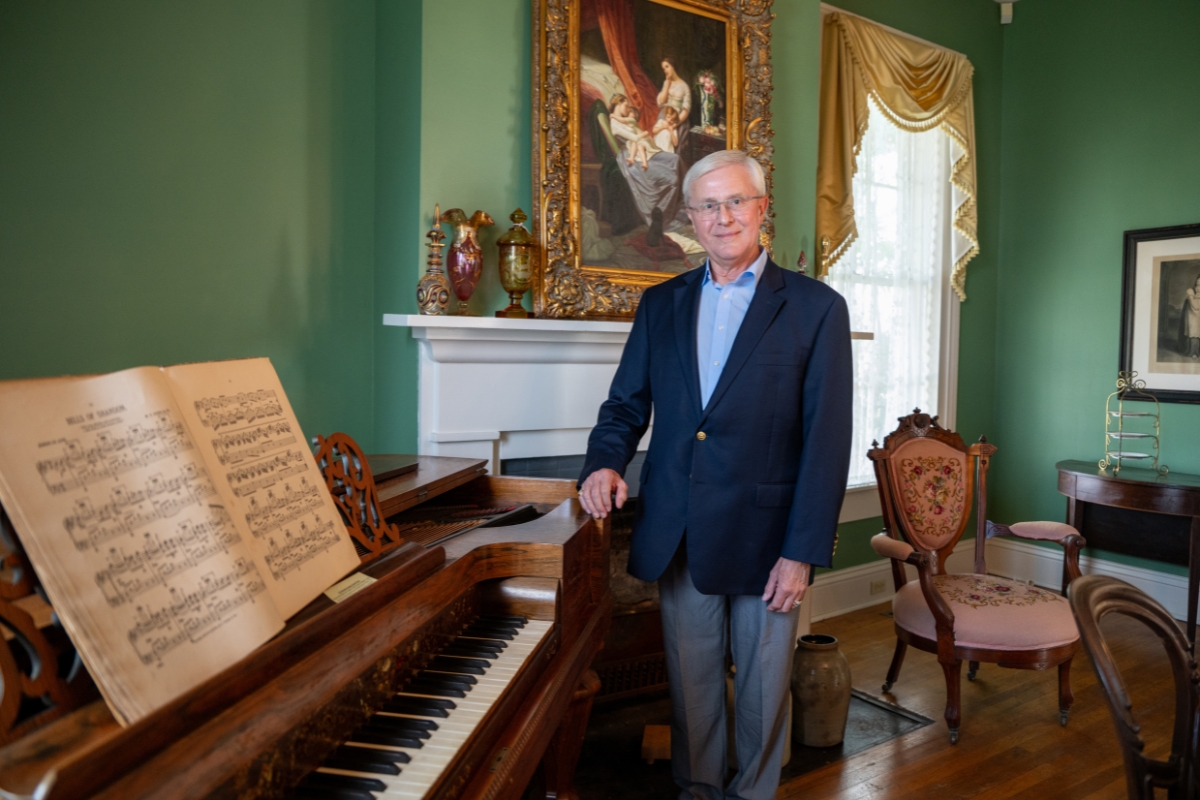
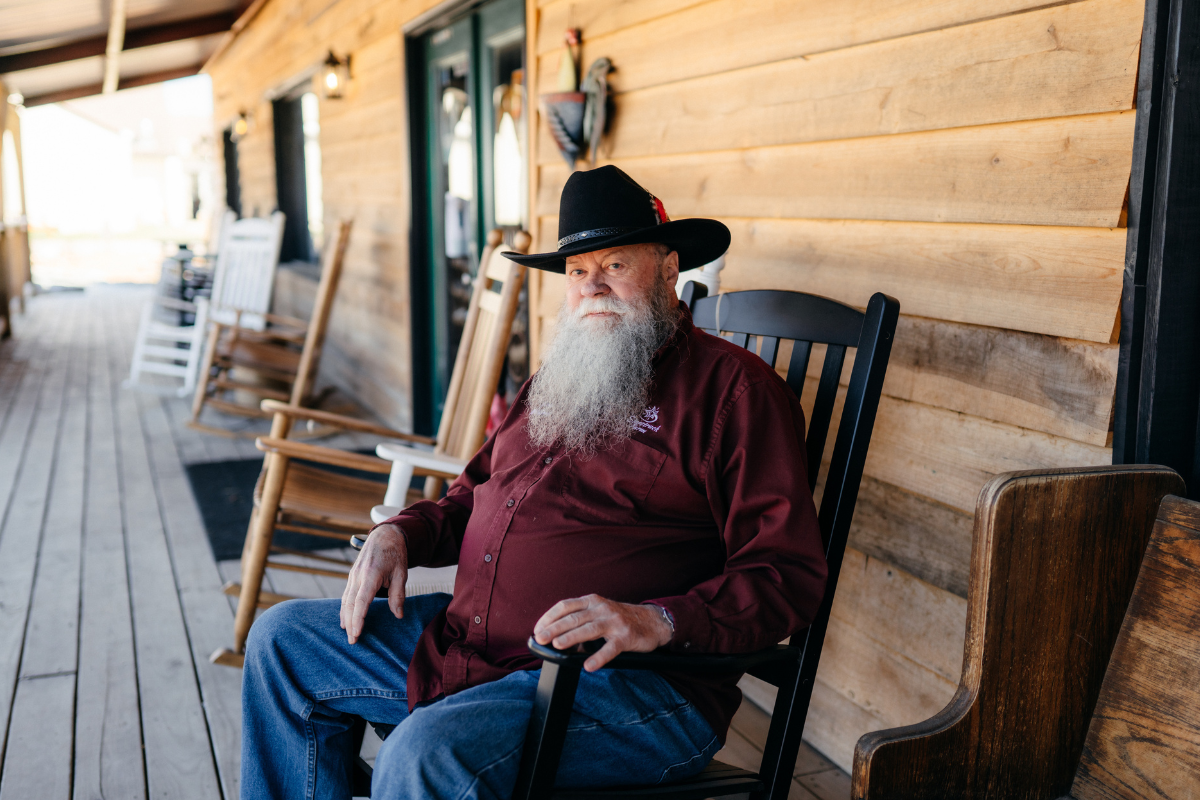
Harris’s great-great-grandmother, America Smith, introduced the family to Methodism, and her twin granddaughters eventually made Pickett Chapel their church home. Harris was baptized and confirmed in that church. The congregation was a true cross-section of Black Lebanon, with members who were laborers, educators, business owners, lawyers, and doctors. His own father was a janitor, while his grandmother and mother worked as domestics for the Evans family, the founders of Cracker Barrel. Harris’s mother is now 88 years old and still the board chair and director. His father, nearly 90, has been equally devoted to protecting the building.
“My parents actually mortgaged their house to buy that property from the person that owned it,” he said.
When the Wilson County Black History Committee acquired Pickett Chapel through the Harris family, the work ahead was daunting. The chapel had a deteriorating roof, crumbling brickwork, and unsafe doors and windows. Using grants from the city of Lebanon, Wilson County, the state of Tennessee, and the National Trust for Historic Preservation, the committee steadily made repairs. Today, the exterior is fully restored, with the original 1820s-era brick left untouched. Electrical upgrades, fresh paint, and interior finishing are now in their final stages.
“The floor is the original floor. And there’s a barrel ceiling that’s original as well. Those are going to be some of the highlights people can see when they visit,” Harris said.
The restored chapel will become the Roy Bailey African American Museum and Education Center, a place to explore the chapel’s history and honor the lives of those who built it and worshipped there. Harris says they plan to add exhibit kiosks, display materials, and space for local gatherings. It will offer educational programming for school districts, children, and families. Partnership discussions are already underway with Middle Tennessee State University’s Public History program for exhibit content and design.
“It’s going to give people an opportunity to know about the history of people, especially Black people, in Wilson County,” Harris said. “They can learn about the vast number of families that are African American in Wilson County who have lived there, and some of what they have been a part of. That includes sports, music, science, education — all the things that people have contributed to the general life of Wilson County.”
As Pickett Chapel approaches its 200th anniversary in 2027, the finish line is finally in sight for the Harris family. The community that built this chapel, found a church home in it, and nearly lost it, is now being invited to help carry it forward for future generations. GN
To donate or learn more, visit pickettchapel.com, email WCBHC1994@gmail.com, or donate through the Wilson County Black History Committee’s Cash App: $Pickettchapel.