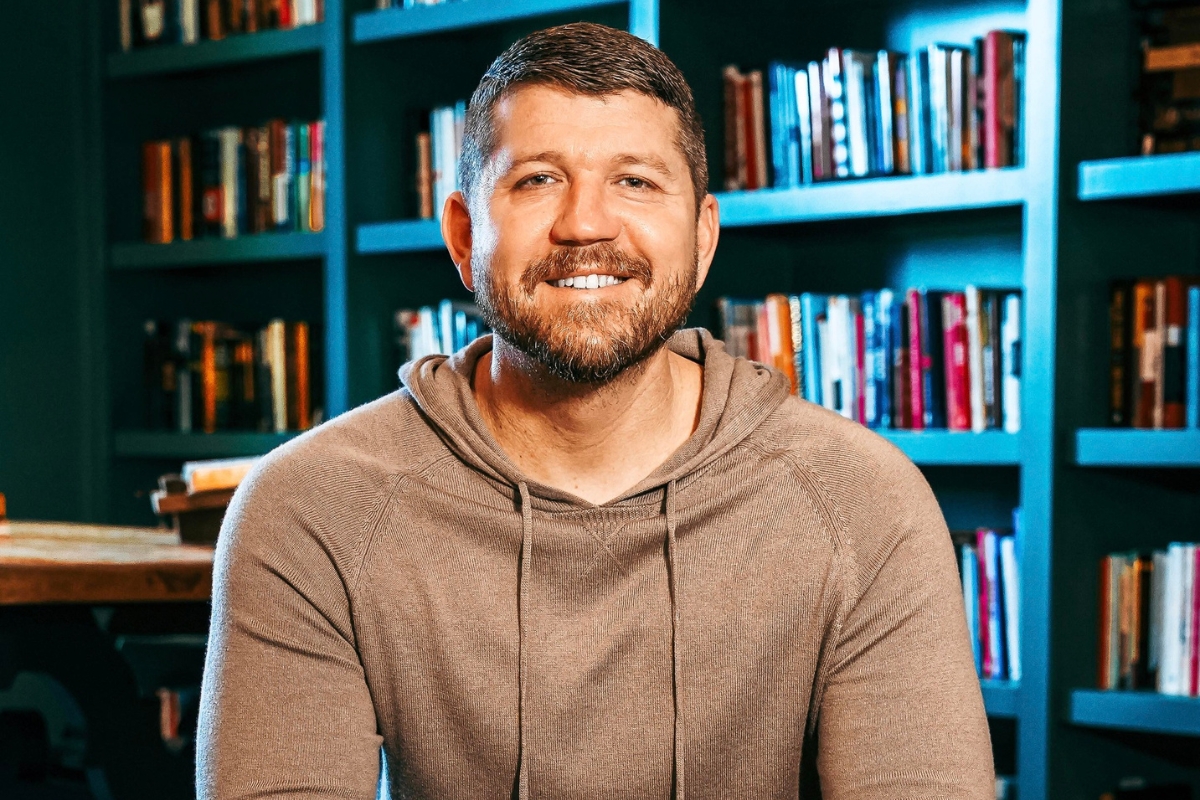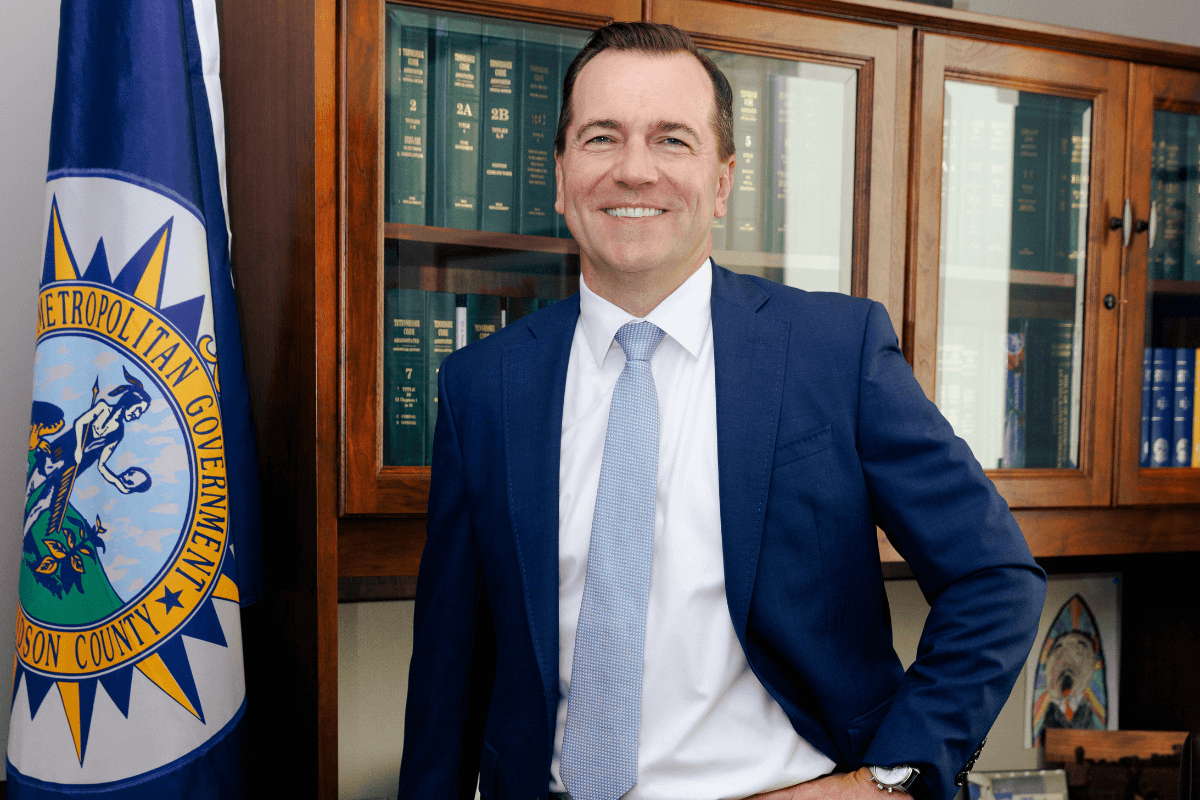
If Brandon Dragan’s career path has taught him anything, it’s that life doesn’t always reveal your calling on the first try.
“My journey was long,” he said.
Today, Dragan is a criminal defense attorney, representing clients through some of the most difficult moments of their lives. But years ago, he envisioned a very different future.
Before law school, Dragan pursued a career in the music industry, writing songs and trying to make his way into a creative career. He and his wife married young, and as many young couples do, they were figuring life out together. While music was fulfilling, he couldn’t shake the feeling that he hadn’t quite found where he belonged.
“I didn’t know what I was good at,” he admitted.

Life eventually forced him to slow down. A serious back injury required surgery, followed by a lengthy recovery that kept him at home for months. It wasn’t how he wanted to spend his time, but looking back, he sees it as a turning point.
During that recovery, he happened to be watching a true crime documentary. One of the defense attorneys being interviewed described the role in a way Dragan had never considered before. The attorney explained that he was often the person standing beside the individual whom no one else wanted to stand with. Something clicked. Dragan realized that was exactly the kind of person he wanted to become — not someone who excused wrongdoing, but someone willing to ensure every individual received fair treatment under the law.
He enrolled in law school, fully aware it would require enormous sacrifices.
“Law school,” he said with a laugh, “is a fulltime job.”
The demanding schedule affected the entire family, requiring long hours of study and countless evenings devoted to coursework instead of home life. Fortunately, those sacrifices paid off. After earning his law degree, Dragan began practicing criminal defense. Although he is not a public defender, he regularly accepts court-appointed cases, representing clients who otherwise might struggle to find legal representation. The work can be deeply rewarding. It can also be emotionally exhausting.
Unlike many professions, criminal defense rarely stays at the office. Even during a recent family vacation, Dragan found himself waking in the middle of the night thinking about active cases, replaying facts, considering legal strategies, and wondering what his clients might need next.
“There really isn’t a work-life balance,” he admitted.
The weight of responsibility is difficult to set aside, because every decision has the potential to affect another person’s future. Some days bring celebration. Others bring disappointment.

“You have to have tough conversations, sometimes,” Dragan said.
No amount of preparation, research, or determination can change the facts of a case. For Dragan, success has never been measured solely by courtroom victories. One of the greatest rewards comes when a client feels heard and supported through an incredibly difficult season of life.
He describes an overwhelming sense of relief when a case concludes — especially when that relief is shared by the client sitting beside him.
If one of his own children someday expressed an interest in becoming an attorney, Dragan wouldn’t hesitate.
“I’d tell them to go for it,” he said. “You’re helping people on a daily basis.”
When the courtroom finally grows quiet, Dragan has another creative outlet waiting for him. He writes. In fact, storytelling has remained a constant thread throughout every chapter of his life.
While attending law school, Dragan won the American Bar Association Journal’s Ross Writing Contest for his short story, “Advokat,” an achievement that encouraged him to continue writing fiction even as his legal career accelerated.
His first novel, “Wages of Grace,” tells the story of two brothers whose lives are forever changed by World War I. When one brother leaves his fiancee behind to fight overseas, suspicion falls on the other after he becomes the last person seen with her.
His second novel, “The Resurrection of Jesse Barrow,” explores another subject close to Dragan’s heart — a wrongful conviction in the American South. The legal system, justice, and the consequences of getting it wrong have naturally found their way into much of his fiction.
Then there is the novel that surprised even him. Dragan laughs when explaining its inspiration. His wife is an enthusiastic fan of Jane Austen’s “Pride and Prejudice.”
“I got tired of hearing about Mr. Darcy,” Dragan joked.
So he decided to tell someone else’s story.
His latest novel imagines what Charles Bingley was doing during his unexplained absence from Jane Bennet. Dragan’s answer is anything but conventional.
Bingley, it turns out, has secretly become a vigilante. The imaginative twist even earned praise from actor Crispin Bonham-Carter, who portrayed Bingley in the BBC adaptation of “Pride and Prejudice.”
For Dragan, though, writing and practicing law share more in common than many people realize. Both require listening carefully. Both ask difficult questions. Both begin with the understanding that every person has a story worth hearing. Both require remembering that sometimes, the person who needs someone beside them most is the one everyone else has already walked away from. GN