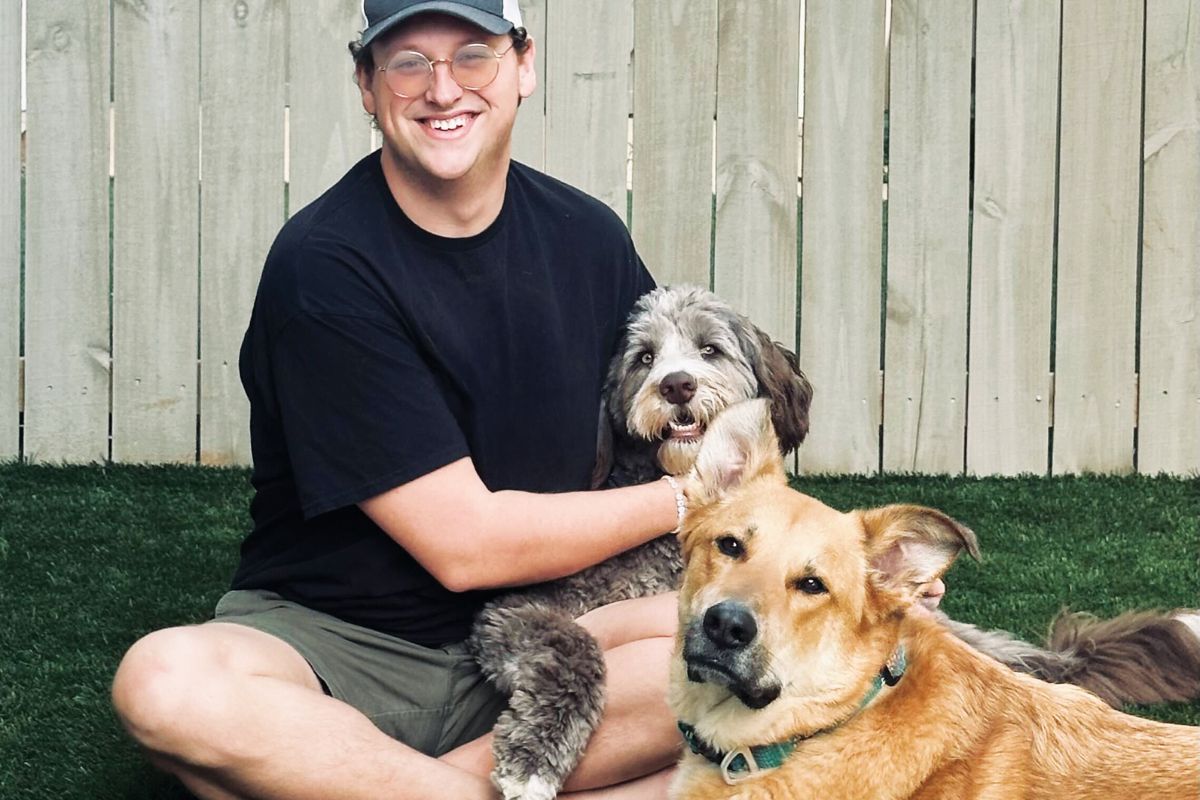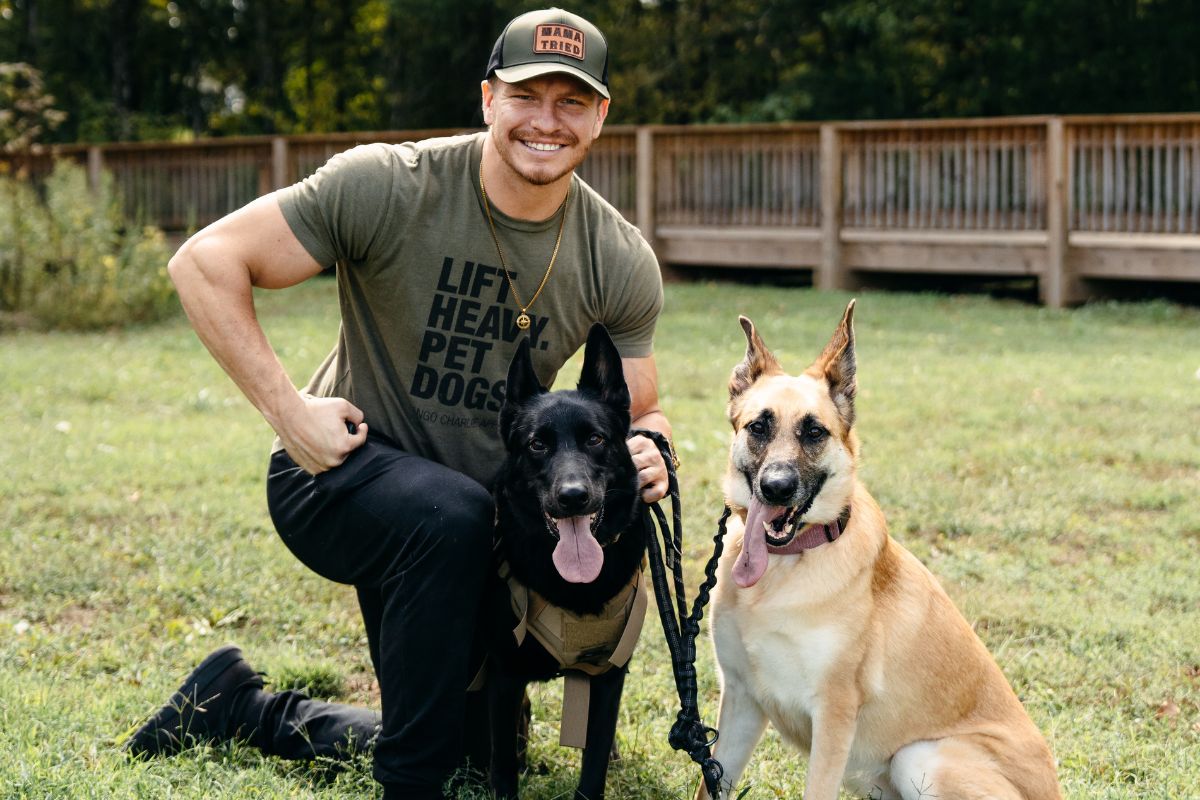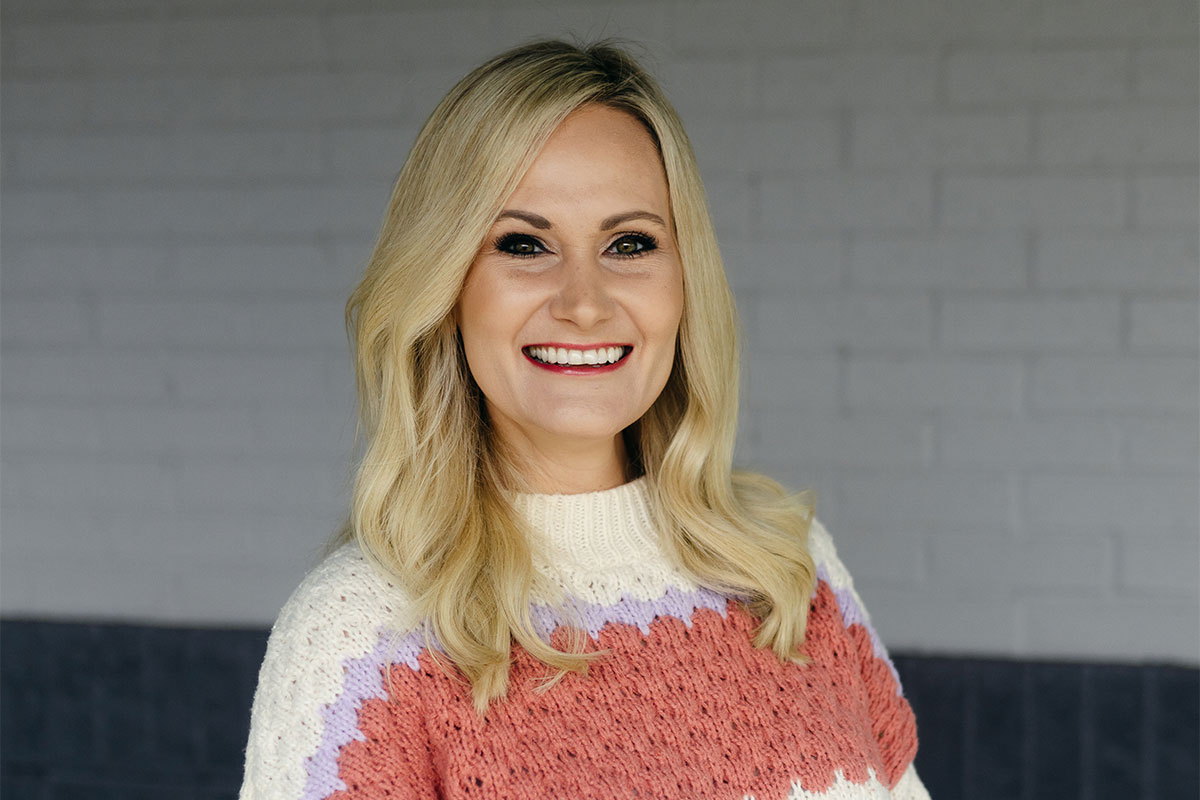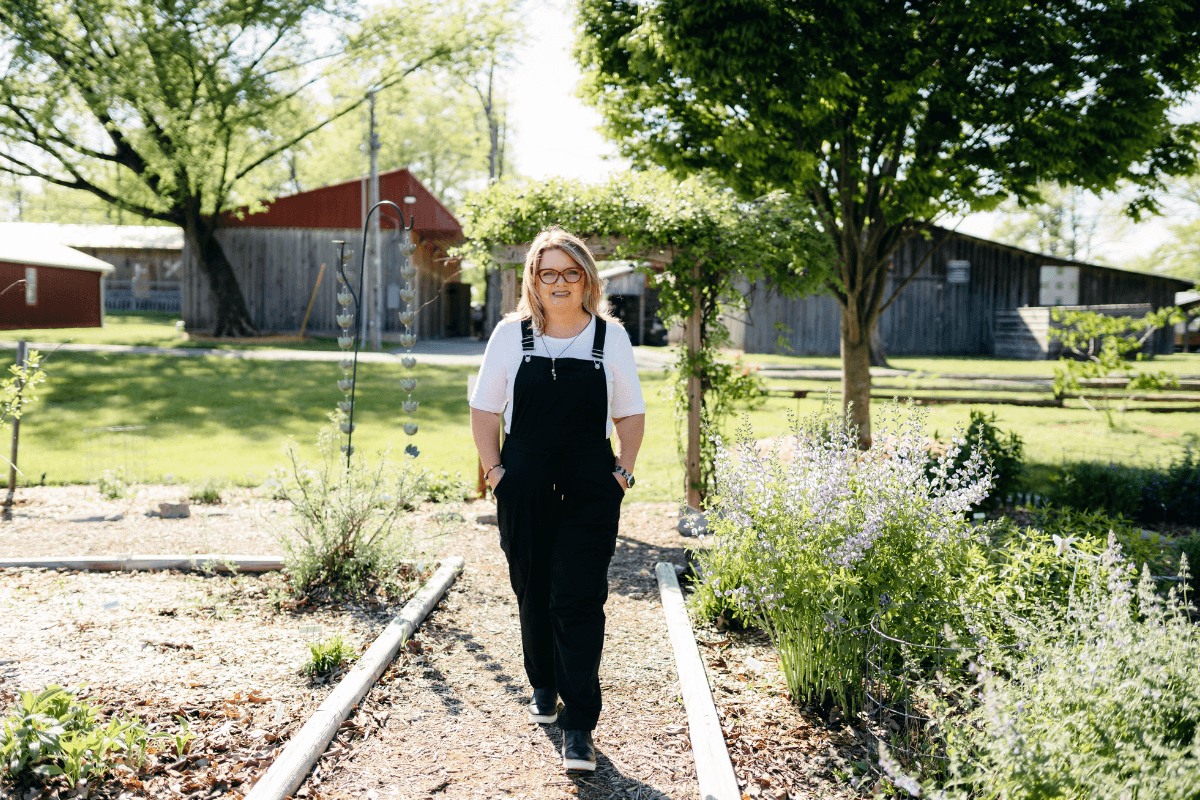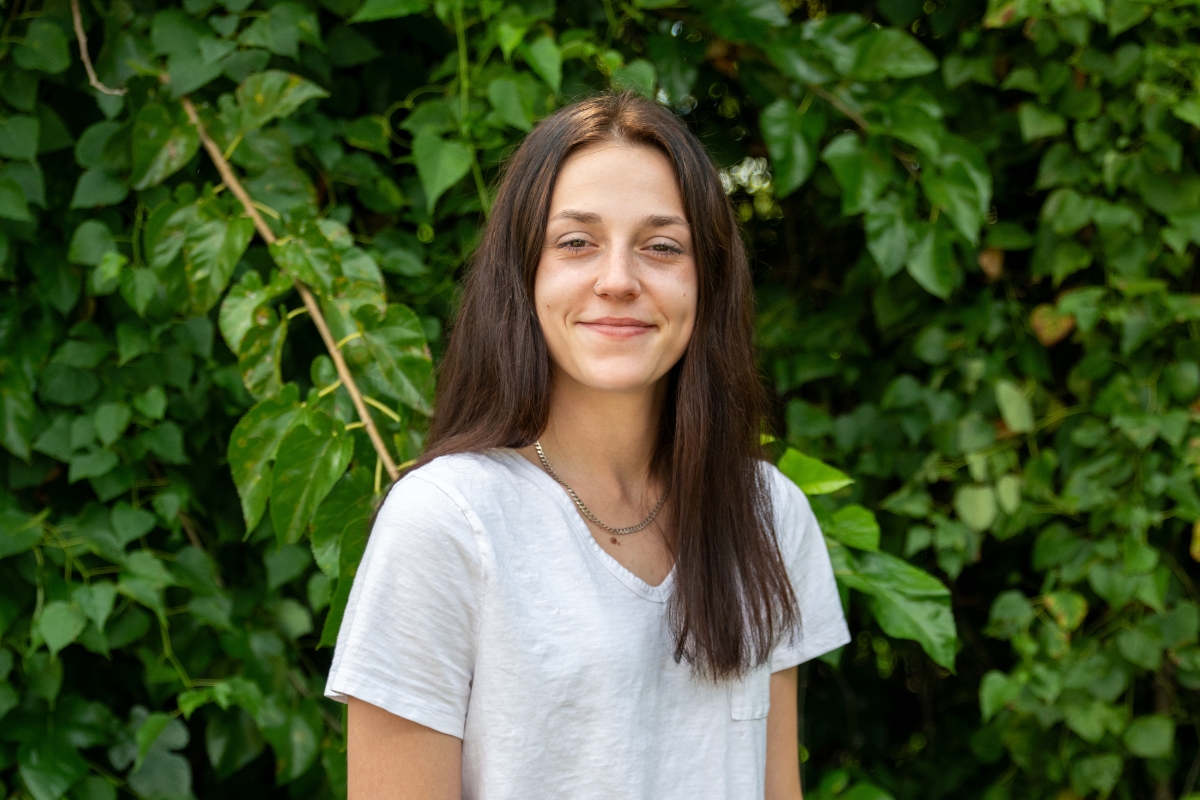
For Kaelyn Tardiff, working with dogs is about building trust, strengthening relationships, and helping each dog become the happiest, healthiest version of itself.
As the owner of KinetiK9, Tardiff spends her days working with dogs of all ages and abilities, from playful puppies to senior dogs. Her work also includes service dogs and animals needing behavioral modification, such as dogs with aggression, fear reactivity, and dog-to-dog reactivity.
Tardiff’s path to professional dog training began in an unexpected place.
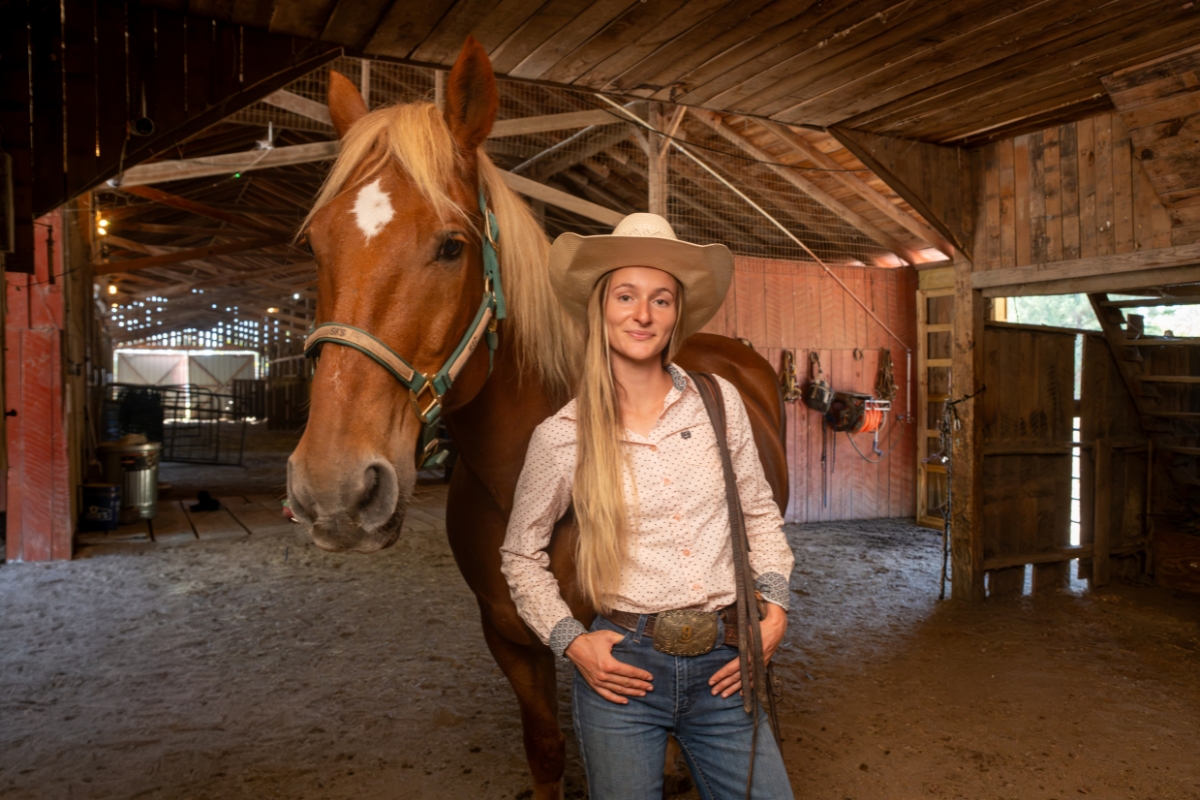
“I was into horses for a while,” she said. “I got a taste of dog training through a friend of mine. She did some training at a place in Alabama. I did some work with her, and I fell in love with it. From there, I just continued to get more and more involved.”
That interest would eventually become a career. Tardiff attended Kennelwood Academy for professional dog trainers, completing a six-month course that provided her with experience across a wide range of training disciplines.
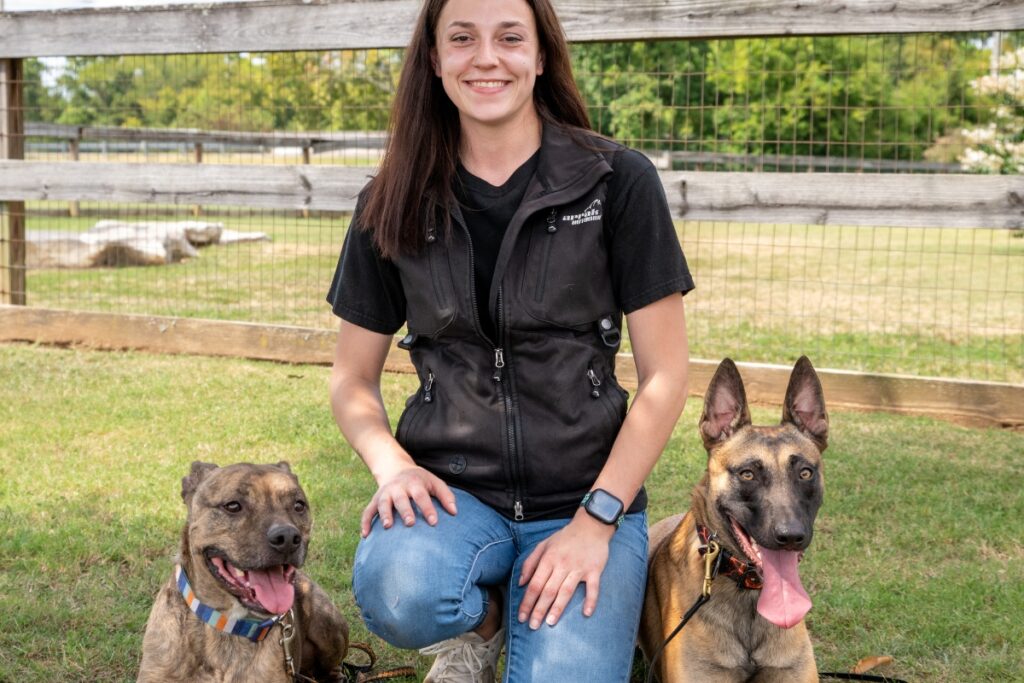
“I had every type of training from puppies to off-leash capabilities, protection dogs, retrieving dogs, service, therapy, and agility,” she added.
After five years of working professionally as a trainer, Tardiff has developed a training philosophy that goes beyond obedience. For her, the relationship between a dog and its handler is at the heart of successful training.
Tardiff also believes a dog’s emotional and mental well-being must remain a priority throughout the training process.
“I understand the dog came in with some fearful, reactive, or aggressive behaviors,” she explained. “If the dog does not have a good relationship and does not get the appropriate balance of rewards and clear communication when training, the dog’s mental state and emotional state will drop. Those are some of the worst things that can be done when training. At the end of the day, I’d rather the dogs be happy and not have perfect show obedience than a dog that will do the commands like a robot, but the dog is not mentally and emotionally stable. I want the dogs that come through my programs to leave having a better relationship with their owners and family, and for their family to understand them better. Many behavioral issues stem from your dog not understanding that it is not their job to make decisions on their own for the pack; it is my job to show owners how to be a healthy pack leader, so your dog’s worry can go away. I have already had many dogs do a complete 180 from when we first began our programs to when we finished.”
That belief has also led Tardiff to extend her work beyond private clients to local animal shelters, such as the Wilson County Animal Shelter.
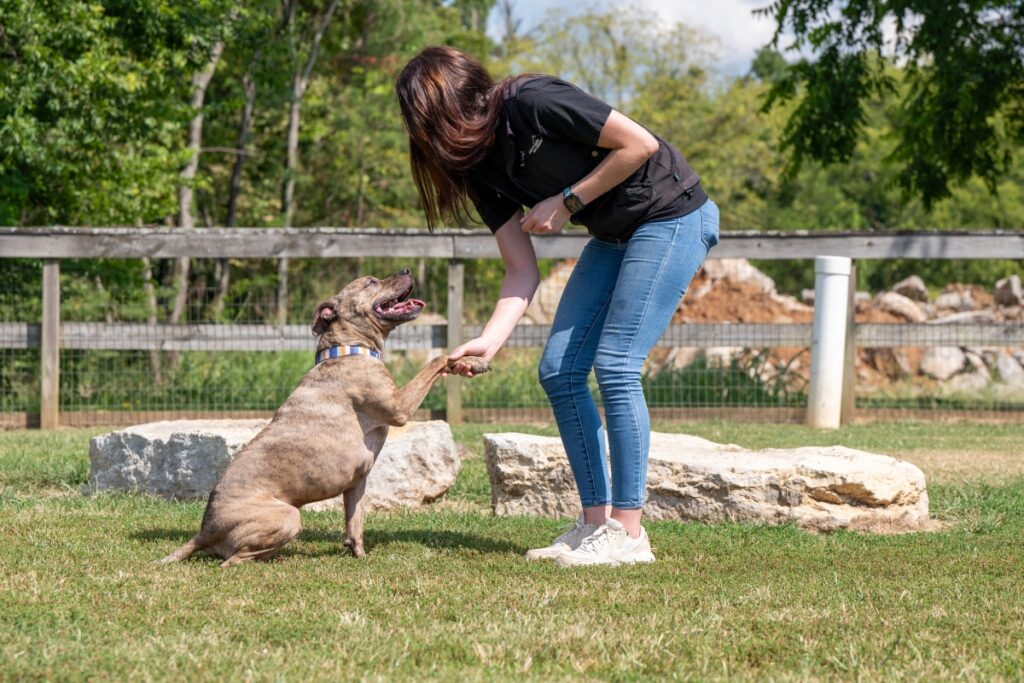
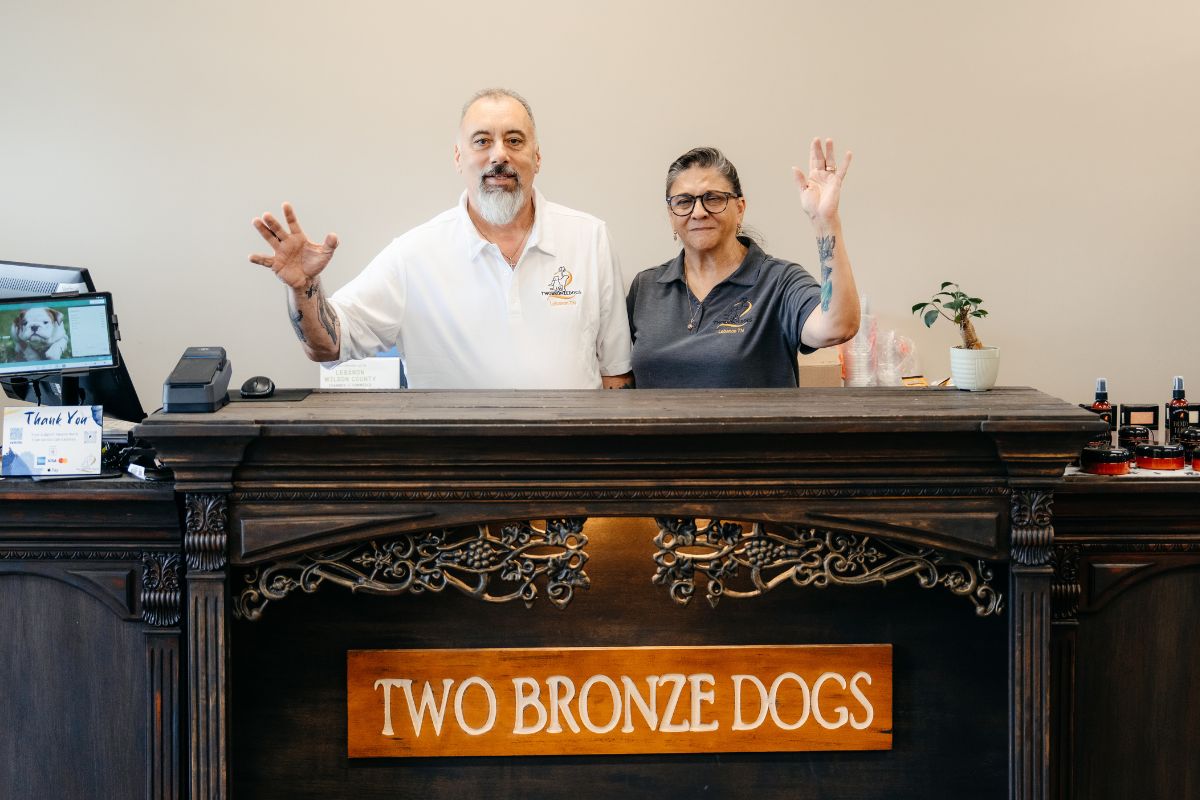
“I’ve been doing classes for the 2 Bronze Dogs, and one of the lovely ladies from Wilson County [animal shelter] was in there and wanted to meet with me. It just went from there,” she said.
That introduction led her to an opportunity to help shelter volunteers learn techniques they can use with dogs awaiting adoption.
“I offer free seminars for rescues that want me to come out, said Tardiff. “This is so that I can train the volunteers to start working with the dogs to have better manners. I’ve seen way more dogs get sent back just for me — they are simple behavioral issues. This training helps, in the grand scheme of things, to keep dogs in homes.”
For Tardiff, the training is to give the dogs a better chance at finding and remaining in a forever home.
She added that bringing a new dog into a household can sometimes be challenging, particularly when behavioral issues emerge.
“It can be a breaking point for them, and I can absolutely understand where they’re coming from,” she said. “I would much rather do everything I can in my power to keep these dogs in the homes because there’s only so much space that shelters have.”
Tardiff also offers adopters a discount on all her training packages with proof of adoption.
“I give 10% off all of my training packages for dogs that get adopted,” she added.
At the core of Tardiff’s work is her love for dogs and her belief that every dog deserves to be understood as an individual.
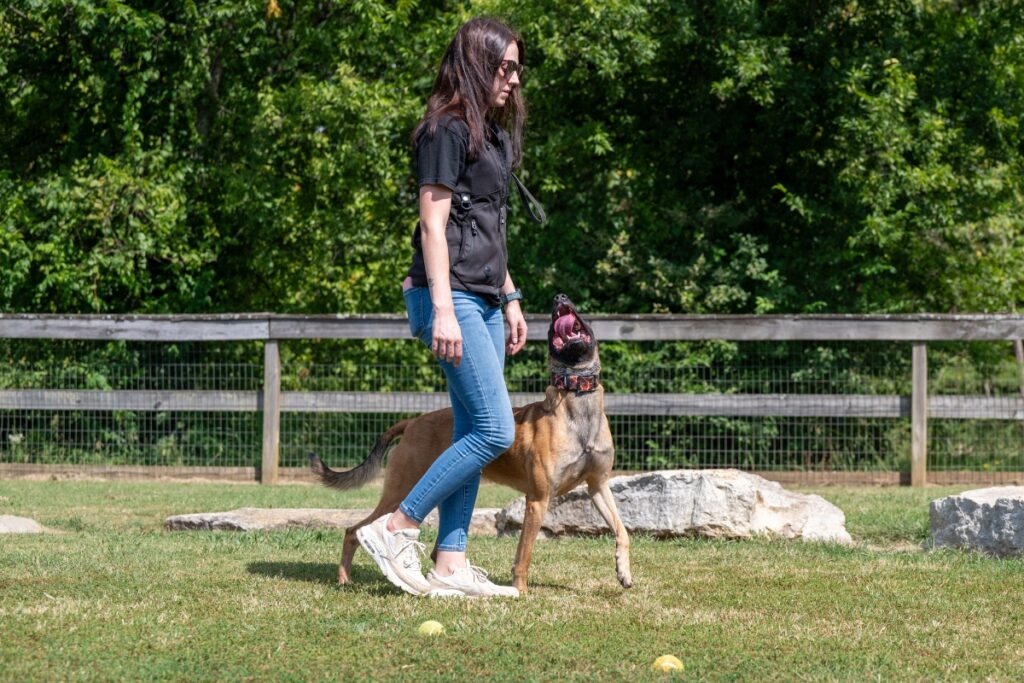
“My biggest thing is that training saves lives,” said Tardiff. “Training in general is getting to the root of the problem and using obedience through training to help bring out who they are when they’re completely mentally healthy. When they’re mentally taken care of, they’re enriched and extremely happy dogs.”
While the work can be tough at times, it’s the dogs themselves who continue to make it worthwhile.
“The puppies,” she said. “I get to see so many different puppies. I get to see so many different types of dogs and so many different personalities, because even as a trainer, you know, we try our best not to think of dogs as a whole. Instead, we think of them as individuals, because every dog has a different personality and has different triggers, behaviors, and body language. You have to think of them as their own self, because they’re just like people in a way.” GN