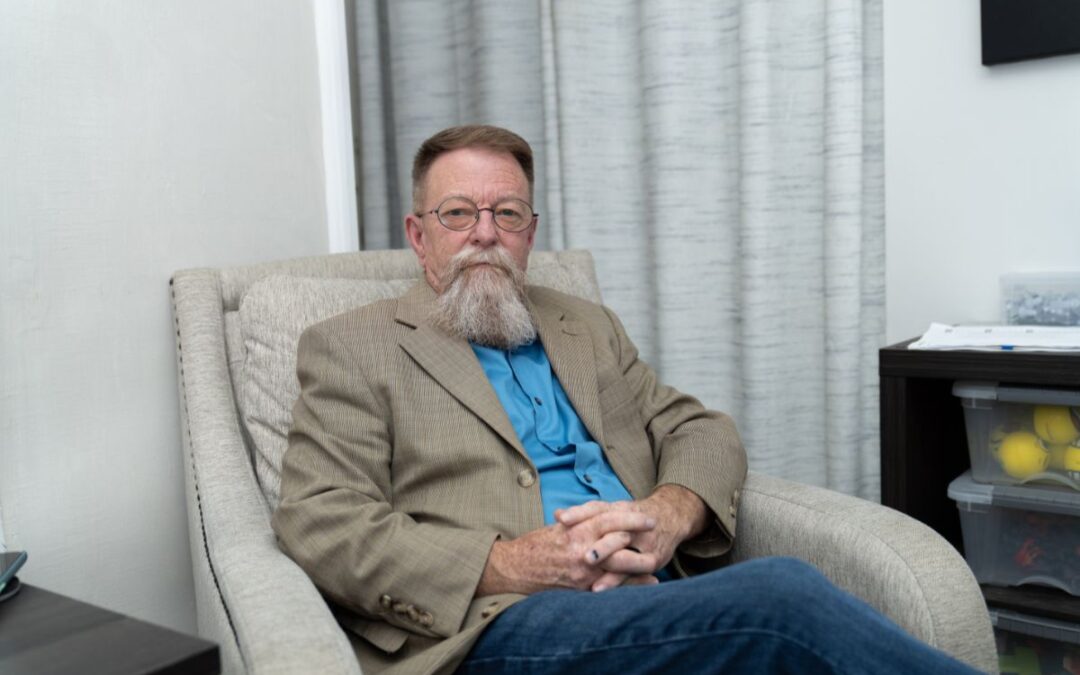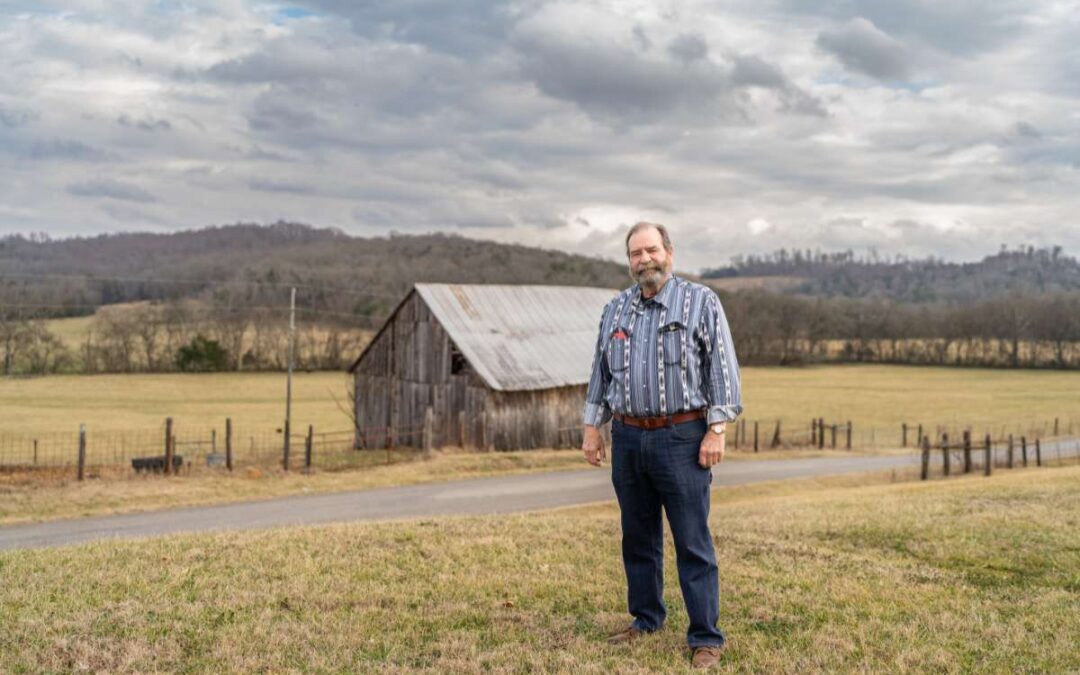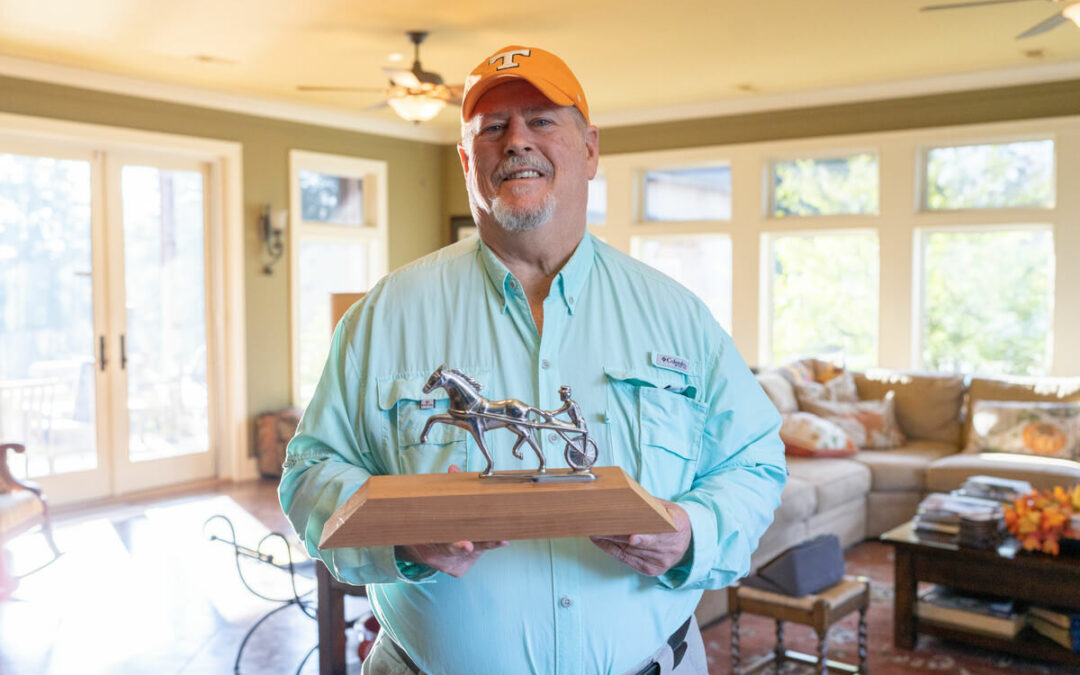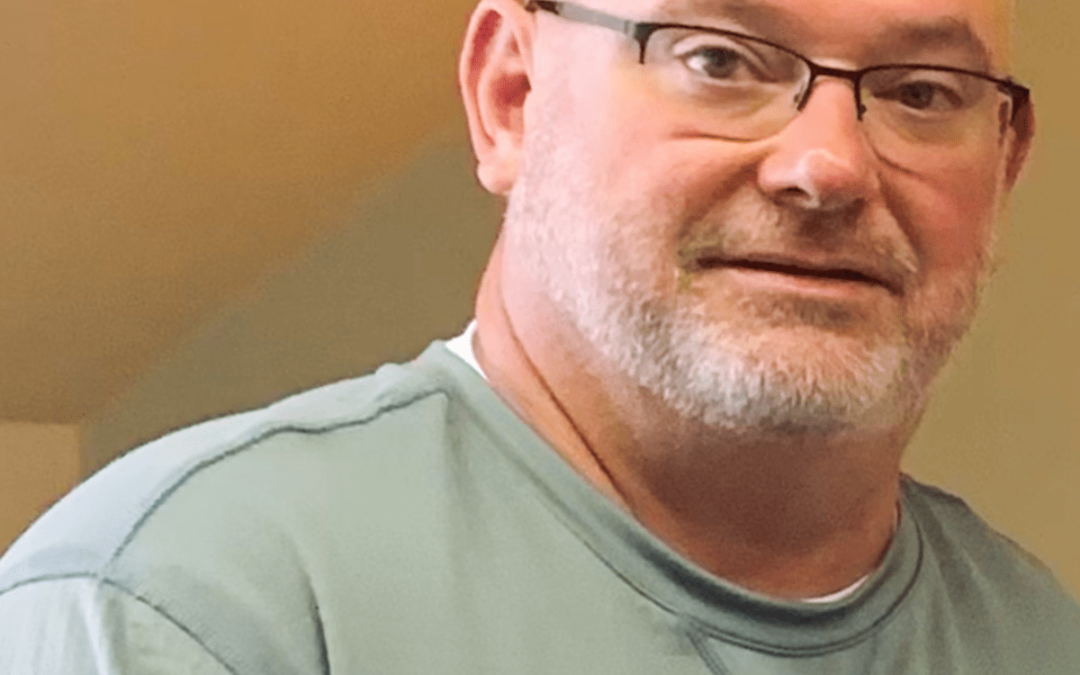
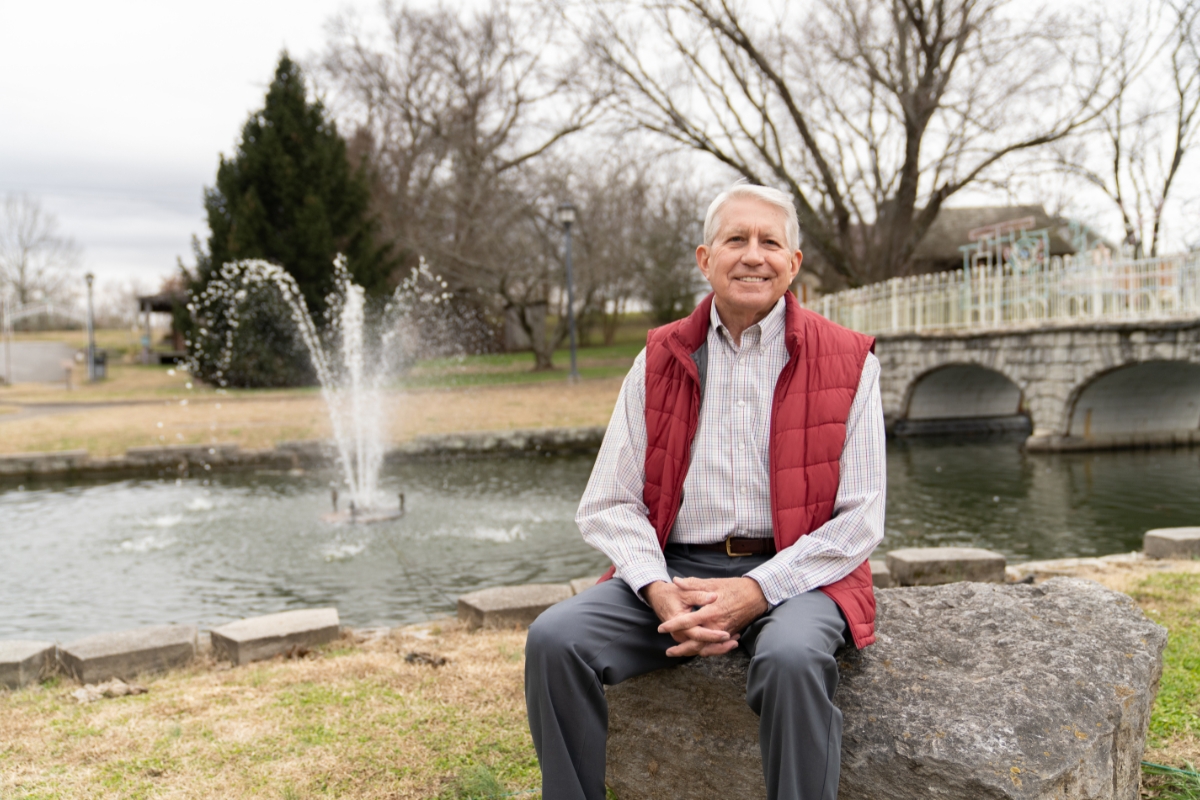
WHEN DR. Rickey McCauley looks back on his time as a physician, he recalls a childhood dream of becoming a doctor. It seemed distant, almost too ambitious to believe he could ever follow through.
“I had a dream as a child,” he said, “but I don’t know if I really thought I’d follow through with it. As time went on, things kind of fell into place.”
That dream carried him through nearly half a century of service, where medicine became not just a profession, but a calling rooted in faith, compassion, and love for people.

BEGINNINGS OF A CALLING
McCauley’s journey began at the University of Tennessee, Memphis, where he graduated from medical school in 1973. His residency took him first to Spartanburg, South Carolina, and then to Huntsville, Alabama, where he completed his training. By January 1977, he was ready to step into the community as a practicing physician. He joined Dr. Crumbliss on Wilson Parkway in Fayetteville, later working alongside Dr. William R. Jones.
“There were just two of us to start with,” McCauley recalled. “Each of us was on call every other night and every other weekend for years before Dr. Jones came along. It was quite busy in the earlier years.”
Those long nights and weekends forged not only his endurance but also his deep commitment to the people he served.
In 1993, McCauley and Jones became affiliated with Fayetteville Medical Associates at the Patrick Clinic on Elk Avenue. From that location, McCauley continued his practice until his retirement in 2021, marking 45 years of family medicine in Fayetteville and surrounding communities.
A FAMILY PRACTICE, A FAMILY OF PATIENTS
For McCauley, medicine is about relationships.
“Our practice was a family practice, but our practice was family because we treated people within the group,” he explained. “After a while, I realized I didn’t have patients, I had friends.”
He knew their families, their struggles, their joys. He asked about their children, their parents, and their lives outside the clinic. That personal connection defined his approach.
Counseling was often part of his work. He recalled a mother who brought her daughter in, worried about the young woman’s unhealthy relationship. McCauley listened, advised, and encouraged her. Months later, he received a wedding invitation from that same daughter — she had left the harmful relationship and found someone who treated her with respect and love.
For McCauley, moments like that were reminders that medicine was as much about the heart as it was about the body.
MISSION WORK IN HONDURAS
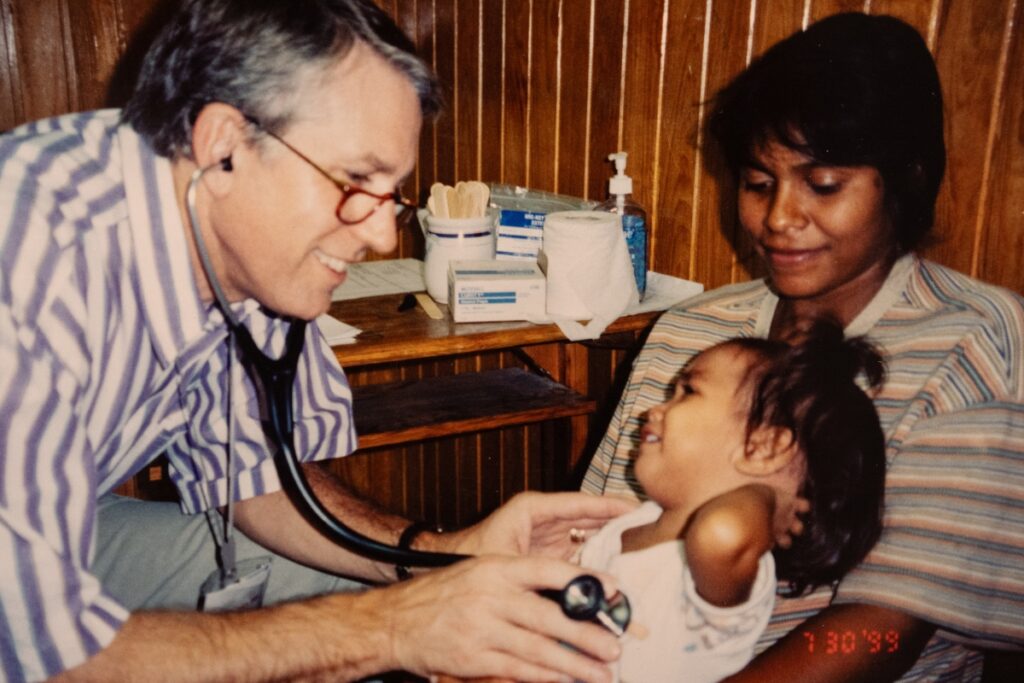
McCauley’s compassion extended far beyond Fayetteville. For nearly a decade, he and his wife, Rachel, a pharmacist, traveled with their children, Beth and Ryan, to Honduras for medical mission work. At the Baxter Institute in Tegucigalpa, they provided care to people who had traveled hours, sometimes days, by bus to see the “American Doctor,” according to McCauley.
“When we would visit, we would drive up to the place we were going to be for the day, and patients would be lined up as far as you could see,” McCauley said.
The family’s mission trips were not only about medicine but also about faith, service, and teaching their children the importance of giving back. Those trips left a lasting impression on McCauley. They reminded him that healing is universal, that compassion knows no borders, and that faith can carry people through even the most difficult circumstances.
HEALING THROUGH PRAYER
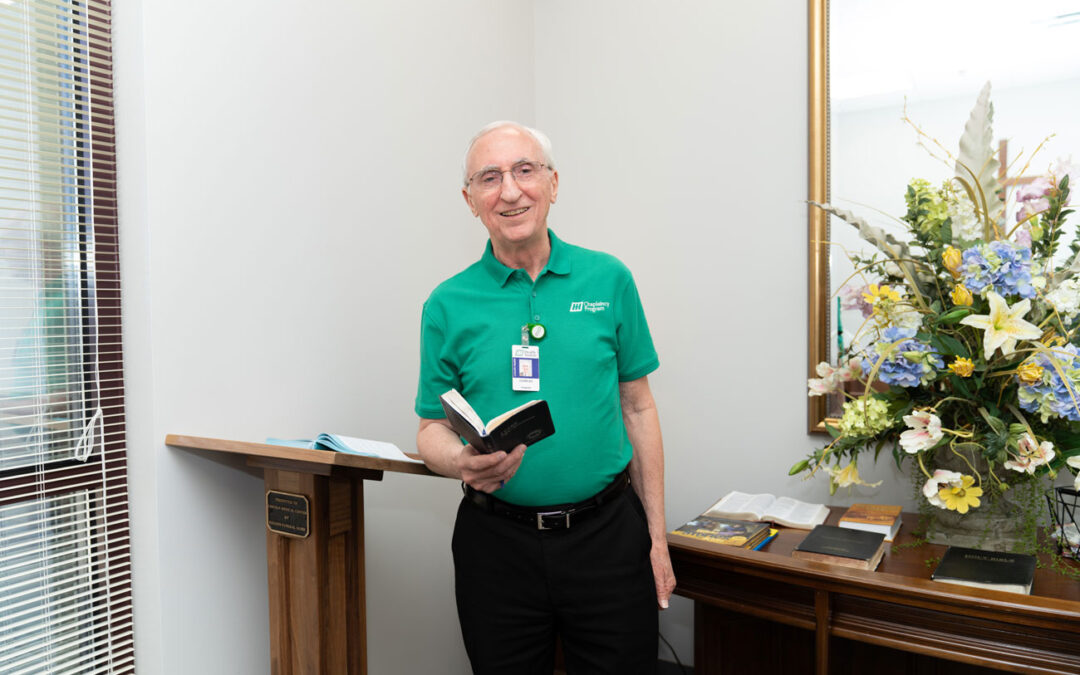
Faith has been both central in McCauley’s life and medical practice. As he evolved in his medical practice, he began to share prayer with his patients as a way to comfort and heal.
“At first, I only prayed with patients of my particular faith,” he explained. “But then it occurred to me — I really don’t have all the answers, and I need to bring God into this. So, I got to where I would just pray with everybody, no matter their faith or if they had any at all.”
McCauley said only a handful ever declined, but many patients said prayer was the most important part of their visit. For McCauley, it was a way to remind patients that they were not alone, that God loved them, and that healing was more than physical — it was spiritual, emotional, and communal.
RETIREMENT AND LEGACY
When McCauley retired in 2021, it marked the end of an era. Reflecting on his career, McCauley emphasized three lessons: compassion is key, prayer is powerful, and we are all in this together.
“I hope to be remembered for the compassion I had with each of my patients,” he said.
Humility was another cornerstone of his philosophy.
“When I first got into the profession, there was this certain amount of pride,” he added. “And while pride is okay, you don’t want to be so prideful that you think you are better than someone else. Patients aren’t just patients, they are people.”
Finally, McCauley hopes to leave all he meets with the knowledge that we all need each other.
“We’re all in the same boat,” he said. “Just because I have this field of knowledge doesn’t make me better than you. There are things they knew how to do in their field of work that I didn’t. It’s important to be humble and realize that we can all help each other out in our own way.” GN