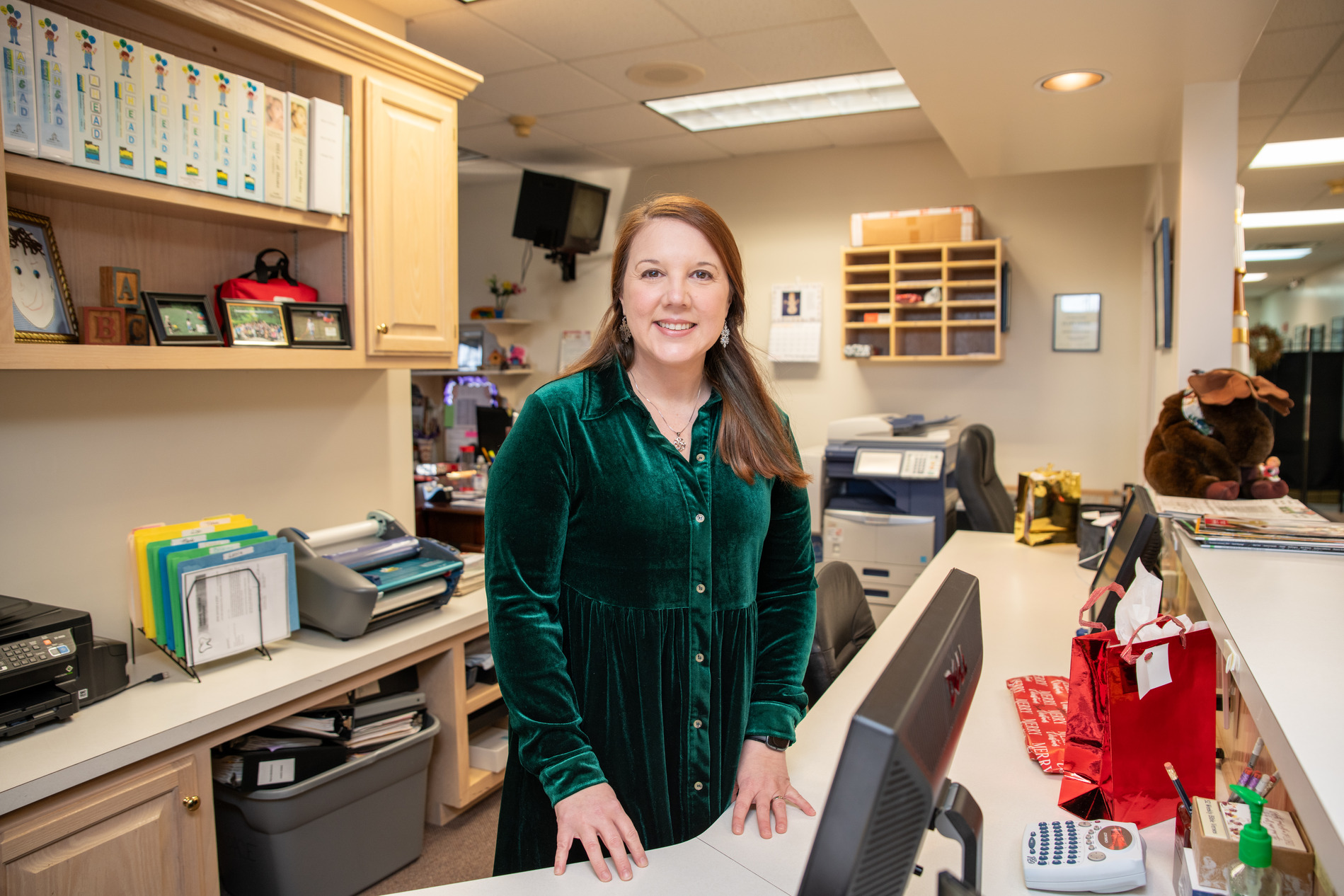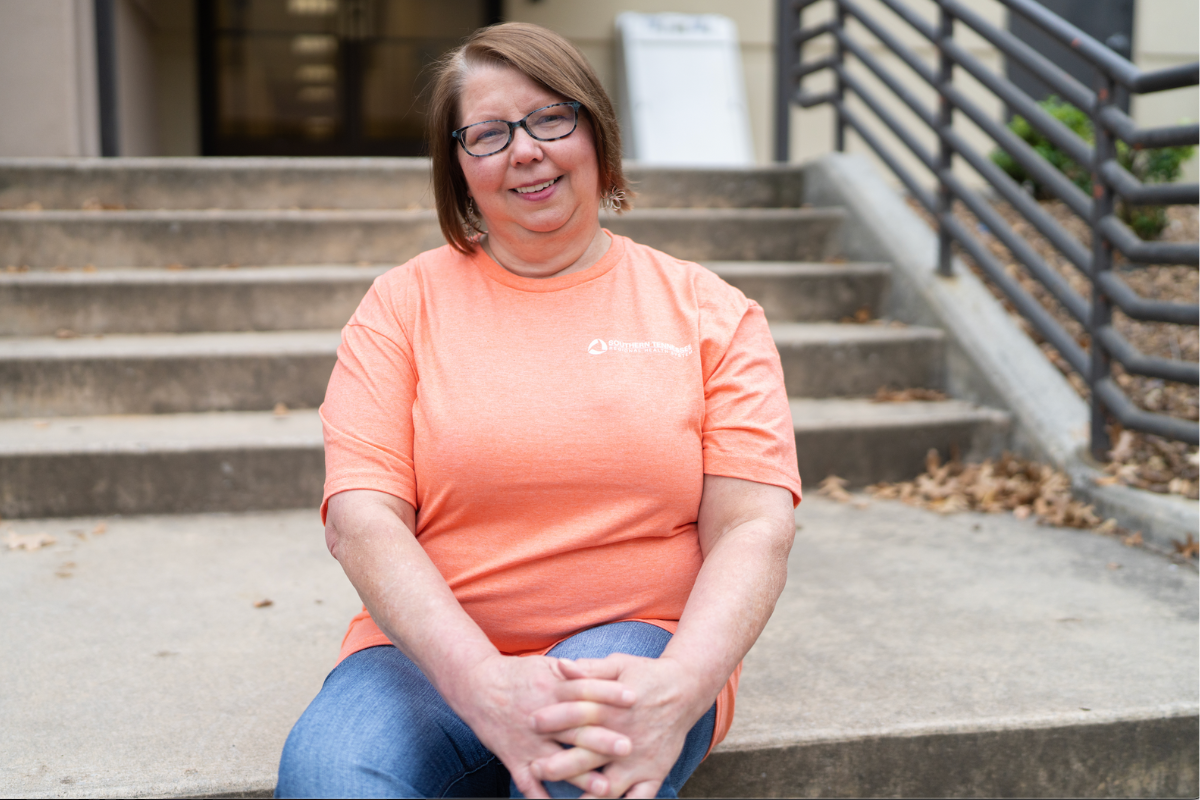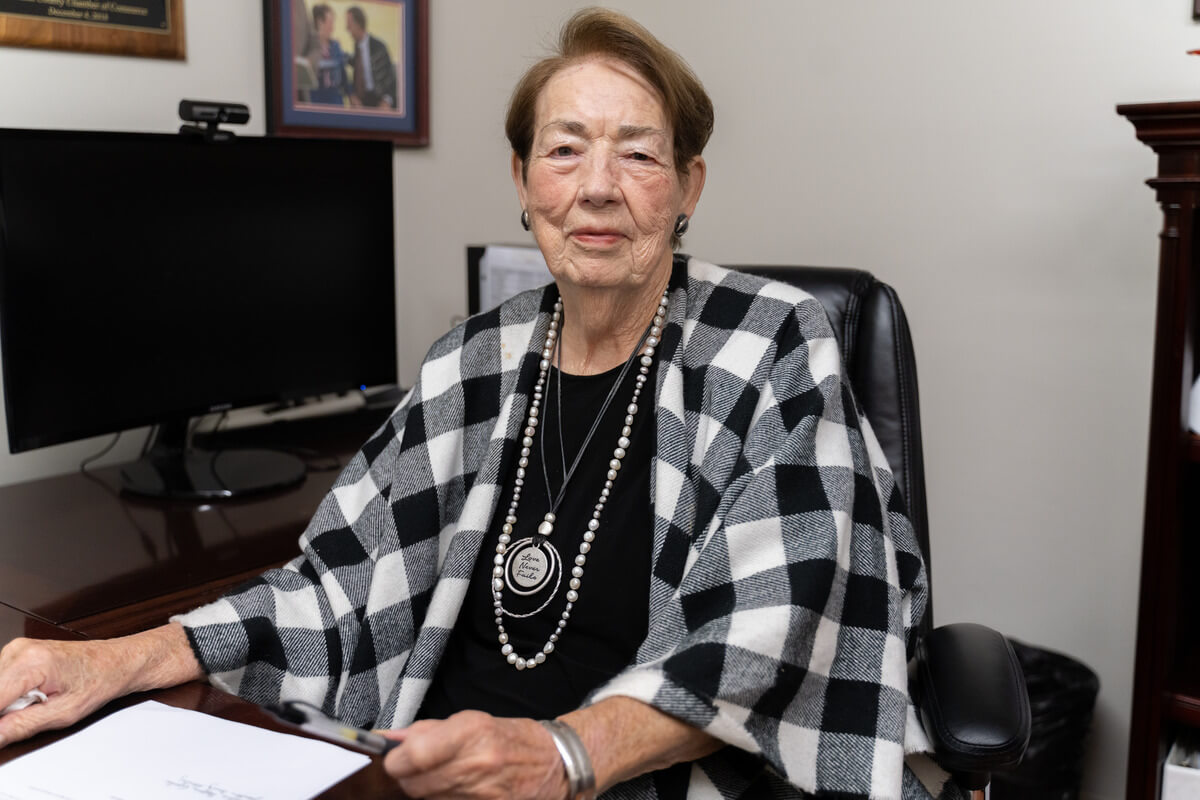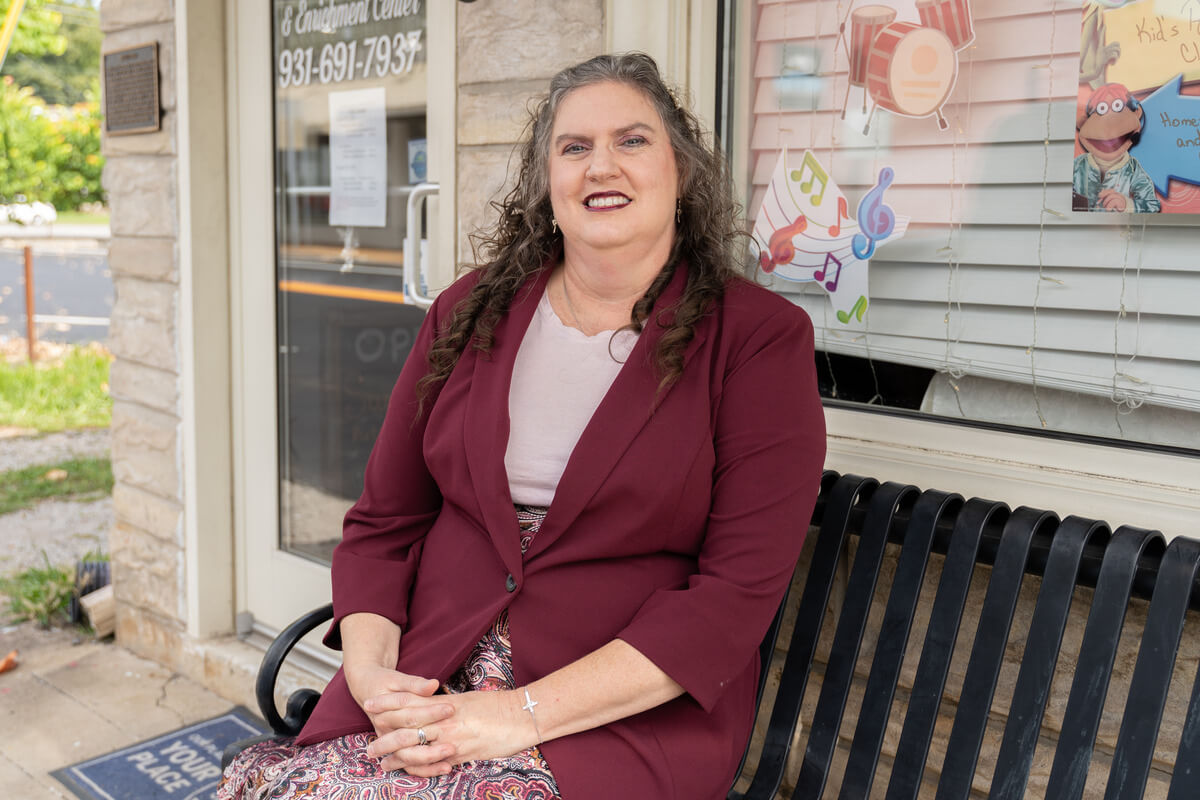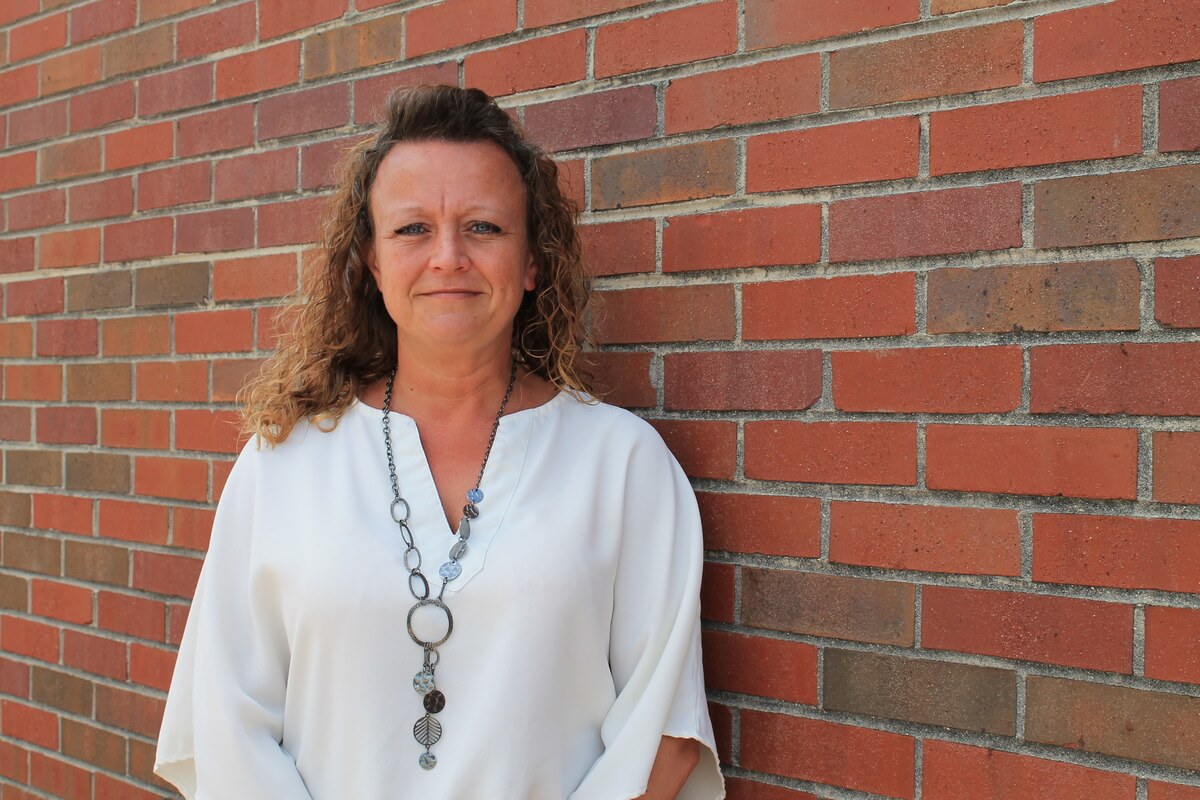

FOR 28 years, Samantha Steele has been a central figure in her county’s emergency communications system. As the assistant 911 director, 911 dispatcher, and terminal agency coordinator, she has managed critical calls, coordinated multi-agency responses, and maintained compliance with state and federal standards. Her experience reflects the profession’s evolution and the steady dedication required to sustain it.
Steele’s introduction to emergency services began in the emergency room of a local hospital, where she worked in registration and switchboard operations. It was there that she first became interested in the work of dispatchers.
“Working in the emergency room registration and switchboard with my now-boss, Kathy, we would listen to the police scanner and listen to the dispatchers,” Steele said. “We thought it sounded so ‘cool’ and interesting and something we would like to do.”
When an opening became available, Steele’s coworker, Kathy, applied and was hired. Six weeks later, Steele followed. That decision launched a career that has spanned nearly three decades in public safety communications.
“I enjoyed working at the hospital in the emergency room,” she explained, “but going to work at dispatch felt like I was going to the start of everything. It all began with dispatch.”
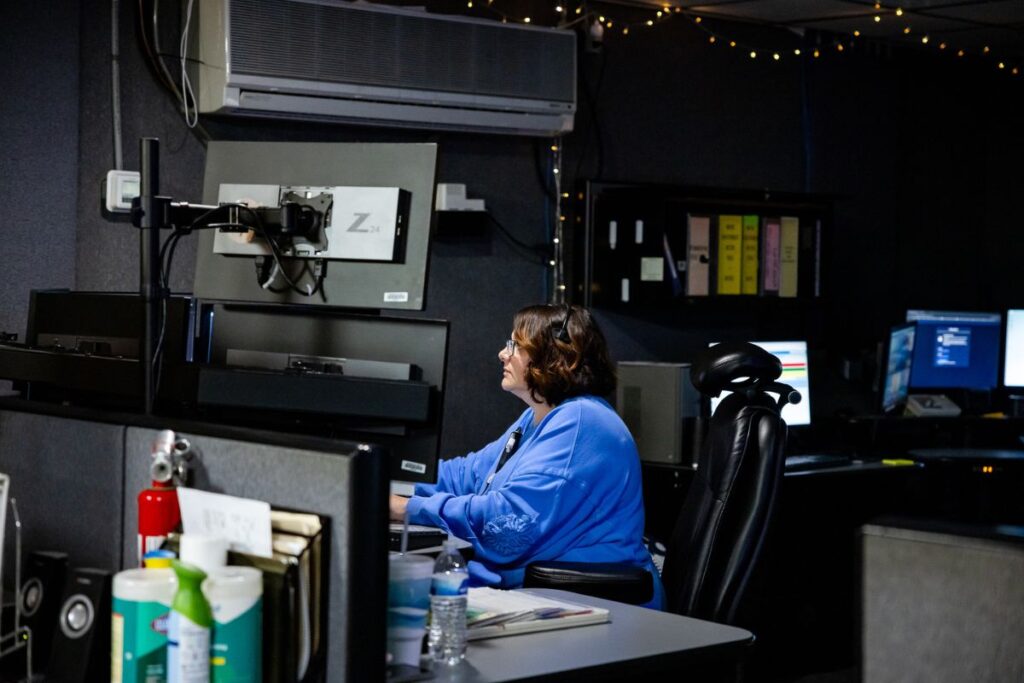
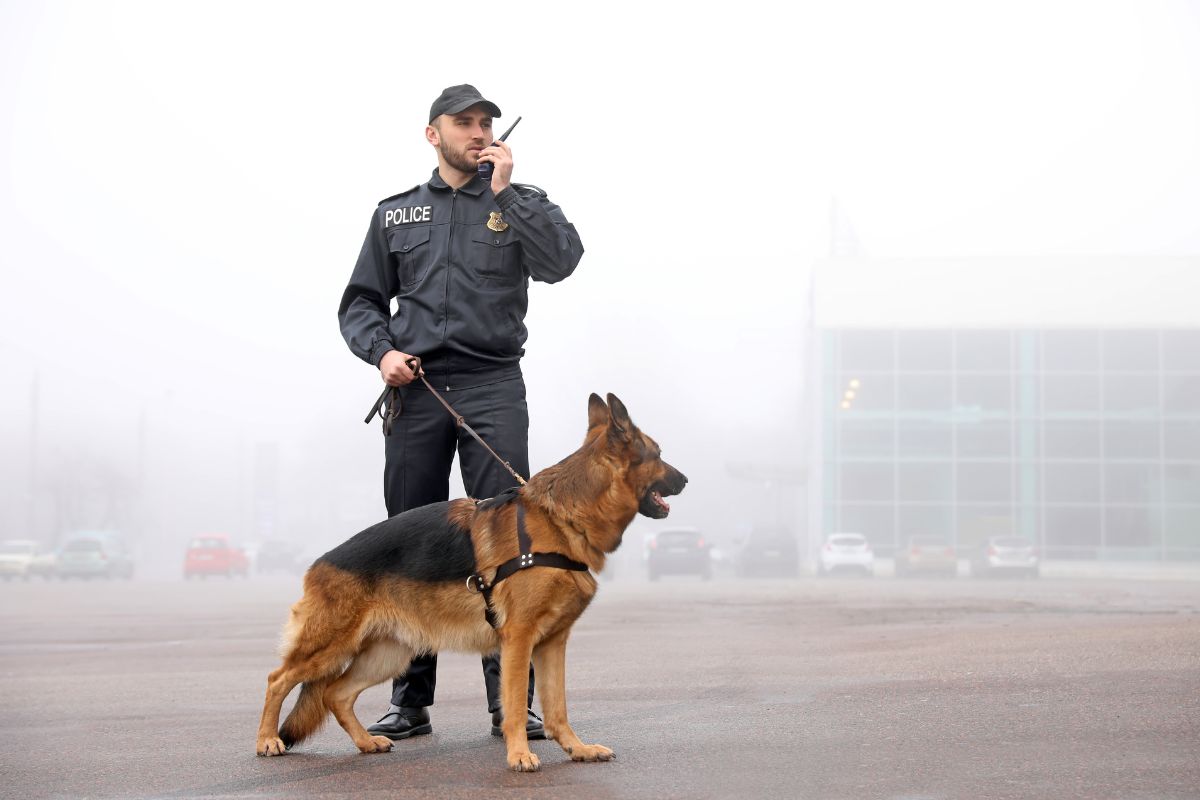
As a dispatcher, Steele handles both emergency and nonemergency calls. Her team coordinates response efforts for multiple county services, including law enforcement, fire, medical, rescue, and animal control. “We dispatch for all the different resources in the county,” she said, “including calling out the highway departments and utility companies when needed.”
The dispatch center operates continuously, requiring round-the-clock coverage. “You work long hours sometimes,” Steele said. “You work weekends, holidays, all hours of the day and night — dispatch never closes.”
In addition to managing calls and radio communications, Steele and her colleagues perform a wide range of administrative and data-management tasks that are essential to public safety operations.
“We maintain an agreement with Tennessee Bureau of Investigation (TBI) which allows us to access all records pertaining to tags, driver’s licenses and stolen property, wanted and missing persons, and criminal records,” she explained. “We take care of querying and entering into the national system all stolen property, wanted and missing persons, orders of protection, and sex offenders for all agencies in our county. We maintain records for all, and we are audited on these records.”
Over the years, Steele has obtained and maintained multiple professional certifications required for her position. “We are required to be certified by TBI to access the database, CPR certification, Emergency Medical Dispatch, Basic Telecommunicator Certification, and we have to maintain those certifications by continuing education credits,” she said. Steele also serves as the terminal agency coordinator (TAC) for her department, a position that involves direct communication with the Tennessee Bureau of Investigation. “Myself and my alternate TAC are required to have additional training with TBI,” she noted. In this role, Steele ensures the department remains in compliance with TBI policies and manages the secure use of criminal justice databases.
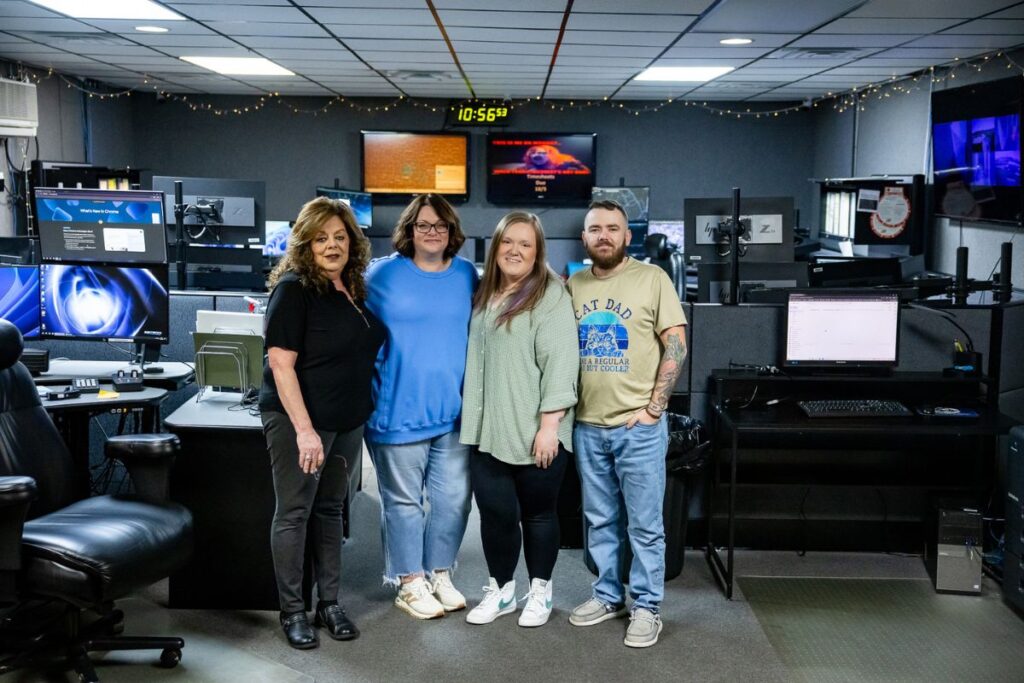
The position requires a high level of accuracy, discretion, and ongoing education. Steele’s years of experience have made her an integral part of maintaining operational integrity and procedural consistency across all public safety divisions in her county.
For Steele, the most rewarding moments are those in which her work directly contributes to saving lives. “When you give CPR instructions and the person lives, or you help deliver a baby, or you get help to the scene of a crime and the police get the perpetrator in custody,” she said. “But also knowing that I was a comfort to someone during potentially one of the worst days of their lives.”
The demands of the job, however, can be intense. “The hardest part of the job is listening to someone take their last breath,” Steele said. “Listening to someone beg you for help and you are trying to get them help as soon as possible — it always feels like it takes forever for help to arrive in an emergency.”
Steele added that maintaining composure is critical. “You are required to use critical thinking on the daily, and your decision could be life or death,” she explained. “It’s hard to deal with when someone is screaming at you to get here now and refusing to answer questions.”
The long hours and emotional intensity can take a toll. “It is mentally exhausting,” Steele admitted. “It is hard to find a good balance between work and family time.”
After nearly three decades in emergency communications, Steele said the profession has shaped her perspective. “There are many calls that I remember and that have impacted me in different ways,” she reflected. “I believe that the different types of calls I have taken have helped me to be more empathetic and understanding.”

She believes empathy is a defining quality for anyone in dispatch. “This job requires a lot of patience, multitasking, typing skills, ability to remain calm during high stress situations, and a desire to help,” she said.
Steele also wishes more members of the public understood the scope of what dispatchers do. “I wish the public understood that we are not just call takers,” she emphasized. “There is so much more to our job as 911 dispatchers.”
Steele’s longevity in the field reflects both her dedication and her adaptability. Over the years, she has witnessed major advancements in technology, training, and interagency communication. Through every change, her focus has remained on professionalism and service.
For her, the essence of dispatching lies in its central role in public safety. Every emergency begins with a call, and every response depends on clear communication.
After 28 years, Steele continues to represent the reliability and composure that define her profession. Her work may take place behind the scenes, but its impact reaches into every part of the community she serves. GN