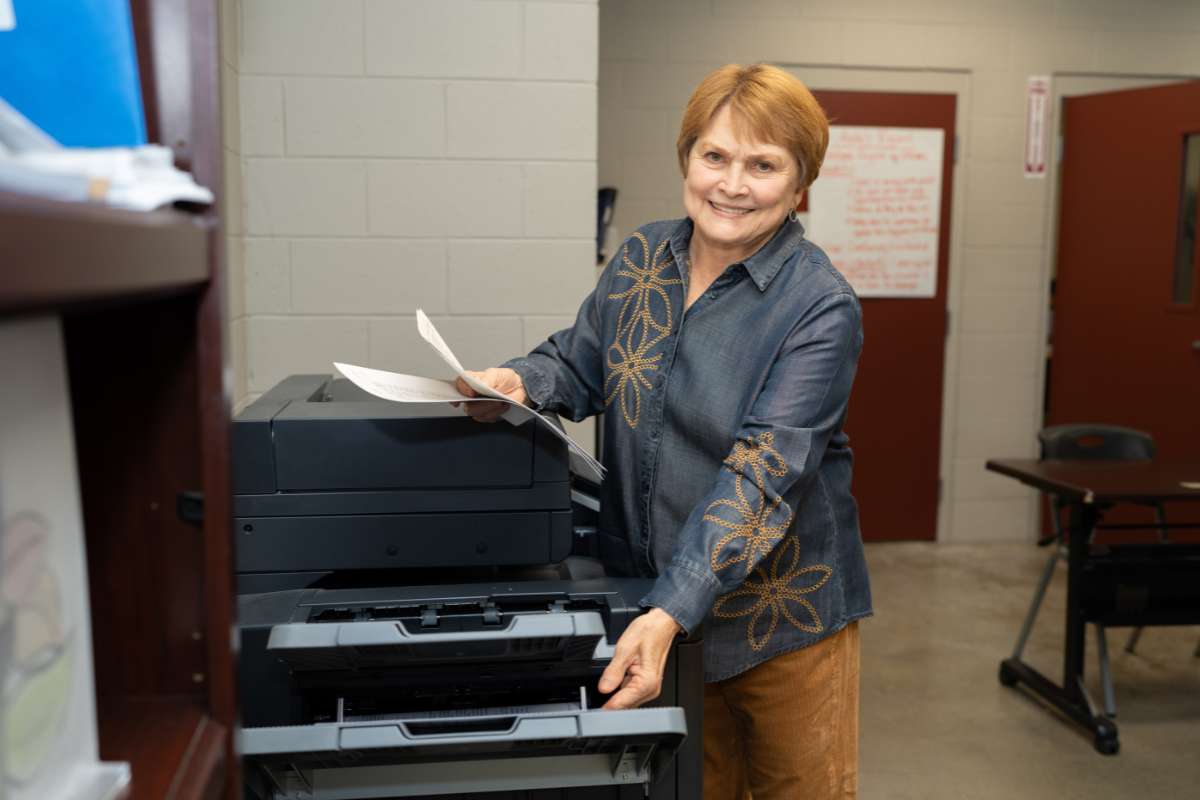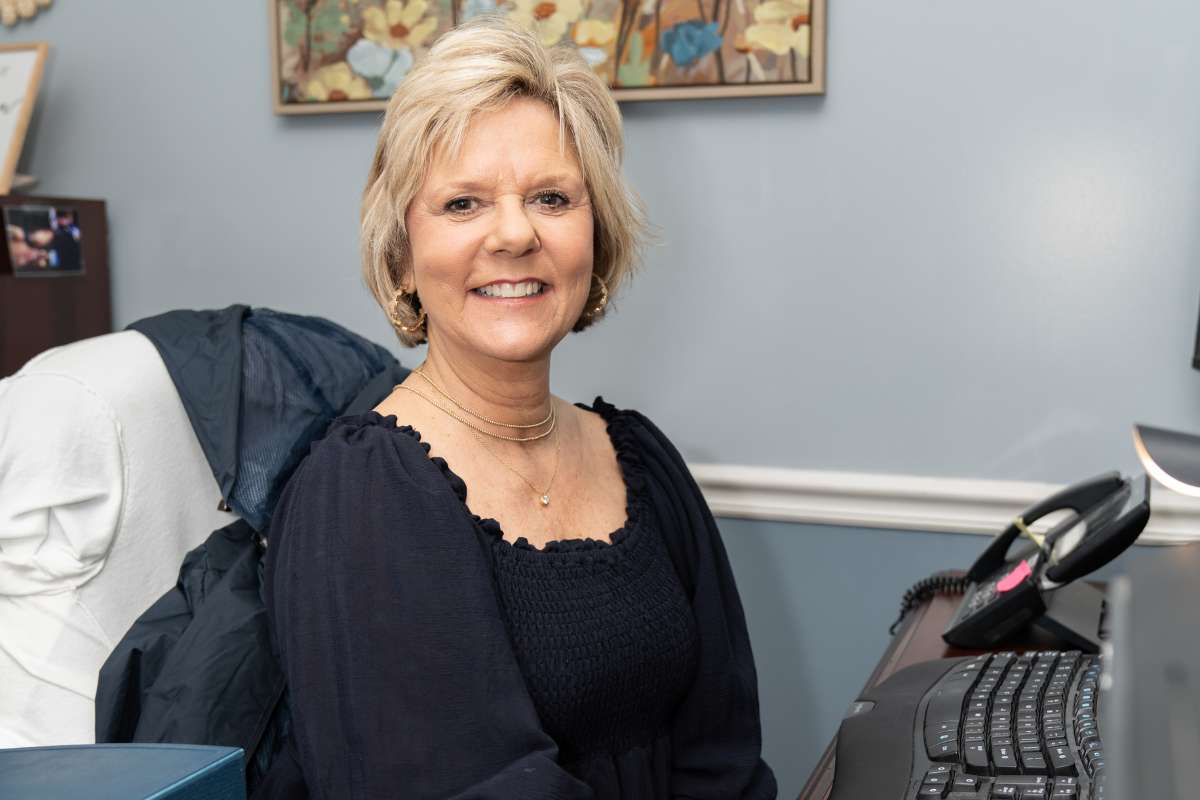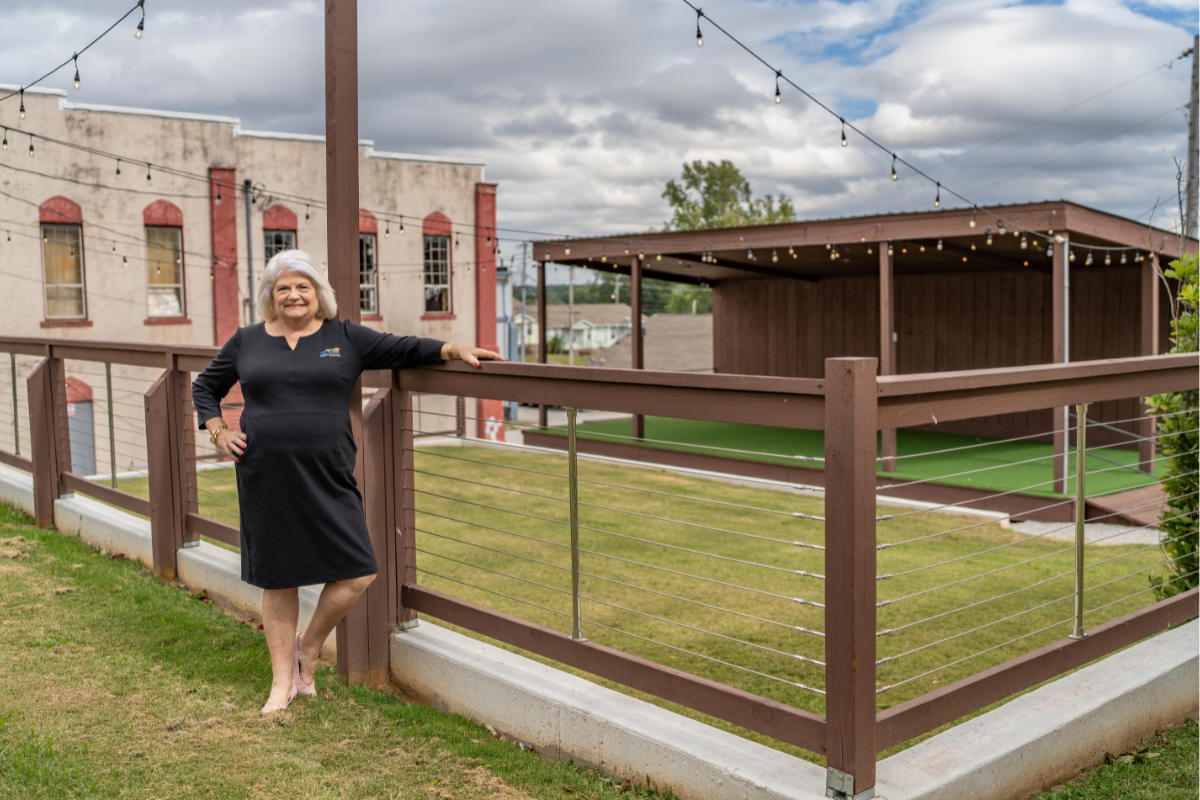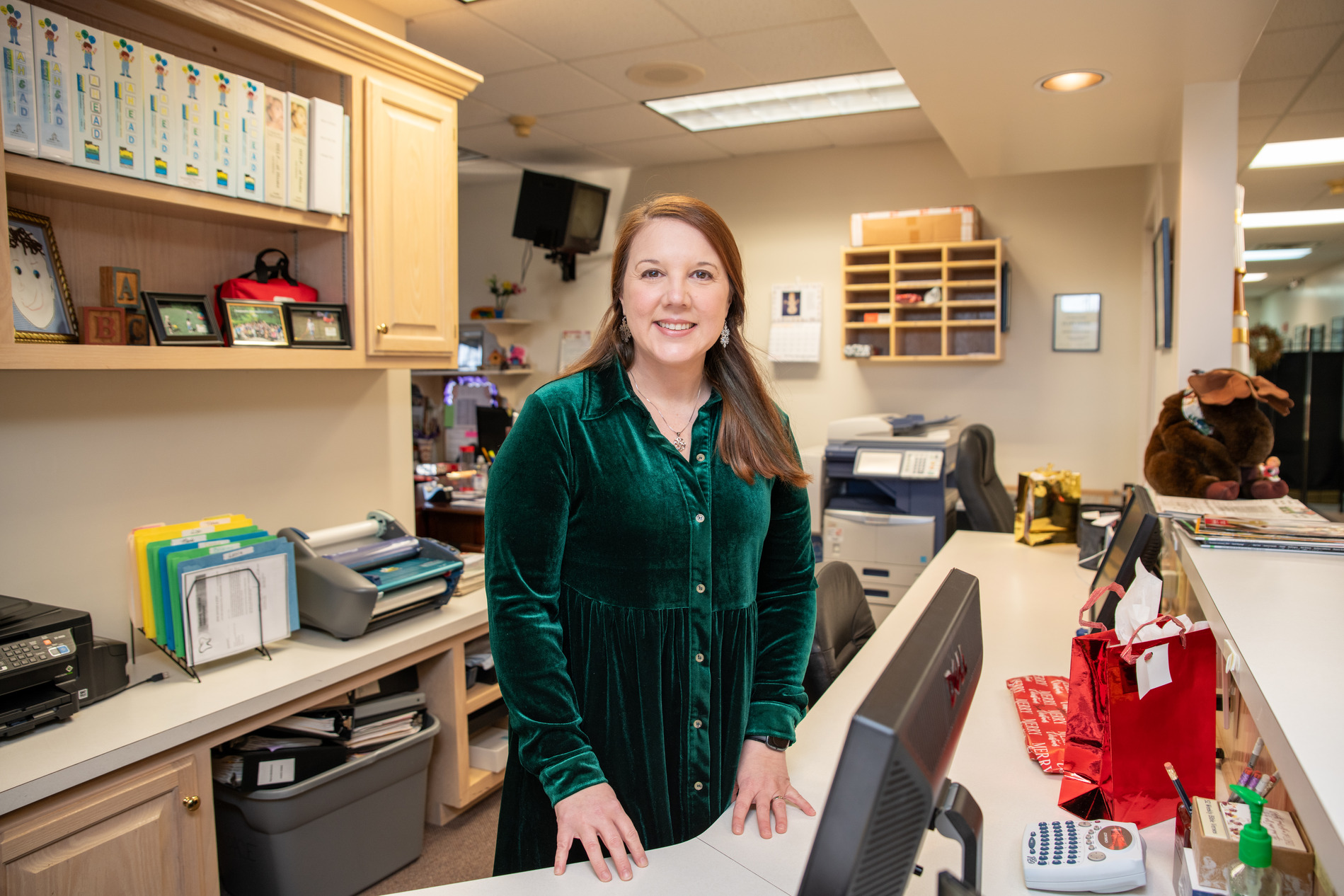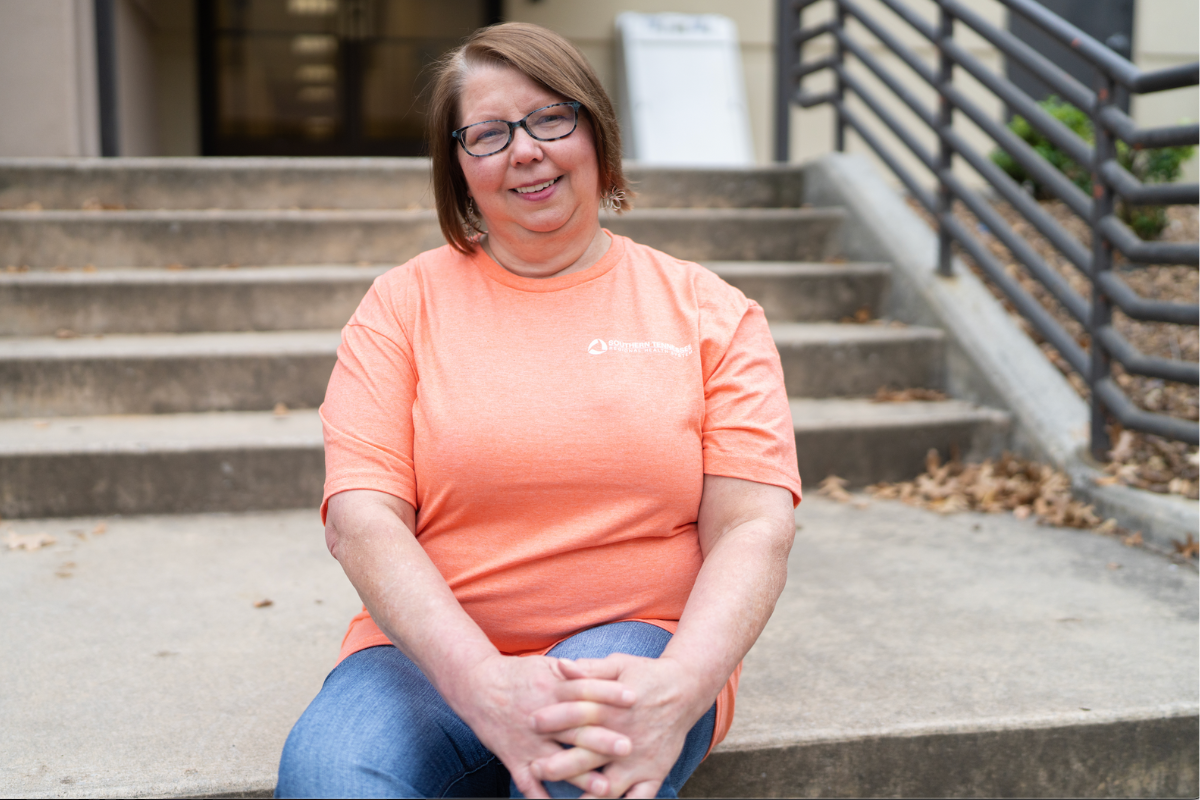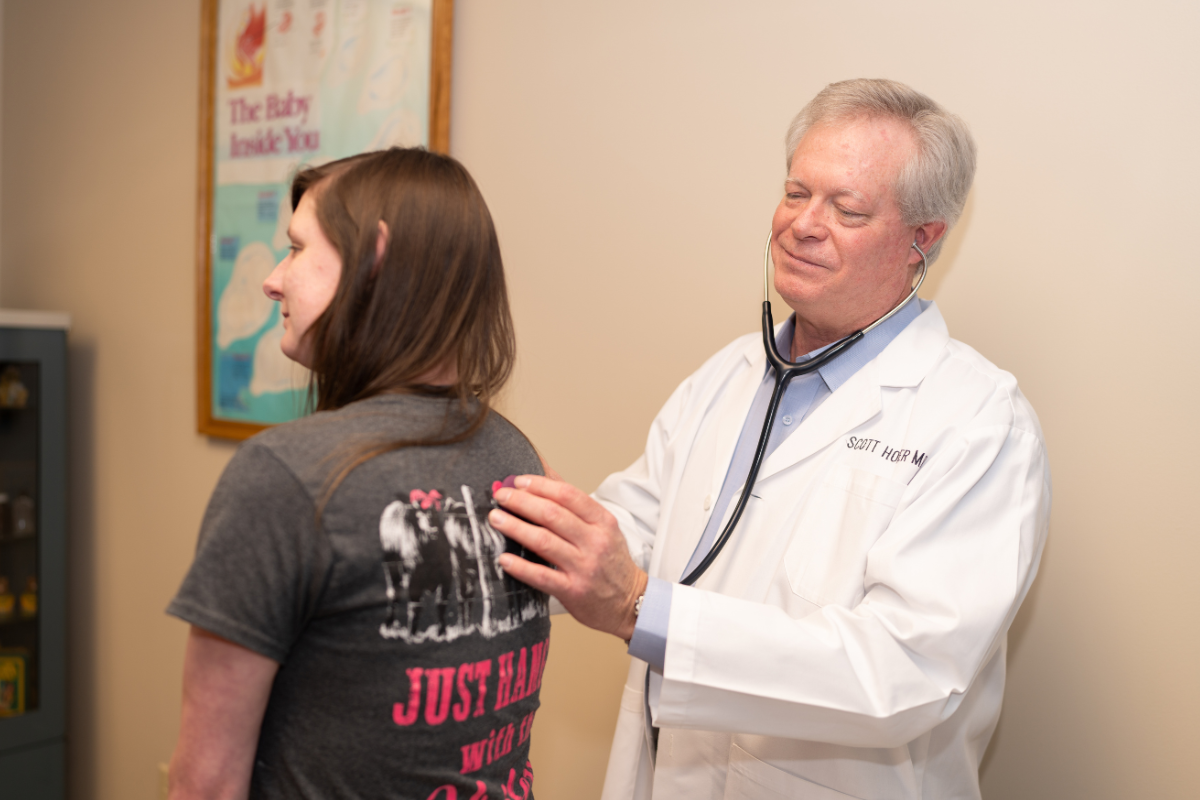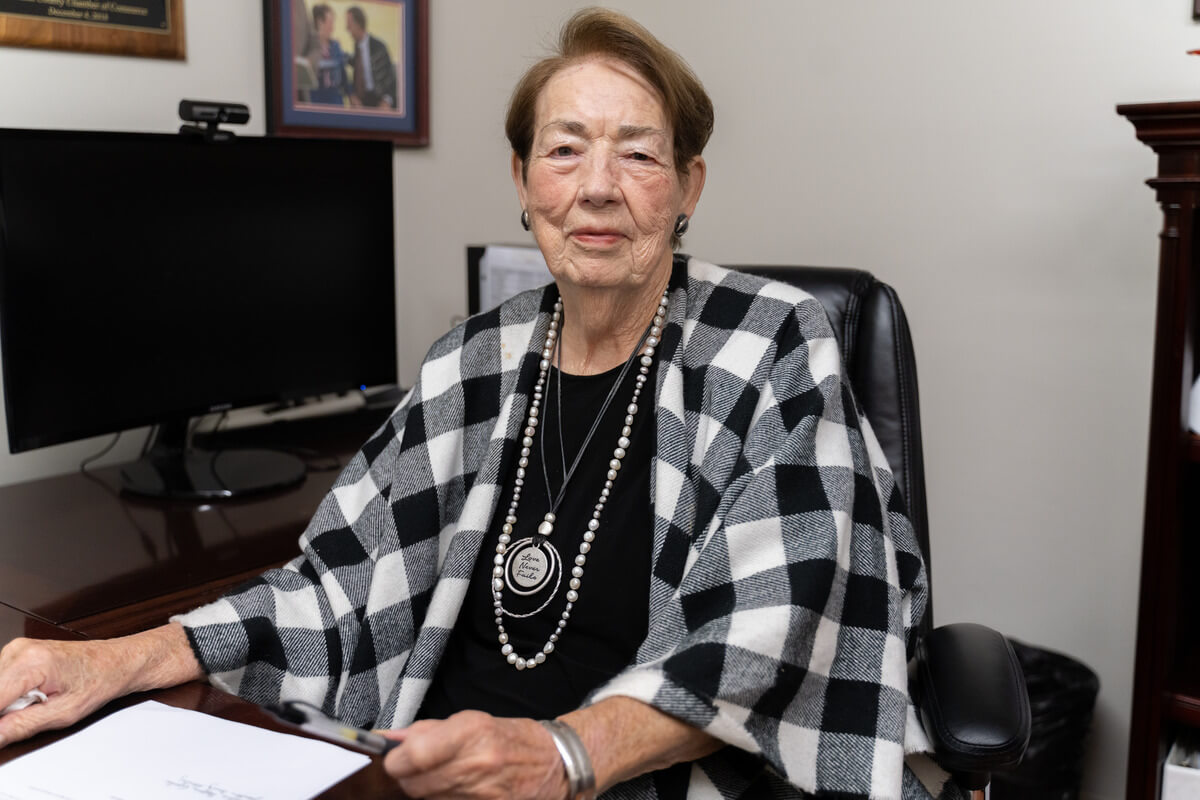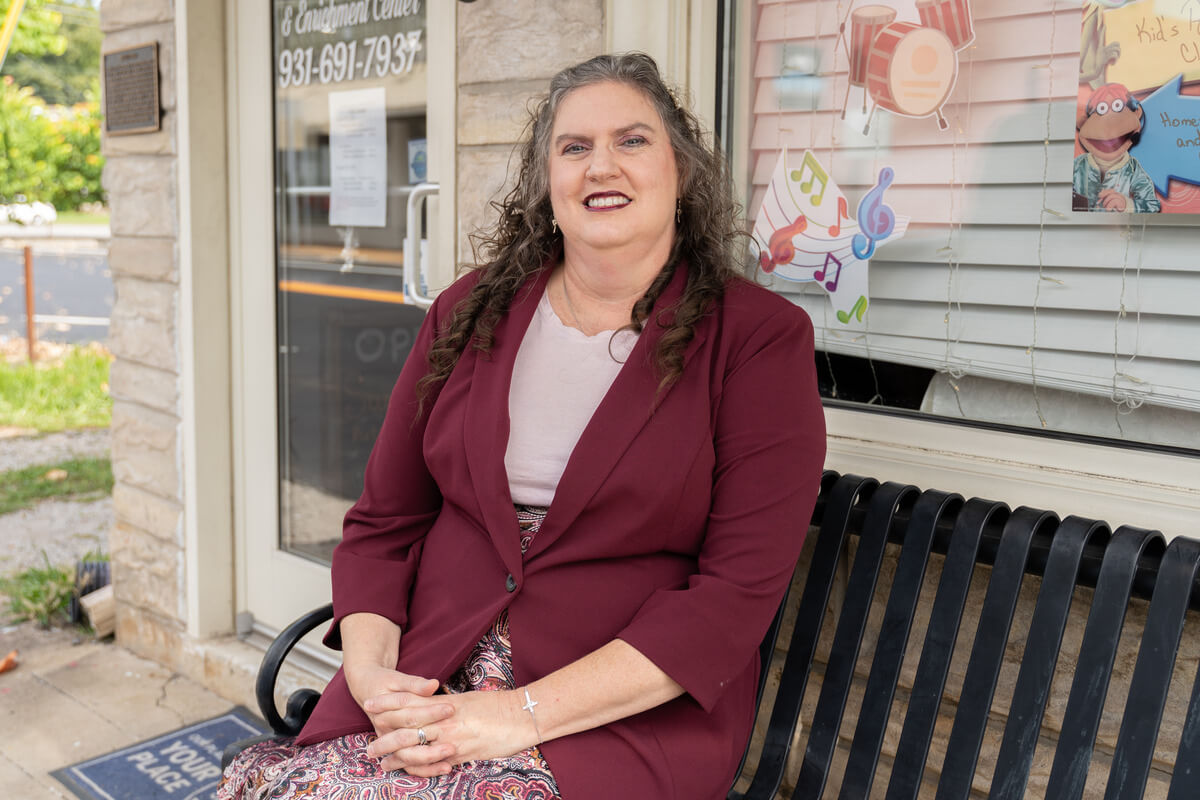
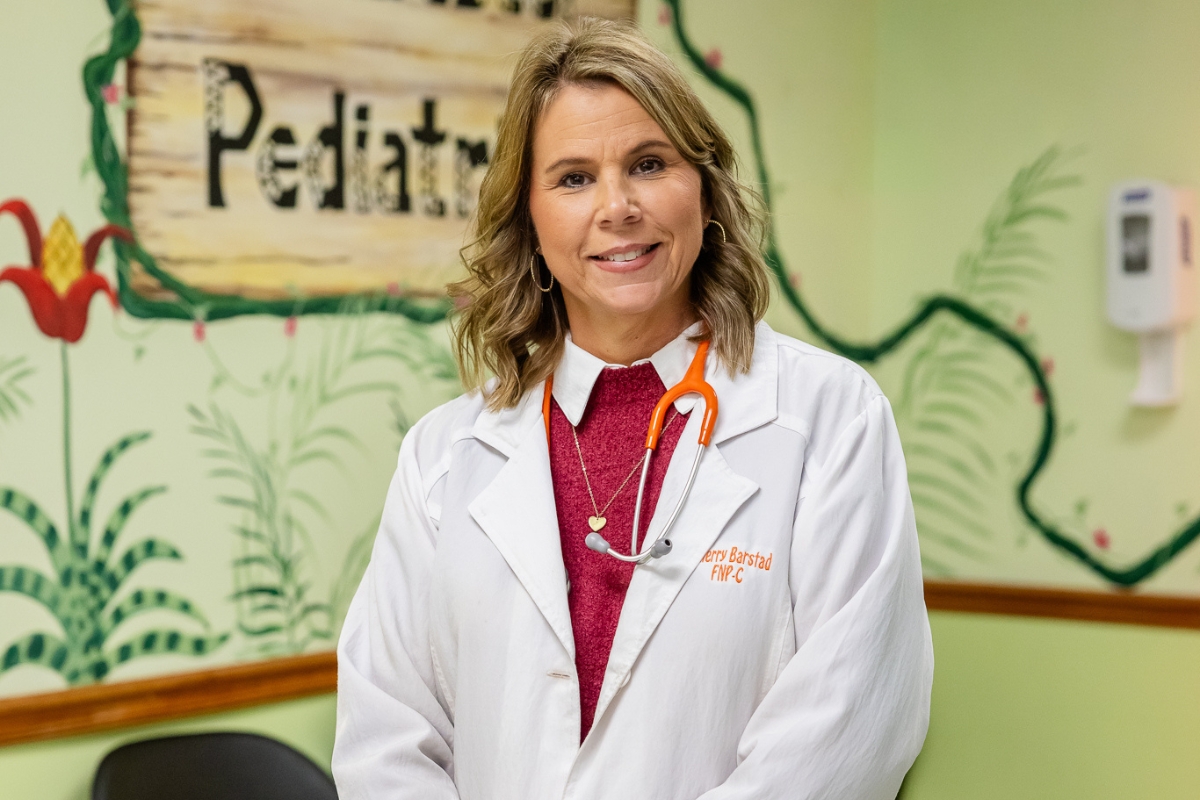
FOR MORE than three decades, Sherry Barstad has dedicated her career to health care, with the last 13 years focused on pediatric primary care. Though her early nursing background was exclusively rooted in adult critical care, her professional trajectory changed during clinical rotations in nurse practitioner school.
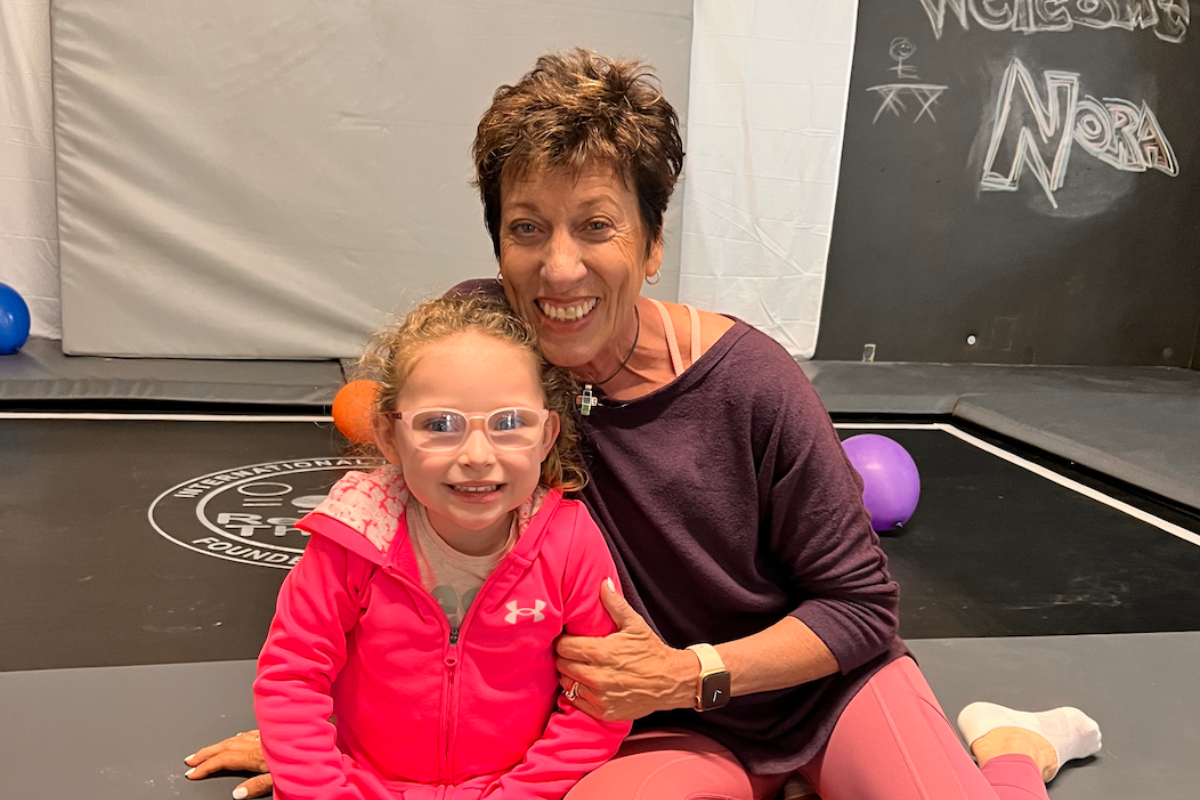
“Although I had been a nurse for 22 years prior, my experience was exclusively in adult critical care. I was genuinely nervous about working with children at first,” she recalled. “That fear turned into love. I discovered that pediatrics allowed me to connect with patients in a way that felt natural. As someone who has always been a big kid at heart, I found myself literally getting down on the floor with them, meeting them at their level. That’s when I knew — this is where I belong.”
From that realization, Barstad not only embraced the clinical aspects of pediatrics but also the opportunity to influence children’s lives beyond their physical health.
“My love for children fuels my career. I want more than just good health for them; I want them to thrive in every aspect of their lives. I want them to know I am on their side,” she shared. “I cheer when they make good grades, join the ball team, or march in the band. And when they stumble, I want them to know I’m there to help them find the confidence to keep going.”
Barstad’s commitment to instilling confidence is intentional. “I share my own failures and remind them that perseverance matters. I try to speak with positivity and encouragement, always aiming to build their self-esteem.”
Barstad’s approach to pediatric care is grounded in clinical discipline paired with emotional intelligence. “I stay grounded in evidence-based protocols, practice guidelines, and critical thinking to ensure that every decision is informed and safe,” she explained. At the same time, she prioritizes relational care. “I strive to connect with every patient on a personal level, using age-appropriate language for the children and clear, compassionate communication with parents.”
Education is a consistent part of her role. “Sometimes I am educating with facts and percentages, and sometimes I am educating on basic parenting skills,” she shared. Building mutual trust with both children and caregivers, she believes, is essential for treatment adherence.
For Barstad, one of the greatest rewards in pediatrics is the authentic affection children give. “They love big and with their whole hearts,” she said. Hand-drawn pictures, handwritten notes, small gifts, and warm hugs from her patients reinforce the impact of her care. “When I hear some of them pretend to be me, ‘Ms. Sherry,’ while they are playing at home, it warms my heart. Their love lifts me up, and they make me a better person. They are my reward.”
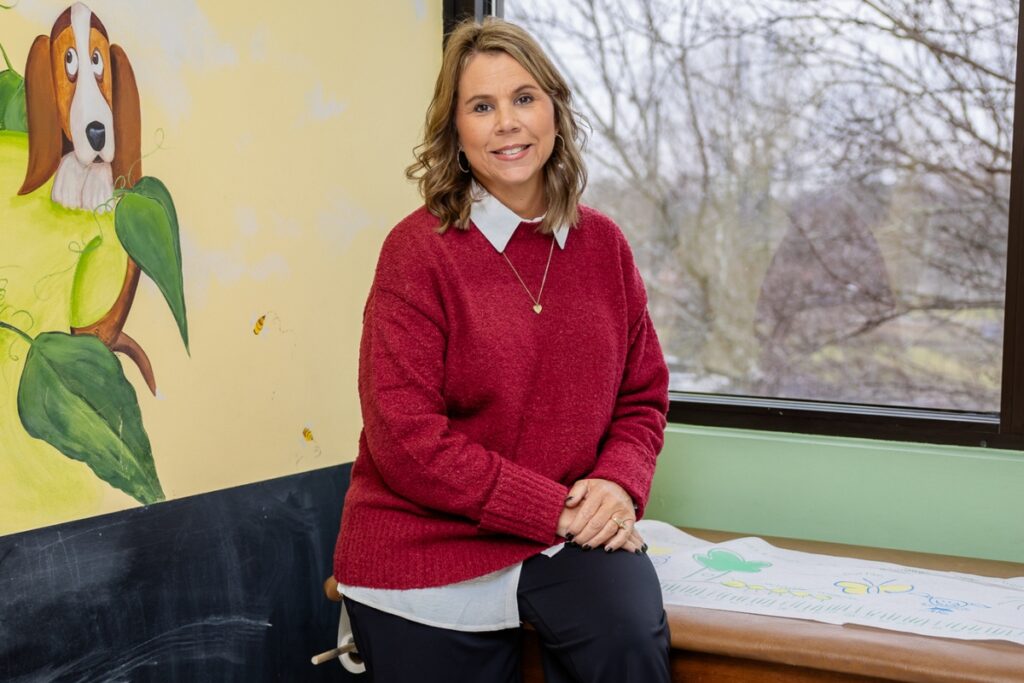
During her 35 years at Highpoint Medical Center, Barstad has seen pediatric care transform significantly. She has witnessed shifts in accessibility, technology, and mental health support. Technology has enhanced parent involvement. “Technology has made it easier to track a child’s growth and development through electronic health records, and I love that parents can now be more involved by accessing those records directly.”
She also notes a critical change in the last five years. “I have noticed a powerful and much-needed focus on mental health. More children are being screened and treated for anxiety and depression, and I have been part of that change — helping kids feel seen, heard, and supported in ways that were not as common before.”
Continuity of care has been a meaningful privilege over the years. “I’ve cared for children who are now adults with children of their own, and today, I care for their children. They are no longer just patients; they’ve become like family.”
Still, challenges persist in pediatric care, especially rising mental health concerns and limited access to specialized support. “I have seen kids as young as 8 years old struggle with anxiety and depression, and it’s heartbreaking. I have had to look parents in the eyes and tell them there’s a waitlist for care — and that never gets easier.”
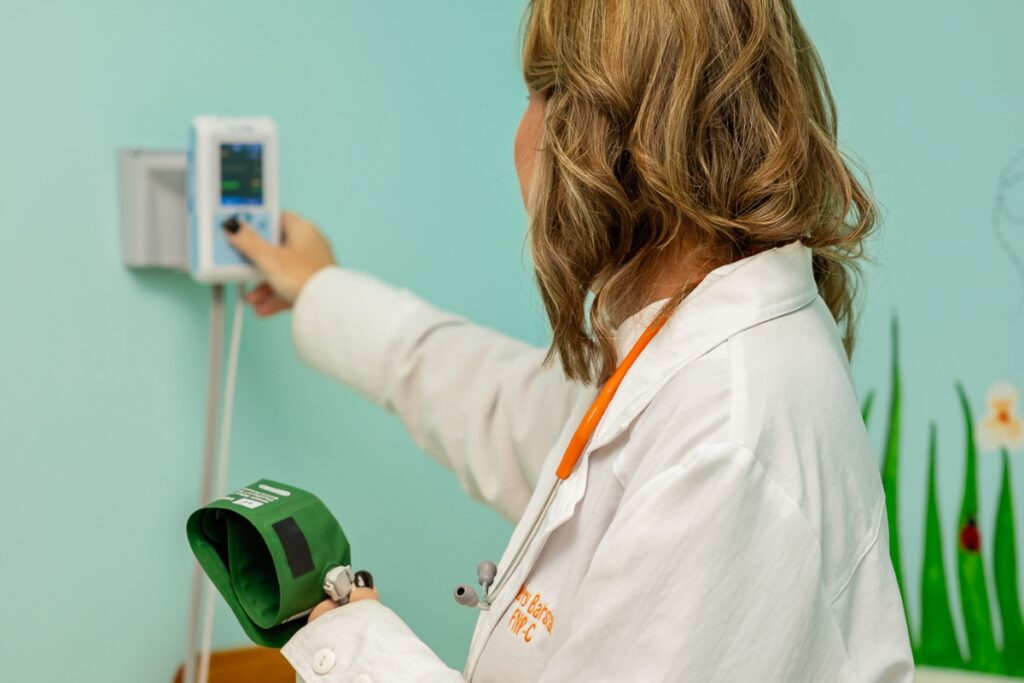
Misinformation remains another daily battle. “I spend a significant part of my day correcting myths about vaccines and trying to rebuild trust with families. It is exhausting, but I never give up — because I know that education and compassion can change minds and ultimately the future health of their children.”
Medication shortages and insurance barriers further complicate the treatment process. Barstad often navigates alternatives to ensure continuity of care. “These moments remind me why advocacy is just as important as clinical care.”
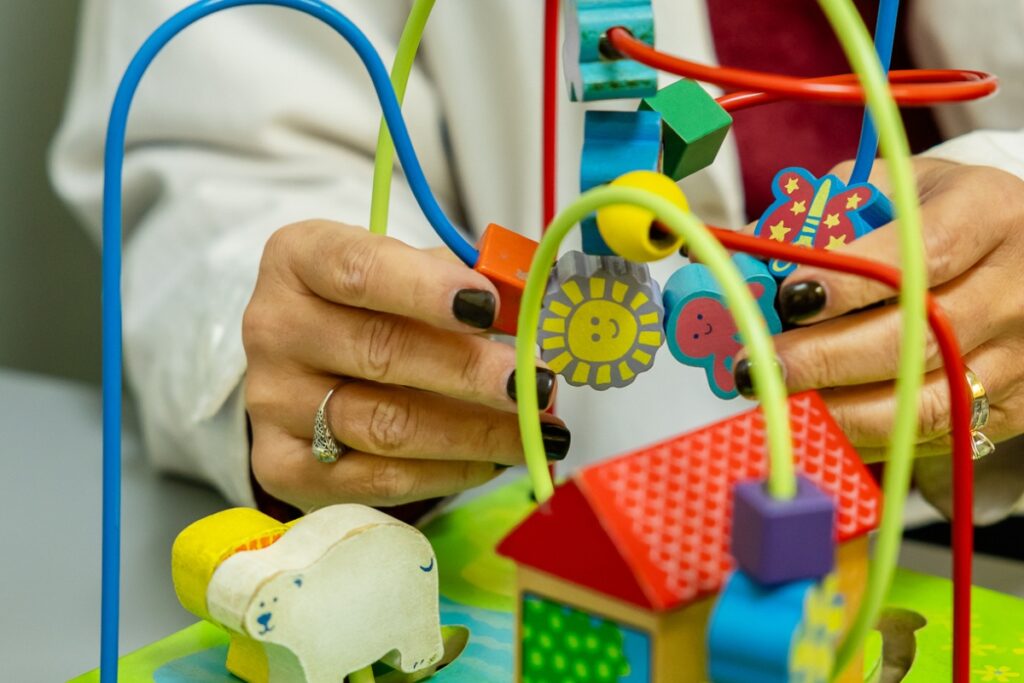
Her philosophy for delivering exceptional pediatric care is centered on empathy, active listening, and adaptability. “When I work with children, I lead with compassion and empathy. I listen carefully — not just to their words but to what they might be feeling underneath.” She uses creativity as a tool for connection. “Using play and imagination during exams helps children feel safe and engaged.”
Barstad offers clear guidance to those considering a career in pediatrics. “Look inward and ask yourself, ‘Do I truly love children?’ Because this path demands more than clinical skill. It requires deep compassion, resilience, and unwavering advocacy. Loving kids isn’t just part of the job — it is the heart of it.” GN