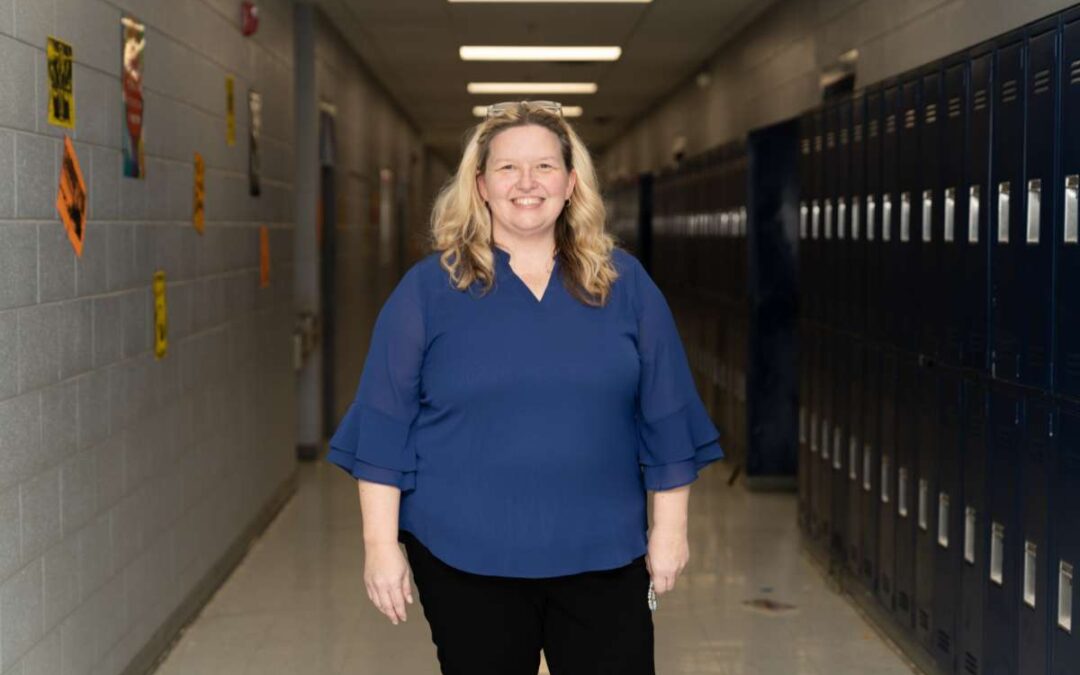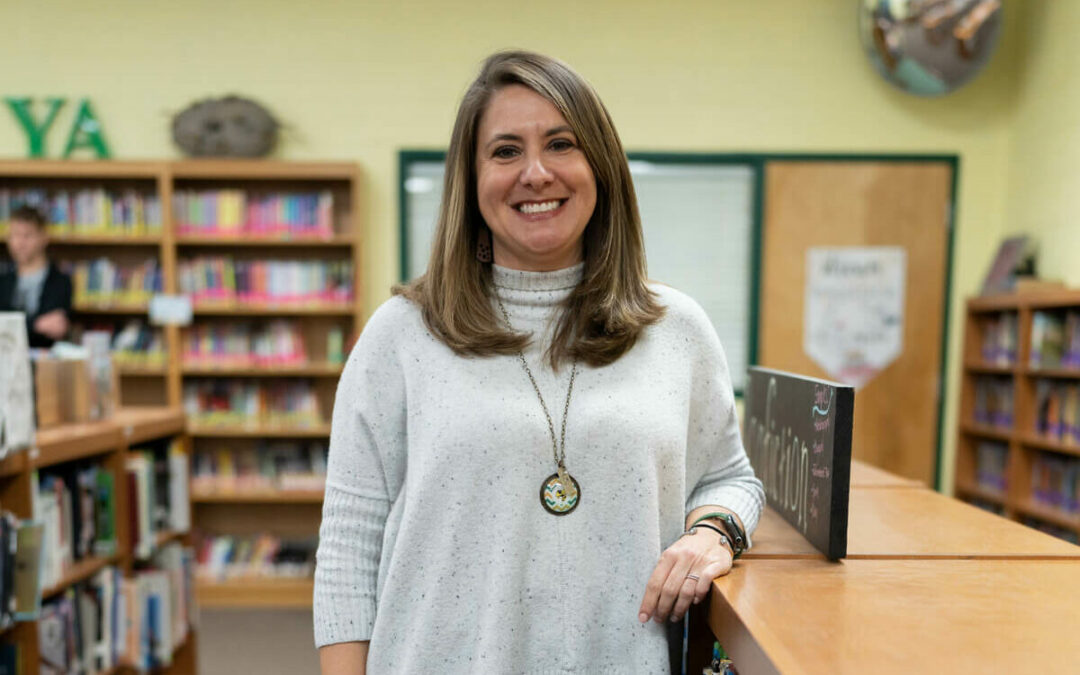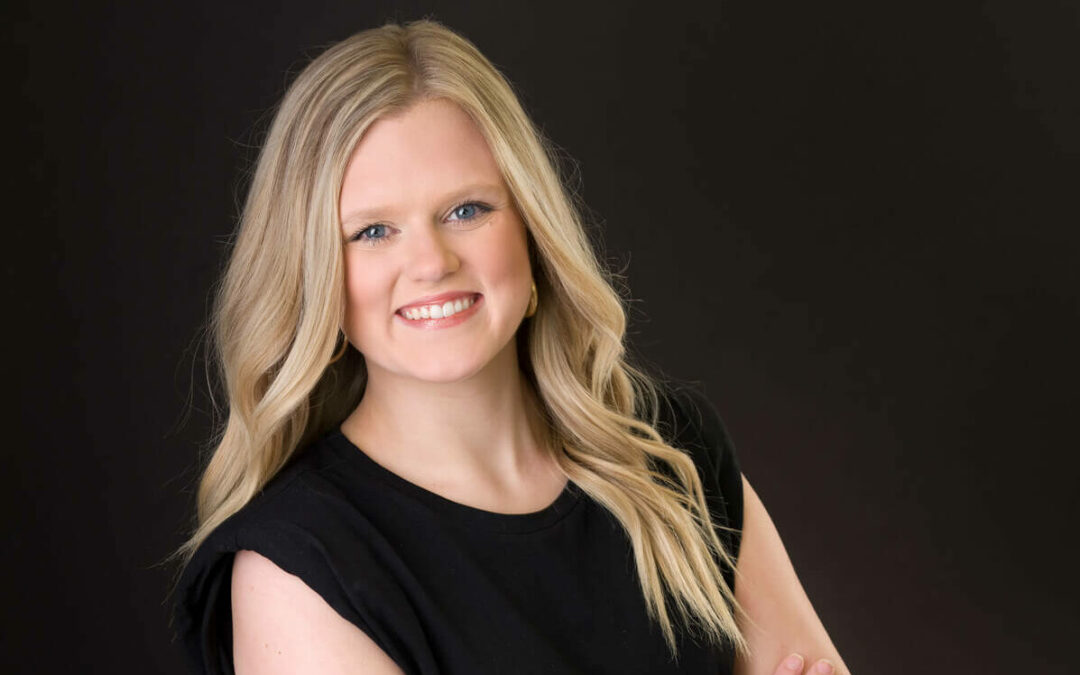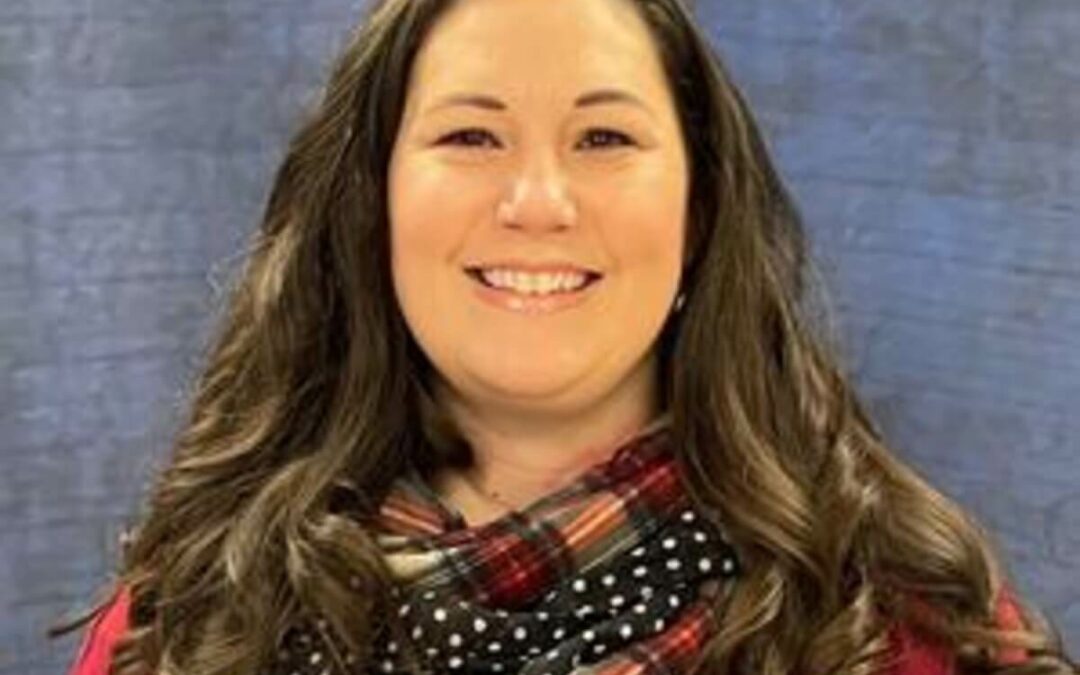
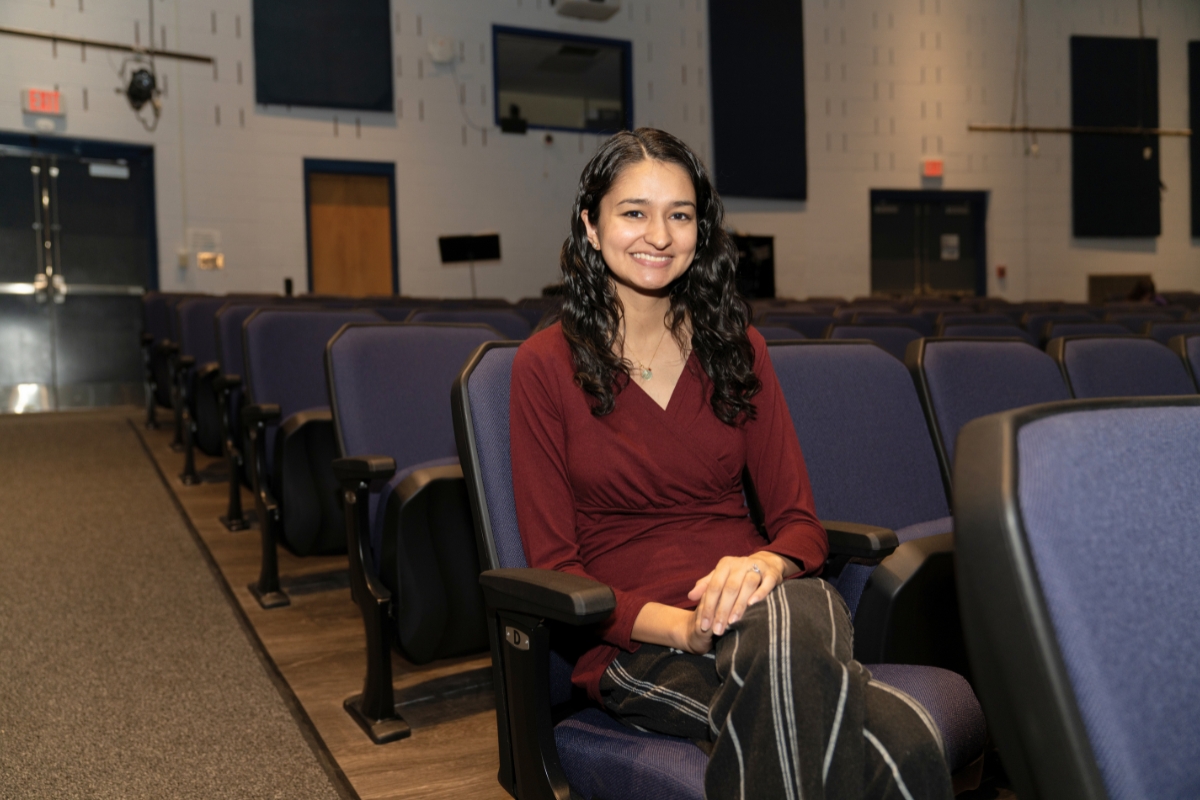
WHEN LYDIA Marshall talks about her theater students at Lincoln County High School, she often calls them her “kids” — a habit she jokes she now has to clarify as she prepares to welcome her first child.
“But really,” she said, “I don’t think that theater works if there’s not a safe environment for creativity to happen.”
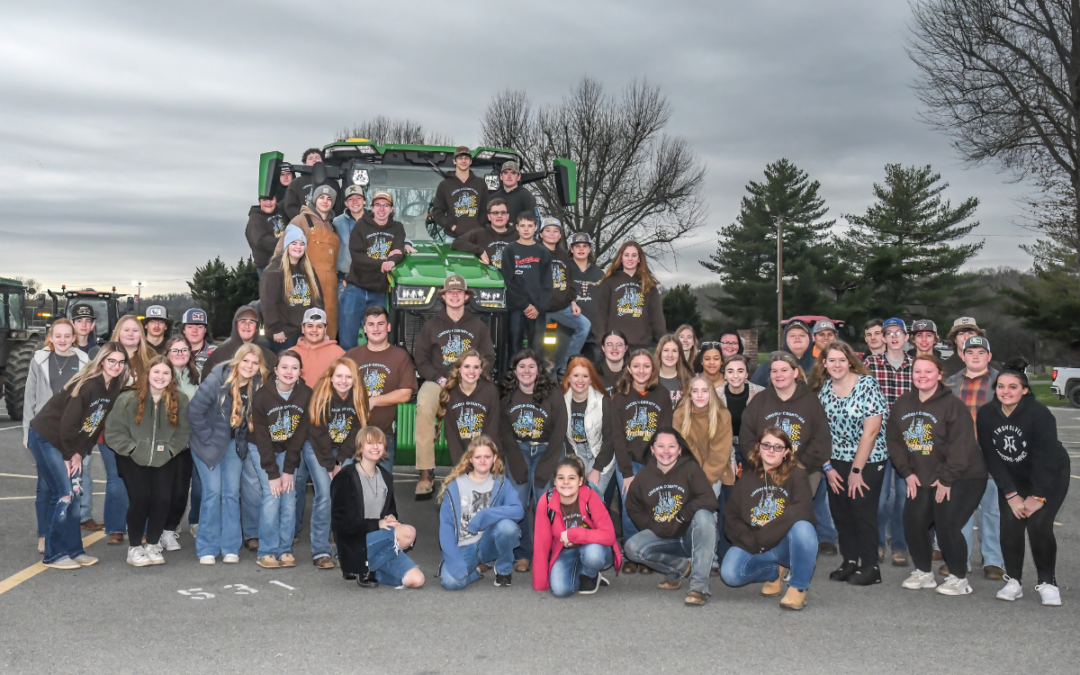
Marshall, now in her fourth year at Lincoln County High School, serves as both a theater teacher and the school’s theater director. She teaches Theater I through IV during the school day and oversees productions as an extracurricular program, a dual role that allows her to connect with students both in and out of the classroom.
“What I do in the classroom is obviously my passion,” Marshall said. “Even when we’re in the middle of doing a show, we’re still honing technical skills and being exposed to more theater and more art.”
Marshall started directing when she was about 15 years old through a youth leadership program at her hometown theater company. That experience planted the seed for a career she said she never expected to take her to a high school classroom.
“I just loved it,” she said. “That was kind of when I knew that I wanted to be a theater teacher one day.”
Although she initially had no plans to teach high school, Marshall said she eventually earned her license and quickly discovered the joy of watching students grow over time.
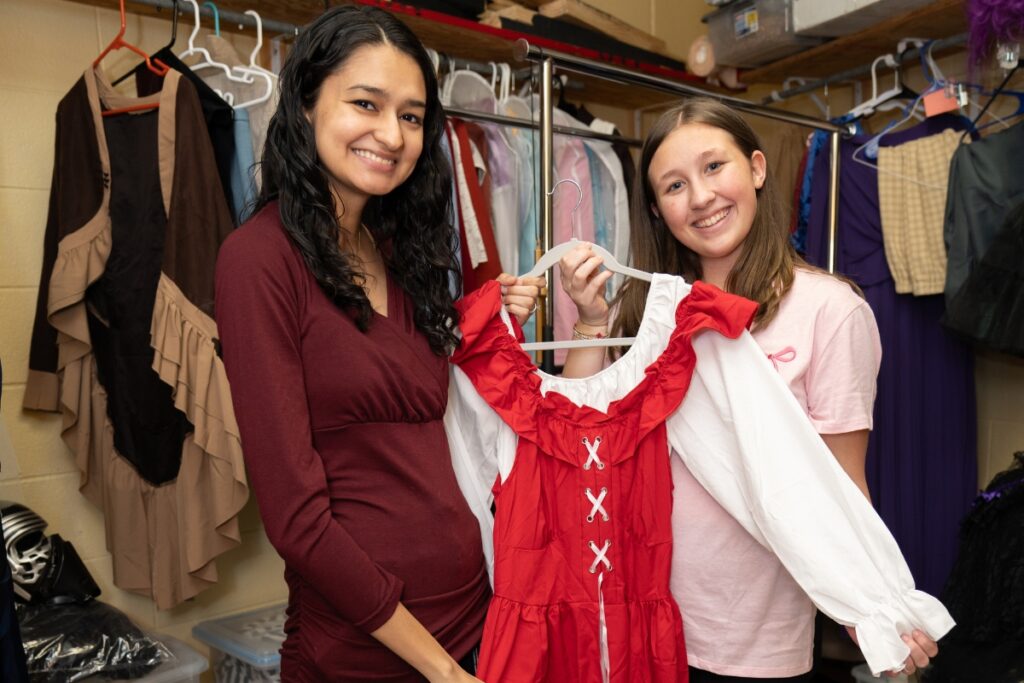
“I love getting to see kids grow from being able to use their imagination and being able to try new things,” she said. “Every single new show we do, there’s always that growth.”
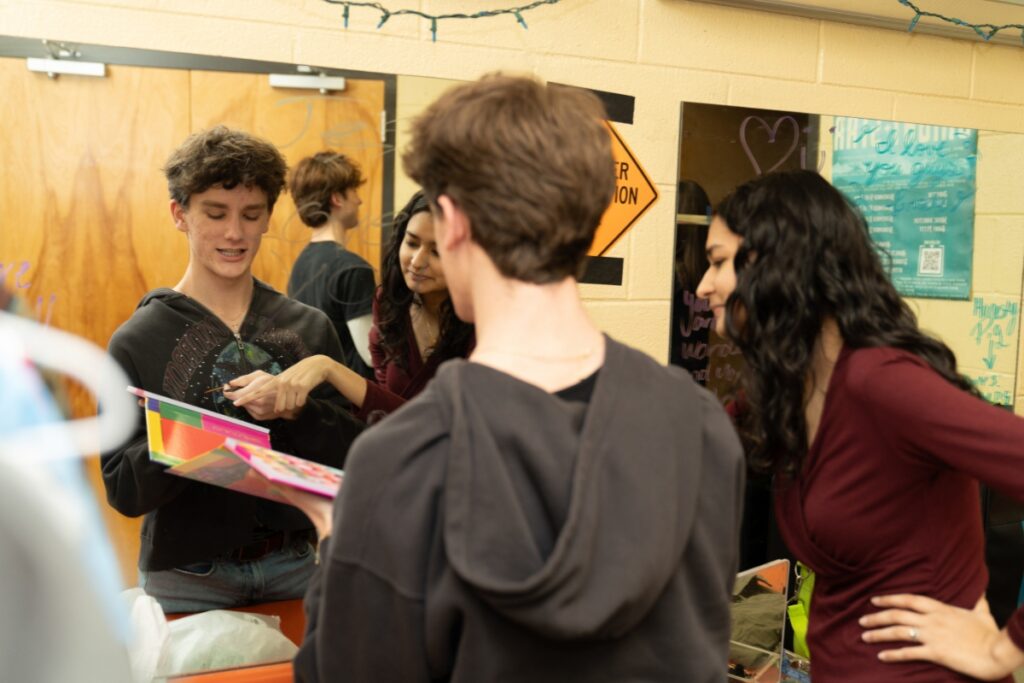
Marshall described her role as both teacher and mentor. While many students she works with are enrolled in her theater classes, others join productions without ever stepping into her classroom.
“That’s where it turns into more of a mentor role,” she said. “I get to know a lot of kids I wouldn’t normally see and have insight into what they’re going through and what they need.”
At the core of Marshall’s teaching philosophy is empathy, a skill she believes theater uniquely nurtures.
“My biggest focus is first and foremost empathy,” she said. “Being able to put yourself into someone else’s shoes and think from their perspective… I think that just makes them better people in general.”
Creating a family-like atmosphere within the theater department is intentional, Marshall said. Students help protect the environment by looking out for one another and making sure everyone feels supported.
“If we don’t have that, then you can’t be at your top ability as a performer,” she said. “They know it’s super important, and I’m really thankful we have such amazing kids here who are totally on board with that environment.”
That sense of safety allows students to take risks, especially those who enter the class with stage fright.
“On the very first day, I ask them on a scale of one to five how much stage fright they have,” Marshall said. “We say from the beginning that progress looks different for each person.”
Students begin with nonverbal exercises, like mime, gradually building toward full performances.
“I’ve never had a kid get to the end of the semester and just not be able to do the monologue,” she said. “They figure out how to work through that anxiety.”
The growth Marshall witnesses is often dramatic. This year marks the first time she has taught a full cohort from freshman through senior year.
“I have one student who was really, really shy and didn’t talk very much,” she said. “Now that student is a senior, and he was just the lead in the musical last semester and even got nominated for the Spotlight Awards.”
Marshall sees students develop confidence and life skills they carry into interviews, presentations, and everyday interactions.
“I’ve had kids tell me they just feel more confident as a person,” she said. “They realized it was okay to put themselves out there, and at the end of the day, the floor was still underneath them.”
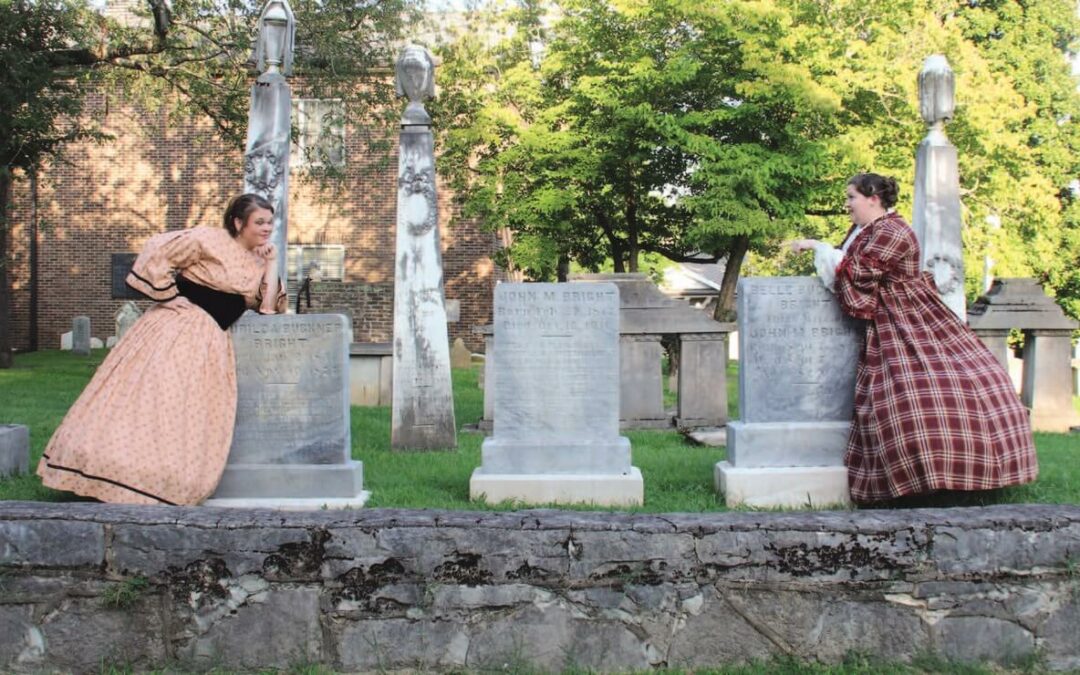
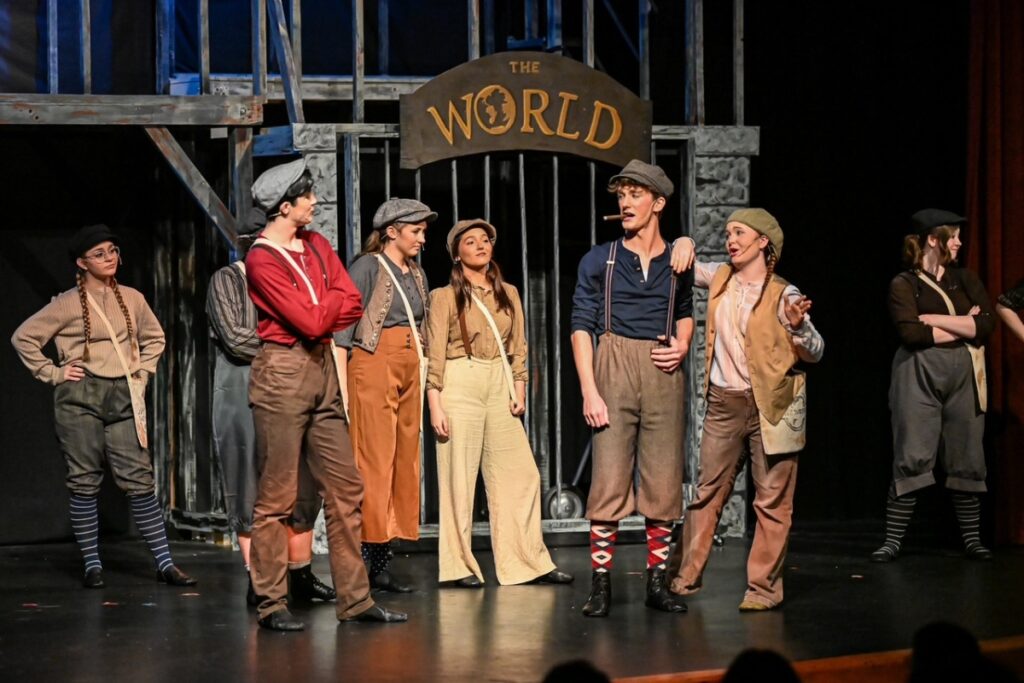
Among the productions Marshall is most proud of are “Newsies,” staged in November, and her first musical at the school, “Anastasia.”
“With ‘Newsies,’ the kids and I totally took it on as a creative project,” she said. “They really took ownership of it, and we were just on our A game.”
Opening nights remain emotional for her, especially now that students run much of the show themselves.
“I sit in the audience, and I’m just watching,” Marshall said. “It’s nerve-racking because I have no control, but it’s also the biggest sense of pride.”
Running a high school theater program is not without challenges, particularly scheduling and the technical demands of productions.
“There are long nights and sometimes tears of frustration,” she said. “But that’s all part of the process.”
As her first group of students prepares to graduate, Marshall hopes they carry creativity with them, no matter their career paths.
“It’s never my intention to convince them they need to make their career in theater,” she said. “I just want them to always have that imaginative outlet that brings joy to their lives.”
Marshall also hopes the broader community understands the value of arts education.
“Arts education is not something to just add on,” she said. “It shapes lives, teaches critical thinking, and provides a place of belonging for kids who need it.”
Marshall said it’s that purpose that keeps her passionate year after year.
“I’m honestly just so humbled to get to do what I do,” she said. “I love my job.” GN