According to statistics from the FBI, an estimated 460,000 children in the United States are reported missing every year. The Tennessee Bureau of Investigation estimates 500-600 children are reported missing in Tennessee every month.
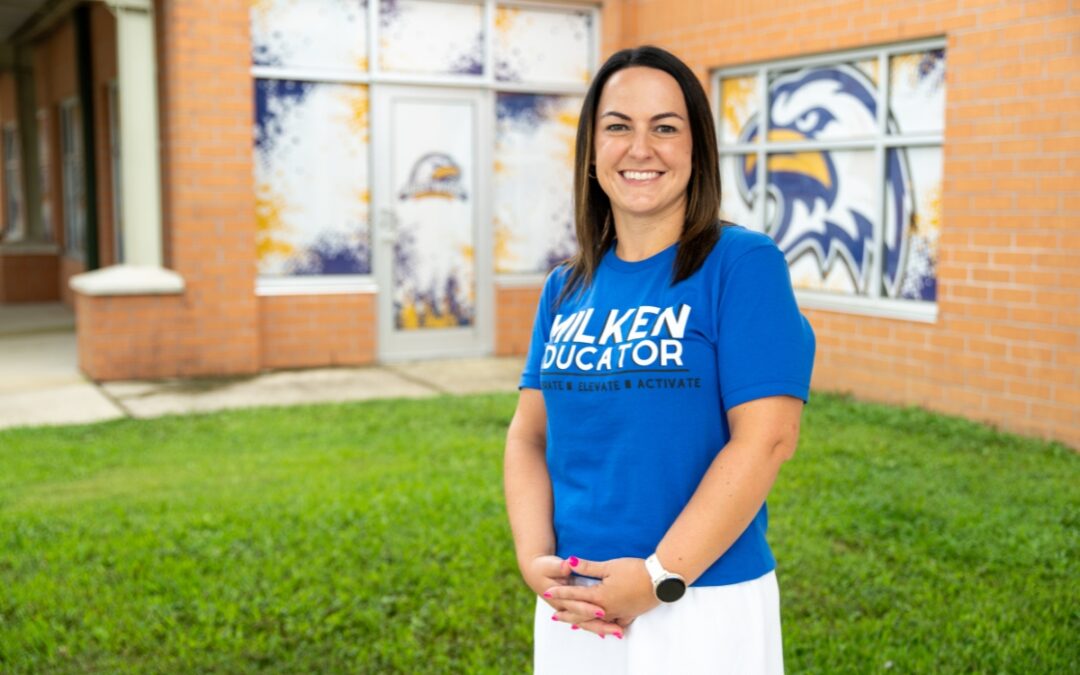
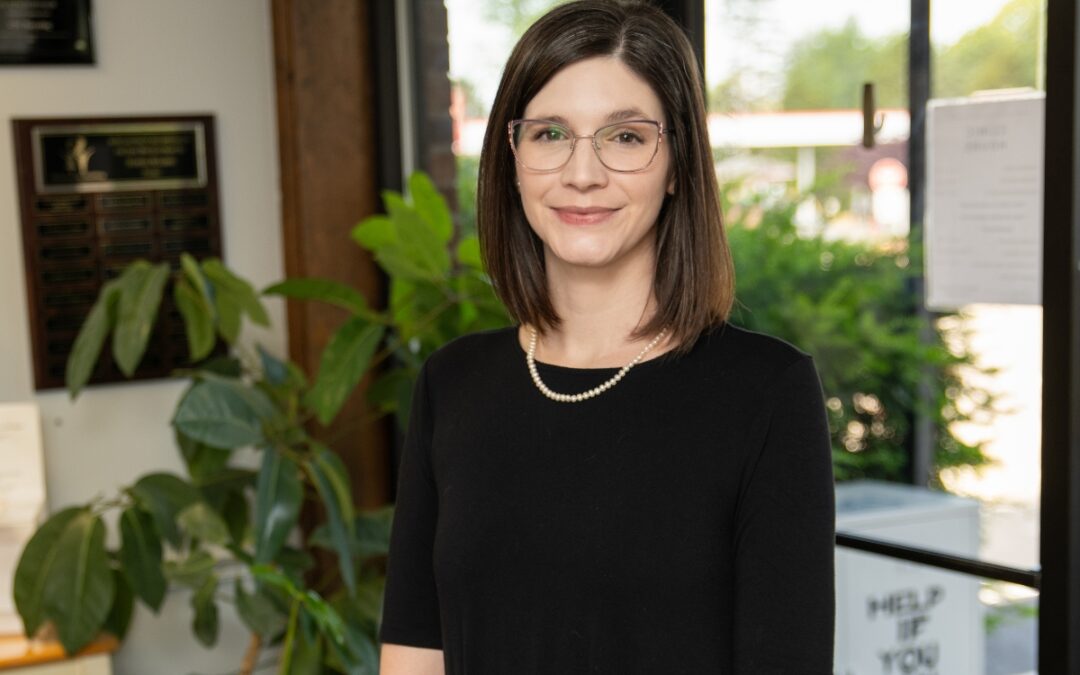
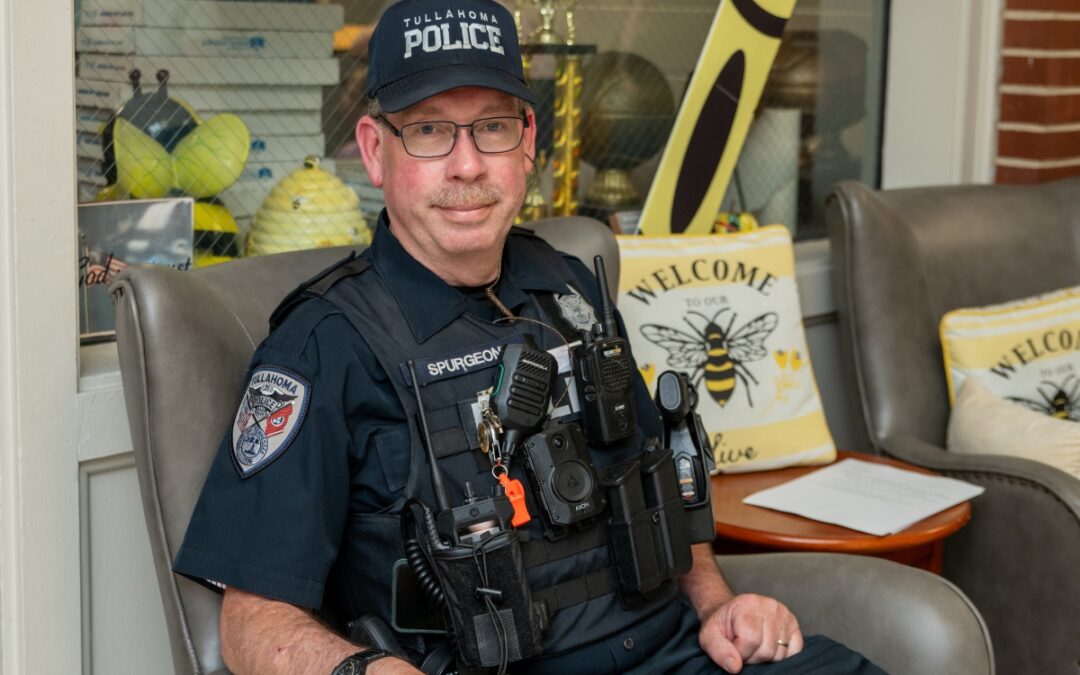
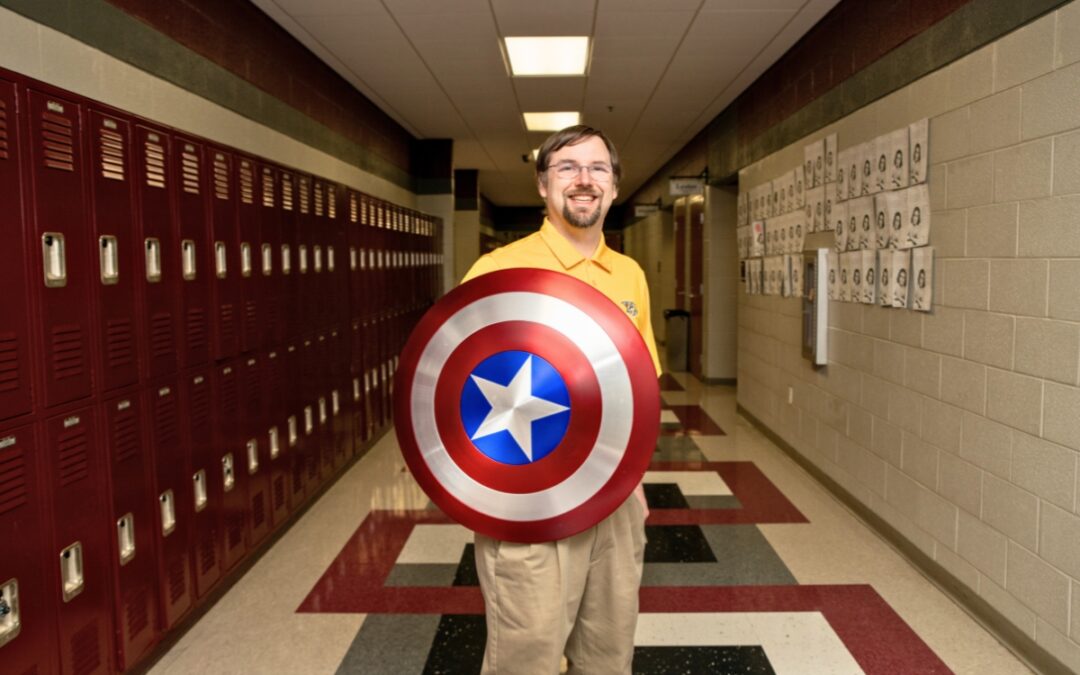
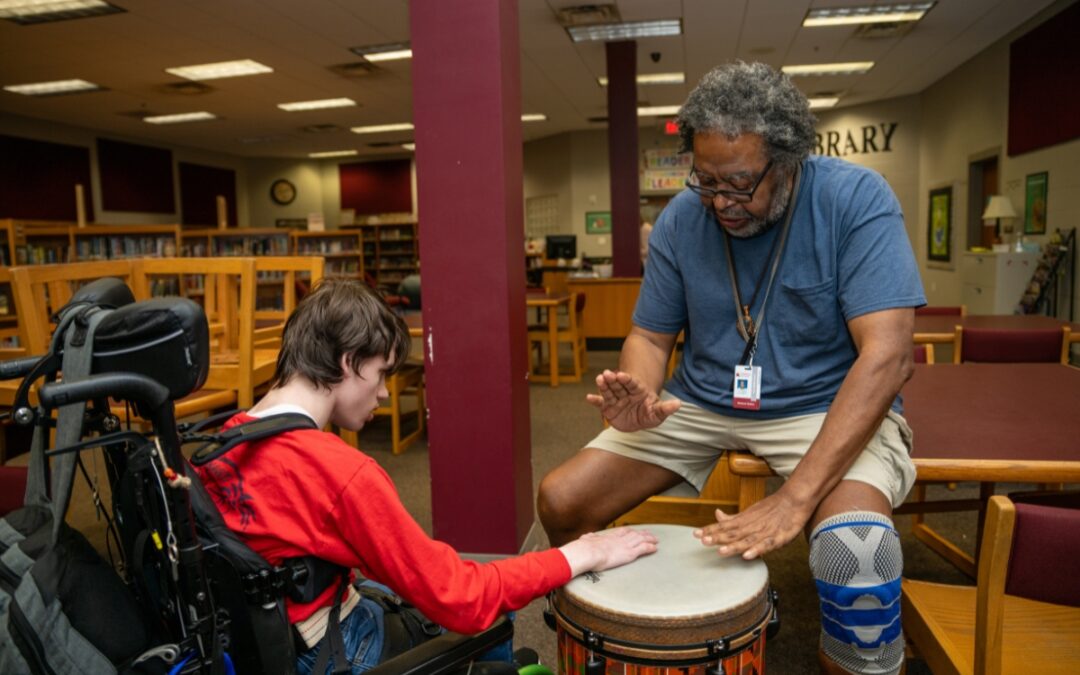
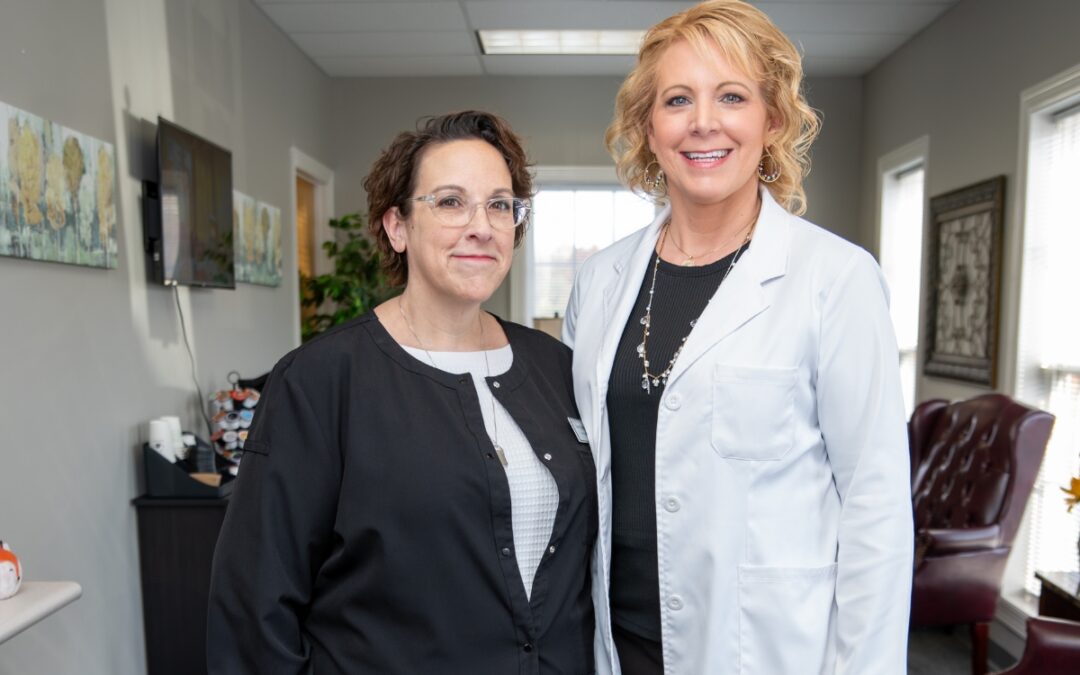
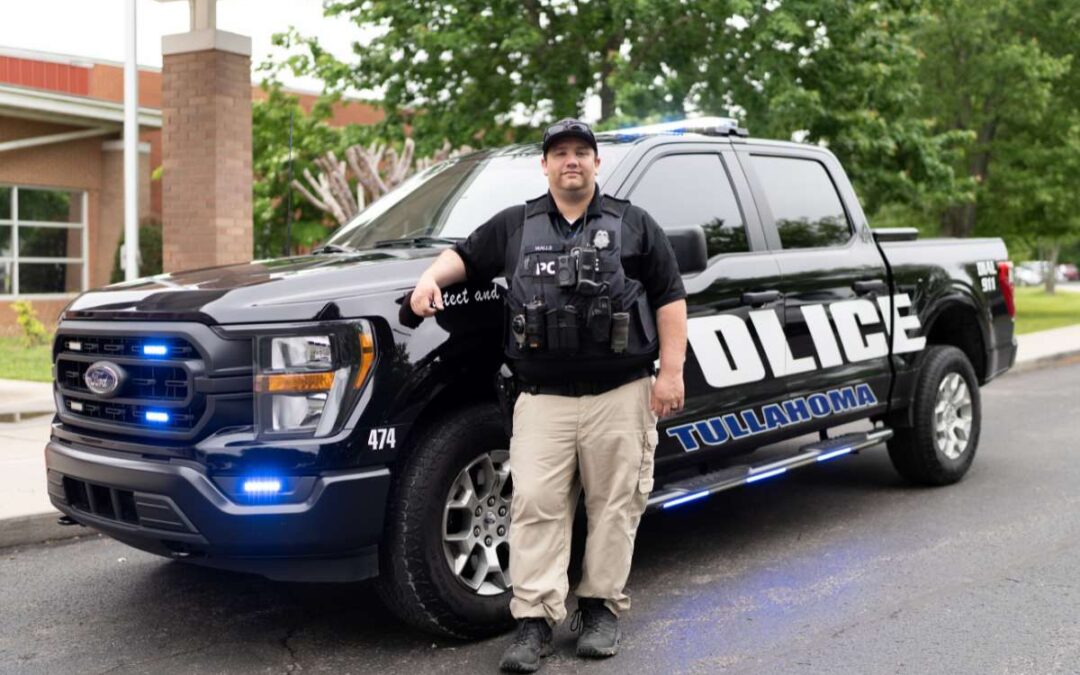
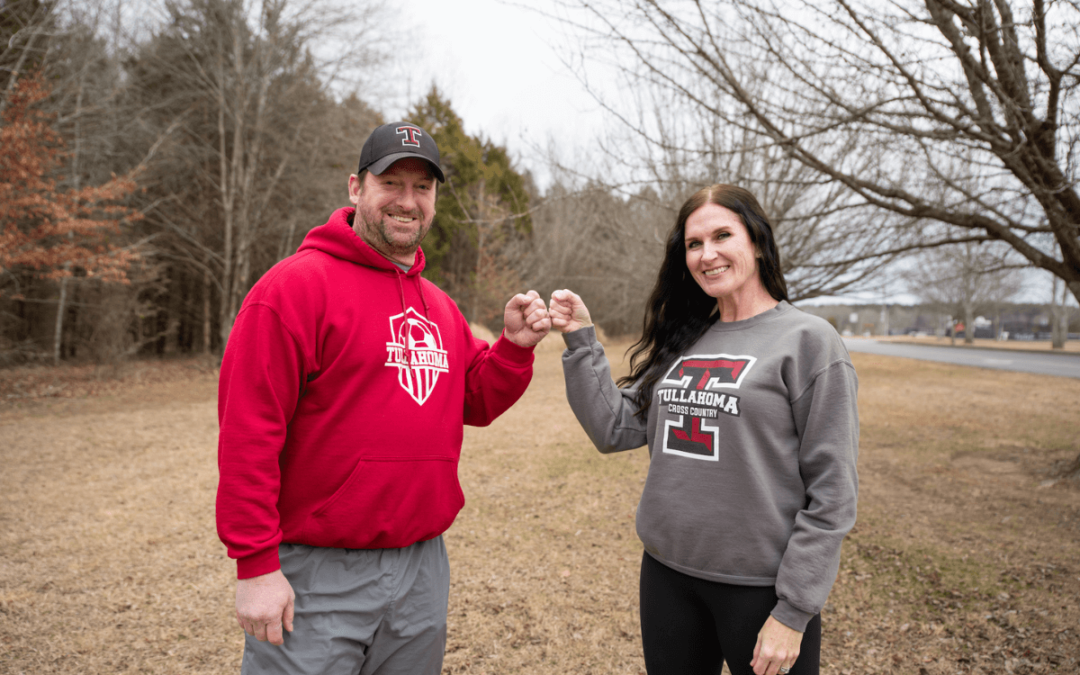
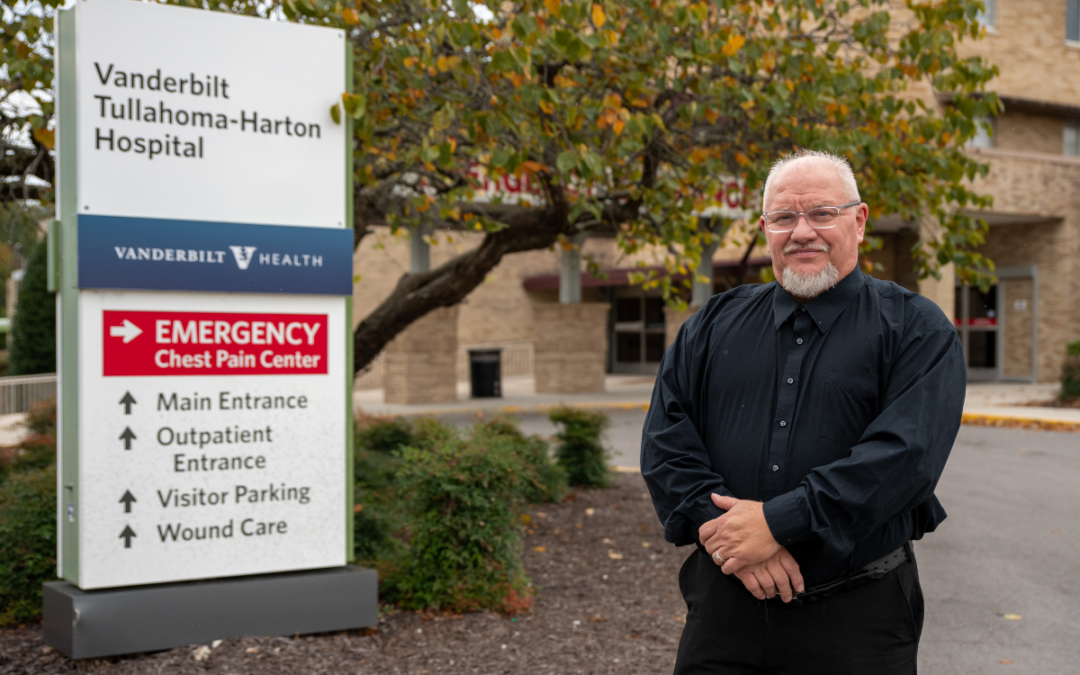
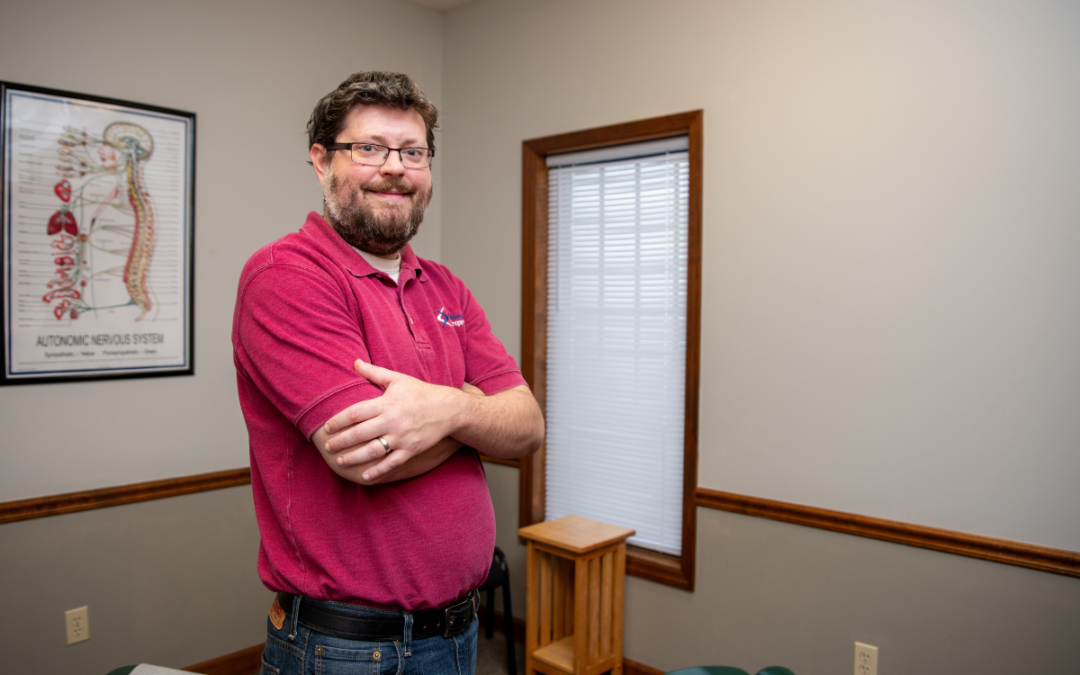
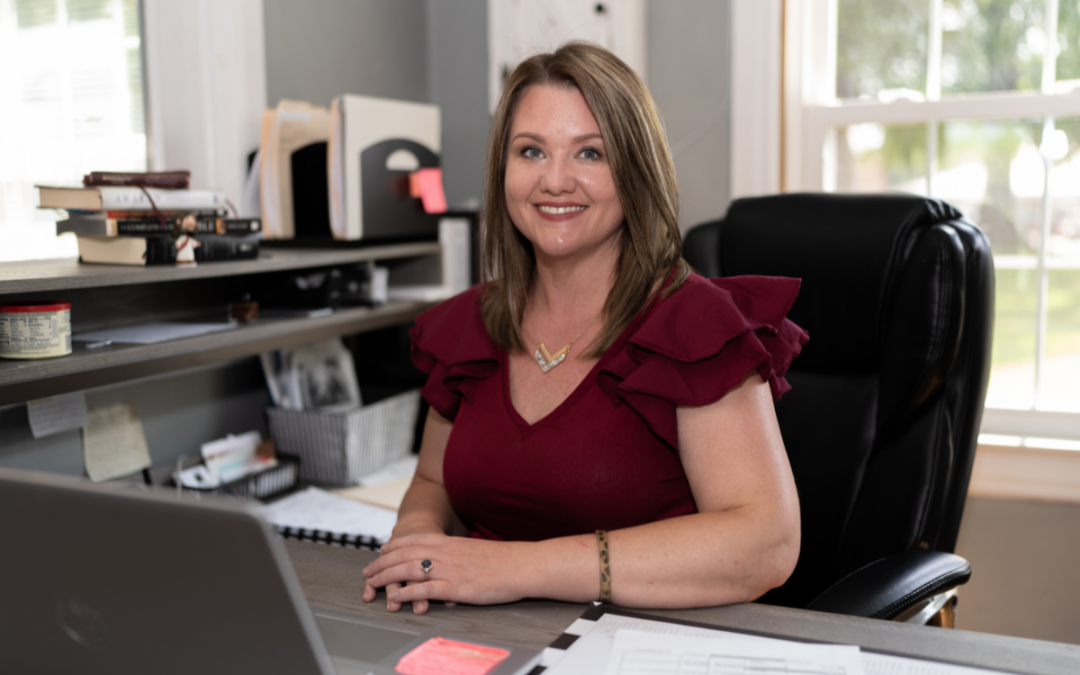
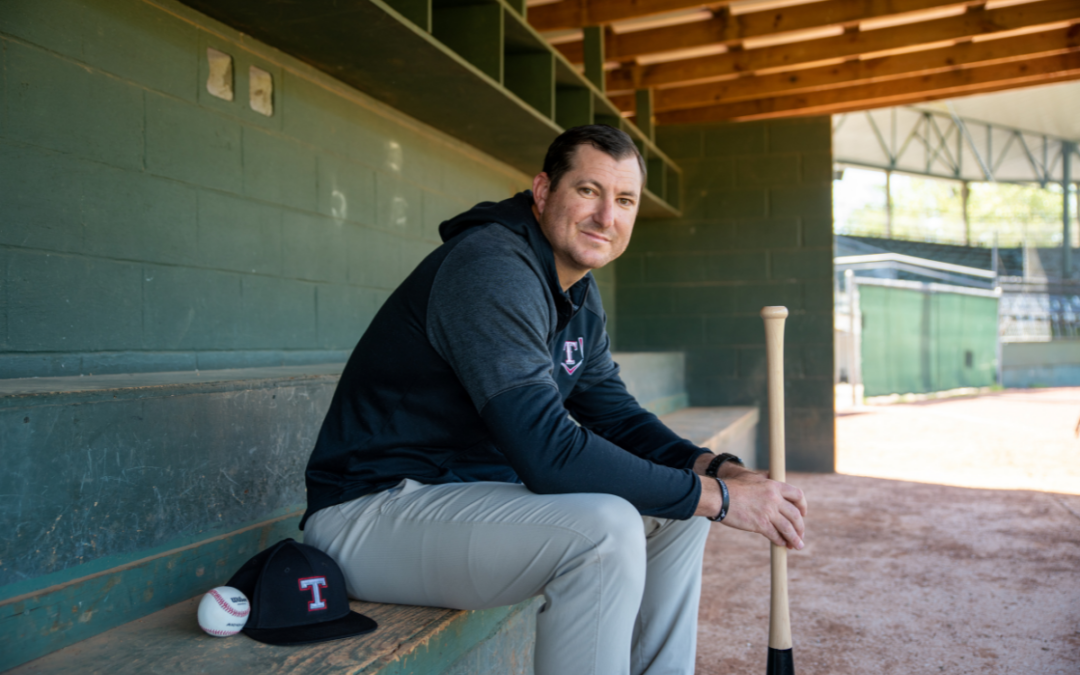
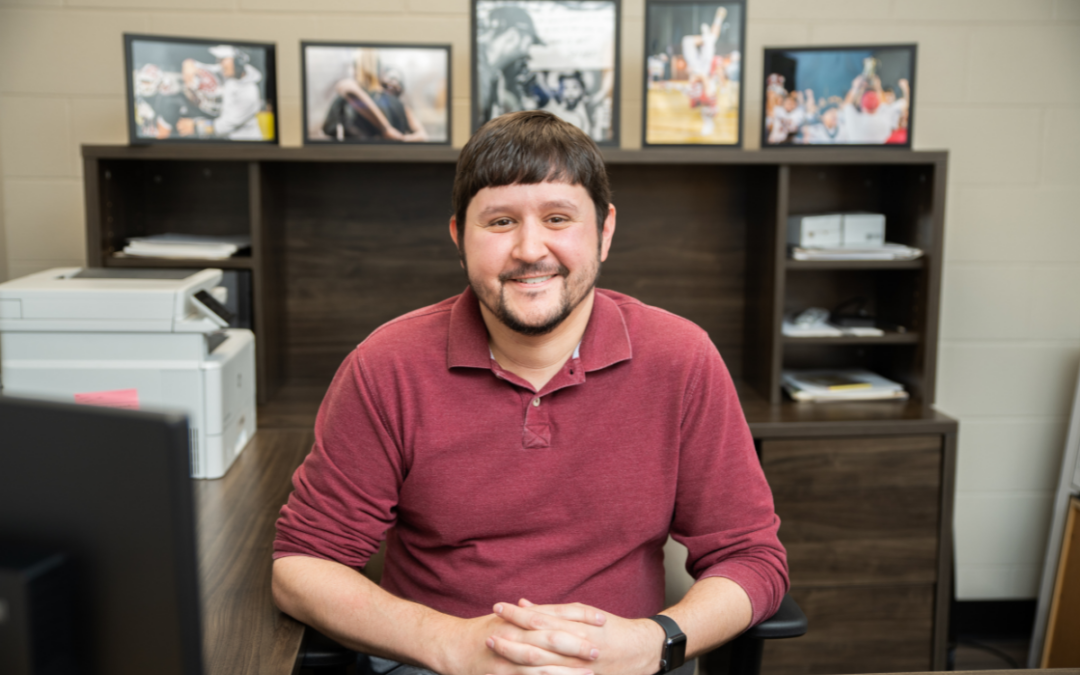
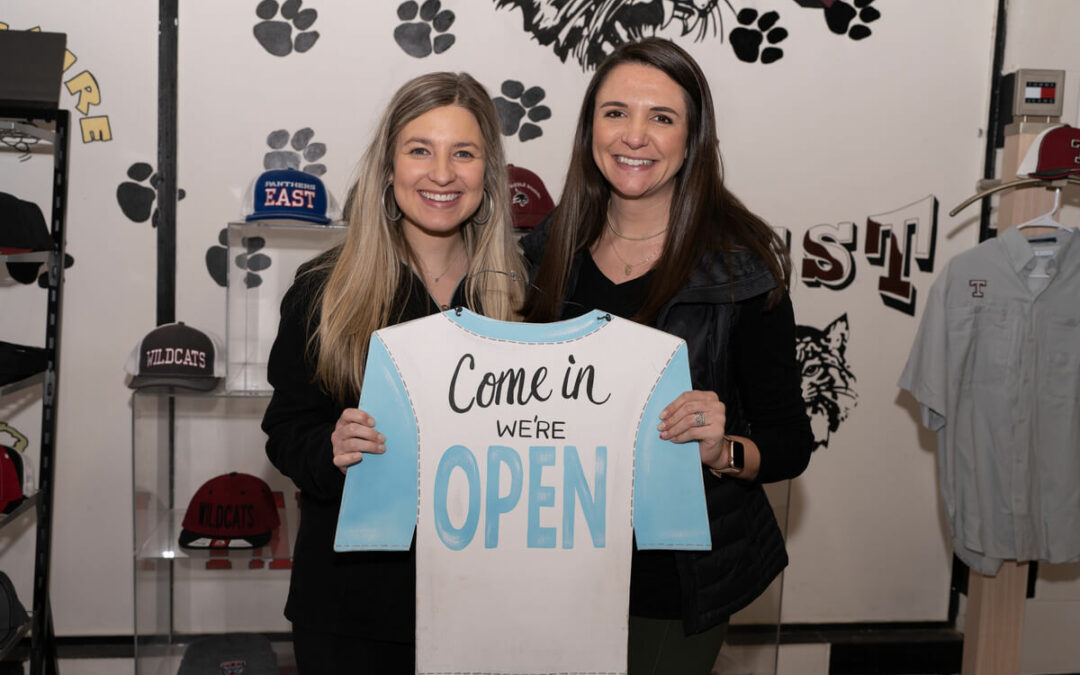
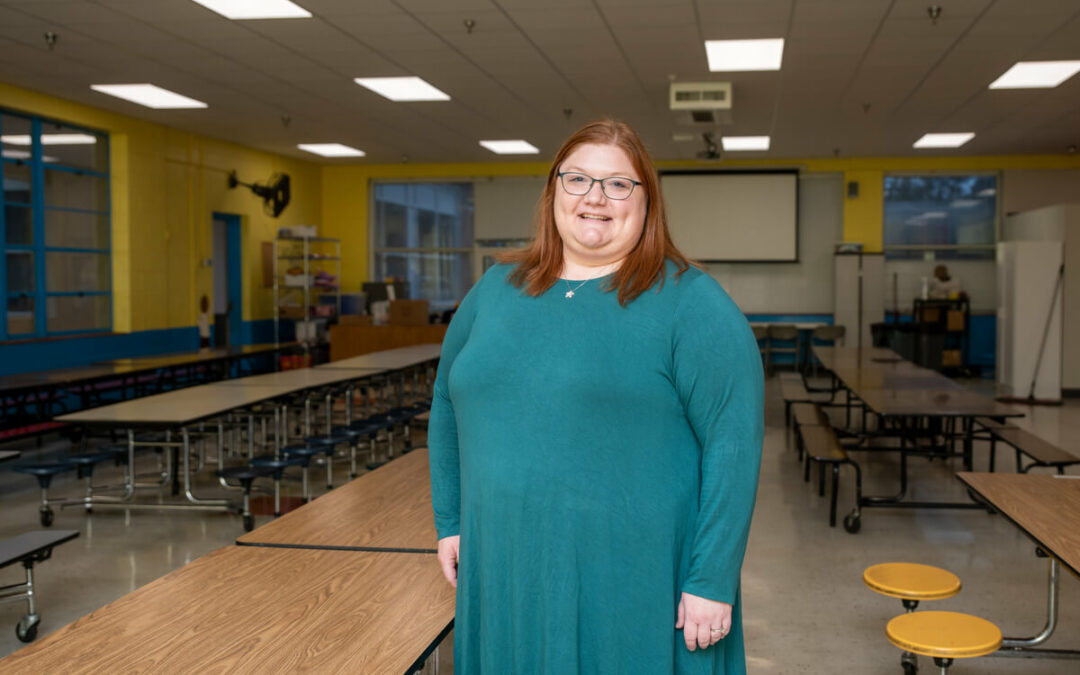
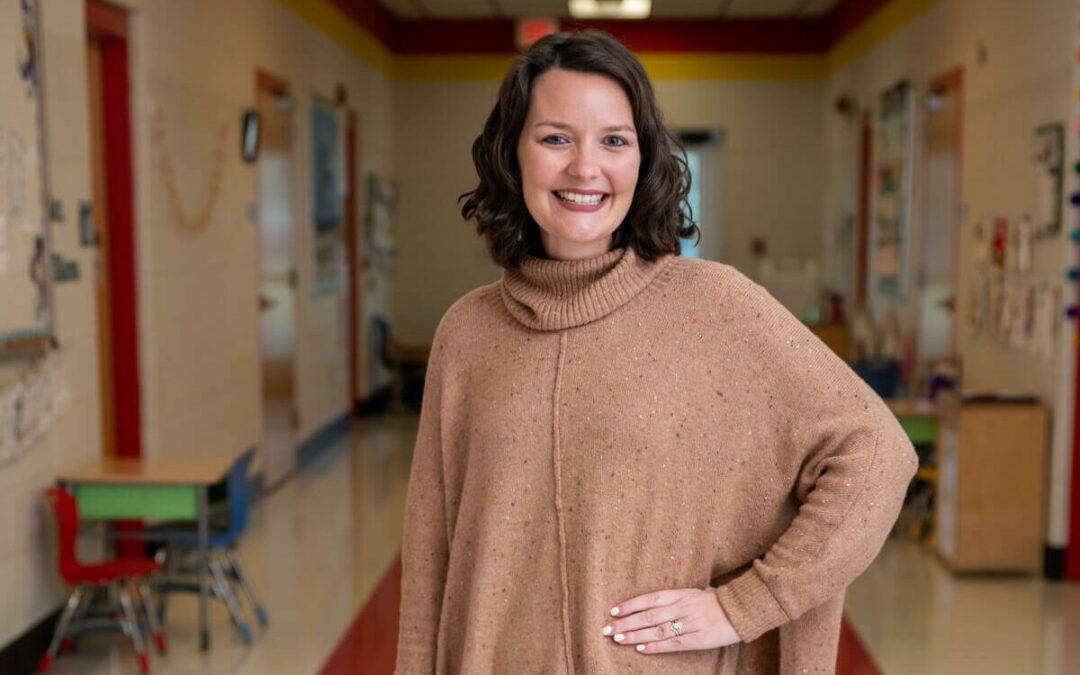
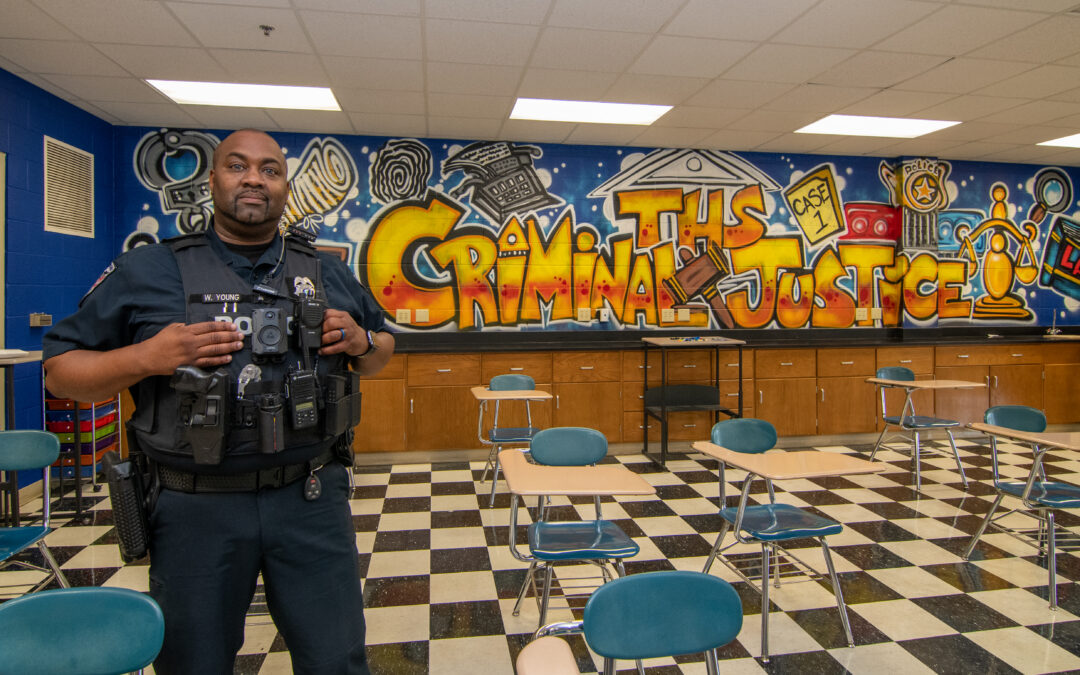
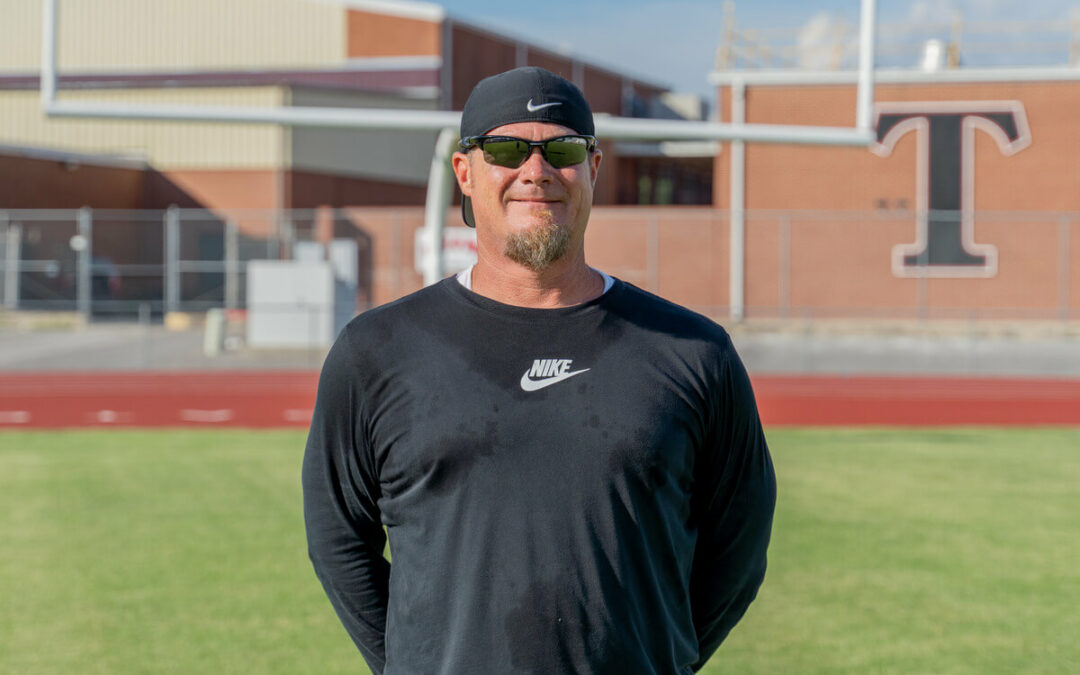
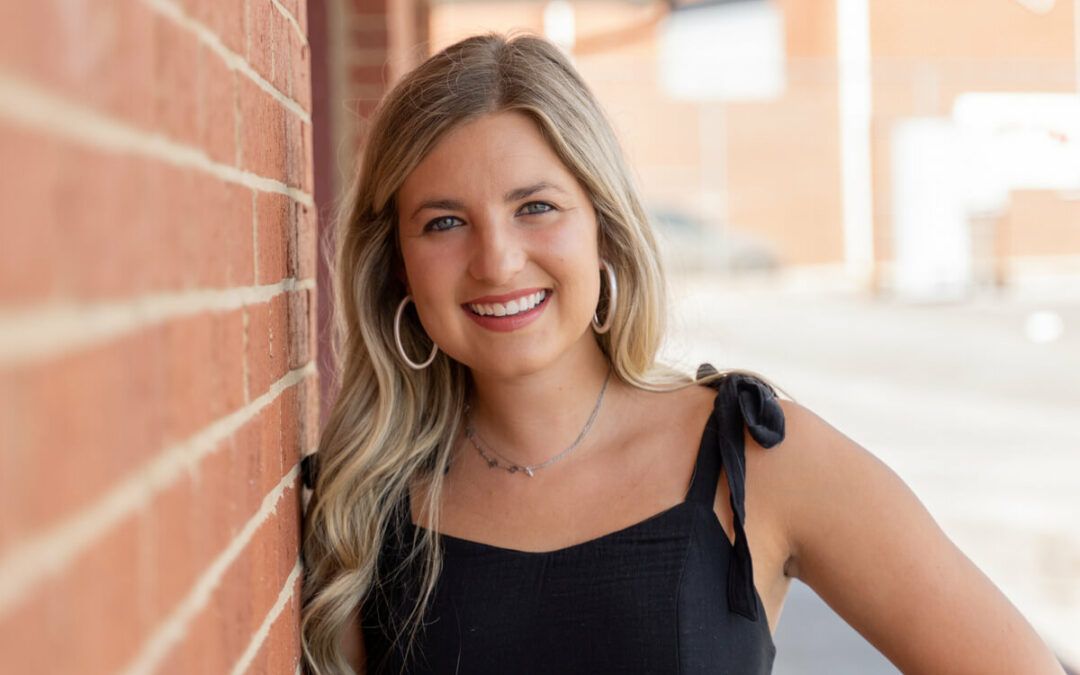
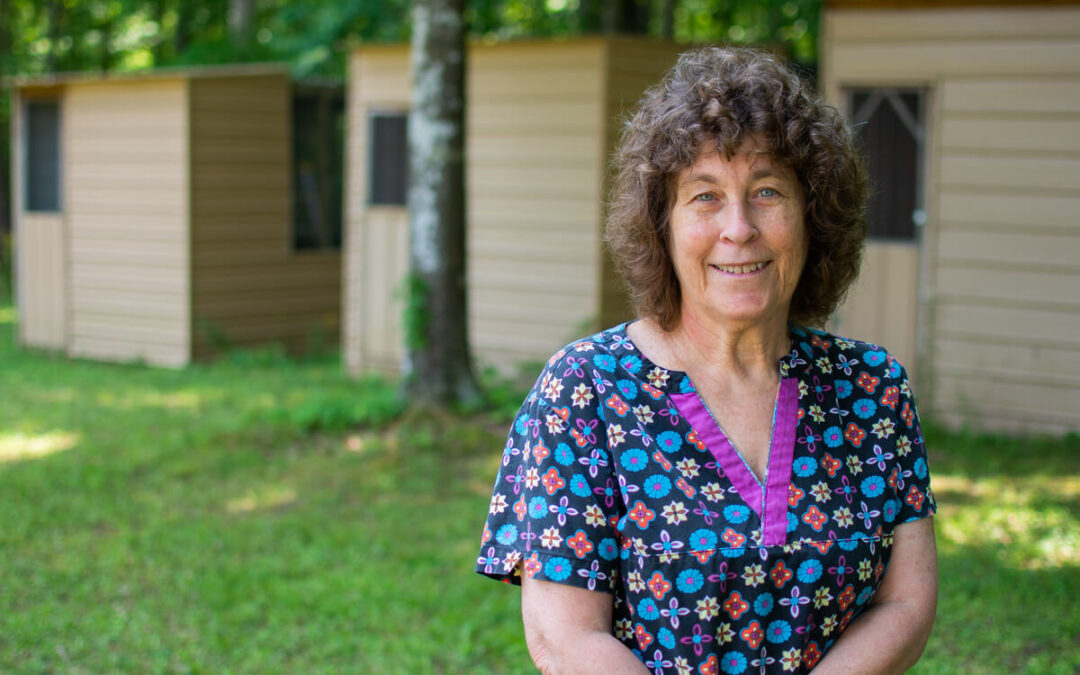
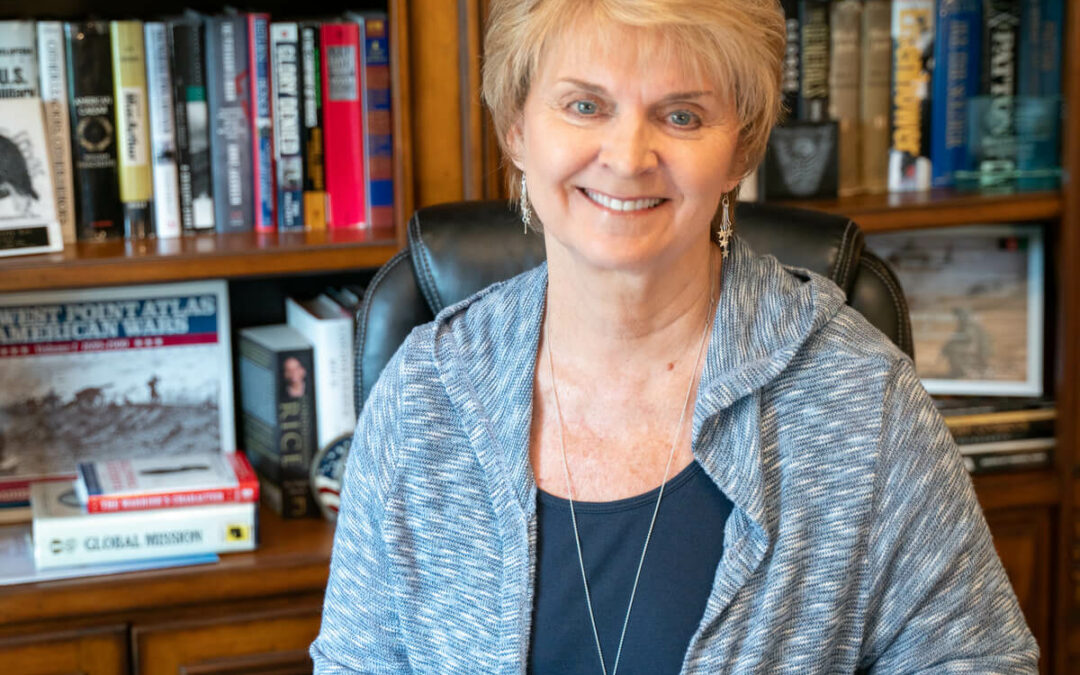
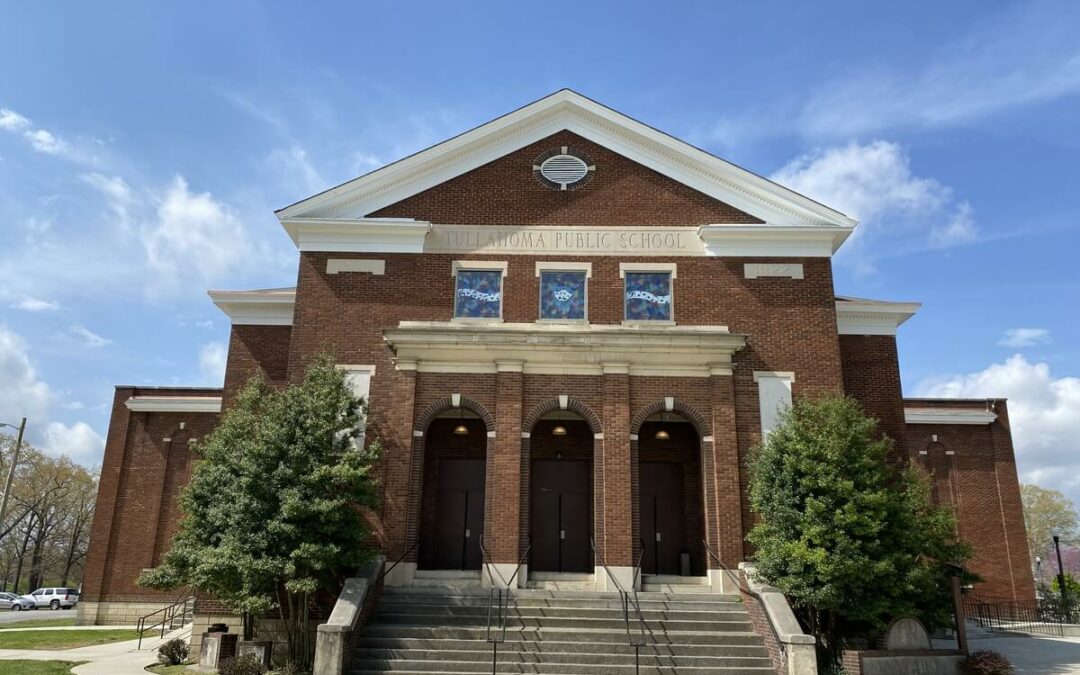
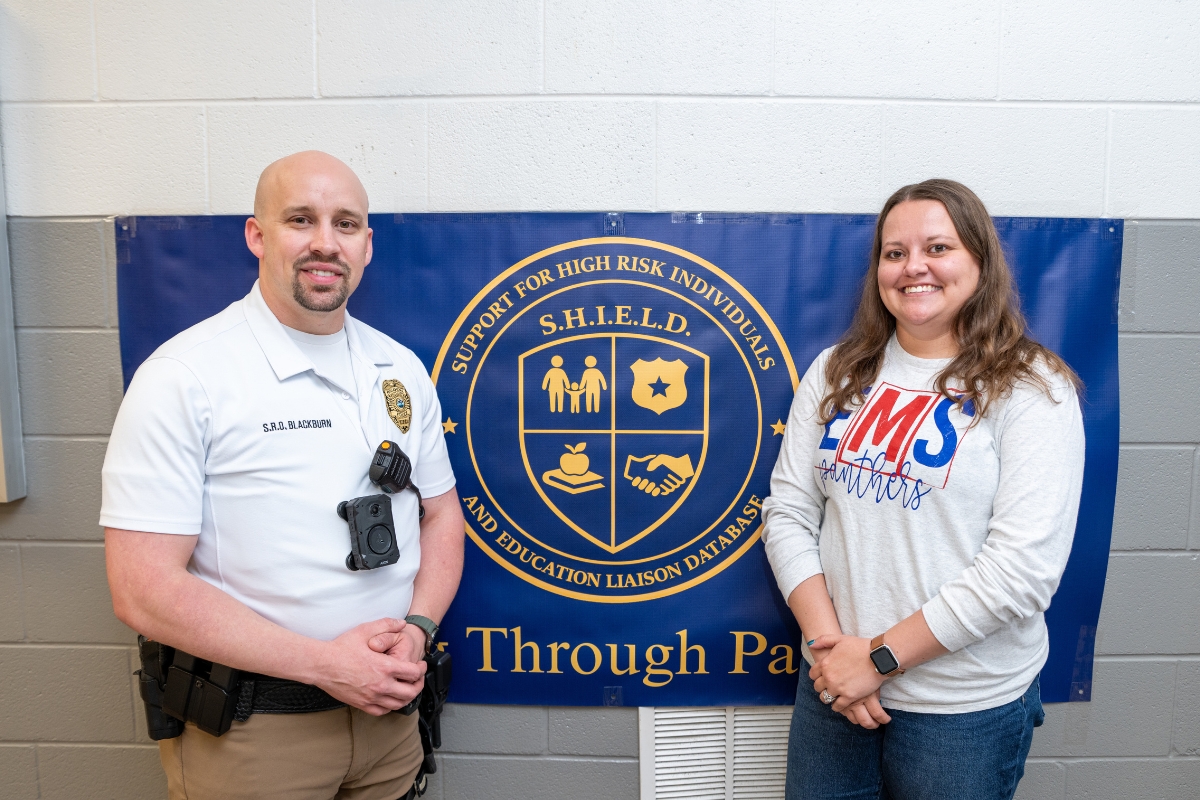
School resource officer Justin Blackburn and special education (SPED) teacher Taylor Whitt take these statistics seriously. Together, they created the SHIELD program, which originated at East Middle School and is now used at all Tullahoma City Schools, to help students who aren’t always able to help themselves.
SHIELD stands for “Support for High Risk Individuals and Education Liaison Database.” With guidance from counselors, special education coordinators, additional school staff and administration, and the Tullahoma Police Department, Blackburn and Whitt initiated the program to bridge the gap between the schools, the police, and the community.
Unfortunately, though the program is effective, it is not a safety net. There is no surefire way to assist every child in need.
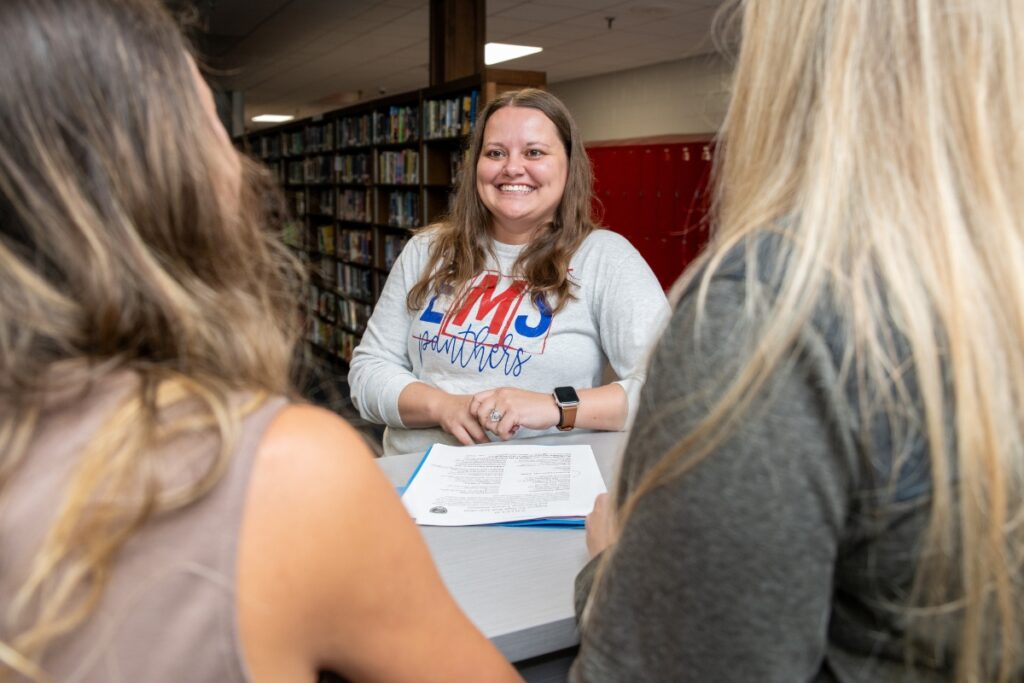
“I like to think of the program as a ‘thread’ — a resource to lead officers to the children,” Blackburn said. “Many officers all over the country, not just here, are sent to the home of a missing child, only to find there’s not much information available — such as the names of their friends, for example, or where they like to go in their free time. Sometimes, the people reporting the child missing do not have an updated photo. They may be in such a state of shock, rightfully so, they can’t remember it at that time.”
Blackburn and Whitt enter the information into a database, which is then made available to the necessary first responders. Guardians of the children provide the information voluntarily. The guardians meet with the children’s teachers annually, usually during Individual Education Program (IEP) meetings, so the information is regularly updated. The guardians can withdraw their children from the program at any time.
“The program originated after an incident I had a few years back. An unidentified child was reported walking barefoot in the streets. It turned out the child was nonverbal,” Blackburn said. “Luckily, one of the citizens who helped get the child away from the traffic was a school nurse who was able to talk with other school nurses.”
Fortunately, Blackburn was able to identify the child and their guardian by communicating through the network.
“After that, I thought there should be a system to more quickly identify these children to get them the help they need. When I presented this idea to Whitt, she mentioned all the other children with IEPs who are more than non-verbal. There are all sorts of conditions that make it hard to assist a child in a stressful situation if we don’t know how to help them,” Blackburn said.
“Some children have such severe anxiety that even being a few minutes late to class could cause them to shut down and not talk. A child like that would be difficult to identify if they ended up getting lost in a parking lot or somewhere.”
Both Blackburn and Whitt share similar goals, but they each have different means of reaching them. The SHIELD program is the result of countless meetings with both police and school personnel serving as the bridge. Blackburn was the connection to the police department, and Whitt was the connection to the schools.
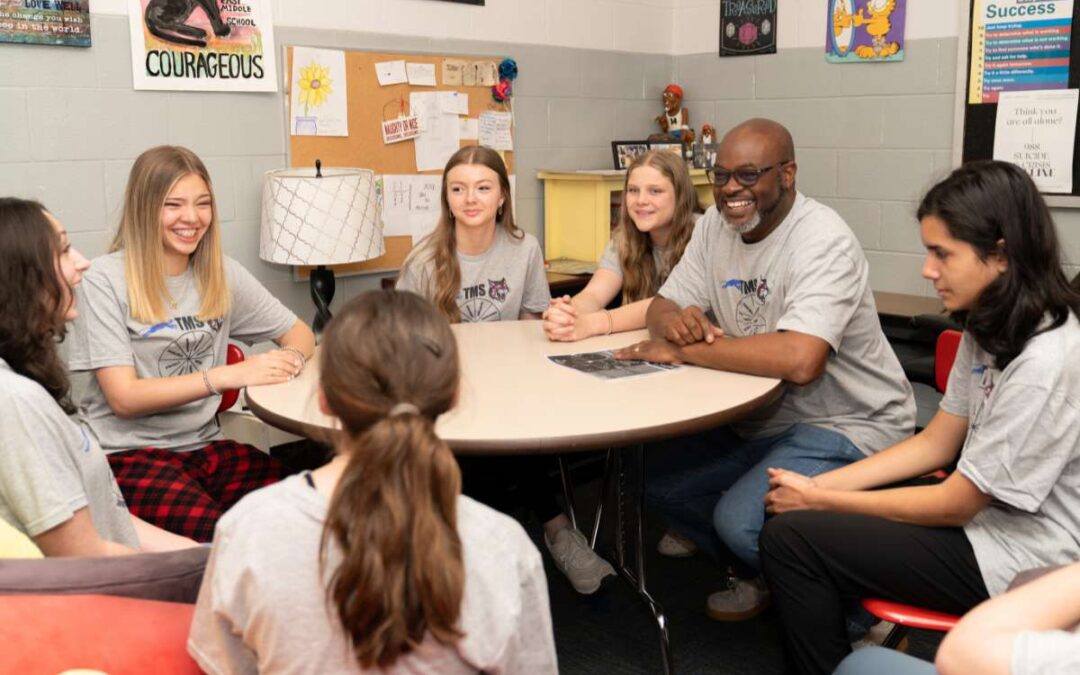
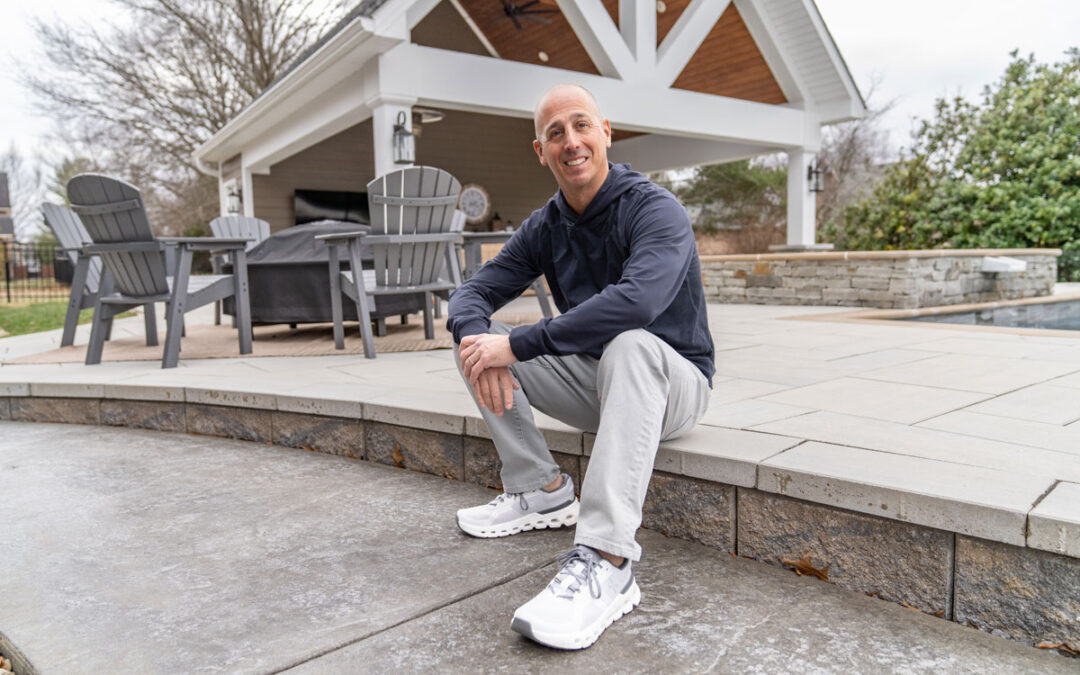
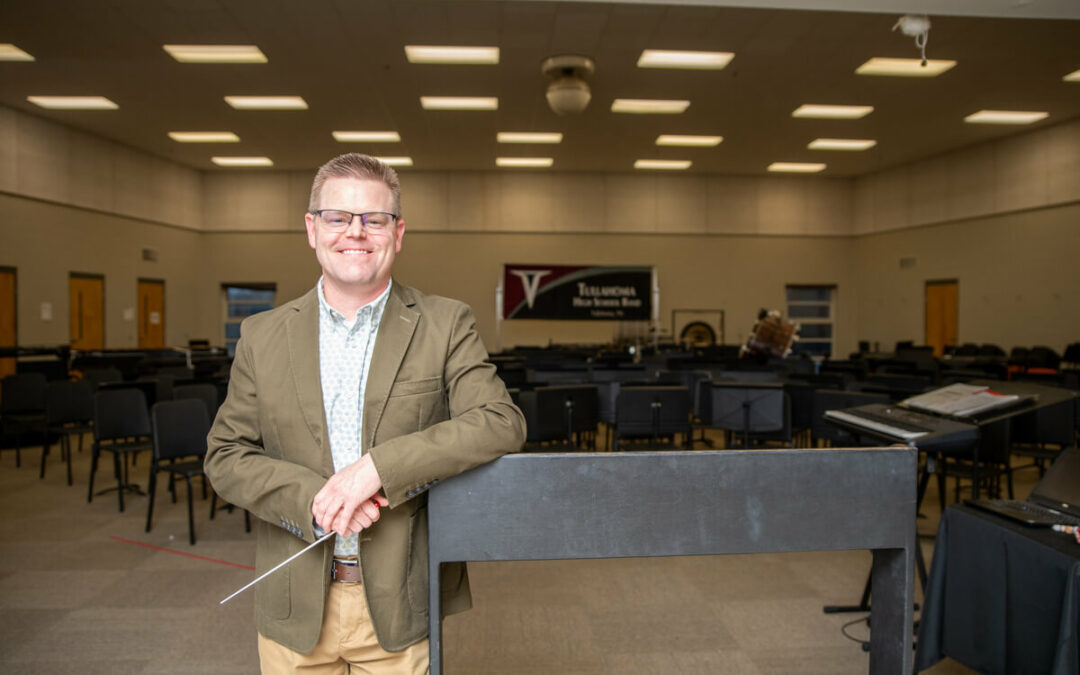
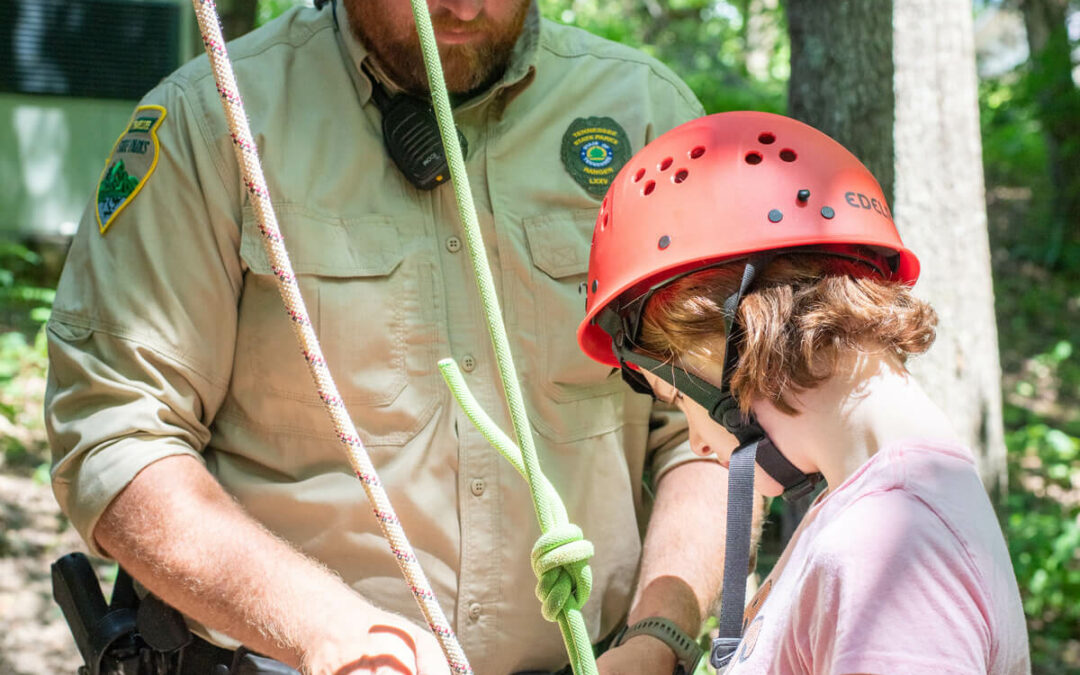
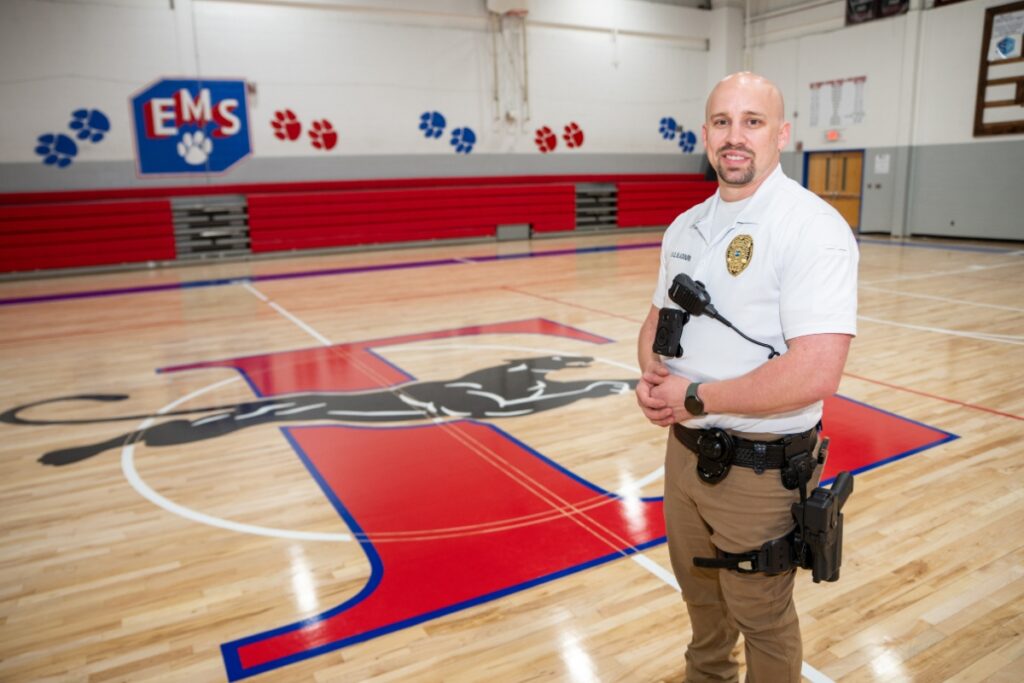
As the school resource officer, Blackburn takes on a variety of roles. Some days he teaches the students about bicycle safety. Some nights, he provides security at ball games and dances. Sometimes he spends time with the students individually, helping them find their missing Chromebooks or the money they misplaced for their school trip. Mostly, he aims to simply be there for the students, making sure they know his door is always open.
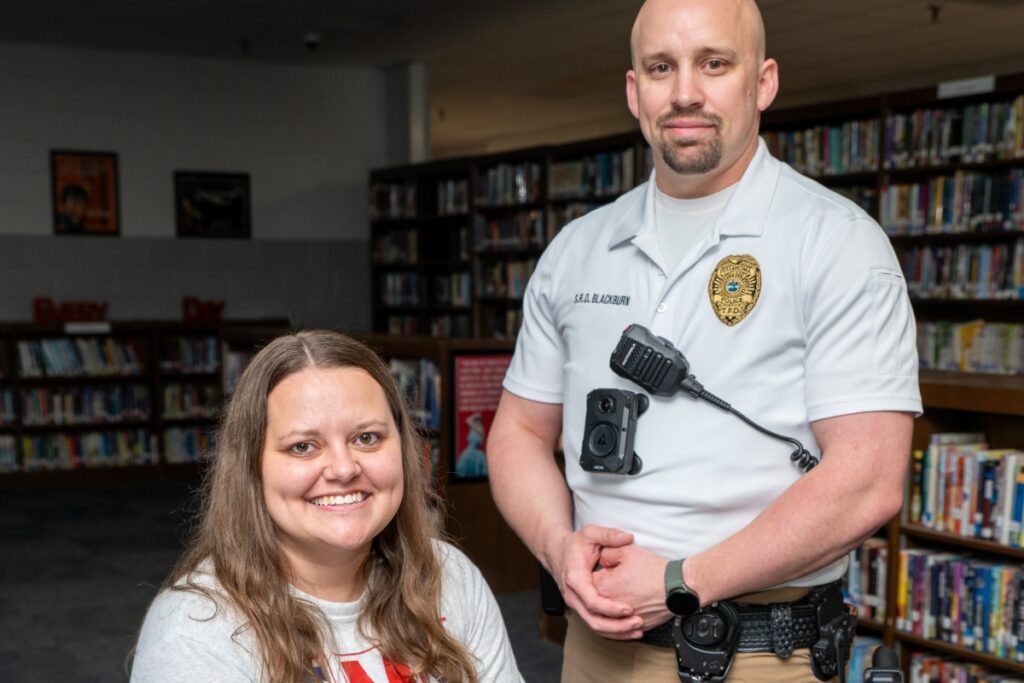
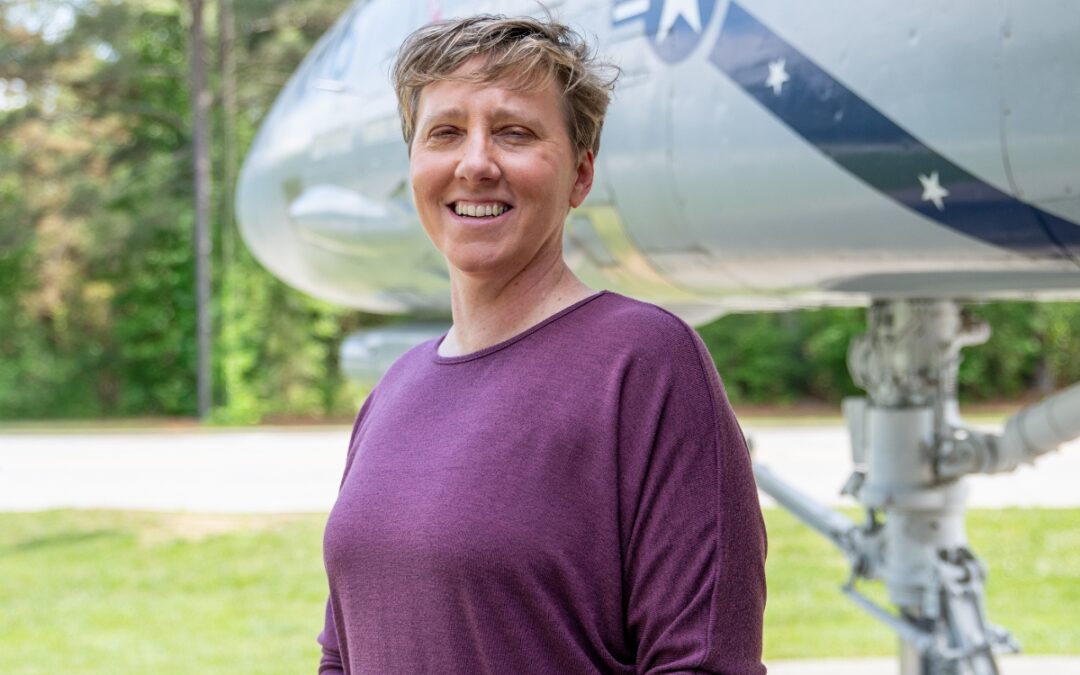
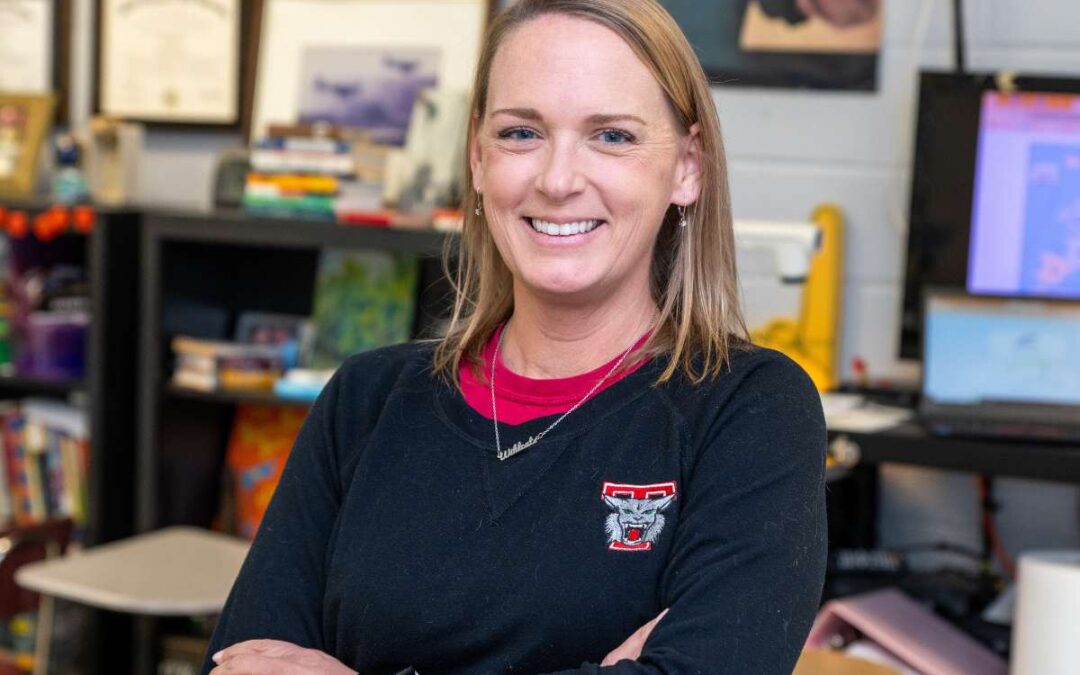
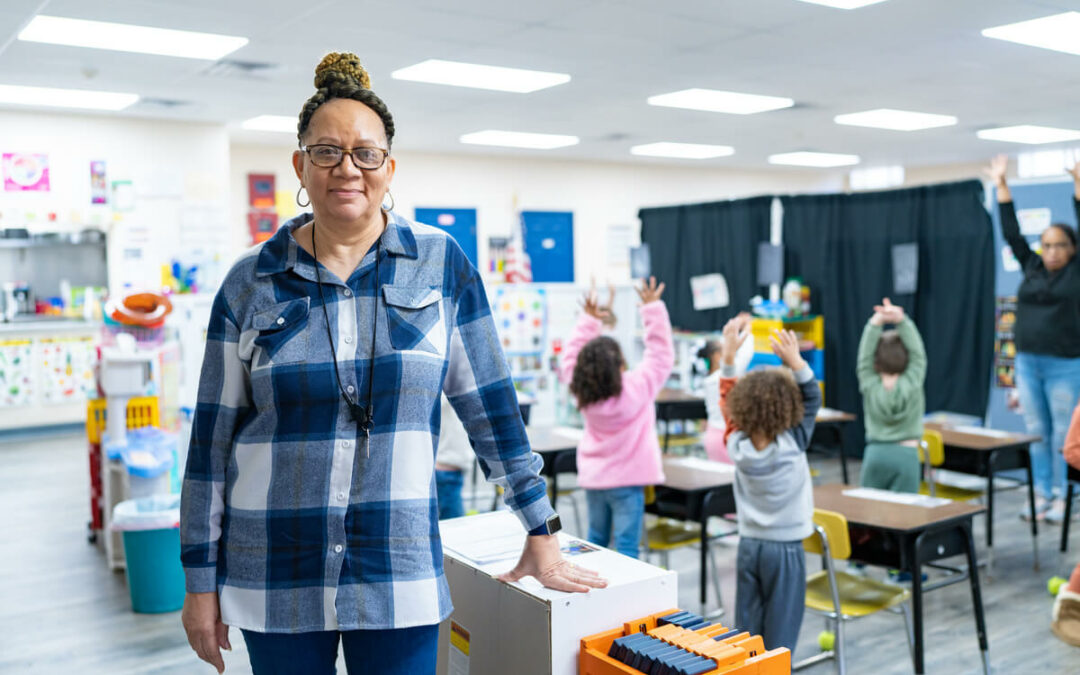
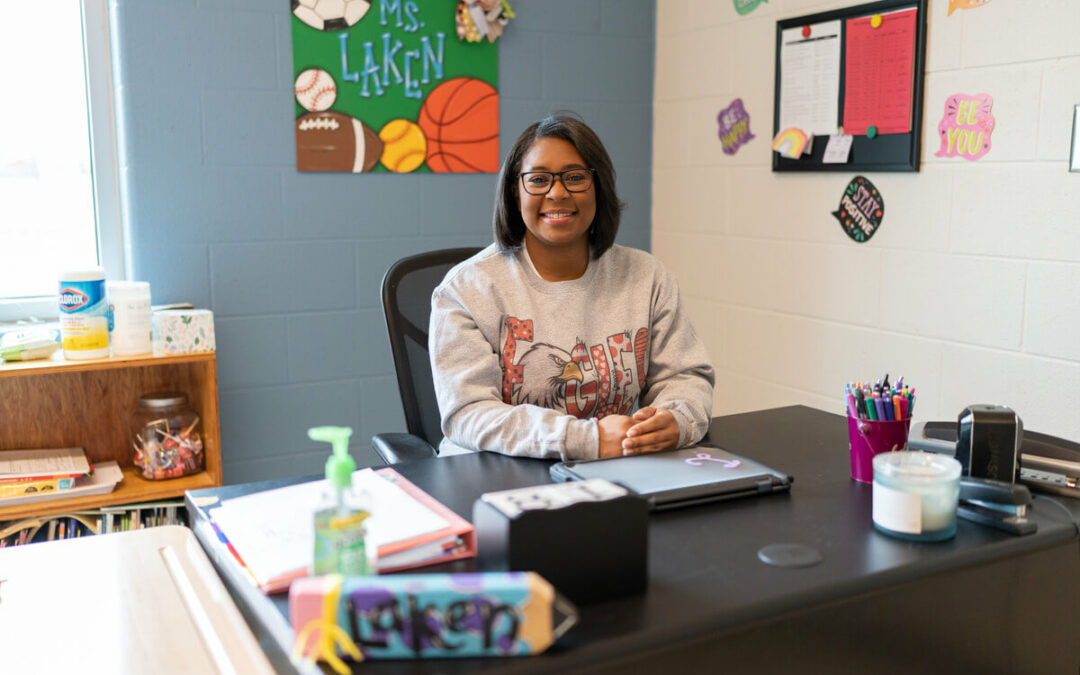
Whitt has served as a SPED teacher for 11 years, holds a master’s degree, and has an education specialist degree in applied
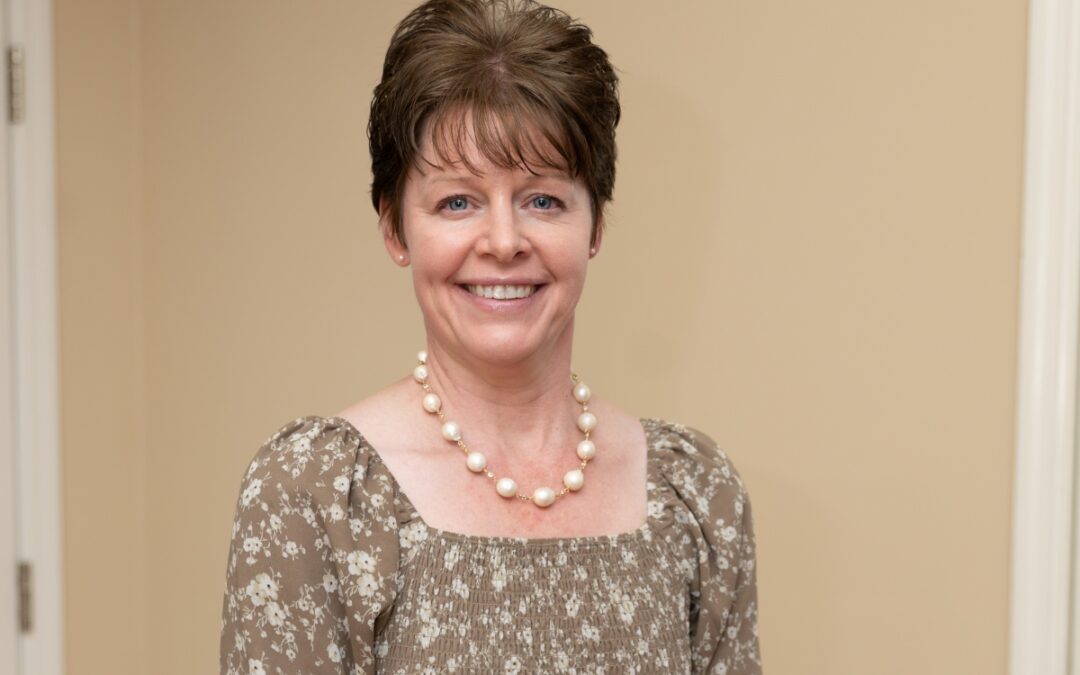
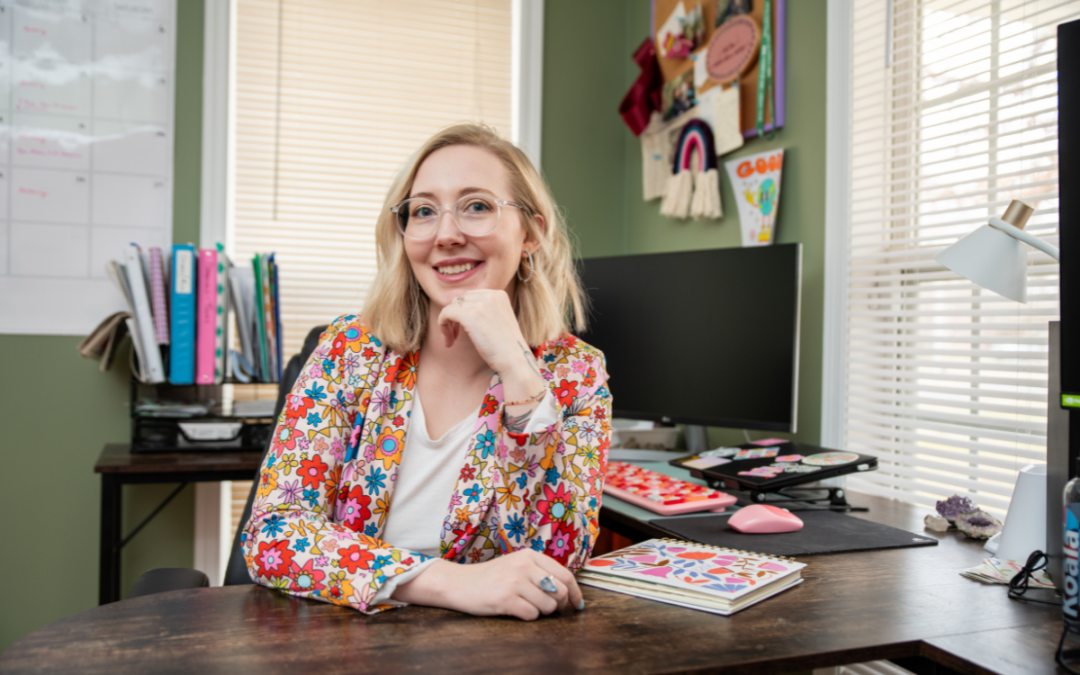
behavior analysis. Rather than working in an environment that pulls students out of regular classes, she provides support during inclusion. She also meets with guardians, takes the volunteer information provided during IEP meetings, and enters it into the database. Because she interacts with students daily, she has developed rapport with them, allowing her to provide both emotional and educational support.
When Blackburn and Whitt realized a network of support could greatly help the students who might be at a disadvantage during a crisis, they searched for similar programs nationwide but found none. Their SHIELD program is truly unique and continues to grow.
“This program is not about Whitt or me. It is not about the Tullahoma Police Department or the Tullahoma City Schools. It is about the children and helping them however we can,” Blackburn said. “The program has amazing potential. It is a program I hope we never have to use, but even if it saves one child, it is a program worth all the hours we put into it.” GN