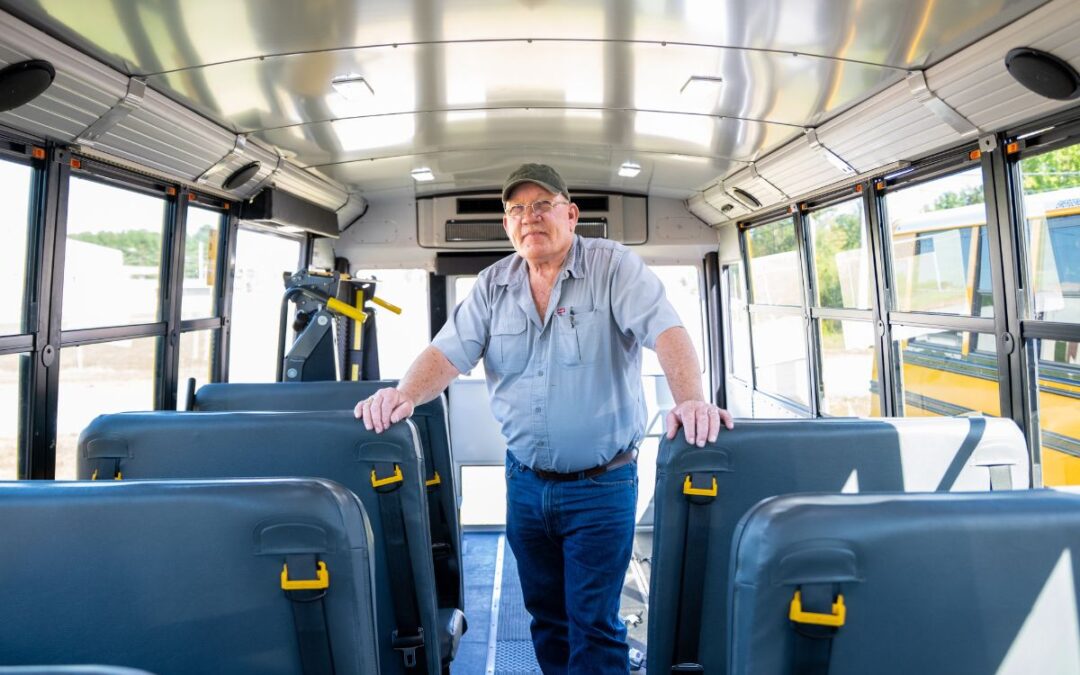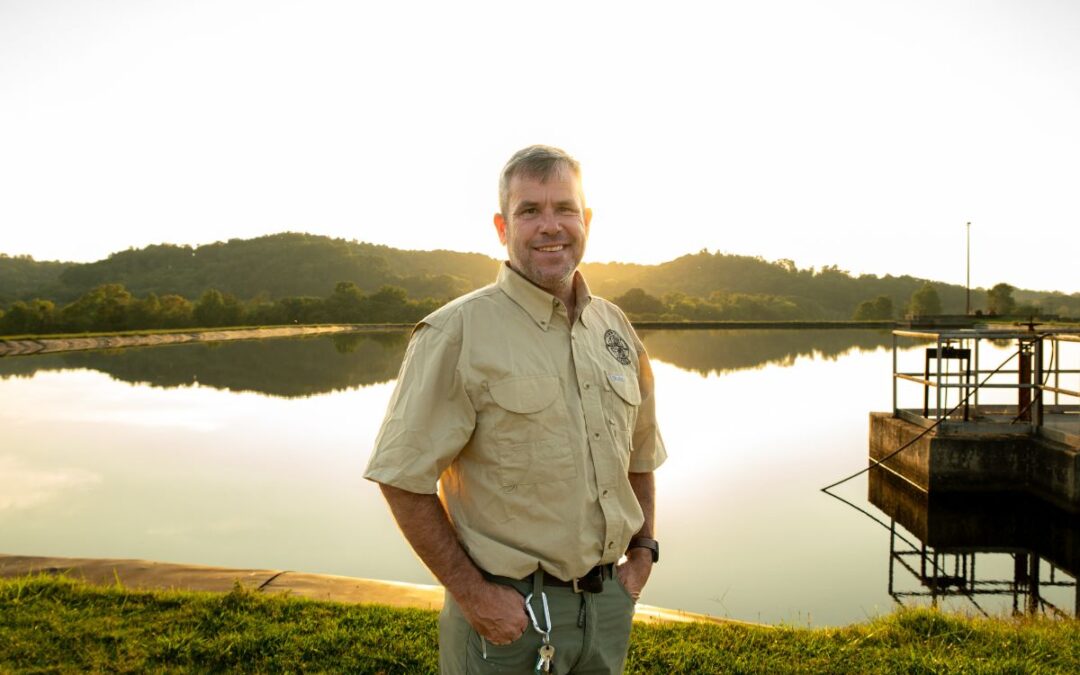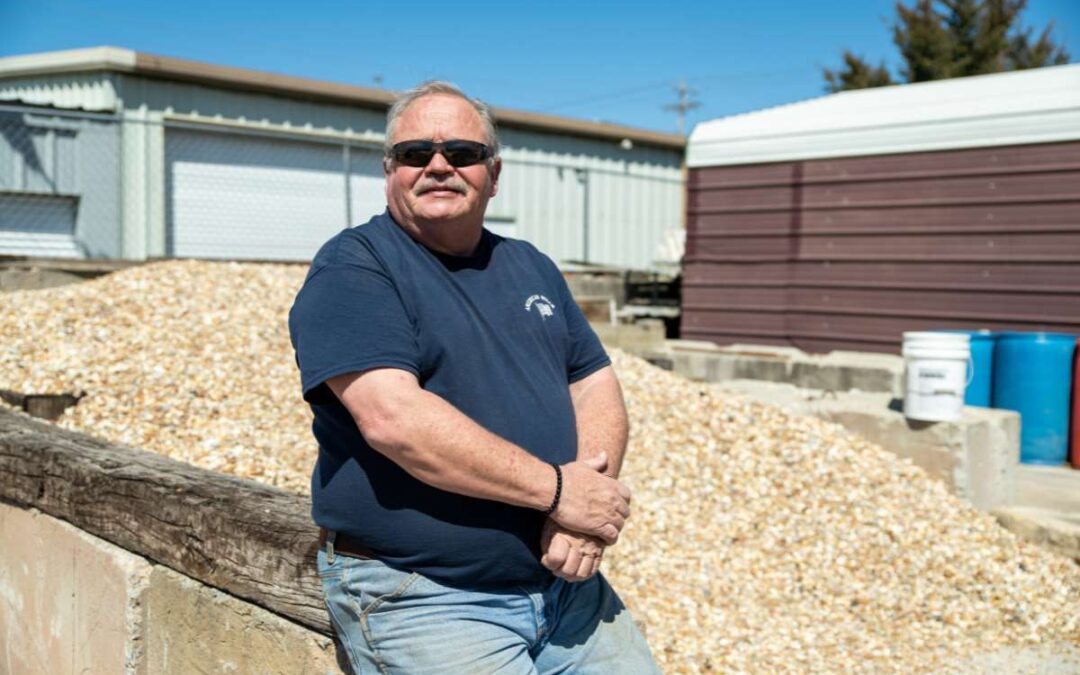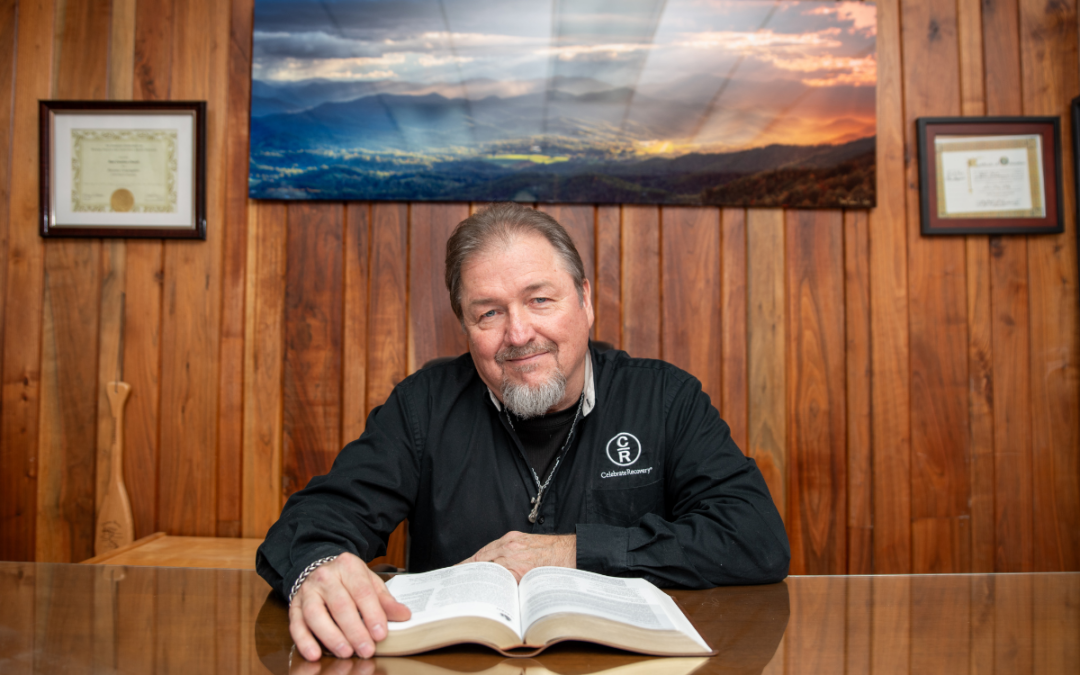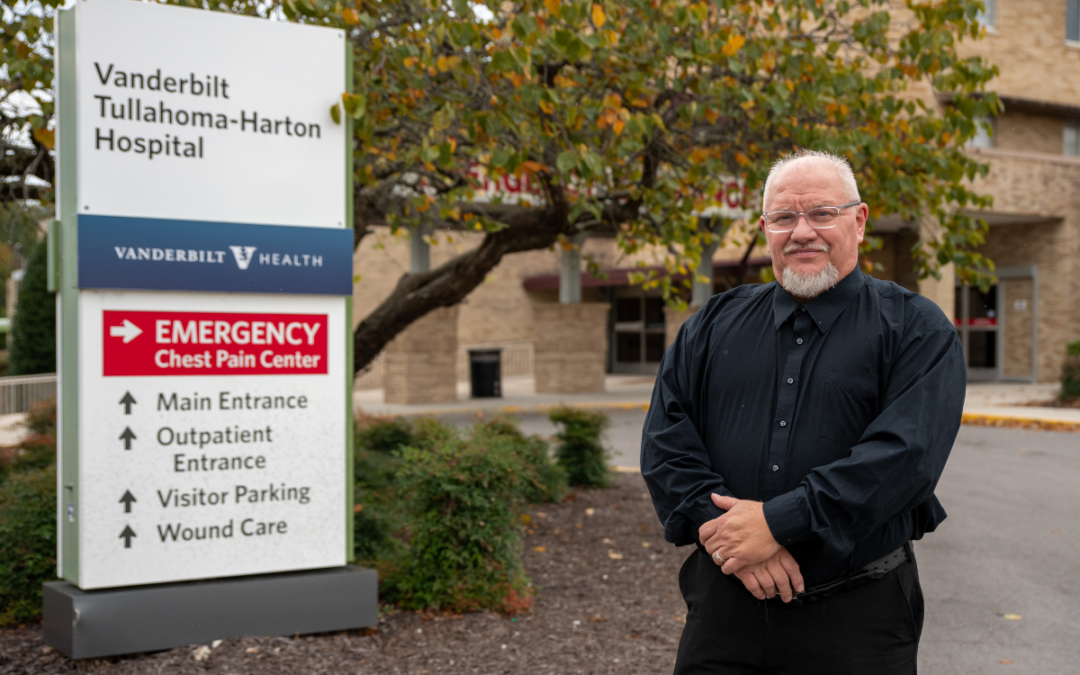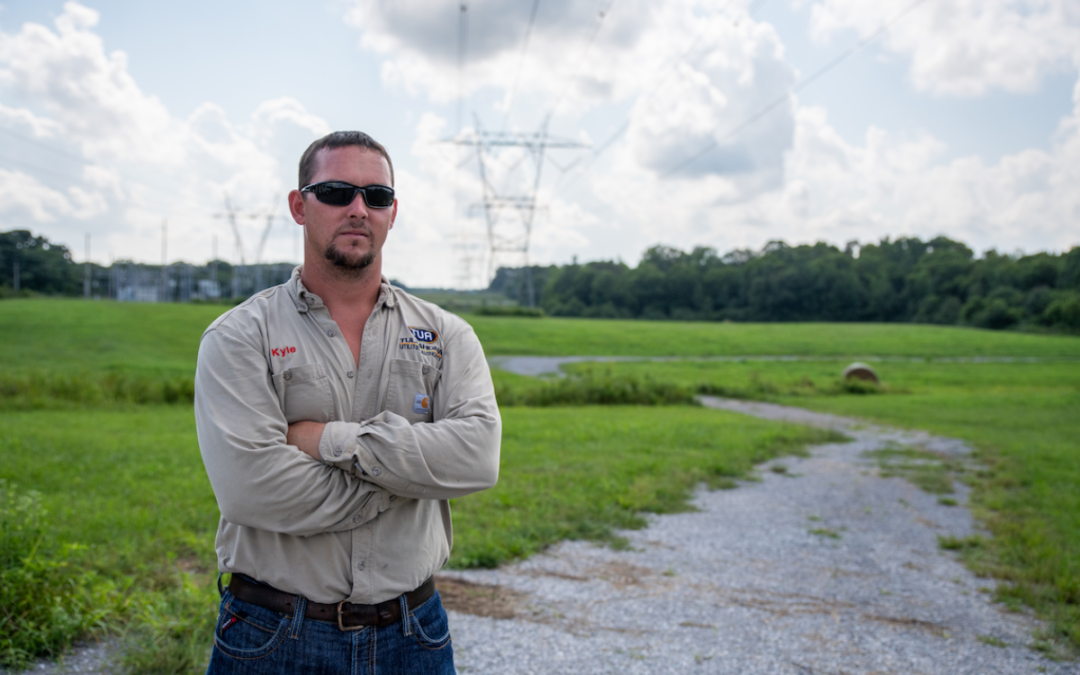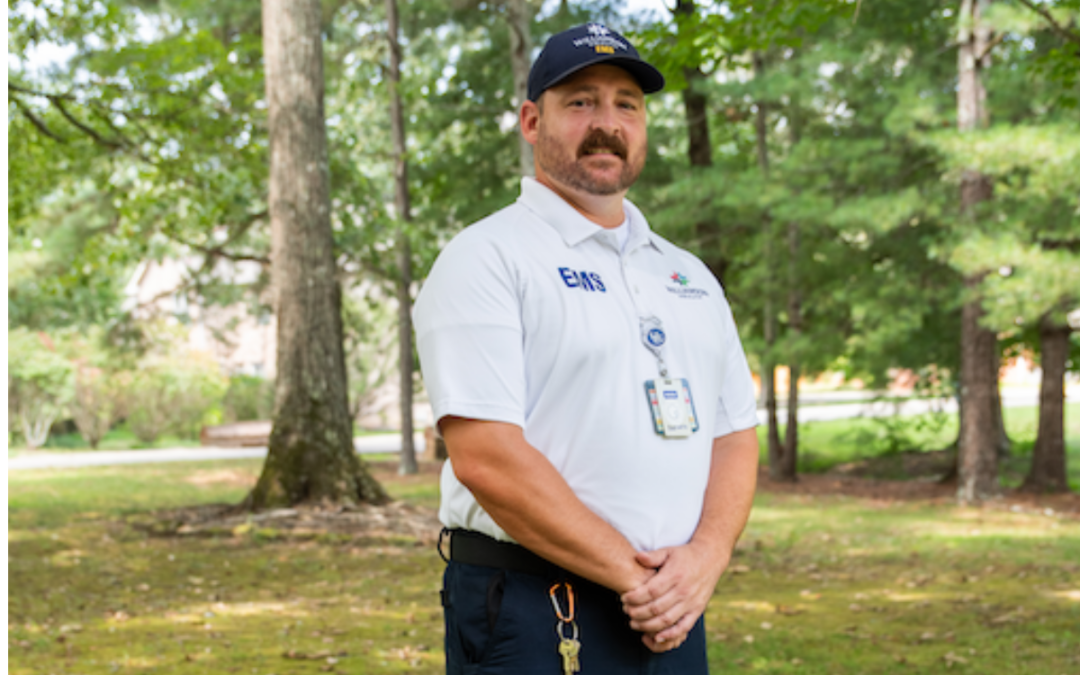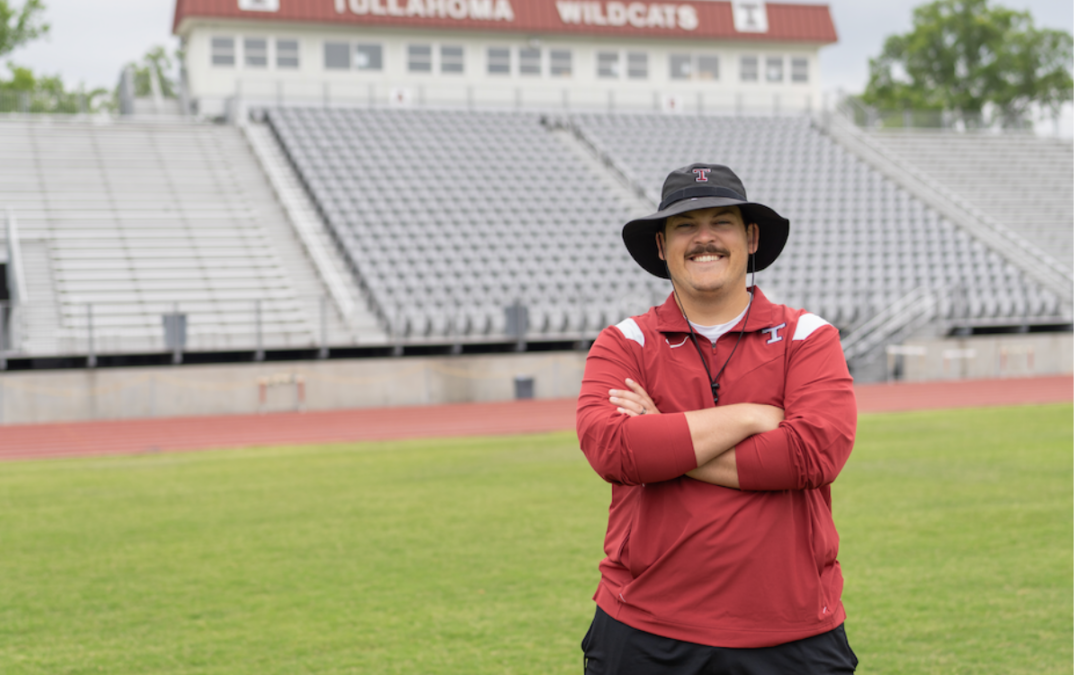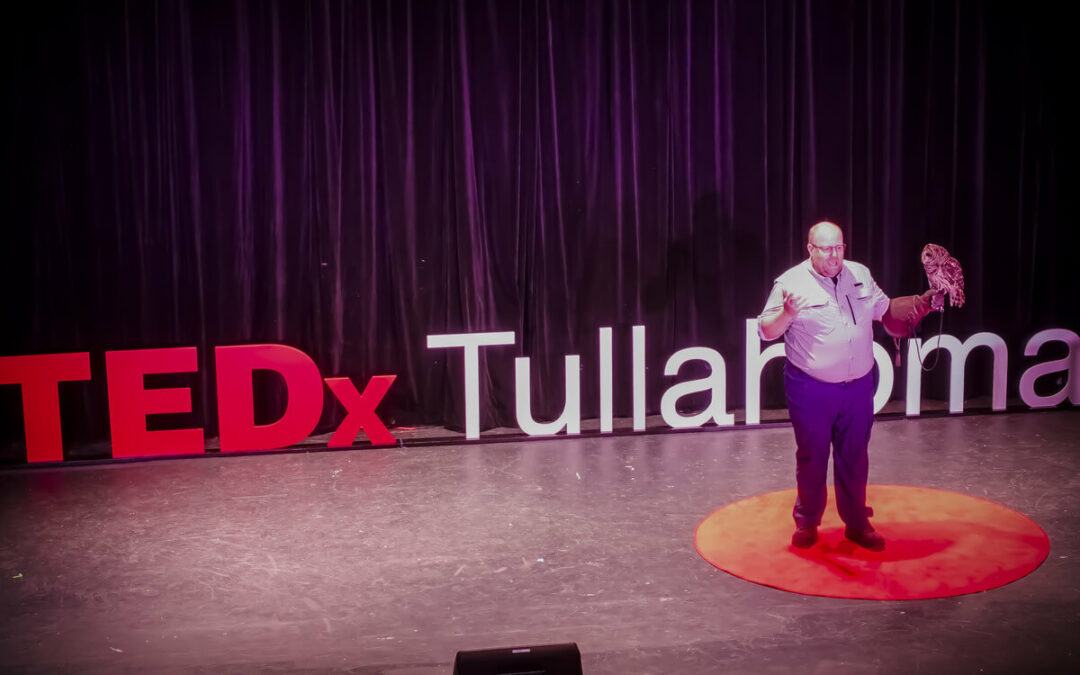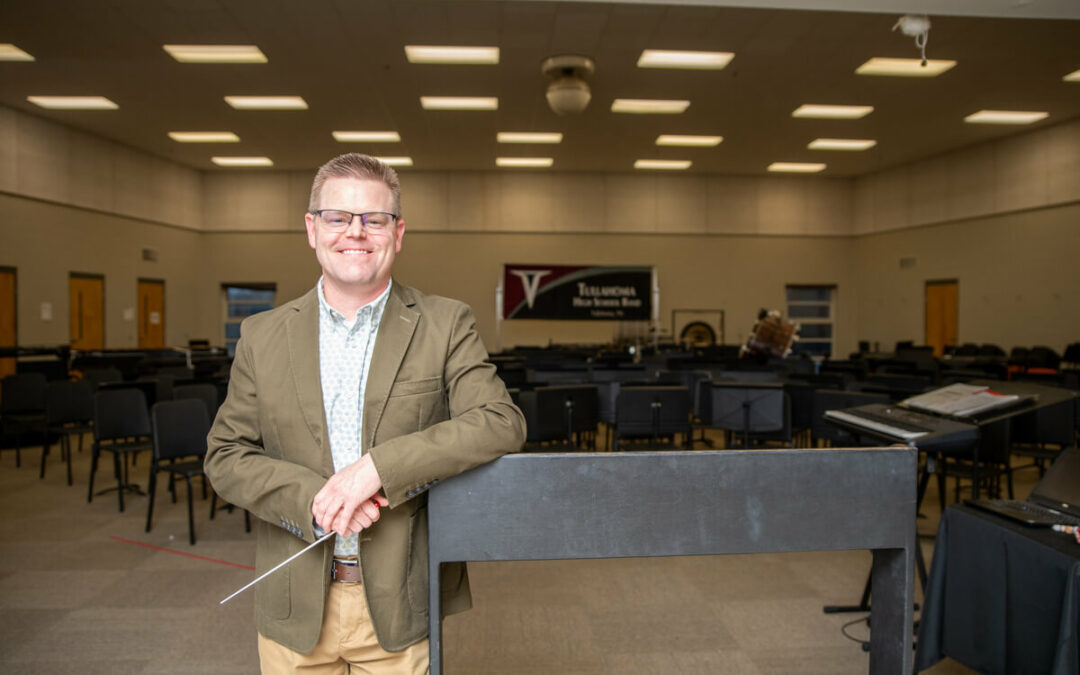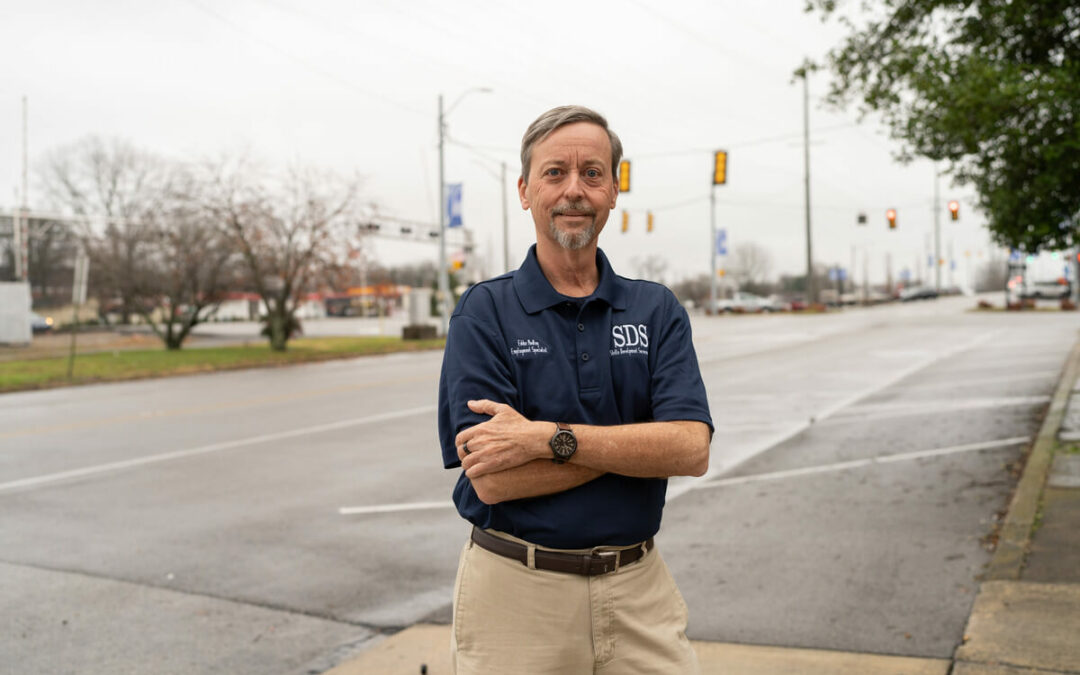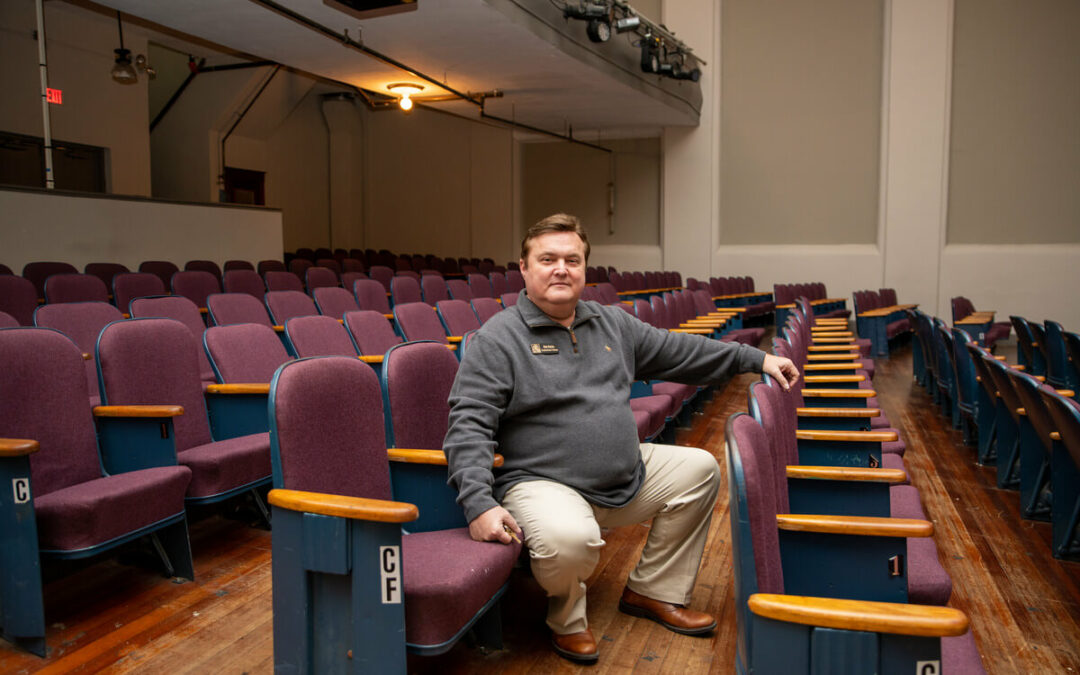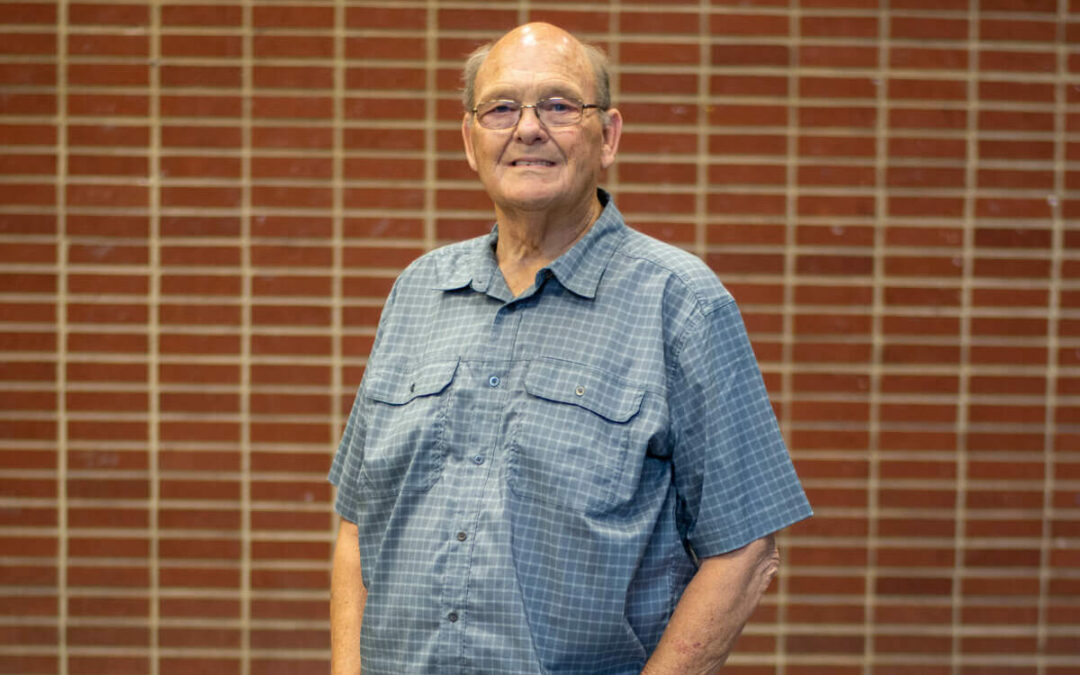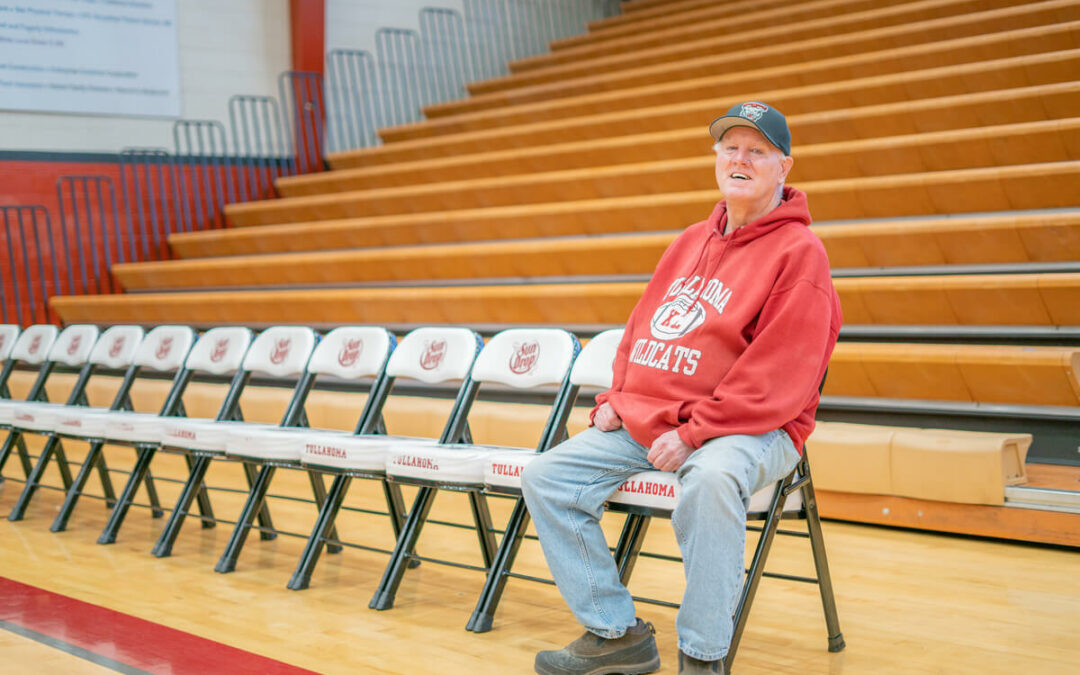
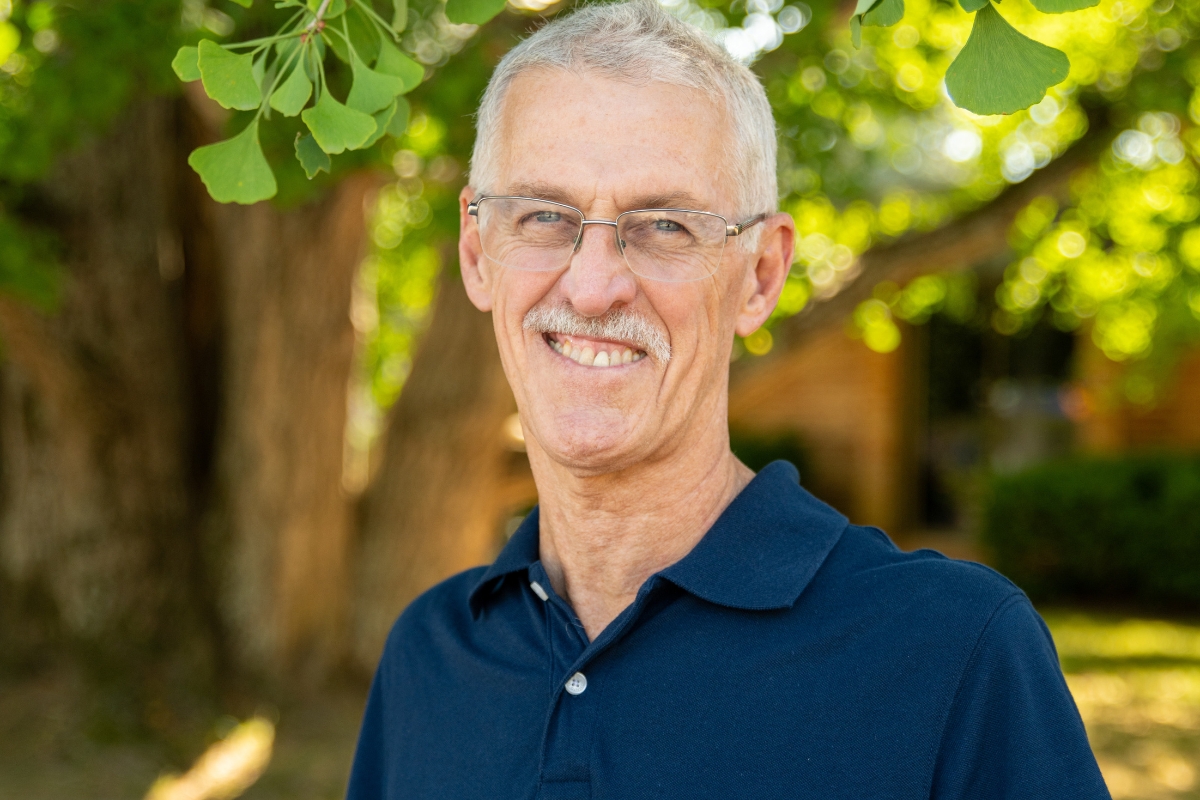
The eerie wail of Tullahoma’s tornado siren bellowed on Aug. 1, 2012. Storms beat down on houses, structures stood braced against high winds, and power lines began to fall. Monty Hawkins clocked in for his very first shift with the Tullahoma Utility Authority (TUA) on this very night. The next day was intense.
“That was kind of a baptism by fire. I thought, man, what have I done taking this job?” Hawkins said.
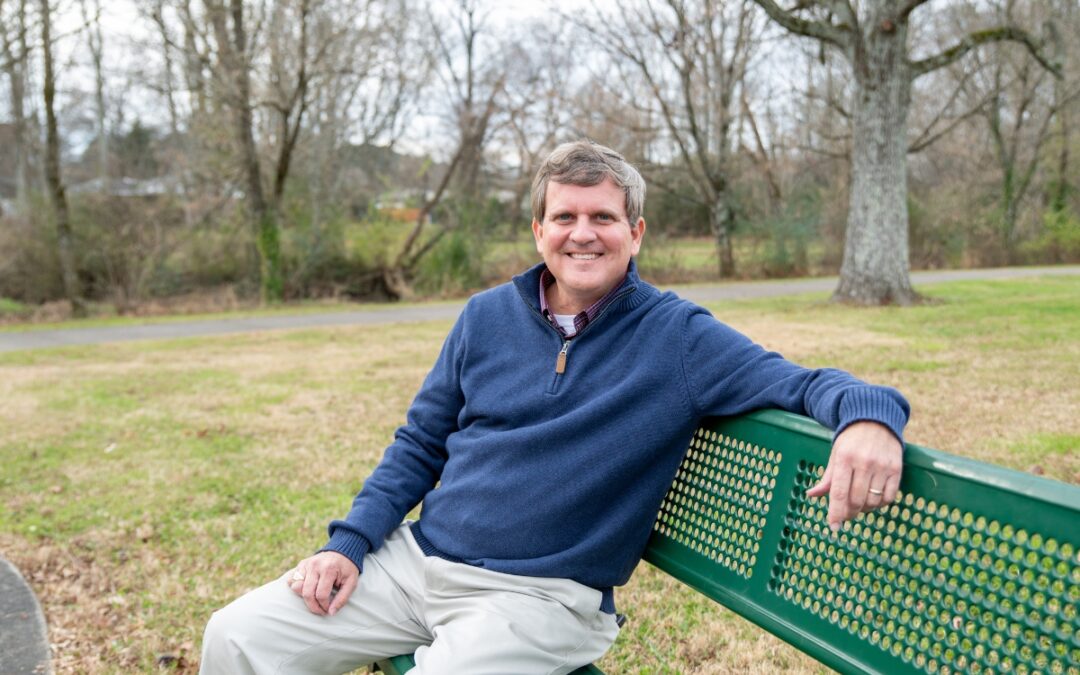
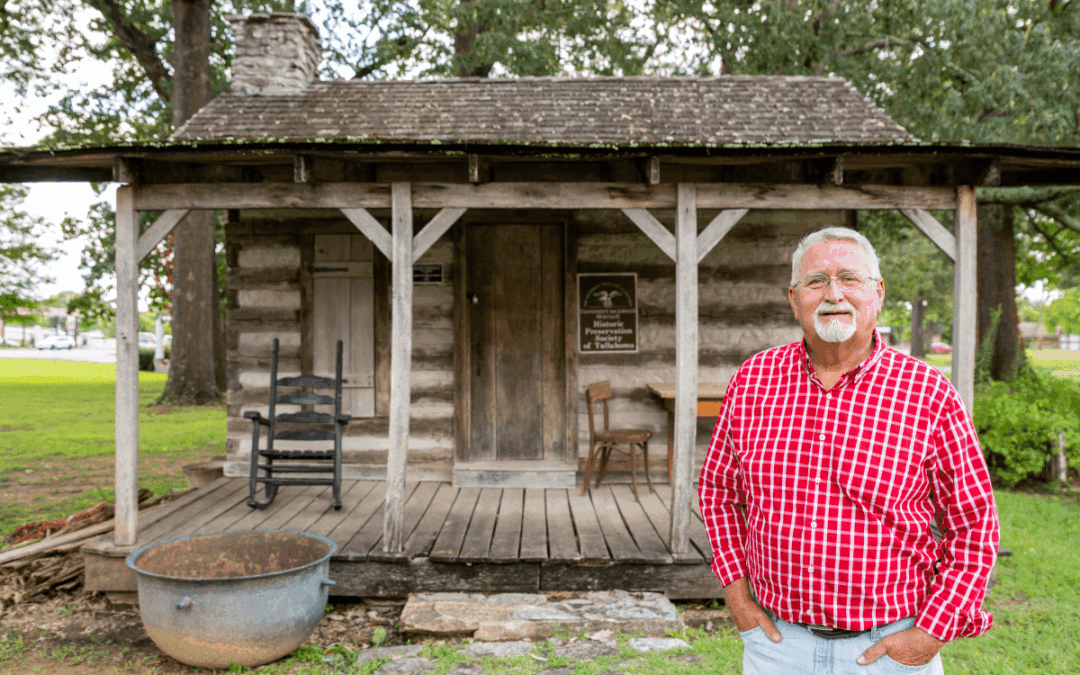
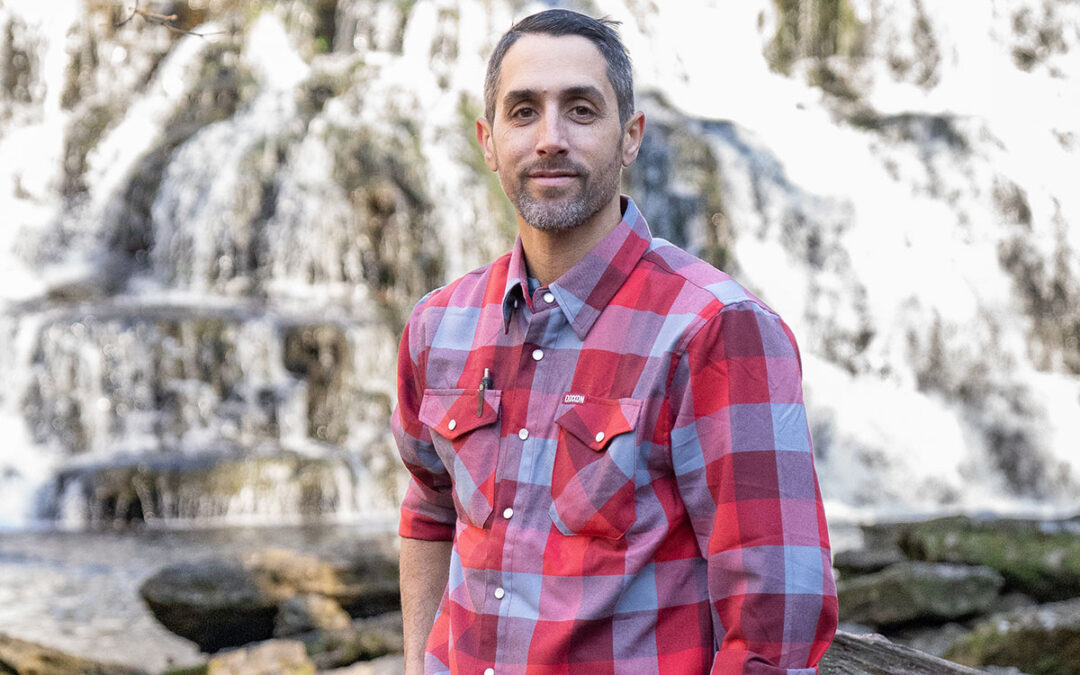
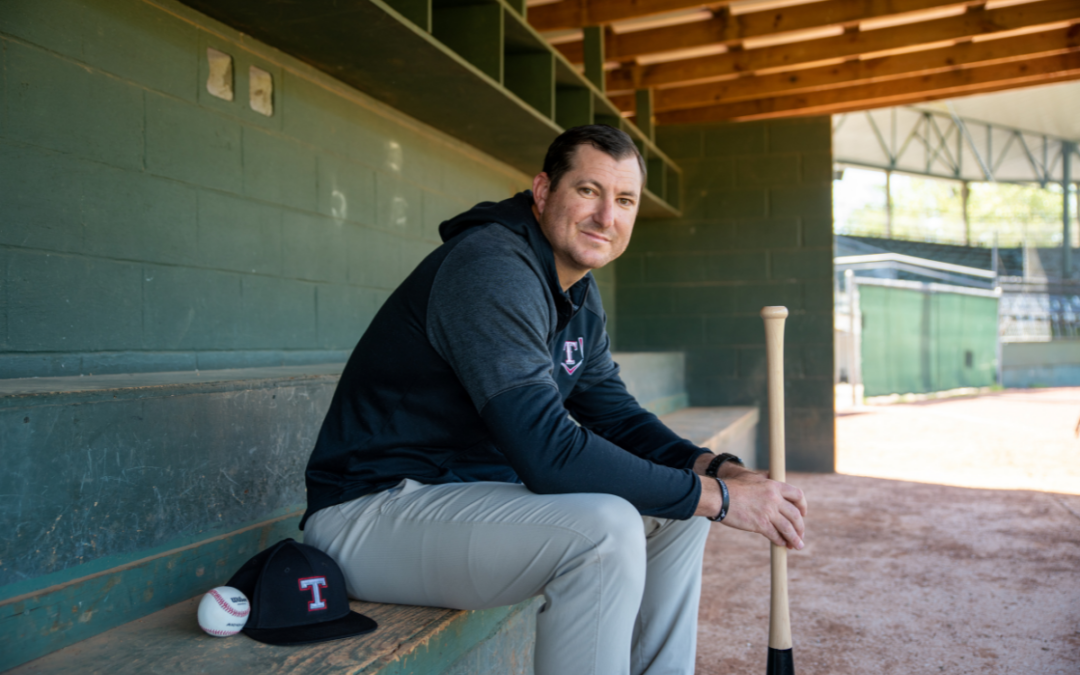
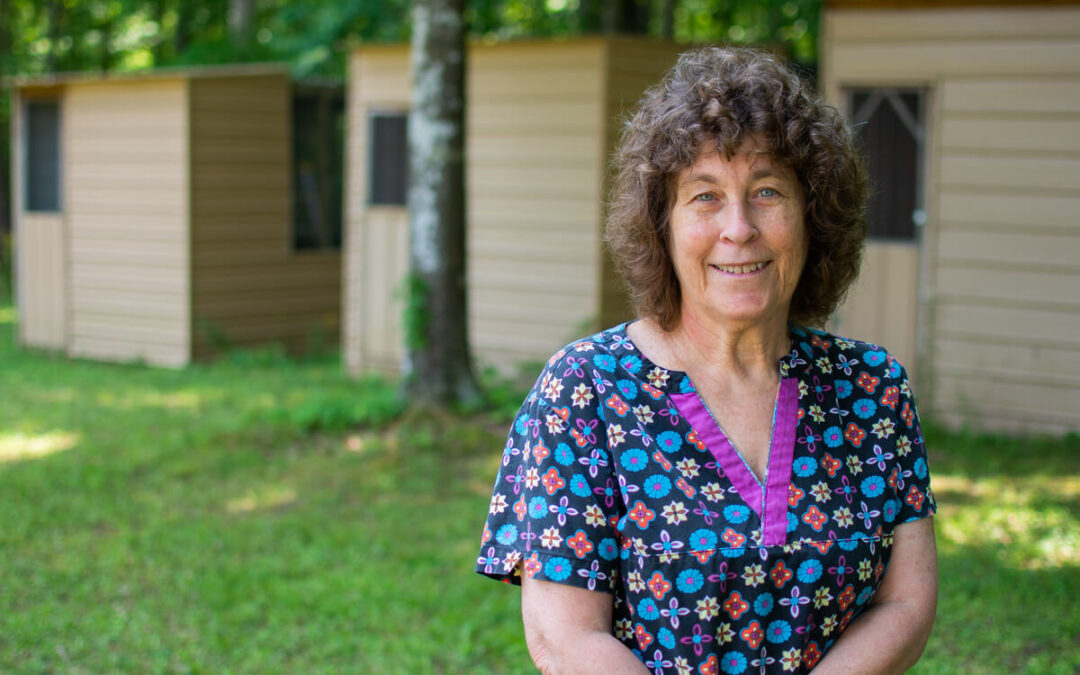
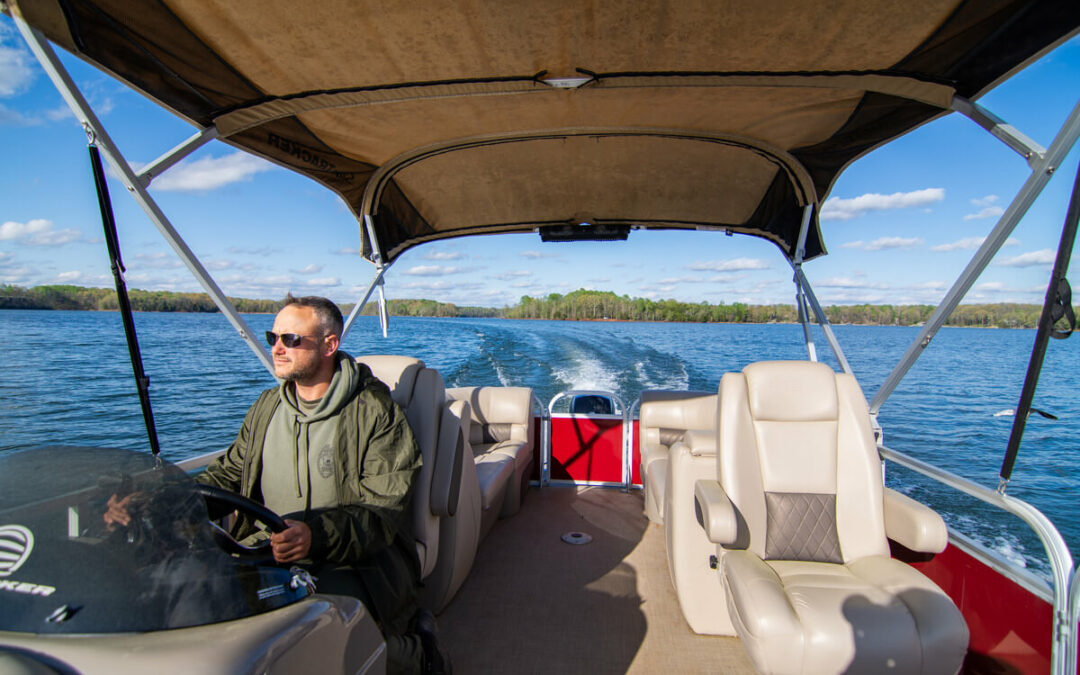
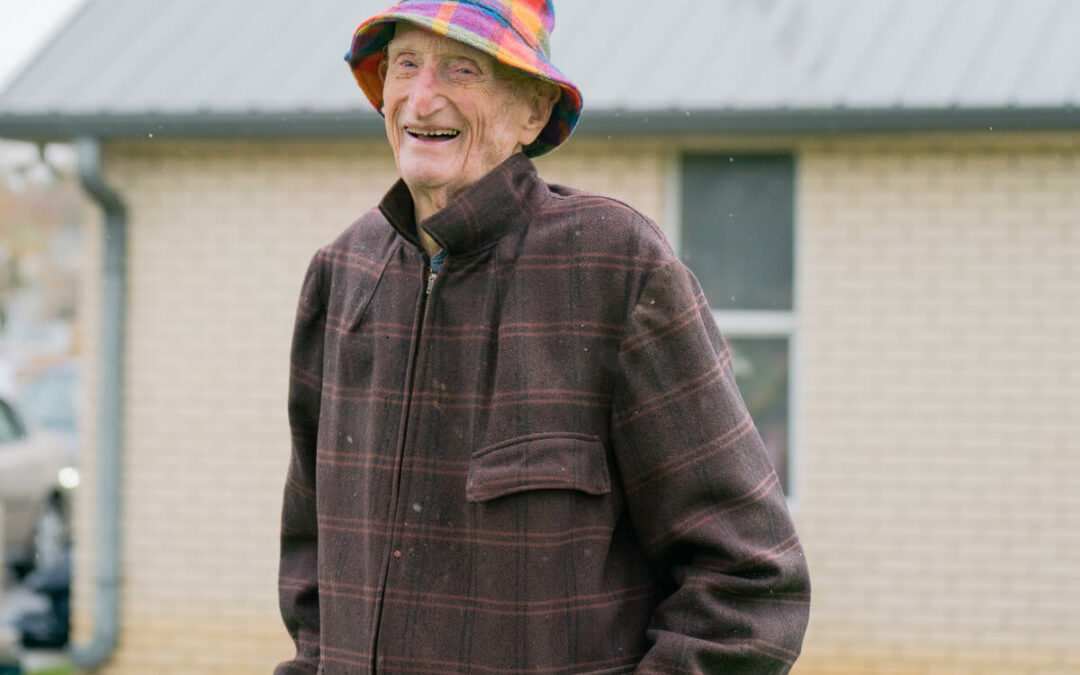
Hawkins, the TUA’s only utility arborist, saw immediately what a bad storm can do to a town, particularly its trees. He knew that strategic planning for tree placement near power lines can make all the difference in severe weather.
Hawkins, born and raised in Tullahoma, has watched the landscape change throughout his life. His great-grandfather lived on East Lincoln Street many years ago, and the Hawkins family has been here for generations.
Hawkins always loved nature, and he worked in garden nurseries as a preteen. He studied tourism briefly at the University of Tennessee, Knoxville, before returning to plant studies. The agricultural campus felt like home, and ornamental horticulture and landscape design were the first subjects that ever put him on the Dean’s List.
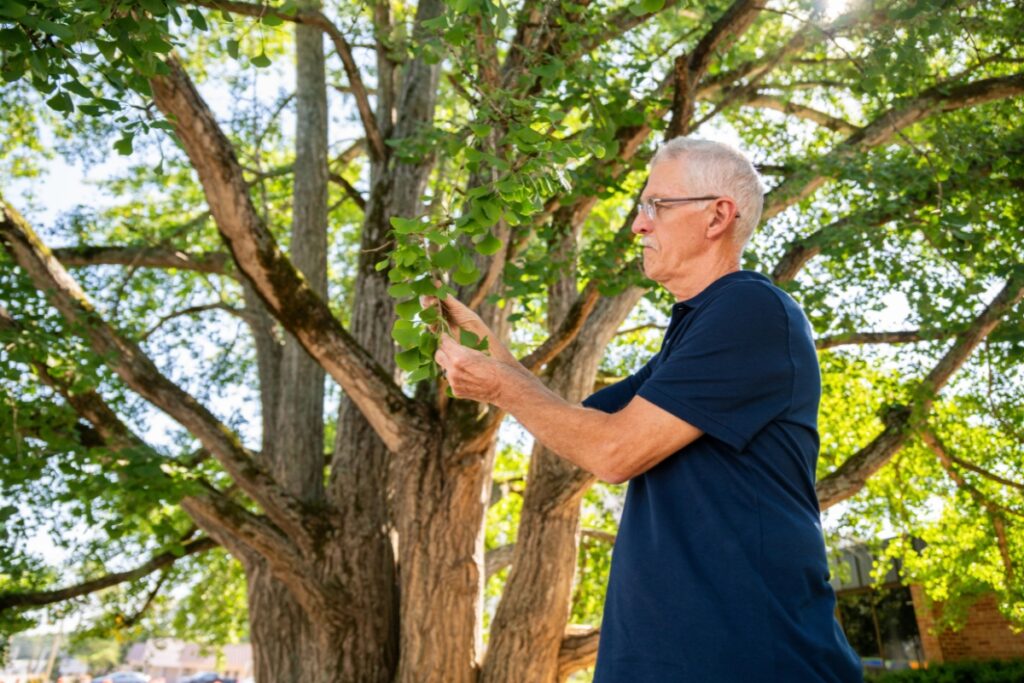
“It didn’t seem like work,” he said.
Hawkins spent roughly 21 years managing grounds, landscapes, and forestry at the University of the South in Sewanee. After that, he finally returned home to Tullahoma and was hired at TUA, where he has been ever since.
“My path has not been linear. The experiences have been broad — plant propagation, wholesale nursery production, retail garden center work, landscape design-build, sports turf management, and urban forestry. The common thread is, and always has been, trees,” he said.
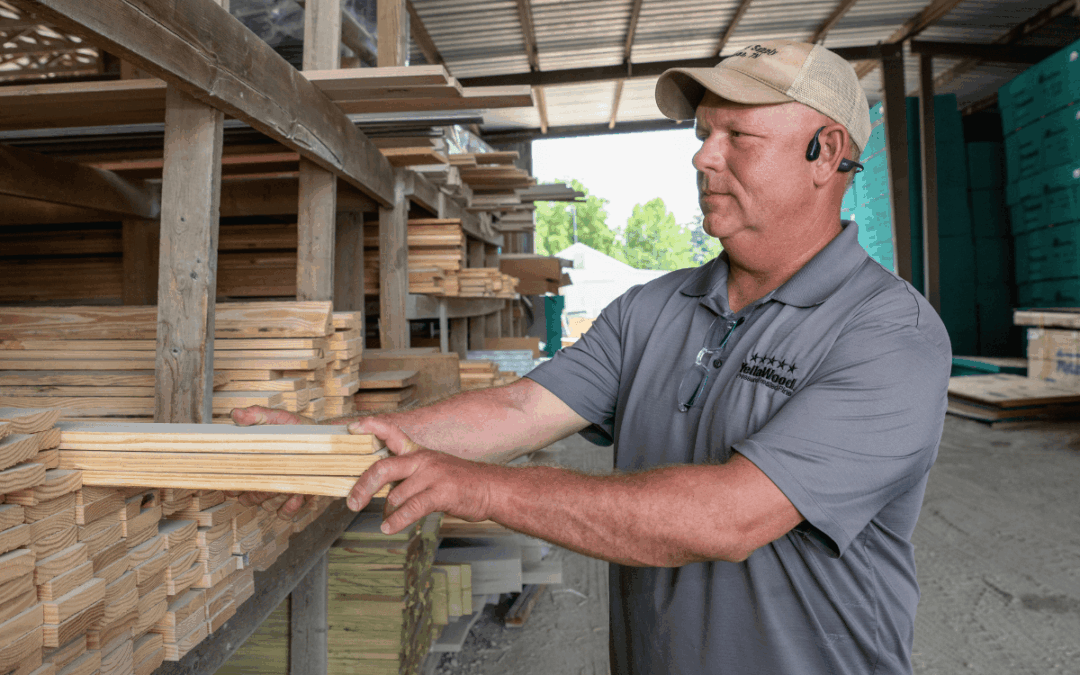
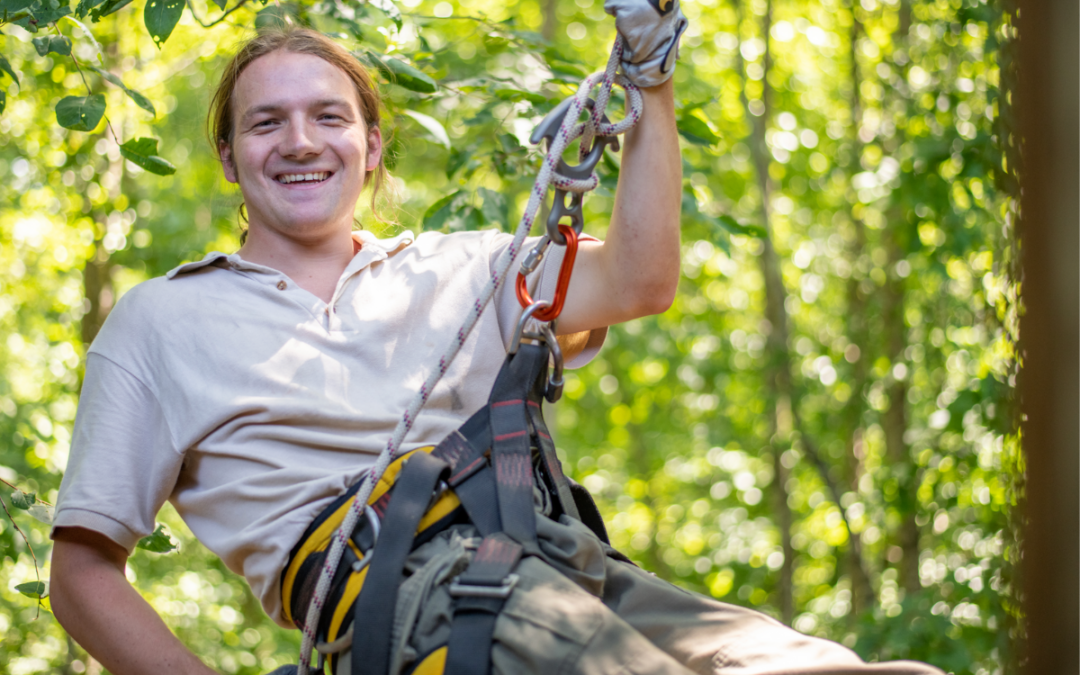
Most of the staff at TUA are engineers, but Hawkins represents the organization’s first and only utility arborist. His responsibility is to assess trees in relation to power lines on a tree-by-tree basis, rather than applying one standard protocol.
“I’m still dealing with trees,” he said, “but I’m dealing with close proximity to power lines. How do we balance preserving a healthy tree next to a power line? That’s the uniqueness.”
Trees are essential for any community, and TUA’s goal is to preserve as many as possible while keeping homes and businesses powered. By adding an arborist to the team, TUA can assess situations from an electrician’s perspective while remaining intentional about caring for the city’s tree canopy.
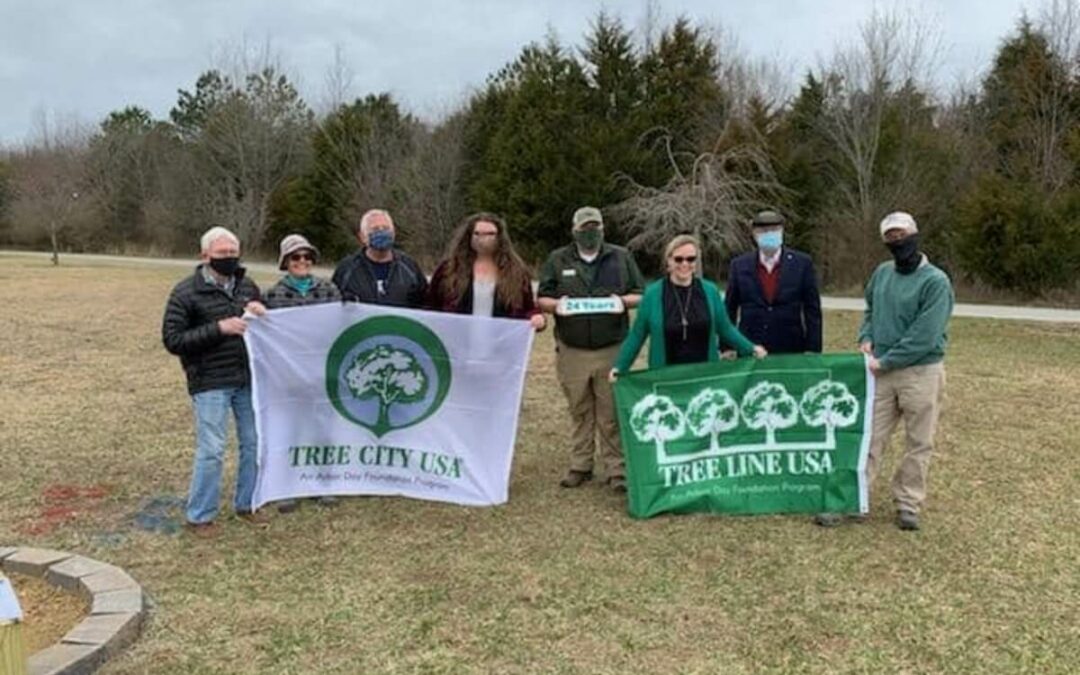
In addition to working for TUA, Hawkins serves as TUA’s liaison to the Tree Board, an advisory board in Tullahoma that works to ensure the city remains a “Tree City USA.” In this role, he helps bridge communication between the two, resolving any conflicts that arise.
“I can impart knowledge of what we are trying to accomplish at TUA,and some of the challenges we are up against. It creates a dialogue that wasn’t always there,” Hawkins said. Hawkins cares most about the trees that tell Tullahoma’s story.
“At one point, you could drive down Jackson Street from East Carroll Street to Oakwood Cemetery, and most of the street was treelined with willow oaks,” he said. As older homes made way for businesses requiring parking lots, the trees aged out and were never replaced. Hawkins estimates 70% of Old Tullahoma’s canopy is made up of ash trees, but the emerald ash borer — an invasive pest — is spreading through them. Many ash trees along Anderson Street are already marked for removal.
“In a couple of years, they’ll be gone,” he said. “The historical character and the permanence of that landscape will just be gone.”
Hawkins said that while the trees beautify the area, they also protect utility lines.
“When you’ve created open areas where there’s nothing around the power lines, all that wind becomes a direct blow,” Hawkins said. “If it’s cold and windy enough, you’re going to get icing on those lines that you might not have gotten if the tree line was there, breaking it up.”
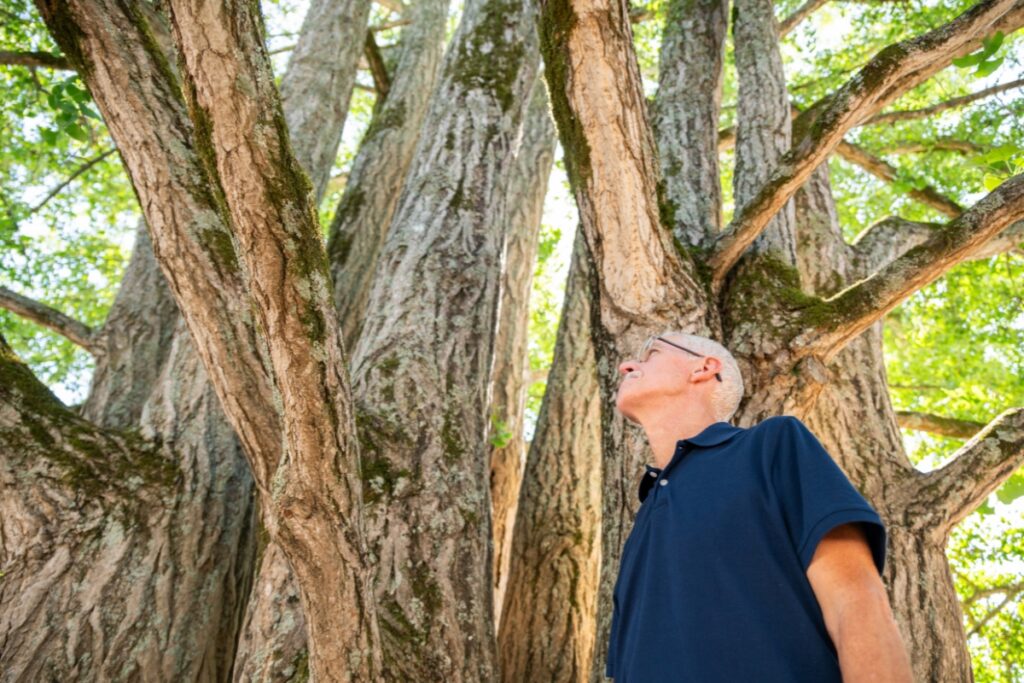
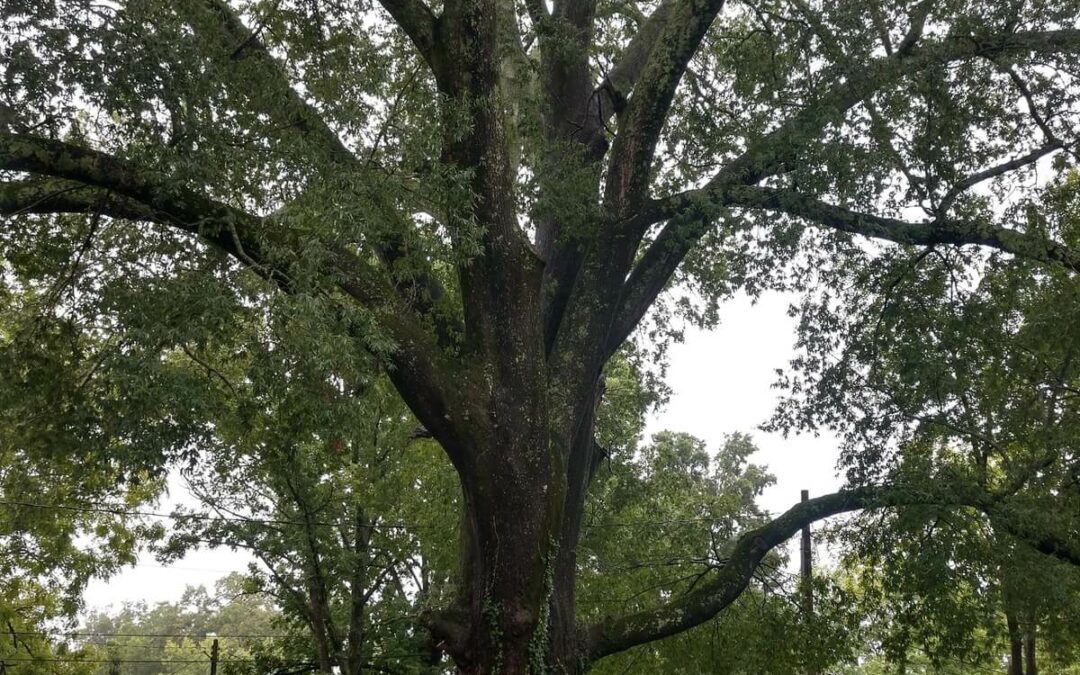
There are a few historically old trees still thriving in town. Just behind The Painted House, an art studio owned by Annie Rone, stands the largest willow oak in Tennessee, known locally as the Annie Oak Tree. The tree even has its own webpage on the Tullahoma Parks and Recreation website (tullahomatn. gov). The city holds no legal easement on it, but the designation has been warmly embraced by Rone, who takes good care of this legacy tree on property that once belonged to her grandmother.
The Tree Board helps preserve and grow Tullahoma’s canopy. The East Park Arboretum at East Middle School received state certification in 2016, and TUA gives away 100 free trees annually each November through its Energy Saving Tree program — the only one in Tennessee.
“Very few things that any of us can do have the potential to outlive us. Planting a tree is a beginning,” Hawkins said. GN