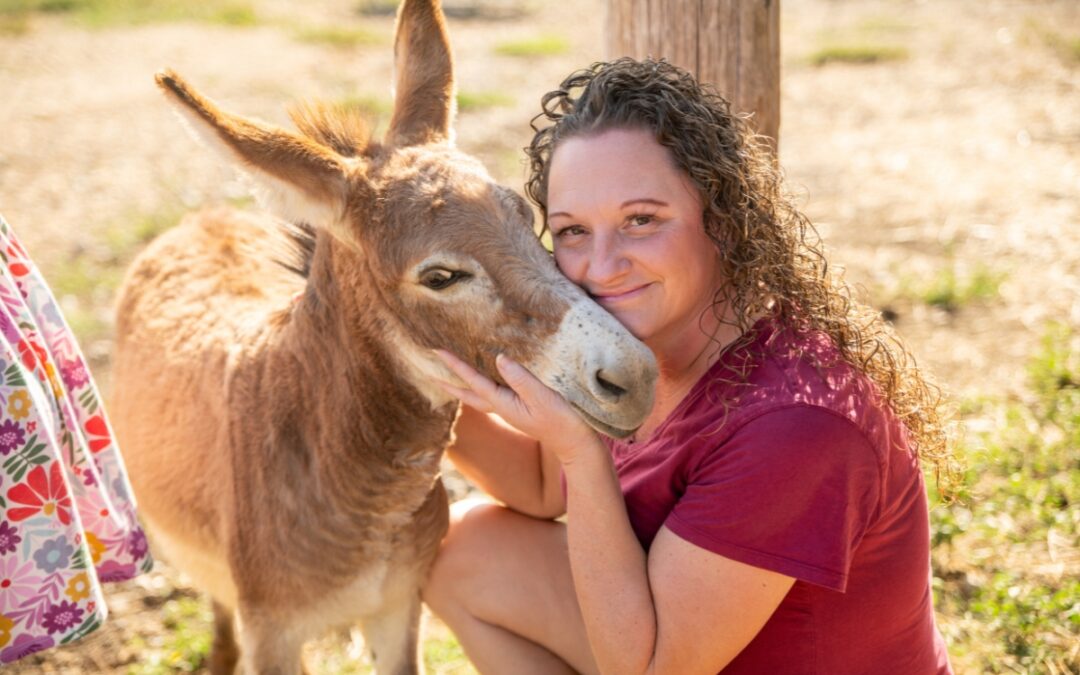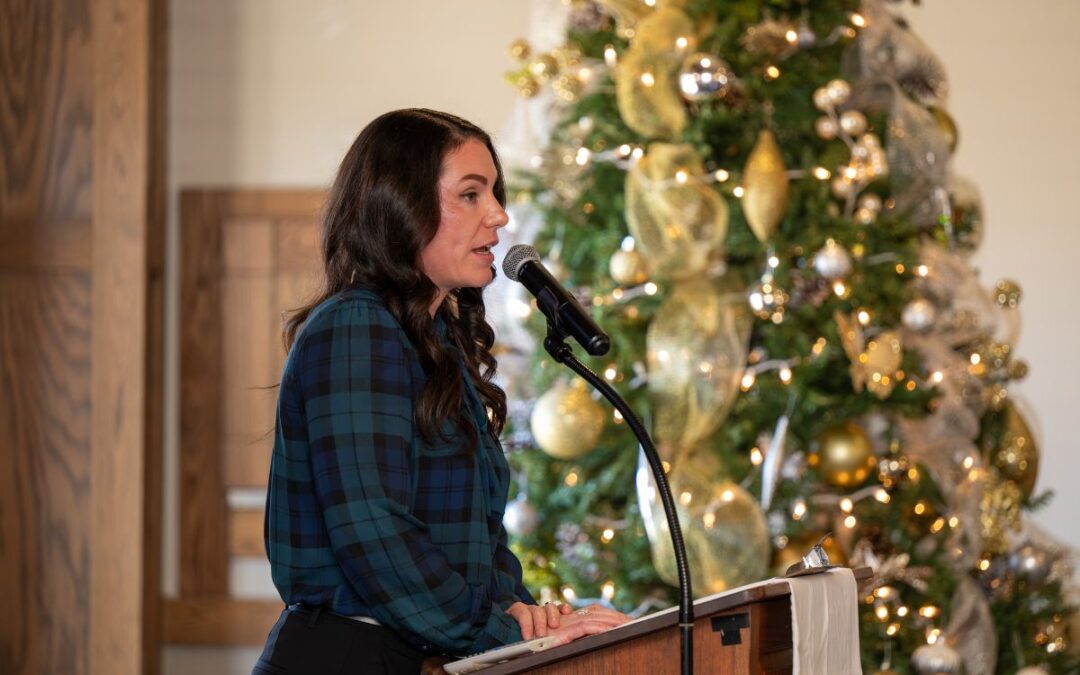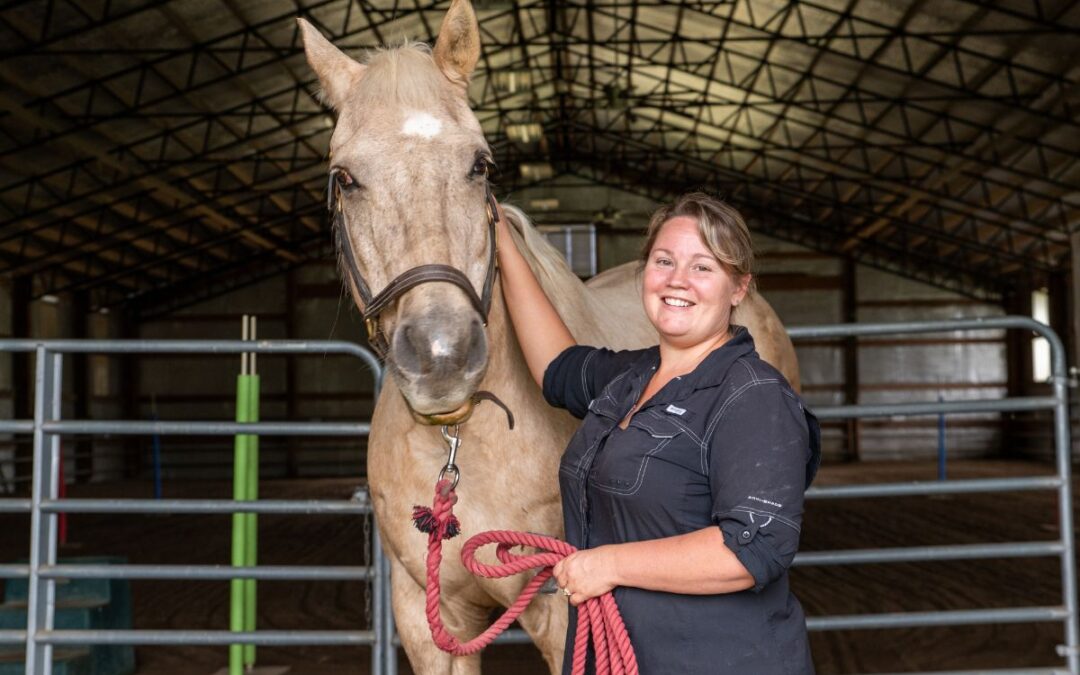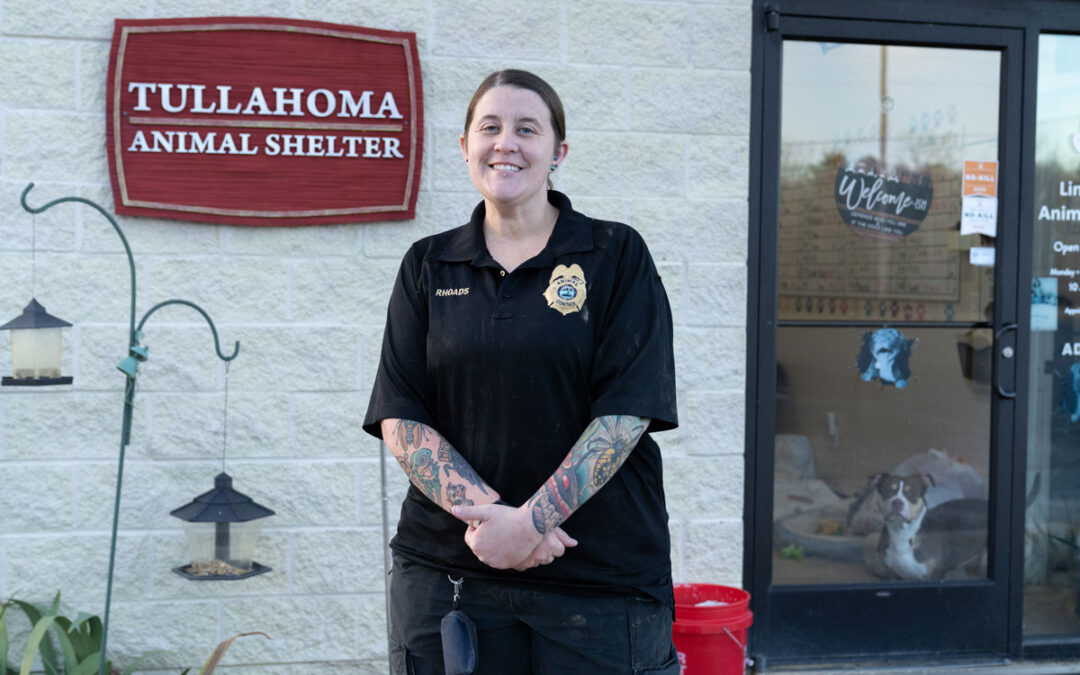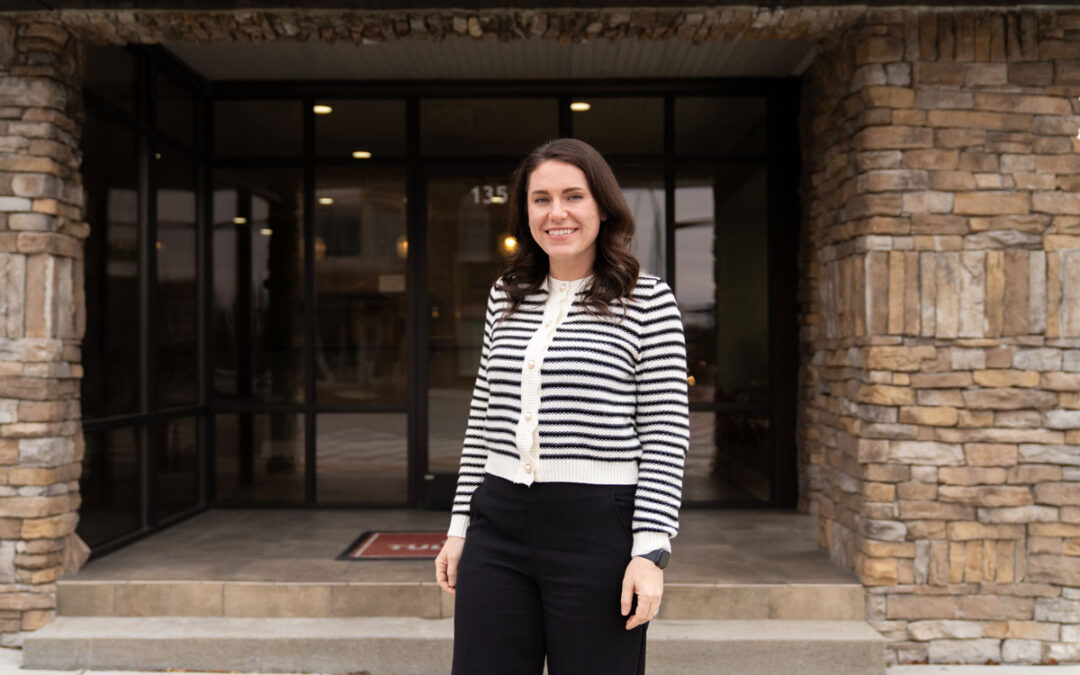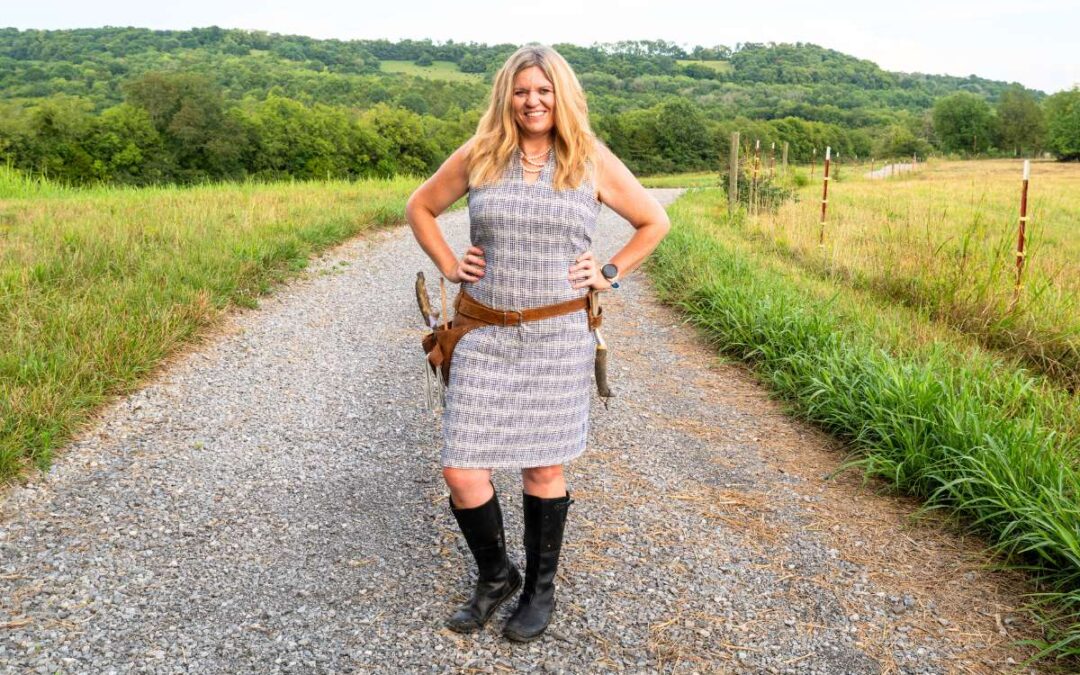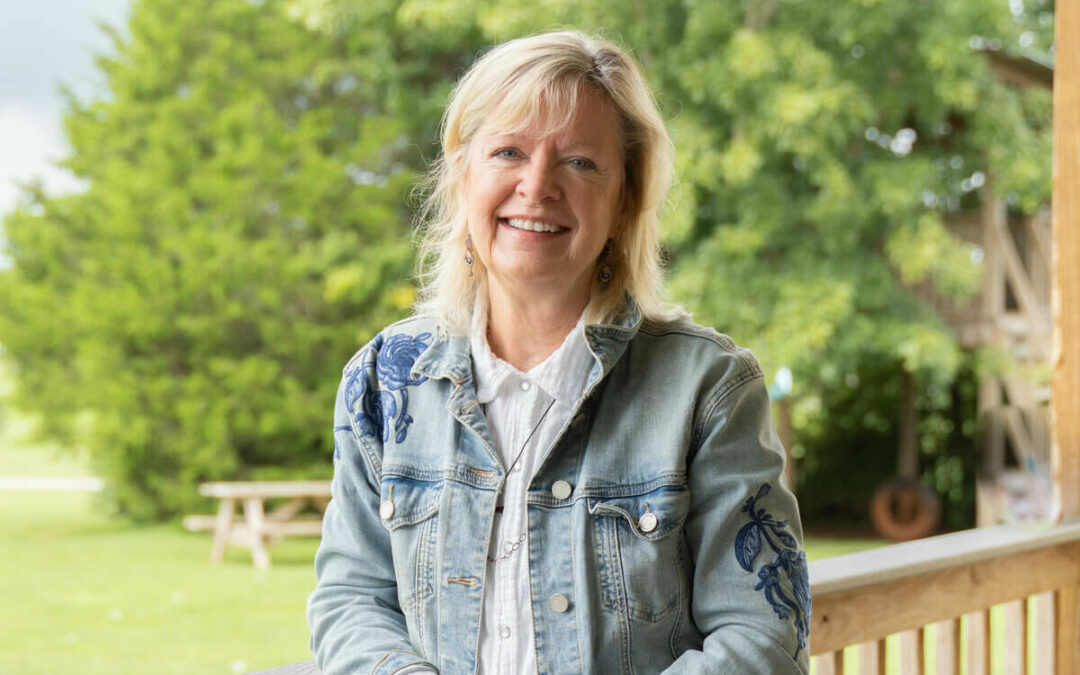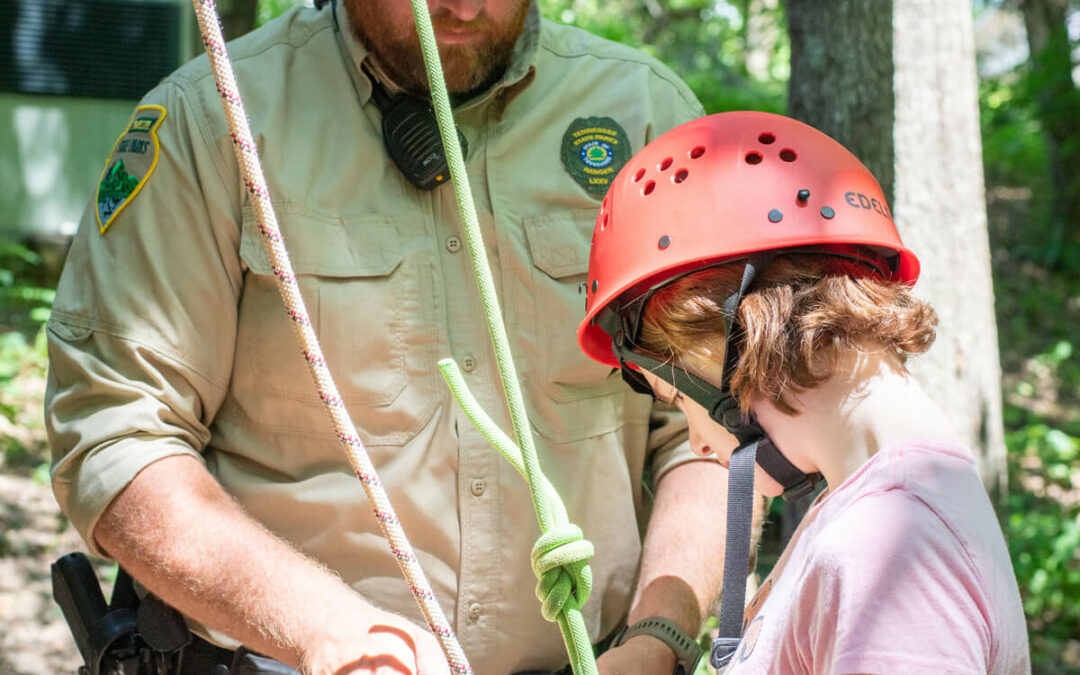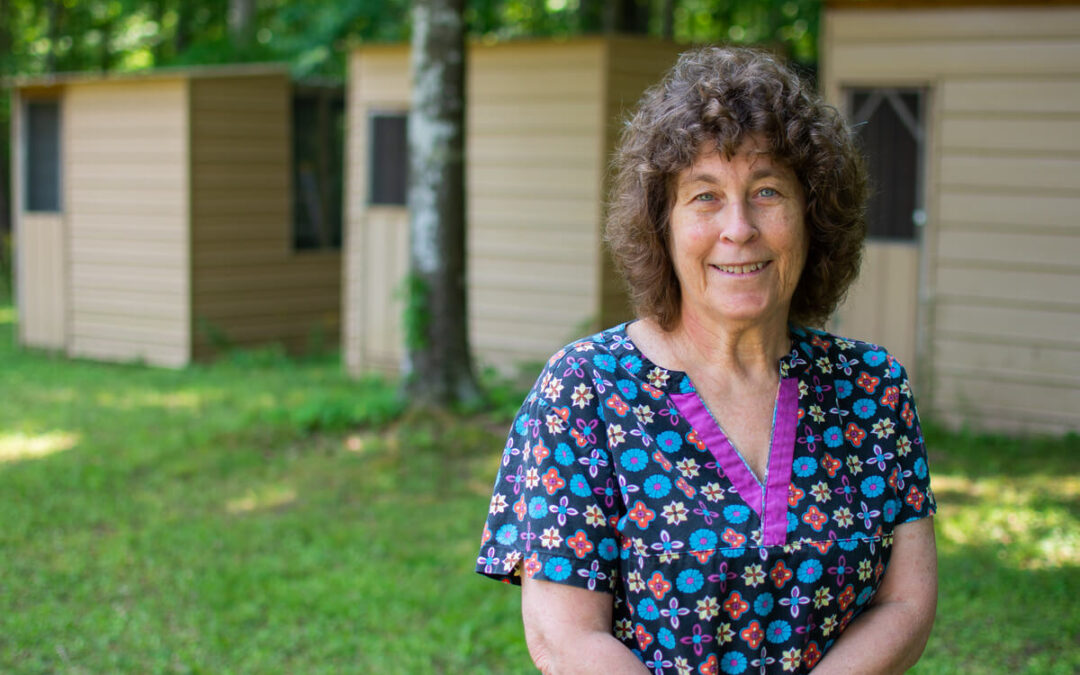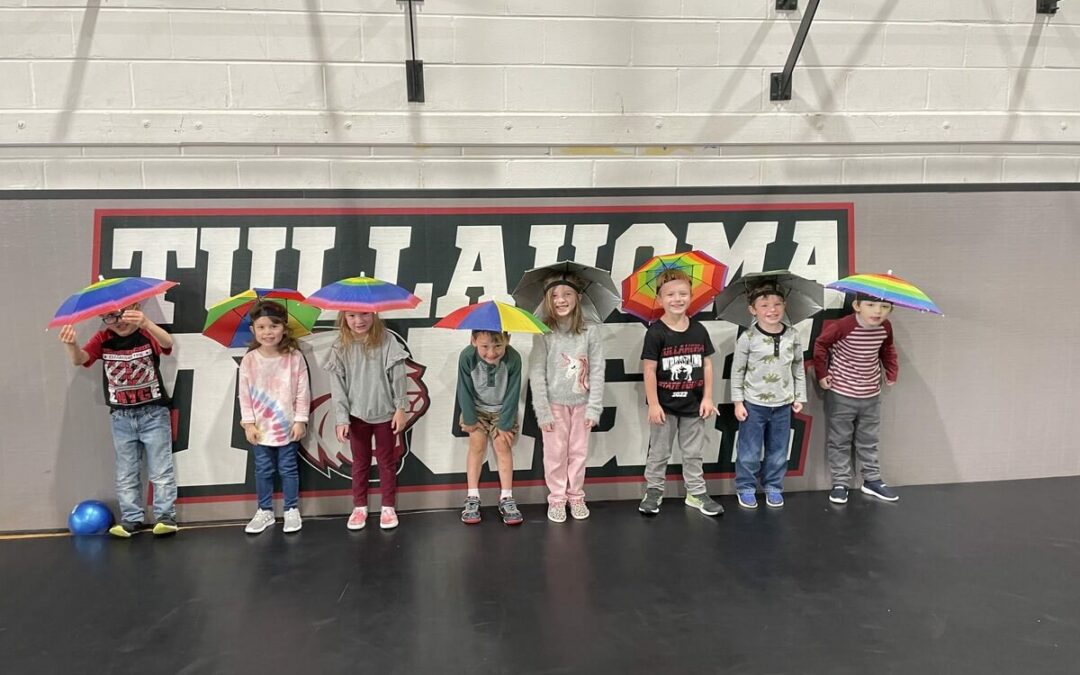
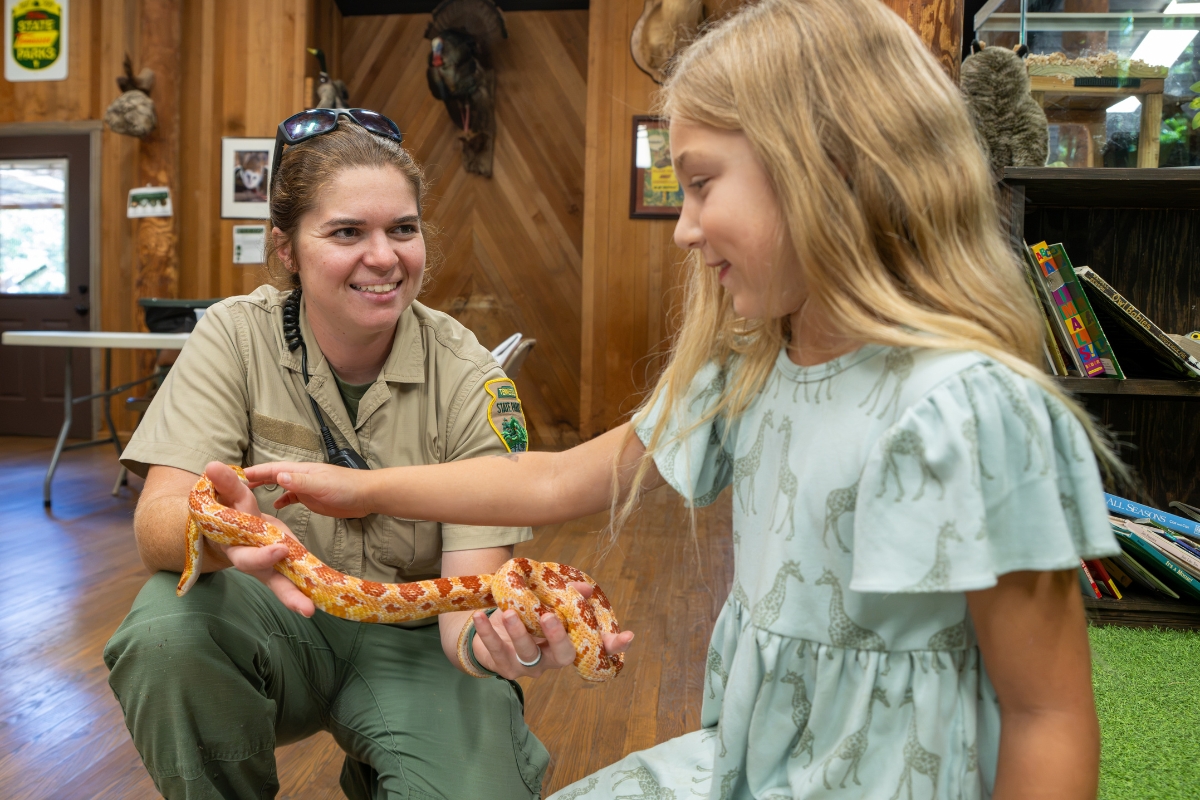
Students gather around KayLee Jayne, an interpretive park ranger at Tims Ford State Park, as she holds out a calm, slithering snake for them to see and touch. “It feels like a gummy worm!” one child exclaims, surprised at the sensation. Jayne smiles, enjoying being in her element as she teaches the kids about local wildlife.
“You would think snakes are cold and slimy, but they’re really not when you pet them, because they are reptiles,” Jayne said.
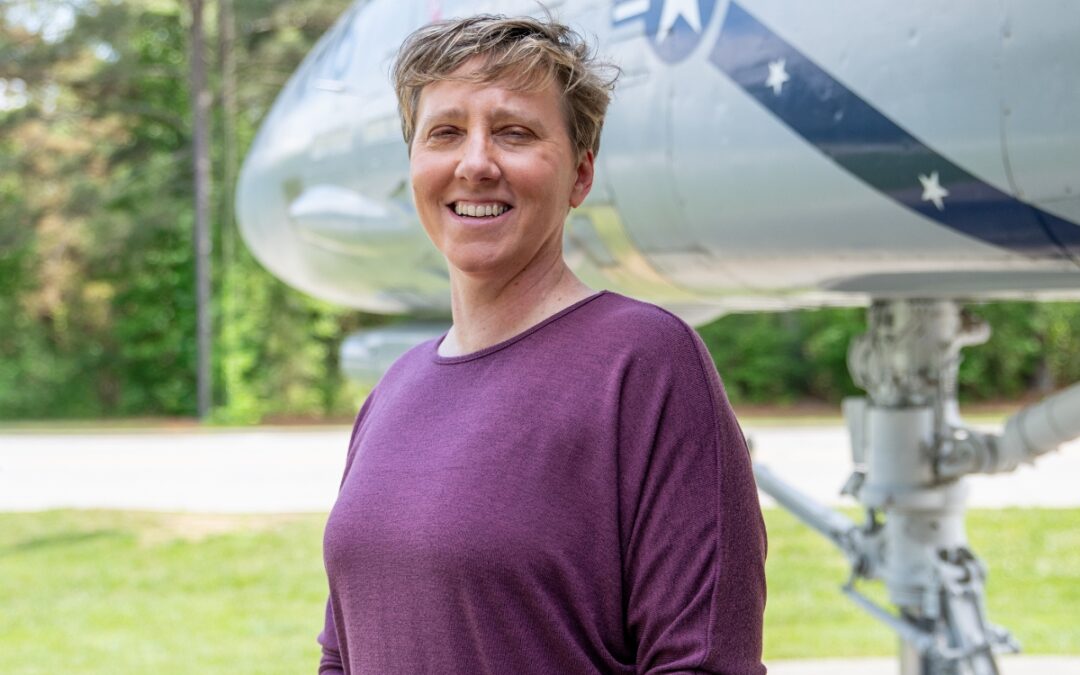
Jayne, a Belvidere native, grew up on a family farm where her love of the great outdoors was fostered and encouraged. As a child, she and her family often hiked at Tims Ford, and Jayne attended a Junior Ranger camp at the park before she ever knew that’s what she wanted to do when she grew up. She earned her degree in ag business from the University of Tennessee, Martin, and in 2024, she joined the staff as Tims Ford’s only interpretive ranger.
“It’s a relatively new position in parks; we have interpretive rangers, and then we have our law enforcement rangers,” Jayne said. “My job allows the other rangers to have more time to do law enforcement. I’m kind of more of the scheduling and programming, and organizing the larger events that we do.”
Jayne’s role involves school outreach, field trips, nature center care, and planning events such as the Fall Festival and Haunted Island. The job requires a four-year degree, on-site training, annual interpretive and programming training, and Emergency Medical Responder certification. It also means she gets to interact with some unique and interesting animals.
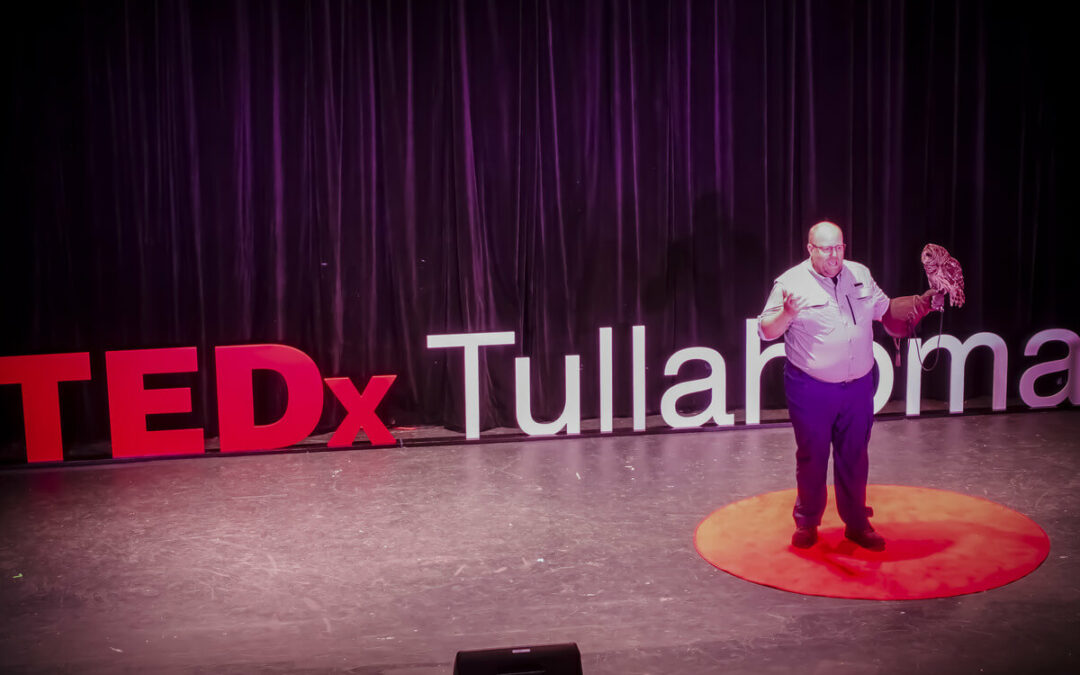
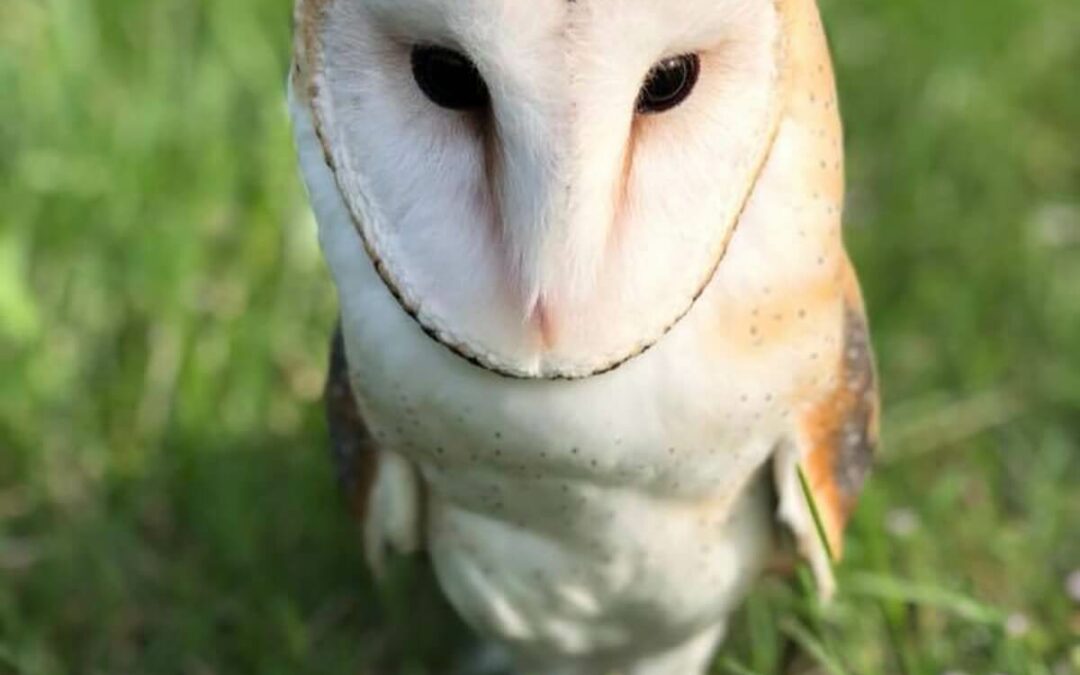
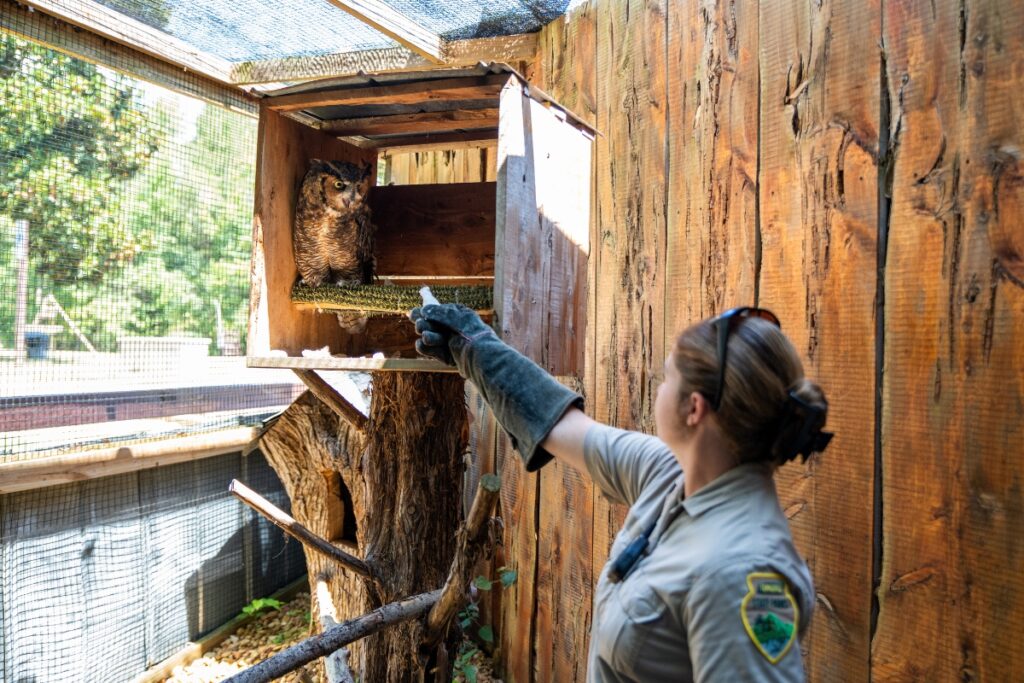
The Tims Ford Nature Center currently houses two owls — an Eastern screech owl and a great horned owl — both of which could not survive in the wild due to injuries. As guests at the nature center, visitors can meet them up close and learn about them. The center also hosts two pond slider turtles and one box turtle named Thor. Jayne says Thor is her favorite to show off to kids, especially in school settings, where he’s unlikely to get very far if he tries to make a break for it.
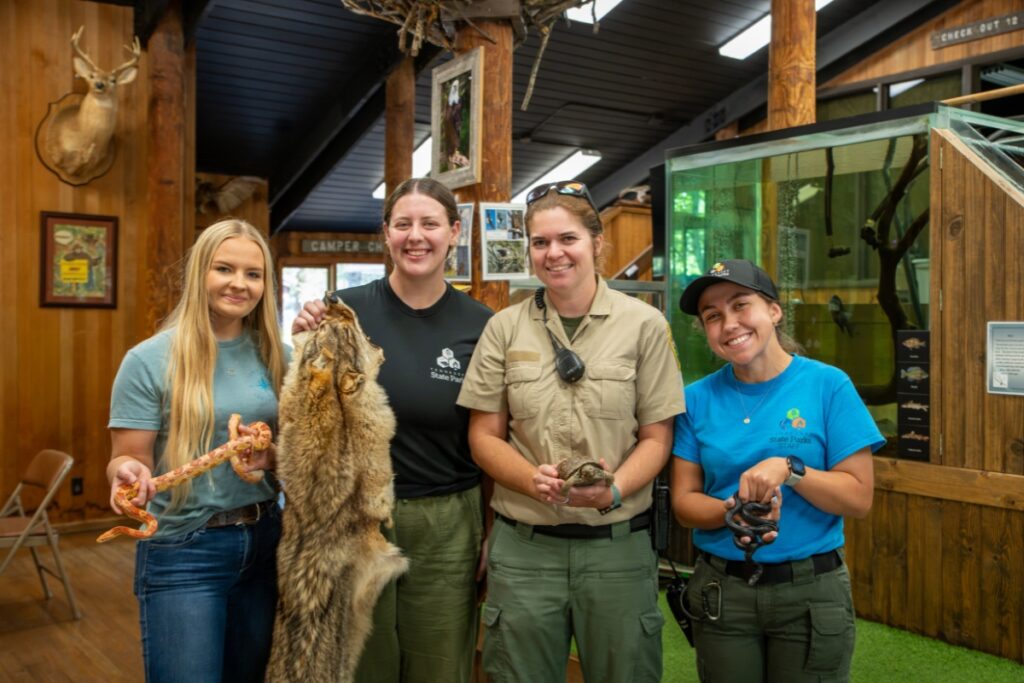
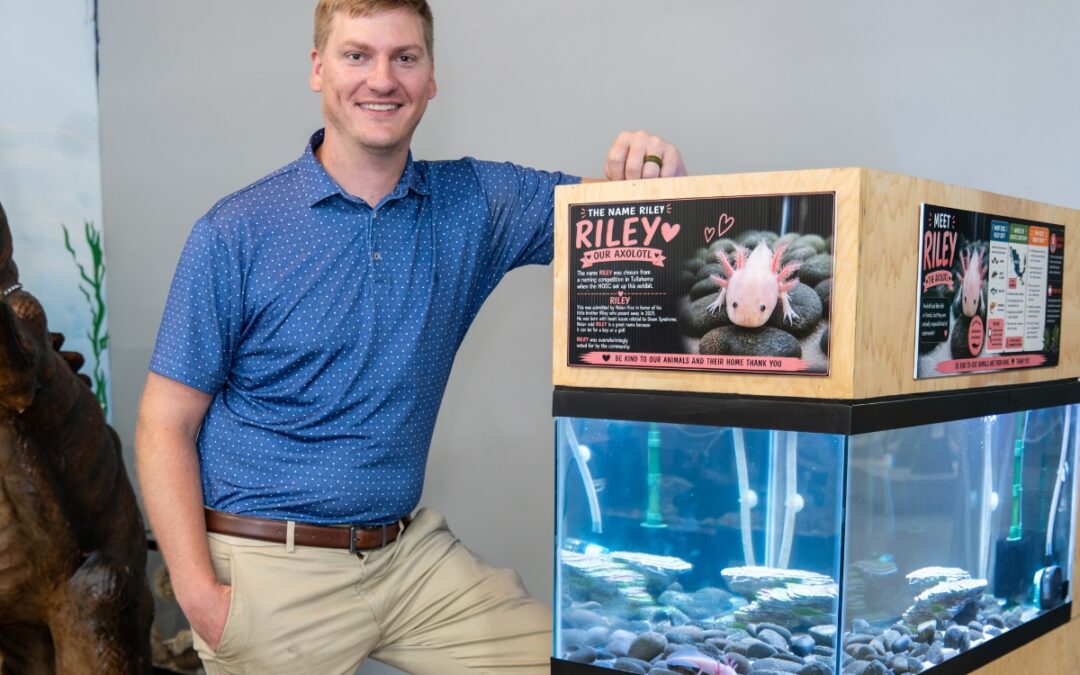
Three nonvenomous snakes found in this region — the corn snake, the king snake, and the northern pine snake — can also be found at the center when they are not dazzling students in local schools. Various fish are also kept in the nature center and draw visitors who stop in to observe them. While most of these animals were rescues, Jayne says people cannot simply bring in found creatures. Sometimes, like in the case of Thor, moving an animal away from its small home range makes it much more dangerous for it to survive in the wild. Any animals considered for the nature center must be vetted and registered with state parks, and special permits are required through the Tennessee Wildlife Resources Agency.
“We take care of them, and we keep them because if they were in the wild, they wouldn’t make it,” Jayne said. “So we extend their life as best we can, and then we use them to teach.”
One of the things Jayne hopes the community will realize is that all wildlife presentations are completely free and open not only to local schools but also to daycares, church youth groups, and homeschool groups. Presentations can be scheduled at the center or can travel to groups within a reasonable distance, including Coffee, Moore, and surrounding counties along the lake.
Jayne says she was always a hands-on learner, and she loves being able to teach kids in that way through this career.
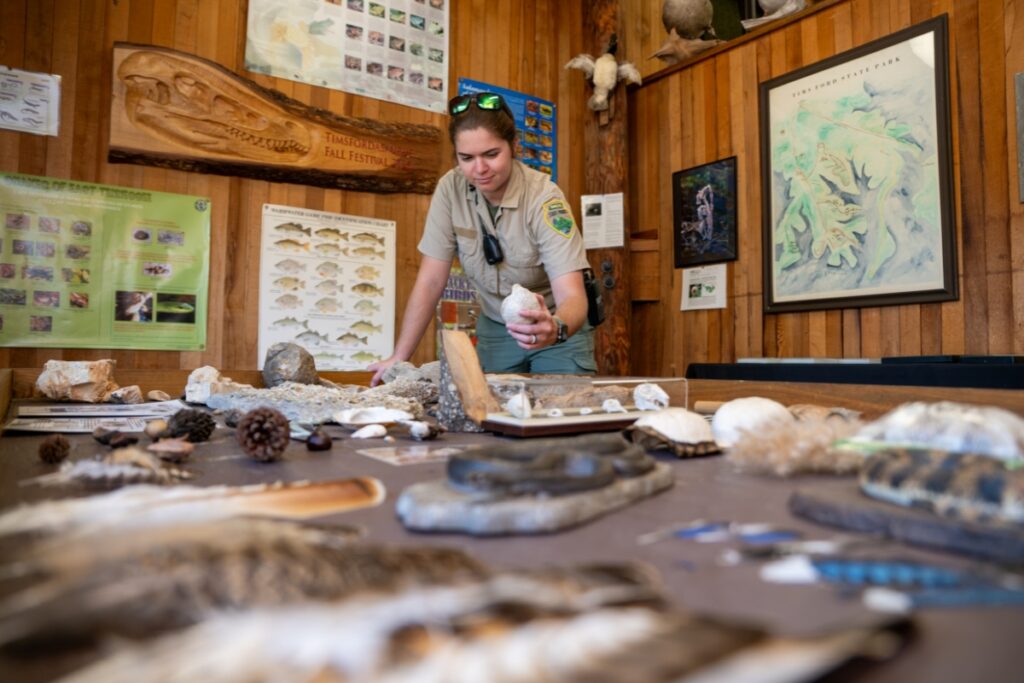
“If you can see something and you can relate what you’re learning while seeing it and touching it, it really sticks with you better. I think it definitely benefits the kids’ education just by getting a different experience other than just reading about it,” Jayne said.
For those who want to support the nature center, all donations go directly back to the animals and the building itself, which is a renovated former park office that requires ongoing maintenance. Caring for birds of prey and snakes is more costly than it might seem — the center orders frozen mice regularly to keep the animals’ diets as natural as possible. Jayne says that, based on her own experience, learning about wildlife benefits everyone and can spark new interests in students who might not have explored them otherwise.
“You never know where that little bit of knowledge can go and can take them,” she said. GN
To donate or learn more about programs and reservations, visit the Tims Ford State Park website at tnstateparks.com/parks/tims-ford.
For educators or group leaders interested in booking a presentation, email Jayne at KayLee.Jayne@tn.gov.