GROWING UP, most of us played outside long after the streetlights in our neighborhood buzzed to life high above our bicycles. Electricity has hummed through our lives like a silent servant — so constant, we forget it’s even there until our lights flicker during a storm. But for families carving out a living among the mountaintops of Eastern Guatemala, that hum arrived like a guest of honor, much like the lineworkers who lit up their villages.
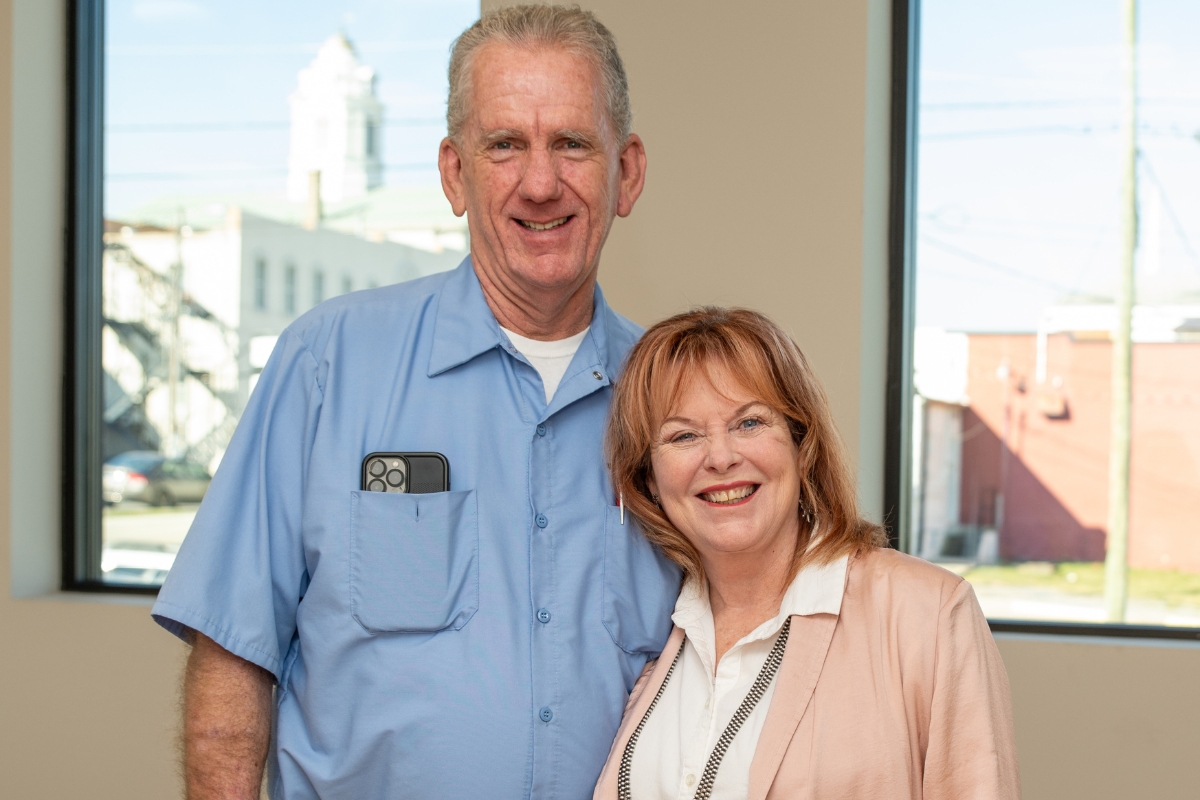
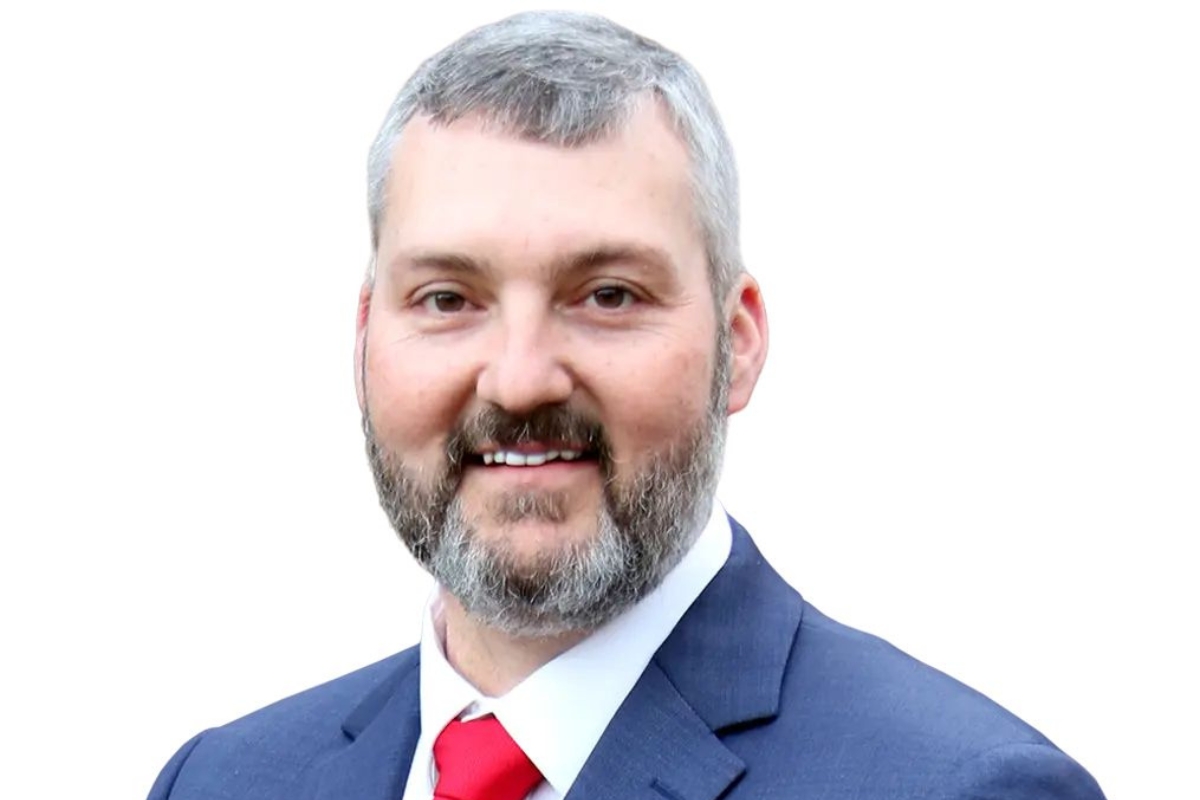
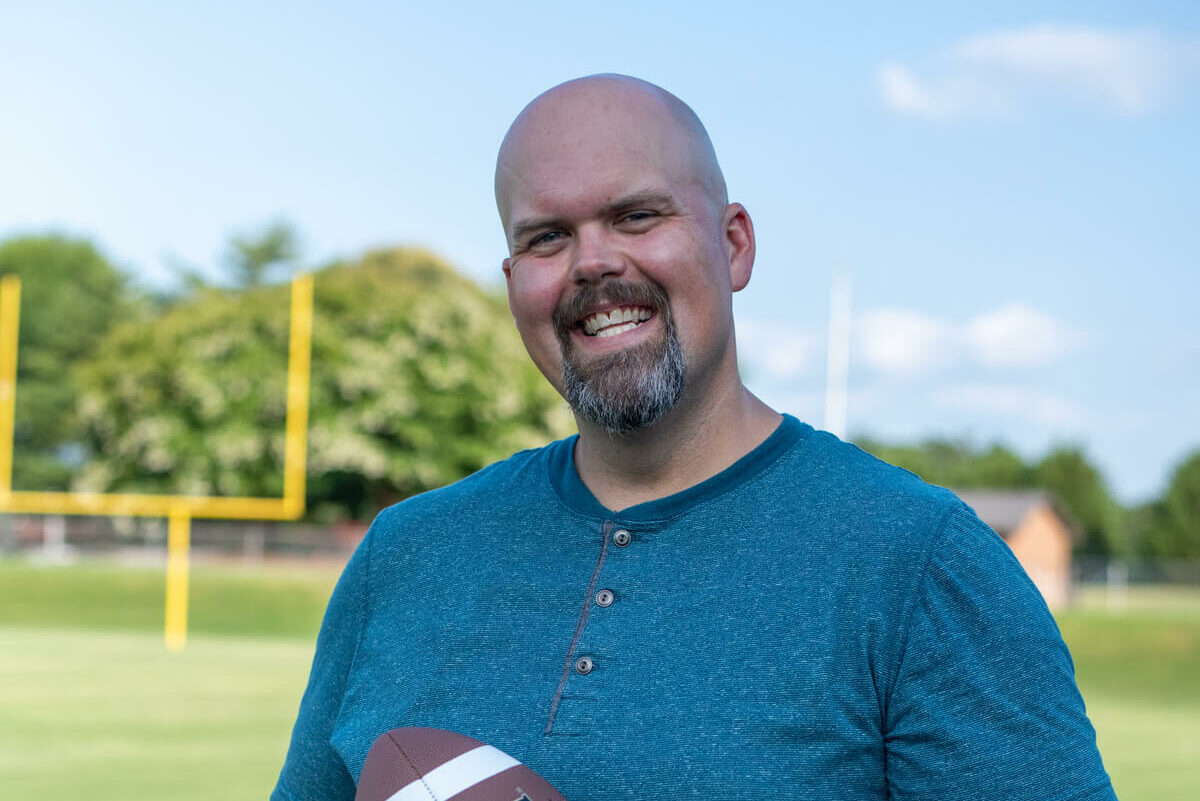
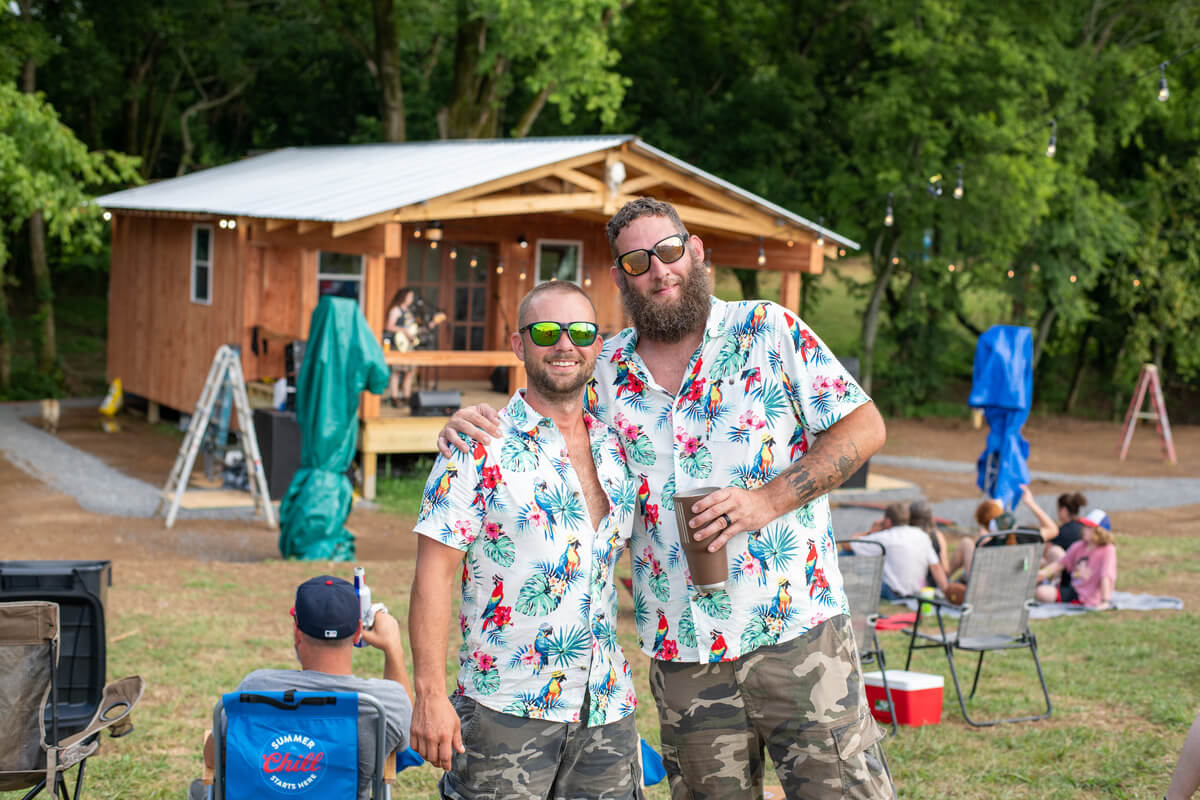
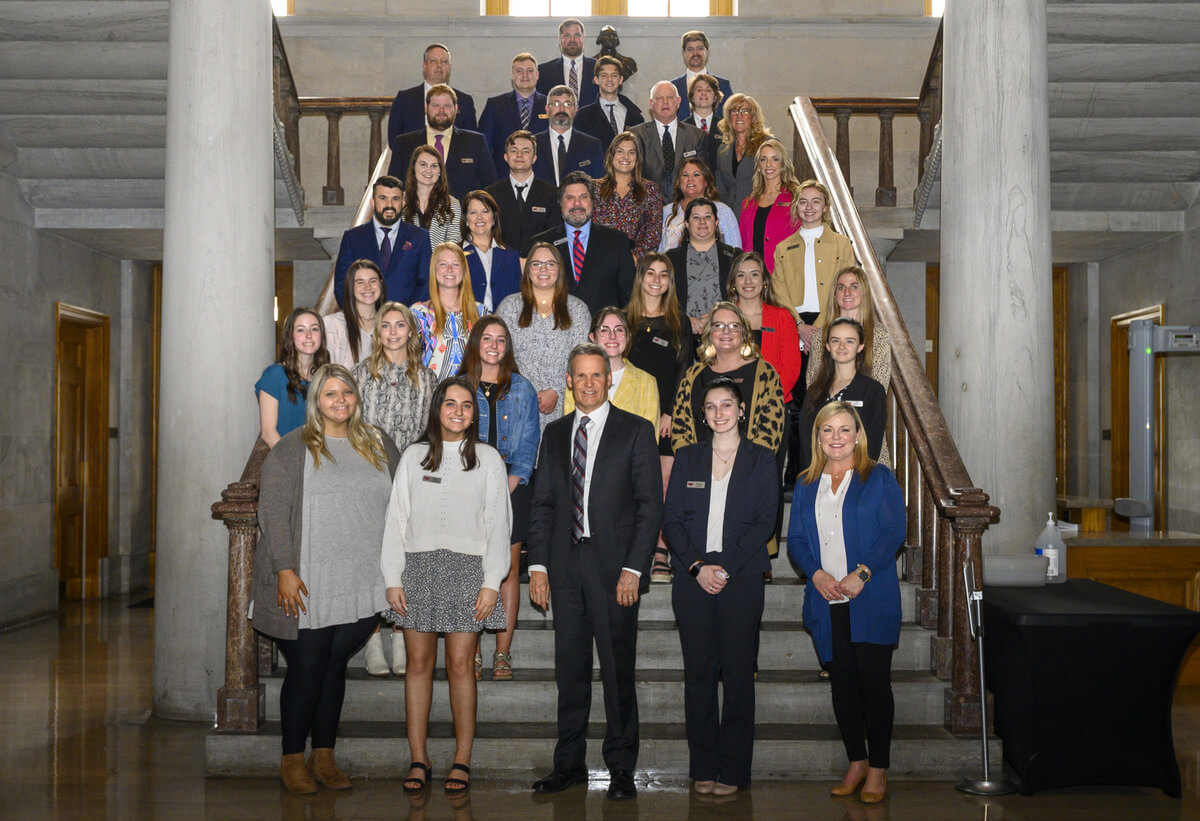
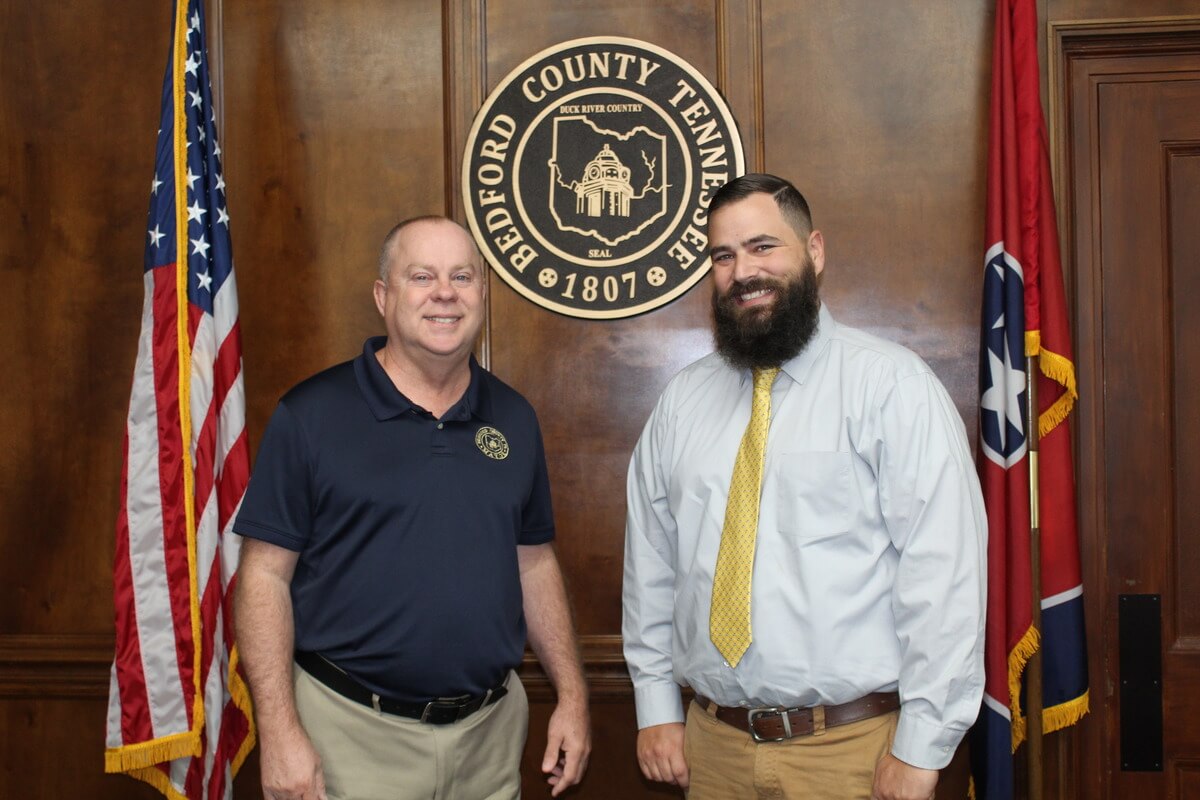
Through Project Highlight, 15 volunteers from Tennessee — three from Duck River Electric Membership Corporation (DREMC) — spent 17 days volunteering in the remote villages of Corral Viejo and La Paz in the blistering July heat. Lucas Burk and Chase Cares proudly represented Bedford County and DREMC.
The lineworkers represented seven different electric cooperatives, all of which are connected through the National Rural Electric Cooperative Association (NRECA). Sixty years ago, the NRECA formed to ensure rural Americans had a voice — and the power they deserved. Today, through NRECA International, that mission extends beyond borders, bringing light to communities that have waited generations for their chance to flip a switch.
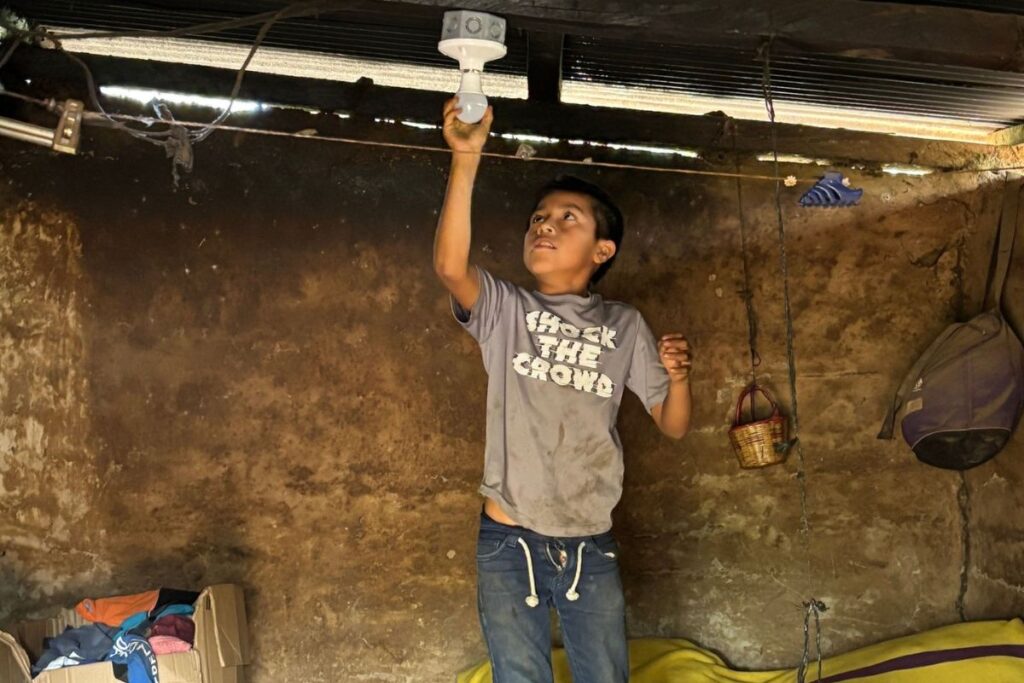
Lucas Burk said, “I volunteered to go to Guatemala with the hope of being able to use the skills that DREMC has taught me to make a difference in the lives of others. We often get to experience the joys of restoring power back to our own communities, but I felt this opportunity would be much different due to the fact that these people have never had the luxury of electricity. The trip didn’t disappoint in any sense. These people literally had nothing but lived with so much happiness and contentment. It was such a humbling experience to be part of this project, and I definitely believe I took as much back from Guatemala as I gave. I will forever be grateful for the ability to share the blessings that God has given to me.”
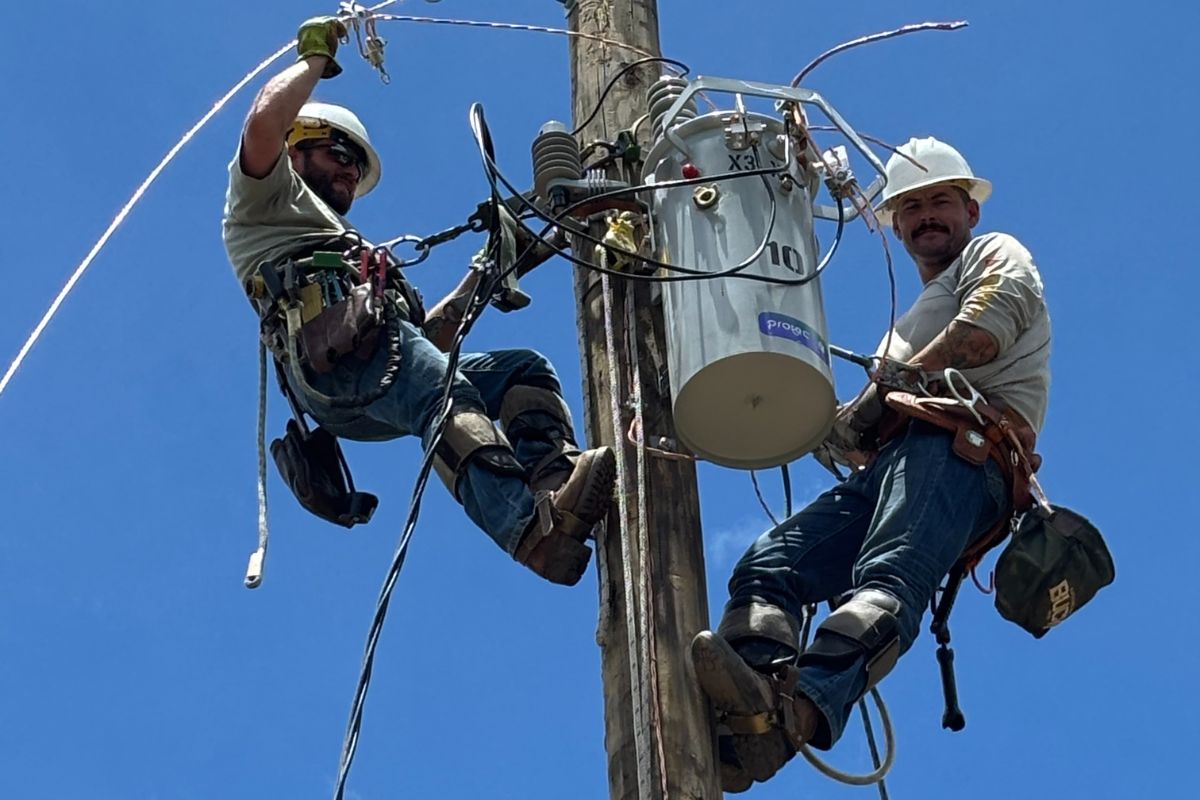
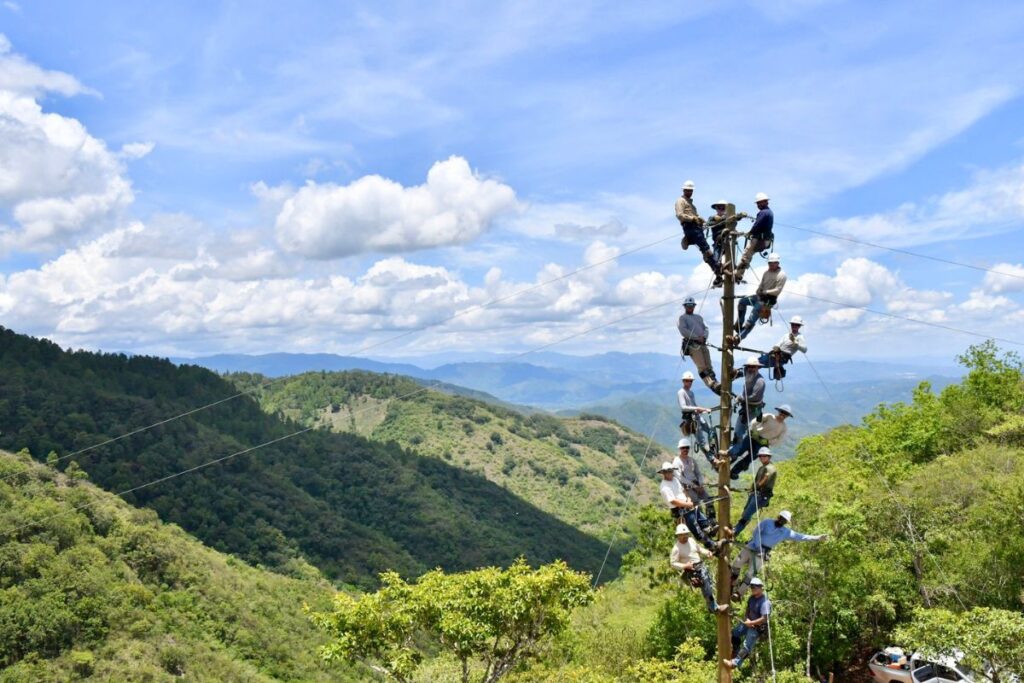
The volunteers faced challenges at every turn. Holes were dug by hand using curved spoon tools, not gas-powered augers. Poles weighing up to 800 pounds were raised using muscle, not by hydraulic lifts and winches. They used dirt bikes to haul wire and tools into remote areas. One day, they carried nine 35-foot poles down a steep hill. By joining forces with 25 local utility workers, they built nearly 8 miles of power lines across rugged terrain. After the poles were set, they had to climb each one to raise the lines. The heat was relentless, but so was their sheer determination.
As everyone worked, the children watched in amusement and mutual astonishment. Most had never seen a single light bulb or used electricity for longer than a few seconds.
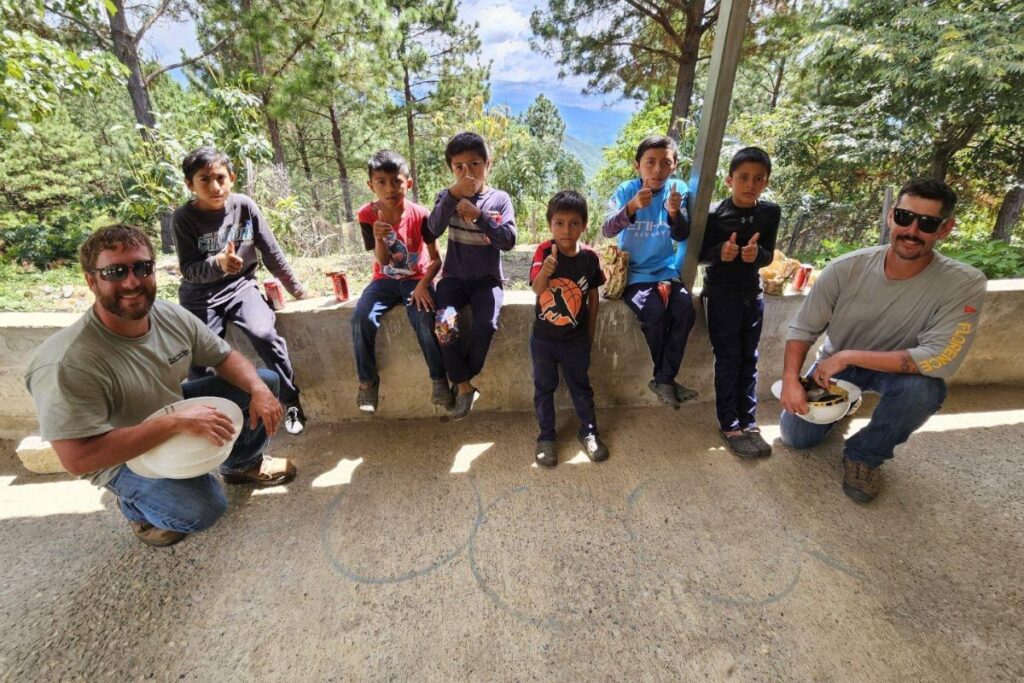
“Being a lineman can be very demanding with the danger of the work itself, the weather conditions, and working long hours,” Burk said. “But at the same time, it’s such a rewarding job. We have the privilege to bring electricity to newly built homes or to restore power after a storm.”
Through their willingness to serve, the lineworkers brought electricity to 28 homes, two schools, and a business. Beyond providing basic interior light fixtures and electrical outlets inside the homes, they also installed streetlights along previously pitch-black dirt roads outside. For the first time, children could walk safely after dark, teachers could prepare lessons with ease, and families could gather without rushing to beat the sunset.
DREMC also donated six laptops to the village schools, and another electrical cooperative provided 50 pairs of shoes for the children. Chase Cares said, “I enjoy helping out my community after we have faced a storm, so I viewed this like a mission trip where I would be able to help another community. The people of Corral Viejo and La Paz showed me how good we’ve got it here in America, and they were so thankful that we came to bring electricity to their villages. Even though they lived with very little, they were happy all the time. This put things in my own life into perspective. Everyone was very welcoming. In fact, we had some of the best food I’ve ever had.”
Each evening after completing the daily tasks, friendly games of soccer broke out between the volunteers and the locals, especially with the children who had been watching the workers with excitement. Laughter echoed across the hills as language barriers dissolved with the playful banter of the game. For a few minutes each night, the work faded, and what remained was joy.
Following a ceremony held in each village, electricity coursed through the new power lines, flooding both communities with light. In a place where darkness once marked the end of every day, light now lingers — thanks to these lineworkers who carried more than electricity into the eastern mountains of Guatemala.
James Wright, president and CEO of DREMC, said, “Electric linemen carry heavy gear and regularly scale 30- to 60-foot poles near high-voltage power lines using a bucket truck or their own physical strength. Often in the wake of Mother Nature’s worst, linemen leave their families and the comforts of home to restore power to their neighbors and communities.” GN