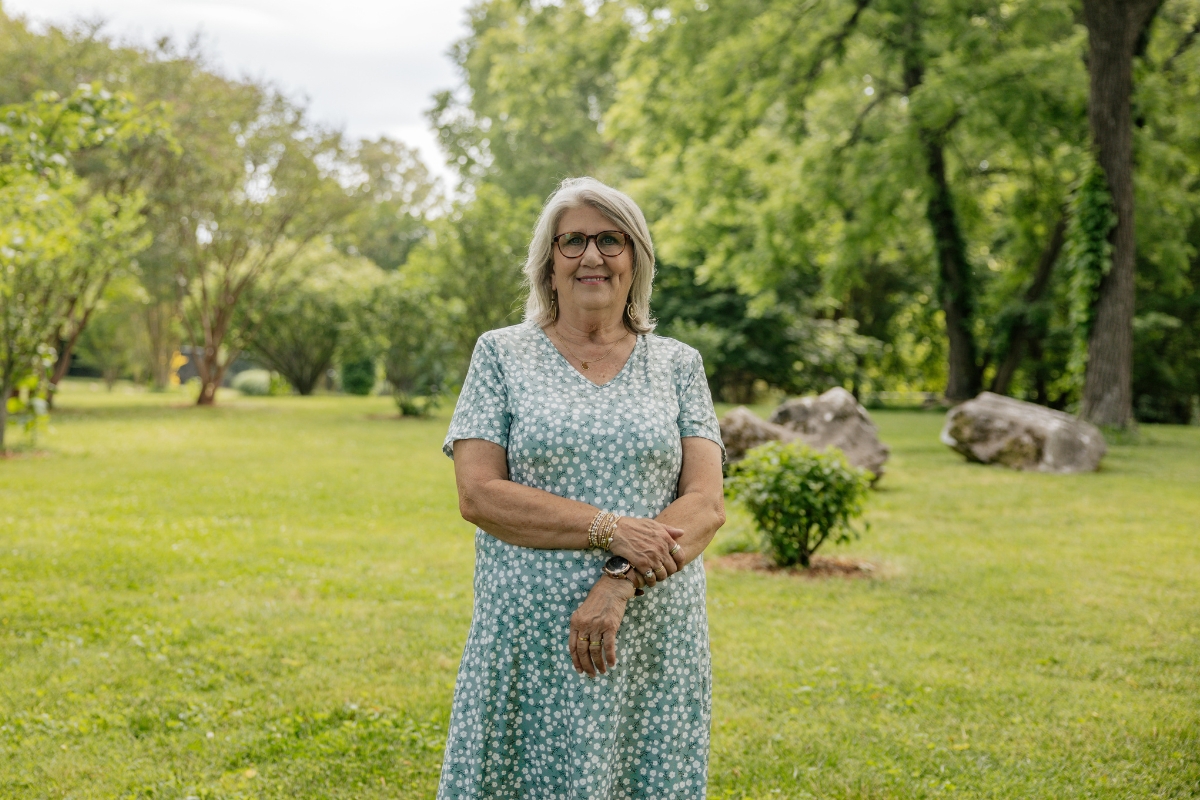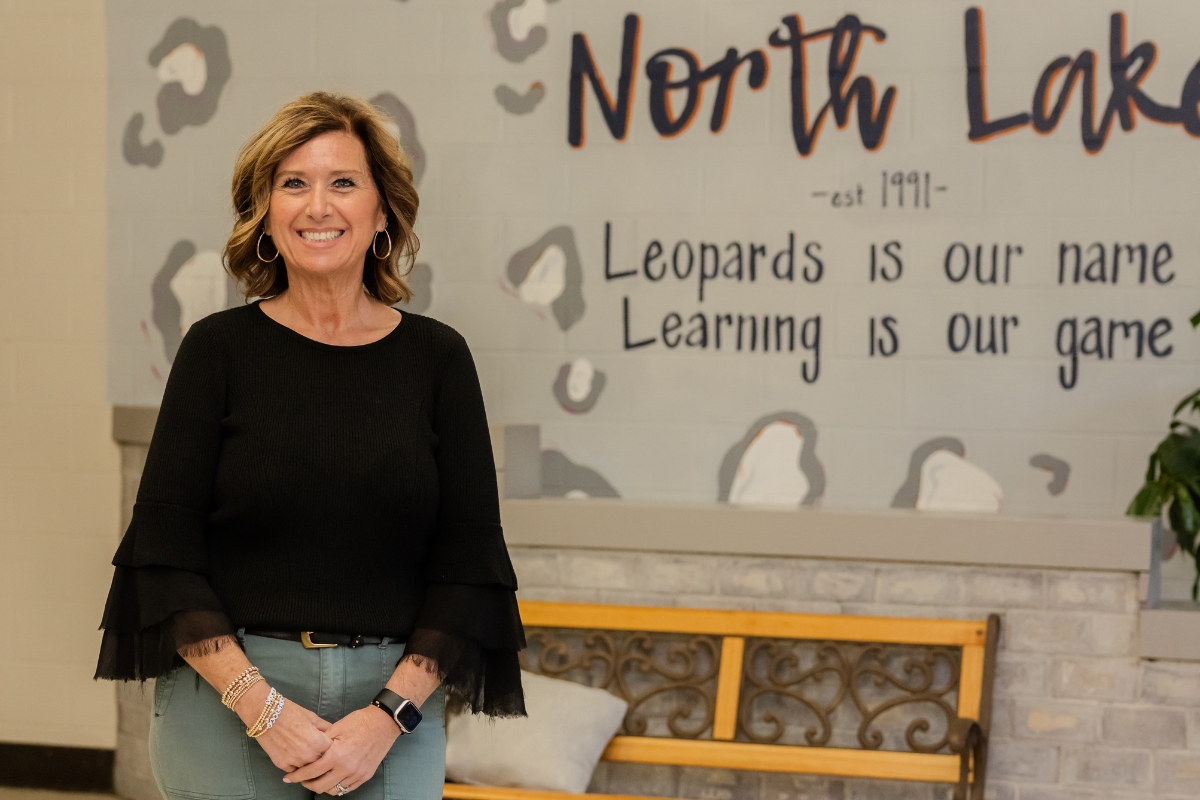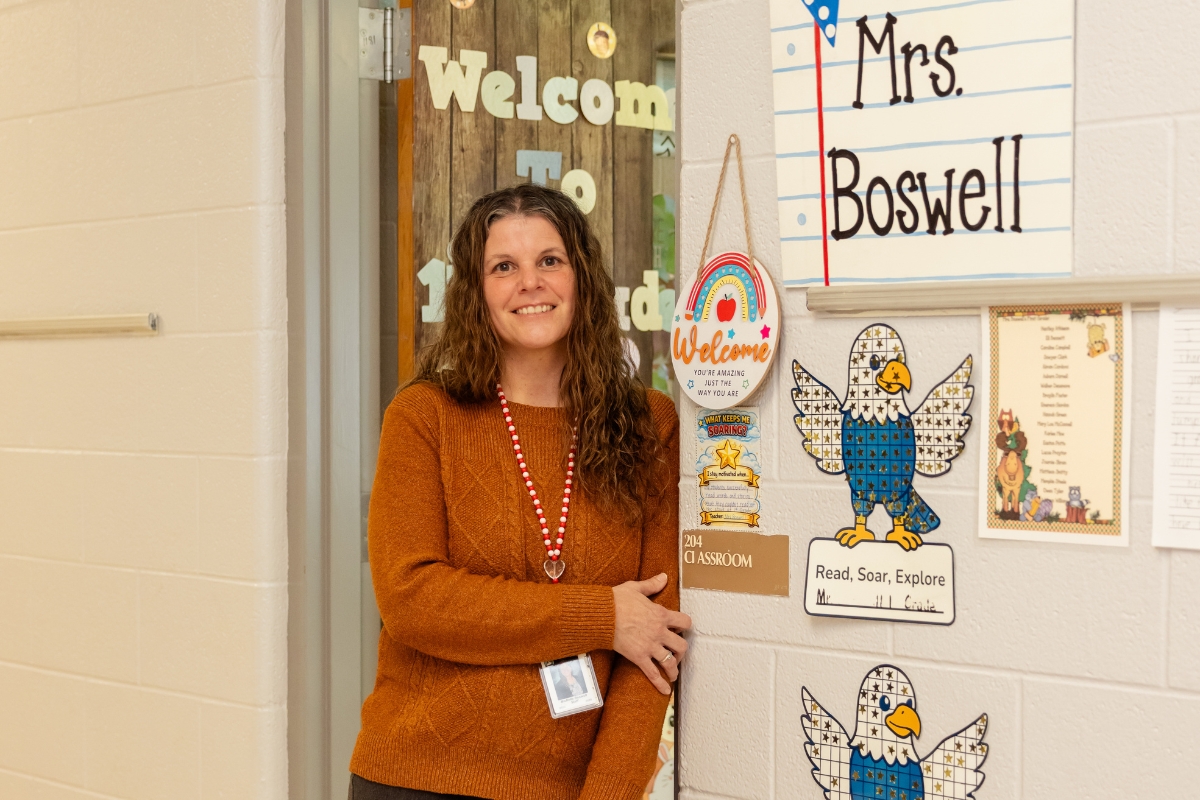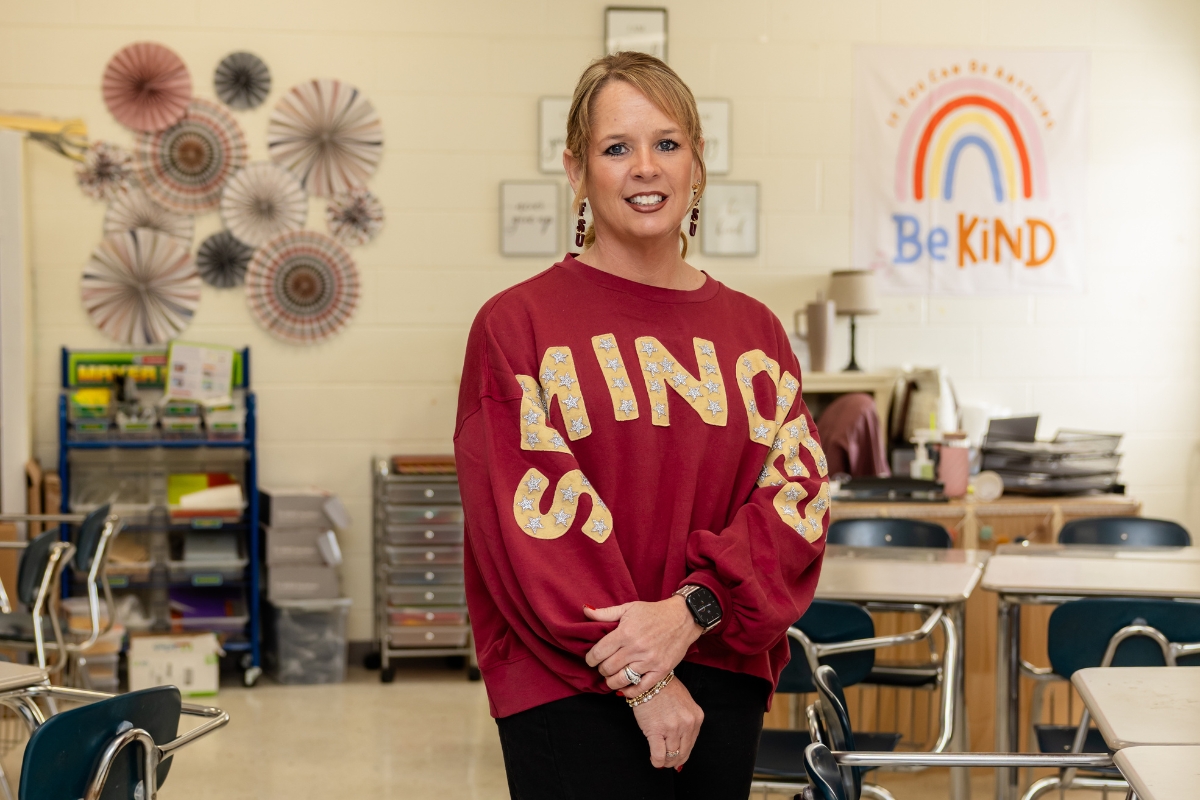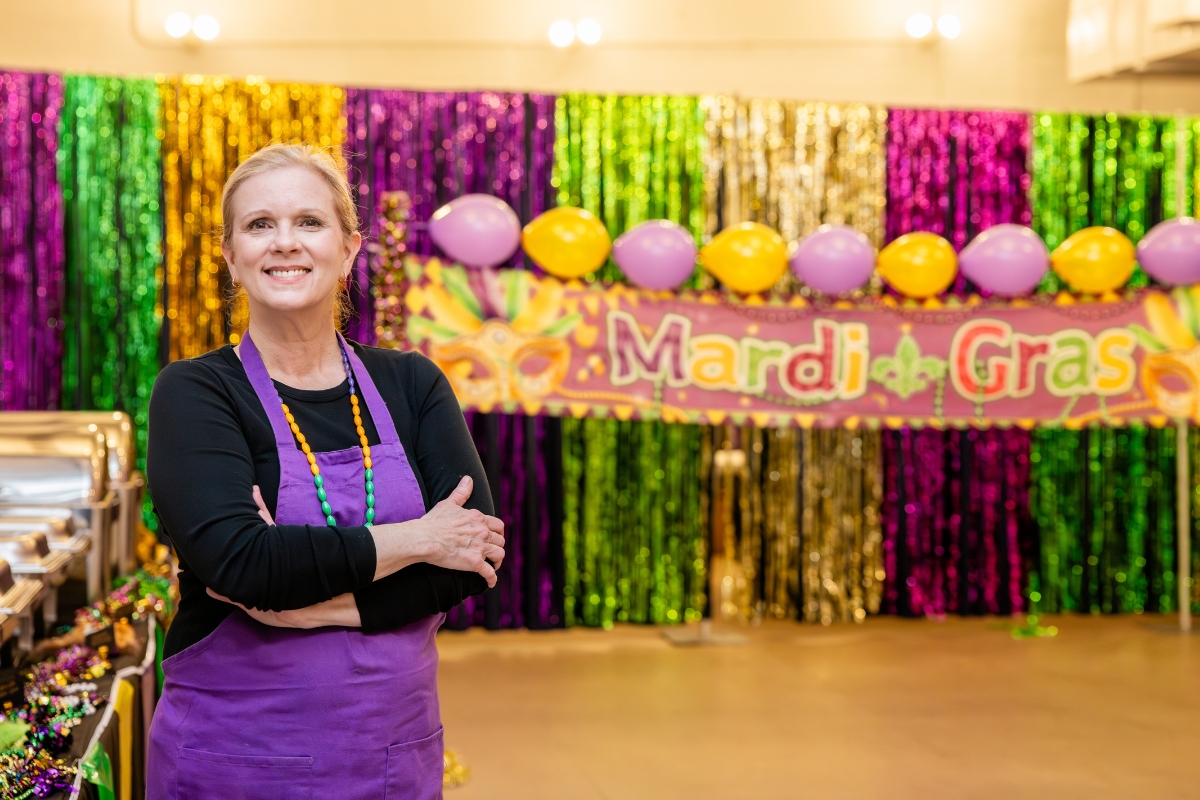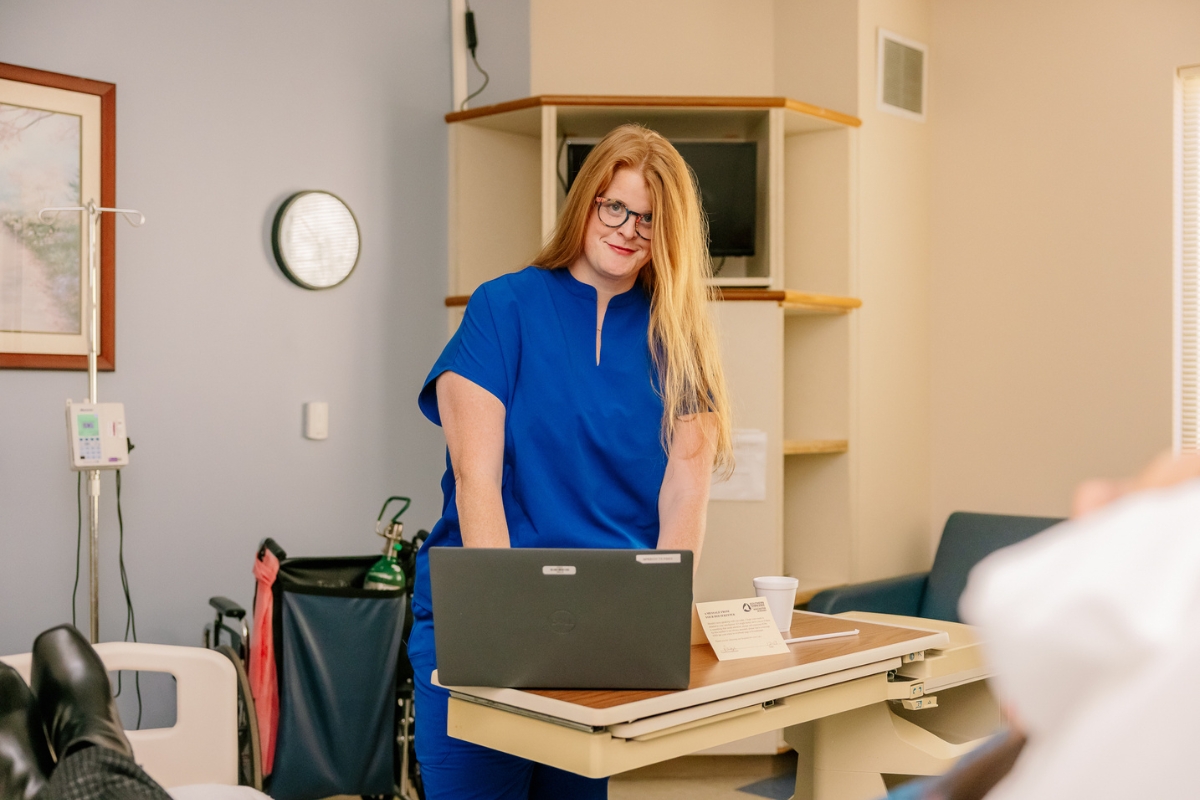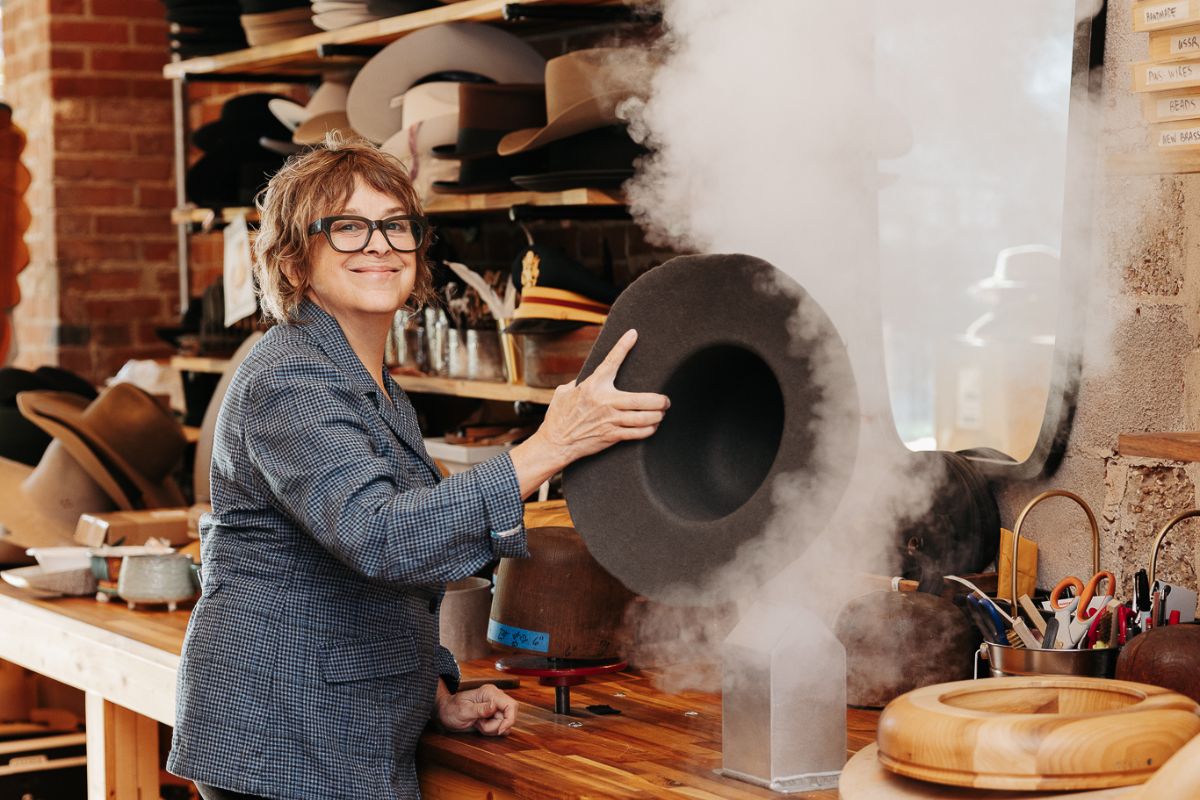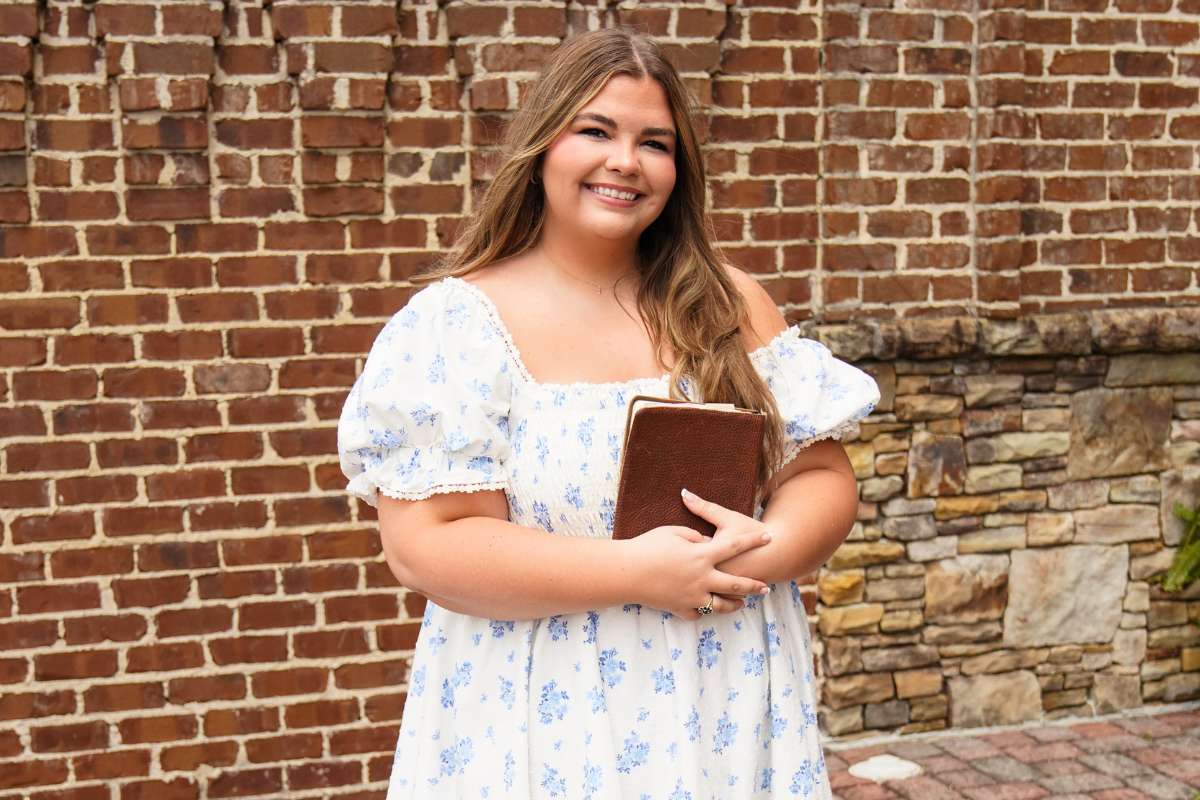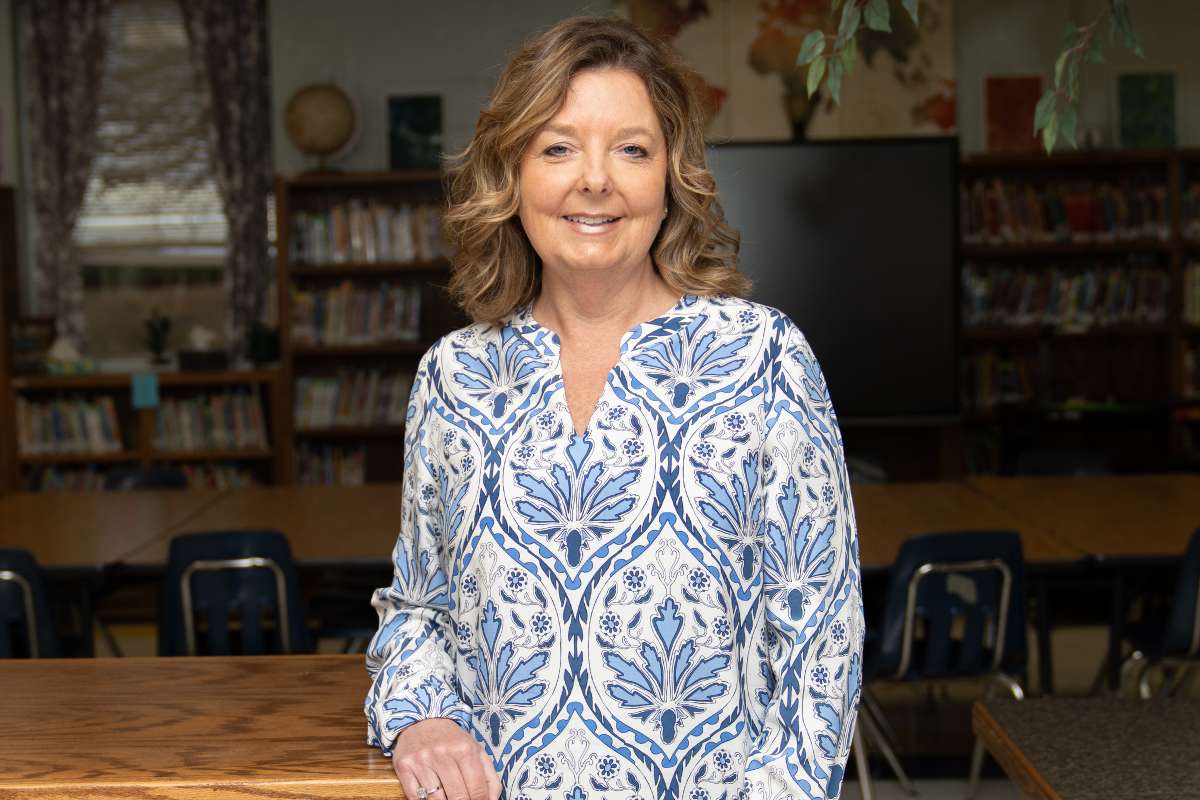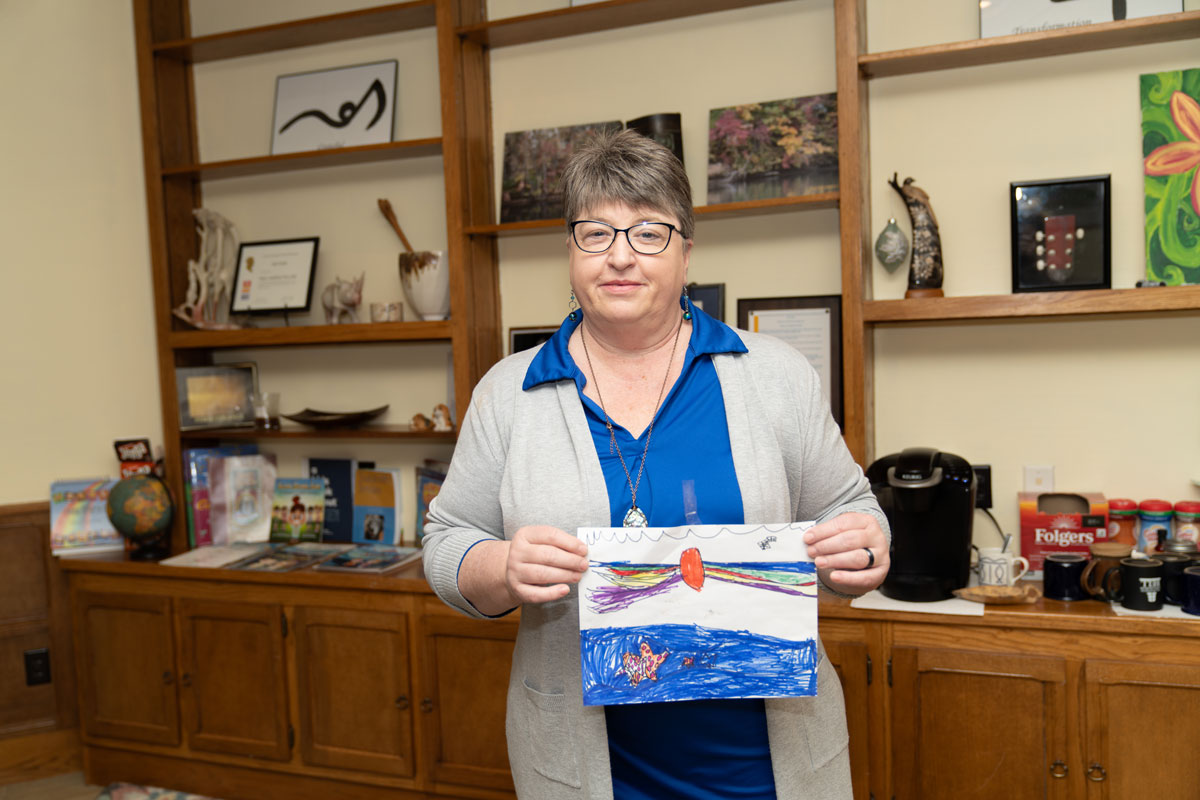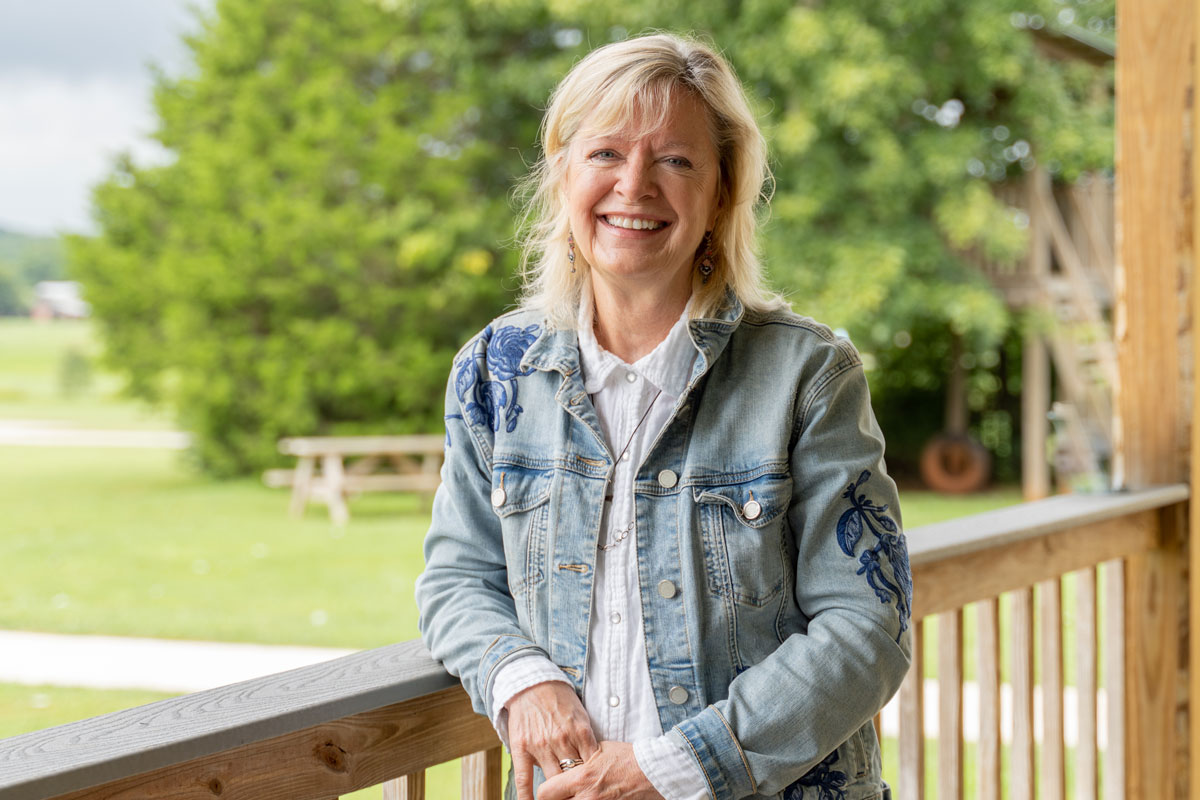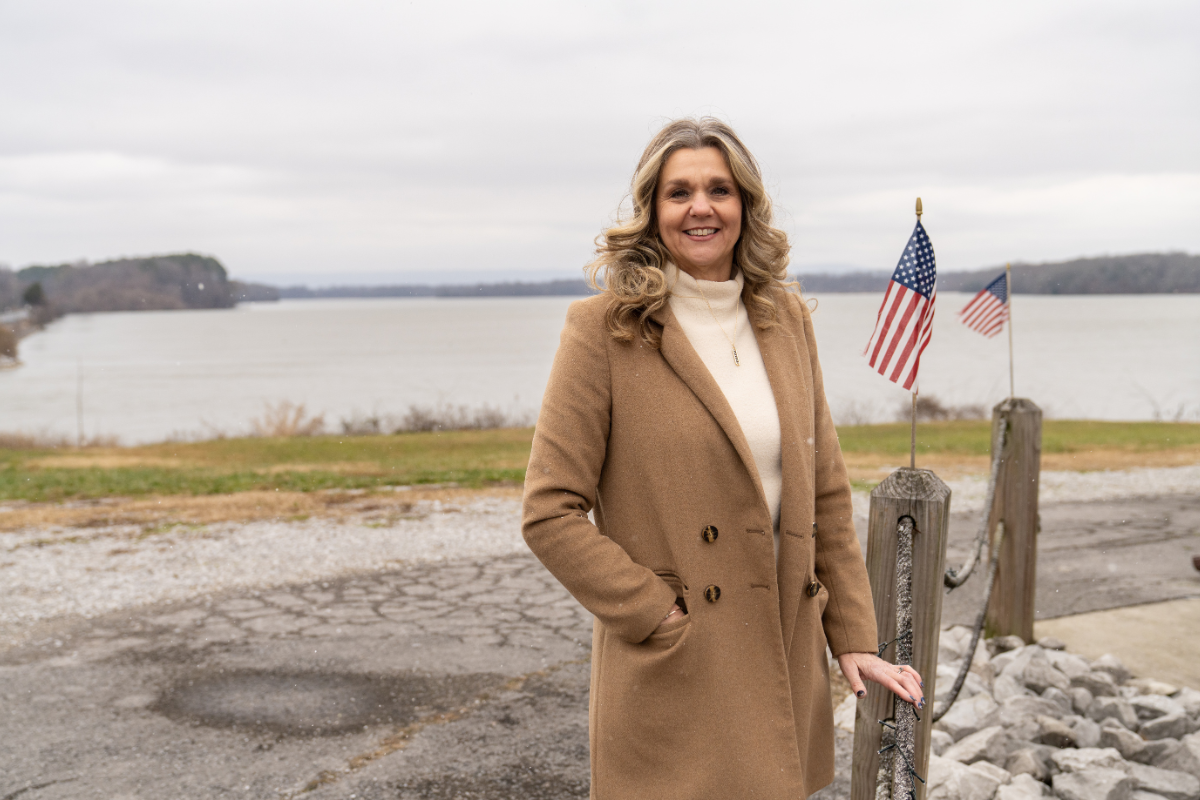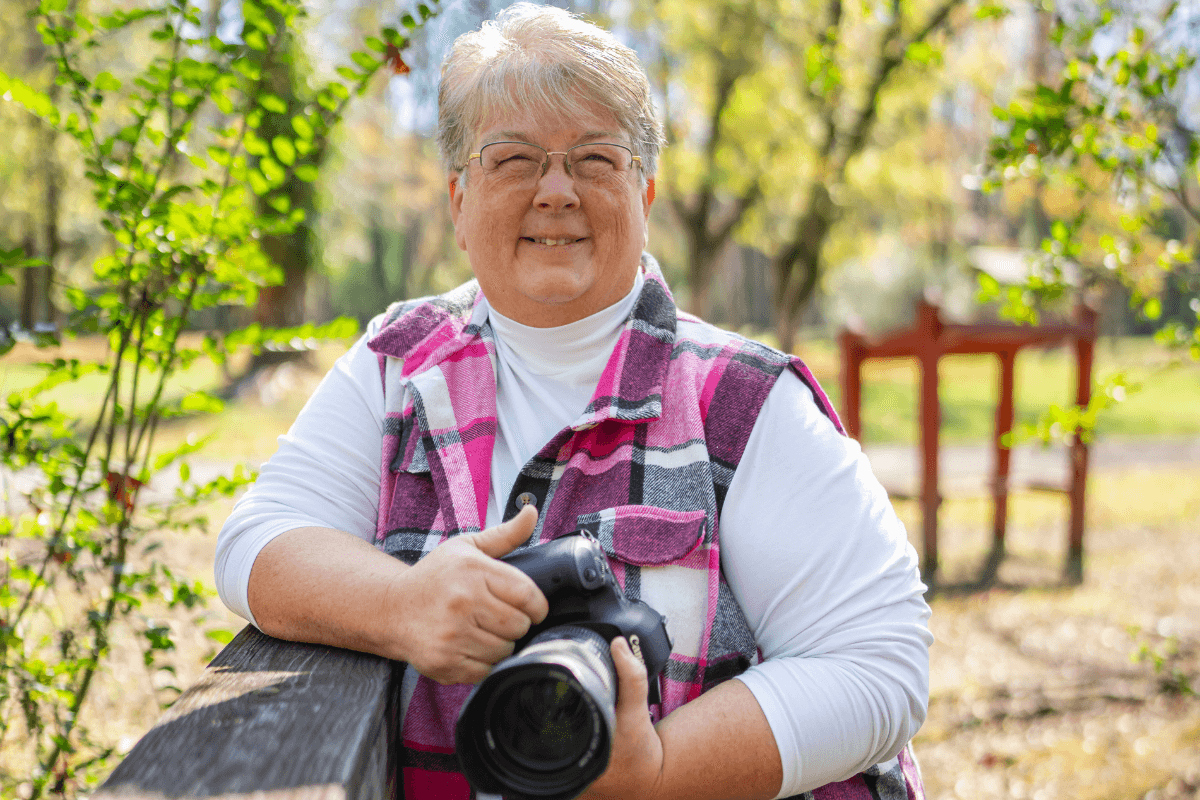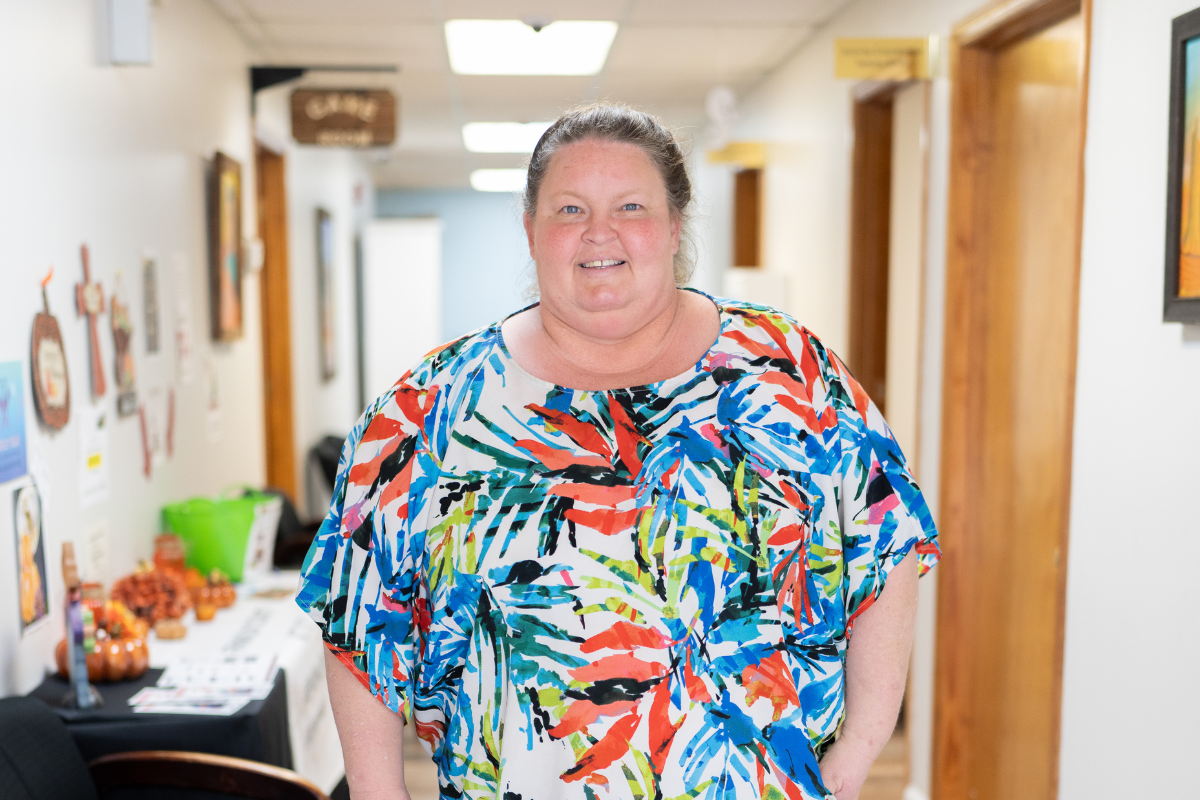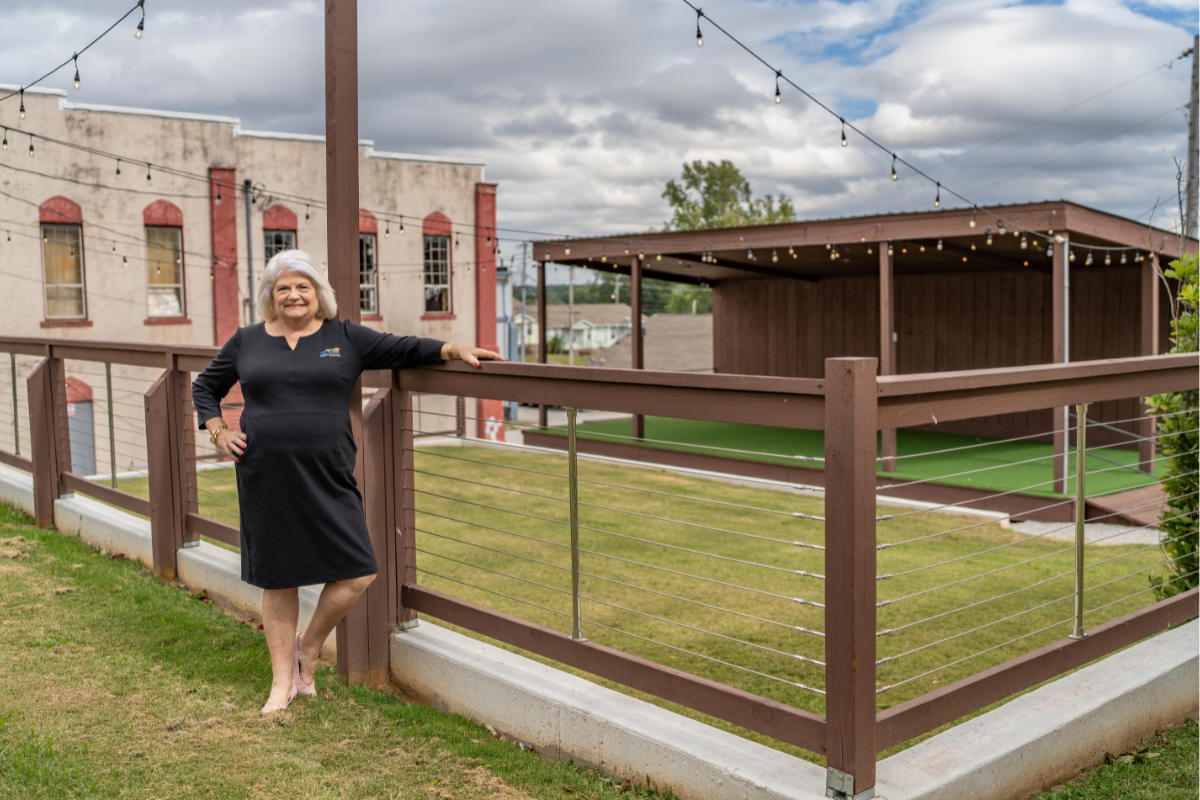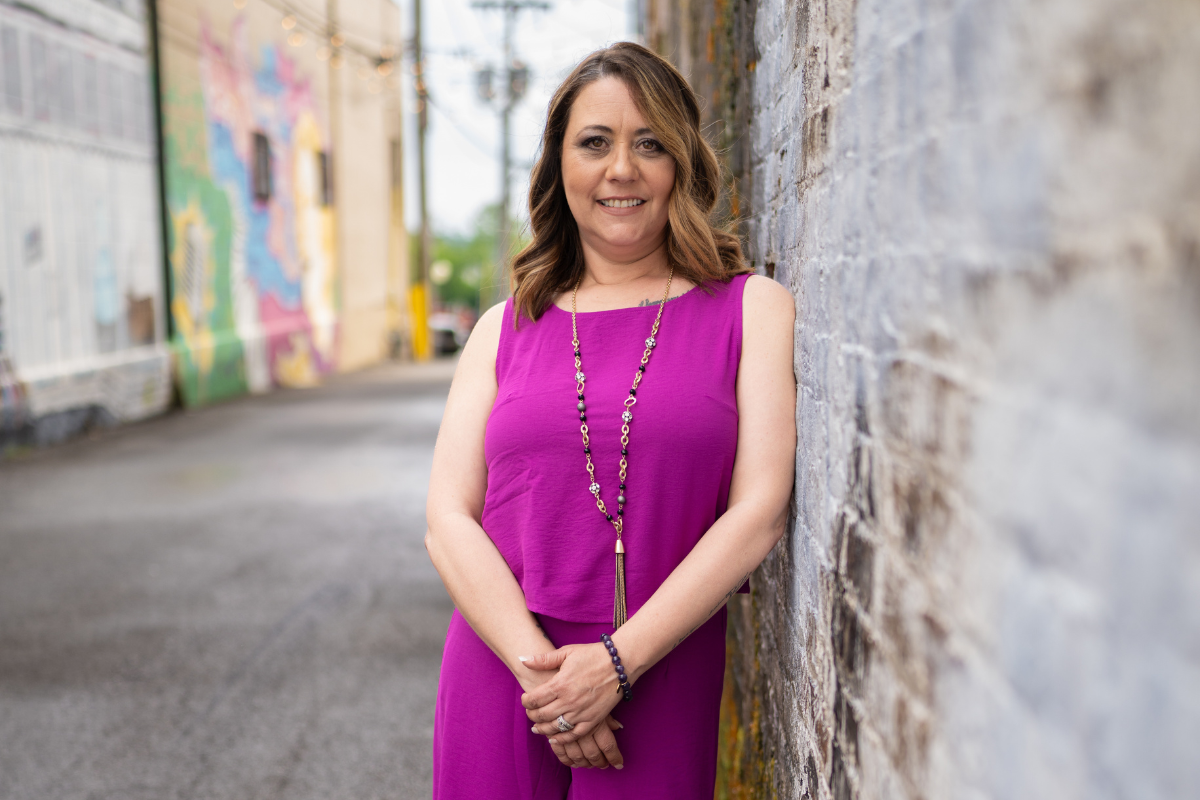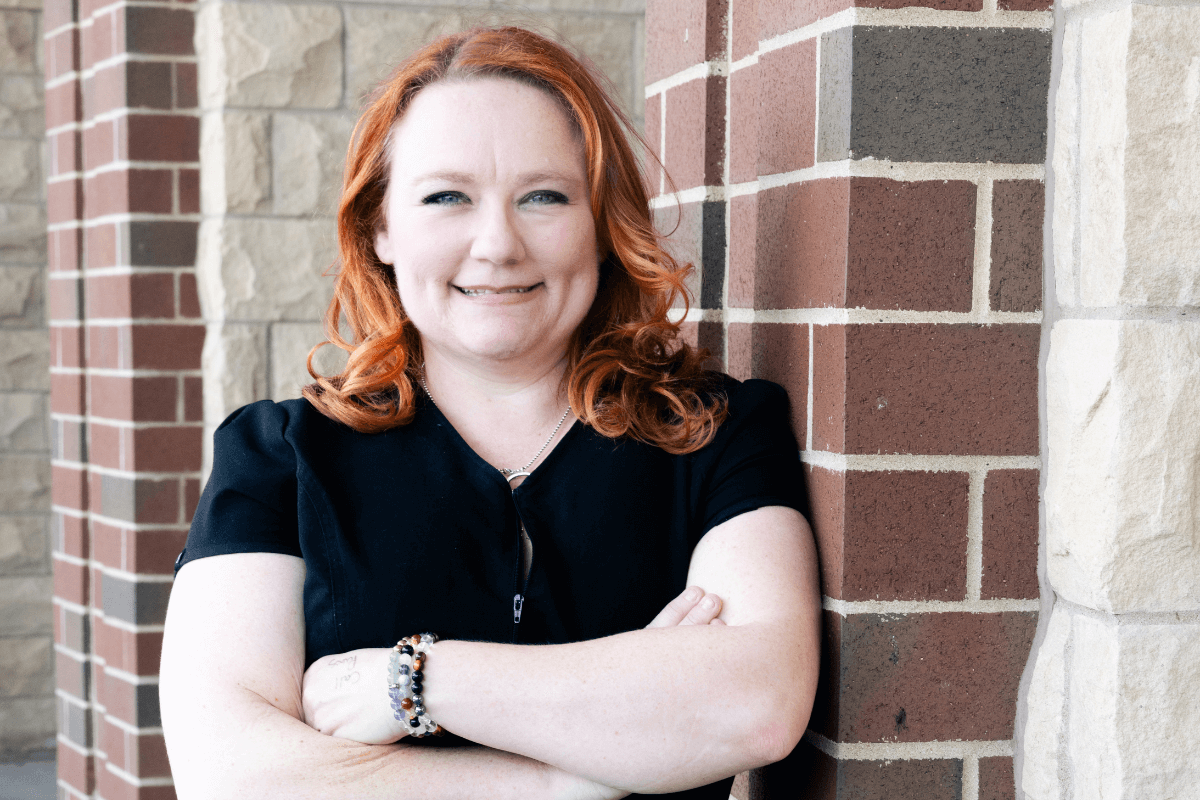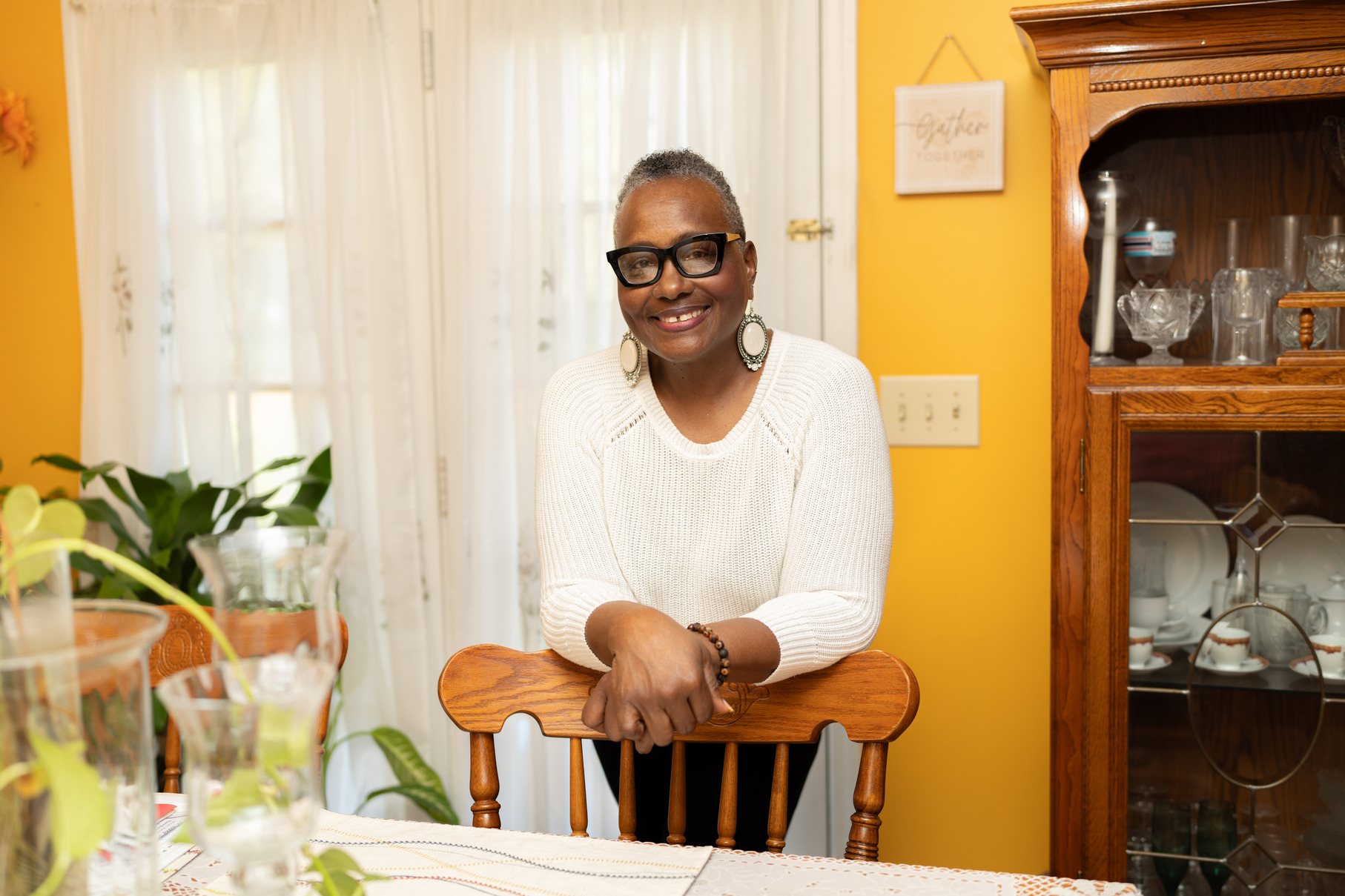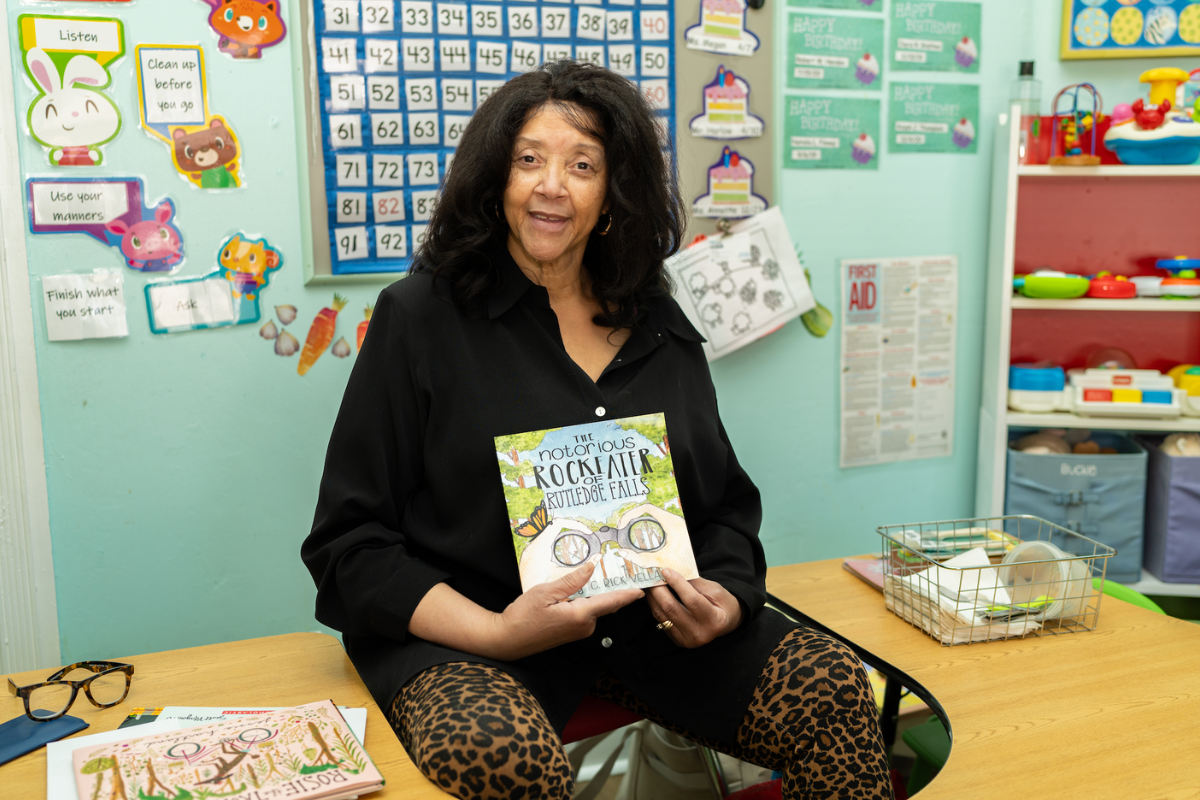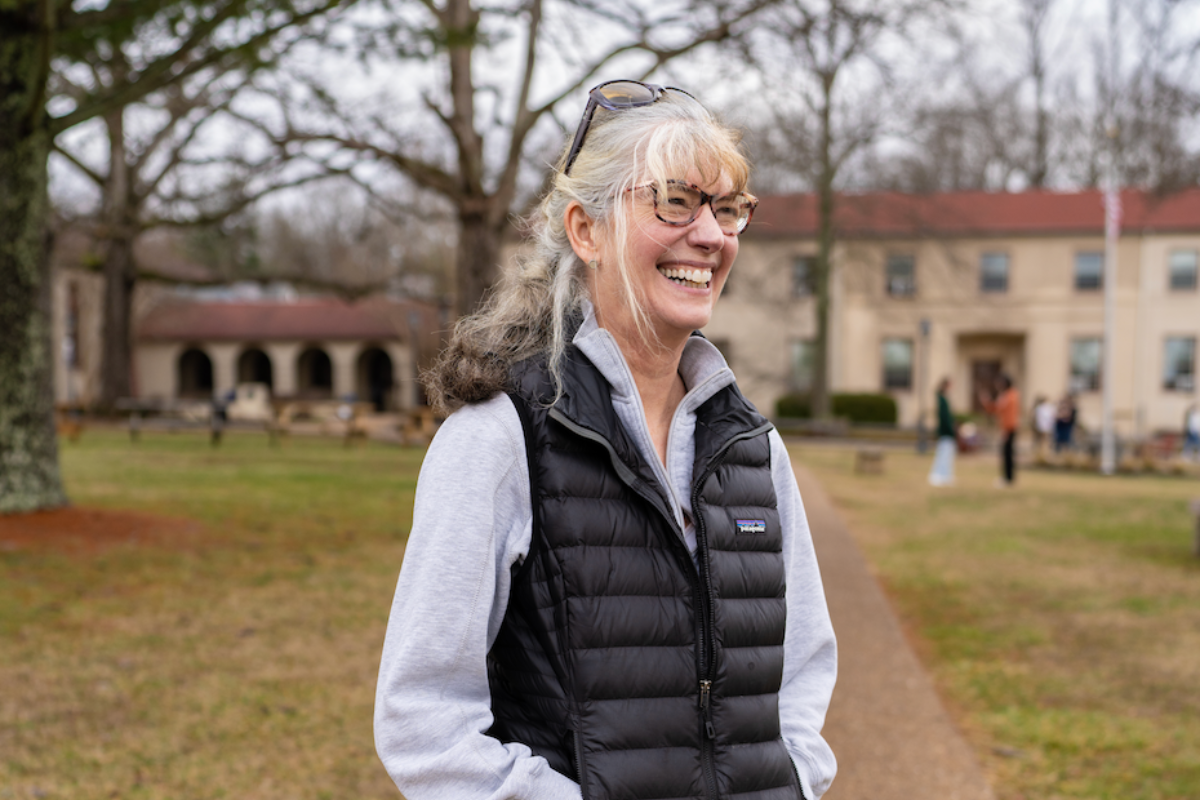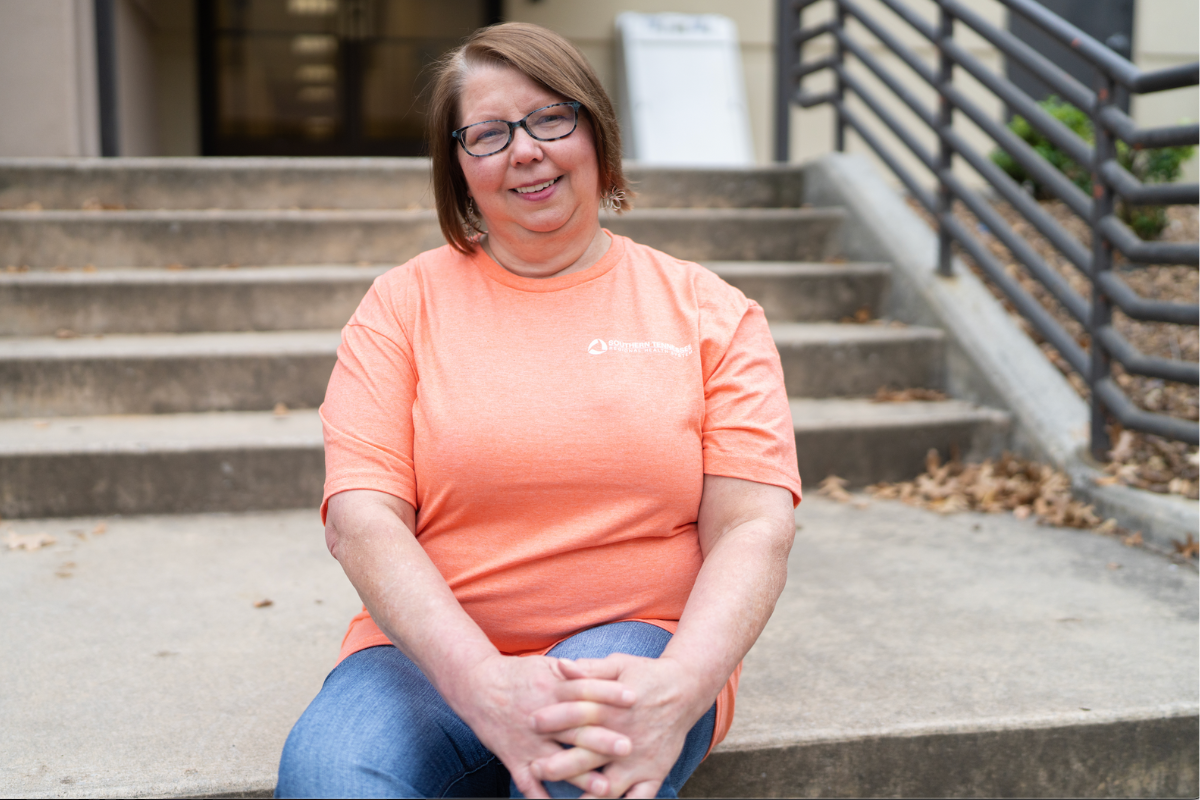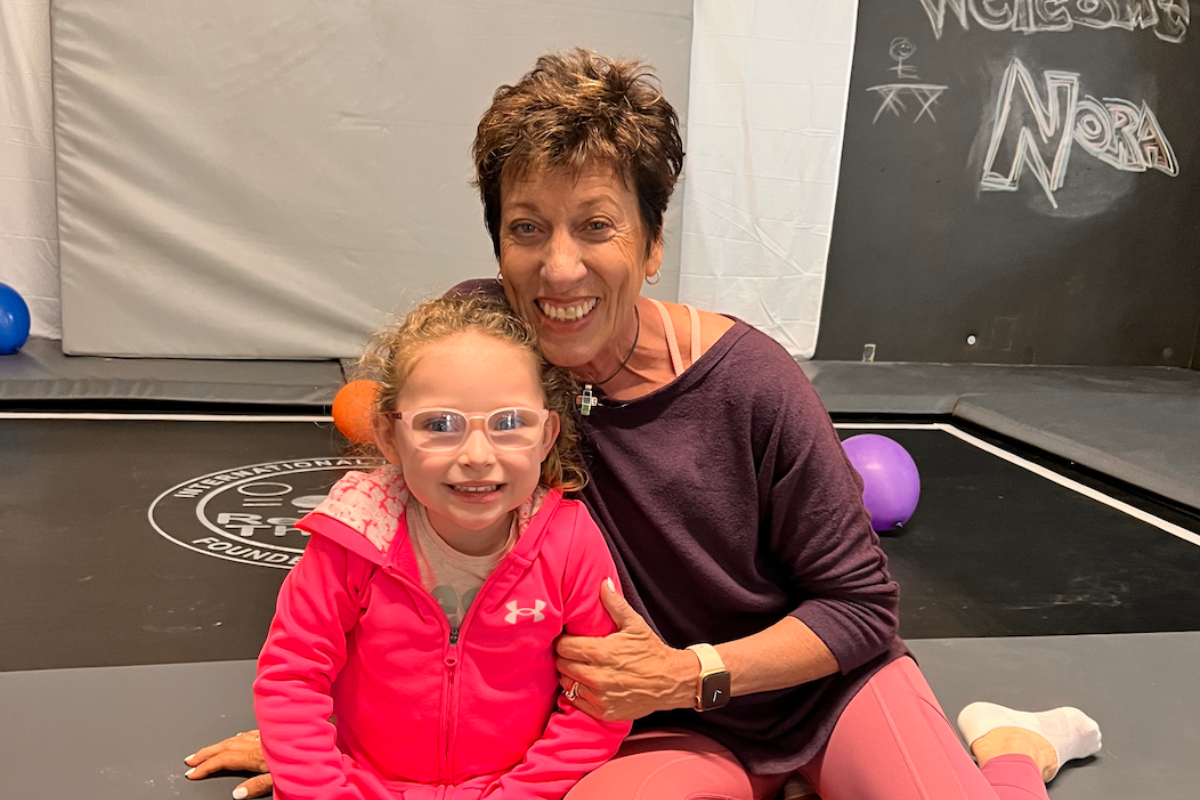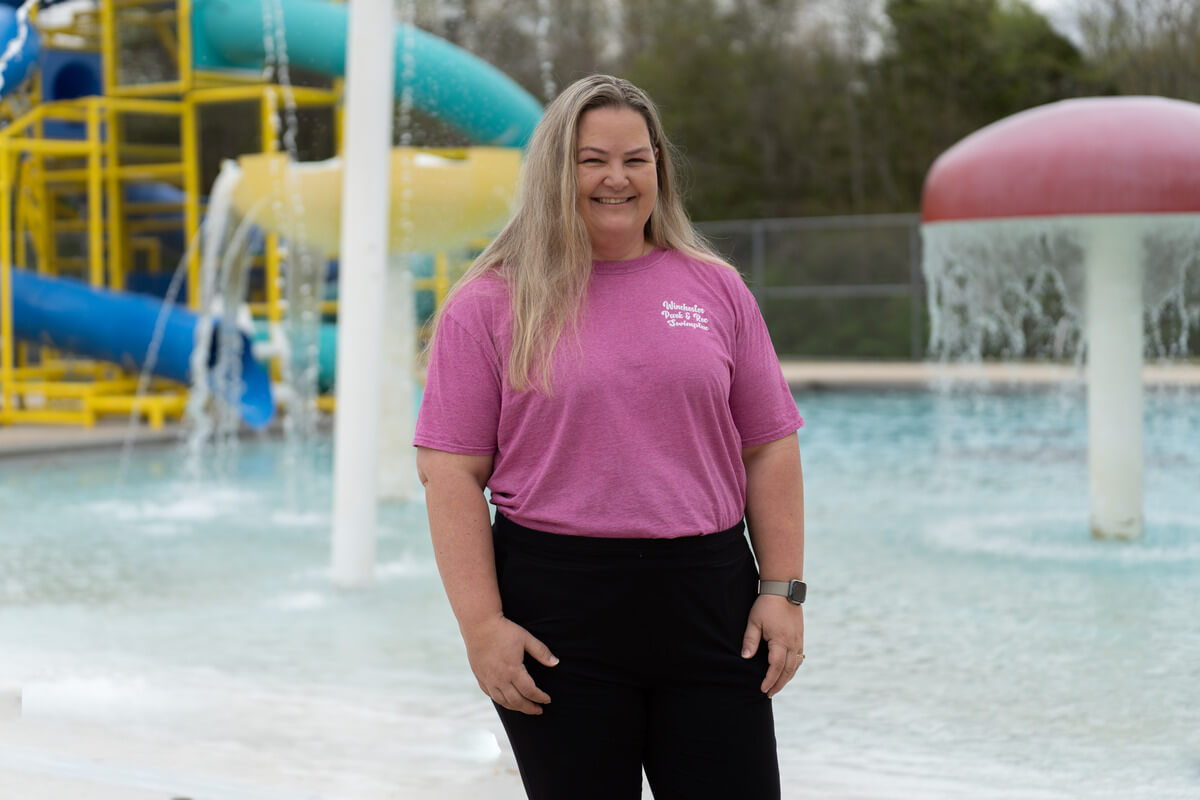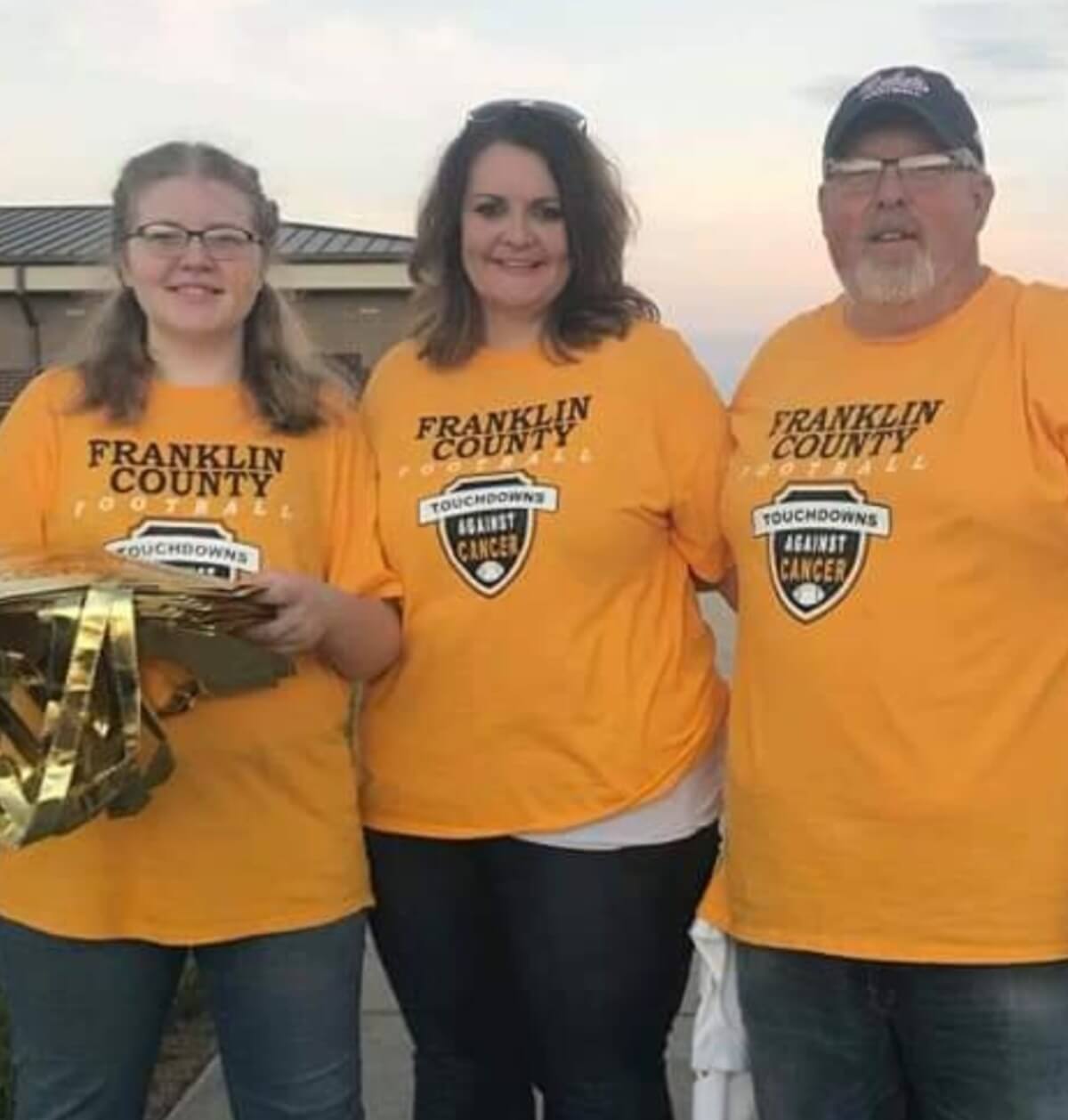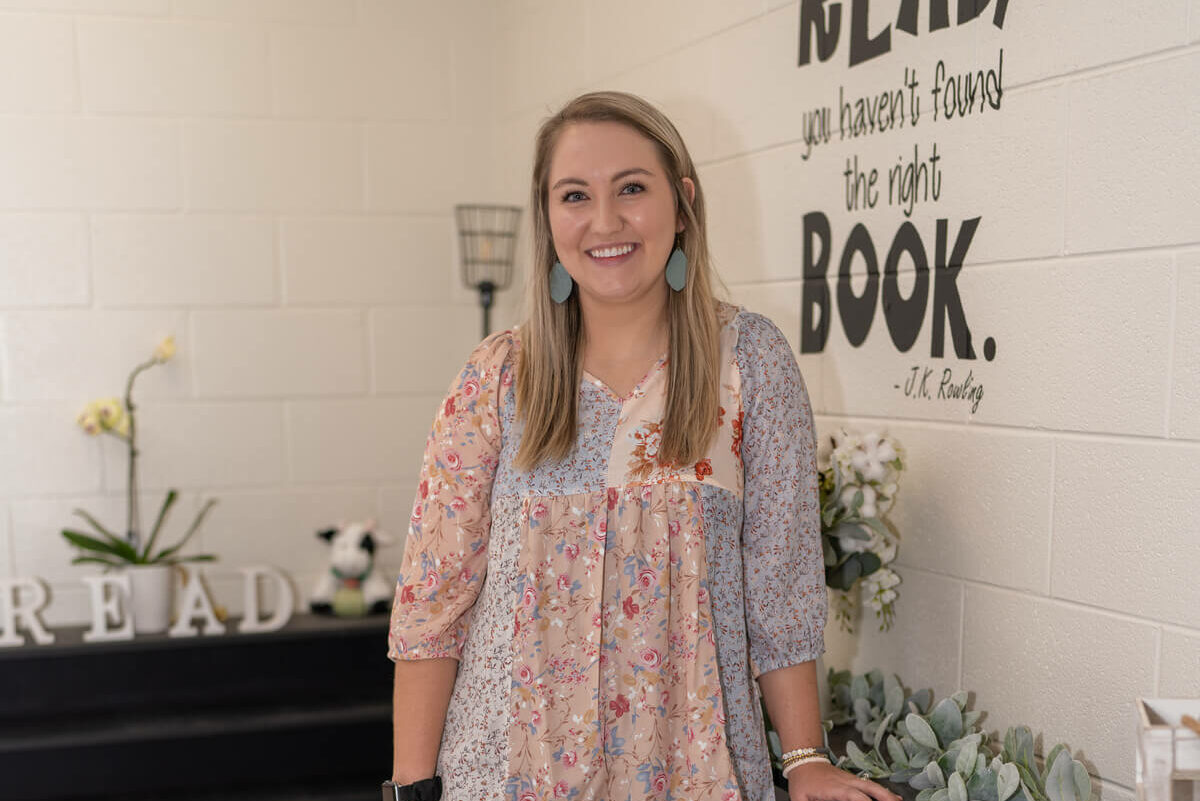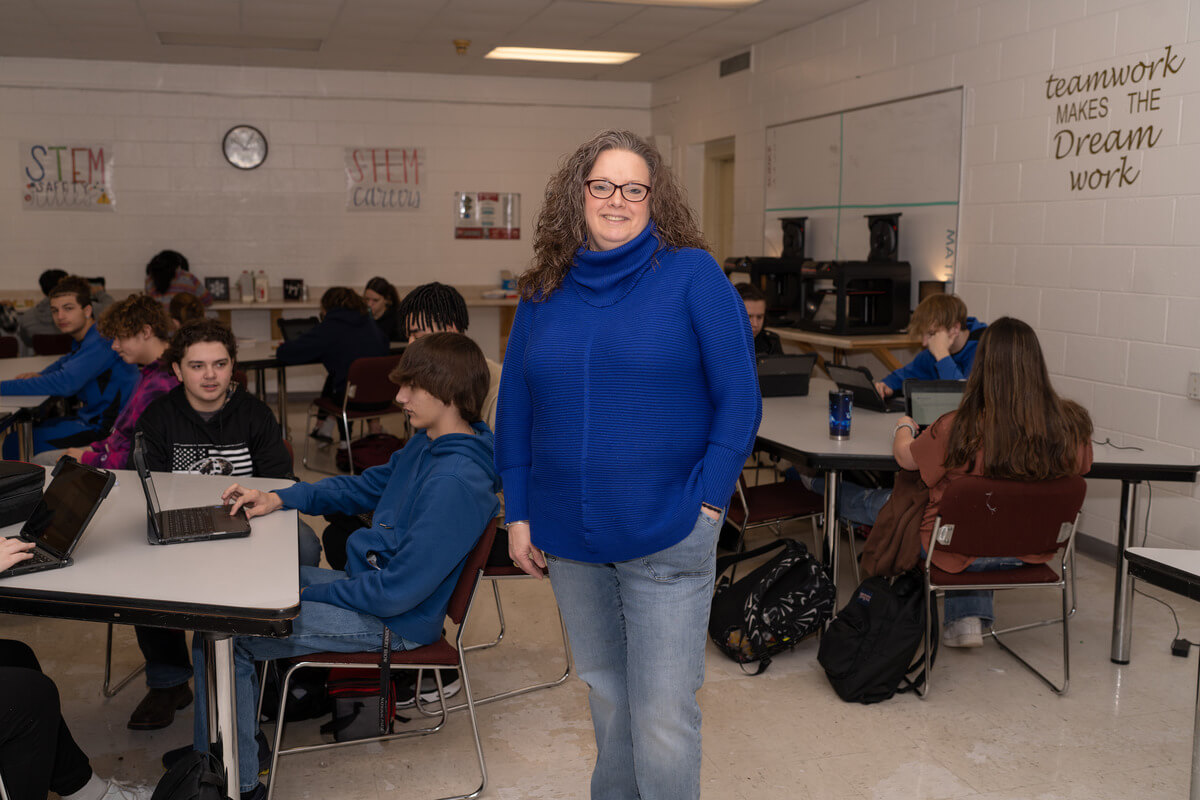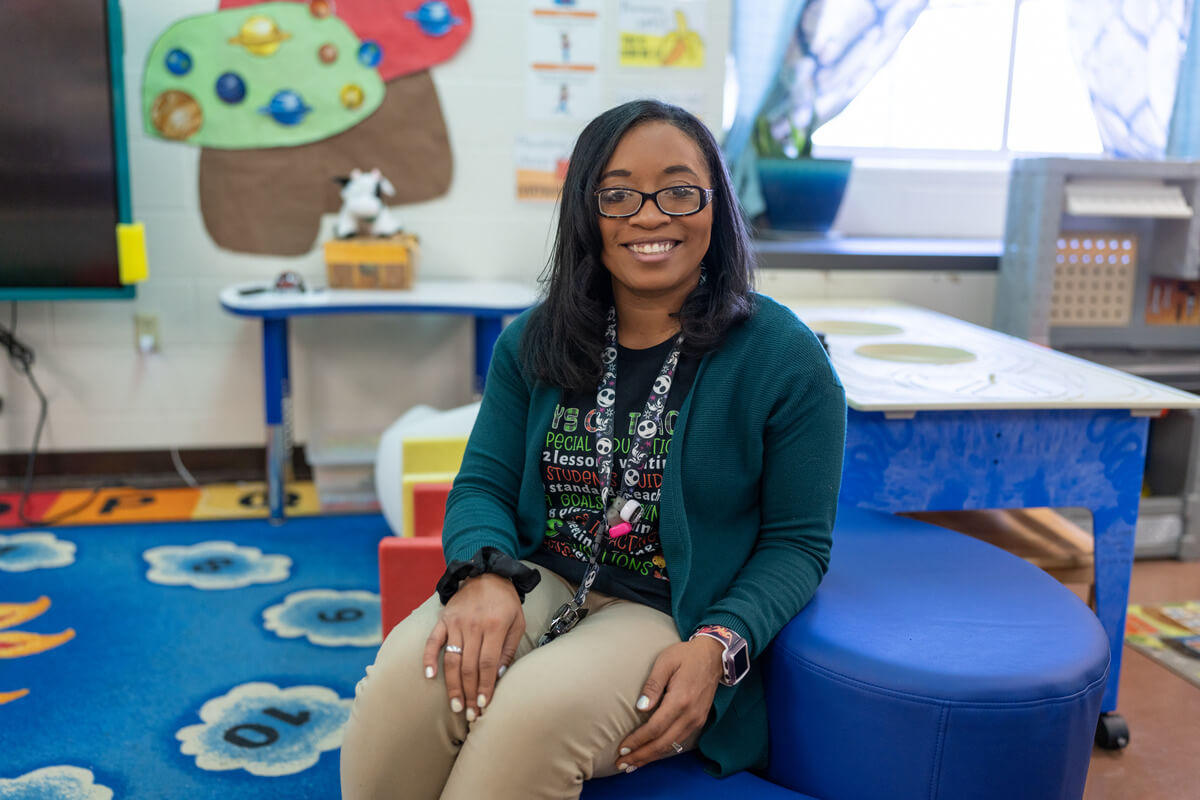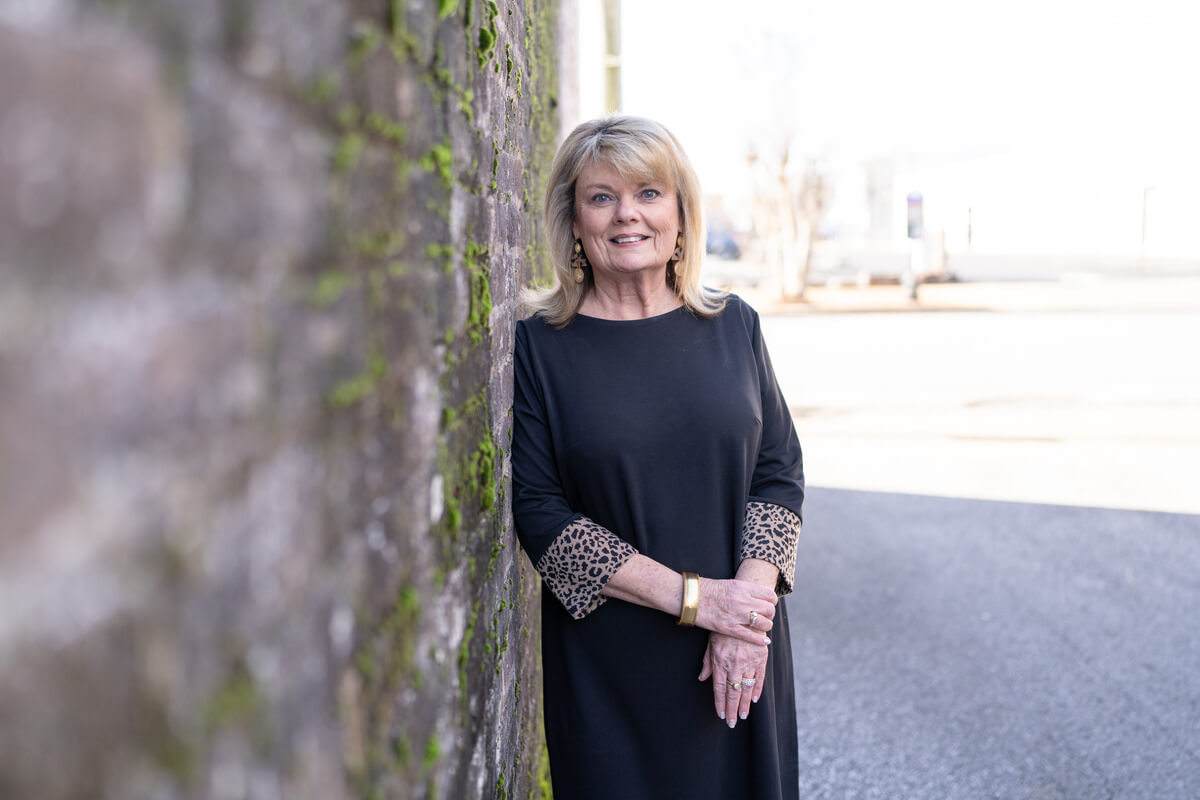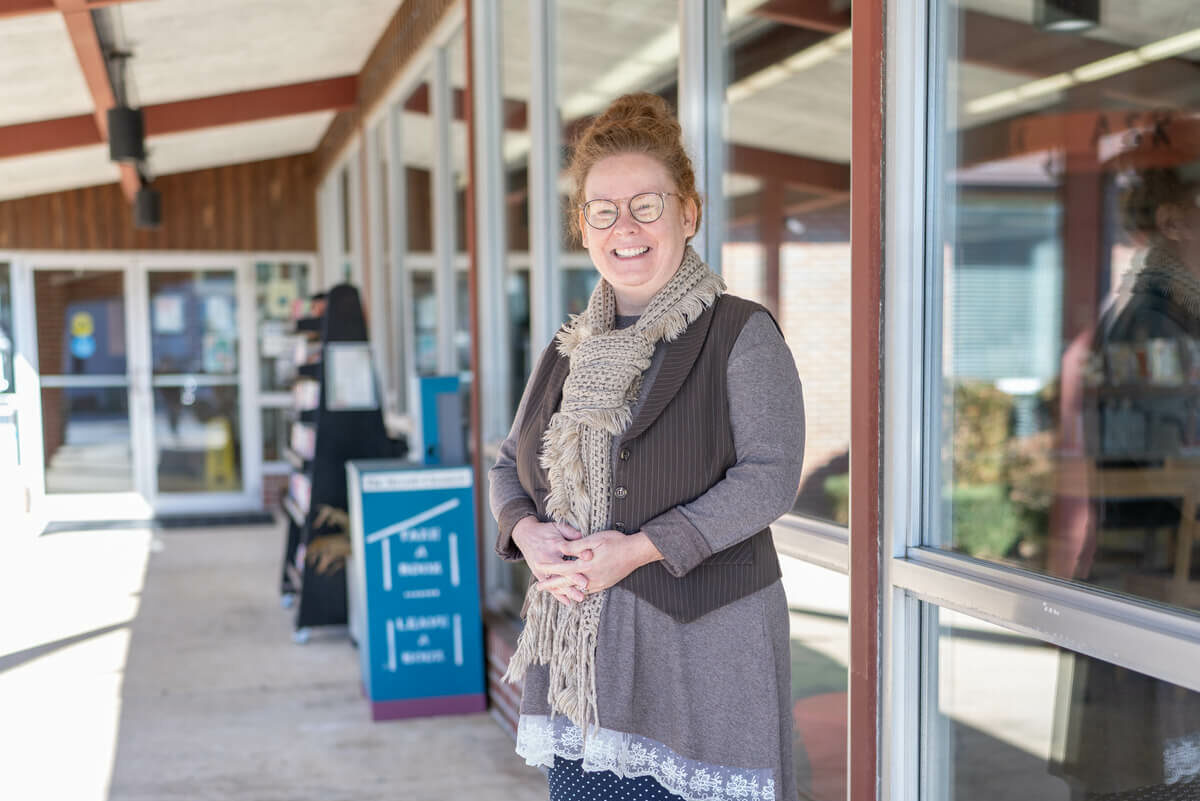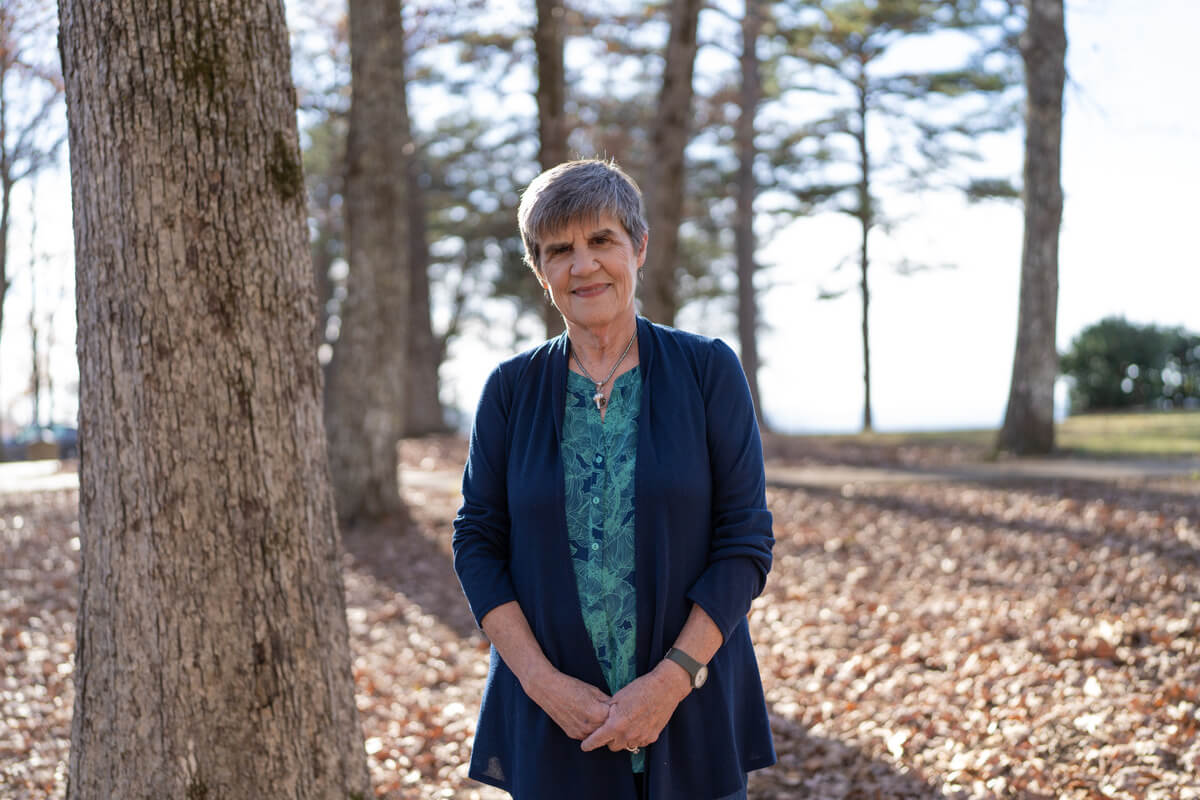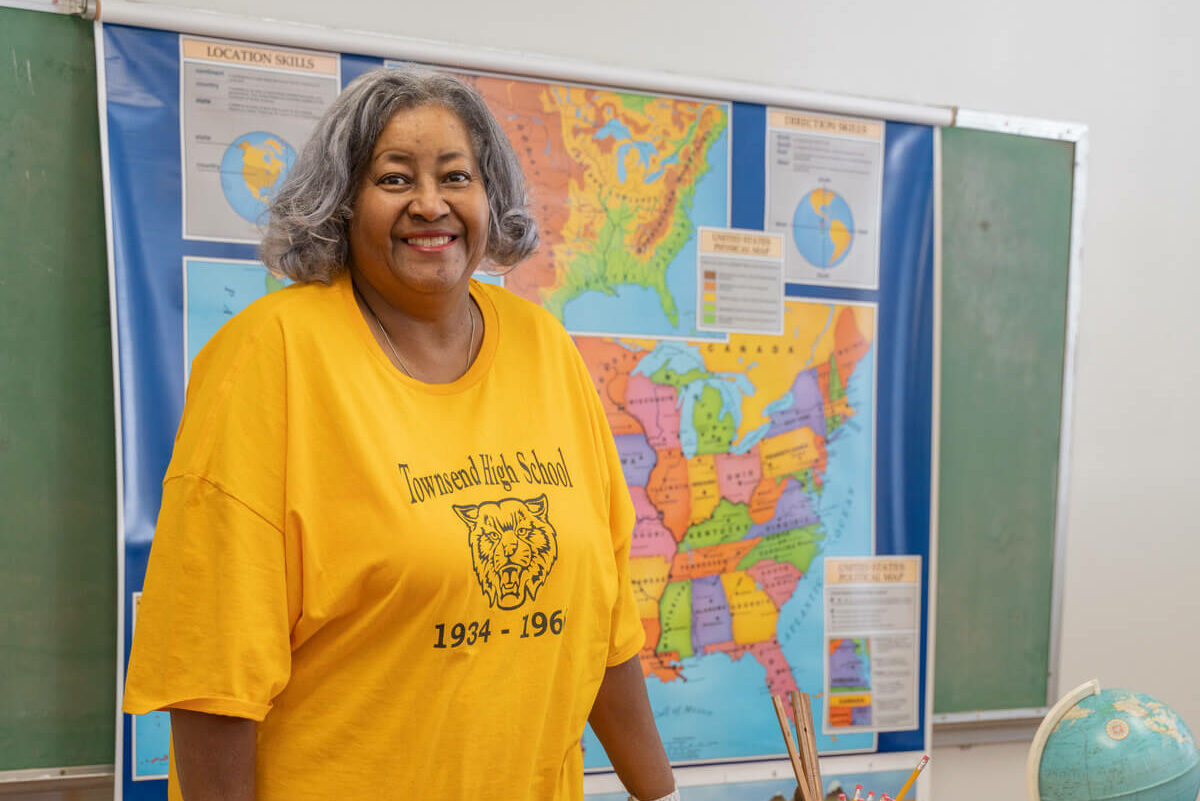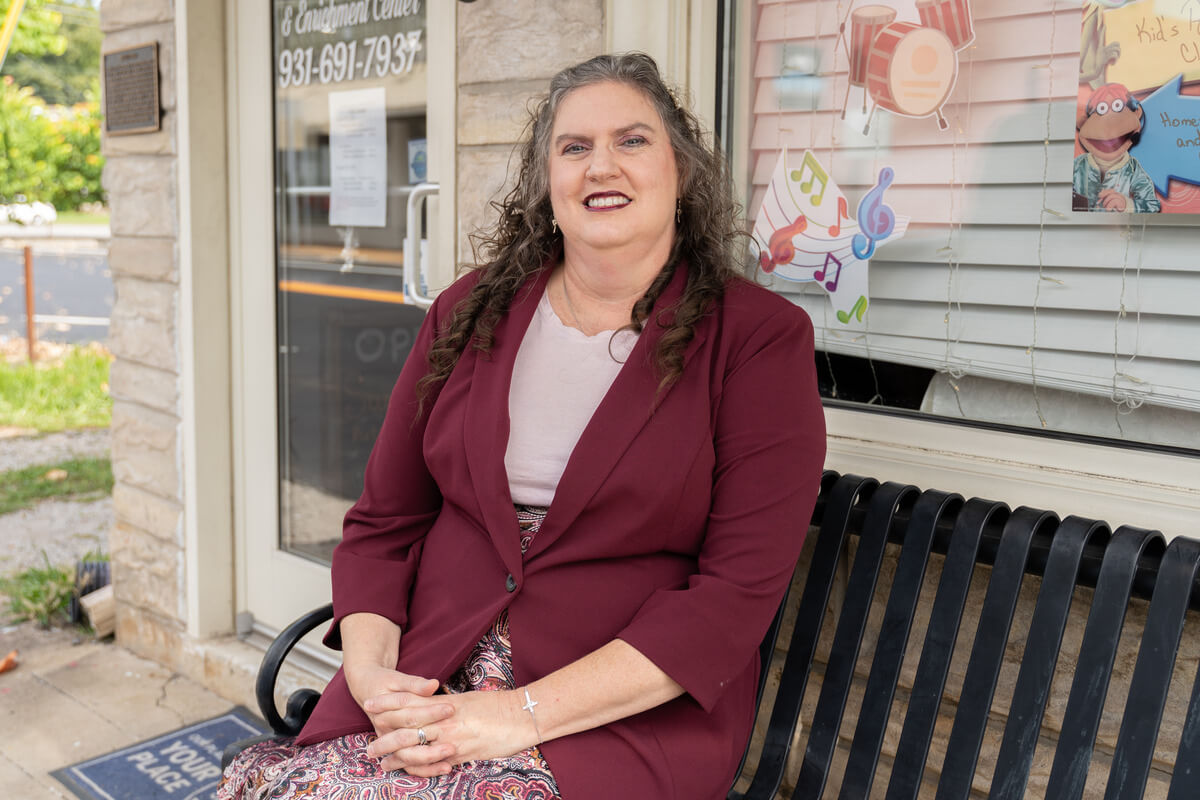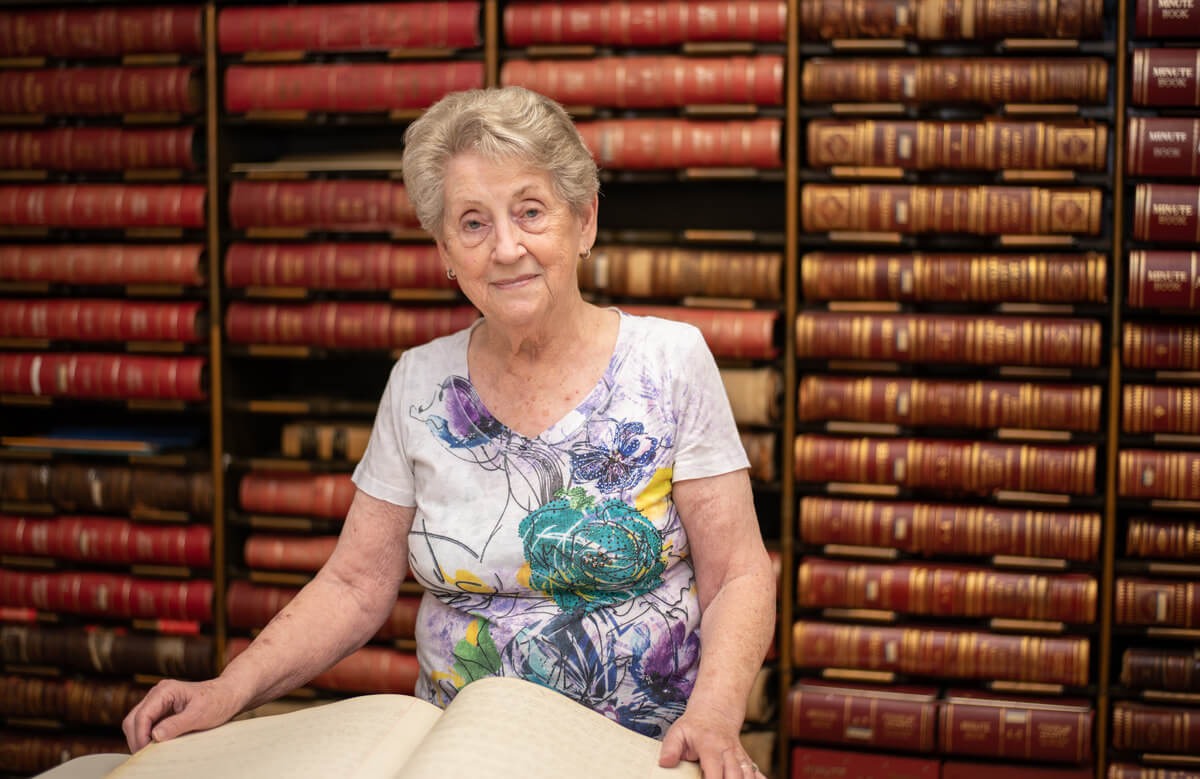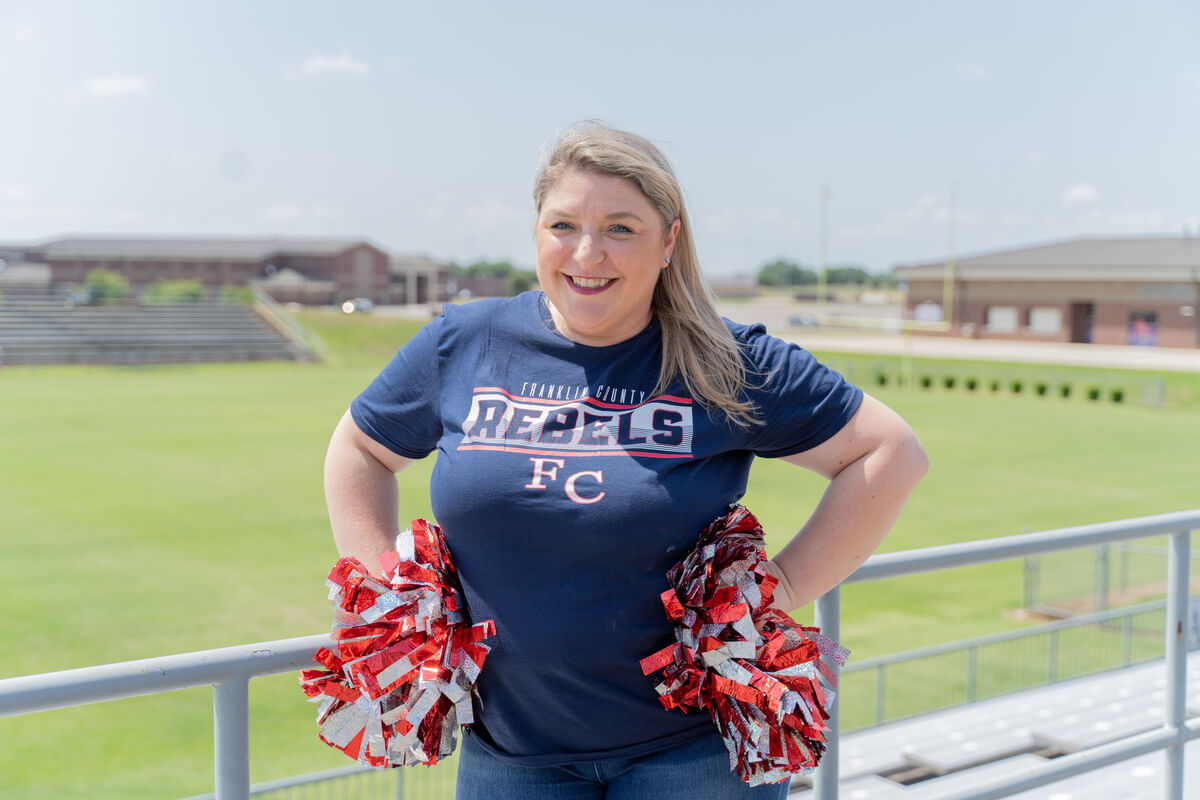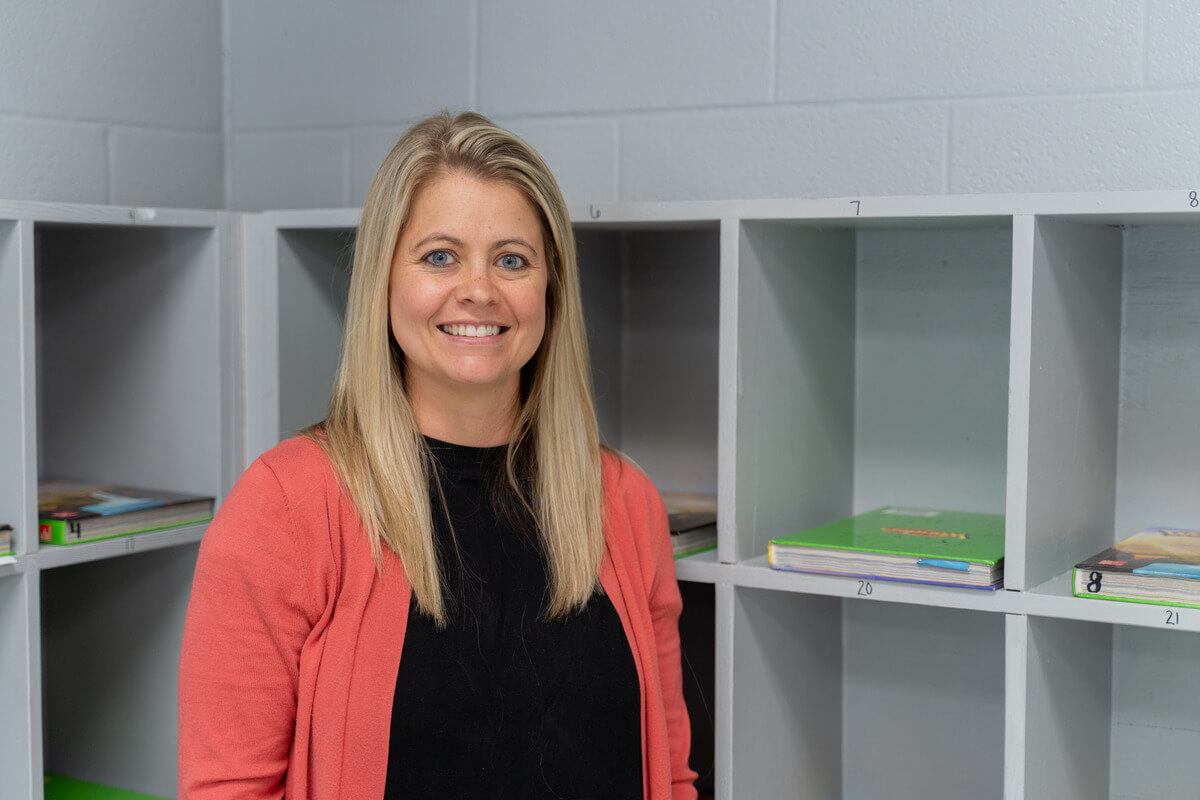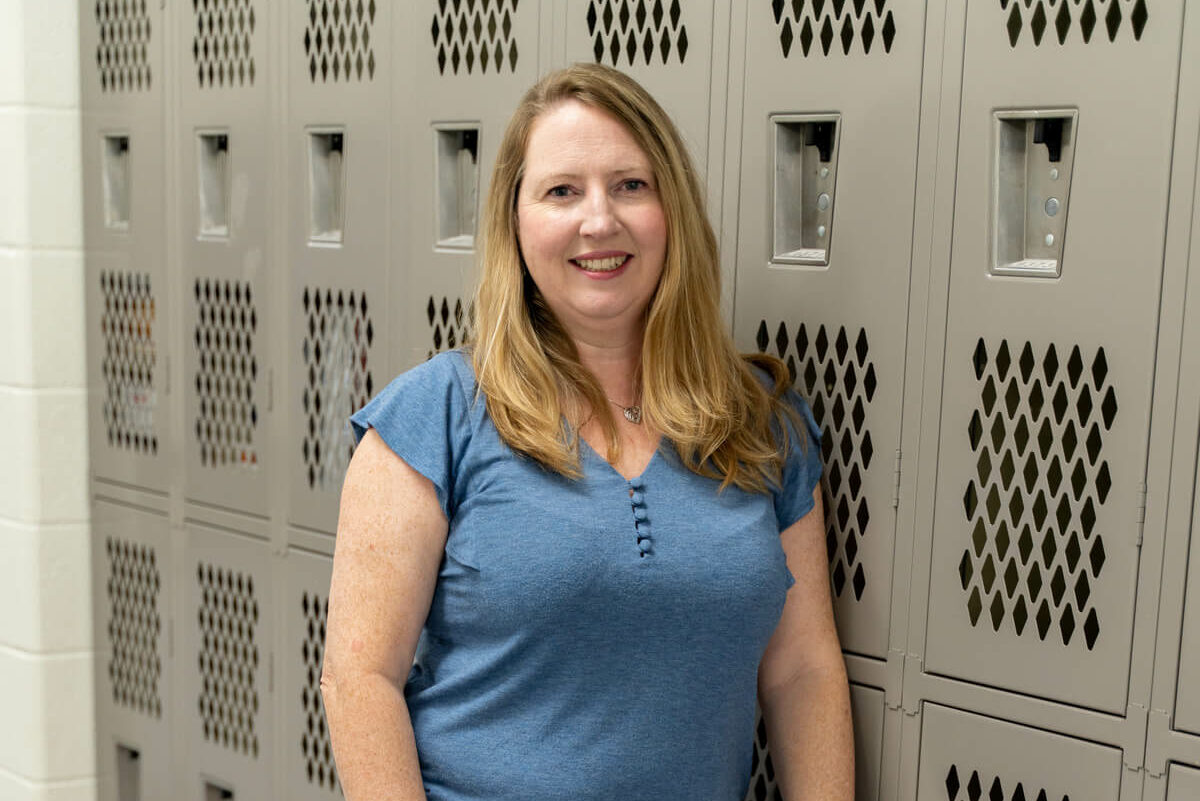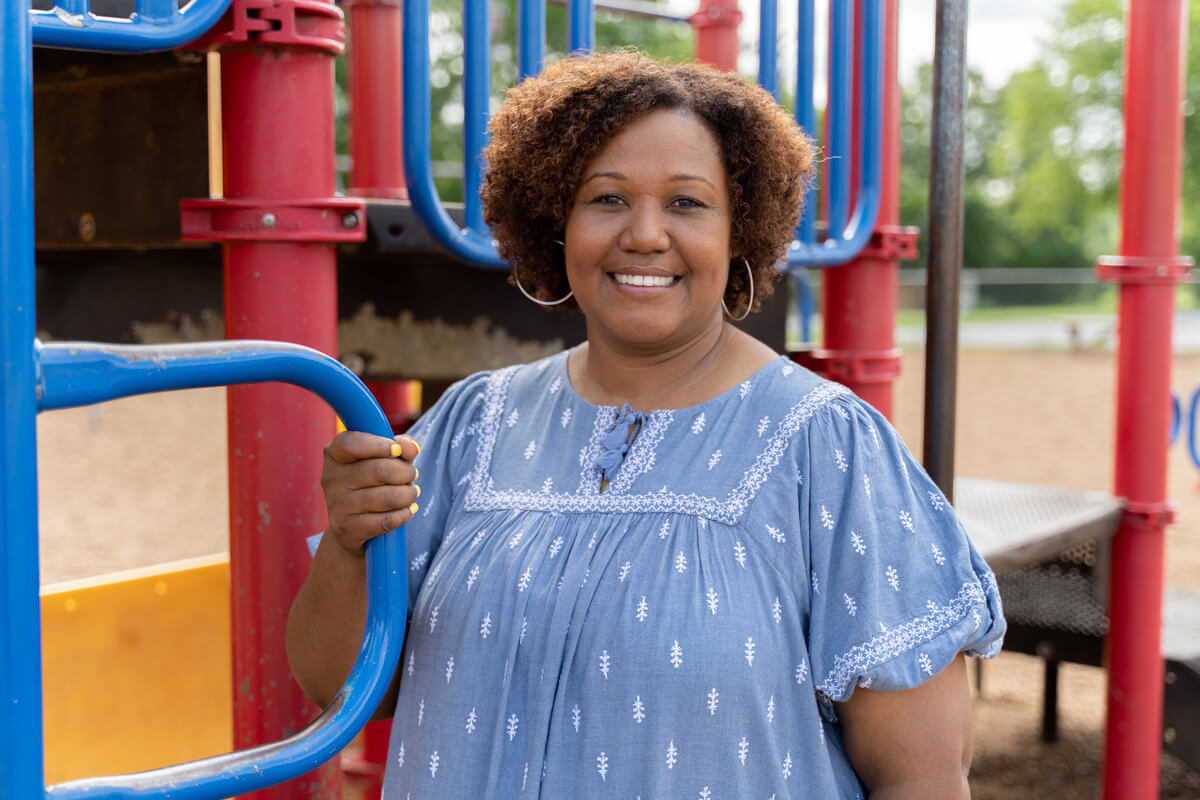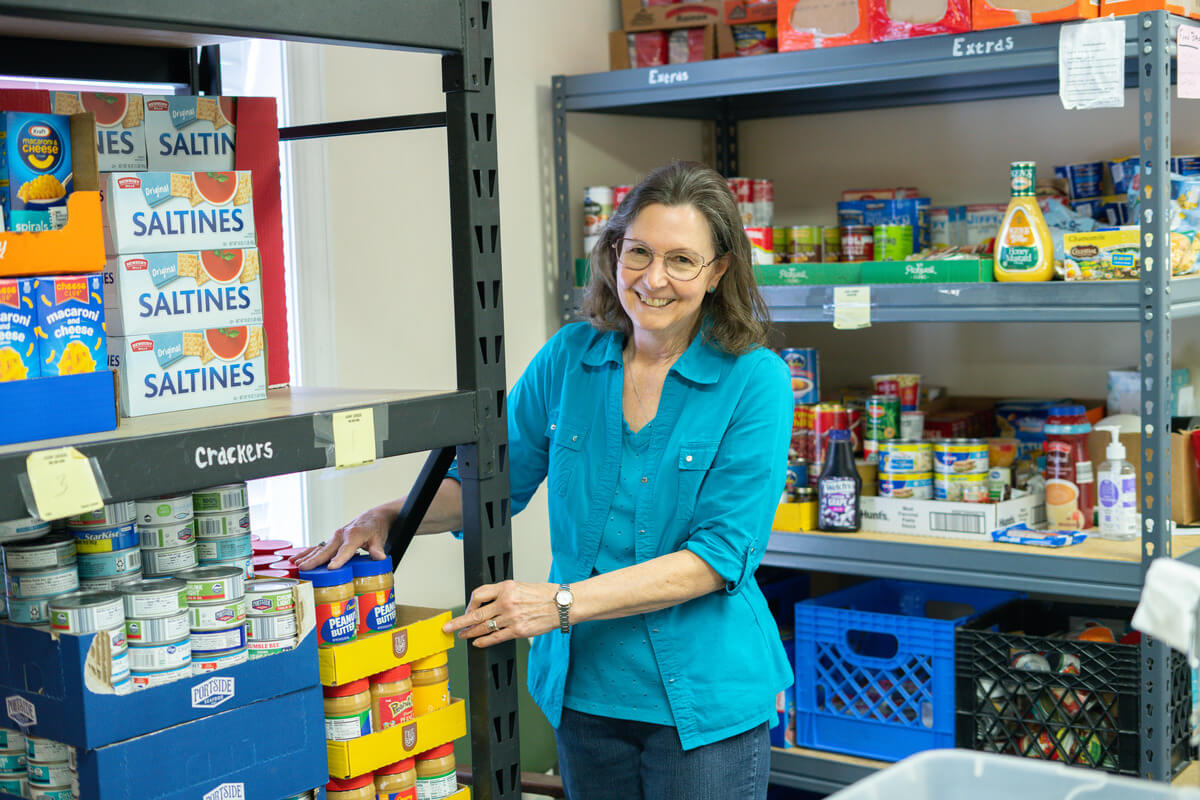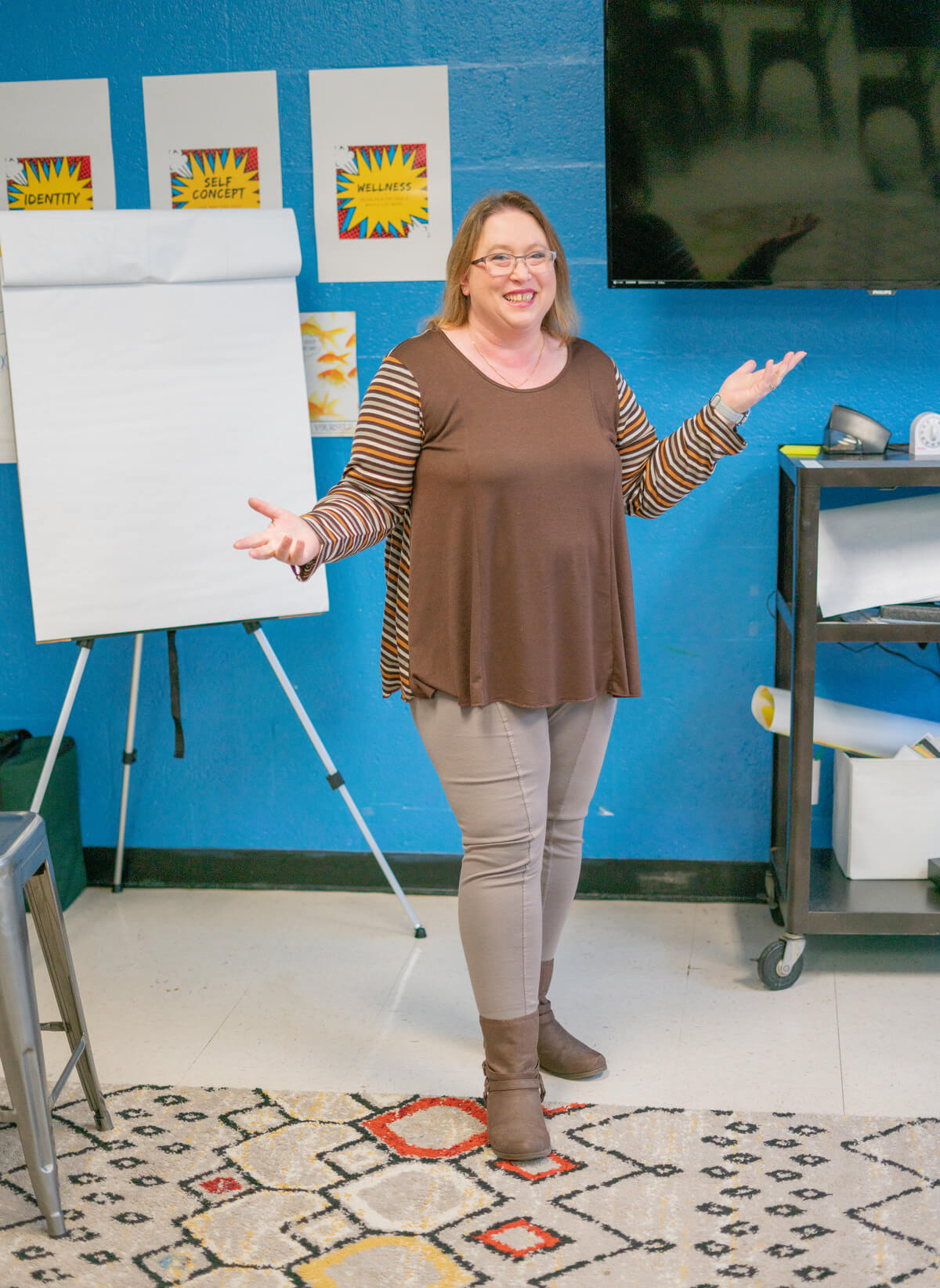
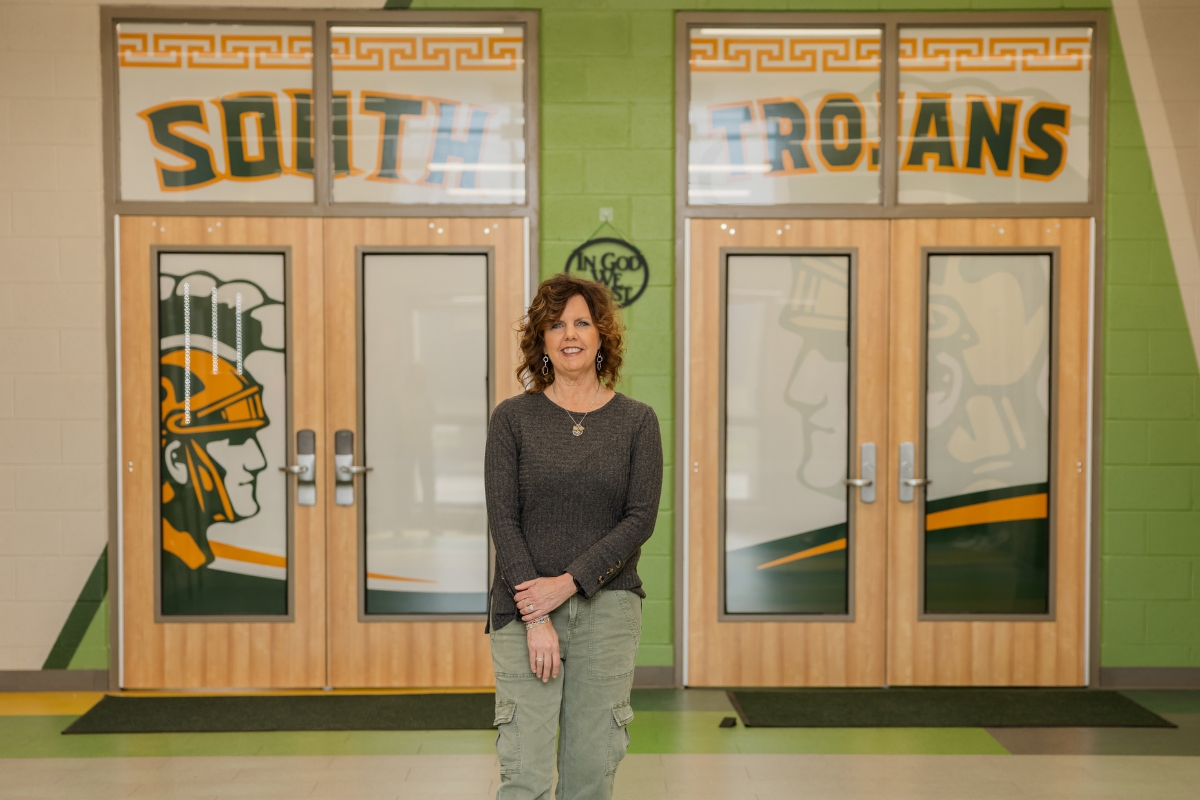
NEARLY 30 years into her career, Wendy Wells continues to approach the classroom with the same purpose that first drew her to education. At the heart of her work is connection, guiding students to better understand themselves, one another, and the world around them. Her classroom is a space where learning feels personal, growth is encouraged, and students are consistently affirmed throughout their learning process.
Wells has spent her entire life rooted in Franklin County, a community she knows deeply and serves faithfully. With a master’s degree in Curriculum and Instruction, she has taught for almost 30 years — 10 in first grade at North Lake Elementary and the past 20 in sixth grade at South Middle School. Along the way, she has also taught preschool at her church, summer school, and countless students who have passed through her classroom during one of the most formative stages of their lives.
Middle school, Wells acknowledged, is a complicated season. “Middle school students are still children; it’s a tough age for them, and I remember that from when I was in school,” she explained.
The transition from elementary to middle school brings increased responsibility, social pressure, and emotional uncertainty.
“They get overwhelmed,” she said, “even though they don’t always say that out loud.”
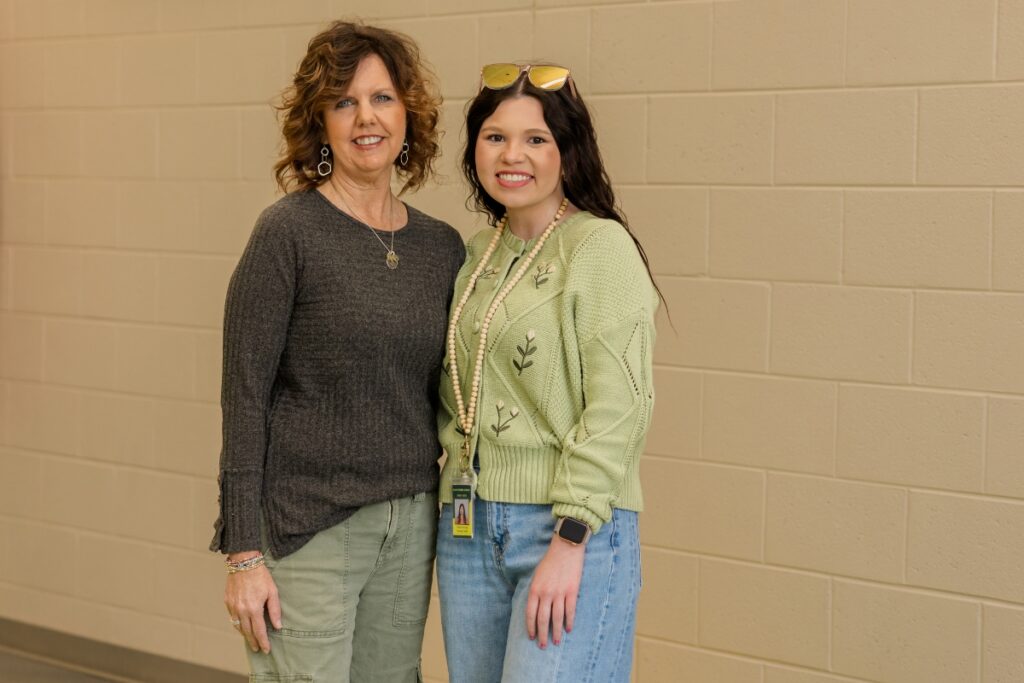
Yet, beneath the growing independence, she sees what they still need most: consistency, structure, encouragement, and room to be themselves. Wells designs her classroom with that understanding at the center. She believes students learn best when they feel safe, emotionally and academically.
“I feel that I have a safe and comfortable learning environment,” she said, emphasizing respect for individuality and mutual care. This mindset guides her approach to discipline, correction, and encouragement. Growth is never framed as failure. “They aren’t failing,” she said.
“They are still learning and will continue to do so.”
That outlook extends to her own role as an educator. Wells is open with her students about imperfection. “I let them know I don’t expect them to be perfect, and that I’m not perfect either,” she shared. When she makes mistakes, she names them openly, modeling humility.
Inside her classroom, literacy becomes a bridge between academic skill and emotional development. While reading stories together, Wells guides students beyond comprehension and into connection.
“We’re building background by connecting with characters, discussing how they relate to their circumstances and surroundings,” she explained. Through these conversations, students begin to understand not only literature, but themselves and others, developing empathy alongside insight.
Writing, too, becomes a space for expression and self-discovery. Whether students are crafting poems, personal narratives, or journal entries, Wells gives them opportunities to articulate thoughts and feelings they are still learning to name. Over time, she has shifted from being the center of instruction to serving as a facilitator.
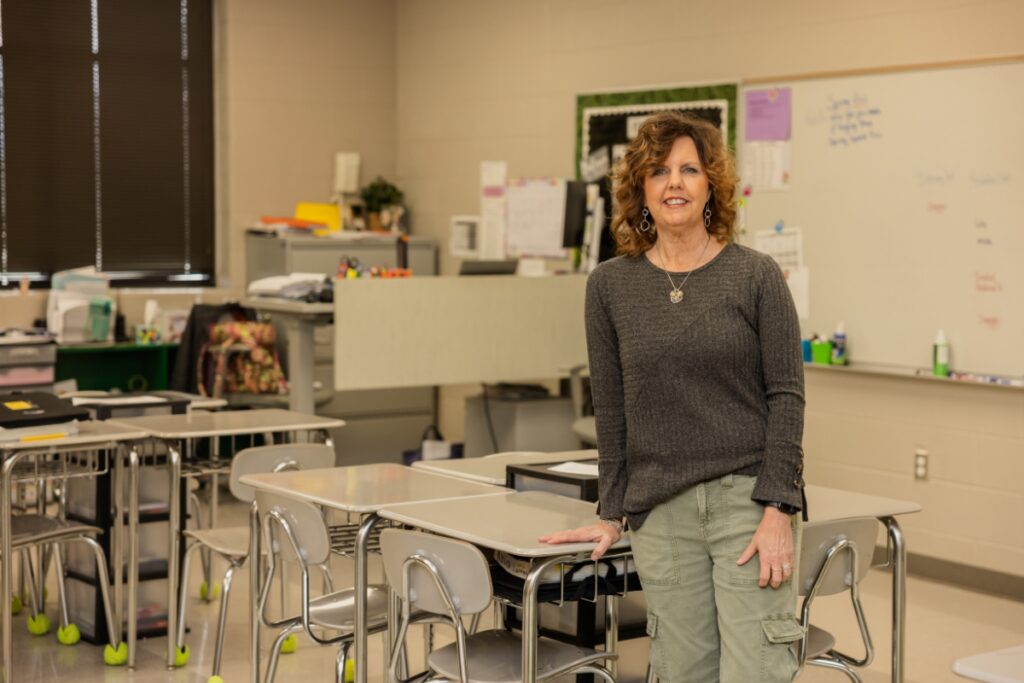
“I enjoy watching students take more ownership of their work,” she said. “They learn not just from me, but from one another.” In those moments, confidence grows, not because answers are handed to them, but because they are trusted to engage, reflect, and contribute.
One of the moments that still defines Wells’ teaching journey dates back to her early years in first grade. She recalled a student who struggled deeply with reading, unable to sound out words despite persistent effort. The decision was made to retain her, allowing Wells to teach her again the following year.
“It was a blessing for her,” Wells reflected. The student matured, formed new friendships, and slowly began to thrive. By the end of the year, she had become one of the strongest readers in the class. Wells still remembers her walking proudly to the desk, smiling as she read aloud.
“She was so proud of herself,” she said. “And I was so proud of her.”
That experience reinforced a belief Wells still carries: learning has its own timeline. “Reading takes time, and we all have different time clocks,” she explained. “It’s not how fast you get there, as long as you don’t stop.”
Despite the challenges that come with education, Wells remains deeply motivated. “I’m motivated by thinking that I could make a difference in their lives,” she said. Sometimes that difference is academic. Other times, it’s a smile, a hug, or a thumbs-up across the room. On difficult days, it’s the student who looks up and says, “I gotcha, Ms. Wells.” In those moments, she knows the work matters.
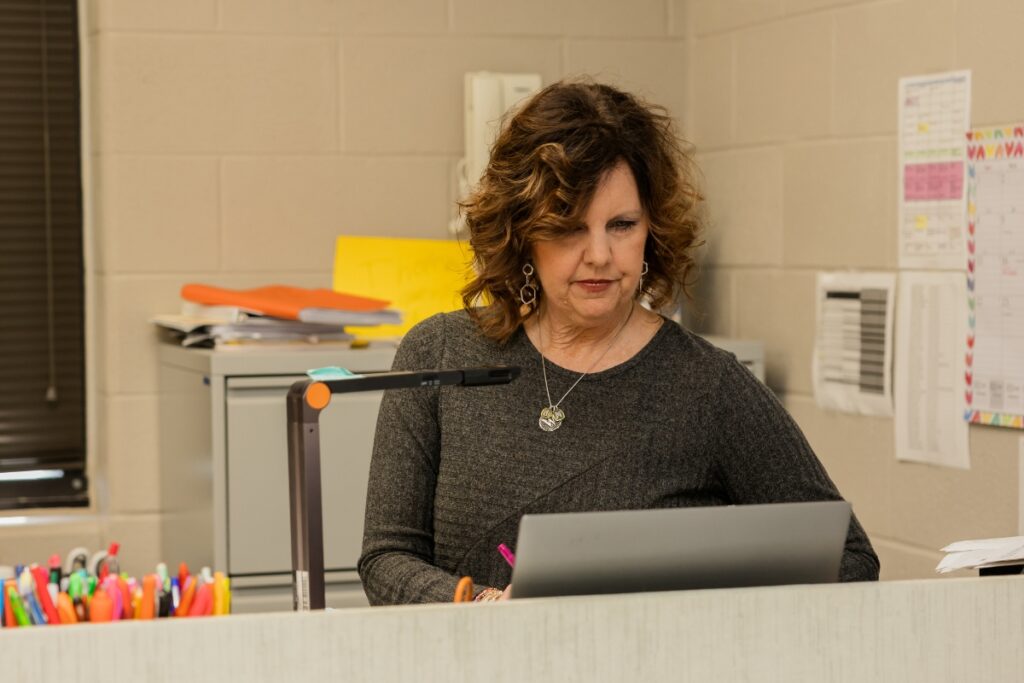
Teaching, for Wells, has never felt like a job. “My classroom is like a second home,” she said. She loves planning lessons, preparing her room, and thinking ahead to what her students will need next. The joy remains not just in teaching content, but in watching children discover who they are becoming.
“I want them to remember that they were loved and cared for, and how proud I was to have the opportunity to teach them,” she said. Above all, she encourages her students to “stay true to who they are” as they move into the next chapters of their lives.
Wendy Wells’ work reflects a belief that education is as much about who students become as what they learn. Through guidance and genuine belief in her students, she creates a safe space for self-discovery and growth that extends far beyond the classroom. GN