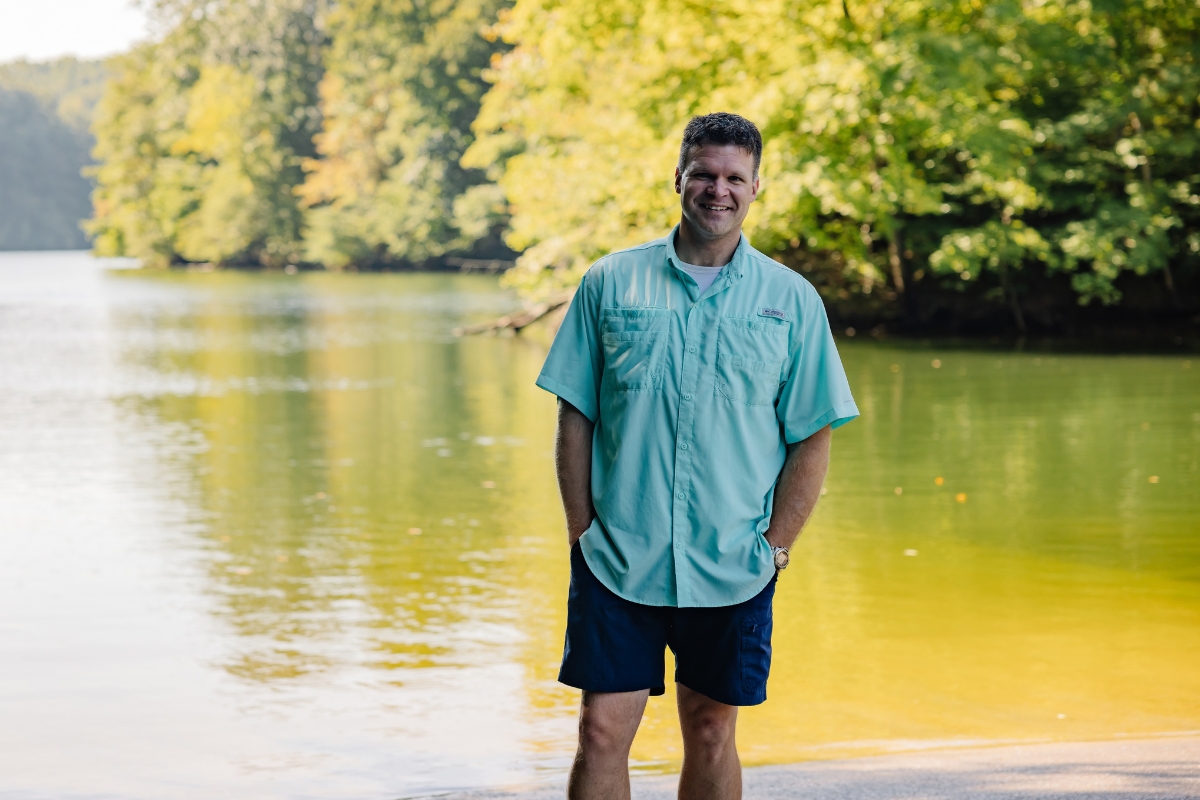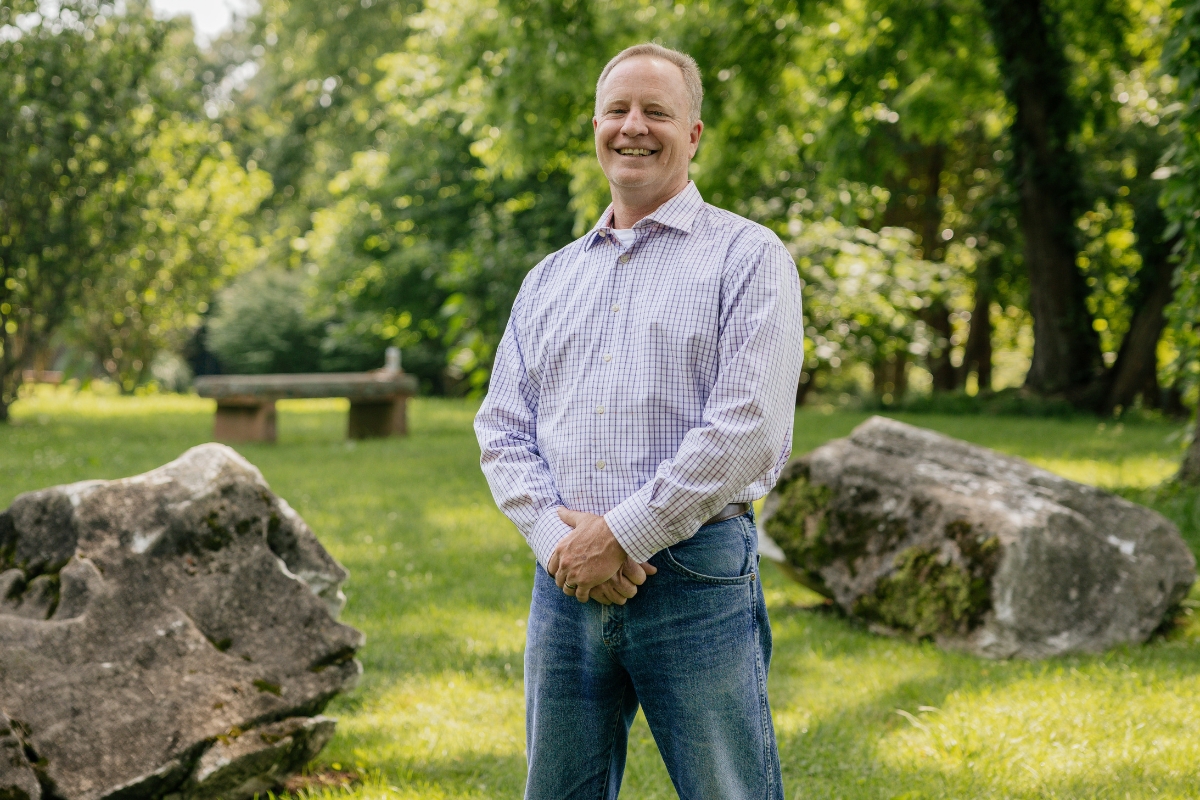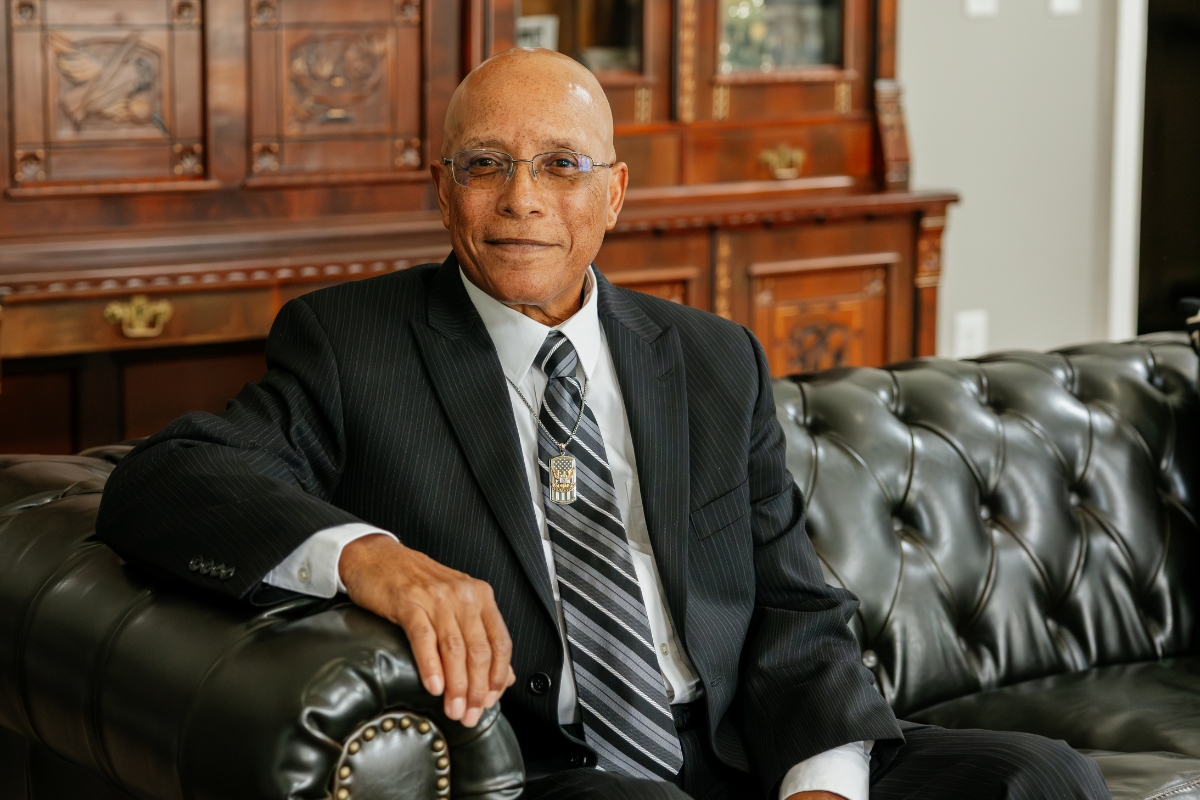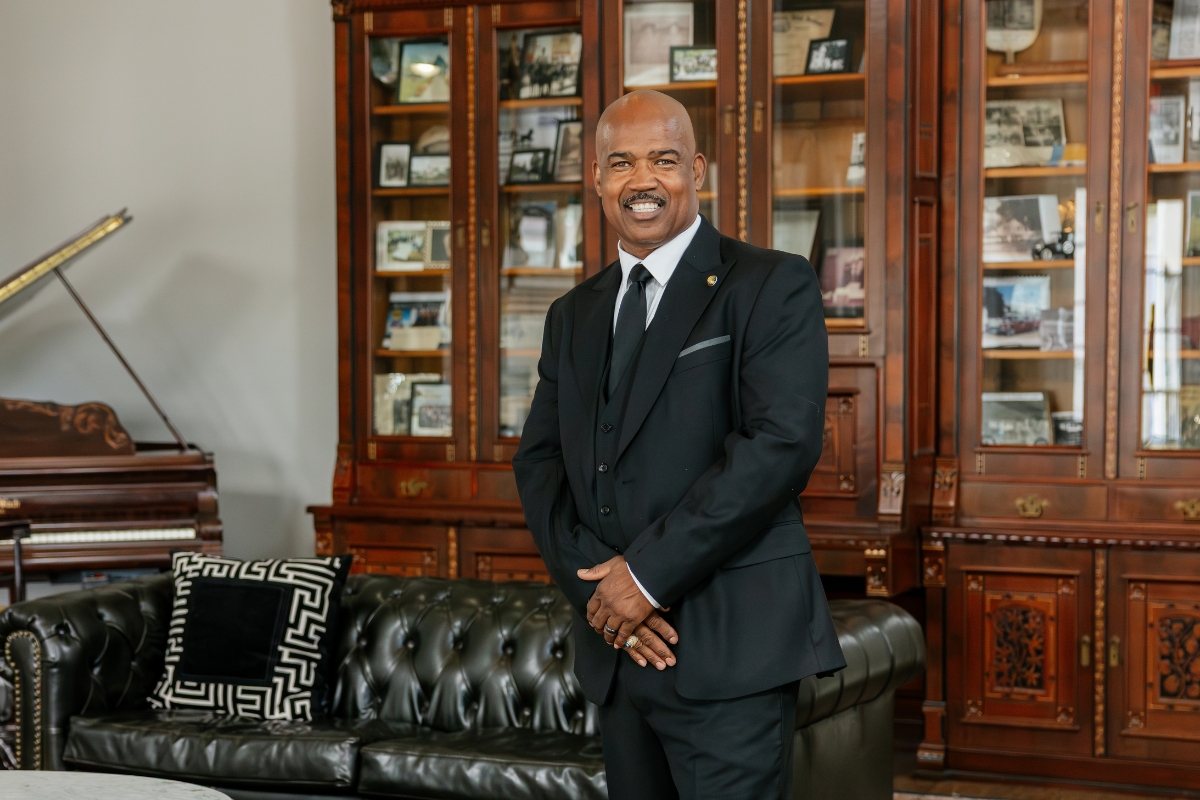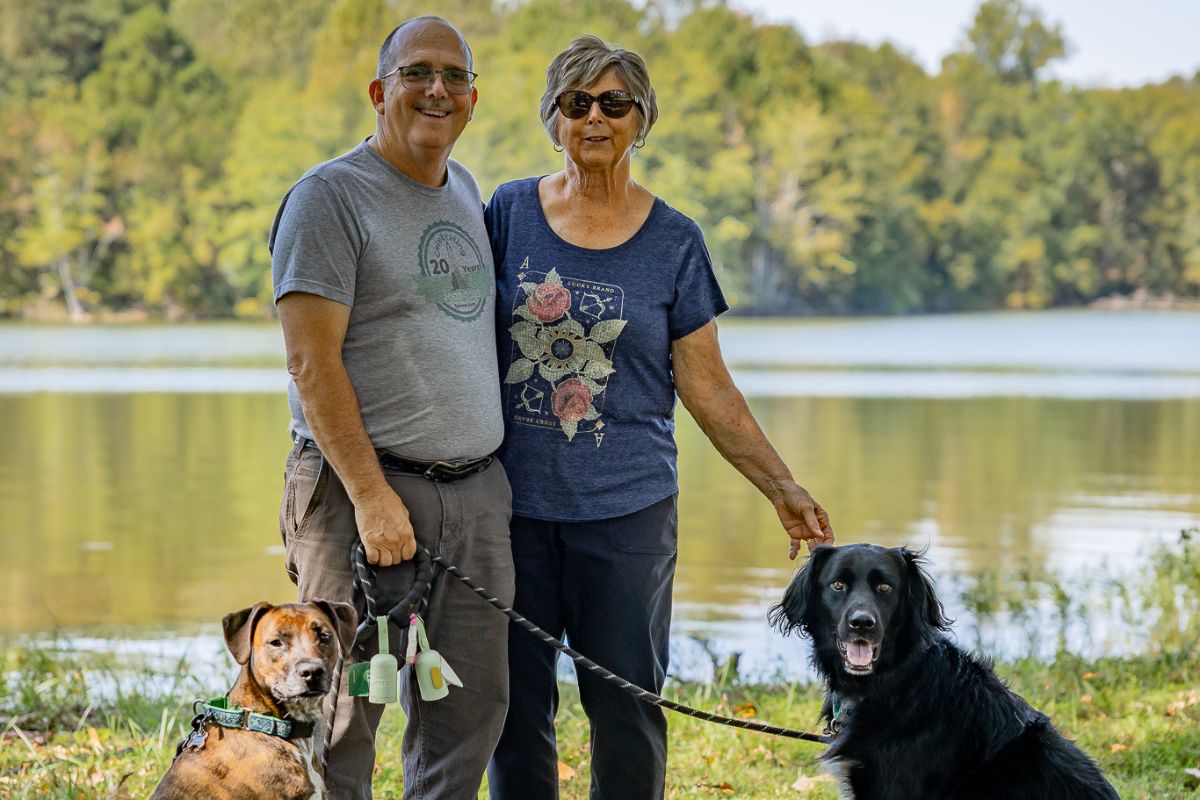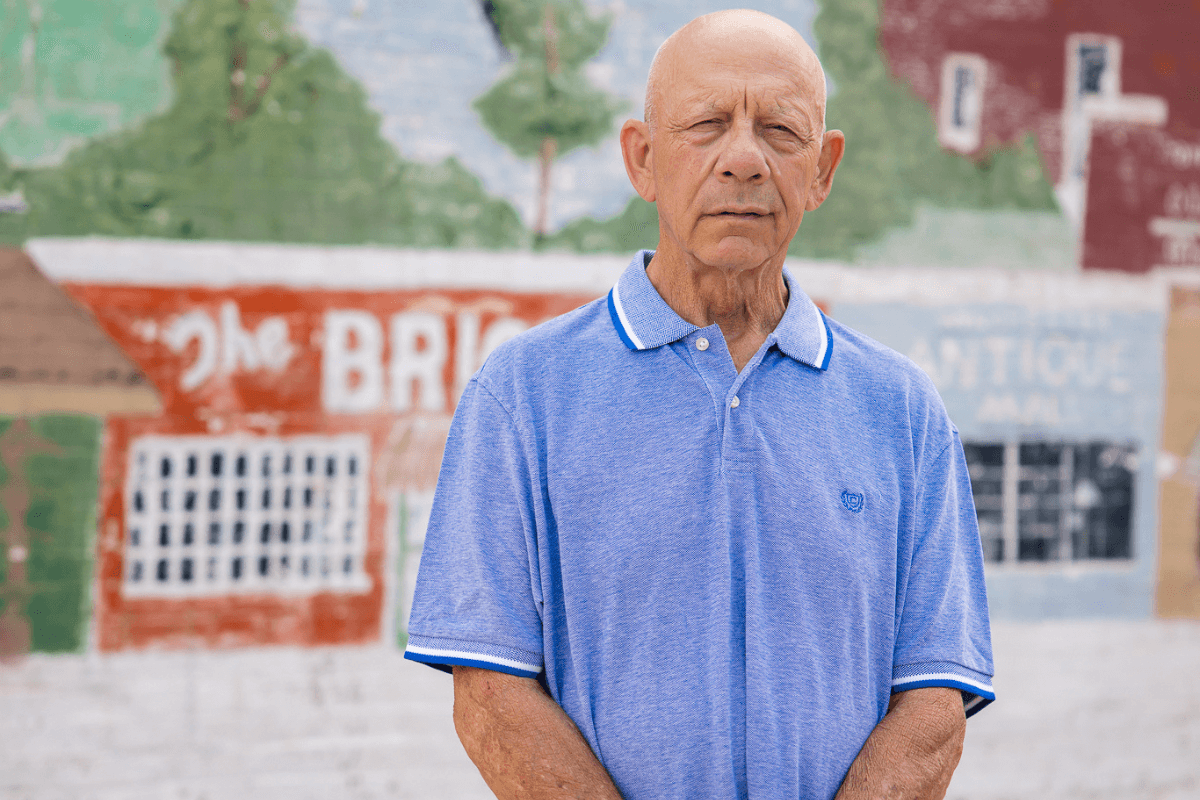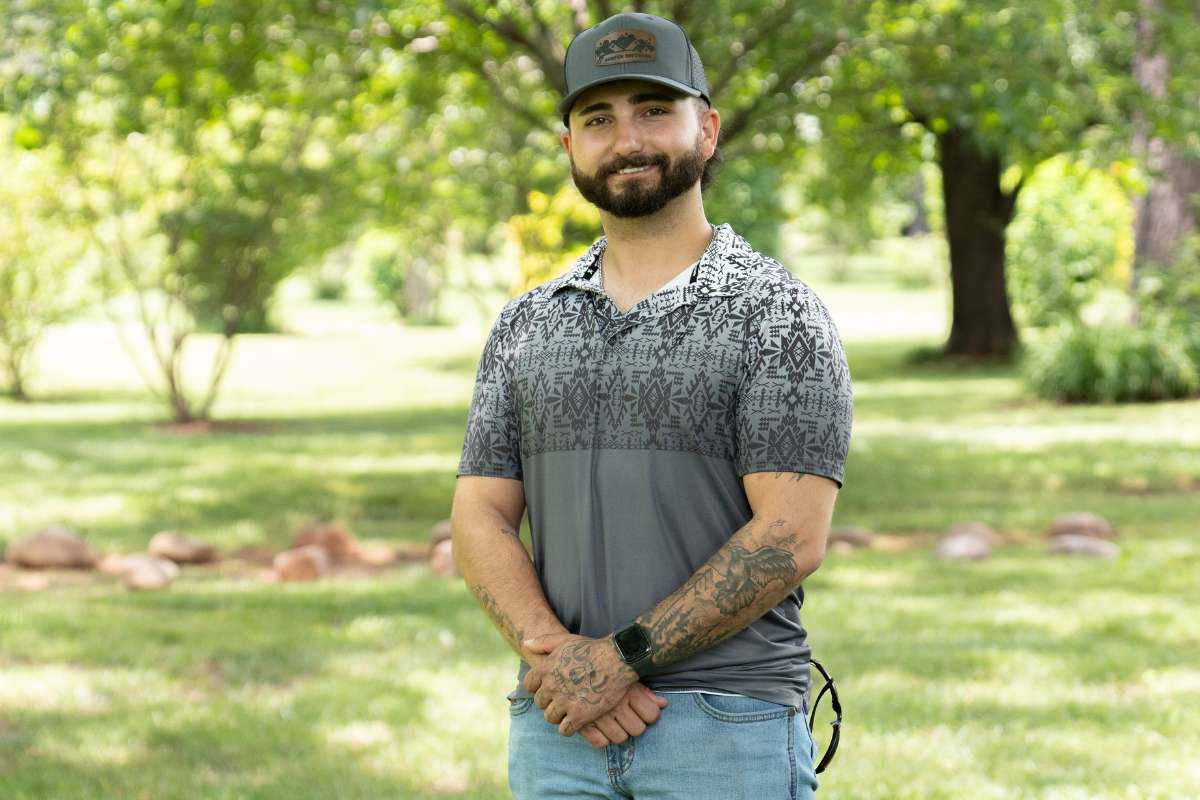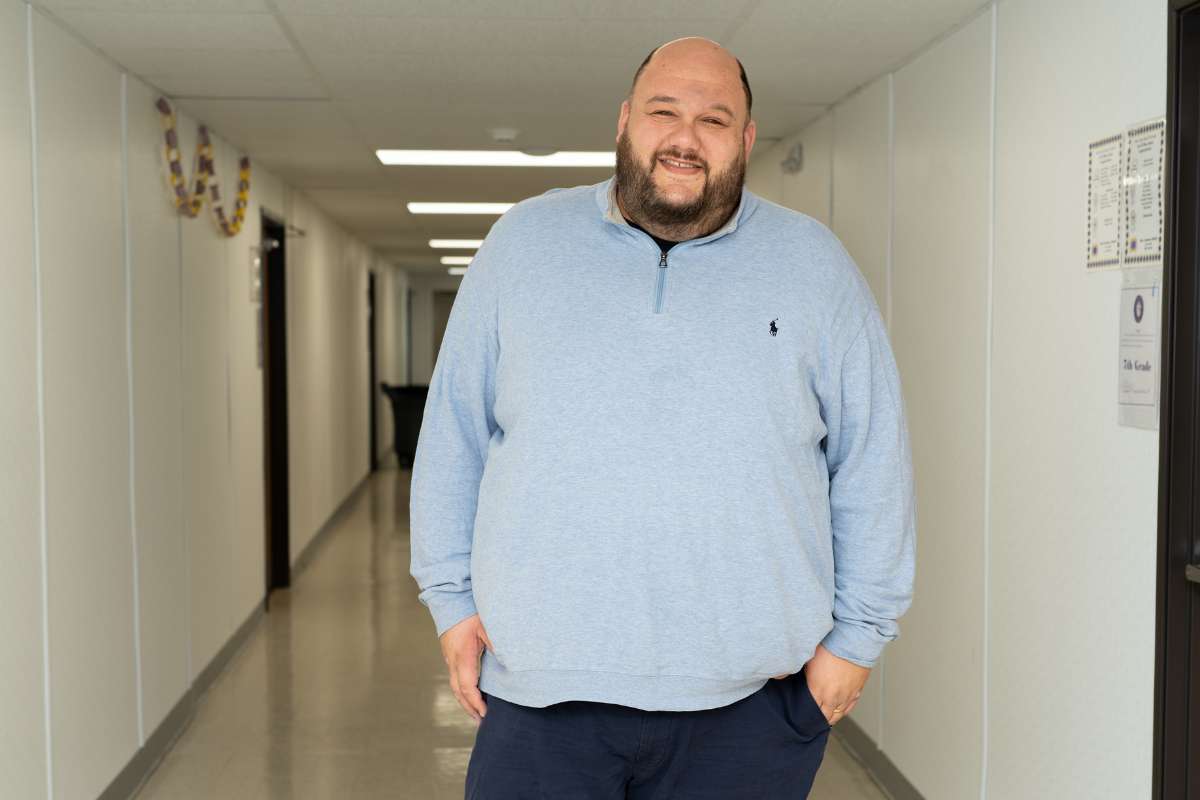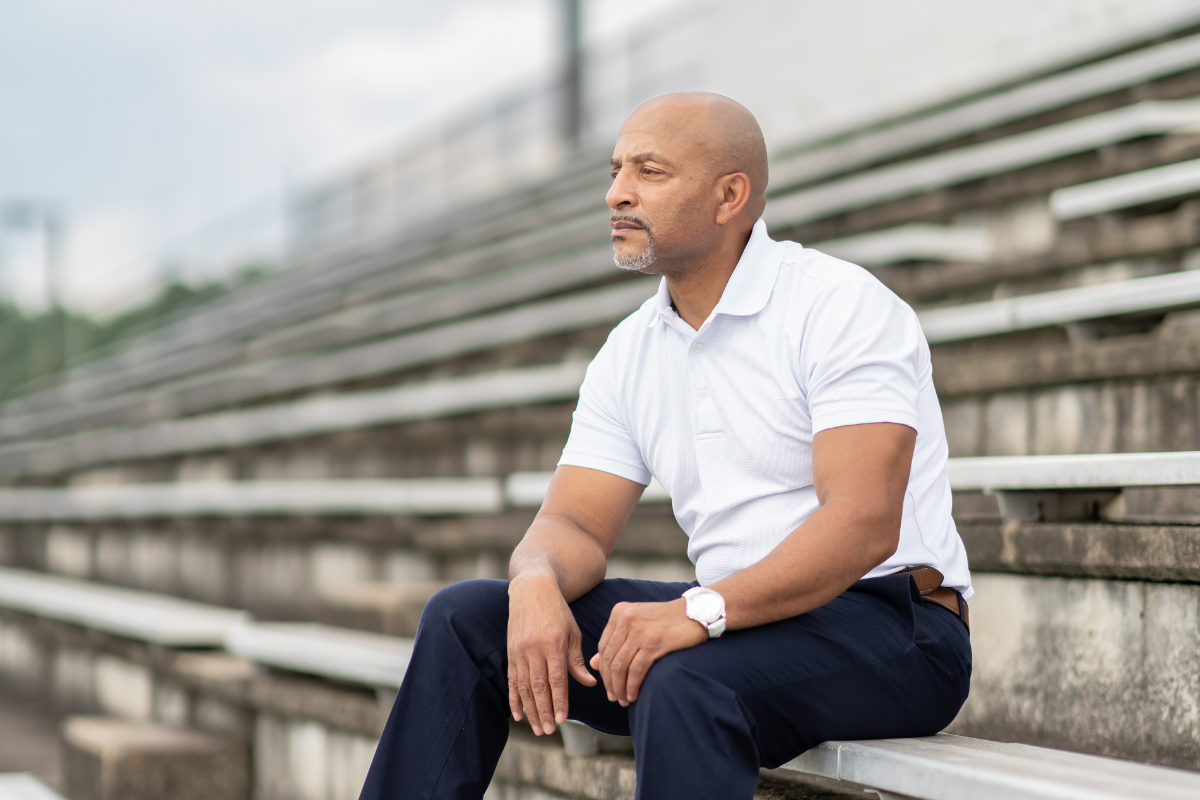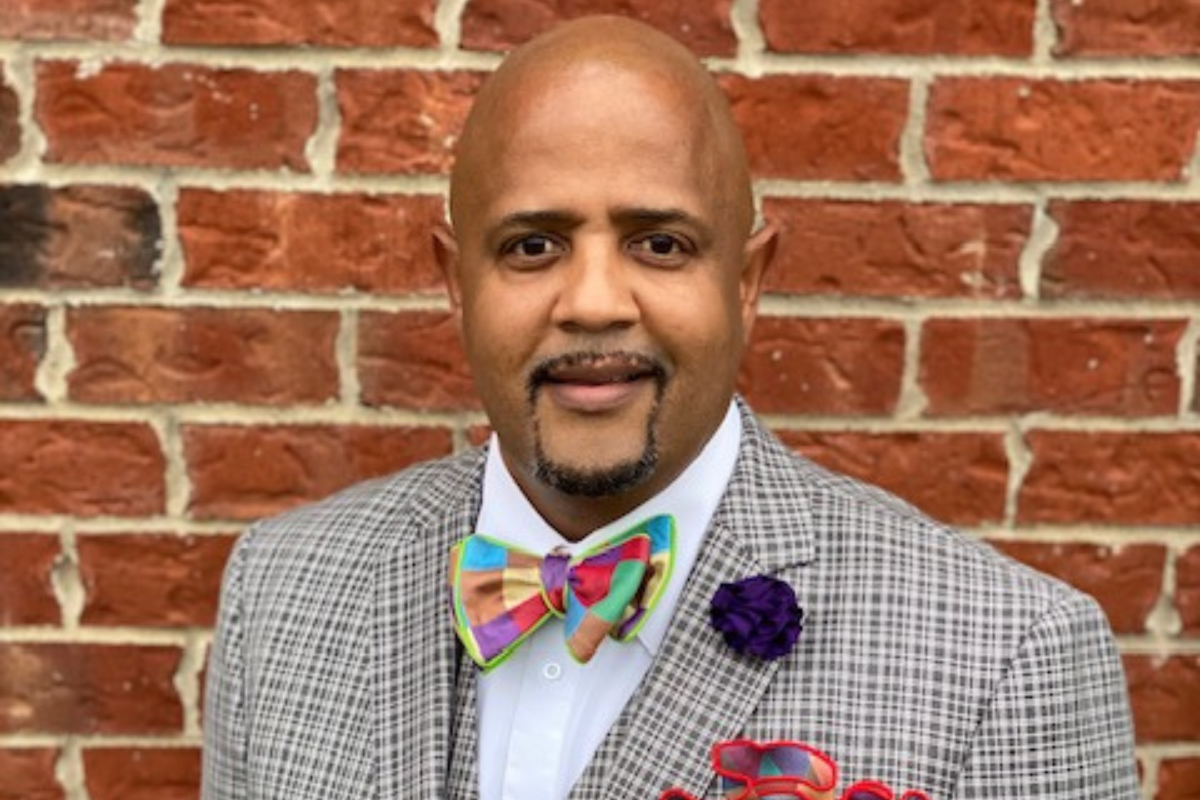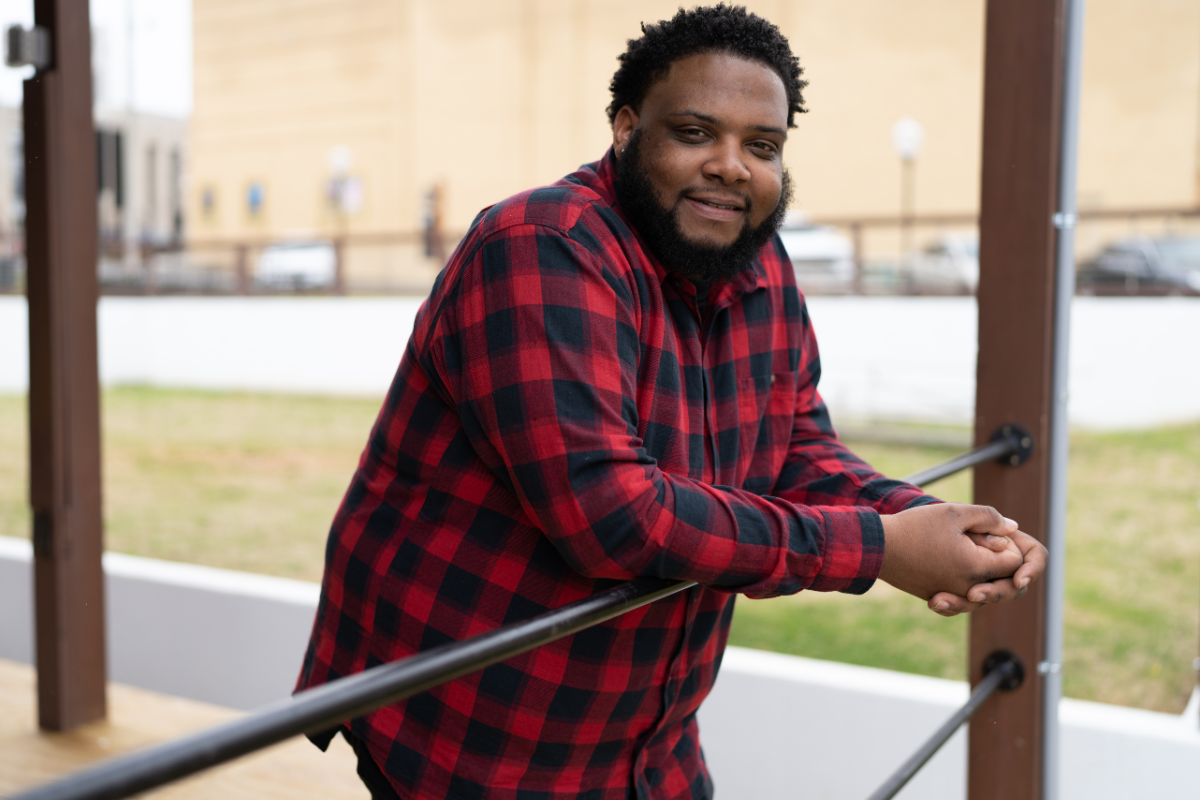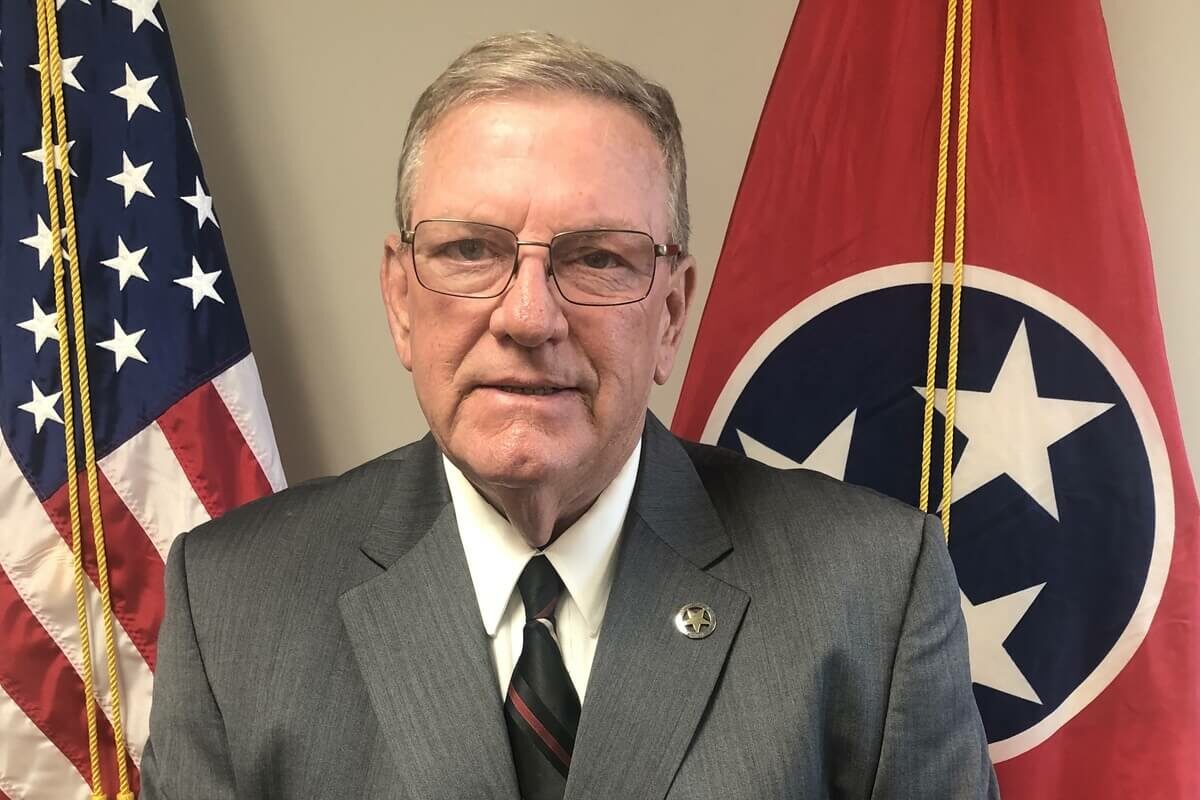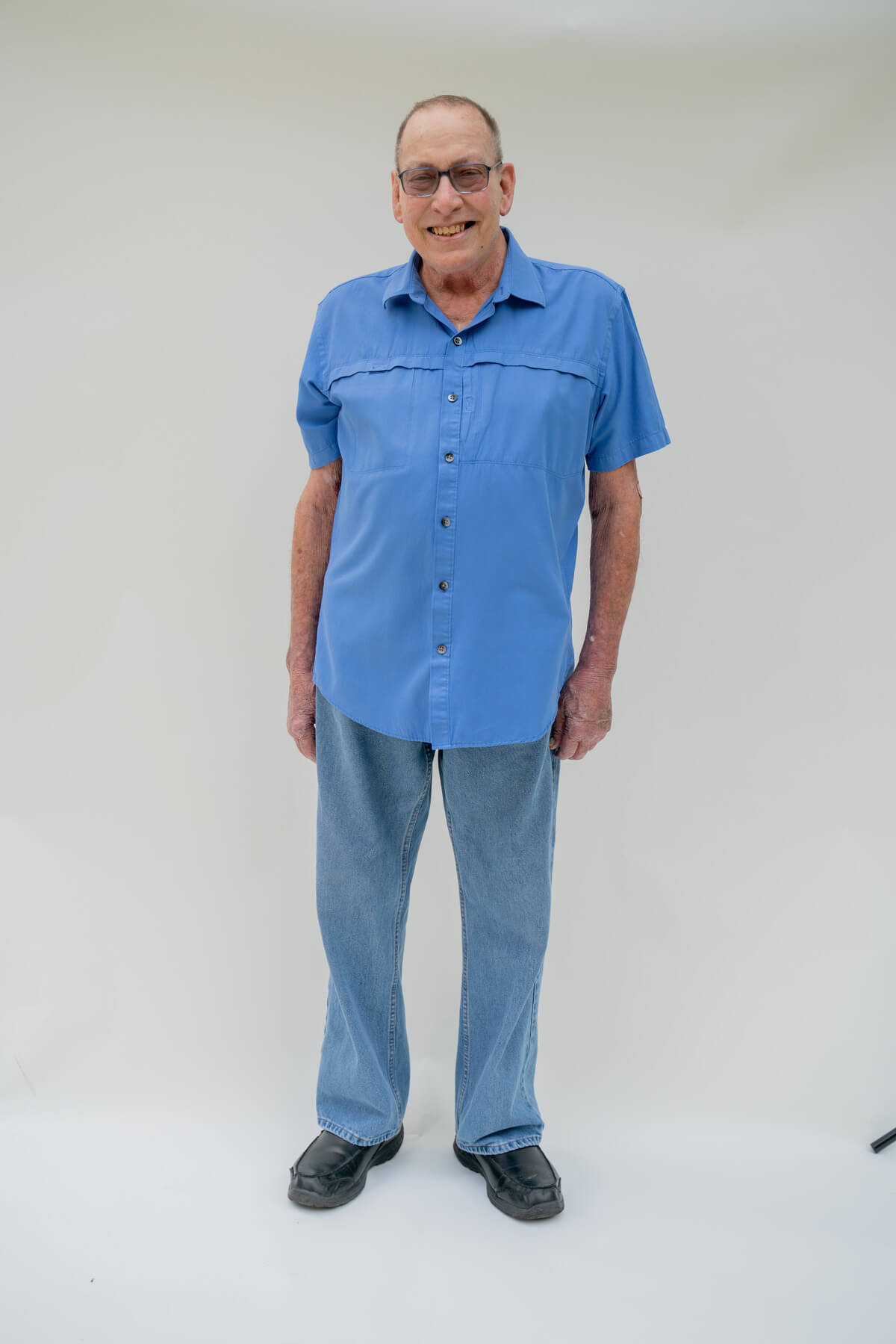
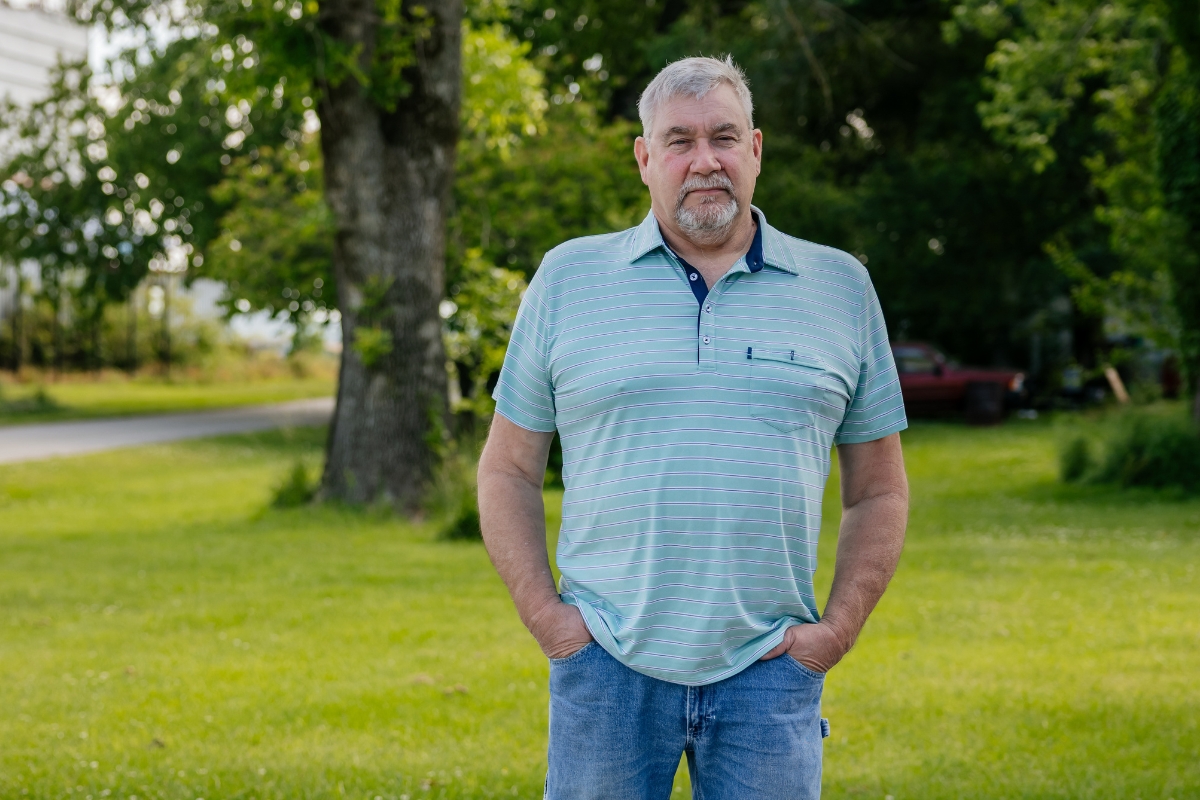
ROBERT MORGAN was 9 years old when he first began to sense that something about his story was different. After moving into a new home, small details started to stand out, most notably, that his last name did not match his mother’s. Curious and perceptive, Morgan began asking questions. It wasn’t long before he uncovered the truth — he had been adopted. Among the items that confirmed it were a baby tag and documents that told a story no one had yet fully explained to him.
In the years that followed, Morgan spoke occasionally with his father about his adoption. While his mother expressed that she did not want him to pursue contact with his birth family, his father remained open, sharing what information he could. Even so, much of Morgan’s personal history remained incomplete, leaving him with a growing curiosity about his origins.
As a teenager, that curiosity led to early attempts to search. During his freshman and sophomore years, Morgan lived with his father in Huntland. He later moved to the Huntsville area to live with his mother, where he came across a name in a phone book that seemed like a possible connection to his birth family. Despite the significance of the discovery, he did not feel ready to take the next step.
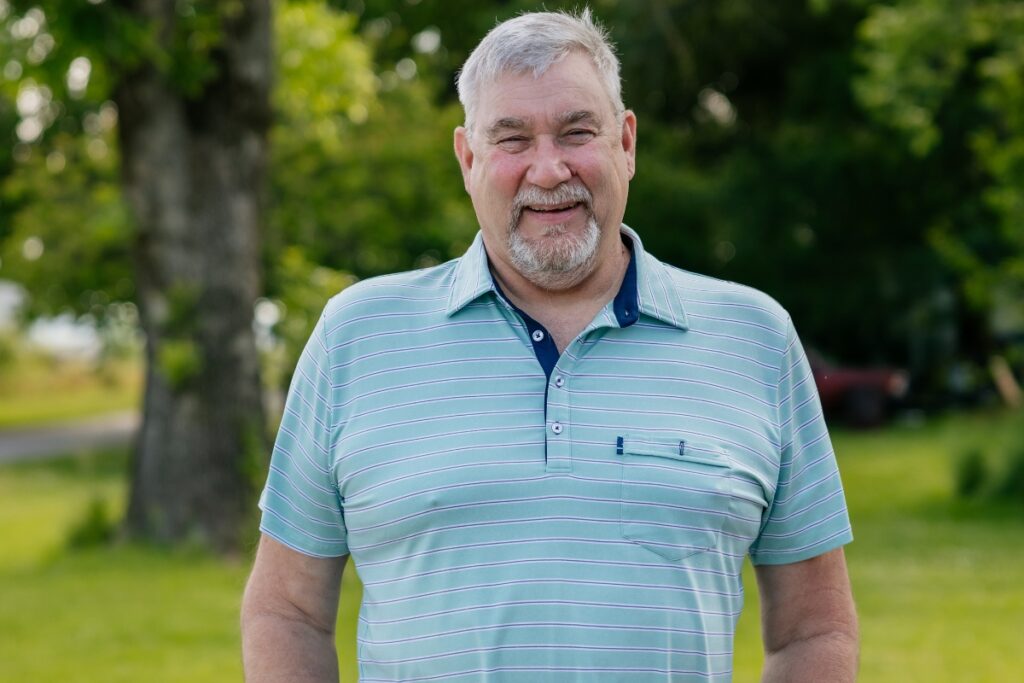
In a detail that would only become meaningful years later, Morgan unknowingly drove past his birth grandfather’s home each morning during that same season of life.
As time passed, Morgan focused on building his own life, yet the questions surrounding his background never fully faded. In his 30s, he revisited the idea of searching, though without significant results. By the time he reached 50, his motivation deepened, not only out of a desire for connection, but also from a practical need to better understand his family’s medical history.
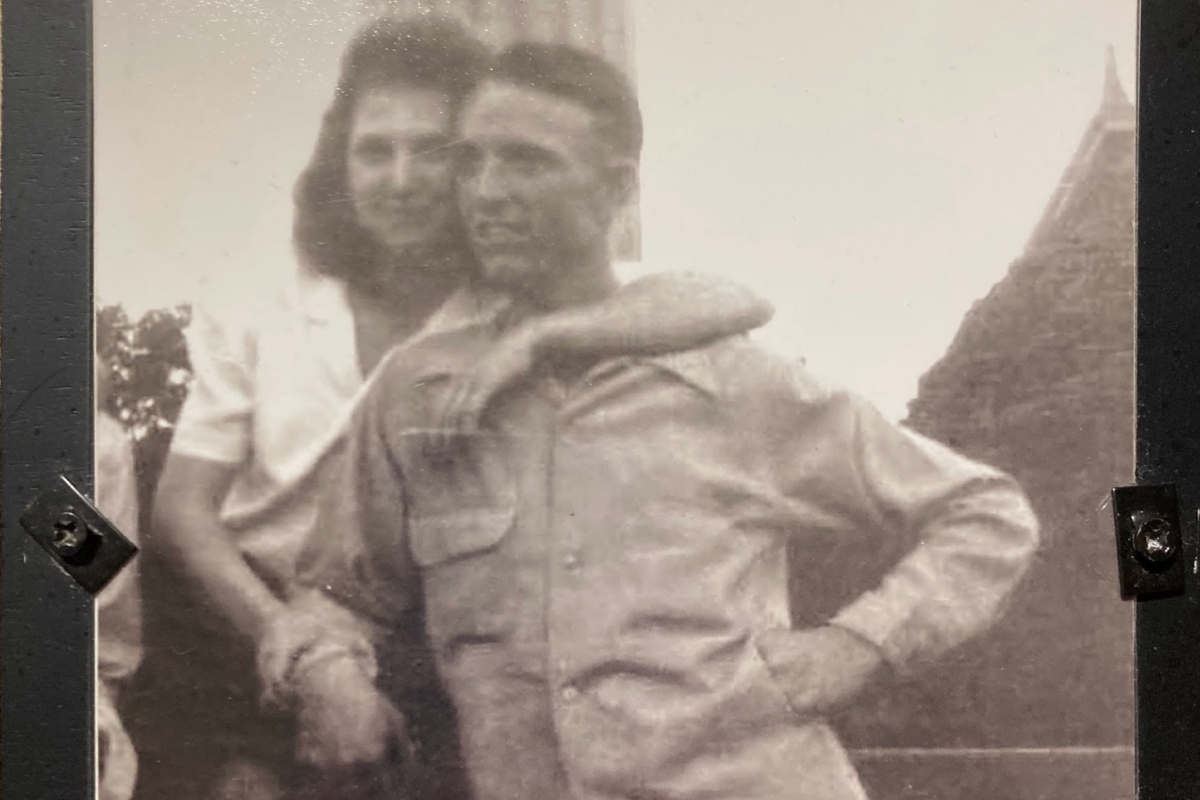
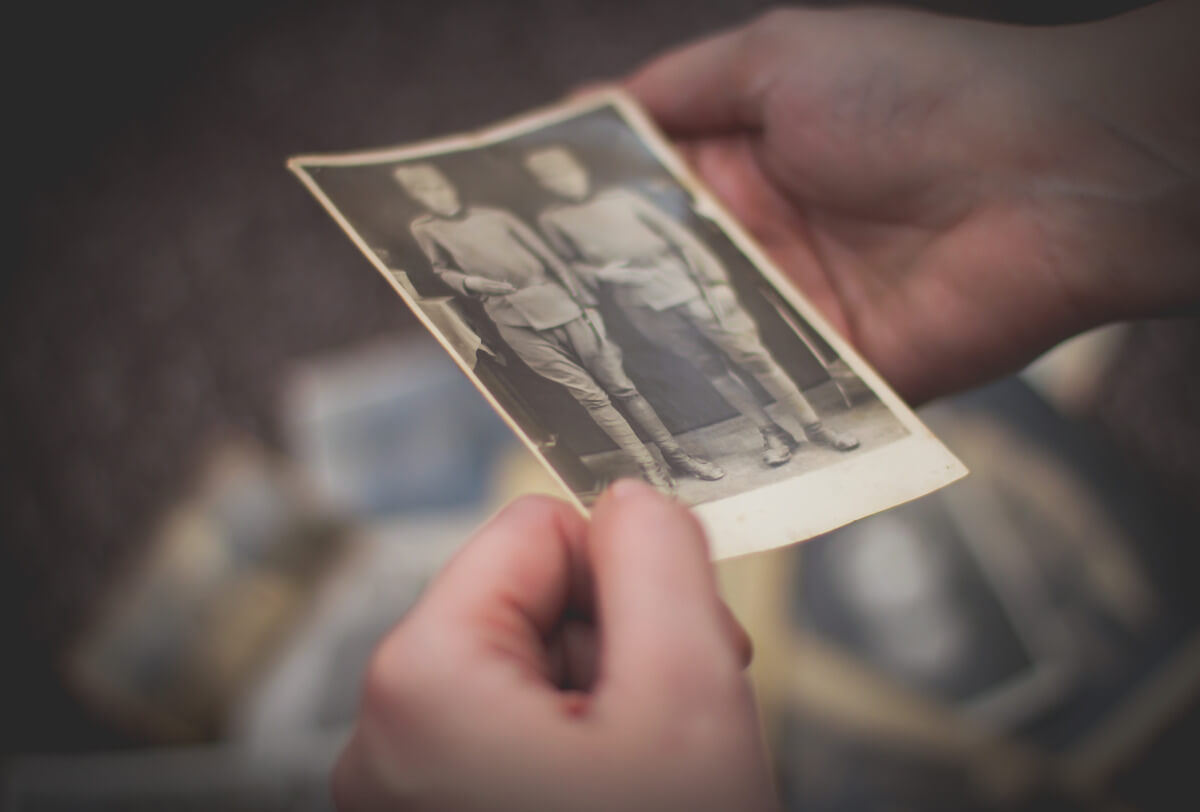
A simple online search of a last name led Morgan to an obituary that would change everything. Within it were details that immediately captured his attention —names, relationships, and a photograph that felt familiar.
“I saw the resemblance,” he said. “I was pretty sure I had found a match.”
That discovery led him to three women he believed could be his sisters. He chose to reach out to the youngest, hoping to make contact with their mother. Shortly thereafter, Morgan received a message directly from his birth mother, asking a simple but life-changing question: did he want to talk?
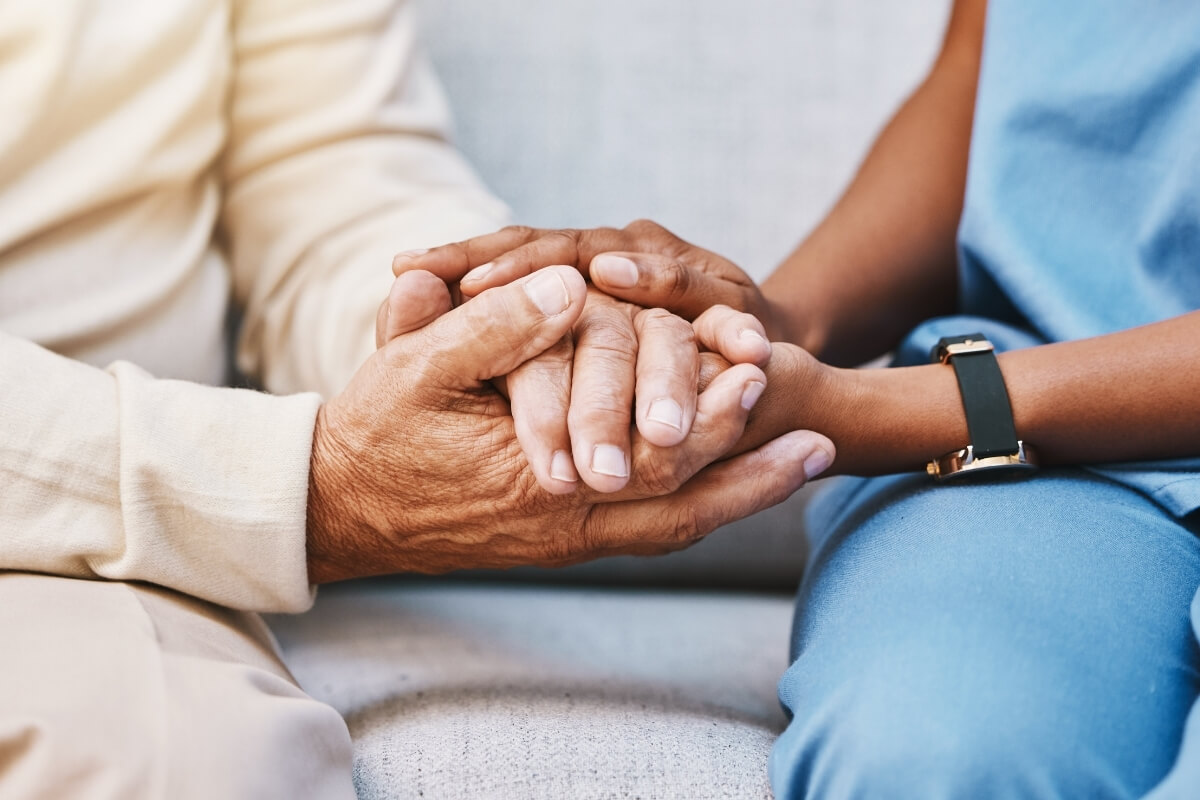
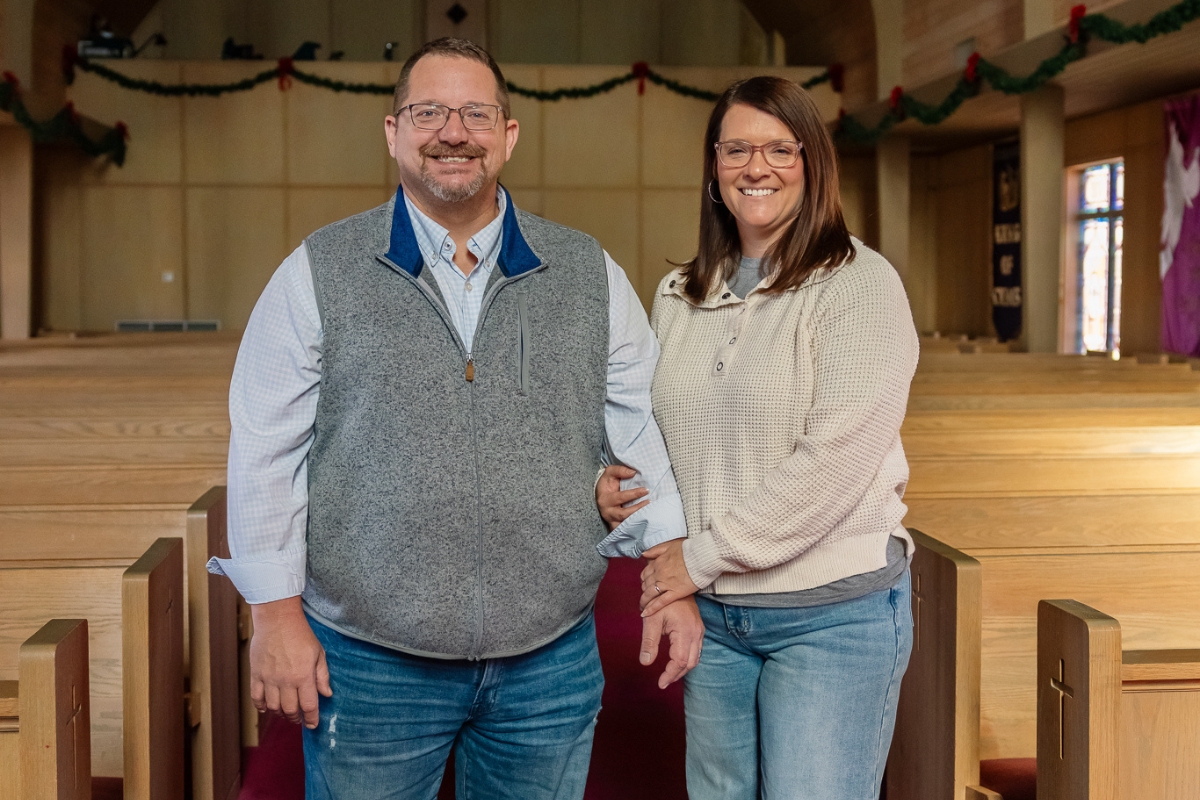
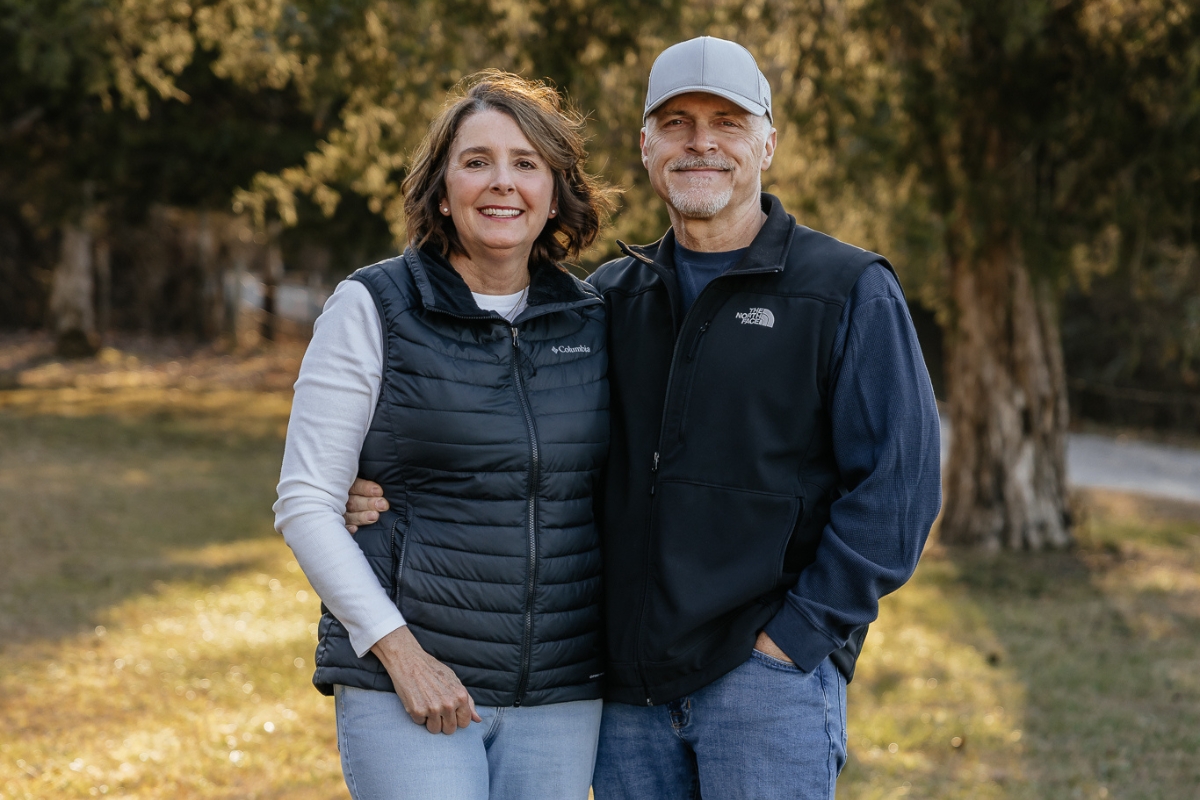
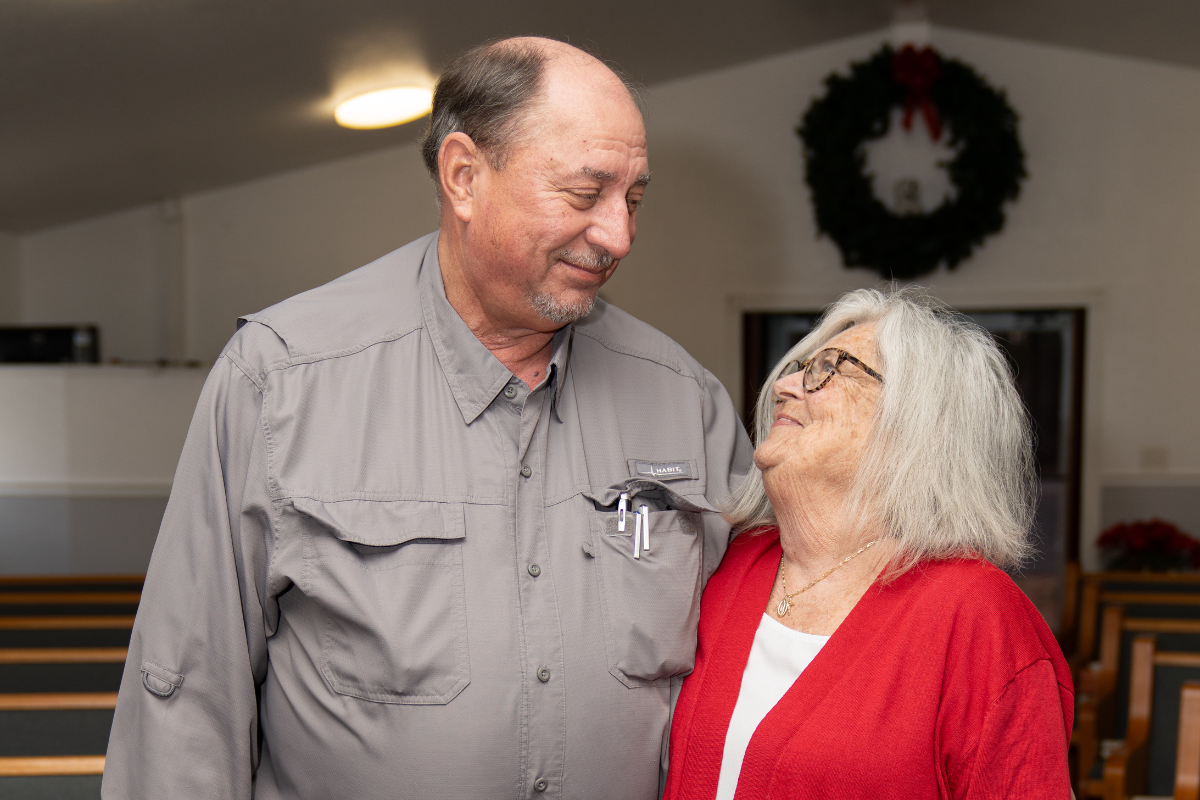
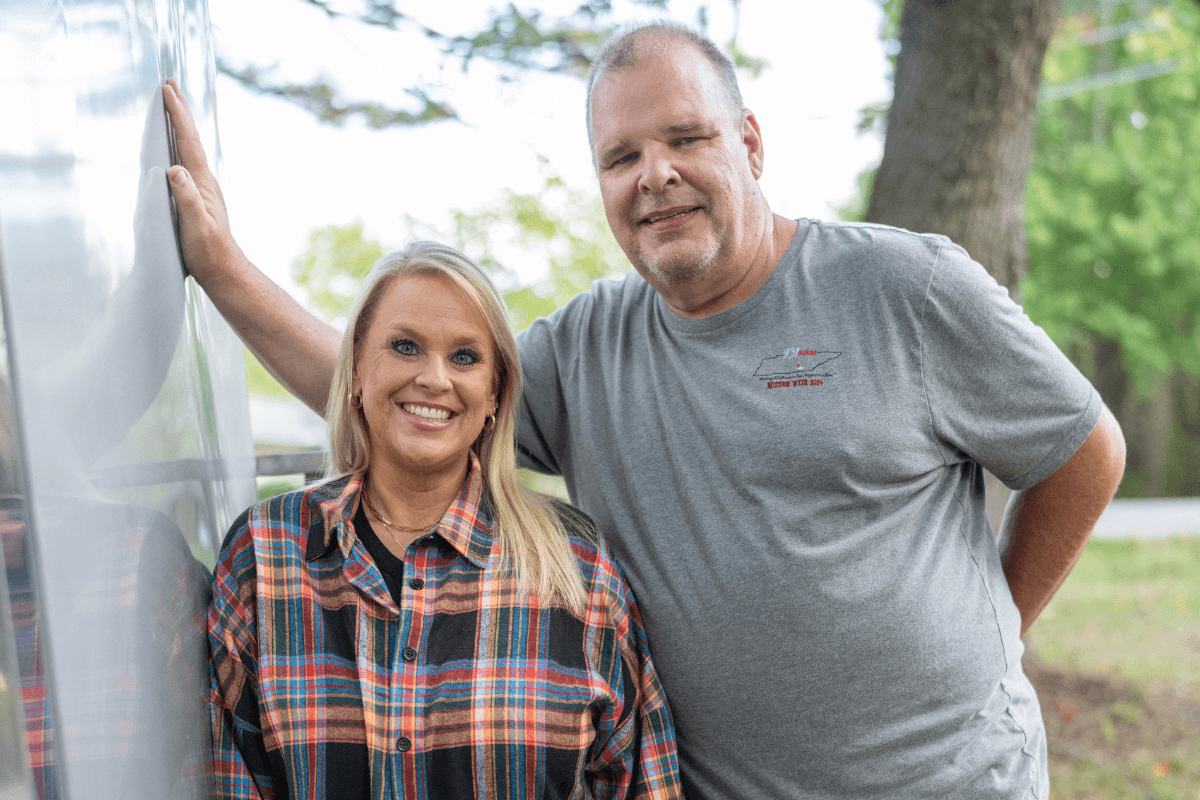
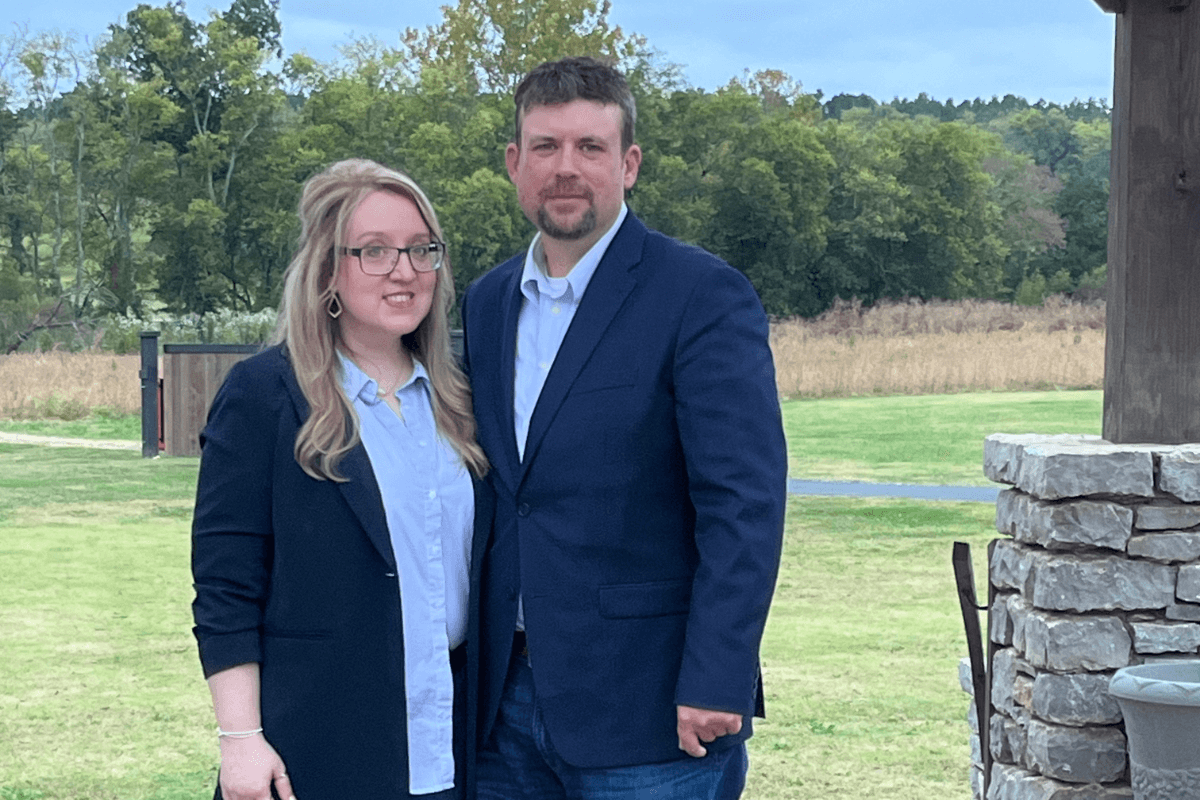
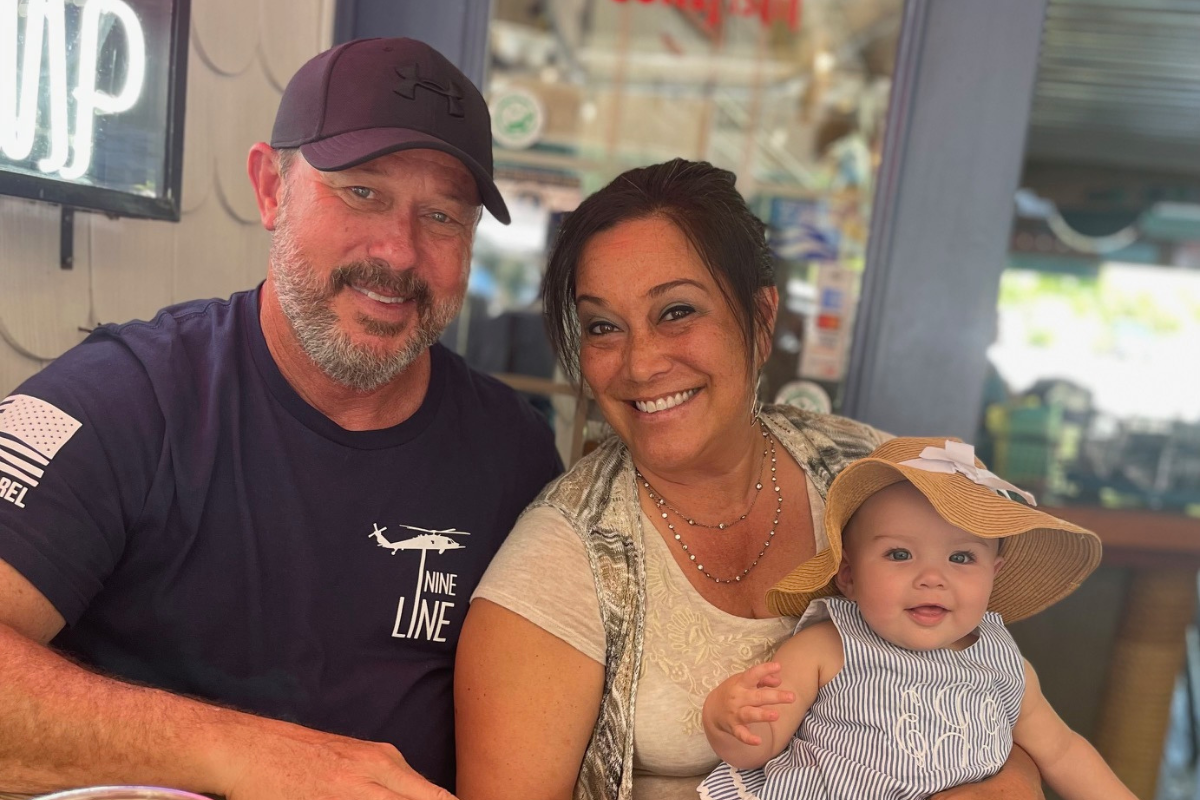
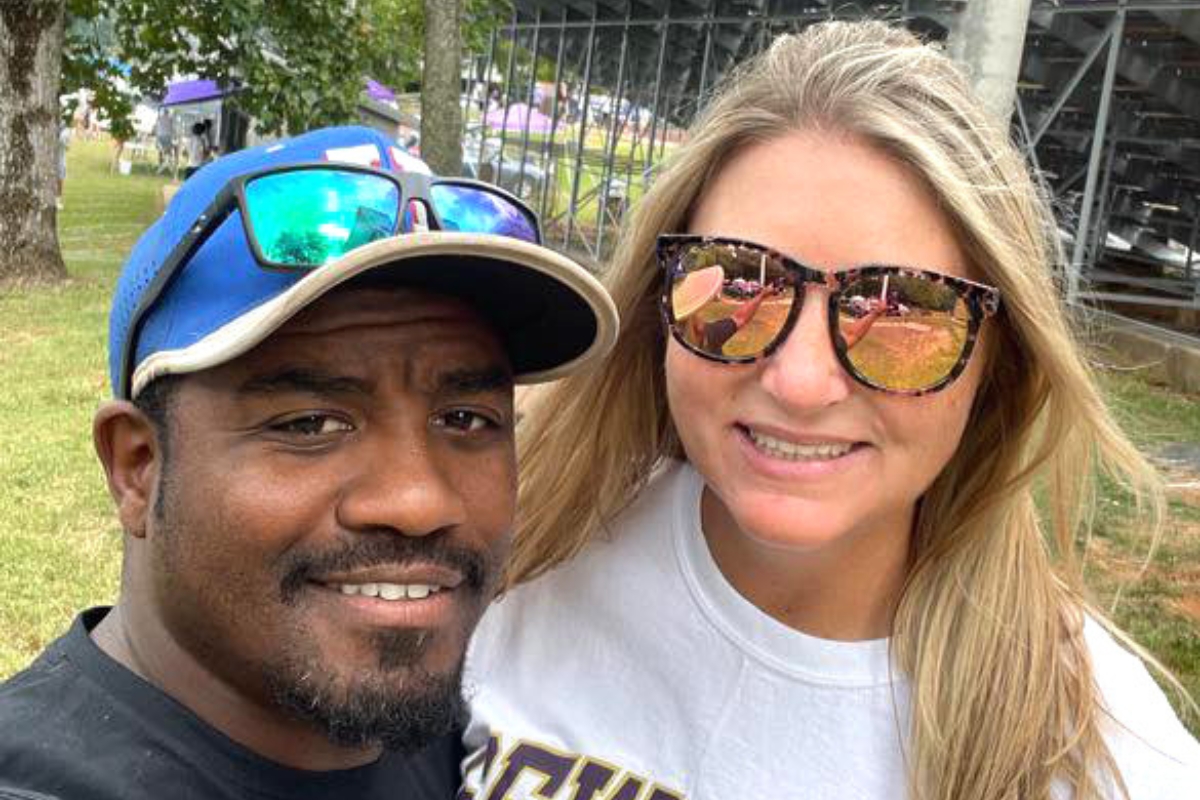
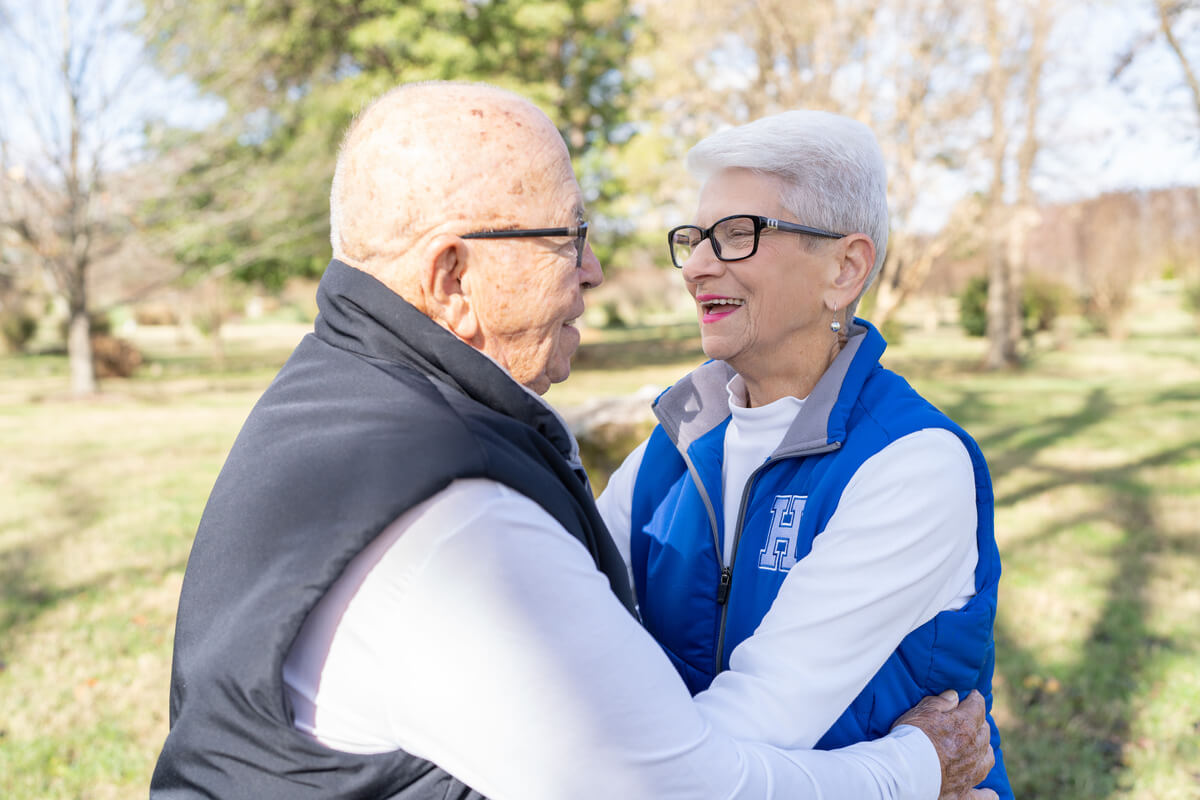
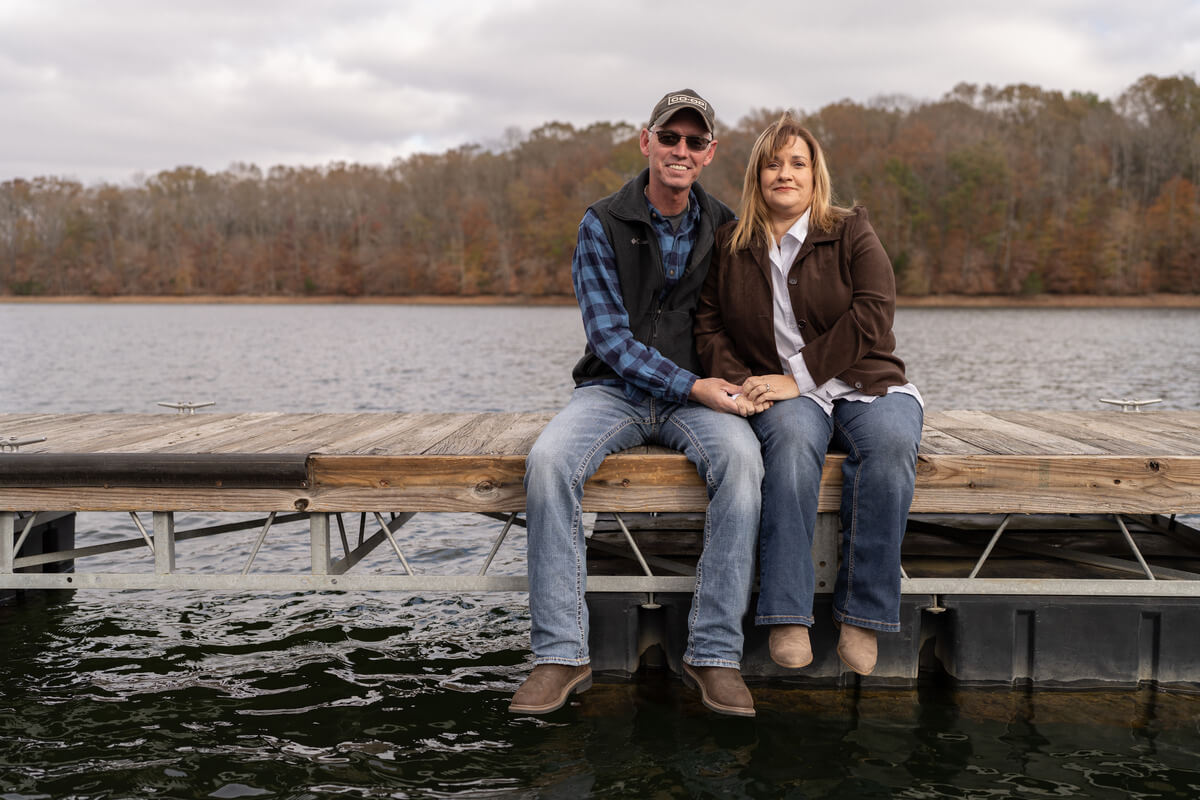
That same day, they spoke on and off for several hours, beginning a conversation that had been decades in the making. Just one week later, Morgan and his wife, Tammy, met her in person. What could have been an uncertain meeting instead felt natural and deeply affirming.
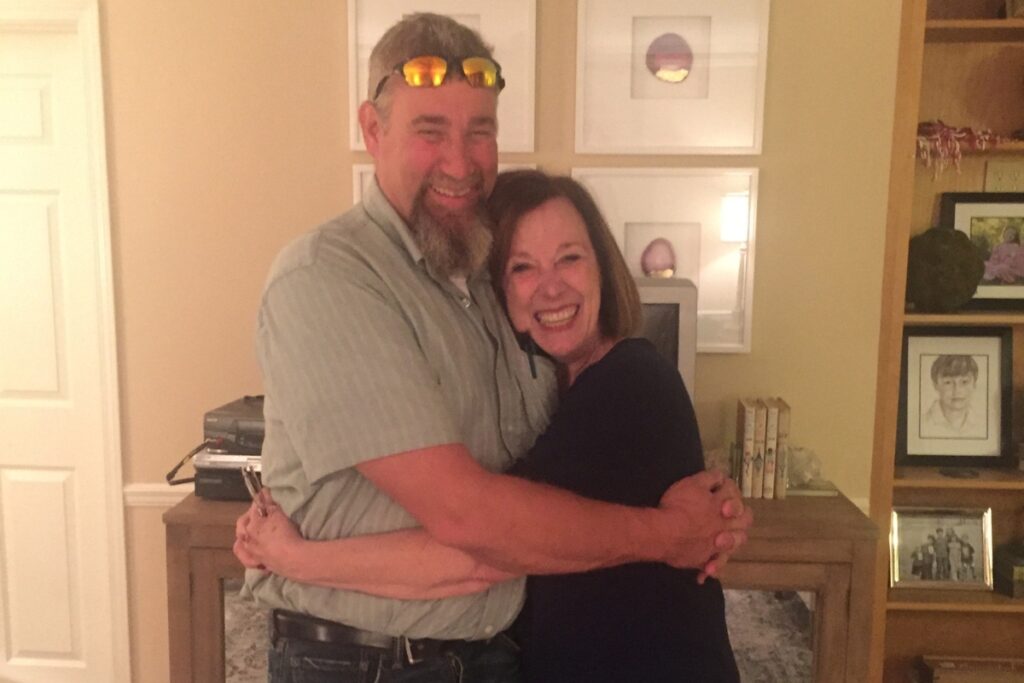
“It wasn’t odd,” Morgan said. “It felt like I had finally found belonging.”
For his birth mother, the moment carried its own weight. She had kept the truth of Morgan’s existence private from her daughters and extended family for many years. Yet in that meeting, the past gave way to honesty, connection, and healing.
From that point forward, relationships began to take shape. Through regular communication, including FaceTime calls and in-person visits, Morgan developed meaningful connections not only with his birth mother but also with his sisters. Over time, she became an active and supportive presence in his life and in the lives of his children.
Morgan also discovered additional family on his father’s side, including a sister and a brother. While he has not yet met his brother, he has connected with aunts and uncles, further expanding his understanding of his family history.
Although both of the parents who raised him have since passed away, Morgan reflects on his upbringing with deep gratitude, especially for the mother who raised him. He describes her love as steady and unconditional — the kind that shaped his life in lasting ways.
“It wasn’t a perfect childhood,” Morgan said. “But I was deeply loved. My mom loved me unconditionally, and I’m so grateful for that.”
His experience has also had a ripple effect on others. After hearing Morgan’s story, a family member who had previously placed a child for adoption found the encouragement to reconnect with her own son.
Looking back, Morgan recognizes how different his life could have been.
“I could have easily been aborted,” he said. “But my mother made a bold choice to give me life through adoption.”
For those considering searching for their own birth families, Morgan offers simple but meaningful advice — “Don’t be afraid to look. Don’t be afraid to search — because it could turn out to be something really great.”
His story is ultimately one of courage, highlighting the willingness to pursue answers despite uncertainty, and of belonging, found not only in where he came from, but in the relationships he sought to build along the way. GN