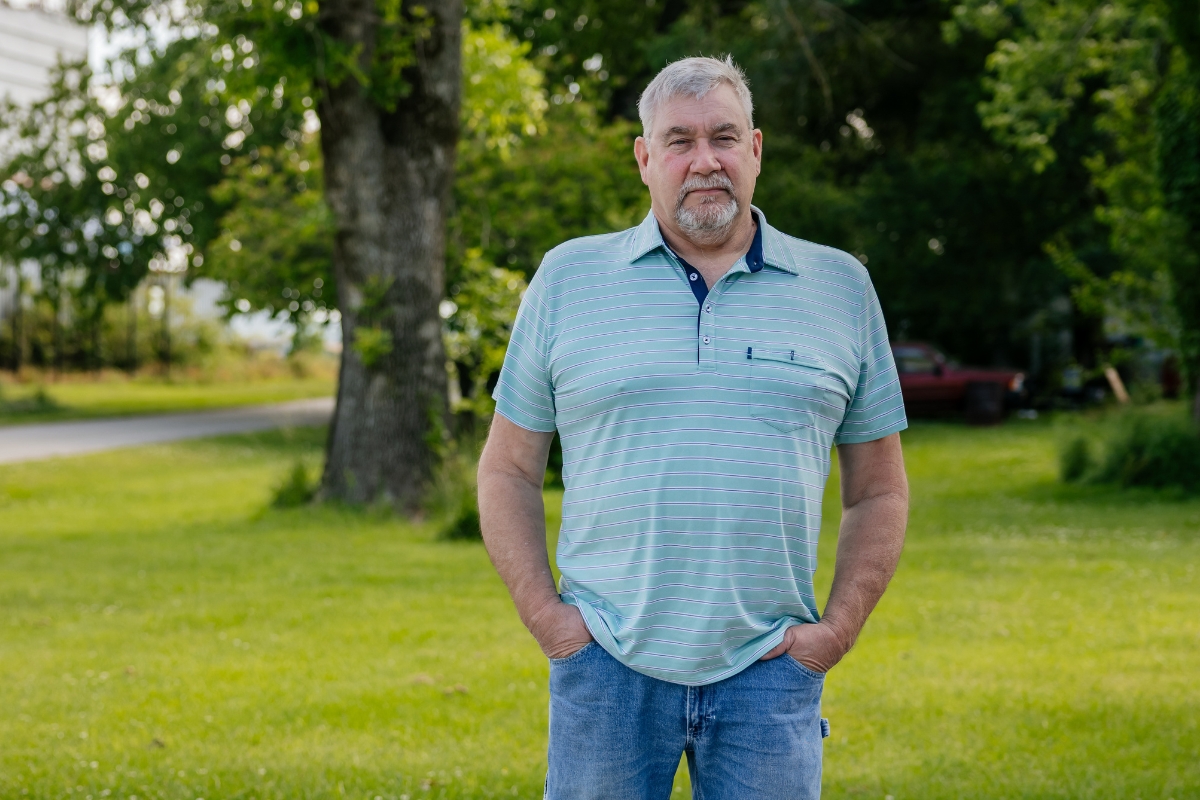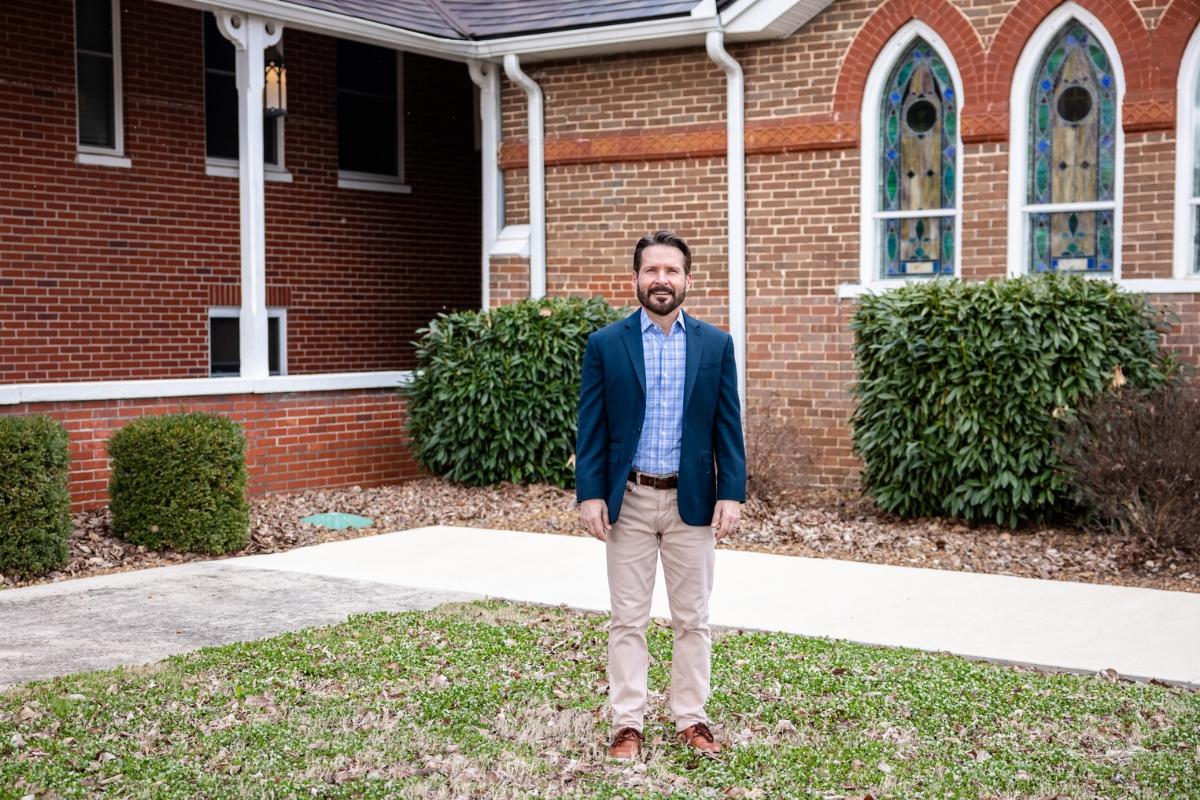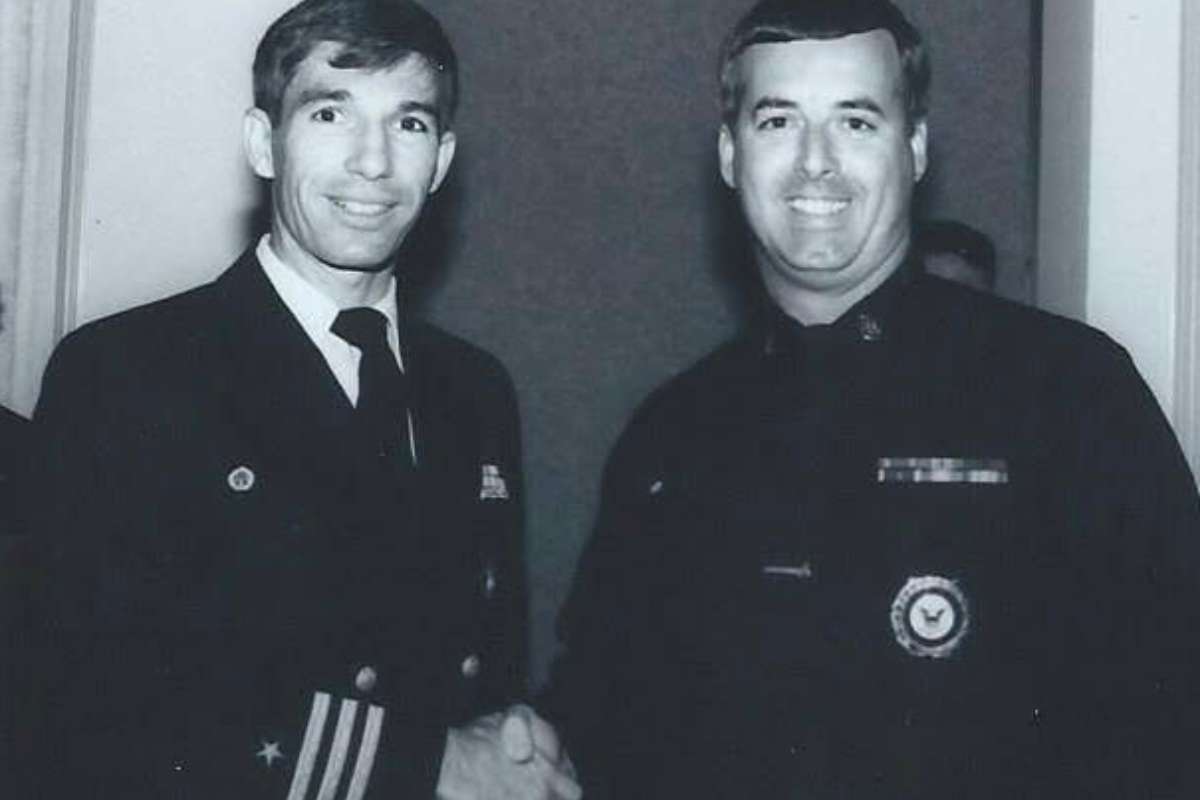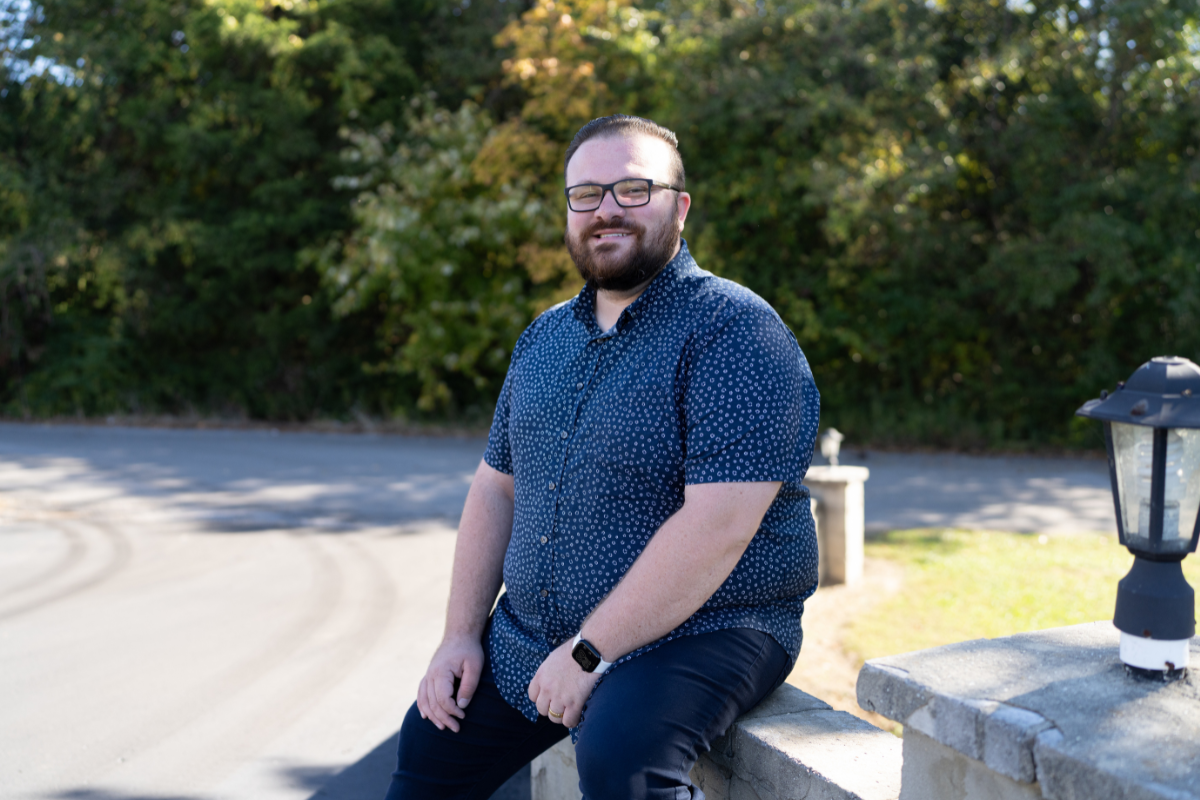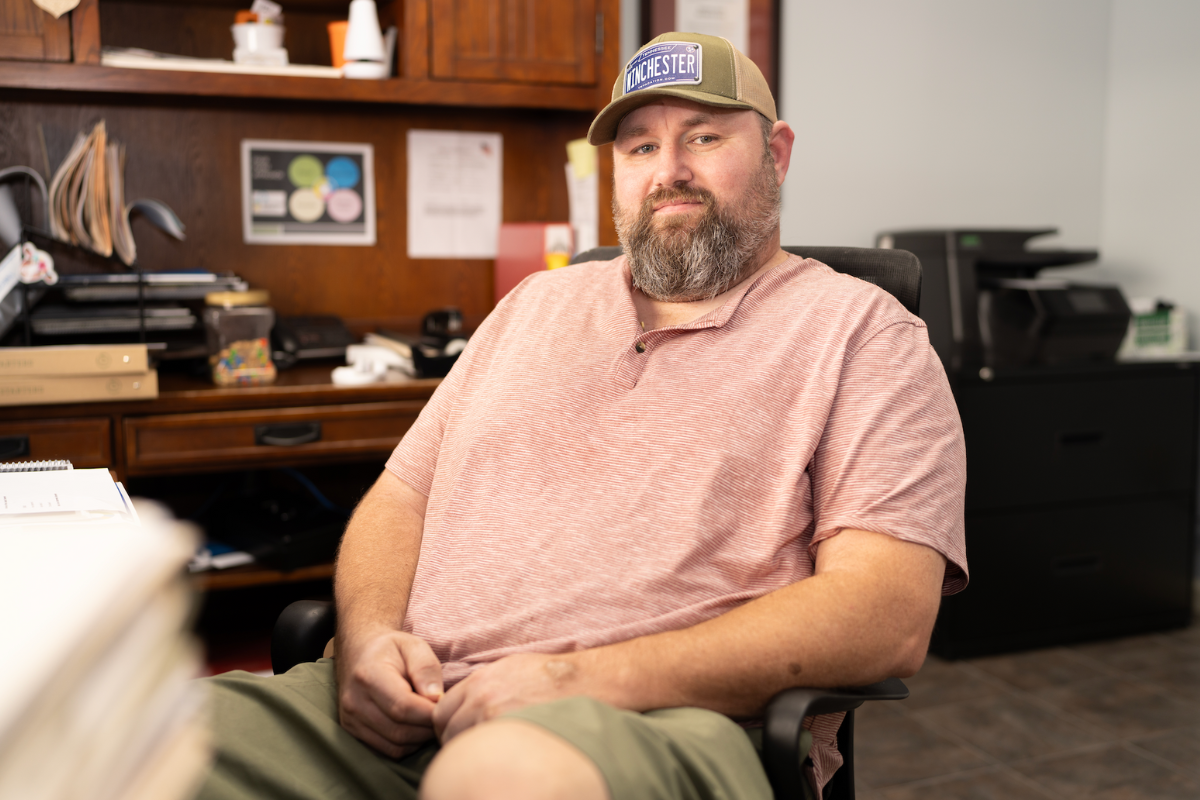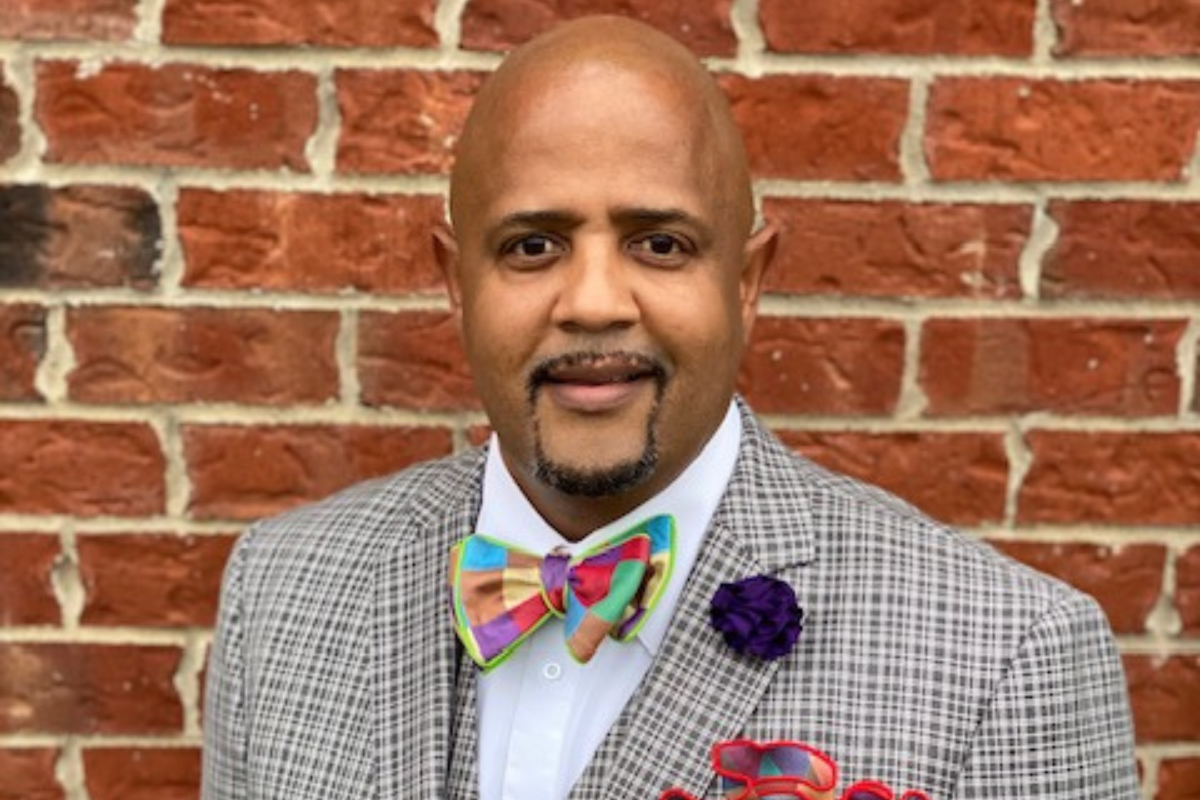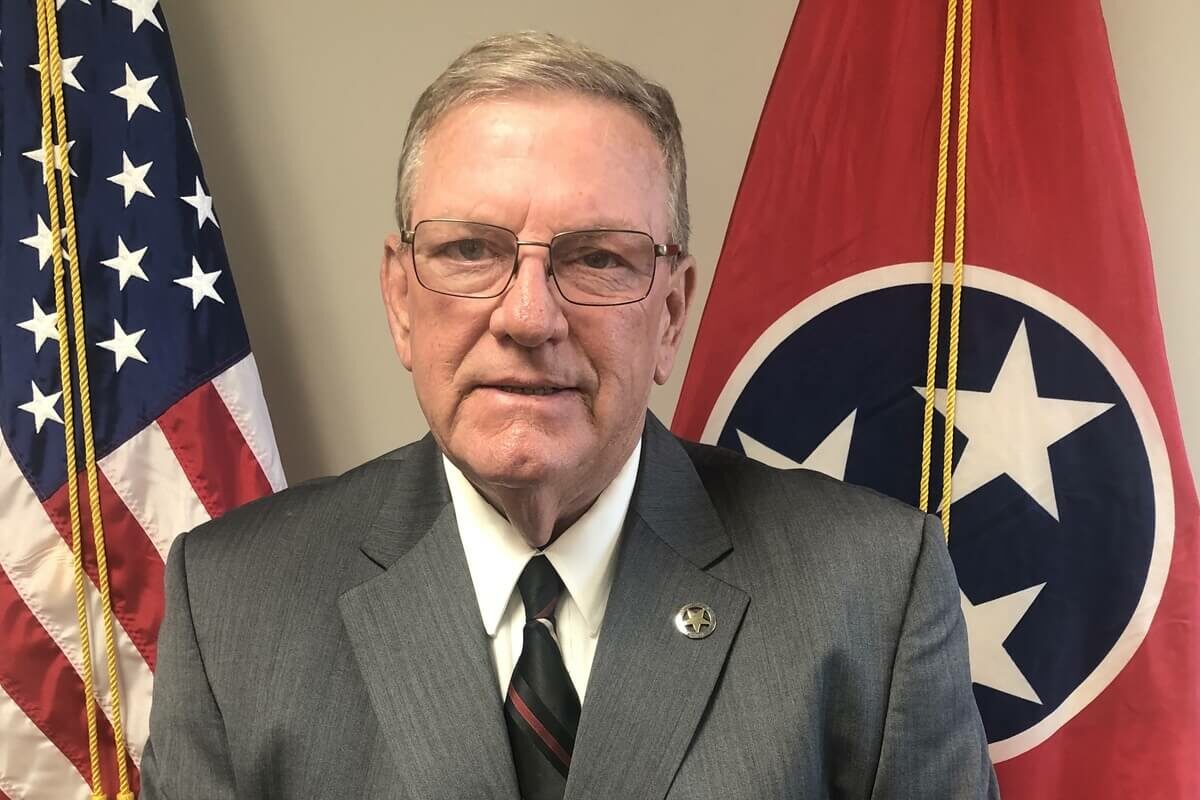

JERRY STEWART enlisted in the United States Air Force, continuing a family legacy of service that spanned multiple generations. His six years in uniform would not only define his early adulthood but would also influence the course of his life beyond the military.
Stewart served from 1989 to 1995 as an airborne Arabic Linguist, a specialized role within military intelligence. His training reflected the demands of that position. After completing basic training, he attended the Defense Language Institute at the Presidio of Monterey, California, where he studied Arabic. He then continued to Goodfellow Air Force Base in San Angelo, Texas, for intelligence training, followed by survival, evasion, resistance, and escape training at Fairchild Air Force Base in Spokane, Washington.
His first assignment placed him overseas with the 488 Intelligence Squadron at RAF Mildenhall in England. From there, Stewart participated in multiple deployments during a period marked by significant global conflict. He flew aboard the RC-135 reconnaissance aircraft in support of Operation Desert Storm while stationed in Riyadh, Saudi Arabia. His work also extended to Mediterranean operations out of Souda Bay, Crete, as well as to U.S. and NATO search-and-rescue missions over the former Yugoslavia.
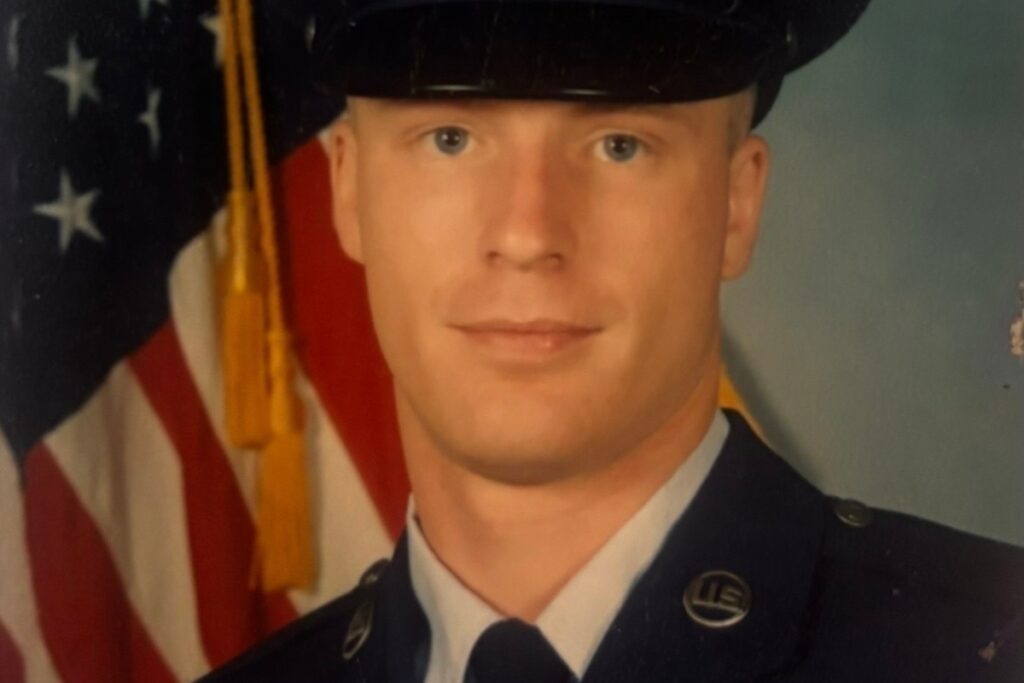
The pace and intensity of these assignments defined his enlistment. Stewart described those six years as both active and demanding, requiring adaptability, focus, and a level of responsibility that reshaped his perspective. Entering the military as a college student with few long-term concerns, he left with a stronger sense of discipline and direction.
“That time forced me to mature,” Stewart said. “It gave me structure and a work ethic that carried over into every part of my life afterward.”
Following his service, Stewart returned to the University of Florida, where he completed his degree and graduated with honors in 1997. He credits the habits developed during his military years for that academic success, noting that the discipline required in service translated directly into his approach to education and long-term goals.
While his military experience shaped his work ethic, it also influenced his calling. During his deployments in Riyadh, Stewart experienced extended periods of uninterrupted time that allowed for reflection and study. It was in those moments that he began to sense a call to vocational ministry, a direction that became increasingly clear over time.
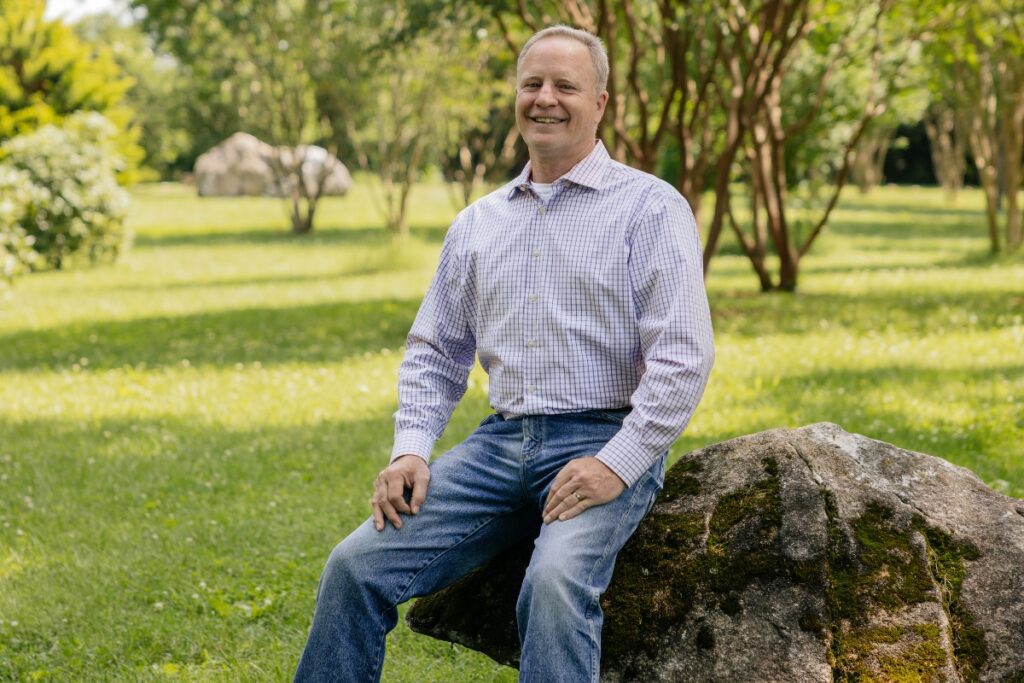
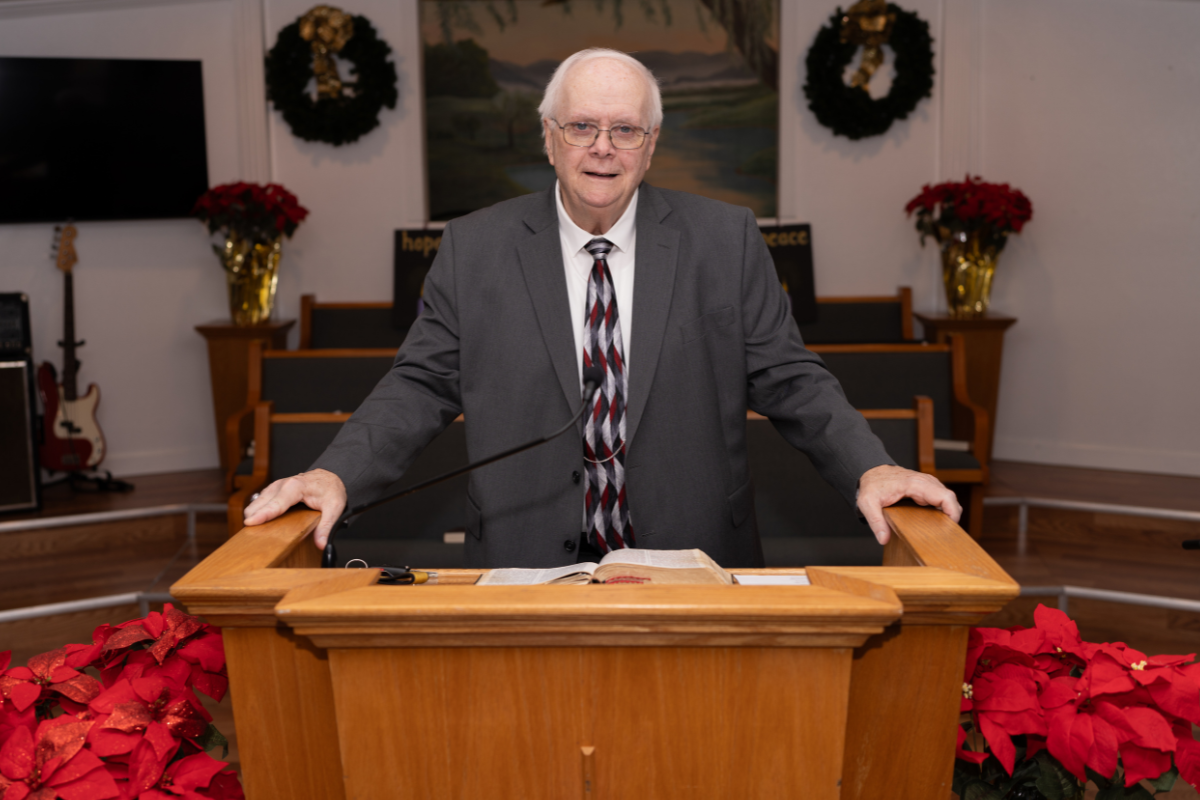
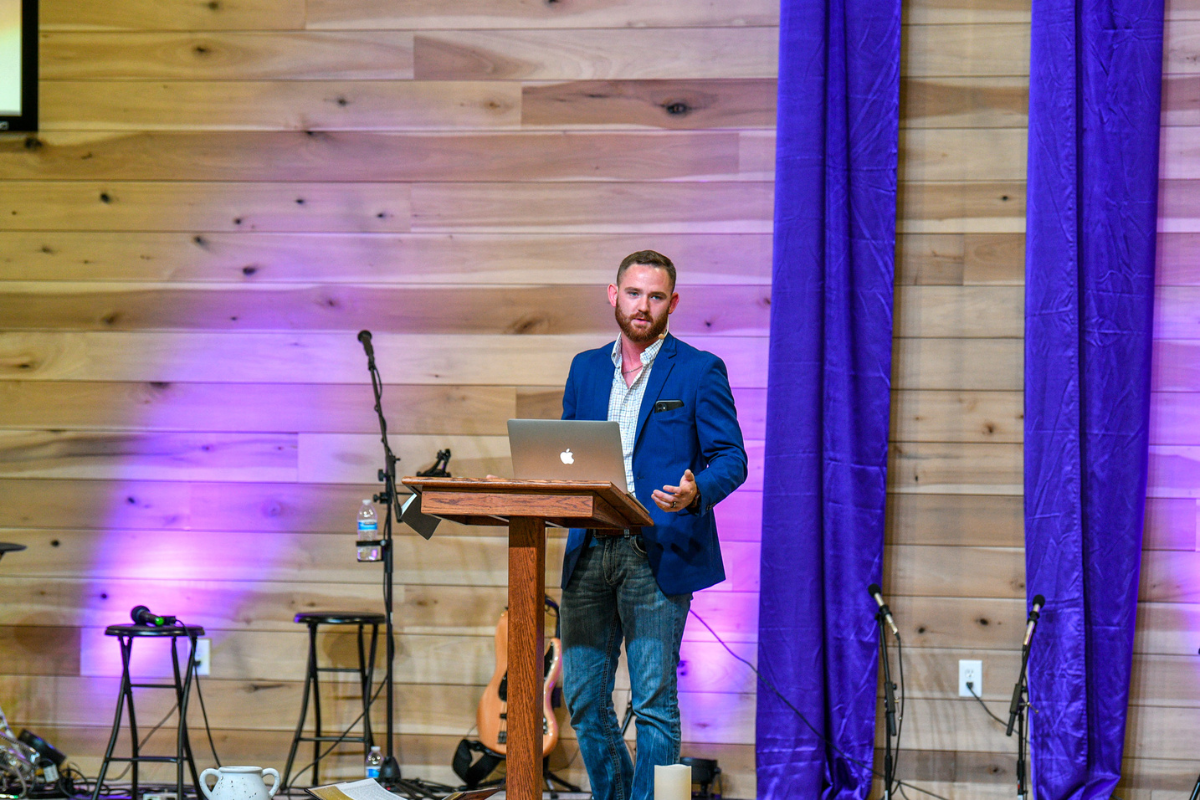
After completing his undergraduate degree, Stewart pursued theological training at Midwestern Baptist Theological Seminary, earning both a master of divinity and a master of theology. He now serves as a hospice chaplain in Franklin and Grundy counties, providing spiritual care and support to individuals and families during critical stages of life.
Stewart’s path from military intelligence to ministry reflects a consistent focus on service, expressed in different contexts over time. Whether in uniform or in his current role, the emphasis has remained on meeting the needs of others with steadiness and purpose.
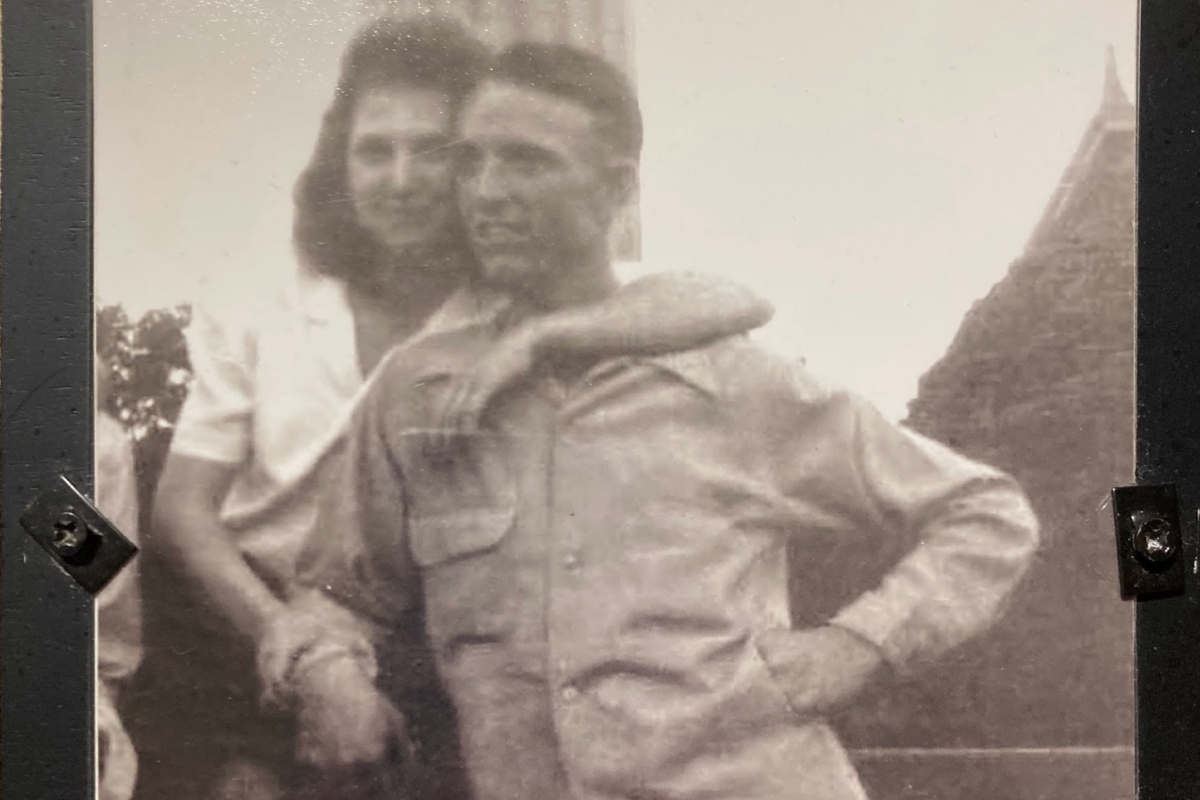
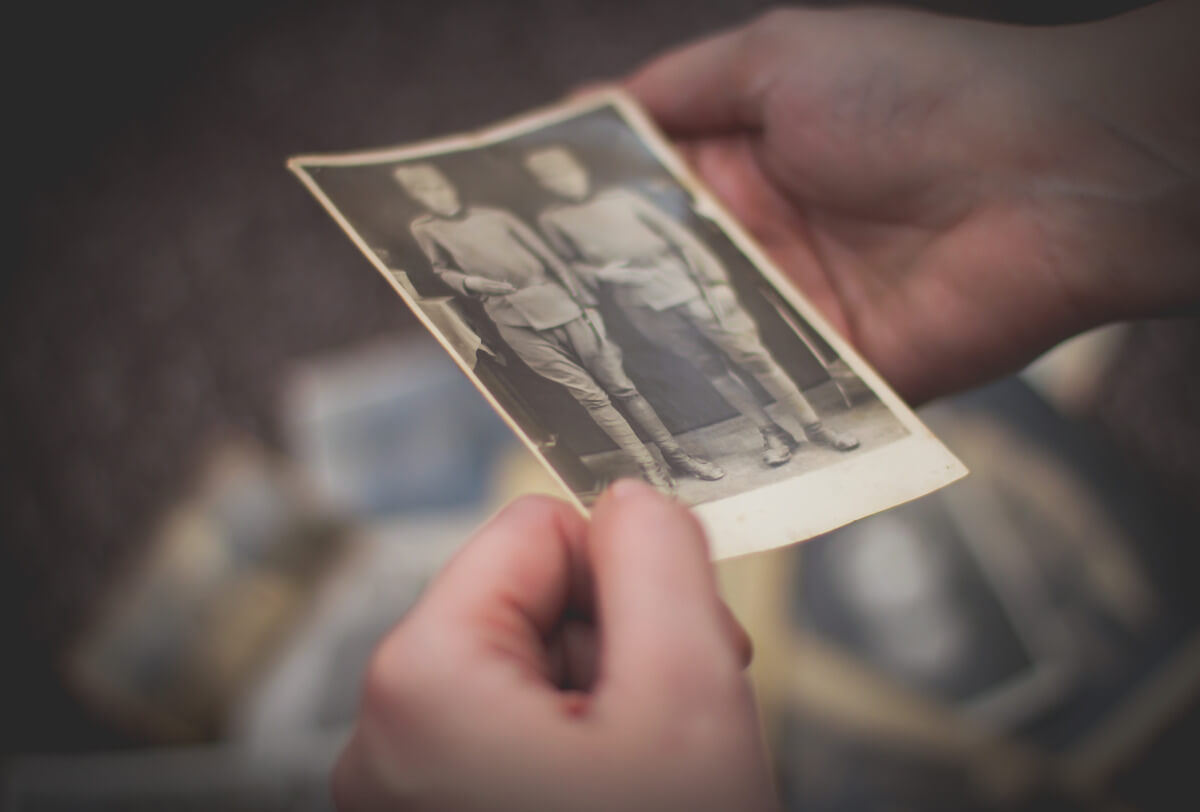
That sense of service is also tied to his family history. Stewart’s great-grandfather served in World War I to earn United States citizenship after immigrating from Scotland. His grandfather served in World War II, and his father enlisted during the Vietnam era. Military service, in many ways, became both a tradition and a way to express gratitude for the opportunities afforded to his family.
“It was a way for us to give back,” he said. “My family has always seen military service as something meaningful, something that connects us to a larger purpose.”
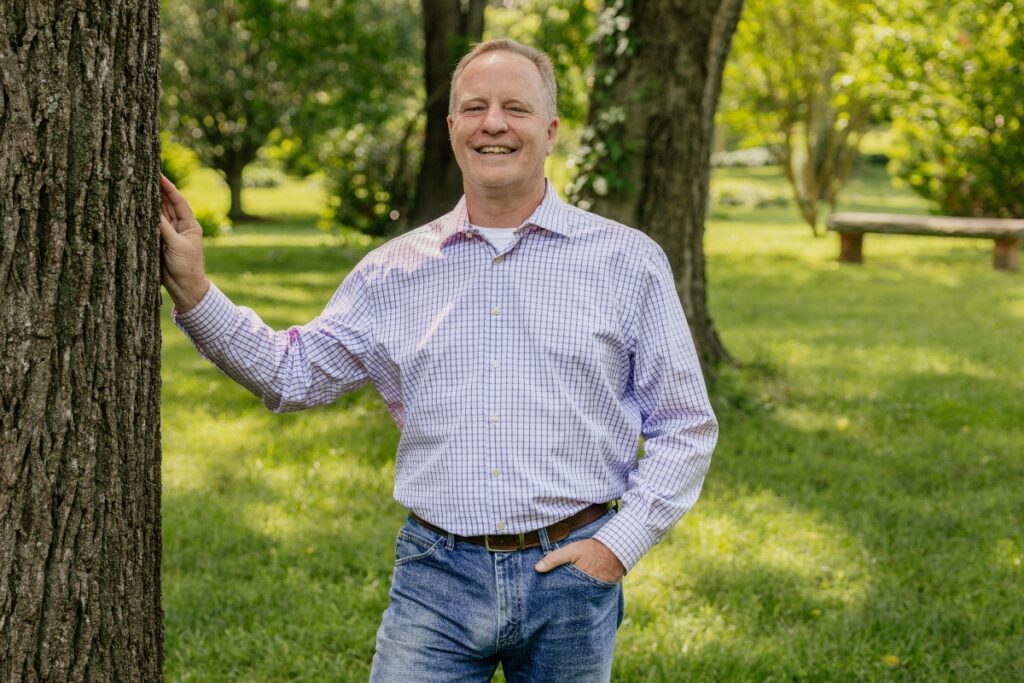
For young people considering enlistment, Stewart offers a perspective shaped by experience. He acknowledges that military service can be difficult and, at times, overwhelming, but emphasizes its long-term value.
“It will challenge you in ways you don’t expect,” he said. “But those challenges help you grow. You develop discipline, you build relationships, and you gain opportunities that might not have been available otherwise.”
He also points to the lasting relationships formed during service, describing them as bonds that continue well beyond active duty. For individuals from rural communities, in particular, he noted that military service can open doors to experiences and opportunities that might not otherwise be accessible.
Stewart’s six years in the Air Force marked a formative chapter, shaping his character, clarifying his direction, and ultimately leading him into a life of ministry. Today, that foundation continues to influence his work, as he serves others with the same sense of purpose that first led him to enlist. GN