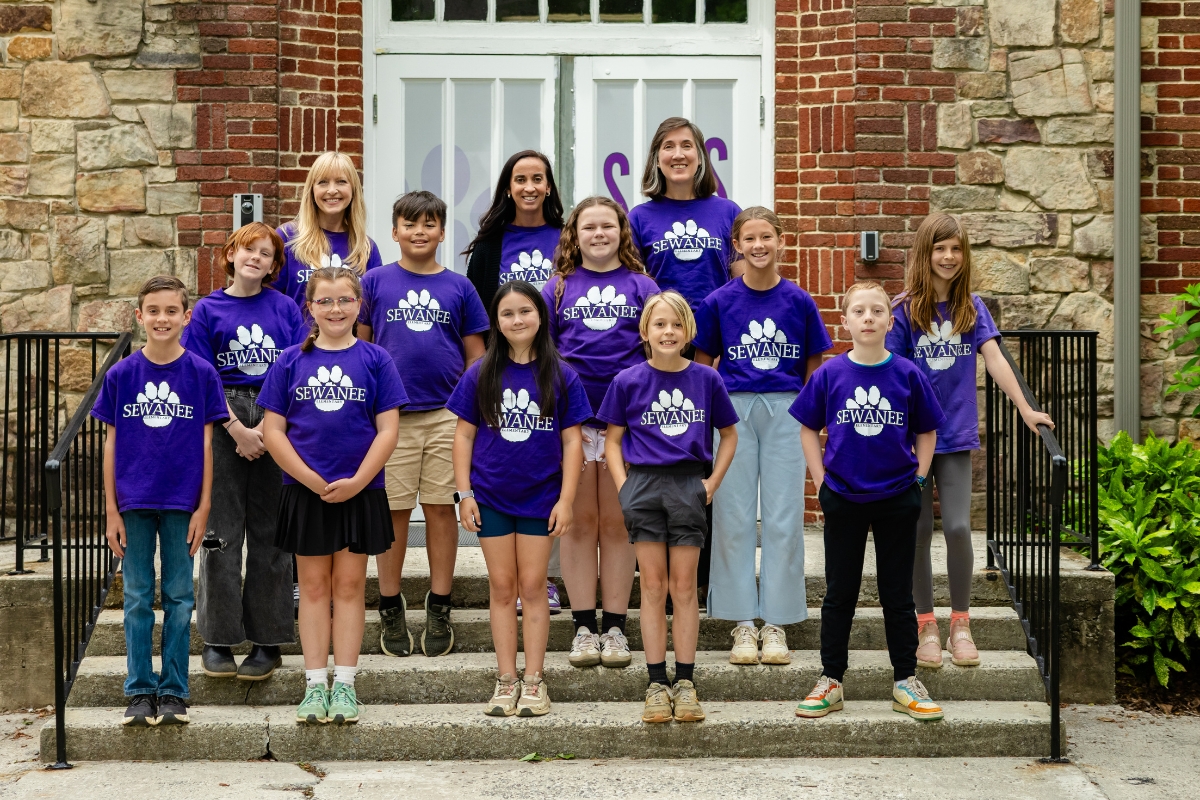
SEWANEE ELEMENTARY School is preparing to celebrate a remarkable milestone — 100 years of education, community, and shared investment in the lives of local children. For those closest to the school, this anniversary is not simply about longevity. It is about legacy.
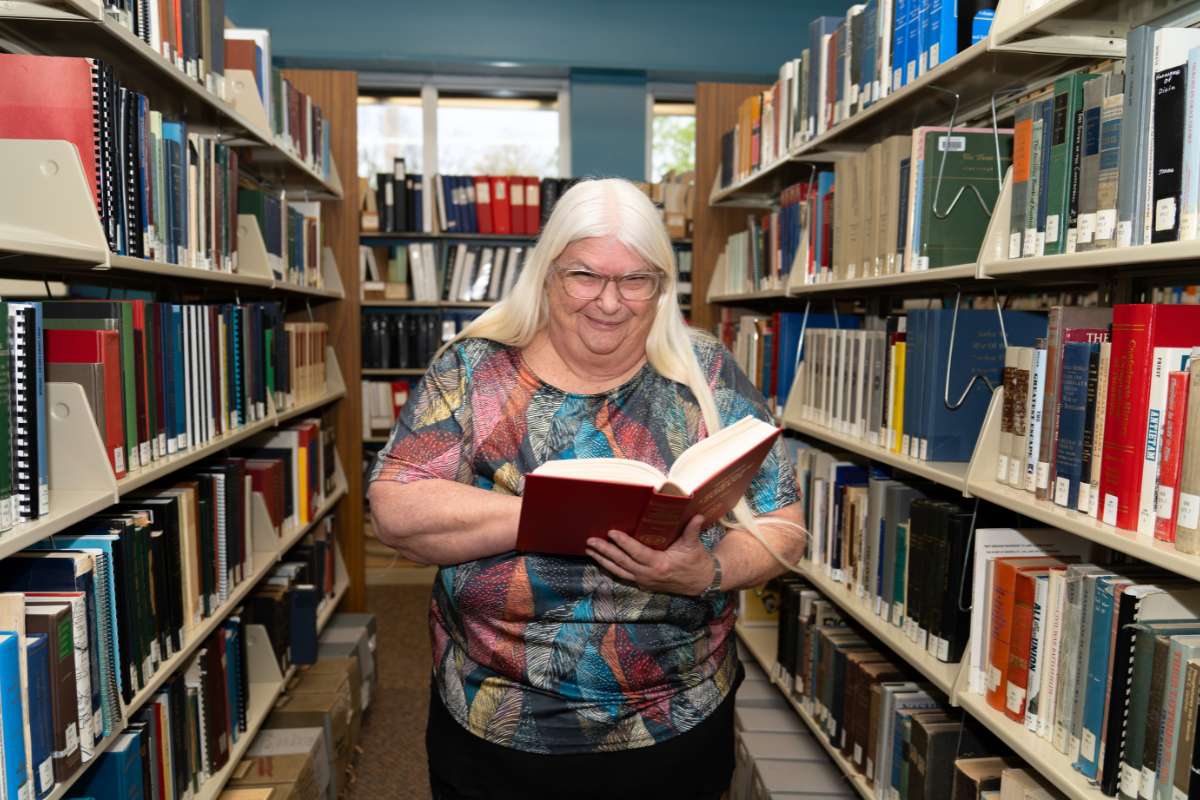
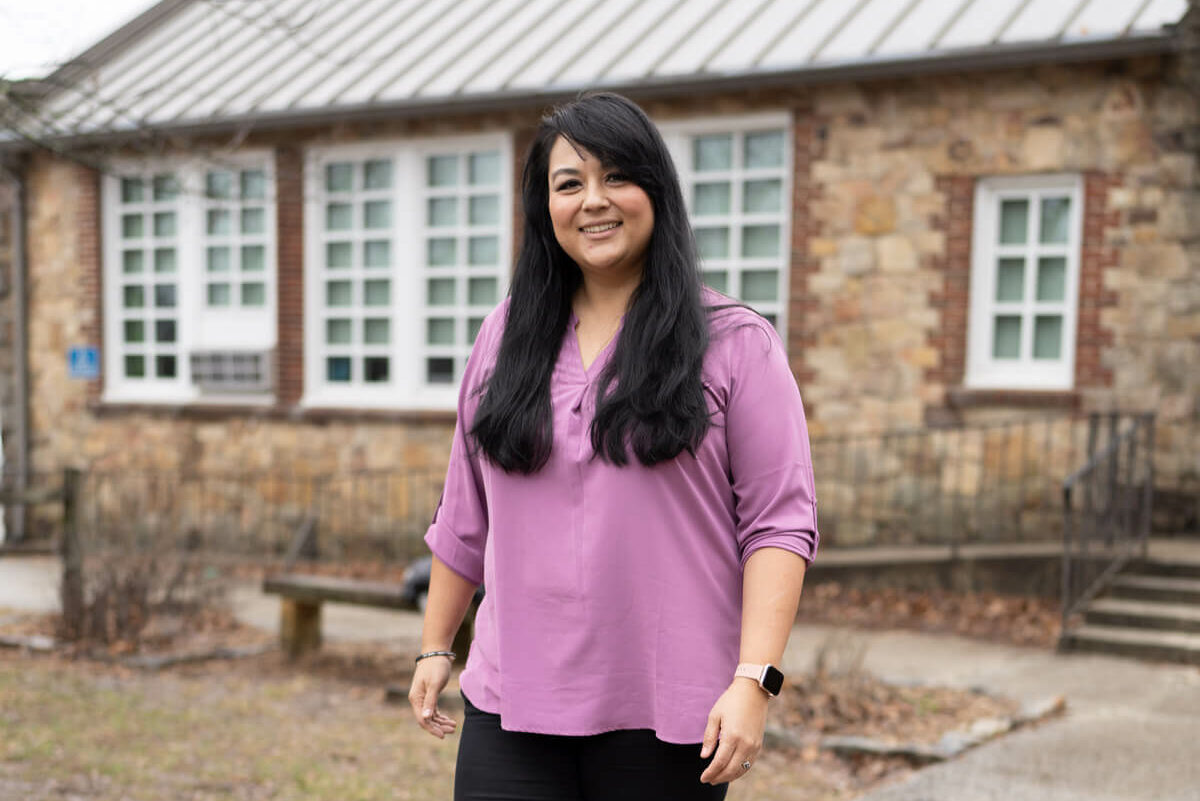
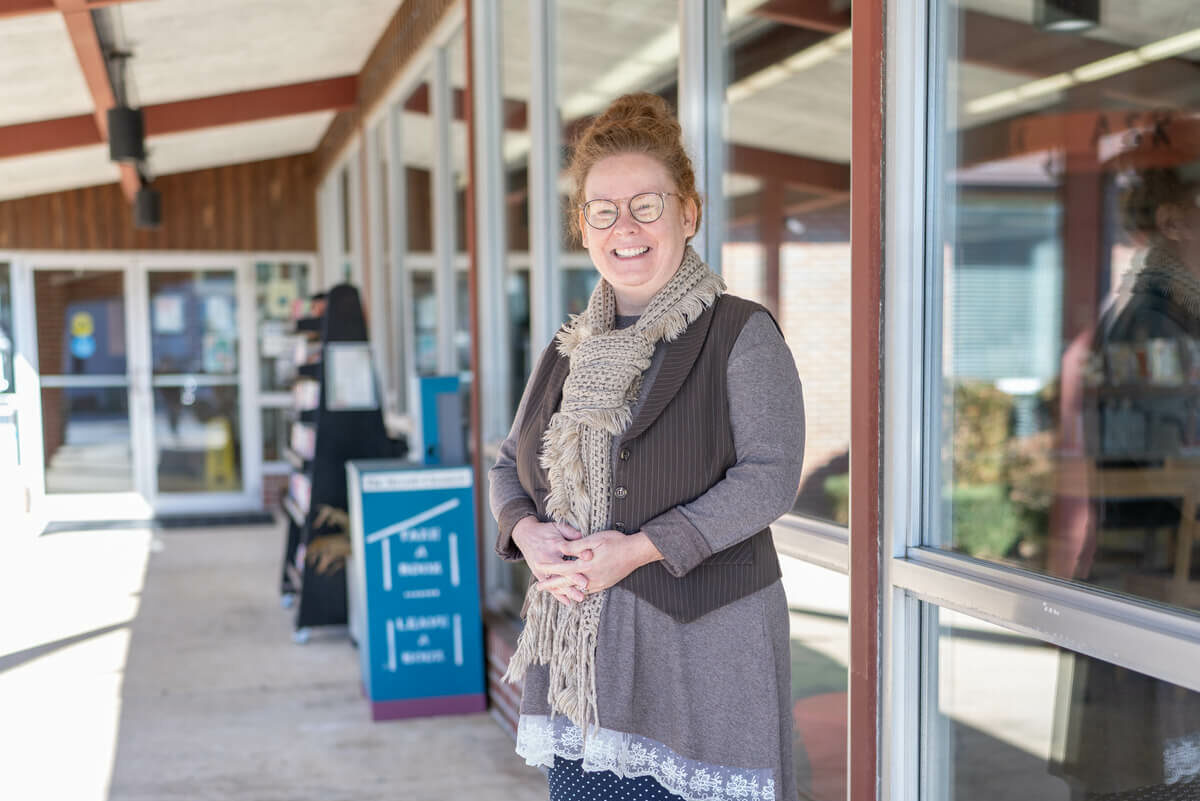
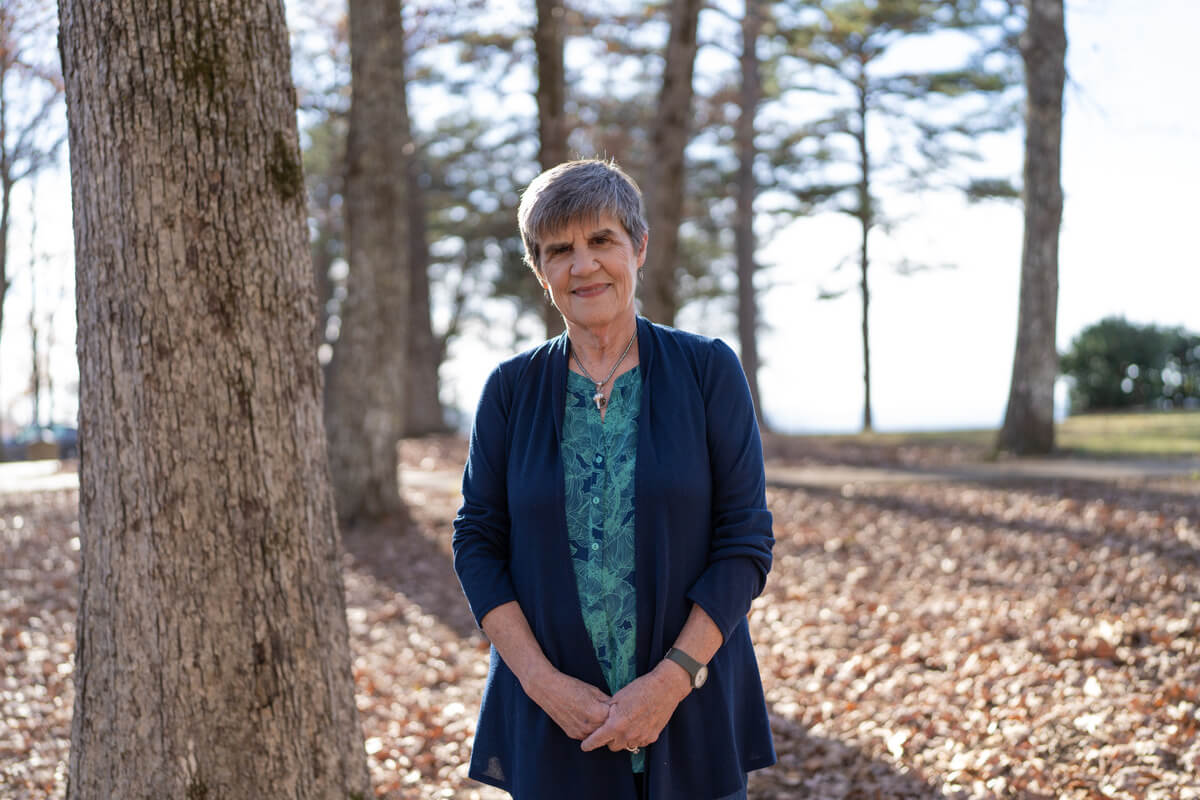
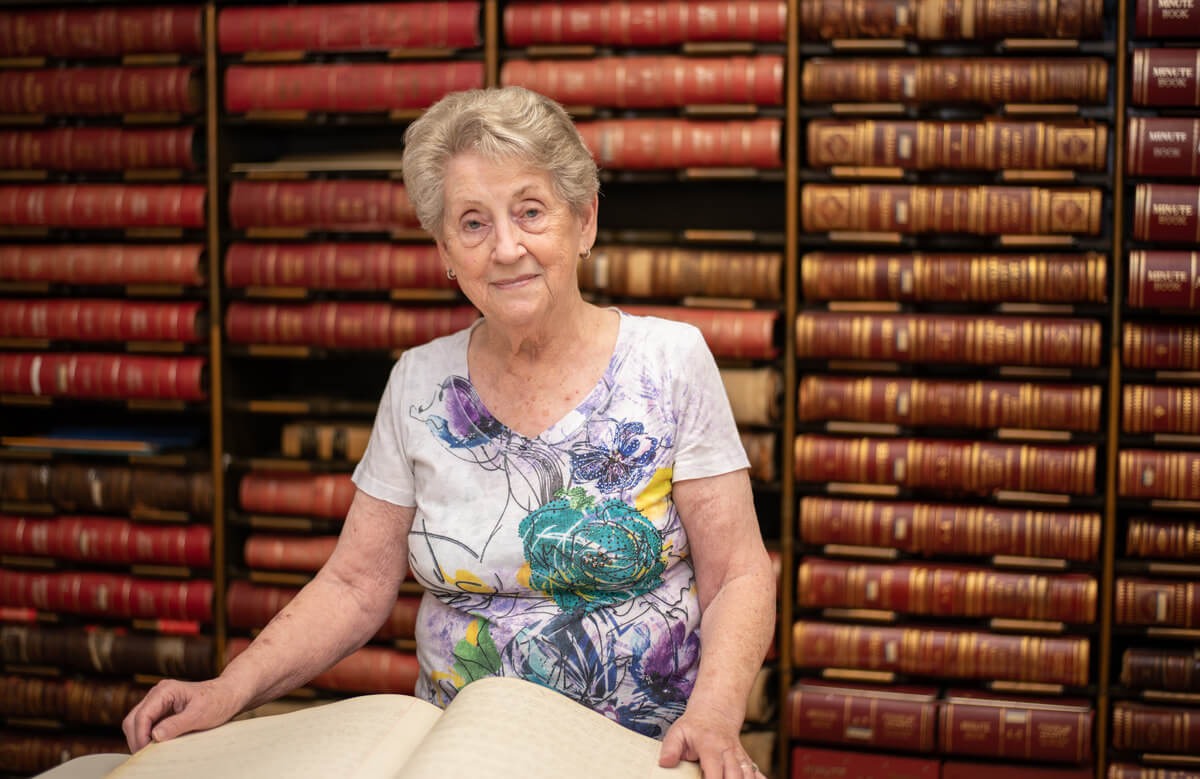
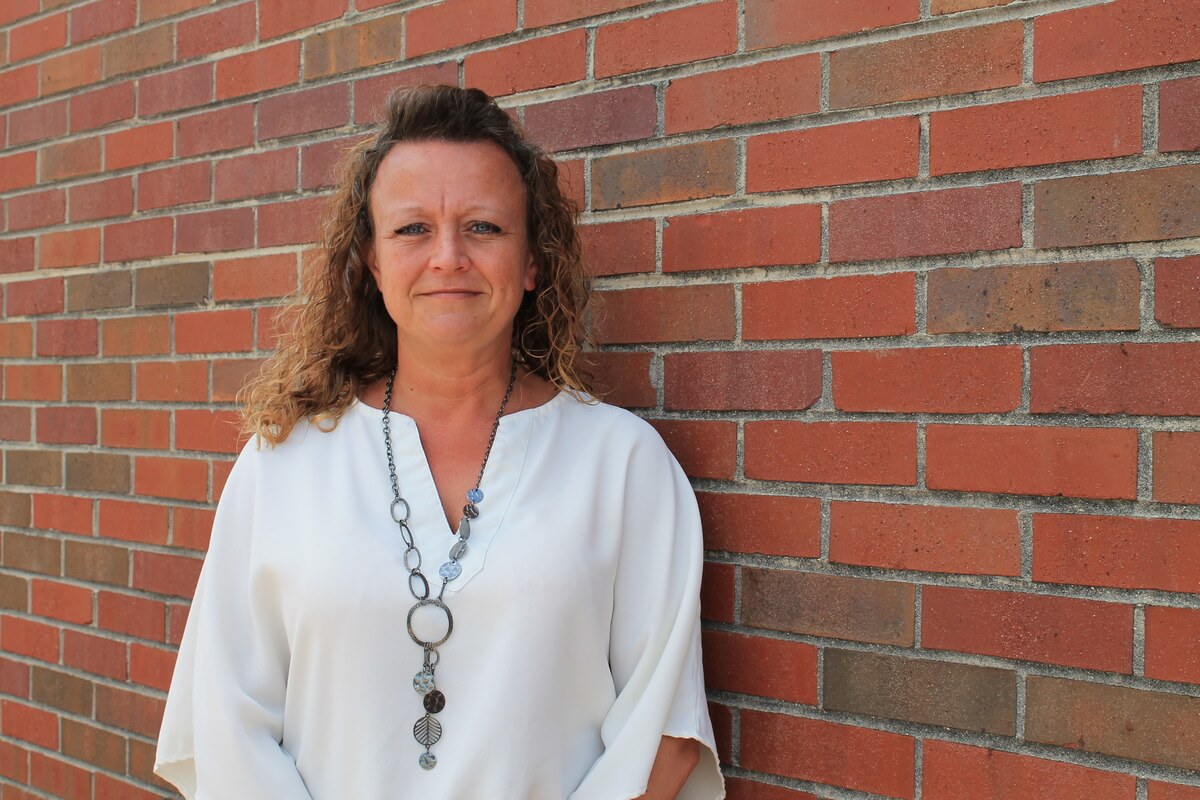
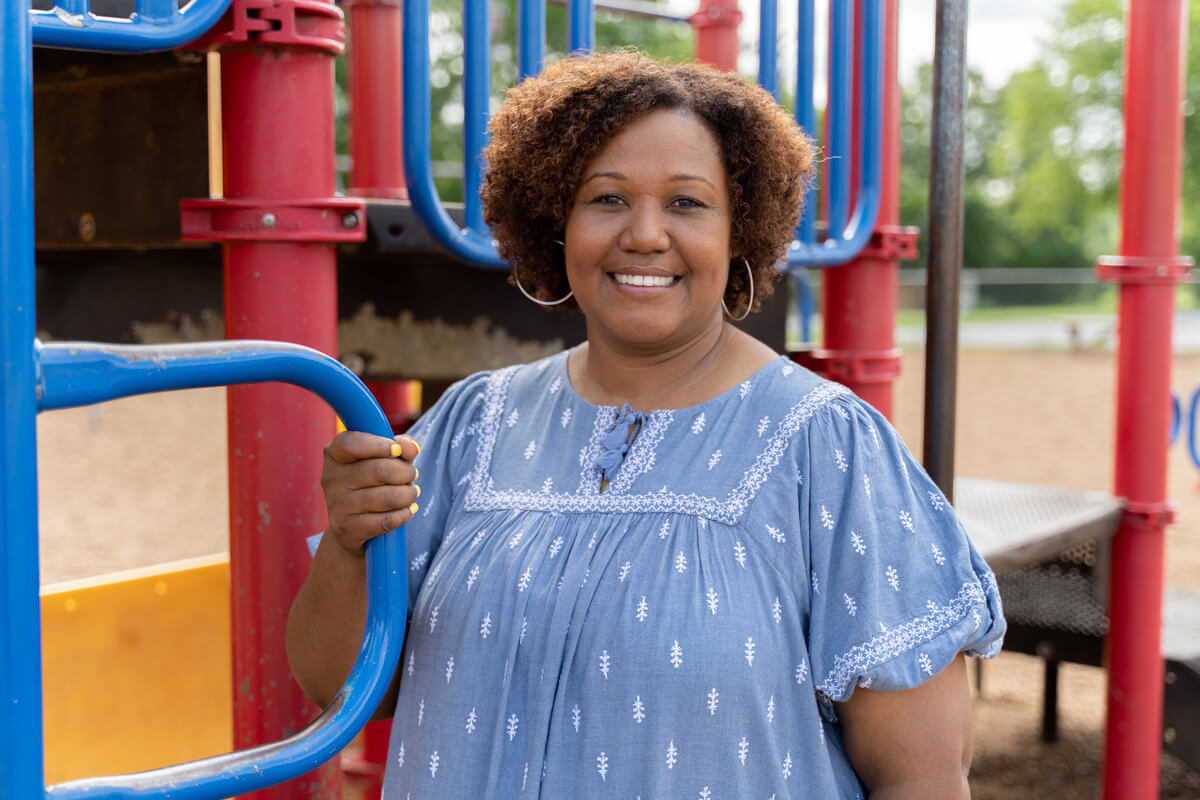
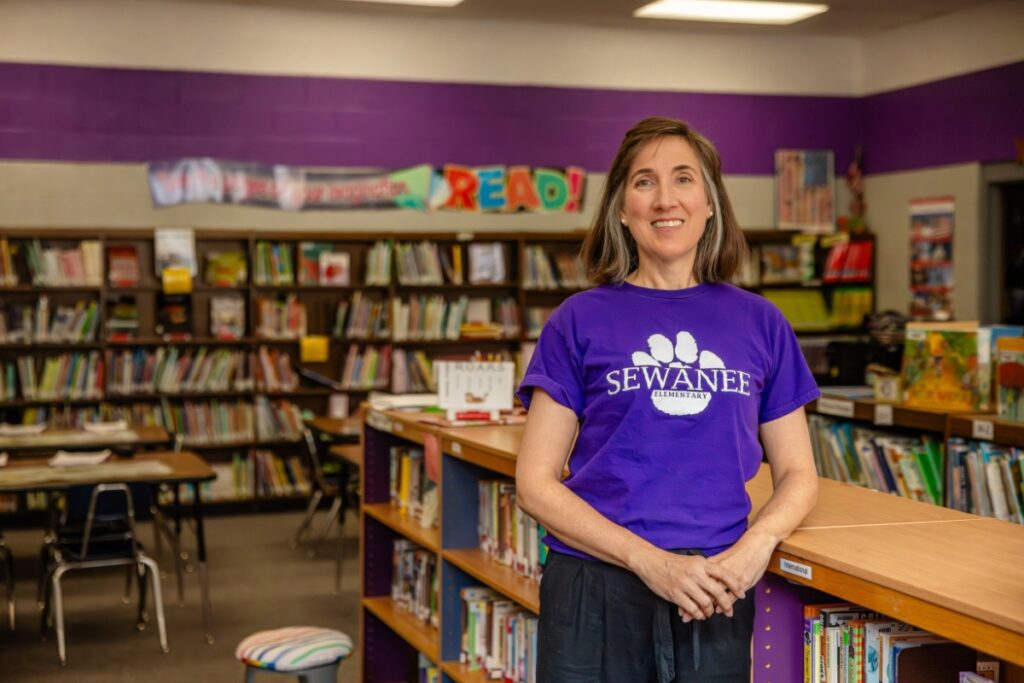
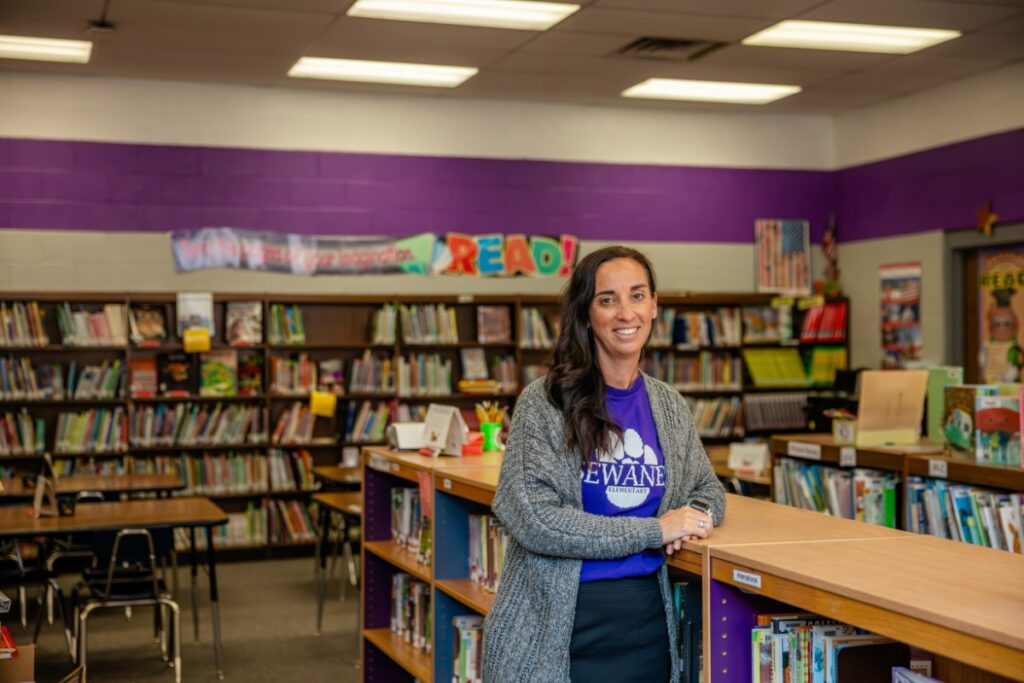
“Sewanee Elementary School is truly a community school,” explained librarian Kathryn Bruce, who has been leading efforts to preserve and share the school’s history. From its earliest beginnings, the school has been shaped not just by educators, but by the people of Sewanee themselves.
Before the school officially opened its doors in 1926, students attended the “Billy Goat Hill School,” a crowded facility with limited resources. Children helped stoke the coal furnace and carried water from a nearby well. Recognizing the need for something more, the Sewanee Civitan Club voted in 1922 to build a public school, funded by the community rather than the county.
What followed was a collective effort that would define Sewanee Elementary for generations. Citizens raised funds through plays, pledges, and local events, while others offered labor to physically construct the building. University students and community members cleared land and laid foundations, while women prepared meals to support the workers. By the time construction was complete, the school stood not only as a place of learning but as evidence of what a united community could accomplish.
That same spirit of involvement has continued for a century
From supplying classroom materials to supporting teacher salaries in its early years, the Sewanee community has remained deeply invested in the school’s success. Today, that partnership continues in meaningful ways. Students regularly participate in service initiatives, such as food drives supporting the Community Action Committee. In one recent effort, the entire school organized a cereal drive that collected more than 500 boxes for local families in need.
Local businesses and organizations also play a vital role, offering resources, experiences, and opportunities that enrich student life. Meanwhile, Sewanee: The University of the South provides volunteers, student workers, and access to facilities, creating a mutually beneficial relationship between higher education and elementary education.
The school’s history is truly marked by moments of courage and conviction.
During the era of desegregation, Sewanee Elementary became the first school in Franklin County to integrate. While the county initially resisted, citing a lack of space, the community stepped forward once again. Local citizens raised $40,000 to expand the school, advocating for inclusion and equal opportunity. When progress stalled, a group of families took legal action, ultimately winning the case and paving the way for integration. That chapter remains a defining part of the school’s identity.
“Our students’ educational experience continues to thrive because of the variety of students in each classroom,” Bruce said. “Regardless of background, teachers believe every child can succeed.”
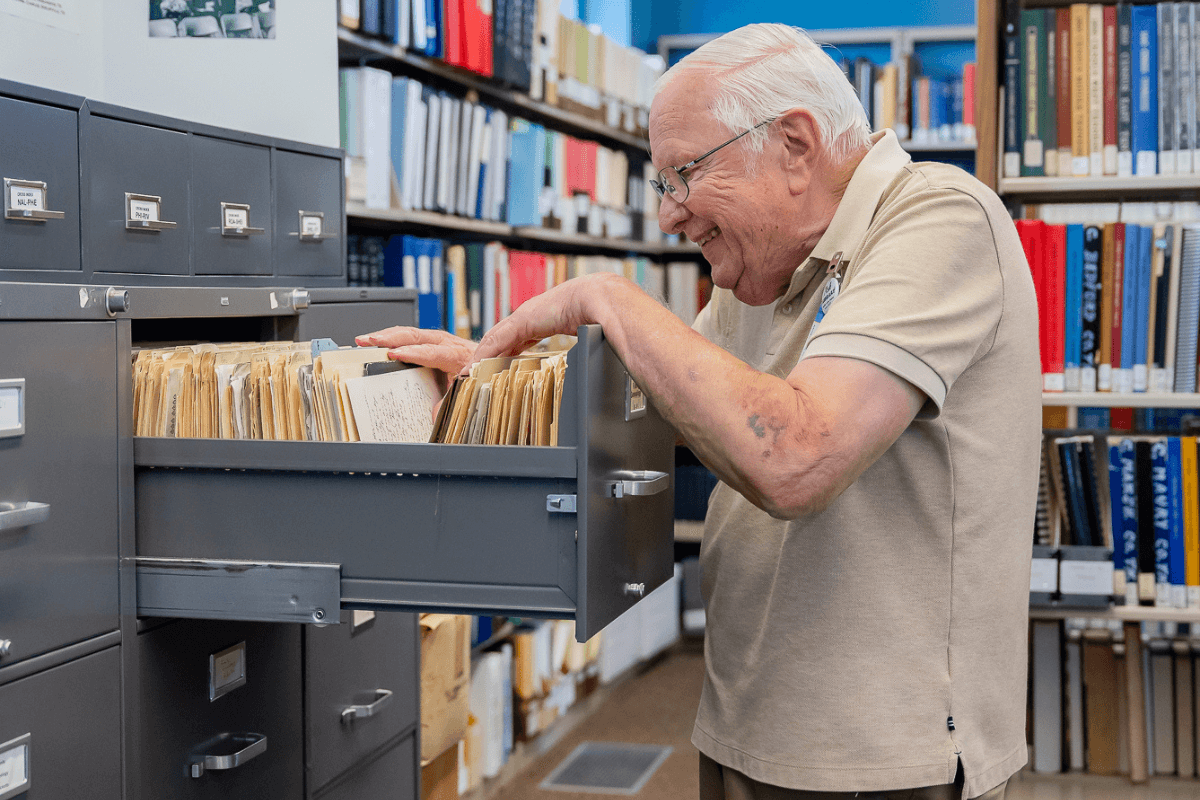
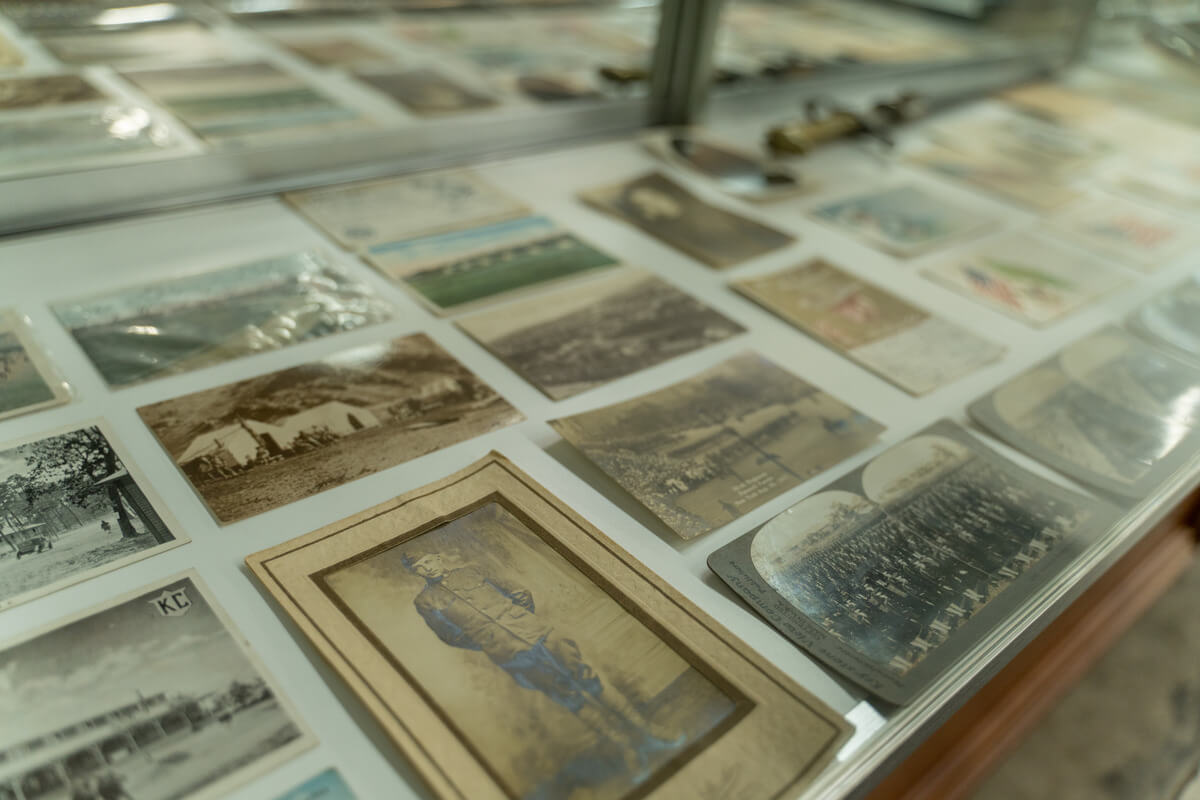
As the centennial approaches, Bruce has worked alongside school leaders, community members, and local organizations to ensure that this history is not forgotten. Through archival research, interviews, and collaboration with the university’s archives, the story of Sewanee Elementary is being brought to life in new ways.
One of the most meaningful aspects of the project has been the involvement of current students.
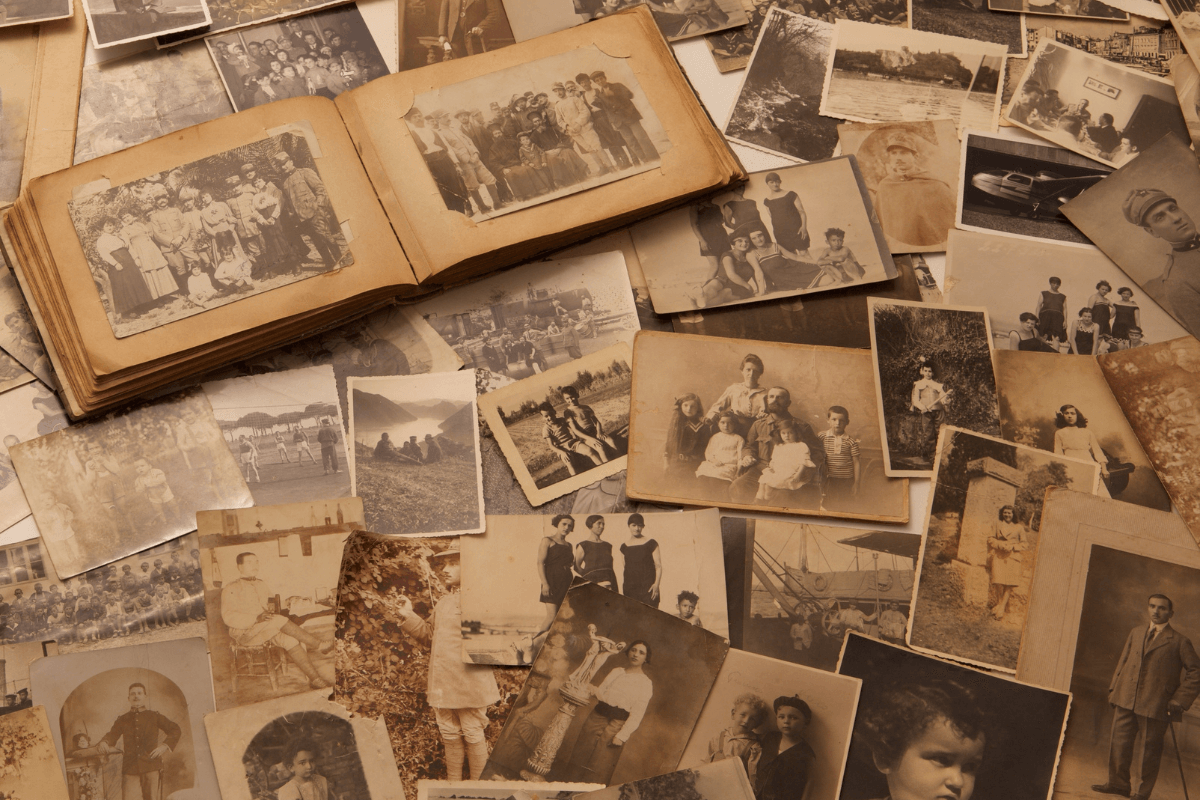
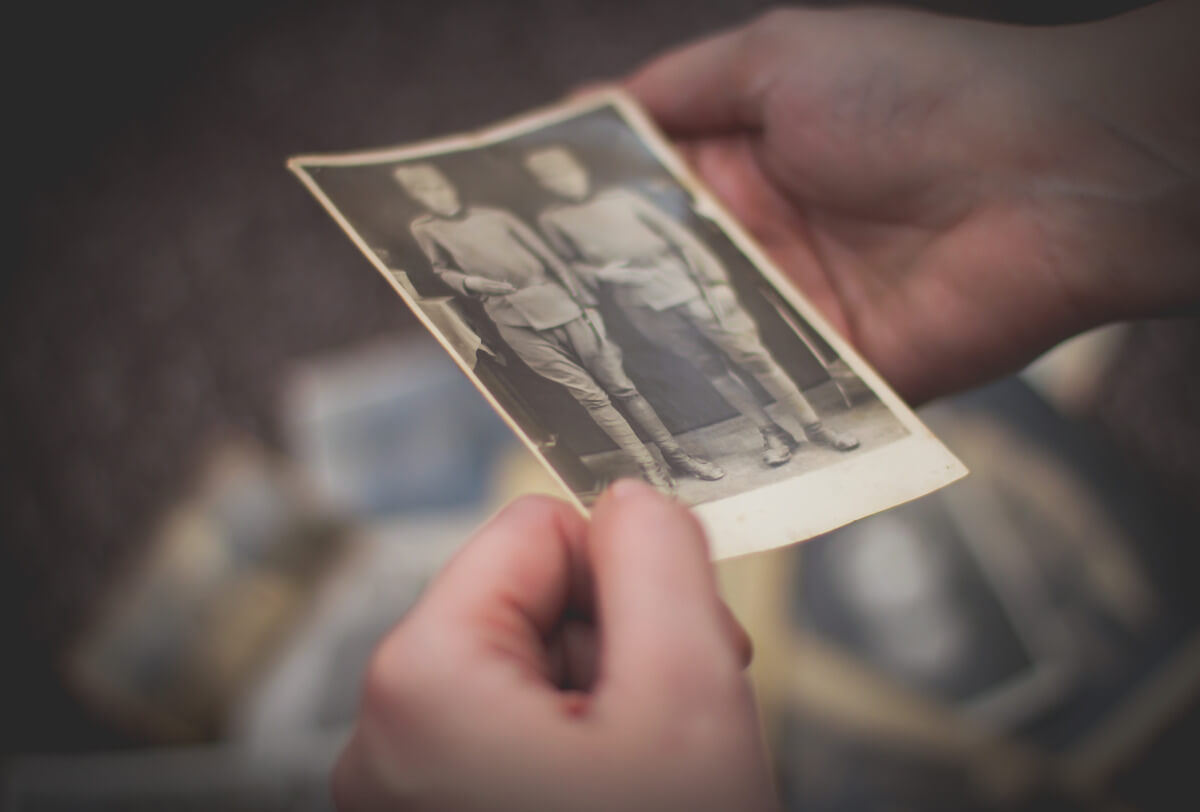
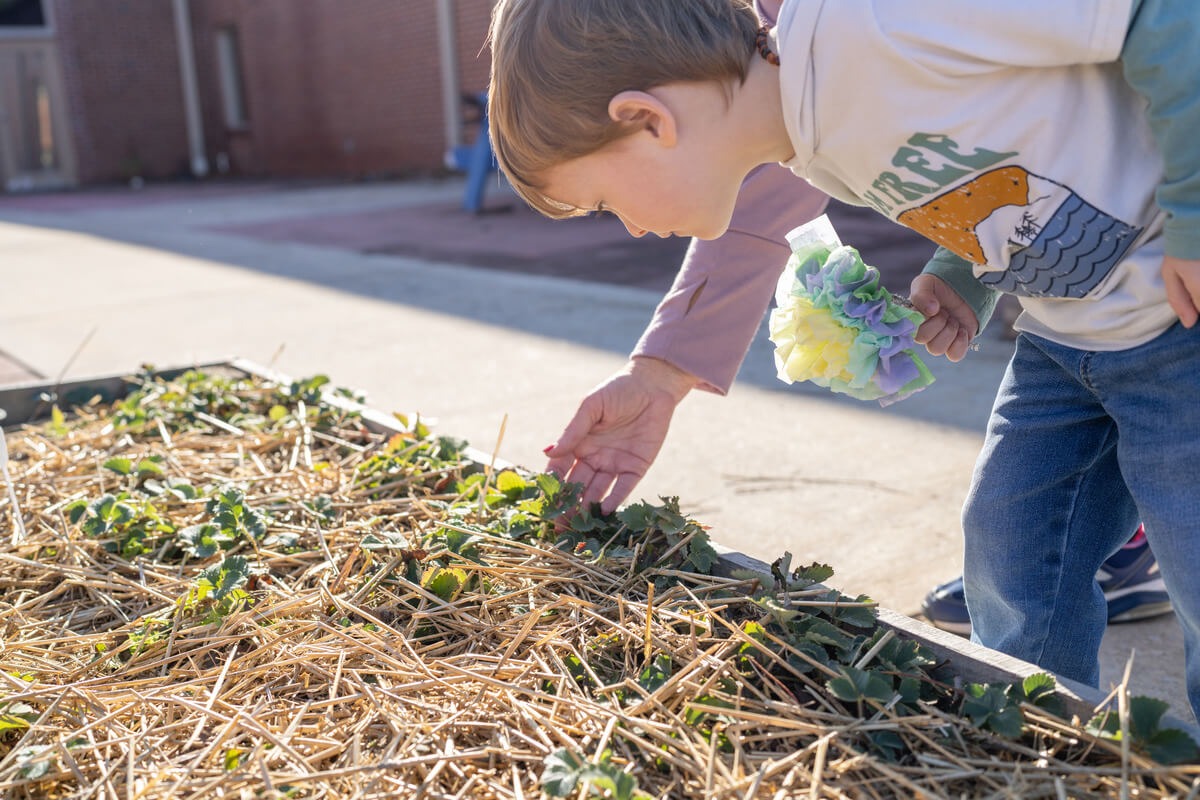
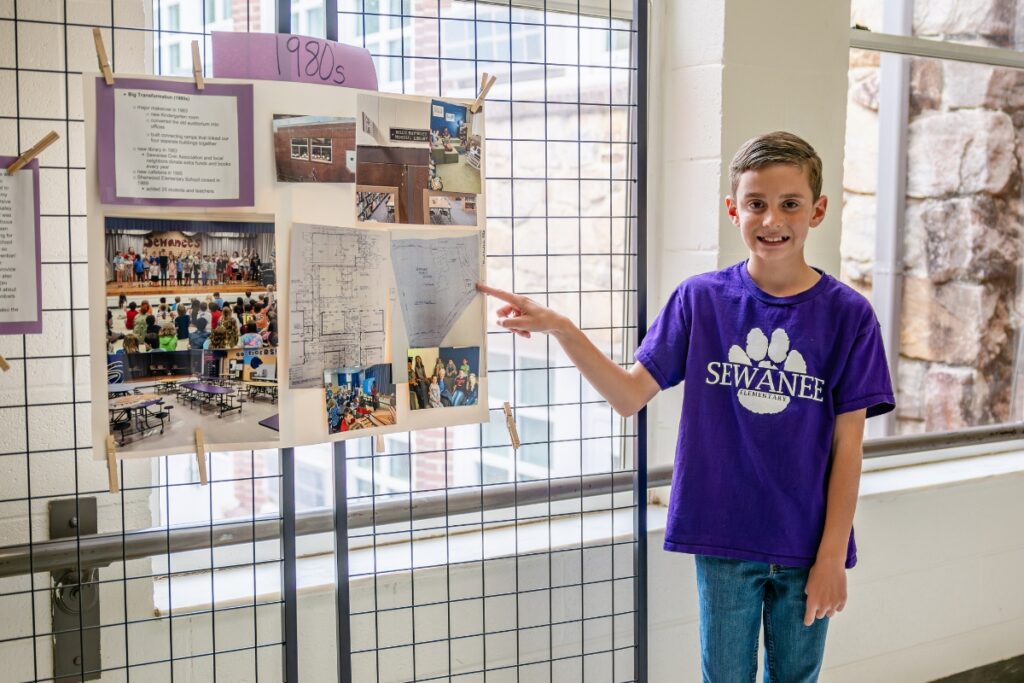
By interviewing former students, exploring historical photographs, and participating in storytelling through the school’s weekly “Tiger News” broadcast, students are gaining a deeper understanding of the place they are a part of. They are discovering connections between the past and the present, learning that the values shaping their experience today have been shaping their experience for generations.
“Our goal is to foster community-minded citizenship within our school,” Bruce explained. “We want each student to understand that Sewanee Elementary was built by the community and for the community.”
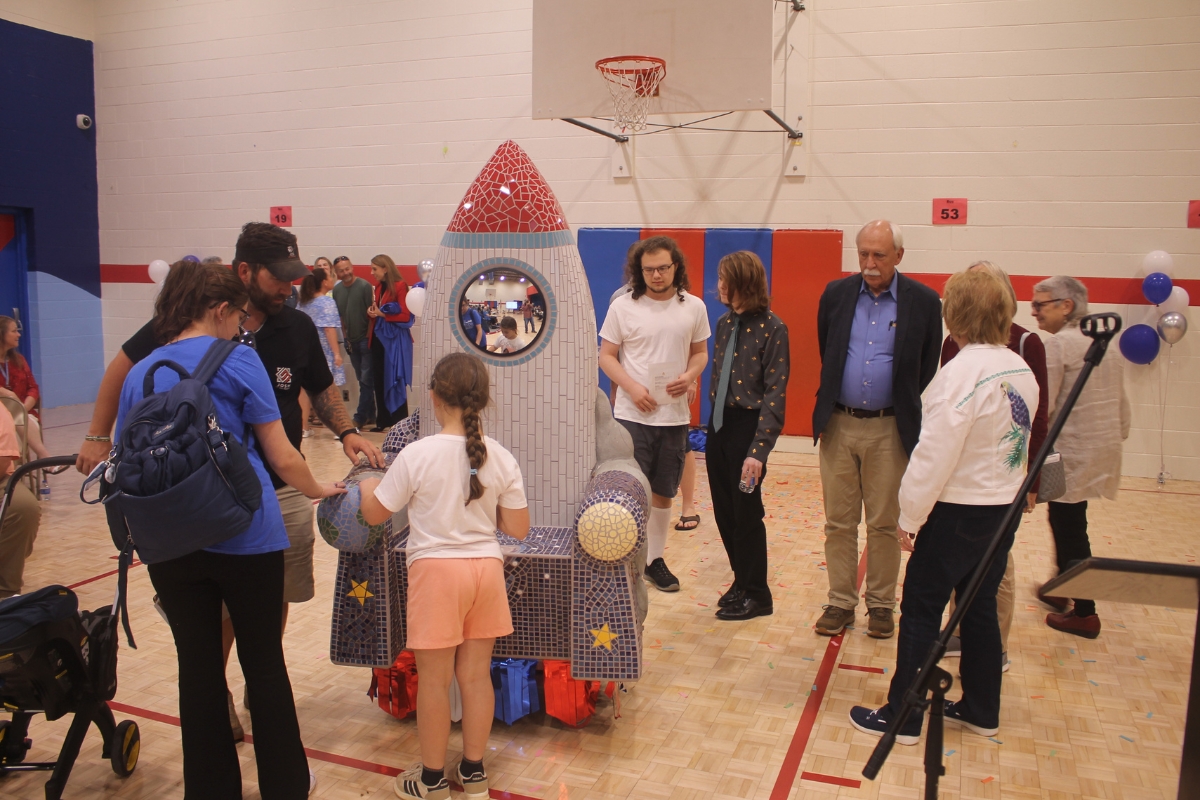
That message was central to the school’s centennial celebration on May 8. The event included a student-led
wax museum” highlighting the school’s growth, displays of class photos spanning decades, and the unveiling of a new school sign. A Storybook Trail was dedicated in memory of a beloved principal, and community members were invited to contribute to a commemorative garden.
Throughout the year, the school has embraced the theme “Building Our Future,” a thoughtful reflection not only on the past 100 years but also on the responsibility of the next generation. GN