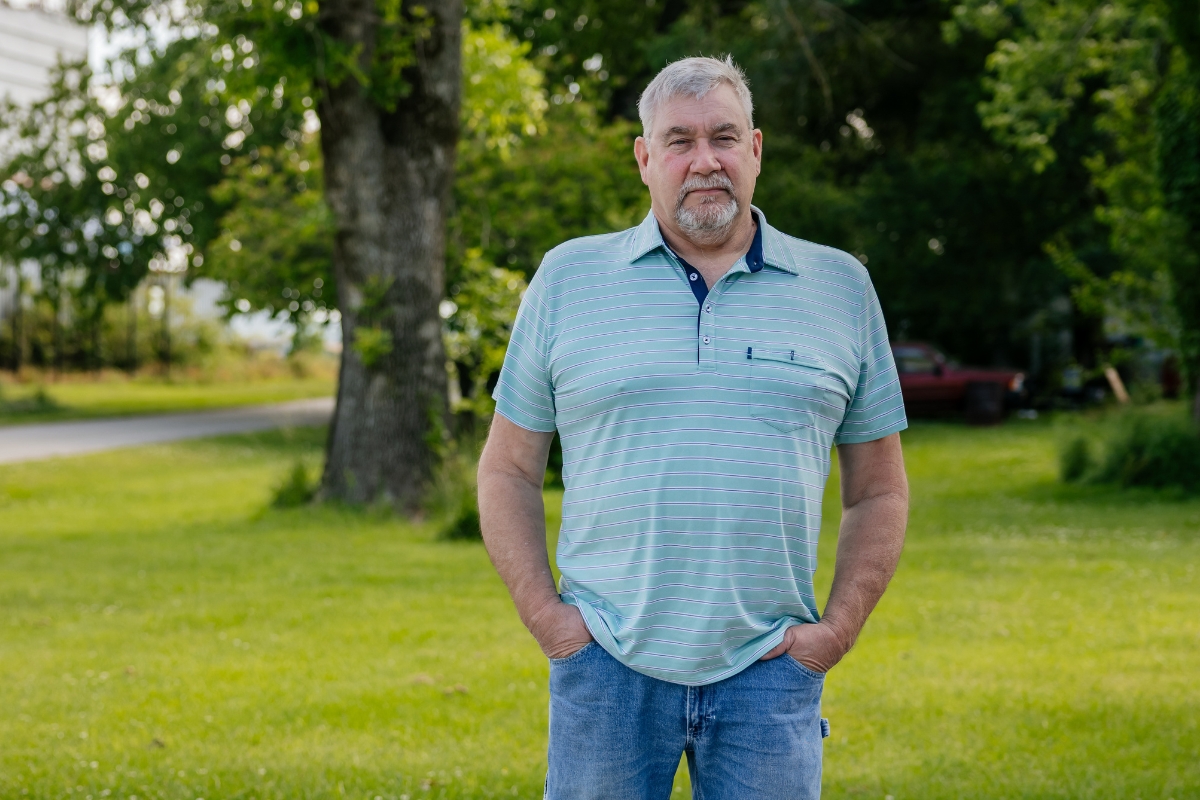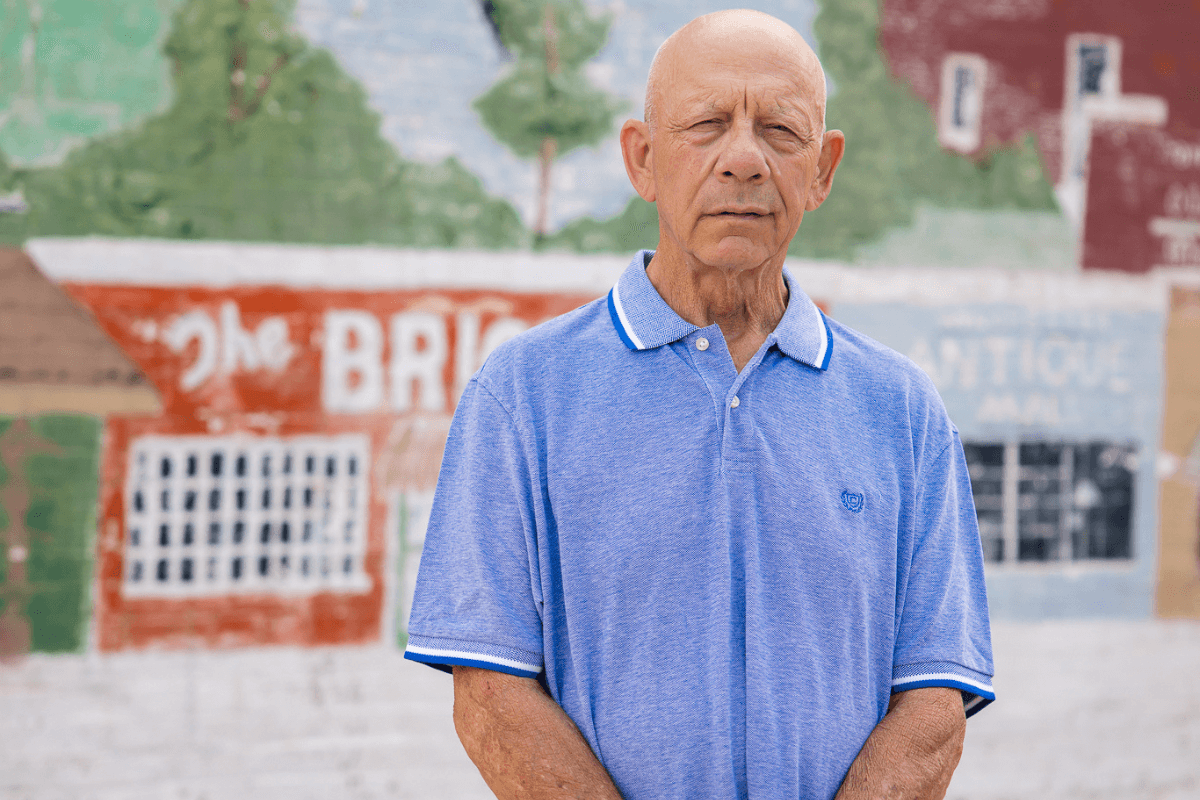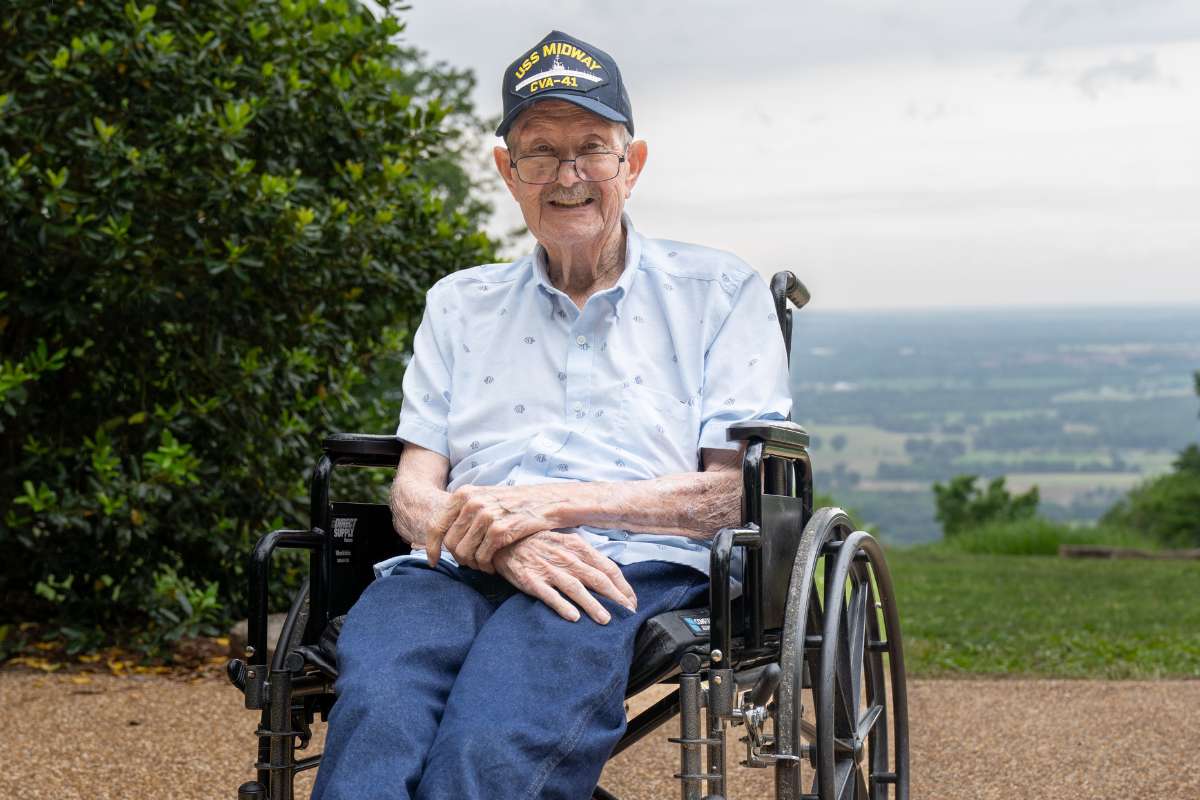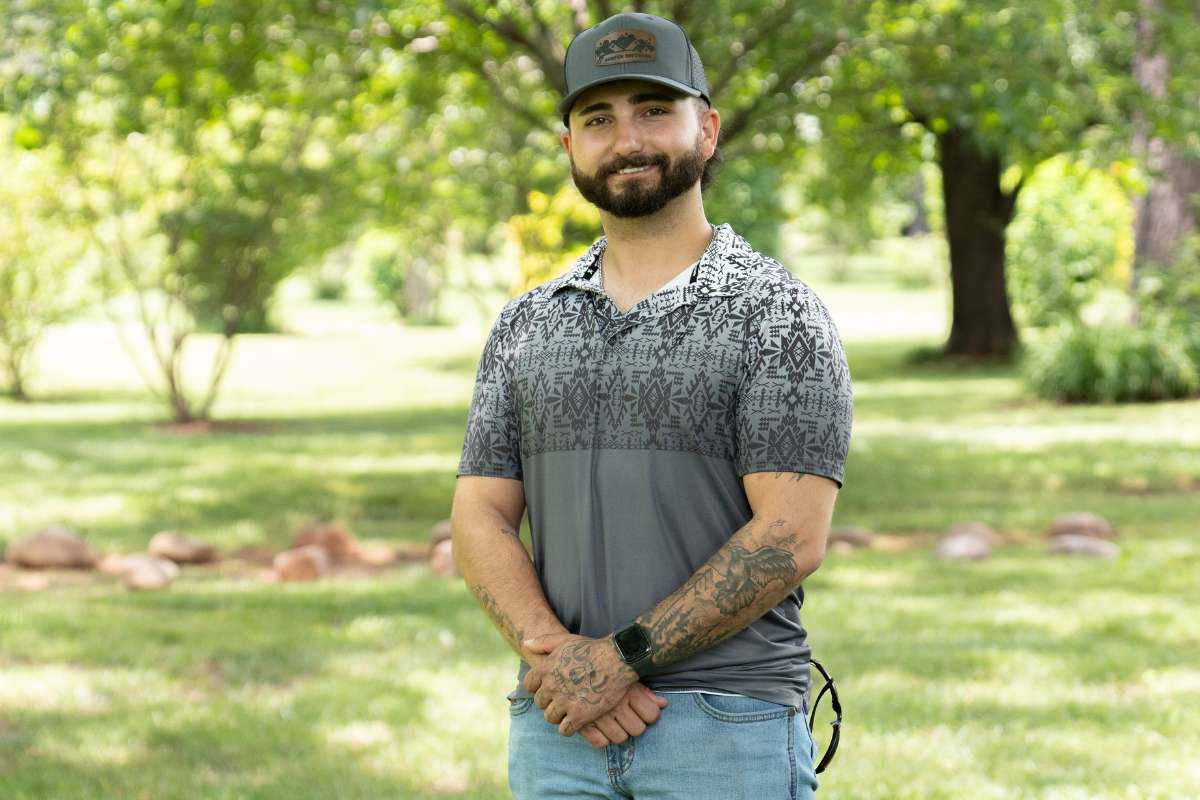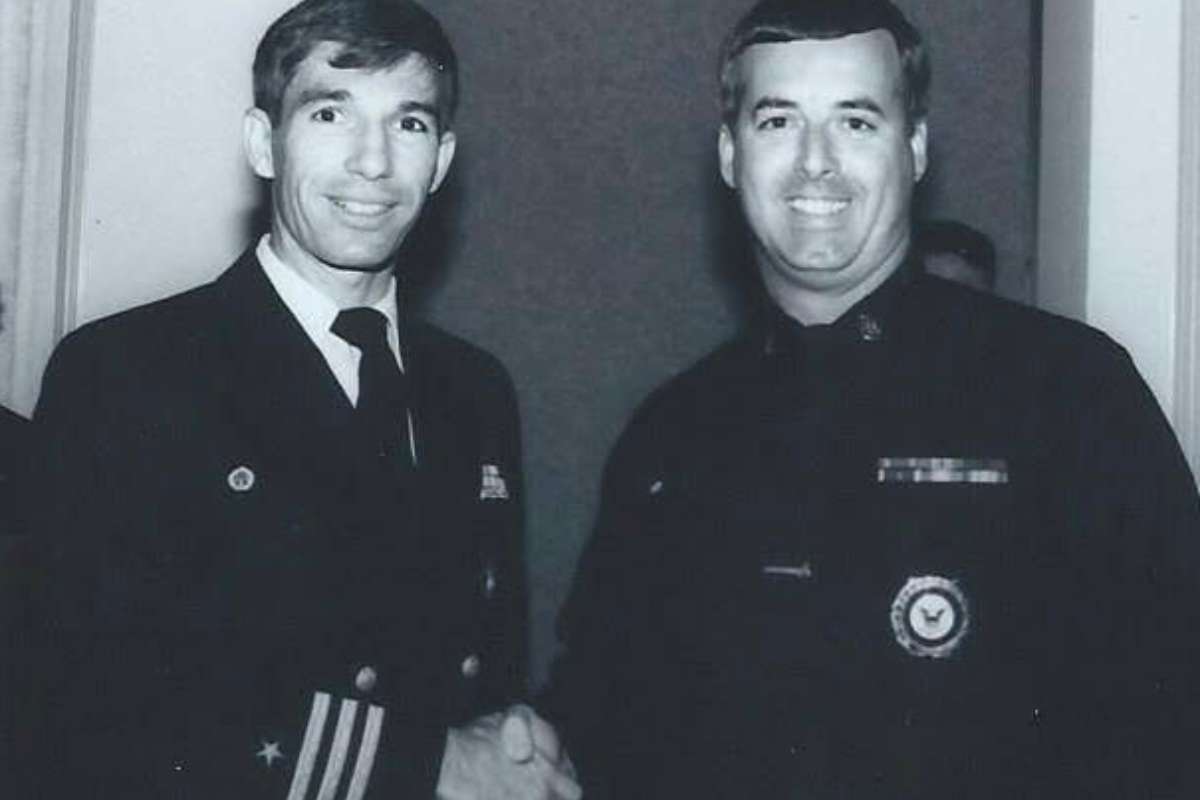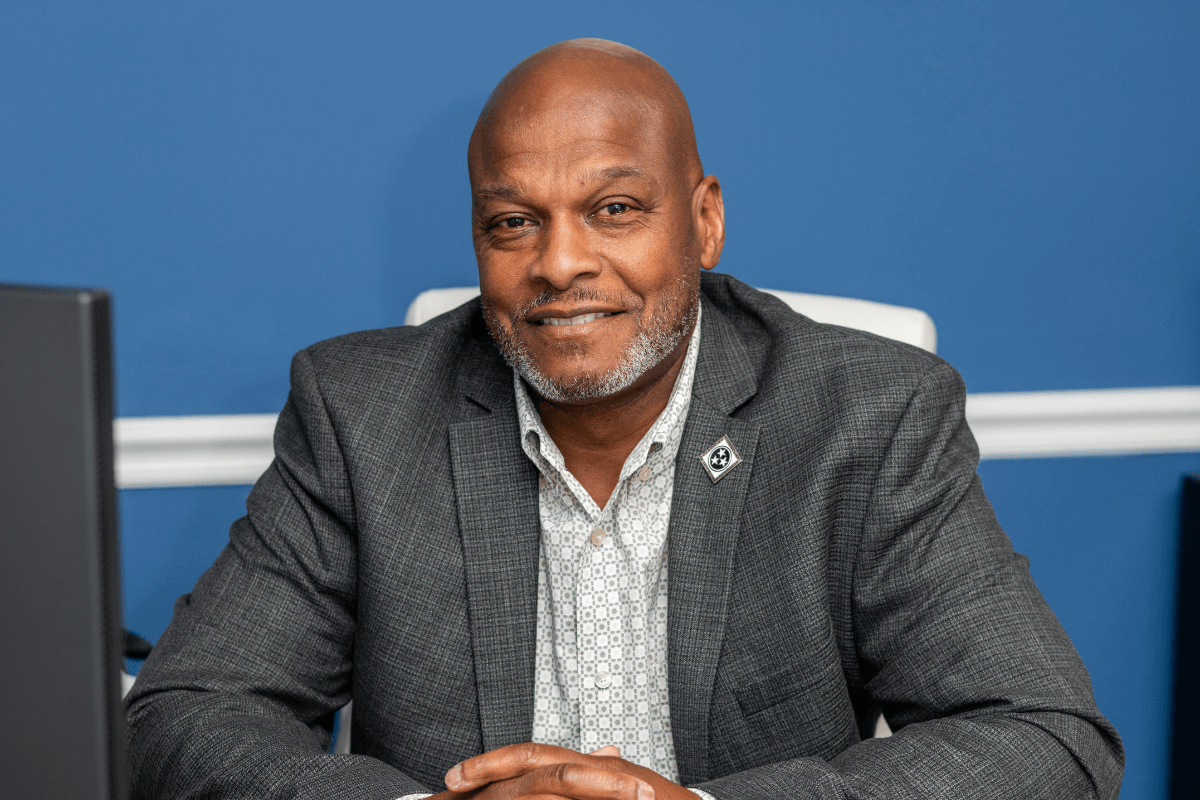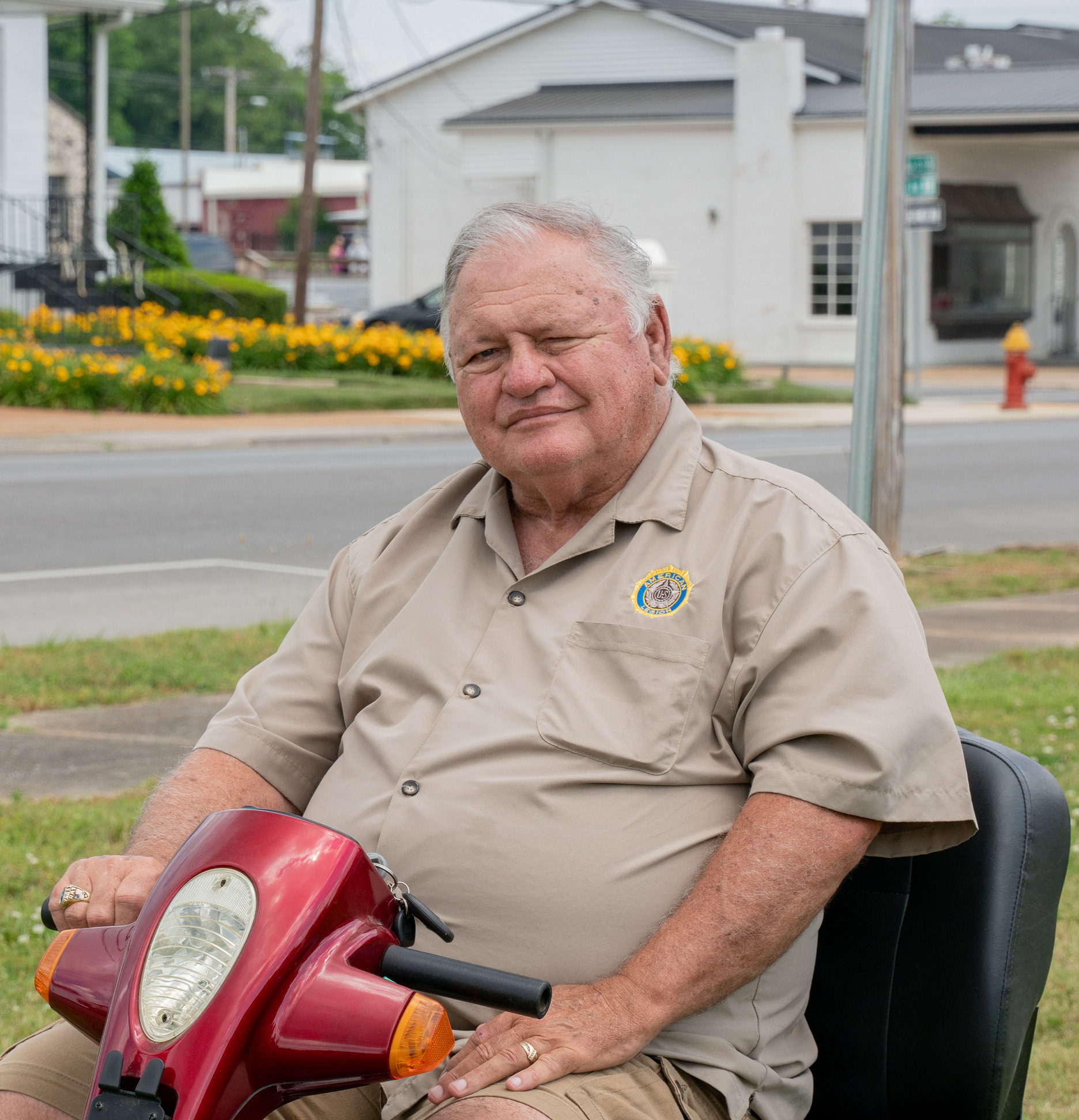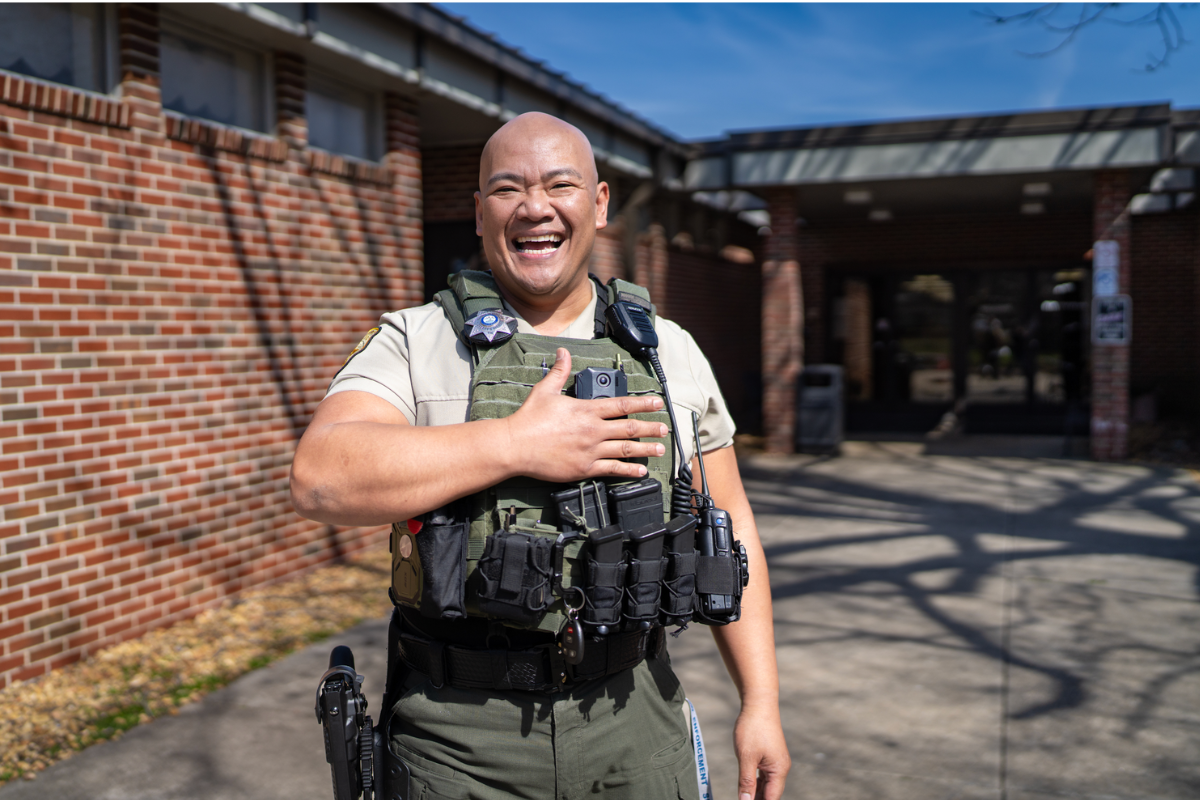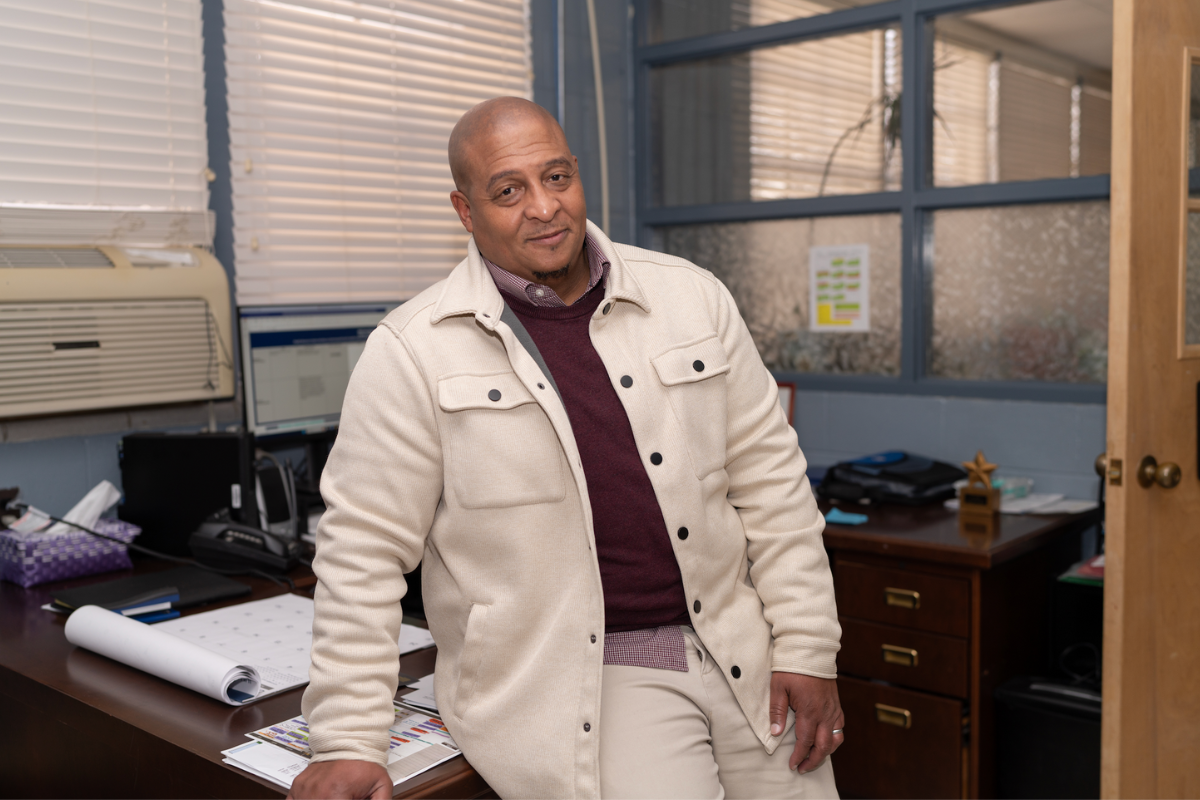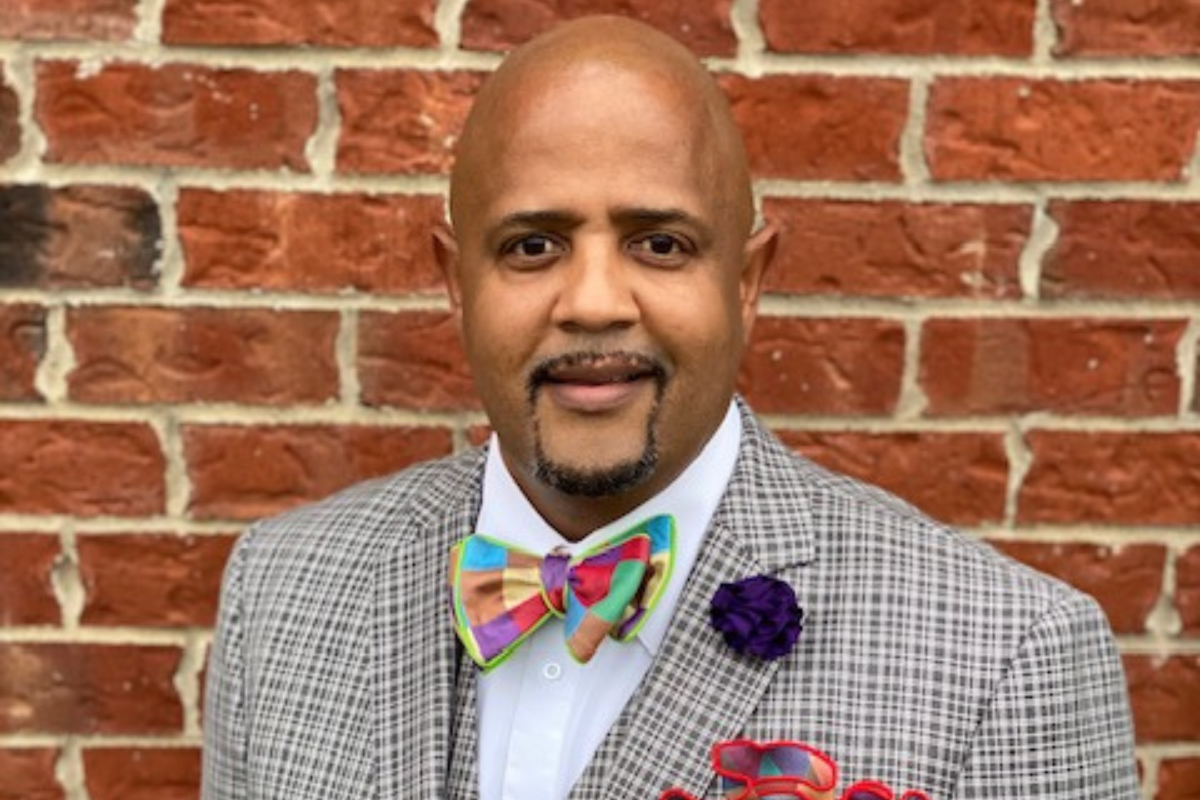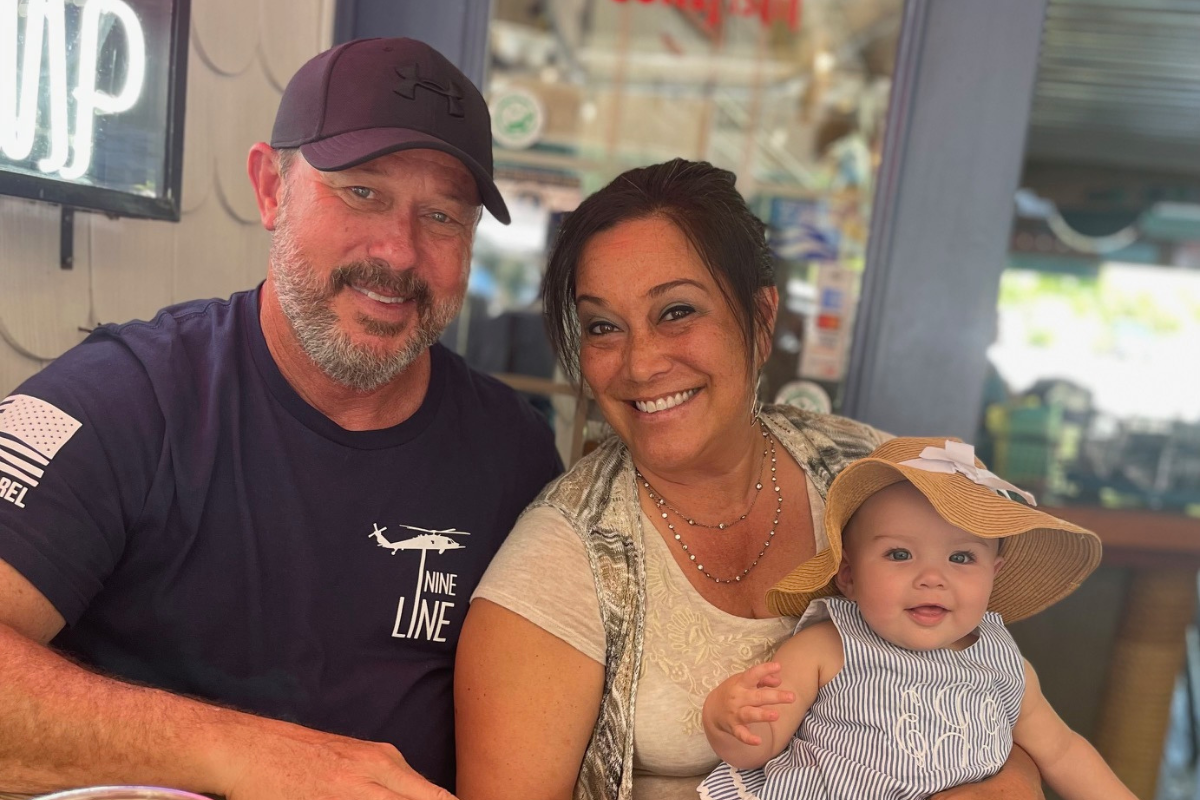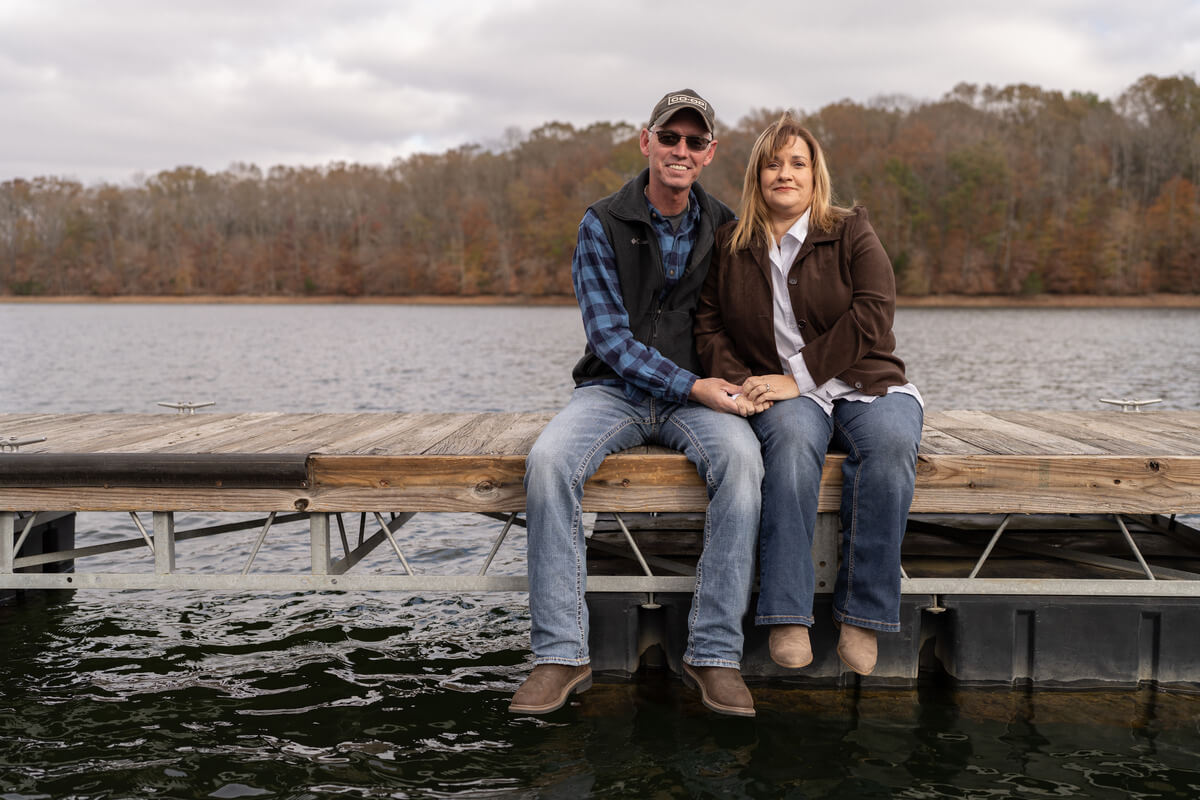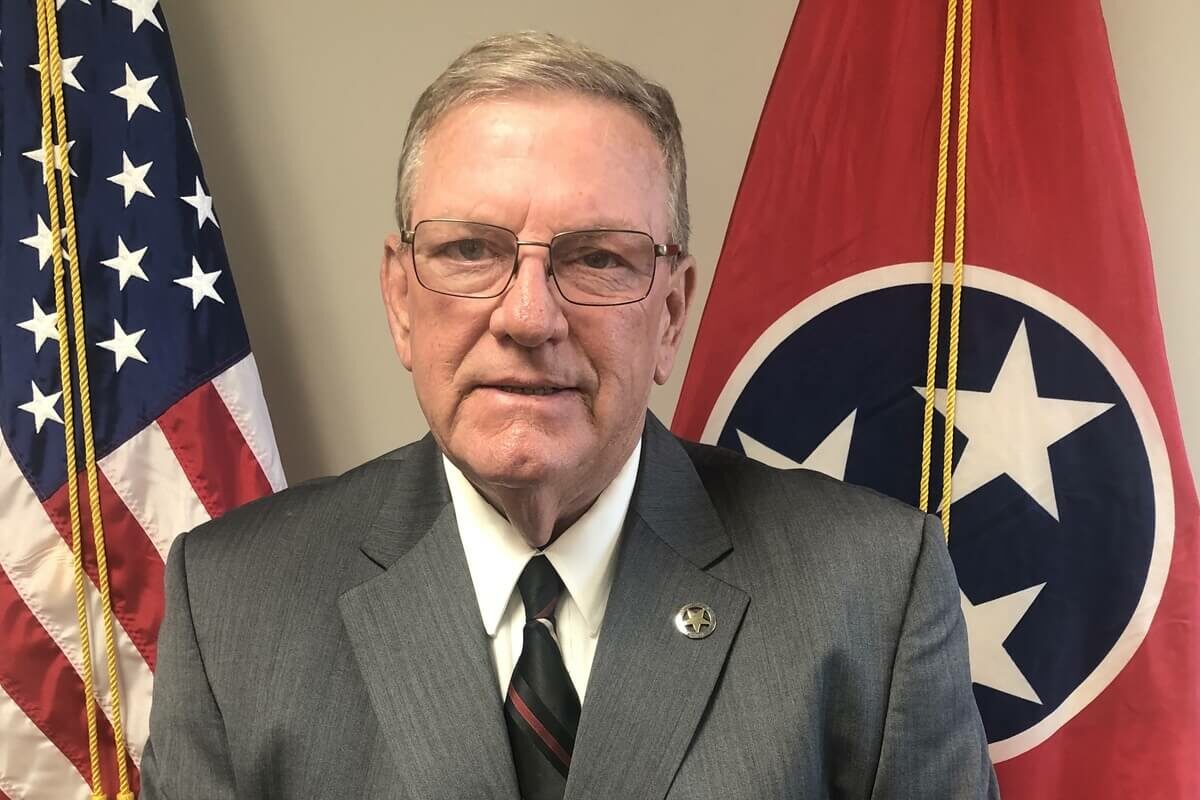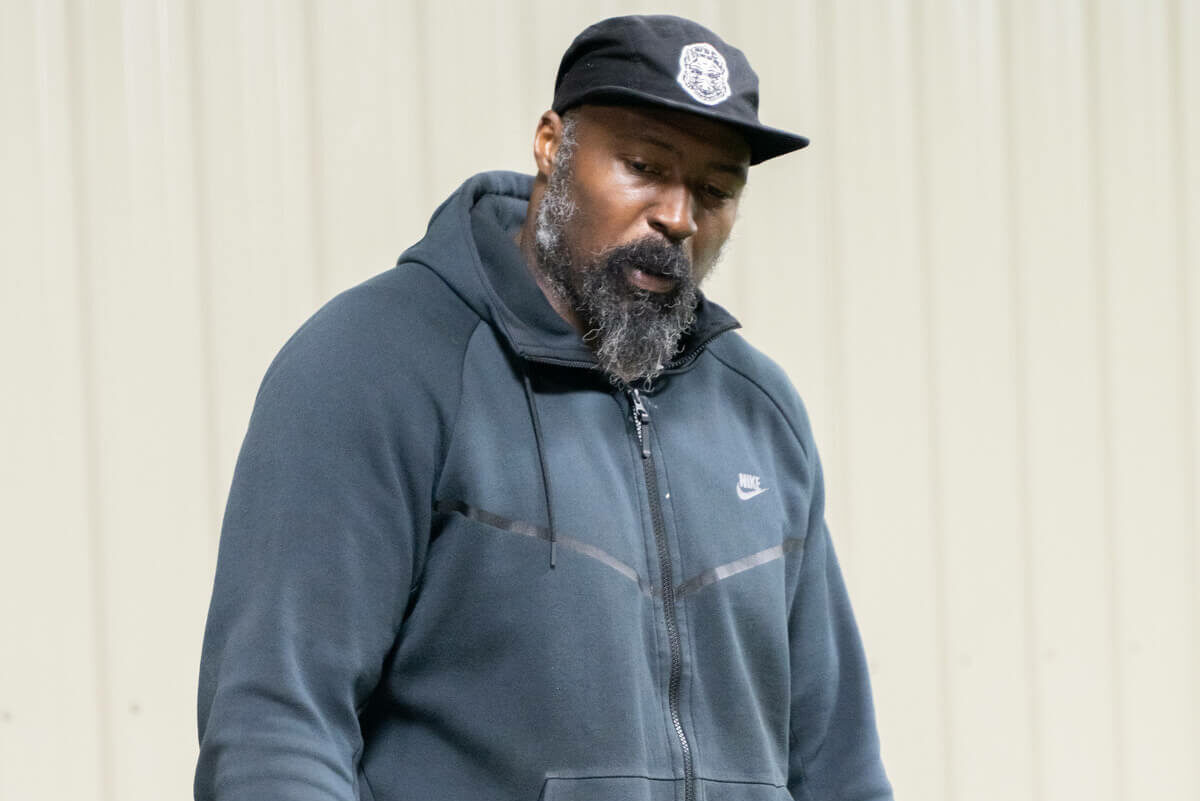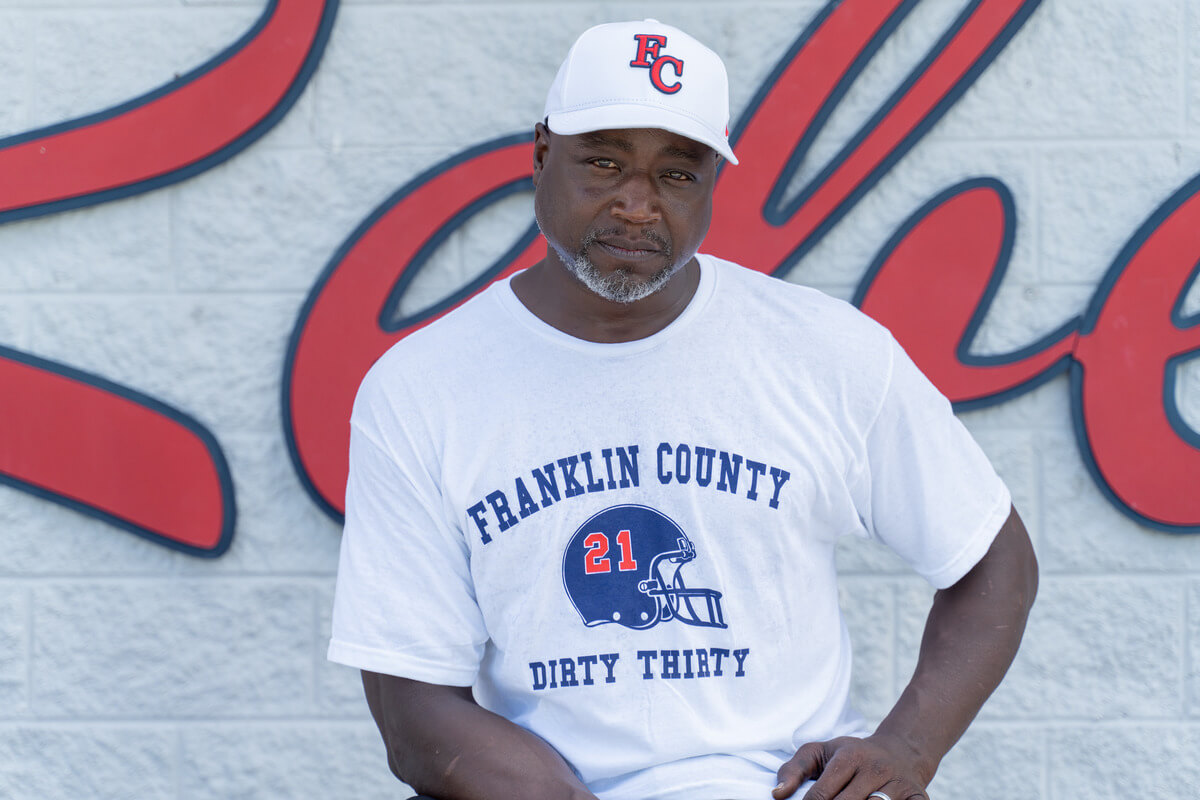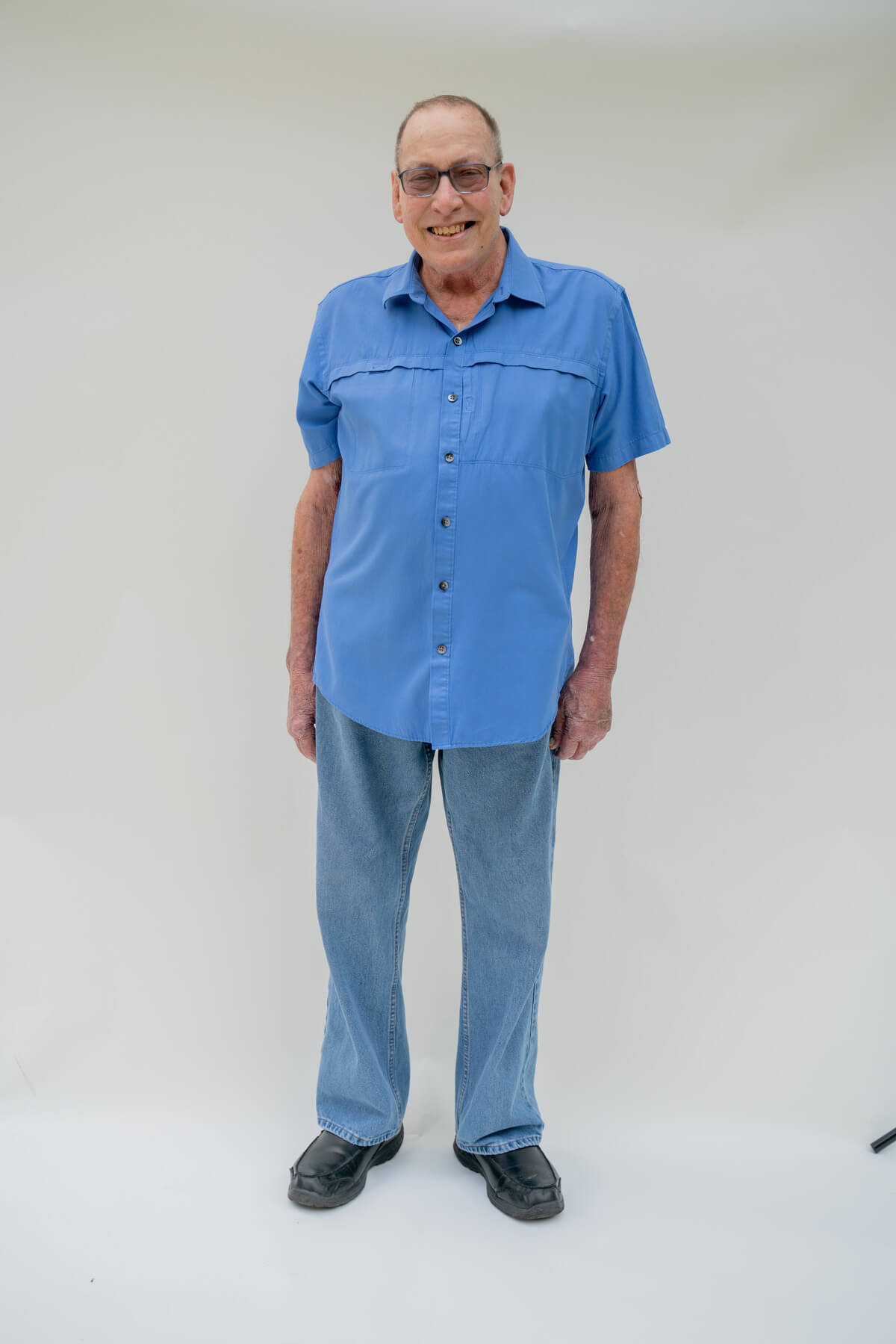
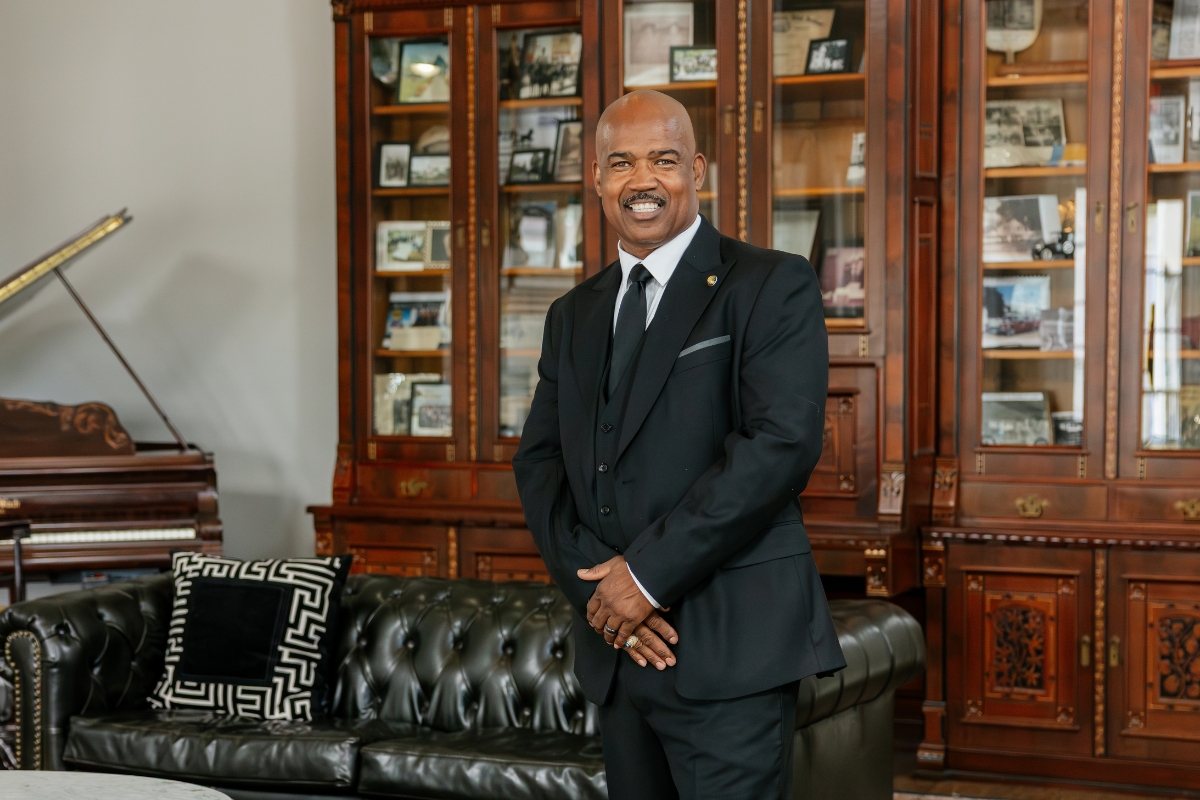
CARY ROWE served 22 years on active duty, participating in multiple operations including the Panama conflict, Operation Desert Storm, Desert Recovery, and the Liberation of Kuwait. Rowe’s service also included deployments to Bosnia, Somalia, Puerto Rico, and Costa Rica, as well as involvement in the evacuation of Haiti. Over the course of his career, Rowe worked in a range of environments that required a deep sense of adaptability, consistent leadership, and self-discipline.
Rowe’s decision to enlist began at a young age, influenced by both family and a desire for opportunity. Growing up in Winchester, he was drawn to the structure and purpose he saw in military life.
“I always loved war movies and seeing my uncle come home in uniform,” Rowe said. “I wanted to be part of something positive and have an opportunity to see the world.”
What initially began as a four-year commitment developed into a long-term career after Rowe evaluated the opportunities available to him. A conversation with a local police officer helped solidify that decision.”
“He told me, ‘Stay in and make a career out of it,’” Rowe recalled. “When I looked at the benefits and opportunities, they outweighed the civilian side.”
One of his earliest deployment experiences remains clear.
“The first thing was stepping off the aircraft and the heat hitting you in the face — it took your breath away,” he said. “Then hearing the sergeant say, ‘Load up on MREs (meals ready to eat) and water — it might be a while before resupply.’”
As part of an engineering unit, Rowe contributed to rebuilding infrastructure, including the construction of what became known as “Tiger Beach,” an area where soldiers could spend their limited downtime before combat operations.
Daily responsibilities required both physical endurance and technical precision. Equipment maintenance, training exercises, and operational readiness were routine expectations. These responsibilities reinforced consistency and attention to detail, particularly in high-pressure environments.
Rowe’s leadership approach developed over time and was shaped by both experience and upbringing.
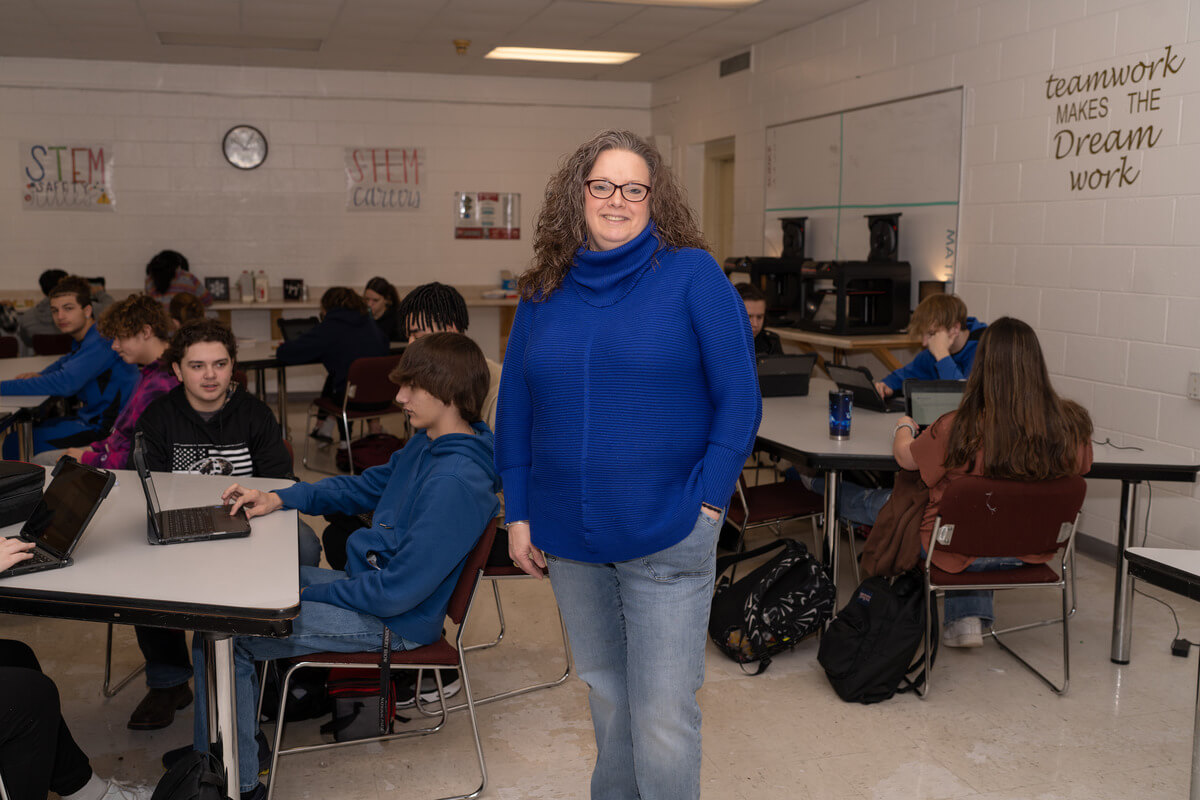
“I was always willing to follow, but when the time came, I took the lead,” he explained. He credits his father for instilling resilience early in life. “He always told me, ‘If you fall, get back up.’” That mindset carried into his leadership style. “I didn’t always have the right answers, but teamwork makes the dream work. You can learn from anyone, just take what works for you.”
Later in his career, Rowe returned to Winchester in a recruiting role. The assignment allowed him to work directly with individuals from his hometown.
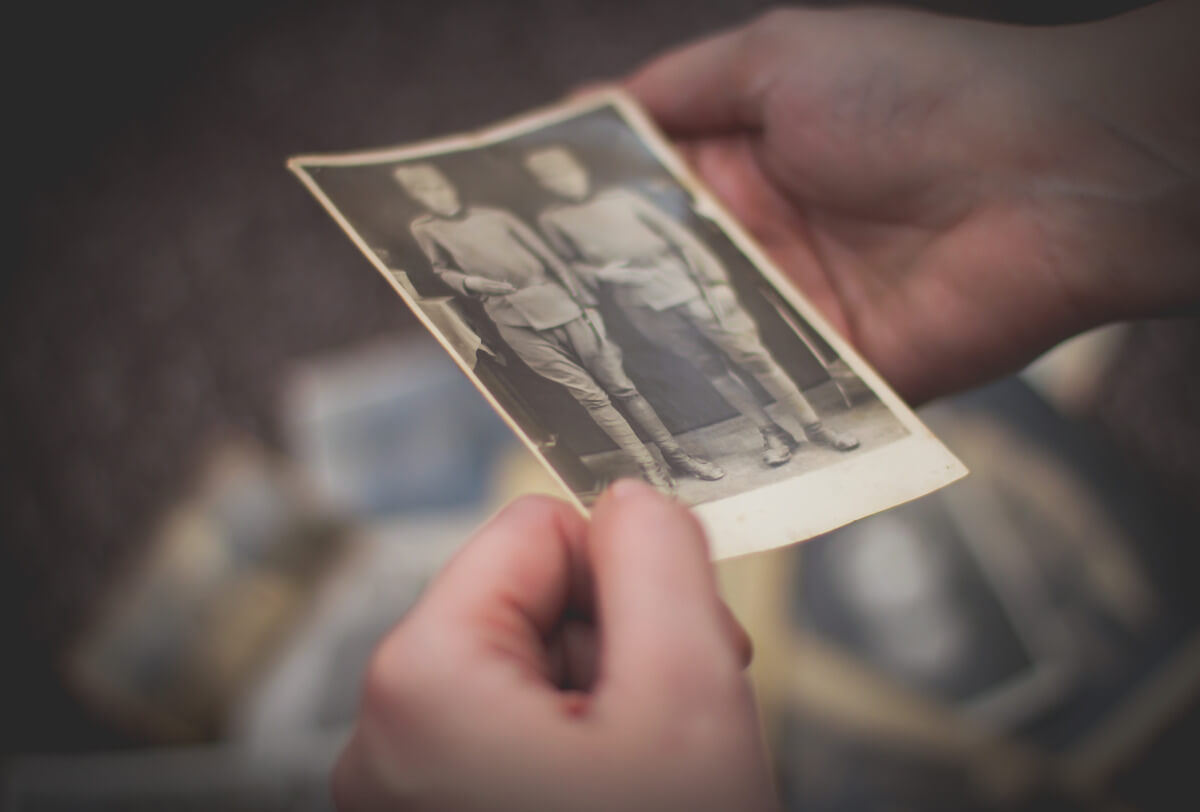
“I could show them what the military had done for me,” he said. “I shared pictures, experiences, and the opportunities available to them.”
For Rowe, recruiting involved more than explaining benefits — it required honest guidance and meaningful accountability.
“You’re helping someone make a decision that can change their life,” he said. “That made me proud.”
Rowe is also direct about the challenges of military life. Extended time away from family was one of the most difficult aspects. Deployments, training cycles, and duty assignments often meant missing major life events.
“You miss graduations, birthdays, and sometimes even the birth of a child,” he said. “The military isn’t easy, but it can be rewarding depending on how you adapt to it.”
Transitioning to civilian life presented a different set of challenges. After years of structured routine and defined roles, adjusting to a different pace required patience.
“You’re returning to a place in life you haven’t been for a while,” Rowe explained. “The job market is different, and so is the cost of living.”
He emphasized that the skills developed during military service remain applicable. “Discipline and leadership carry over — you just have to take it one day at a time.”
Throughout his career and beyond, Rowe has relied on principles that guided him early on.
“A coach once told me, ‘Winners never quit, and quitters never win,’” he said. “I’ve shared that with a lot of people over the years.” That mindset reflects his approach to both service and life after the military.
Looking back, Rowe offers practical advice to those considering enlistment. “Make sure anything a recruiter tells you is in writing,” he said. “And take advantage of your education benefits while you’re in.” His perspective reflects both experience and a clear understanding of the opportunities available through military service.
Cary Rowe’s career spans more than two decades of active duty across multiple regions and operations. The habits and standards he built over two decades of service continue to shape how he approaches his work and daily life. GN