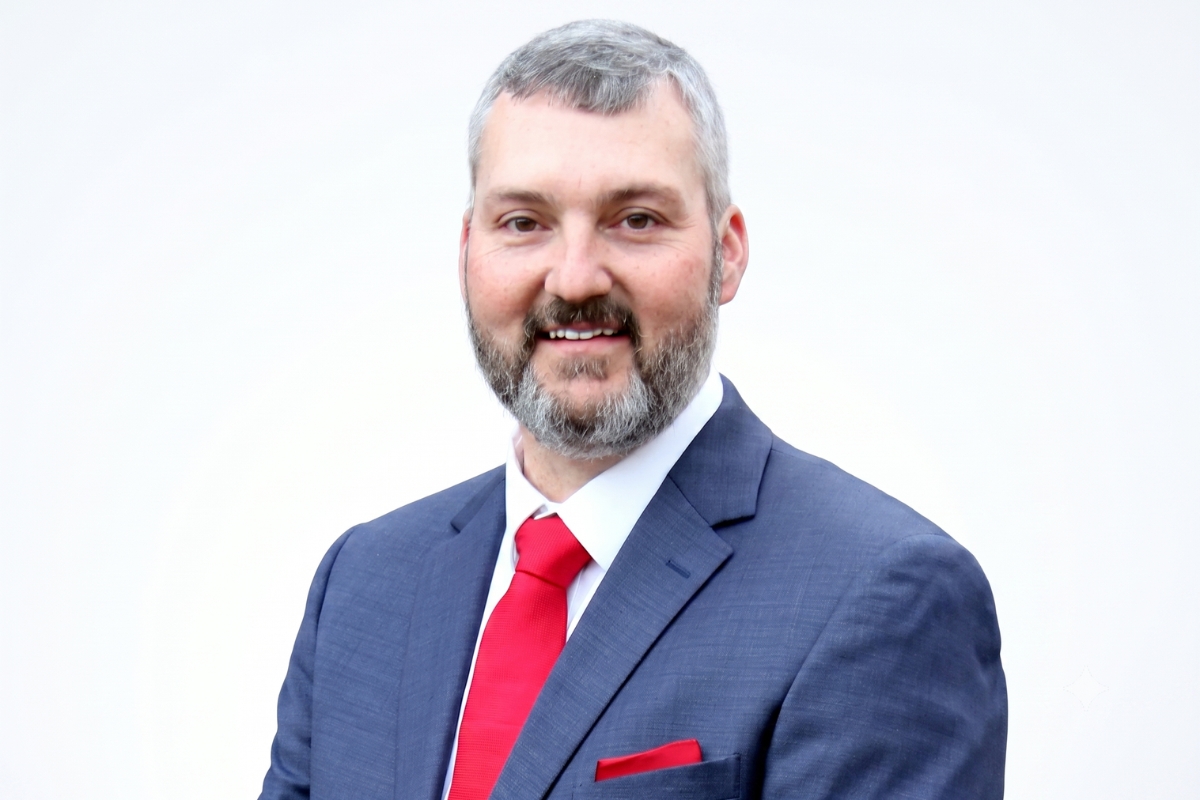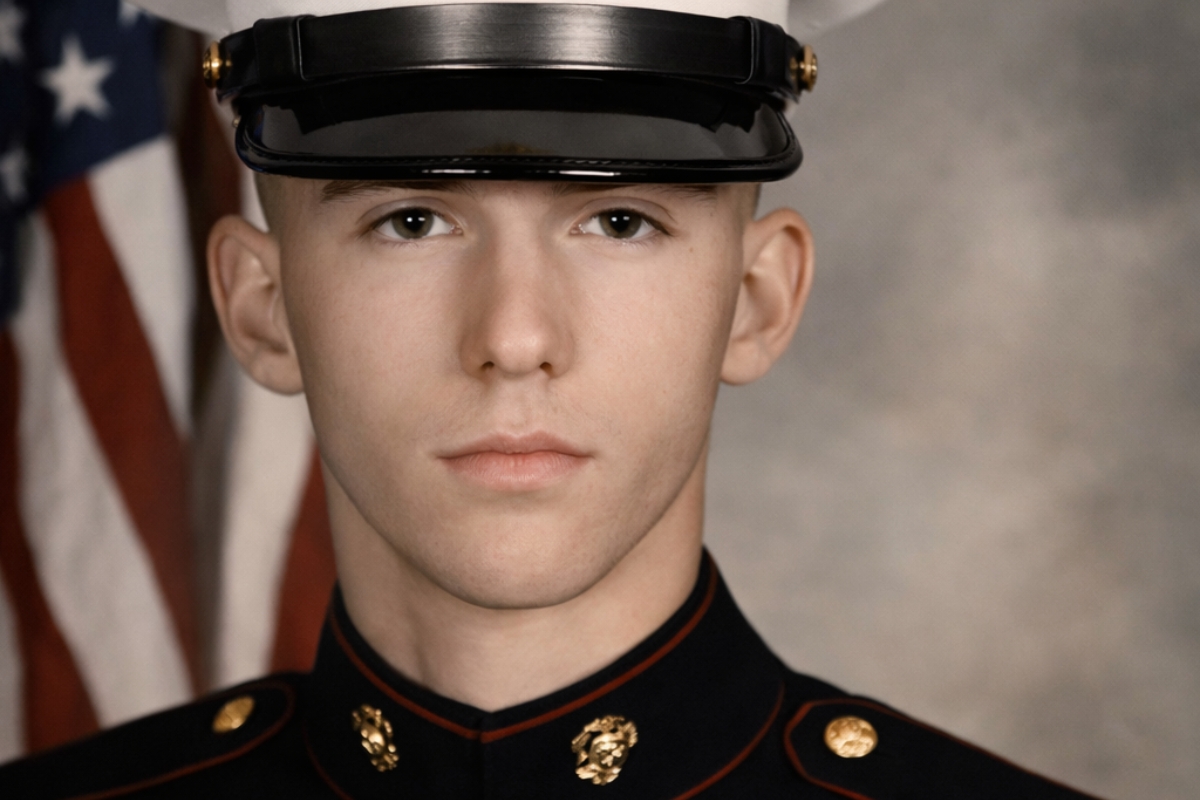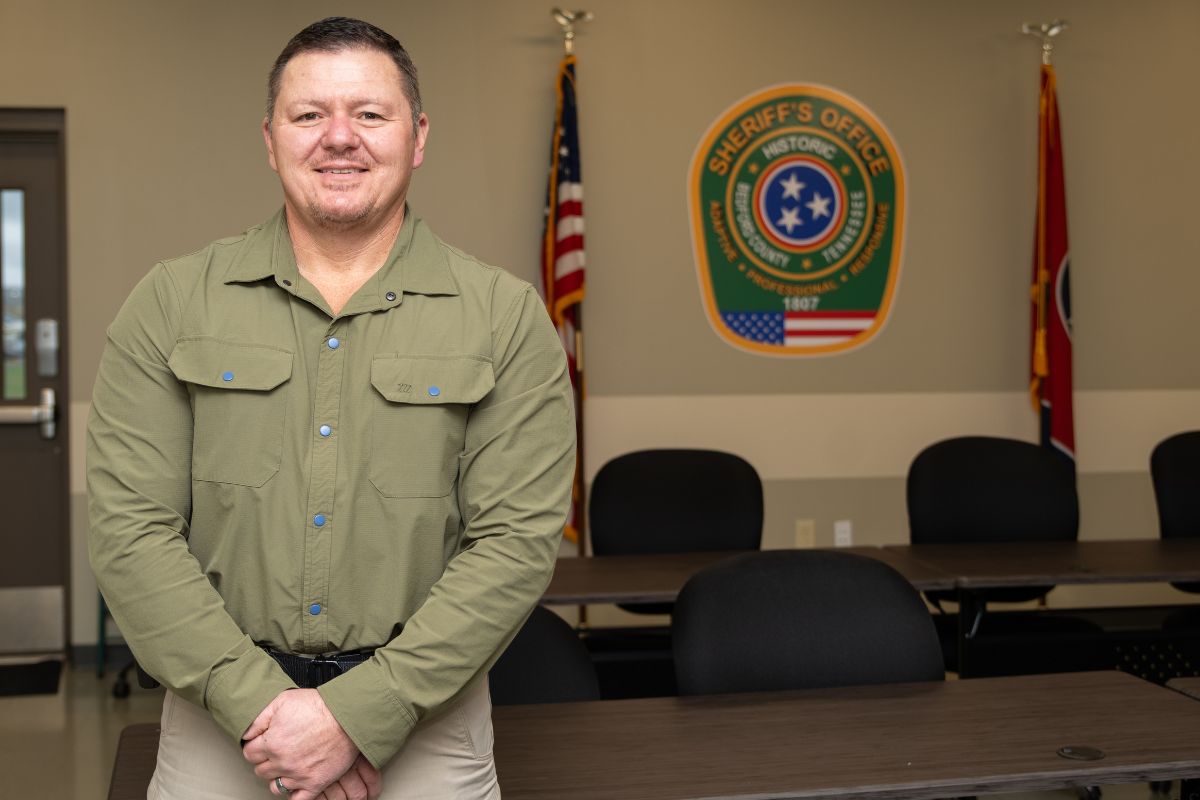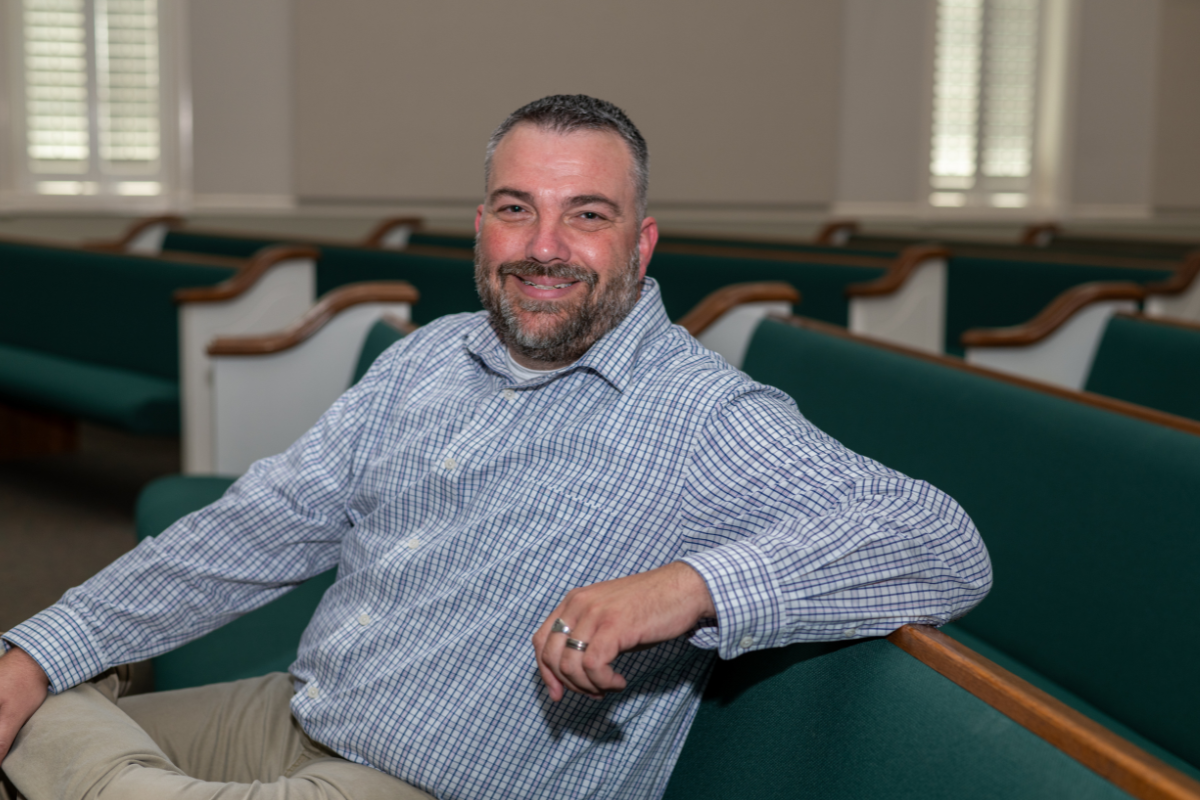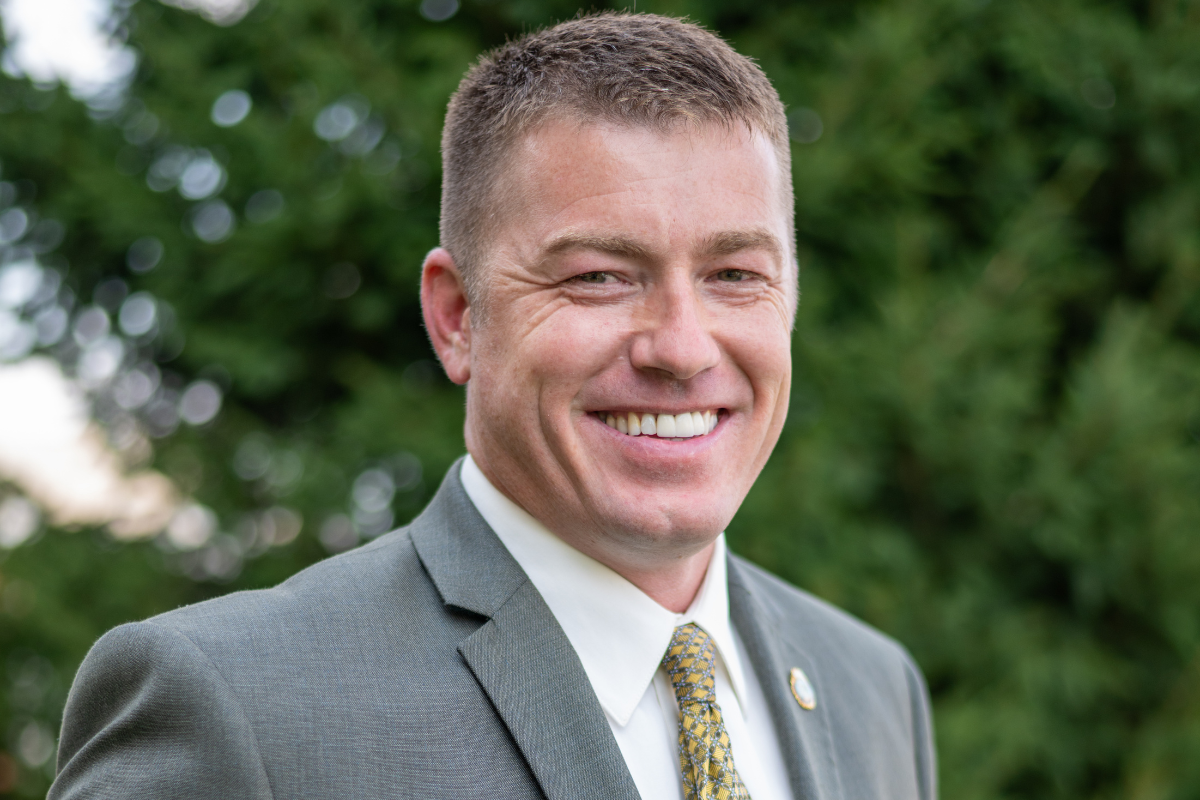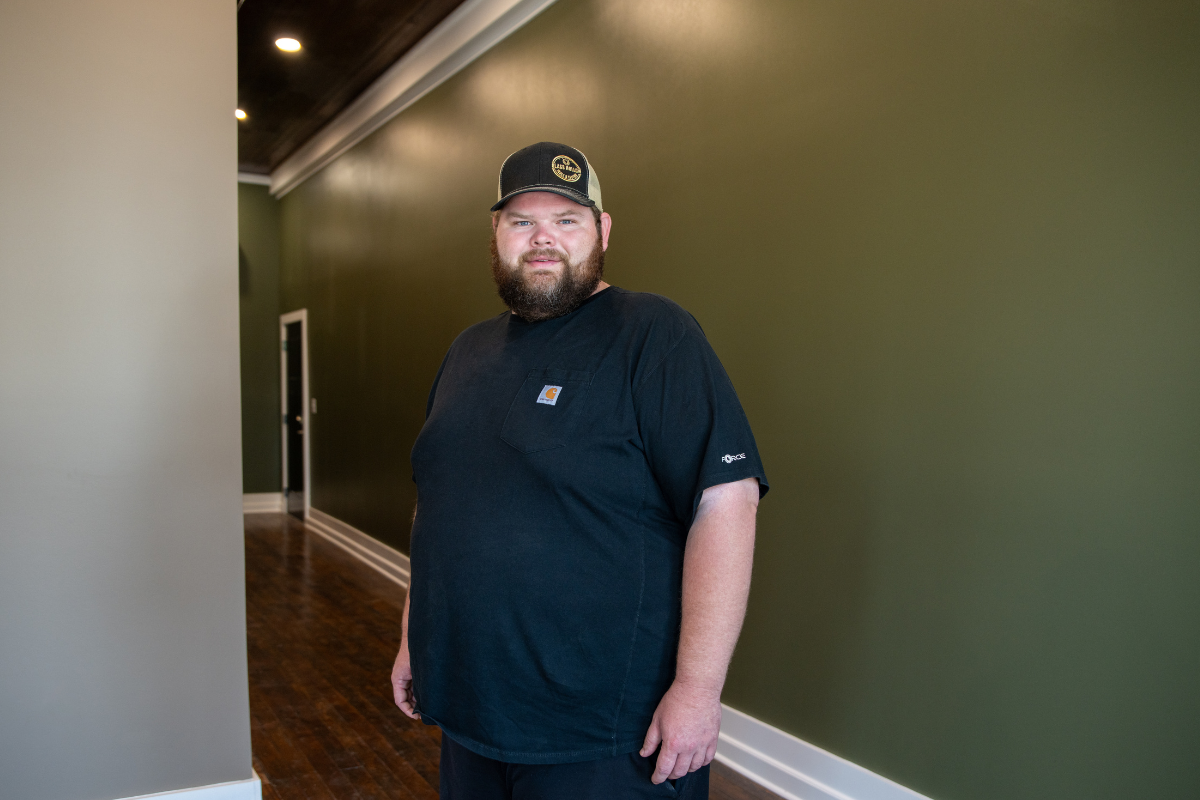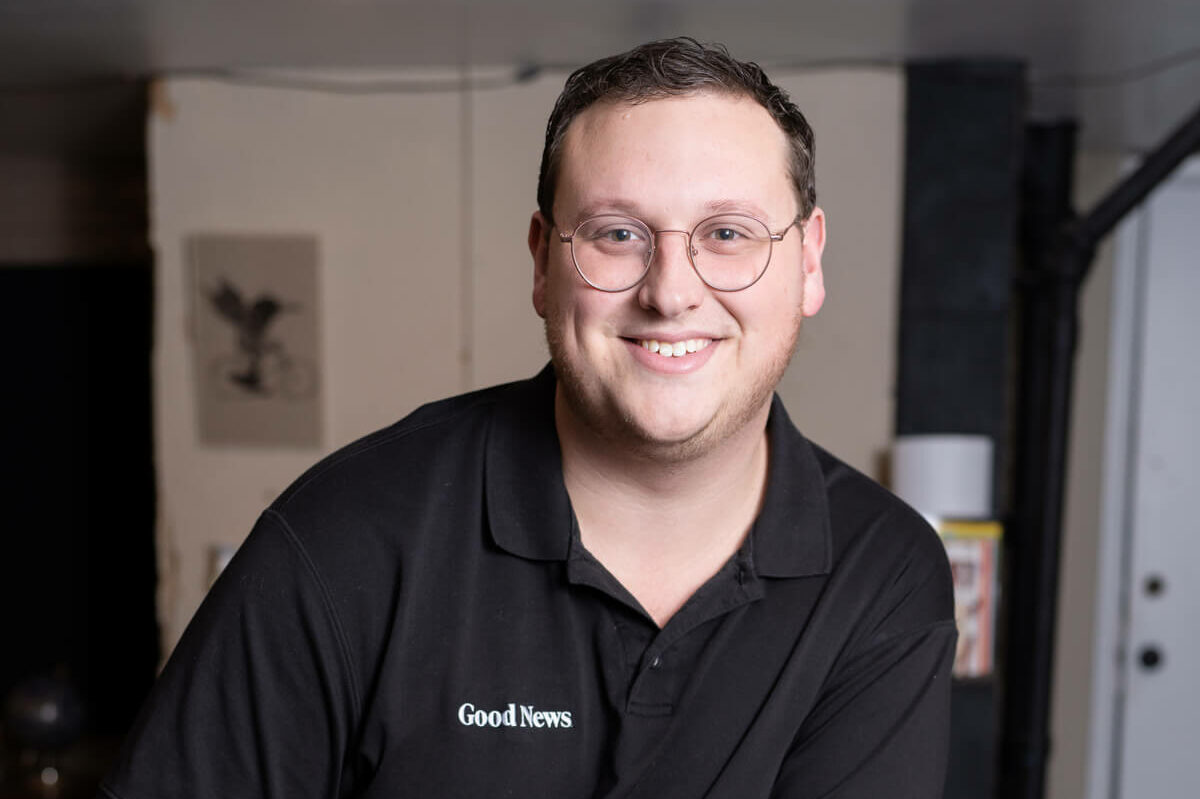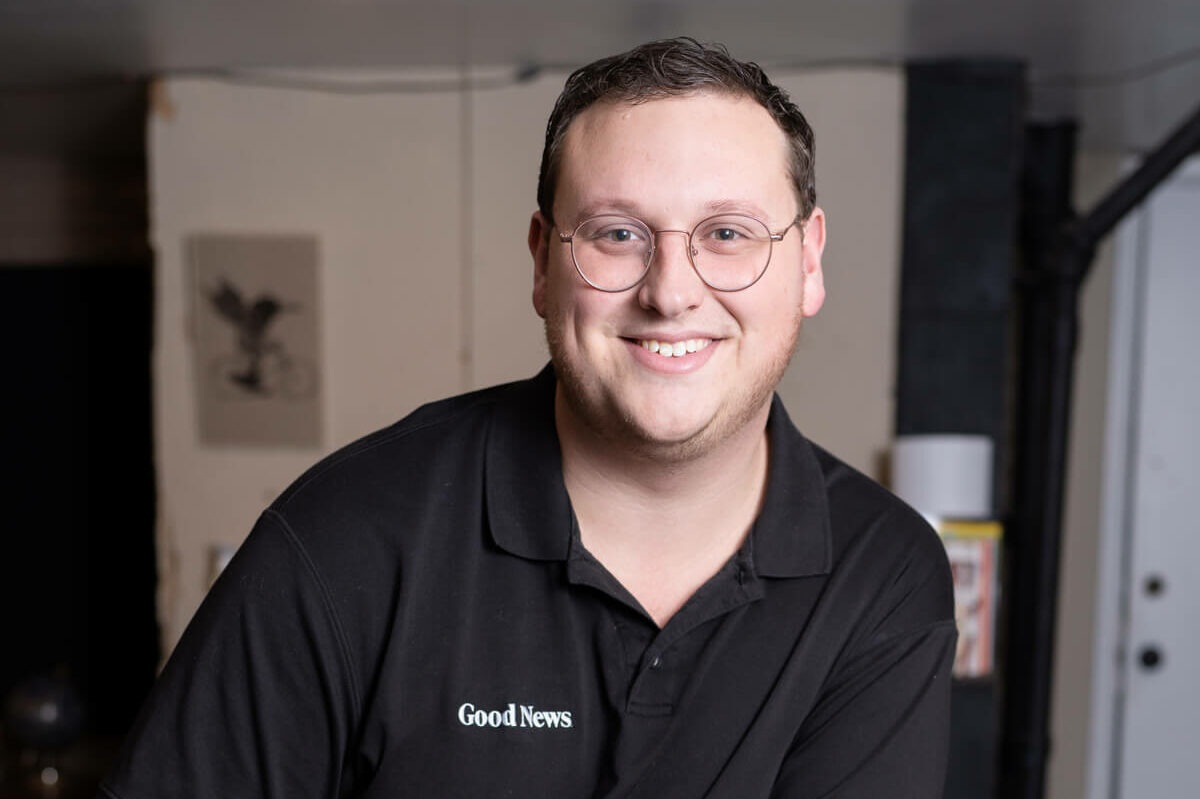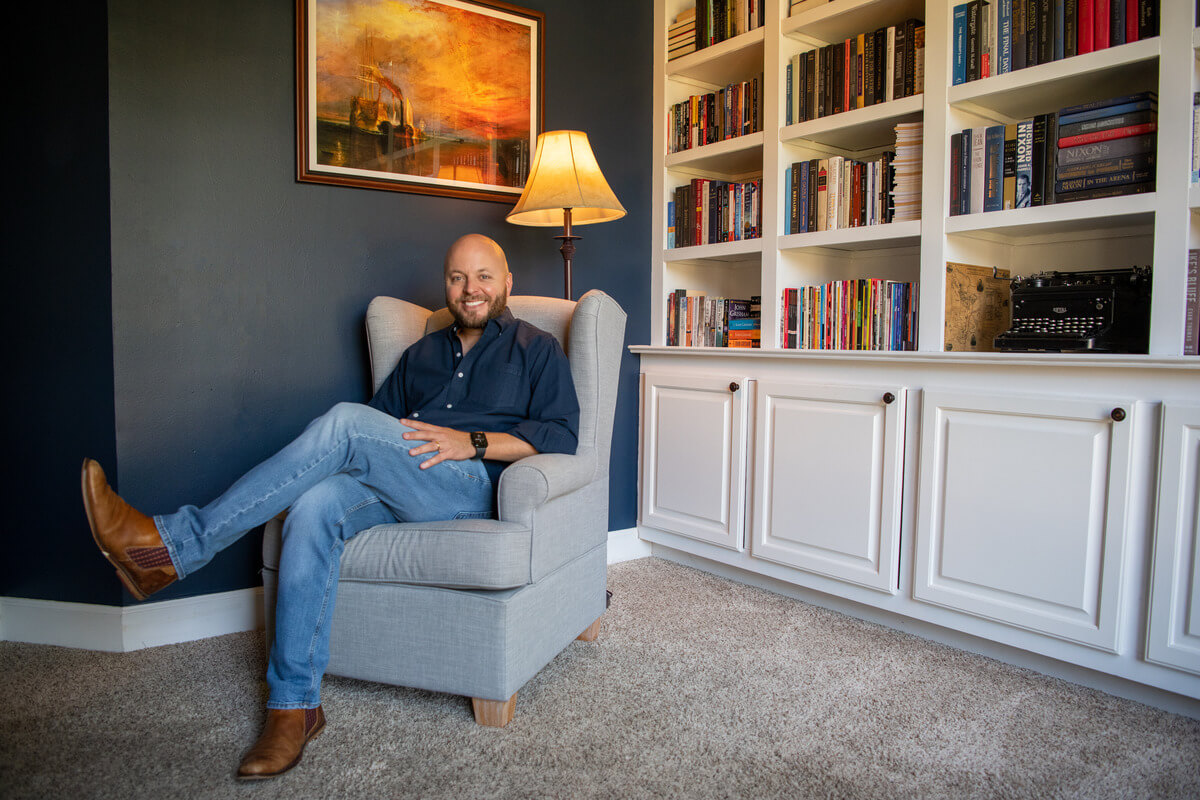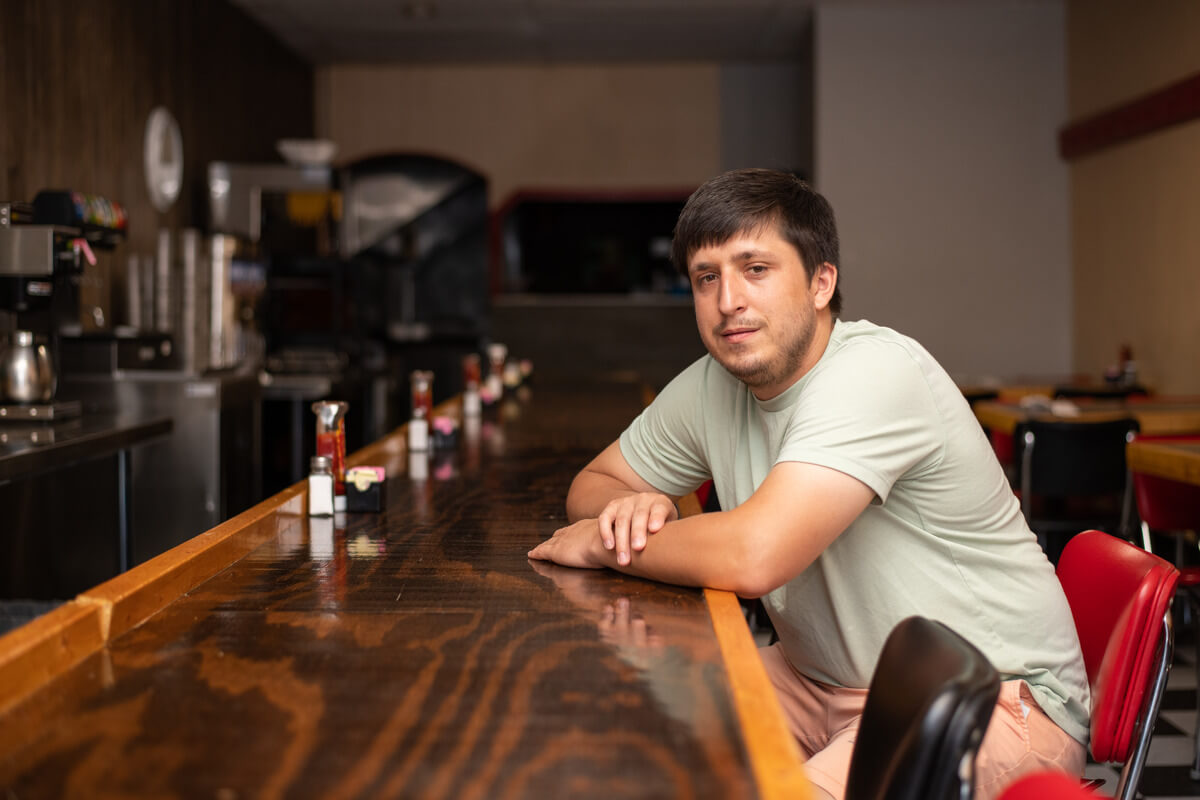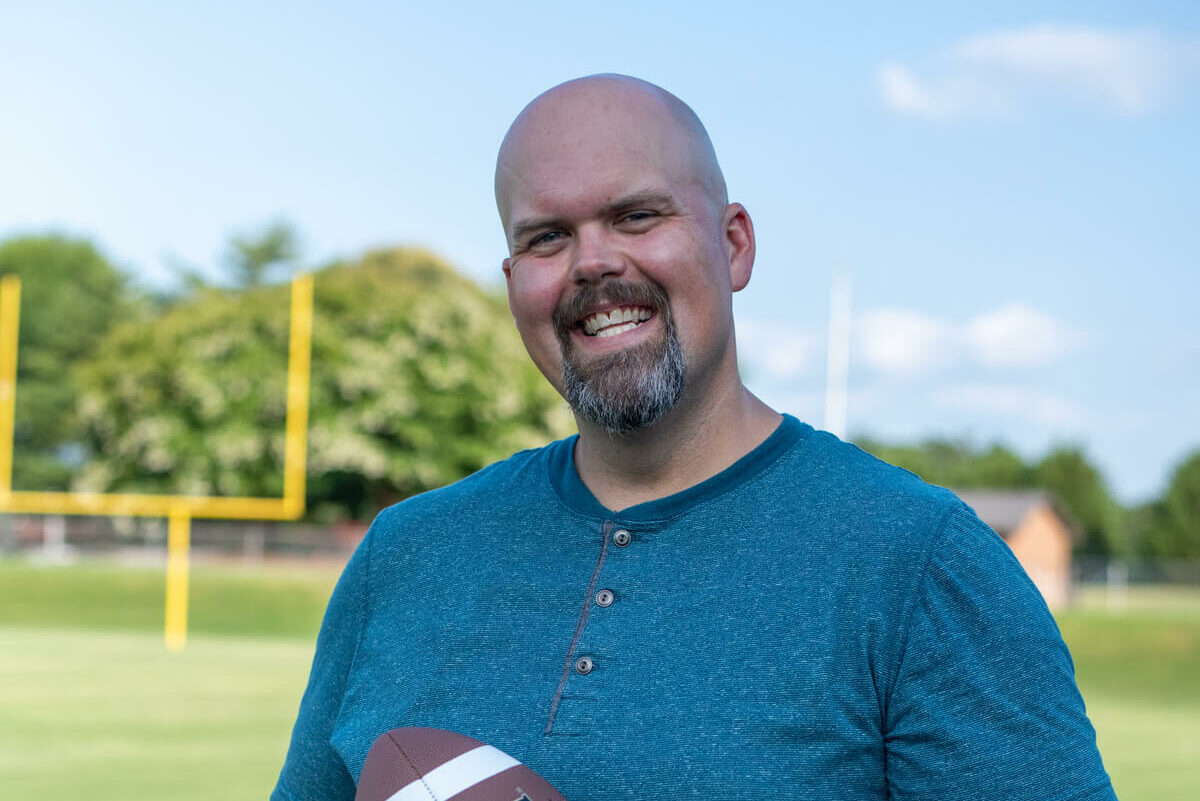
DUSTIN MASON looked up from his Game Boy. Bolts of lightning flashed across the square television screen, followed by rumbles of thunder. The timer was counting down on his Pokémon game, but he didn’t mind. This United States Marine Corps commercial was his favorite.
Mason held his breath. On the television screen, a dark-haired man burst through a bright light and entered a colosseum. The man looked past the twisting metal tunnel riddled with deadly spikes and focused on the prize — a sword wedged inside a boulder. But this wasn’t just any sword; engraved into the sword’s hilt were a golden eagle, a globe, and an anchor. Mason exhaled as embers of fire exploded on the screen as the man darted toward the sword. Just as he freed it from the stone, a monster arose beneath him, bubbling with lava.
Mason jumped up, dropping his Game Boy on the living room carpet. Raising his arms, he pretended to wield his own sword. He stabbed the monster just as the man did on the screen.
“It was more than a trial by fire,” the narrator’s deep voice broke into the harrowing scene. “It was a rite of passage.”
After several more flashes of fire, the man raised his sword until his blue eyes peeked out between the curved handles of a saber with a shiny, etched blade and a brass hilt. The man’s soaked T-shirt and jeans were exchanged for the formal dress blues of a United States Marine.
Pushing out his chest, Mason quoted the final lines: “The few. The proud. The Marines.”
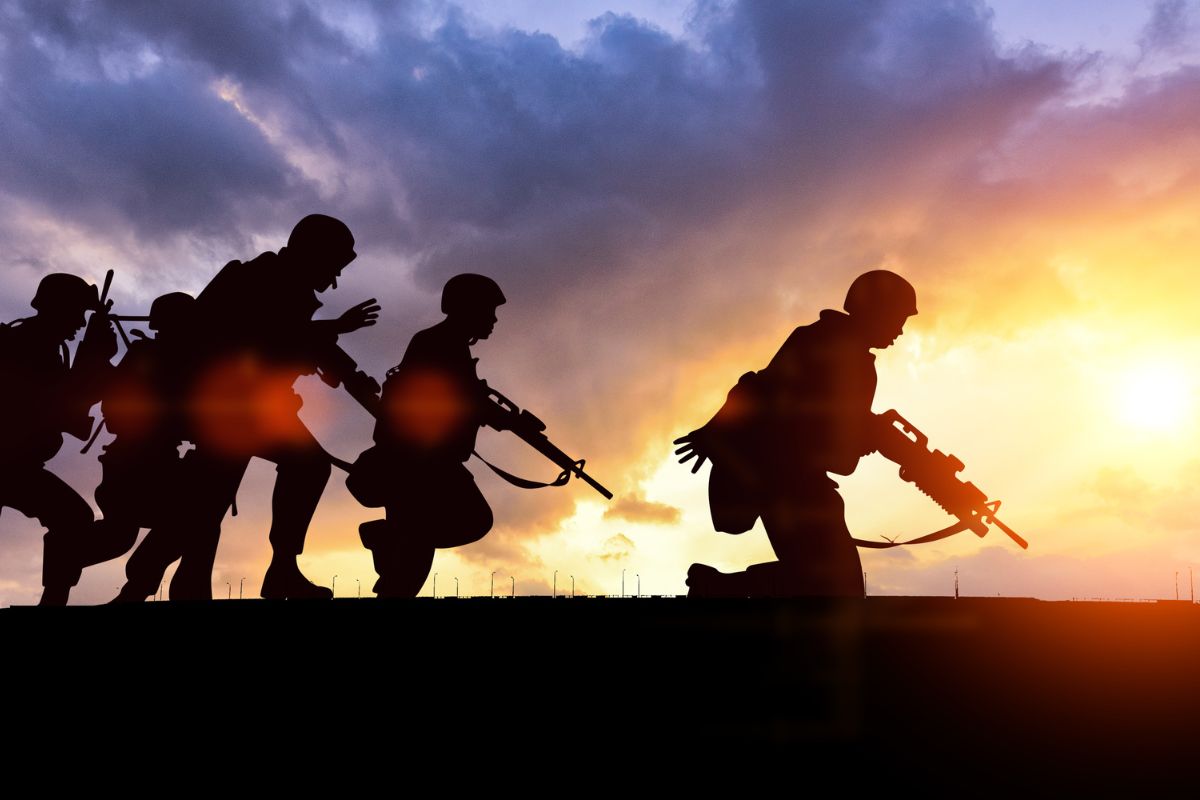
The United States Marine Corps was established on Nov. 11, 1775, a few months after the founding of the United States Army and the United States Navy. “From the Halls of Montezuma to the Shores of Tripoli,” these “Devil Dogs,” as the French nicknamed them during World War I, are ready to fight our country’s battles in the air, on land, and sea.
Ever since Mason was a young boy, he had wanted to be an Army man when he grew up. The recruiting commercials from the 1990s, depicting chivalrous knights riding in to save the kingdom, life-size chess players, and good overcoming evil — such as the man defeating the lava monster with the sword — piqued Mason’s interest. But it wasn’t until the attacks on Sept. 11, 2001, when he was in Mrs. Patsy Slusher’s fifth grade class in Eagleville, that he knew for sure.
“Mrs. Slusher told us, ‘You will never forget this moment for the rest of your lives,’ and, boy, was she right.”
These attacks launched the Global War on Terror (GWOT), which wouldn’t officially end until Aug. 30, 2021. Mason’s family had once encouraged him to enlist, but as his 18th birthday drew near during the ongoing war, his dad was the only person still supporting his decision.
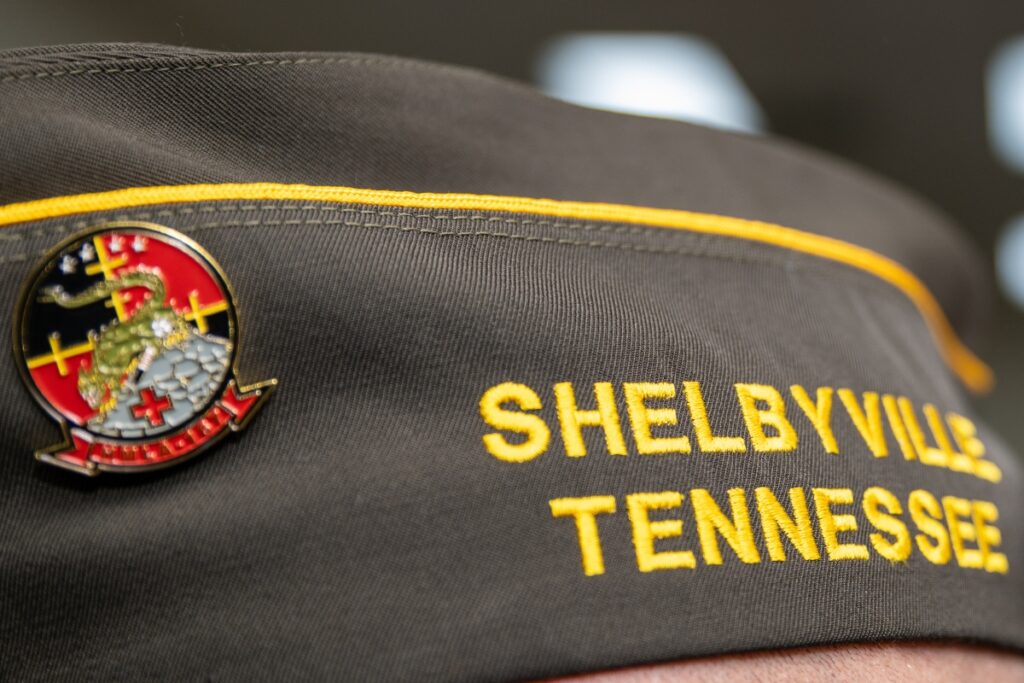
“After realizing I wasn’t changing my mind, Mom finally agreed to let me enlist in the Delayed Entry Program the summer between my junior and senior year,” Mason said. “I graduated from Community High School on May 18, 2009, and shipped off to Parris Island two weeks later. I officially entered service on June 1. I enlisted under the MOS code of 6100 as a general aviation mechanic. After basic training, I went to Marine combat training in North Carolina, general aviation ‘A’ school in Pensacola, Florida, and then H-1 Huey and Cobra helicopter ‘C’ school at Camp Pendleton, California. Upon finishing school, I received orders to go back to North Carolina and was assigned to Warriors at HMLA167 on New River Air Station in Jacksonville, on the other side of town from Camp Lejeune. This would remain my duty station until I separated from service.”
HMLA is the official U.S. Marine Corps designation for squadrons that operate light attack and utility helicopters. As a Warrior, Mason was first deployed in 2011, attached to VMM-263 as reinforcements for the 22nd Marine Expeditionary Unit (MEU) on the USS Bataan. VMM-263 is a Marine Corps medium tiltrotor squadron whose mission is to rapidly transport Marines and supplies using the MV-22B Osprey, providing fast, flexible assault support wherever needed.
Mason said, “The 22nd MEU left early that year because of the tensions with Gadhafi in Libya. Fast forward 326 days, and we returned to Jacksonville. My next deployment was to Afghanistan in 2013 with HMLA-167. During this deployment, I not only served in my primary job as an airframer, but I was also appointed the Sergeant of the Guard for the night crew. In this period of time, the Marine Corps was downsizing, which made it harder to reenlist. I decided to accept the VEERP (Voluntary Enlisted Early Release Program), which allowed me to separate on Feb. 1, 2014.”
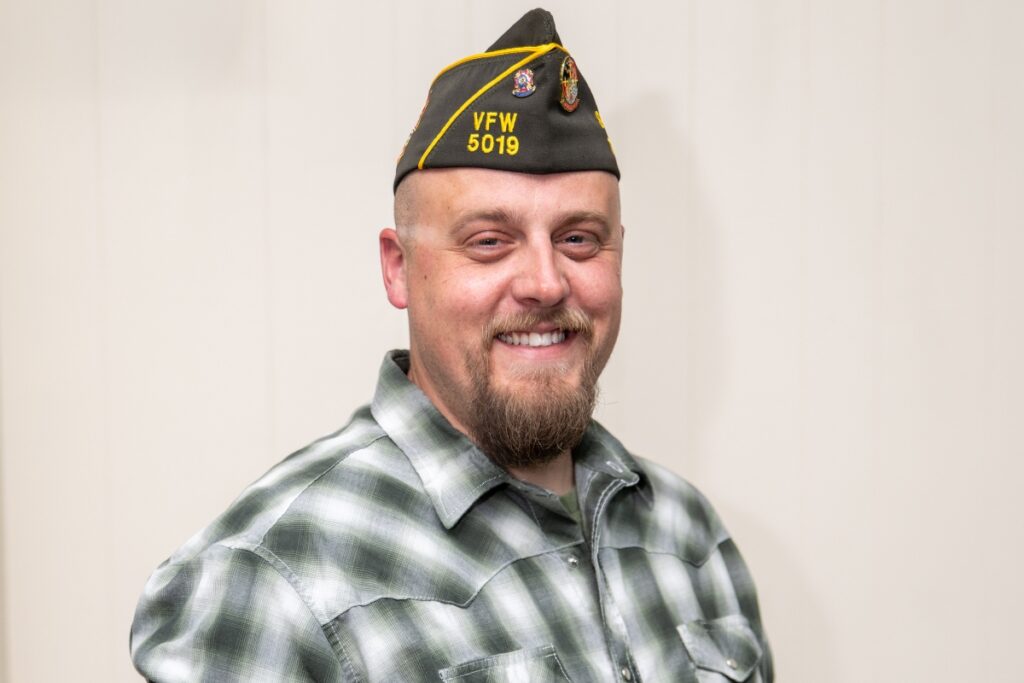
Looking back, Mason said, “Life in the Marine Corps taught me that there was so much more to the world than just the small-town grind of Bedford County. Until you’ve been to other places and seen things outside a screen, I don’t think you could ever truly understand. As far as leadership, I learned how to properly care for those under me. We are taught that leaders move to the back and eat last. Moving to the back implies that you were actually leading from the front, and eating last signifies your commitment to the welfare of those under you.”
After Mason returned to Bedford County, he married his high school sweetheart, Caitlin, found a civilian job, and bought a home. But something was missing — the connection he felt with his “brothers.”
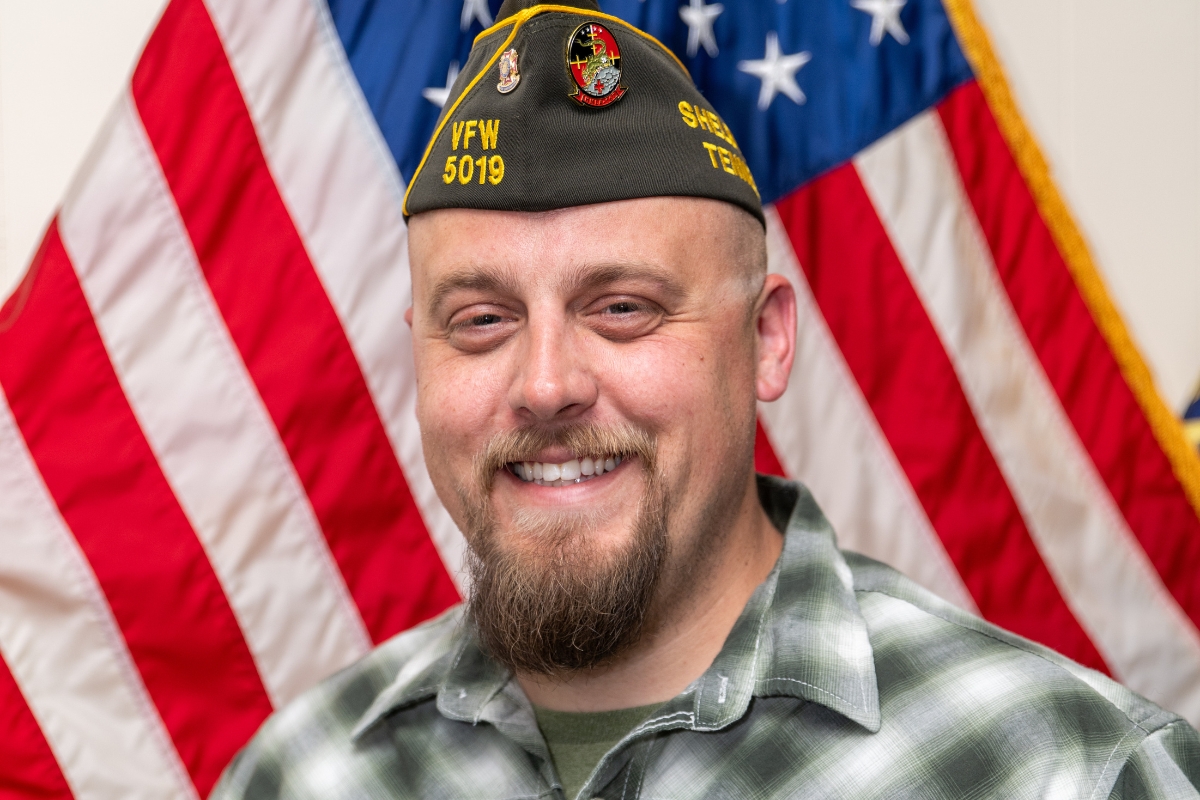
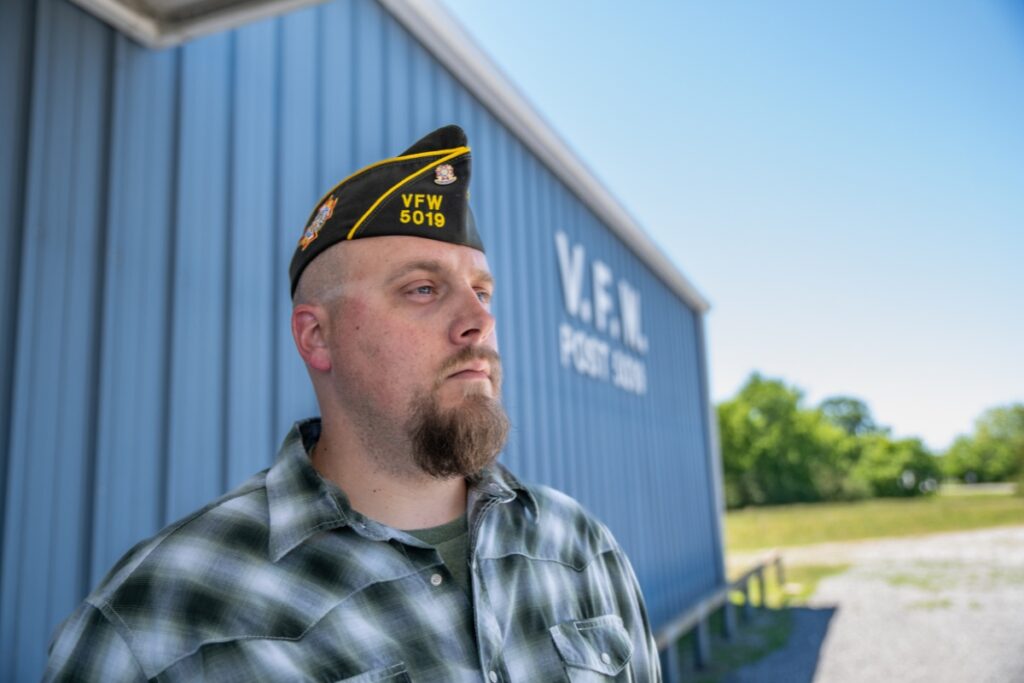
It wasn’t long before he had boots on the ground again. Mason said, “Currently, I am the Shelbyville VFW post quartermaster as well as the post service officer, which makes me responsible for helping veterans navigate the VA system. I am also looking into starting a Bedford County charter of the Young Marines program.” GN