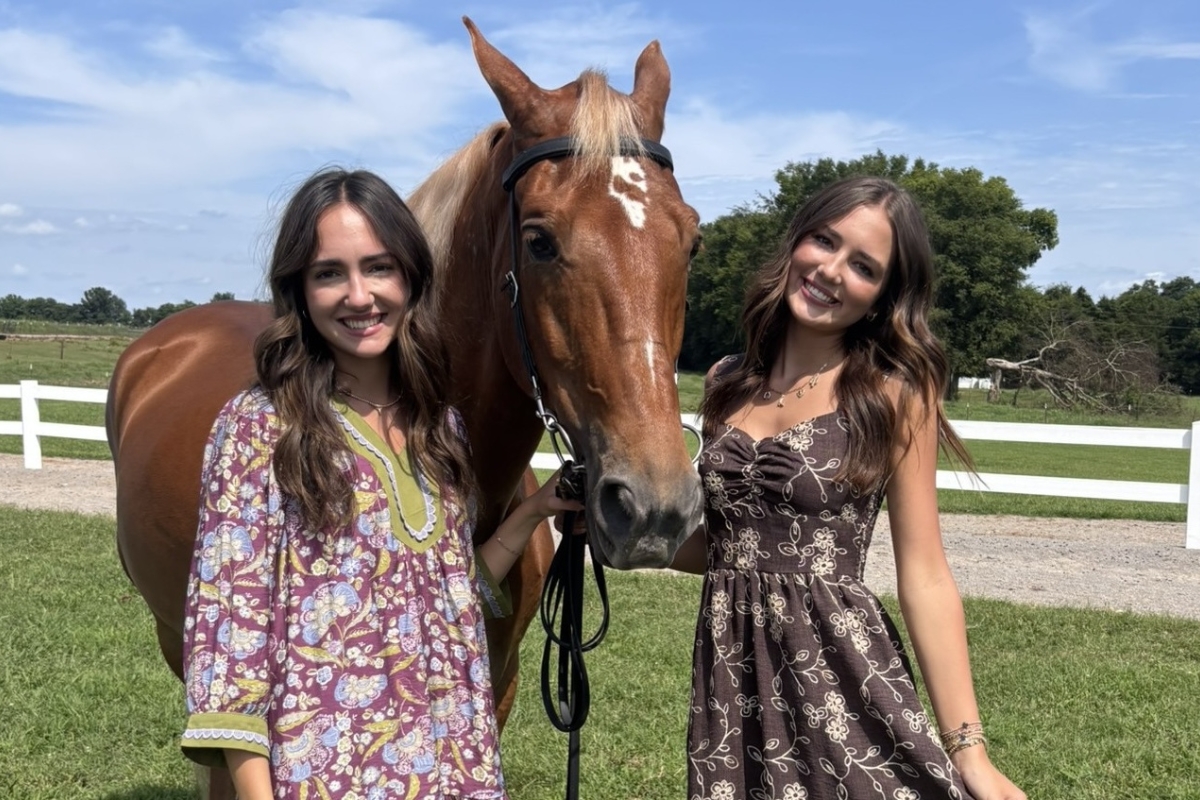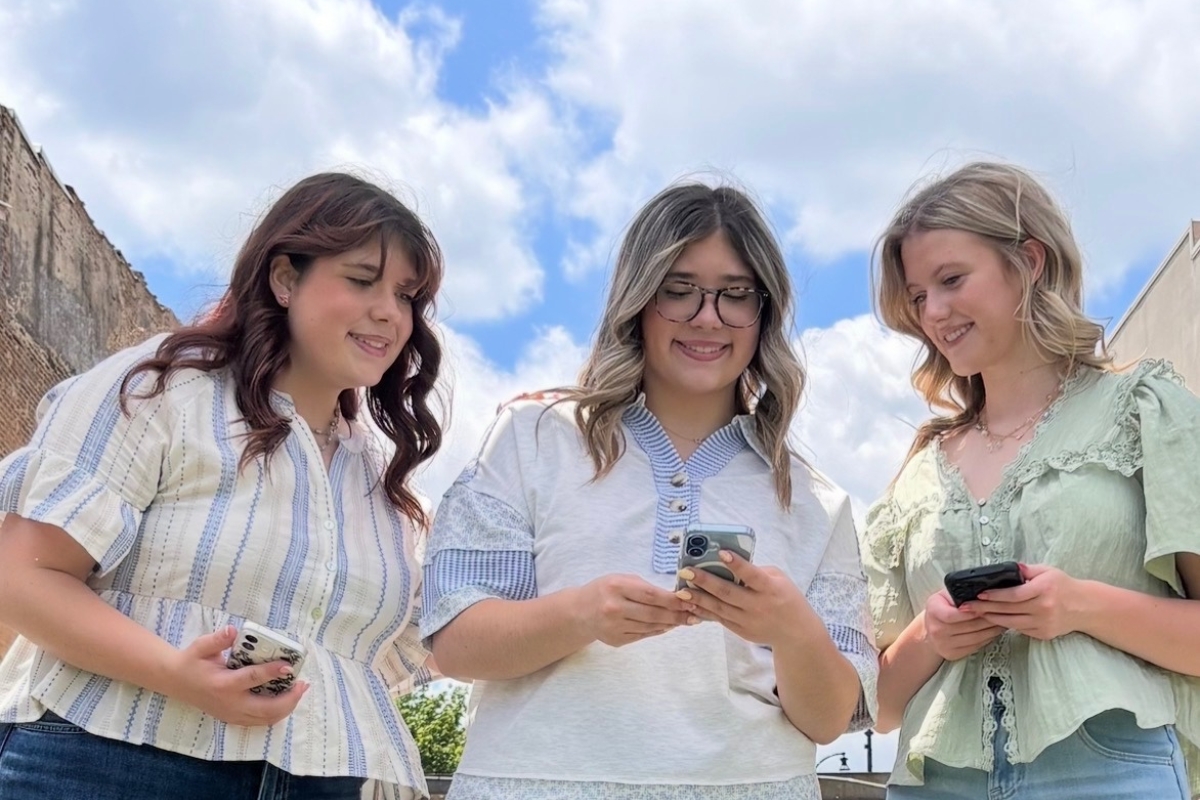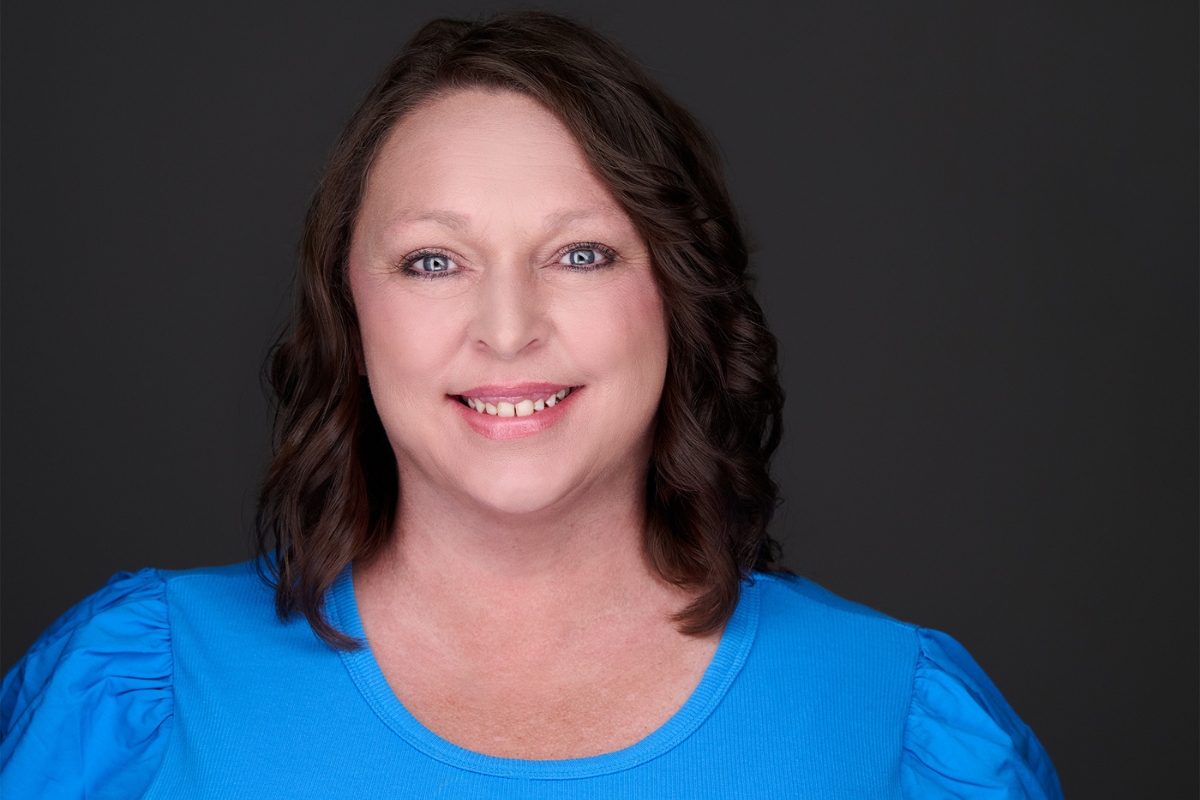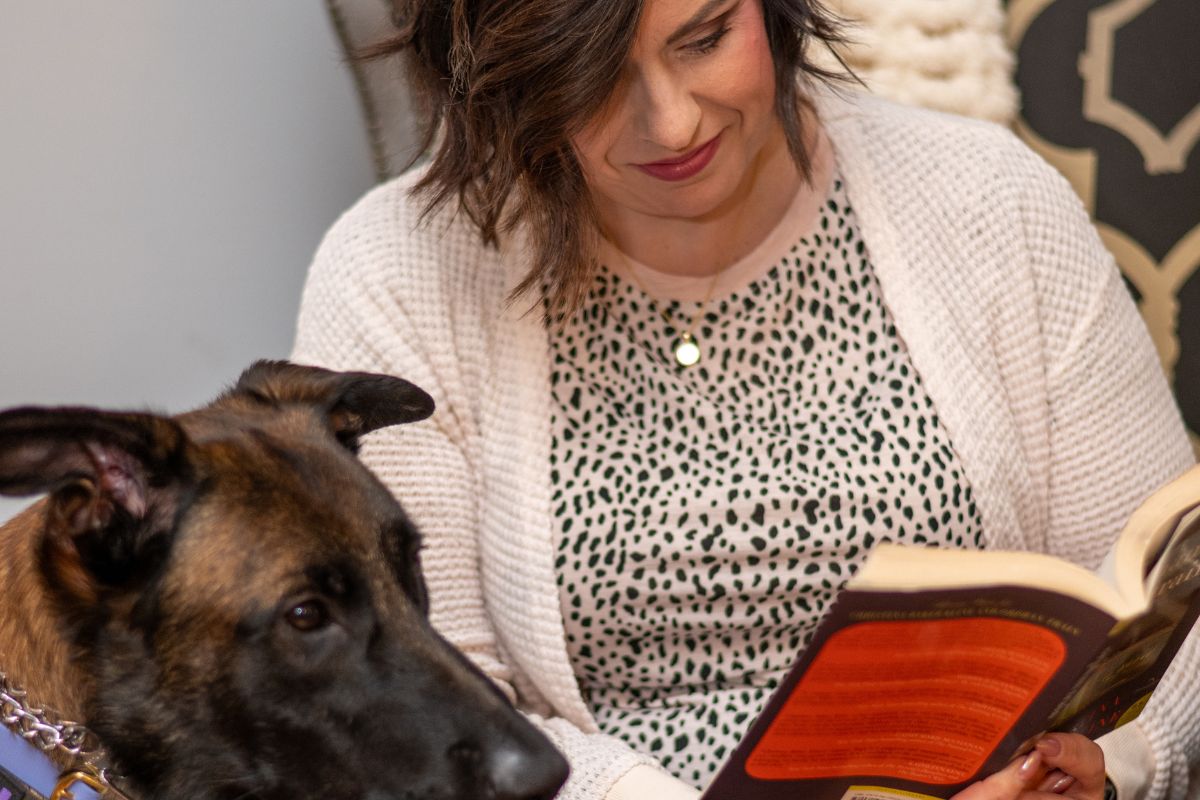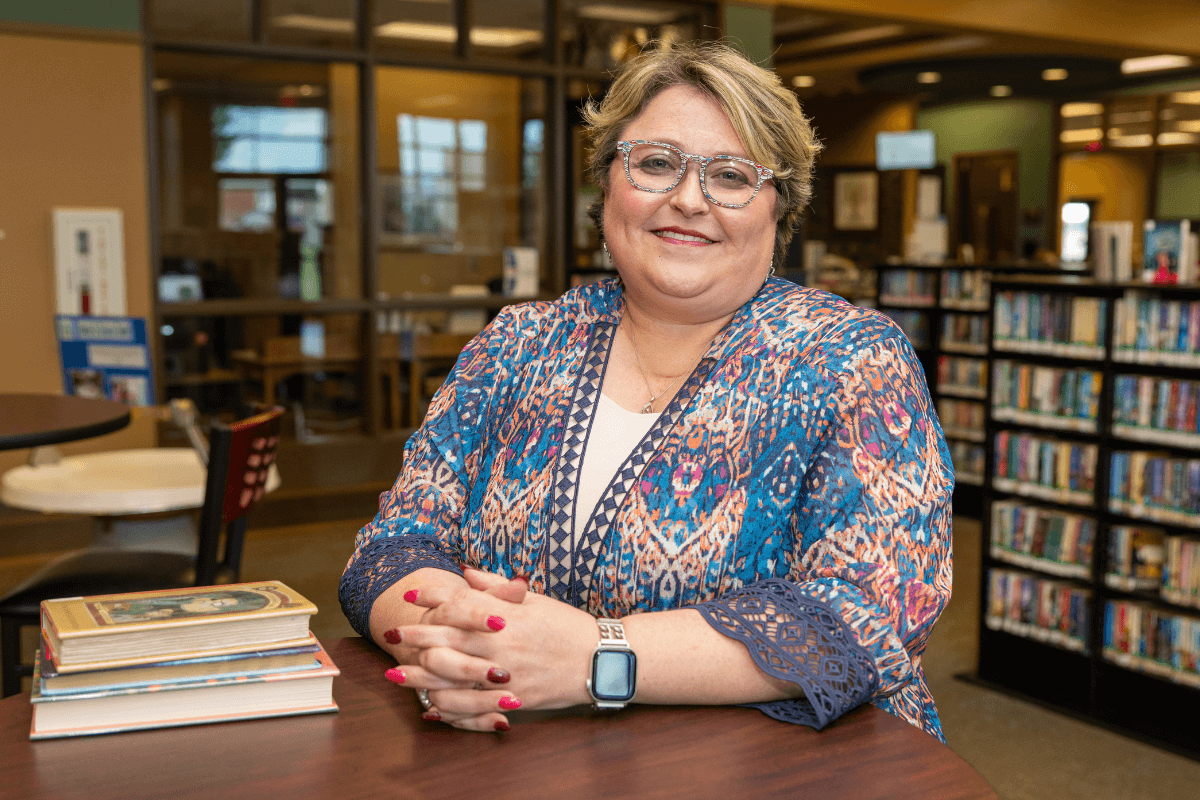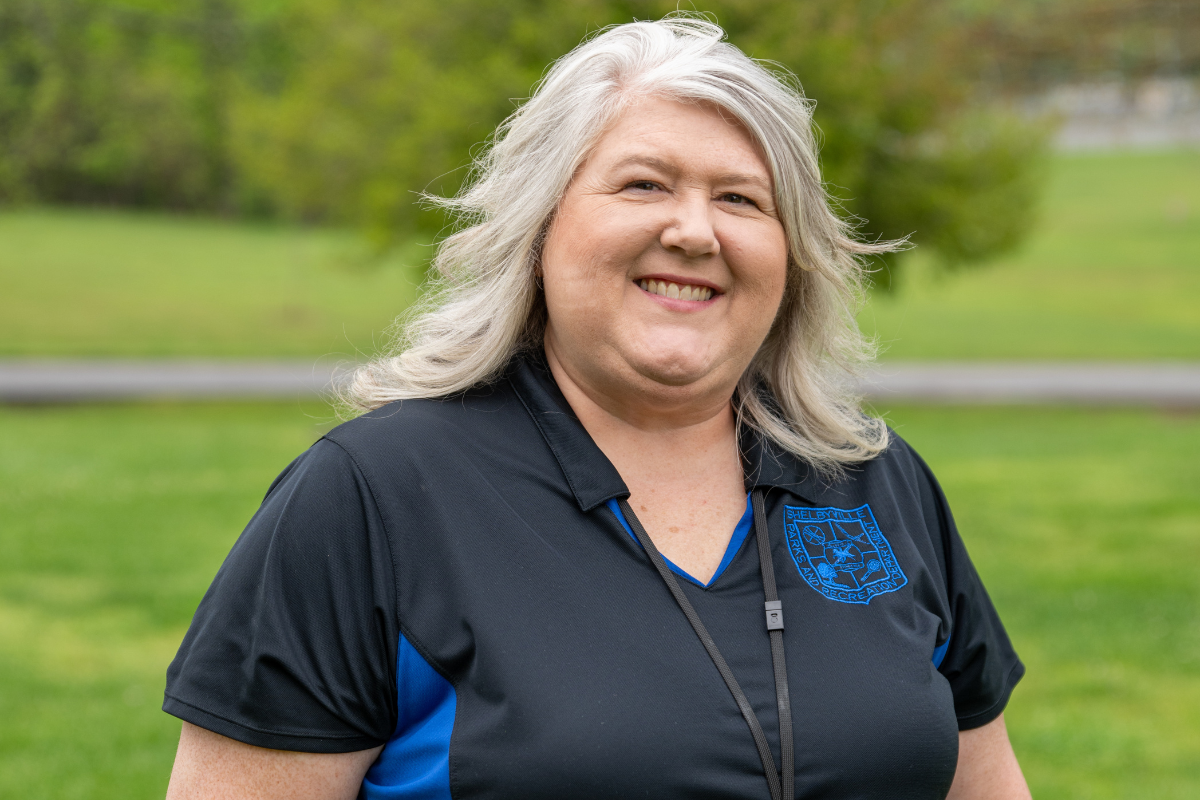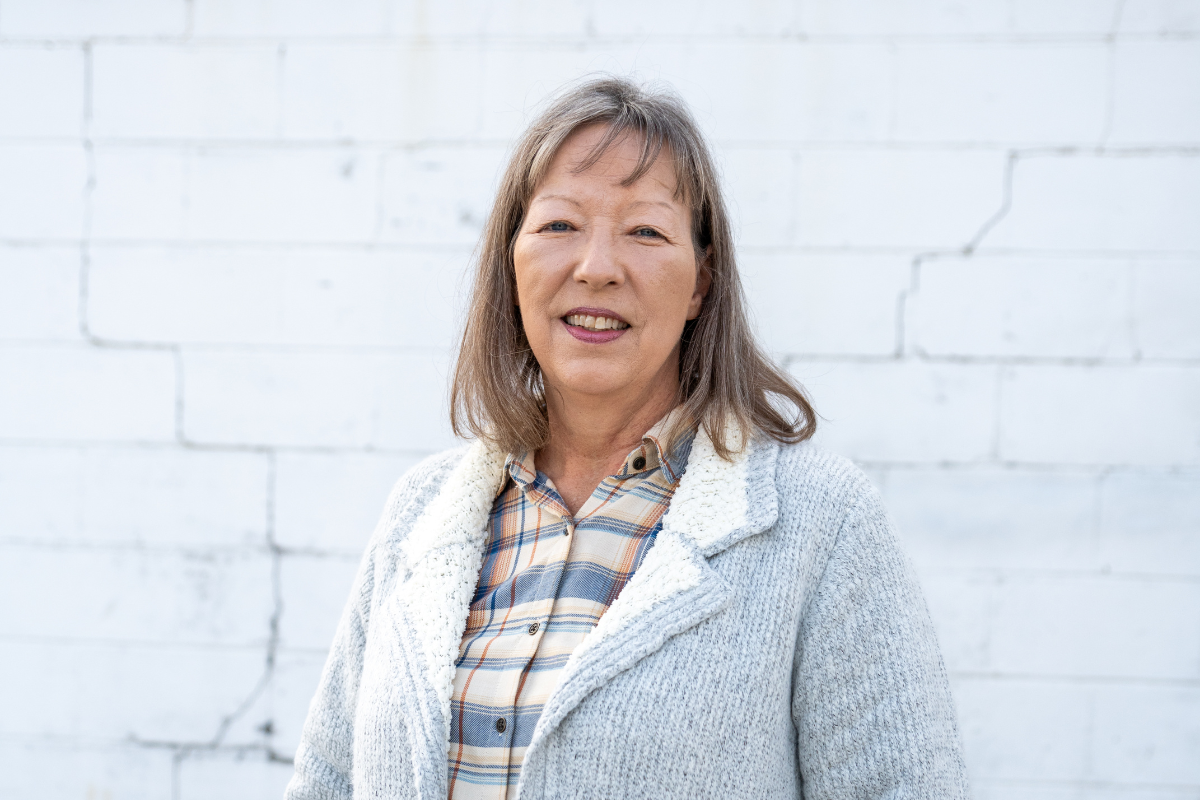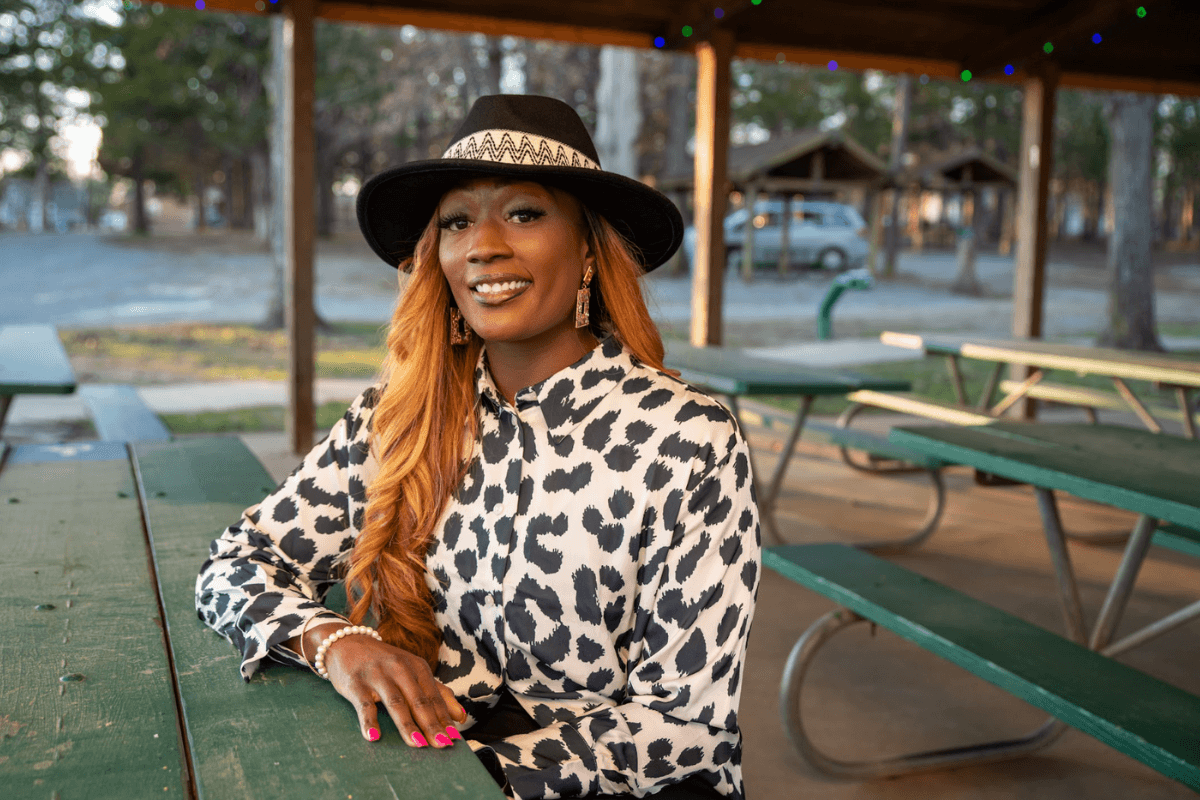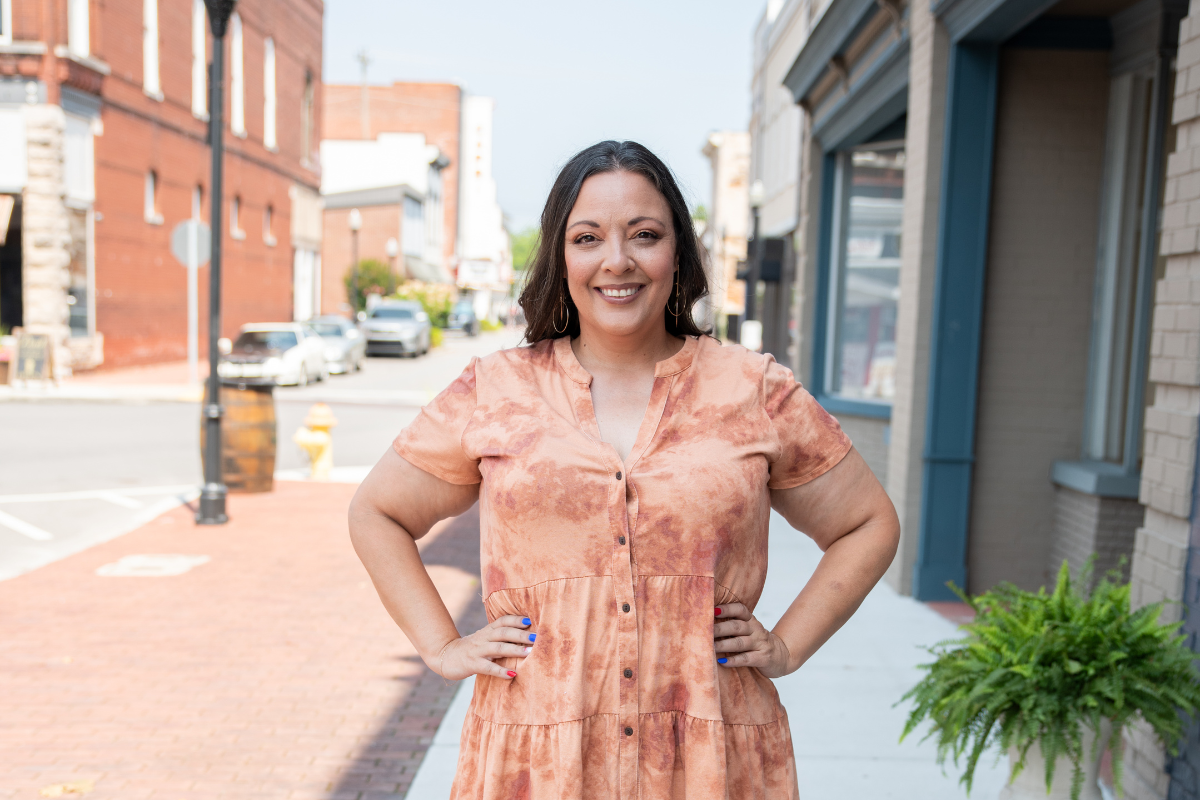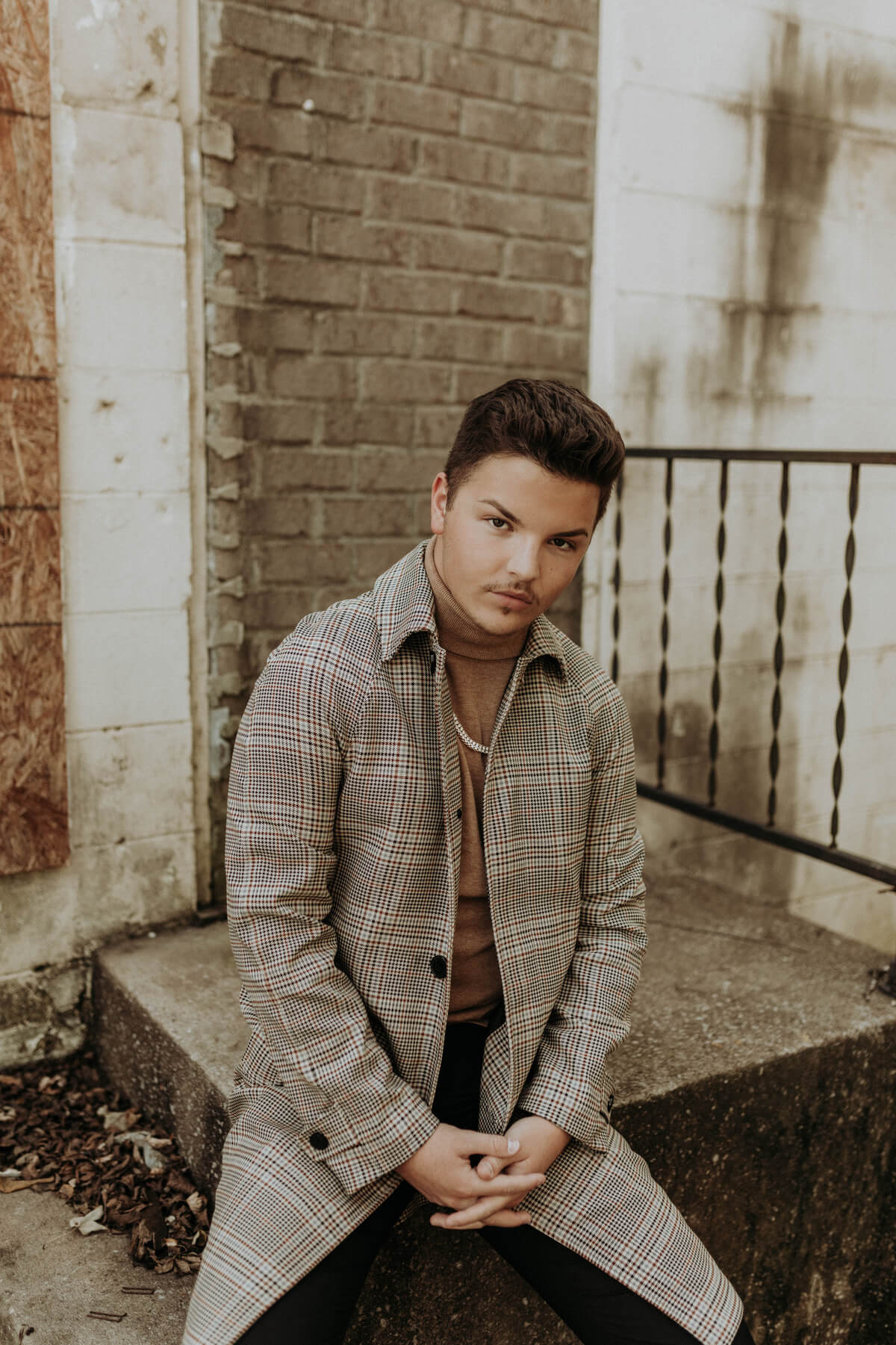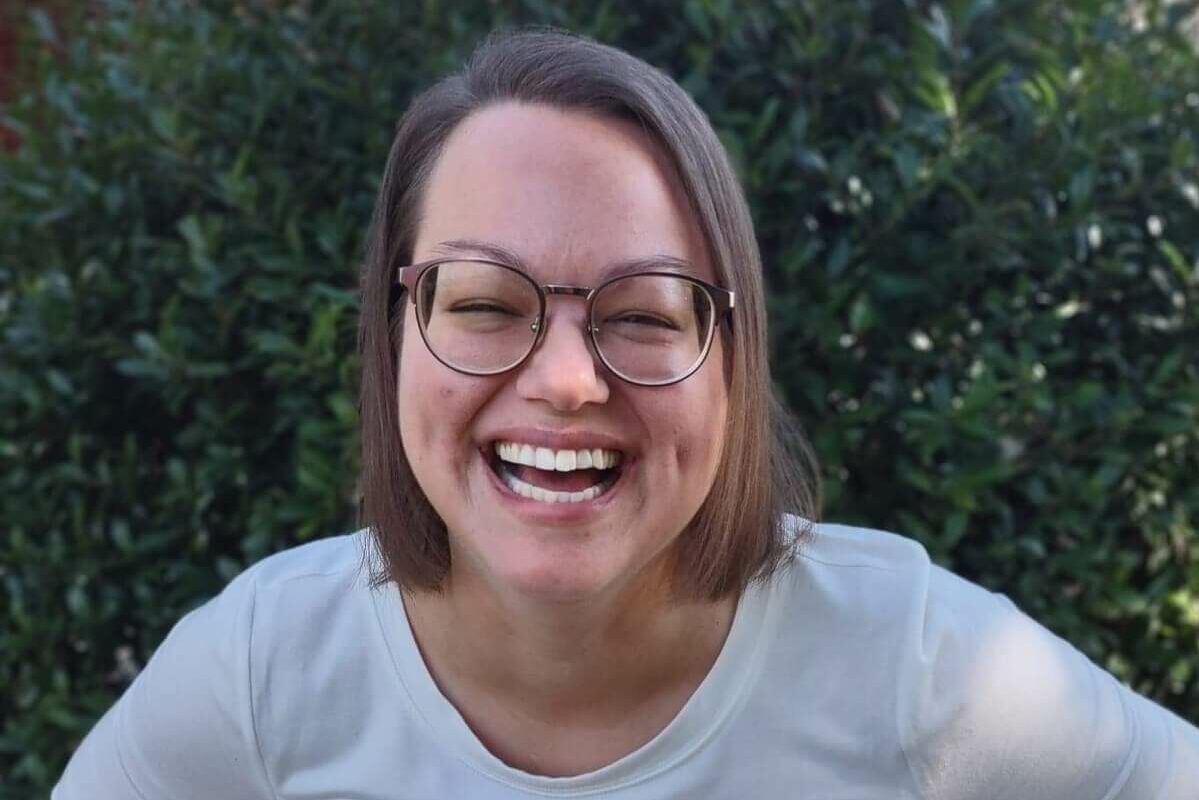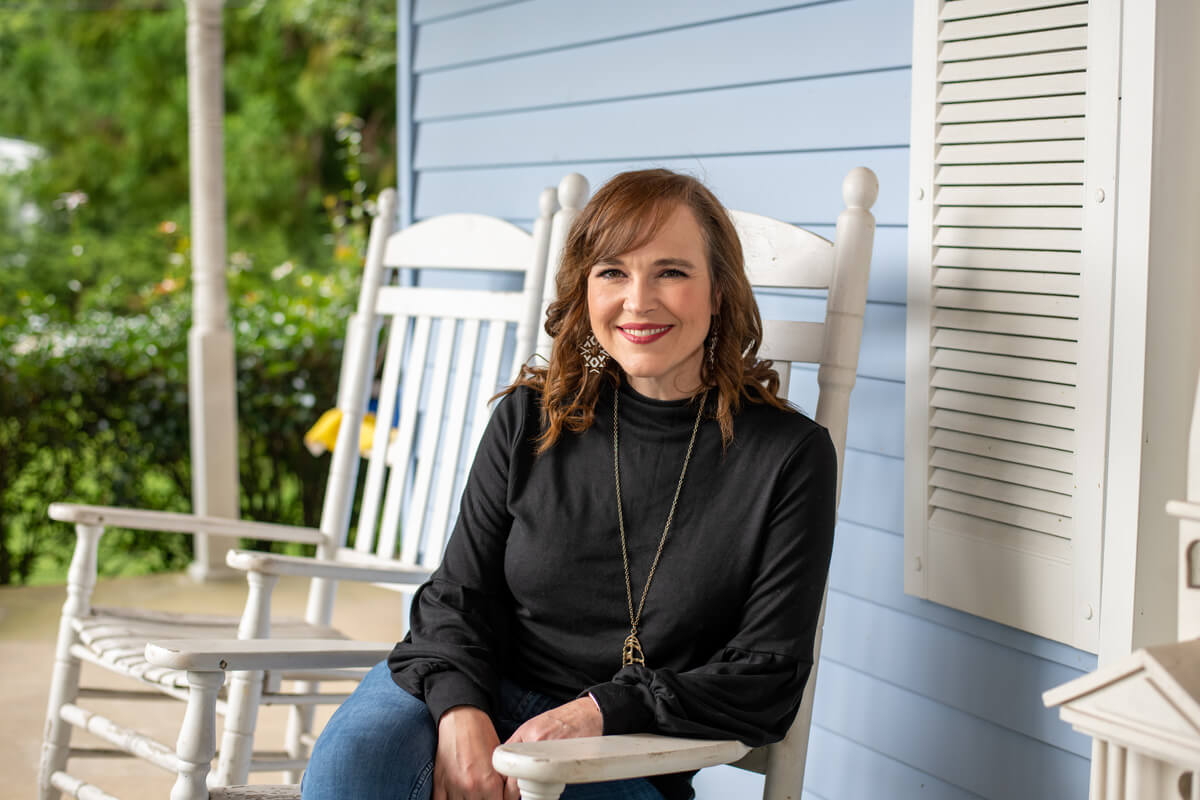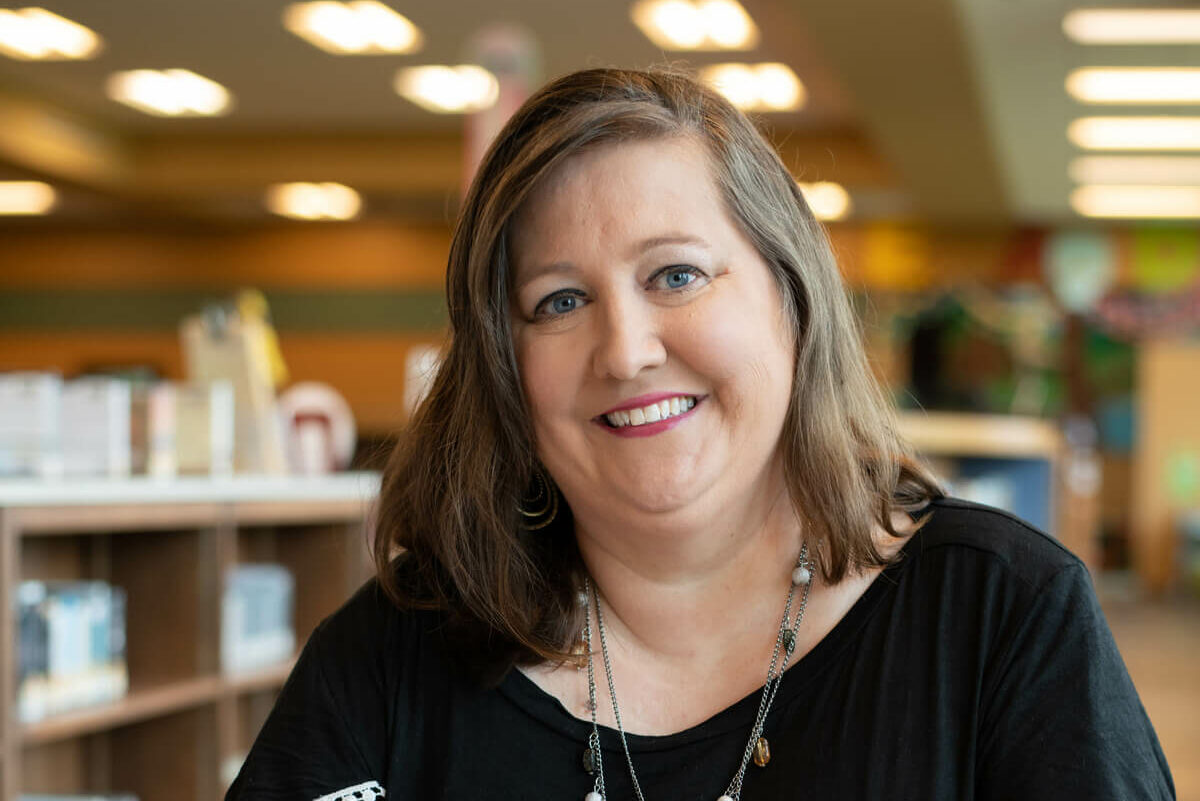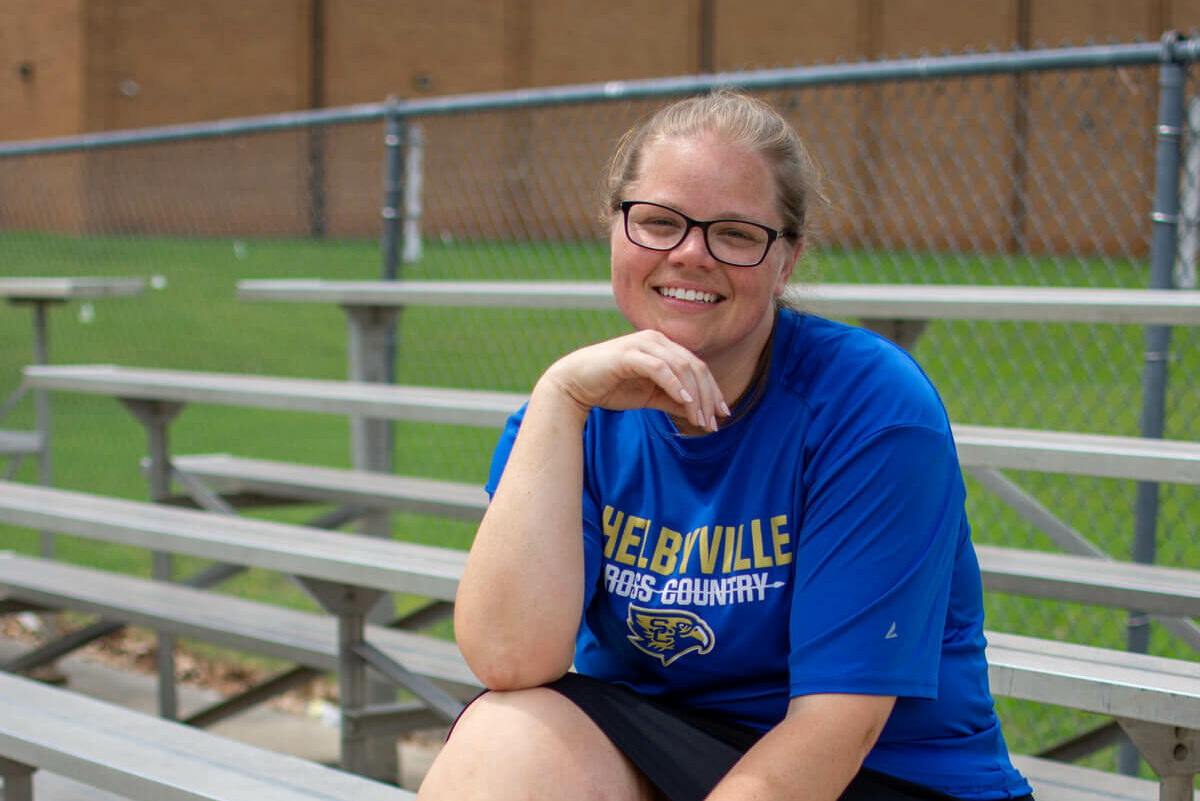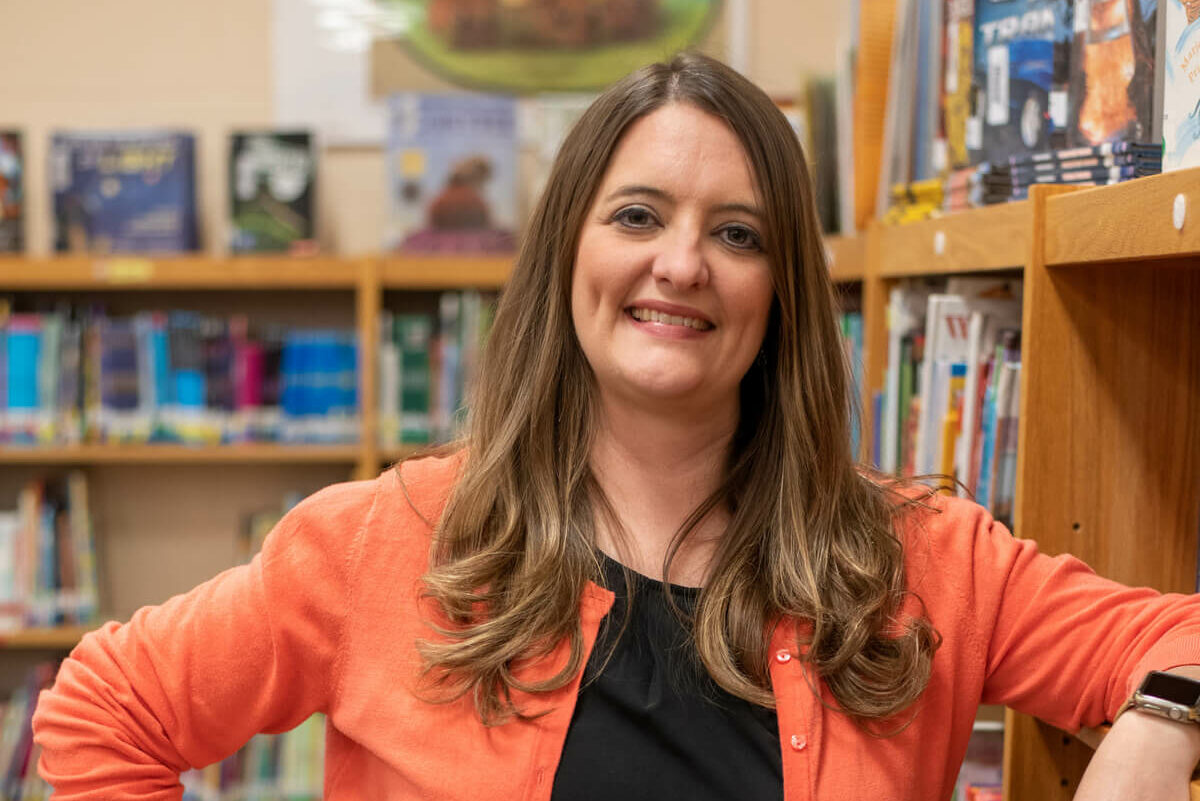
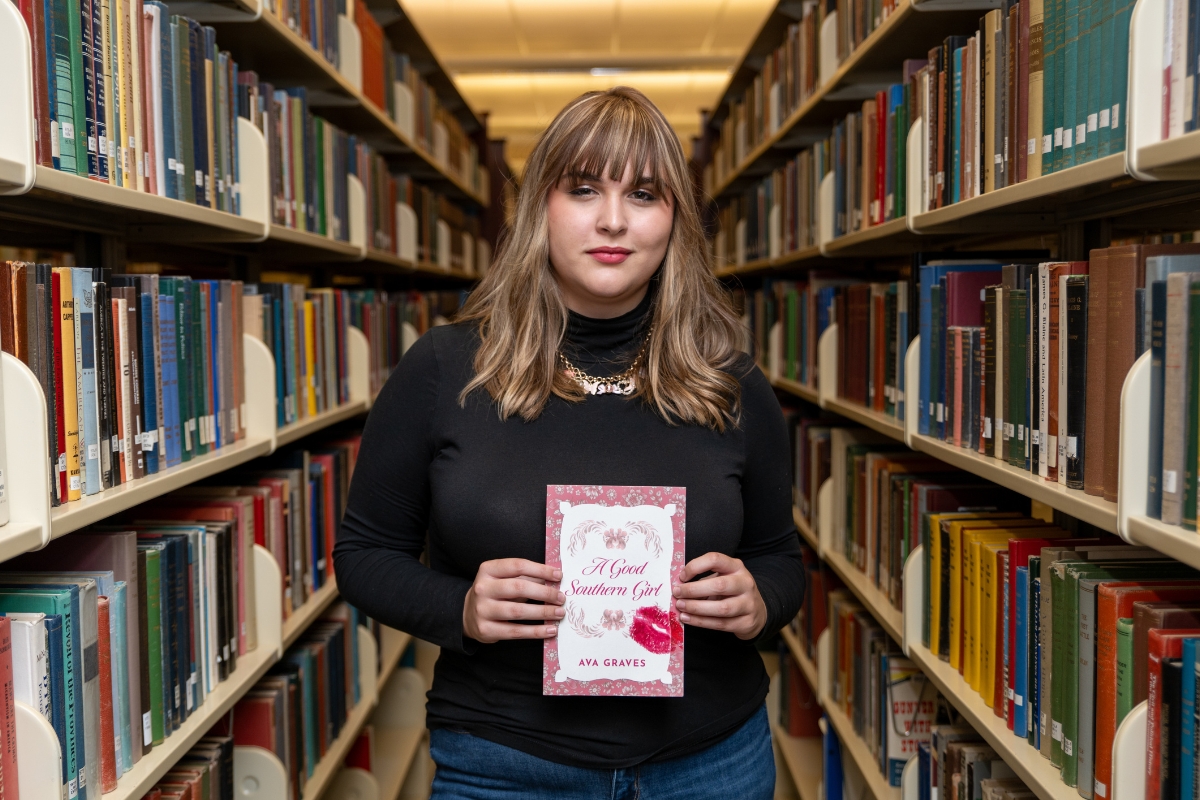
Ava Graves considers the characters in books her dearest friends. Novels, short stories, poetry, and the authors’ own stories fill Graves with an unending desire to create. They are the breath that fills her creative lungs and the adrenaline that fuels her imagination.
When Graves was born, she began receiving books from Dolly Parton’s Imagination Library. Every month, her mailbox contained a new literary treasure. Graves said, “My life would’ve looked a whole lot different had my parents never signed me up for her Imagination Library. I am forever grateful to Dolly Parton.”
Over the years, Graves moved from easy readers like “The Little Engine That Could” to “The Outsiders,” by S. E. Hinton, published in 1967. This literary classic was written from the viewpoint of a 14-year-old “greaser” struggling to rectify beauty in his world with the violence all around him.
“I read it for the first time in fifth grade. I saw so much of myself in Ponyboy Curtis. He was as much of a friend to me as anyone else in my class. I trained myself to write off of books like that. Simple, understandable, relatable, and bursting with wisdom. That book will never get old. People come and go, but Ponyboy will be with me forever,” Graves said.
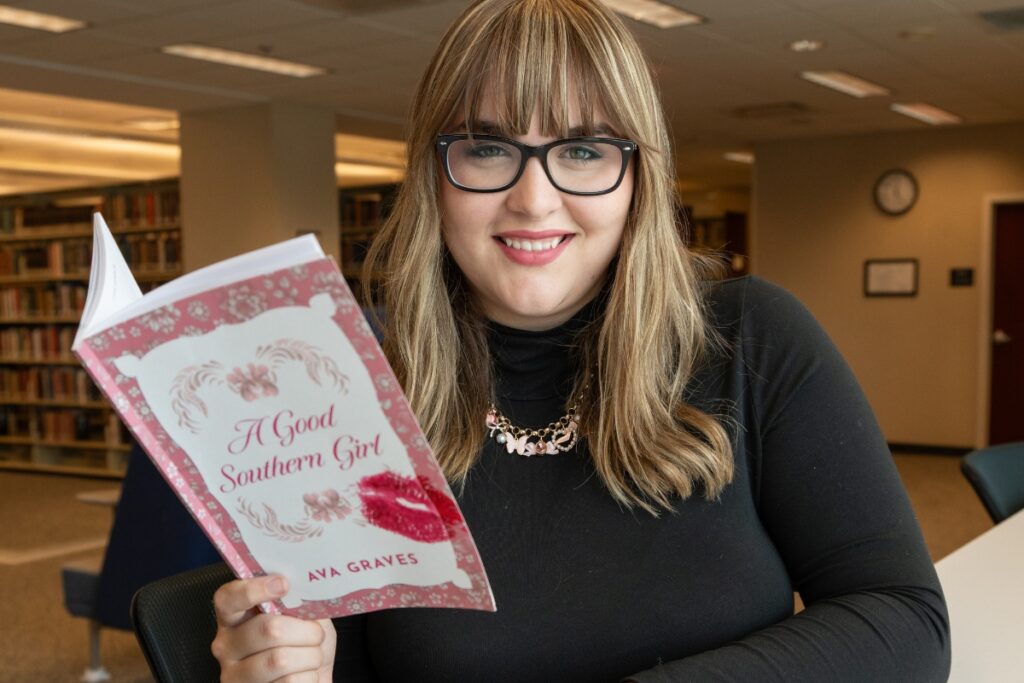
As a college student majoring in journalism with a minor in English, Graves devours the works of author Vladimir Nabokov. She said, “His novels are literally life-changing. They teach you never to trust a narrator and always read between the lines.”
She also adores Flannery O’Connor. During the mid-20th century, fiction writing — especially Southern fiction — was dominated by men. But O’Connor never let this stop her. Though she died at an early age, her two published novels, along with countless short stories, helped turn the page and crack open the door for future female writers like Graves.
“I’ve always felt a connection to Flannery O’Connor’s work,” she said. “She is my idol. I’ve read everything she ever put out. ‘A Good Man is Hard to Find’ completely wrecked my mind when I read it for the first time in middle school. I couldn’t stop reading.”
In fact, if Graves could meet her favorite author, O’Connor is exactly who she would pick. “I would first thank her for opening doors for female writers such as myself. I would ask her what she thinks of the South now; the makeup of our region has changed so drastically. I’d ask her if she would still write the same things. What motifs and metaphors has she conjured up with this modernity?”
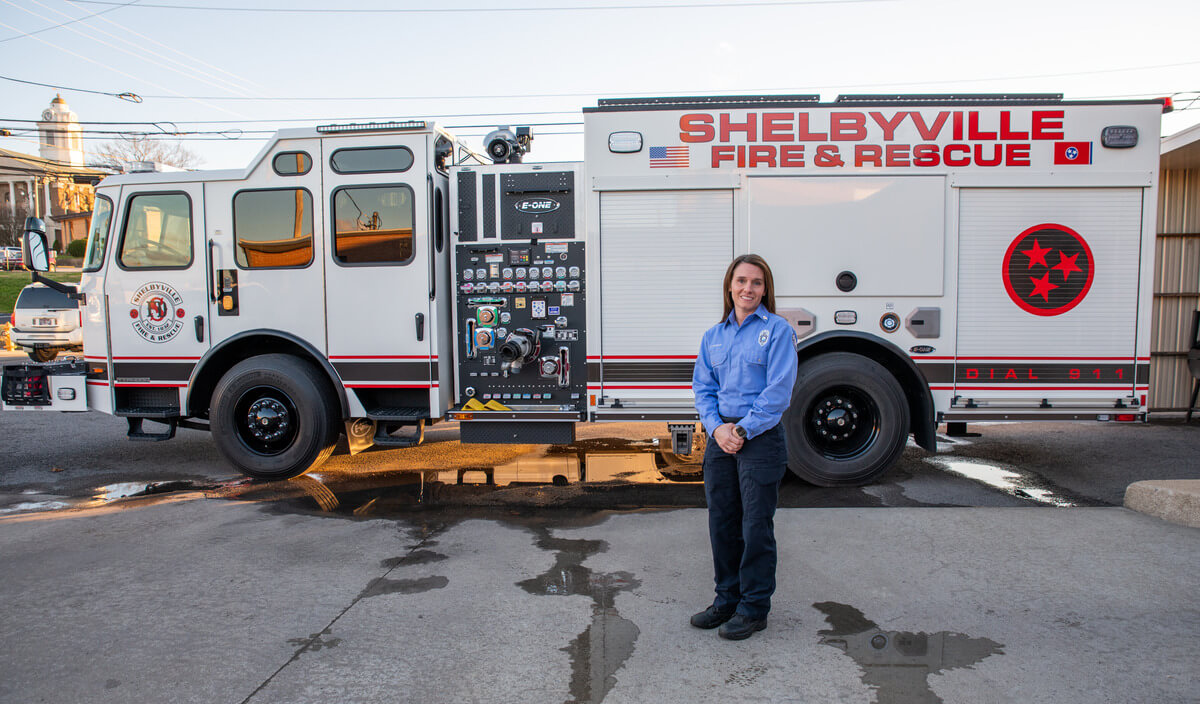
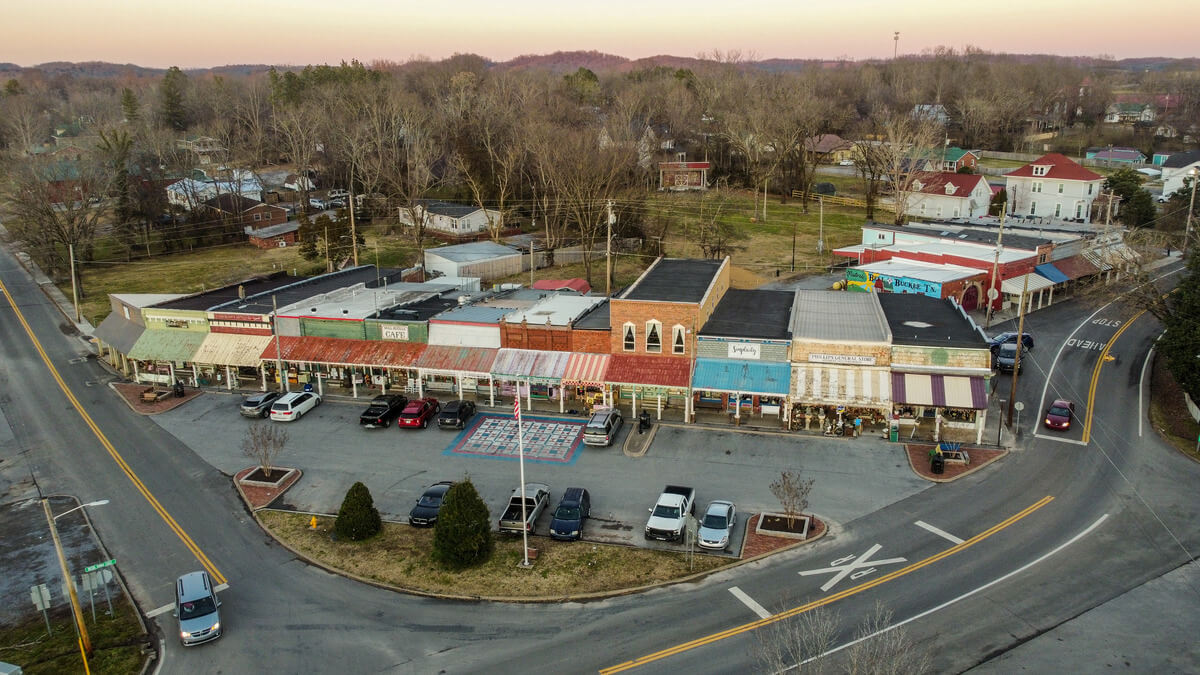
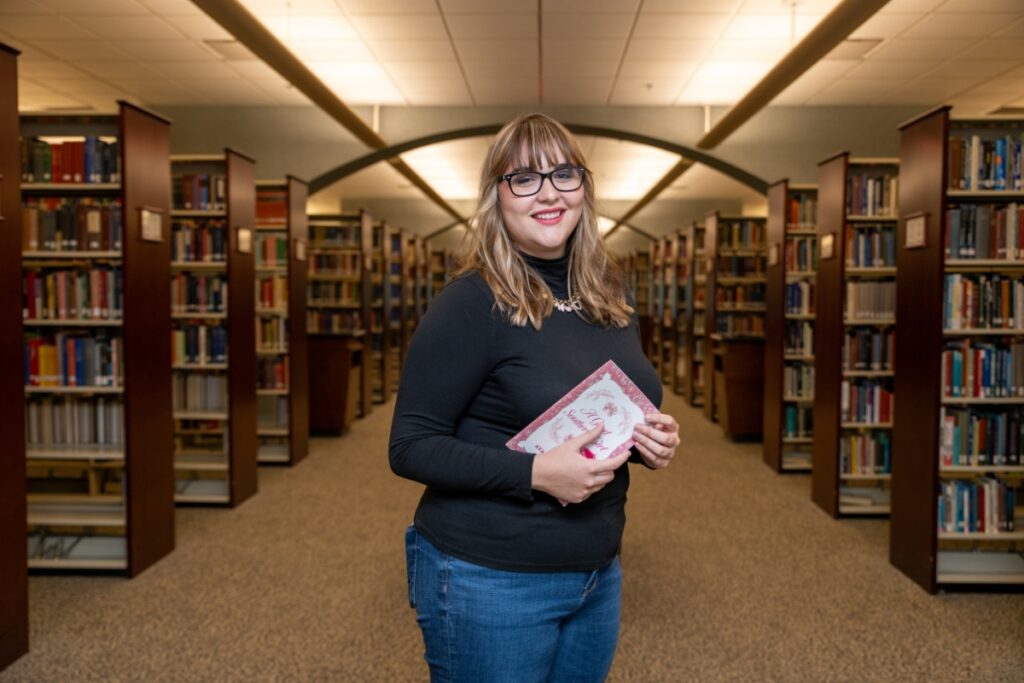
Graves isn’t just an avid reader who frequently settles into her “happy place” — a comfy chair at Barnes & Noble with a Southern Gothic novel and an iced coffee. She is also a writer and a published author. In her first book, “A Good Southern Girl,” she waded into several topics, including growing up in Shelbyville.
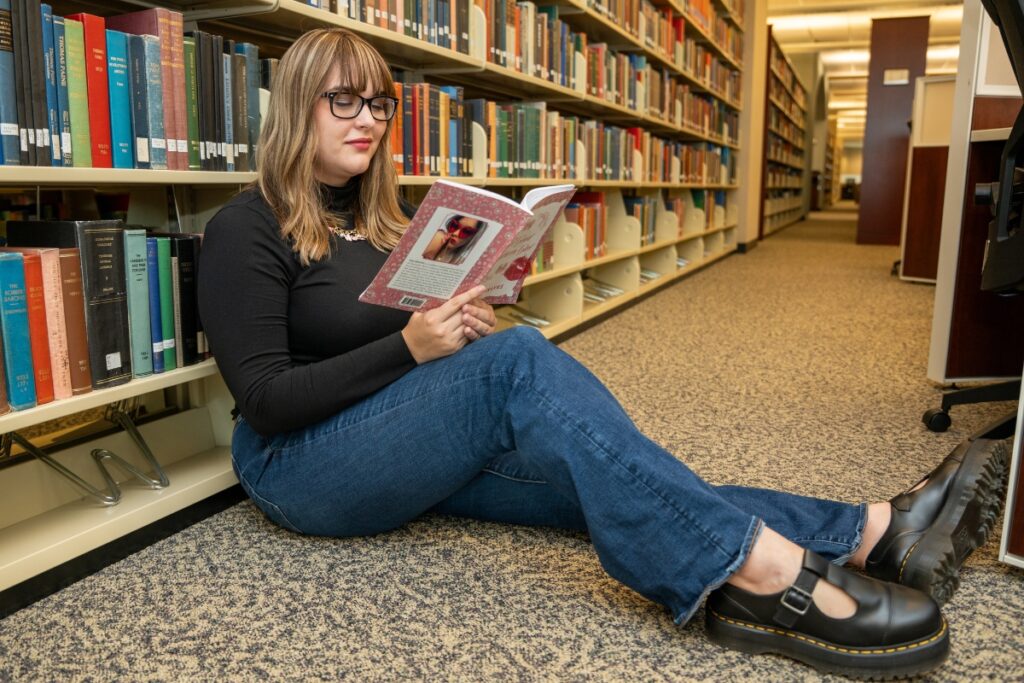
“We are a city that is overflowing with creatives. I know everyone says their hometown is something special,” Graves said. “But Shelbyville really is. I have written poems and stories all over the state, but none have the elusive muse that lives in Shelbyville. ‘A Good Southern Girl’ is the most honest thing I’ve ever done. It’s my story thus far. I feel like it’s special because while it’s about me, most anyone can relate to it. Religion, self-confidence, love — nobody can escape these.”
Every aspiring author begins by writing what they know, but manuscripts always have challenges that must be overcome. Graves said, “Composing a book is one big collage project. It’s as if there is a magical, cohesive order that will create a perfect flow. The only problem is getting to that ‘correct’ order. Once you find it, though, that’s something to be proud of.”
Graves also writes “flash fiction.” These stories must conclude in 1,000 words or fewer. She said, “It’s an art. Packing so much into so little can exercise the mind. Only putting what’s necessary provokes the reader to come up with their own conclusions about the character and the story.”
This isn’t all she has been working on. “I am currently writing a second book titled ‘The Anatomy of a Cowering Dog.’ It will be both prose and poetry. I’ve grown since I published ‘A Good Southern Girl.’ This one will be different, but it will still be me.”
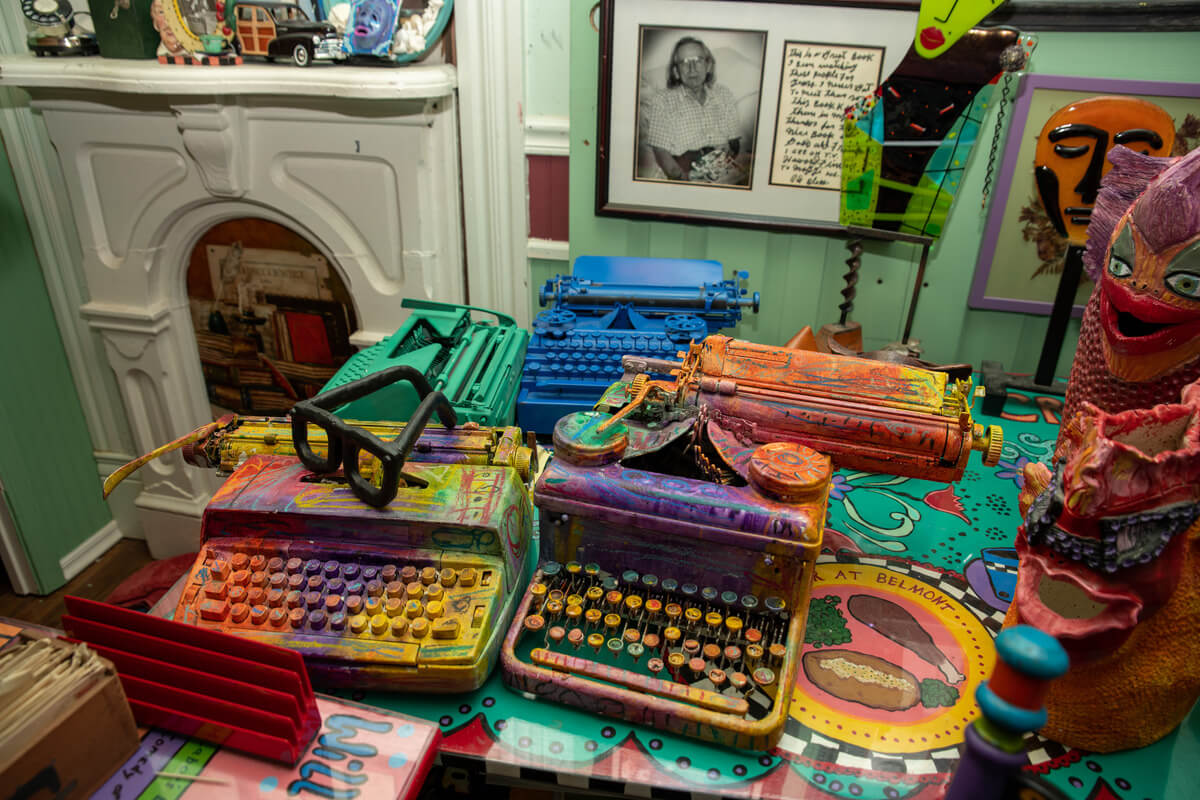
After posting her work on social media a few years ago, Graves received a private message from Maggi Britton Vaughn, who served as the Tennessee Poet Laureate of the Southern Appalachian Mountains from 1995 until her death in June 2026. Vaughn grew up on the Cumberland Plateau and was well known for her deep affection for the rural South. She invited Graves to her home in Bell Buckle.
“I’d stay over there for hours. We would talk about how magnificent it is to write. She gave me so much wisdom. She told me to never budge when it came to my writing. Sounding smart is one thing, but writing where people can understand is key. I will never forget that.”
Thinking back on what her friendship with Vaughn means now that she has died, Graves said, “I am so grateful I got to meet Maggi. She paved the way for young, Southern female writers like me. I received lessons from her that I wouldn’t have learned anywhere else. Tennessee was lucky to have her.”
When Graves dreams of her future, she says, “I just hope to write. I don’t care what it’s about. I just want to write. That is my one true love in life.” GN