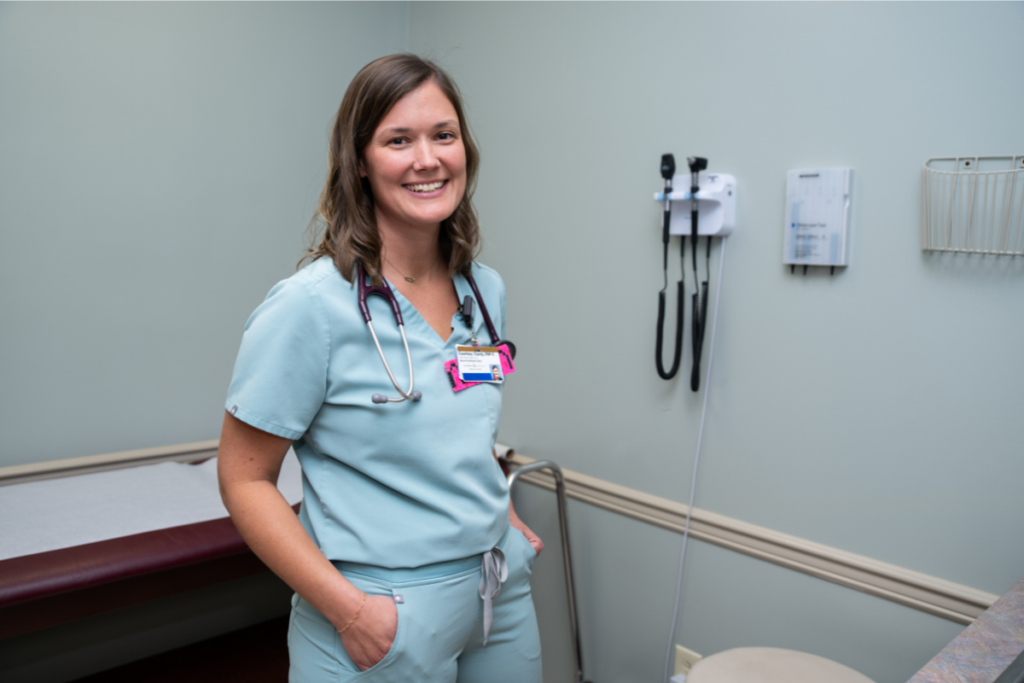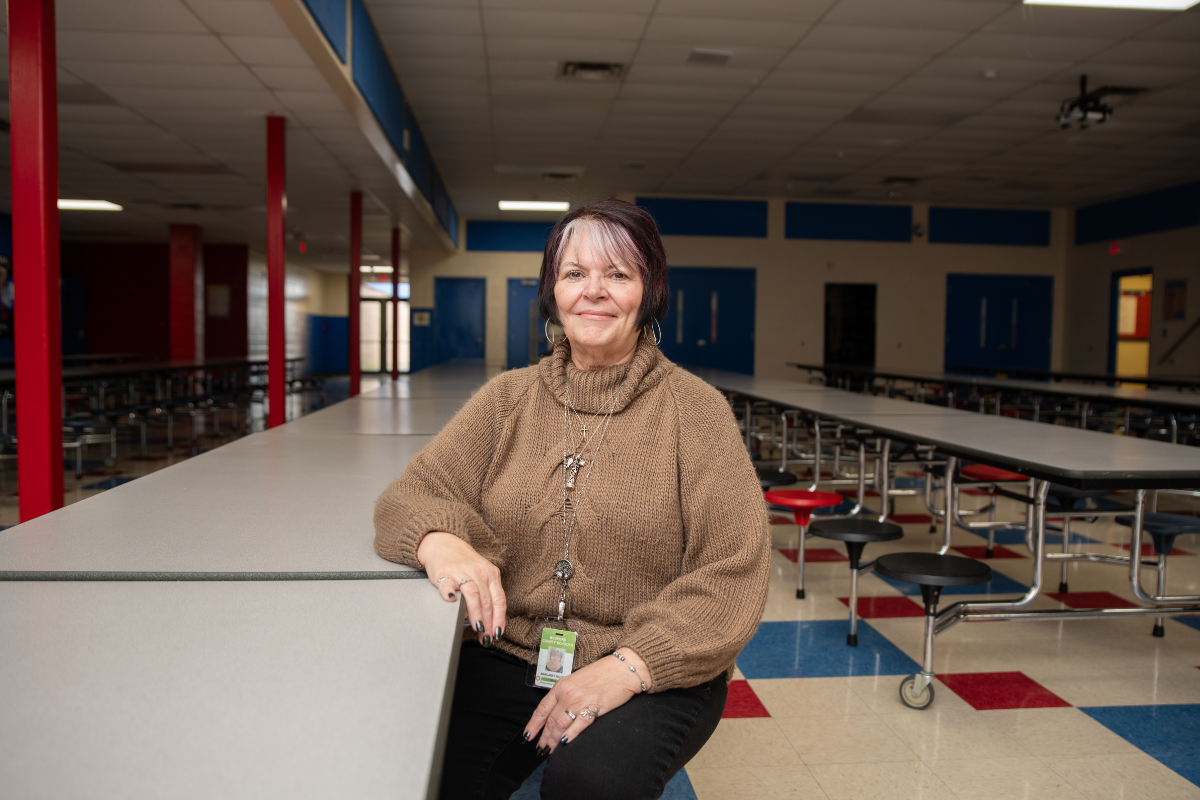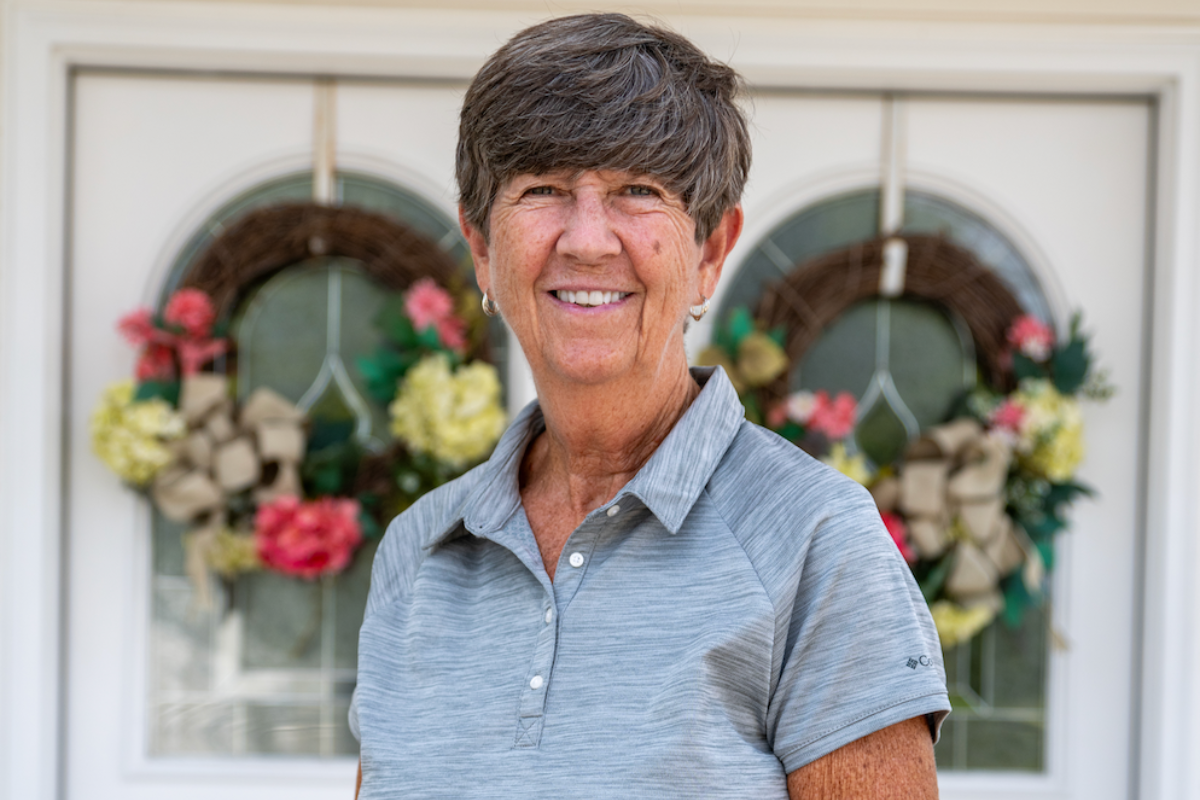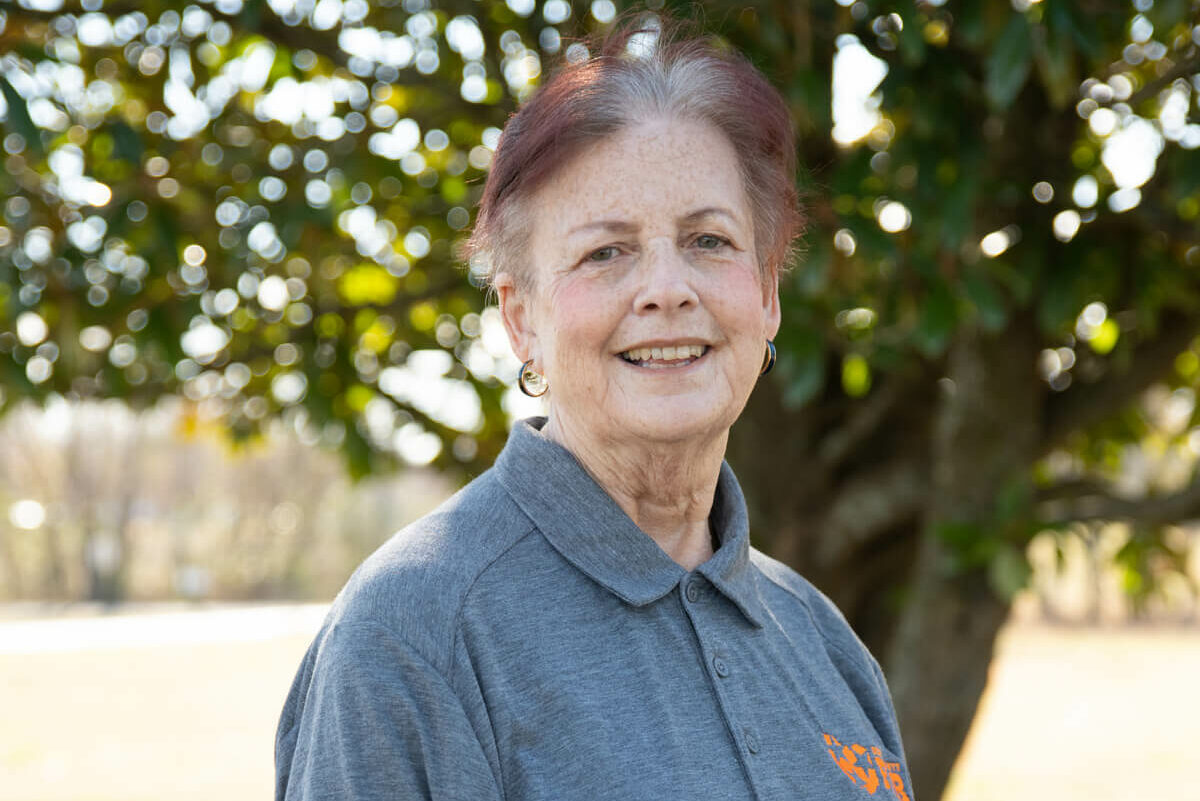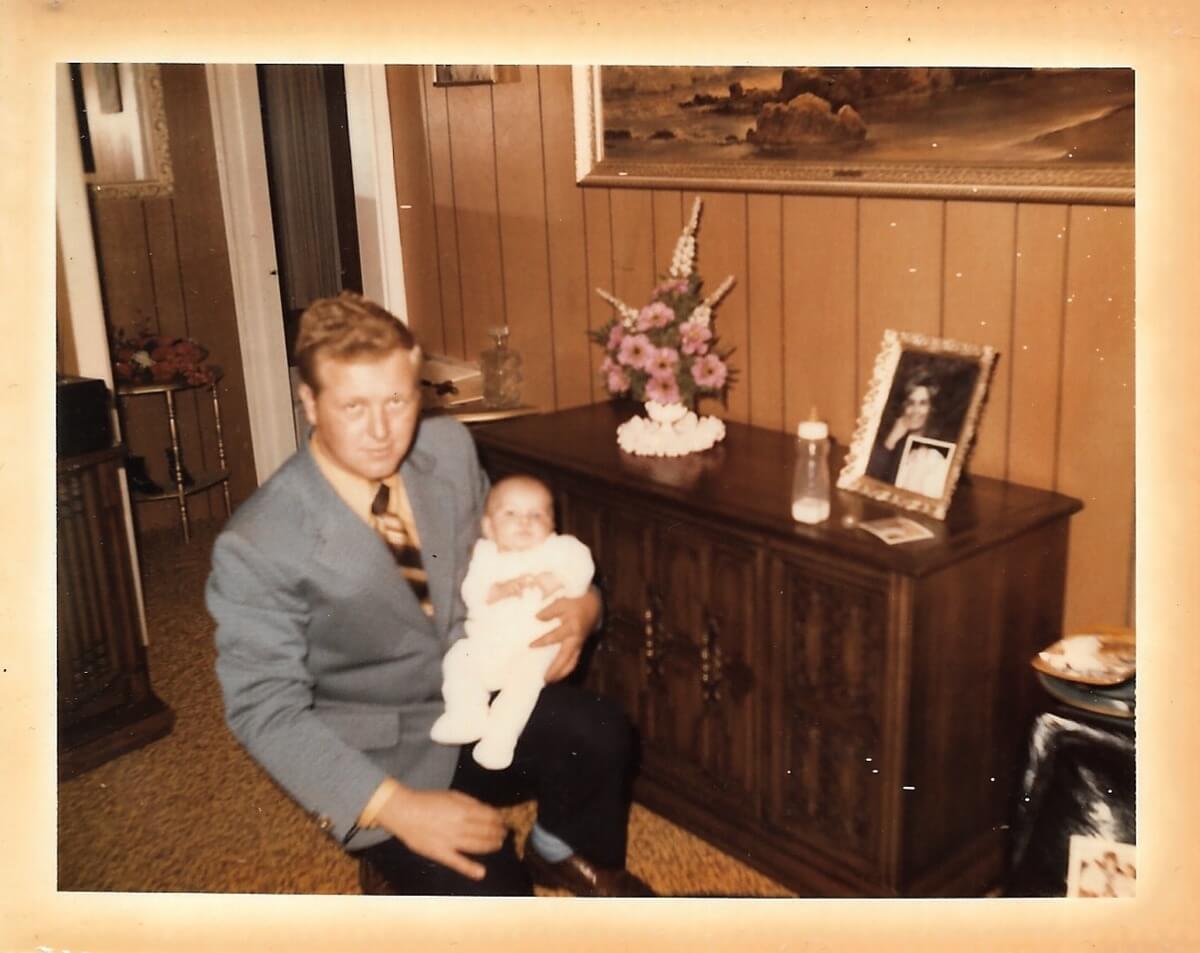
Shirley Capley gripped the bassinet and examined the tiny infant. Her entire body could fit in the palm of Capley’s hand. At only 1.5 pounds, this was the smallest baby she had helped Dr. Birch deliver. Capley’s stomach twisted in knots. Though the sickly-sweet smell of ether still permeated that second-floor delivery room, it wasn’t the familiar odor making her nauseous. She expected to see the baby take her final breath. Her wrinkled, transparent skin wasn’t pink and supple like the other white babies on display behind the oversized picture window down the hall.
“She’s going to die,” Dr. Birch repeated. “There’s no hope for that one. She’s just too premature.”
“But I can see her heart beating,” Capley replied. “Her heart is still beating.”
Whether motherly instinct, women’s intuition, or Capley becoming the hands and feet of the God she served, she didn’t stop to ponder the situation any further. Any time she witnessed injustice, she acted first and explained later. If she received a reprimand from Dr. Birch, or anyone else for that matter, then so be it.
Against the doctor’s orders, Capley carefully wrapped the infant and placed her into an isolette surrounded by hot water bottles. It was April 4, 1954. Angel One couldn’t have transported the baby and her mother by helicopter to Nashville — it wouldn’t exist for another 30 years. The Neonatal Intensive Care Unit wasn’t established at Vanderbilt University until the 1960s, and Monroe Carell Jr. Children’s Hospital wouldn’t open until 2004.

Though she had been a registered nurse for less than four months, Capley stood in the gap. Five months later, “Pee Wee Blanton,” as the nurses nicknamed the baby, was released from the hospital. Her parents named her Rosemary.
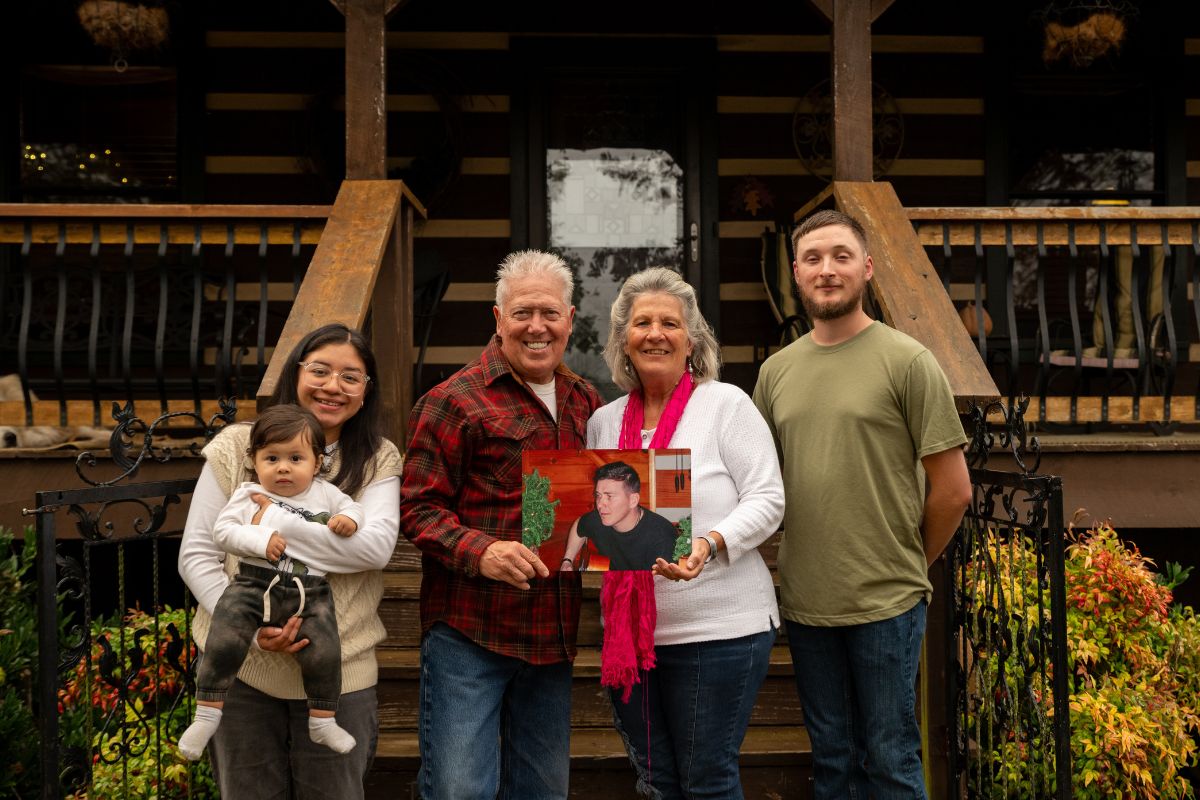
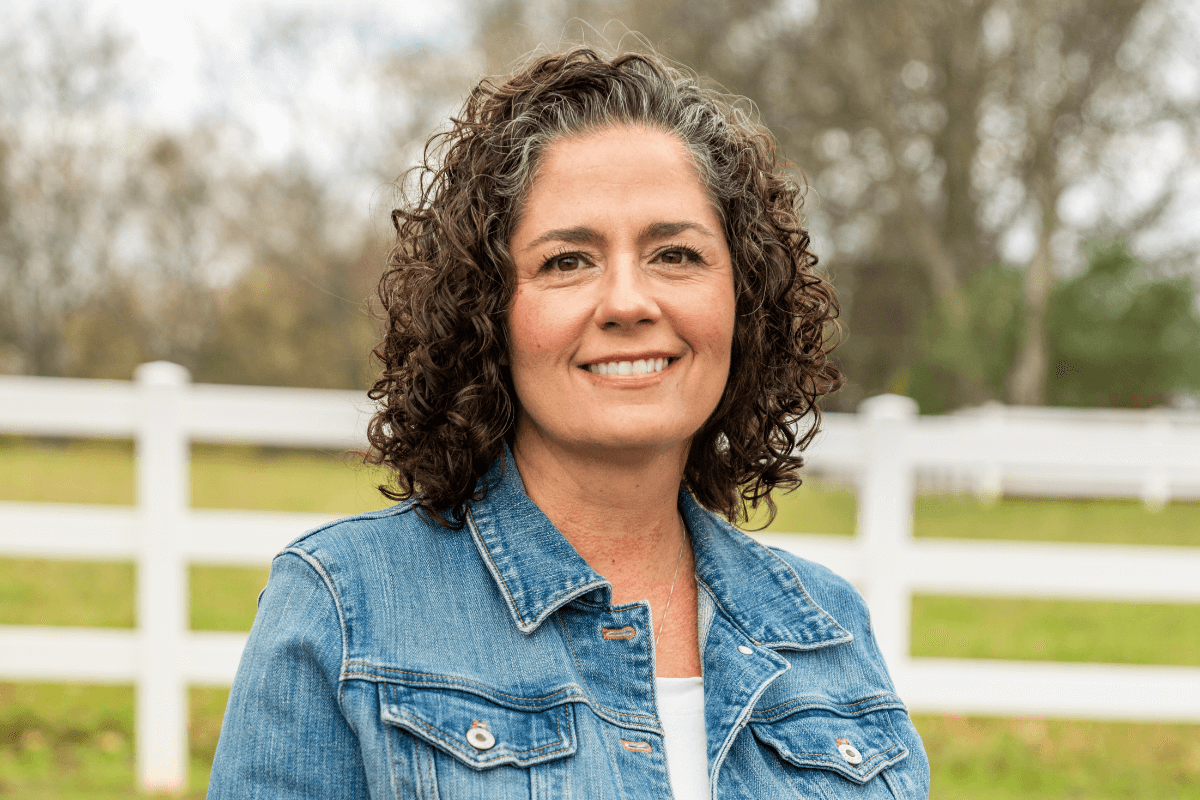
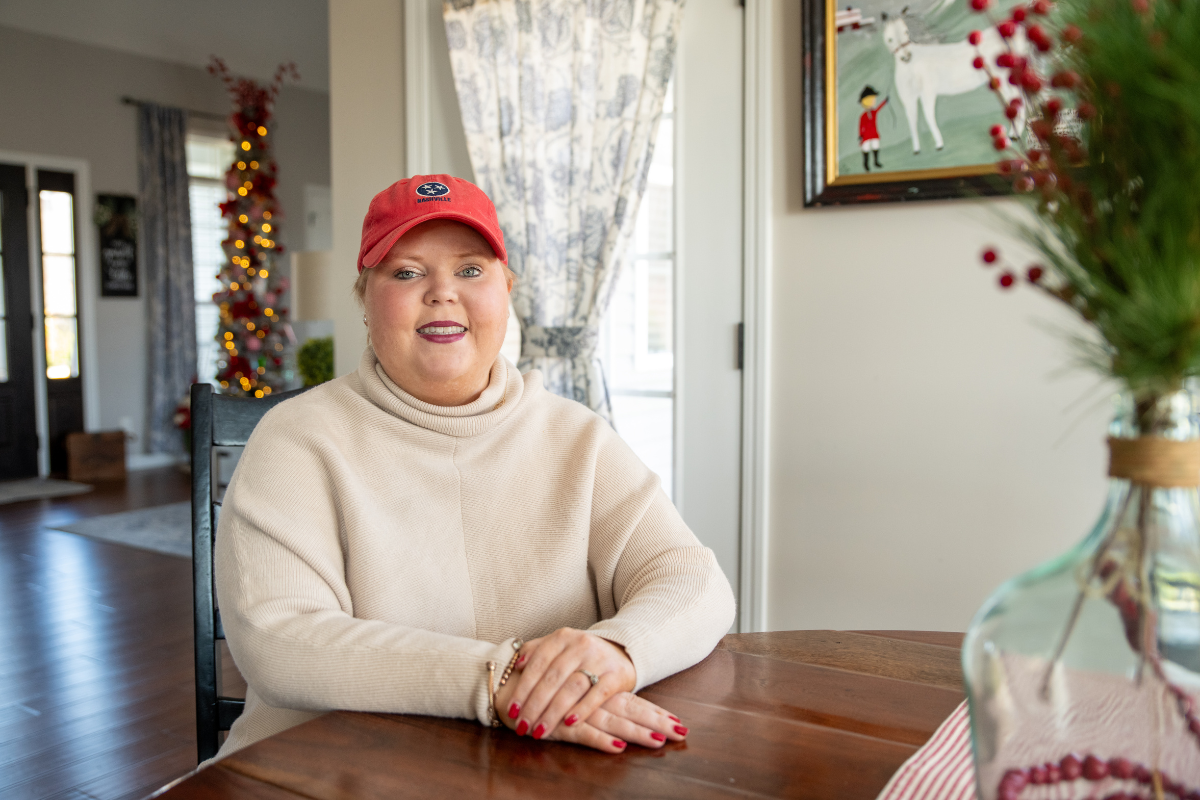
“Thank God Shirley was my sweet nurse that day,” Rosemary Blanton said. “Because God knew that I was going to need her. When I was born, I was having trouble breathing, and I was very tiny. The doctor rolled my crib to the side. But Shirley, being the angel person that she is, knew she had to help me. Mama said many times that she was so thankful that Shirley was there that day. She always admired and appreciated her. Here I am at 72 years old, a mama, grandmama, and great-grandmama. I have been healthy most all of my life because of God and my sweet nurse, Shirley Capley. She gave me and so many others a chance to live.”
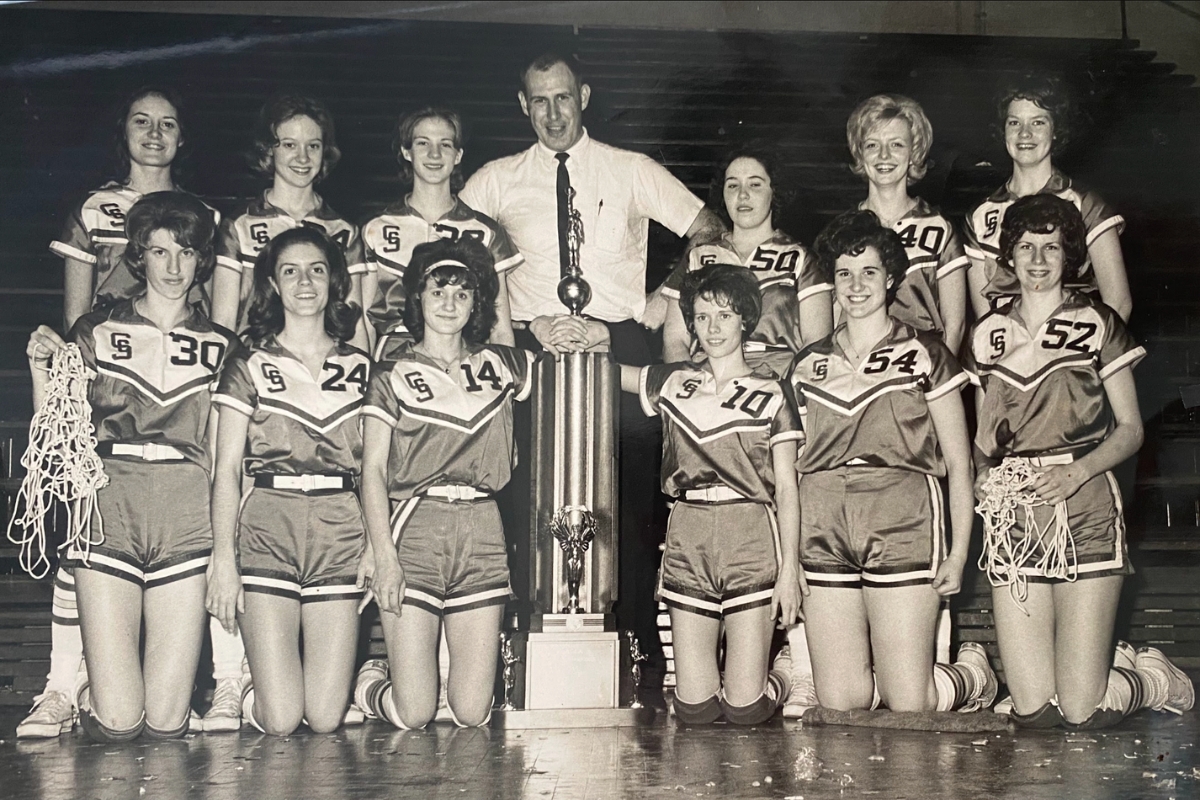
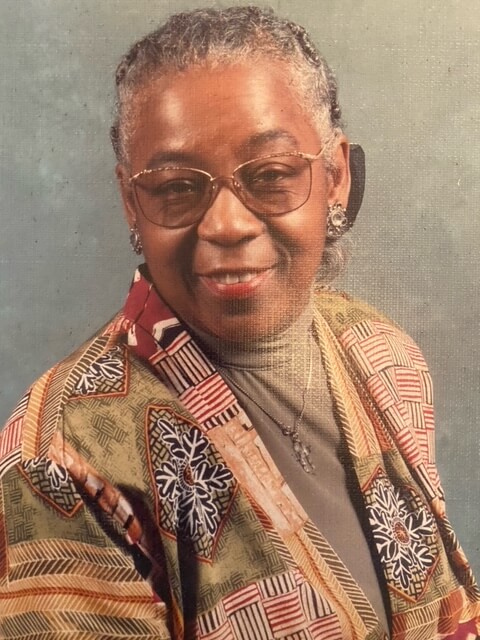
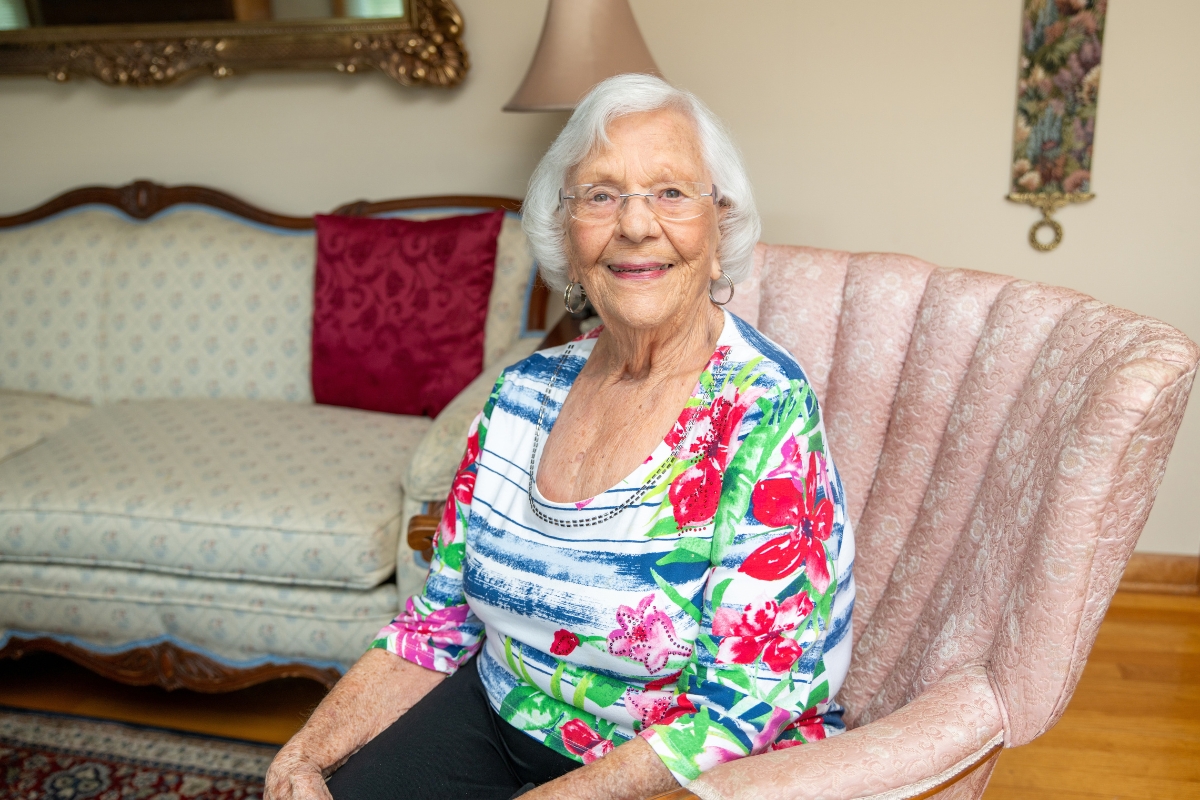
Capley was born at home on Lewis Avenue in 1935. She attended Shelbyville Central High School on Madison Street. When her grandfather became ill with a bleeding ulcer, Capley visited him after school at Bedford County General Hospital, which was located on Union Street. It was there that she discovered her love of nursing. She persuaded Mr. Grooms to give her a job as a nurse’s aide.
Three years later, she took a leave of absence to attend nursing school in Fayetteville and then trained at Lincoln County General Hospital. On Jan. 4, 1954, Capley began a career at the “old” Bedford County General Hospital that would span more than 40 years. Though she jumped into action in the emergency room and helped wherever needed, obstetrics — specifically inside the delivery room — was her favorite place to be.
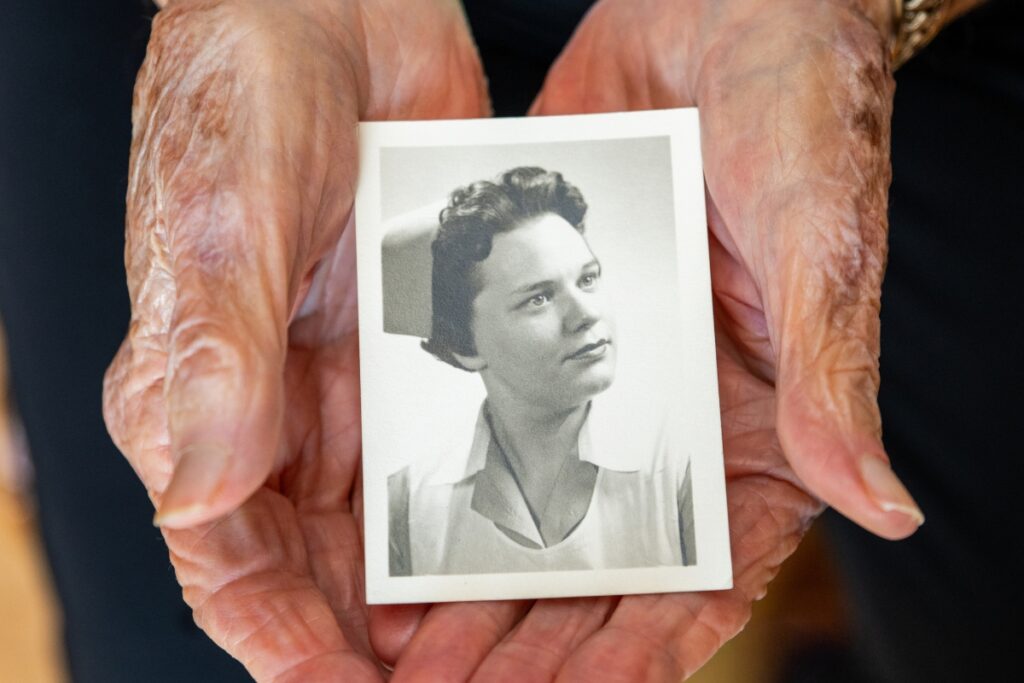
“I just always loved nursing,” Capley said. “I only made $10 per week, and the only benefit we received was that they washed and starched our uniforms. We had to wear white uniforms that were tailor-made for us and white leather shoes.”
Capley smiled sweetly. “It was amazing to see how a woman could have a baby. Like I always said, ‘If you can witness a delivery and still not believe there is a God, something is wrong with you.’”
Besides the birth of Rosemary Blanton, Capley also remembers the day Chad and Denise Graham’s son, Daryl, was born with Apert syndrome, which affects one in 65,000 births. “His dad was a local paramedic, so we knew Mr. Graham would be in the delivery room. I will never forget that day.”
Another unforgettable birth occurred when Mrs. Nellie McGowen and her husband, J.B., traveled from Lynchburg to deliver the first set of triplets in Bedford County. Capley was one of the attending nurses when Annette, Yevette, and Denette were born only minutes apart. Amazingly, Mrs. McGowen had previously delivered twins plus one other child.
“I’ll never forget delivering those triplets,” Capley said. “Their birth set a hospital record. All three girls were a good size and didn’t require incubation.”
Like Mrs. McGowen, Capley had also given birth to twins — Ricky and Micky. Though Capley often worked eight to 12 hours straight, including night shifts, she raised her twins on a single income. Even on her days off, she was on call.
Before desegregation, women who were not white were required to enter the hospital through the back door. After delivering their babies on the second floor, they were moved to a communal room on the first floor. Instead of their babies being displayed in the nursery window, they were sent downstairs.
This unfair practice irked Capley. “I went to my supervisor and told her this wasn’t fair. Well, the next Black baby to be born was a darling little girl. I put bows in her hair and displayed her alongside the white babies. I also made sure that her mother remained in the room upstairs. Nobody at the hospital said a word. After that, we never moved another new mother downstairs.”
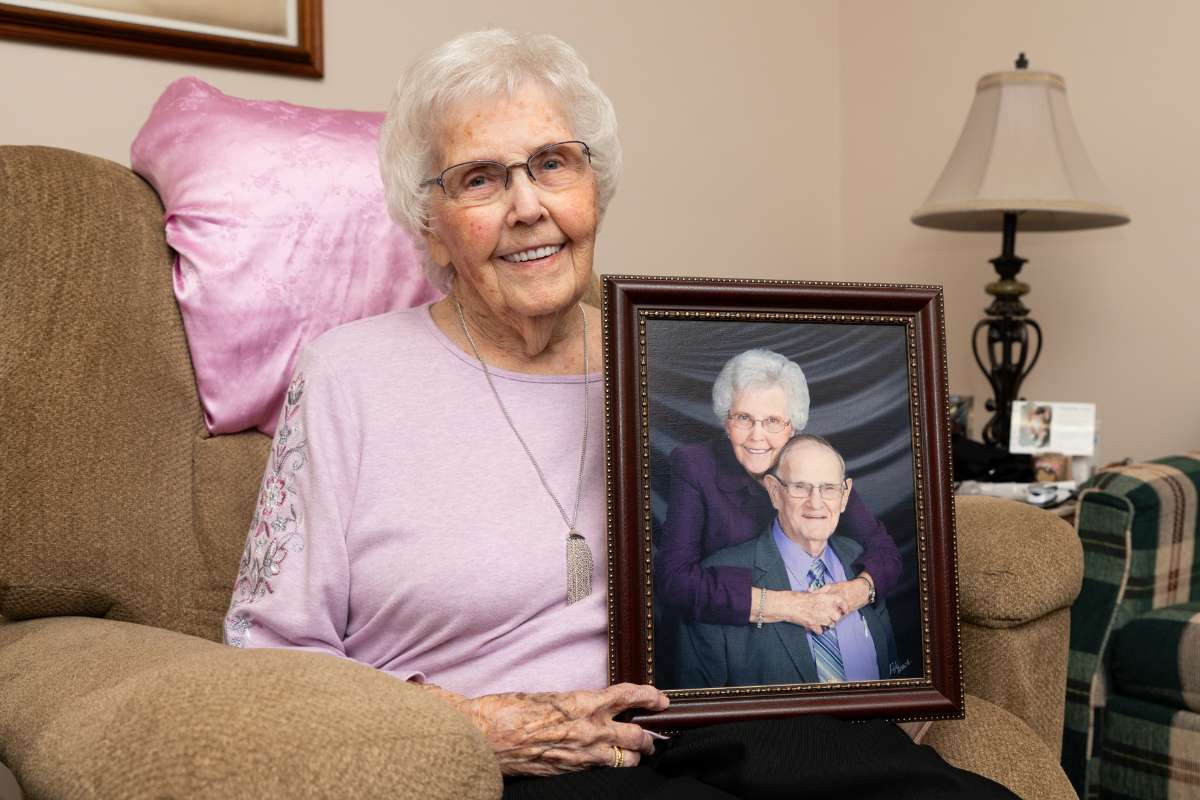
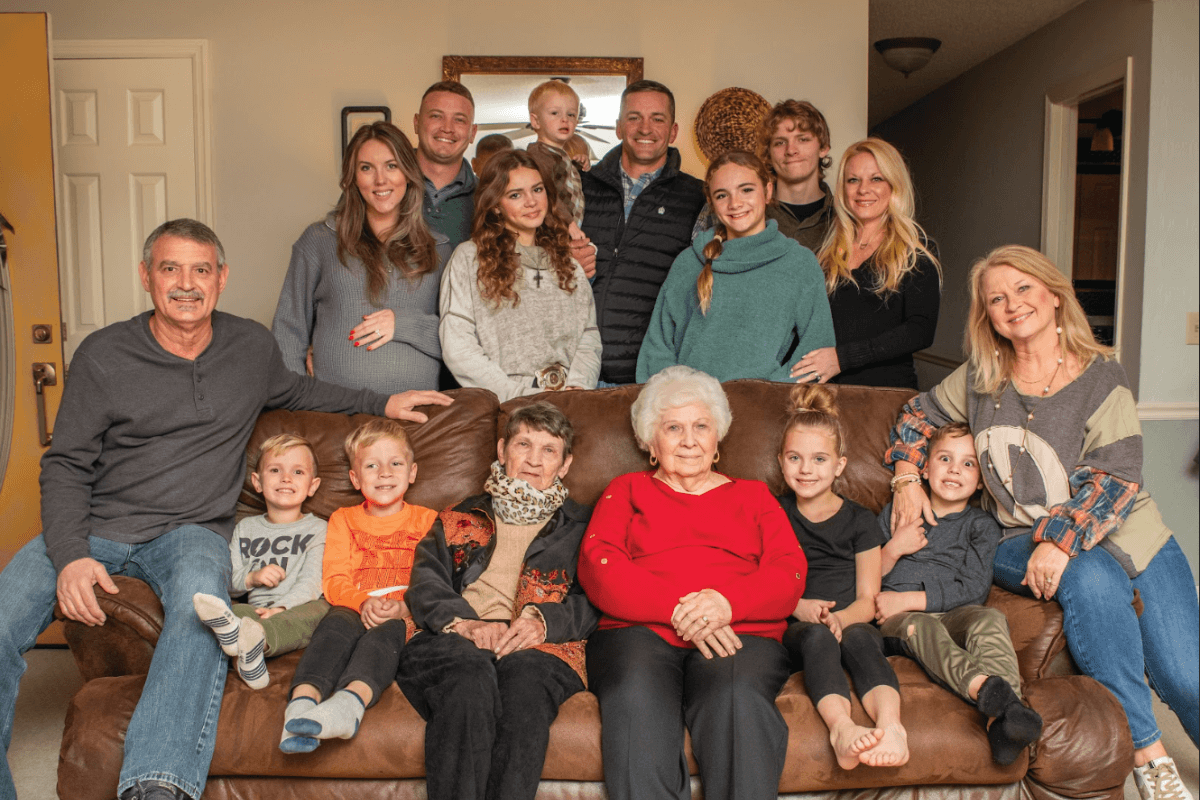
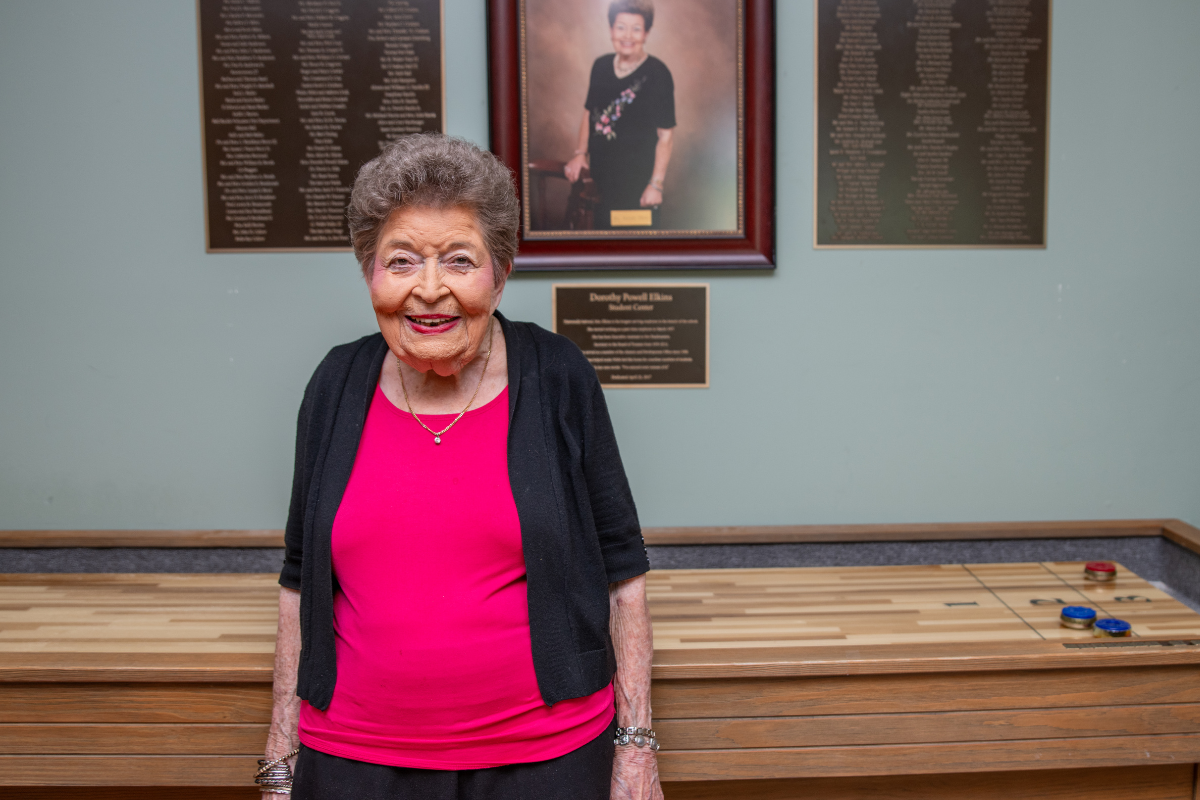
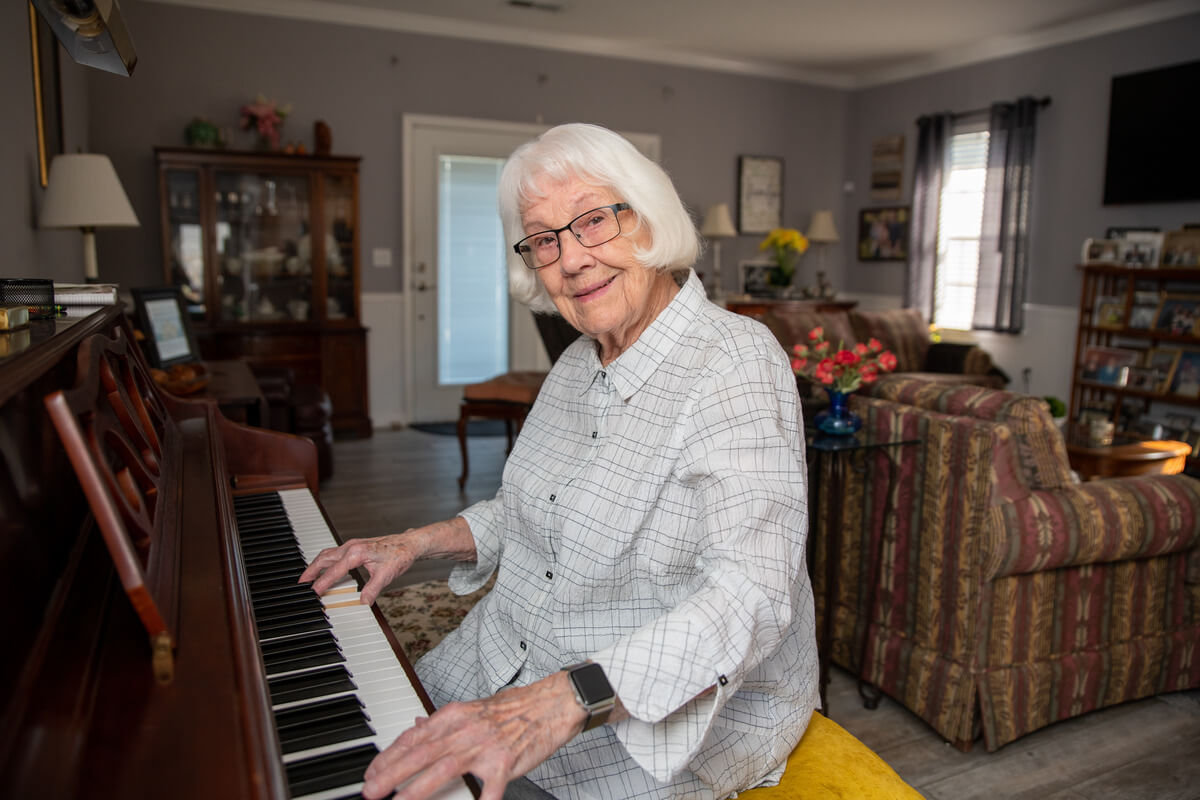
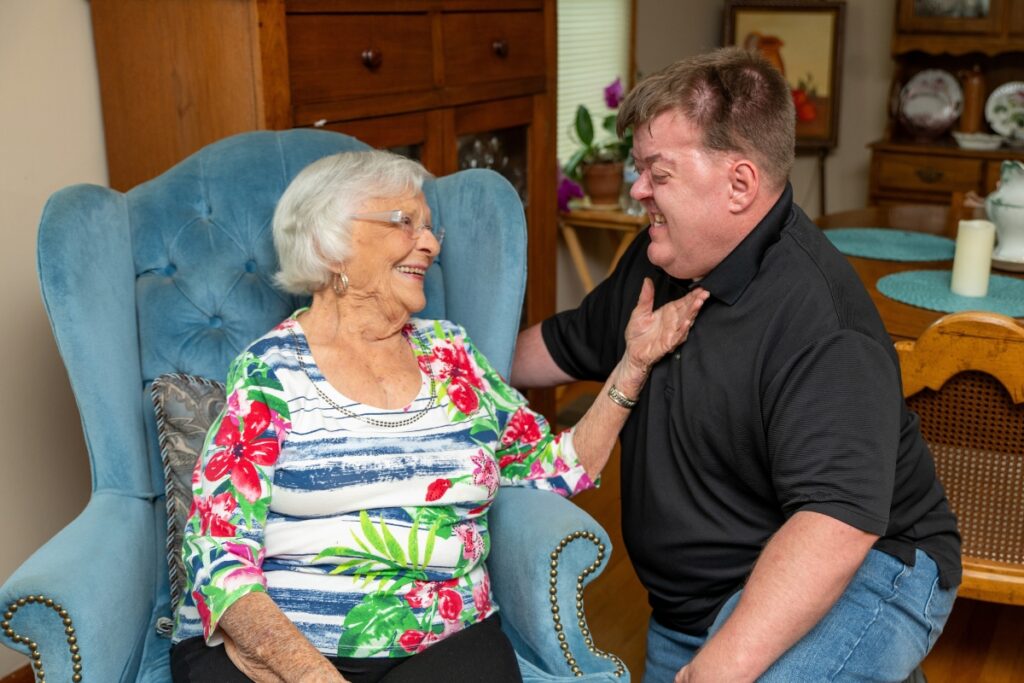
Capley’s family celebrated her 90th birthday with a surprise party. She was in the delivery room during the births of all five of her grandchildren. She also has seven great-grandchildren. Generations of families were brought into this world because of Capley.
Her grandson, Chase, whom Capley helped raise from the time he was 7, said, “My grandmother is my hero. When my mom died, she retired and moved to Murfreesboro to care for my brother and me.” GN