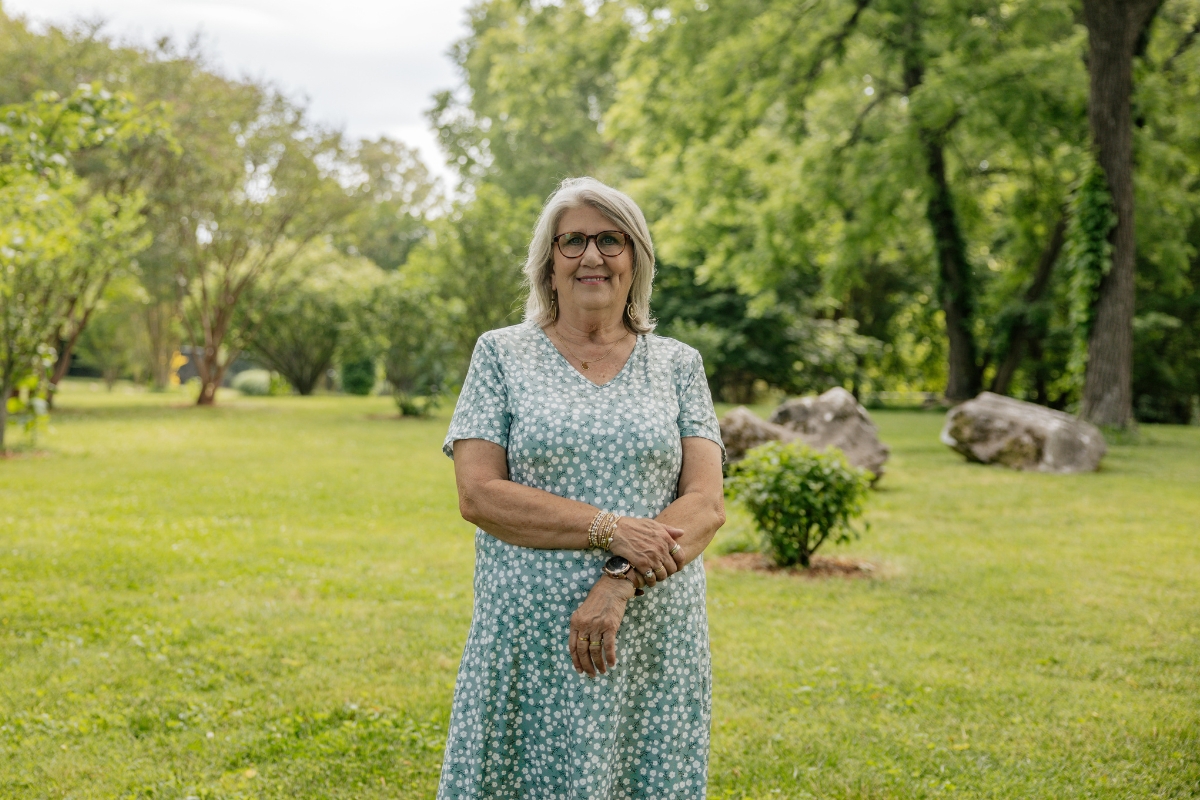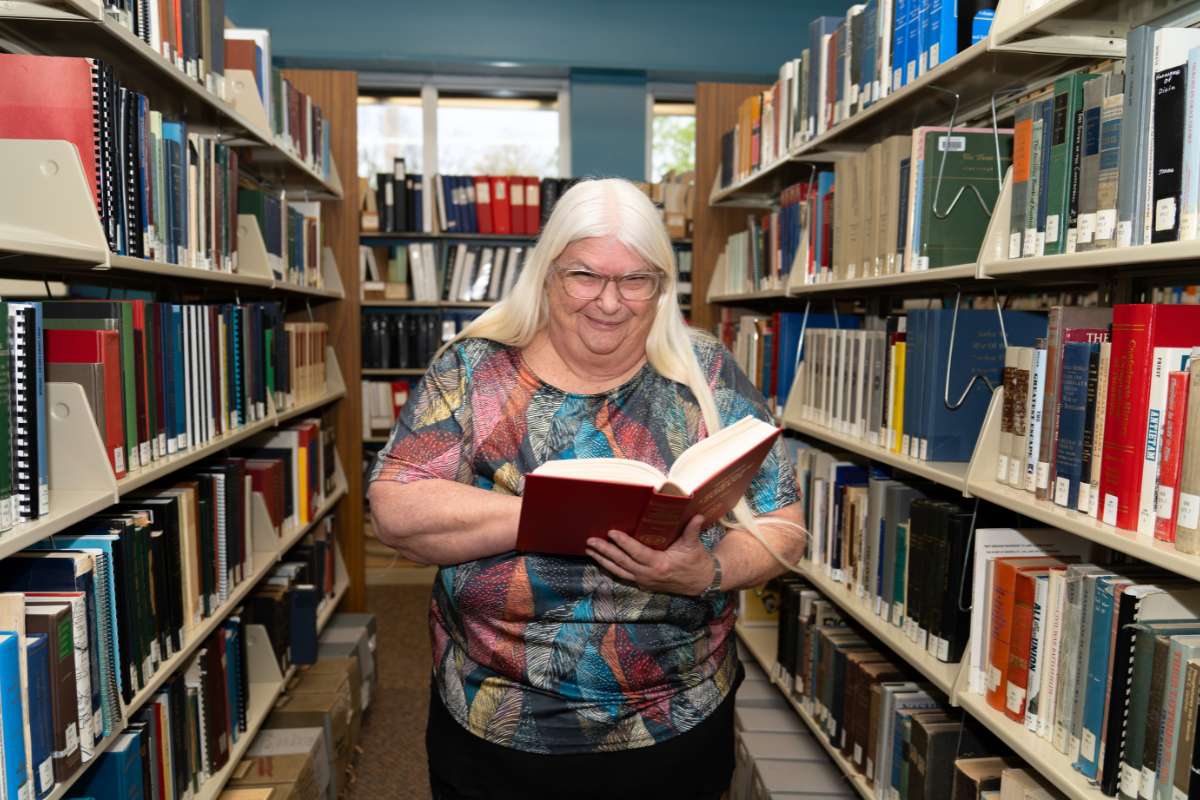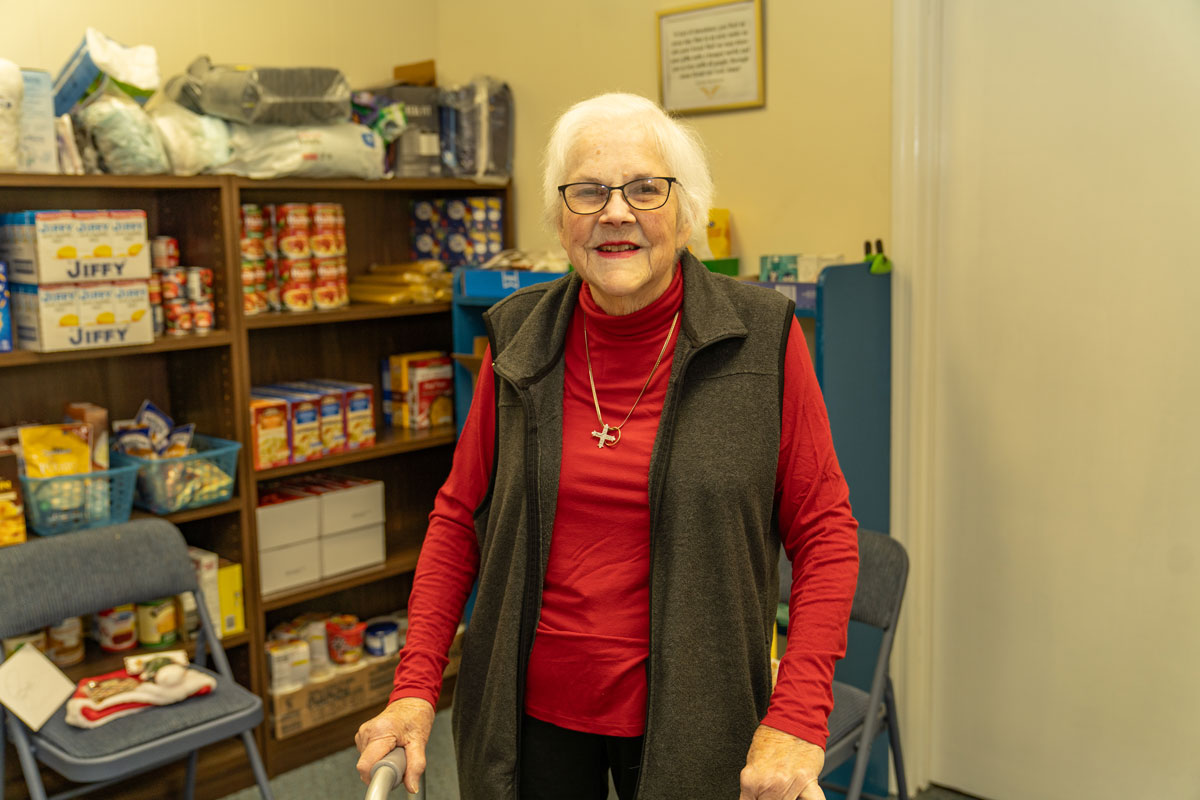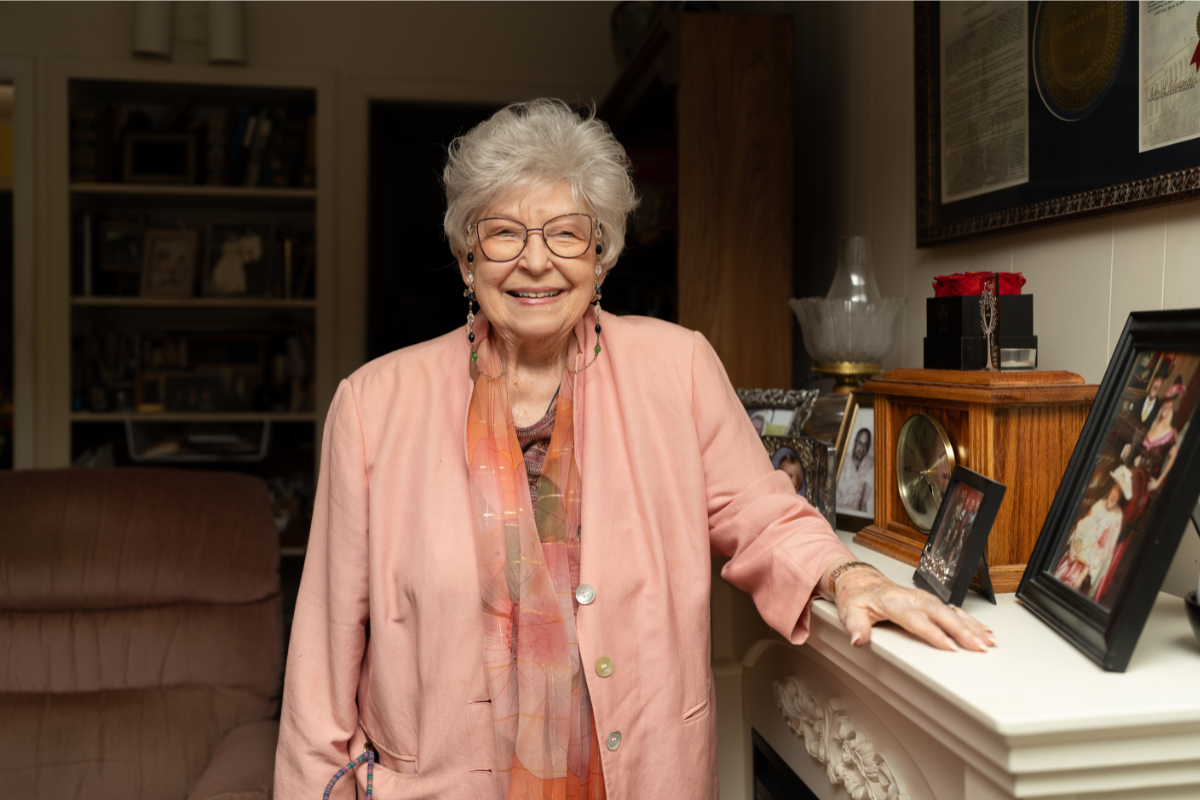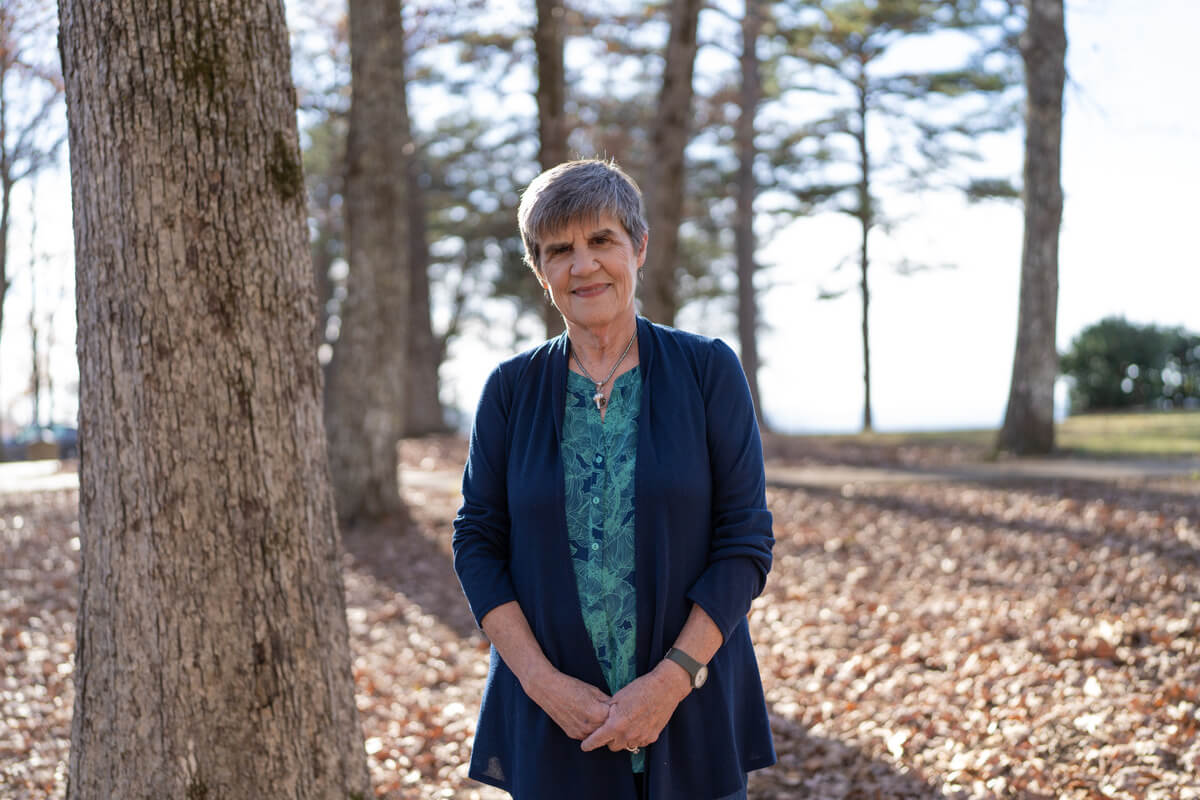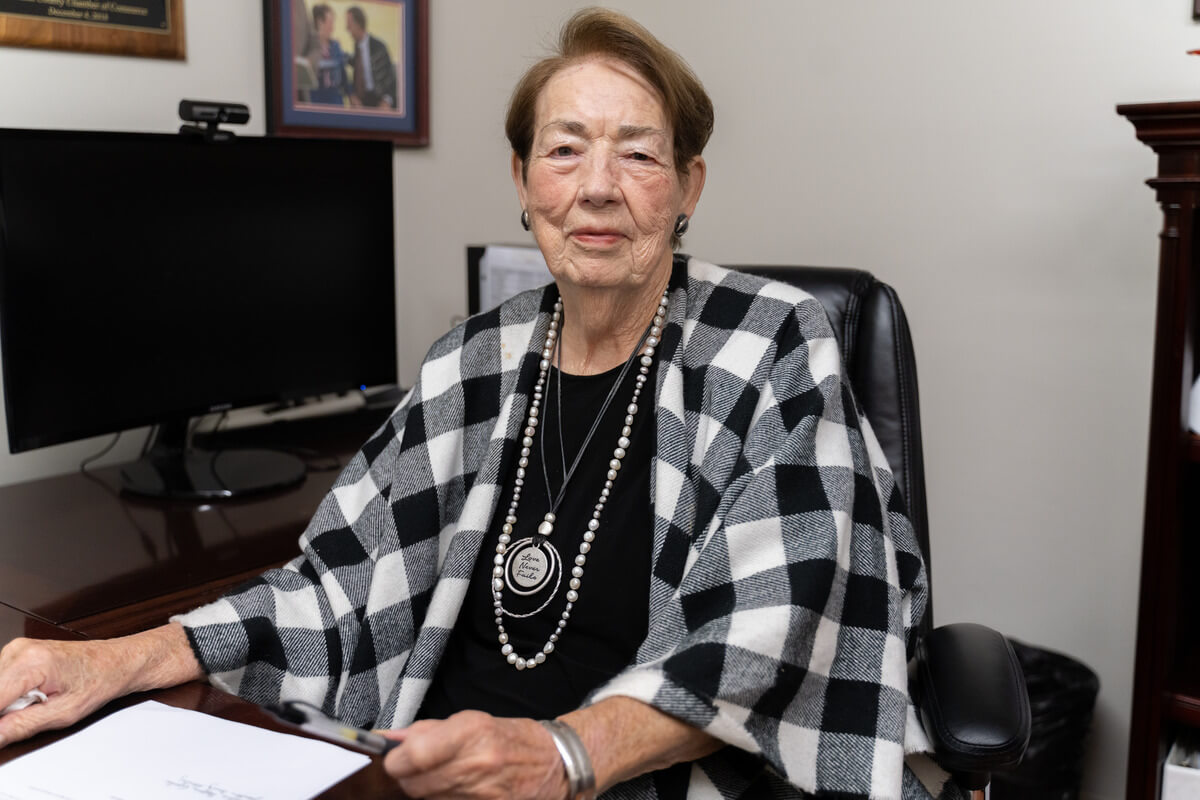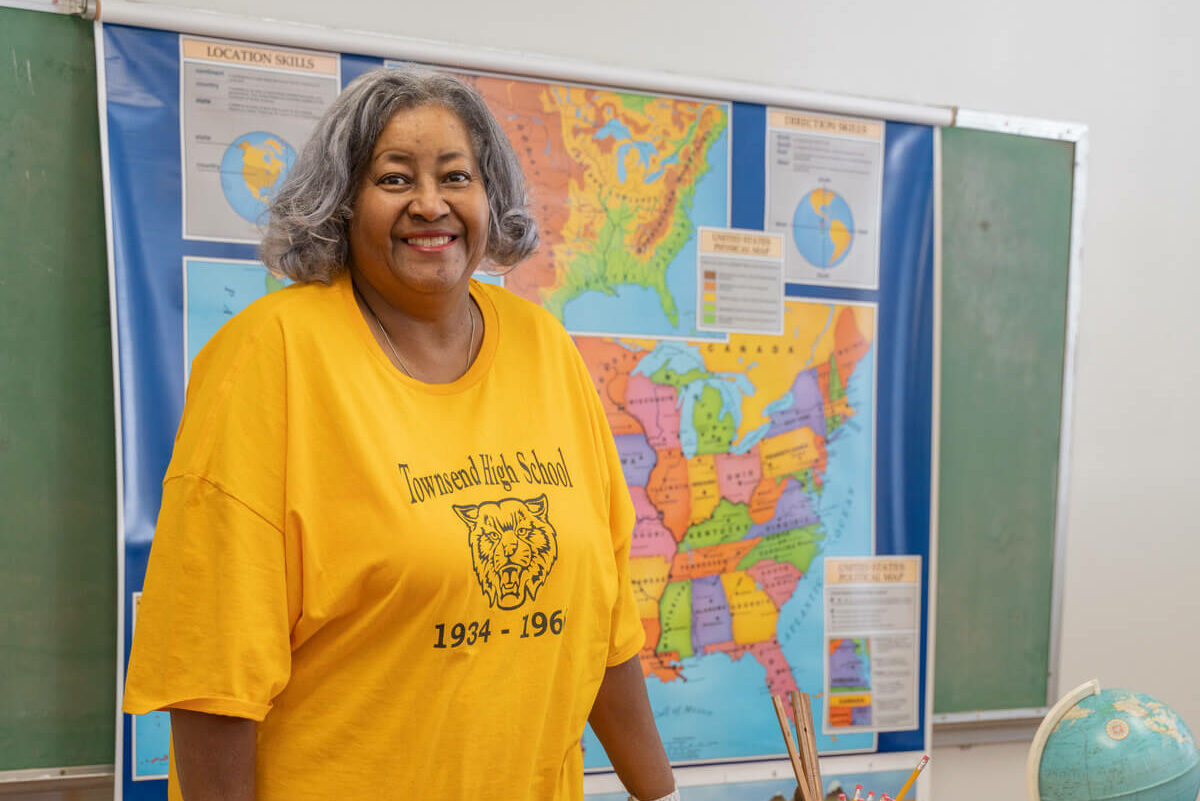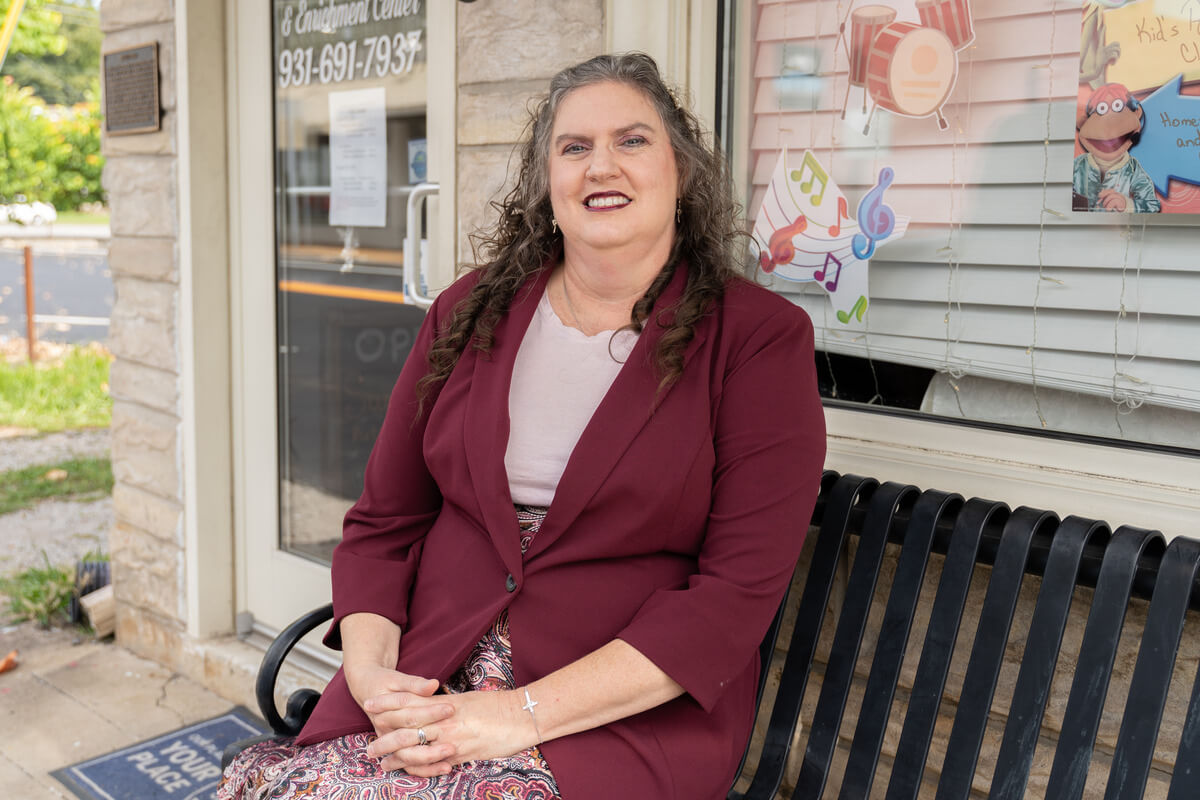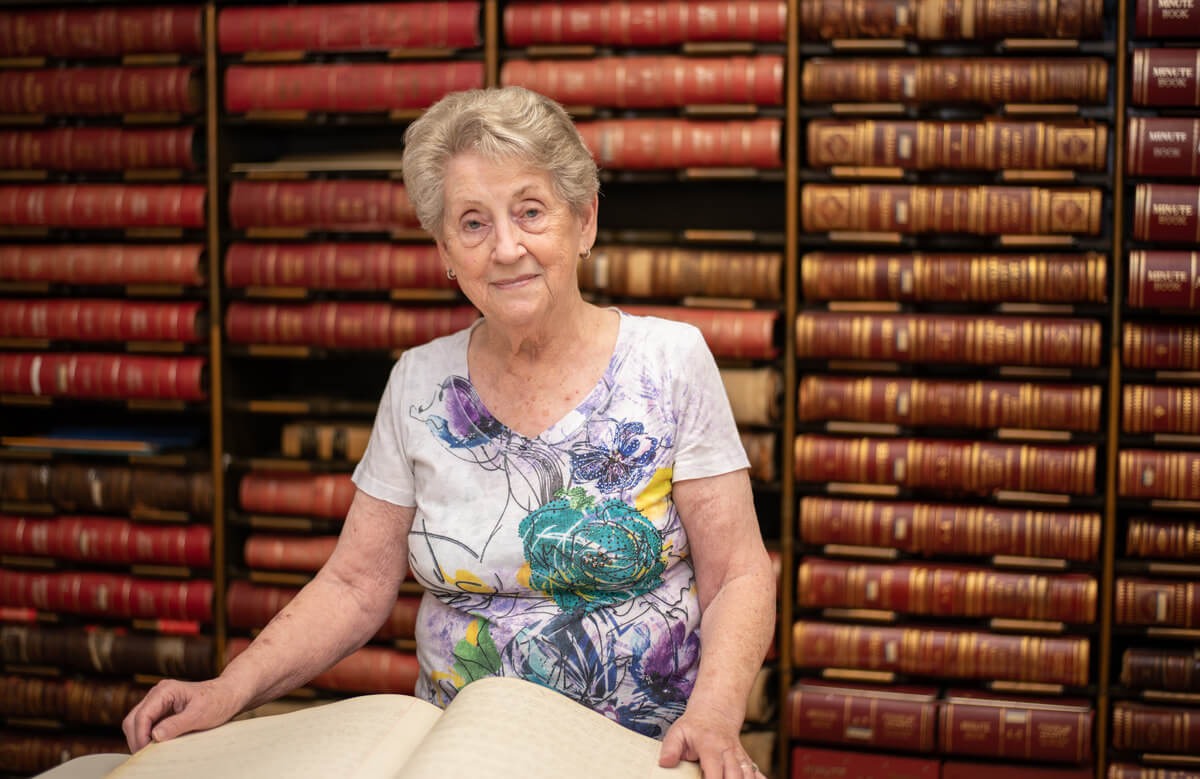
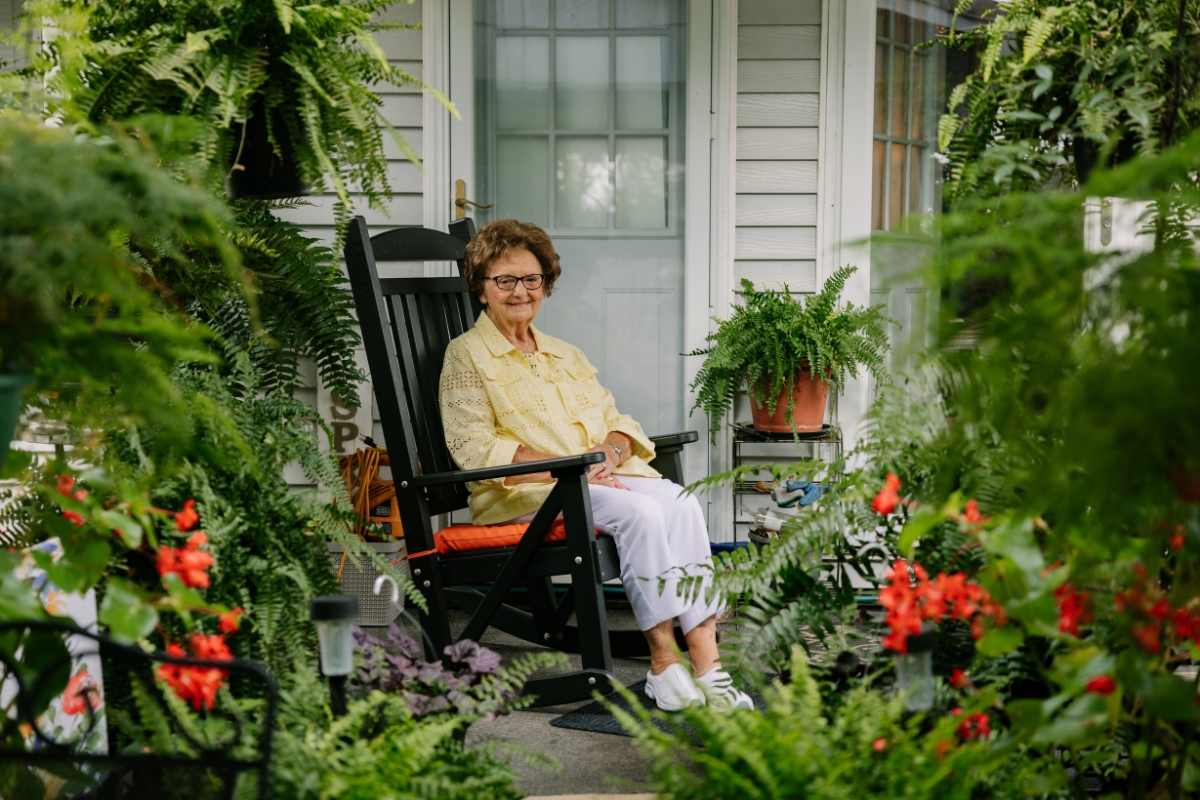
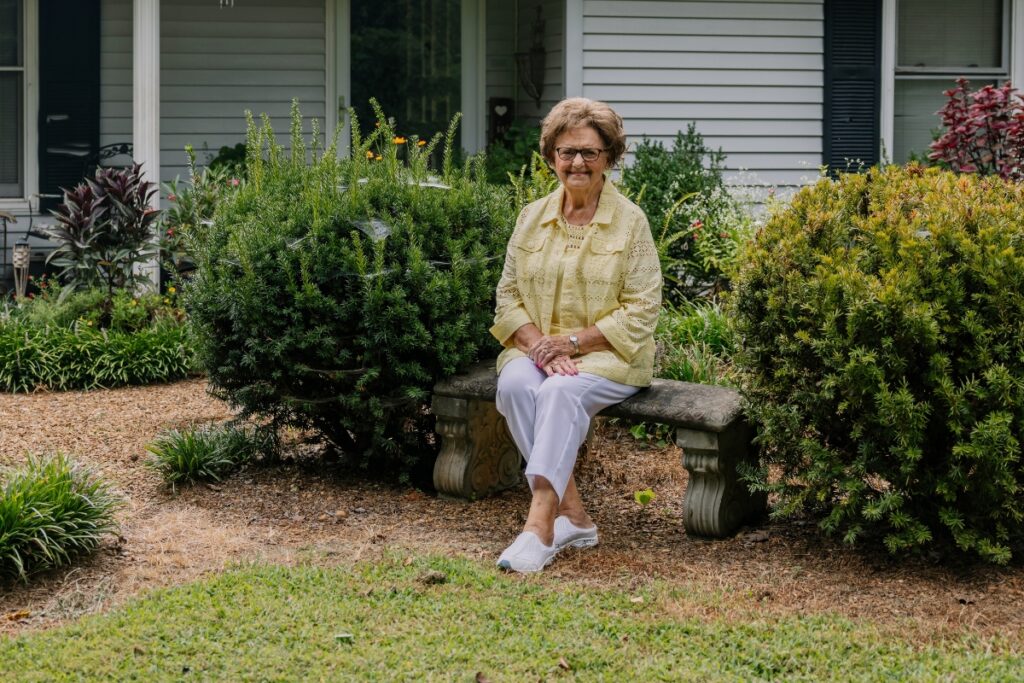
Tucked at the foot of the mountains in Franklin County, Huntland has long been known for its quiet pace, close-knit community, and hometown traditions. Few people have witnessed those traditions firsthand quite like Mrs. Nina Jacks, who has called Huntland home her entire life.
From walking the halls of Huntland School to riding bicycles down Main Street and spending summers outdoors with neighborhood friends, Mrs. Nina’s memories offer a window into life in a small Tennessee town during the 1940s and 1950s.
“I’ve lived in Huntland my whole life,” Mrs. Nina said. “People used to visit one another. When someone stopped by, you were excited to see them.”
Mrs. Nina attended Huntland School for all 12 years of her education. Her graduating class included around 35 students, and while classrooms looked very different from what they do today, she remembers an education that emphasized discipline, responsibility, and practical skills.
Students wore dresses to school, there were no uniforms, and no one drove to class. Most children either walked or rode the school bus, while those who lived nearby could walk home for lunch.
School lunches were served on metal plates with milk in glass bottles. There were no birthday parties or Parent Teacher Organizations, although students looked forward to exchanging valentines and celebrating an occasional Christmas party.
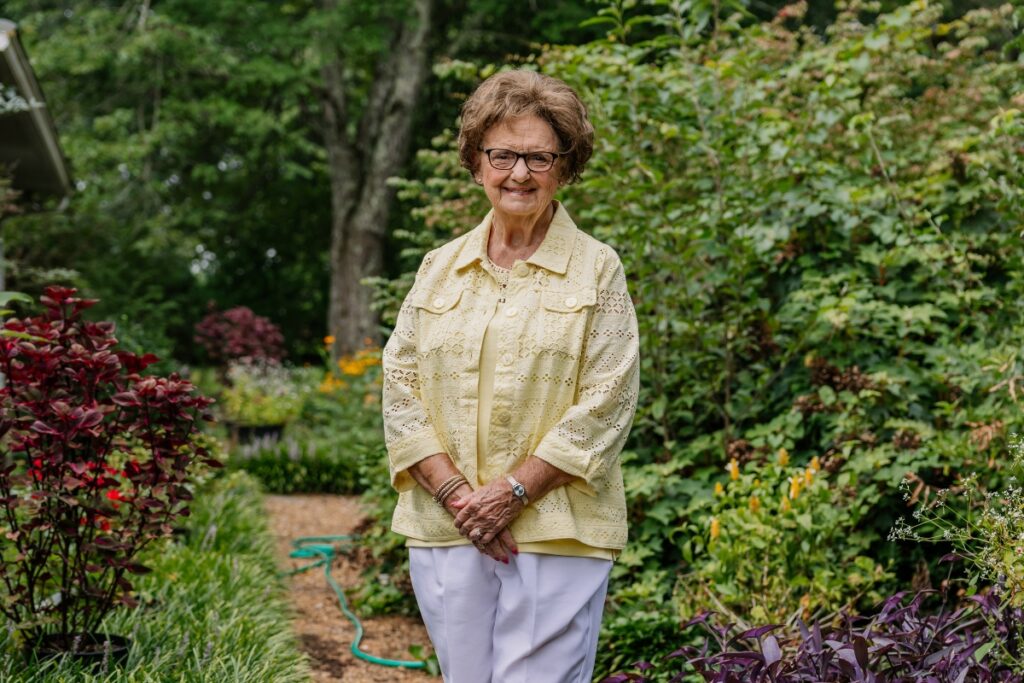
“There was lots of homework,” Mrs. Nina recalled.
Physical education was not part of the school day, but students enjoyed unstructured recess or could choose to attend a 30-minute music class instead.
One class that left a lasting impression on Mrs. Nina was home economics. For four years, she learned skills that would remain useful throughout her life.
“For half the year we sewed, and for the other half we cooked,” she said.
The projects became increasingly challenging with each grade level. During her senior year, Mrs. Nina completed a lined jacket and a lined wool skirt and mastered bound buttonholes. In the kitchen, students learned to prepare complete meals and bake pies topped with meringue.
“Our final test was preparing a meal for the faculty and staff,” she said.
Looking back, Mrs. Nina believes those classes equipped students with practical knowledge they would use long after graduation.
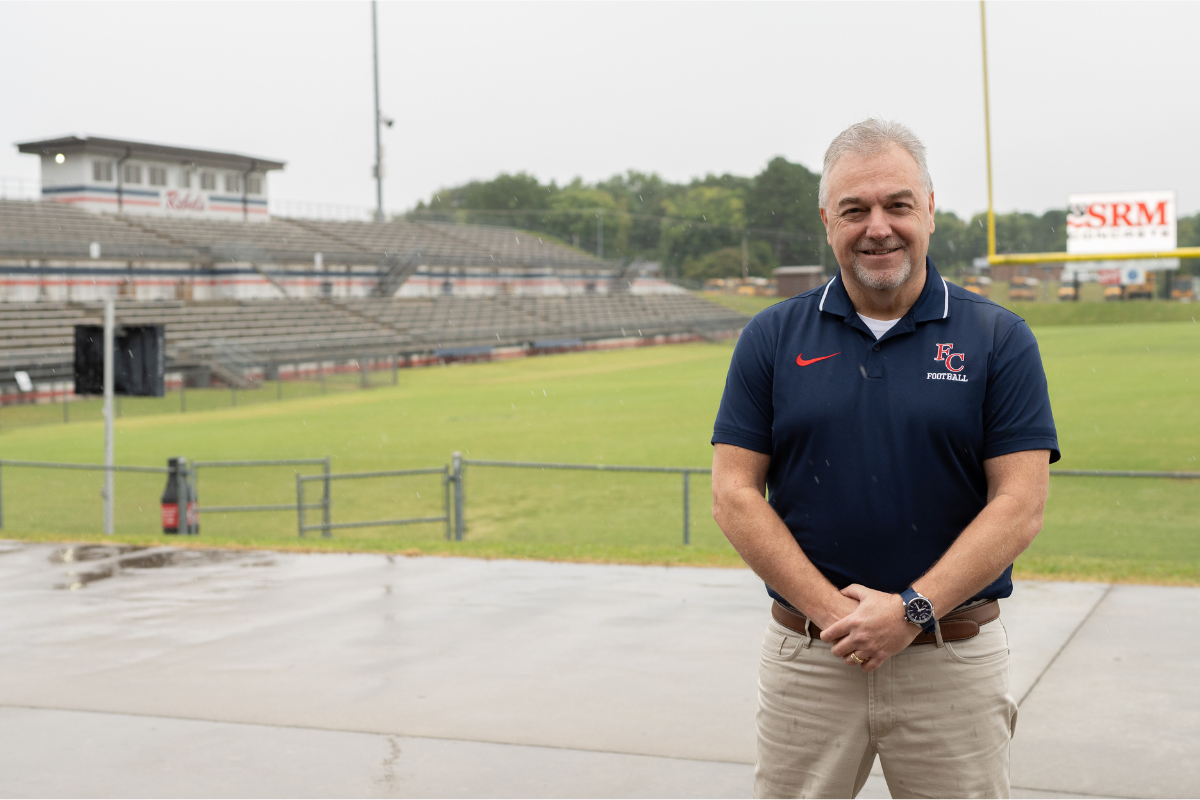
One of her favorite memories dates back to the spring of 1949, when Huntland began establishing its football field. After school, students hurried to the site to help plant Bermuda grass.
“Everybody ran down there after class,” Mrs. Nina said. “We did it for three days.”
Although students were dressed in their everyday clothes rather than work attire, they eagerly volunteered to help create something that would become an important part of the school for years to come.
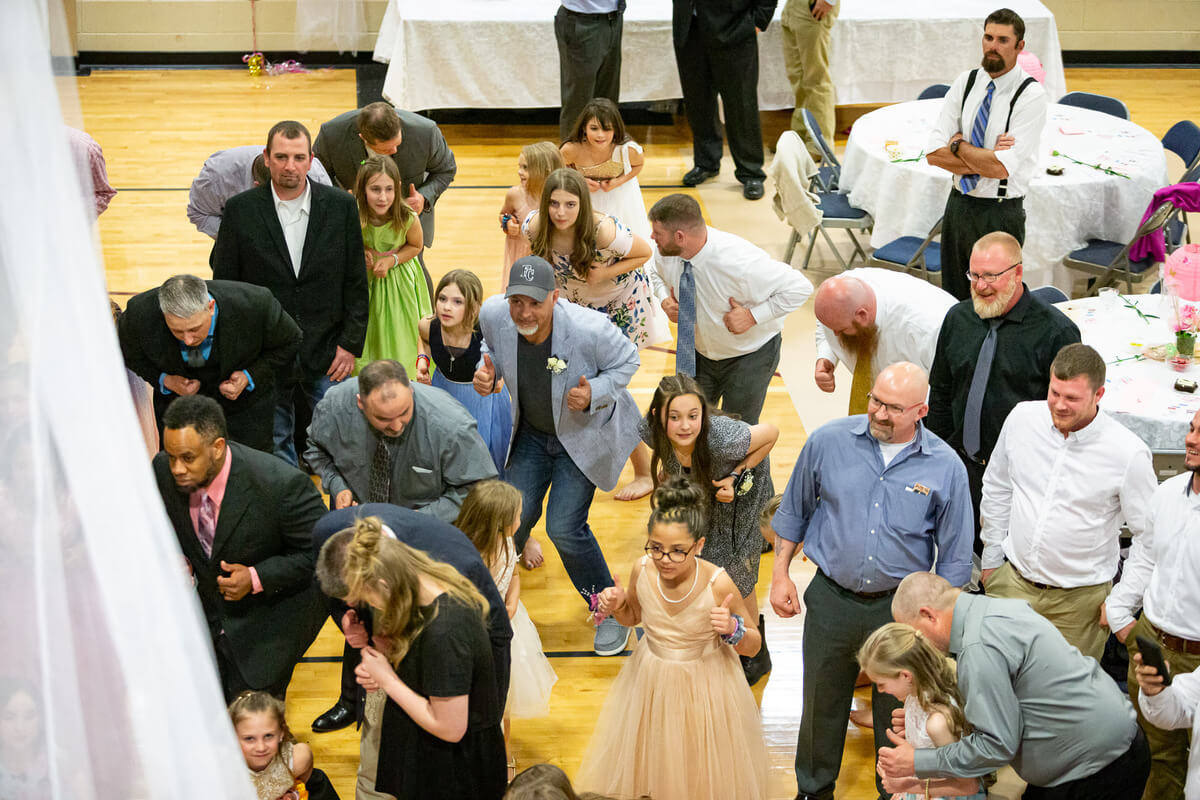
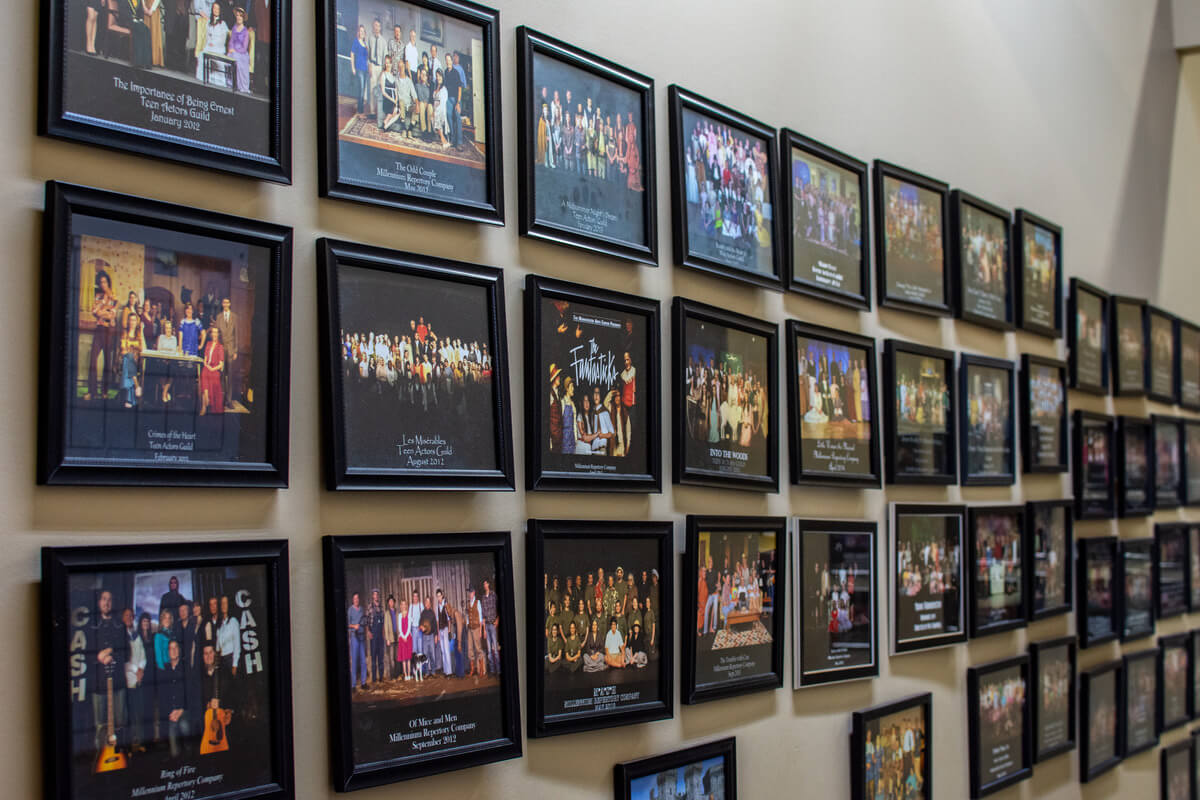
School traditions extended beyond academics. Mrs. Nina remembers beauty contests, piano recitals, and junior and senior class plays that brought families together throughout the year. Instead of pep rallies, students gathered for dances known as “sock hops.”
“They were called sock hops because no shoes were allowed on the gym floor,” she laughed.
Outside the classroom, life in Huntland revolved around family, neighbors, and spending time outdoors.
Growing up on Main Street, Mrs. Nina and six neighborhood friends filled their afternoons with simple adventures. They created their own skating headquarters, walked through town, and spent hours playing outside until dark.
Receiving her first bicycle in the fifth grade remains one of her favorite childhood memories.
“Getting that bicycle was a really big deal,” she said.
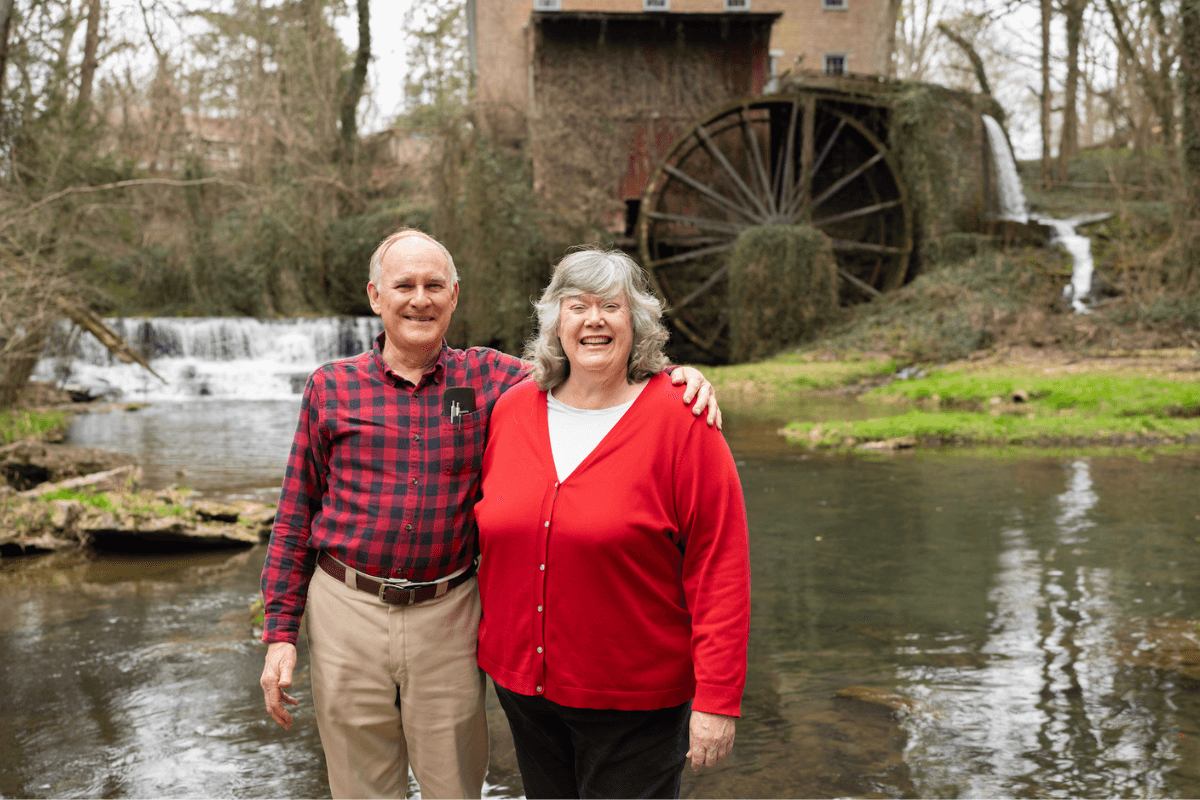
Summers were spent riding bikes and making occasional trips to Falls Mill with her mother, where they enjoyed swimming together.
“There were no phones,” Mrs. Nina recalled. “At one time, there were only about five phones in all of Huntland.”
Without modern technology, much of everyday life centered on spending time together. Neighbors stopped by to visit, children played outside until supper, and community events brought residents together throughout the year.
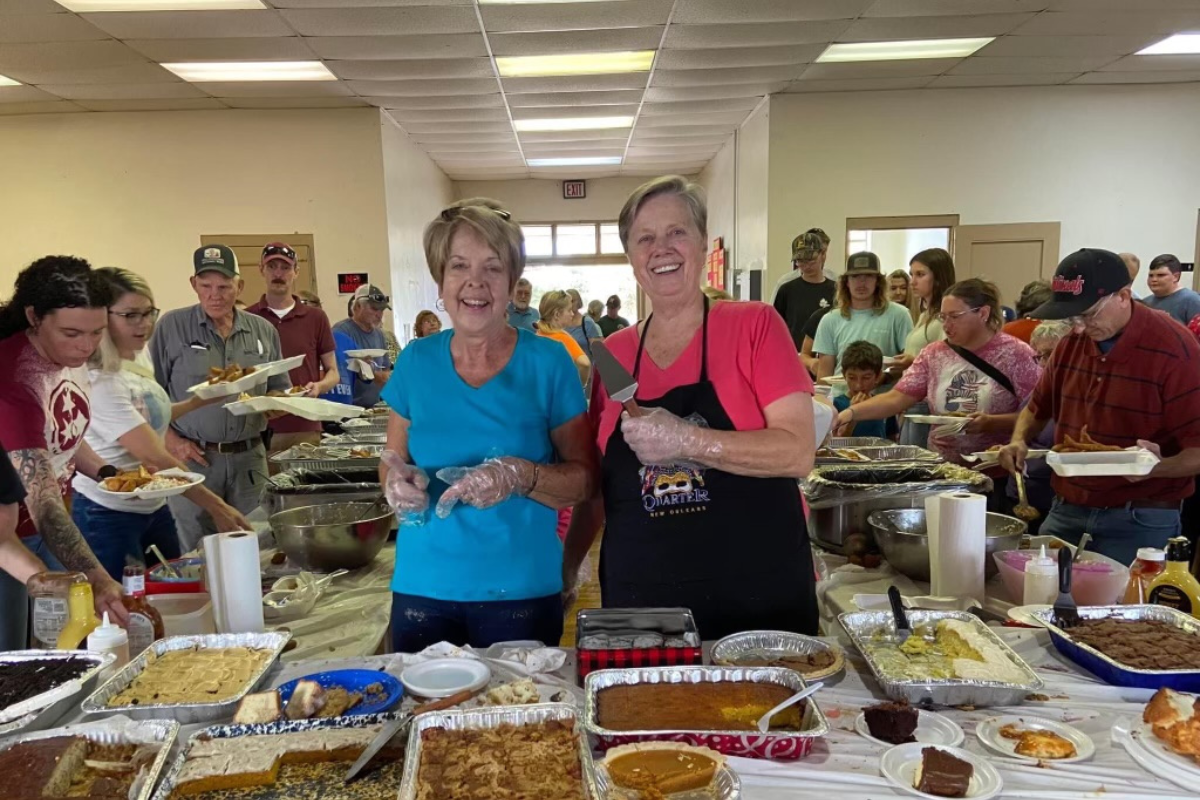
Mrs. Nina especially remembers Huntland’s Fourth of July celebrations, Lions Club barbecue dinners, fall festivals, square dances, and round dances.
“We had so many community activities,” she said. “I miss those.”
While many traditions have changed over the years, Mrs. Nina believes one lesson has remained timeless — the importance of learning.
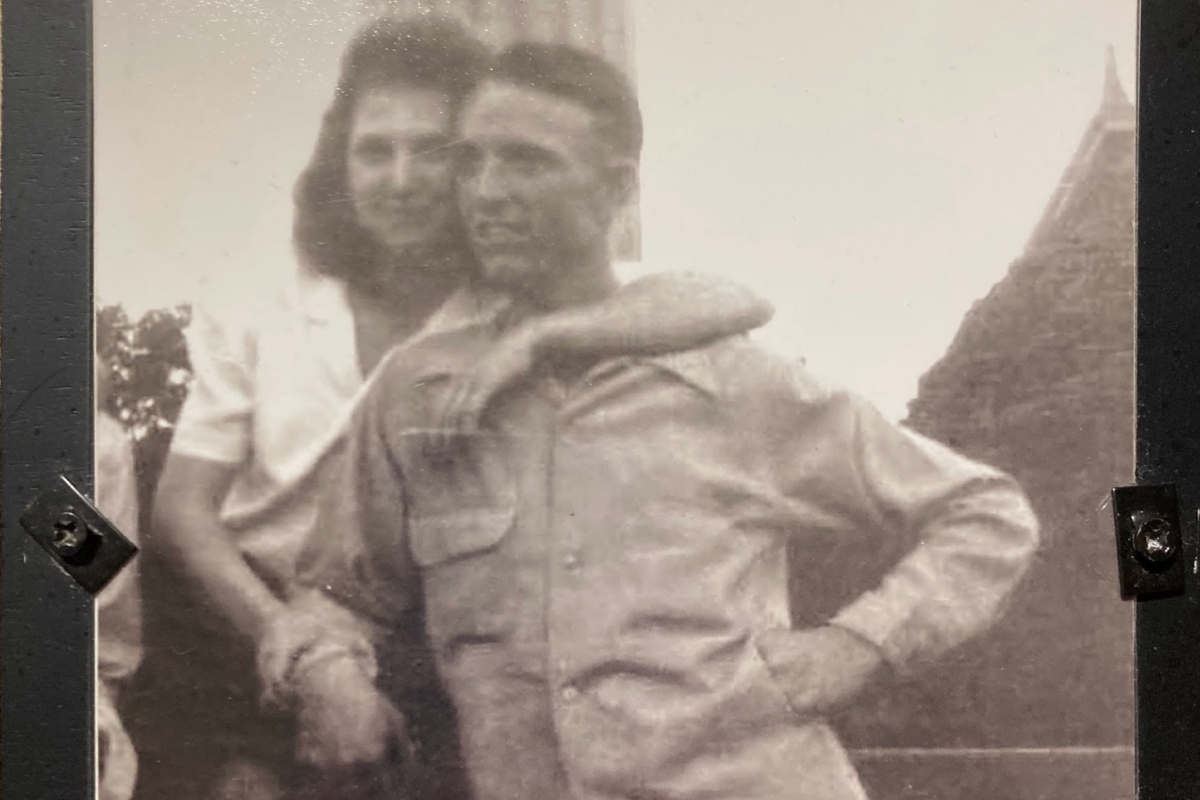
After graduating from Huntland School, her late husband, Charles Jacks, helped her secure a job where the skills she had developed in shorthand, typing, and bookkeeping immediately set her apart.
“I was a non-college high school graduate who got paid more because I had learned those skills,” she said. “It pays to be a good learner.”
That experience reinforced something she still believes today — education opens doors.
Looking back over a lifetime in Huntland, Mrs. Nina hopes younger generations appreciate every opportunity to learn, grow, and love one another.
“Always be yourself, listen to your parents, and learn to the best of your knowledge,” she said.
Although Huntland has grown and changed through the decades, Mrs. Nina’s memories reflect many of the qualities that continue to define the community today — neighbors who cared for one another, families who spent time together, and a school that prepared students not only for work, but for life. Her story serves as a reminder that while buildings, traditions, and generations may change, the values that shaped Huntland’s past continue to leave a lasting mark on its future. GN