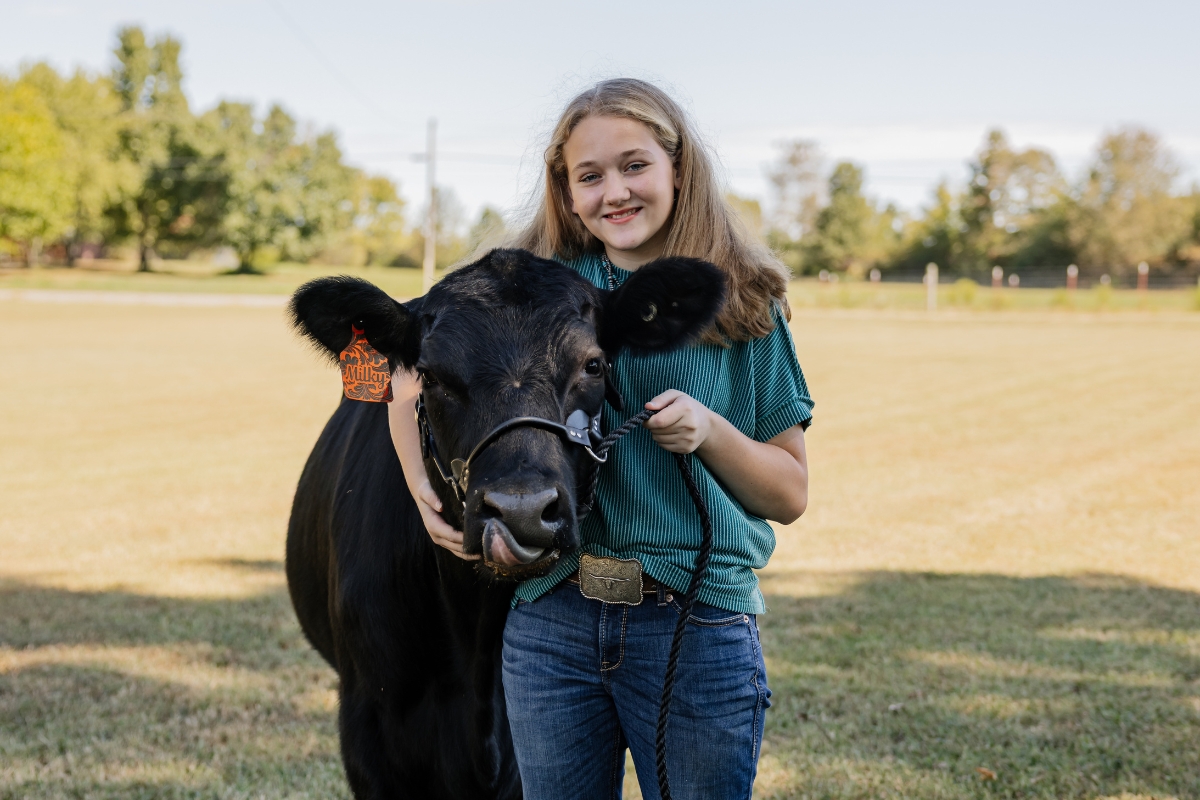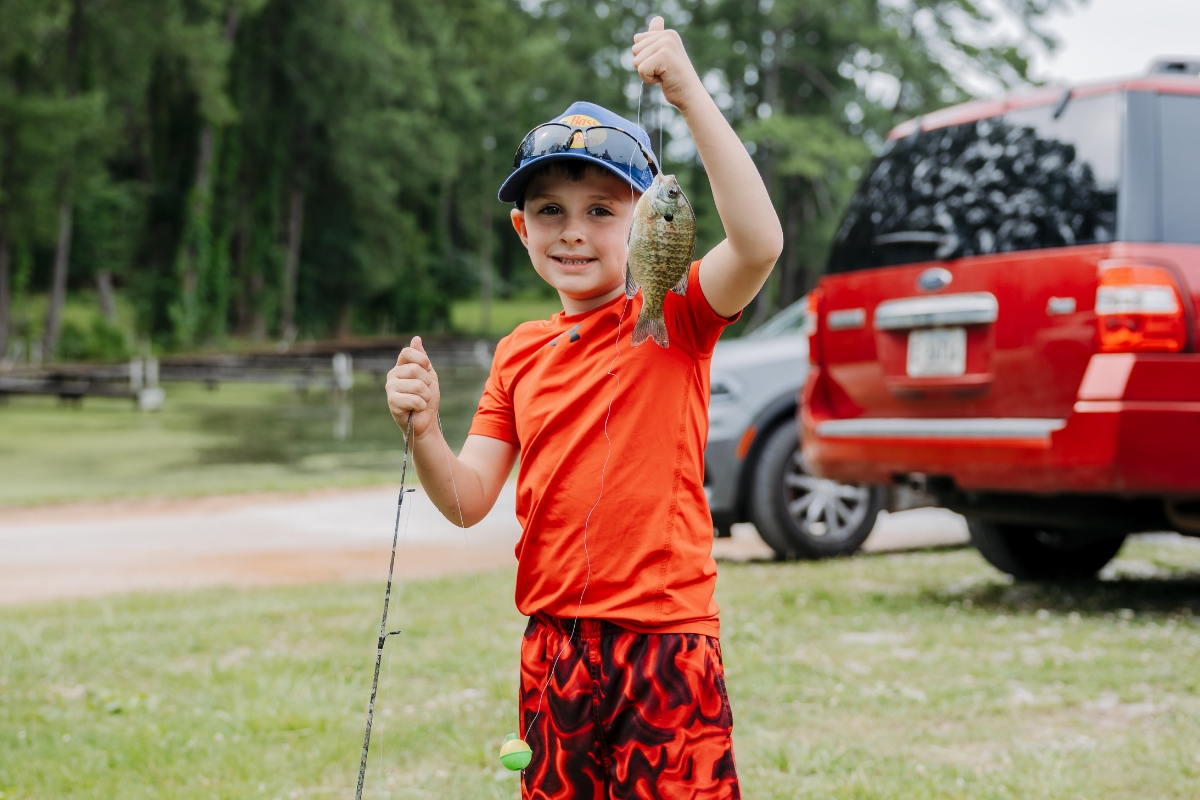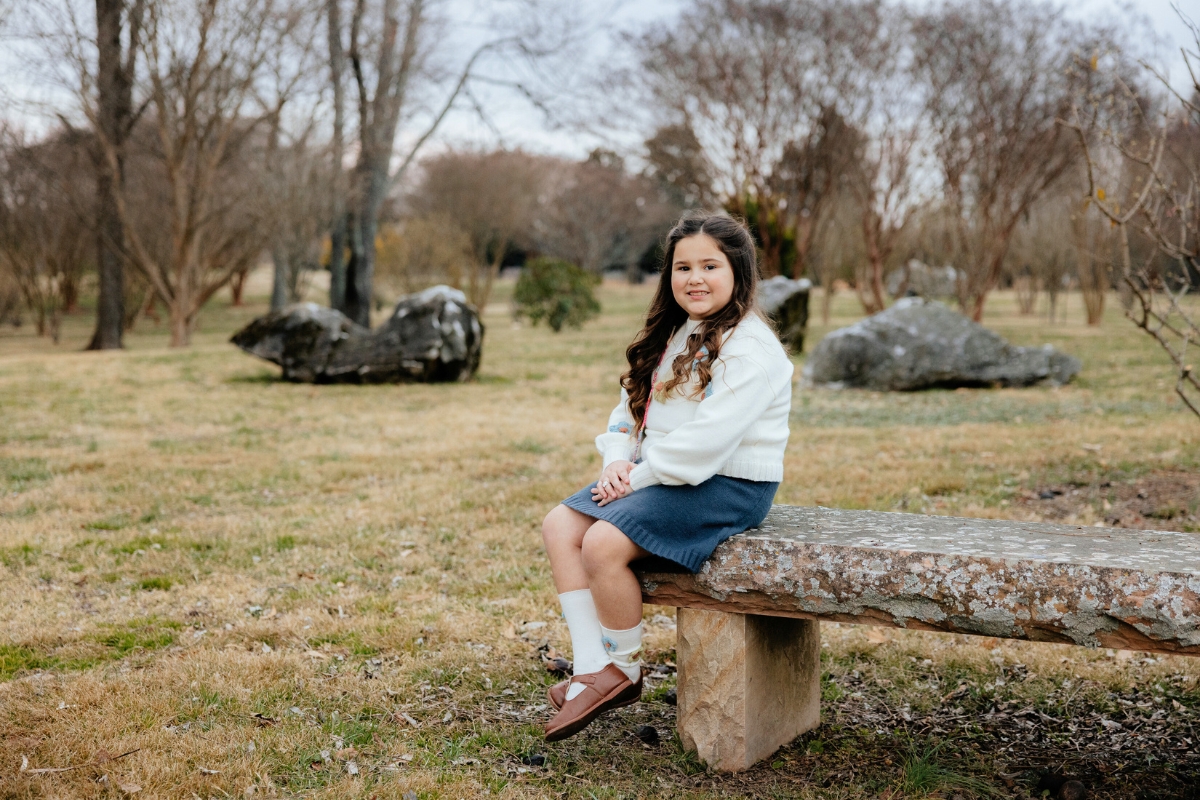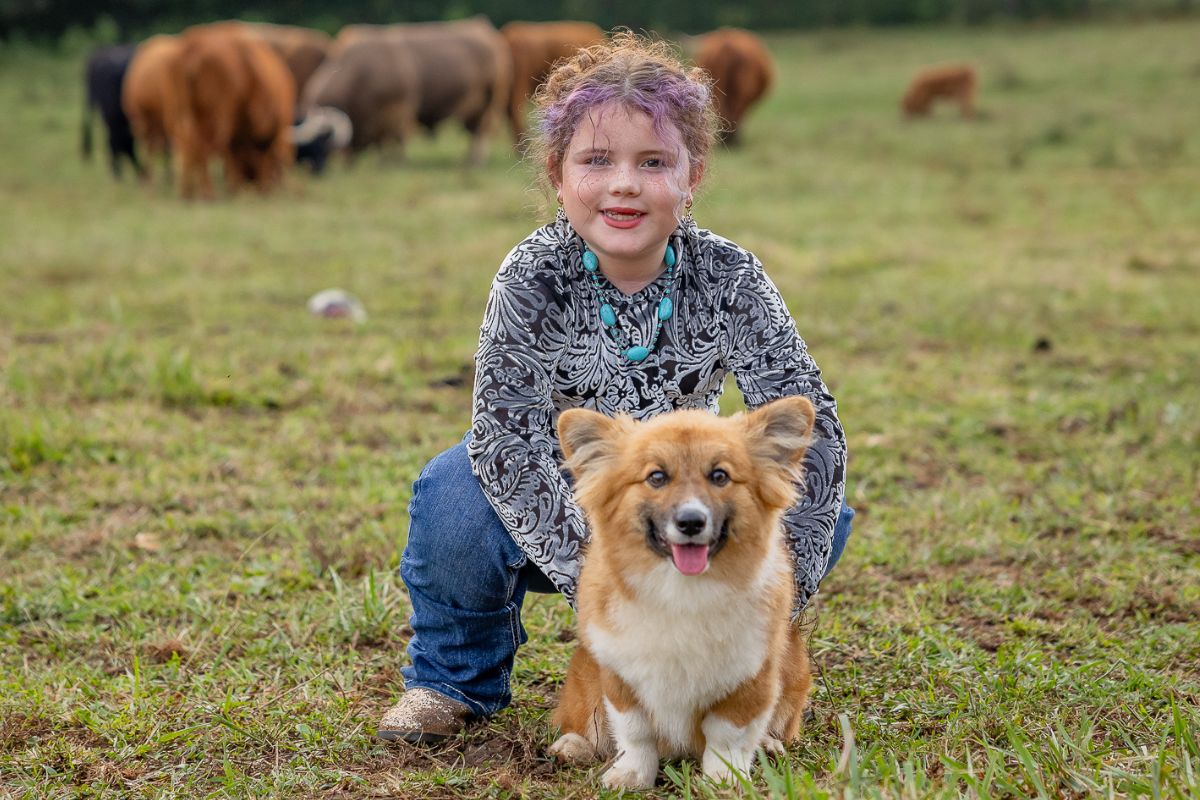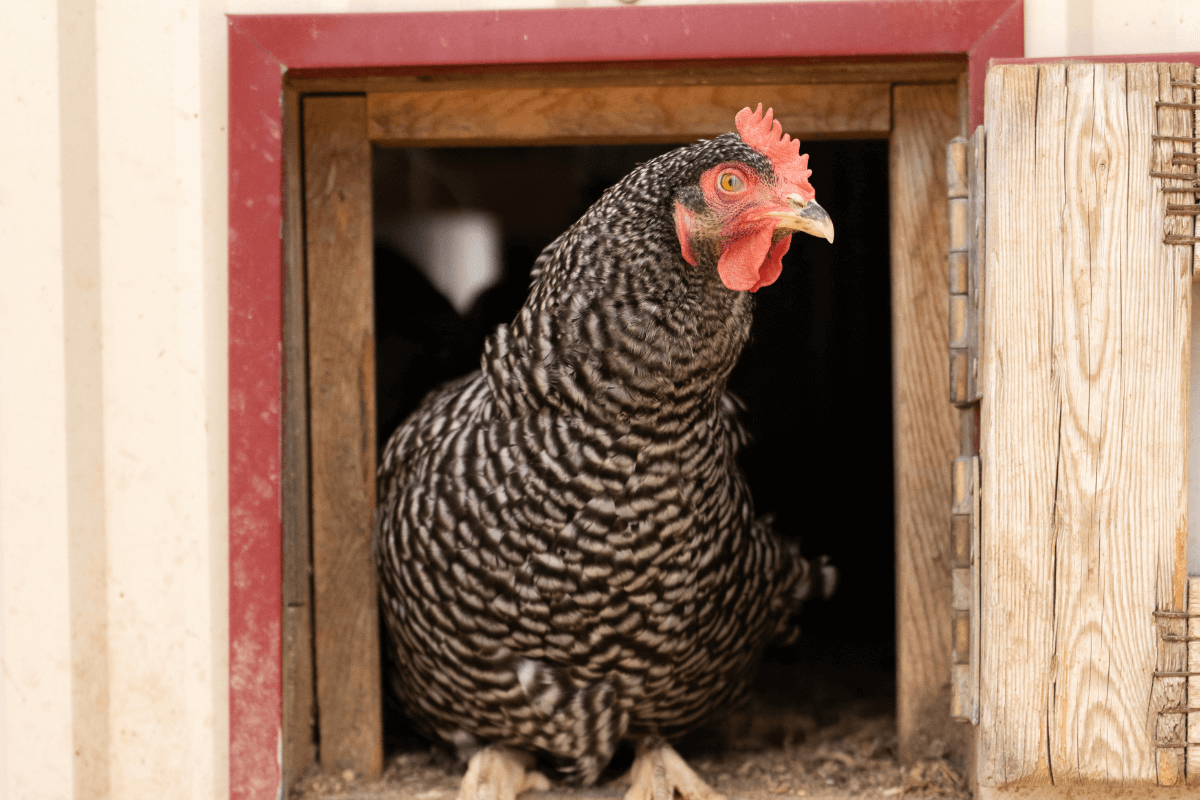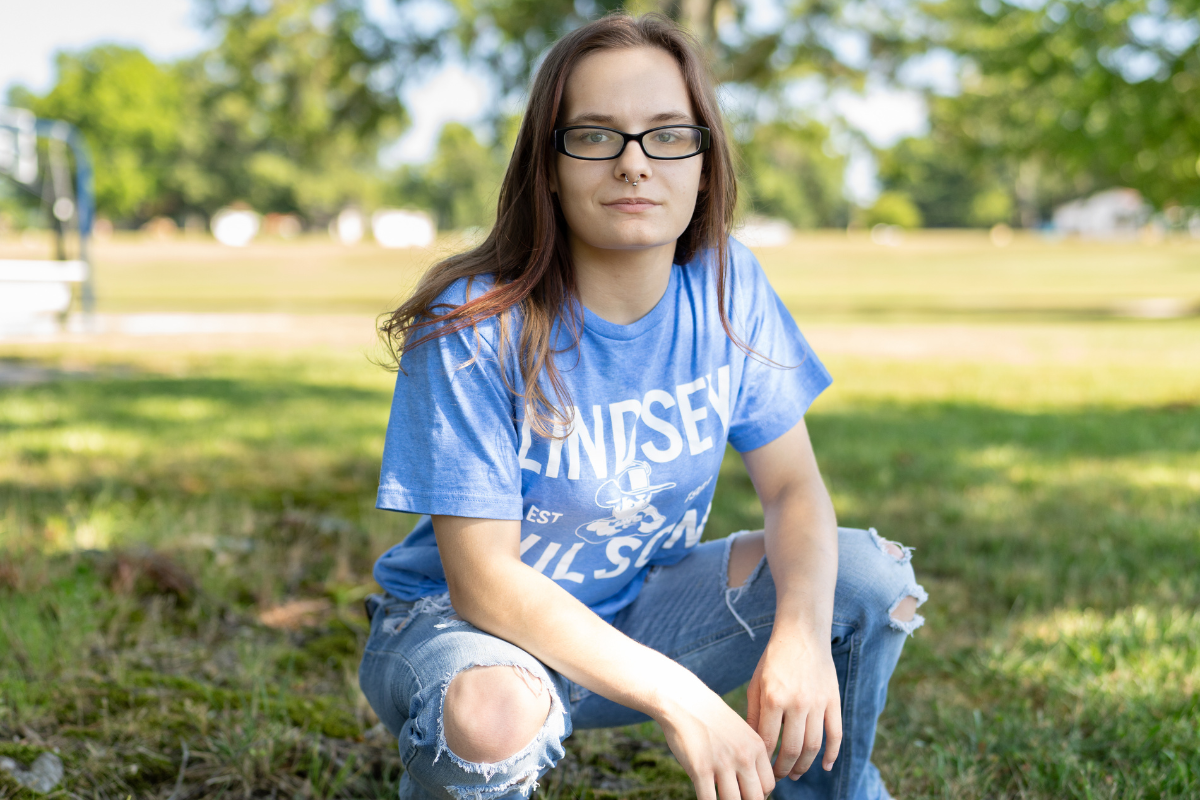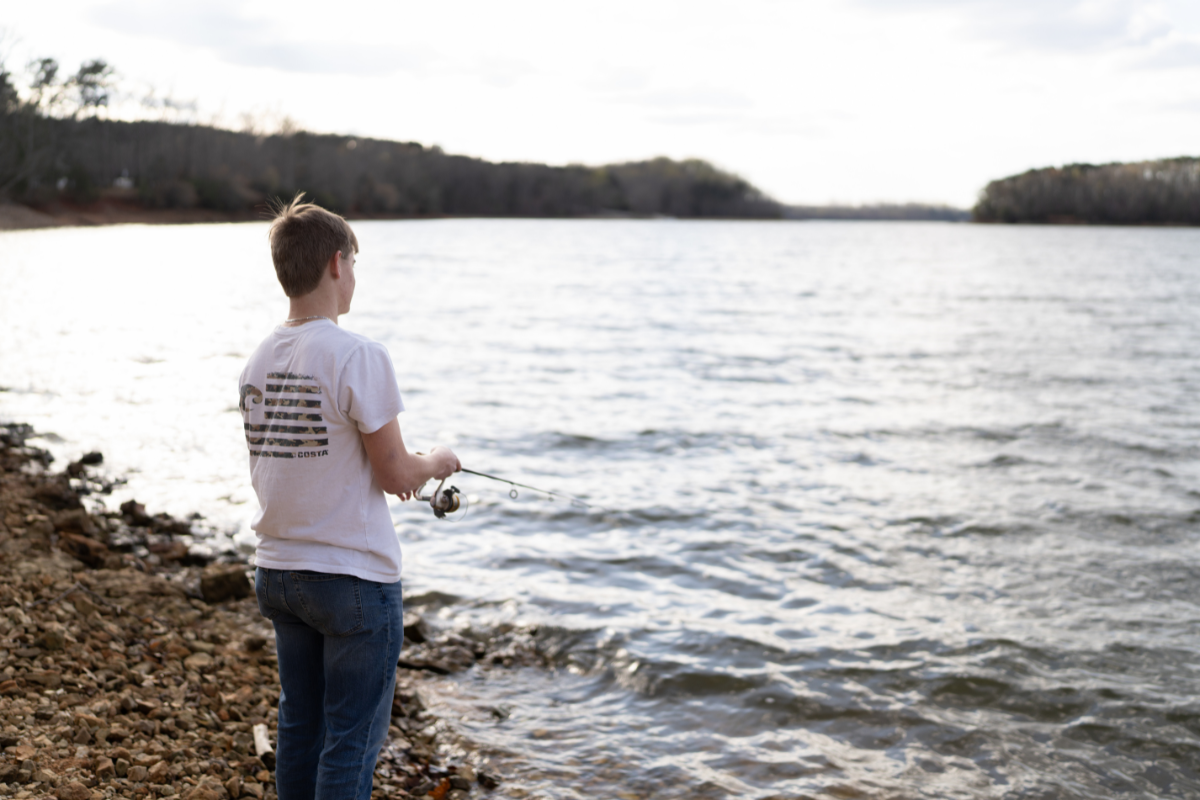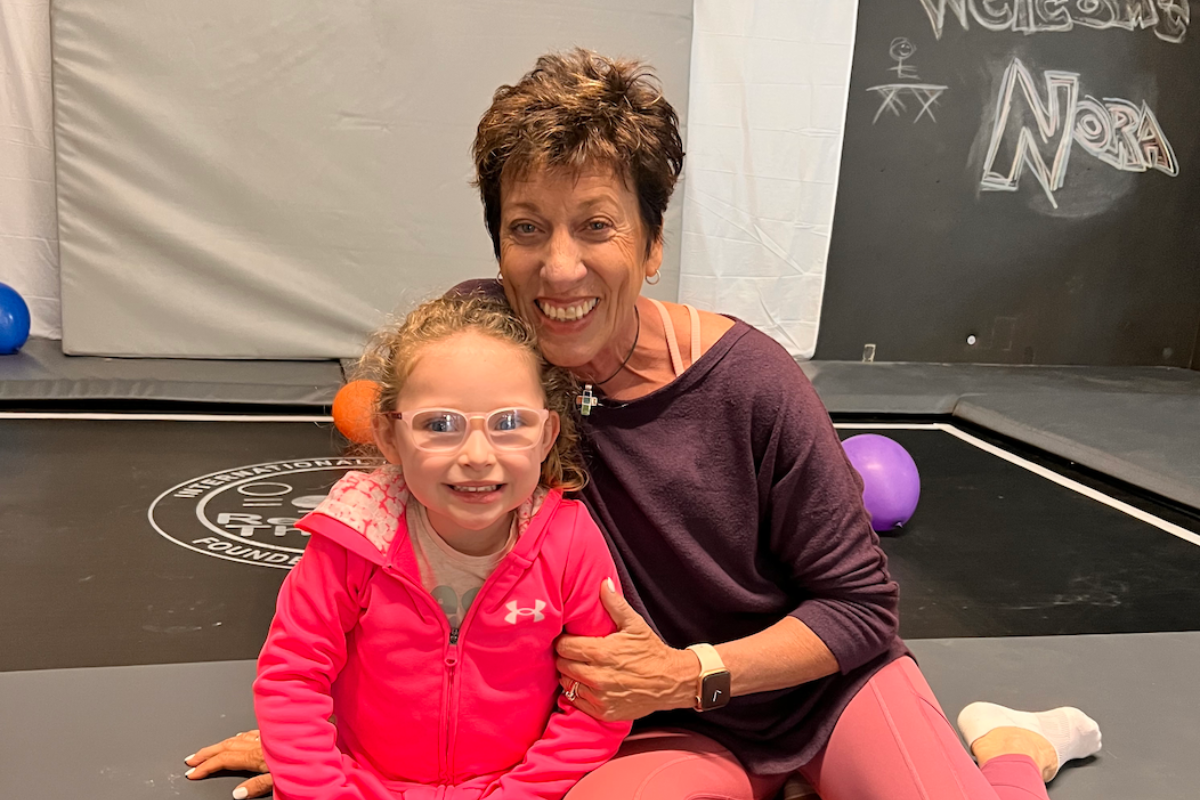
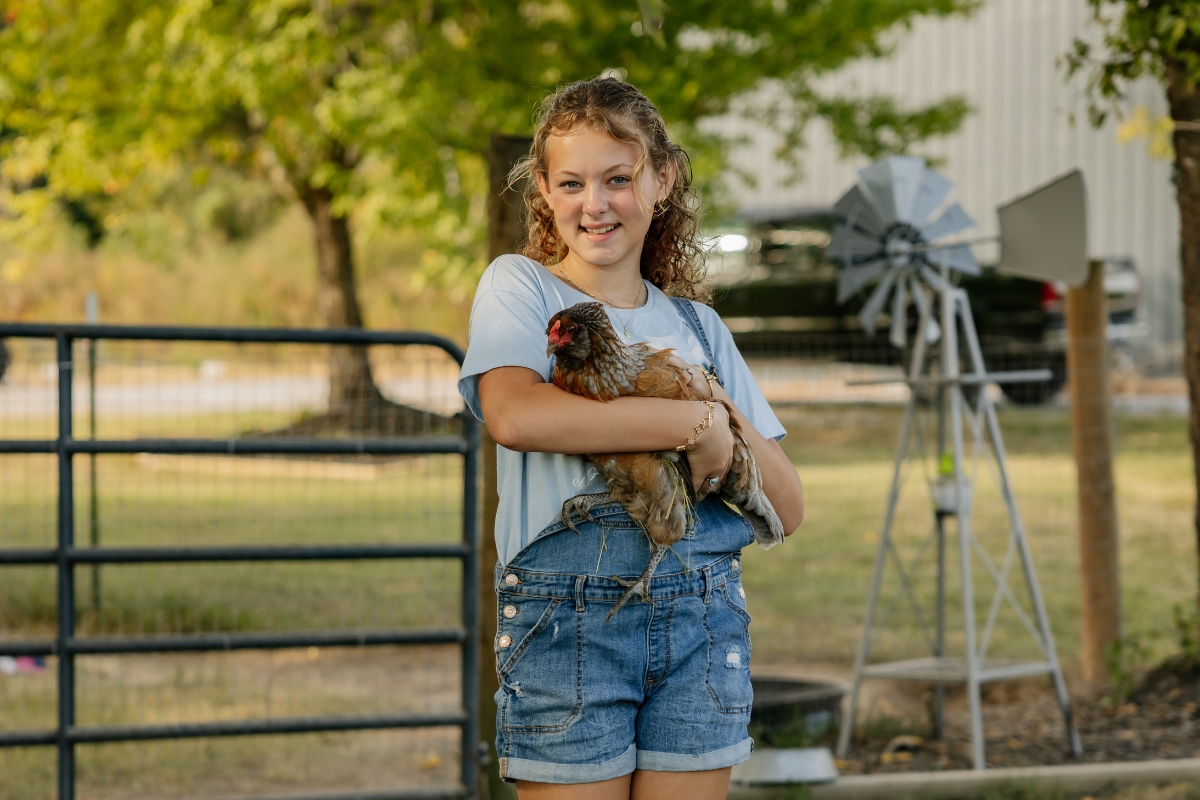
Josi Key sets out fresh water, checks the chicken feed, and gathers the morning’s eggs. Before long, a few curious hens begin making their way toward her, recognizing the familiar footsteps of the girl who has cared for them since they were chicks.
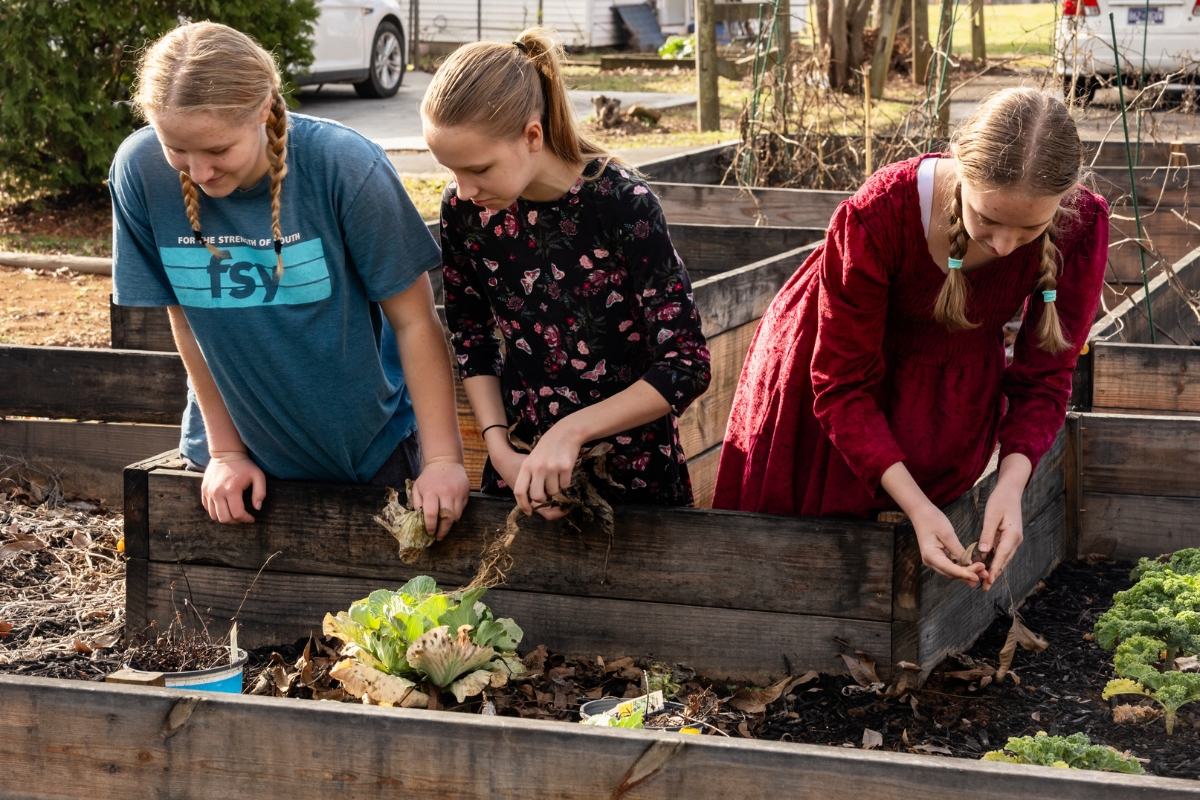
It is an ordinary morning in Josi’s little corner of the world, where she spends her days scattering chicken feed, tending garden rows, and caring for the animals that depend on her.
She knows which hens like to be held, which ones are laying, and when the feed bin is getting low. She knows that animals have personalities, too, and that caring for them means showing up, rain or shine.
For Josi, this is simply part of growing up.
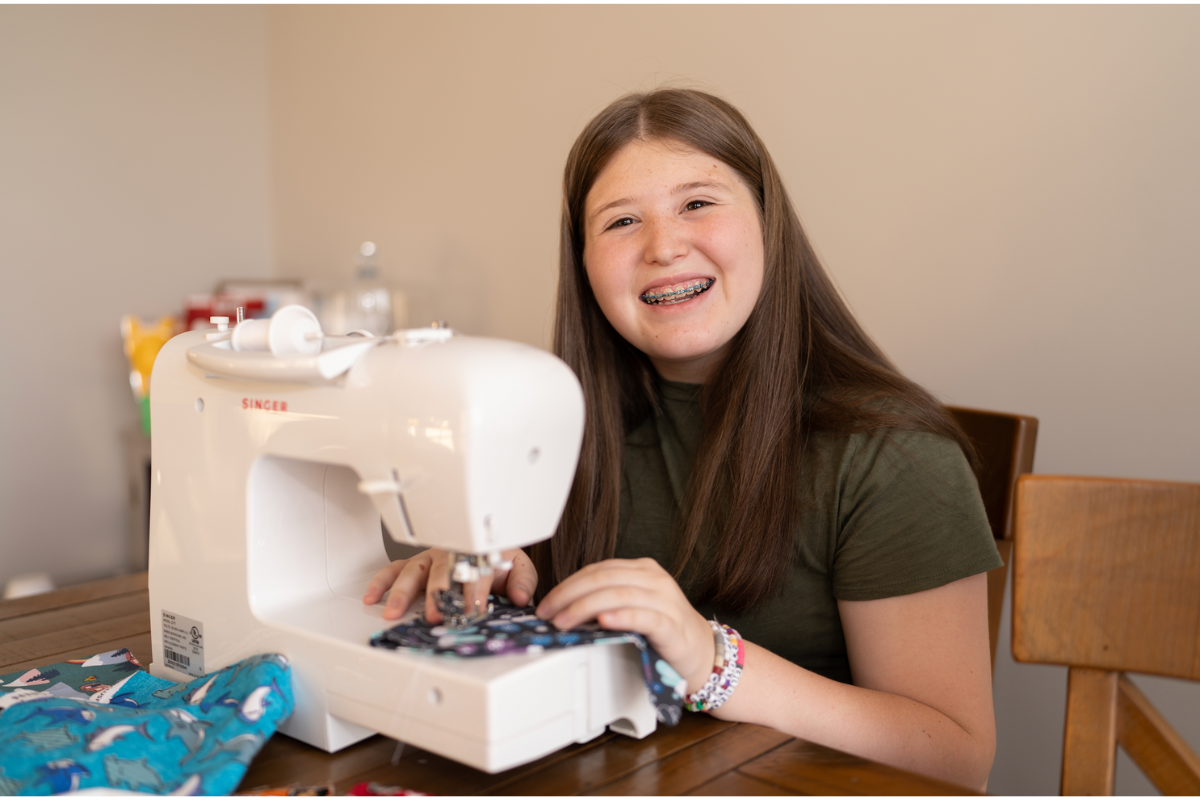
These days, childhood looks a lot like chickens, crochet hooks, gardens, and learning how to make something with her own two hands. Much of what she is learning happens outside the classroom, through work that demands patience and rewards consistency.
“I like it. It’s fun,” Josi said of raising chickens.
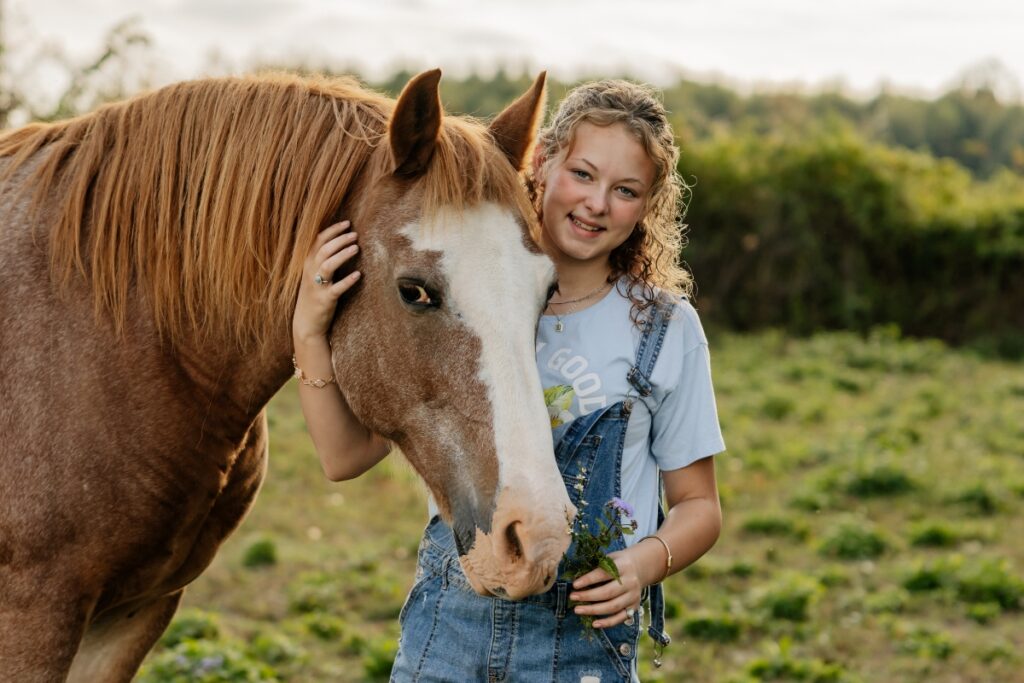
Her mother, Jessica, said Josi handles nearly all of the day-to-day care herself.
Josi began keeping chickens when she was about 6 years old, and over the years, the flock has become very much her own. Some have names, including Laney Wilson, Yeti, and Bigfoot. Yeti holds a special place in Josi’s heart because, in Josi’s words, she is nice and likes to be held. The feeling seems to be mutual.
When Josi steps outside, the chickens come running. They follow her around the yard, and some are happy to be scooped up and cuddled. Spend enough time watching her with them, and it becomes clear that this is more than a collection of birds in a backyard. Josi knows her chickens, and they know her.
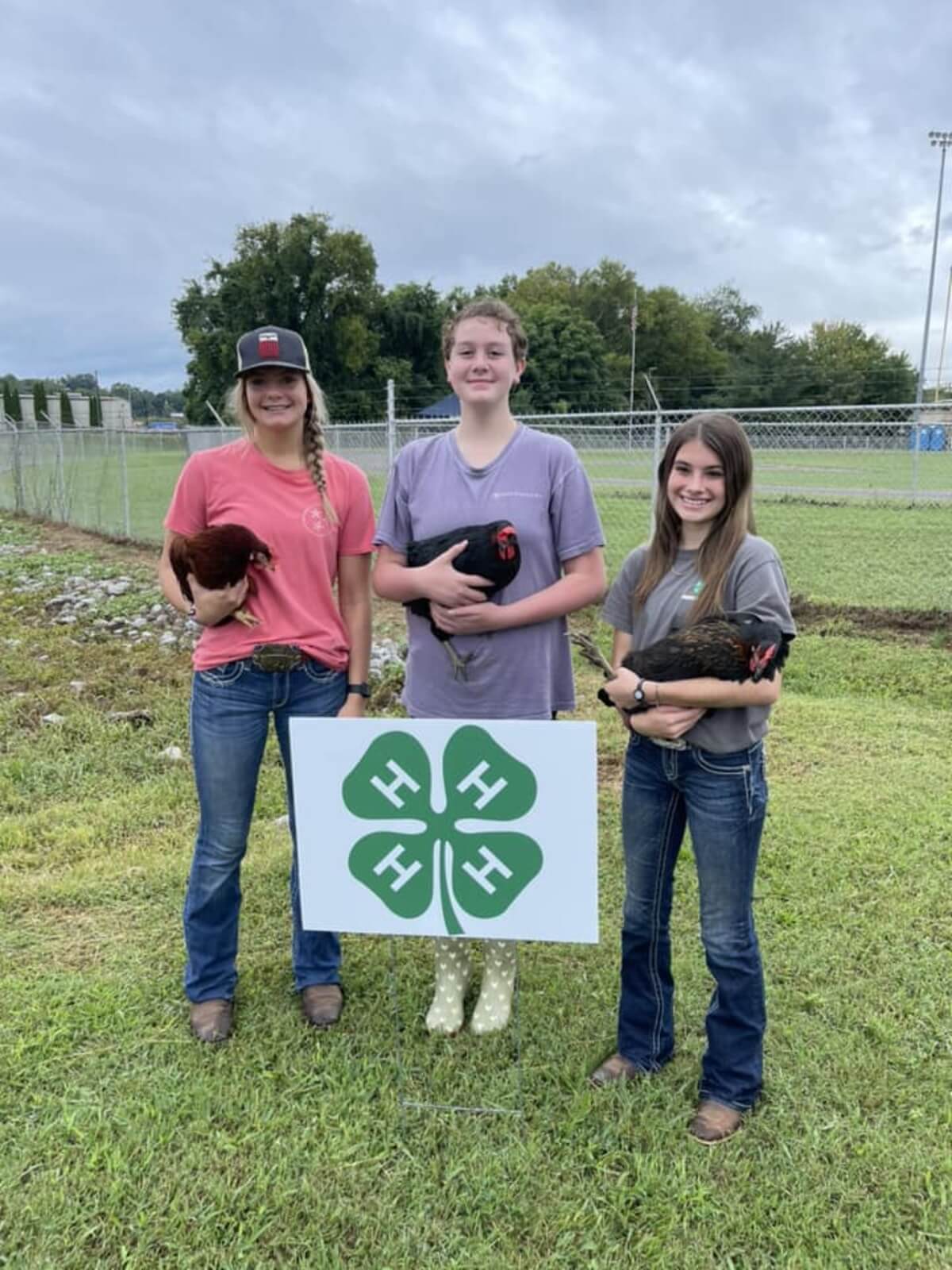
Through 4-H’s Chick Chain program, Josi has learned what it takes to raise chickens from just a few days old through to laying age. Lessons include brooding and feeding young chicks, vaccinations, quarantine, and close monitoring of their health as they grow.
In September 2024, that hands-on knowledge earned Josi the title of “grand champion” for Chick Chain through 4-H.
The designation required Josi’s chickens to be clean, healthy, and laying eggs, and Josi had to demonstrate that she knew how to care for them. She could explain chicken anatomy to the judge, recognize signs that a hen was laying, and answer questions about everything from feeding to healthcare.
For Jessica, though, the proudest part was not simply seeing how much Josi had learned. It was seeing the care she puts into the animals entrusted to her.
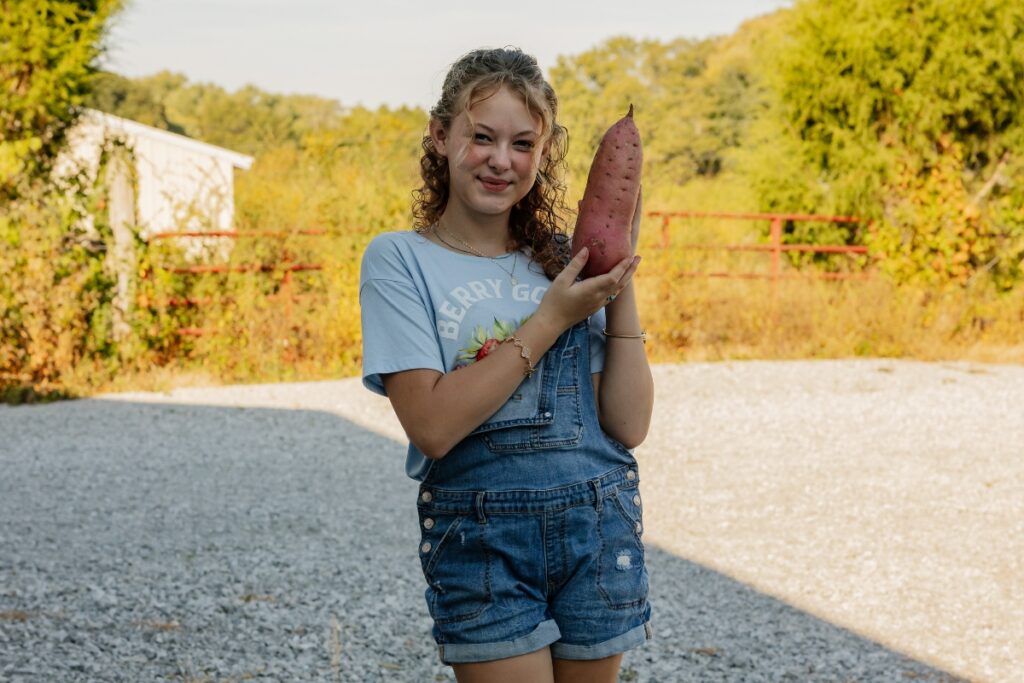
“She takes that much pride in what she does,” Jessica said.
The chickens are only one part of the Key family’s return to a simpler way of doing things.
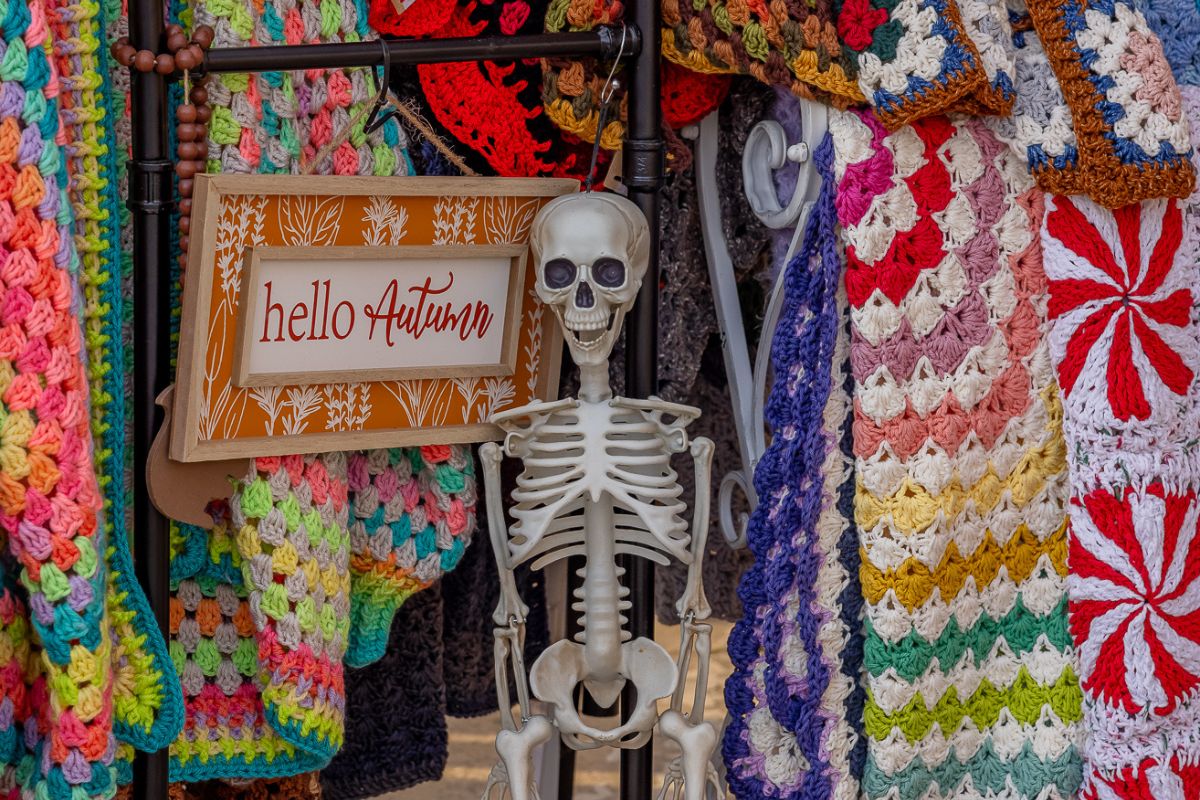
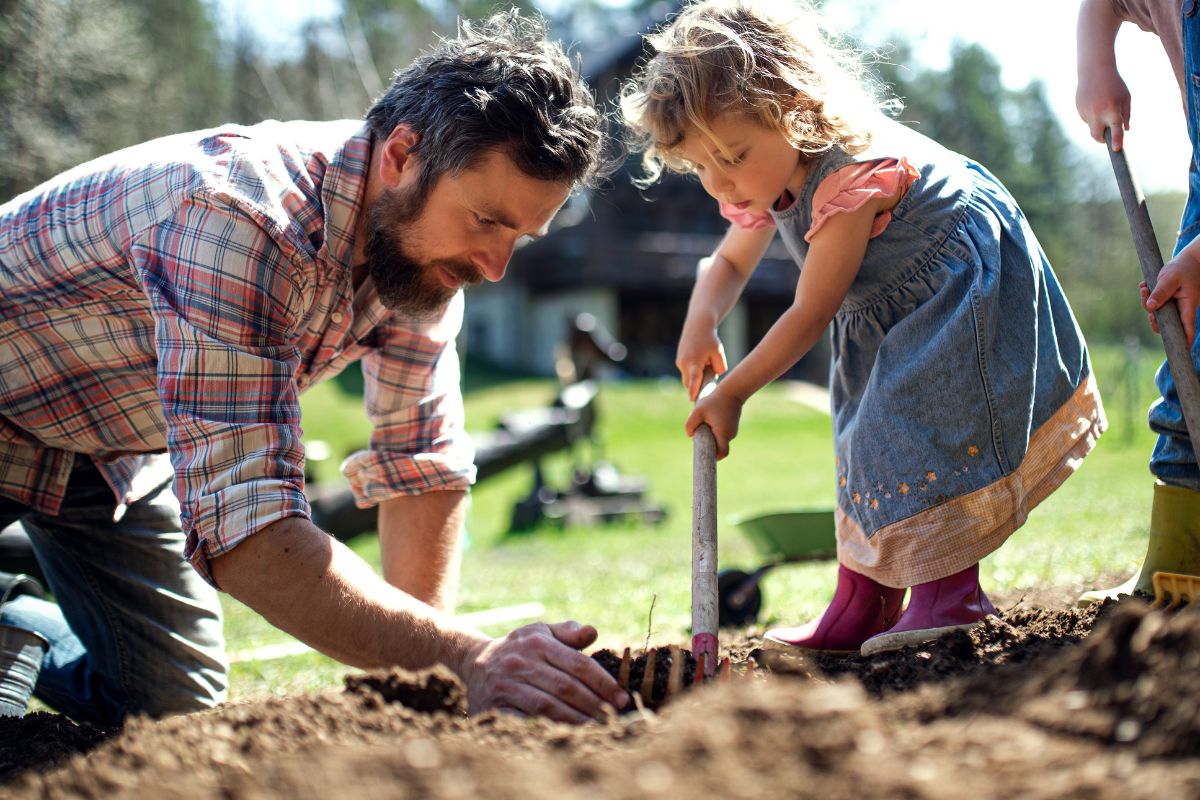
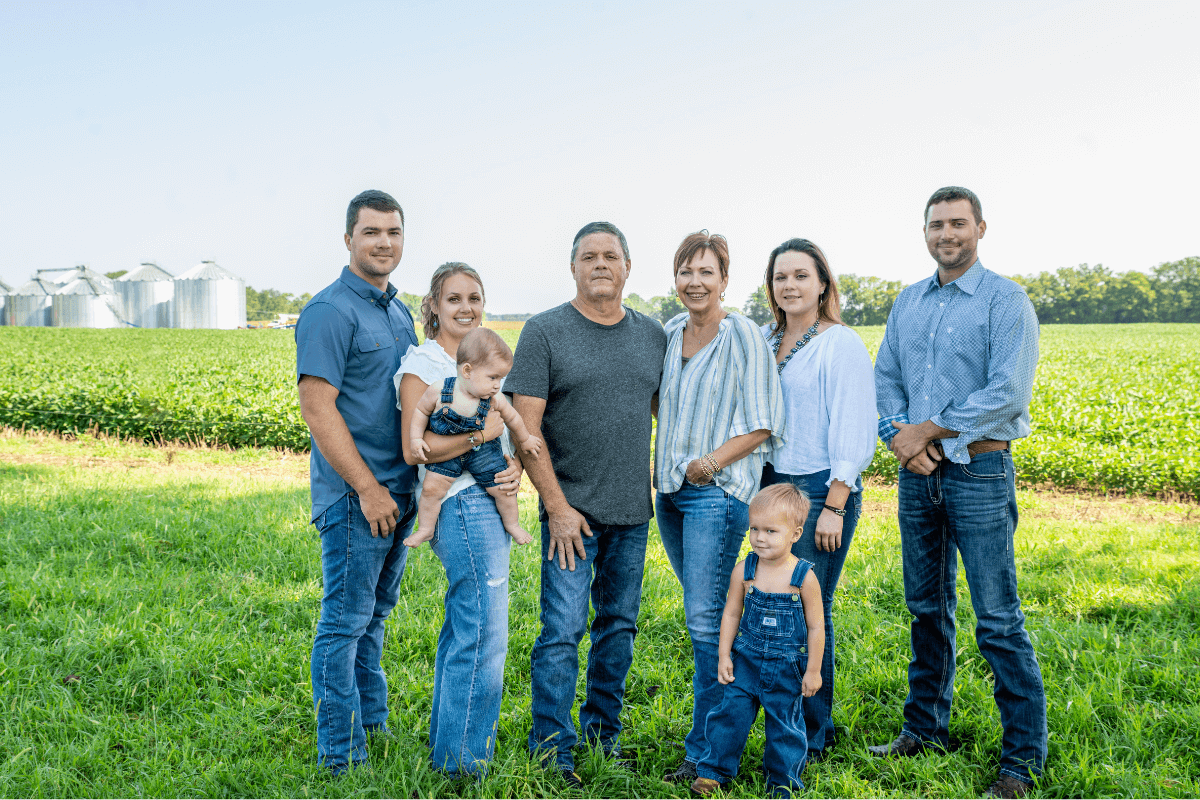
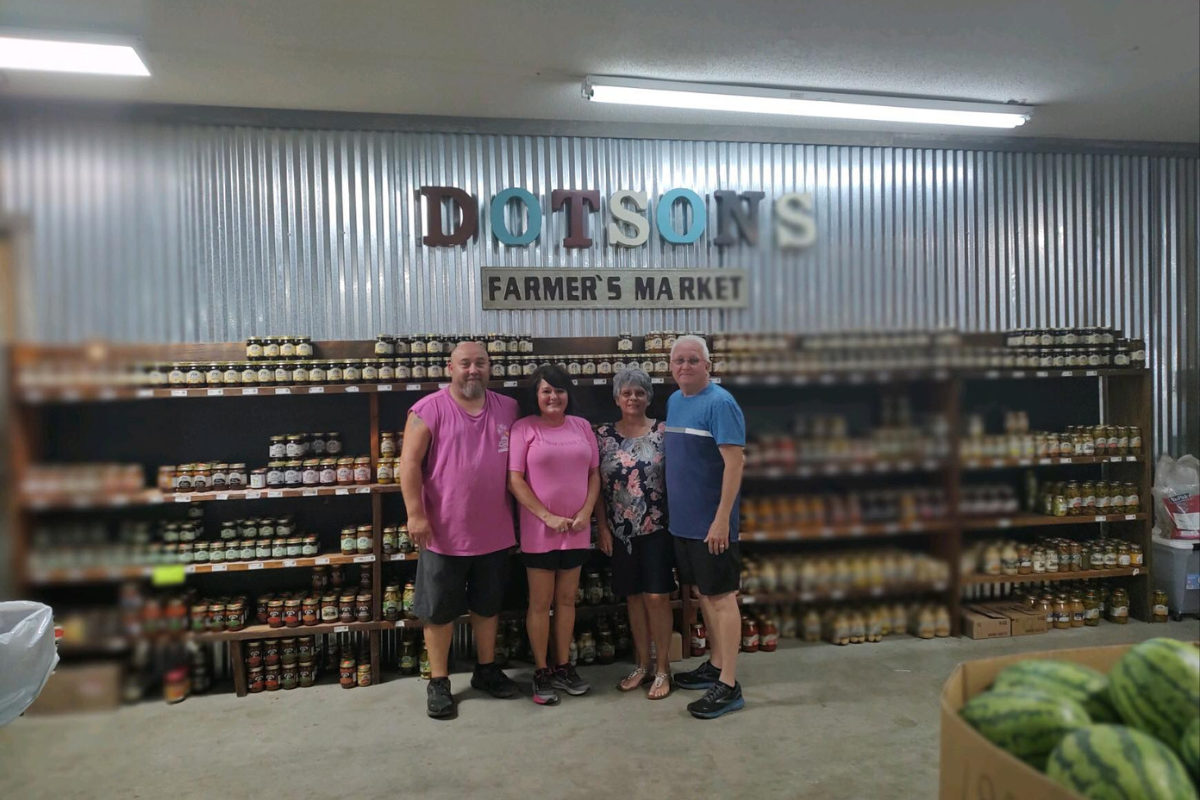
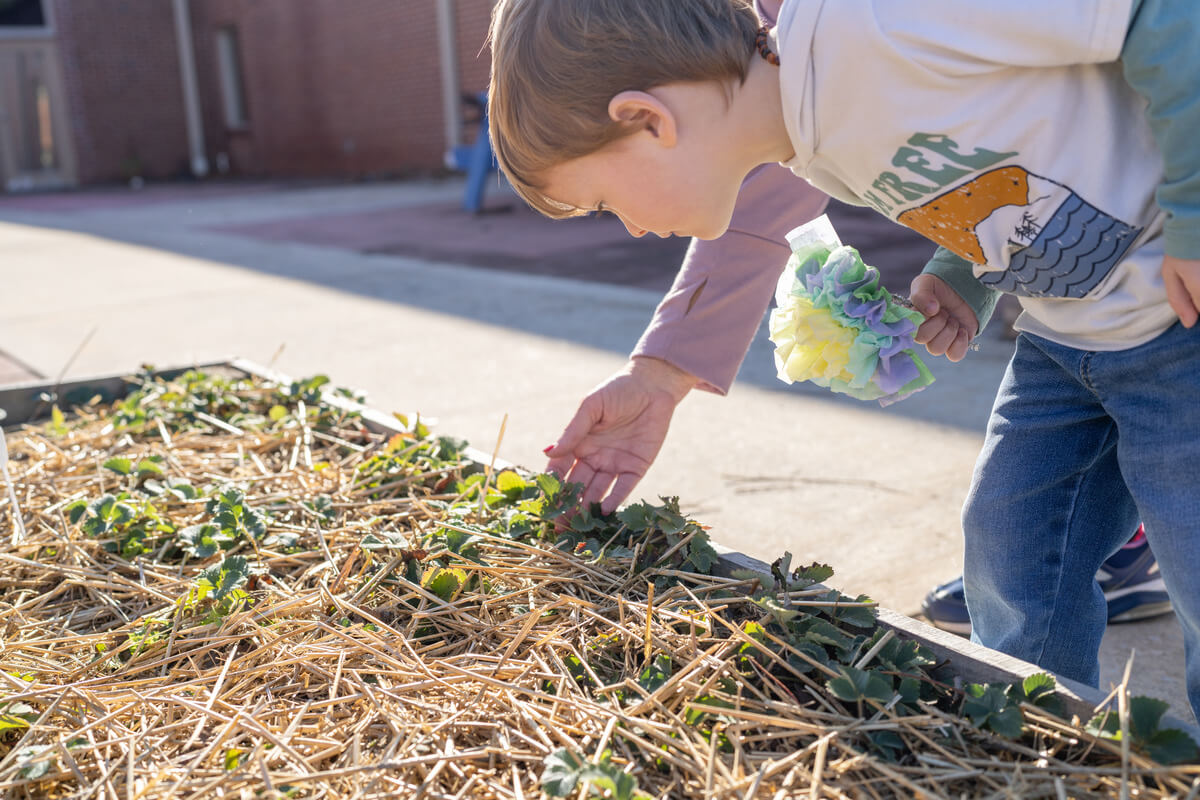
Jessica and Josi jokingly refer to this season of their lives as their “grandma era.” This year, Josi learned how to can from her “Mimi,” Sandra, planted a garden with her dad, James, and began working at a farm stand. She also spends time crocheting alongside her great-grandmother, Wanda, who first taught her the craft.
Something is fitting about those interests growing alongside a flock of chickens. Each one requires patience. Each asks you to pay attention. And none can be rushed.
Josi is homeschooled and is now in her second year. Jessica said homeschooling has allowed Josi to spend more time with her animals and pursue interests that might otherwise have to wait until after the school day.
She still studies the traditional subjects like math, reading, English, history, and science. However, there is room in her days for lessons that connect to the life she is interested in building. A veterinary class is next on her list.
Ask her what the chickens have taught her, and she is quick to name the practical lessons in feeding, watering, cleaning their spaces, and keeping them safe.
But there are simpler lessons tucked into those daily chores, too. She has learned that kindness matters.
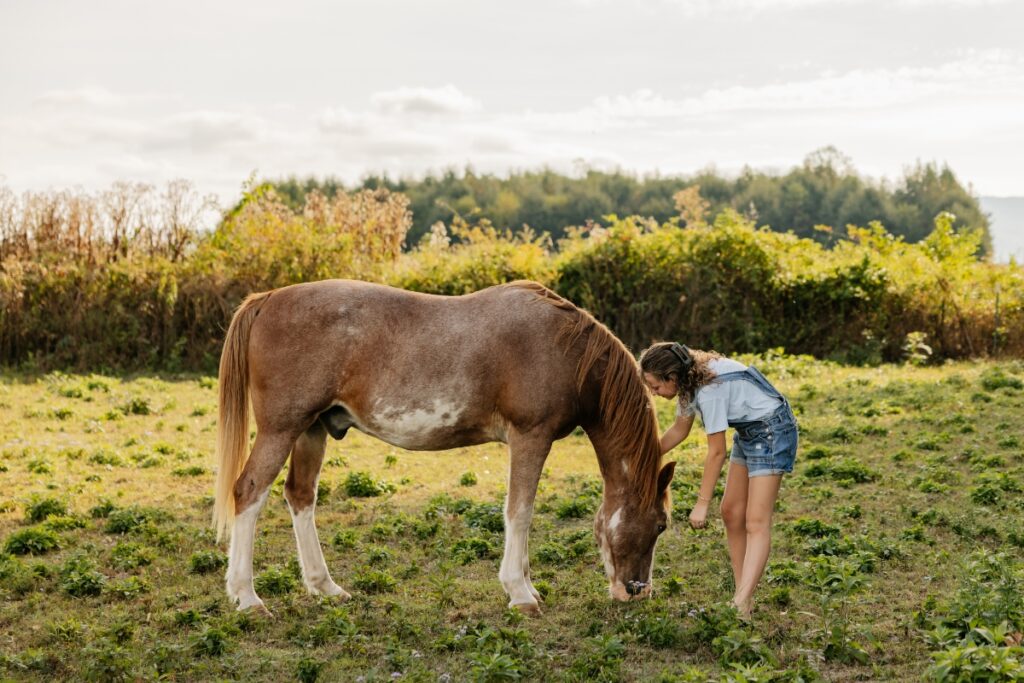
“The better you treat them, the better they do,” Jessica said.
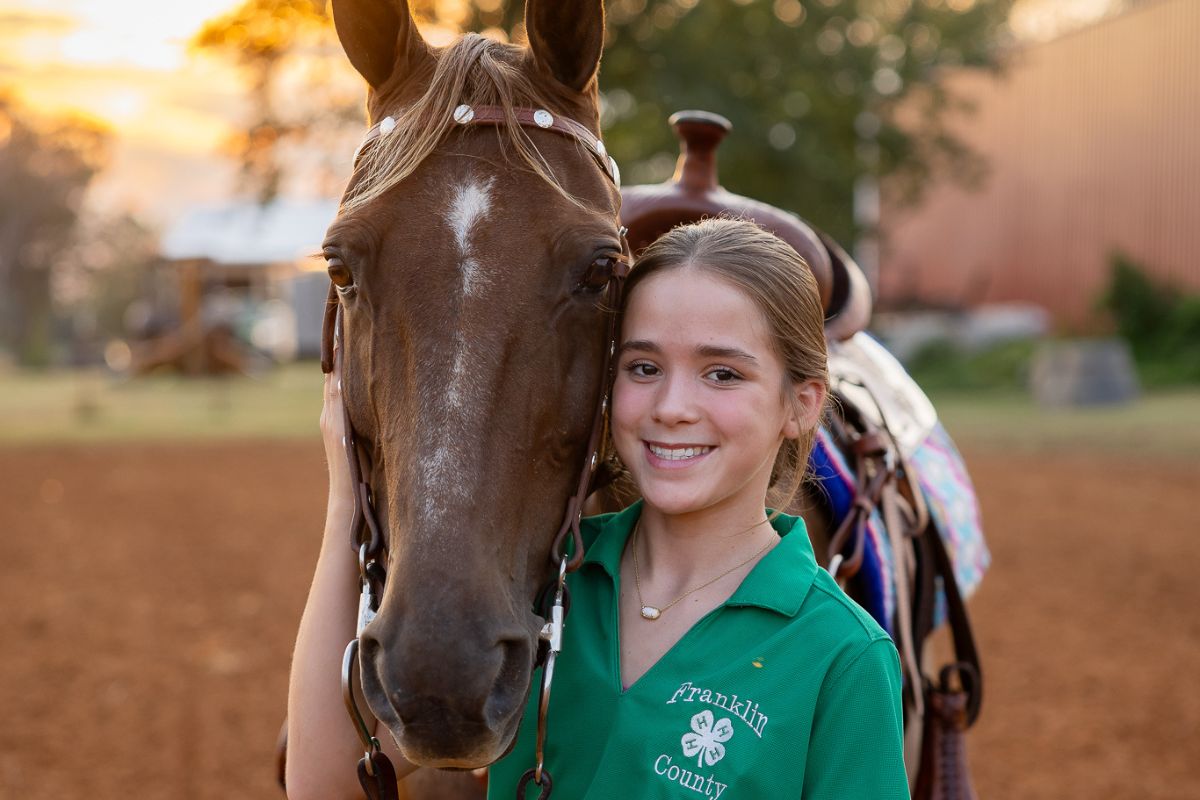
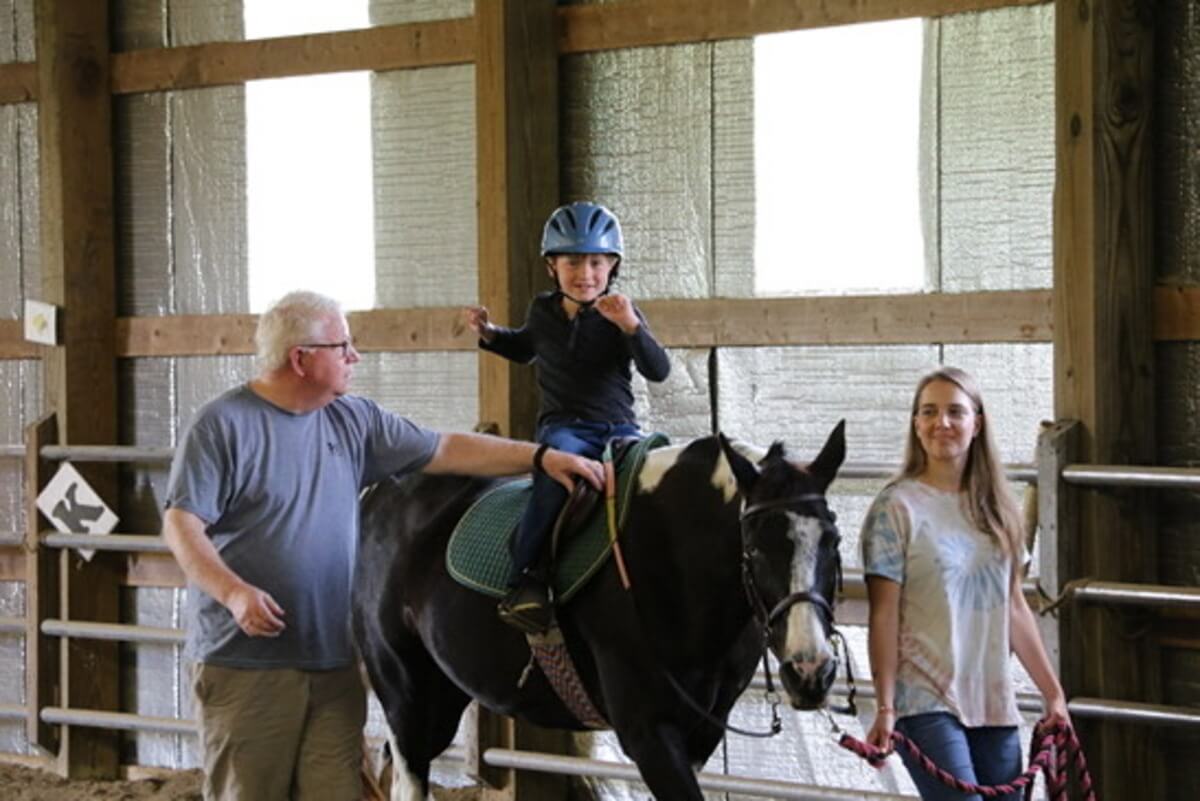
Through 4-H, she has explored livestock, dairy, poultry, and horse judging. Animals have become both the subject of her learning and the teachers themselves, giving her opportunities to observe, ask questions, and gain confidence through experience.
She does not have to choose between being a child who loves animals and a child who loves to learn. For Josi, the two naturally belong together.
Jessica said many families may not realize how many extracurricular activities are available to children outside of traditional school or organized sports. And a farm is not required.
Between the chicken coop, the crochet hook, and the garden rows, Josi is growing up in a way that feels wonderfully close to the earth, and she is learning that some things are best nurtured rather than hurried. GN