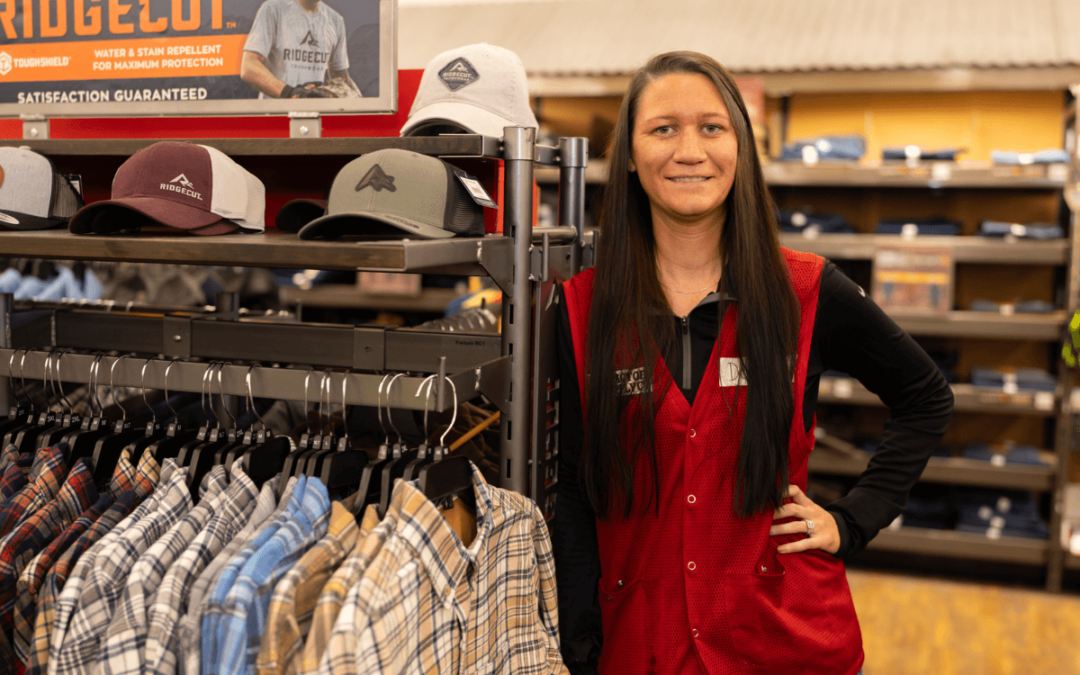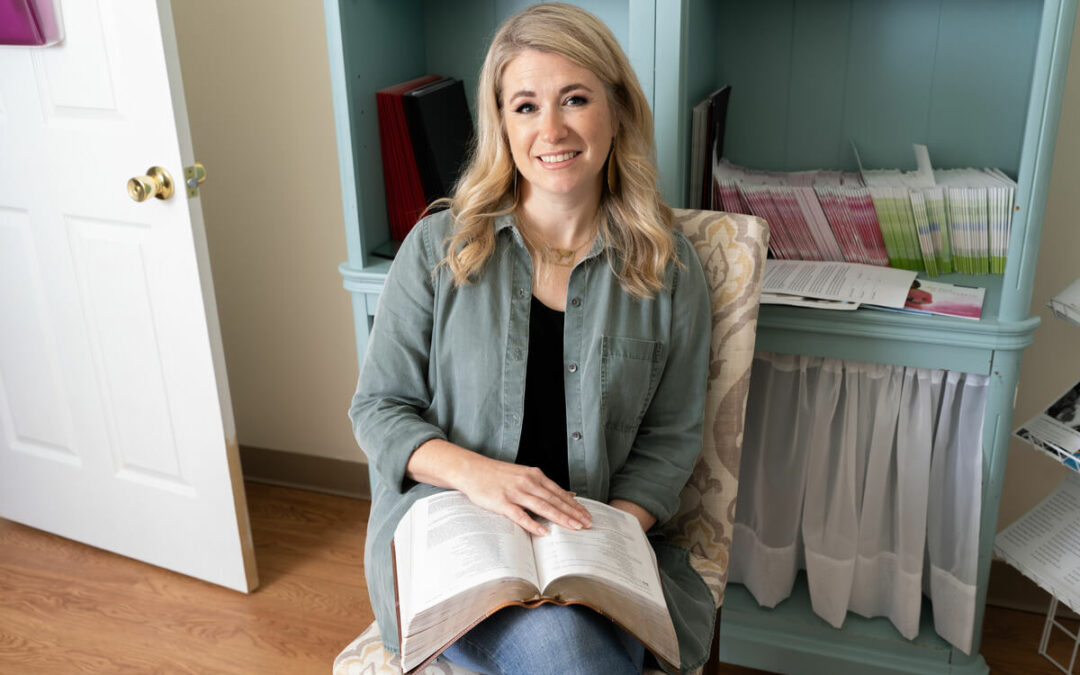

AS A high school senior, Taylor Howell worked at Proverbs on the square, folding sweaters, steaming blouses, and watching customers light up when they found the right piece. Somewhere between the garment racks and the register, she fell in love — not just with clothes, but with the rhythm of a small-town boutique.
She loved the conversation and the curation. She loved that the style could feel personal rather than mass-produced.
Still, she did what she thought she was supposed to do.
After graduation, Taylor enrolled at Tennessee Tech. College was the expected next step — the responsible choice. Then COVID-19 hit, campuses closed, classes went virtual, and students were sent home.
For Taylor, virtual classrooms felt distant and draining. The energy she once poured into in-person learning dissipated through a laptop screen. She quickly realized that the traditional college path — at least in that moment — was not where her passion lay.
In 2022, she pivoted.
Taylor launched her own online boutique, selling clothing through a Facebook group. There was no formal business plan, no five-year forecast, and no polished pitch deck — just determination and a willingness to work.

She describes those early days as fueled by grit. She sourced items, posted photos, interacted with customers, and packed orders herself. She learned by doing — and by making mistakes.
But optimism alone does not substitute for infrastructure.
Despite her upbeat attitude and big dreams, Taylor eventually faced a hard truth — without a clear plan, the business lacked direction. Growth felt chaotic. Systems were loose. The energy she poured in did not always translate to steady momentum.
So she made another difficult decision.
She shuttered the Facebook group.
For many young entrepreneurs, closing a business — even temporarily — can feel like failure. For Taylor, it became a pause, a reset, and a chance to reassess whether the dream was still alive or simply stubborn.
In May 2024, she decided to try again.
This time, she approached the relaunch differently. She prayed for clarity — not just about success, but about timing. She asked for confirmation that this was the right path.
Her prayer was specific.
She asked for 1,000 people to join her group by the end of the week.
The number came.
Instead of immediate certainty, she felt skepticism. Was it timing? Algorithms? Luck? She asked again — this time for 2,000.
That number came, too.
Standing in that quiet realization, she bowed her head and thought, “I see you, God.”
For Taylor, faith and business are not separate categories. They intersect in risk-taking, in patience, and in gratitude when doors open.
With renewed clarity, she rebuilt Shop Taylor & Company with a more structured backend. She refined her sourcing process. She paid attention to data. She studied what sold — and why.
Her aesthetic reflects her own style — comfy, cute, and casual garments designed for real life, not just a mannequin. Soft fabrics, easy silhouettes, and pieces that move from errands to dinner without a costume change define the collection.
That authenticity resonates with her customers. Shop Taylor & Company does not chase every trend; it filters fashion through Taylor’s personal lens. If she would not wear it, she will not stock it.
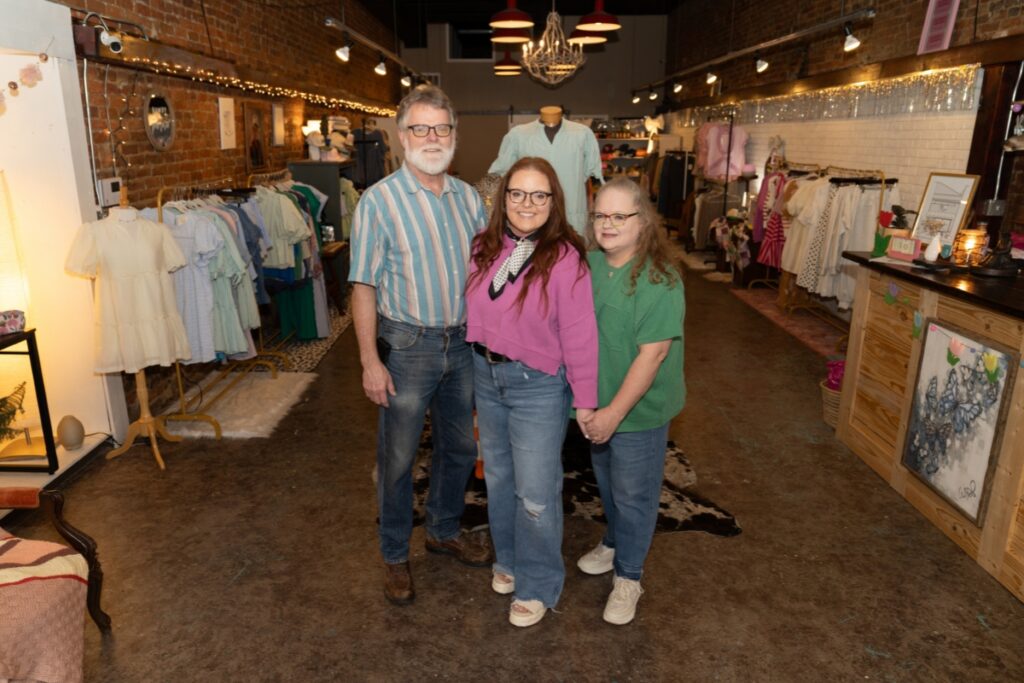
The boutique has grown beyond a one-woman show. Taylor now employs two part-time team members who help with everything from packaging to customer service to social media.
And her parents — once unsure about her pivot away from a traditional college trajectory — are firmly in her corner. They step in when extra hands are needed. They support events. They cheer milestones.
Their early hesitation has shifted into pride.
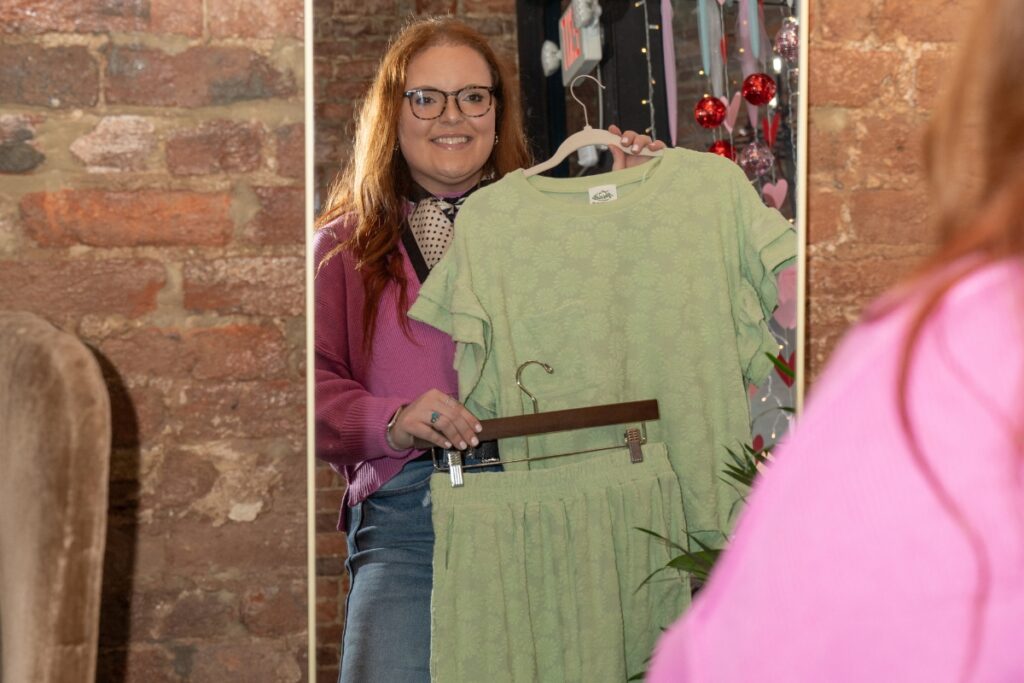
The square, where Taylor first fell in love with boutique life, has become part of her own entrepreneurial story. What began behind someone else’s counter has evolved into building a brand that carries her name.
There is a difference now in how she approaches risk. The first launch was powered solely by enthusiasm. The second blend faith with planning. Dreaming with discipline.
She understands more clearly that vision needs structure. That momentum needs management. That growth must be stewarded.
Still, she remains a dreamer.
She talks about customers finding pieces that make them feel confident, about women supporting women, and about building something local in a world increasingly dominated by fast fashion giants.
Her boutique is about connection and creating a space where style feels approachable, and community feels close.
For a generation that came of age during a global shutdown, Taylor represents something steady — the willingness to adapt rather than abandon, to pause rather than quit, to pray and then to work.
Shop Taylor & Company continues to grow, shaped by answered prayers, lessons learned, and a young entrepreneur willing to take the long way toward clarity.
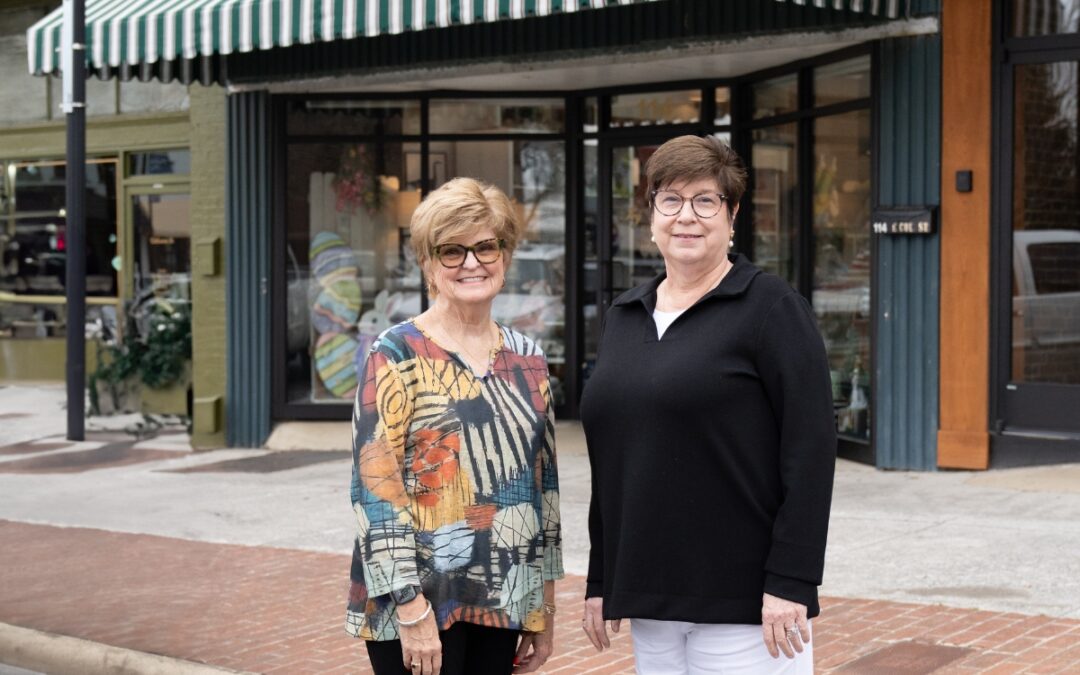
On Fayetteville’s historic square, between brick storefronts and familiar sidewalks, Taylor Howell is proving that sometimes the path you were “supposed” to take is only a detour — and the real destination is the one you build yourself. GN