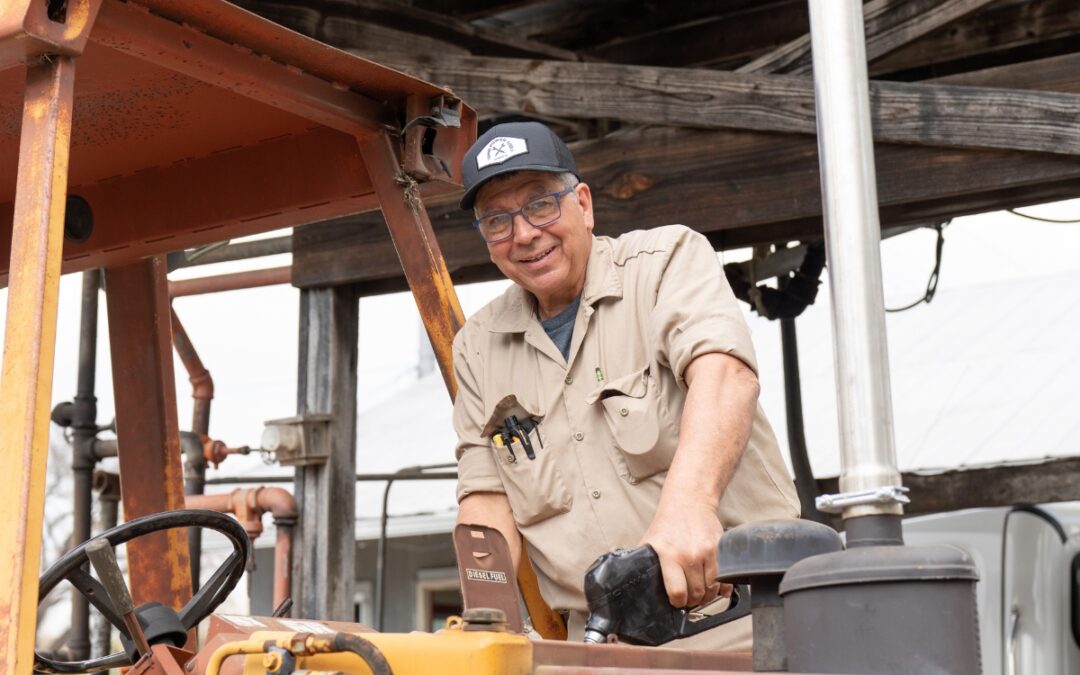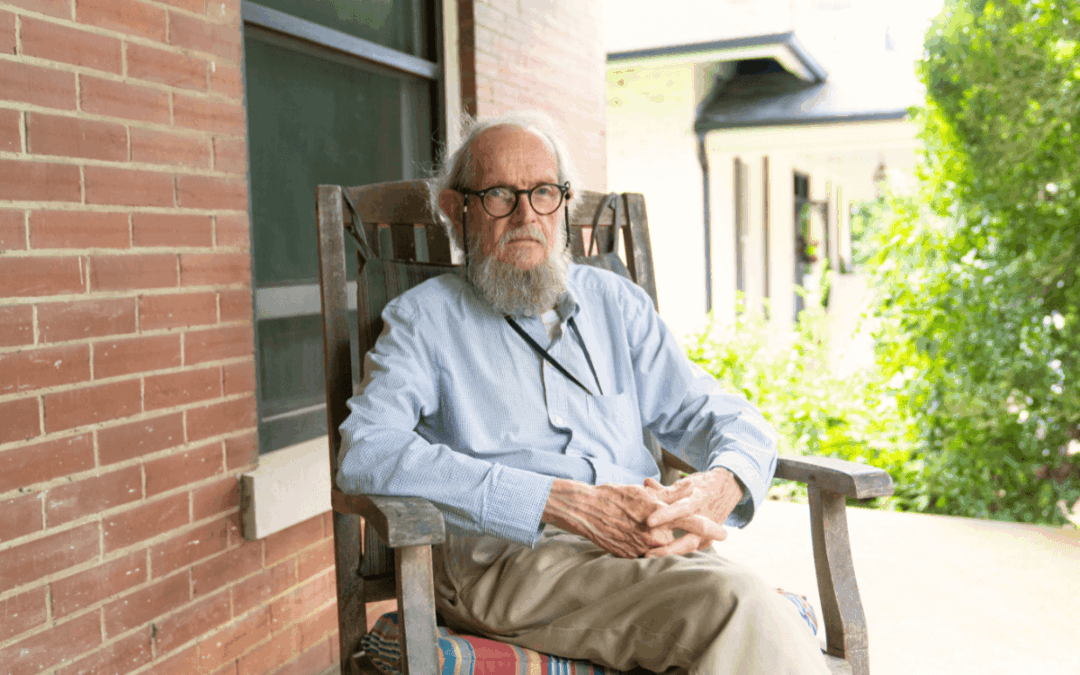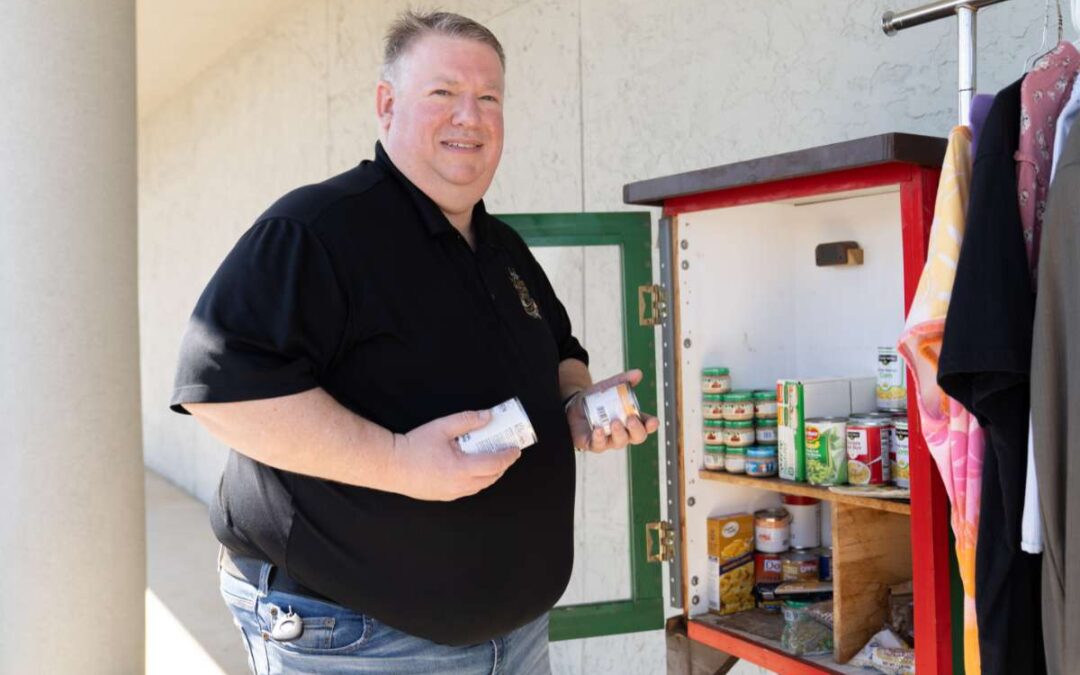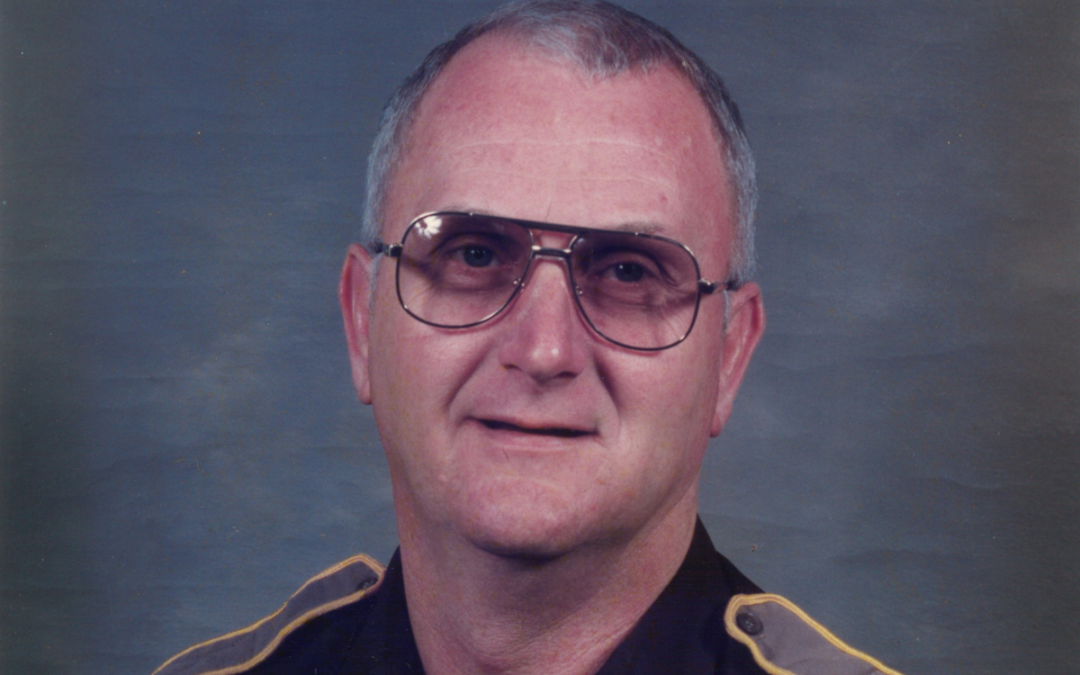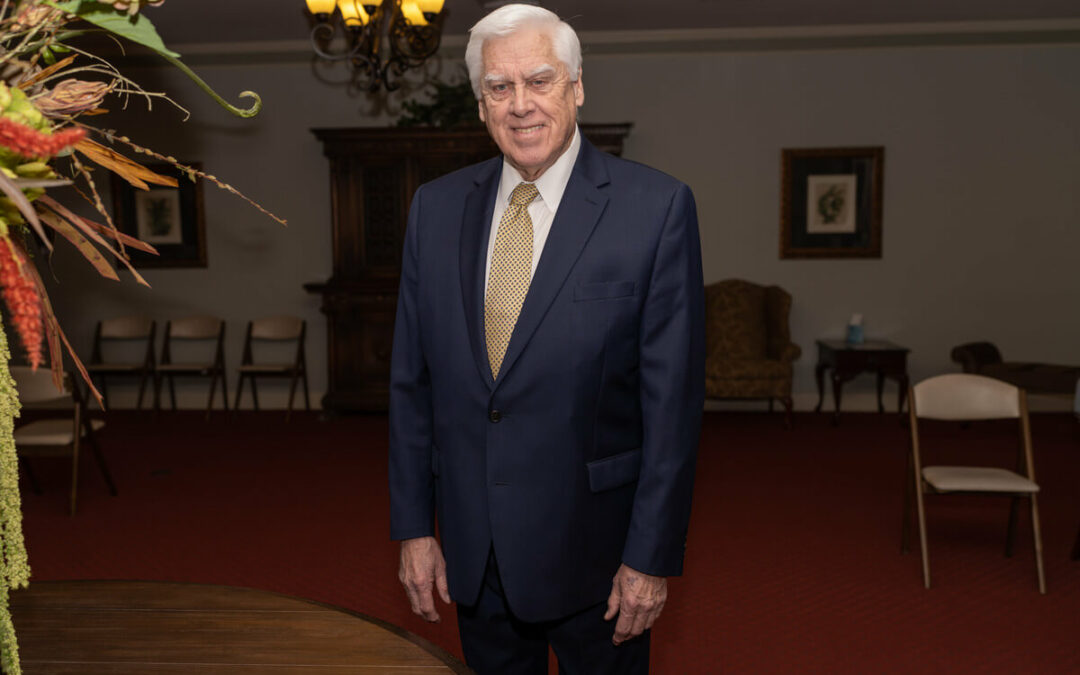

Long before you could stop by the grocery store and grab a gallon of milk, it arrived another way. At one time, milk and other dairy products were delivered straight to the front porch by individuals like C.N. Bates of Sun Rose Dairy.
In communities like Lincoln County, dairies such as Sun Rose were far more than businesses. They were a way of life built on family, sacrifice, and a strong work ethic. Every bottle of milk represented hours of labor that began long before daylight and often continued until after sunset. It was demanding work that never paused for holidays, weekends, or bad weather. Yet generations of families embraced it with pride because they knew they were providing an essential service to their neighbors.
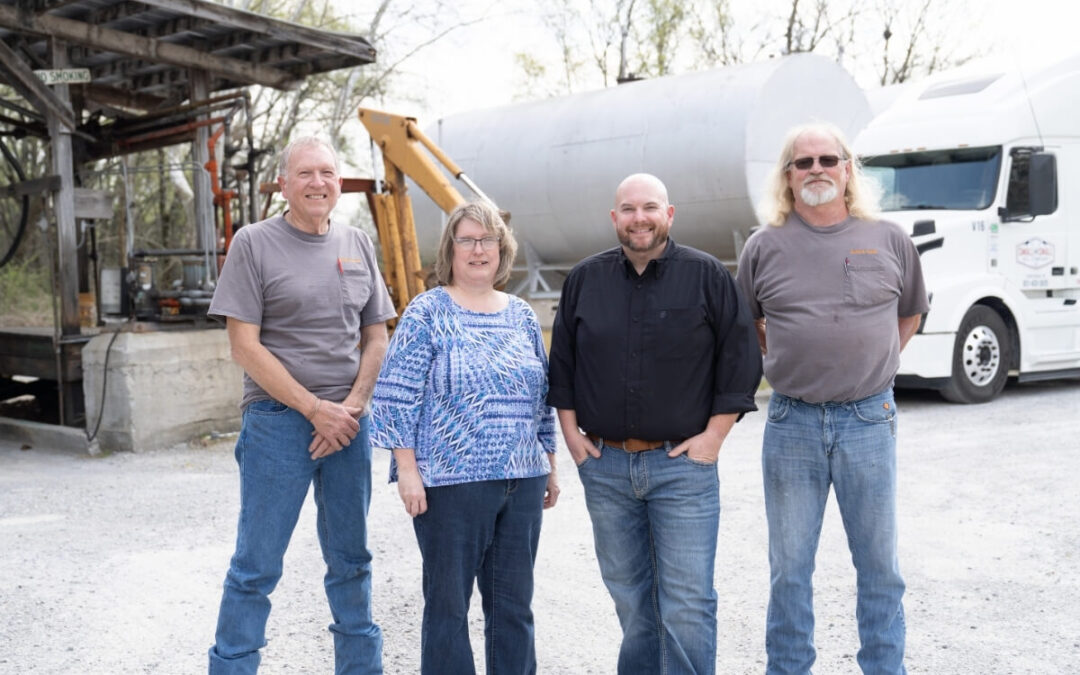
Bates is a member of one of those families that kept Lincoln County residents supplied with milk for years as the proud owners of Sun Rose Dairy.
“My granddaddy is the one who started the dairy,” Bates said.
His grandfather’s dairy dates back to a time when milk was delivered by horse and buggy, one customer at a time.
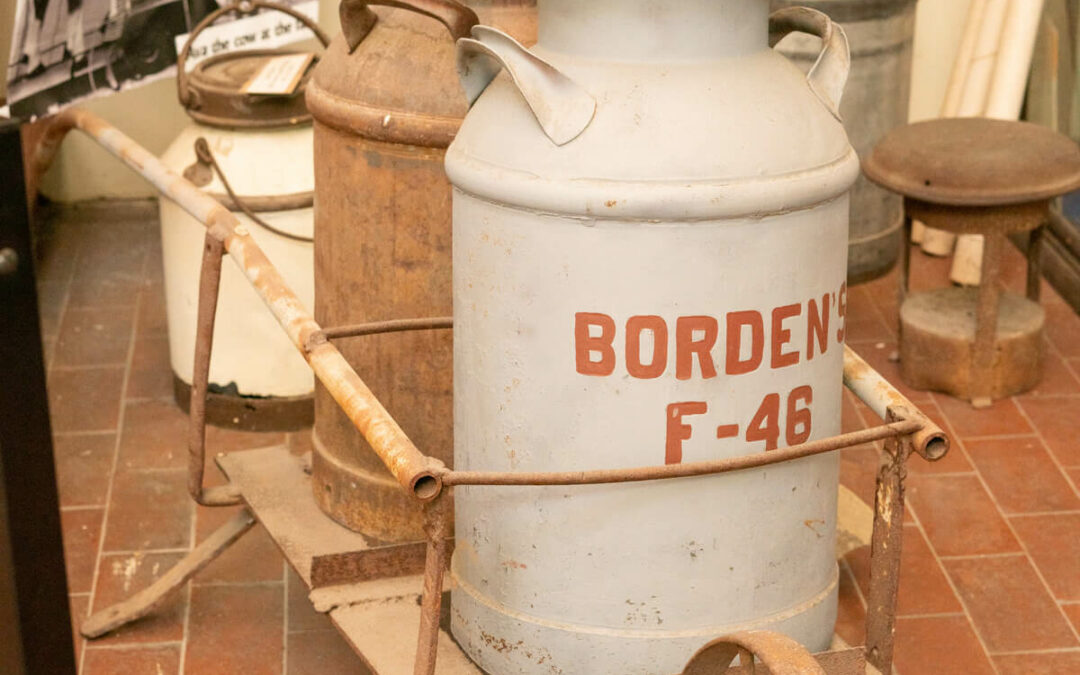
“They dipped the milk with a dipper out of a 10-gallon milk can, and you had your own container. That was before they had bottles,” he explained. “His motto on his wagon was, ‘You can whip our cream, but you can’t beat our milk.'”
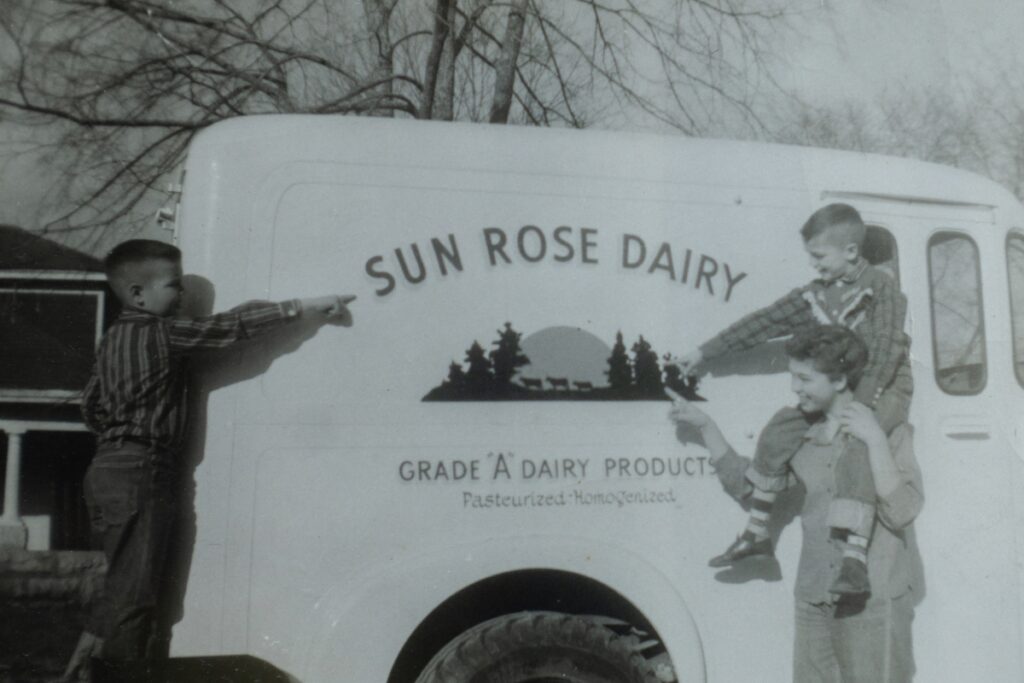
For three generations, his family served Lincoln County with quality dairy products, including milk, chocolate milk, cream, and butterfat. Running a dairy, Bates said, required teamwork.
“Our day started about 4 a.m.,” he explained. “My daddy would run a route in an old truck, and I would help him deliver it from house to house. My brother and sister stayed home to help my mother with milking the cows.”
He said that delivering was a nonstop process where you had to be light on your feet.
“I would hit the pavement running before the truck even got to the house,” he said. “I would run and put the milk on the porch, and my daddy never did stop. I would have to catch the truck in full run after it had gotten past the house.”
Bates said that after deliveries and milking, the children went to school before returning home to wash the glass bottles needed for the next morning’s deliveries.
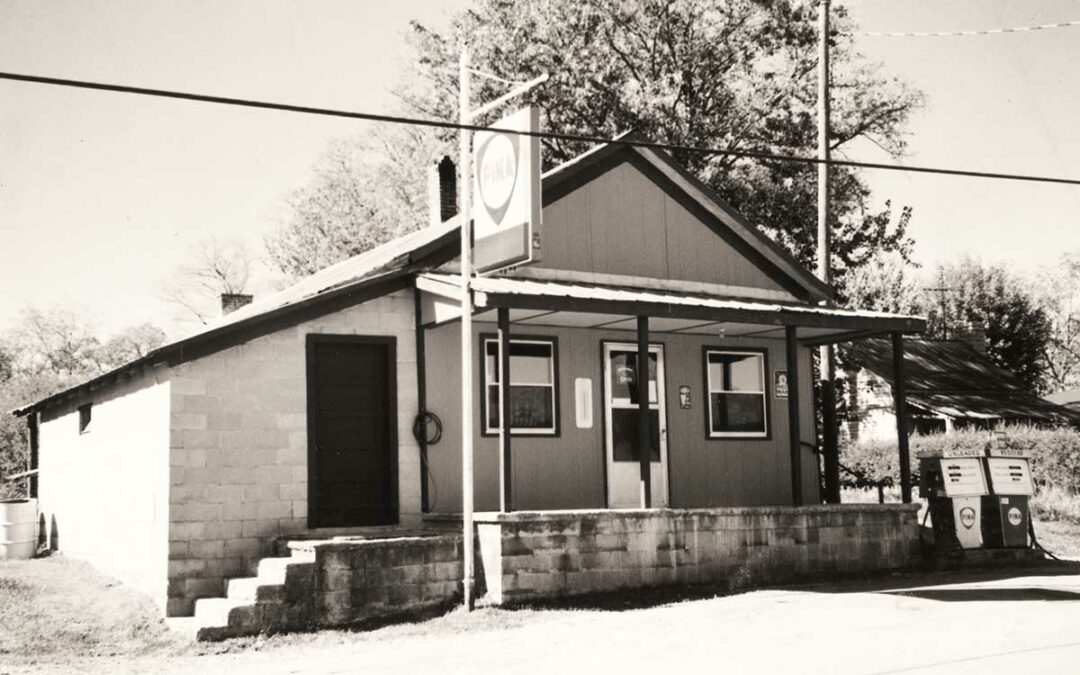
“Then we would bottle the milk and put it in the truck,” he explained. “We had one of the first refrigerated trucks in town. The other dairies had to put their milk on ice. It was a highly competitive business. At one time, there were six or seven dairies right here in this little town.”
Competition meant the family had to work together to make their product stand out. Milk sold for just 23 cents a quart and 45 cents for a half gallon, making efficiency just as important as quality.

Fresh milk was delivered six days a week, with extra deliveries on Saturdays so families had enough for Sunday, giving the Bates family one day of rest.
“Folks liked having their milk fresh every day,” said Bates.
Behind every bottle lay a great deal of unseen labor. The family’s herd of 40 cows had to be milked twice daily without exception.
“We had to get them twice a day,” Bates said. “In the morning before daylight, and then in the afternoon by 3 or 4 p.m. We had a pasteurizer we would put the milk through, and then it was bottled up. It was work. For my father, it was all about four letters: W-O-R-K, and that’s all we knew.”
Those four letters defined an entire generation. Despite the long hours, dairy life taught Bates and his siblings responsibility, dependability, and pride while strengthening family bonds. Every bottle reflected their reputation. But changing times, rising costs, and the shift to paper cartons made it difficult for small dairies to compete, leading the family to end production in the early 1970s.
Although the dairy closed, the farm never lost its purpose. Today, the property is a Century Farm in Lincoln County and continues to stand as a reminder of generations who built their lives through honest work.
Looking back, Bates remembers far more than the long hours.
“It was hard work, but we were raised with values and morals. We were raised to respect everyone, especially our elders,” he said.
Those same values continue through the next generation.
“I work at the courthouse, and people will ask me who I am or who my parents are, especially those who are older,” said Christy Bates, daughter of C.N. Bates. “They remember when my family was in business.”
She said the family’s work ethic remains one of the greatest lessons passed down through the years.
“They worked, and they worked hard,” she added. “That’s all my daddy knew. My brother and I were taught to work and the importance of work.”
Though the milk routes are gone and the glass bottles have long been put away, the legacy of Sun Rose Dairy lives on in the memories of those who depended on it. Bates hopes the community remembers not only the milk his family delivered each morning, but also the care, pride, and commitment that came with every bottle. GN