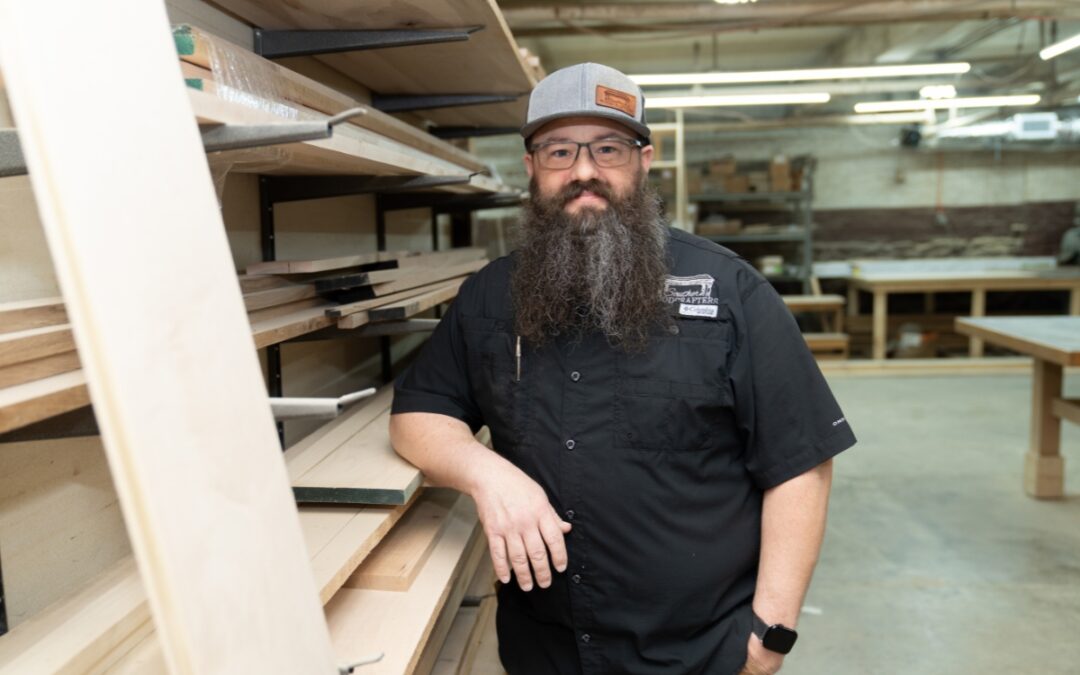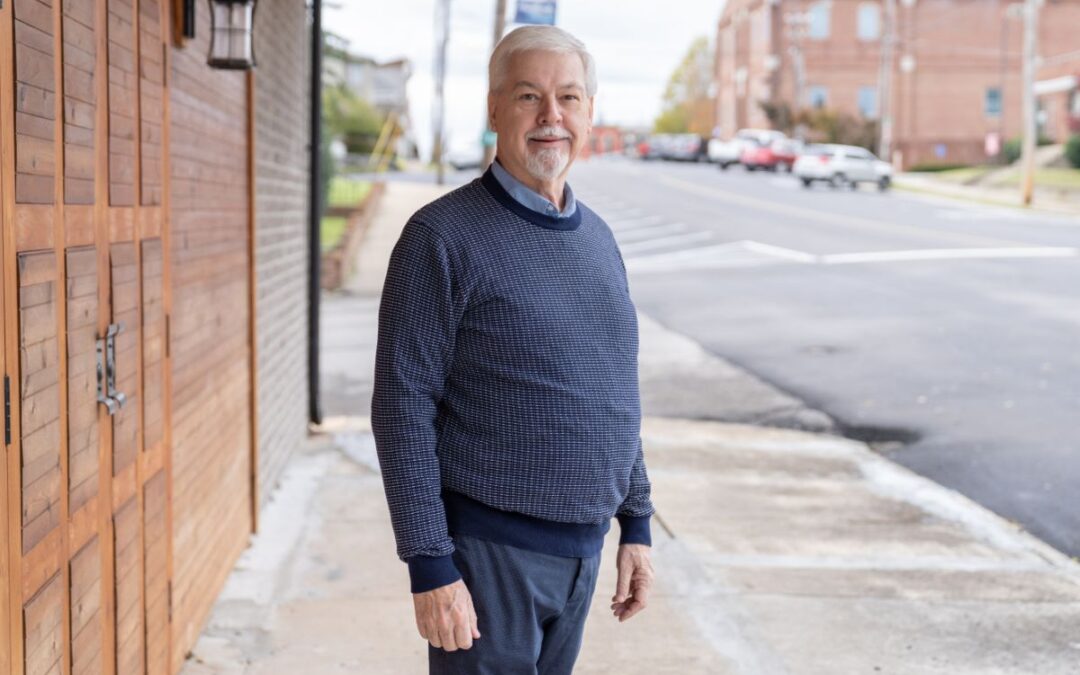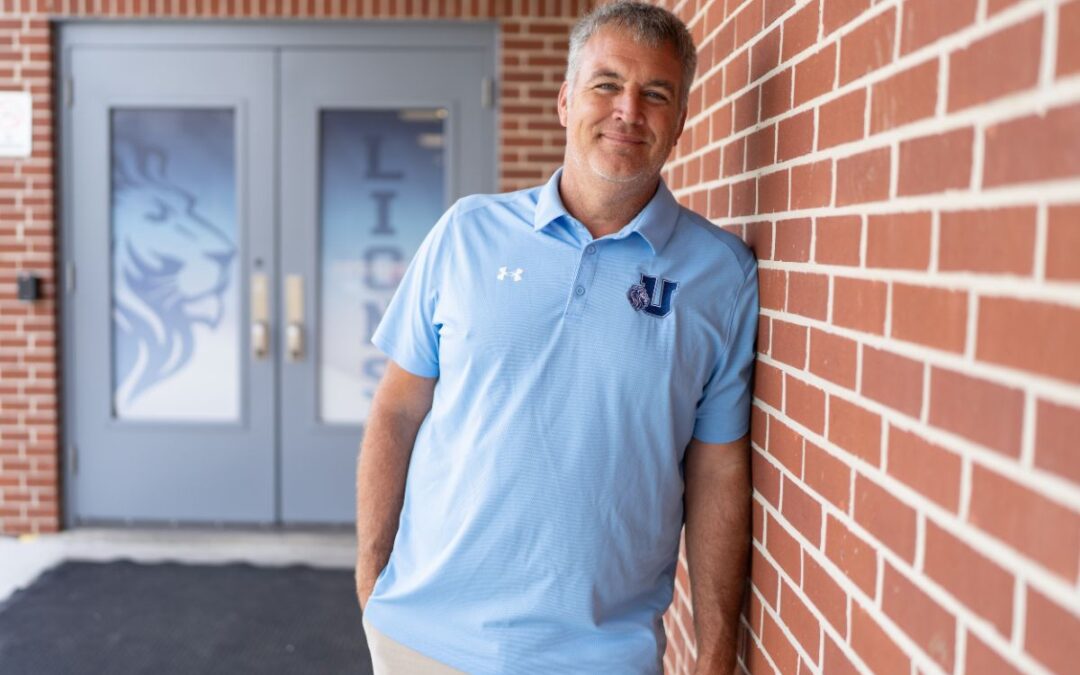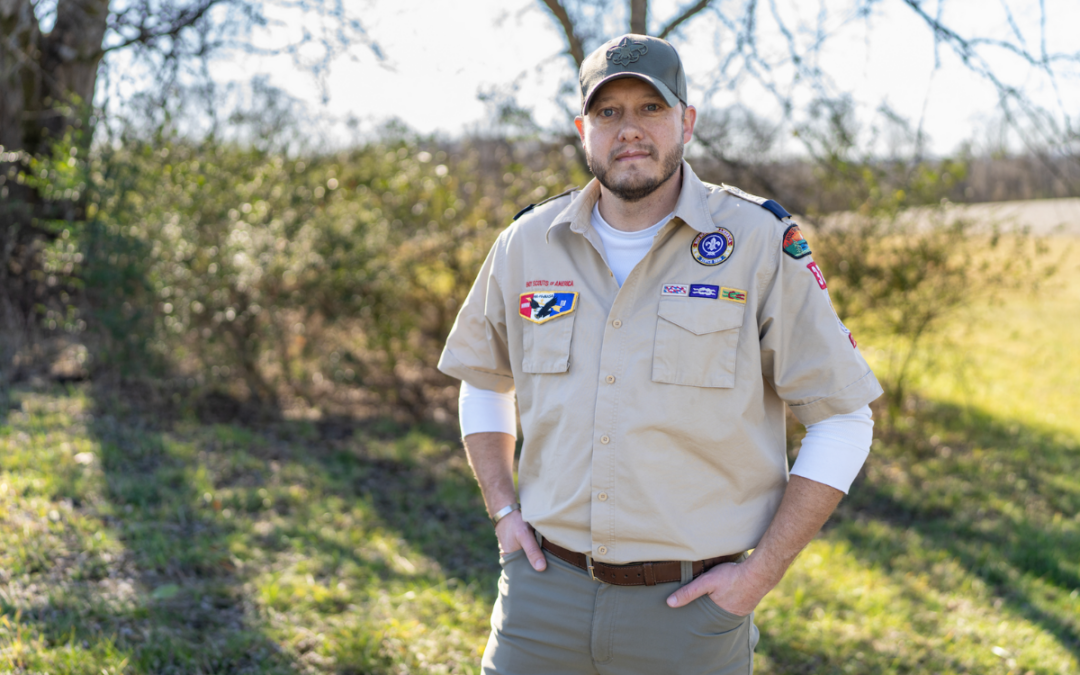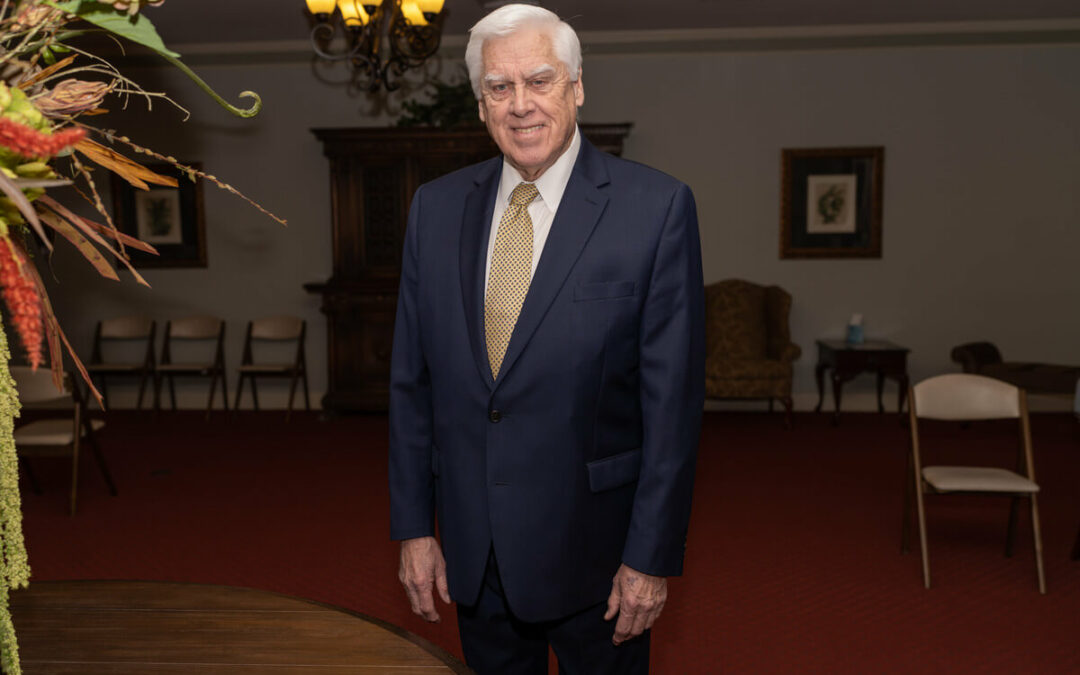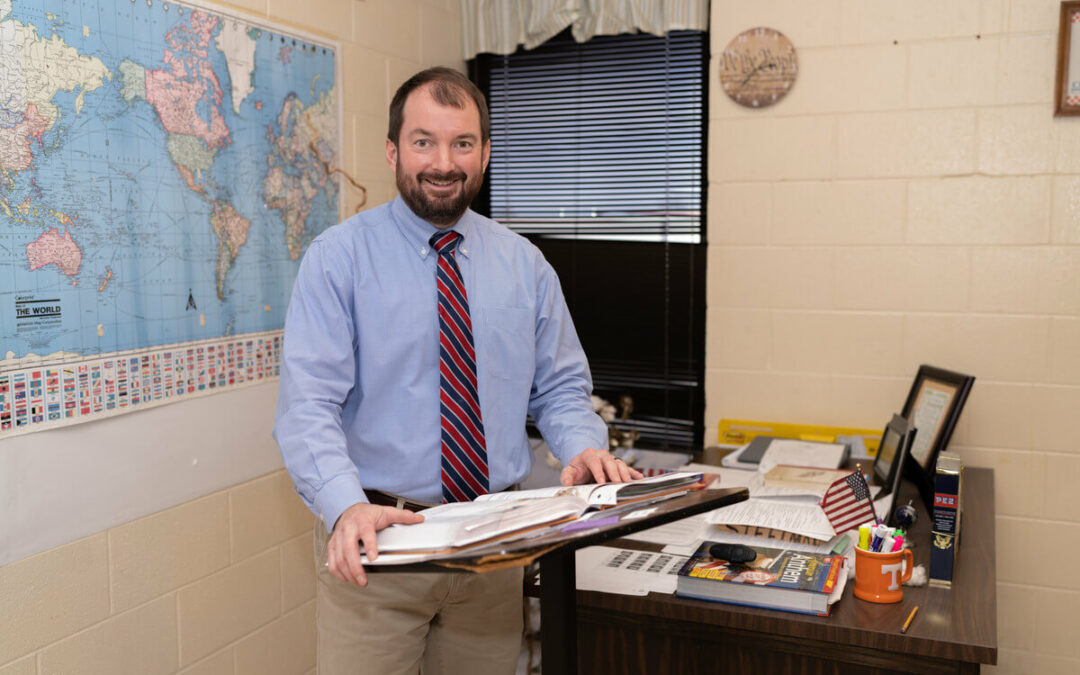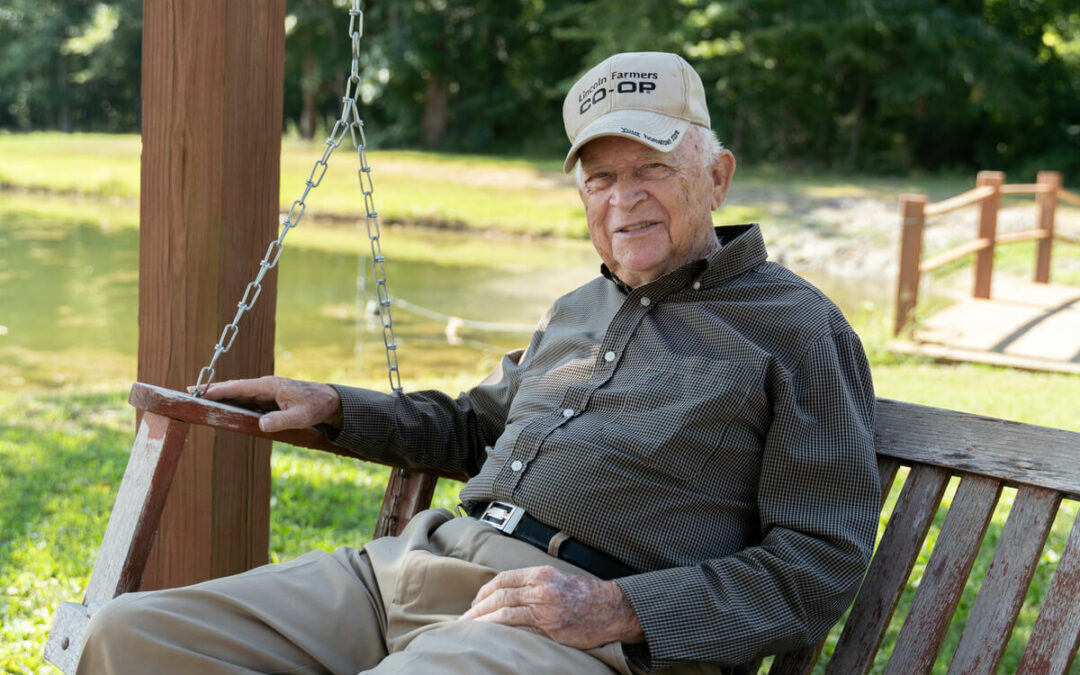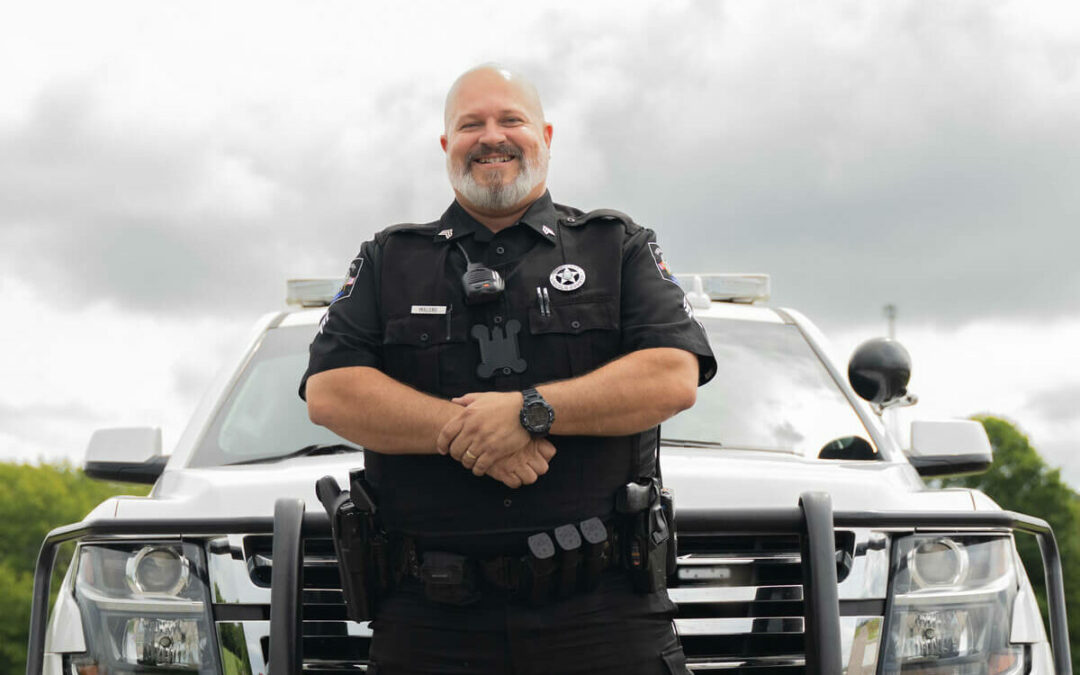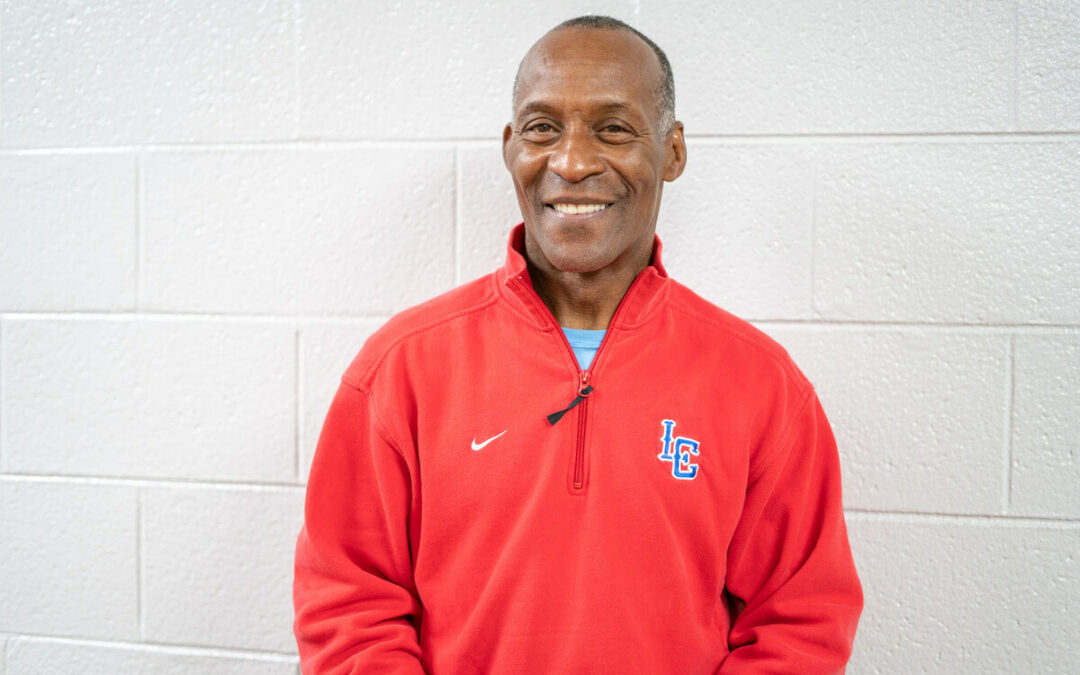
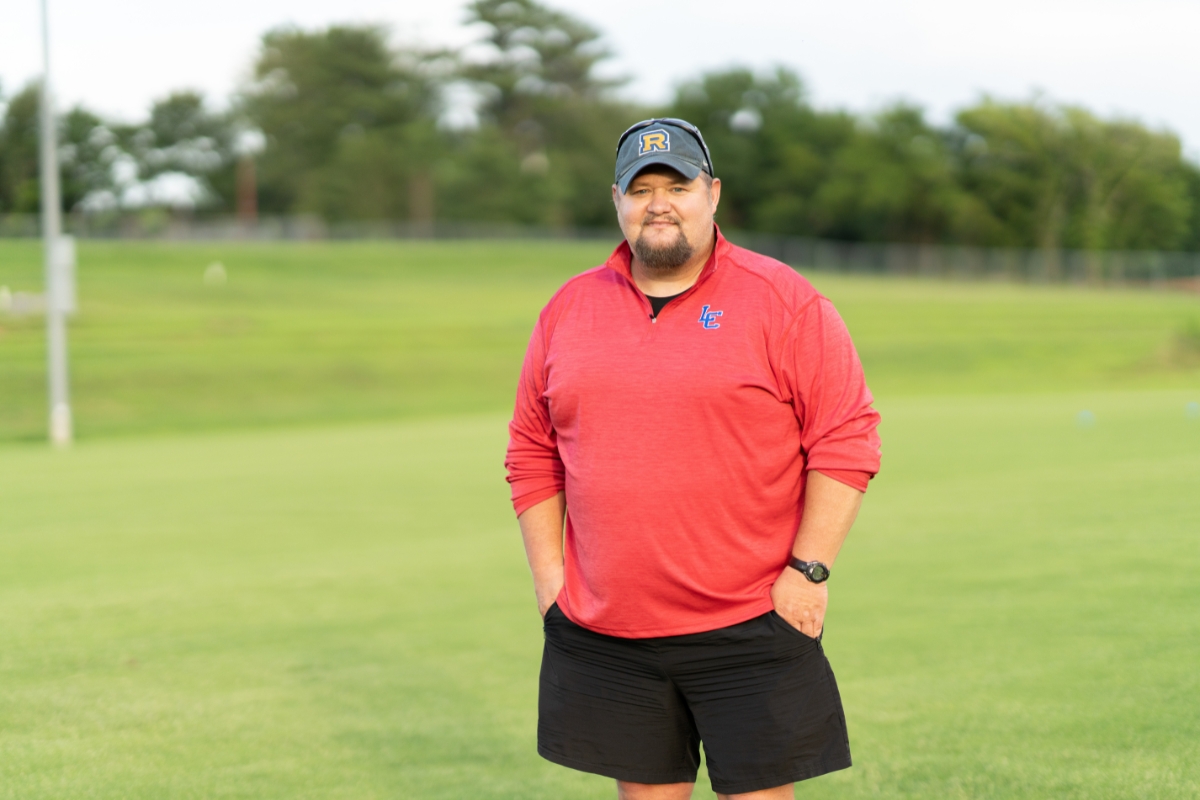
What began as an overseas military interest in soccer ultimately led Roger Laplante to become a supportive father and coach.
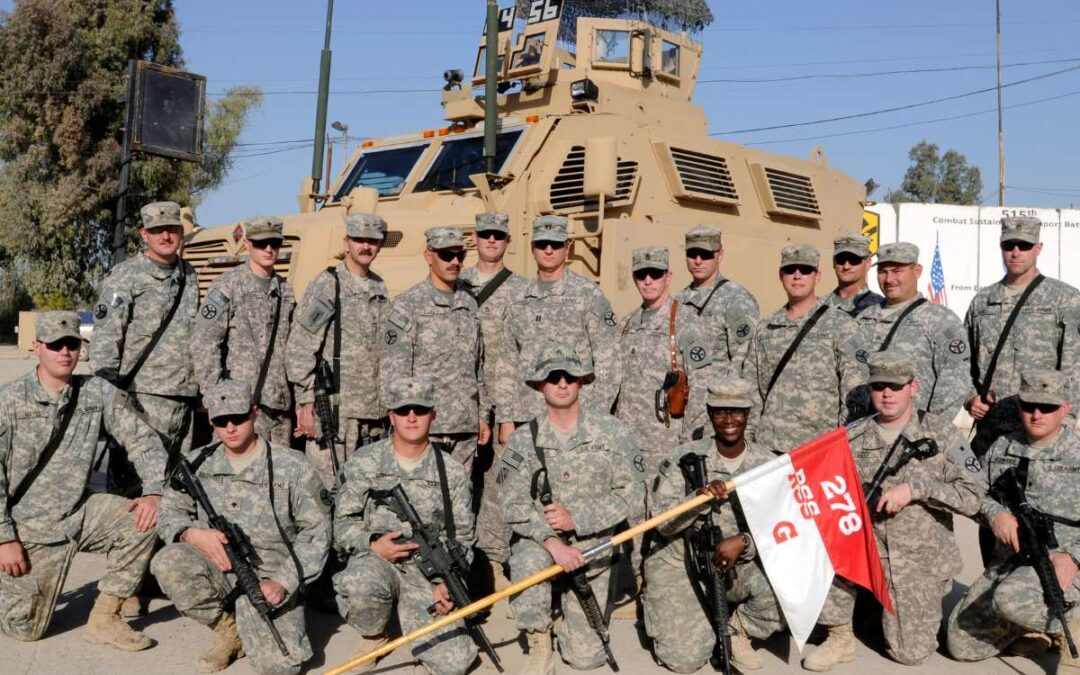
Laplante never played organized soccer growing up, but during more than a decade in the Navy, his overseas deployments exposed him to the sport’s global popularity and the culture surrounding it.
When his family later settled in Hawaii, his oldest daughter quickly showed soccer talent. Rather than watching from the sidelines, Laplante committed himself to learning every aspect of the game to better support her development.
“My oldest child was really good at a young age,” he explained. “I went to the organization she was playing for and asked to be an assistant. I didn’t want any compensation. I was happy setting up cones and chasing balls, but I needed to know what they were doing and why. That’s how it started, and then I spent five or six years learning under other people, coaching rec ball, before I ever stepped out on my own.”
That curiosity soon became a passion. Laplante immersed himself in the sport, studying its technical and tactical demands while learning from experienced coaches along the way.
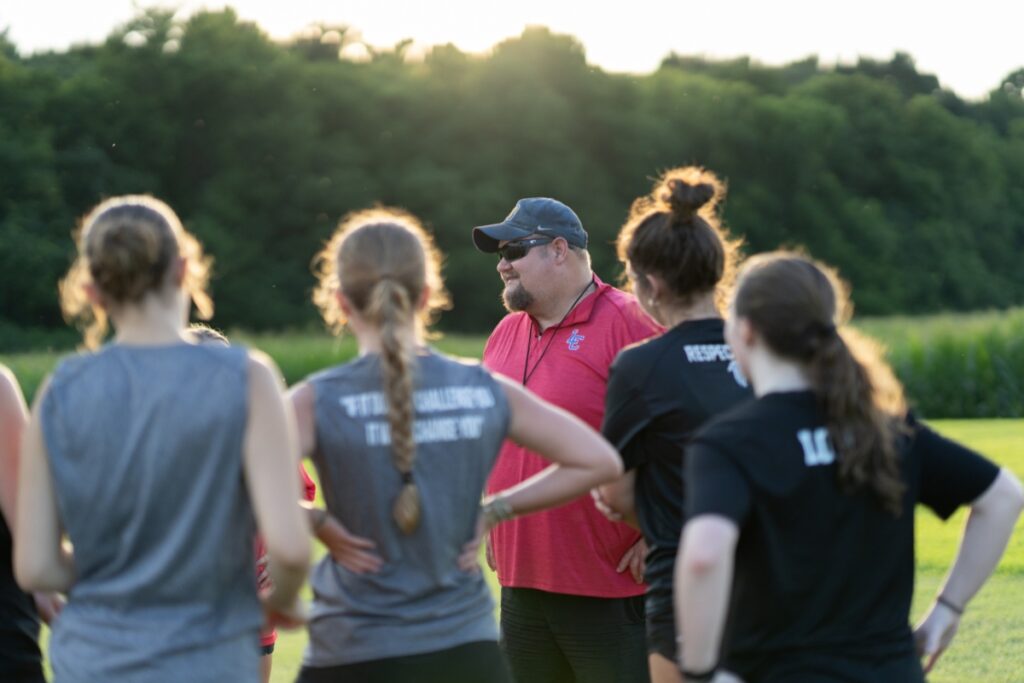
After leaving active duty in 2006, Laplante and his family eventually found their way to Lincoln County, where the close-knit atmosphere immediately reminded him of home.
“I grew up in a very small community about the size of Flintville, so I immediately fell in love with the area,” he explained.
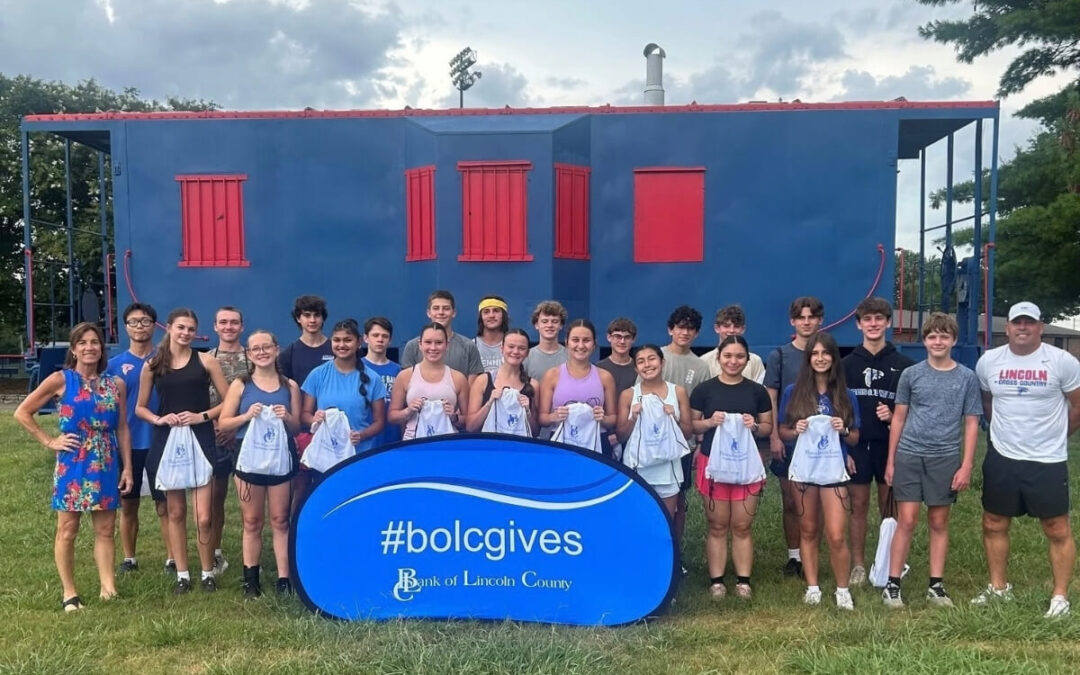
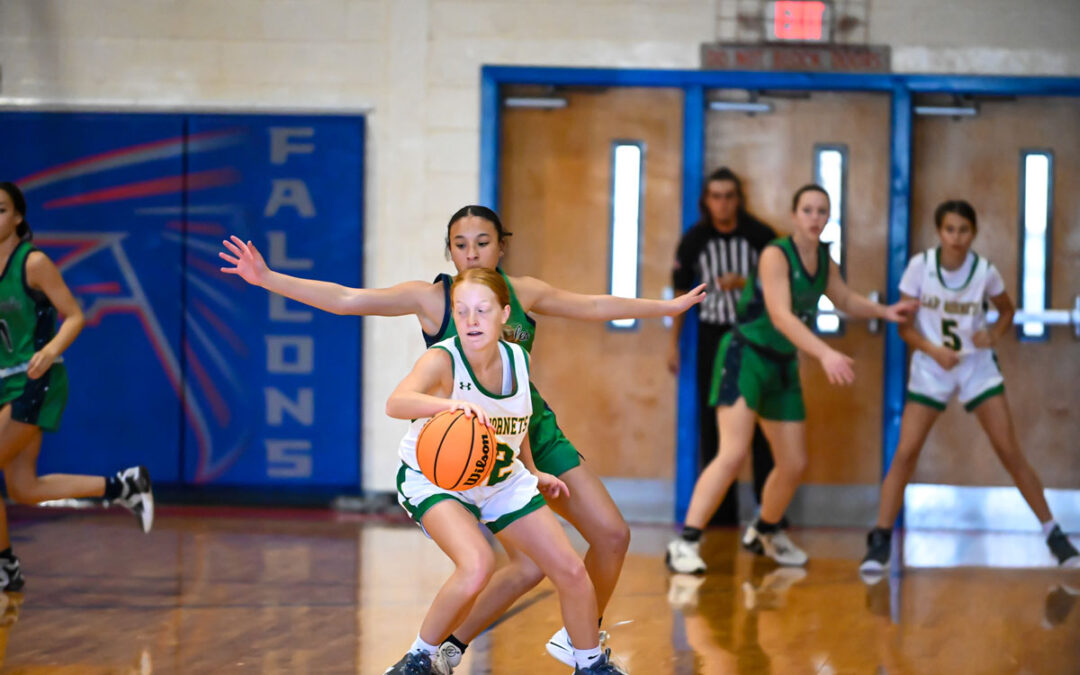
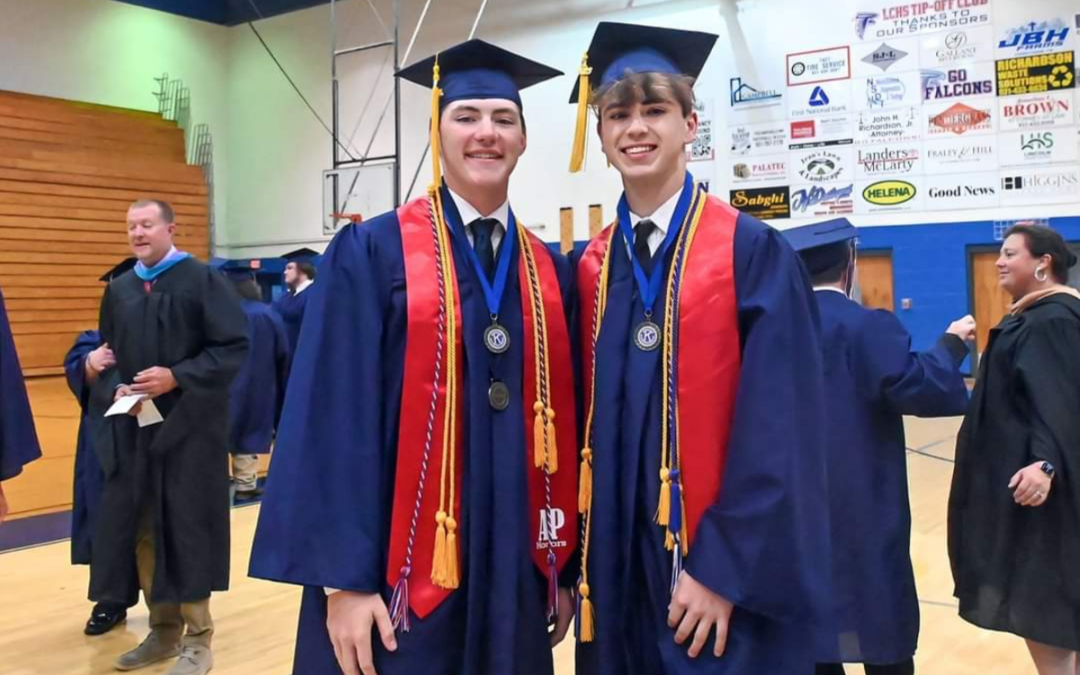
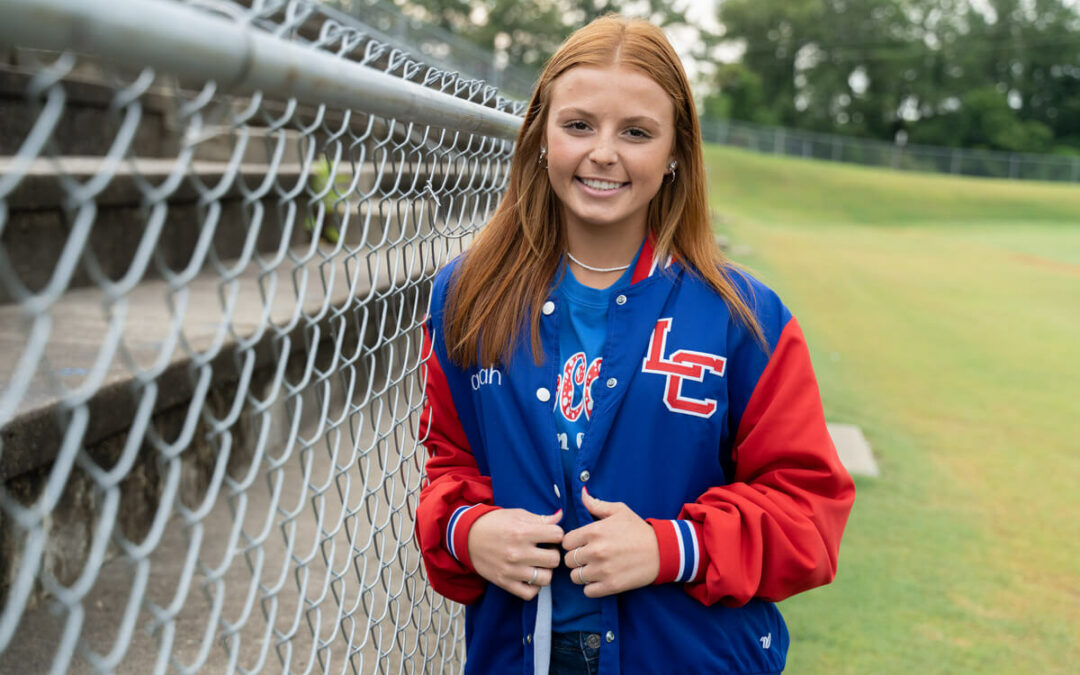
Making a home in Lincoln County, Laplante brought his passion for soccer to the community in 2013, where he began coaching at Lincoln County High School. Aside from a brief absence in 2014, he has remained a steady presence within the program since 2015, coaching both boys and girls while also helping grow the local travel soccer community.
Laplante’s military background has played a significant role in how he coaches. As a 9/11 veteran, he has experienced challenging deployments that have reinforced the importance of resilience, discipline, and mental toughness.
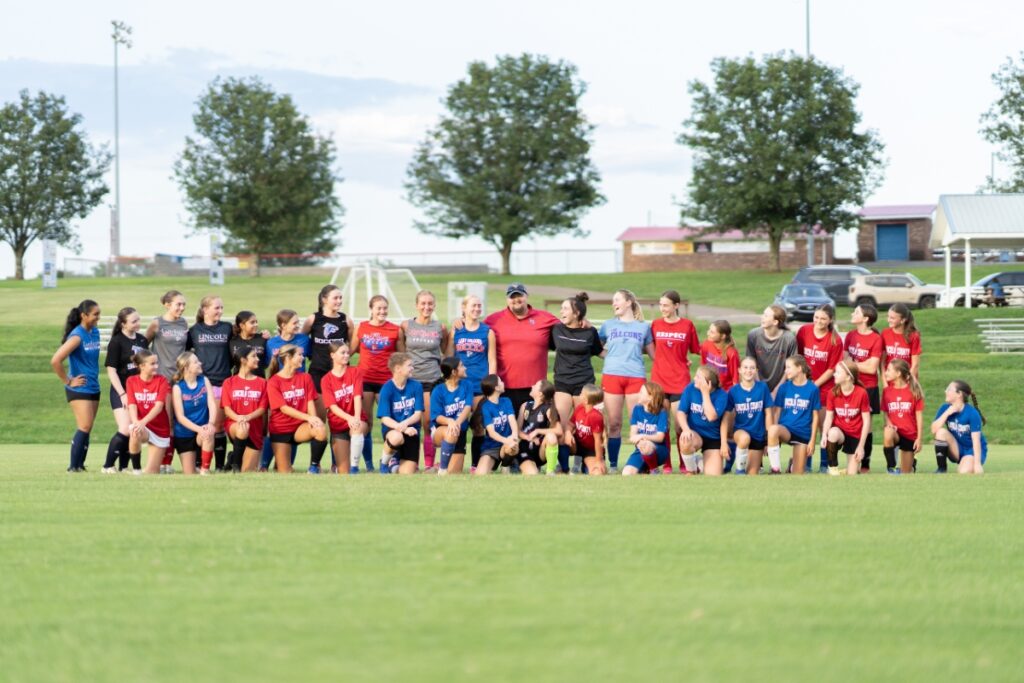
“I’ve had a lot of deployments and seen a lot of tough things in the world,” he said. “As humans, we always control two things — attitude and effort. If I can teach those skills, combined with discipline, and I can get these athletes to buy in and believe that, I’ve made a difference. Through these skill sets, they’re gonna make a difference for the rest of their lives.”
Laplante said that he believes soccer provides one of the best environments possible to teach those lessons.
“I think the sport itself is the same across the board as far as the impact that it can have,” he explained. “Soccer teaches humility, hard work, and discipline. It shows people that you have to make a complete effort in life. Soccer can be a cruel game. Soccer shows you can be dominated and win, and you can dominate and lose. It also shows that if you want to be great, it isn’t enough to just go to practice. Everyone does that. You’ve got to do things on your own. It requires technical, functional, and tactical skills.”
Laplante said that he measures his coaching impact far beyond wins and losses.“I enjoy the opportunity to help prepare young adults for challenges that they’re going to face in their lives outside of sports in high school,” he said.
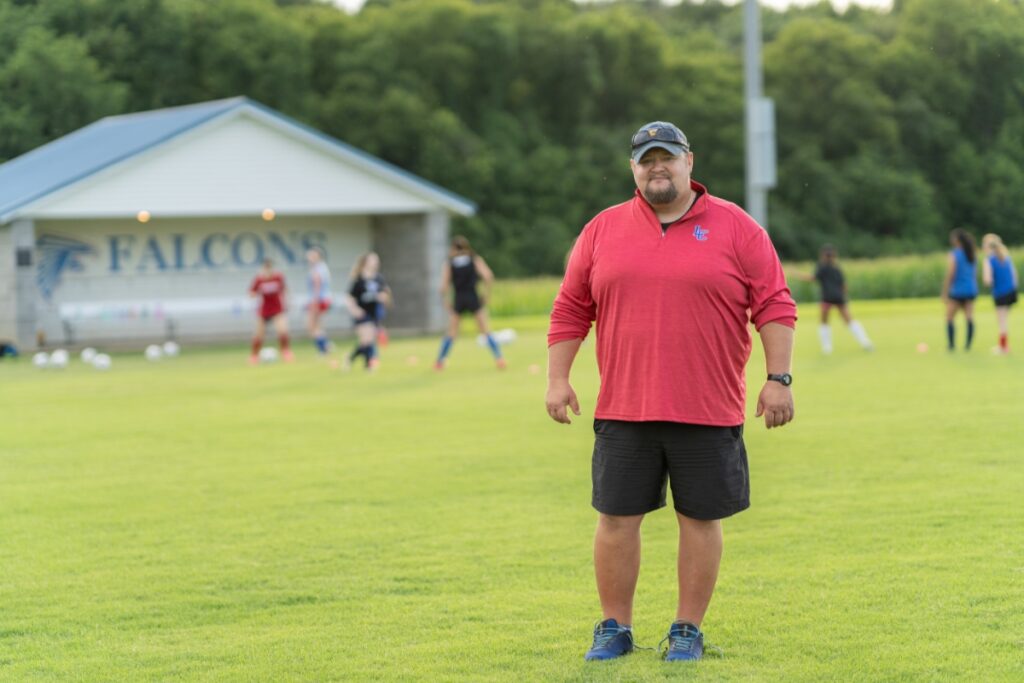
“I am as competitive as anybody you’re ever going to meet, but I don’t believe that you can judge progress on a scoreboard. I think that having an impact on building life skills in both young men and women, especially today, is more important than ever. It is what I strive for. When I watch kids sign scholarships, when I get invited to former players’ weddings and asked to attend special dates and graduations and all of these types of things, that’s, you know, what tells me I made a difference, and that’s what’s important to me.”
Today, Laplante remains grateful for both the sport and the community that embraced him. He appreciates the support Lincoln County gives to its schools, athletes, and small businesses, but above all, he hopes his players remember how much he cared about them when they look back on their time with him.
“I think what I hope they remember most about me is that I cared, and that I tried really hard to create a positive experience for them.” GN