Henry and Sally Wright raised nine children together after gaining their freedom from slavery, building a family and a life in the years following emancipation. Some of their children would eventually join them at Ringo Cemetery, while others were buried elsewhere as the family spread out over the years.
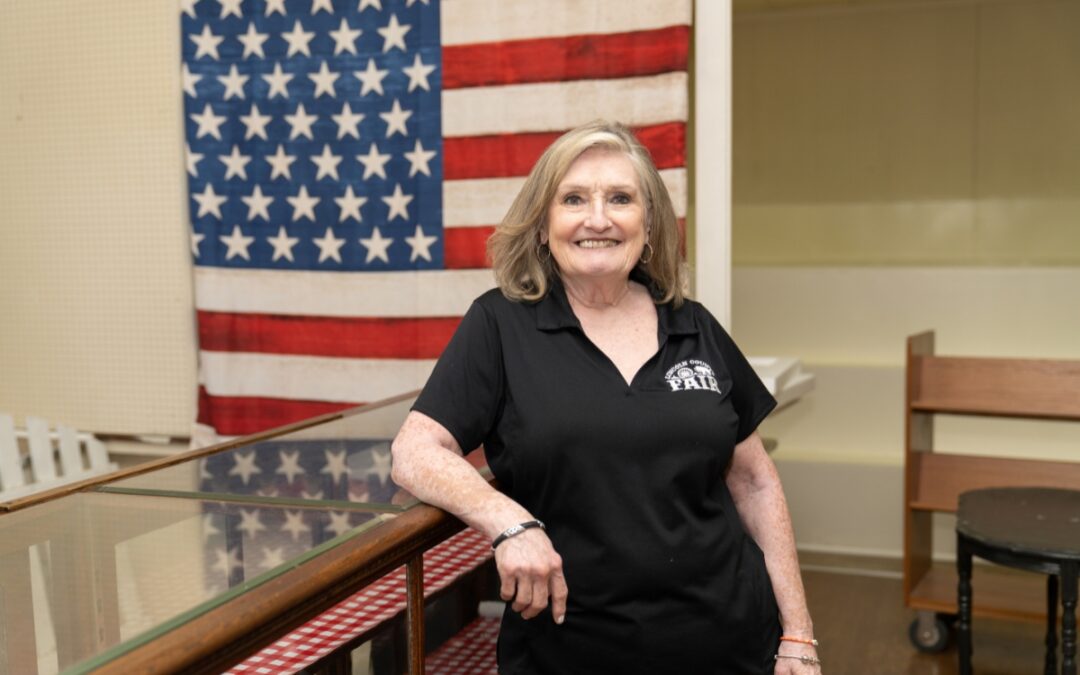
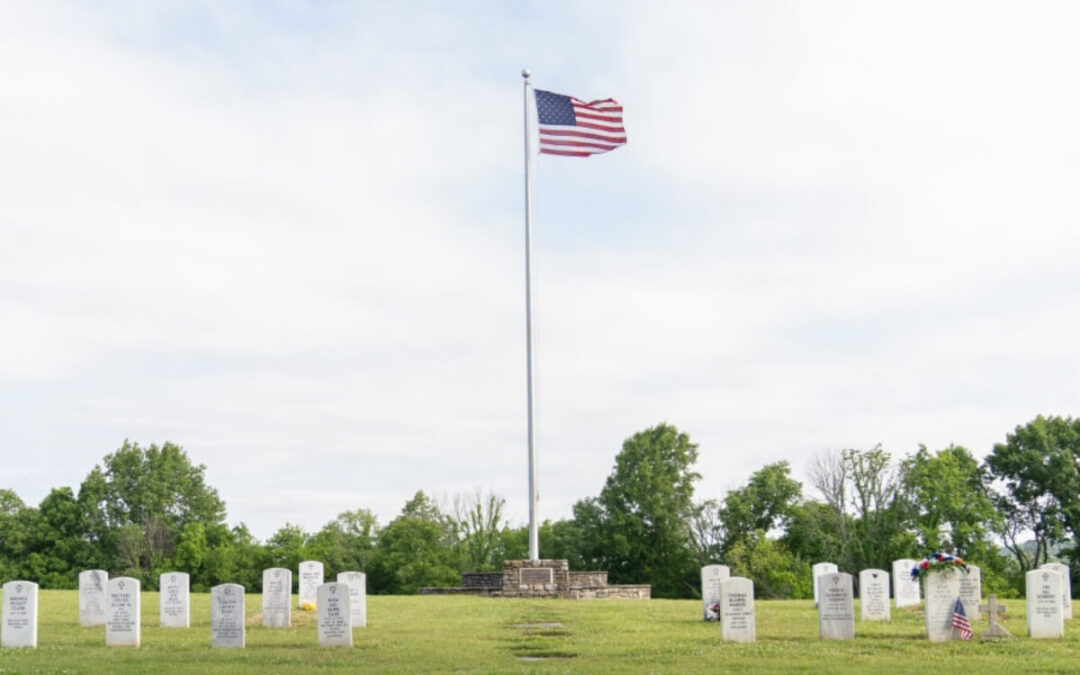
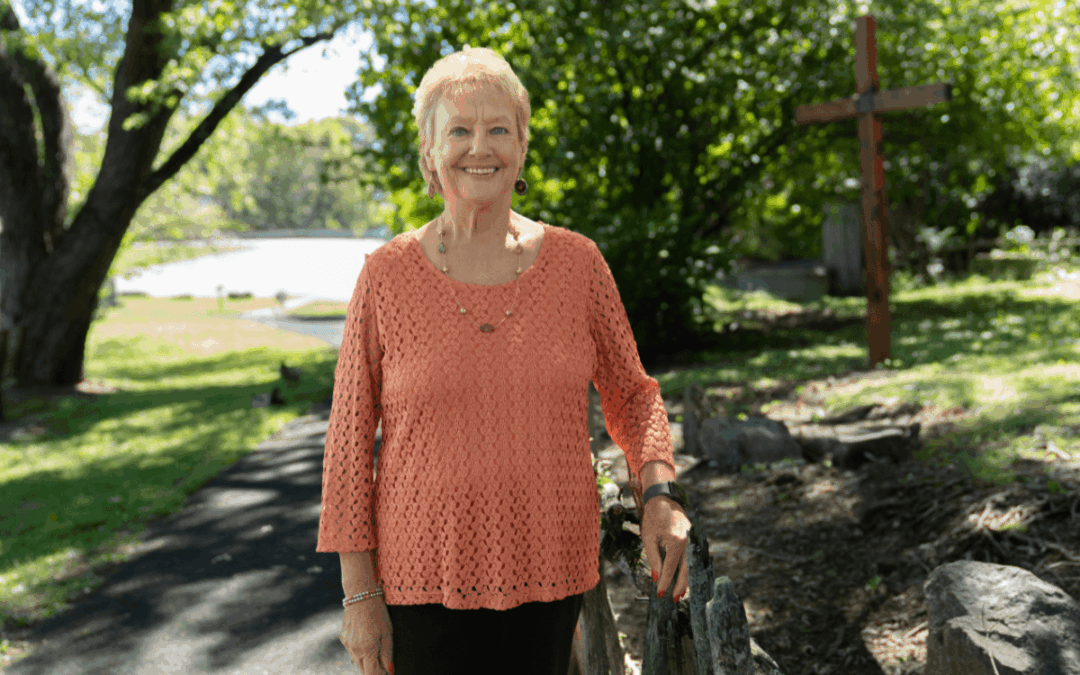
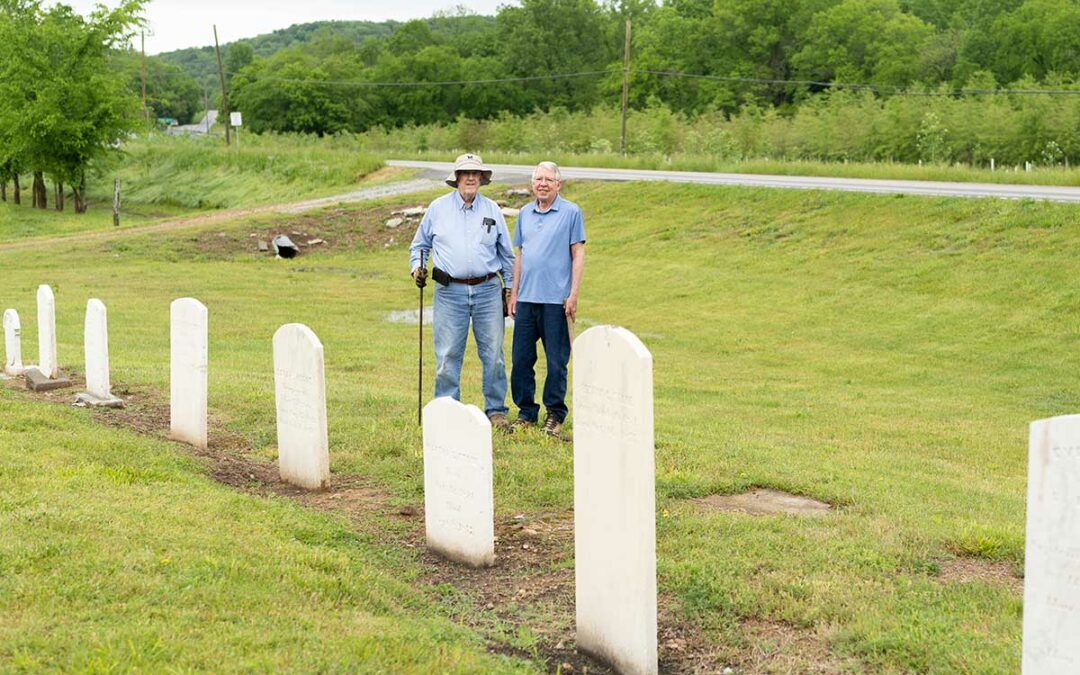
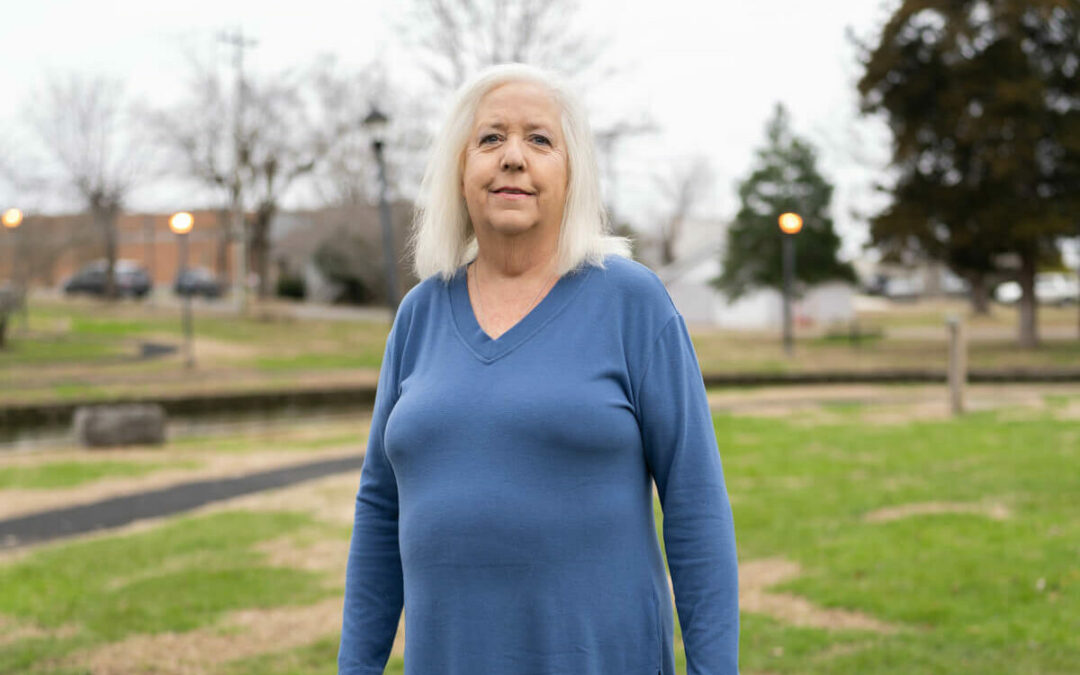
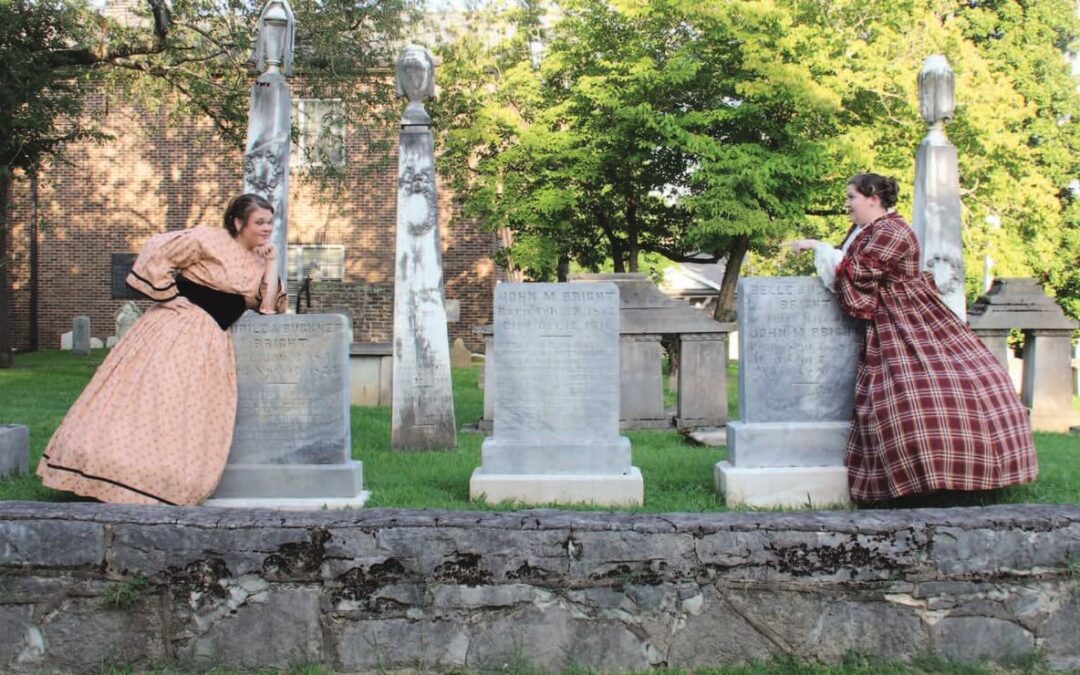
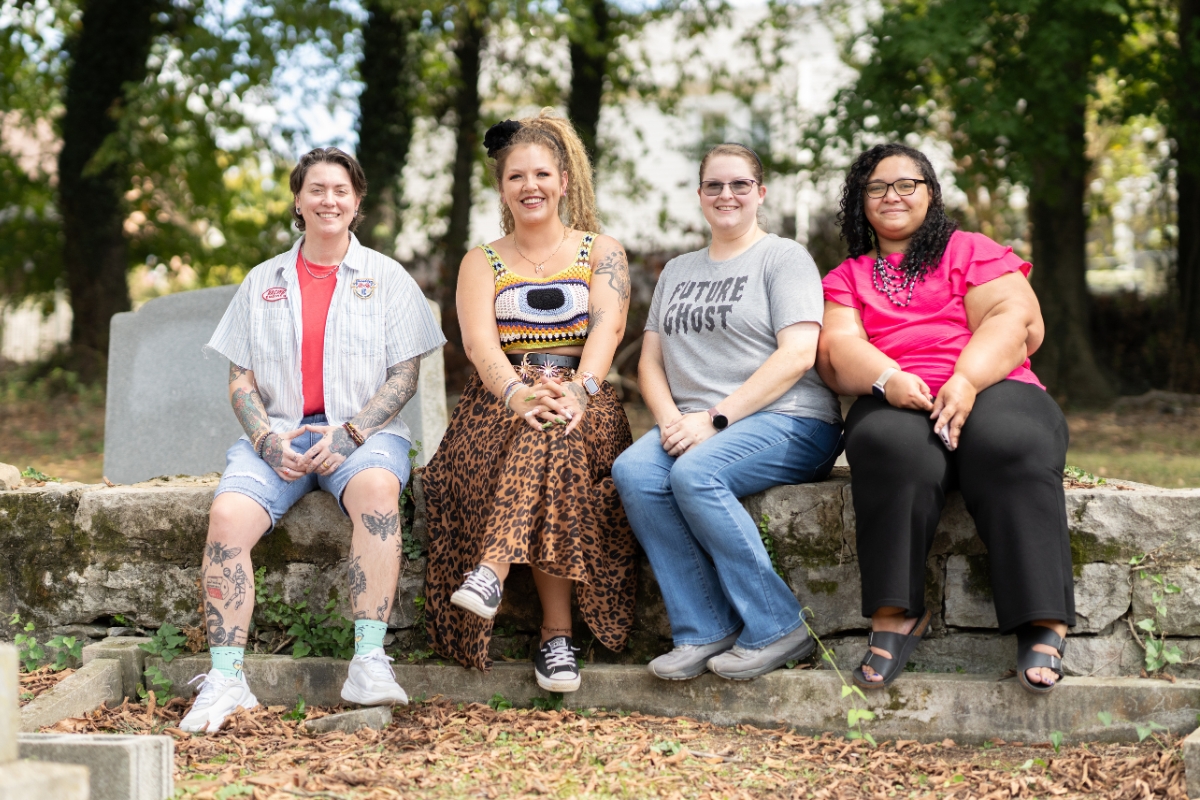
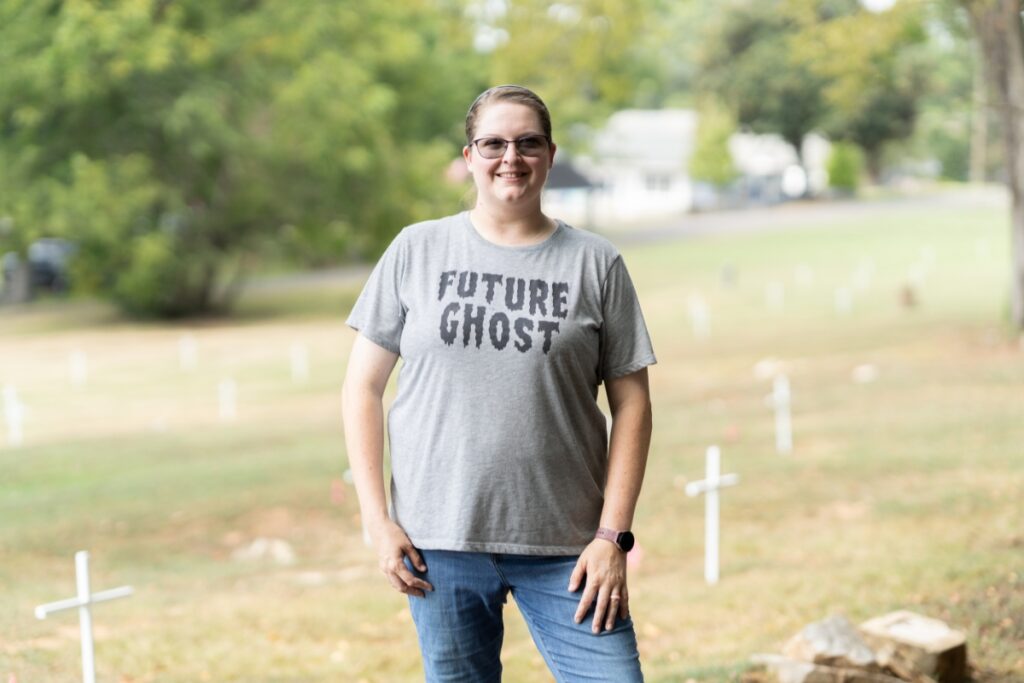
More than a century later, their names remain among the aging stones at the Fayetteville cemetery, where Amelia Webb has spent years restoring the grounds and uncovering the lives behind the names. Of roughly 188 known burials, only about 60 headstones remain, leaving Webb with plenty of names and questions to pursue.
Among them is the grave of Gertrude Harston, which Webb remembers as the first she cleaned at Ringo. There is also the grave of Harold Small, who died at just 1 year old. His small, handmade concrete marker bears his name carved into the surface by someone who wanted to make sure the little boy had a place to be remembered.
Then there is Charlotte Neal, whose story took Webb nearly two years to uncover. Charlotte’s name appears on a concrete slab dating to the early 1900s, but the marker contains no dates and even misspells her name. With so little information to work from, Webb kept searching until she could finally put a person behind the letters.
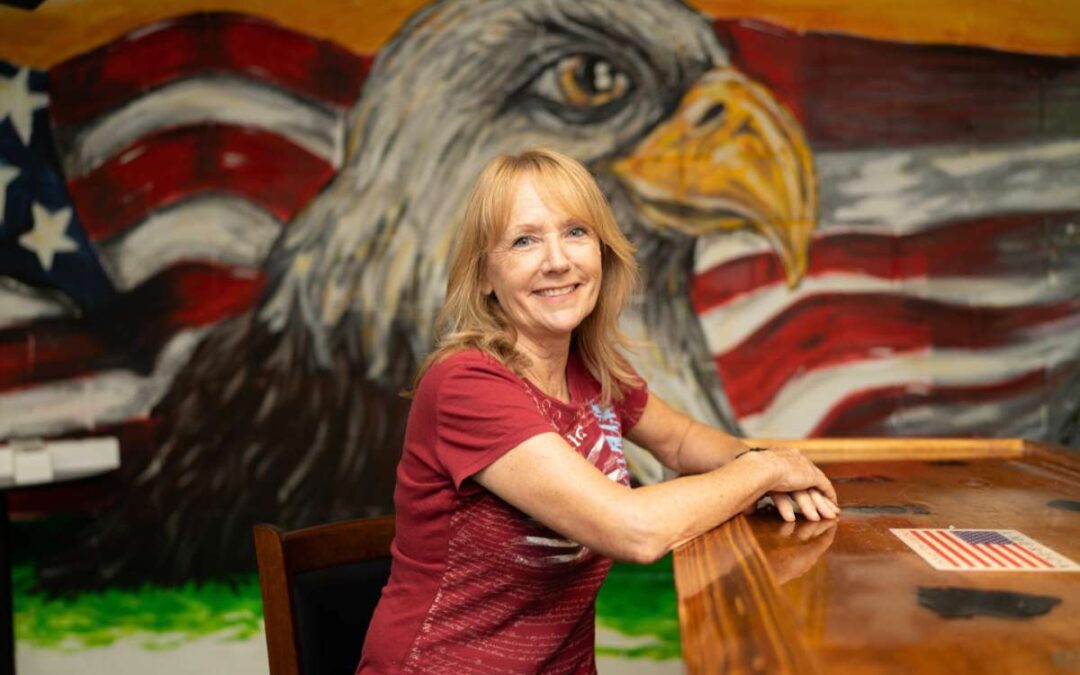
That curiosity has become the driving force behind Webb’s work. She does not consider herself a historian with all the answers, but she believes the people buried at Ringo deserve to be remembered.
“I’m just nosy,” Webb joked. “I want to know everything that’s going on.”
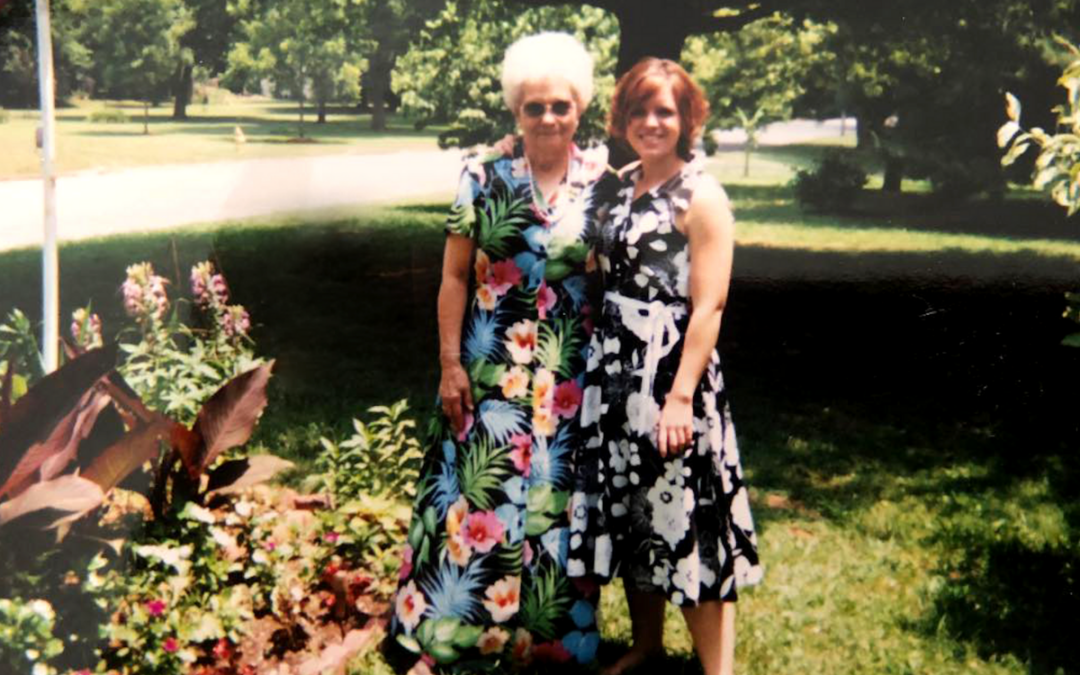
Her interest began in childhood, when her grandmother, who loved genealogy, would take her along to change flowers and visit graves. Those trips taught Webb to look closely at names and dates and think about the families behind them.
“That used to be somebody who was loved by their family and their community.”
As an adult, she found herself doing the same thing when she stumbled upon older graves that appeared neglected or forgotten. A grave without flowers or a stone nearly overtaken by grass could still belong to someone who had once been deeply loved, and Webb wanted to know who those people were.
Ringo eventually caught her attention. Webb had lived in Lincoln County most of her life, growing up in Flintville before moving to Fayetteville. She had passed the cemetery many times without realizing the history within its boundaries. There was no sign, relatively few visible headstones, and grounds that had fallen into disrepair.
Then she learned that Ringo was the first Black cemetery in Lincoln County established after emancipation.
Across the street, Rose Hill Cemetery, once segregated from Ringo, was well-maintained. Webb struggled to understand why one cemetery received care while the other had been left to deteriorate.
So she began taking care of it herself.
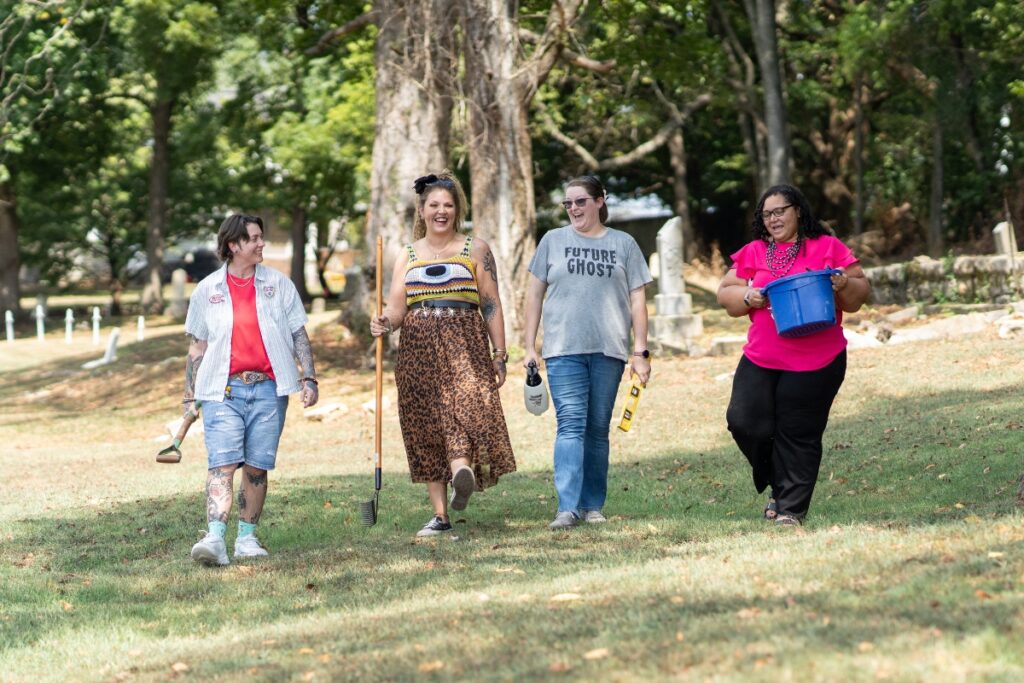
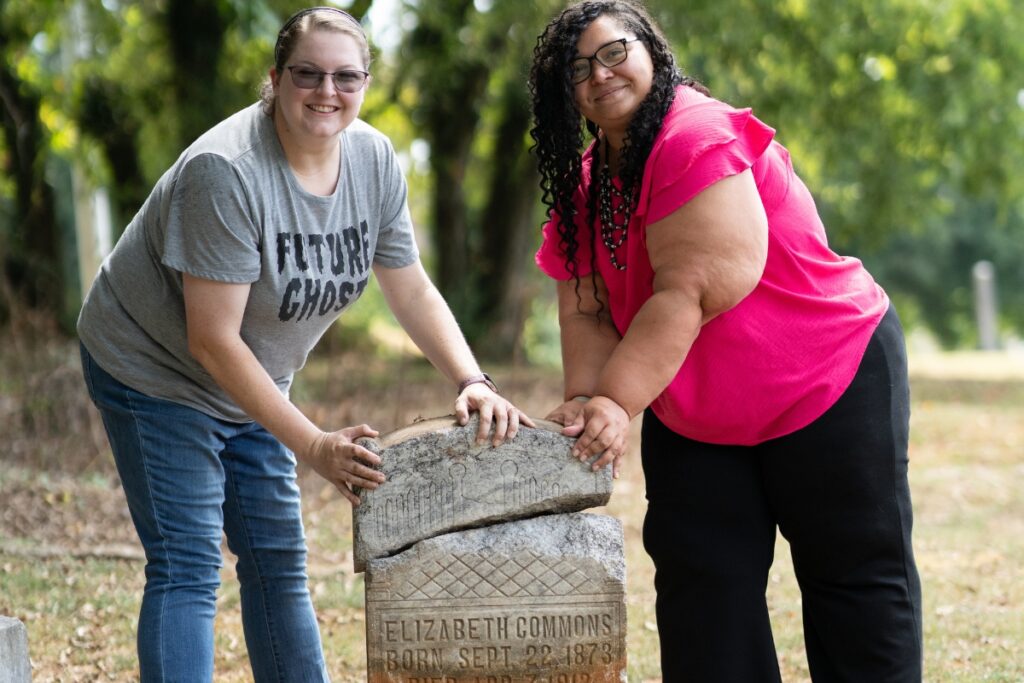
She started by cleaning the grounds, eventually moving on to restoring headstones, researching the people buried there, and learning how to properly care for historic marble and granite without damaging them. She has also worked to protect Ringo’s landscape, including its old trees, some of which have stood there long before she arrived.
The cemetery has taught her more than its physical history. As she researched the people buried there, Webb encountered the inequalities they faced in life. Families who could not afford elaborate headstones sometimes used concrete or whatever materials they had available, while others could not afford a marker at all.
“It just seemed somebody needed to step up and right a wrong.”
Her research has also uncovered difficult questions about local history, including disparities in medical care and the treatment of Black women during the early 20th century.
Webb is careful not to fill gaps in the record with assumptions. Her goal is to uncover what can be documented, preserve what remains, and give families an opportunity to learn more about the people who came before them.
Veterans are among those buried at Ringo, too. Webb has identified men who served or registered for military service during the World Wars. Through Wreaths Across America, she has received five donated wreaths to place on veterans’ graves.
Still, there is much she does not know.
Webb wants to understand how Ringo got its name, learn more about families whose descendants eventually moved to places such as Atlanta and Memphis, and connect with relatives who may carry stories that never made it into official records.
Those connections matter because records can provide names and dates, but family stories can bring the people themselves back into focus.
“I would probably cry if I finally found someone who knew more about the cemetery,” she said. “There are ties somewhere. I’m going to find them one of these days.”
There are still names at Ringo, some with stones and some without, and Webb continues searching for the stories that connect them to the families and community they left behind.
For her, preserving the cemetery means making sure those people do not disappear simply because time has worn away their markers. Sometimes, the first step is as simple as noticing a name. From there, Webb keeps looking for the life that name once represented. GN